Engineered for absolute reliability, system integration, and extreme operating parameters.
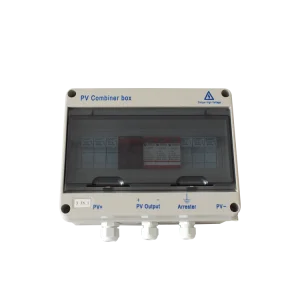
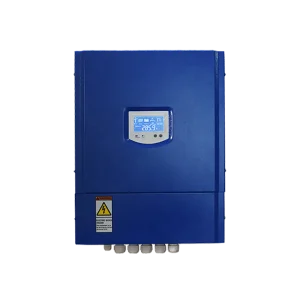
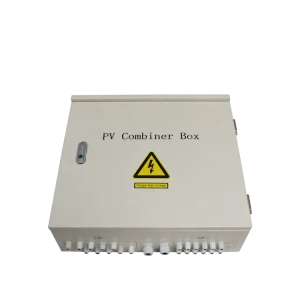
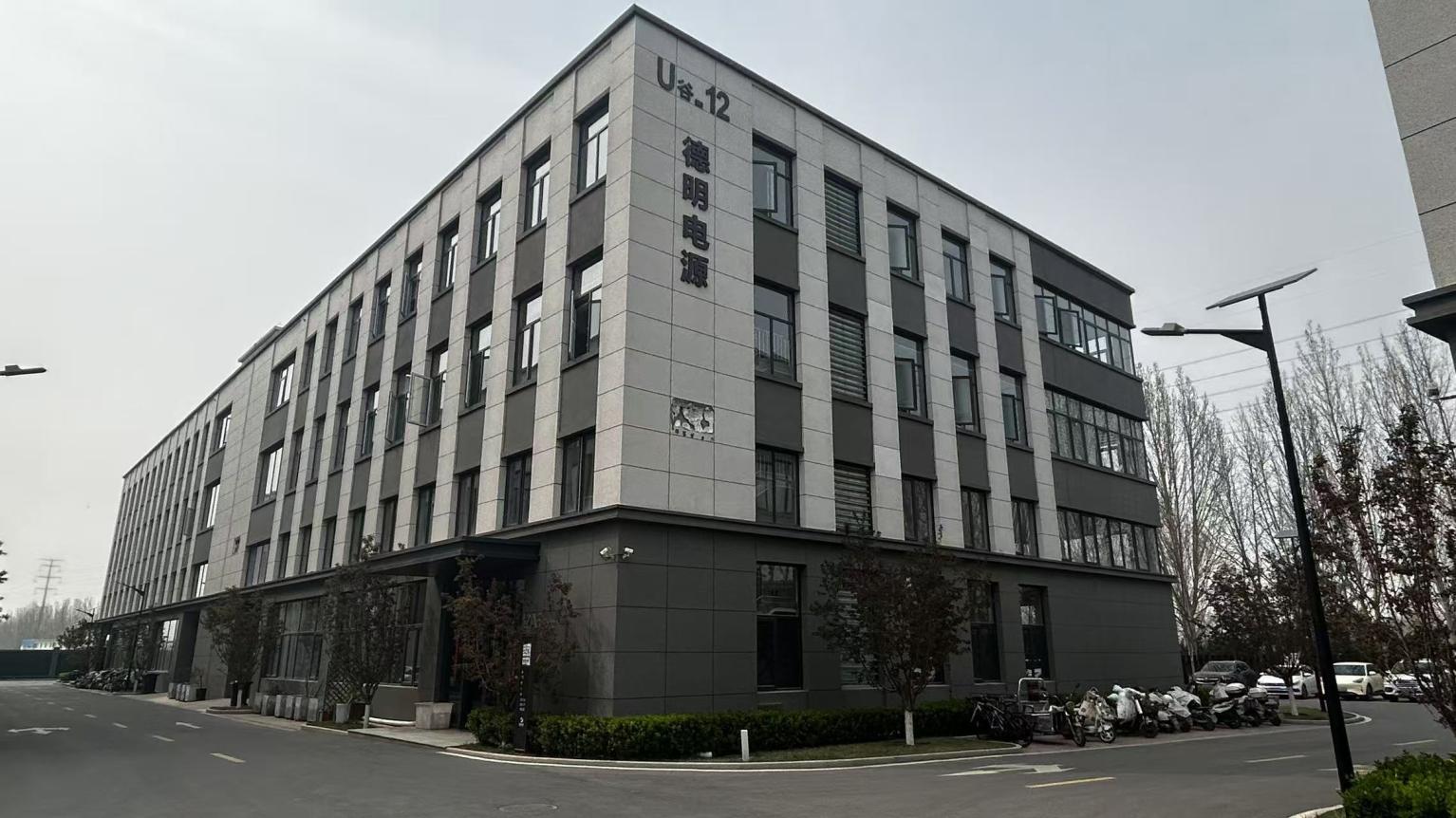
Established in 2004, Jinan Deming Power Equipment Co., Ltd. has evolved into a premier national high-tech enterprise at the forefront of the global energy transition. With a relentless focus on renewable energy conversion, advanced hybrid microgrid regulation, and utility-scale bidirectional storage converters, we provide the foundational physical architecture required to guarantee grid resilience in an era of unprecedented decentralization.
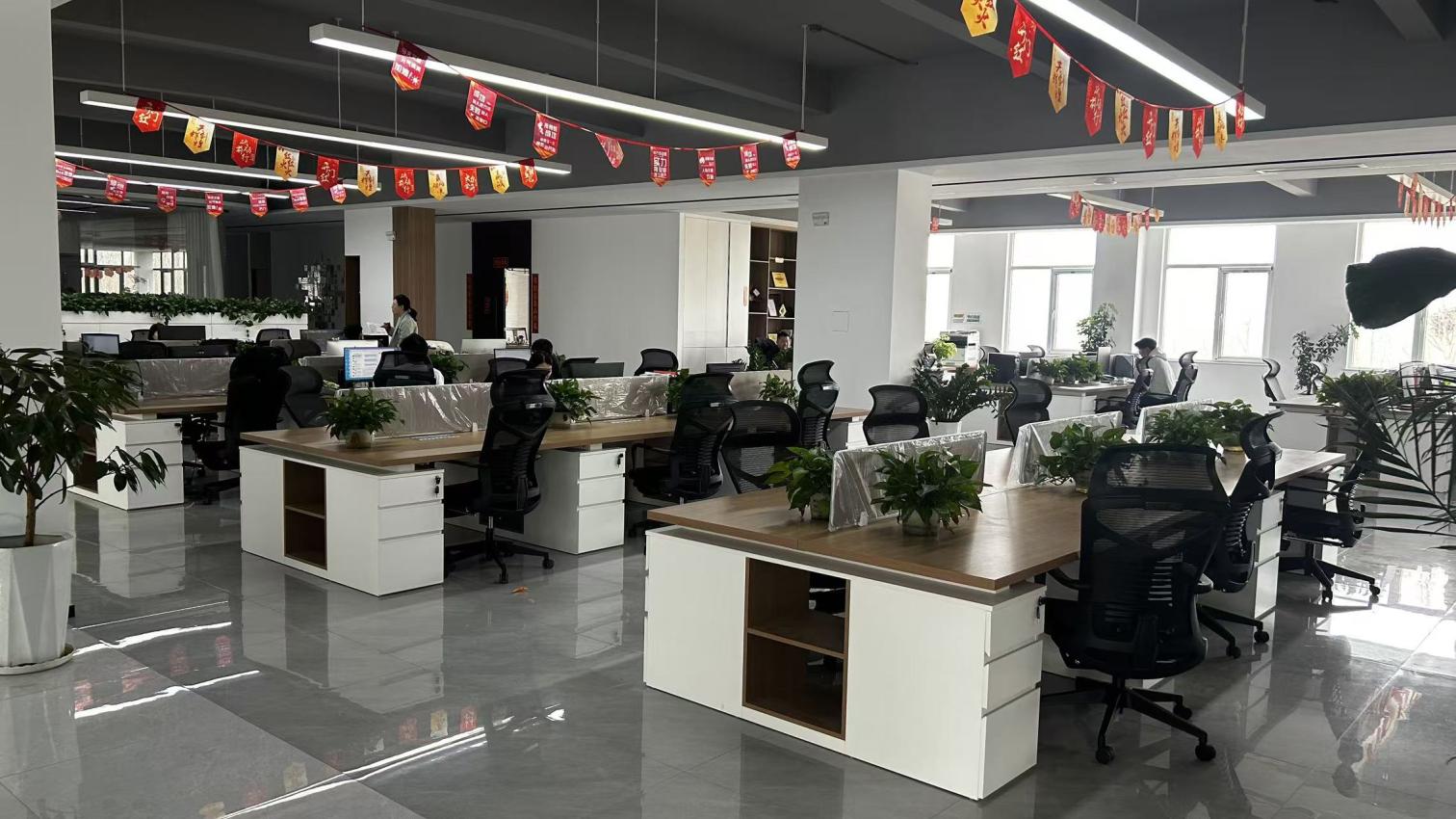
Unlike standard off-the-shelf equipment assemblers, Deming commits no less than 20% of its annual sales revenue to dedicated research and development. Our engineering division features a high-caliber team of 16 research engineers, including PhD academic supervisors, master’s scholars, and senior power electronics architects. Over the past three years alone, we have executed 17 state-level and commercial research projects, translating 16 key scientific and technological breakthroughs directly into patented grid infrastructure products.
Modern electrical networks face a triple threat: extreme weather incidents driven by climate shift, physical/cyber vulnerability, and the inherent instability of high-penetration variable renewable energy (VRE). True energy resilience demands off-grid capability, seamless islanding, and real-time frequency stabilization.
Static UPS systems are dead assets. Tomorrow’s commercial and industrial (C&I) installations require Bidirectional Power Conversion Systems (PCS) capable of peak shaving, load shifting, and participating in virtual power plants (VPP) via localized ancillary grid services.
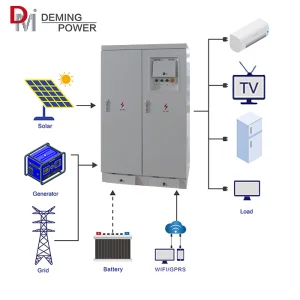
Simplistic solar-plus-storage topologies cannot withstand prolonged outages. The state of the art demands dynamic hybrid integration where wind turbine generators, photovoltaic arrays, diesel generation sets, and electrochemical battery banks co-exist under a single smart controller.
Global procurement teams from Europe, North America, and Australia have moved past simple price-per-watt metrics. Today, the focus is squarely on total lifecycle costs, technical compliance, and architectural safety parameters:
Deep dive into microgrid control logic, frequency stabilization, and smart energy transitions.
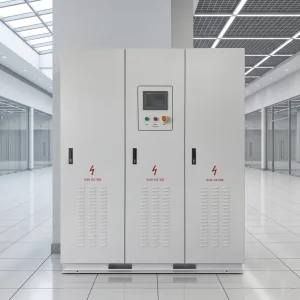
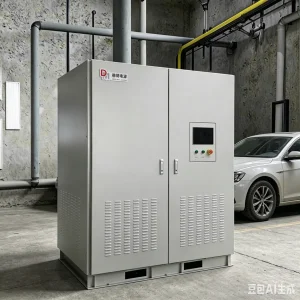
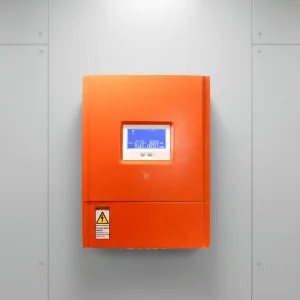
In distributed energy systems, microgrid stability is primarily governed by active power regulation. When incorporating wind, solar, and diesel assets, frequency deviation occurs due to load disparities. Deming's 50kW Solar-Wind-Diesel Hybrid Frequency Regulator utilizes advanced active load management, functioning as a dynamic dump-load controller. During periods of generation surplus, the system shunts excess power to auxiliary arrays or thermal reservoirs in sub-millisecond cycles. During load spikes, the system stabilizes the frequency curve, reducing diesel engine wear and preventing localized grid drop-out.
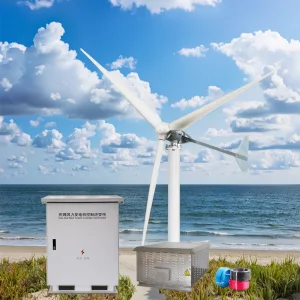
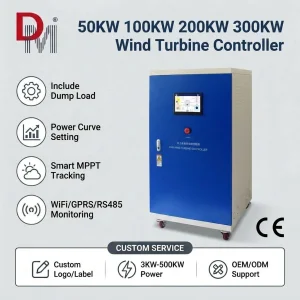
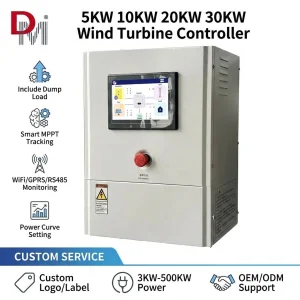
Unlike solar panels with linear outputs, wind turbines possess highly non-linear power curves subject to aerodynamic turbulence. Deming's Wind Turbine Controller leverages three-phase Maximum Power Point Tracking (MPPT) algorithms that continuously sample voltage and current inputs to recalculate wind rotor torque limits. By dynamically adjusting electrical resistance on the alternator, the controller maintains optimum tip-speed ratios, boosting seasonal energy harvest by up to 27% compared to traditional PWM systems.
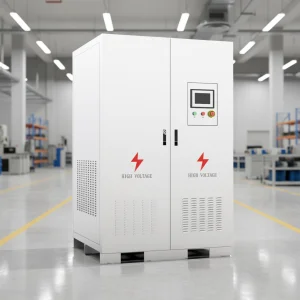
Utility-scale battery storage requires intelligent bidirectional grid interface. Our 300kW Three-Phase Bidirectional PCS Inverter operates across four quadrants, supporting active power injection (P) and reactive power regulation (Q) for power factor correction. In grid-tied configuration, the system synchronizes seamlessly using phase-locked loops (PLL). During outage events, the PCS transitions to grid-forming mode (black start capability), establishing a stable local reference voltage for critical industrial facility loads.
The roadmap for power grid resilience focuses on hardware-in-the-loop validation, silicon carbide (SiC) semiconductor architectures, and AI-driven predictive control. By transitioning from standard silicon IGBTs to SiC power modules, our next-generation converters target 99.5% efficiency, reducing system volumes by 35% and operating temperatures by 20°C. Furthermore, cloud-based predictive maintenance protocols will leverage real-time telemetry from MPPT charge controllers and converters, predicting component degradation before faults manifest in the field.
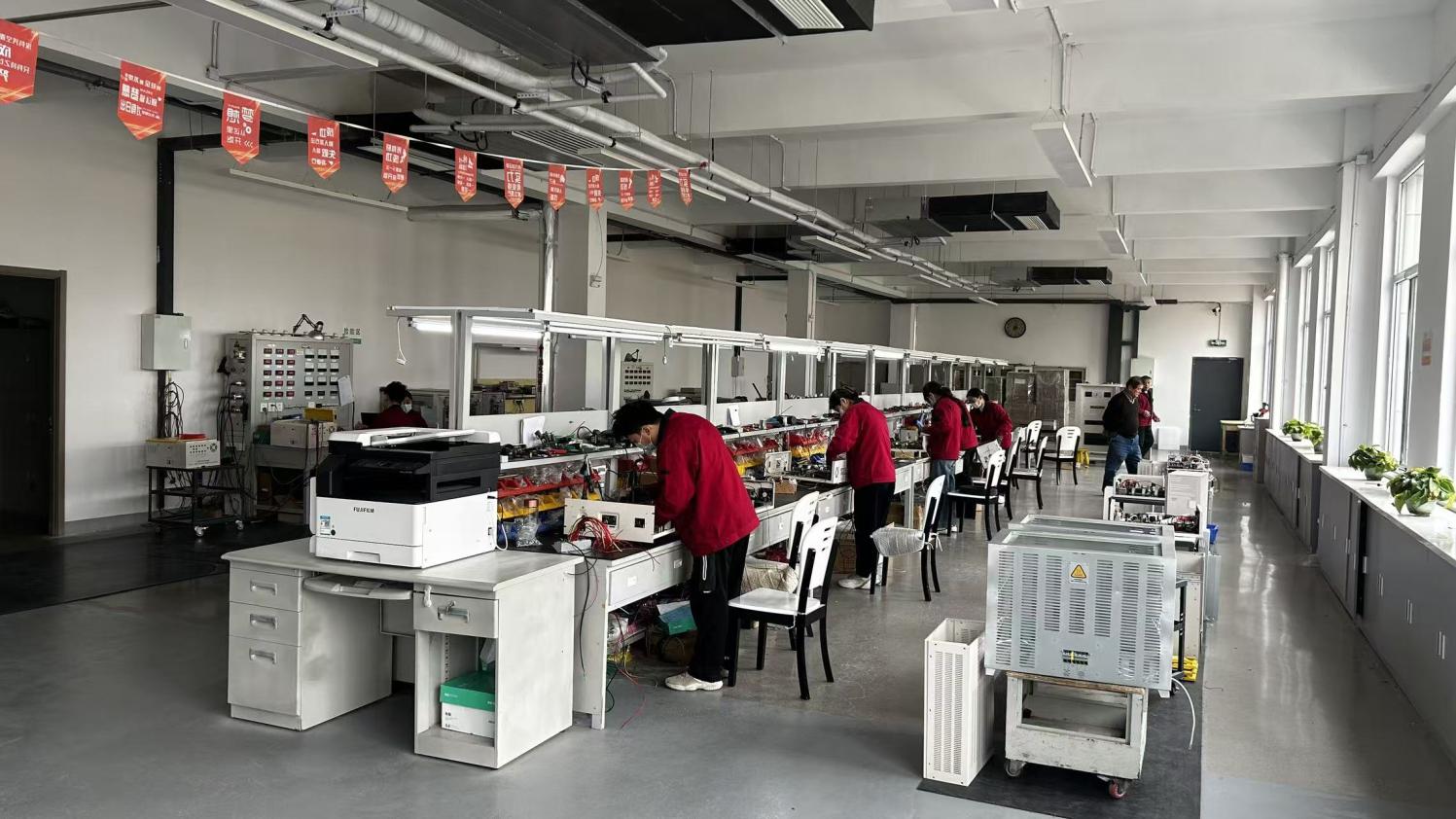
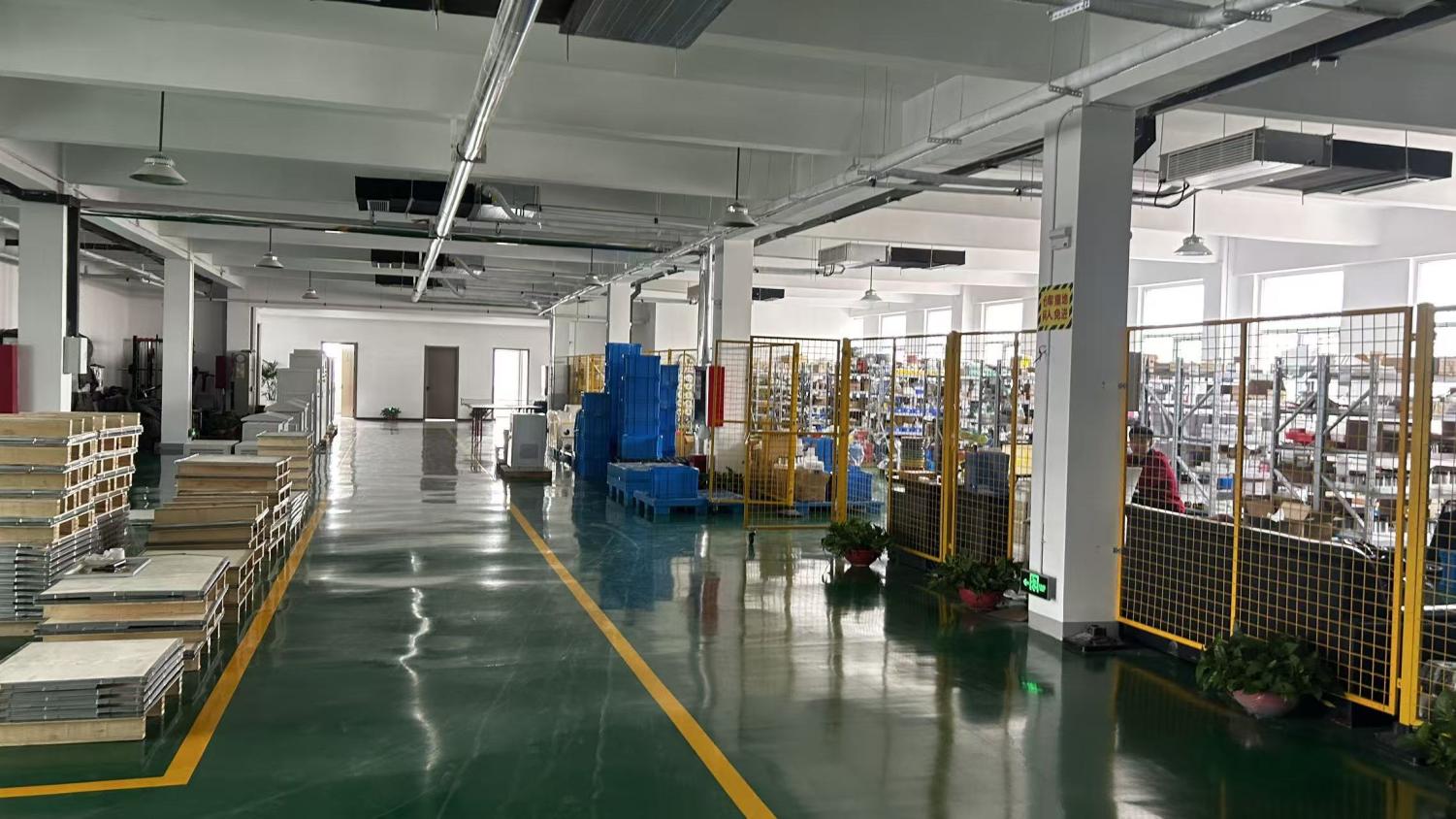
Every piece of power equipment is fabricated, inspected, and calibrated under rigorous industrial standards inside Jinan Deming facilities.
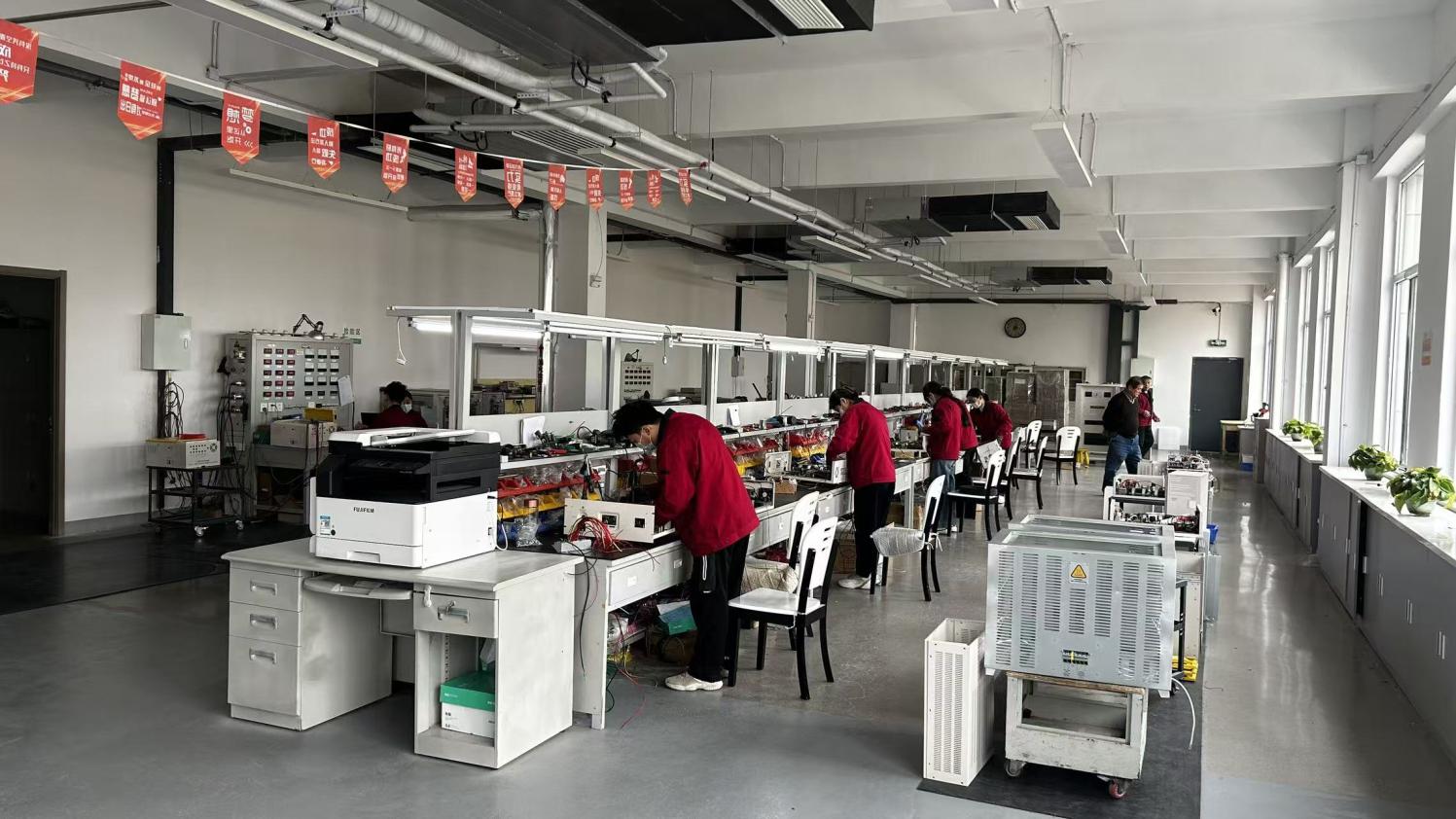
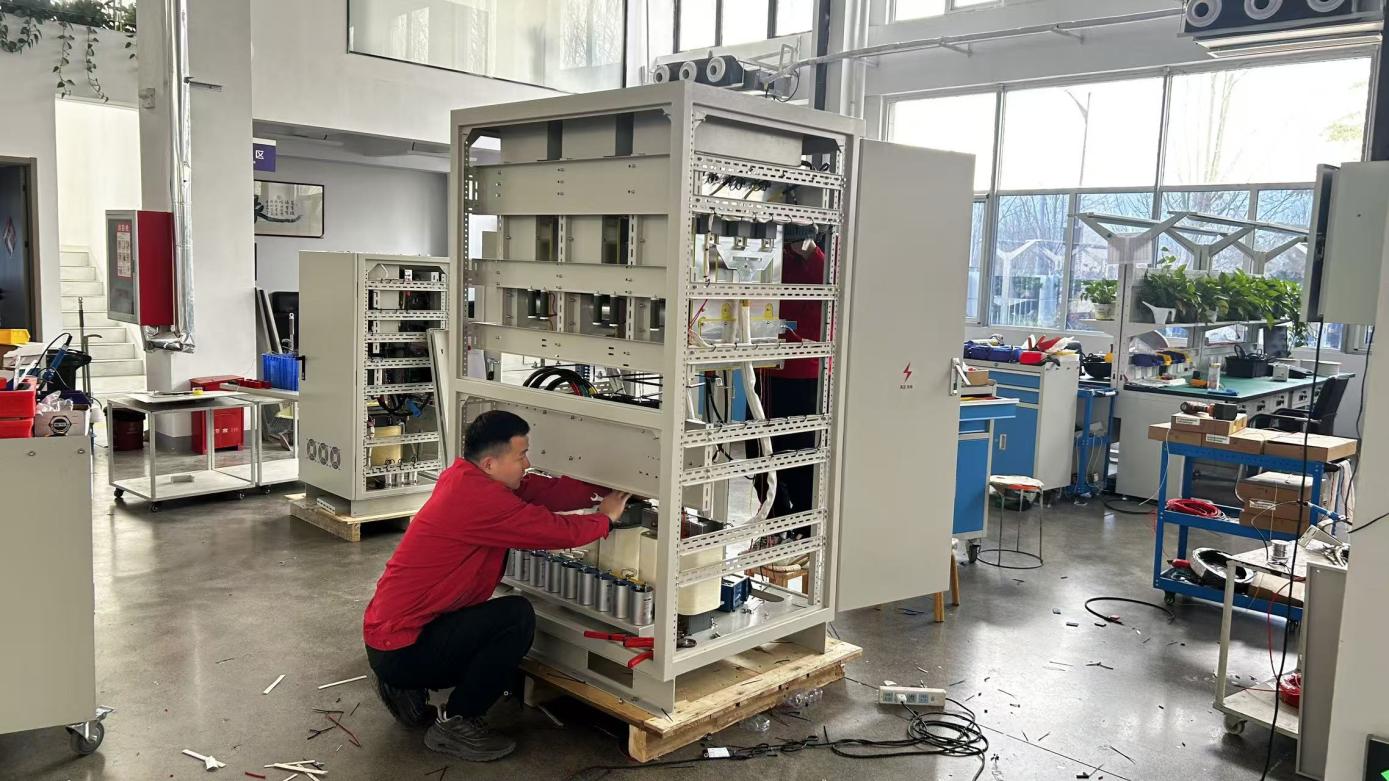
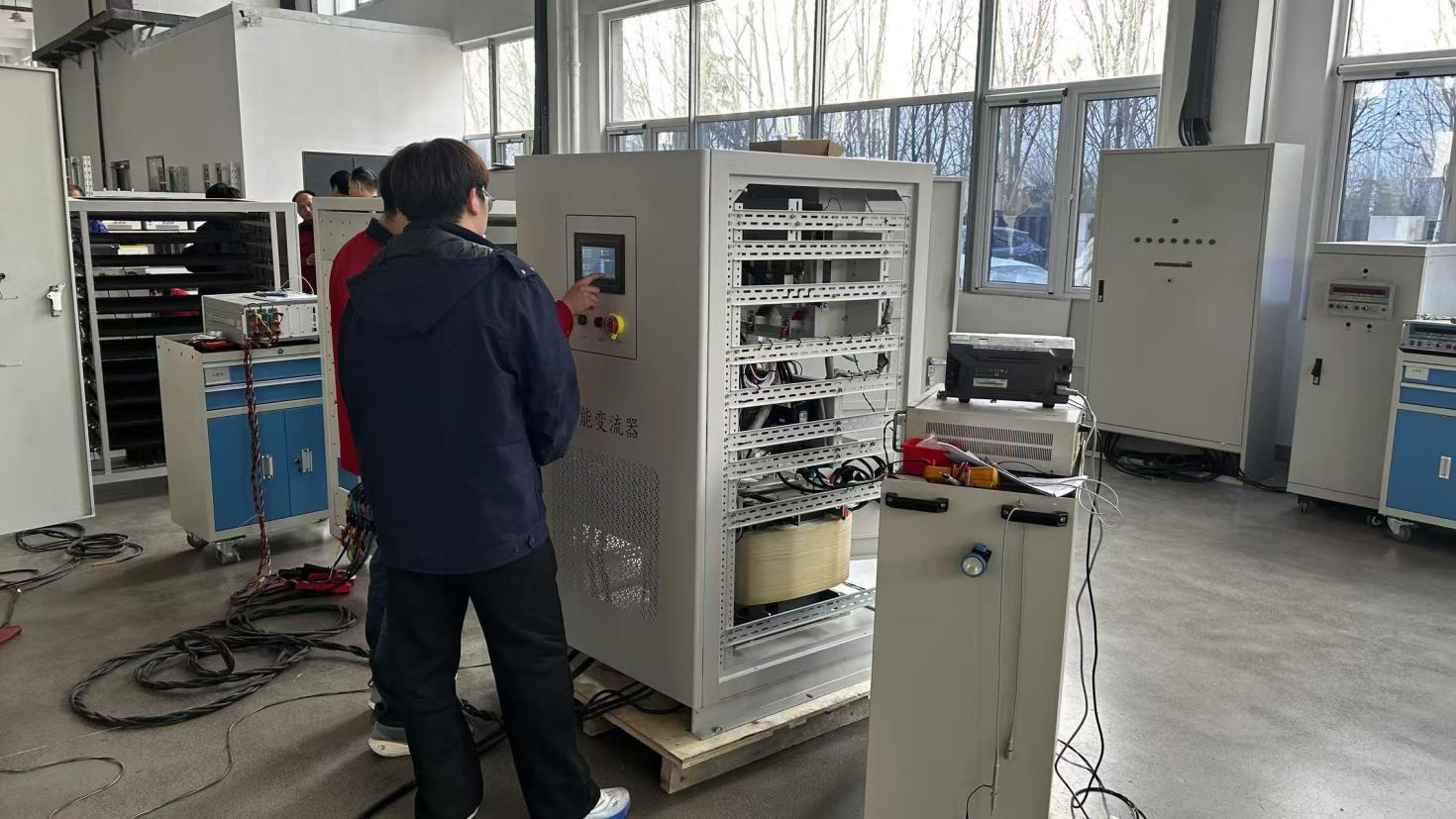
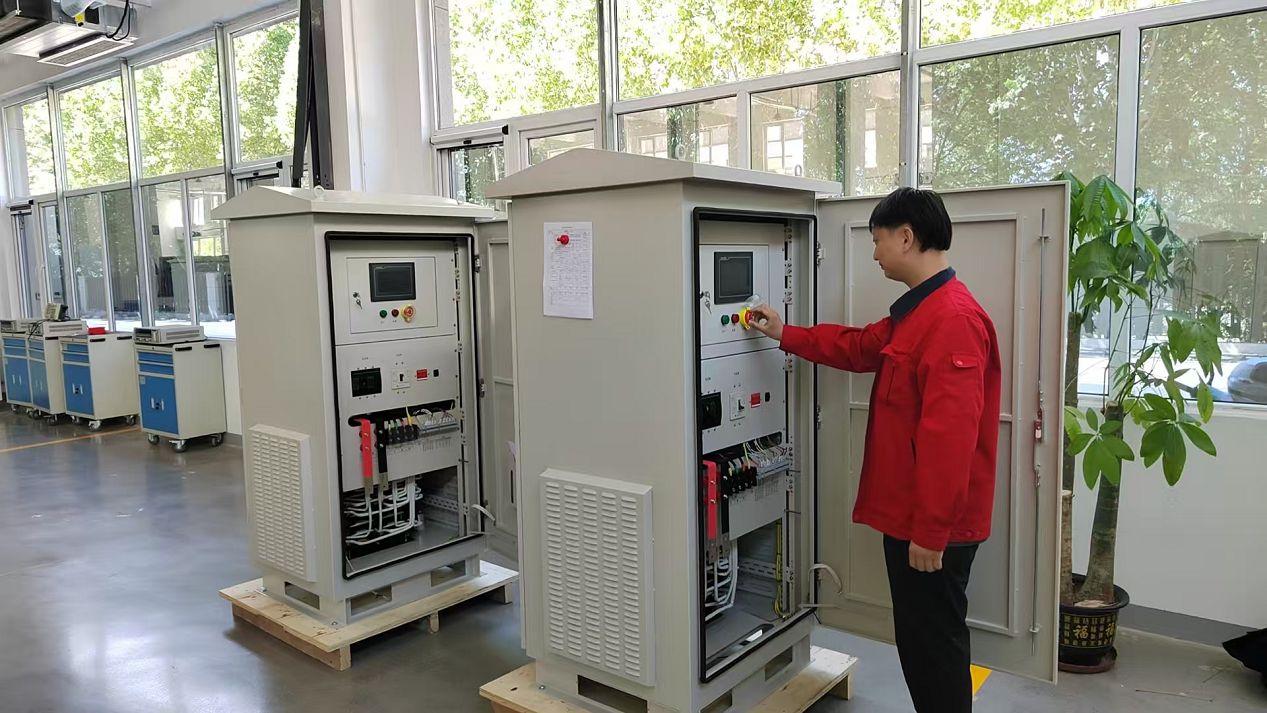
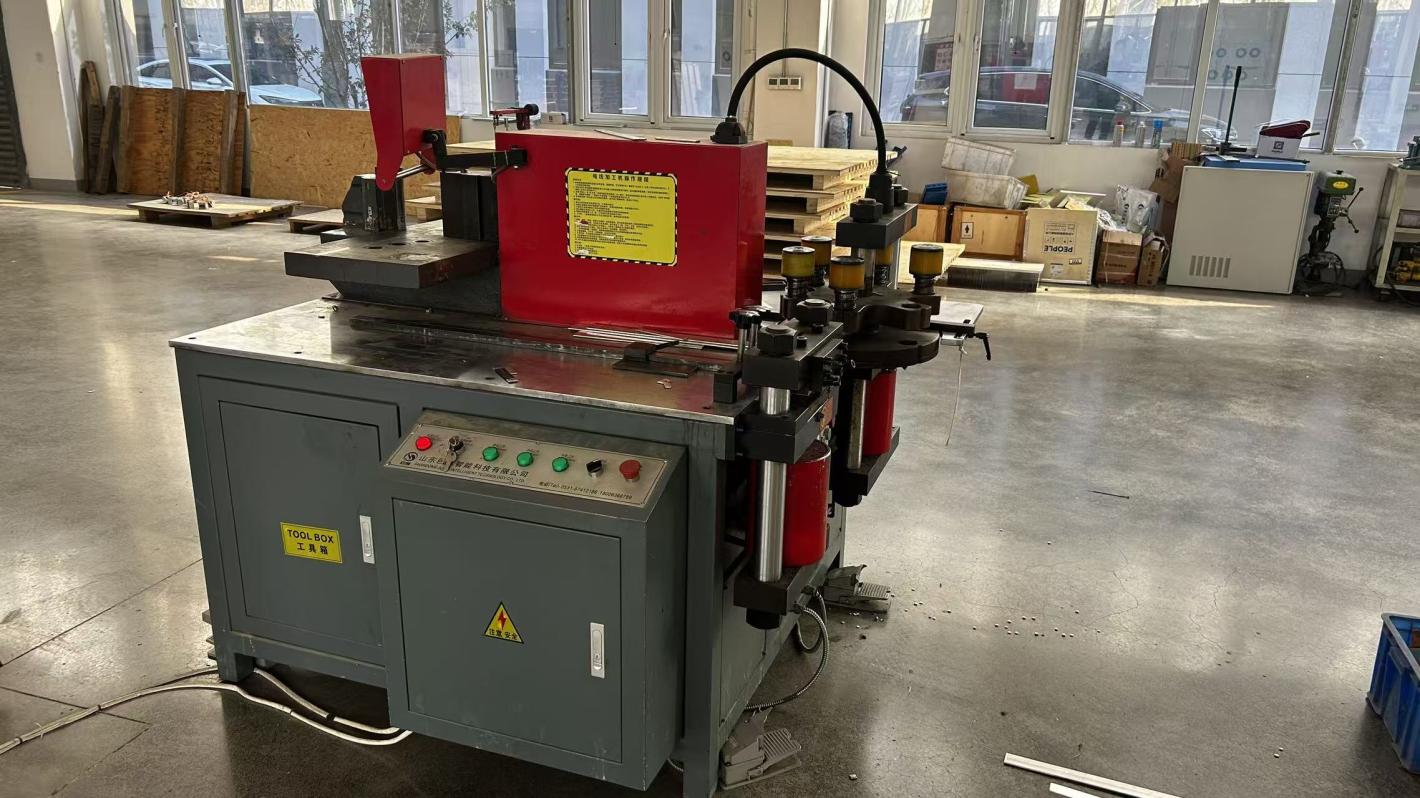
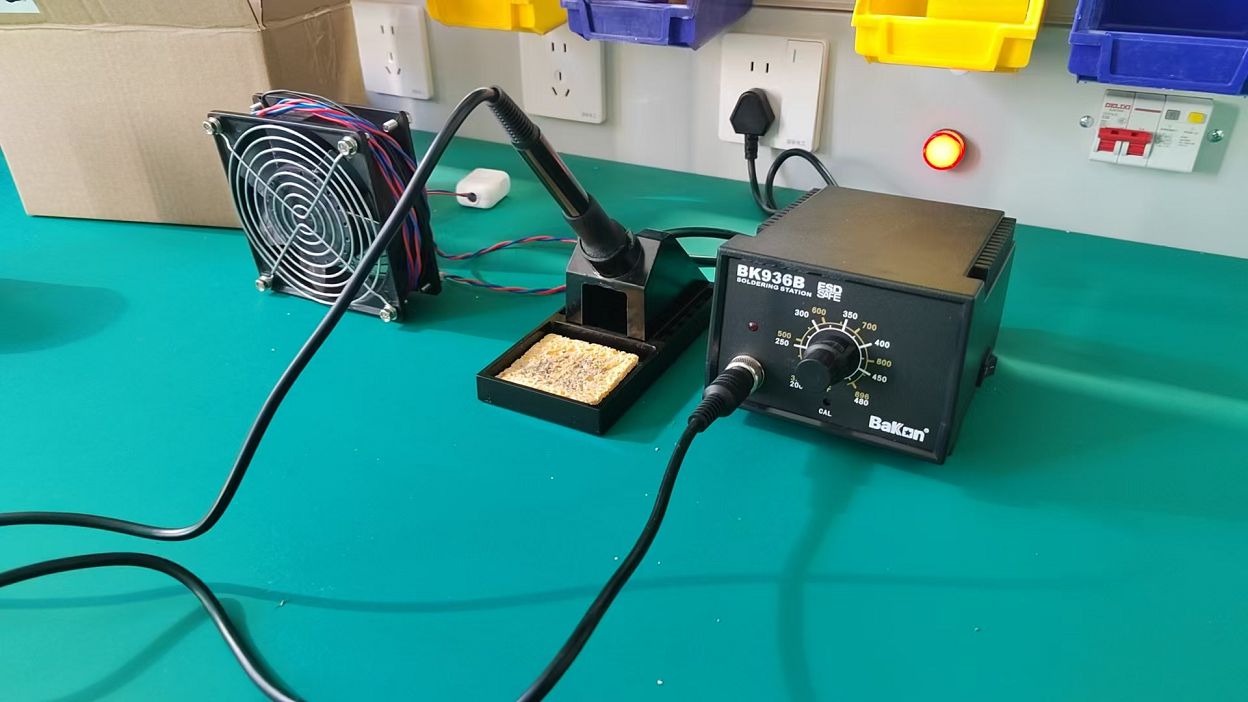
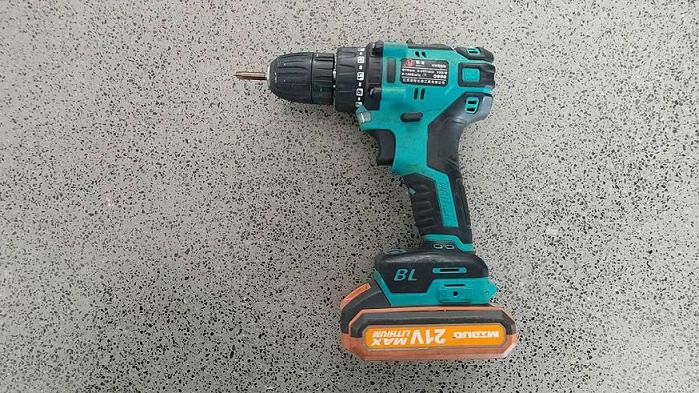
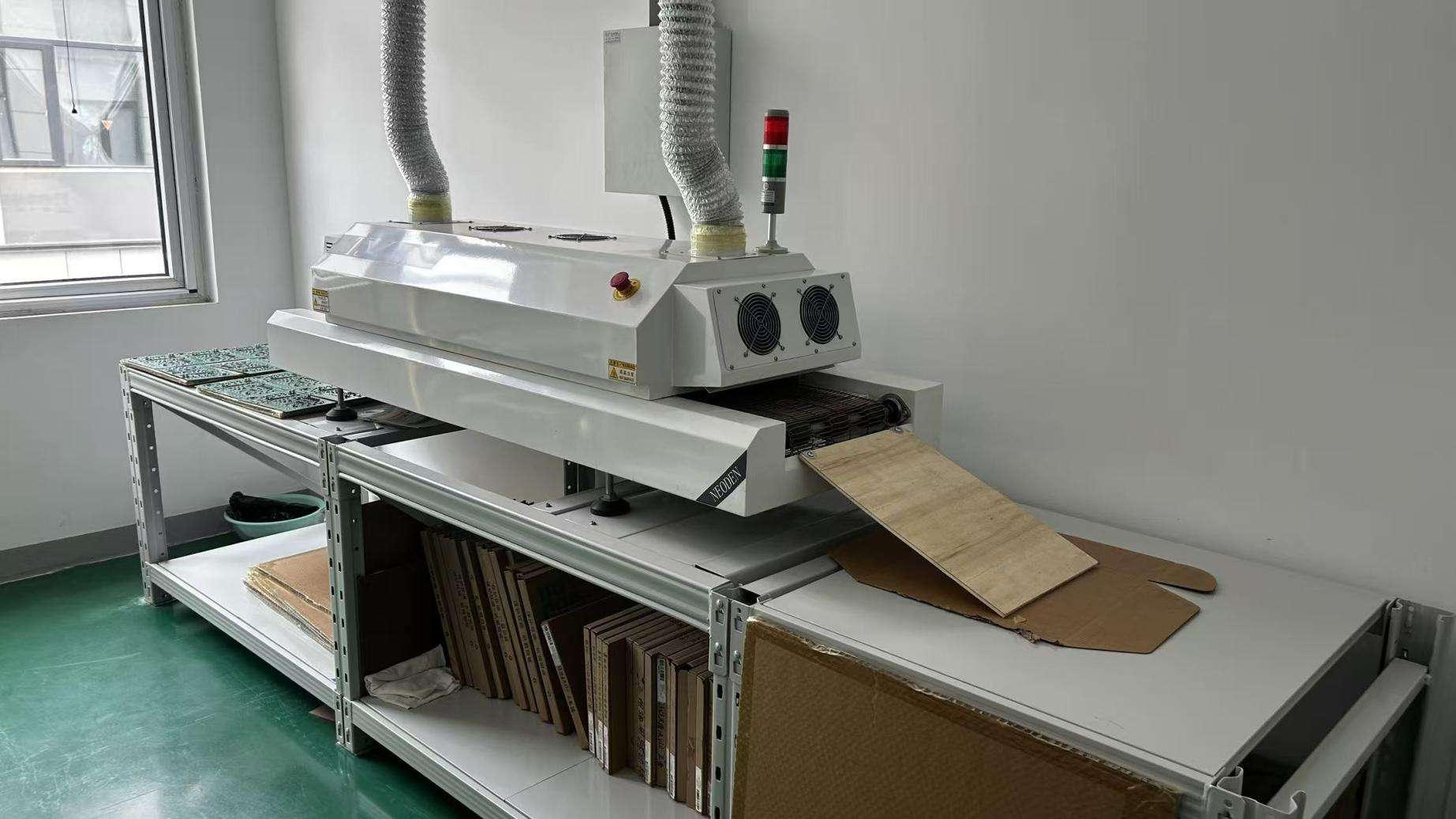
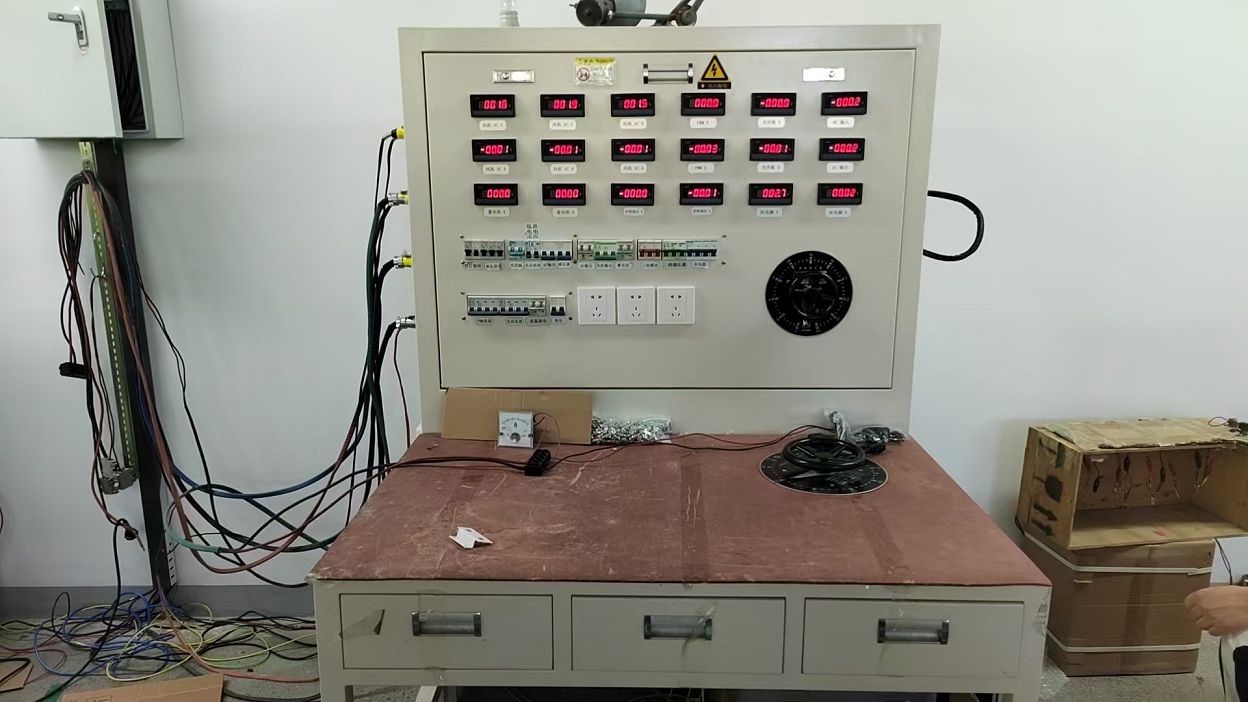
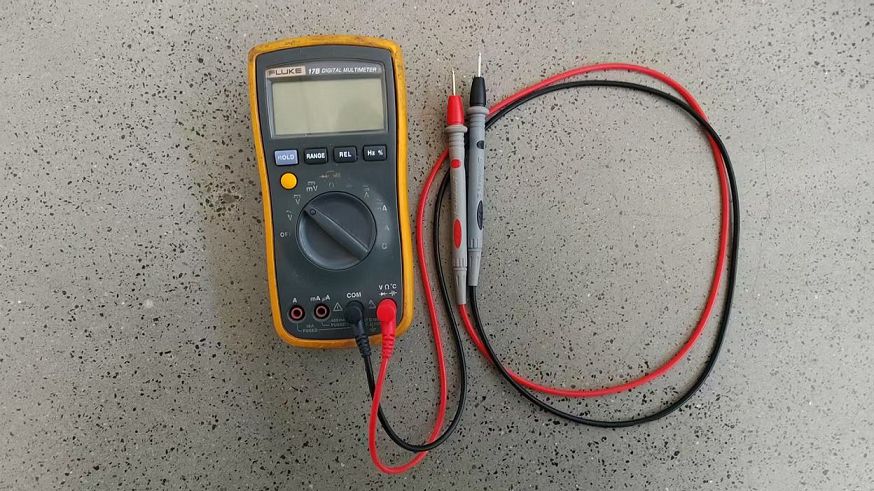
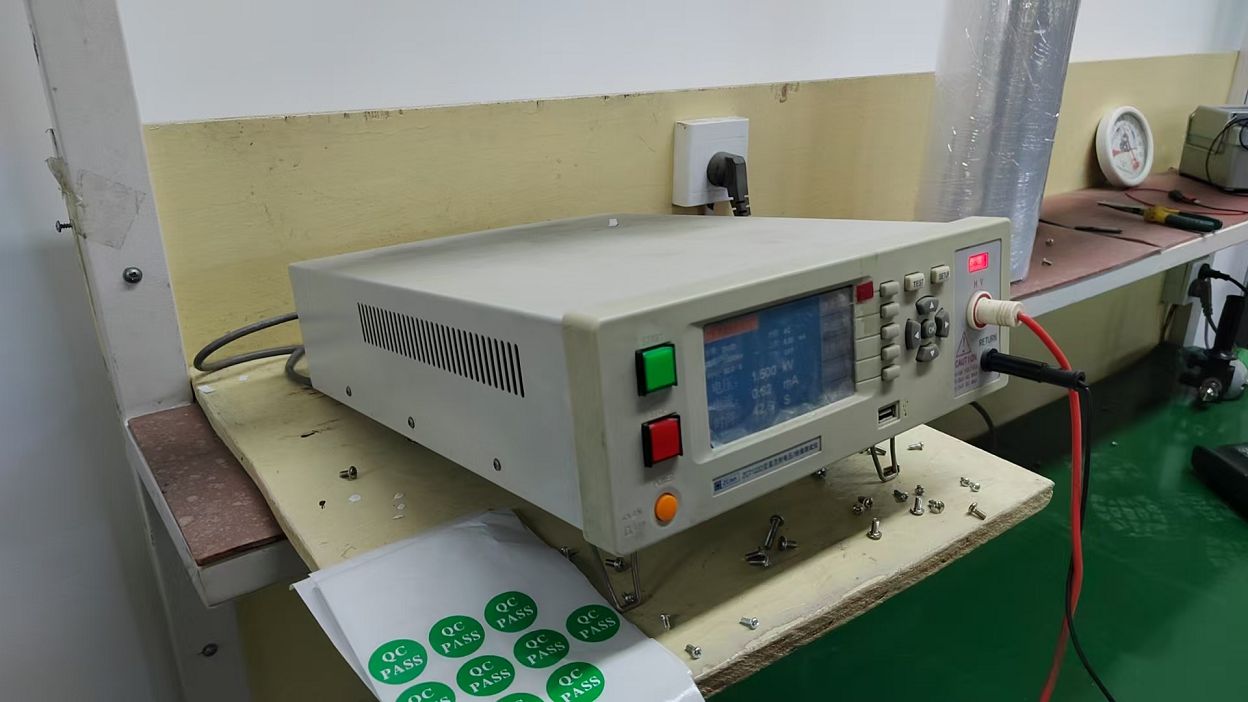
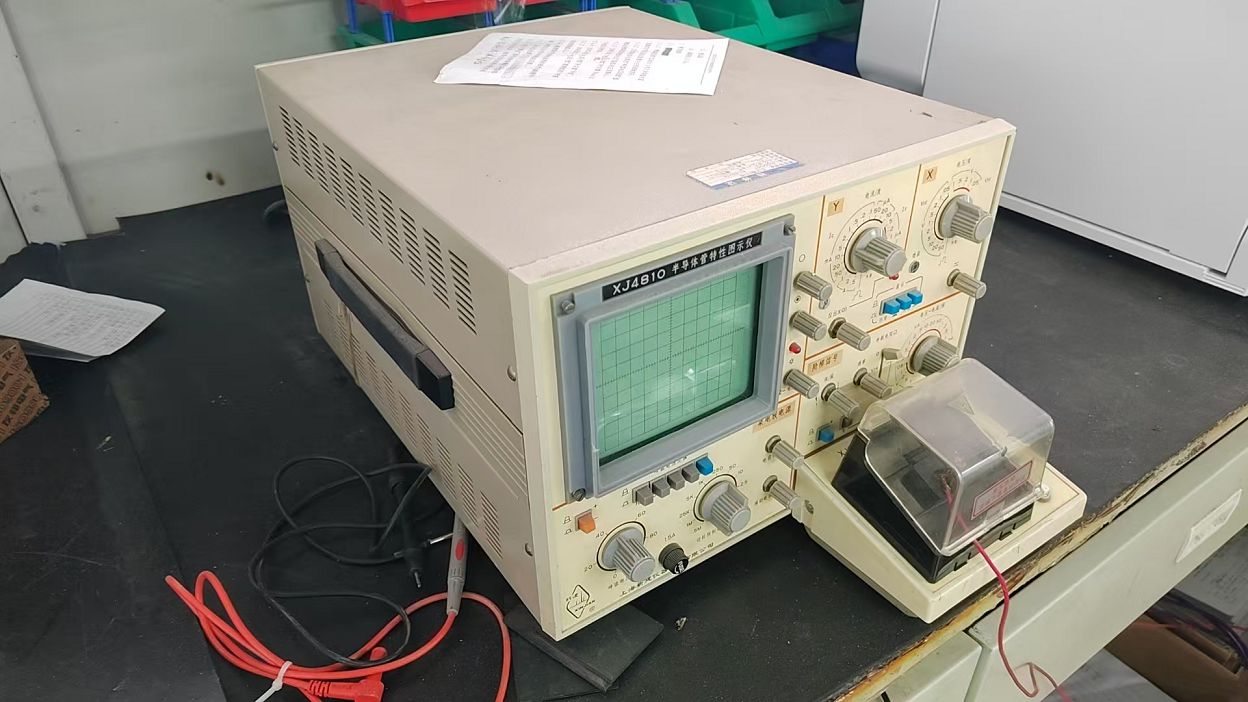
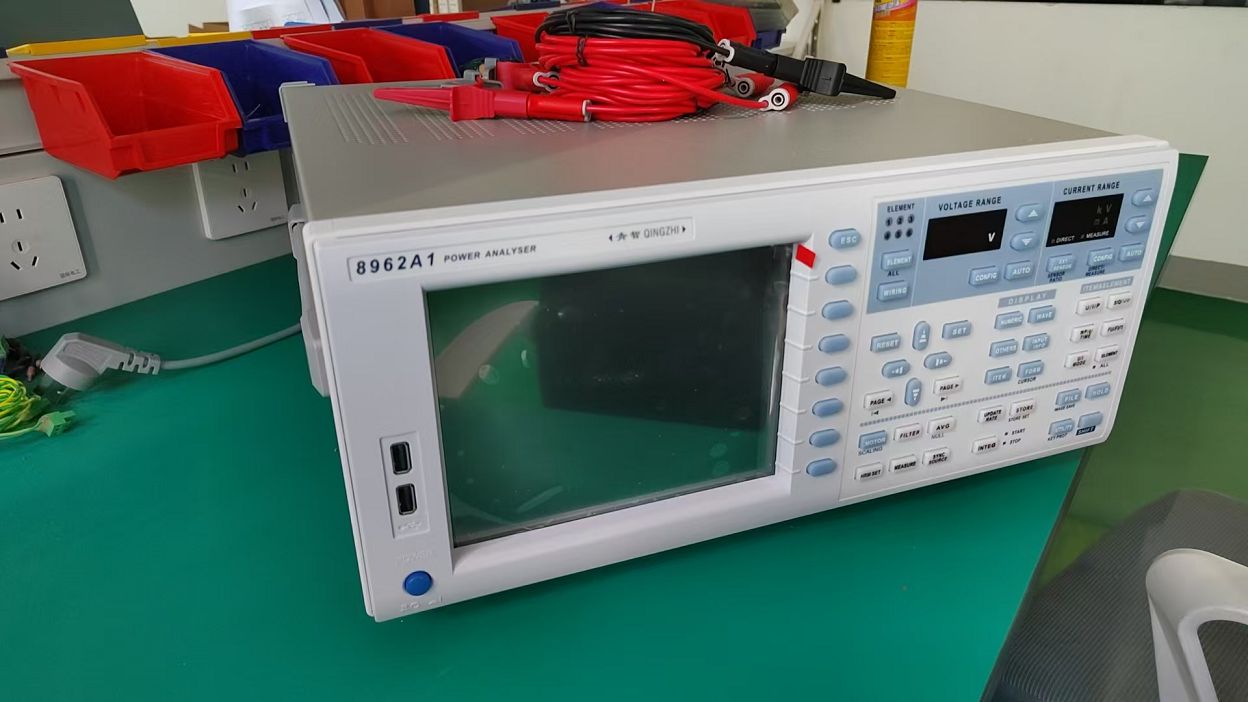
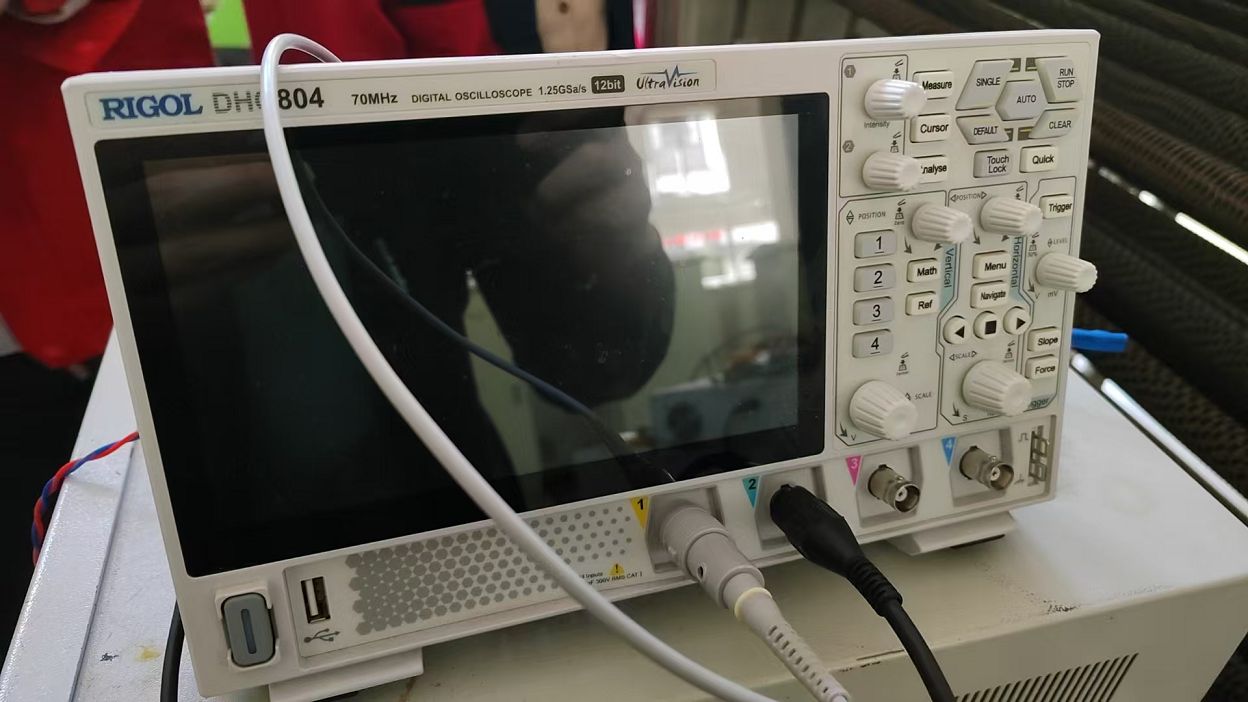
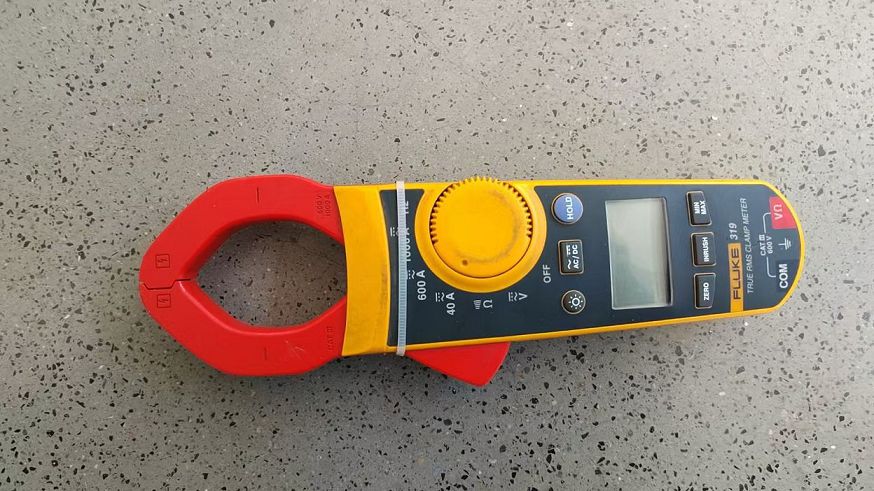
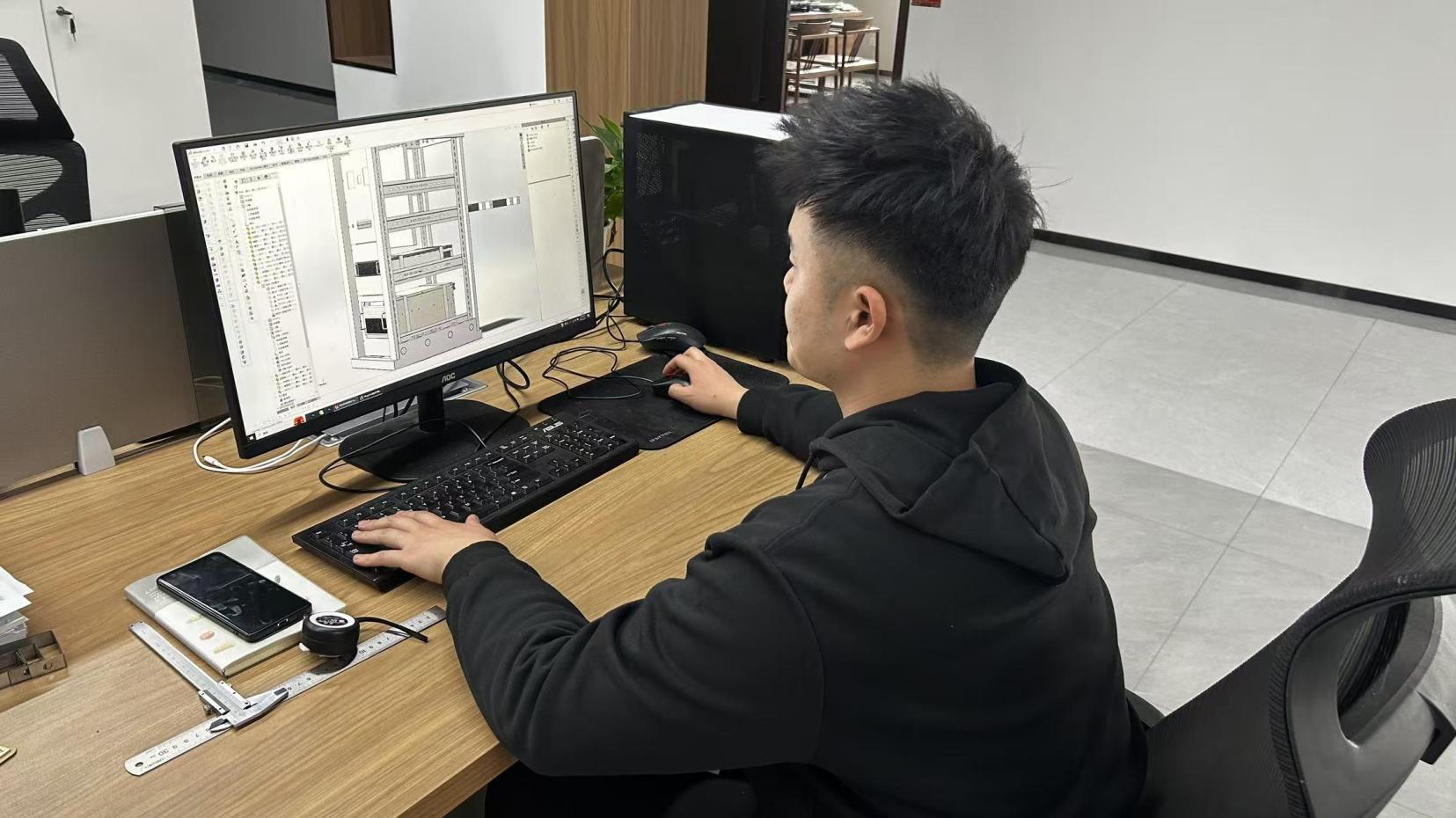
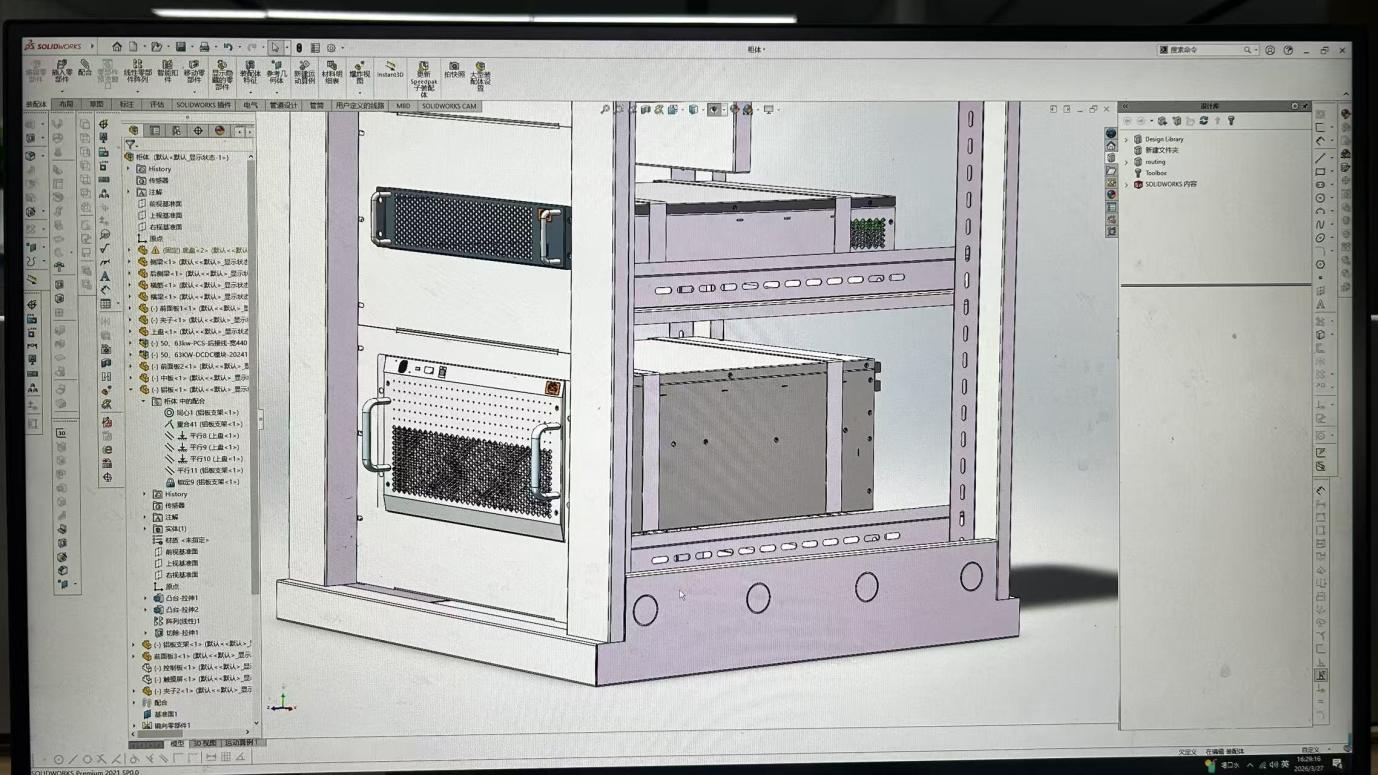
Operating in over 120 countries requires absolute alignment with complex electrical compliance standards. Jinan Deming ensures that every shipped controller, frequency converter, and bidirectional PCS meets regional grid-code requirements, safety ratings, and electromagnetic compatibility metrics:
Our engineering assets comply with European CE regulations, German VDE-AR-N 4105 grid interconnection standards, and American UL 1741 testing criteria for inverters and converters. This compliance streamlines the permitting and interconnection processes for project developers and EPCs working under tight timelines.
From initial design simulation to field commissioning, Deming engineers provide comprehensive technical support. We supply direct Modbus communication registers, thermal dissipation figures, and step-by-step installation guides to ensure third-party SCADA and energy management systems (EMS) integrate smoothly with our hardware.
Addressing critical system configuration and engineering questions for microgrid designers.
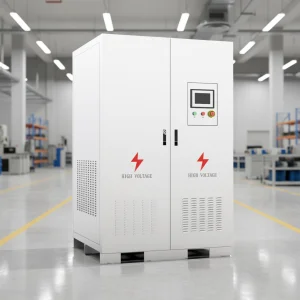
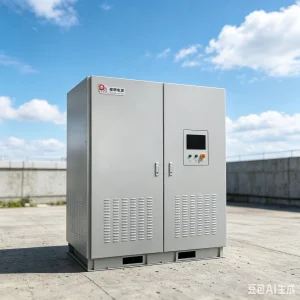
Heavy-duty power electronics designed for multi-megawatt configurations, microgrids, and high-load commercial applications.
 Demin Power