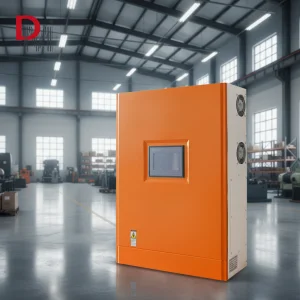
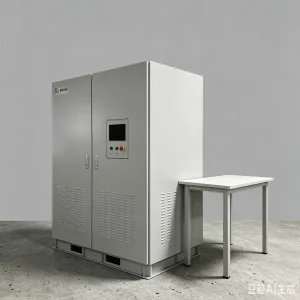
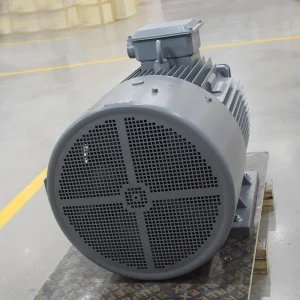
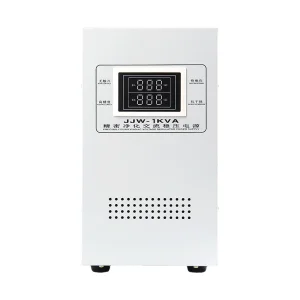
Explore our premium range of highly optimized AC/DC converters, solar controllers, and hybrid microgrid power configurations designed to minimize environmental footprints.
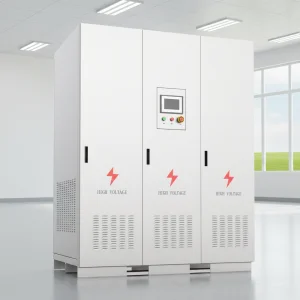
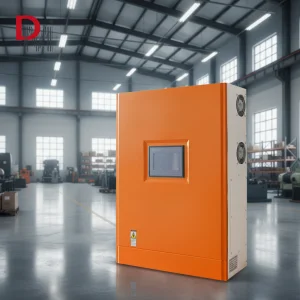
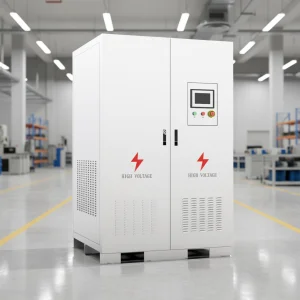
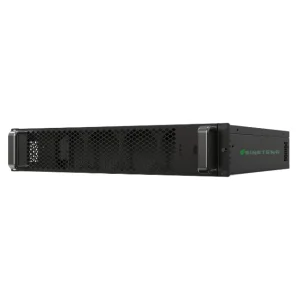
Analyzing the global transition towards smart energy infrastructure and grid-tied systems.
Global industrial manufacturing is undergoing a structural transformation. With legislative pressures such as the EU's Carbon Border Adjustment Mechanism (CBAM) and US SEC carbon disclosure mandates, heavy industries can no longer view energy optimization as a voluntary option. Minimizing Scope 1, 2, and 3 emissions has become a critical compliance criteria.
Central to this transition is the optimization of power electronics. Traditional energy systems lose substantial power due to outdated conversion technologies. By implementing 3-phase sine wave AC/DC converters operating at 99% conversion efficiency, industrial hubs are saving millions of kilowatt-hours annually. This directly reduces thermal stress, increases component longevity, and decreases grid dependence.
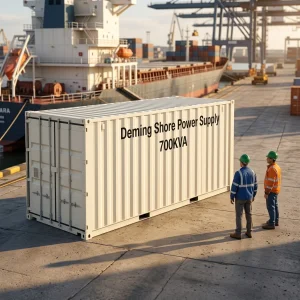
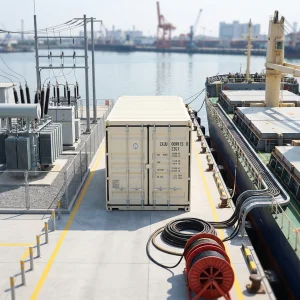
Furthermore, marine ports represent critical nodes in global decarbonization. Ocean-going vessels burning low-sulfur fuel oil at berth generate high levels of coastal pollution. Transitioning to advanced solid-state frequency converters (shore-to-ship power systems) allows vessels to shut down auxiliary diesel generators and run entirely on clean, land-based municipal power, satisfying stringent environmental regulations globally.
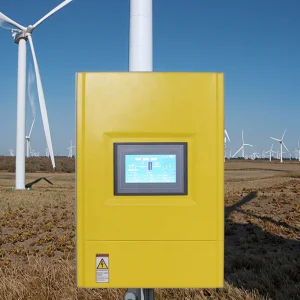
Modern microgrid architectures require bi-directional power flows to maintain grid stability. When integrating high-density solar arrays, wind turbines, and hydro generators, power fluctuation threatens grid safety. Highly dynamic bidirectional converters act as stabilizers, balancing the battery storage systems with local distribution networks.
By producing wholesale environmental impact products like permanent magnet generators and wind/solar controllers directly from China, manufacturing facilities globally gain access to cost-effective utility-scale carbon reduction tools. This democratizes the transition towards decentralized energy architectures.
The convergence of artificial intelligence, high-density energy storage, and smart power grids.
The industry is transitioning from Silicon (Si) IGBTs to Silicon Carbide (SiC) and Gallium Nitride (GaN) power switches. This reduces switching losses by up to 70%, enables higher operating frequencies, and significantly shrinks the physical footprint of industrial converters.
During testing phases for electric vehicle (EV) drivetrains and large-scale energy storage inverters, utilizing real chemical batteries is hazardous and inefficient. High-power bidirectional DC simulators replicate exact battery behavior under various state-of-charge (SoC) profiles safely.
Modern off-grid converters are no longer simple power injectors. They act as "grid-forming" units, building local voltage reference wave vectors. This enables stable microgrid operations in regions without a reliable centralized utility grid connection.
Empowering the future of smart, localized green energy systems.
Full integration of SiC MOSFETs across 150kW-500kW bidirectional converters, improving thermal performance and reducing system cooling requirements by 40%.
Implementing machine learning algorithms on charging controllers to predict solar irradiance and load patterns, optimizing MPPT tracking up to 99.98% accuracy.
Developing solid-state frequency converters operating at high switching frequency levels, achieving complete harmonic distortion profiles (THD) below 2% without oversized magnetic filters.
Designing cloud-native API interfaces into industrial battery converters to allow distributed storage systems to participate in real-time ancillary grid markets dynamically.
How our equipment converts raw, chaotic renewable inputs into clean, grid-compliant electrical power.
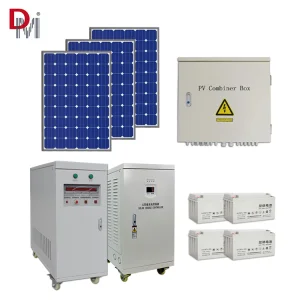
By pairing high-power 300KW battery storage converters with roof-mounted photovoltaic arrays, factories eliminate peak-demand charges. Excess solar energy is stored in lithium-ion banks and discharged during high-tariff periods, while stabilizing grid phase angles.
Our solid-state frequency converters translate volatile municipal utility feeds (50Hz/60Hz, variable voltage levels) into highly stabilized, low-noise power suited for marine vessels (440V/380V/6.6kV, 60Hz). This allows cargo ships to run zero-emission operations at berth.
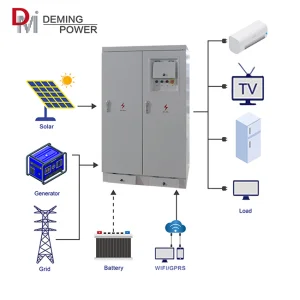
Combining hydro-turbines driven by low-RPM permanent magnet generators and solar arrays regulated by MPPT controllers. The combined energy is managed by bidirectional converters to maintain grid balance, replacing expensive, polluting diesel generator sets.
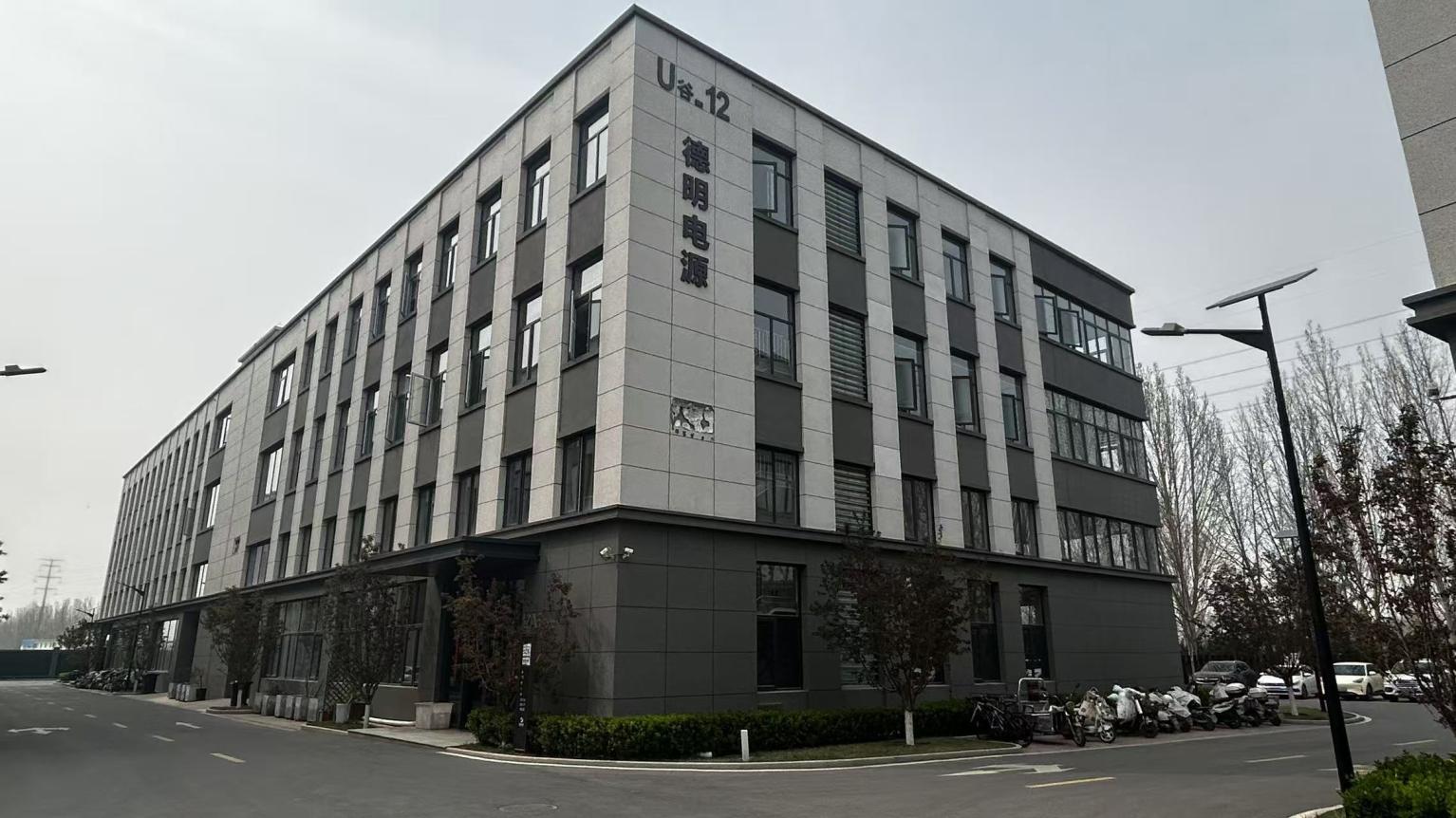
A Globally Trusted High-Tech Renewable Energy Manufacturer Since 2004
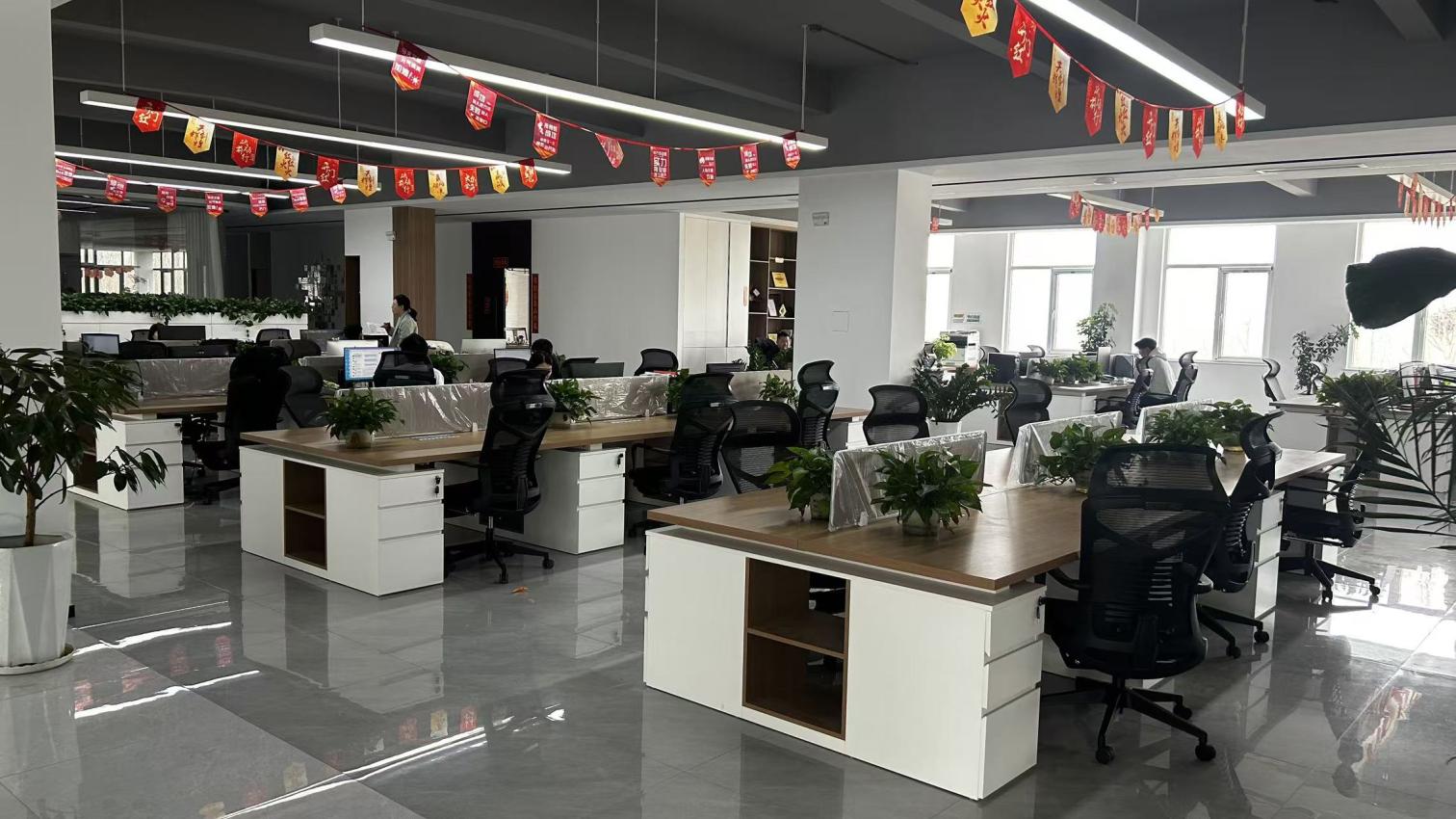
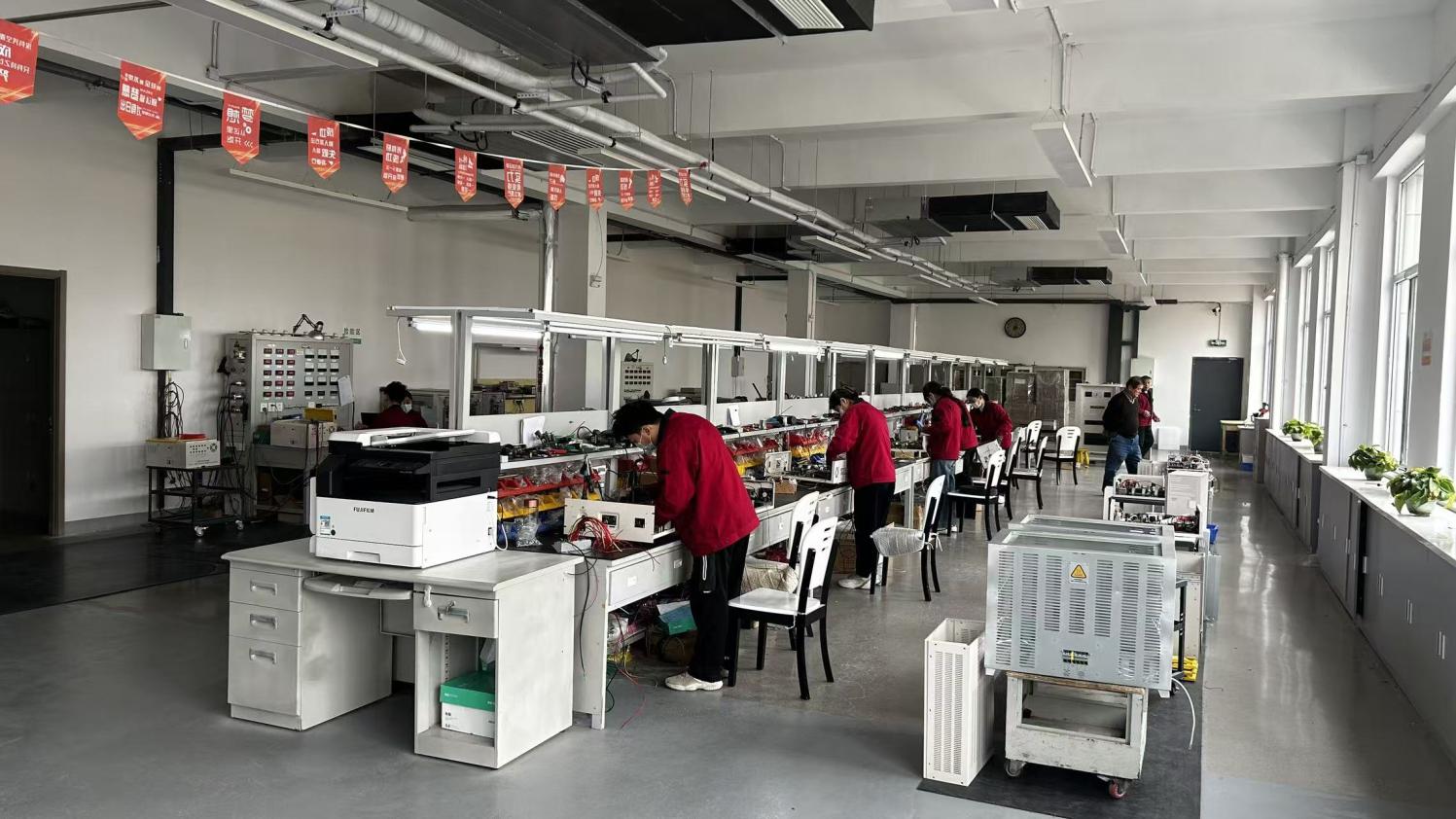
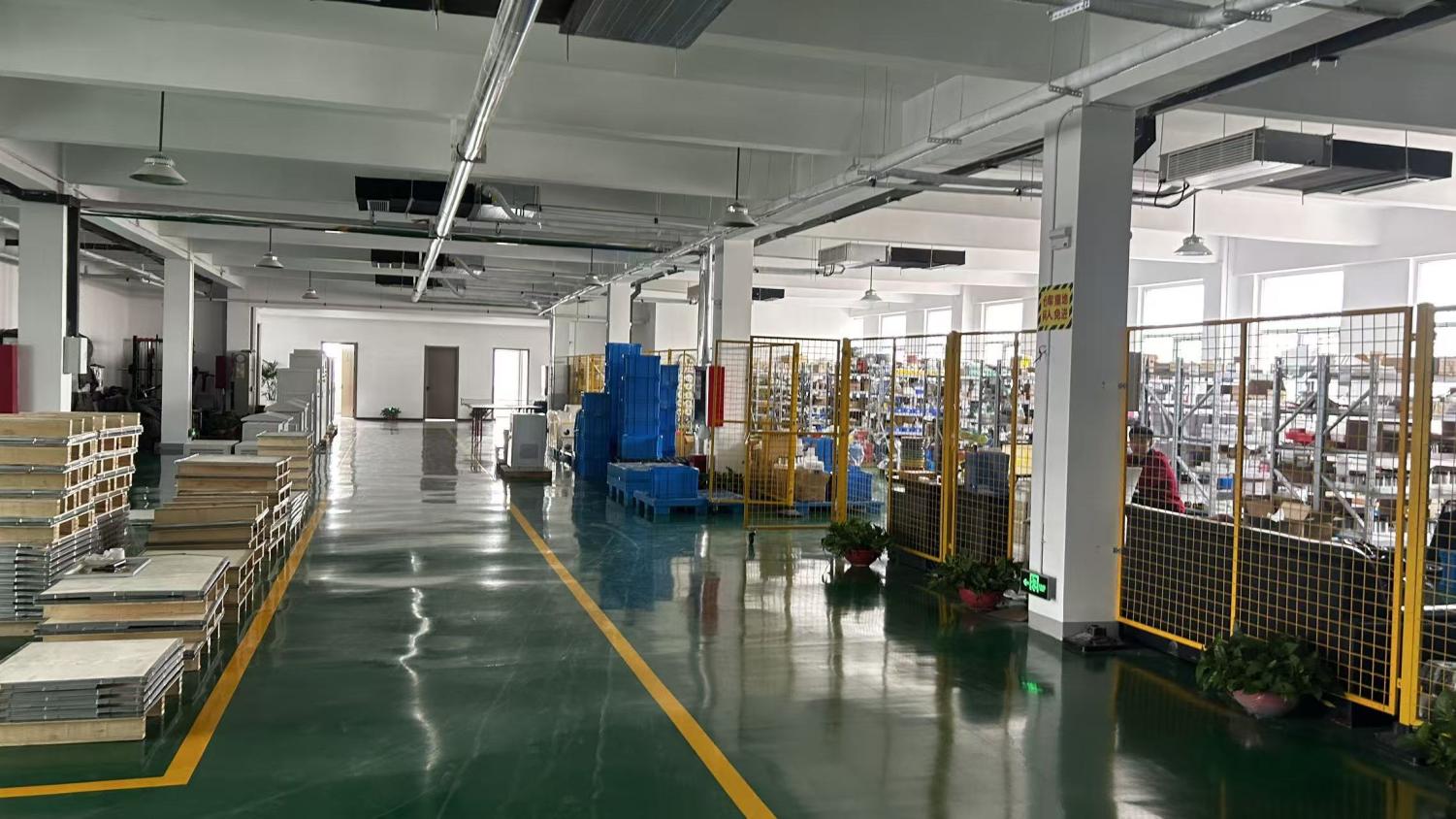
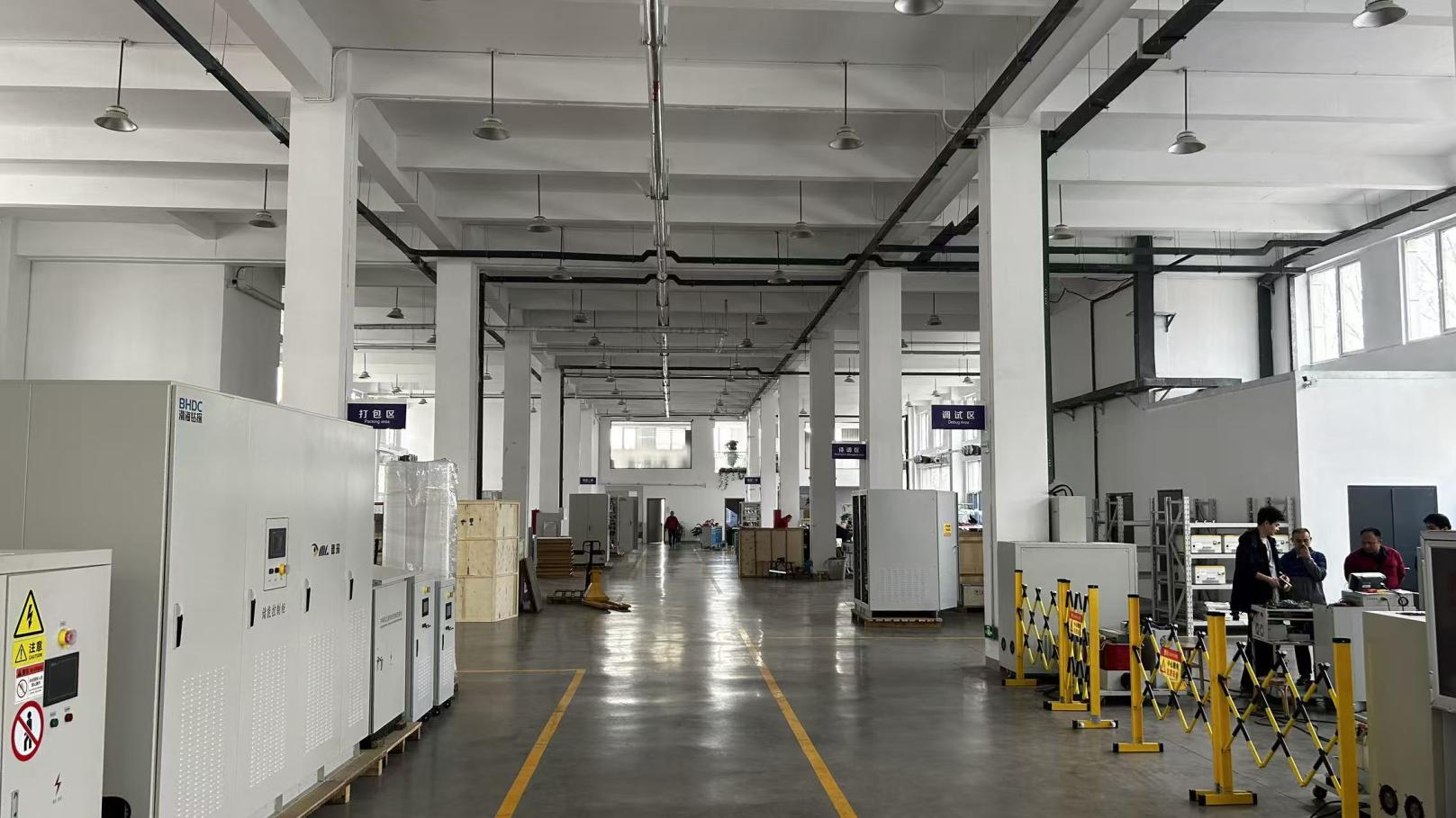
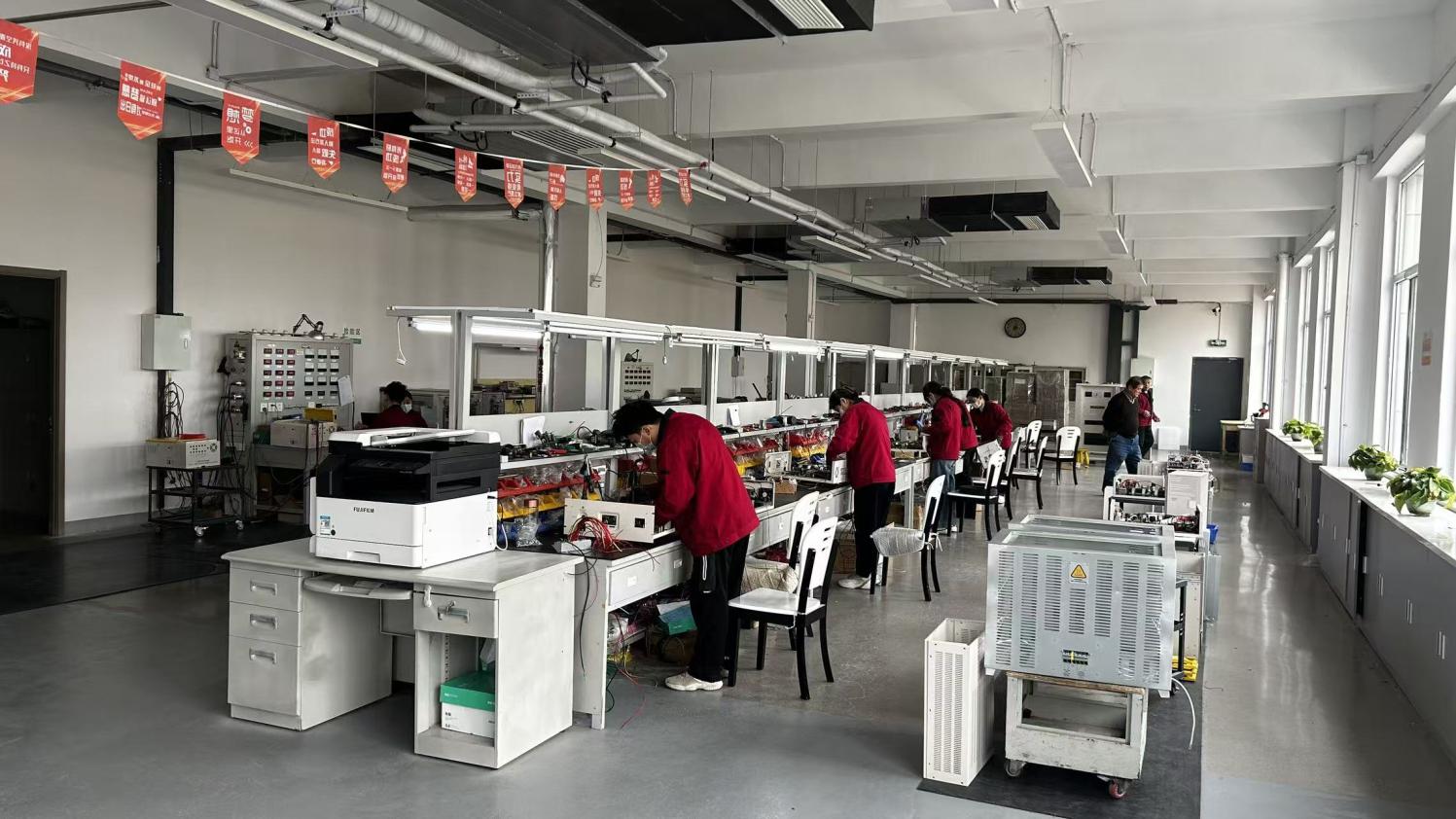
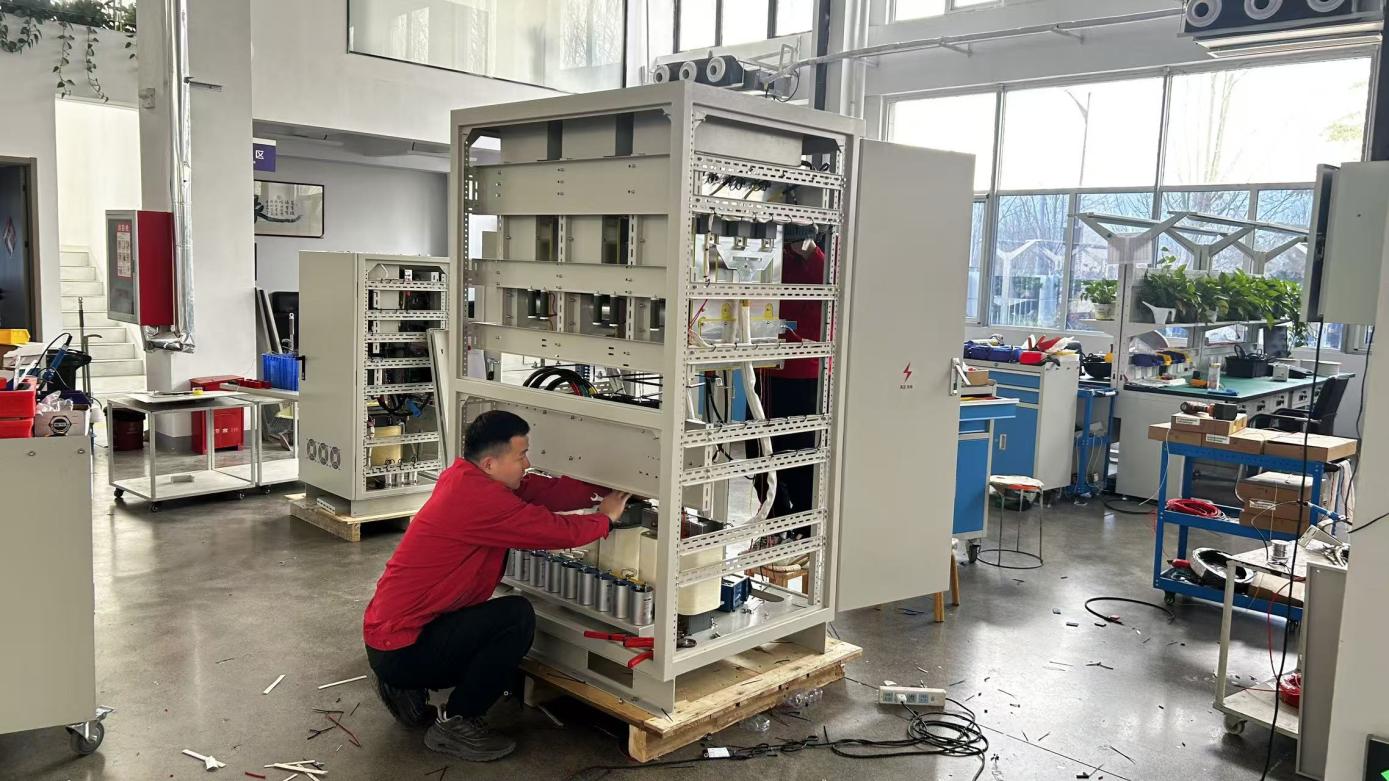
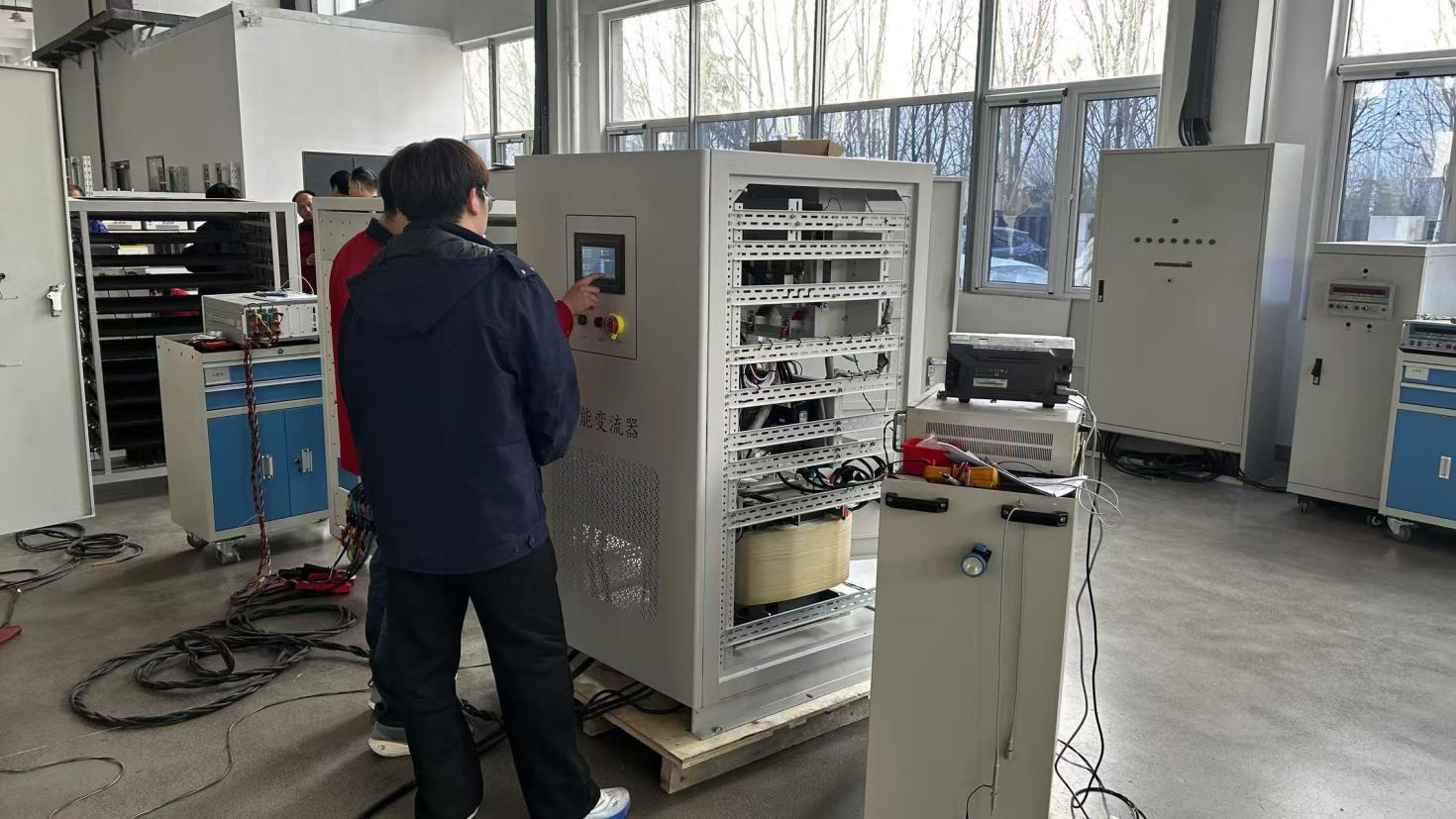
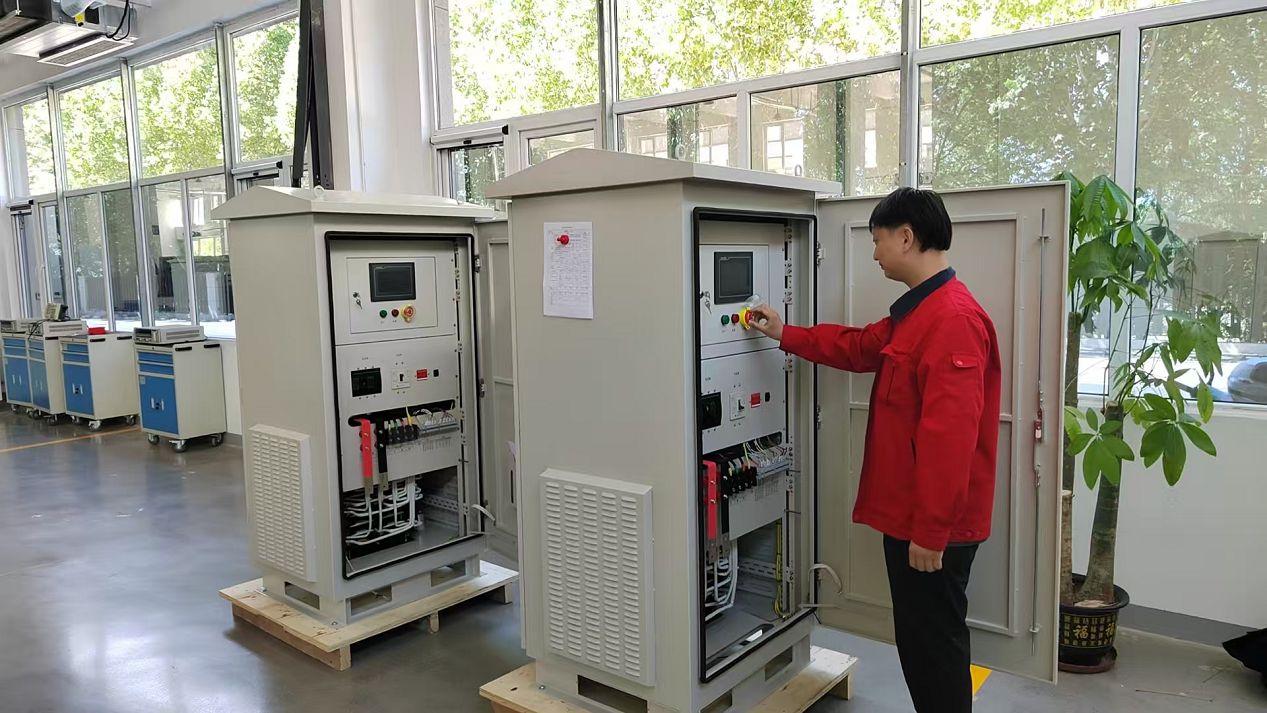
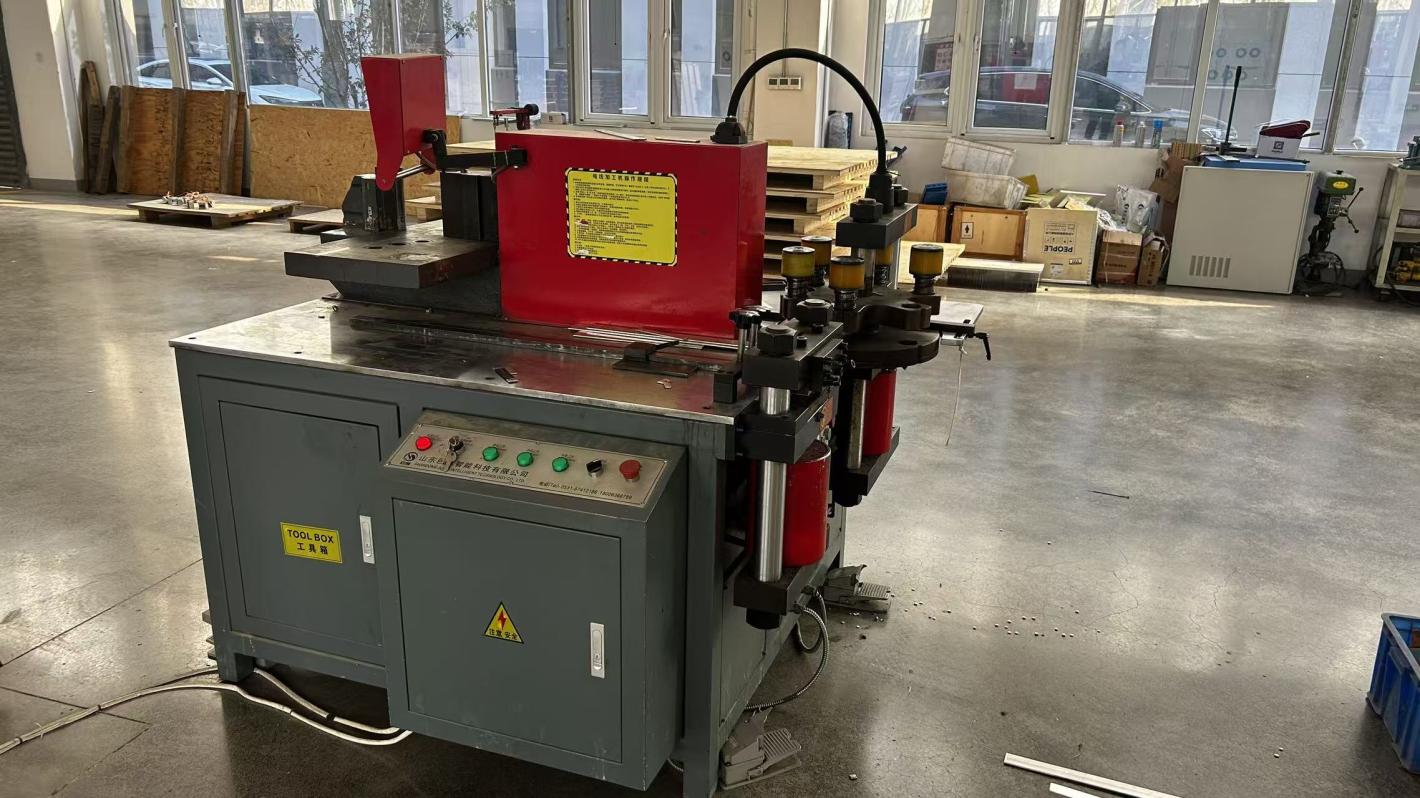
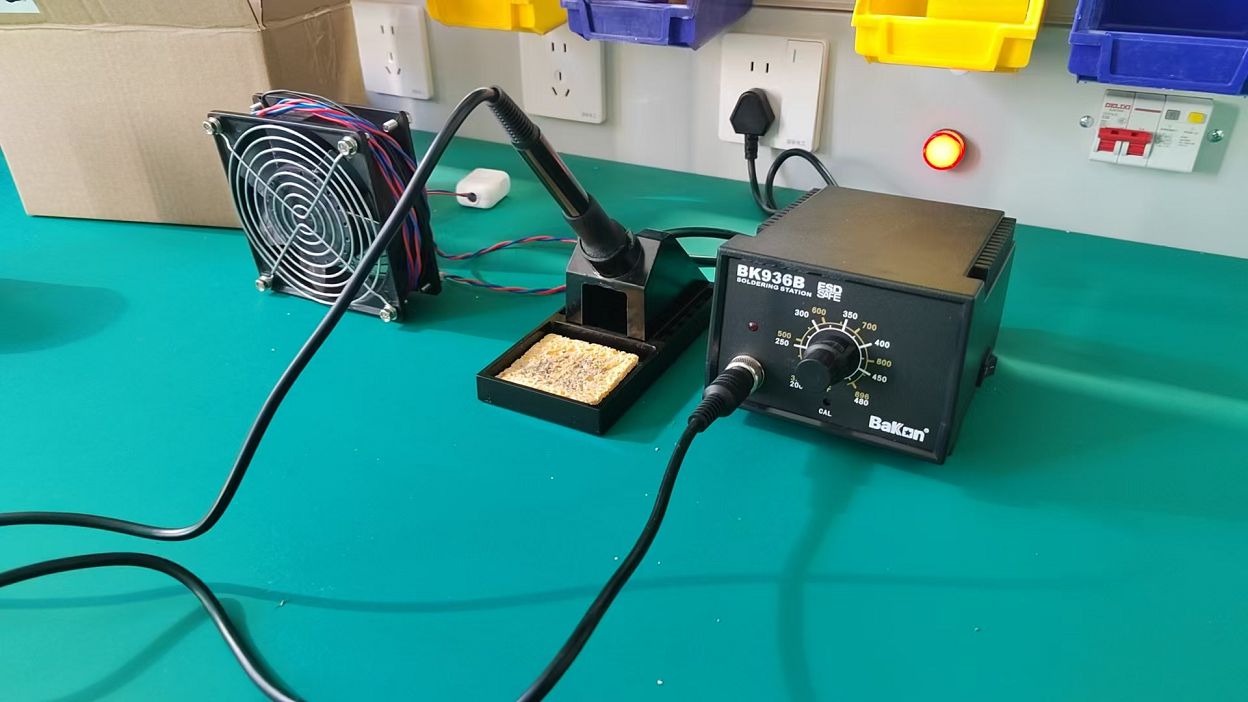
Jinan Deming Power Equipment Co., Ltd. is a nationally recognized high-tech enterprise established in 2004, specializing in the research, development, production, and service of renewable energy power equipment and advanced power testing solutions. The company holds ISO9001:2015 certification and has been recognized as a high-tech enterprise by the Chinese government multiple times (2015, 2018).
With a dedicated R&D team of 16 engineers including doctoral supervisors and master's degree holders, Deming invests no less than 20% of annual sales revenue into technology development. The company has completed 17 R&D projects in the last three years with 16 scientific and technological achievements transformed into commercial products.
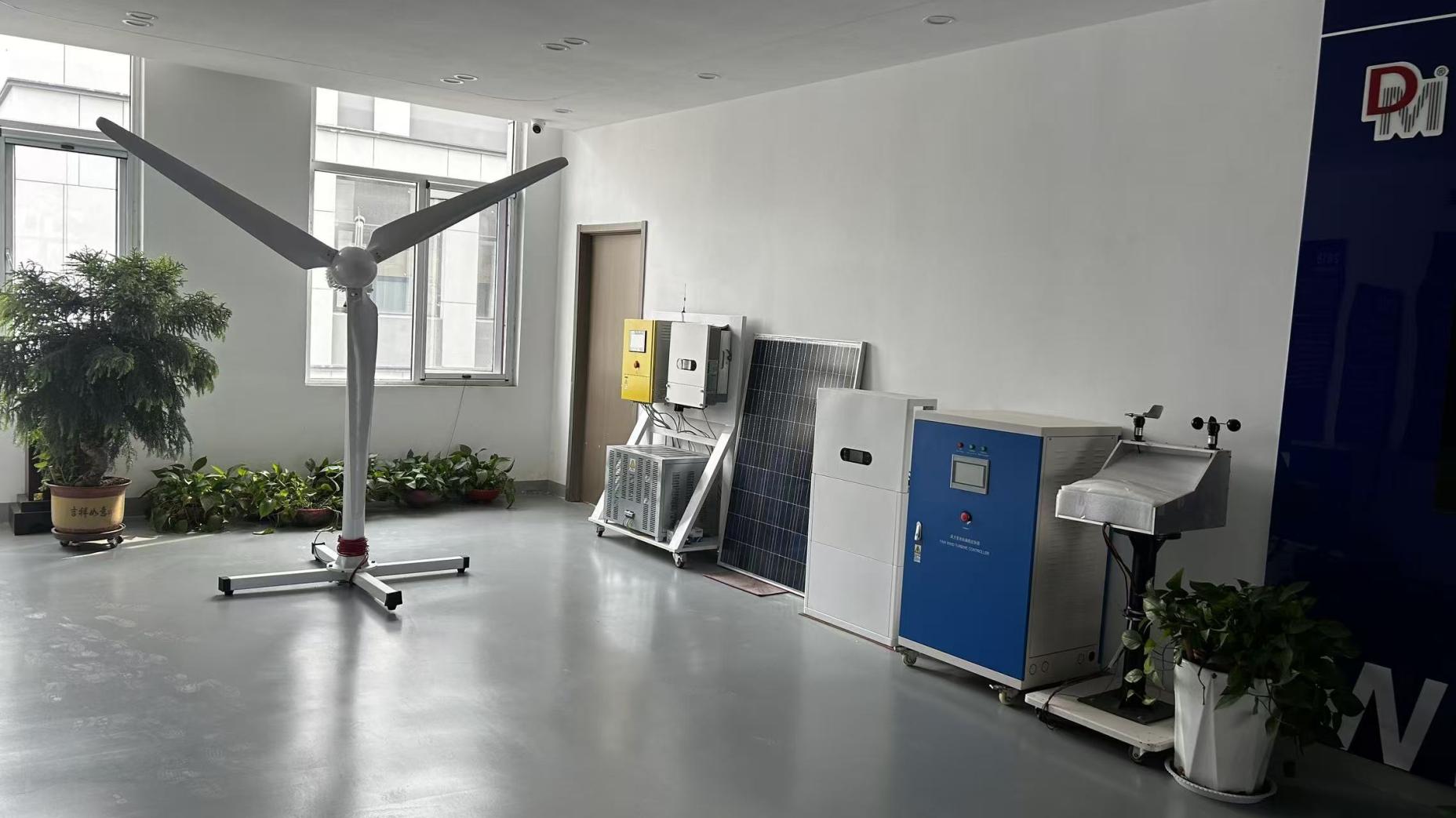
Deming's products have been exported to 120+ countries including Germany, Japan, the United States, UK, Canada, Australia, and Brazil, and the company has established cooperative relationships with Fortune 500 enterprises. The company's main products include wind/solar controllers, inverters, frequency converters, and high-power bidirectional DC test power supplies and battery simulators ranging from 150kW to 500kW.
In-depth technical answers addressing common challenges in heavy industrial power design and energy conversion.
Complete your environmental mitigation projects with high-voltage hybrid inverters, marine shore modules, and bidirectional storage inverters.
 Demin Power