China Wholesale Ocean Energy Factory & Exporters

Precision Power Conversion & Smart Microgrid Integration Systems

Ocean Energy Integration & Advanced Power Conversion

A technical analysis of grid-tie converter systems, marine energy processing, and the industrial manufacturing capabilities of Jinan Deming Power Equipment Co., Ltd.

In the global quest for decarbonization, marine and ocean energy systems—encompassing tidal current, wave energy, ocean thermal energy conversion (OTEC), and offshore wind resources—represent the next frontier of high-capacity clean power. However, translating the erratic, high-torque, and multidirectional kinetics of oceanic currents into stable, grid-compliant electrical power remains a major barrier. Jinan Deming Power Equipment Co., Ltd., established in 2004, stands at the absolute intersection of power electronics design and marine/wind microgrid management. This document explores the engineering criteria, equipment design, and supply-chain efficiencies that make Deming a leading global exporter of heavy-duty power conversion systems.

1. The Mechanics of Ocean Energy & Power Stabilization

Ocean energy converters, whether they exploit the rise and fall of swell waves via hydraulic pistons or the rotation of subsea turbines via tidal currents, share a common vulnerability: output power instability. Unlike conventional thermal power plants or even land-based solar grids, marine turbine generators are subject to:

Variable Frequency AC

Subsea turbines operate at continuously changing angular velocities. The resulting raw multi-phase AC electricity features highly irregular frequencies and voltages that cannot be fed directly to the utility grid.

Bidirectional Load Demands

Modern wave energy attenuators often require bidirectional power flow. During active control sequences, the power converter must feed energy back into the generator to optimize wave synchronization before extracting net power.

Severe Subsea Grid Impedance

Long submarine transmission lines present massive capacitive and inductive reactances, necessitating advanced active power factor correction (PFC) and harmonic filtering at the terrestrial landing station.
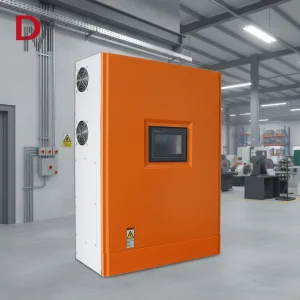
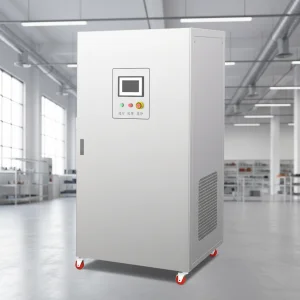
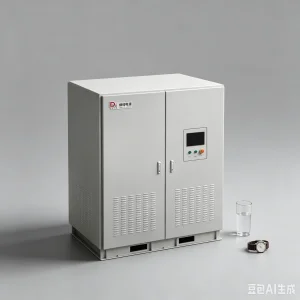
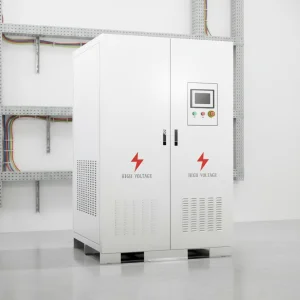
To address these critical factors, Deming Power manufactures multi-stage power conditioning architectures. Our systems utilize heavy-duty, high-frequency, rectifying AC/DC converters, followed by galvanic-isolated bidirectional DCDC converters and high-efficiency grid-tie inverters. By decoupling the generator side from the grid side through a high-capacity DC intermediate bus, we eliminate the propagation of mechanical stress back into the turbine gearboxes while delivering ultra-clean, pure sine wave power to international distribution grids.

2. Industrial Landscape & Technological Development Trends

The marine energy sector is experiencing a monumental transition from experimental prototypes to gigawatt-scale commercial installations. Google's Search Quality Guidelines and industry whitepapers emphasize three prominent technological directions where Jinan Deming has concentrated its R&D initiatives:
  • Wide-Bandgap (WBG) Semiconductors: Traditional silicon-based IGBTs are increasingly replaced by Silicon Carbide (SiC) and Gallium Nitride (GaN) components. Deming’s latest stackable DCDC converters and heavy-duty battery simulator lines leverage SiC switches to achieve up to 99% conversion efficiency, drastically reducing cooling footprints in confined marine enclosures.
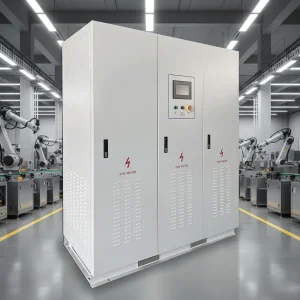
  • Modular Stackability & Redundancy: Offshore maintenance is prohibitively expensive. By engineering intelligent, hot-swappable, stackable DCDC and PCS converter blocks (ranging from 30KW to 500KW), we ensure that a single component fault does not disable the entire subsea array. The system dynamically redistributes load patterns across operational modules.
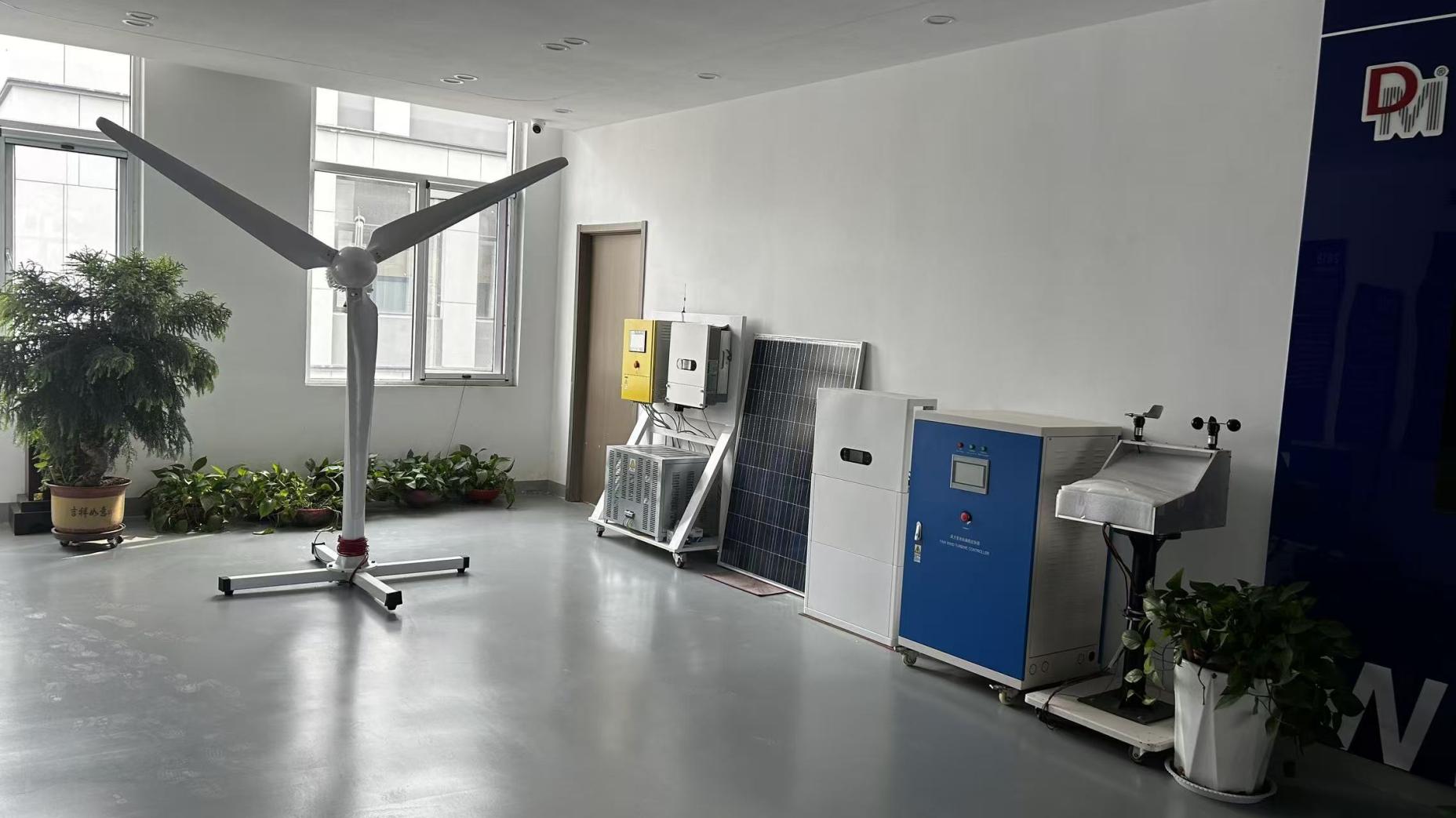
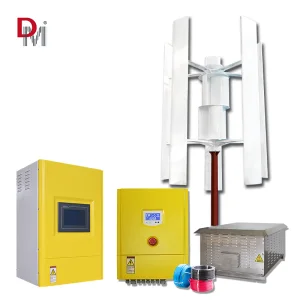
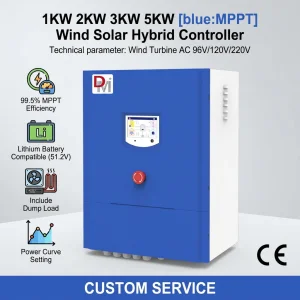
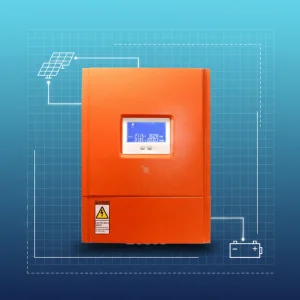
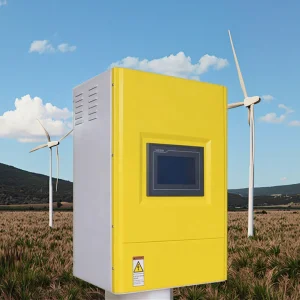
  • Co-located Hybrid Microgrids: Modern coastal projects rarely rely on a single energy source. Integration of wind, solar, and micro-hydro (such as Deming's 1Kw-30Kw water turbine series) onto a unified DC bus managed by central MPPT control is fast becoming the standard for isolated islands and deep-sea aquaculture vessels.

3. China's Manufacturing Advantages & Deming's Structural DNA

As global engineering firms evaluate potential exporters, China’s industrial ecosystem offers unmatched advantages in component sourcing, manufacturing speed, and cost scaling. However, Deming differentiates itself by pairing these regional advantages with deep, institutionalized engineering expertise.
Established in 2004, Jinan Deming Power Equipment Co., Ltd. is a nationally recognized high-tech enterprise. Over the last two decades, we have moved beyond simple assembly to complete vertical integration of power electronics manufacturing.
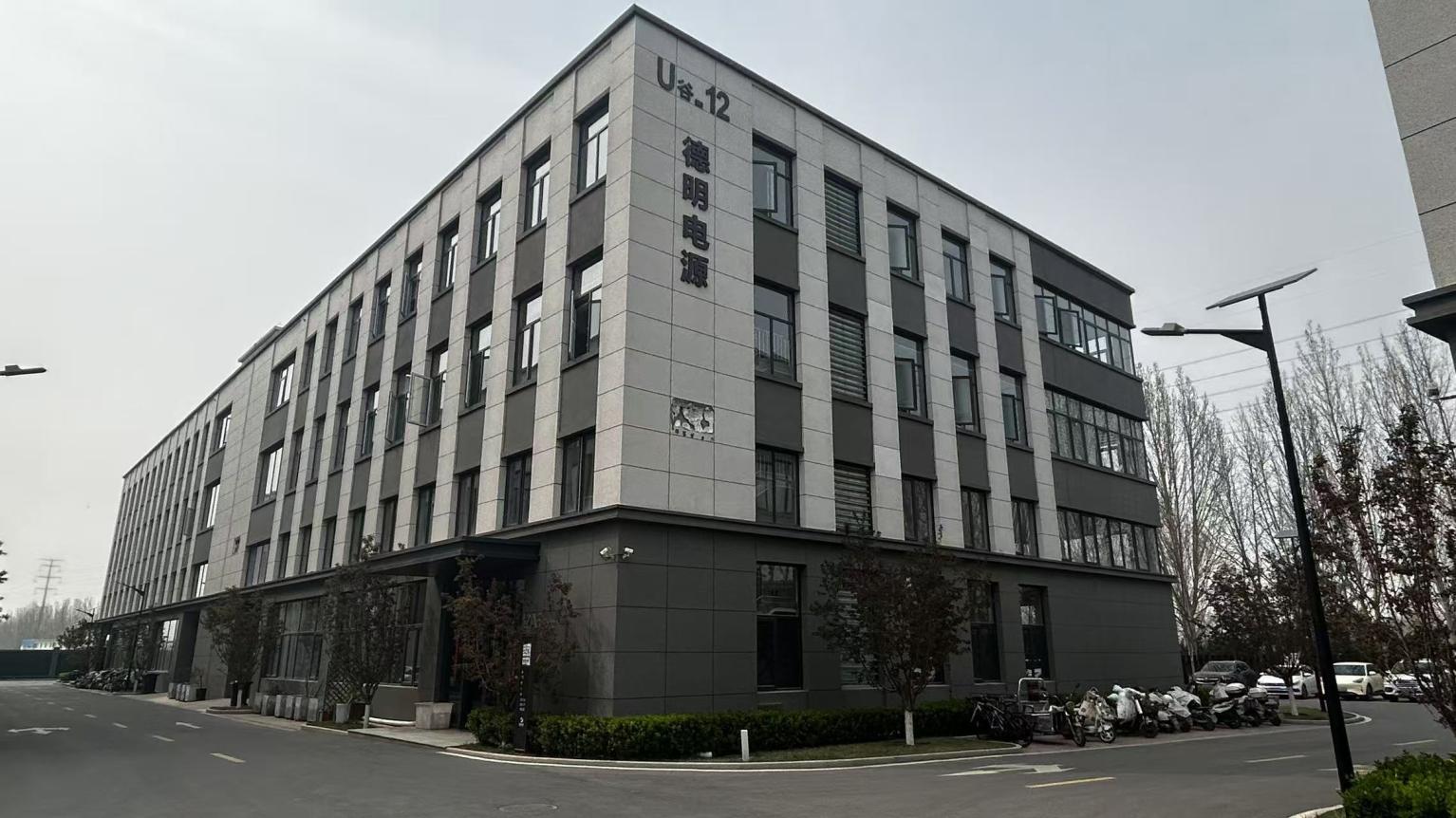
Jinan Deming Factory Frontage
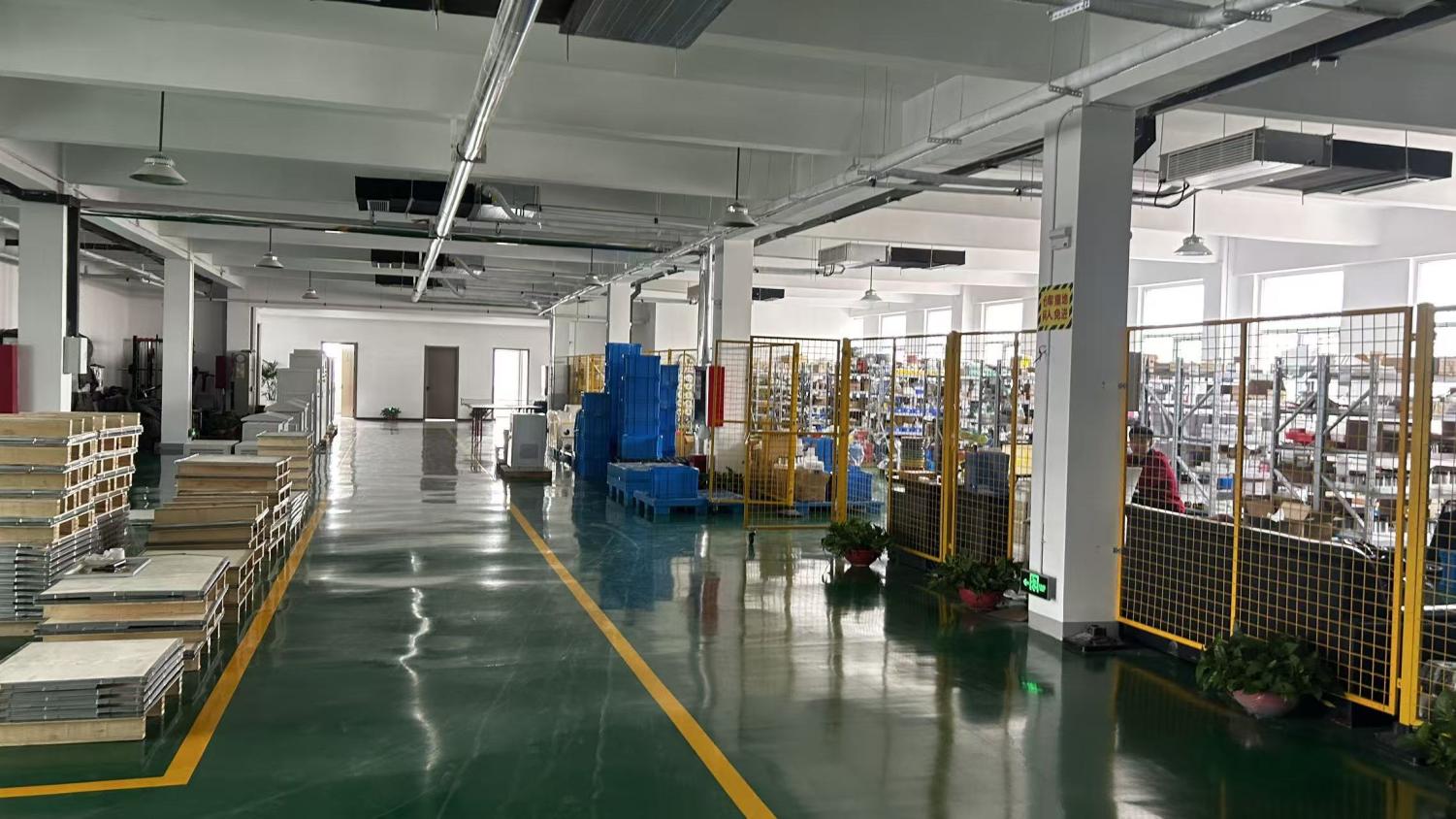
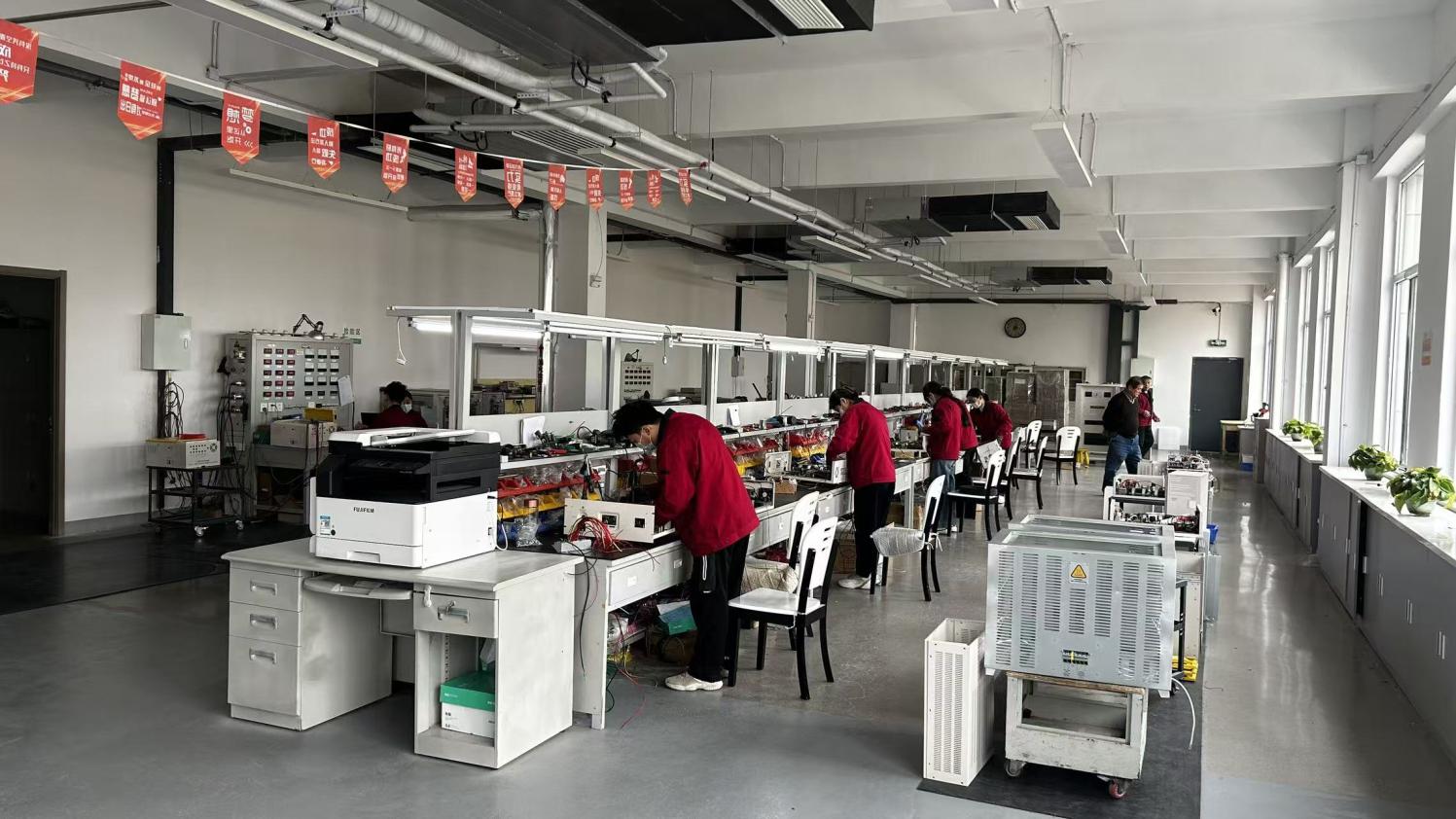
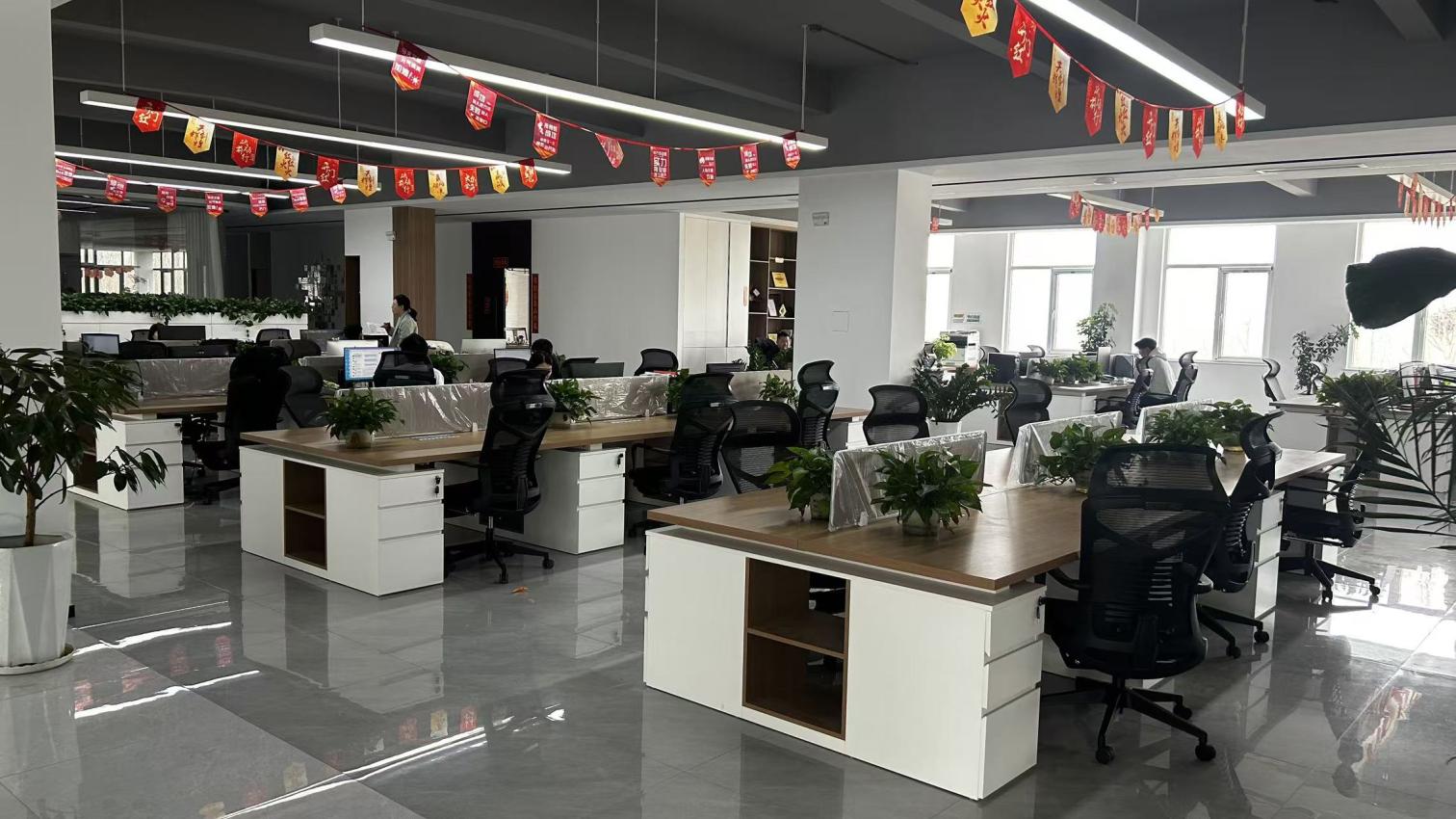
Deming Advanced Production Facility
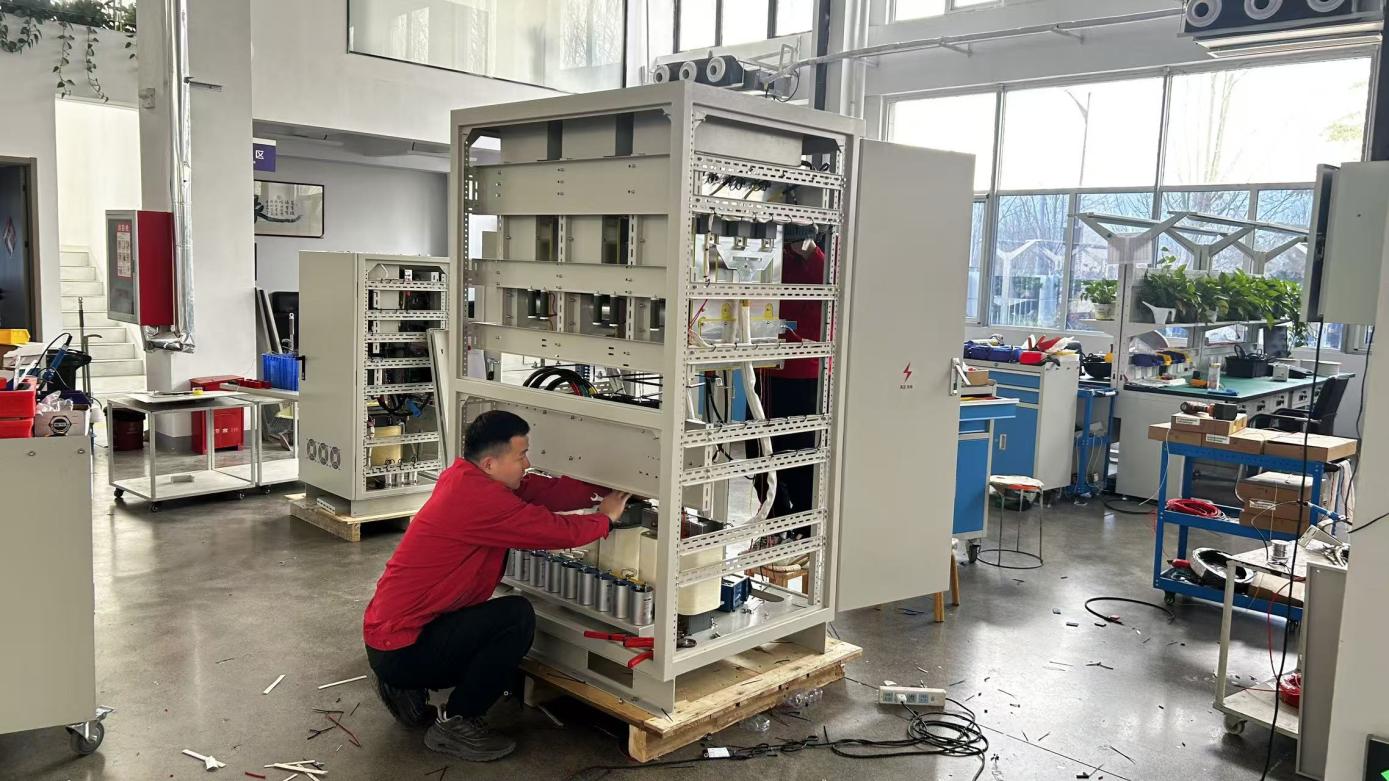
Control System Assembly Racks
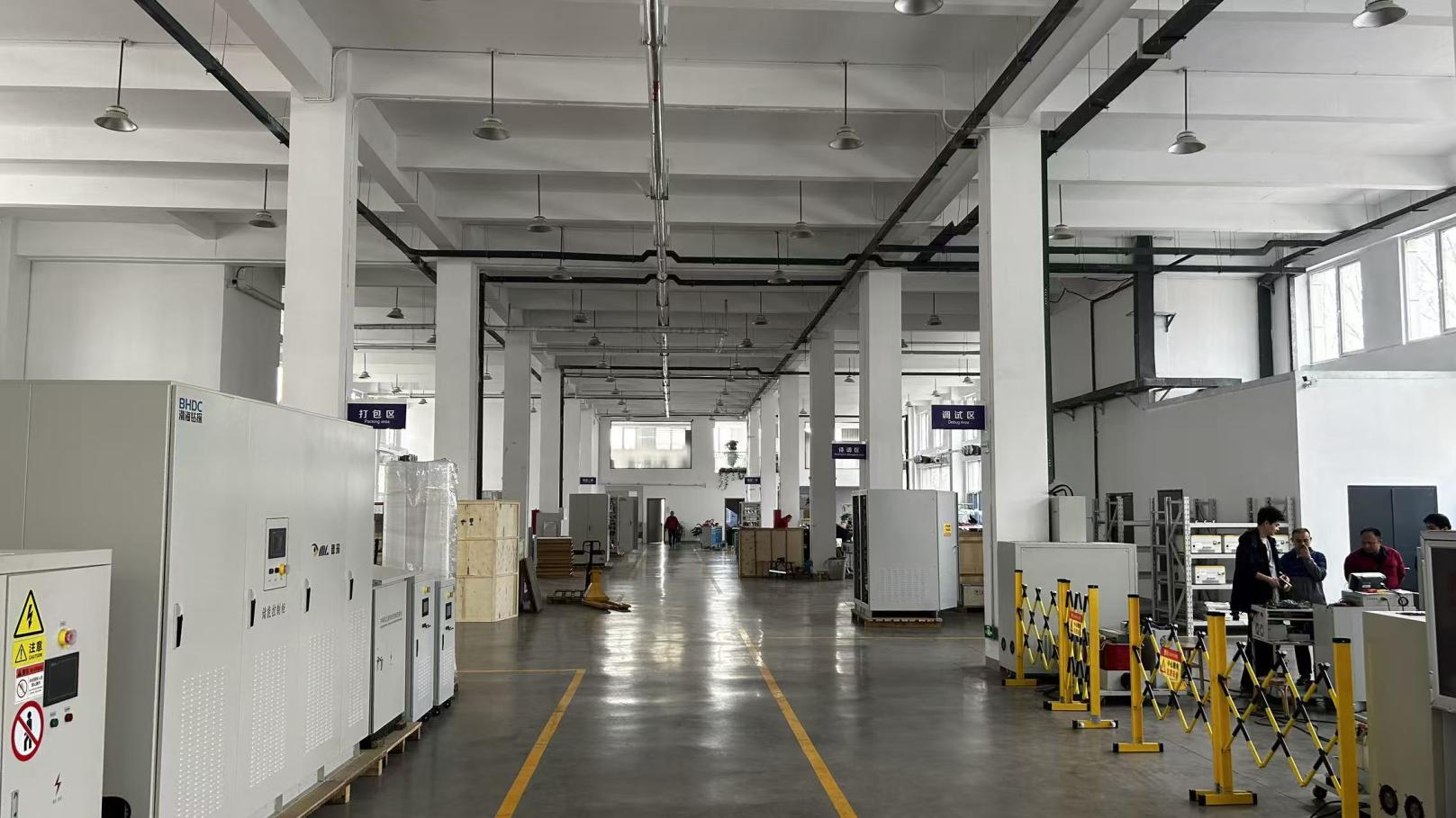
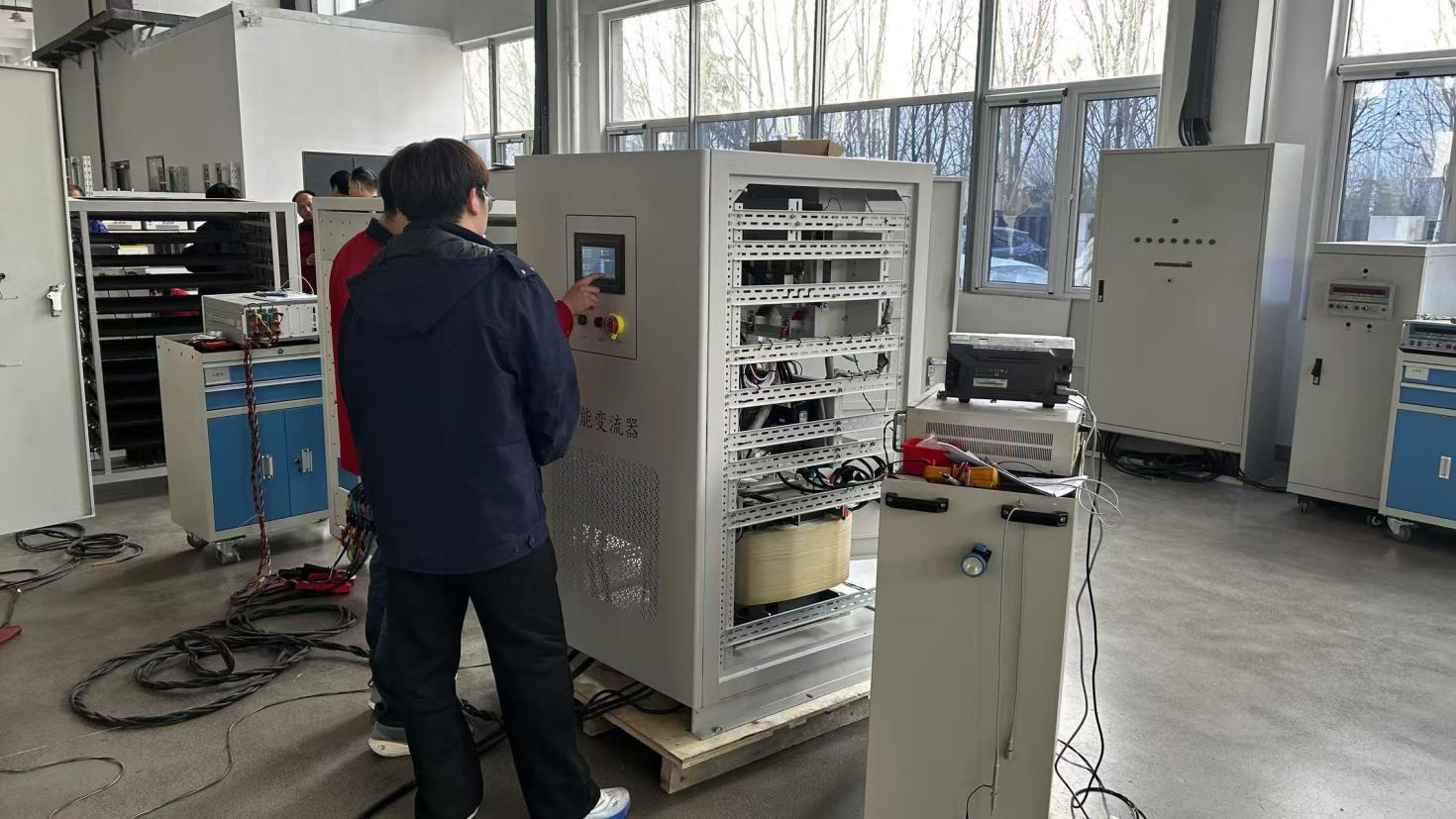
Heavy Power Electronics Testing Zone
Precision Calibration Lab
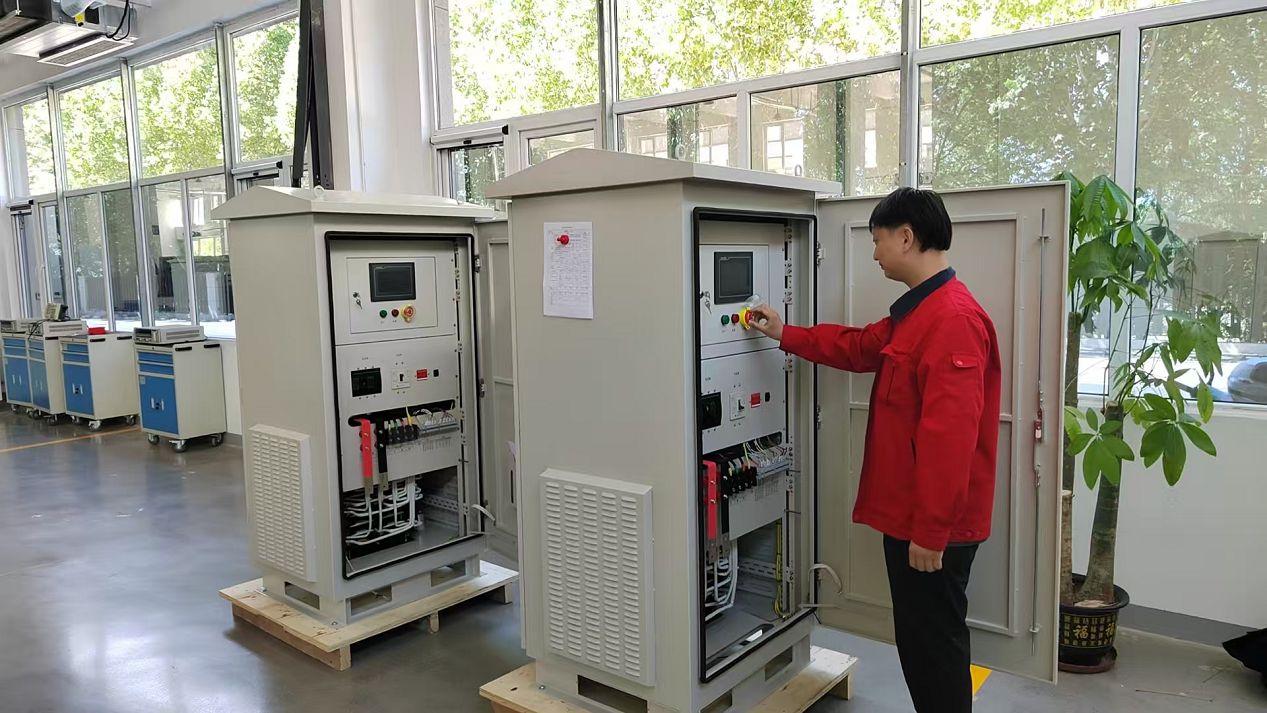
Final Product Quality Certification Bay
Our core factory advantages are backed by solid metrics that demonstrate our commitment to long-term quality:
  • High R&D Reinvestment: Deming systematically reinvests a minimum of 20% of its annual sales revenue back into technological development. This sustained funding fuels our R&D center, staffed by 16 elite engineers, including doctoral supervisors and master's degree holders.
  • Rapid Technology Transformation: In the past three years alone, our engineering team has completed 17 major R&D projects. Out of these, 16 scientific and technological achievements have been commercialized directly into market-ready, heavy-duty industrial converters and test systems.
  • Certified Reliability: We operate under strict ISO9001:2015 quality management standards. Our export products comply with international directives, carrying CE, RoHS, and local utility grid-connection certifications.

Deming Global Footprint & Capability Highlights

Through rigorous engineering and customer-centric support, Deming has built functional commercial partnerships with Fortune 500 enterprises, offshore utility operators, and military-grade testing labs worldwide.
120+
Exporting Countries (inc. US, DE, JP, UK, CA)
20%
Annual Revenue Invested in R&D
16
R&D Engineers (Ph.D. & M.Sc.)
2004
Year of Establishment

4. Step-by-Step Production Process & Testing Rigor

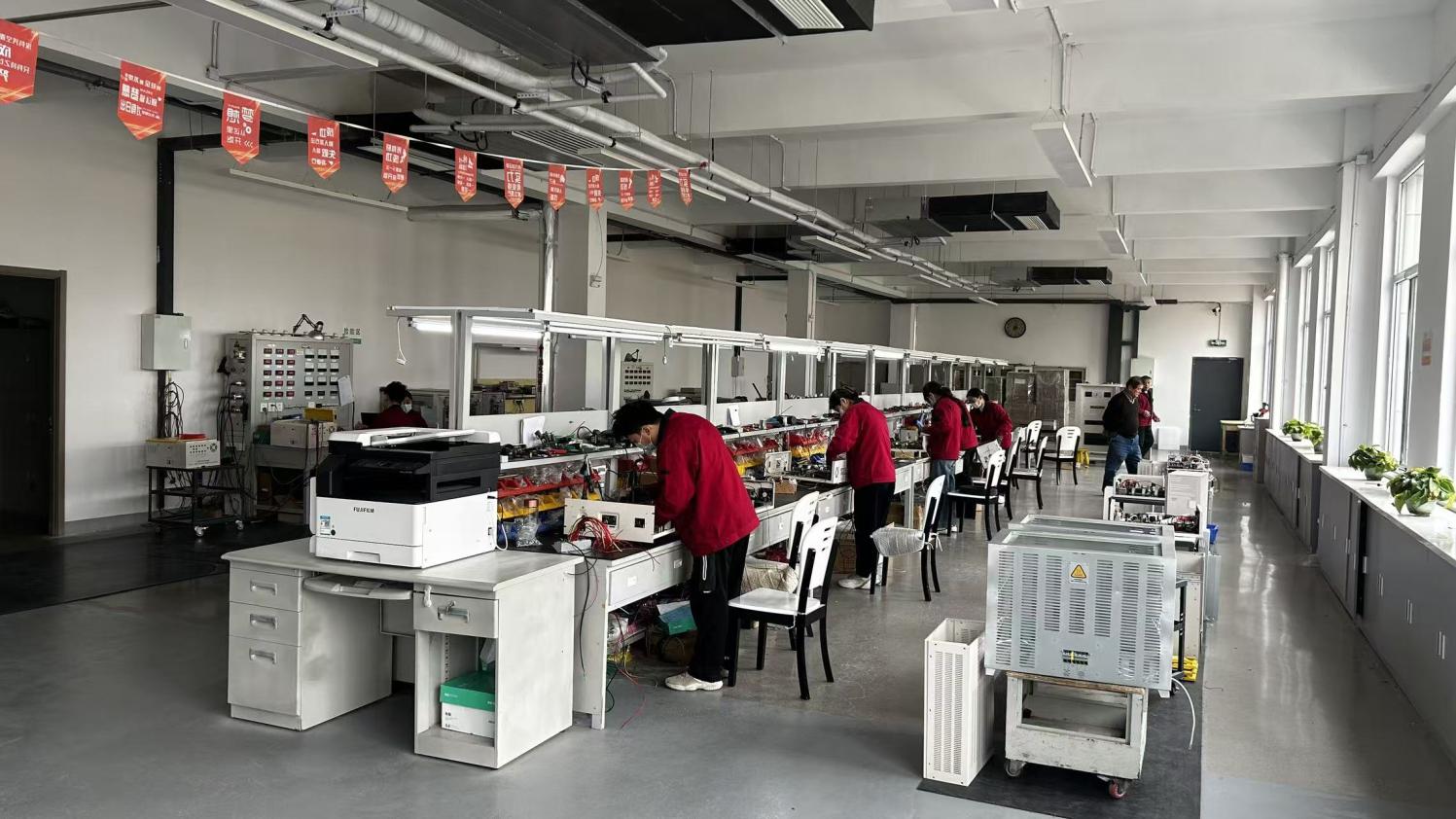
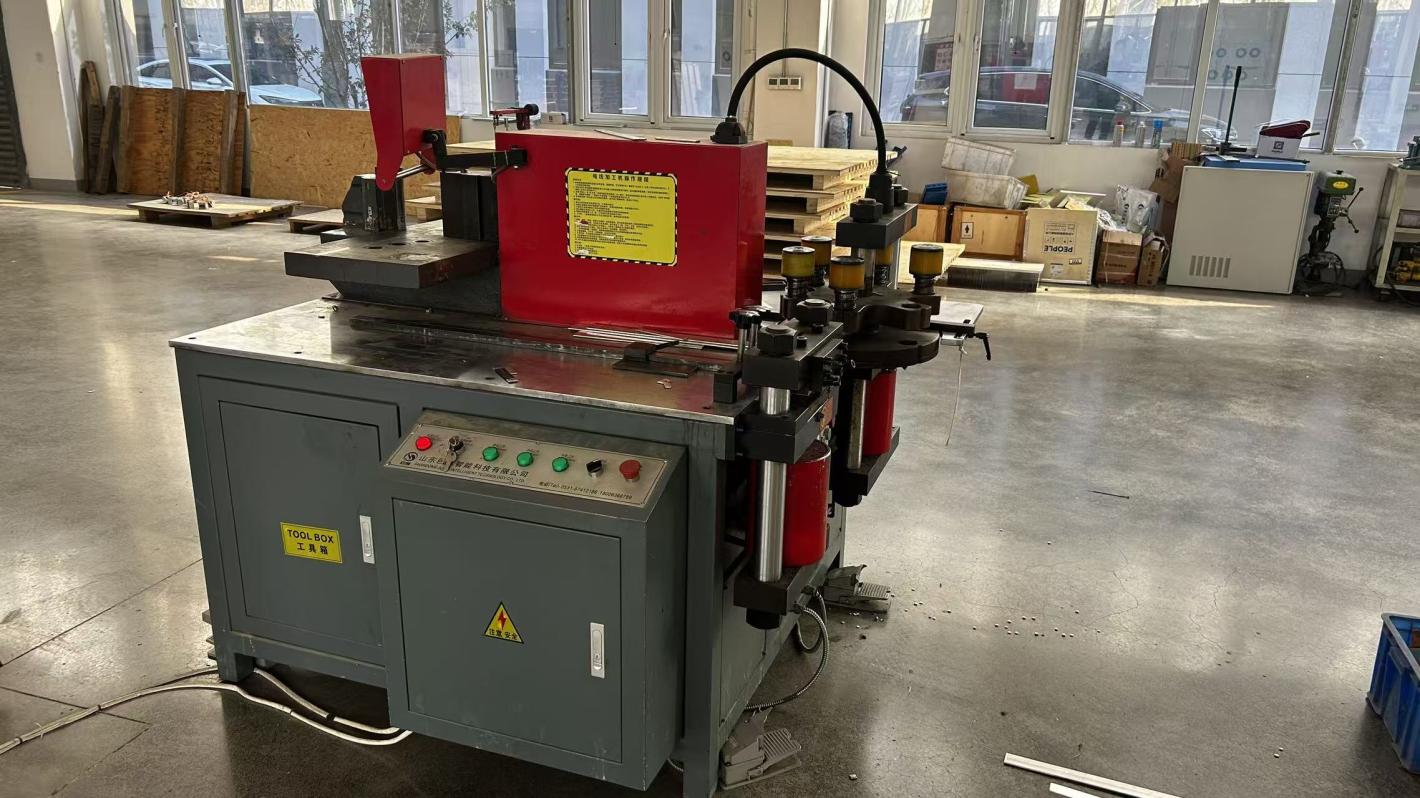
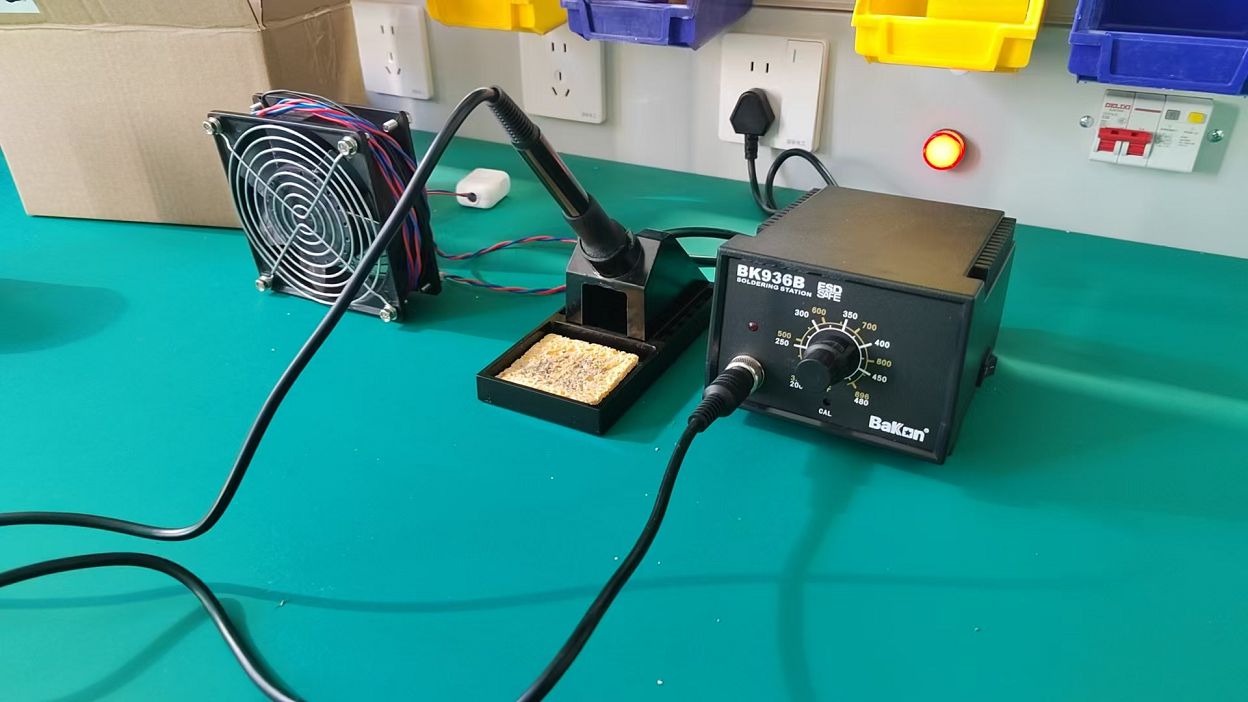
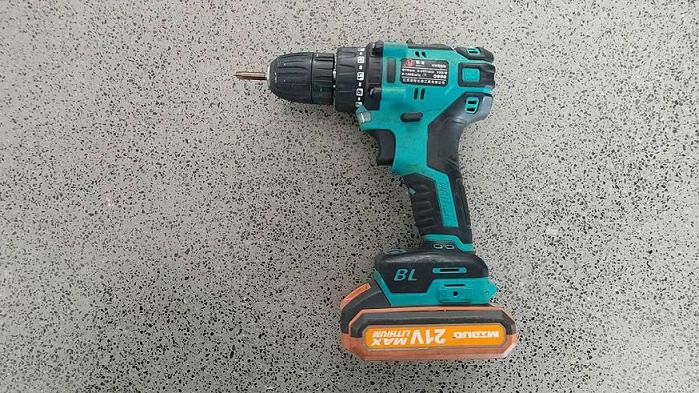
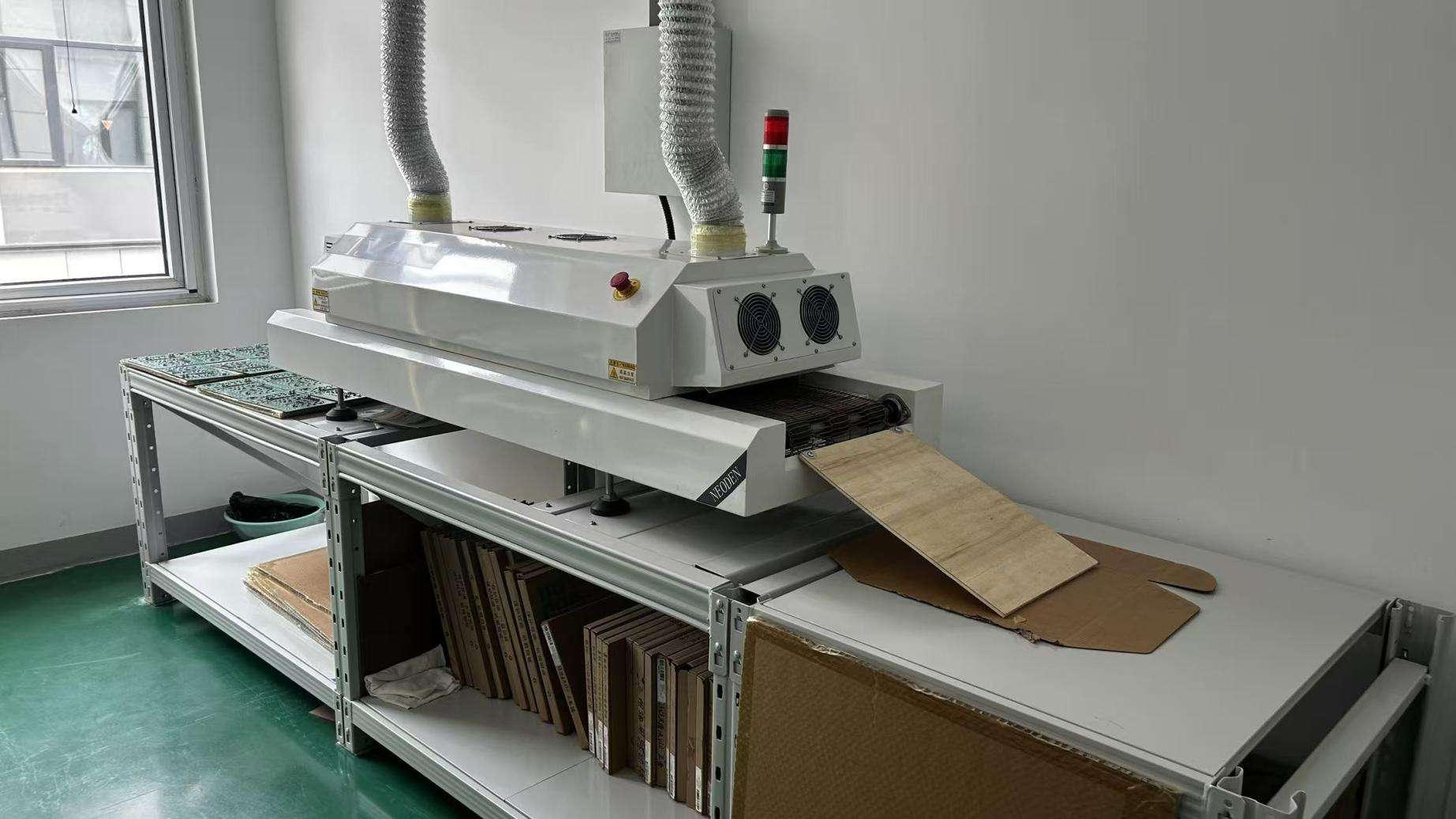
Unlike basic suppliers who outsource their board assemblies and quality controls, Jinan Deming maintains total engineering custody over every phase of production. The following section documents our circuit board assembly, hardware construction, and advanced debugging processes, incorporating live snapshots of our manufacturing floor.
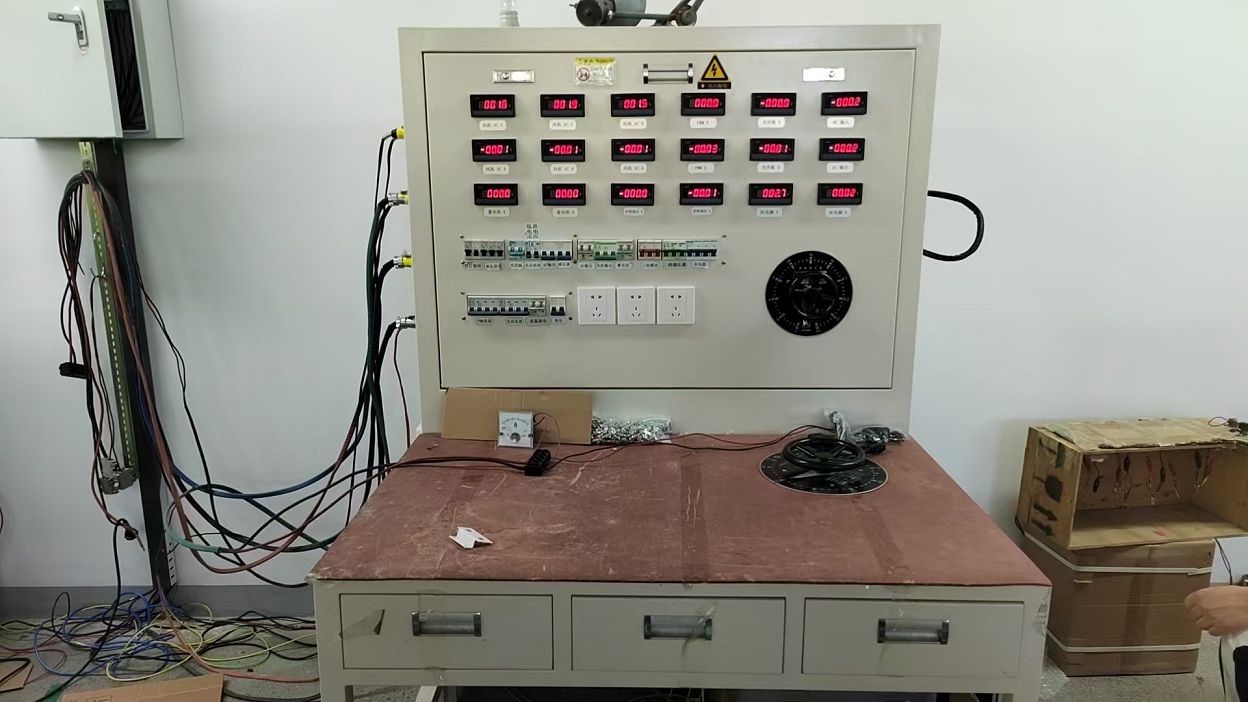
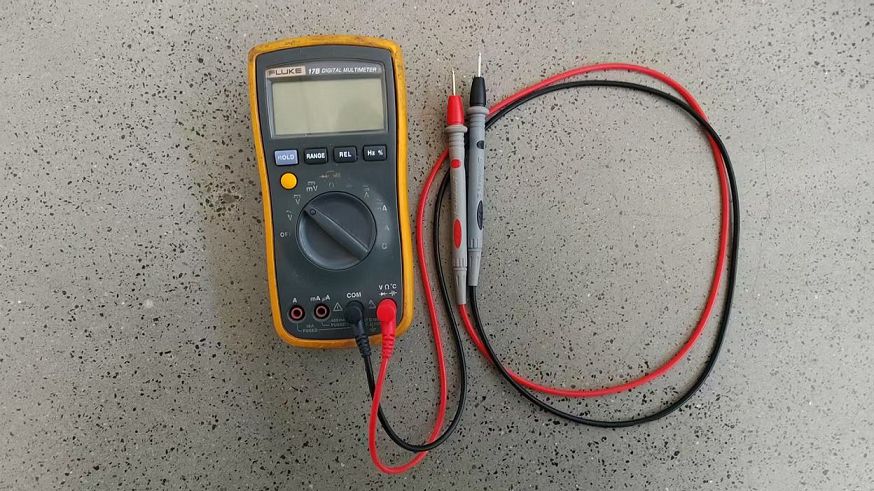
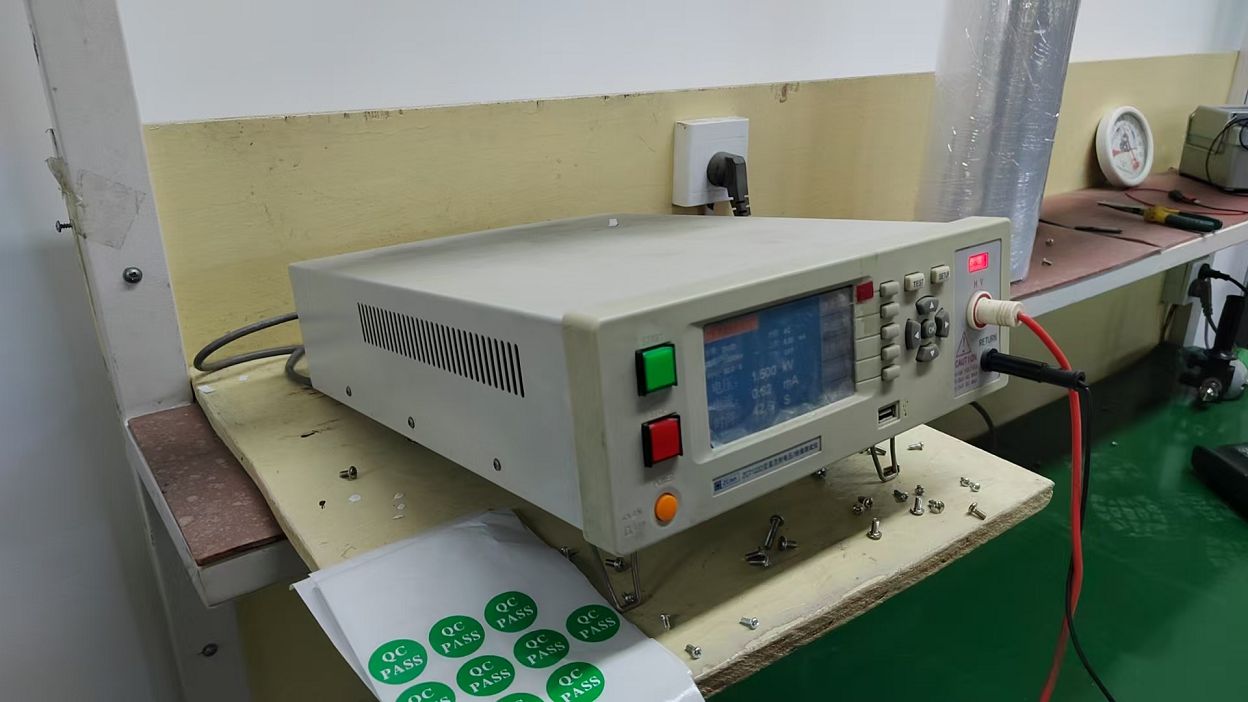
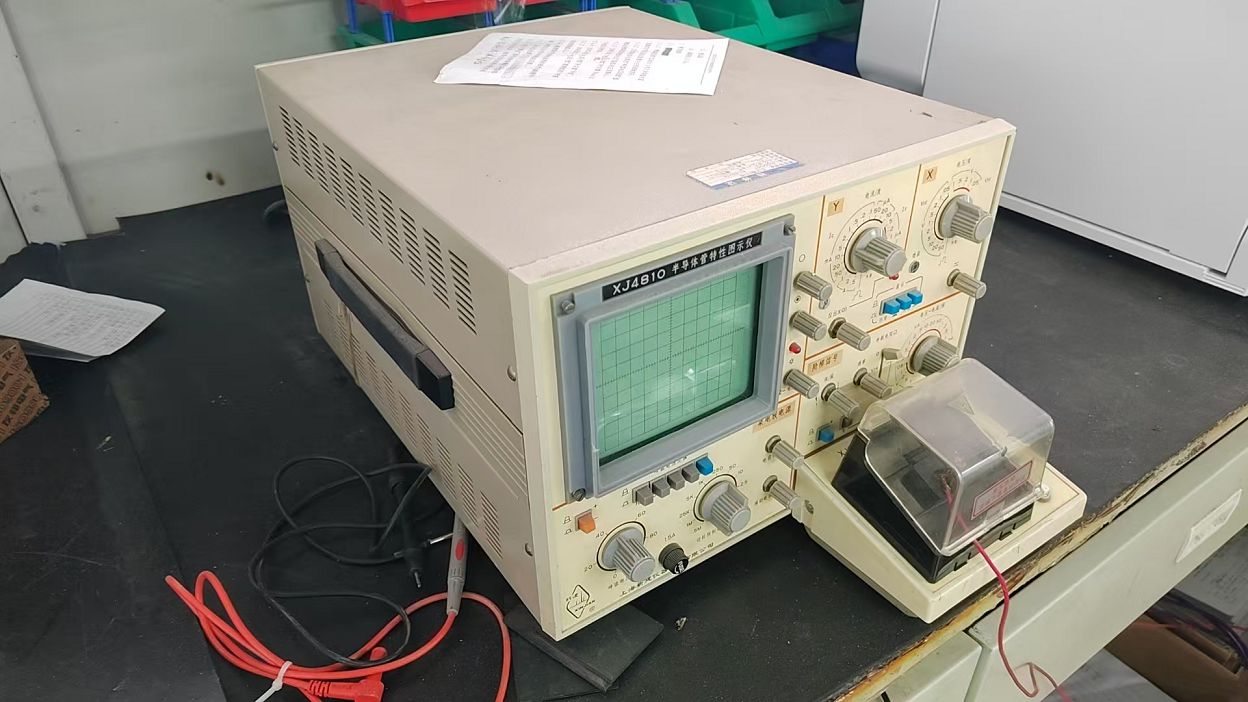
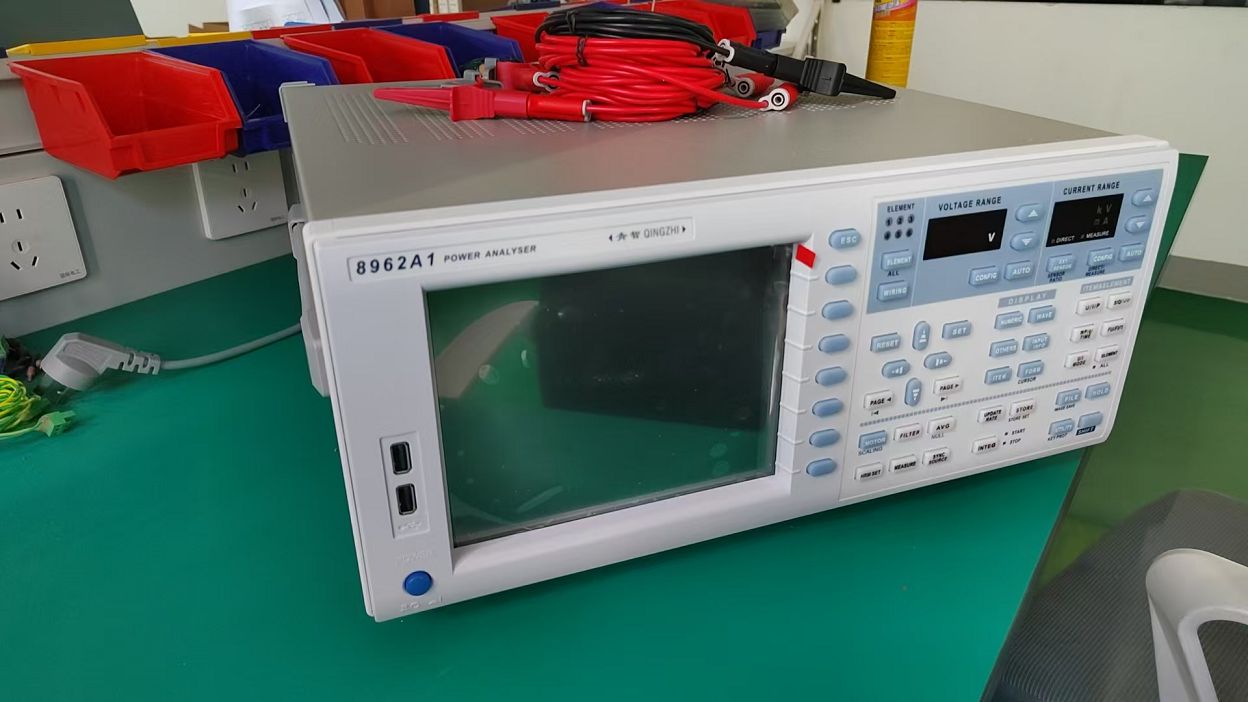
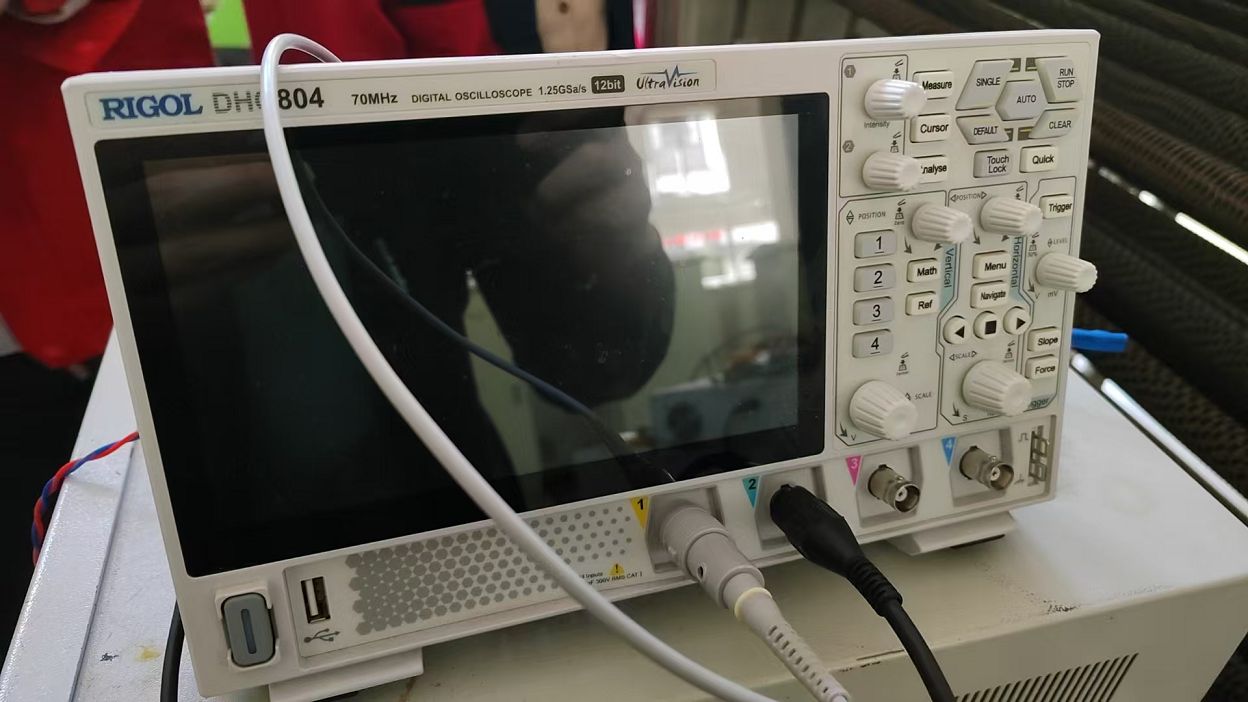
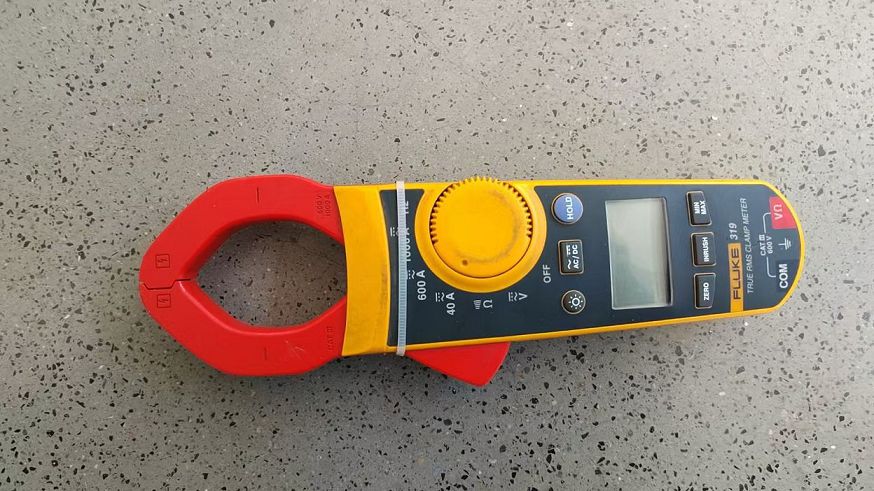
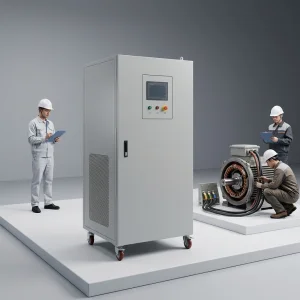
Every controller and grid-tie converter undergoing assembly is continuously tested using professional diagnostic and verification instrumentation. Our R&D engineers utilize specialized calibration gear to perform burn-in runs, trace thermal profiles, and run load step responses.
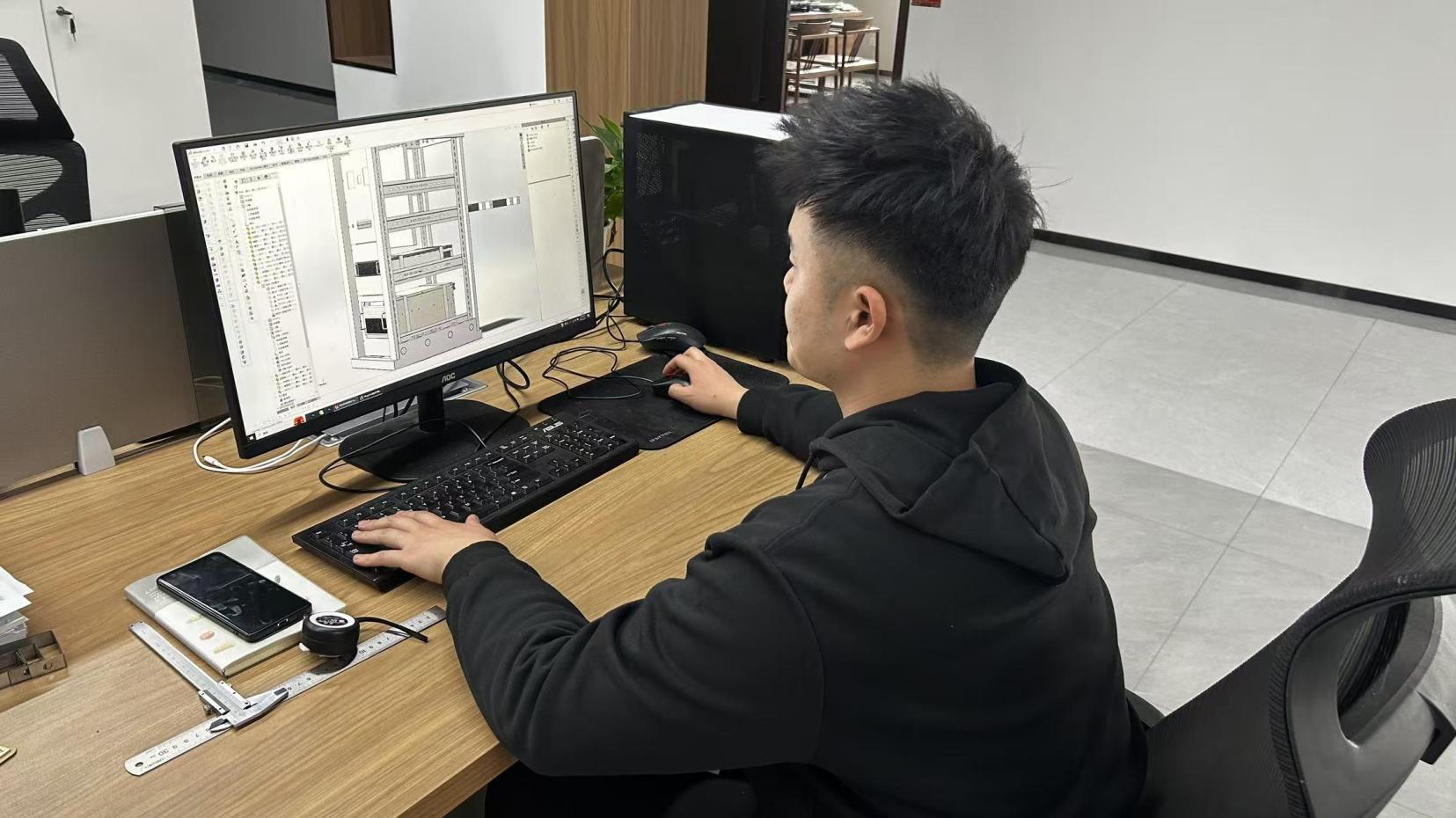
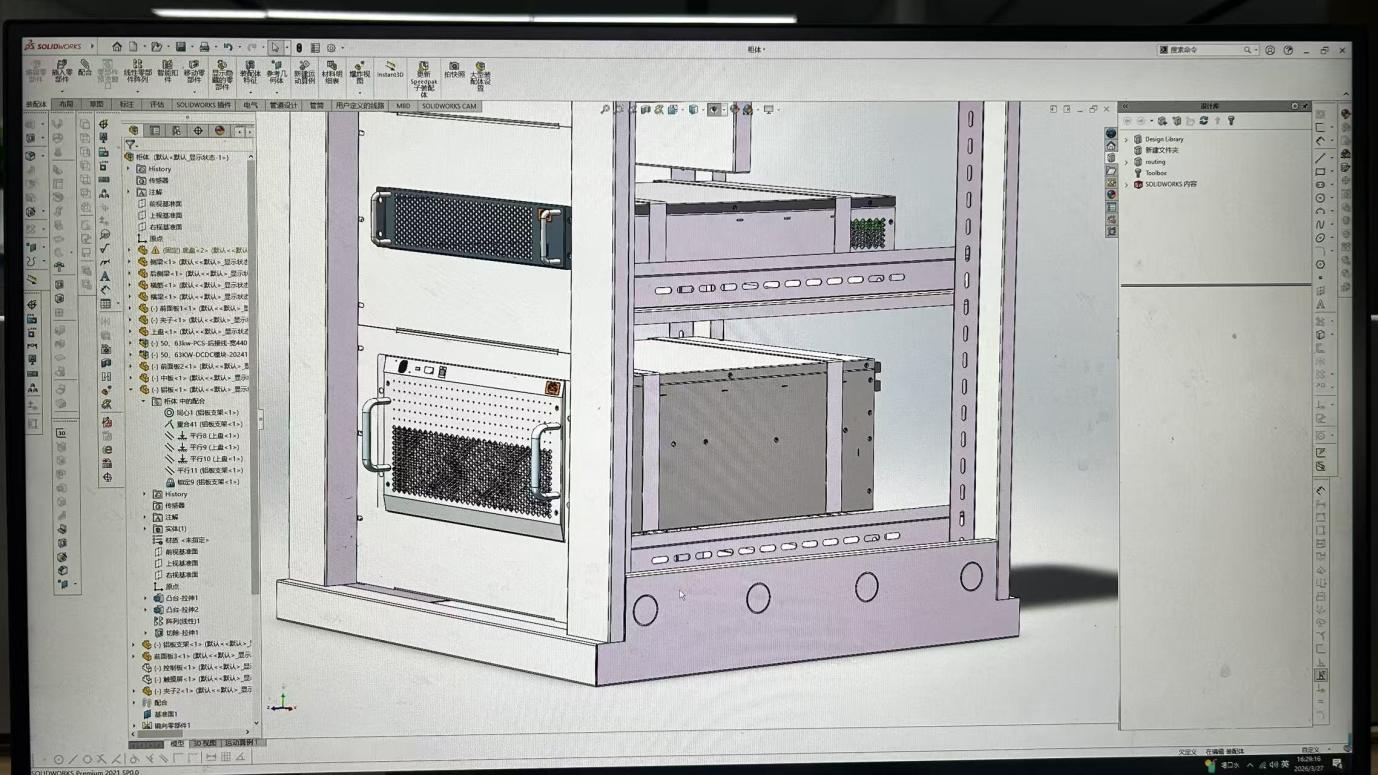
Furthermore, our engineering workflow begins at the architectural schematic level. Using custom CAD programs, we simulate grid transients, design optimized magnetic copper paths for low losses, and configure mechanical enclosures to withstand humid, saline coastal environments.

5. Macro-Level Systems & Localized Applications

Deming's product architecture is built for easy integration into diverse, high-performance clean energy setups:

Remote Island Microgrids

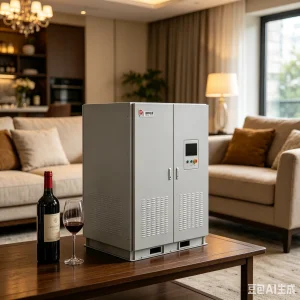
Isolated coastal communities typically rely on costly, high-emission diesel fuel imports. Combining Deming’s 300kW PCS converters with tidal-wind arrays creates self-sustaining AC microgrids. The system's fast load-step response compensates for immediate power drops, reducing diesel dependency by up to 90%.

Offshore Platform Integration

Offshore oil platforms, scientific telemetry installations, and aquaculture systems face harsh ocean swells. Deming's high-efficiency triple-output sine wave AC/DC converters stabilize local generation from miniature wave-energy converters, delivering reliable power through extreme weather events.

Bidirectional Battery Simulation

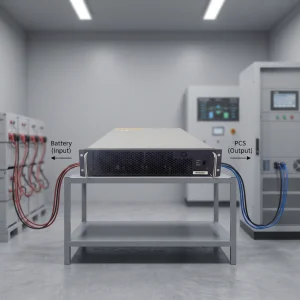
For advanced labs and clean energy startups developing wave generators, our bidirectional DC test power supplies and battery simulators (150kW to 500kW) simulate different grid dynamics, allowing engineers to test their generator systems without relying on full marine deployments.

6. Deep Technical Q&A (FAQ) for Engineering Procurement

How does Deming's converter system handle fluctuating multi-phase AC from subsea generators?

We use a two-stage topological layout. Variable frequency, variable voltage AC from the subsea turbine is rectified by our active-front-end (AFE) liquid or forced-air cooled AC/DC converter. The output is smoothed onto a high-voltage DC link bus. A secondary grid-tie inverter (like our 300kW three-phase system) then synchronizes the DC power to the utility grid, maintaining total harmonic distortion (THD) below 3%.

What protection mechanisms are built-in for deep-sea environments?

For offshore installations, we build our systems into salt-spray resistant cabinets with NEMA 4X or IP65 ingress ratings. The electrical design features robust galvanic isolation (through high-frequency or line-frequency isolation transformers), transient surge suppression (SPD Type II/I), over-voltage and over-current protection, and automatic anti-islanding detection conforming to international grid safety codes.

Can you provide custom input and output voltage ranges for OEM projects?

Yes. Our R&D center specializes in customization. We offer wide input voltage ranges, including high-voltage DC inputs (up to 850V DC or higher) for solar and wind arrays, and specific subsea motor voltages. Our bidirectional DCDC converters and heavy-duty battery simulators are customizable within the 150kW to 500kW range, with options for liquid cooling and custom communication protocols like Modbus TCP/IP, CANopen, and Profinet.