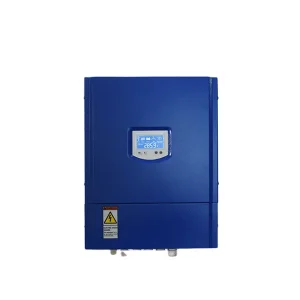
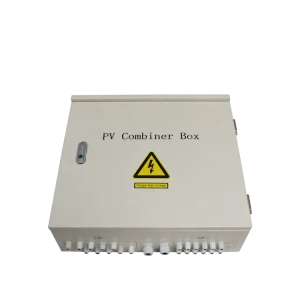
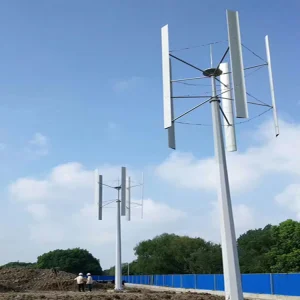
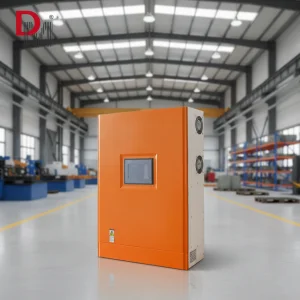
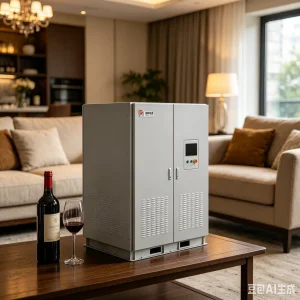
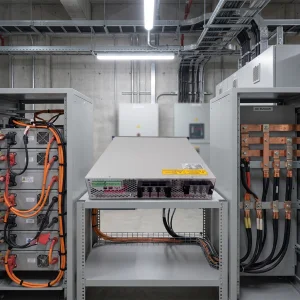
Custom OEM Renewable Energy Solutions Factory & Exporter

Industrial-Grade Power Electronics, Bidirectional Converters, Wind/Solar Controllers, and Microgrid Storage Systems Engineered for Global Decarbonization.

Pioneering Energy Infrastructure: Jinan Deming Power Equipment

Established in 2004, Jinan Deming Power Equipment Co., Ltd. is a nationally recognized high-tech enterprise at the forefront of the global energy transition. For over two decades, we have dedicated ourselves to the research, development, engineering, and manufacturing of state-of-the-art power electronics. With an uncompromising commitment to innovation, Deming reinvests no less than 20% of annual sales revenue back into technology development. This sustained R&D mechanism enables our elite team of 16 senior engineers—comprising doctoral supervisors and master’s degree holders—to continually push the limits of power conversion efficiency, grid-tie synchronization, and off-grid stability.

2004
Year Founded
20%
R&D Reinvestment
120+
Countries Exported
17+
Major R&D Projects

Our structural framework operates under strict compliance with ISO9001:2015 quality standards. Deming's technical achievements are underscored by the successful completion of 17 commercial R&D projects in the last three years alone, translating 16 cutting-edge scientific milestones into mass-producible products. Our global export footprints cover more than 120 countries, establishing long-term, high-trust cooperative relationships with Fortune 500 energy developers, marine ports, utility companies, and microgrid integrators in Germany, Japan, the United States, the UK, Canada, Australia, and Brazil.

Macro-Industry Solutions & Grid Integration

Integrating complex topologies to deliver resilient energy architectures for utility operators and industrial developers.

Shore-to-Ship Frequency Conversion

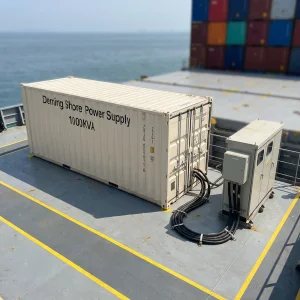
Decarbonizing maritime transportation requires robust electrical infrastructure. Deming's 6.6kV/11kV Shore Power Systems allow commercial vessels to shut down auxiliary diesel engines in port, drawing clean power through our low-harmonic, grid-synchronized frequency converters.

Commercial Battery Energy Storage Systems (BESS)

Integrating large-scale solar or wind requires active battery balancing and bidirectional capabilities. Our 150kW to 500kW PCS (Power Conversion Systems) feature four-quadrant power control, enabling ultra-fast response for frequency regulation, peak shaving, and islanded black start operations.

Industrial Microgrids & Remote Power

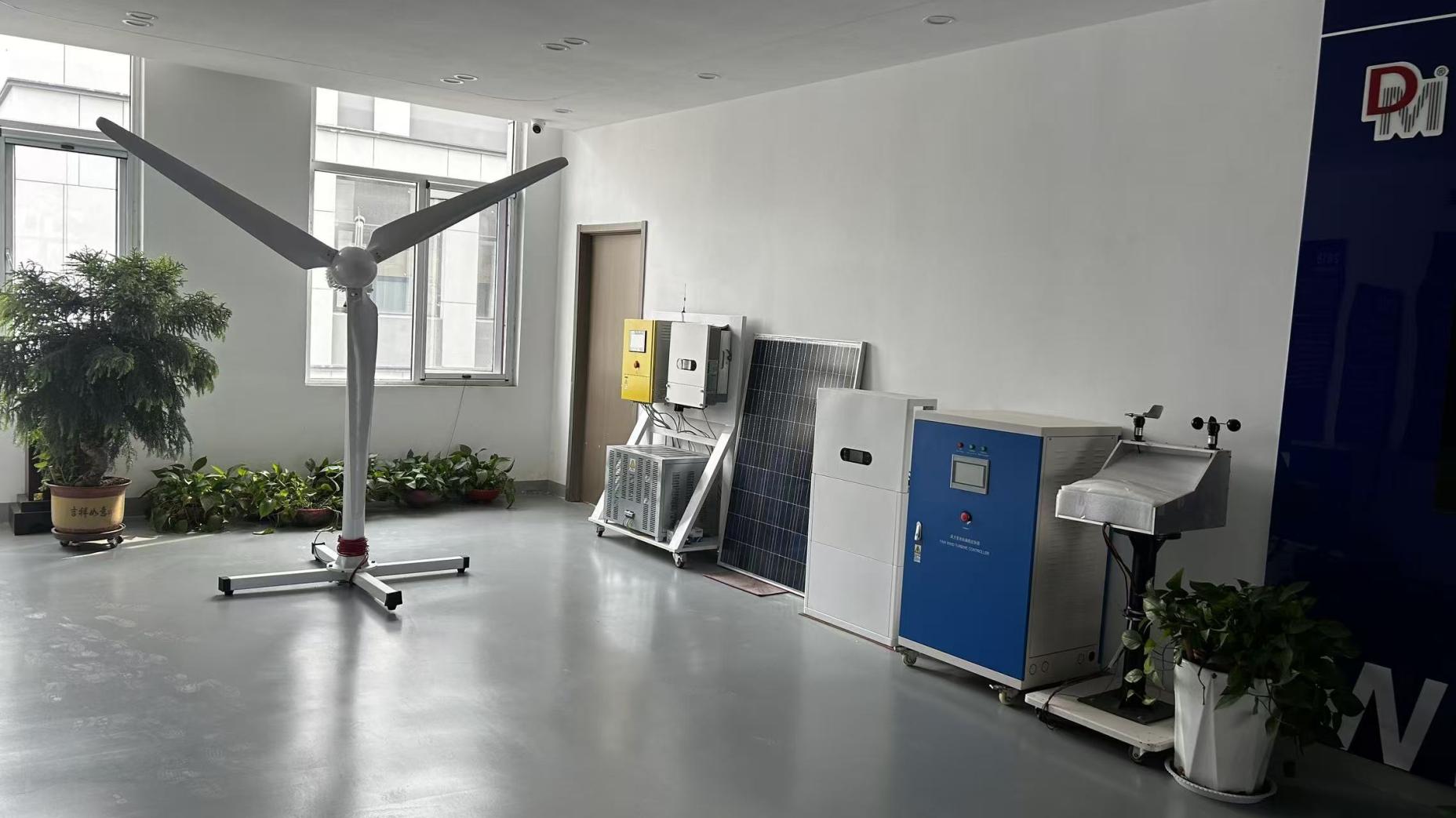
For operations distant from utility grids—such as mining sites and isolated communities—our modular stackable 1500V DC-DC converters and high-efficiency wind/hydro controllers establish a reliable localized bus line, mitigating generator dependency.

China Factory 4.0: Supply Chain Resilience & Quality Control

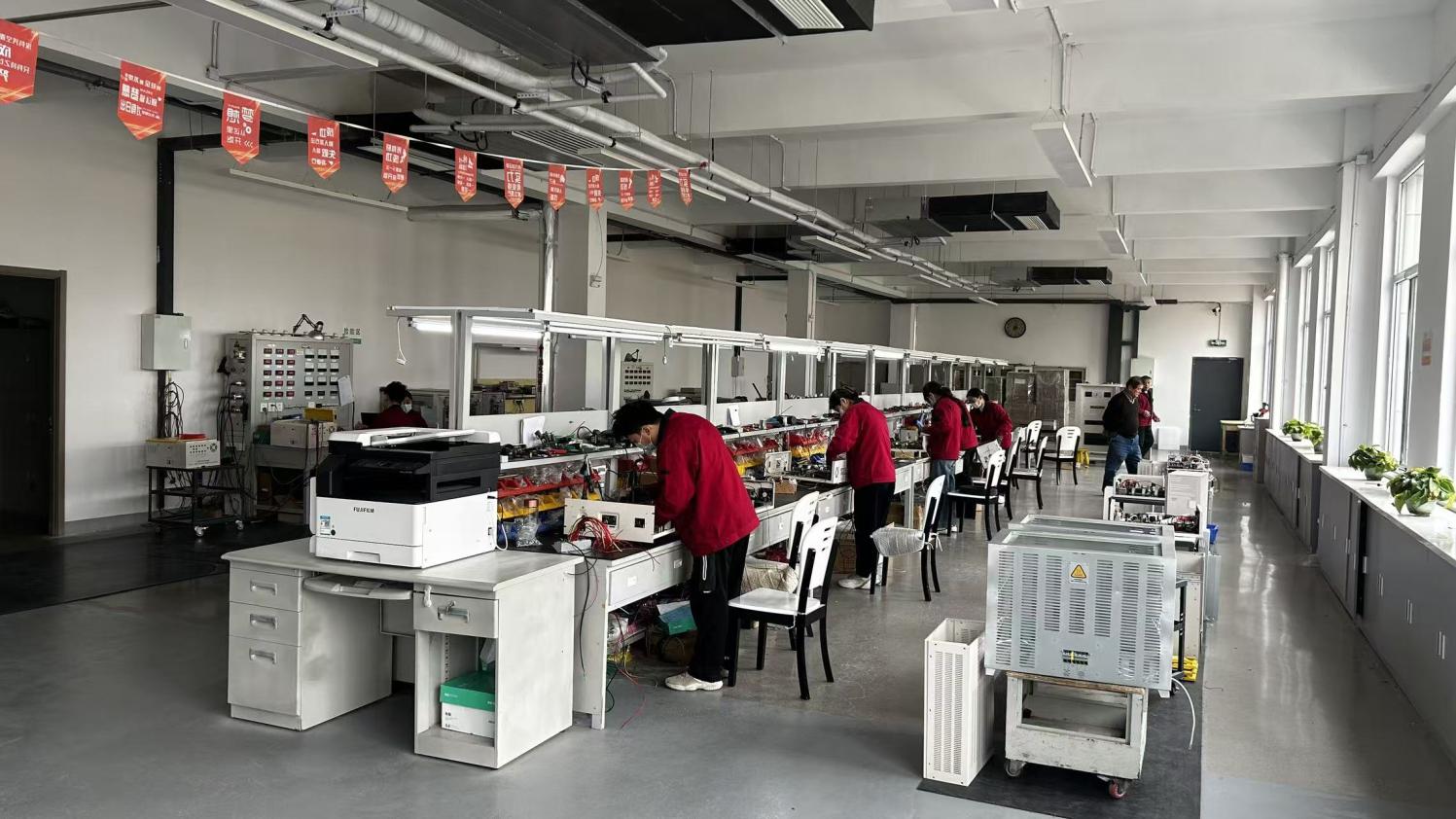
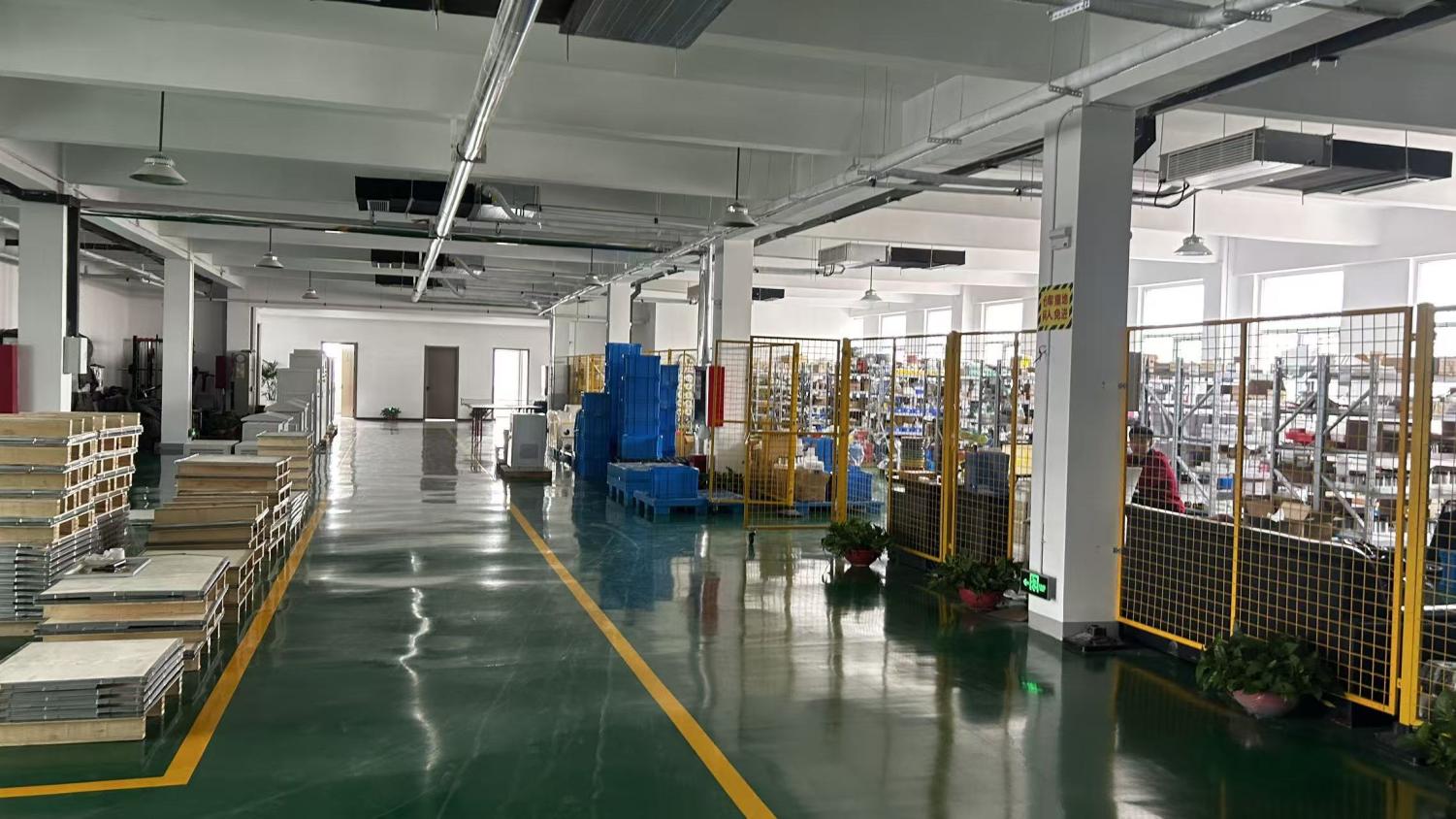
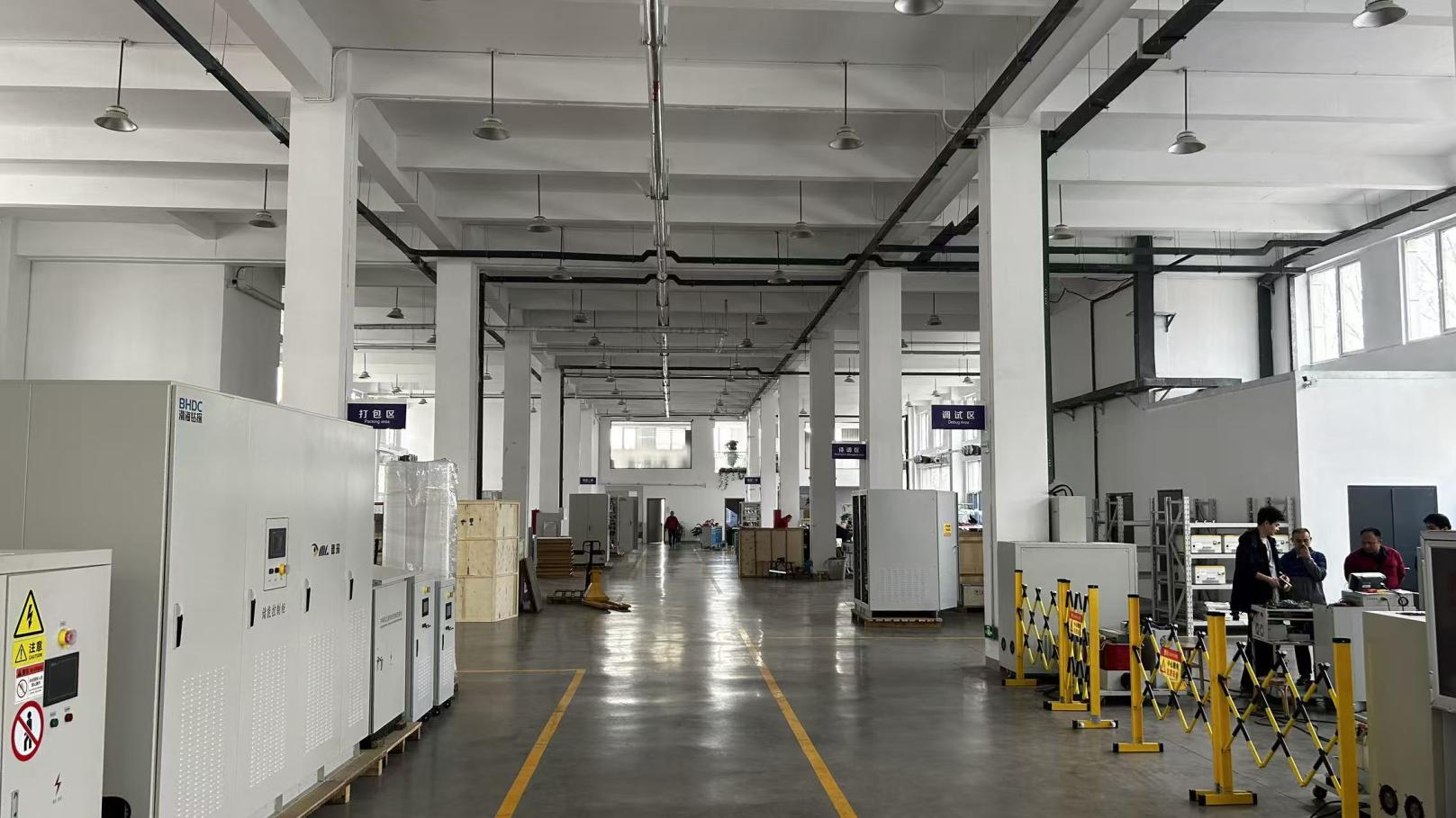
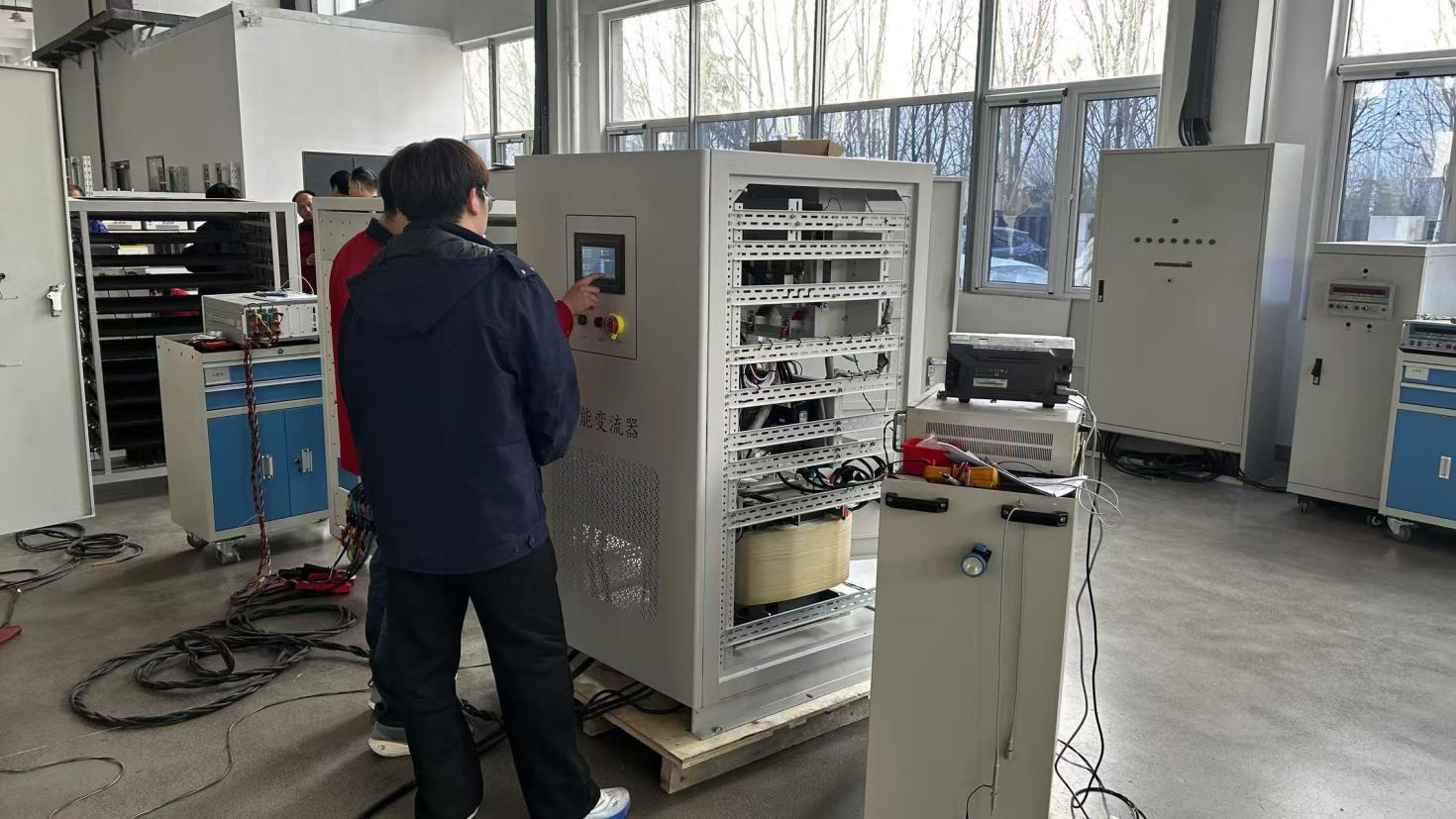
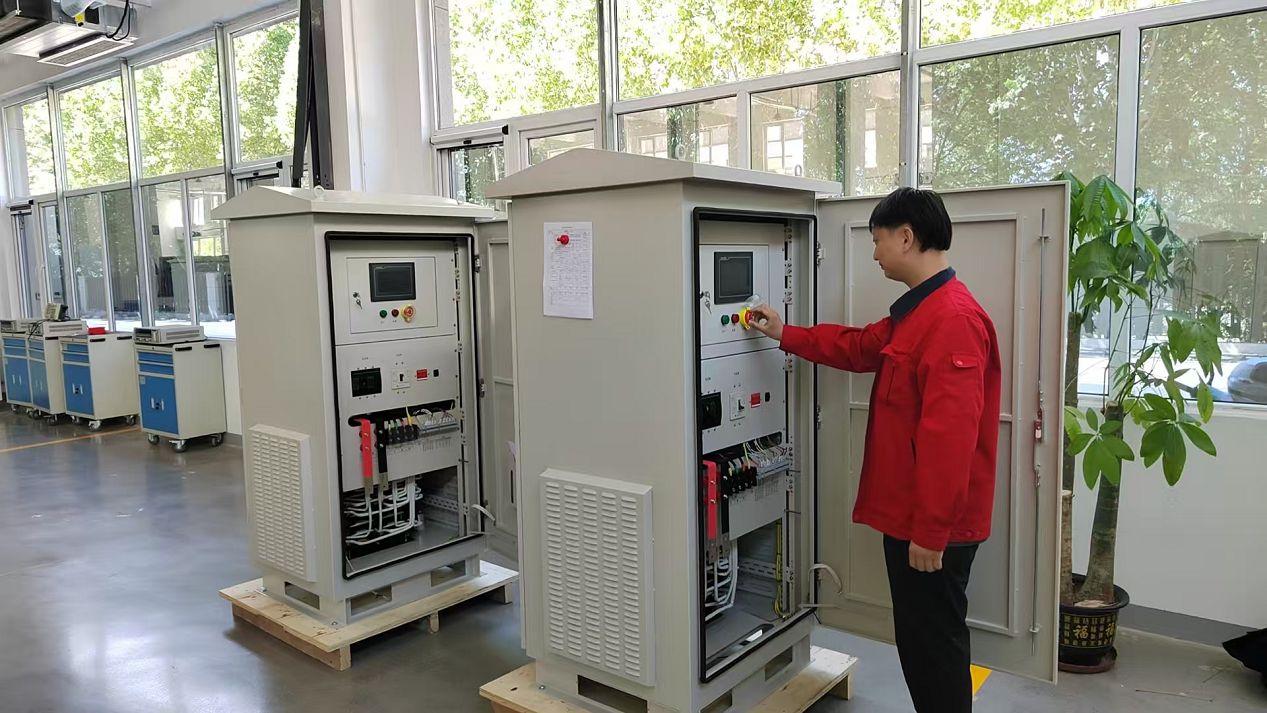
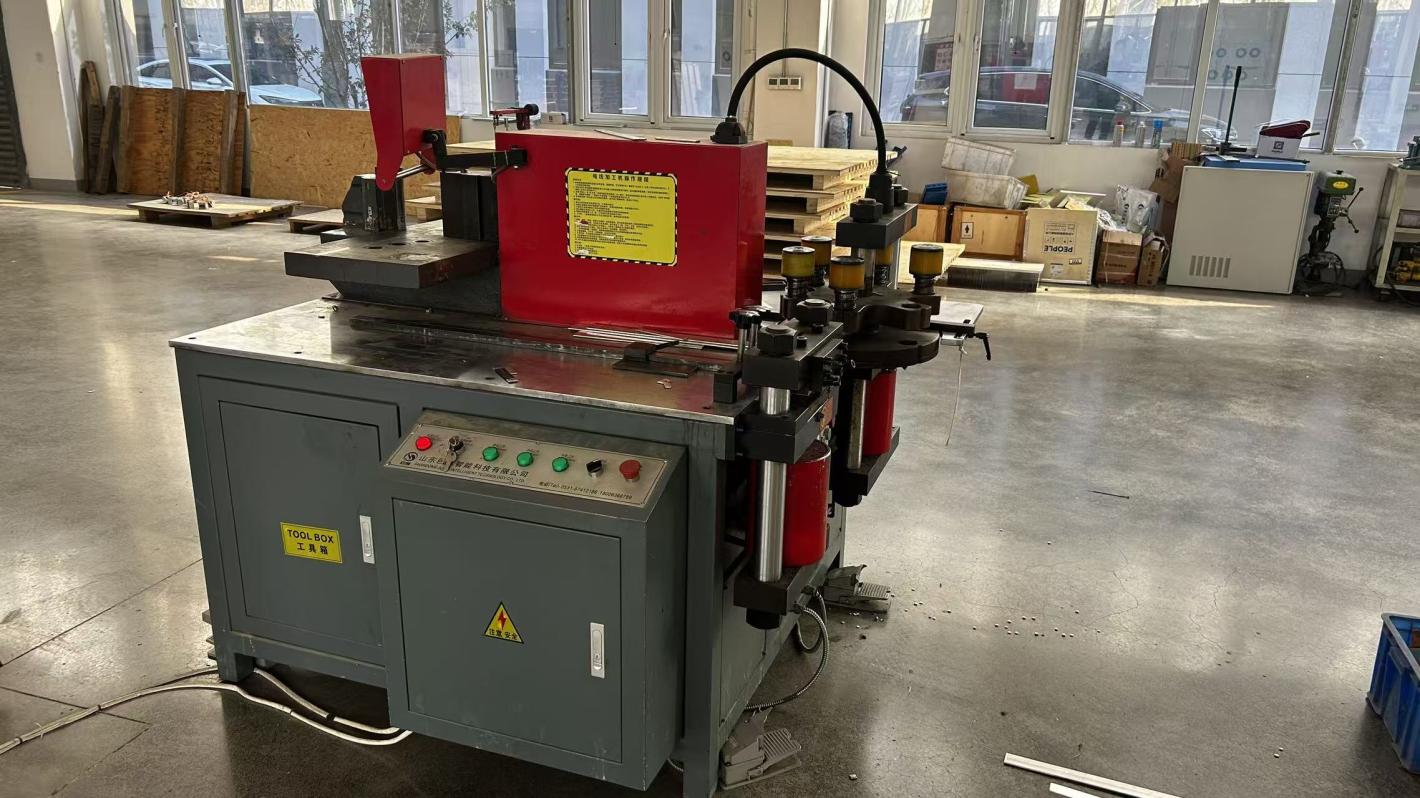
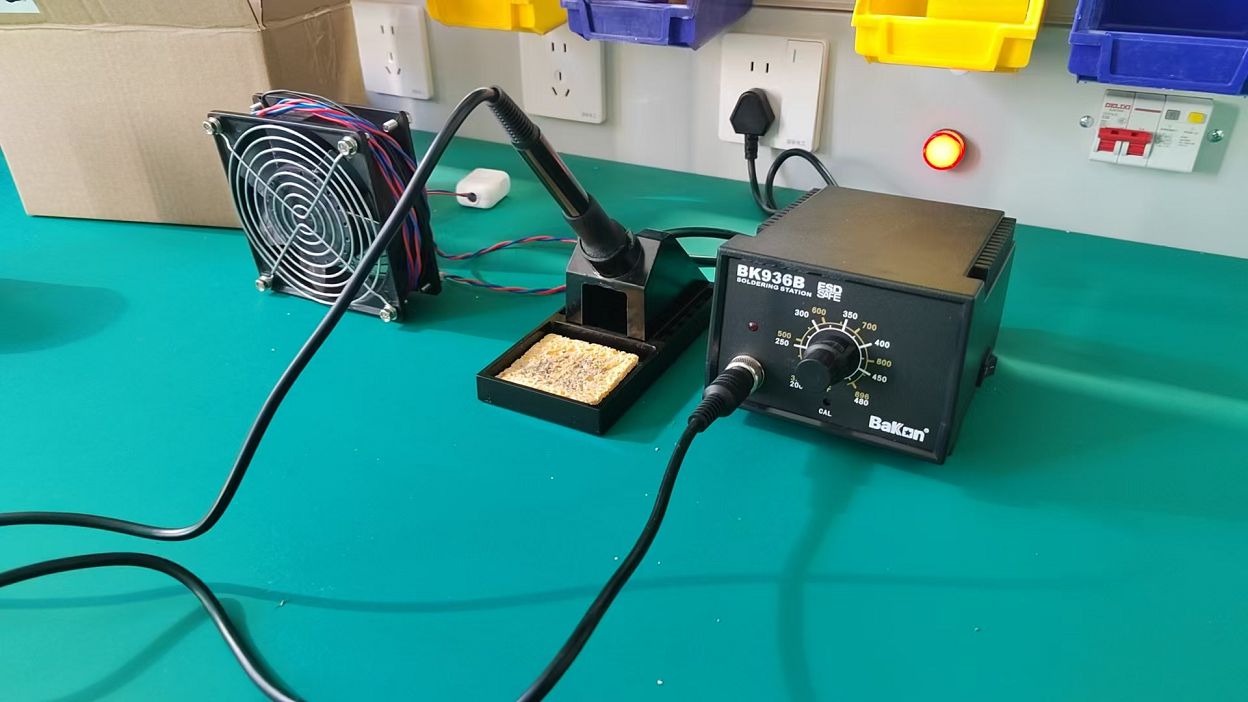
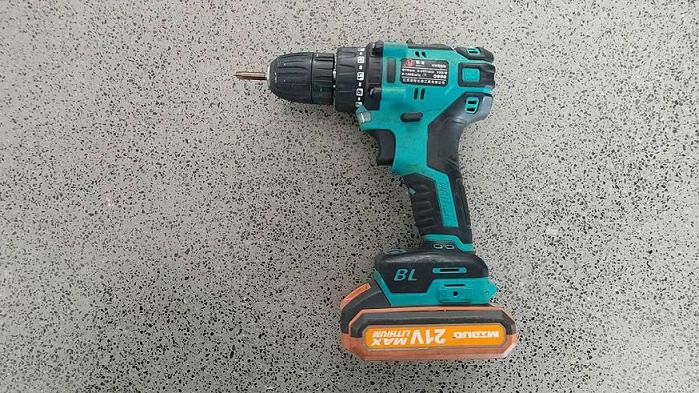
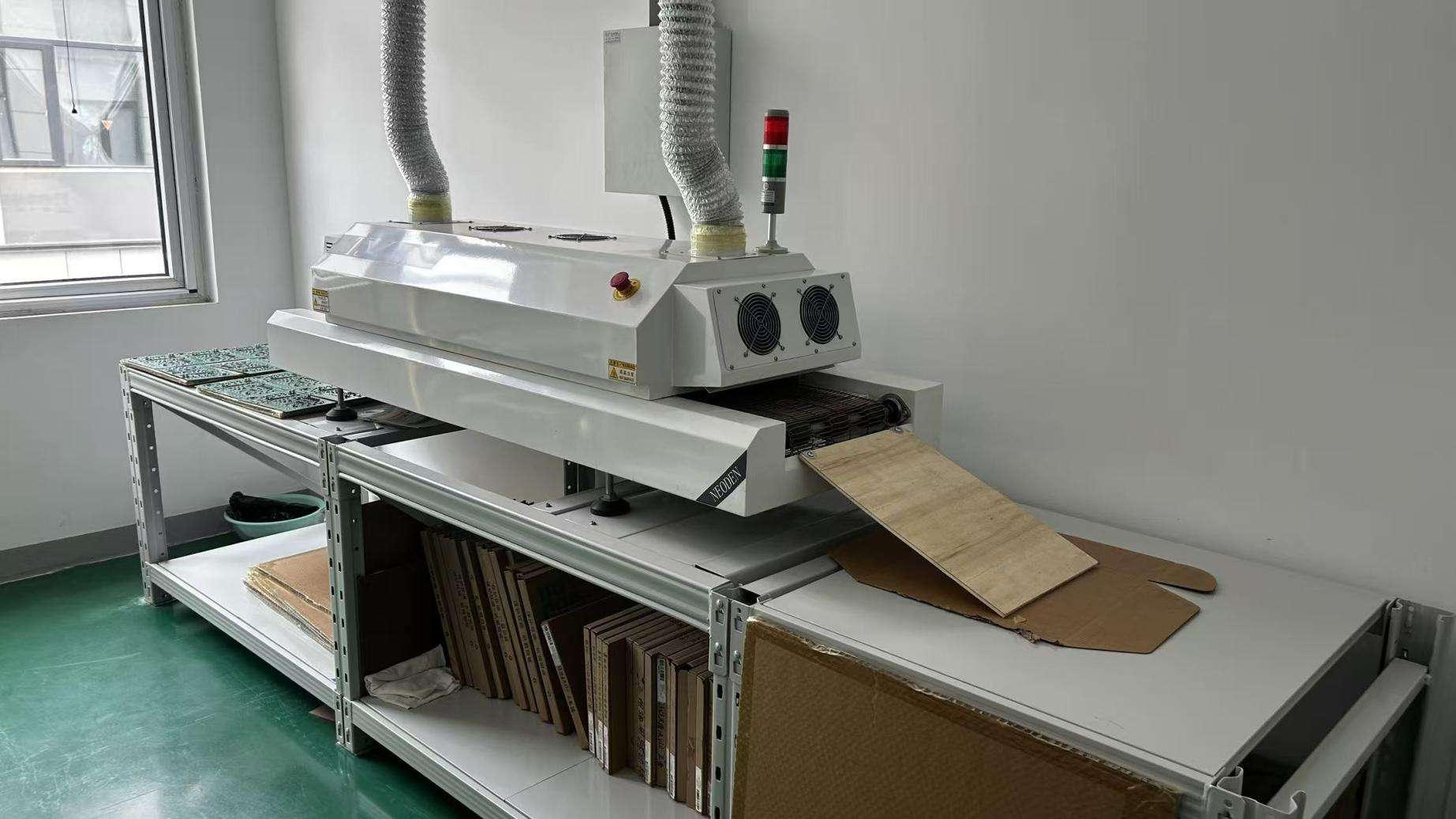
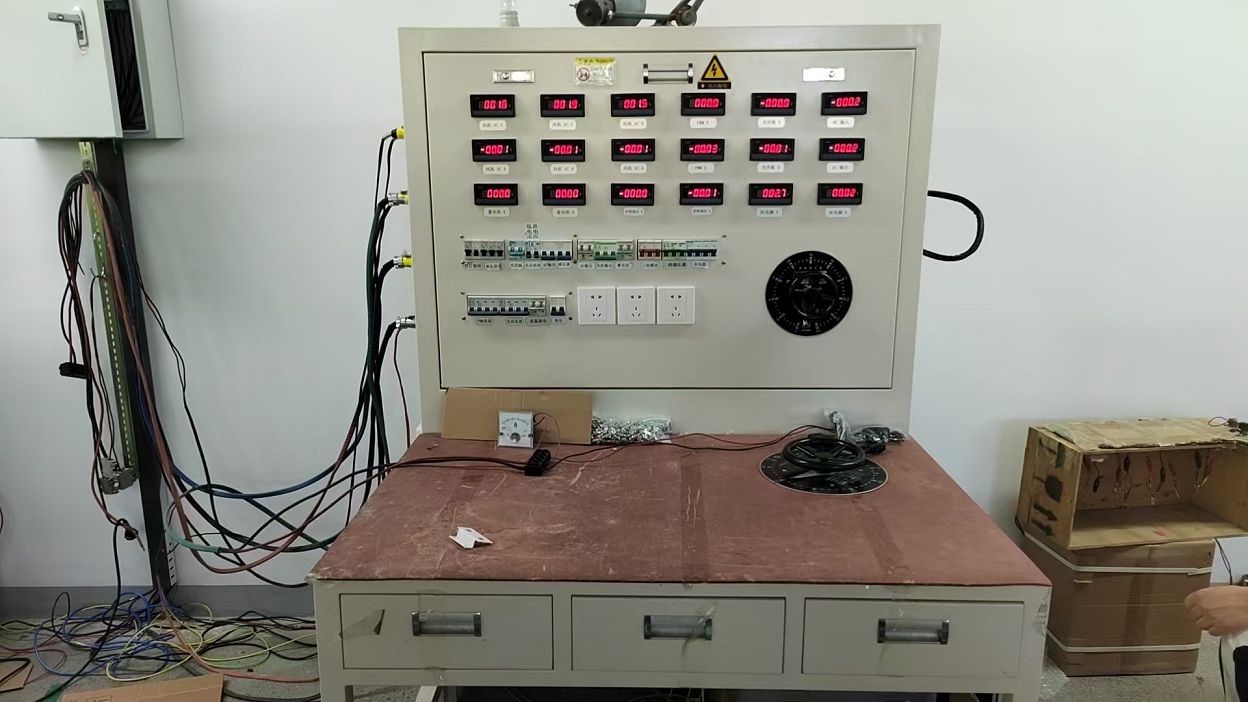
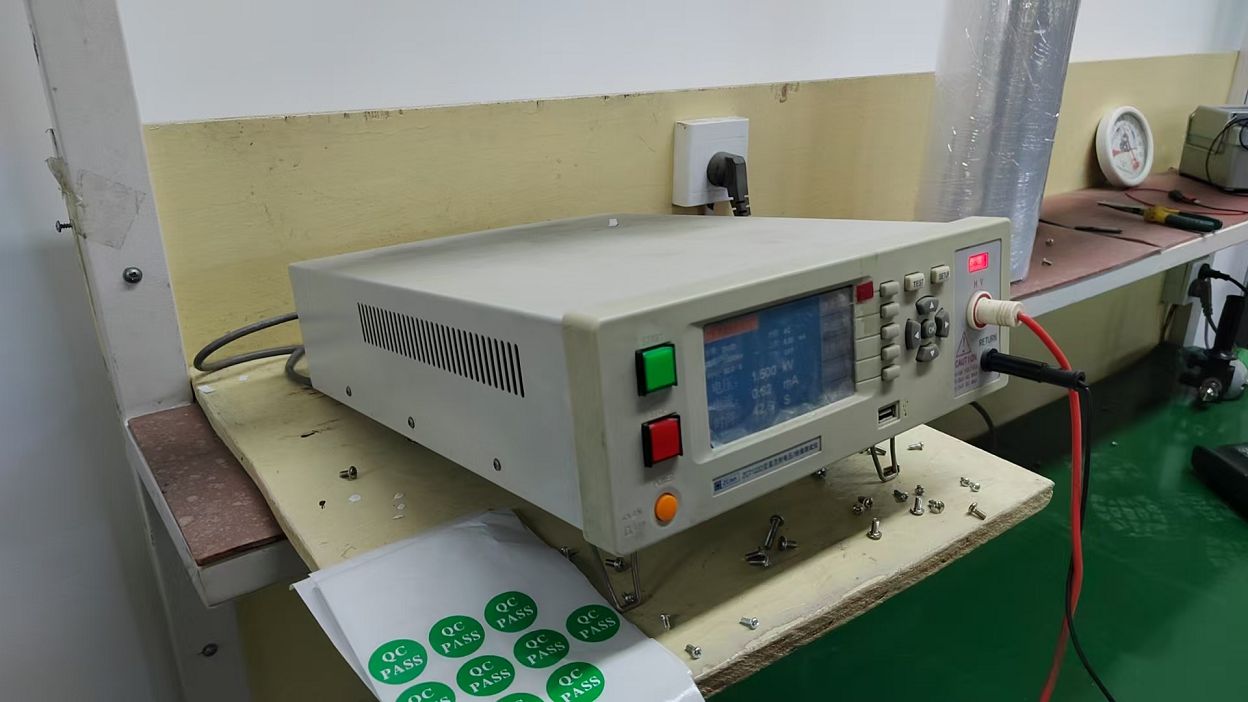
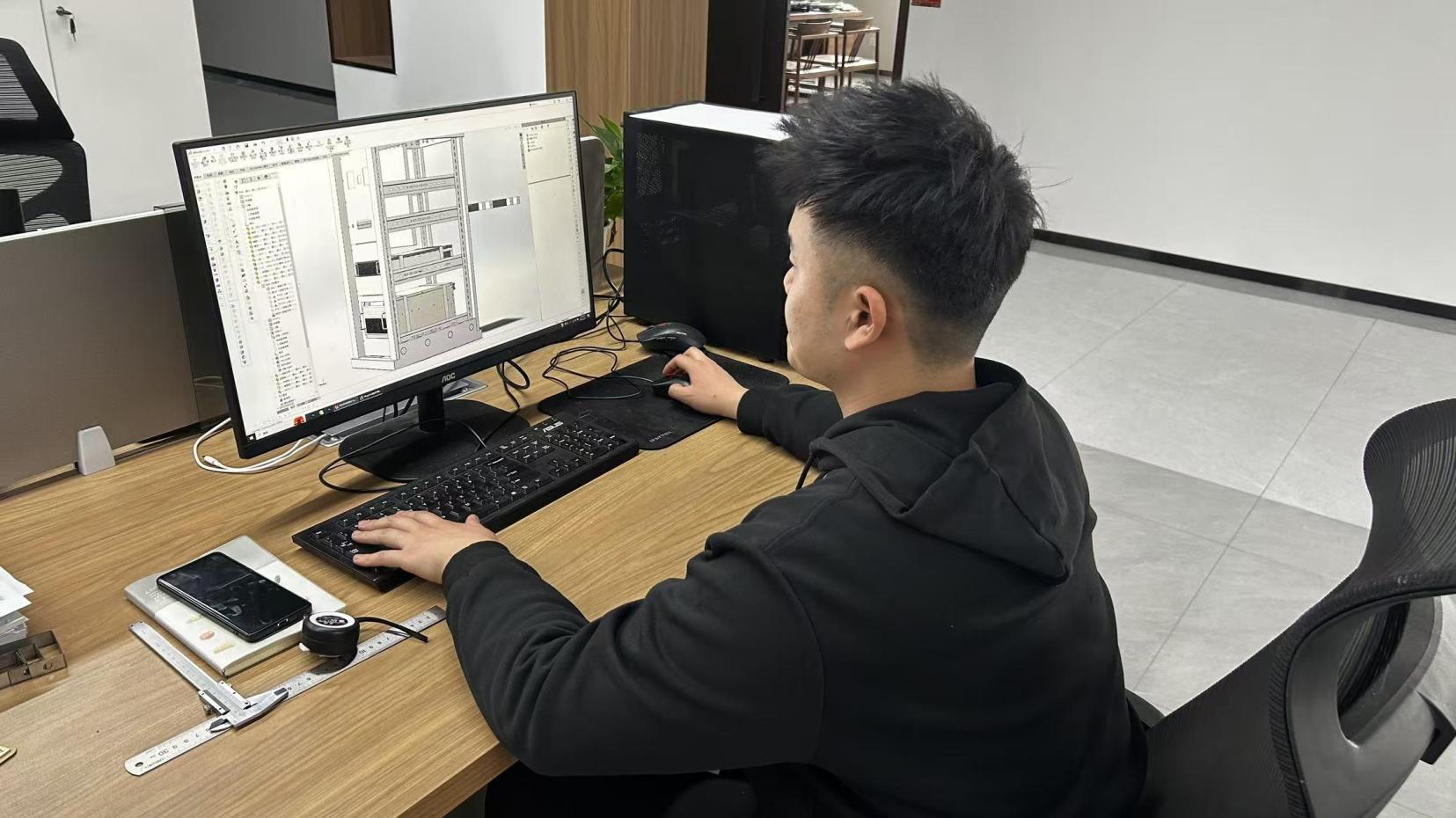
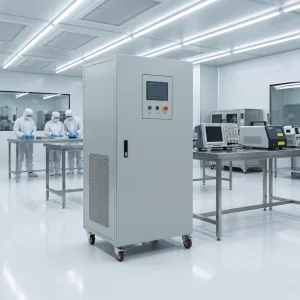
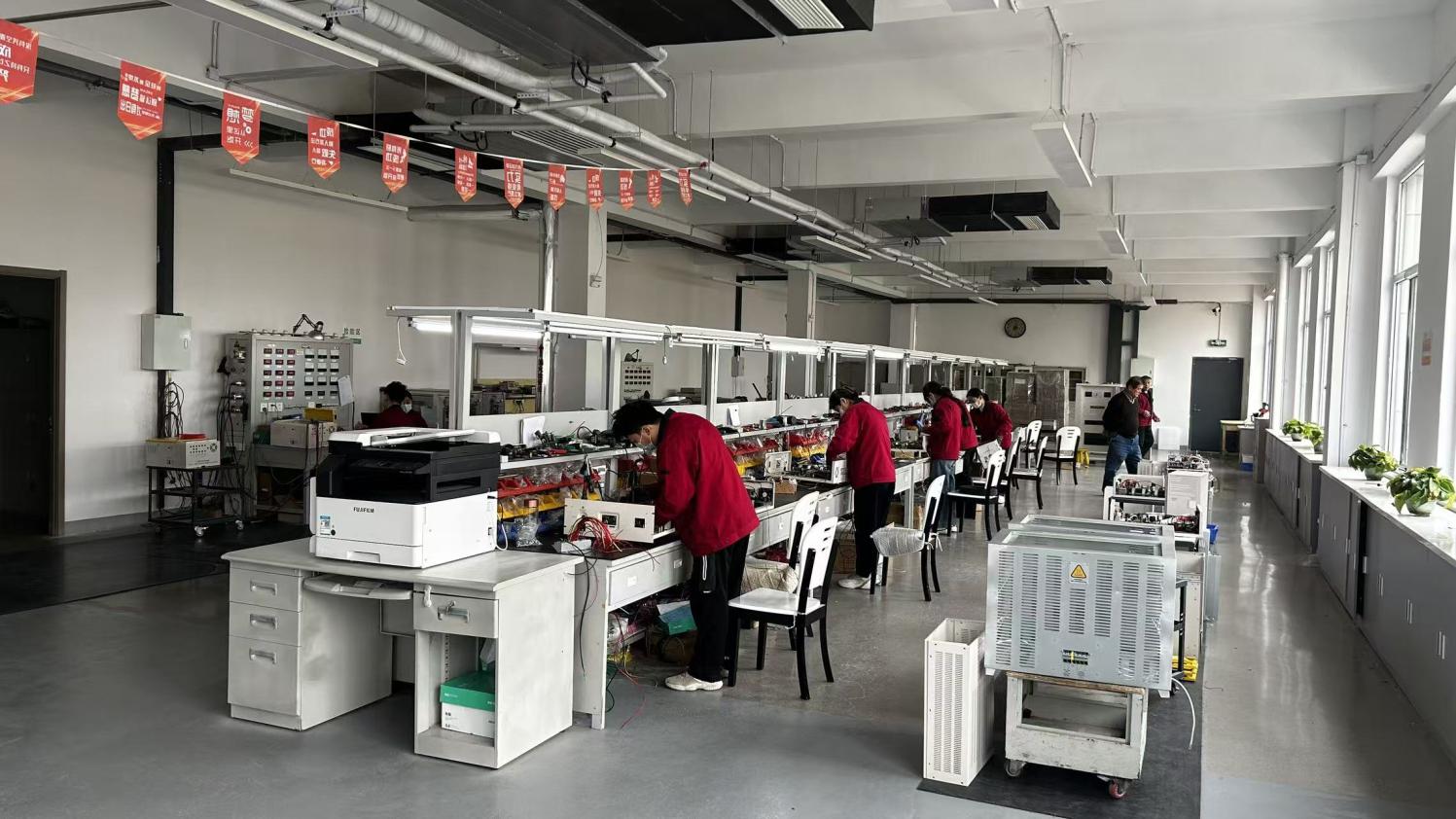
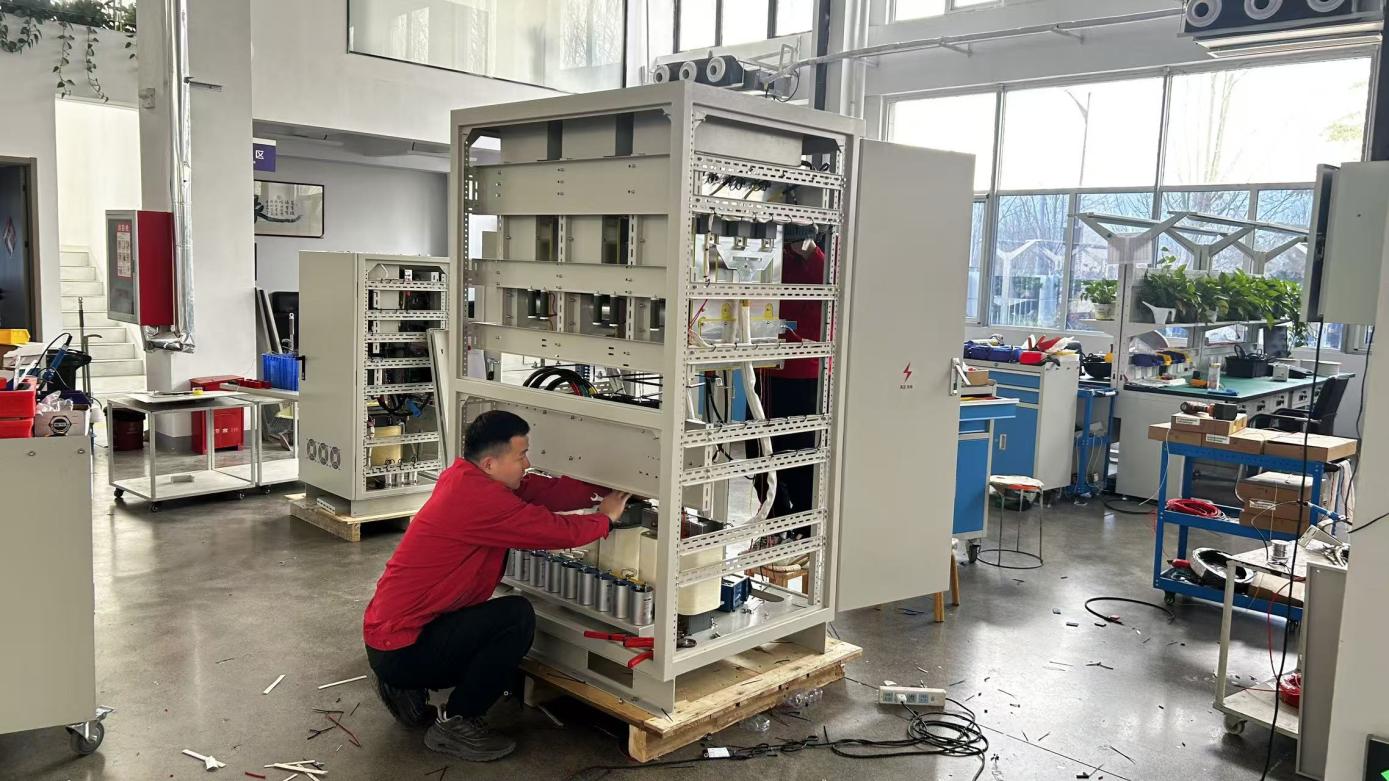
Maintaining quality leadership requires strict manufacturing controls. Our Jinan production complex integrates automated SMD placement, robotic copper-bar production, and computerized test chambers. Every single power inverter and charging controller undergoes severe thermal cycling and full-load burn-in testing before dispatch.
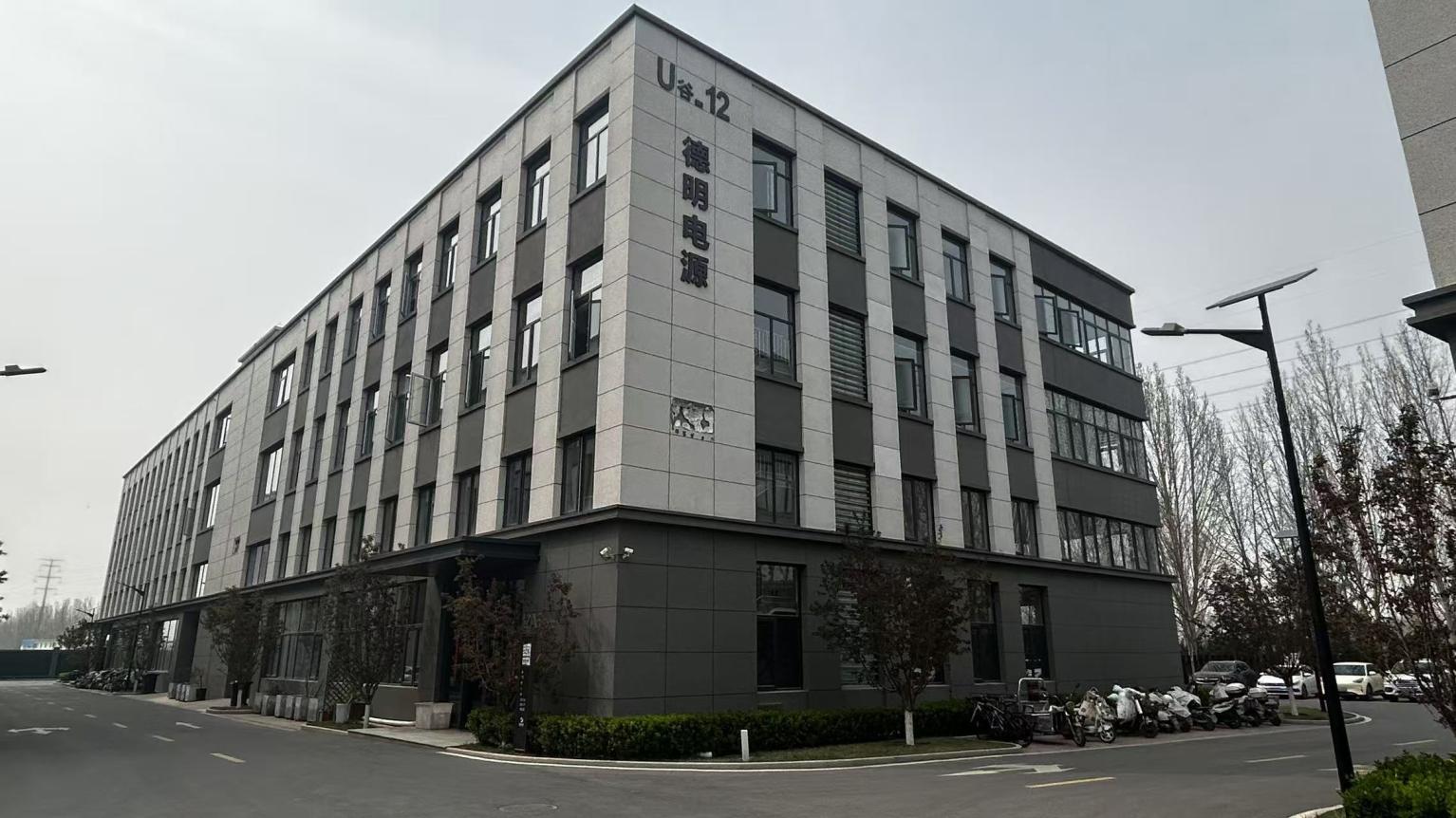
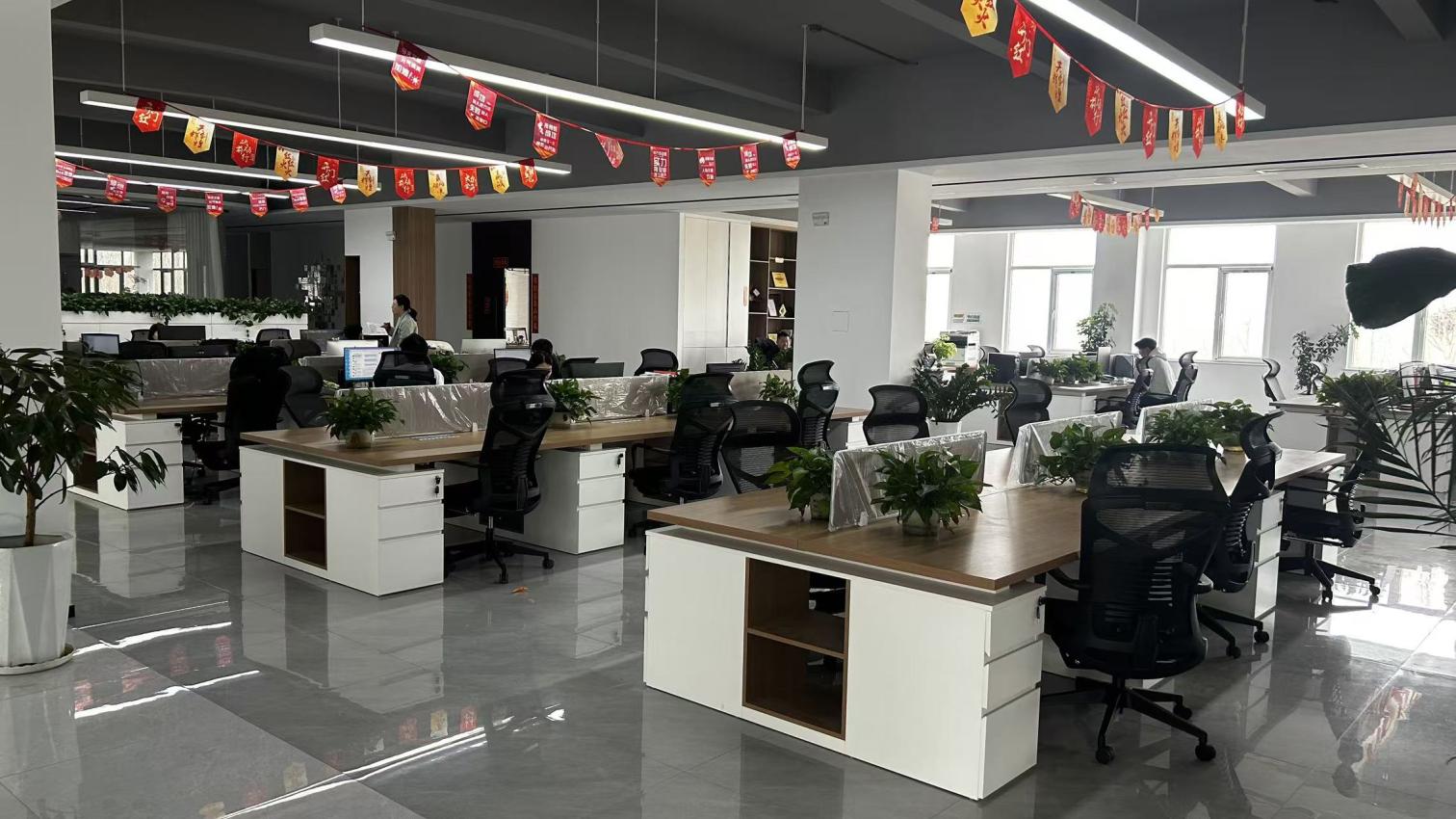
Deming Factory Infrastructure 1
Deming Factory Infrastructure 2
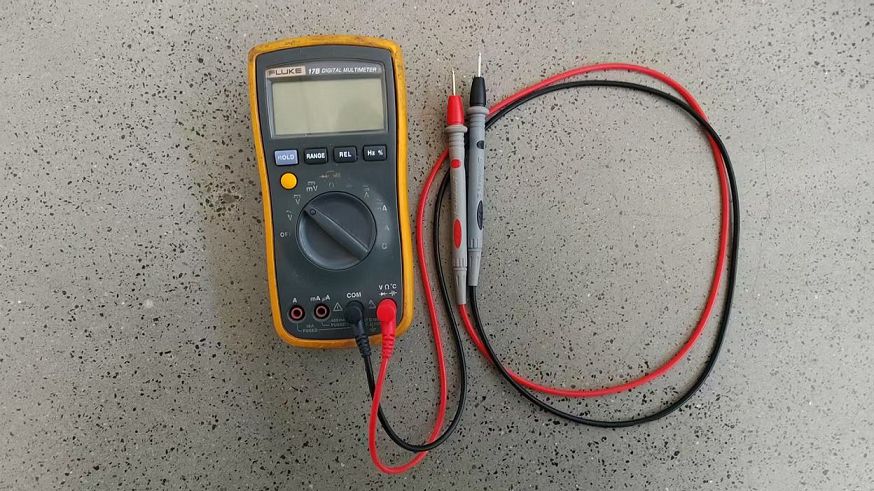
Deming Factory Infrastructure 3
Deming Factory Infrastructure 4
Deming Factory Infrastructure 5
Deming Factory Infrastructure 6

Precision Manufacturing Processes & Testing Instrumentation

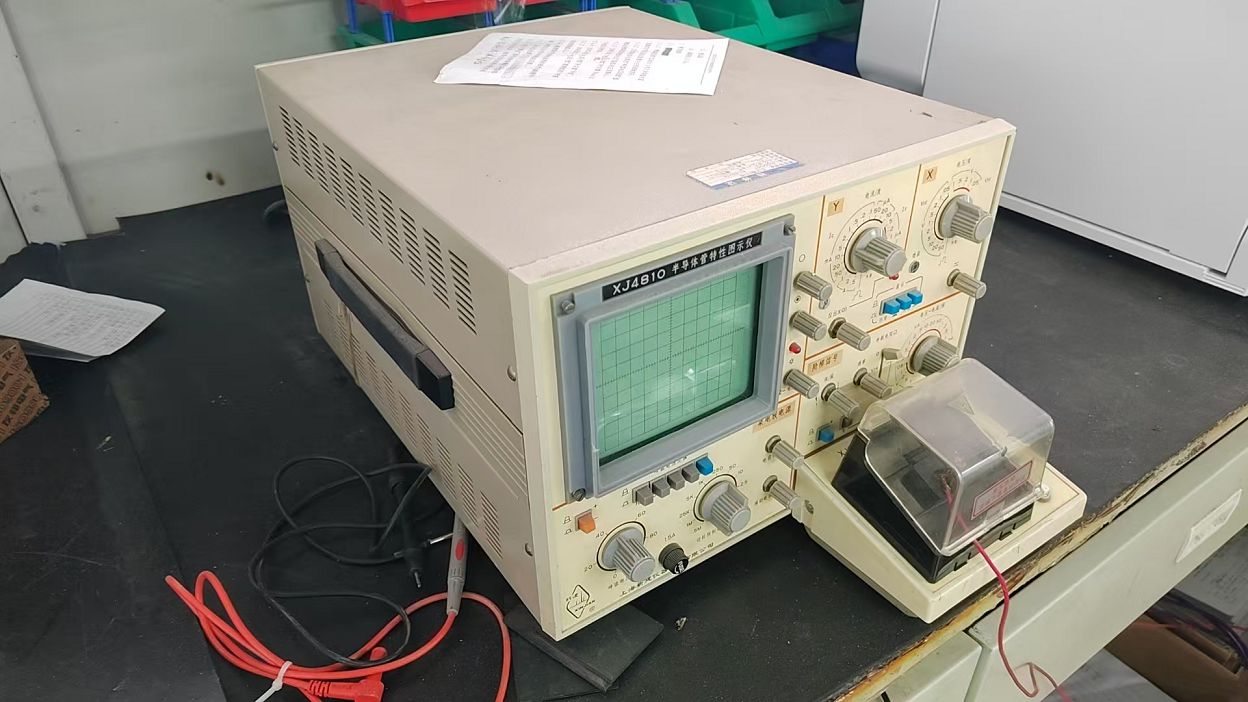
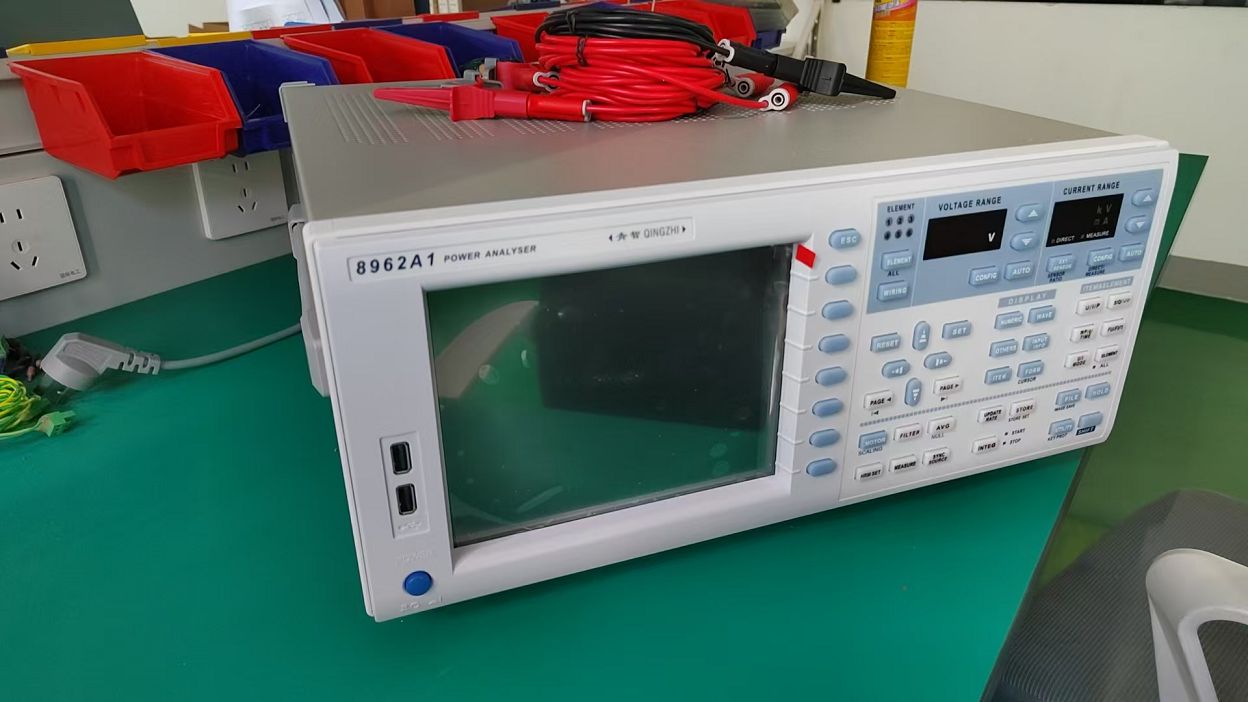
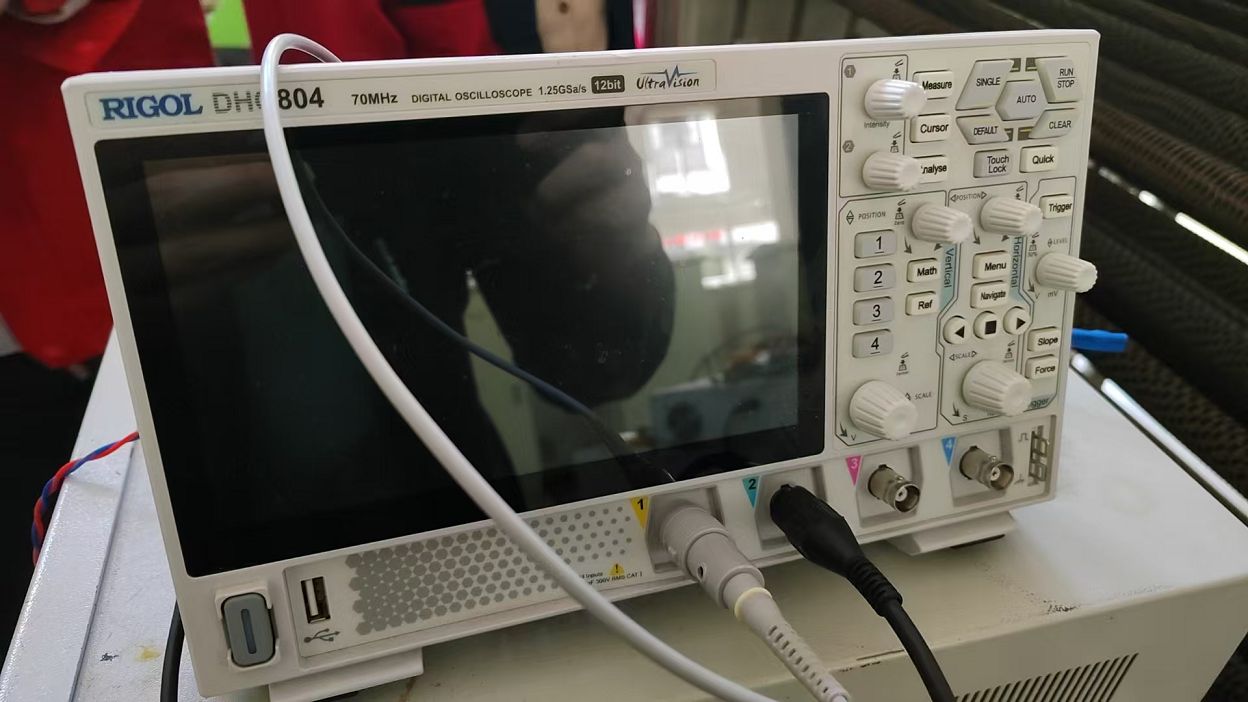
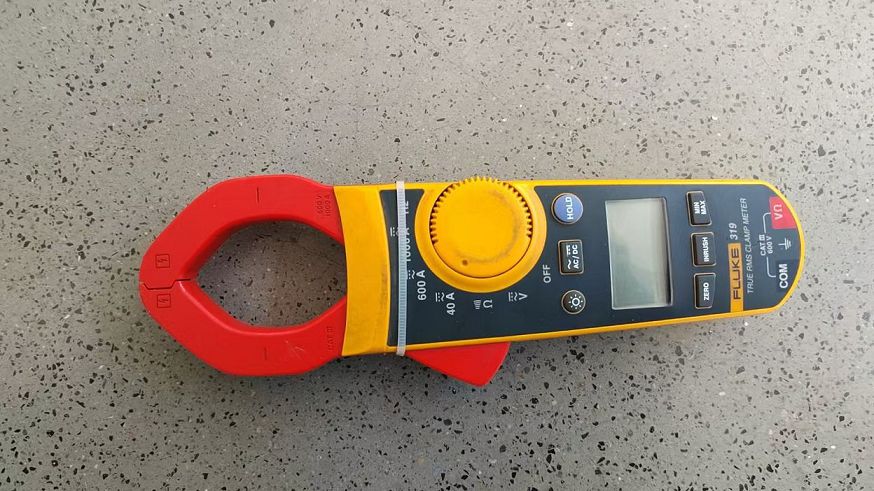
By maintaining in-house assembly, circuit routing, and software compilation, we prevent typical third-party component failures. Our lab is equipped with LCR Autotesters, Semiconductor Plotters, and High-Performance Digital Oscilloscopes to detect anomalies at the microsecond level.
Technology Roadmap: The Era of 1500V DC and Silicon Carbide (SiC)

As utility developers migrate from 1000V DC systems to 1500V DC platforms to cut BOS (Balance of System) costs and lower cable power losses, Jinan Deming is pioneering this transition. Our engineering team is currently integrating third-generation Silicon Carbide (SiC) and Gallium Nitride (GaN) MOSFETs into our high-power converters.

Compared to traditional silicon IGBTs, SiC-based power topologies yield:

  • Higher switching frequencies (up to 50 kHz): Reducing the size and weight of magnetic components (inductors and transformers) by up to 40%.
  • Superior thermal conductivities: Enabling reliable operation in hot desert locations without de-rating, while maintaining system efficiency at 99%.
  • Minimal switching loss: Optimizing round-trip efficiency for battery charge/discharge operations, significantly lowering the Total Cost of Ownership (TCO).

Our roadmap also centers on developing modular, software-defined control algorithms. Through remote firmware updates over secure Ethernet connections, our systems can adapt to evolving grid codes and integrate seamlessly with AI-driven energy management platforms (EMS).

Global Procurement & Regulatory Conformance

For EPCs and developers, compliance is a crucial requirement. Deming ensures all custom OEM products comply with major international grid regulations and safety standards.

Engineered for Standards Compliance

Whether deploying wind/solar hybrids in Europe, off-grid storage systems in Africa, or shore-to-ship converters in the United States, our engineers design to meet strict parameters:

  • Grid Code Compatibility: IEEE 1547, UL 1741, and European EN 50549 for stable utility integration.
  • Safety & Protection: IEC 62109-1/-2 for PV inverters and IEC 62477-1 for power electronic converter systems.
  • Environmental & Thermal: NEMA 3R / IP65 enclosures ensuring durability in sandy, coastal saline, and freezing climates.

Optimized Logistics & OEM Process

We provide complete transparency throughout the supply chain. From the initial conceptual drawing to prototype testing, serial manufacturing, and global maritime shipping, we support our partners with comprehensive documentation, including detailed material breakdowns (BOM) and FAT (Factory Acceptance Test) certificates.

Technical Q&A: Architectures & Procurement

Deep dive answers for electrical engineers, system developers, and purchasing managers.

1. What are the key advantages of a bidirectional converter (PCS) compared to standard grid-tied solar inverters?
Unlike standard unidirectional grid-tied inverters that only convert DC power from solar modules into AC grid power, a bidirectional Power Conversion System (PCS) allows for four-quadrant active and reactive power control. This enables the system to charge energy storage systems (ESS) from the utility grid during low-rate times and discharge power back into the grid during peak loads. Our 300kW PCS series features advanced phase synchronization and low harmonic profile (<3% THDi), allowing for seamless transitions between grid-interactive and isolated microgrid modes.
2. How does Jinan Deming handle customized OEM/ODM projects for niche renewable energy projects?
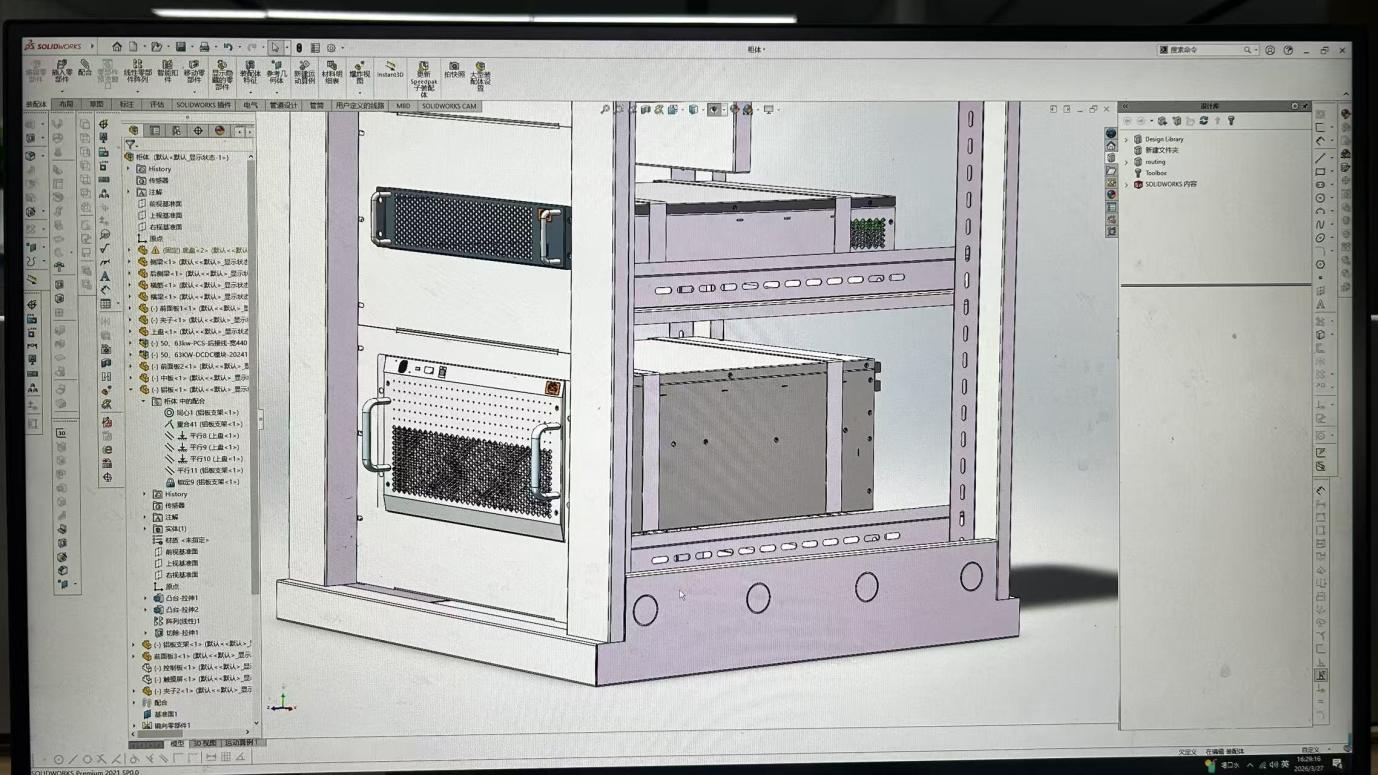
With over 20% of annual revenue reinvested into R&D and an in-house engineering team of 16 specialists, we manage customization from initial electrical layouts to physical thermal simulation. Our structural customization options range from custom DC input voltages (up to 1500Vdc), varying IP protection classes (IP42 to IP65), specific communication bus architectures (Modbus RTU, CAN, Profinet), and customized structural dimensions for space-constrained environments like marine vessels and containerized microgrid pods.
3. Why is medium voltage frequency conversion critical for marine shore power systems?
Large commercial ships require significant electrical power (often at 6.6kV or 11kV at 60Hz) even when docked. Connecting these ships directly to local municipal grids (which may operate at 50Hz and lower voltages) is not possible without specialized conversion. Our 6.6kV/11kV shore power systems bridge this gap by converting the grid's voltage and frequency while providing galvanic isolation. This protects shipboard electronics from grid surges and allows ports to reduce maritime emissions.
4. What quality control protocols are implemented at the Jinan facility?
Our ISO9001:2015 certified facility follows a multi-phase testing regimen. Every PCB undergoes automated optical testing (AOI) and LCR testing to ensure accurate trace values. After assembly, all high-power units are tested under full load using regenerative battery simulators. This verifies thermal performance under load, ensures transient response profiles, and minimizes the risk of early failure before dispatch.