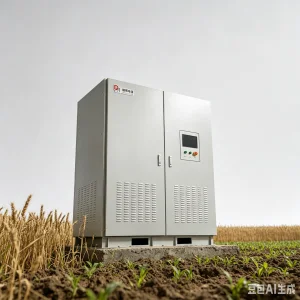
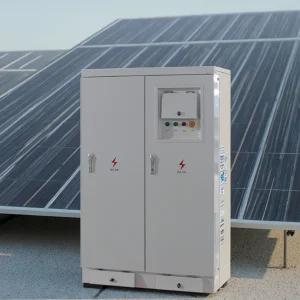
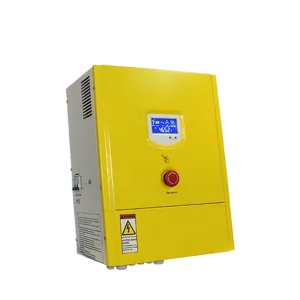
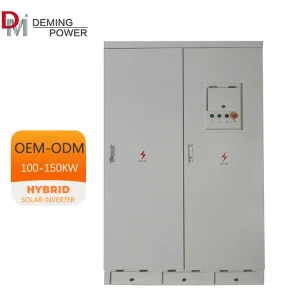
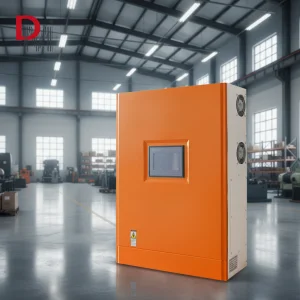
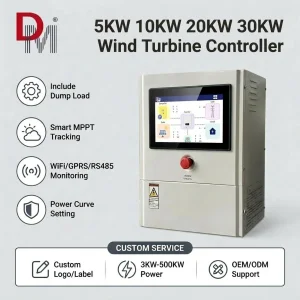
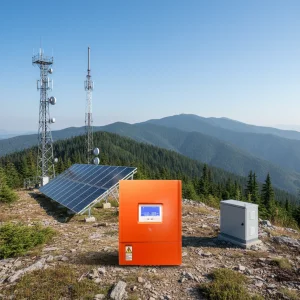
Core hardware solutions engineered for high-capacity demand response, peak shaving, and clean energy dispatching.
In the global transition toward decarbonized power grids, energy systems face a fundamental paradigm shift. Traditional grid operations, which balanced supply dynamically based on predictable consumer demand, are now adapting to volatile renewable generation. Distributed energy resource (DER) integration, electric vehicle expansion, and industrial electrification demand a more responsive system. Demand Response (DR) has emerged as the cornerstone of smart grid load management, evolving from simple manual shedding into Automated Demand Response (ADR) systems coordinated by cloud-based Virtual Power Plants (VPPs).
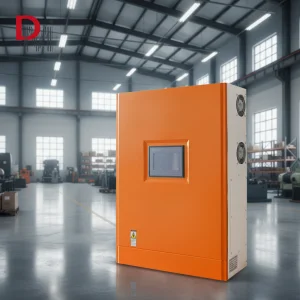
Hardware remains the foundation of this software-driven coordination. Without bidirectional inverters, high-precision solar charge controllers, fast-response wind turbine controllers, and dynamic energy storage converters (PCS), utility commands cannot be translated into physical load adjustment or local grid support. For developers, EPC contractors, and grid operators, securing a reliable OEM/ODM partner for grid-tie and off-grid power conversion hardware is essential to ensuring hardware-level resilience and communication compliance.
Key Insight: Dynamic utility-level response relies on fast transient response times (under 5 milliseconds) and reliable communication protocol integration at the inverter level. This requires mature power electronics design, robust firmware adaptation, and rigorous thermal and electrical testing.
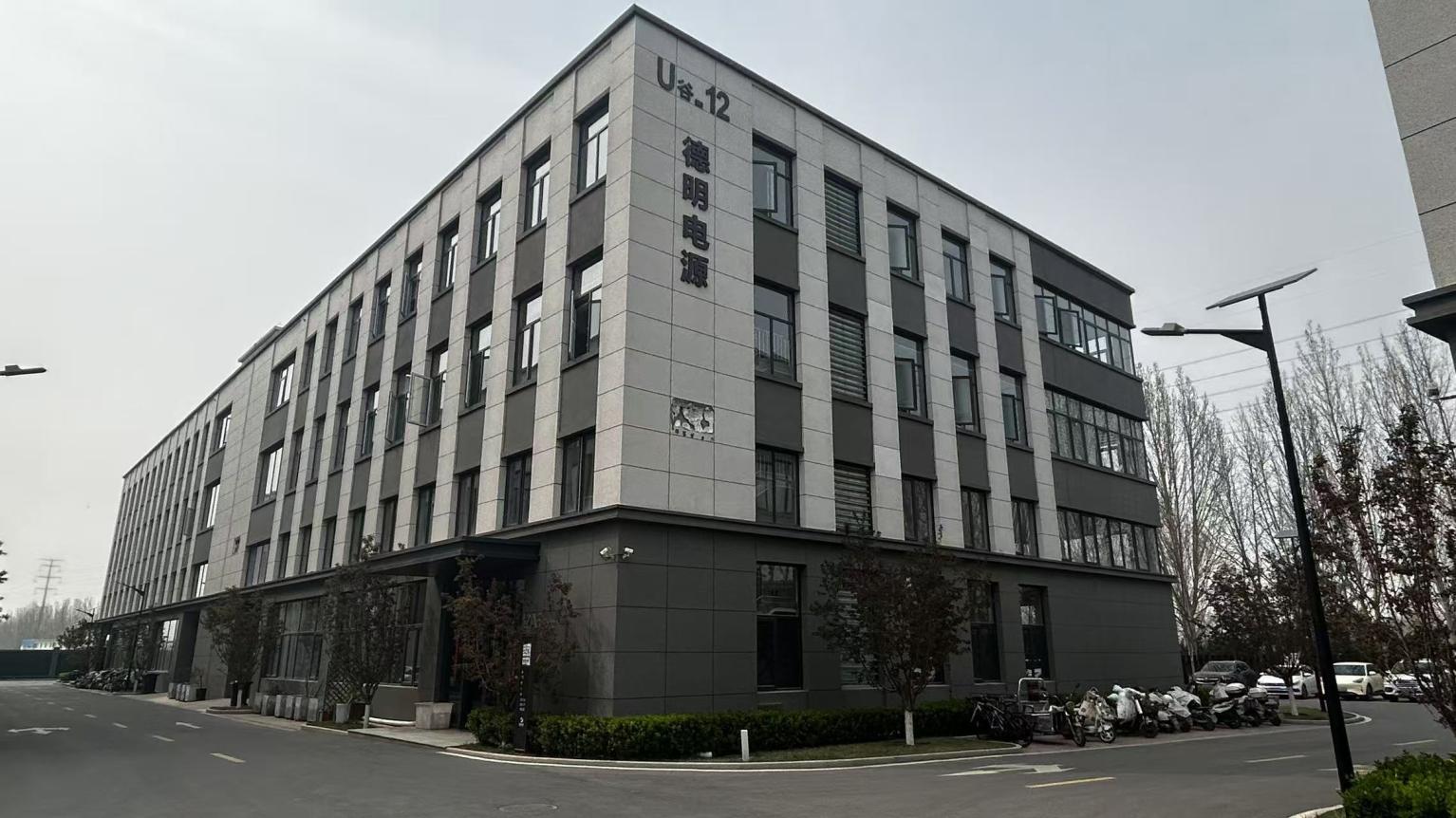
Jinan Deming Power Equipment Co., Ltd. is a nationally recognized high-tech enterprise established in 2004, specializing in the research, development, production, and service of renewable energy power equipment and advanced power testing solutions. The company holds ISO9001:2015 certification and has been recognized as a high-tech enterprise by the Chinese government multiple times (2015, 2018).
To support customizable demand response hardware, Deming Power maintains a dedicated R&D team of 16 engineers, including doctoral supervisors and master's degree holders. The company invests no less than 20% of its annual sales revenue into technology development, ensuring its controllers and inverters meet evolving international standards. Over the last three years, Deming has completed 17 R&D projects, translating 16 scientific and technological achievements into commercial-grade products. These products are engineered to function under diverse grid configurations—ranging from 3-phase hybrid configurations with dual output options to high-capacity shore power converters.
Understanding grid codes, local communication rules, and environmental regulations across international markets.
We program and test to key international standards including IEEE 1547 (for US grid interconnection), UL 1741 (for smart inverter functions), CE (Europe), AS4777 (Australia), and local distribution system operator (DSO) specific requirements. This ensures seamless utility sign-off and fast activation.
Our demand response hardware integrates with local virtual power plant (VPP) systems via standard protocols. We support OpenADR 2.0b, Modbus TCP/IP, CAN bus communication, and custom interface options to match local IoT aggregators.
From saline maritime shore installations to high-altitude wind applications, our hardware is designed for local environmental challenges. Options include customized NEMA 3R/IP54 cabinets, active heating/cooling loops, and anti-corrosion finishes.
Procuring demand response hardware from Jinan Deming Power Equipment provides access to an established industrial supply chain ecosystem. The regional concentration of electronics component suppliers, structural steel manufacturers, and automated PCB assembly centers enables competitive lead times, reduced development cycles, and flexible production scaling.
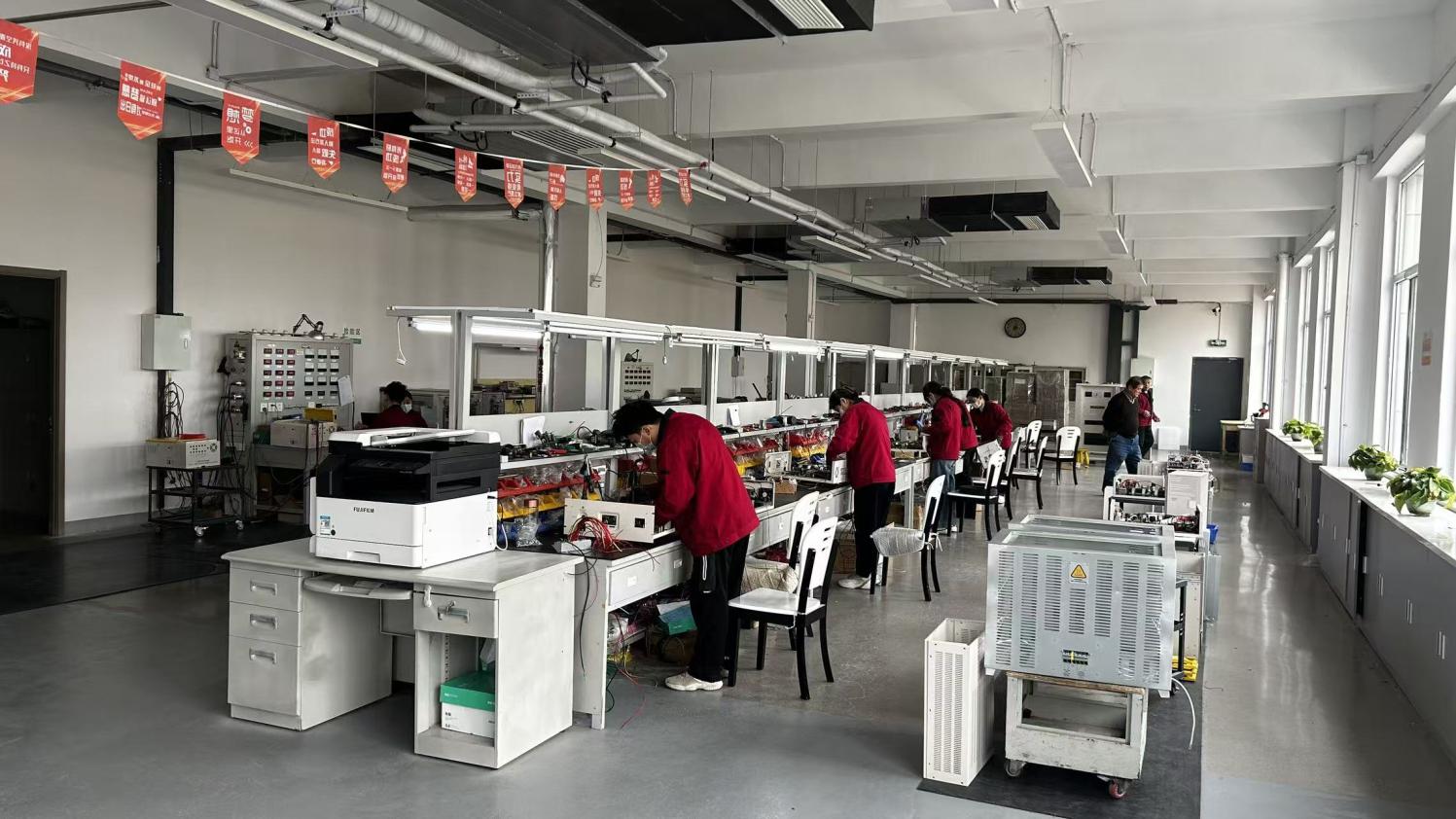
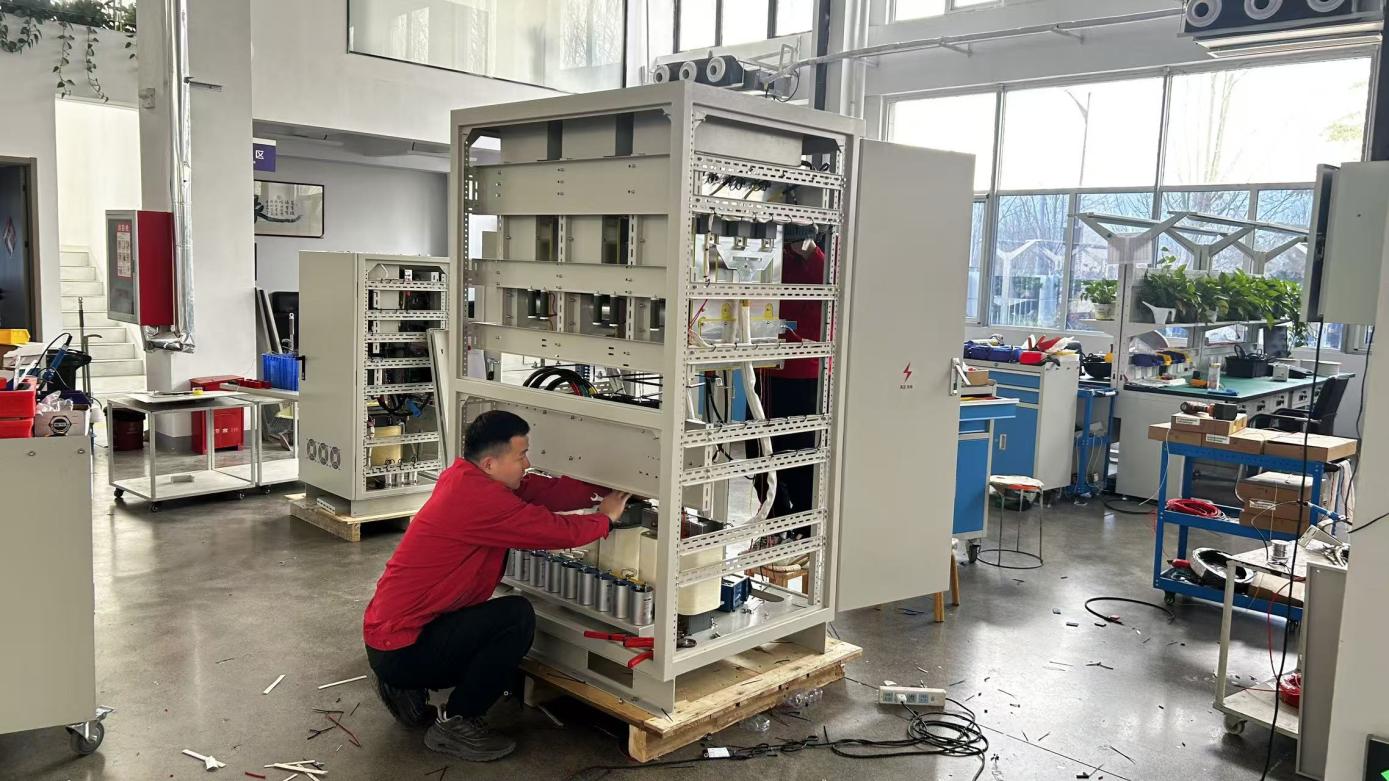
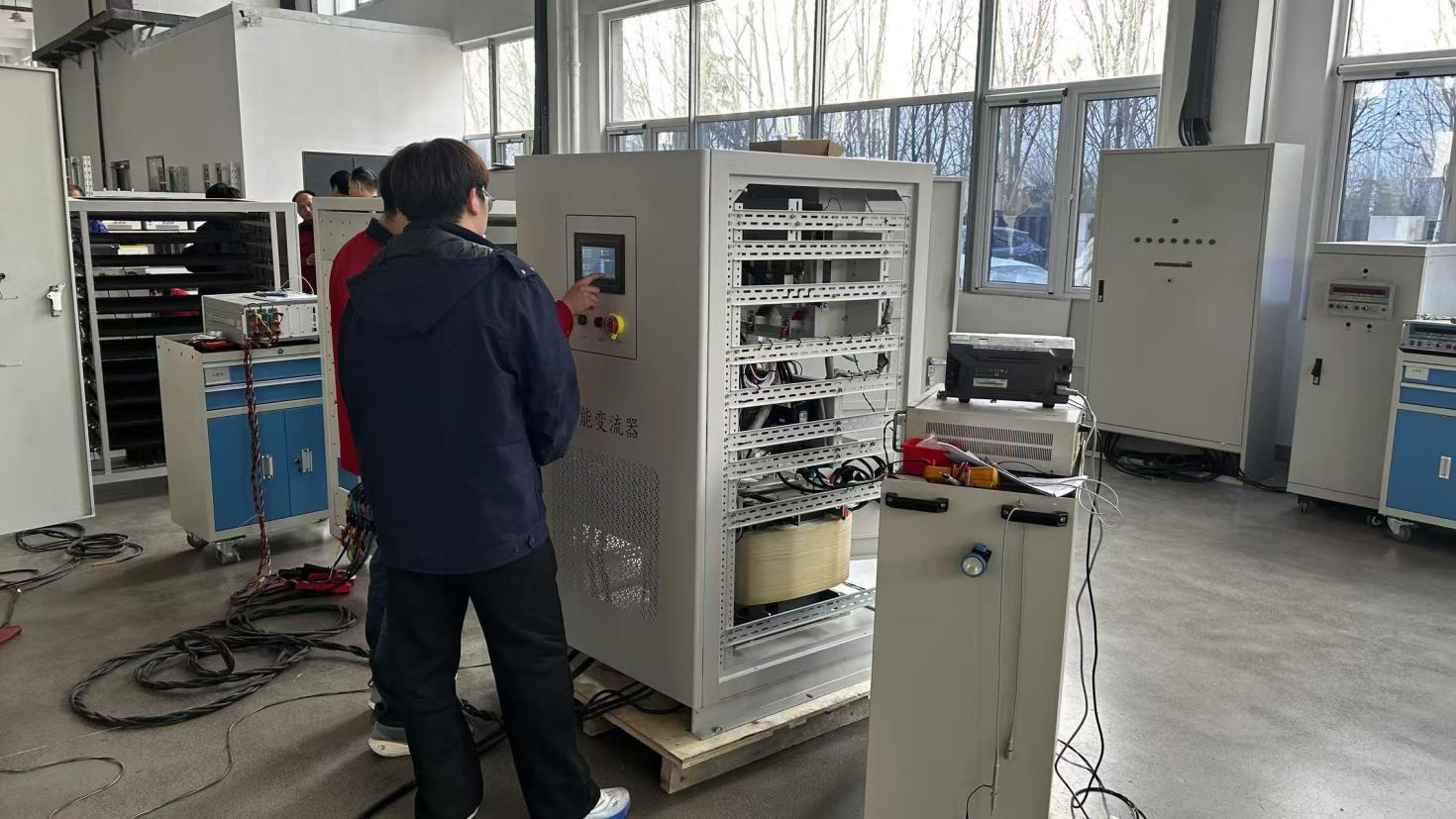
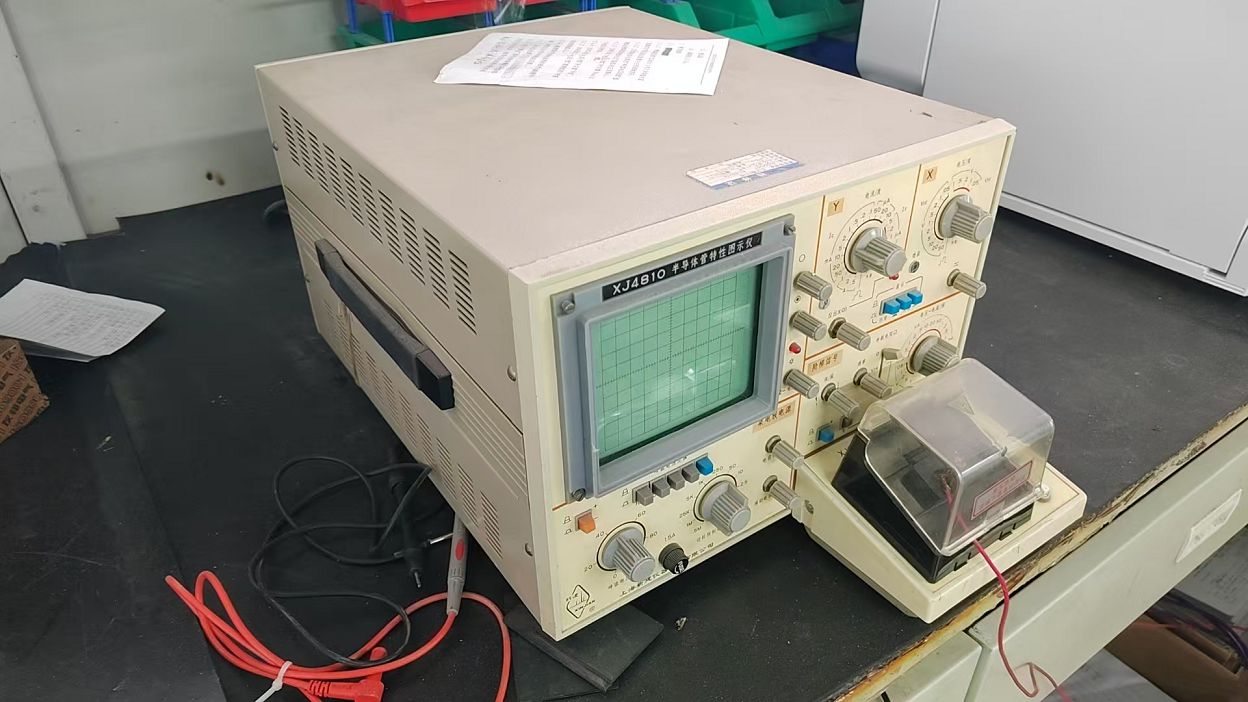
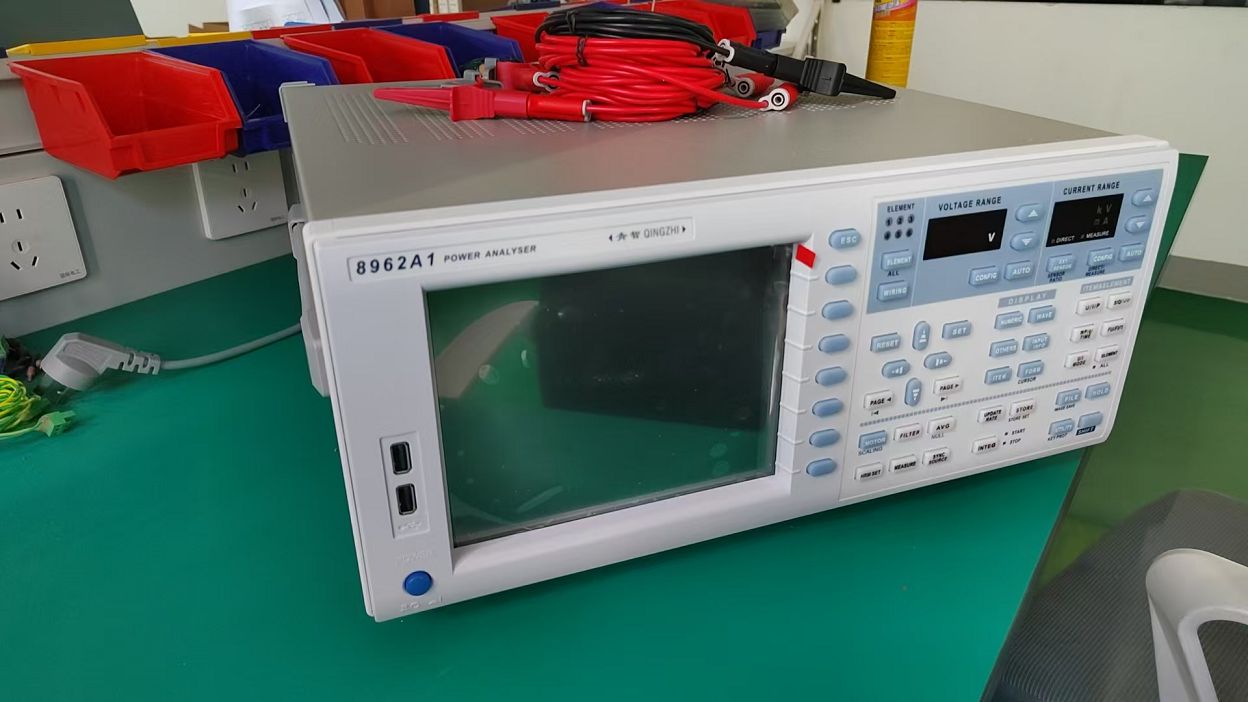
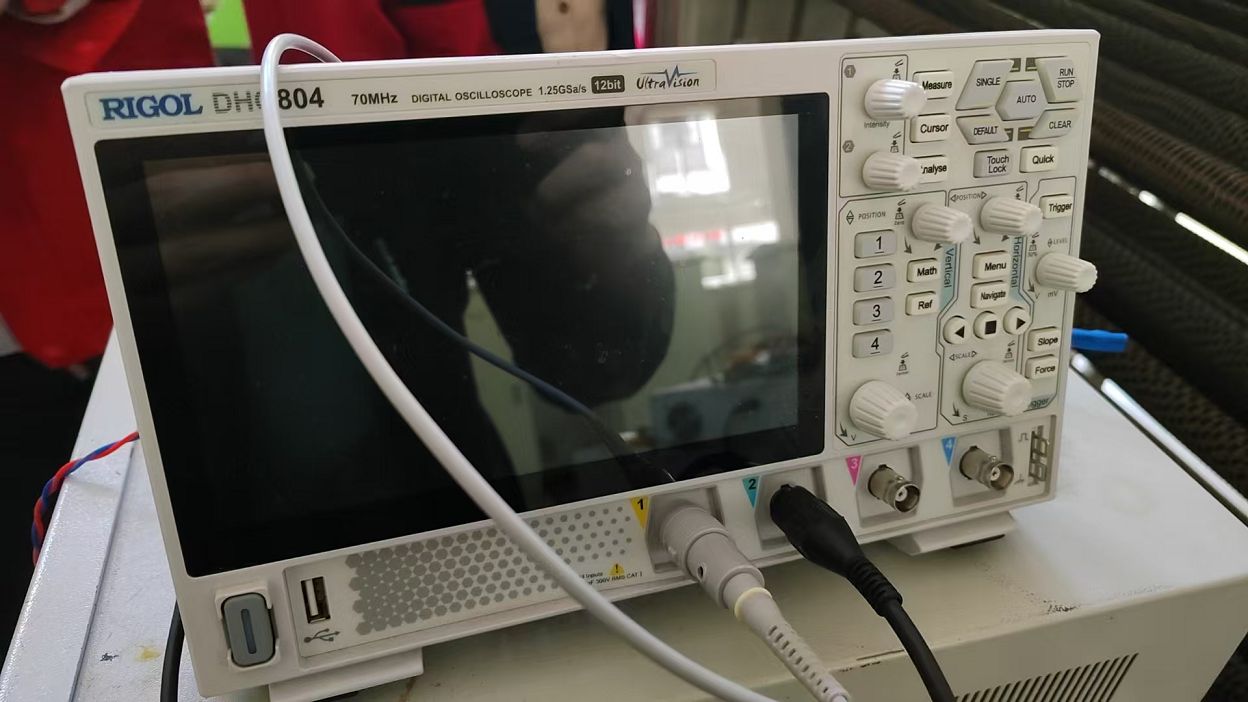
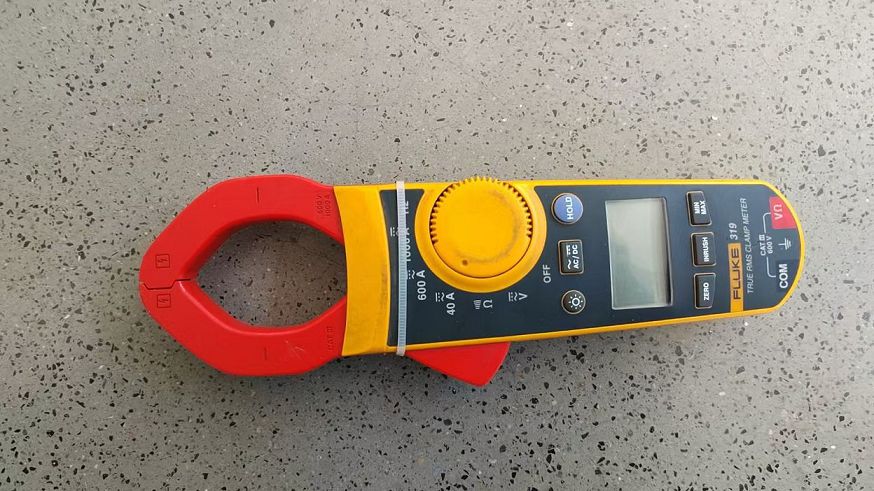
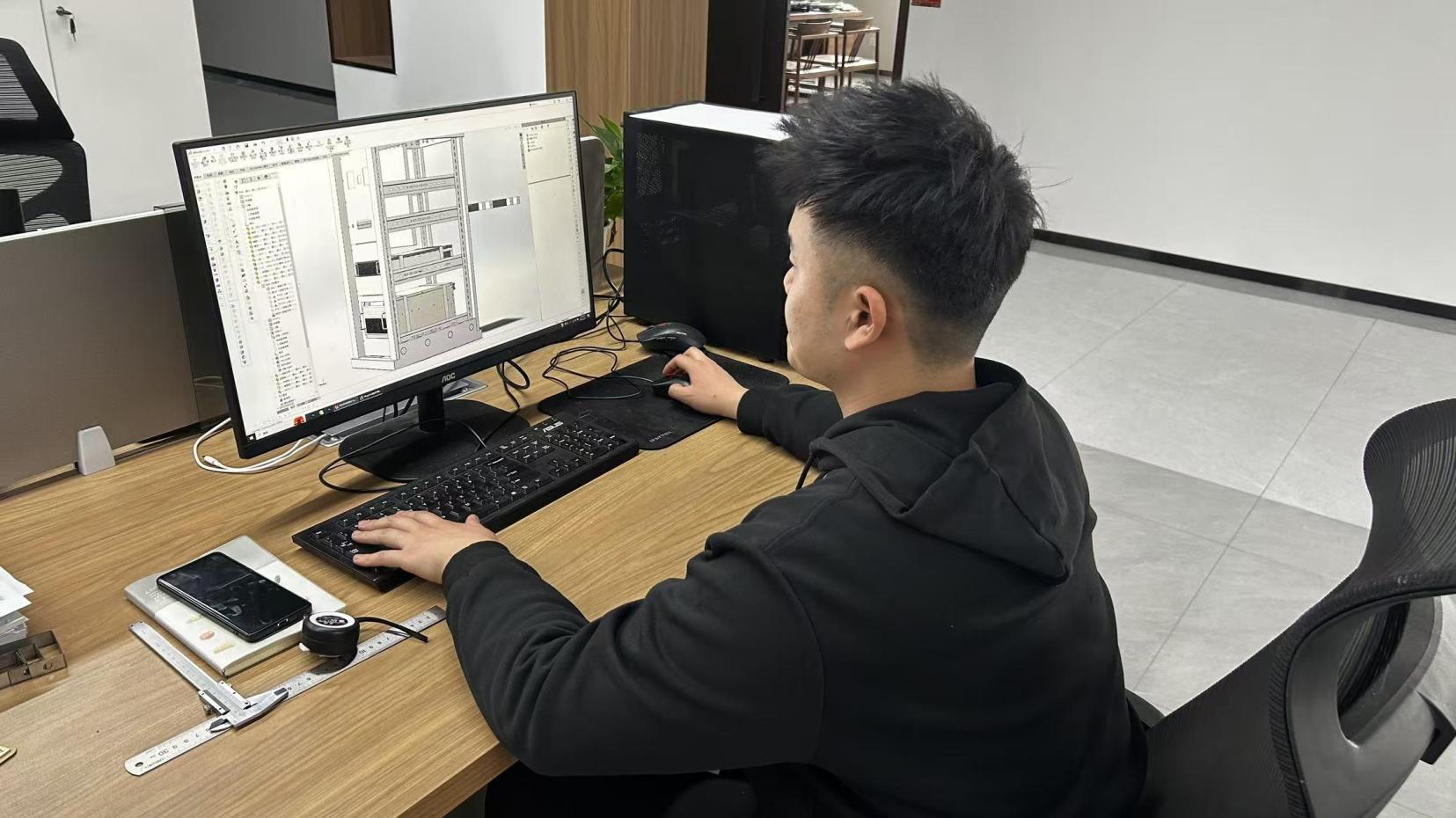
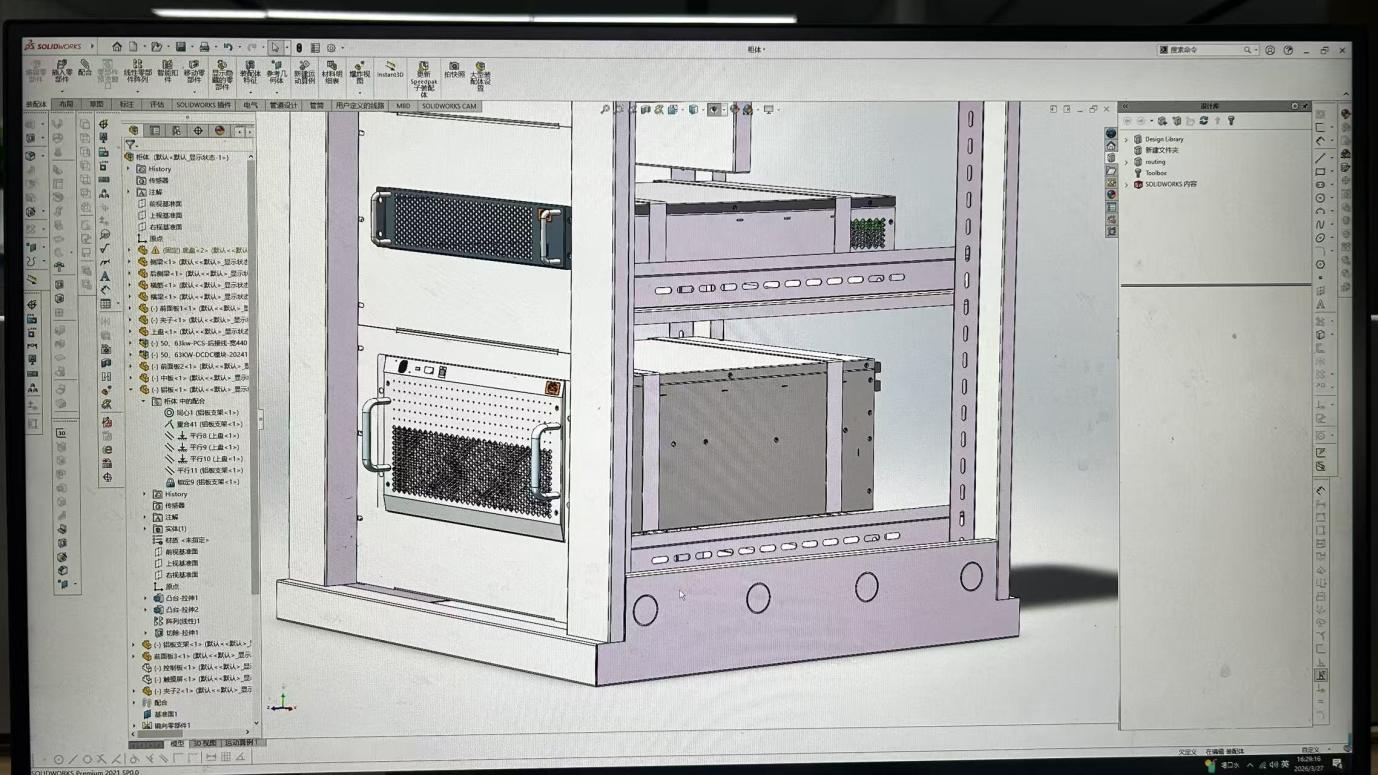
Deming's vertically integrated facility handles design, structural fabrication, PCB assembly, firmware deployment, and multi-stage testing within a single workflow. Our factory uses specialized machinery and testing instruments to ensure component longevity and electrical precision under continuous load conditions. Rather than outsourcing key processes, our in-house control over assembly, cabinet wiring, and quality control helps prevent defects and supply chain delays.
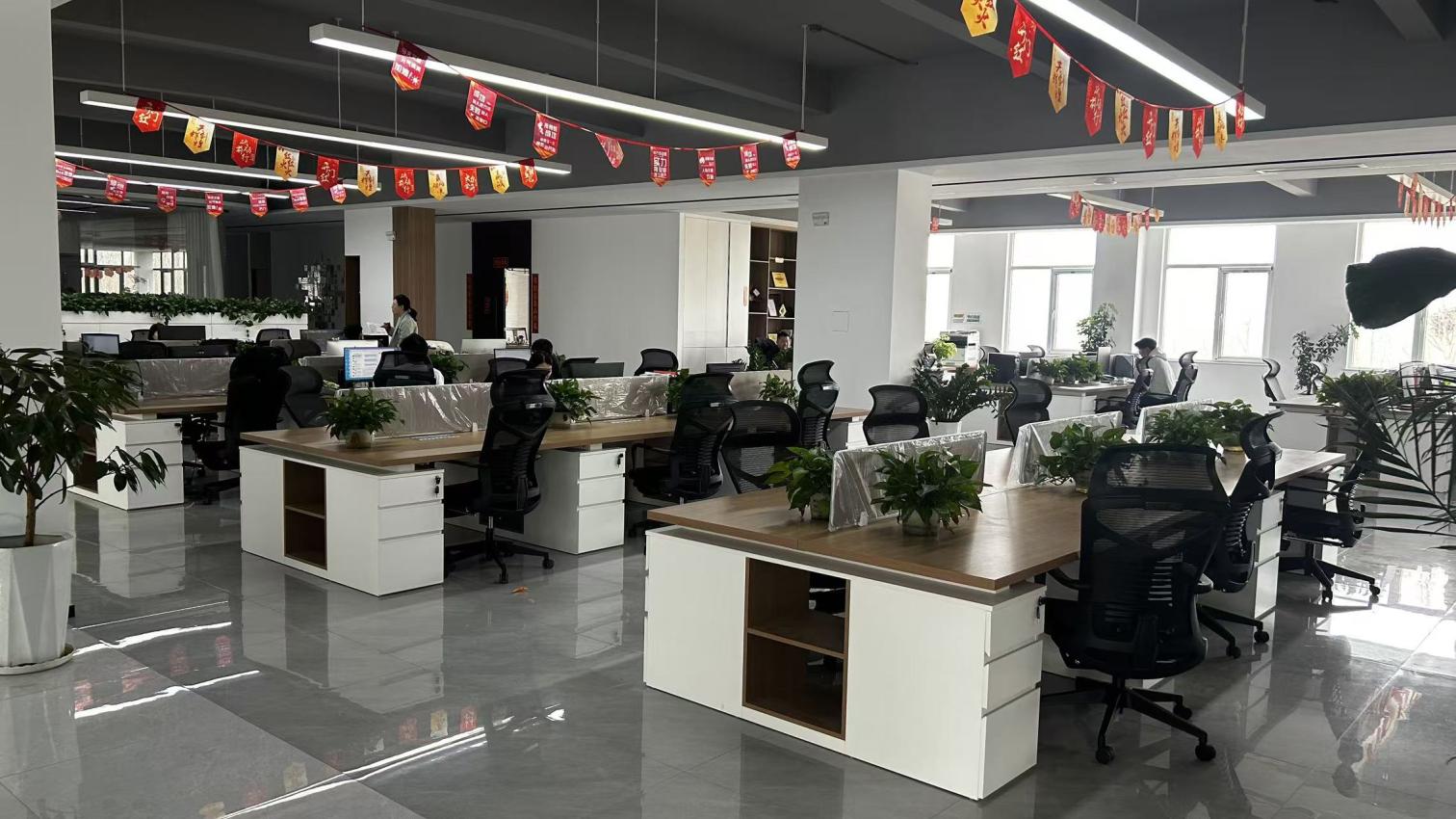
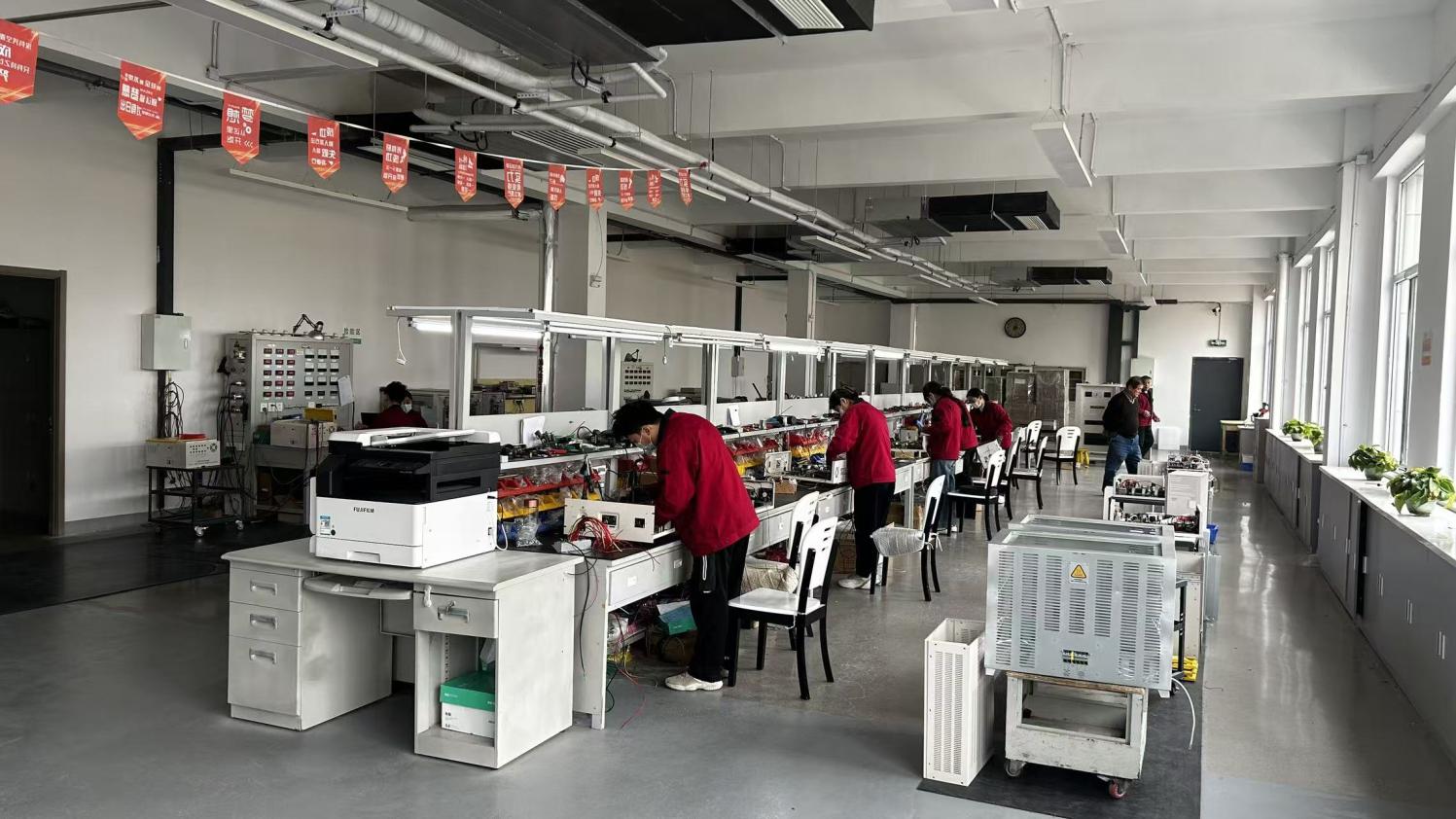
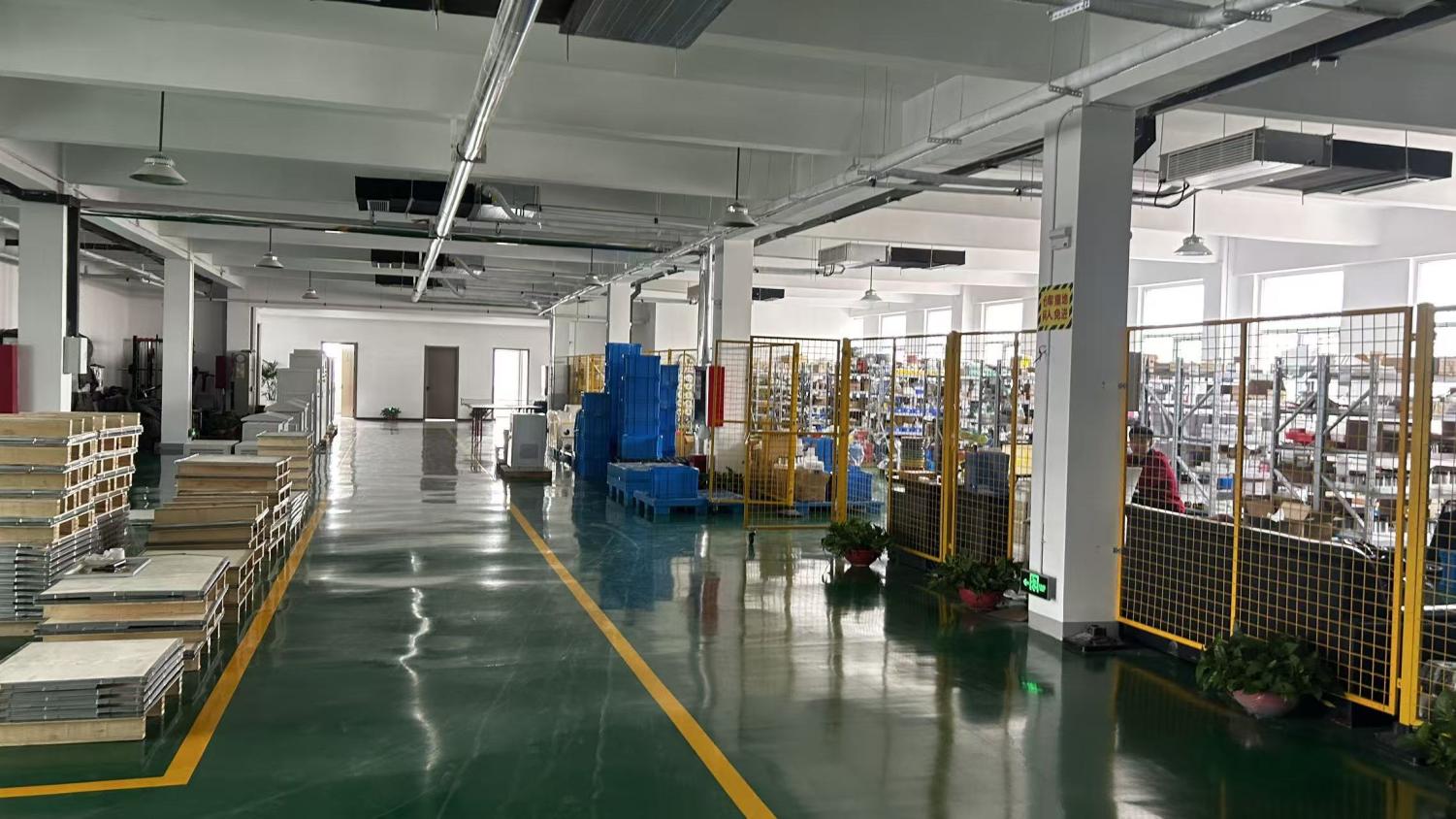
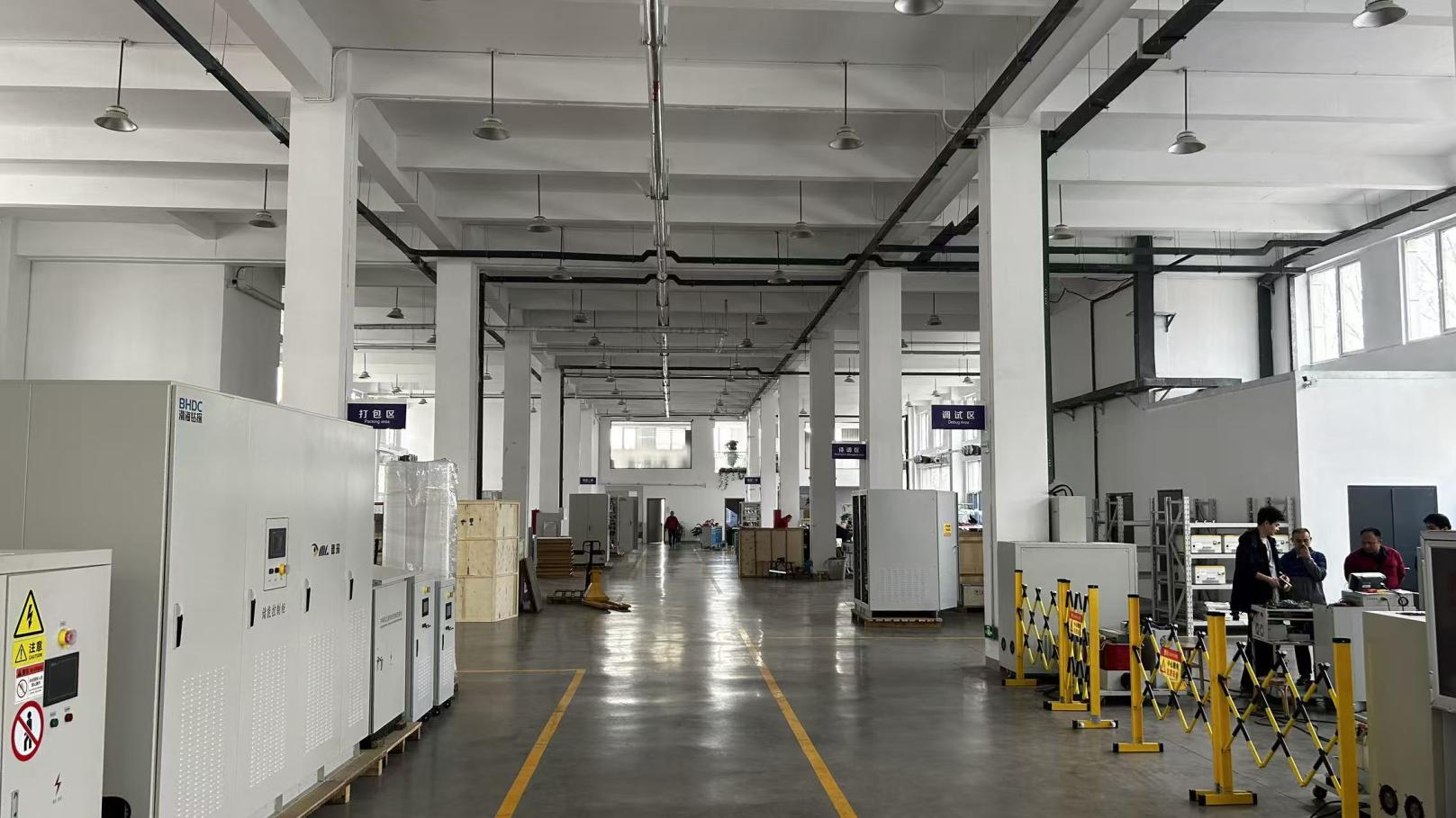
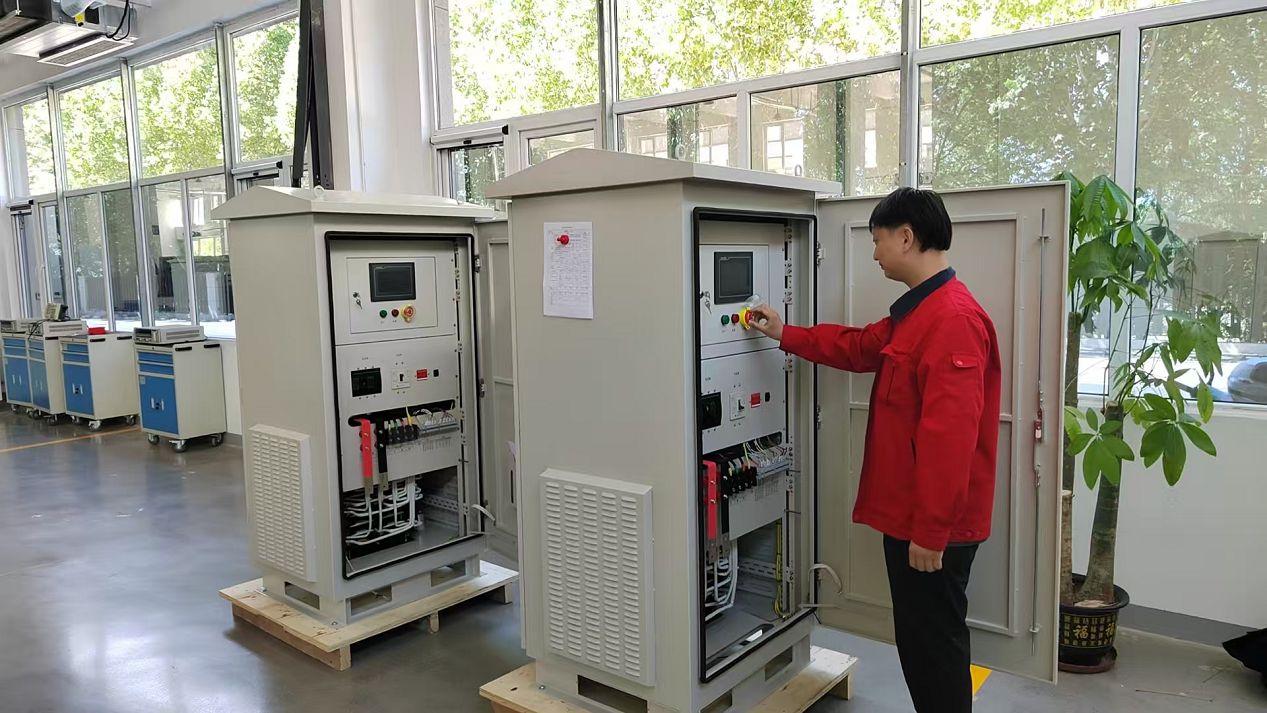
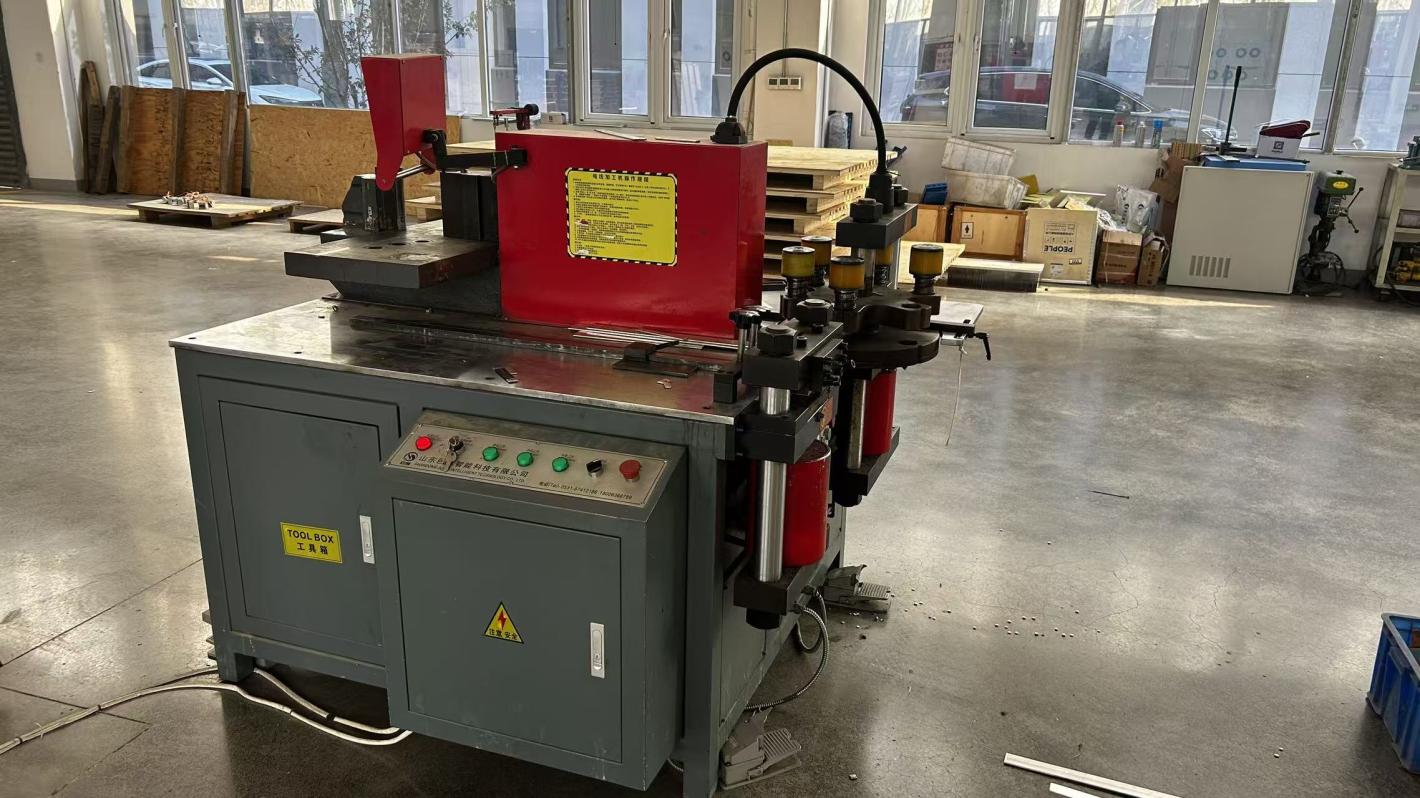
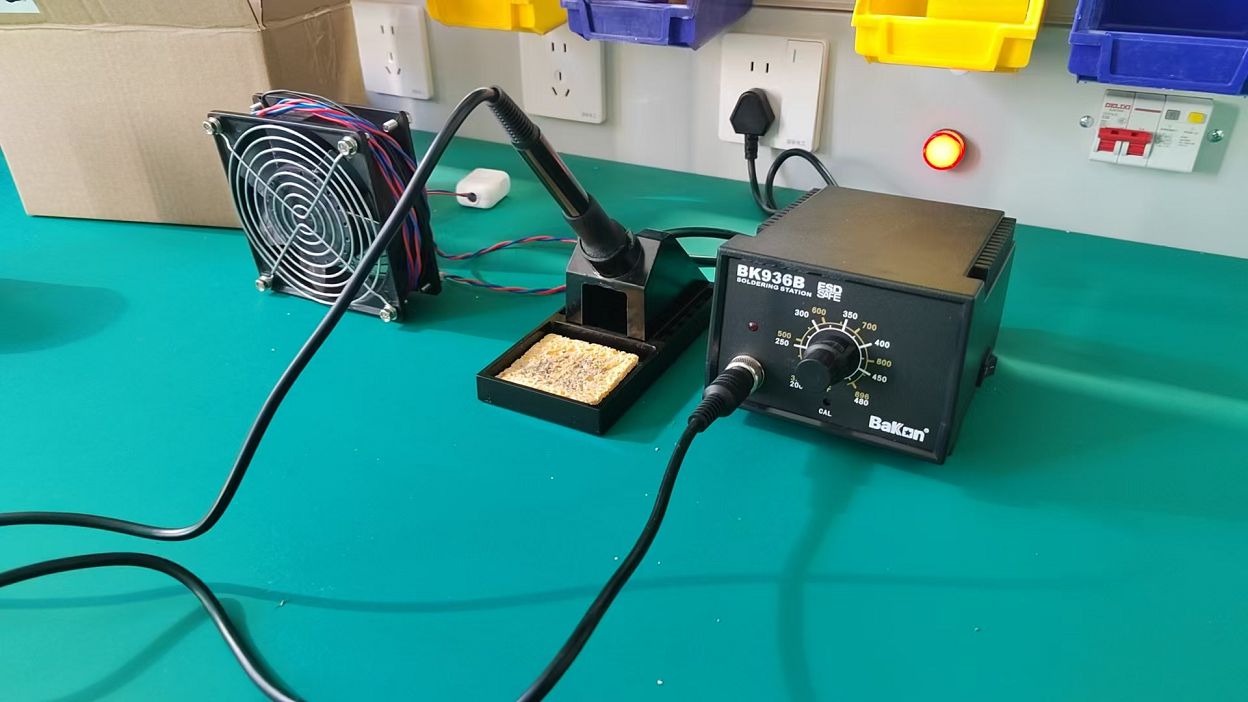
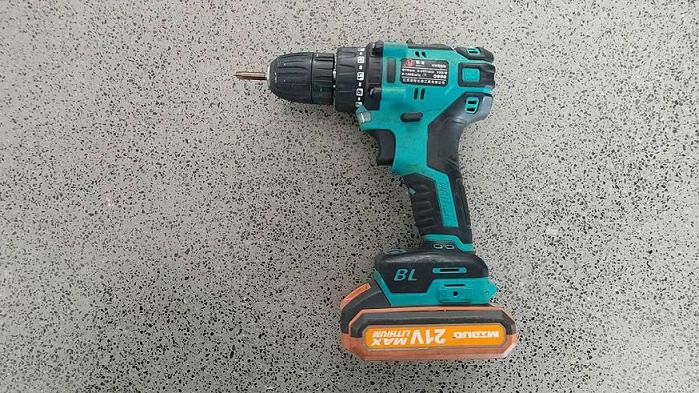
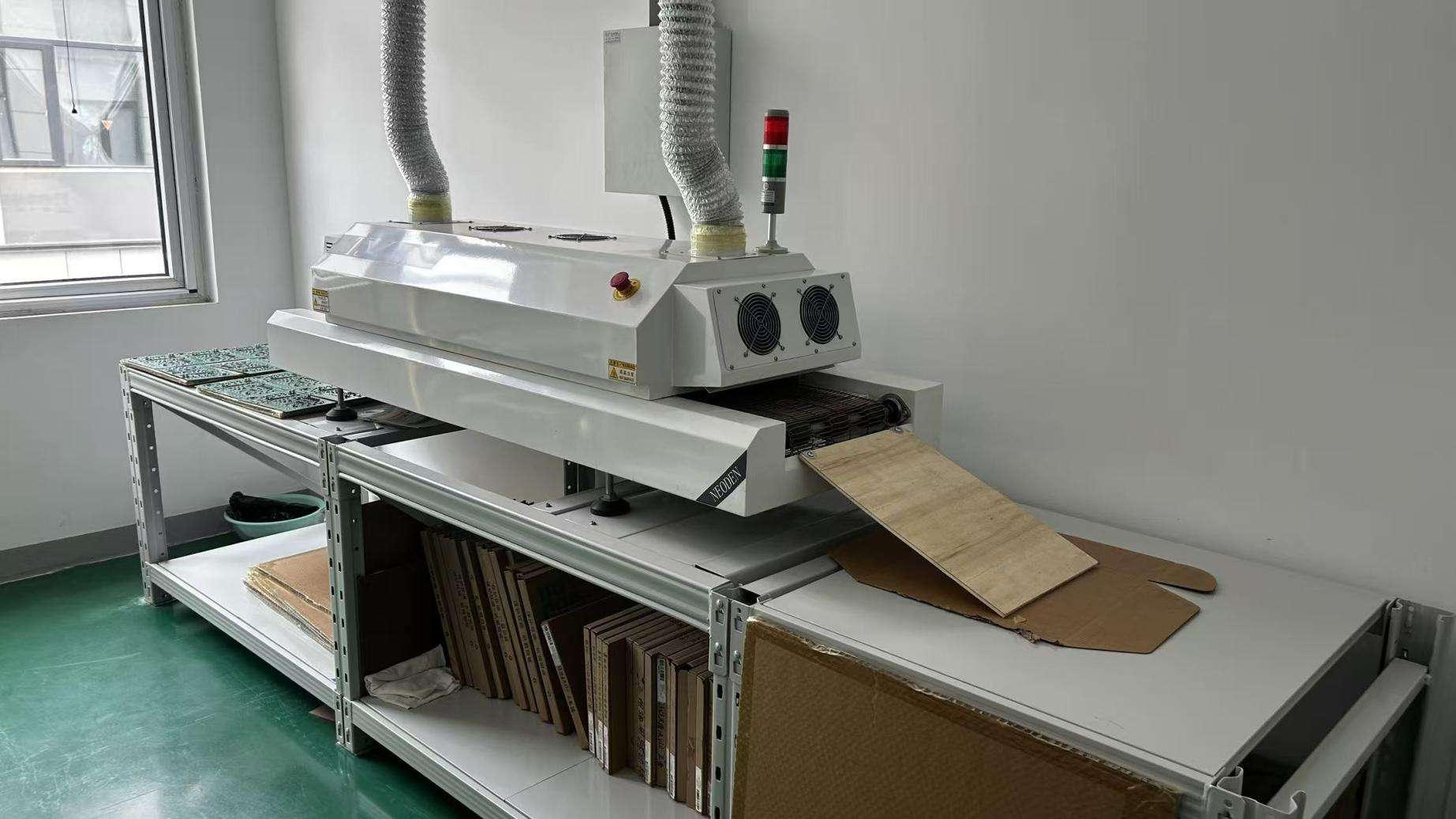
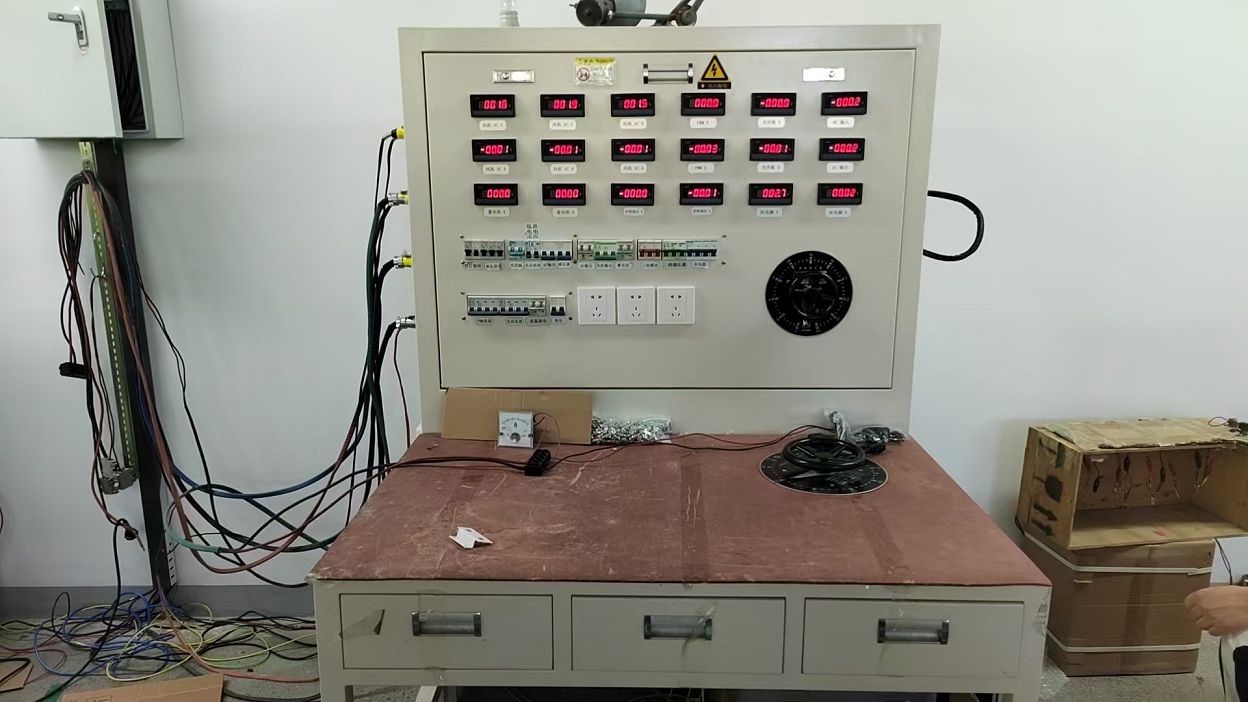
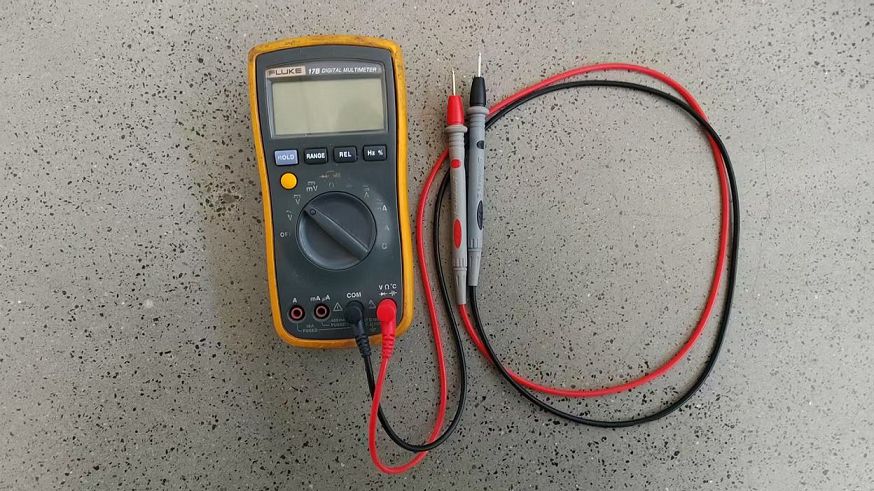
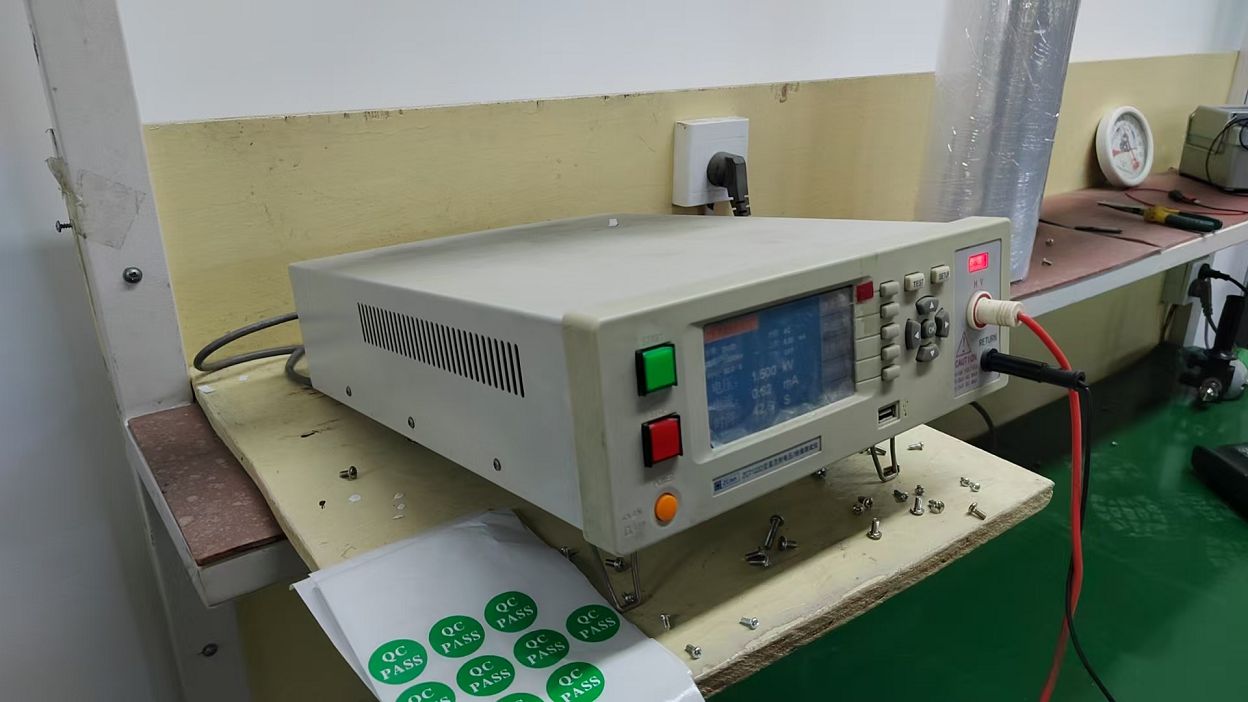
Industrial procurement departments, microgrid project developers, and engineering firms prioritize reliability when sourcing power equipment. Below are key technical considerations for selecting demand response hardware:
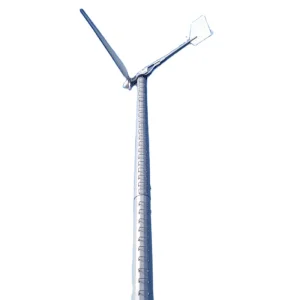
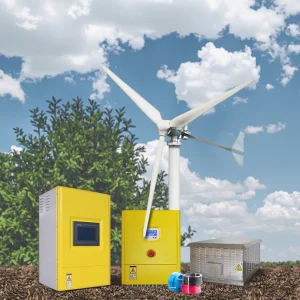
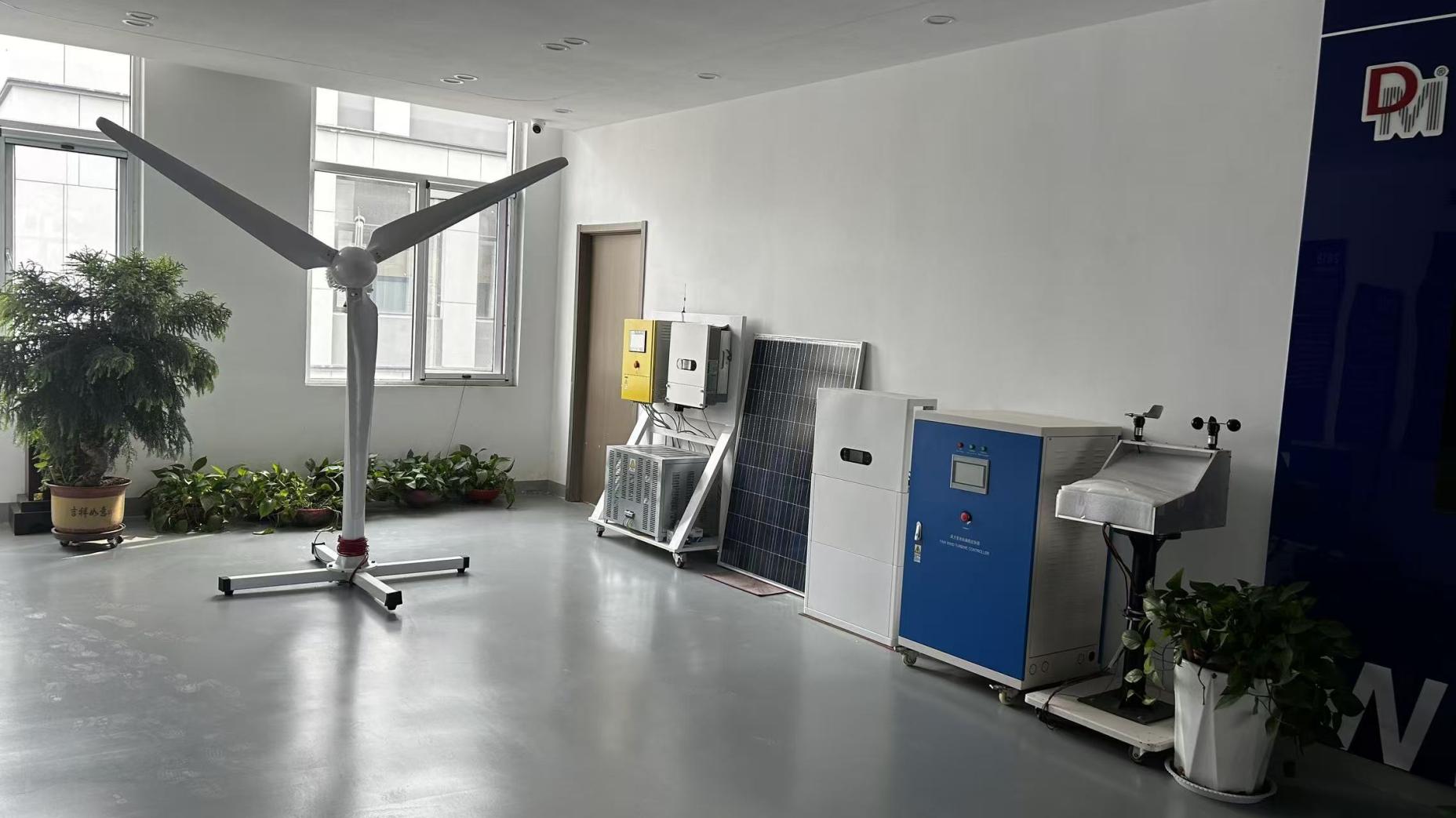
Microgrid deployments often require coordinating variable inputs from photovoltaic arrays and wind turbines. The grid-edge hardware must process inputs from both sources without feedback loop interference or high total harmonic distortion (THD). Deming's hybrid solar/wind controllers are engineered to manage variable generation profiles while maintaining grid-code compliance.
Before connecting energy storage batteries or virtual power plant hardware to utility lines, engineering teams must simulate dynamic grid behavior. This is done using high-power bi-directional DC test power supplies and battery simulators. Deming's 150kW to 500kW test power supplies allow developers to recreate transient voltage dips, frequency anomalies, and load profiles under controlled conditions, validating safety protocols before field commissioning.
In peak shaving and frequency response applications, grid operators require response times within seconds. Control hardware must process incoming modbus signals and adjust battery output or shut off non-essential loads immediately. Heavy-duty power electronics, designed for fast thermal dissipation and low latency, are required to prevent component failure during rapid cycling.
The major technological shifts transforming the distributed energy and load balancing sector.
Modern distributed networks are shifting from grid-following configurations to grid-forming systems. Smart inverters will play an active role in maintaining grid frequency and voltage stability, reducing dependency on fossil-fueled spinning reserves.
Local controllers will utilize machine learning algorithms to predict local energy generation (from wind/solar) and consumption patterns. Real-time predictive dispatching will optimize battery state-of-charge, enabling lower cost of operation and automated participation in spot markets.
Utilities are moving away from manual industrial shedding, instead grouping residential wind/solar, electric vehicles (V2G), and light commercial energy storage systems into virtual power plant networks. Highly scalable micro-controllers are essential for this distributed coordination.
Developing adaptable hardware configurations helps ensure compatibility with different regional application profiles:
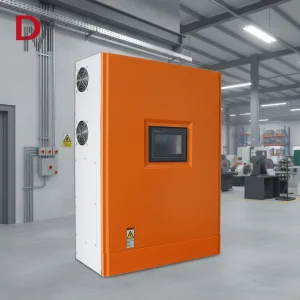
In regions with high demand charges, factories use high-capacity battery storage systems (such as the 300kW PCS Inverter) alongside solar PV. When energy usage peaks, the local controller signals the PCS to discharge power into the plant's internal grid, keeping consumption below the utility's penalty threshold.
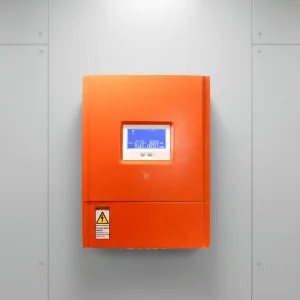
Some urban distribution grids prohibit energy export due to local transformer limitations. Commercial microgrids resolve this using high-voltage MPPT controllers configured with zero-export firmware. The system monitors load requirements in real-time, matching solar generation directly to building consumption and battery charging without feed-in.
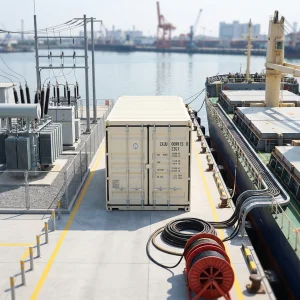
Ports and harbors are reducing carbon emissions by using Shore-to-Ship Power Converters (from 500KVA to 1000KVA) to connect vessel electrical systems to the municipal grid while in dock. These converters adjust voltage and frequency (e.g., from 50Hz grid to 60Hz ship systems), allowing vessels to shut down auxiliary diesel generators.
Common questions regarding OEM/ODM integration, hardware specifications, and grid compliance.
Typical firmware customization projects—such as altering Modbus maps, adjusting charge profiles, or setting specific grid safety parameters—take 2 to 4 weeks, depending on complexity. Over the past three years, Deming Power has completed 17 R&D projects with its 16-engineer team, ensuring rapid integration testing and compliance validation.
Every product goes through a multi-stage testing process. We use specialized diagnostics equipment, including LCR AutoTesters, Digital Oscilloscopes, Semiconductor Characteristic Plotters, and Power Quality Analyzers. High-power bidirectional DC simulators are also used to verify safety, thermal performance, and dynamic transient response under load.
Our systems support Modbus RTU/TCP, CAN Bus, and RS485 communication. Our hardware can also be integrated with external gateways supporting OpenADR 2.0b and DNP3 protocols to coordinate with regional utility systems.
We design our products around international standards. We work closely with certification bodies (such as TÜV, Intertek, and UL partners) to ensure the hardware is ready for certifications such as CE, RoHS, UL 1741, and IEEE 1547, facilitating the local utility approval process.
Explore high-capacity converters, wind energy systems, and intelligent controllers for commercial, industrial, and maritime applications.
 Demin Power