The accelerating global transition to a low-carbon economy has driven governments worldwide to establish stringent policy frameworks. These regulations dictate structural specifications and grid integration compliance for clean energy installations. Industrial factories and renewable energy equipment manufacturers must align their product specifications with regional codes such as the United States Inflation Reduction Act (IRA), the European Union REPowerEU plan, and China's double-carbon national targets. For manufacturers, policy alignment is not simply a regulatory hurdle; it acts as a primary catalyst for technological innovation.
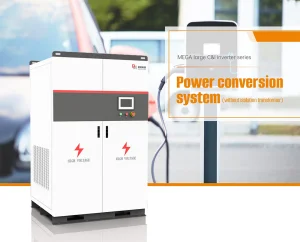
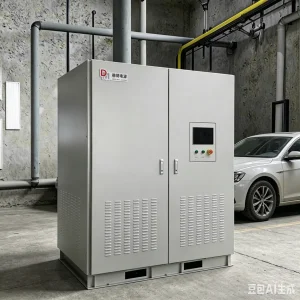
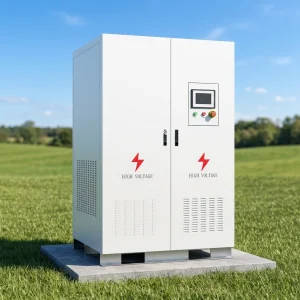
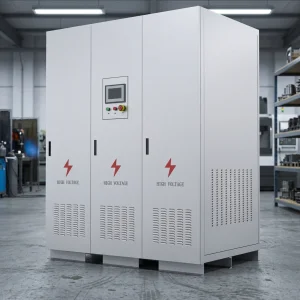
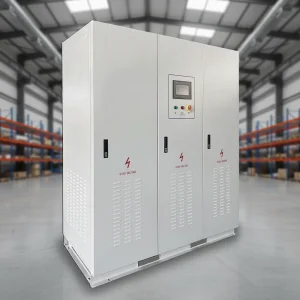
Key global frameworks mandate specific grid stability features, safety characteristics, and minimum efficiency requirements. Industrial equipment operating within wind, solar, and hydro-generation systems must adhere to standards like IEEE 1547 (for distributed energy resource interconnection) and UL 1741 (for inverters and converters). These policies protect the local grid from harmonic interference, voltage fluctuations, and unexpected outages. Consequently, acquiring compliant hardware—such as high-efficiency bidirectional converters, stabilizer cabinets, and charge controllers—is critical for commercial project approval.
Deploying renewable energy systems across different regions presents distinct engineering and regulatory challenges. In North America, industrial distribution lines typically utilize a 480V three-phase configuration at 60Hz. In contrast, European and Asian grids generally operate on a 380V/400V standard at 50Hz. A clean energy facility must implement highly adaptable power conversion equipment to satisfy these localized specifications without requiring entirely custom infrastructure designs.
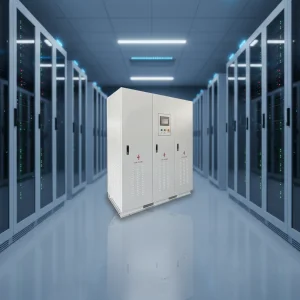
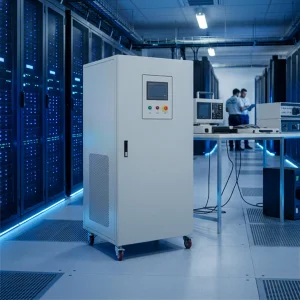
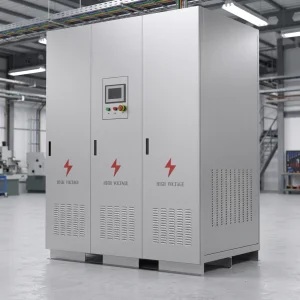
Modern systems must manage active voltage regulation and dynamic grid frequency stabilization, particularly when integrating variable sources like wind and solar. Utilizing Pure Sine Wave CVCF (Constant Voltage Constant Frequency) power supplies and bidirectional inverters allows manufacturers to isolate critical equipment from localized grid fluctuations. This insulation ensures that sensitive manufacturing facilities, such as semiconductor fabs, maintain uninterrupted operations while remaining fully compliant with regional grid codes.
| Policy Framework / Standard | Primary Regional Focus | Key Technical Requirements | Compliant Hardware Solutions |
|---|---|---|---|
| IEEE 1547 / UL 1741 | North America | Anti-islanding protection, low/high voltage ride-through, harmonic limits. | Grid-tied bidirectional converters, active stabilizers. |
| EN 50549 / CE Mark | European Union | Active power response to overfrequency, reactive power capability. | Three-phase grid-connected frequency converters. |
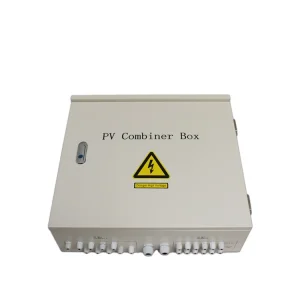
| GB/T Standards | China & APAC | High voltage ride-through (HVRT), smart grid communication interfaces. | Combiner boxes with RS485/Modbus RTU, smart AVR systems. |
Navigating global clean energy demands requires access to agile, high-capacity, and technically advanced supply chains. Developing advanced power equipment relies on a network of specialized components, high-precision circuit assembly, and rigorous testing environments. China's industrial manufacturing infrastructure provides significant advantages by grouping together advanced component sourcing, state-of-the-art automated testing machinery, and highly qualified engineering talent.
This concentration accelerates product development cycles, allowing equipment like high-power bidirectional DC simulators and active voltage regulators to transition rapidly from initial design to active operation. This rapid development enables manufacturers to quickly meet evolving international energy compliance policies. A reliable supply chain ensures consistent manufacturing quality, from reflow soldering and copper bar production to final power quality analysis.
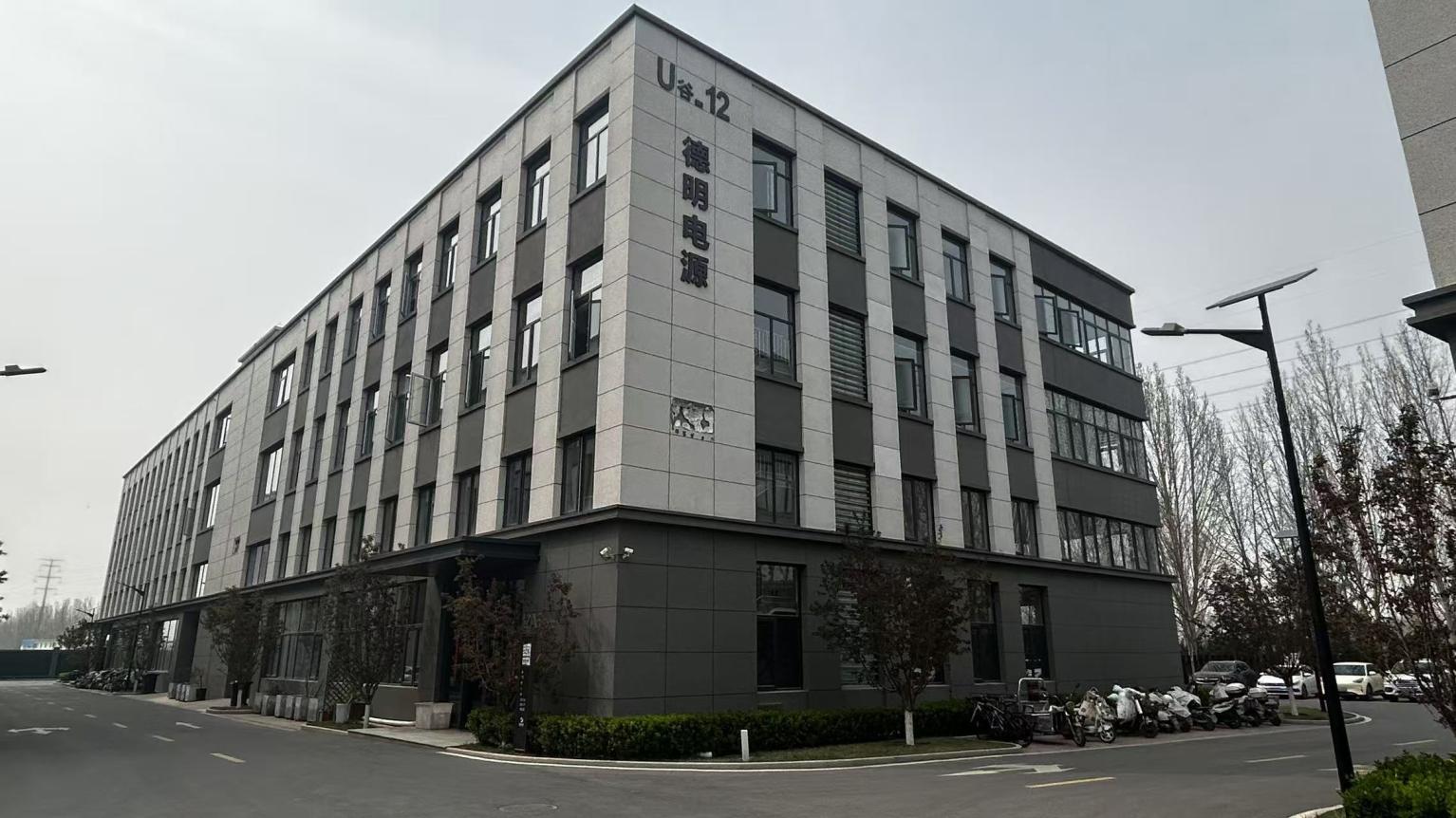
Established in 2004, Jinan Deming Power Equipment Co., Ltd. is a nationally recognized high-tech enterprise specializing in the research, development, production, and service of renewable energy power equipment and advanced power testing solutions. The company holds ISO9001:2015 certification and has been recognized as a high-tech enterprise by the Chinese government multiple times (2015, 2018).
With a dedicated R&D team of 16 engineers, including doctoral supervisors and master's degree holders, Deming invests no less than 20% of annual sales revenue into technology development. The company has completed 17 R&D projects in the last three years, converting 16 scientific and technological achievements into commercial products. Deming's products have been exported to 120+ countries, including Germany, Japan, the United States, UK, Canada, Australia, and Brazil, establishing cooperative relationships with Fortune 500 enterprises.
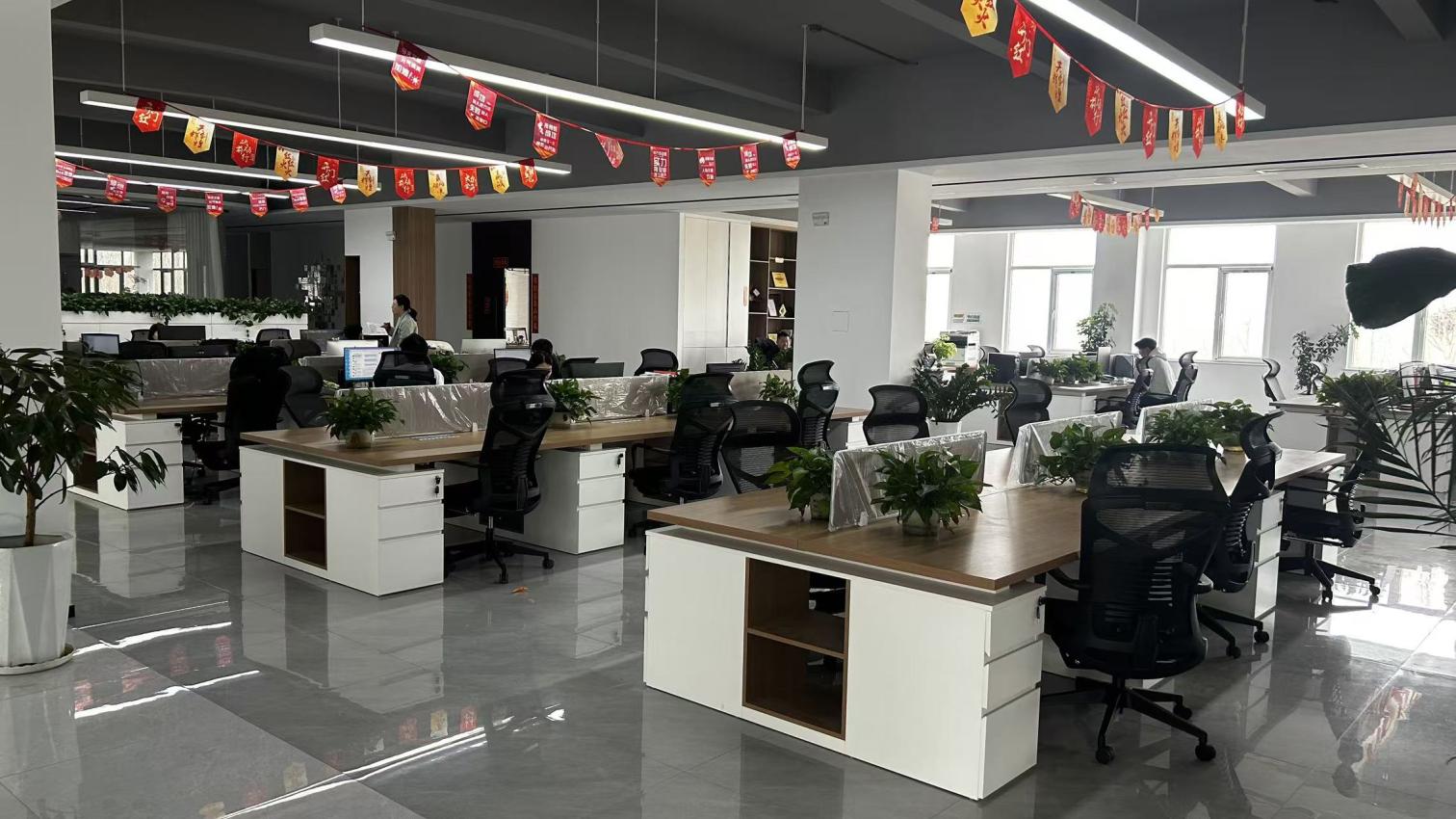
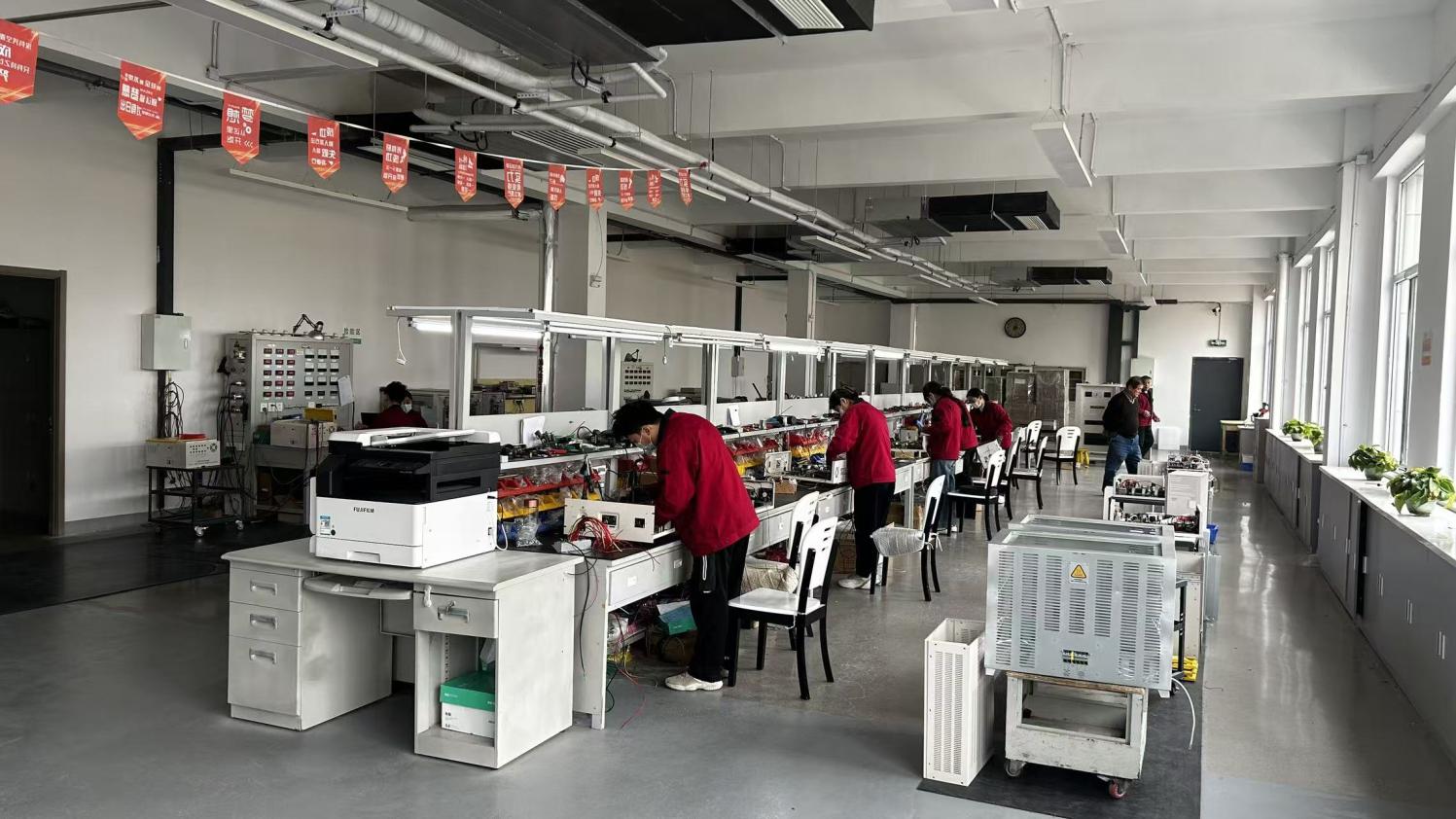
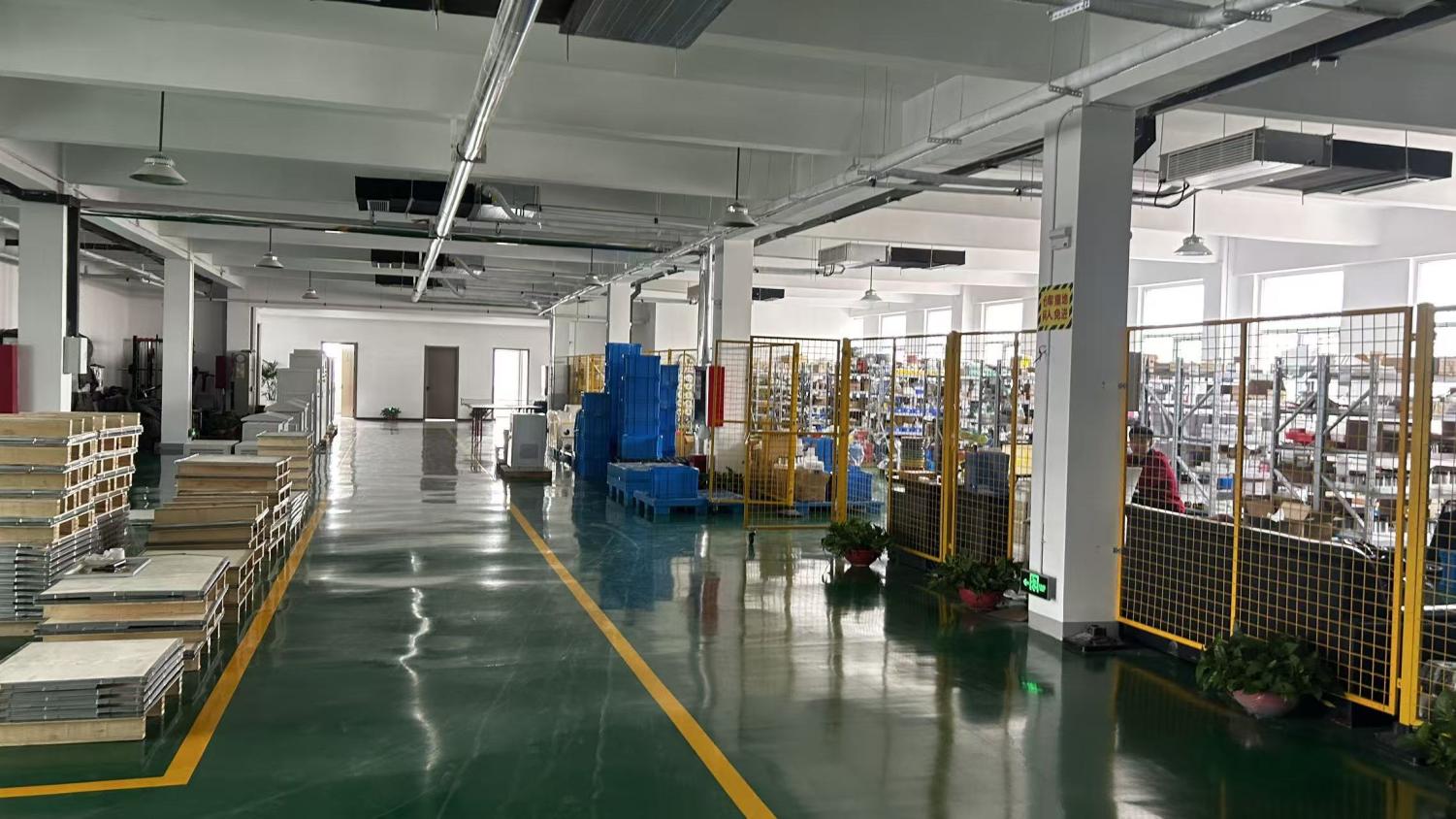
Ensuring long-term reliability in harsh operating conditions—such as remote wind farms or high-voltage hydroelectric stations—demands systematic quality control. The manufacturing sequence combines high-speed automated processes with manual calibration to produce durable, high-capacity electrical systems.
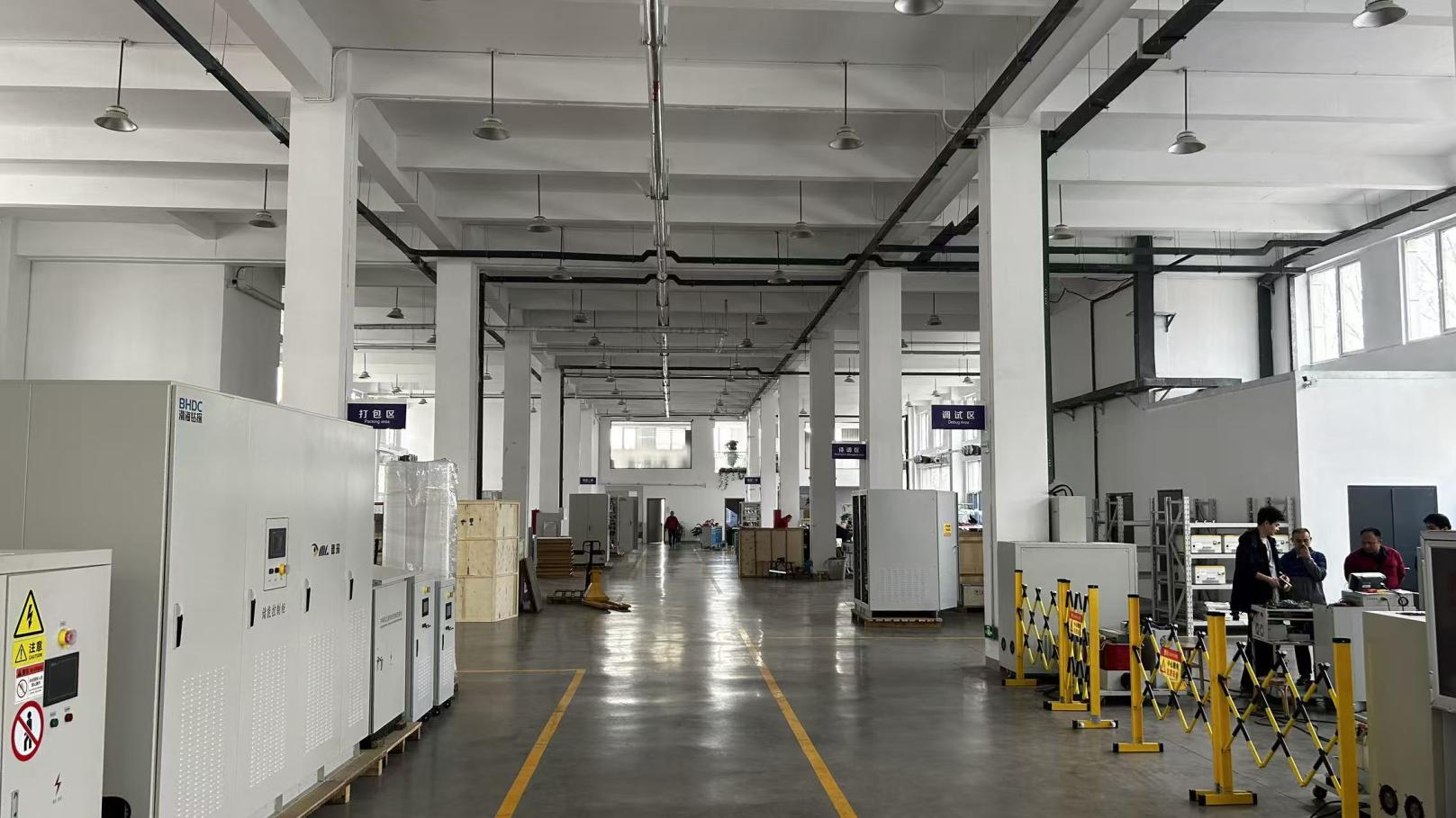 Assembly Center
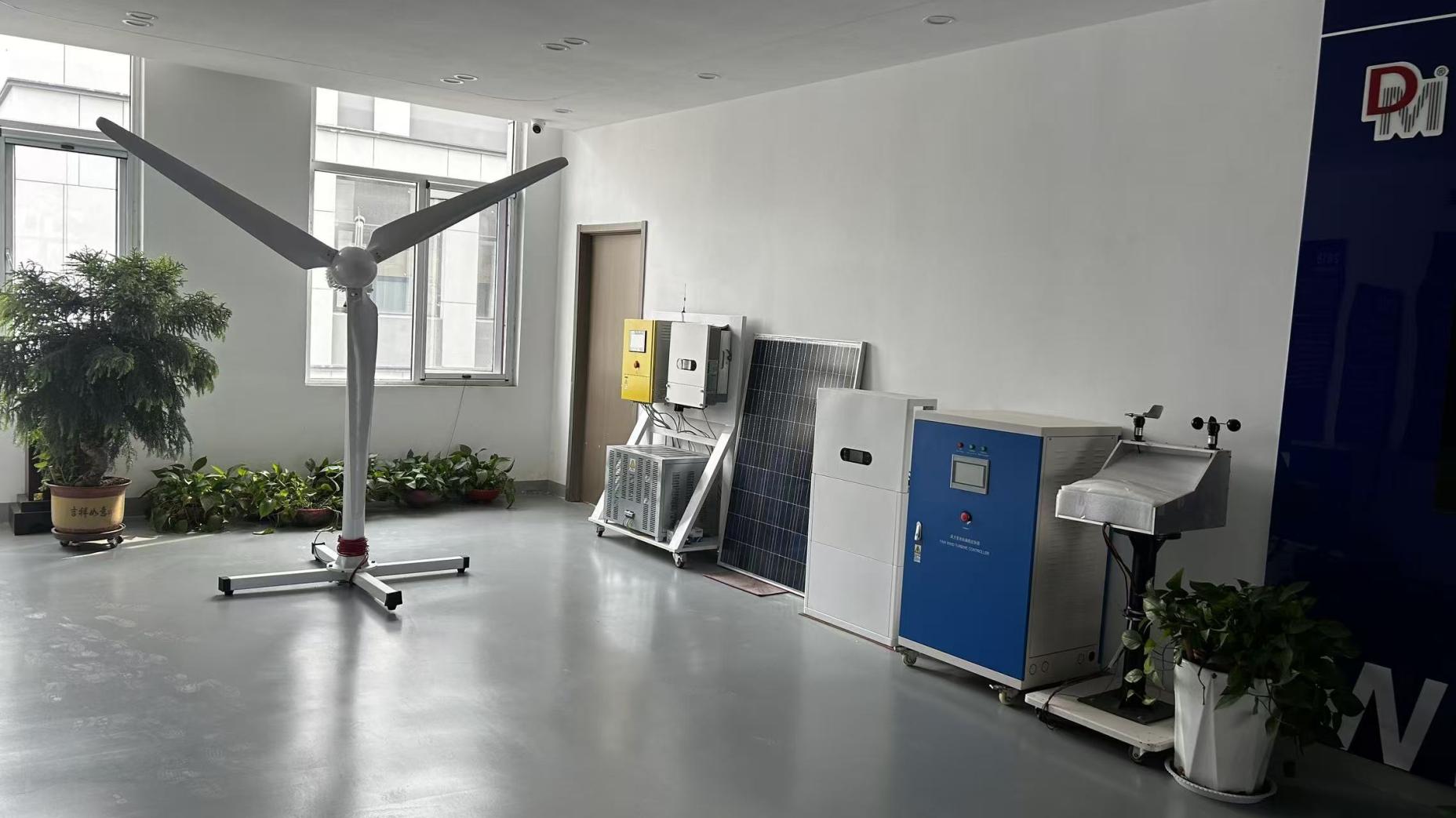 Testing Area
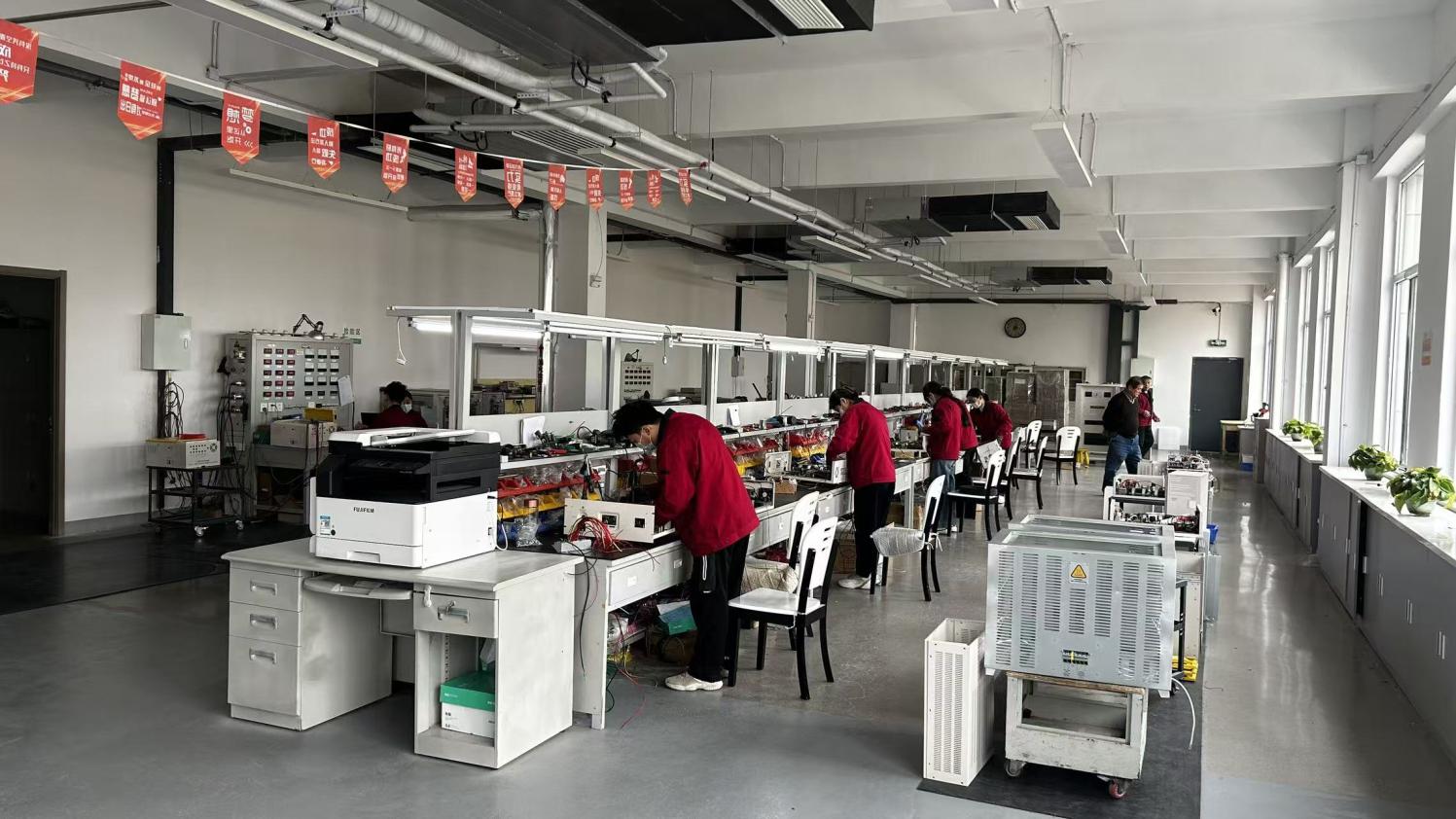 Circuit assembly
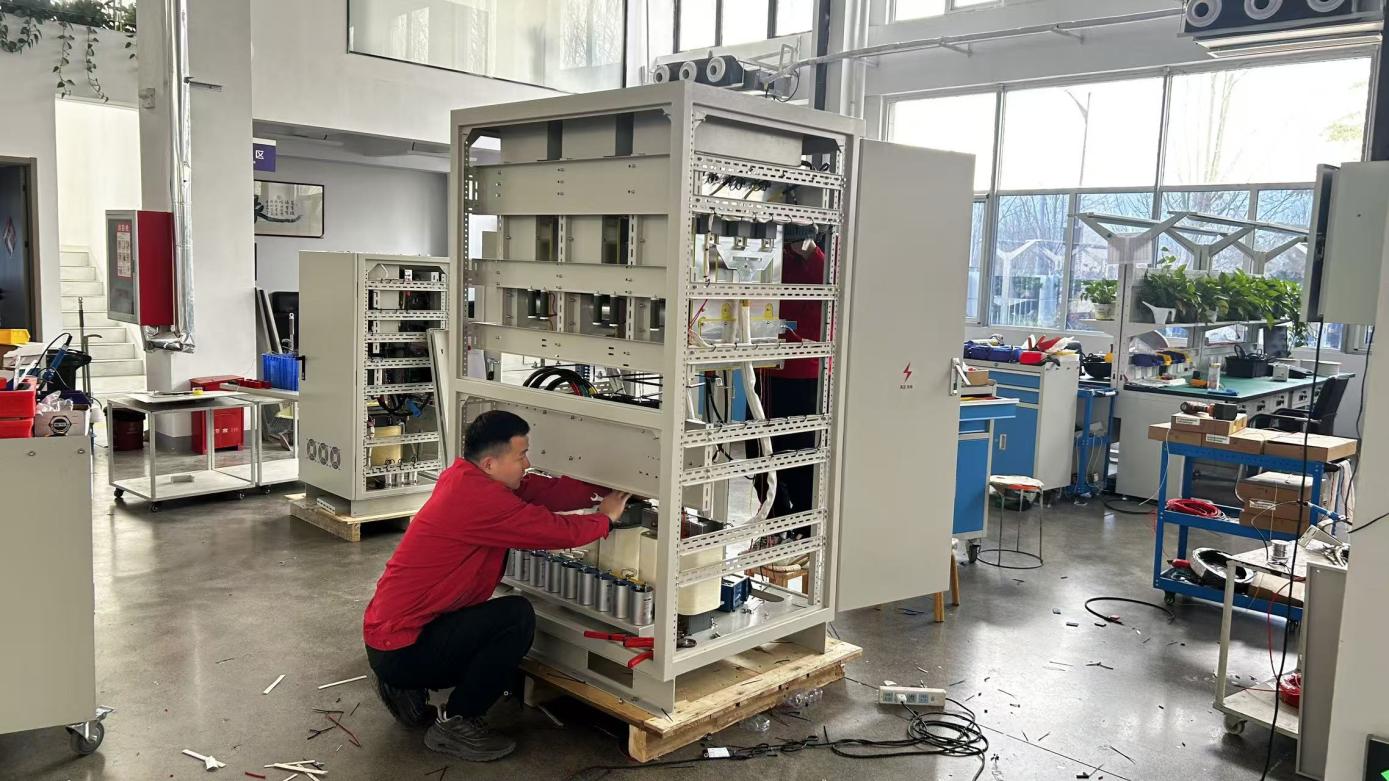 Circuit board assembly
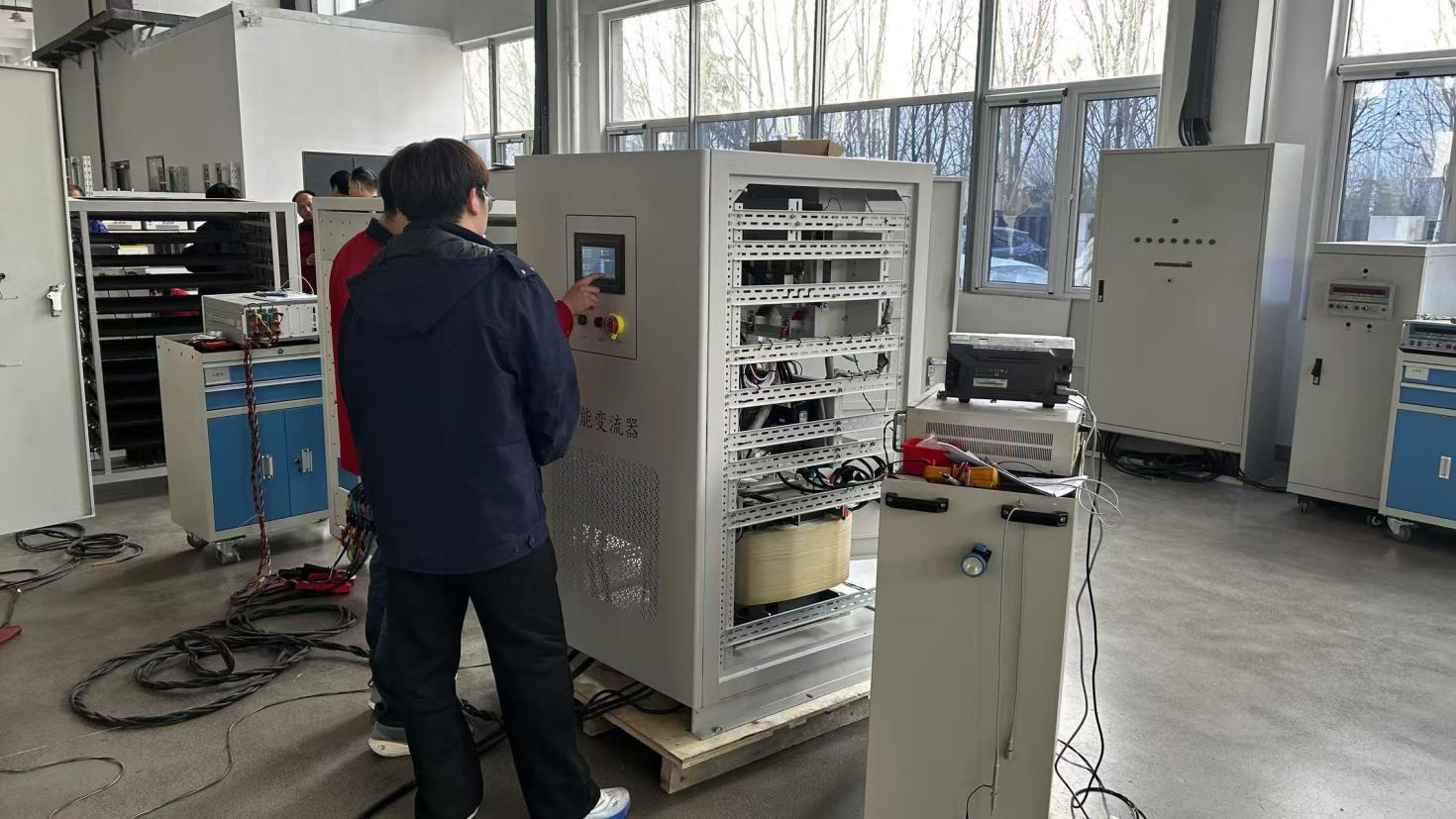 Debugging process
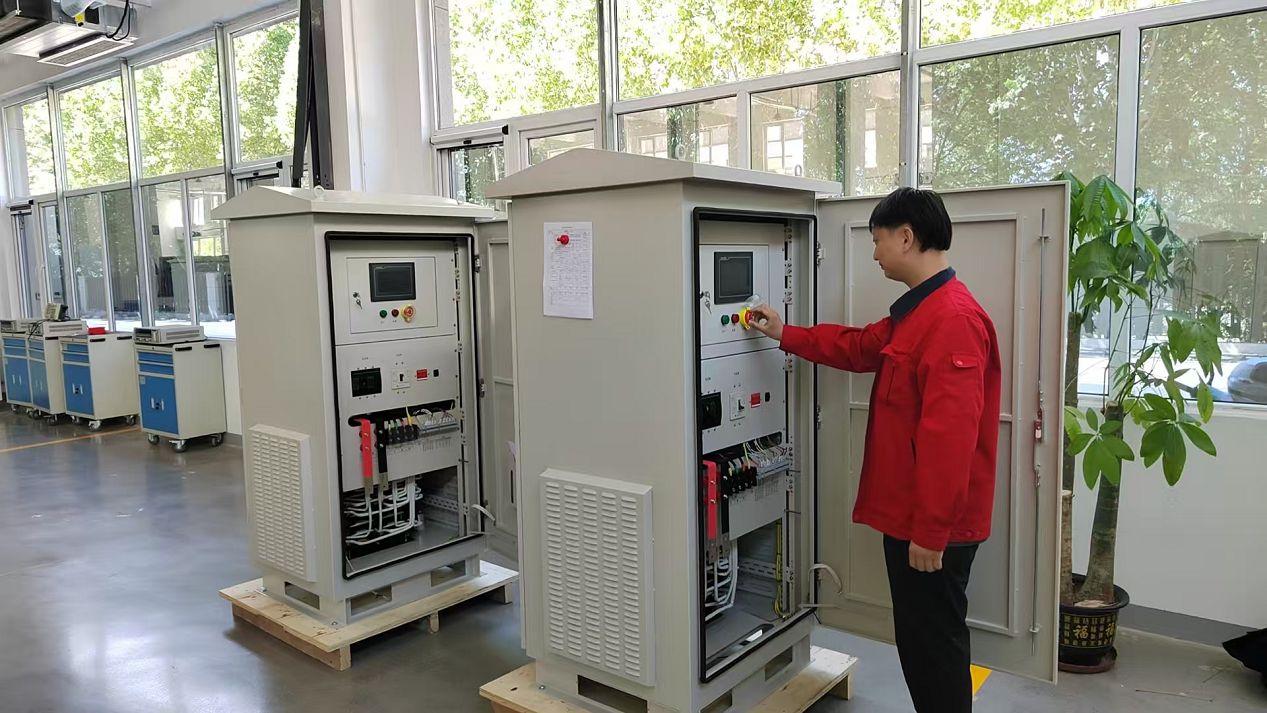 Quality inspection process
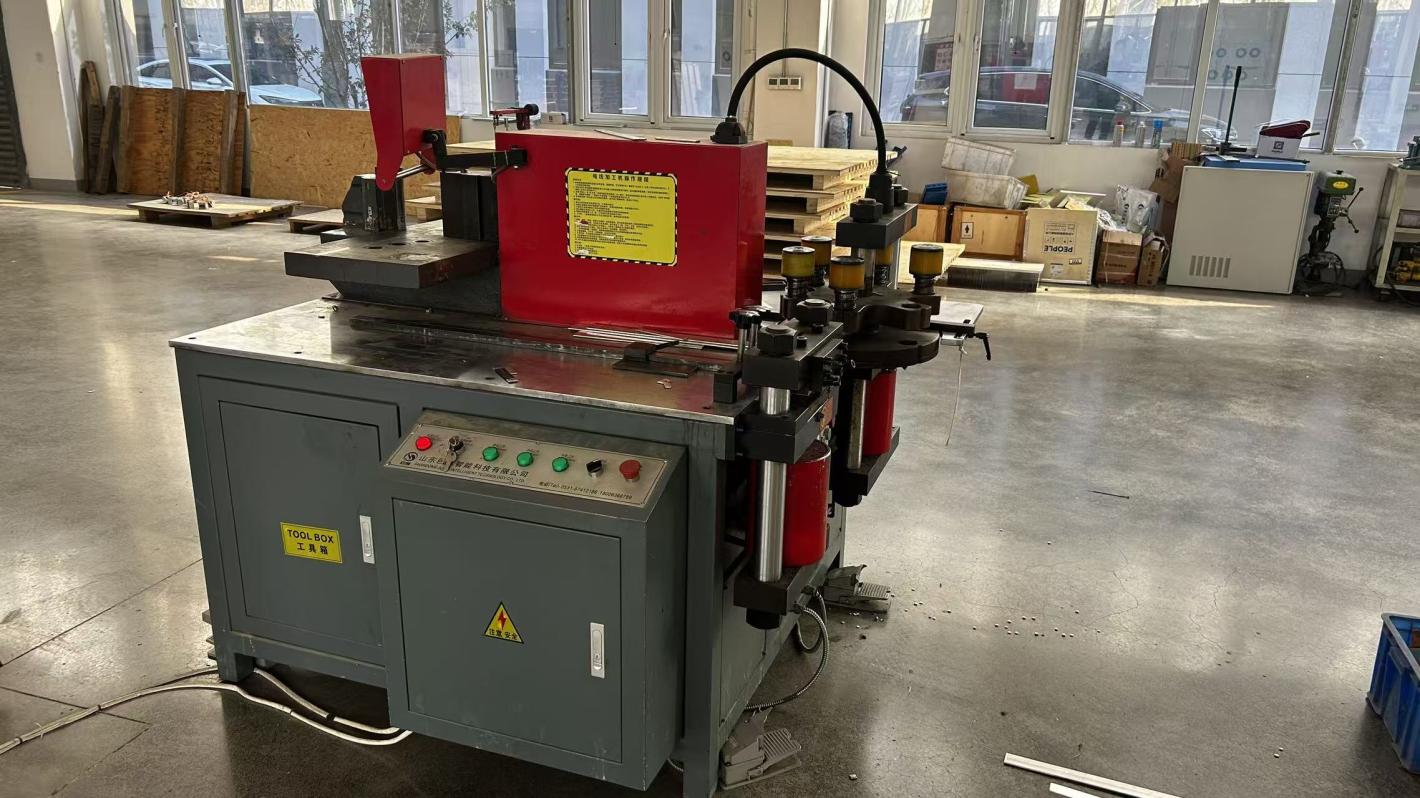 Copper bar production
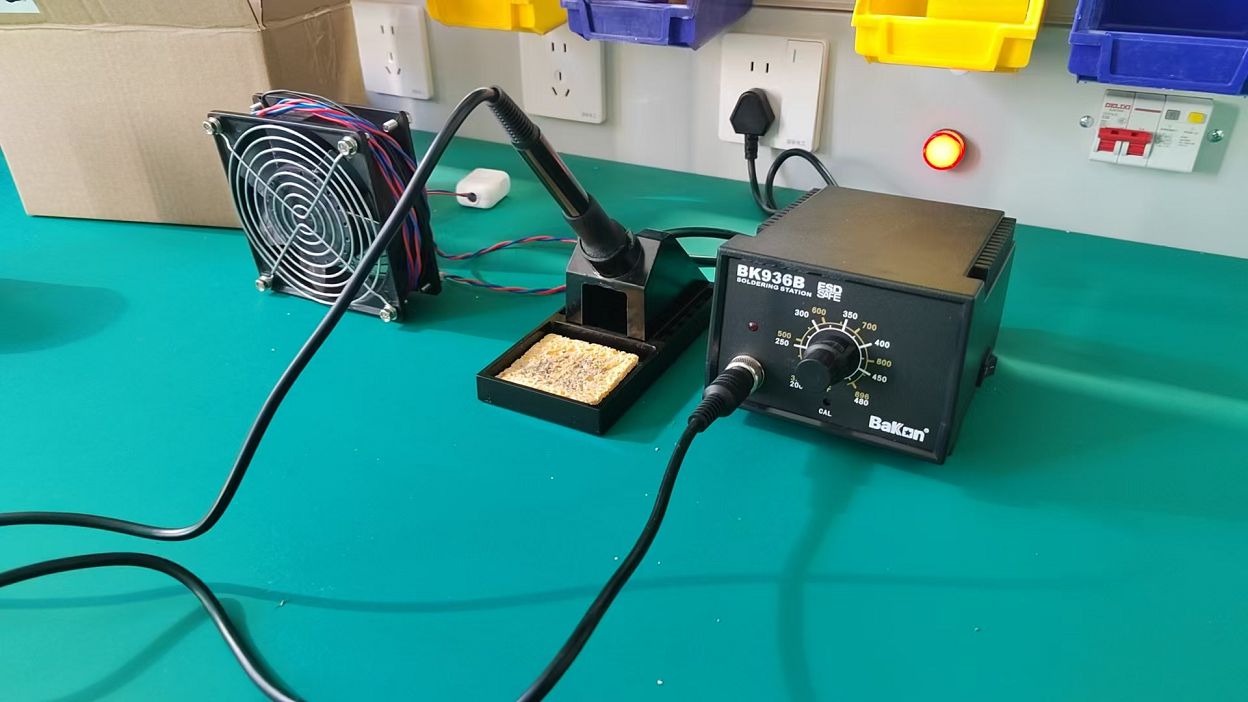 Electric ferrowire
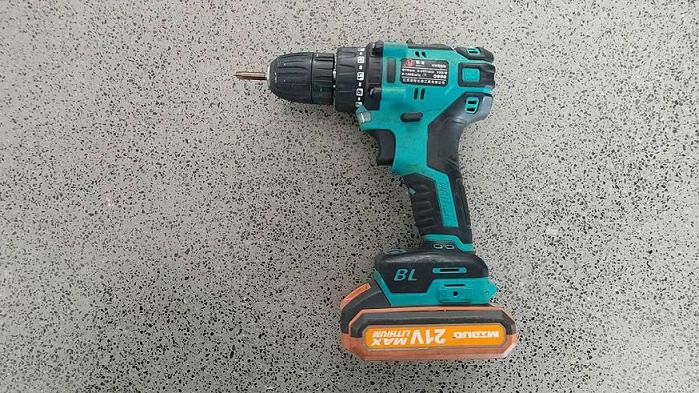 Electric drill
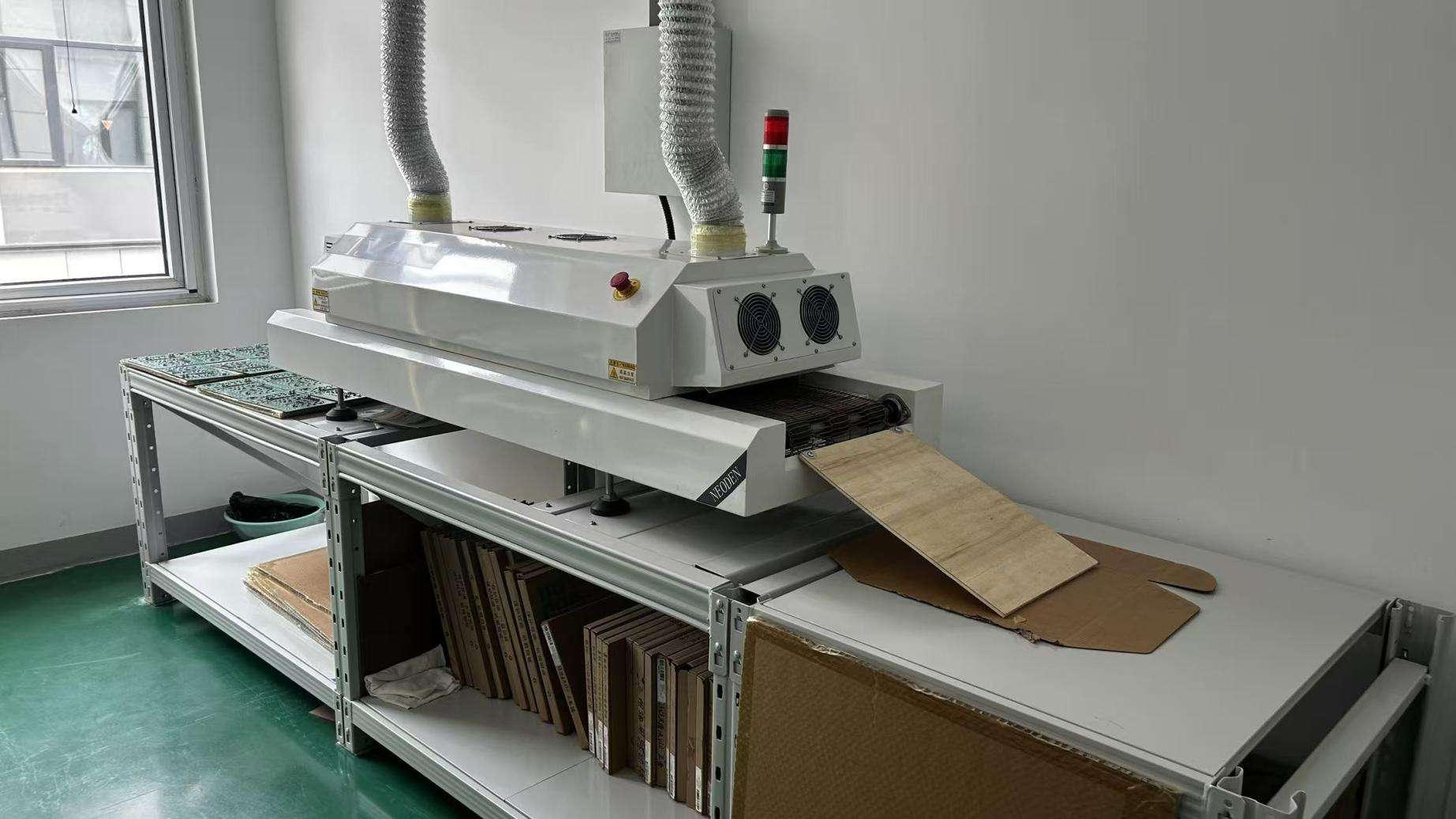 Reflow soldering
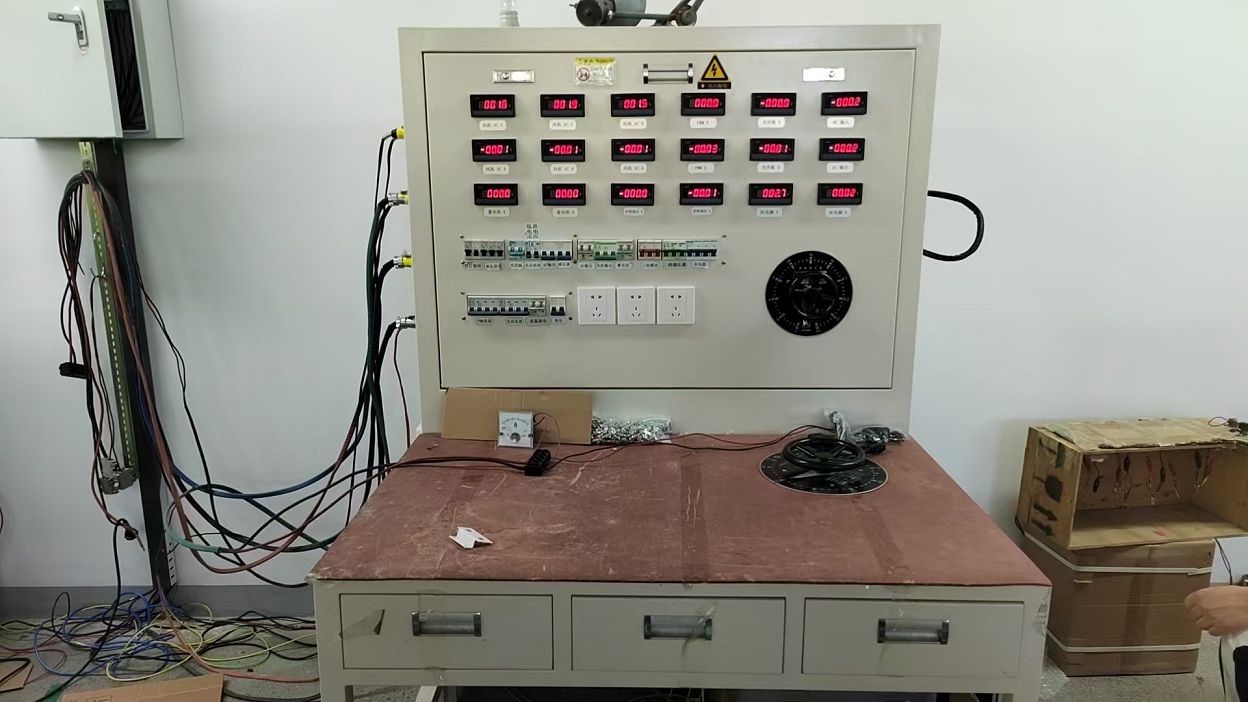 Workbench
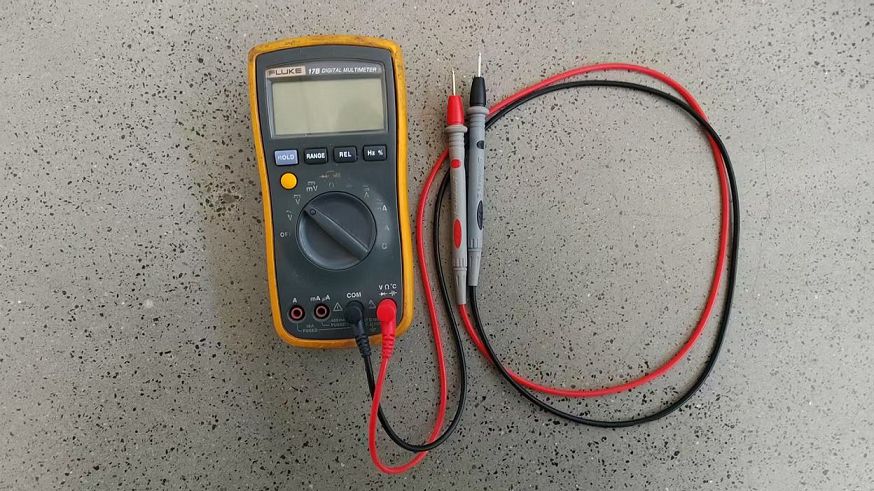 Multimeter Calibration
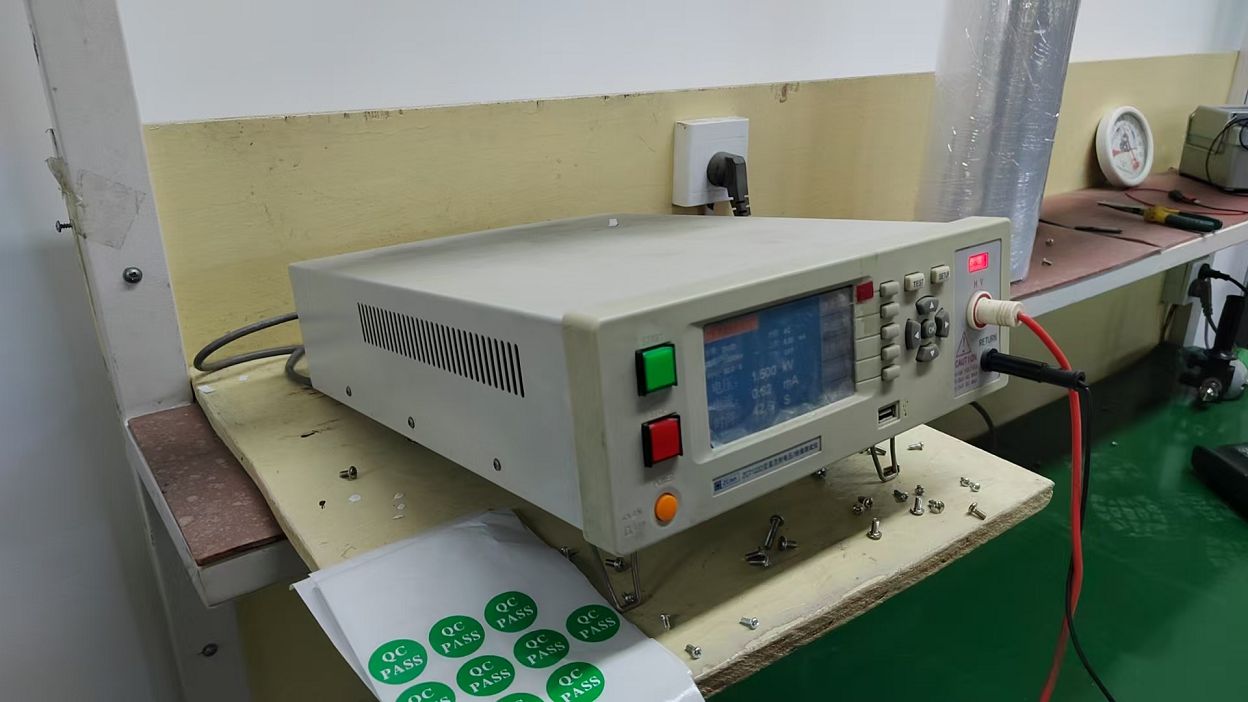 LCR AutoTester
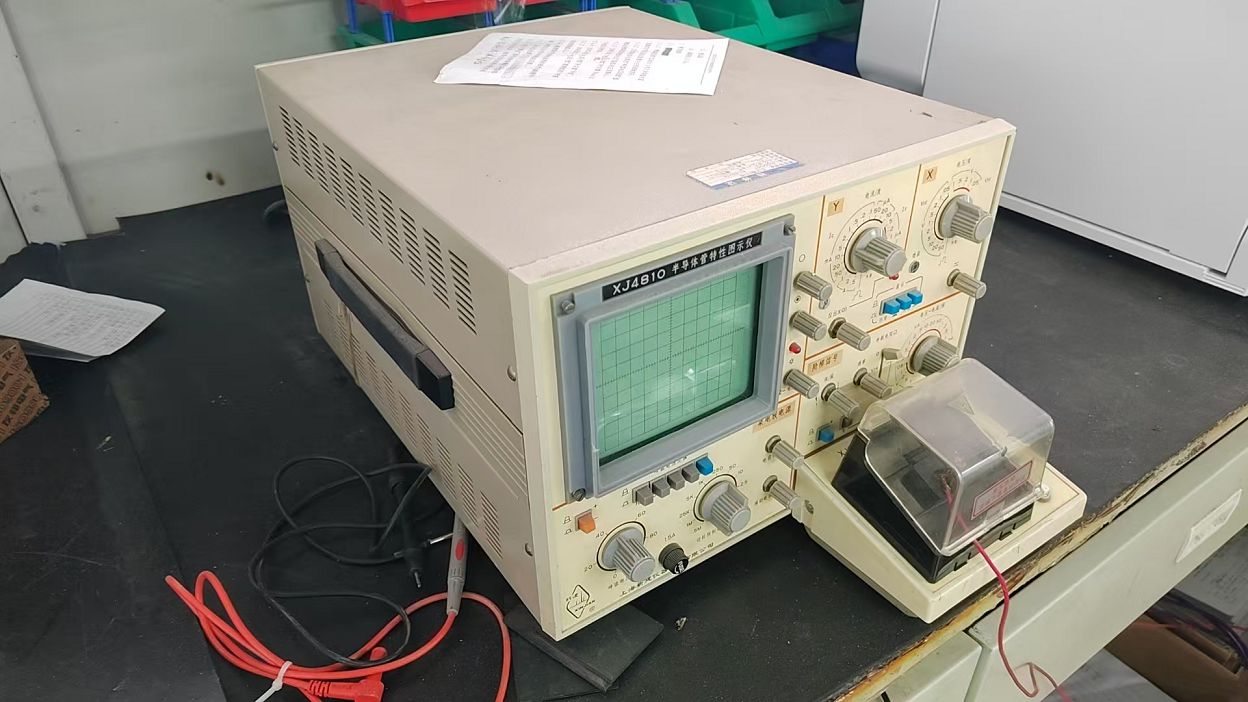 Semiconductor Plotter
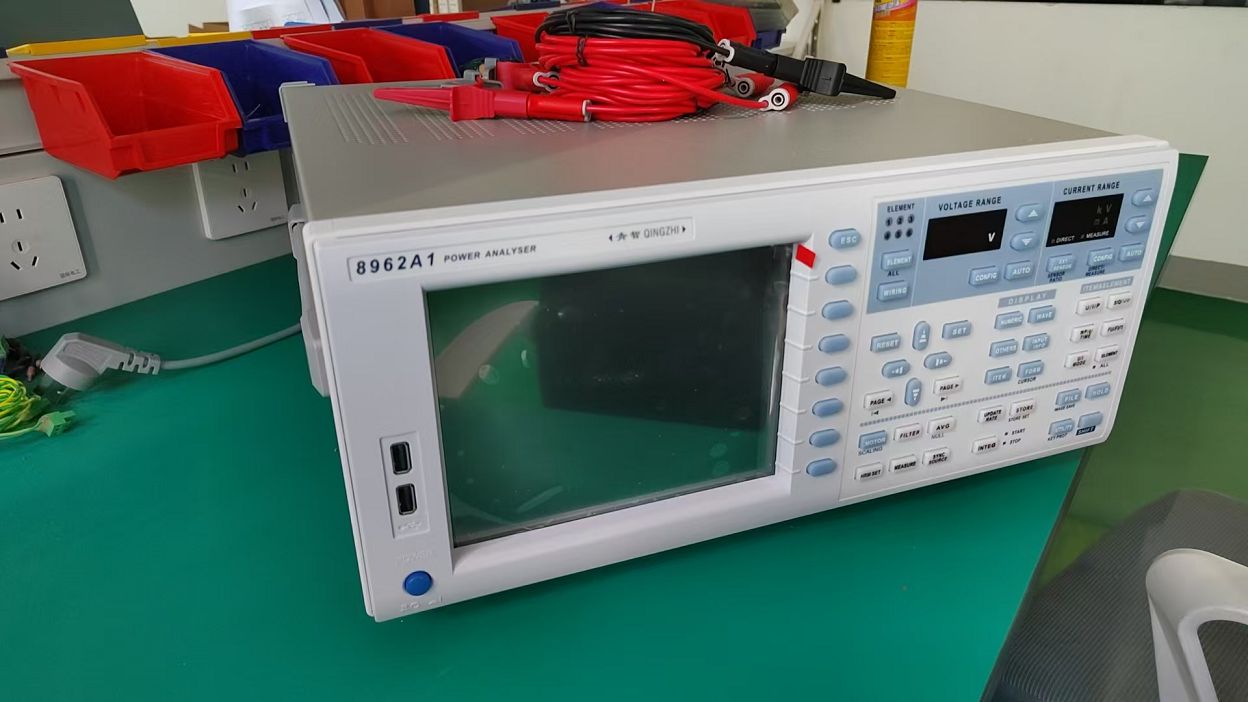 Digital Oscilloscope
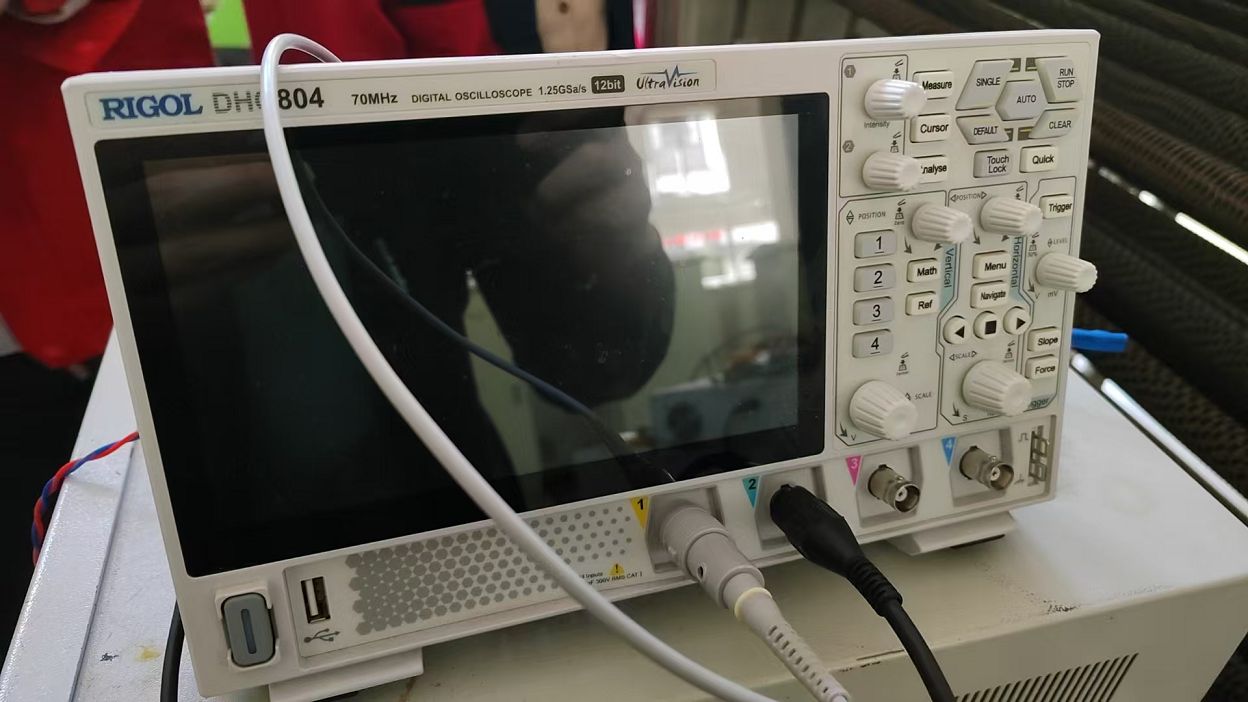 Power Quality Analyzer
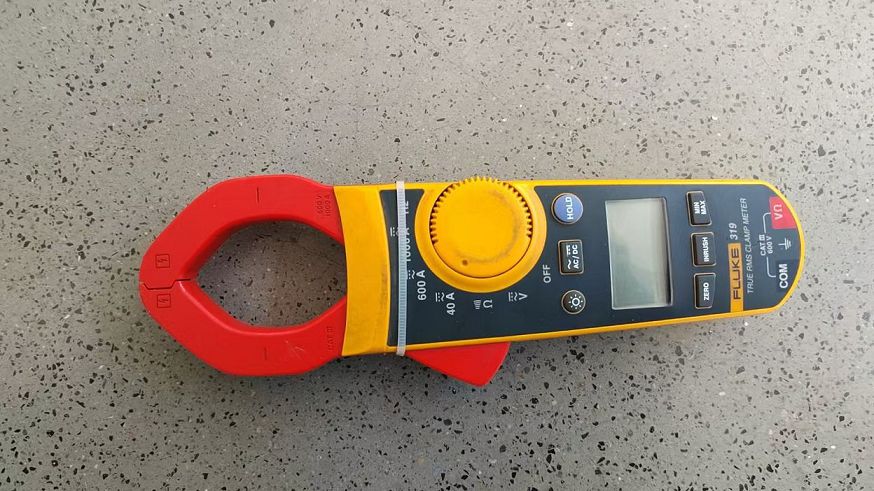 Clamp current meter
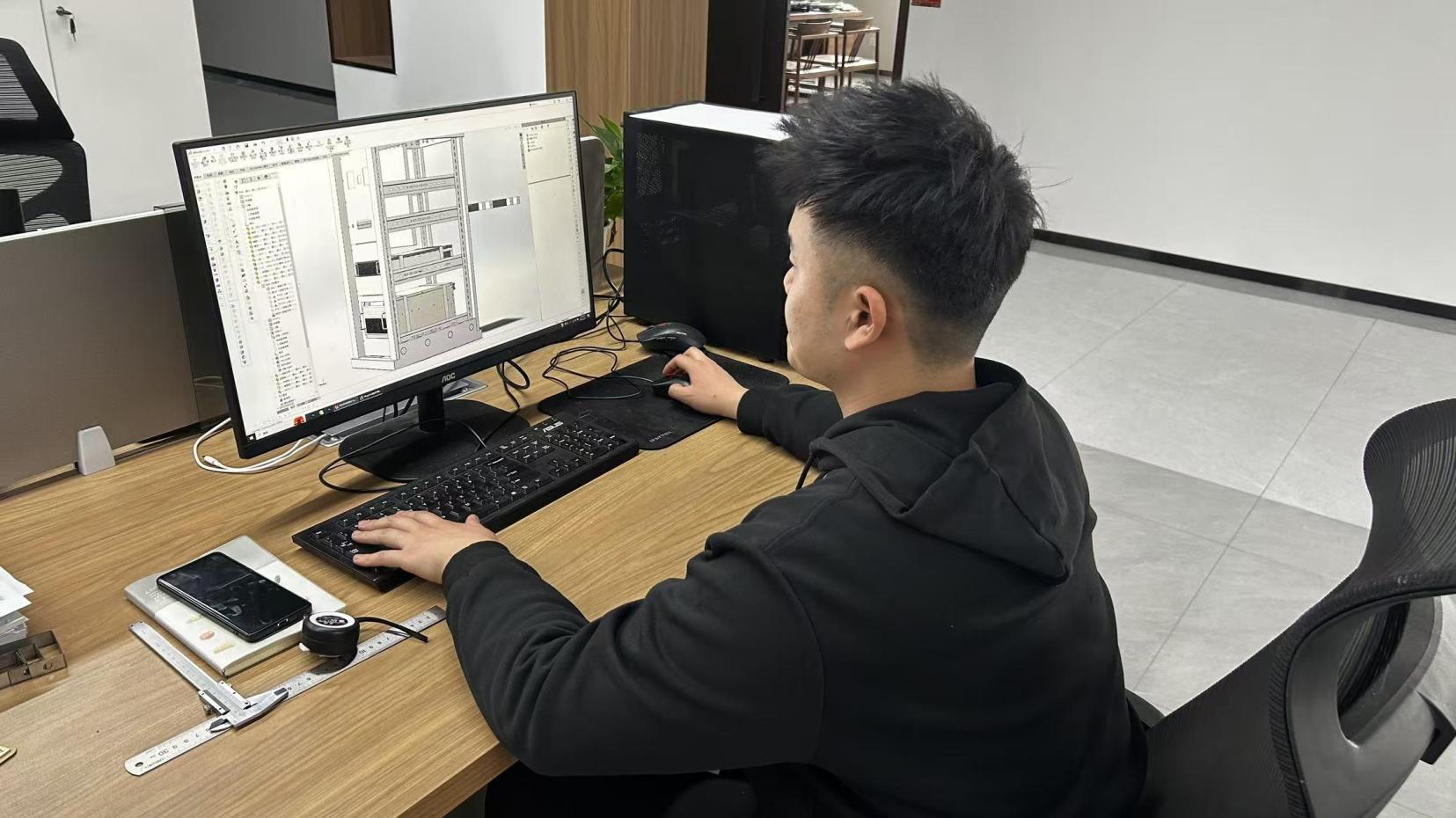 Drawing Design
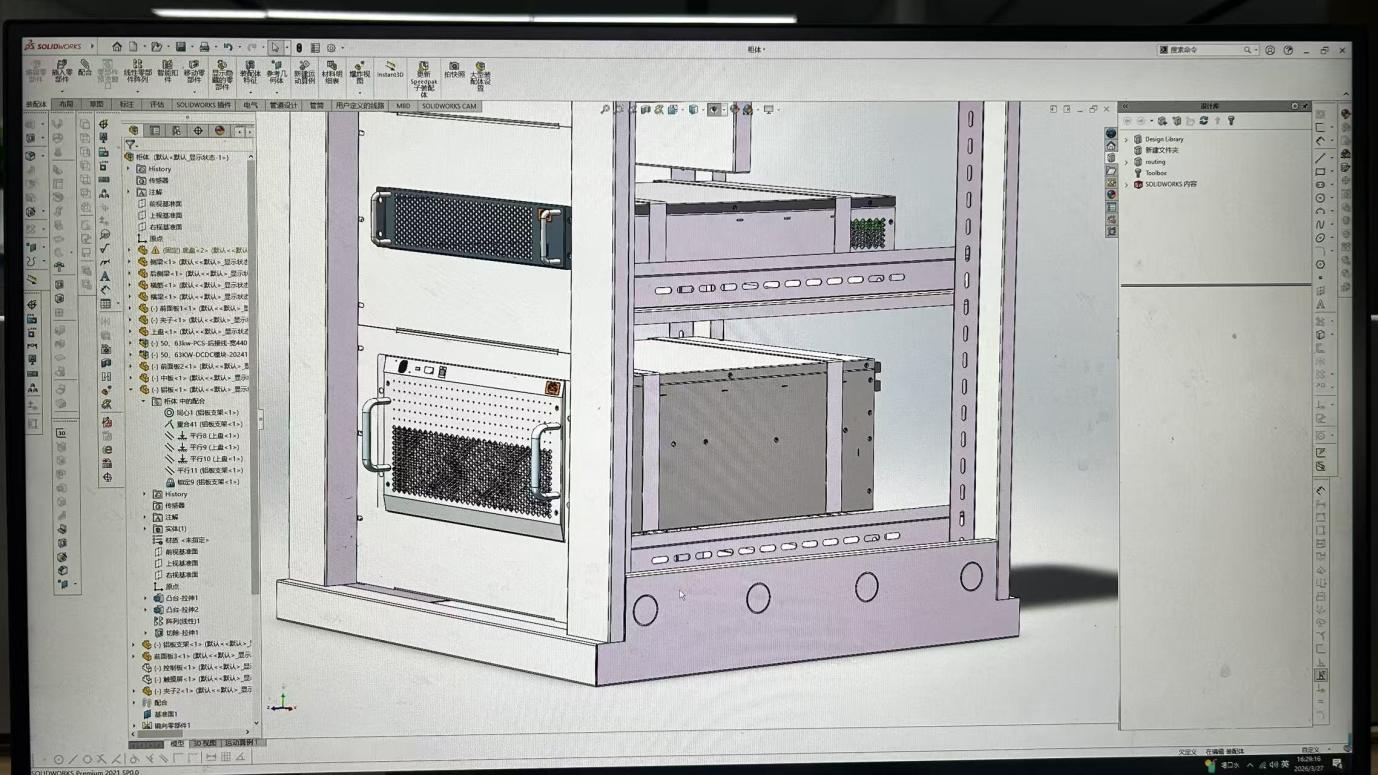 Computer Design Terminal
Global buyers, engineering firms, and utility scale developers prioritize long-term efficiency and reduced maintenance costs when sourcing power components. To protect capital investments, clean energy plants require hardware designed to withstand continuous operation under fluctuating inputs. Essential procurement criteria include high conversion efficiencies (such as 99% efficiency ratings in three-phase converters), modular architectures that simplify maintenance, and modern communication protocols (Modbus RTU via RS485).
For industrial engineering companies, sourcing custom configurations directly from manufacturers helps ensure that voltage stabilizers and bidirectional converters align with specific municipal grid regulations. OEM and ODM partnerships offer the flexibility required to customize parameters—such as wide DC input voltage ranges and customized touch-screen interfaces—while maintaining regulatory compliance.
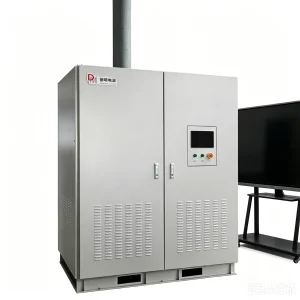
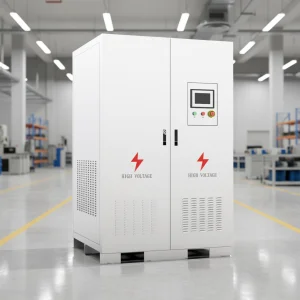
Fabrication plants require continuous, stable power. Voltage sags or frequency drifts can disrupt delicate processes, resulting in costly product losses. Utilizing custom CVCF power supplies ensures clean sine wave outputs, protecting high-precision lithography and testing systems from grid disturbances.
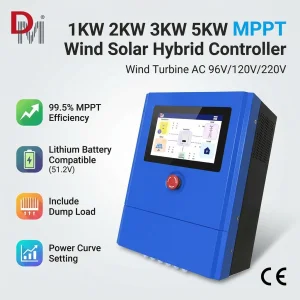
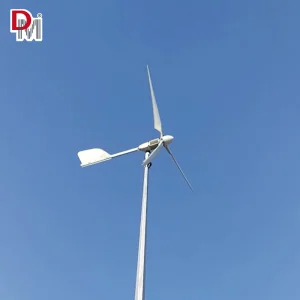
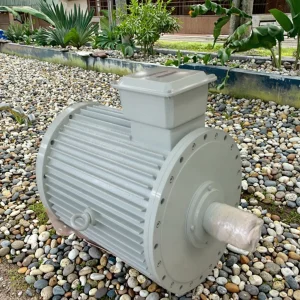
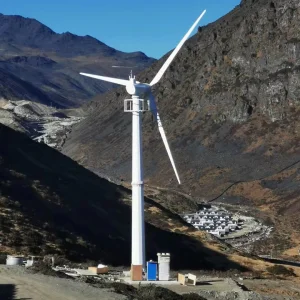
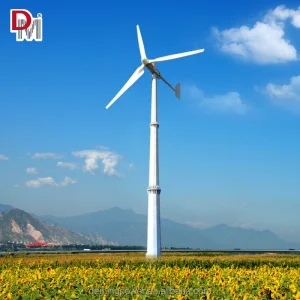
In remote mining operations or island communities, establishing a reliable microgrid is critical. Combining wind turbine generators, high-capacity charge controllers, and bidirectional inverters creates a stable, self-regulating power system that operates independently of utility grids.
Small and medium hydroelectric stations often face water flow variability, which can cause grid synchronization challenges. Implementing dedicated voltage stabilizers and frequency controllers ensures that the generated energy integrates smoothly with the utility network, matching grid voltage and phase.
The power sector is transitioning from centralized, predictable generation toward decentralized, variable renewable energy (VRE) systems. This shift drives the need for "smart" grid infrastructure. Modern grids utilize machine learning, IoT monitoring, and bidirectional energy flows to maintain system balance. Key industry trends include:
 Demin Power