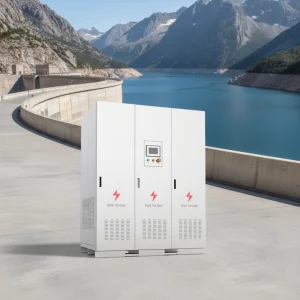
Engineered for efficiency, stability, and seamless integration into virtual power plants and distributed energy resources.
Unlocking Grid Value: How Distributed Energy Resources and Smart Inverters Define Next-Generation Energy Networks
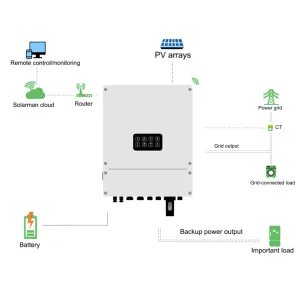
The global transition toward decentralized power grids is no longer a futuristic concept—it is a pressing reality. At the heart of this disruption are Virtual Energy Solutions (VES) and Virtual Power Plants (VPPs). These software-and-hardware-integrated networks aggregate diverse Distributed Energy Resources (DERs)—such as solar arrays, wind turbines, commercial energy storage systems (BESS), and electric vehicles—into a single, cohesive power-generating entity. By doing so, they supply essential auxiliary services, including frequency response and peak shaving, directly to national grids.
In North America and Europe, strict regulatory frameworks like FERC Order 2222 have formally opened wholesale power markets to aggregated DERs. Utilities are actively seeking manufacturing partners capable of providing robust grid-tie controllers and smart bidirectional converters. Without these components, integrating variable loads into municipal power systems can cause instability, resulting in localized blackouts or voltage drops.
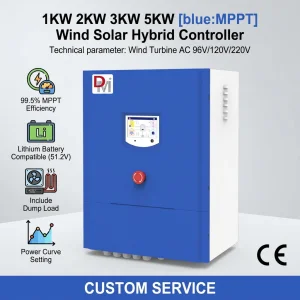
Meanwhile, the Asia-Pacific region is experiencing rapid industrialization, leading to an increased reliance on localized microgrids for manufacturing hubs. High-power bidirectional DC/DC converters and robust wind-solar hybrid controllers serve as the hardware foundation of these setups. They manage fluctuations in renewable generation locally, reducing the strain on central grids and ensuring uninterrupted production.
Decades of Technical Innovation, Government Recognition, and Strict Compliance
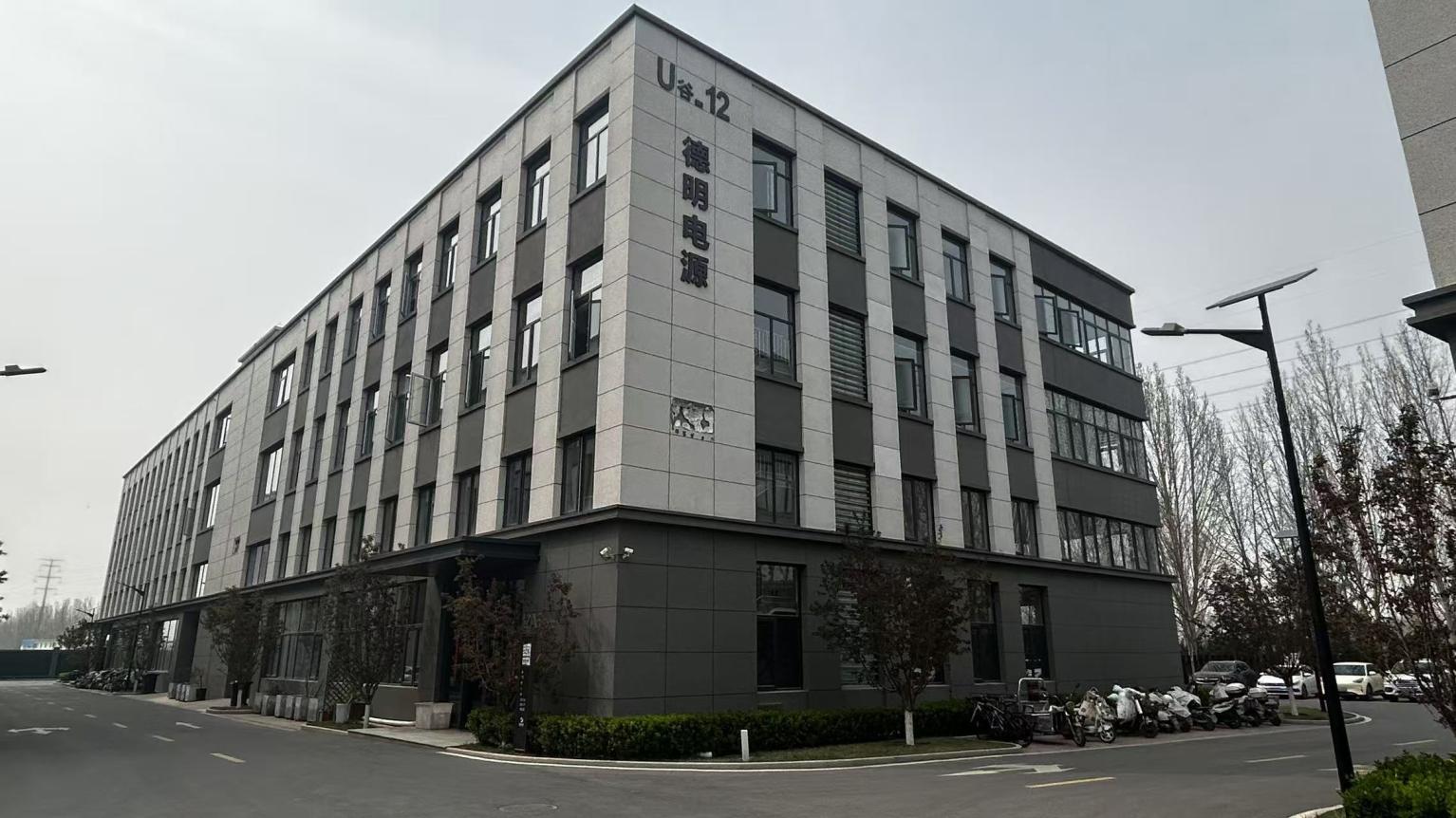
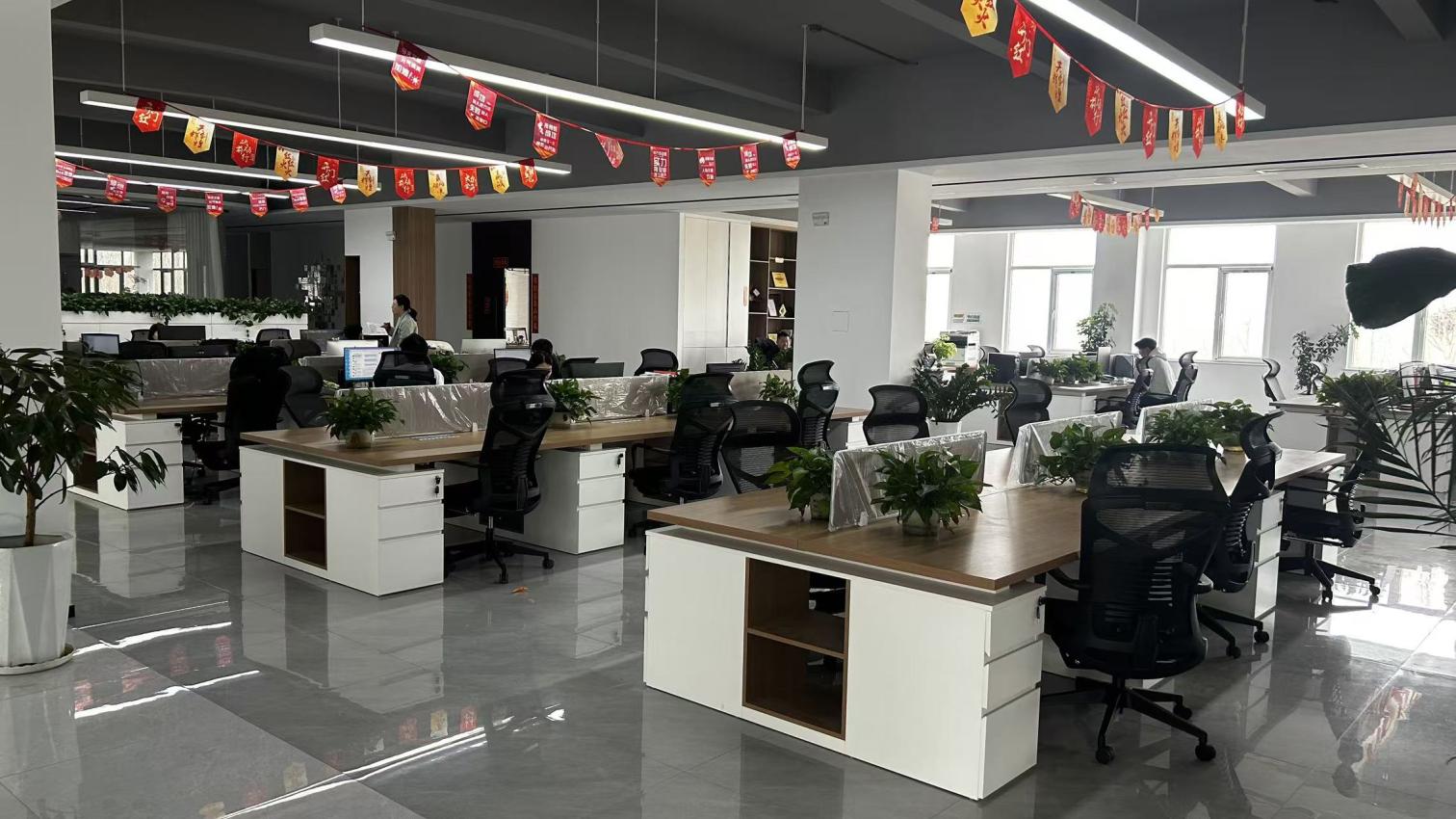
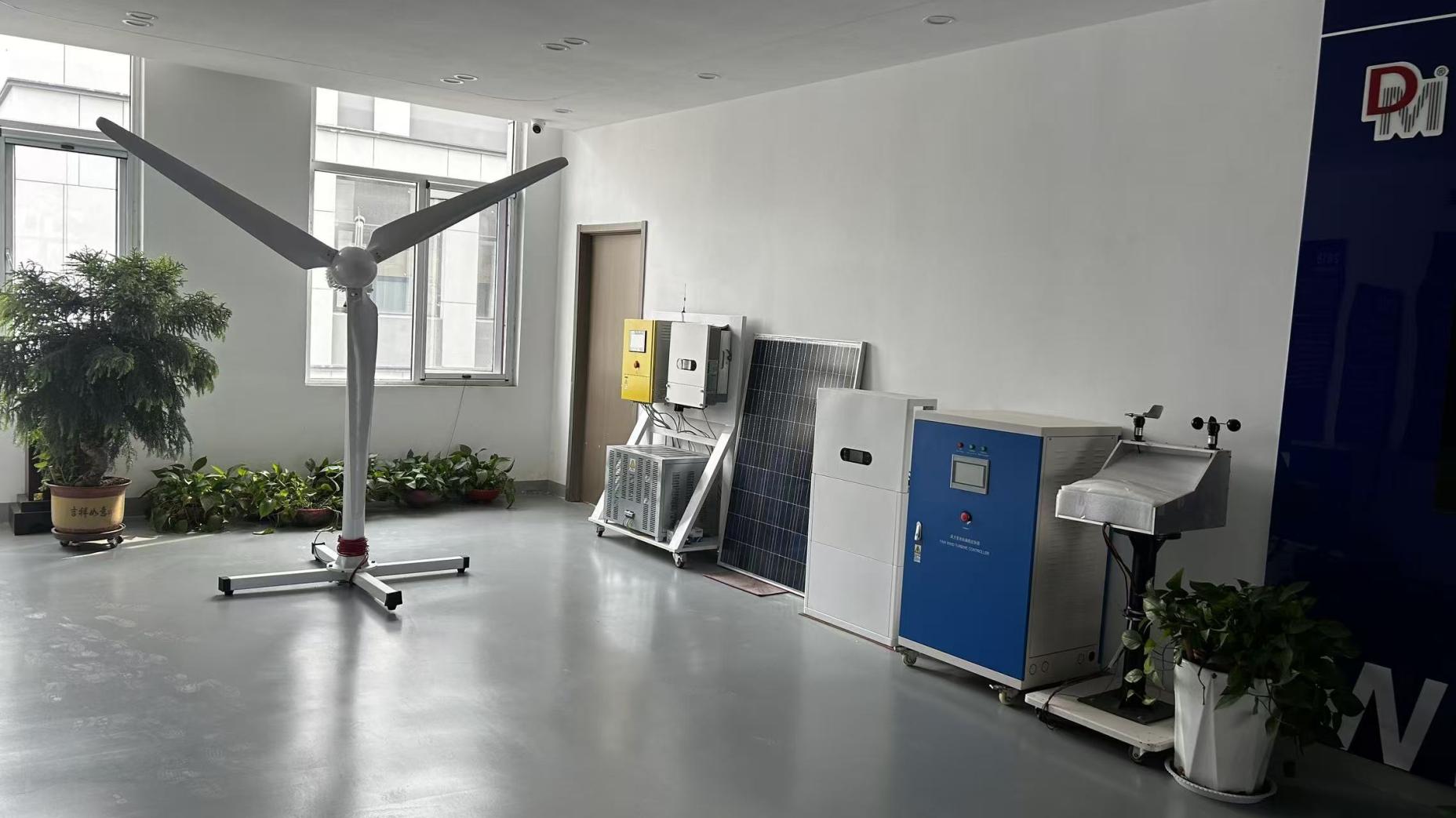
Jinan Deming Power Equipment Co., Ltd. is a nationally recognized high-tech enterprise established in 2004, specializing in the research, development, production, and service of renewable energy power equipment and advanced power testing solutions. The company holds ISO9001:2015 certification and has been recognized as a high-tech enterprise by the Chinese government multiple times (2015, 2018). With a dedicated R&D team of 16 engineers including doctoral supervisors and master's degree holders, Deming invests no less than 20% of annual sales revenue into technology development. The company has completed 17 R&D projects in the last three years with 16 scientific and technological achievements transformed into commercial products. Deming's products have been exported to 120+ countries including Germany, Japan, the United States, UK, Canada, Australia, and Brazil, and the company has established cooperative relationships with Fortune 500 enterprises. The company's main products include wind/solar controllers, inverters, frequency converters, and high-power bidirectional DC test power supplies and battery simulators ranging from 150kW to 500kW.
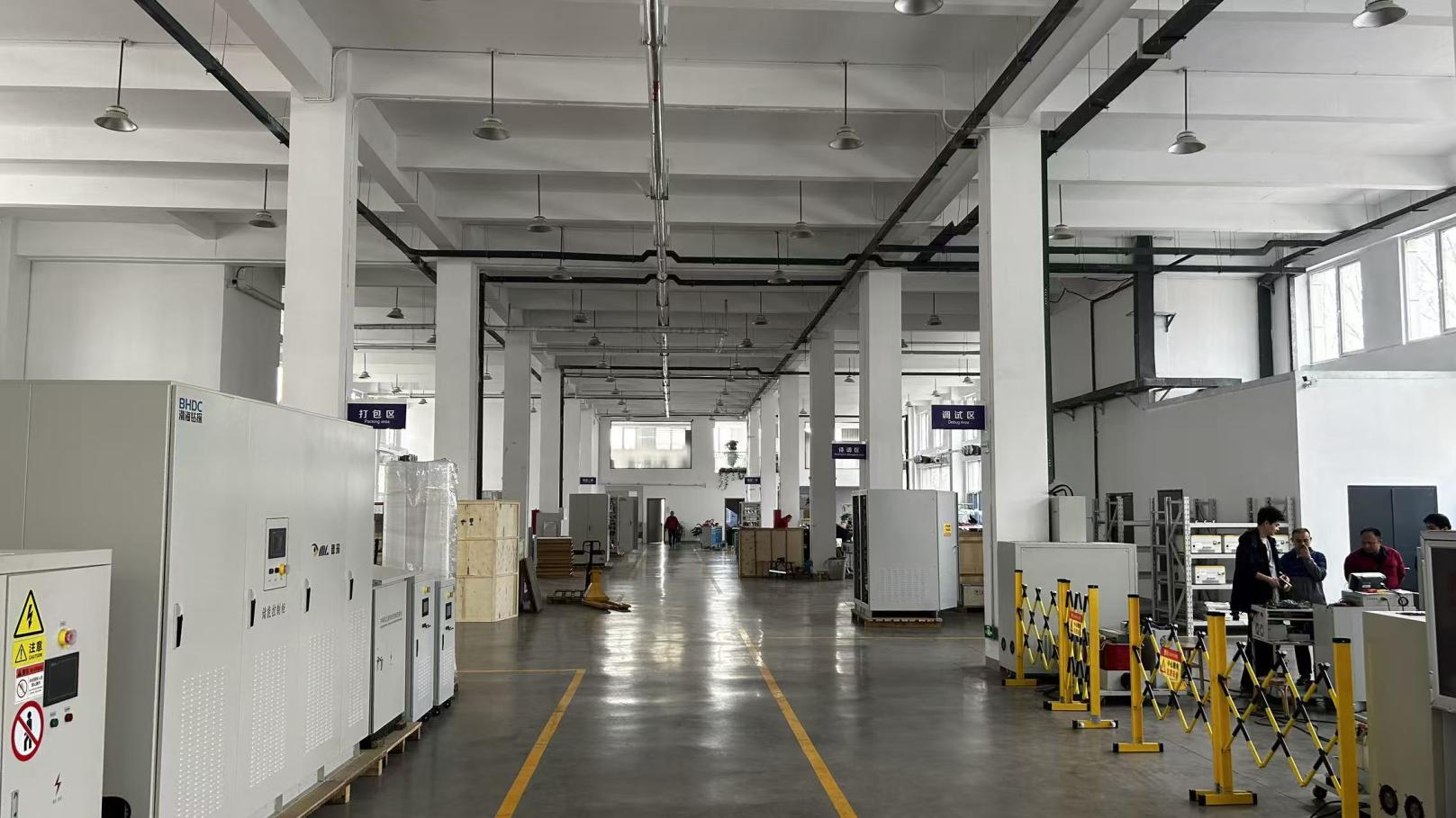
Why Chinese Power Manufacturing Delivers Unmatched Cost-to-Performance Ratios
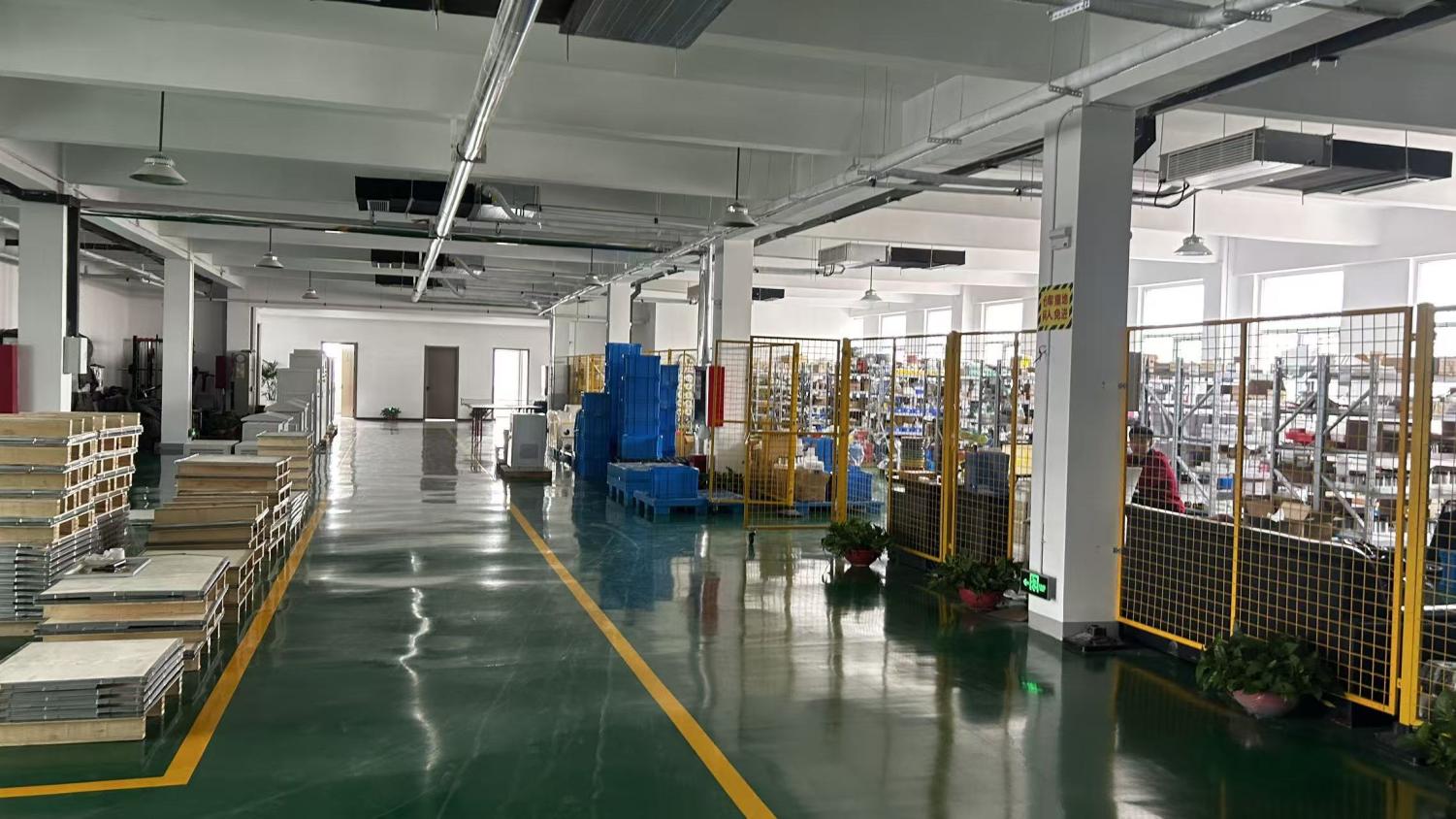
China's dominance in renewable energy electronics is driven by deep supply chain integration, rapid prototyping, and high concentration of specialized engineering talent. Factories like Jinan Deming combine high-precision component sourcing with advanced in-house production. This integration allows Deming to deliver high-capacity custom inverters and wind-solar hybrid controllers at a fraction of the lead time required by Western manufacturers.
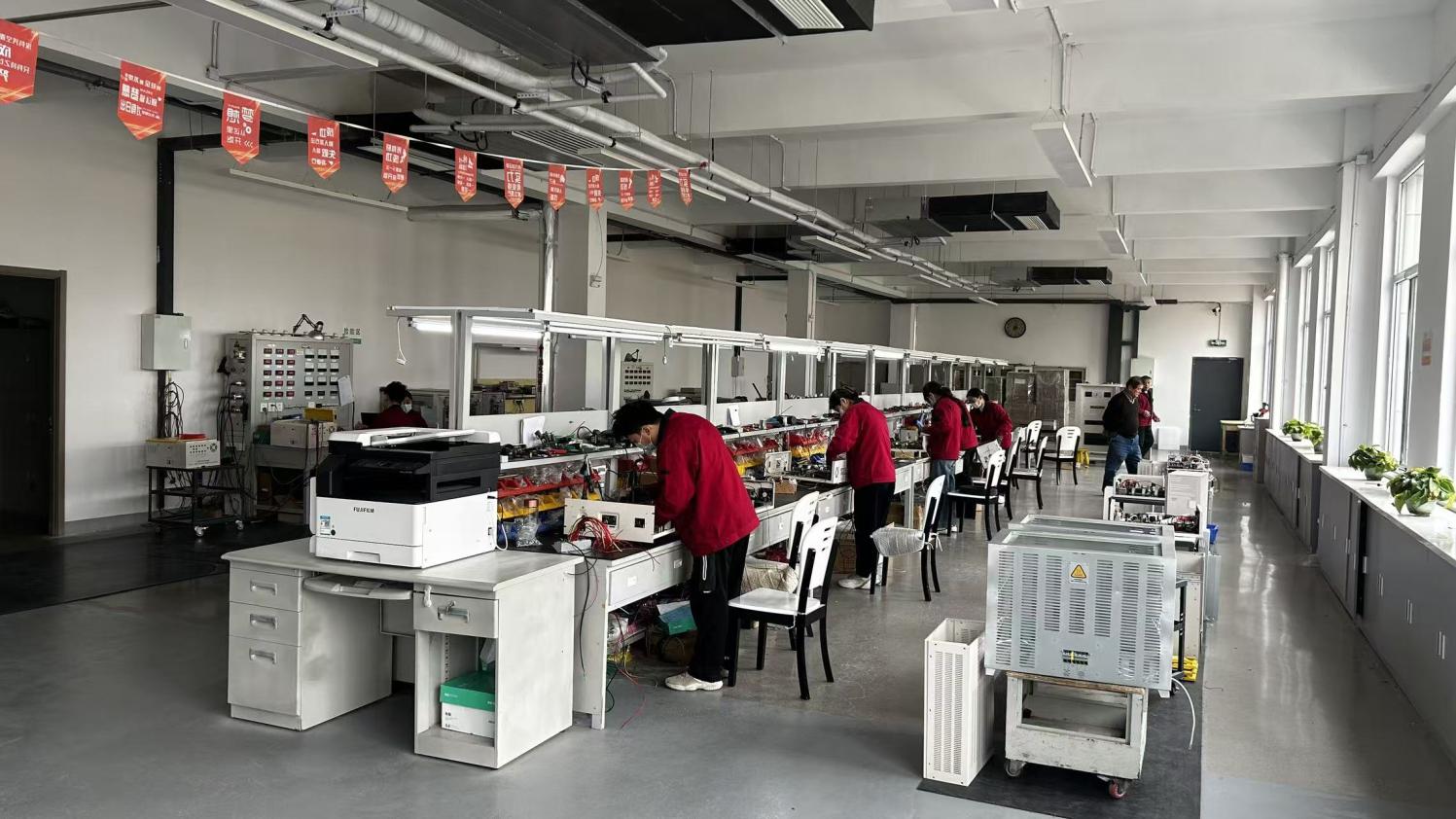
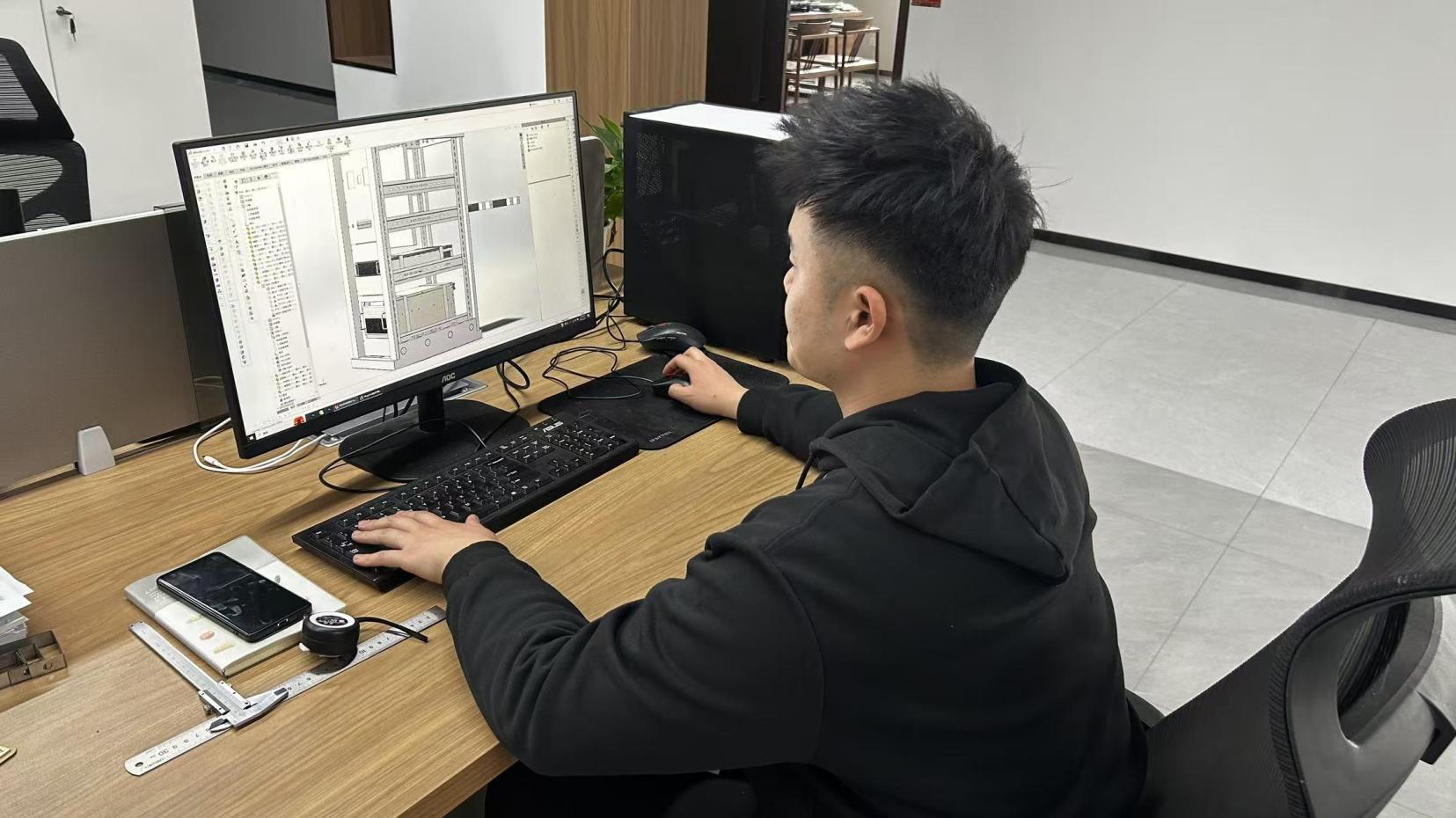
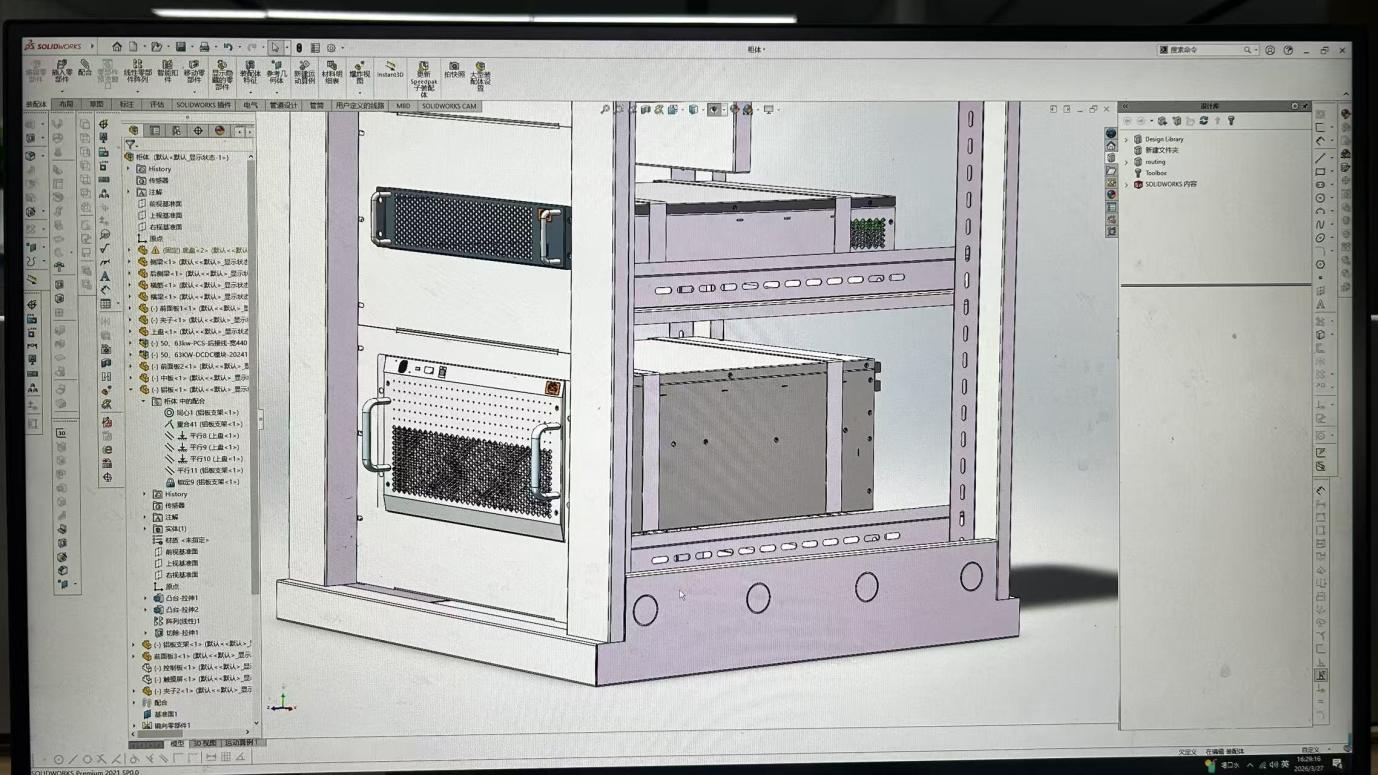
Jinan Deming maintains strict control over every stage of assembly. By manufacturing its own copper bars, utilizing advanced reflow soldering, and executing in-house PCB debugging, the company ensures that every unit meets strict operational standards before shipping.
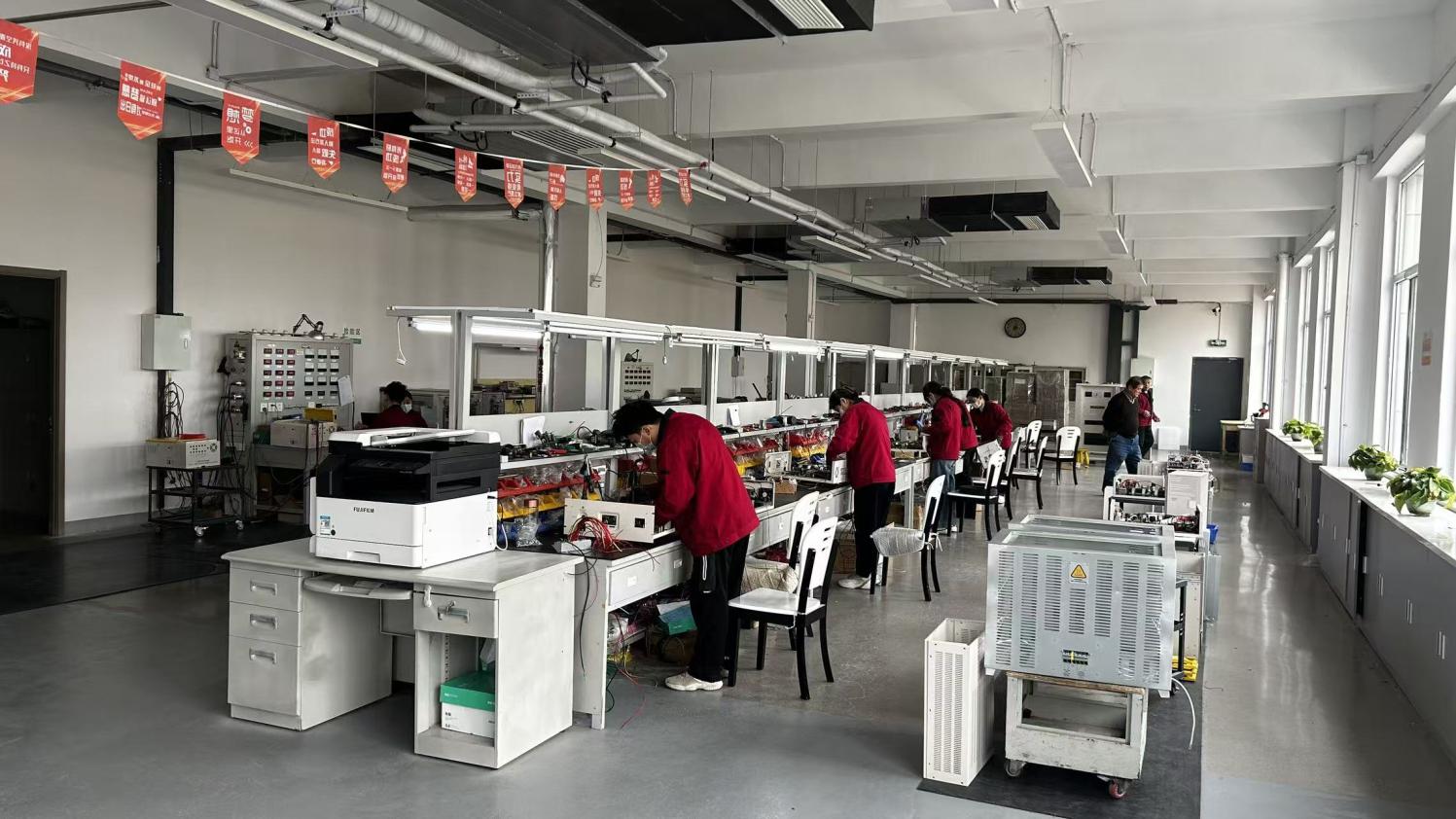
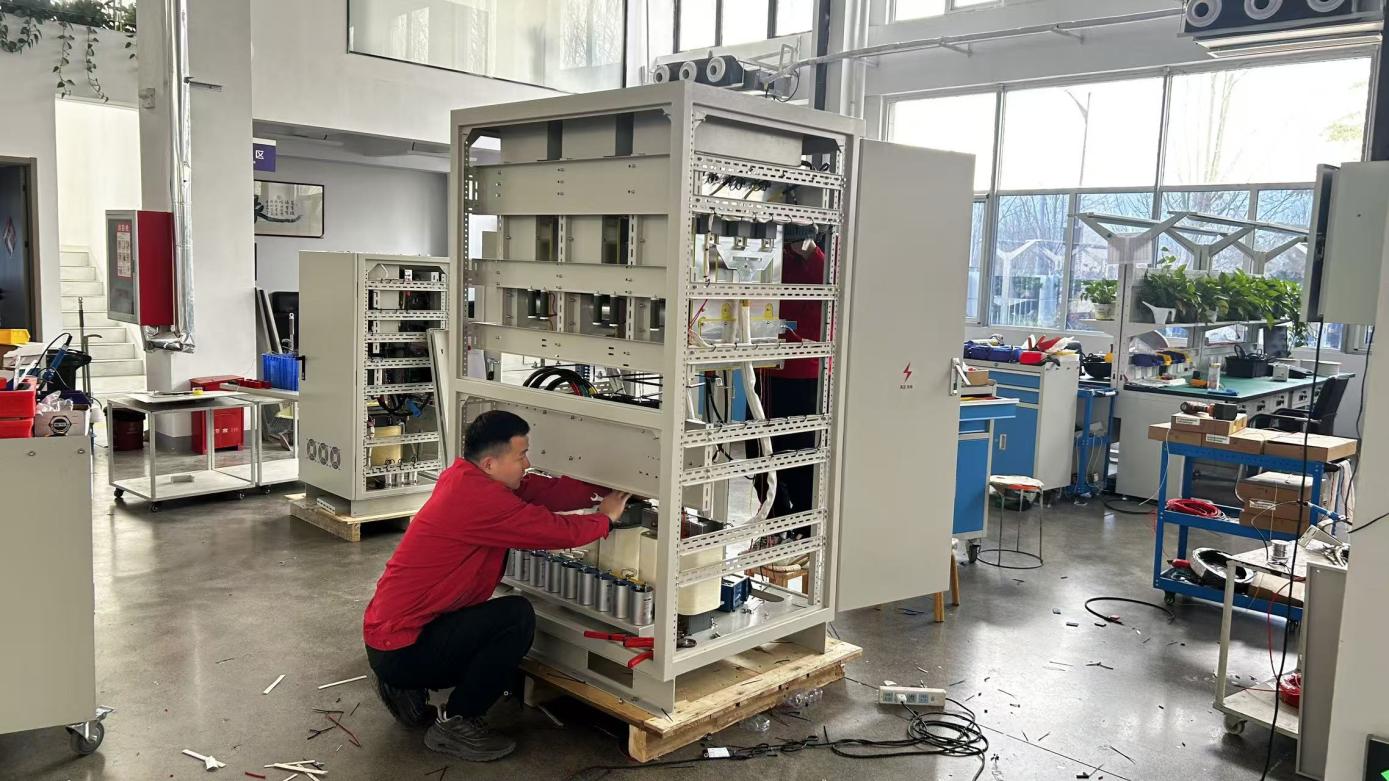
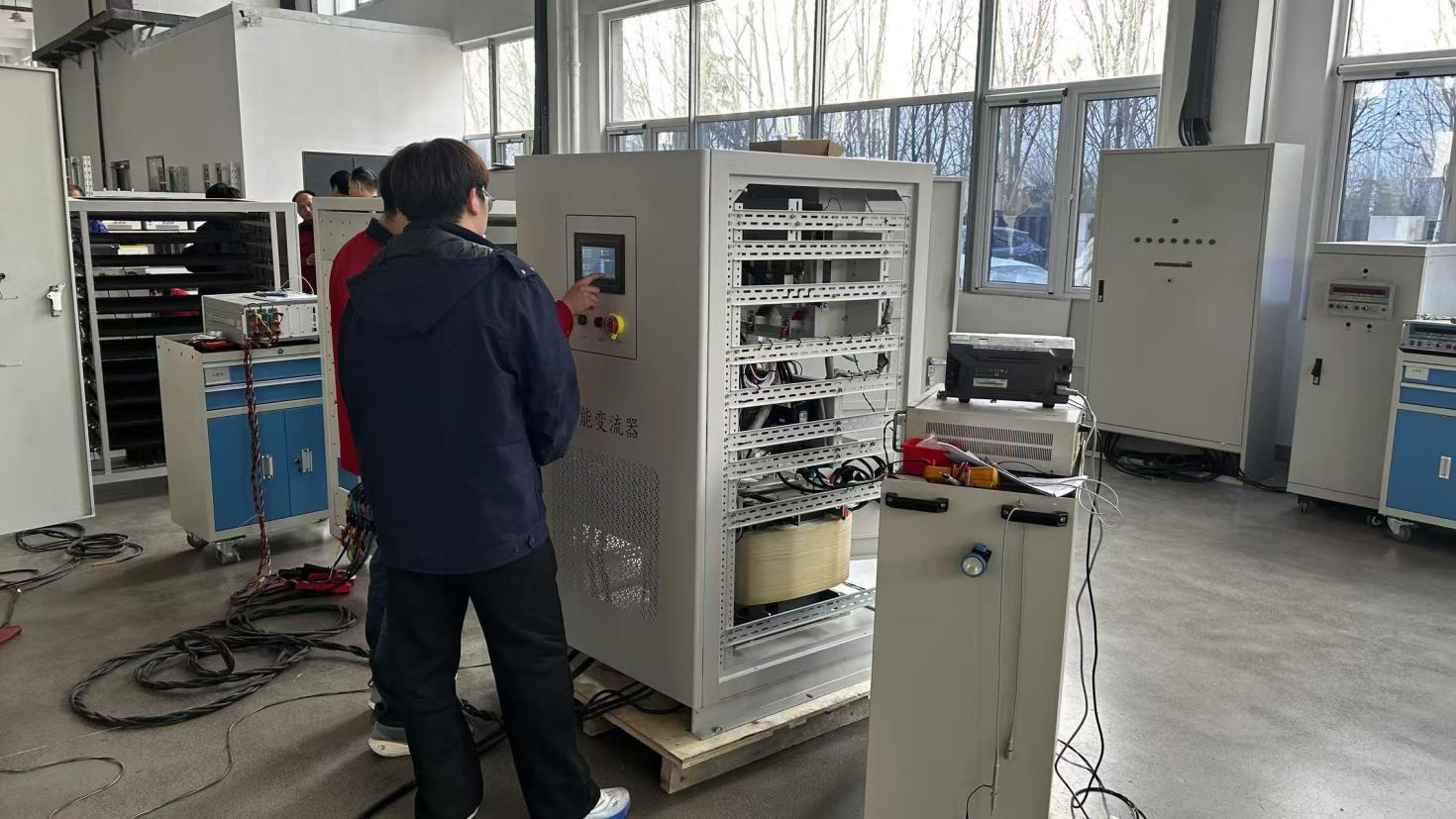
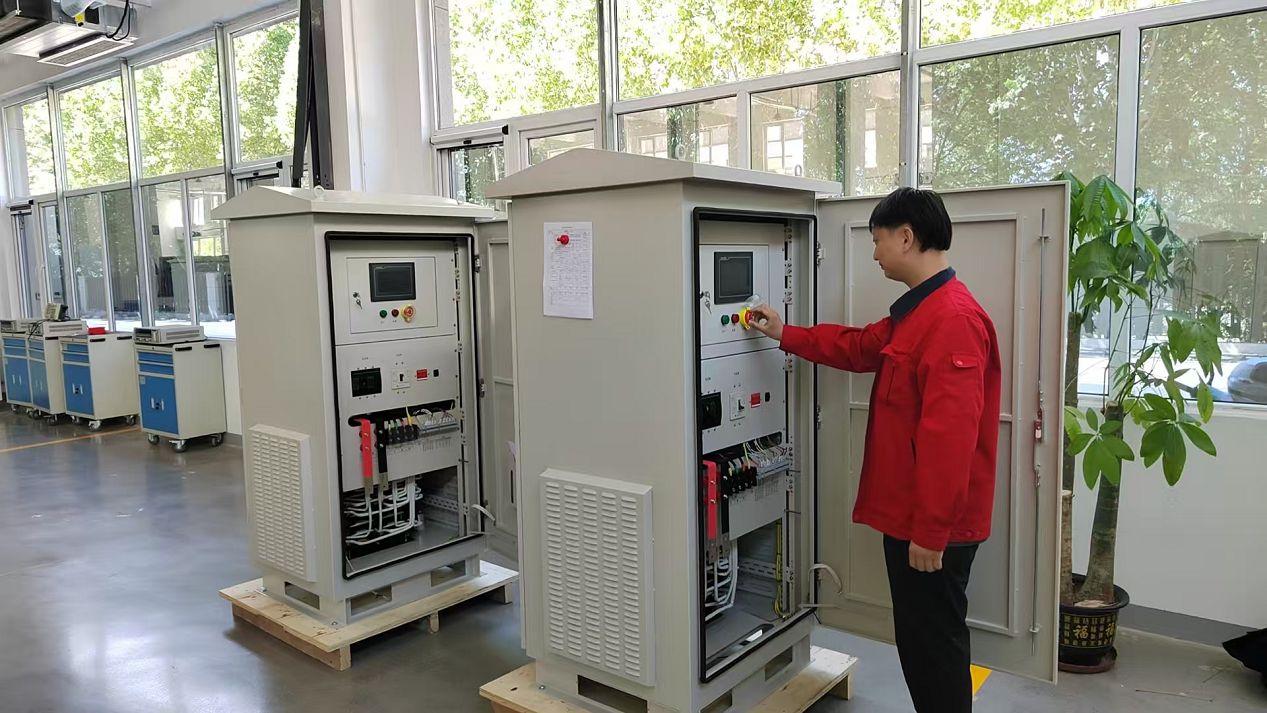
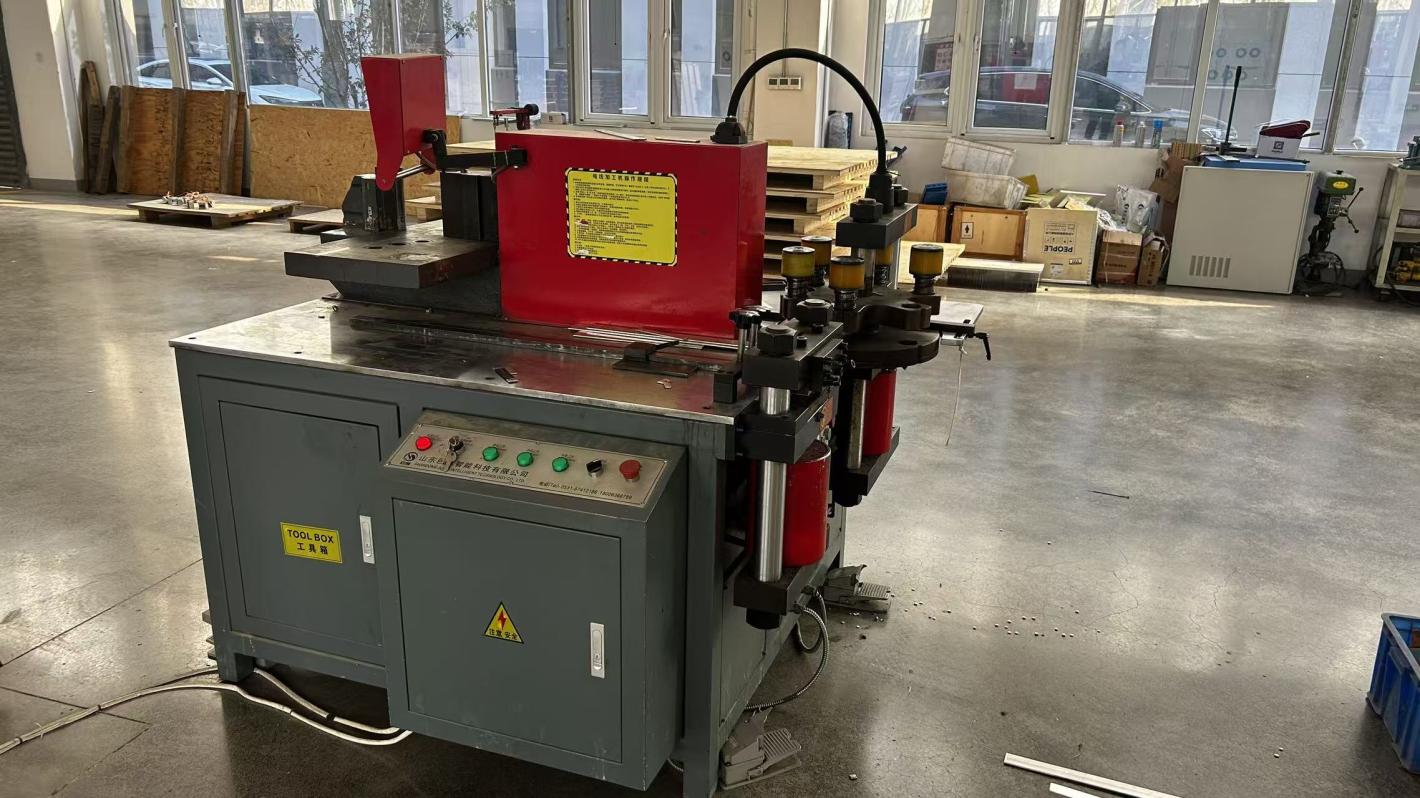
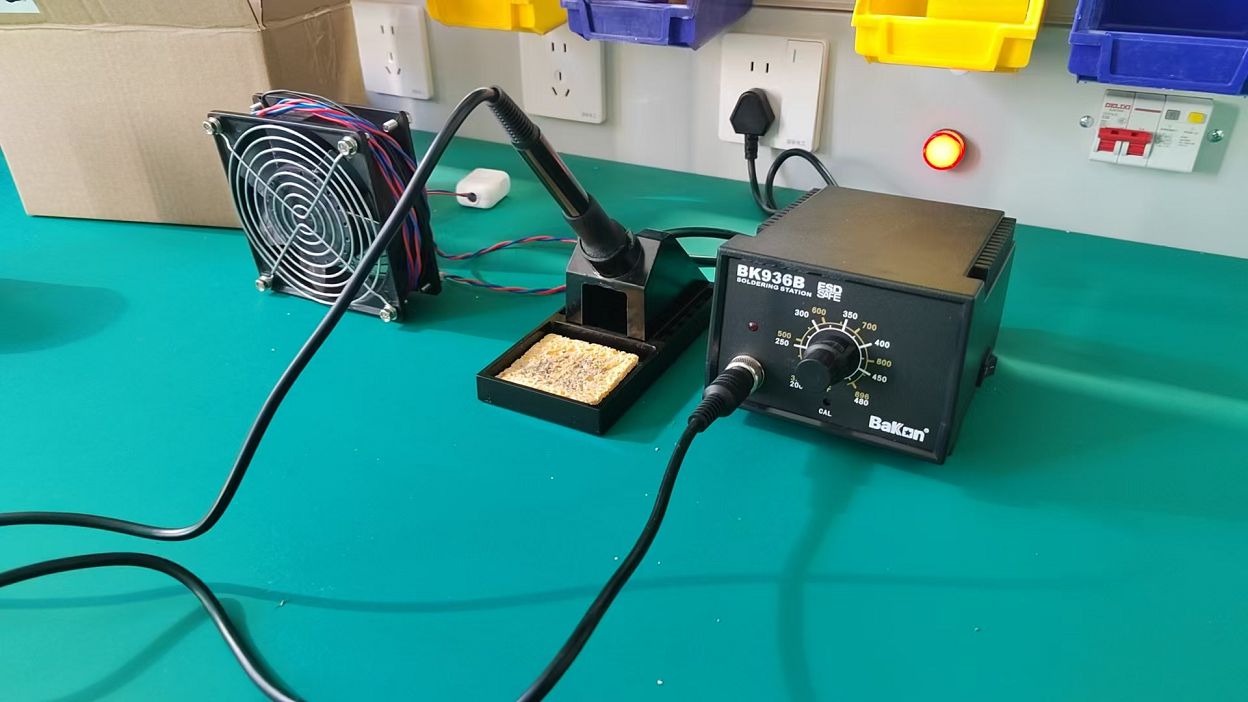
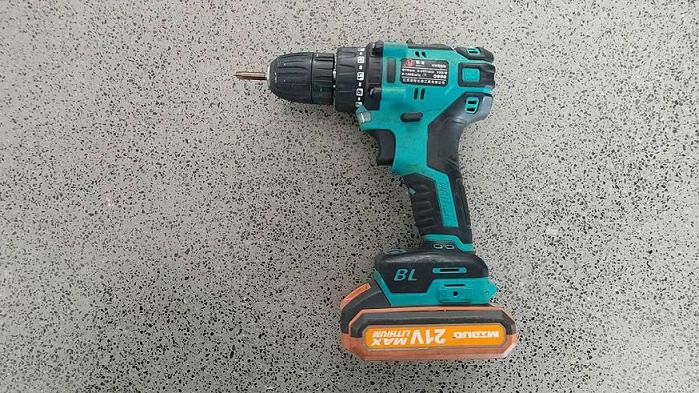
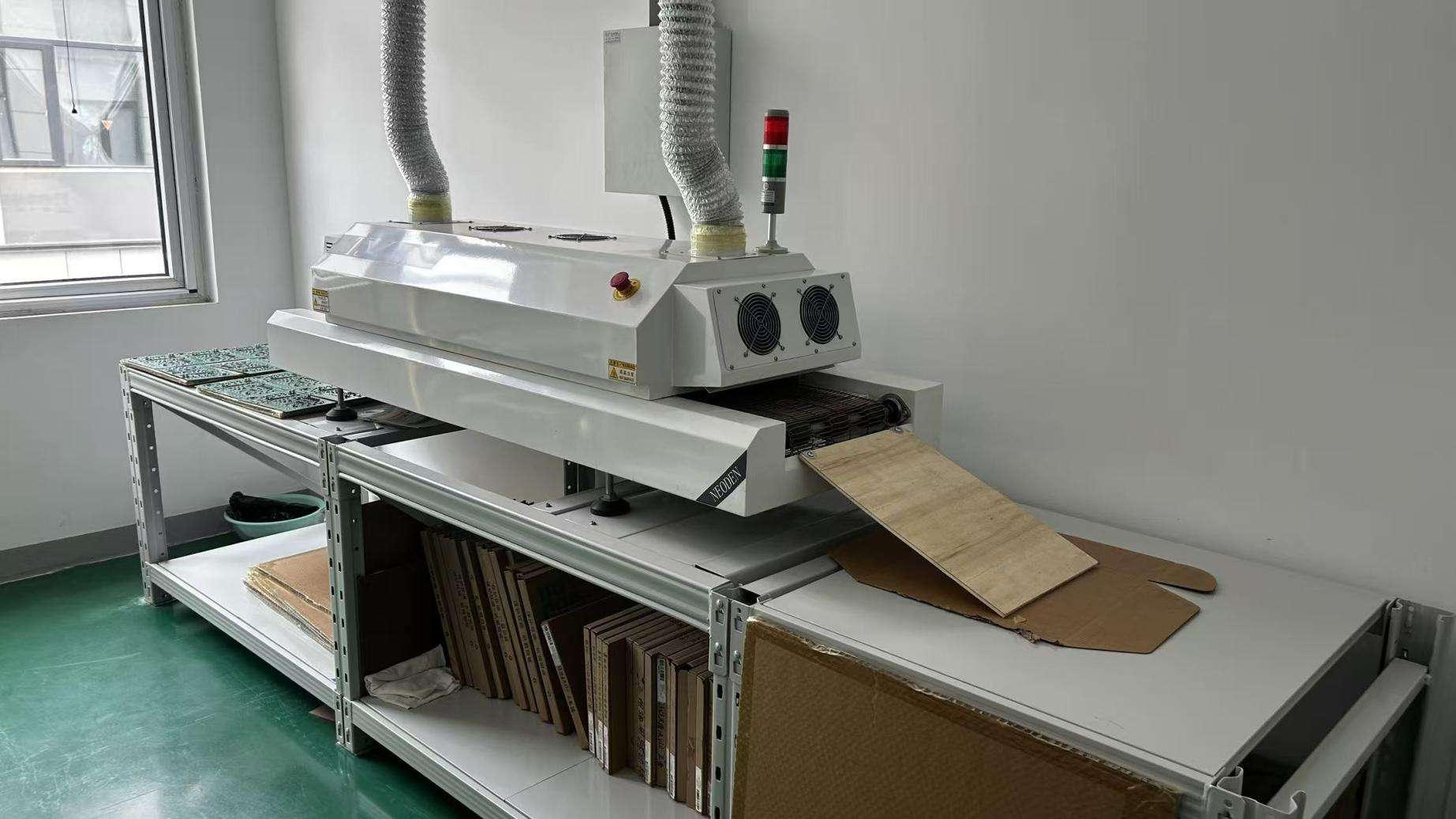
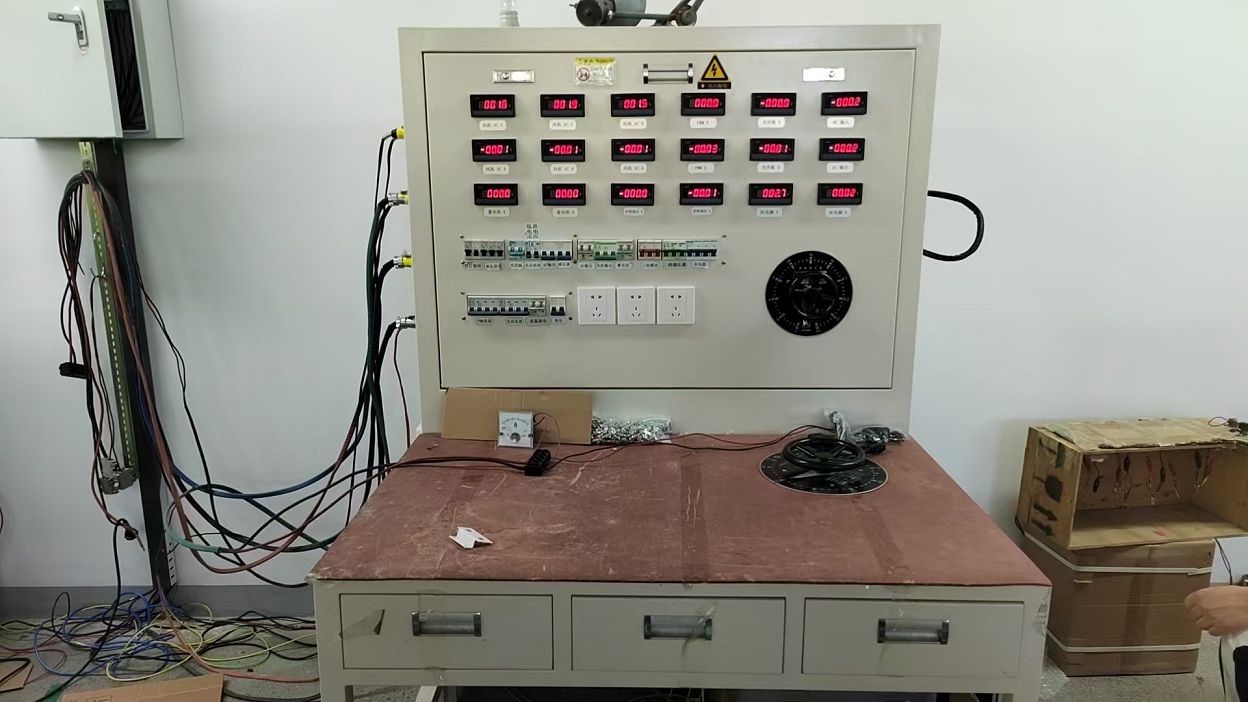
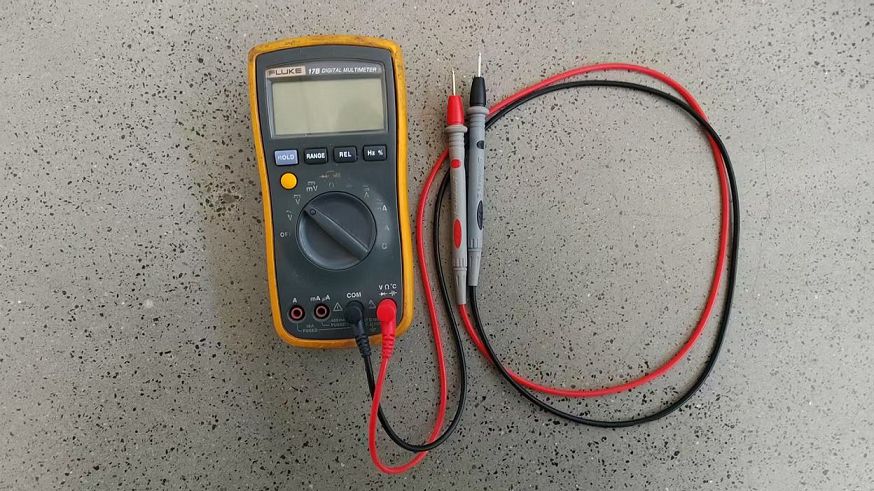
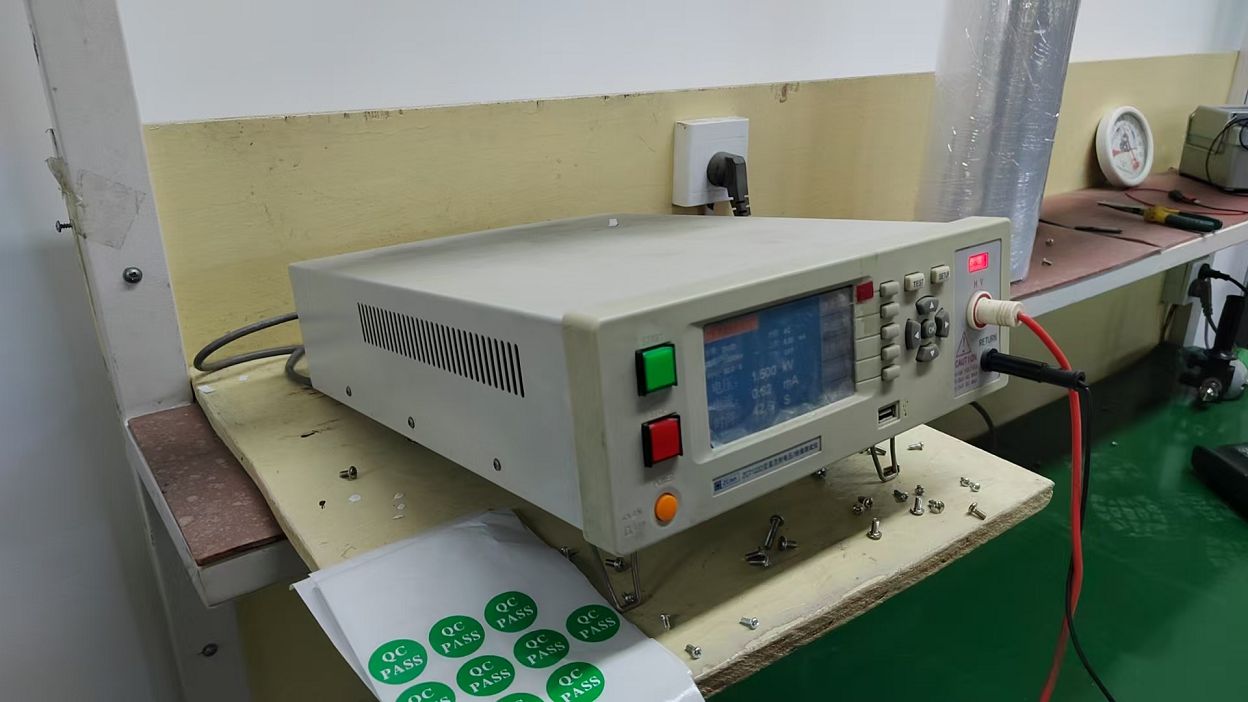
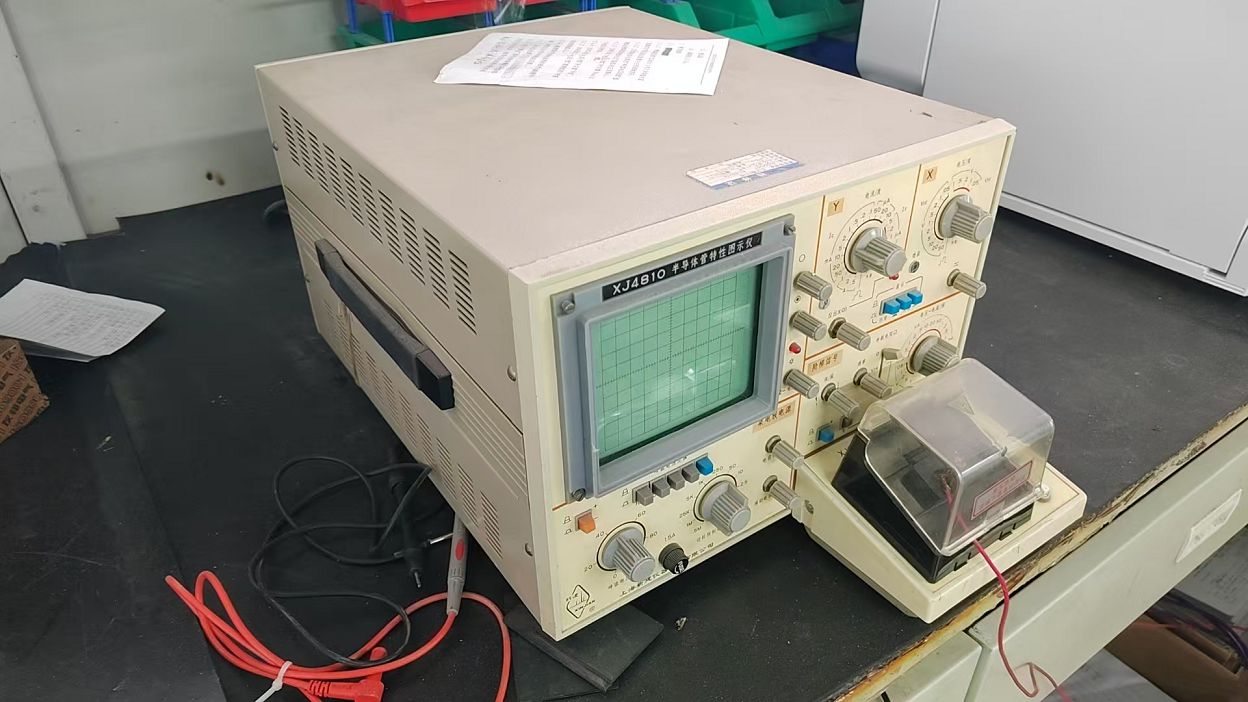
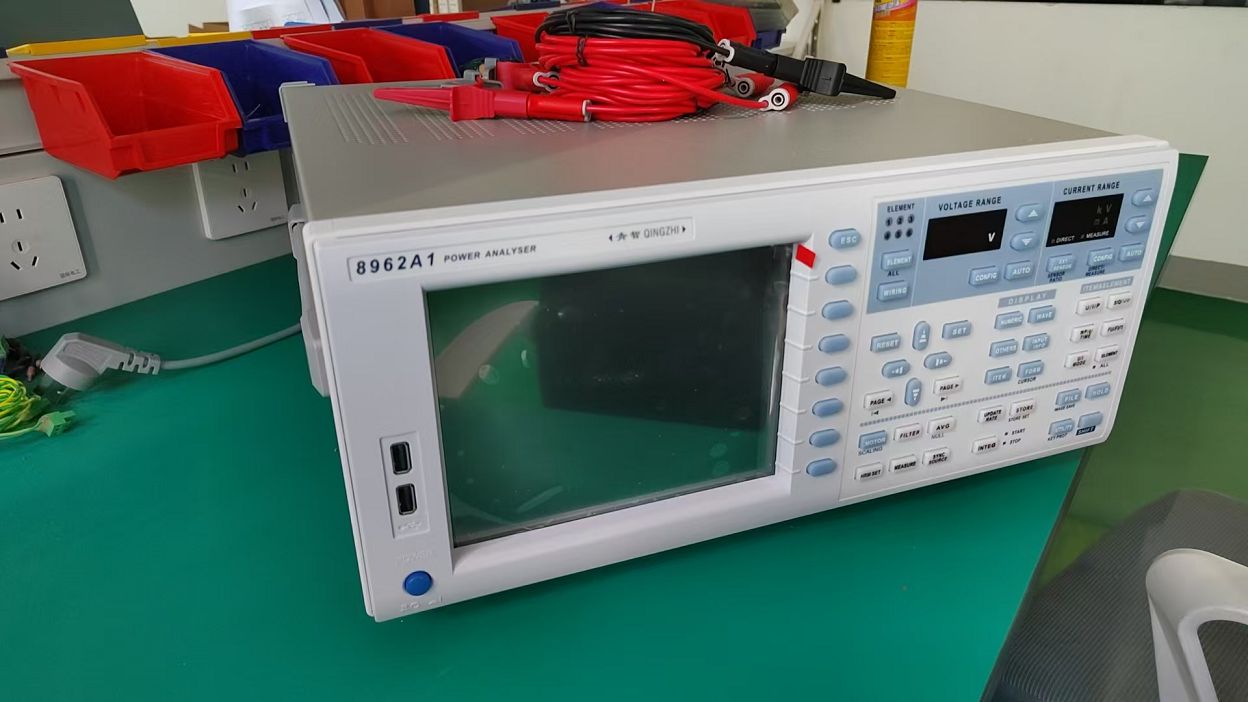
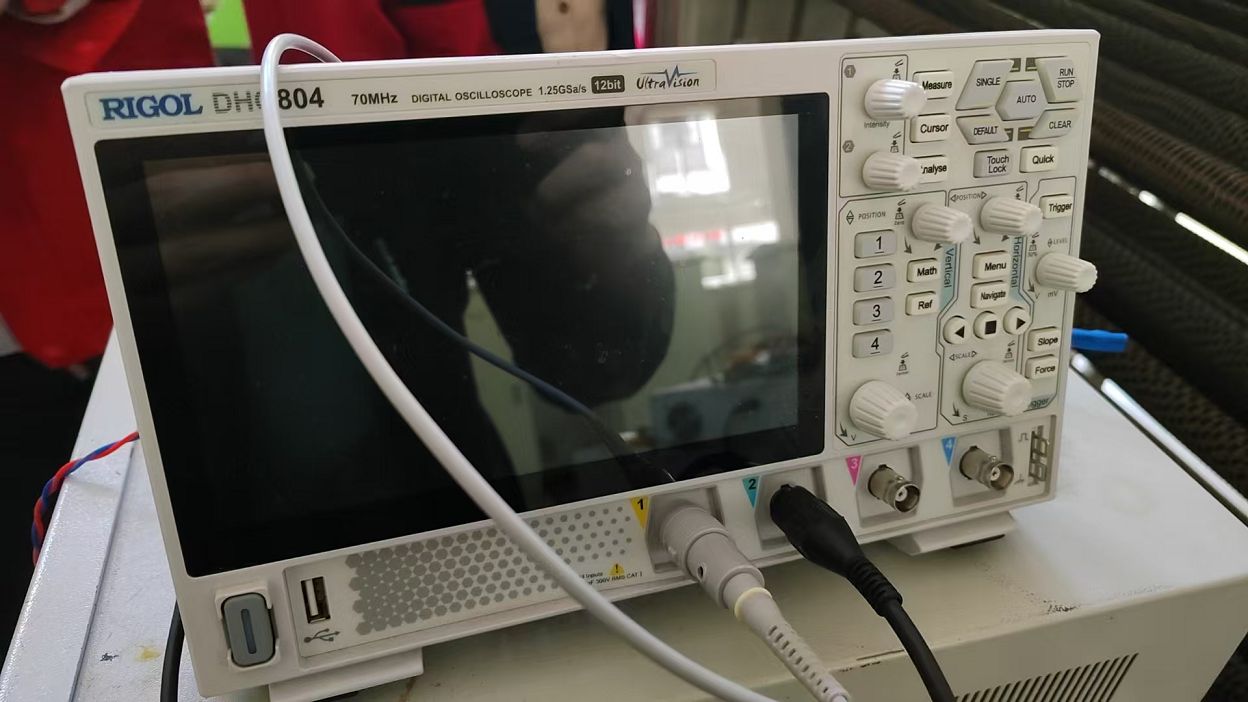
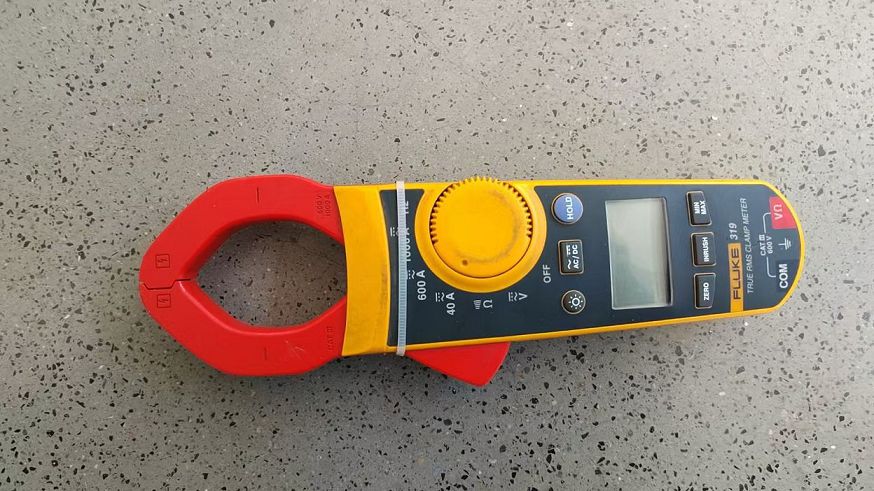
To comply with international quality protocols, the factory integrates specialized testing instruments into its daily quality assurance workflow. This rigorous verification prevents unexpected failure rates in field operations.
Translating Advanced Hardware into Custom Real-World Deployments
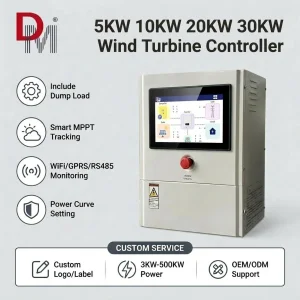
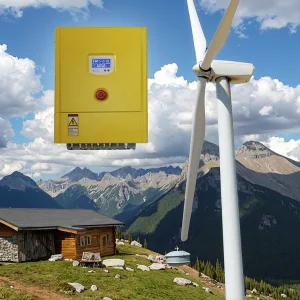
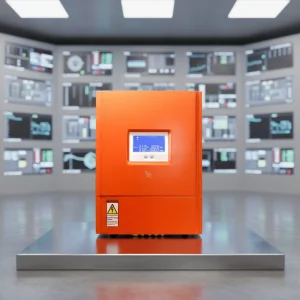
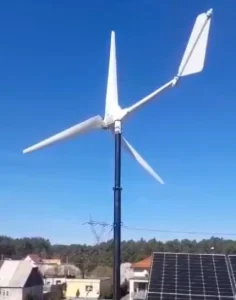
Ideal for islands, remote mining facilities, and isolated military bases. Deming's wind-solar hybrid controllers and bidirectional DC/DC converters manage power flow between wind turbines, solar panels, and battery packs. They maintain balanced power delivery even during severe weather conditions.
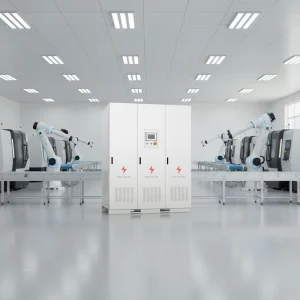
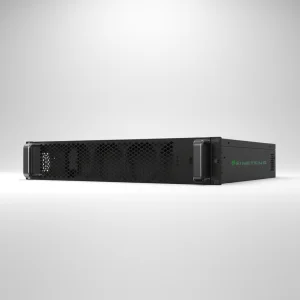
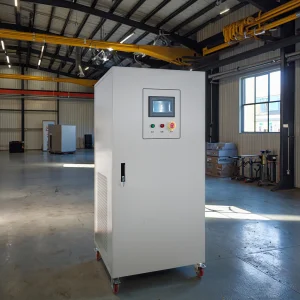
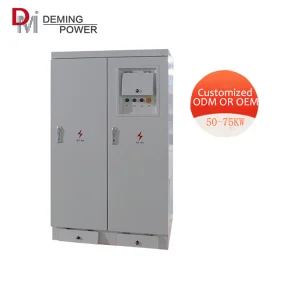
Large manufacturing plants utilize Deming's 300kW bidirectional energy storage inverters to store grid energy during low-tariff off-peak hours. This stored power is discharged during peak hours, lowering utility demand charges and providing backup power during grid failures.
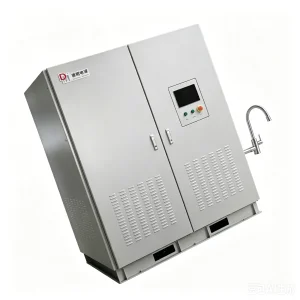
Electric vehicle test labs and battery pack assembly plants use high-power bidirectional DC power supplies (ranging from 150kW to 500kW) to simulate battery charge-discharge profiles. This simulation tests EV drivetrains and onboard chargers under realistic, dynamic load profiles.
Aligning Technology Lifecycles with Modern Engineering and Commercial Demands
Modern power networks require faster conversion response speeds and higher thermal performance. Silicon Carbide (SiC) and Gallium Nitride (GaN) are replacing traditional silicon components in power stages. This shift allows manufacturers to build lighter, more compact high-power inverters (such as 850V systems) with lower cooling requirements.
Additionally, software integrations like Modbus TCP/IP and CAN bus interfaces are essential for industrial converters. These protocols allow remote SCADA systems and VPP orchestration tools to communicate directly with field equipment, enabling real-time command and control.
Industrial procurement teams look for several key qualifications when selecting a manufacturer for custom energy conversion equipment:
Technical Answers to Common Questions in Smart Energy Sourcing
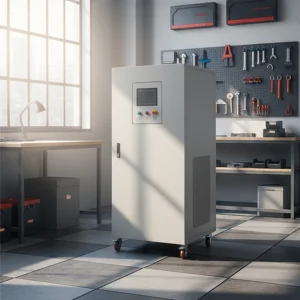
Heavy-duty power management equipment engineered for demanding grid environments.
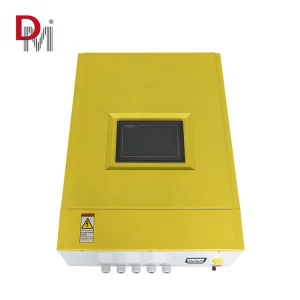
 Demin Power