Demin Power

1 / 5
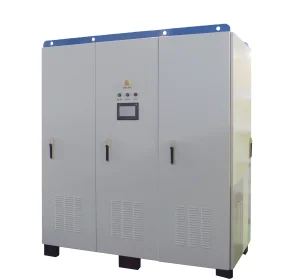
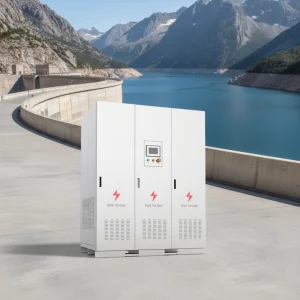
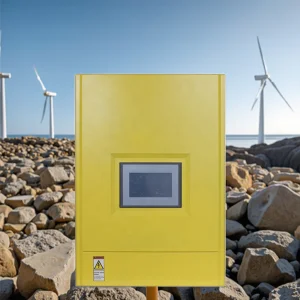
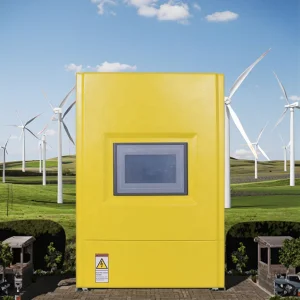
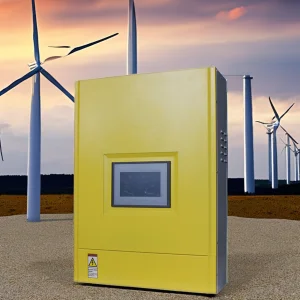
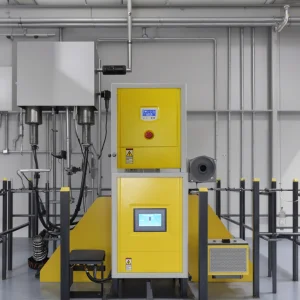
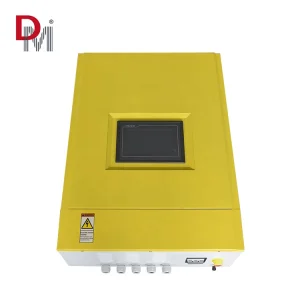
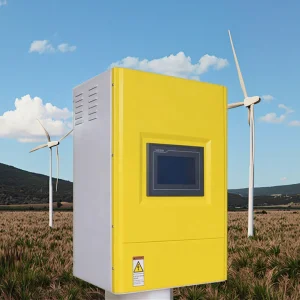
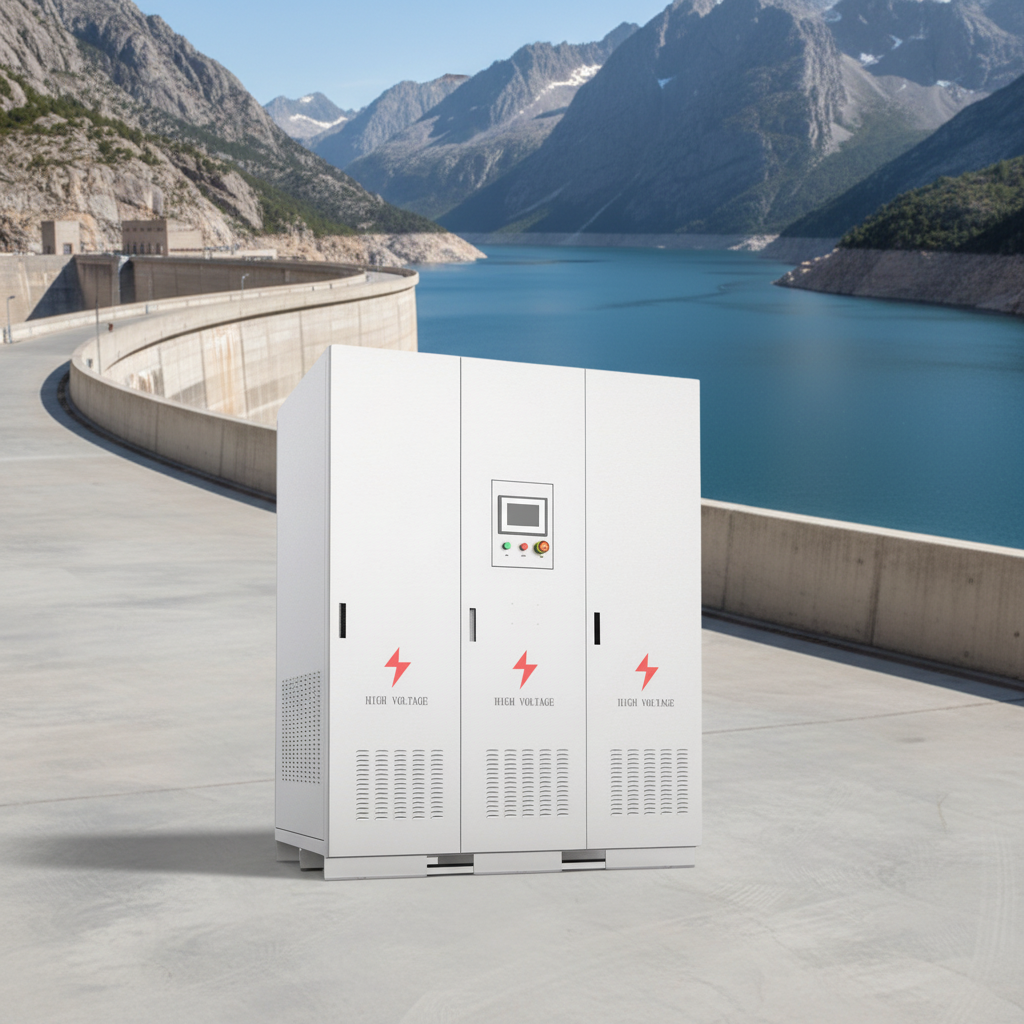
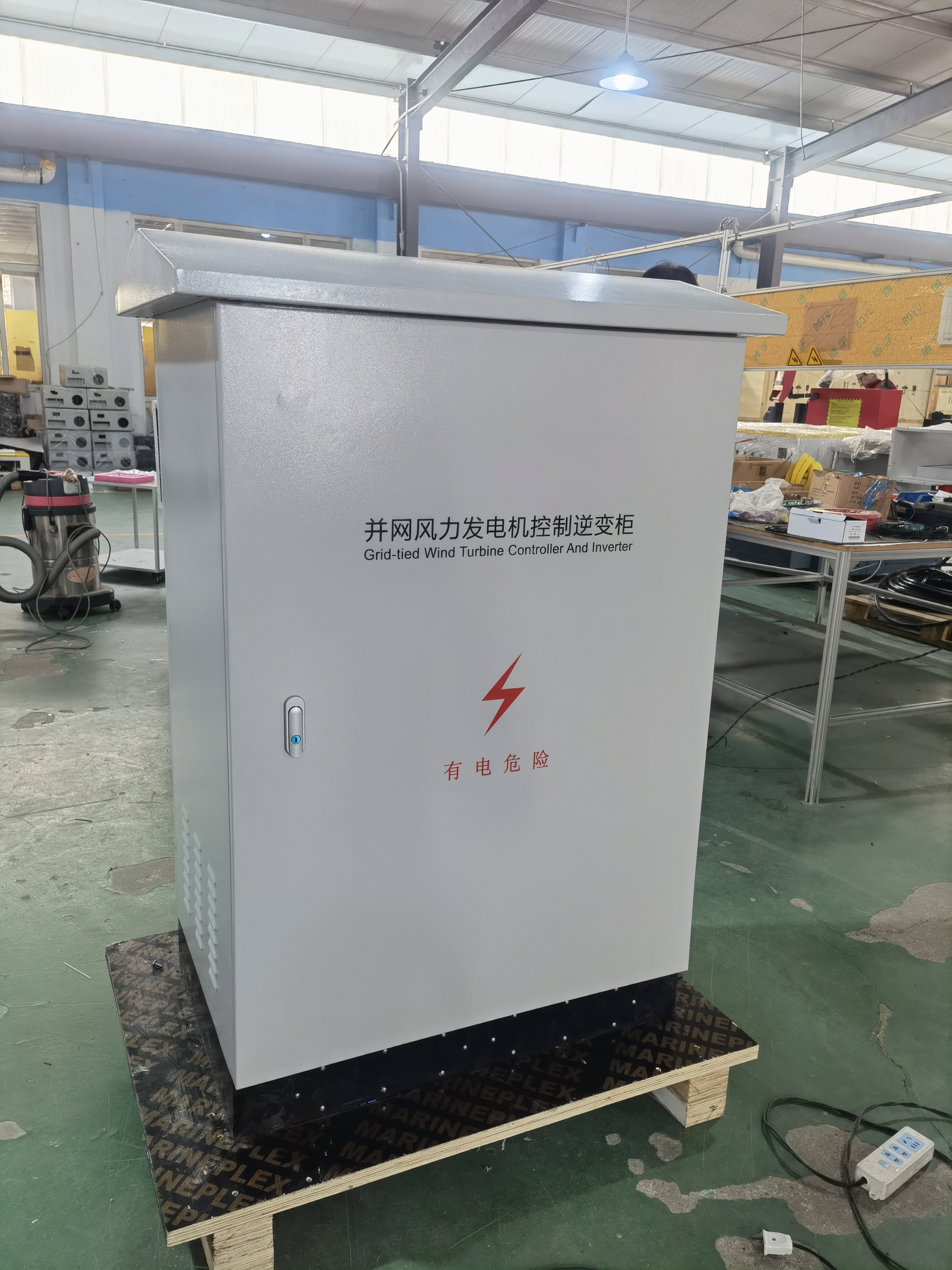
The On grid wind turbine system is composed of wind turbine, on grid controller, on grid inverter, metering device, and power distribution system. Wind energy is converted into AC electrical energy by the wind turbine, and then converted into DC electrical energy by the on grid controller, and then DC electrical energy is converted into AC electrical energy of the same frequency and phase as the grid by the on grid inverter, and part of the power is supplied to the local load. Surplus power is fed into the grid.
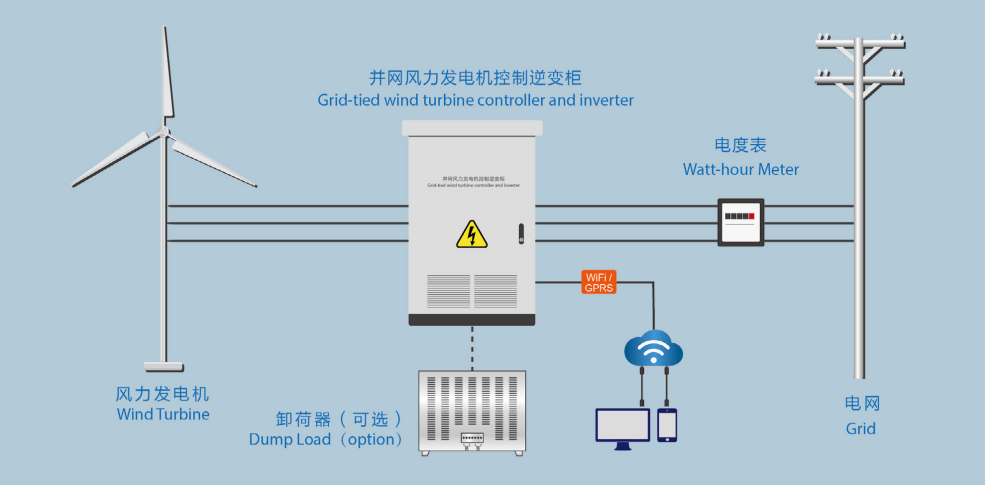
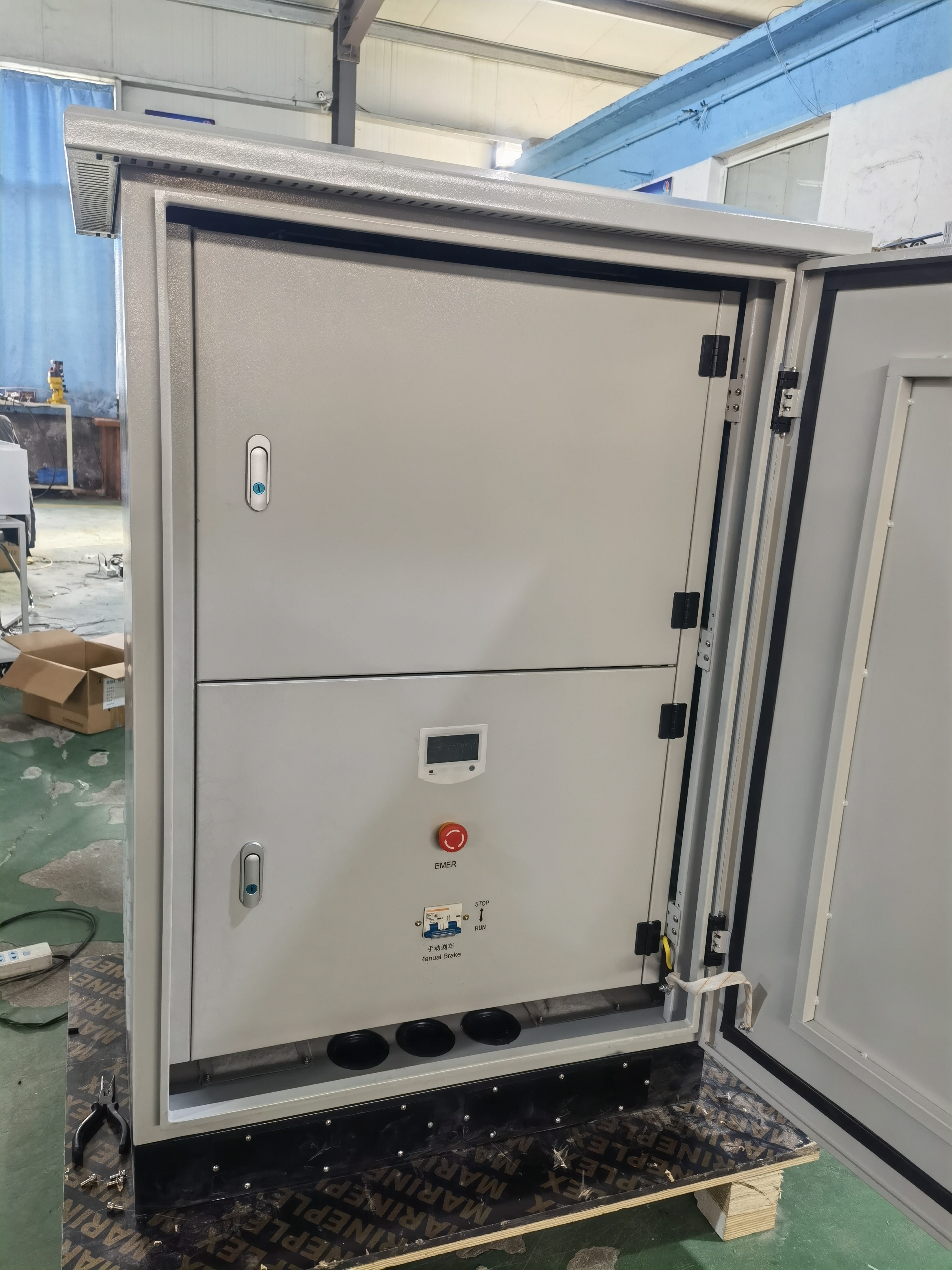
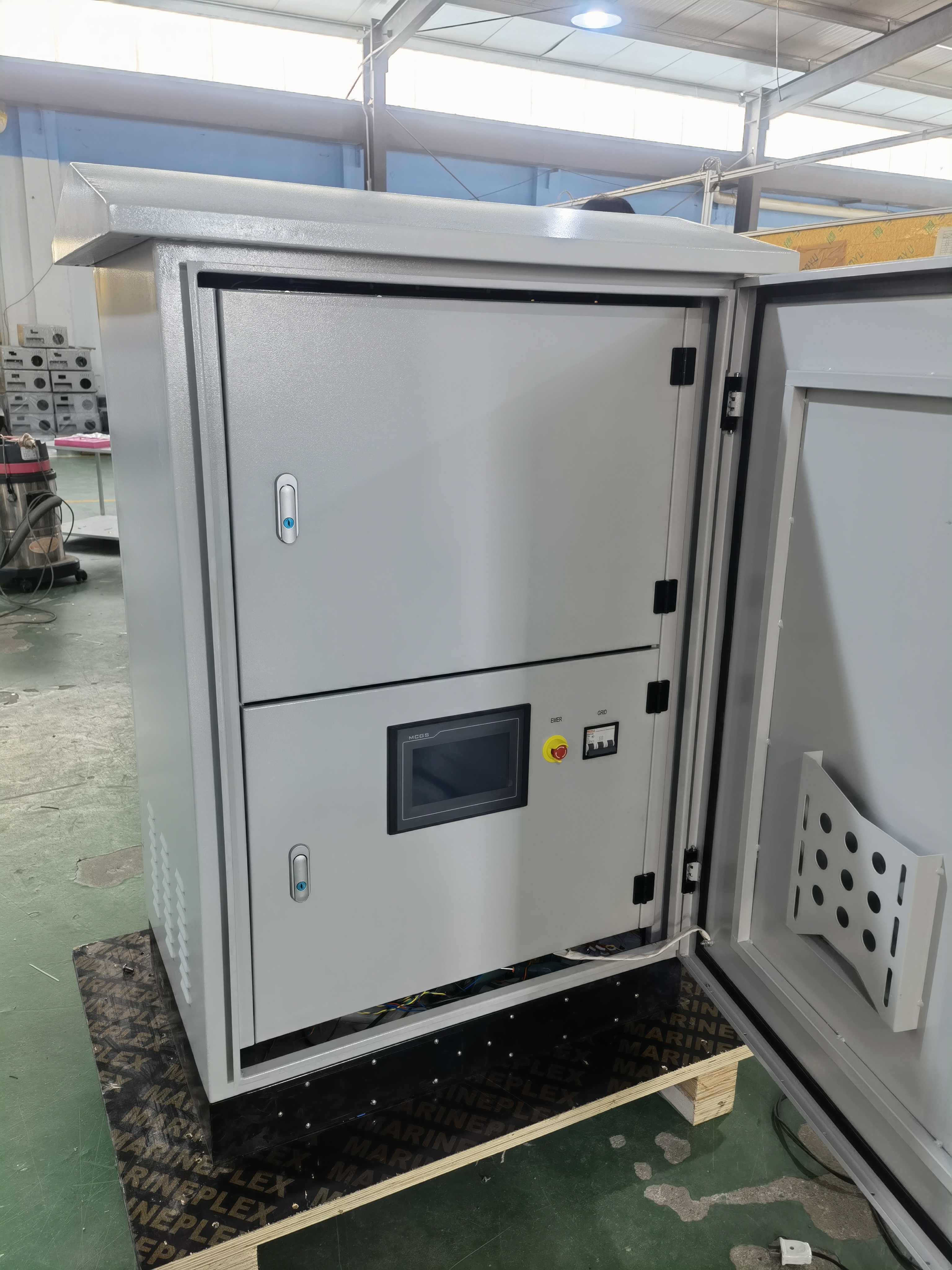
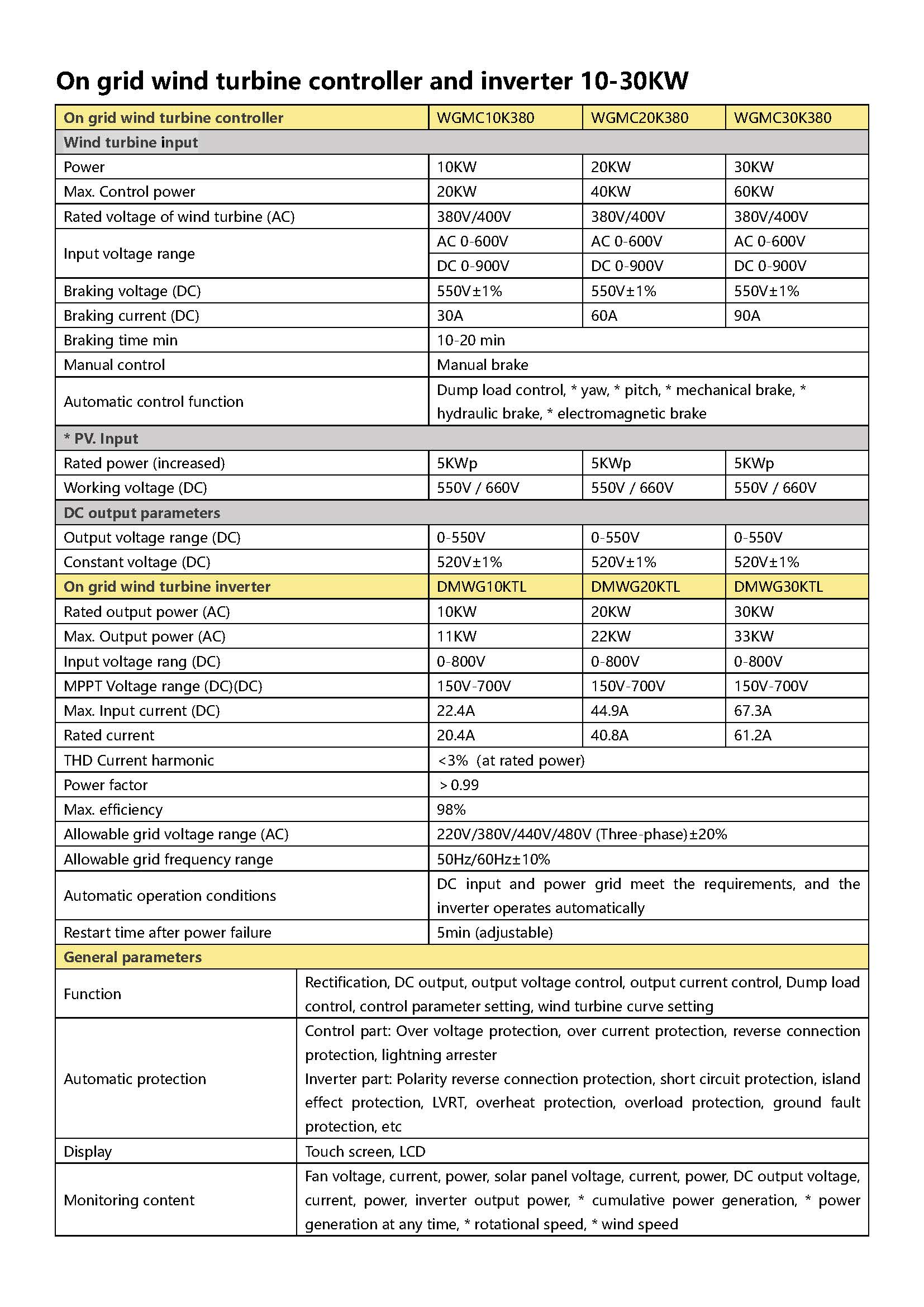
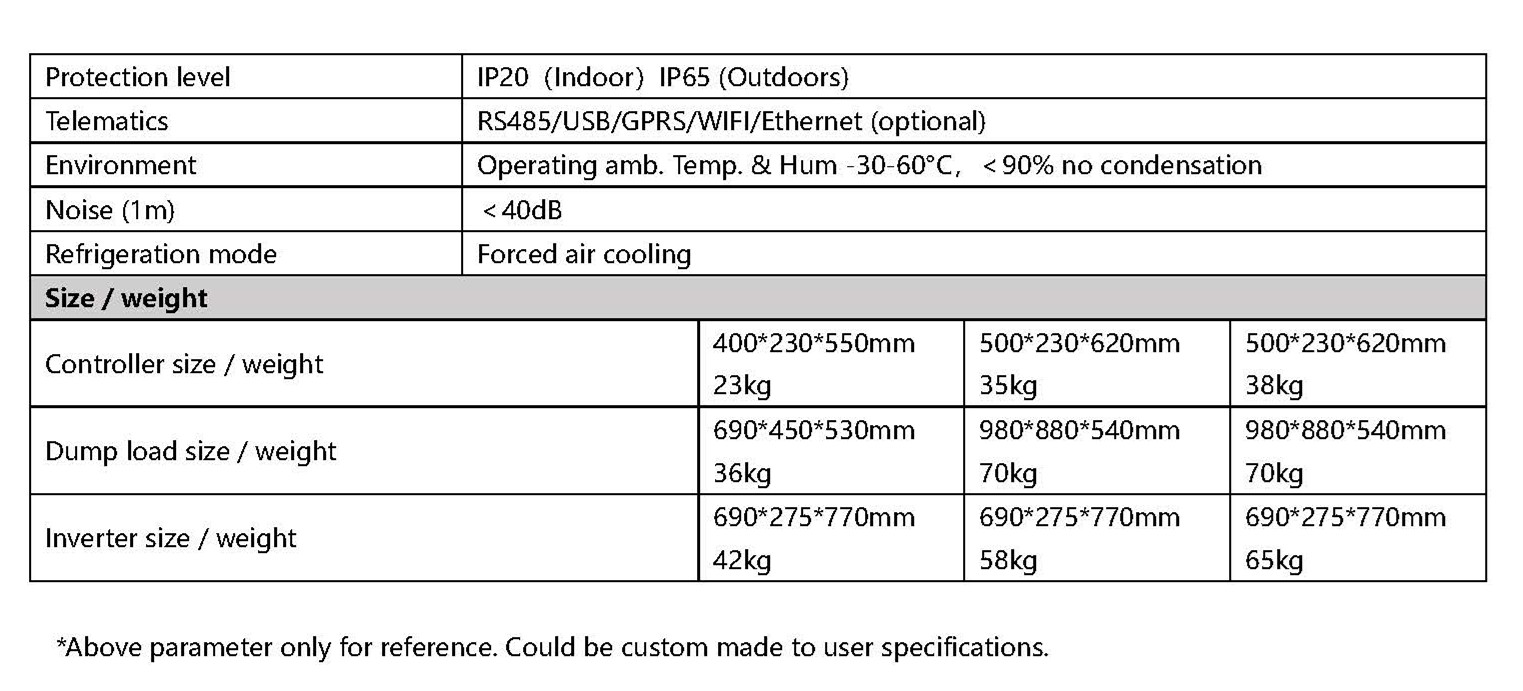
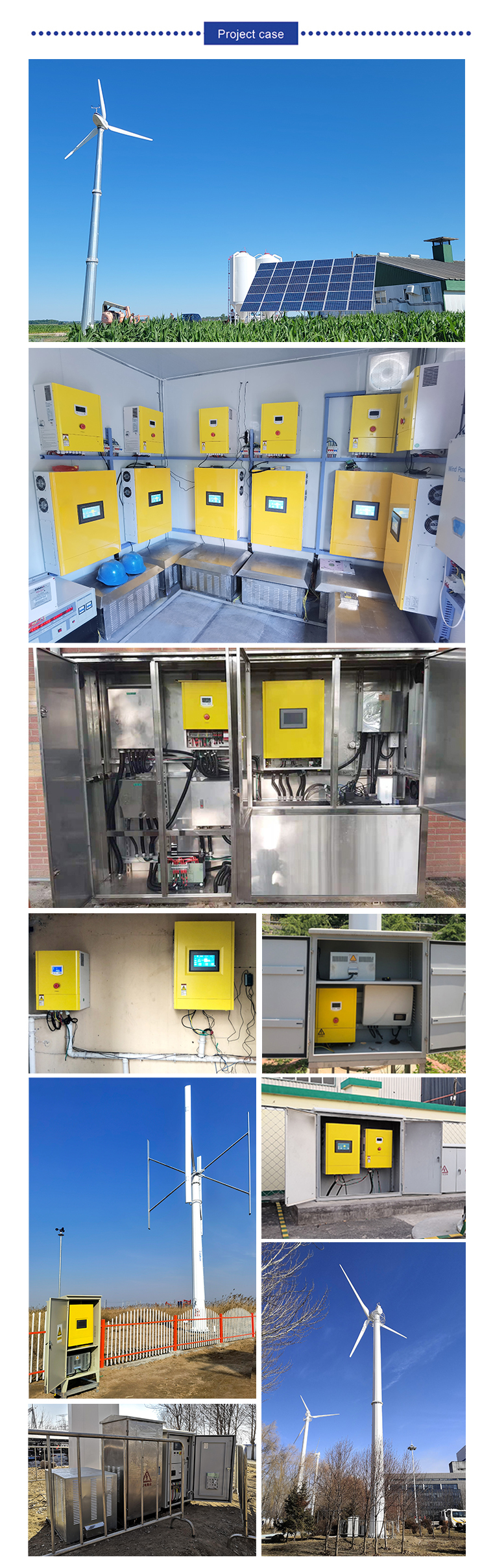
The system converts wind energy into AC electricity via the turbine. The controller converts it to DC, and the inverter converts it back to utility-grade AC power synchronized with the grid. Local loads are powered first, and any excess energy is fed directly into the grid.
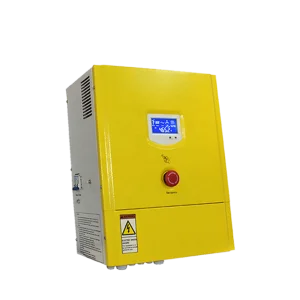
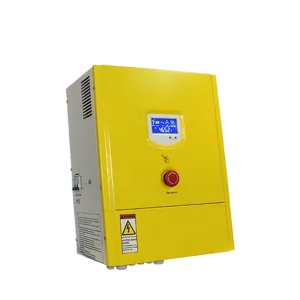
The controller features two protection layers: a PWM constant voltage/constant current system to regulate DC output and a three-phase automatic electromagnetic brake to safely slow down the wind turbine.
When a grid cut-off is detected, the controller automatically engages the wind turbine's brake, and the inverter immediately stops output to prevent islanding. Once the grid is restored, normal operation resumes automatically.
Yes, the systems support various communication interfaces such as RS485, WiFi, GPRS, and Ethernet. Users can monitor system status and query historical data in real-time using a PC or standard mobile apps (compatible with iOS and Android).
Yes, the solar panel control system can be integrated into the wind controller based on customer project requirements, forming a wind-solar hybrid system.
The on-grid inverter features a compact circuit design optimized for high performance, achieving a maximum conversion efficiency of up to 98%.