High-efficiency mini-turbines, stable frequency converters, and power supply systems engineered specifically for localized run-of-river installations in the Volta and Ashanti regions.
Ghana is dynamically reshaping its national energy matrix to foster industrial development while fulfilling international decarbonization goals. Under the framework of the Ghana Renewable Energy Master Plan (REMP), the nation aims to scale up utility-scale and mini-grid renewable power systems. Hydropower historically serves as the backbone of Ghana's power grid, driven by the massive Akosombo and Bui dams. However, the next frontier of growth lies in localized, run-of-river, and small-scale mini-hydro systems designed to electrify remote off-grid communities, mining hubs, and manufacturing operations across regions like Volta, Eastern, Western, and Ashanti.
In Ghana, small hydropower (SHP) systems present a critical economic opportunity. Unlike large reservoir dams, SHP generation does not require large-scale flooding of agricultural lands, aligning directly with modern environmental and social safeguard standards. However, the deployment of mini-hydro installations in the country introduces specific localized engineering challenges:
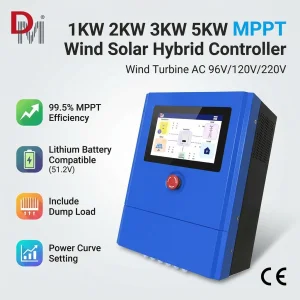
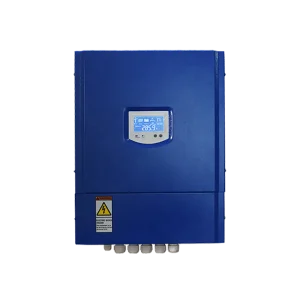
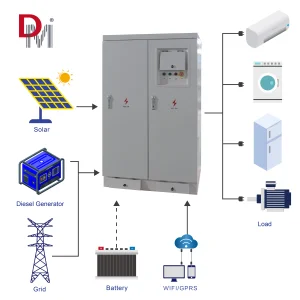
To overcome seasonal flow issues, our systems leverage high-precision MPPT wind-solar-hybrid architectures and advanced AC/AC and DC/DC converters. By combining small hydro turbines with backup solar arrays and battery energy storage systems (BESS), modern microgrids achieve 99.9% uptime despite fluctuations in water volume.
Strict alignment with the Energy Commission of Ghana Grid Code. High power factor output with ultra-low total harmonic distortion (THD < 3%).
Dynamic power control via bidirectional buck-boost topology, compensating for seasonal river flow drop-offs during dry seasons.
Stable 3-phase output (380V/400V/440V) engineered to support heavy dynamic inductive loads in agricultural processing and mining hubs.
Sourcing a hydropower generation system for the Ghanaian market involves more than just turbine selection. It demands a holistic microgrid control ecosystem. A typical installation incorporates multiple key electrical components to regulate, convert, and manage power:
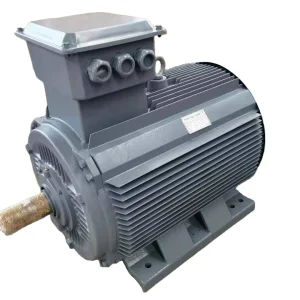
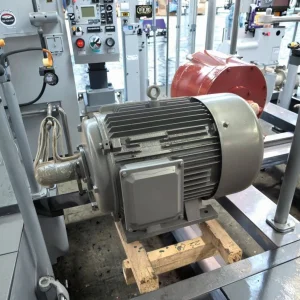
Modern small hydro units rely on permanent magnet alternators (PMA) due to their high efficiency at low and variable rotational speeds. To integrate these with municipal and industrial applications, 3-phase PMAs generate variable AC output, which is subsequently converted. Deming Power's customized industrial alternators ensure that even during reduced seasonal river flow, power extraction is optimized without risking alternator thermal damage.
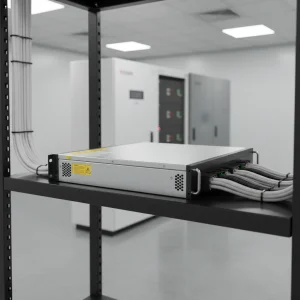
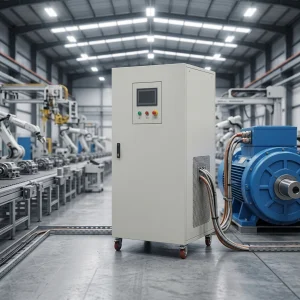
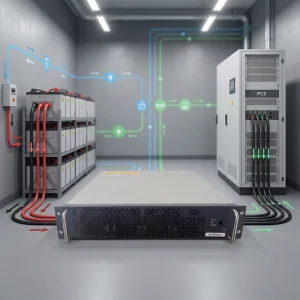
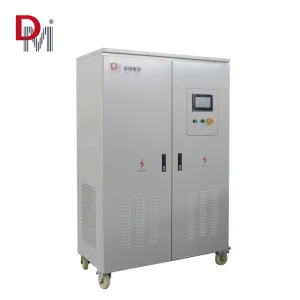
The variable AC power generated by hydraulic turbines is inherently unstable. Utilizing high-efficiency AC/AC converters stabilizes both voltage and frequency, rendering the power suitable for industrial equipment or direct grid export. Additionally, when integrating battery storage systems (such as Lithium-Iron Phosphate or Vanadium Flow Batteries), high-power bidirectional DC/DC buck-boost converters act as the regulatory bridge. They control the charge and discharge paths between the DC busbar (often sitting at 750V in advanced microgrids) and the low-voltage battery banks, preventing voltage sag when heavy industrial motors start up.
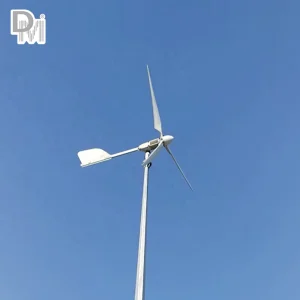
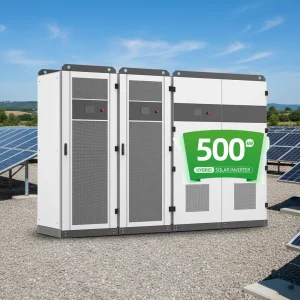
The ultimate resilience strategy for Ghana's rural mini-grids is hybridization. By pairing hydropower units with solar PV and wind generation under the control of a centralized, off-grid hybrid inverter system (ranging from 50kW to 500KVA), operators can balance power generation. During the rainy season, hydro acts as the primary baseload; during the dry harmattan season, solar arrays take over the primary generating duties, regulated by high-capacity MPPT controllers.
Established in 2004, Jinan Deming Power Equipment Co., Ltd. is a nationally recognized high-tech enterprise specializing in the research, development, production, and service of renewable energy power equipment and advanced power testing solutions. The company holds ISO9001:2015 certification and has been repeatedly recognized as a high-tech enterprise by the Chinese government (2015, 2018).
With a dedicated R&D team of 16 engineers—including doctoral supervisors and master's degree holders—Deming invests no less than 20% of annual sales revenue into technology development. The company has completed 17 major R&D projects in the last three years alone, successfully transforming 16 scientific and technological achievements into commercialized, industrial-grade products.
Deming's international footprint spans 120+ countries, including rigorous markets such as Germany, Japan, the United States, UK, Canada, Australia, and Brazil, establishing strategic supply relationships with Fortune 500 enterprises. Our main product line comprises wind/solar controllers, high-power off-grid inverters, industrial frequency converters, and high-power bidirectional DC test power supplies and battery simulators ranging from 150kW to 500kW.
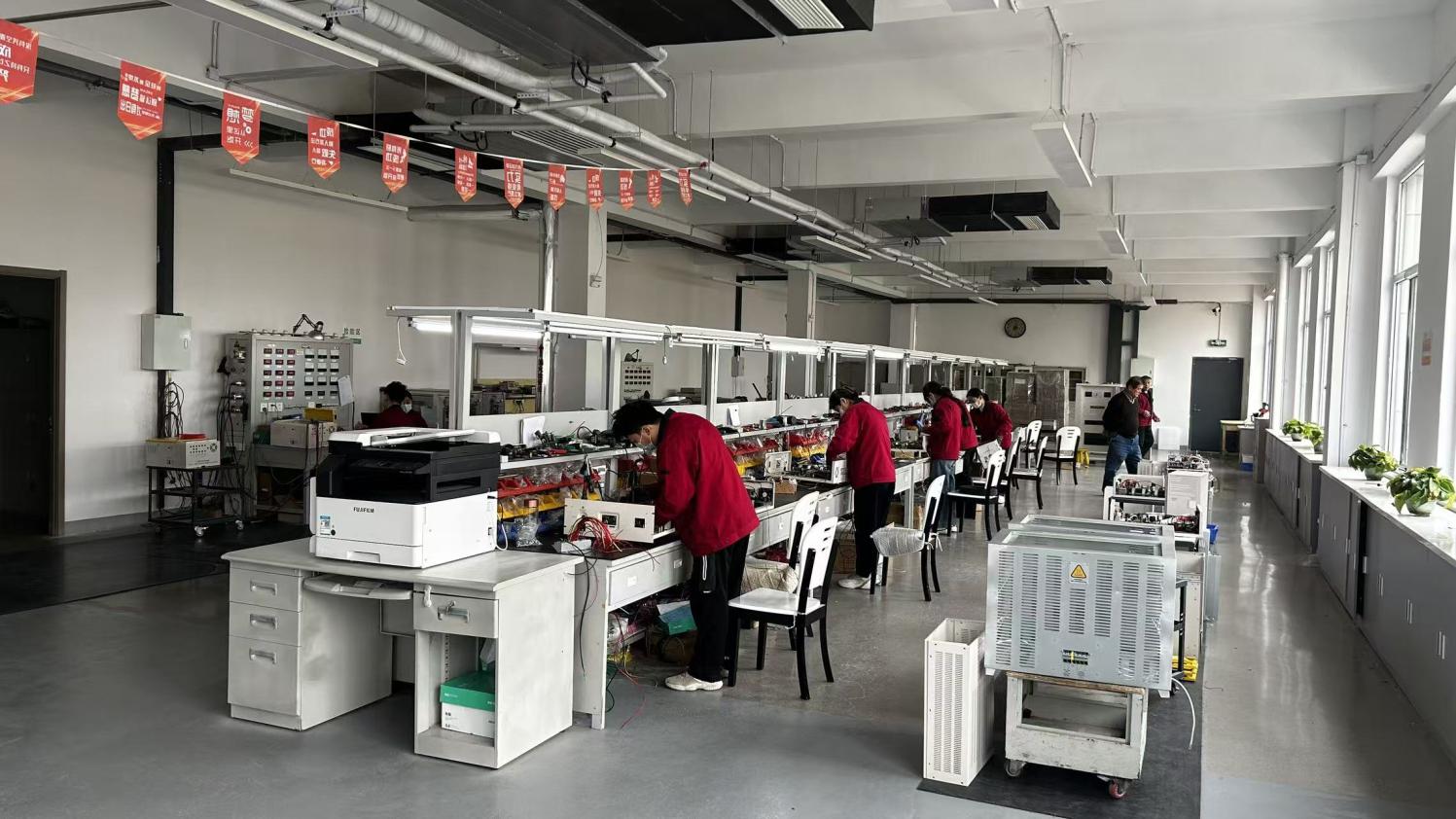
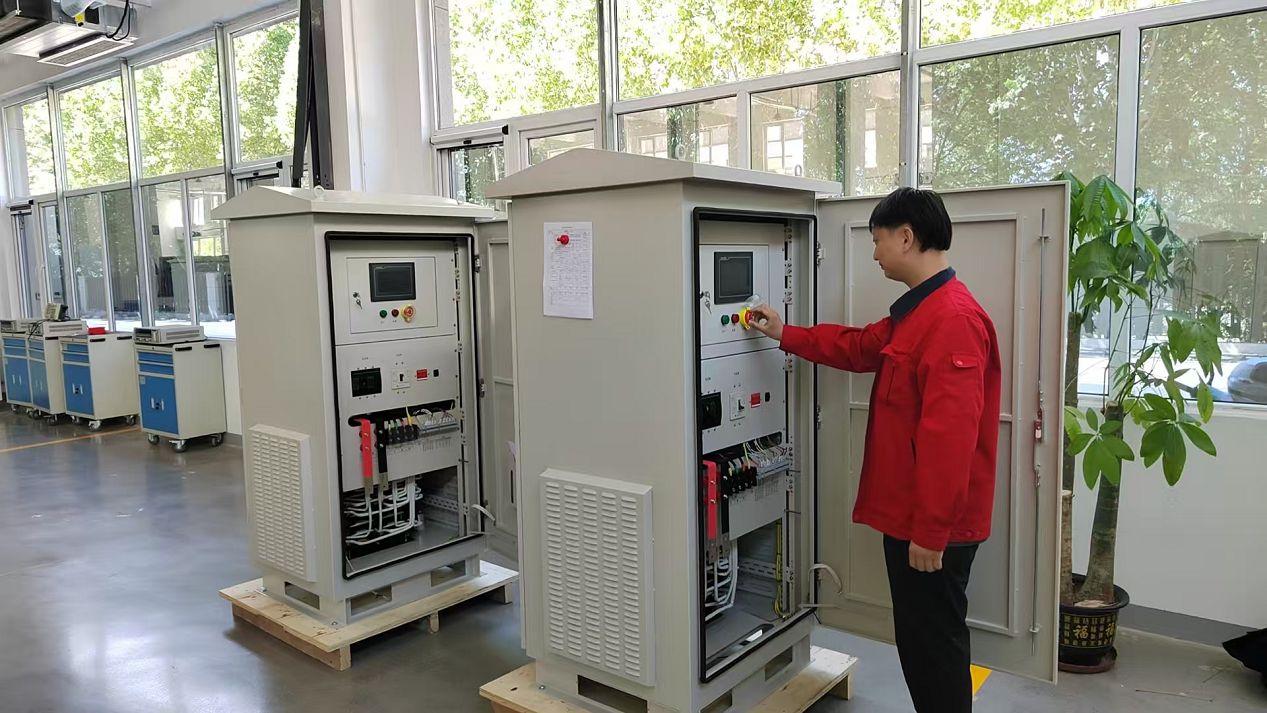
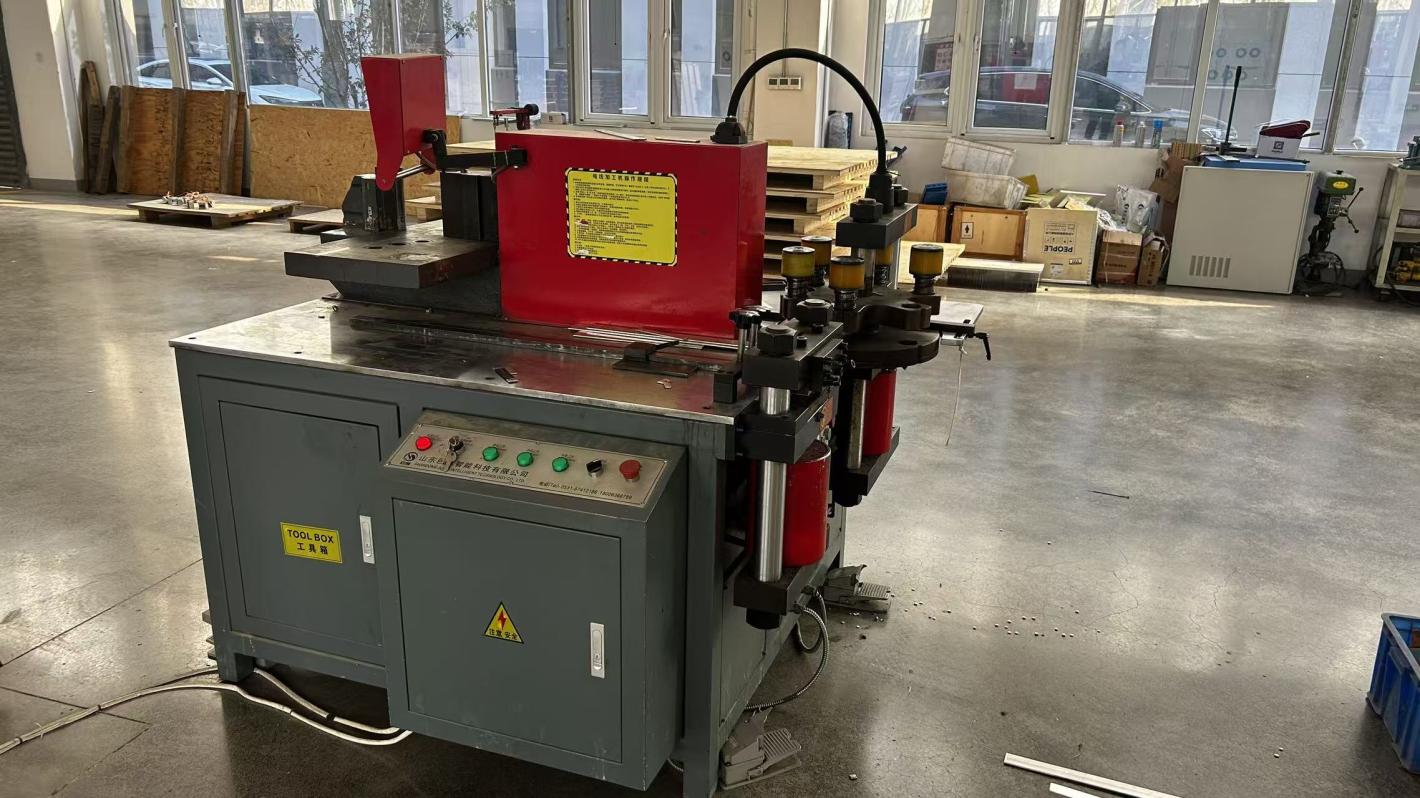
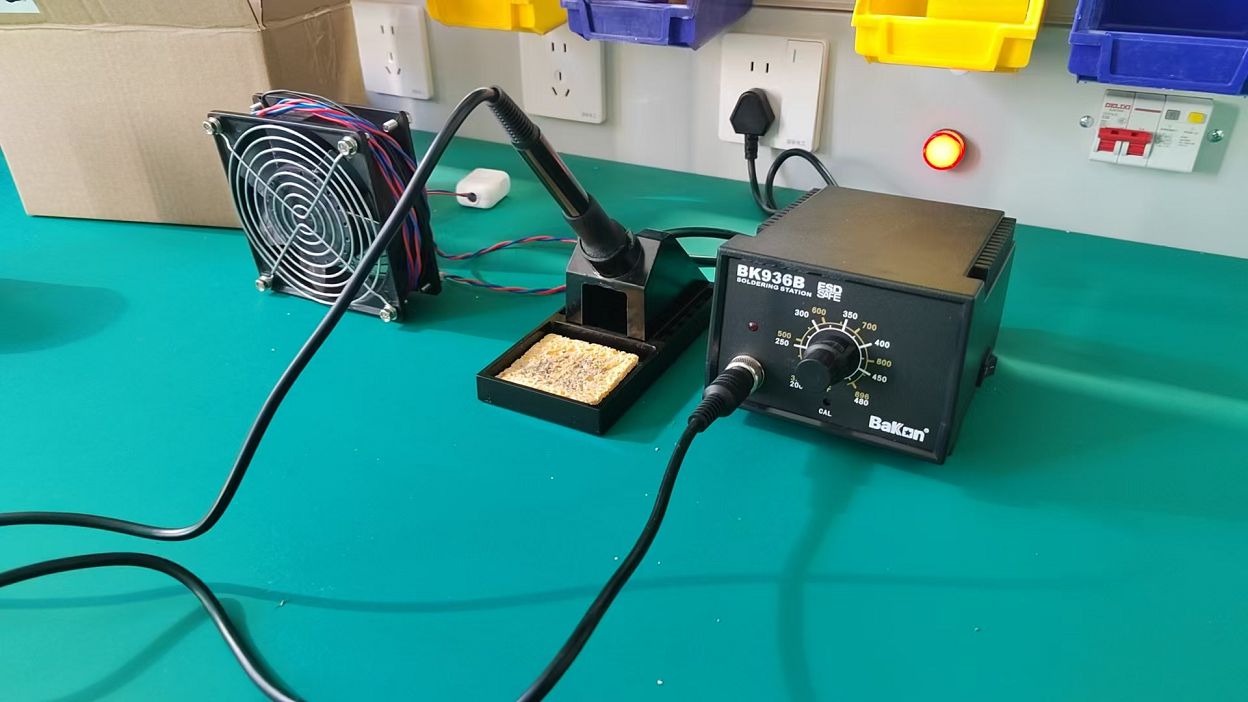
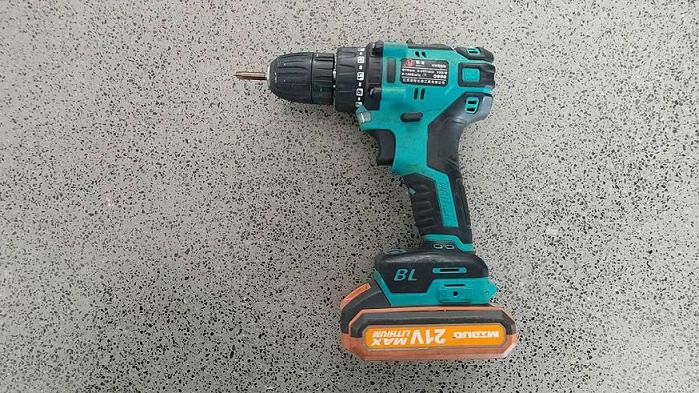
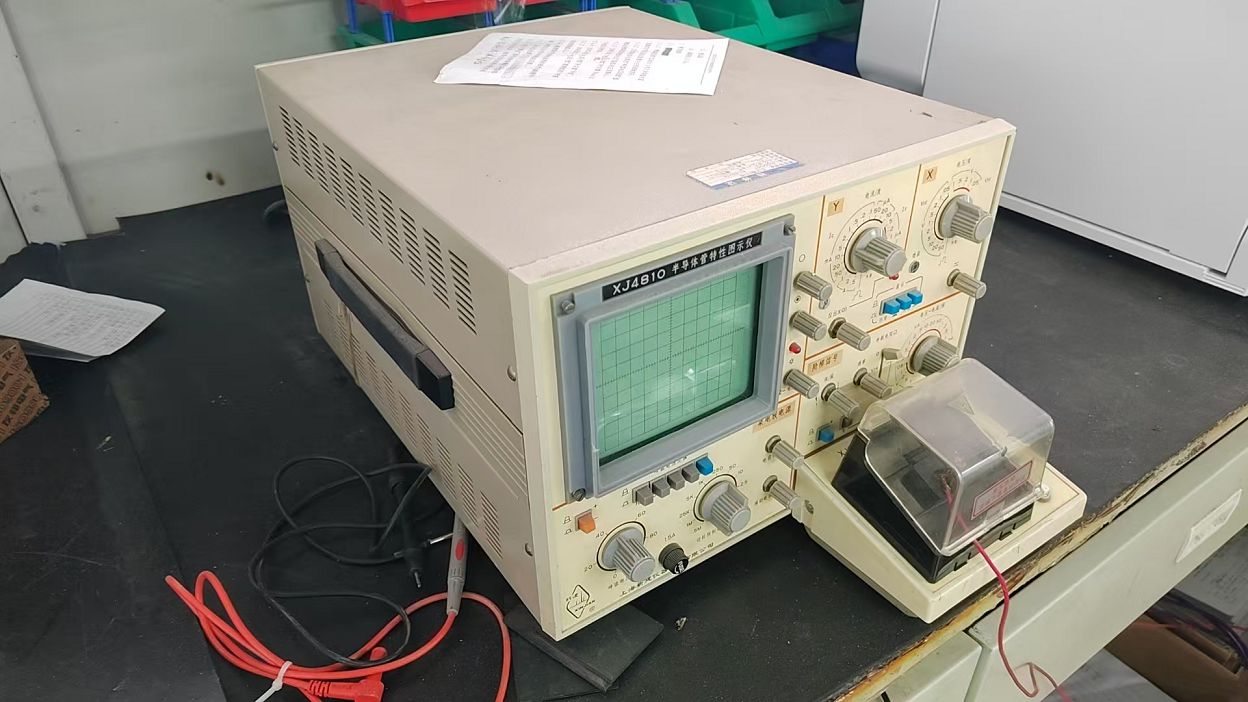
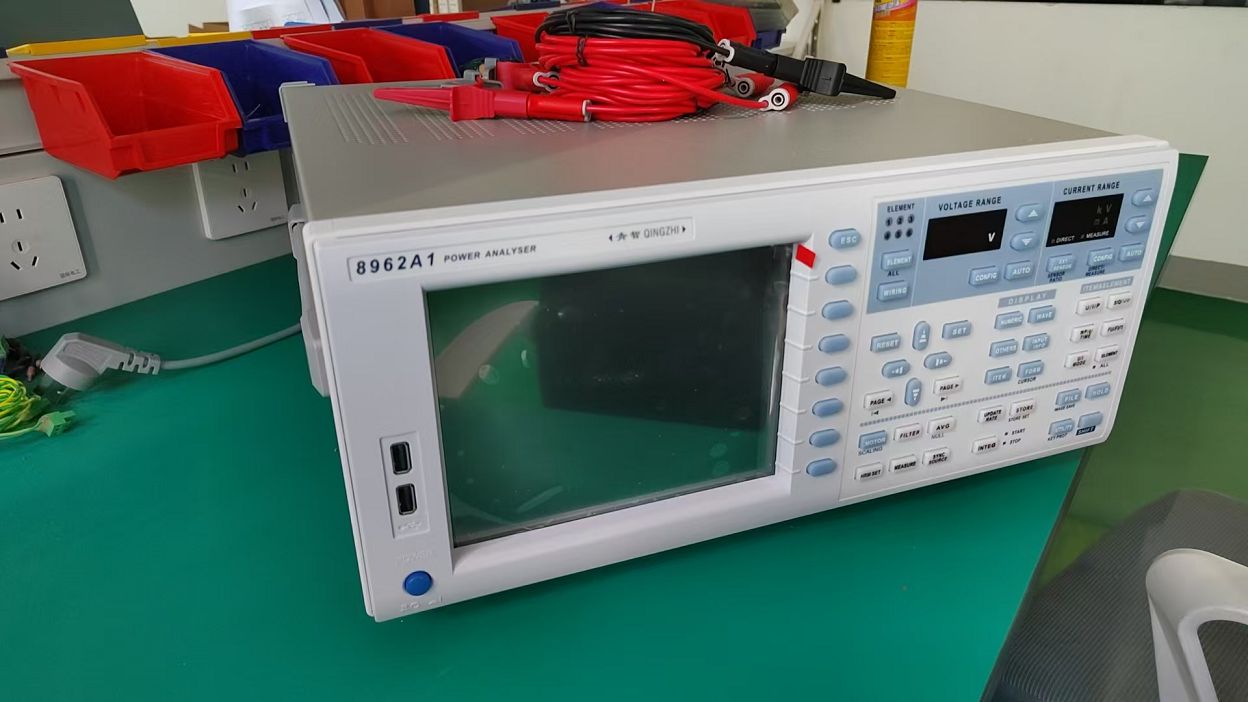
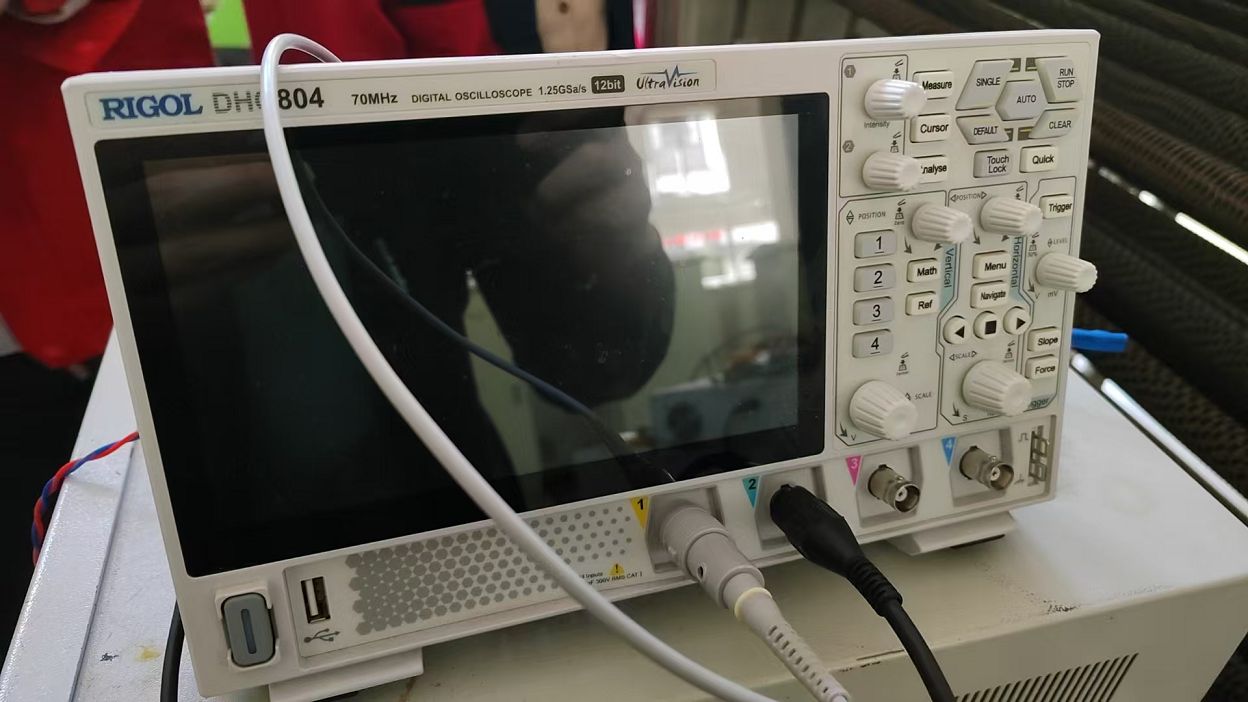
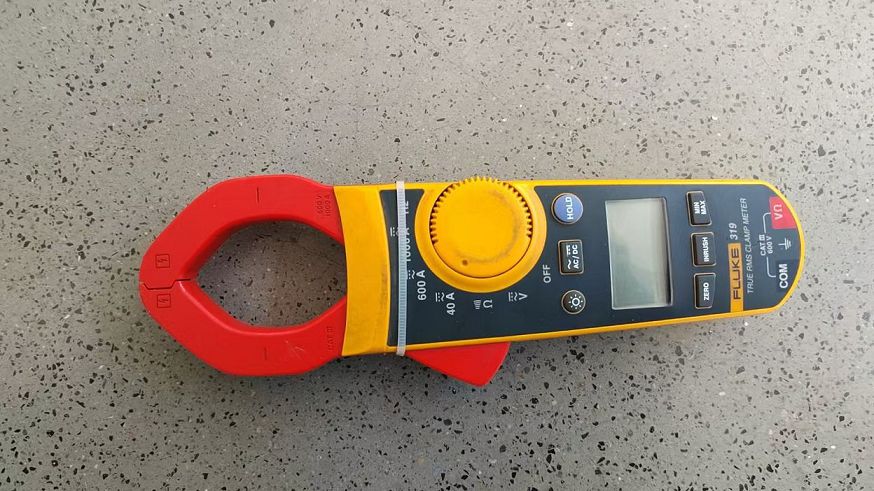
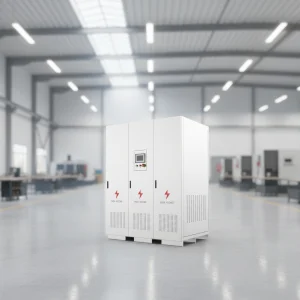
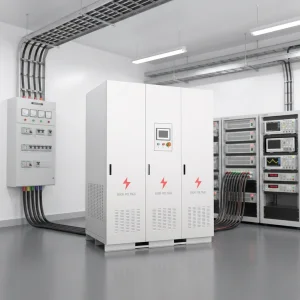
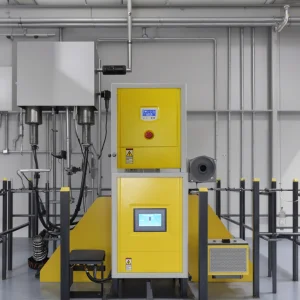
Every unit shipped to our partners in Ghana undergoes rigorous multi-stage quality control utilizing state-of-the-art testing instrumentation. Below is a look inside our manufacturing processes and testing facilities:
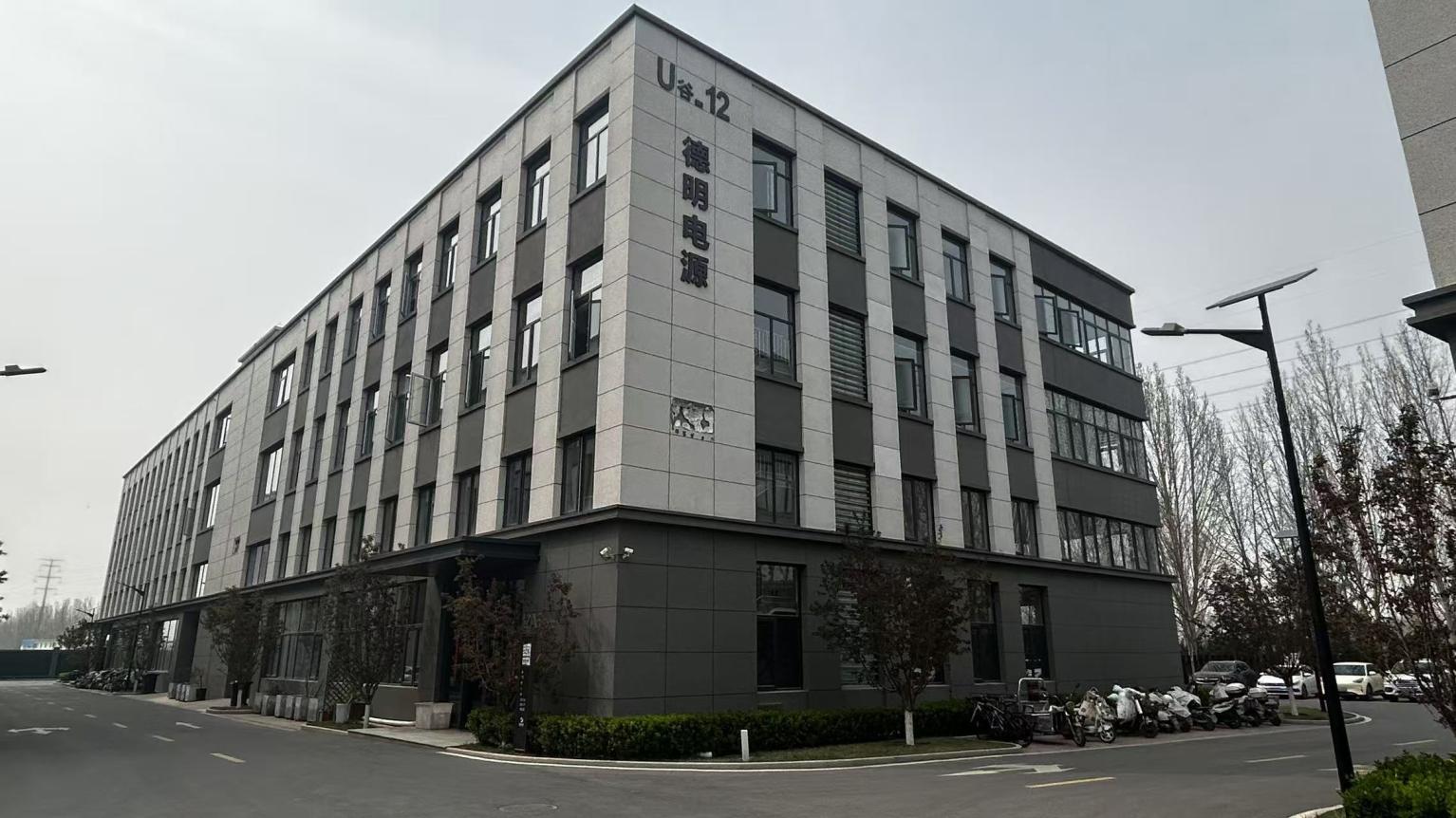
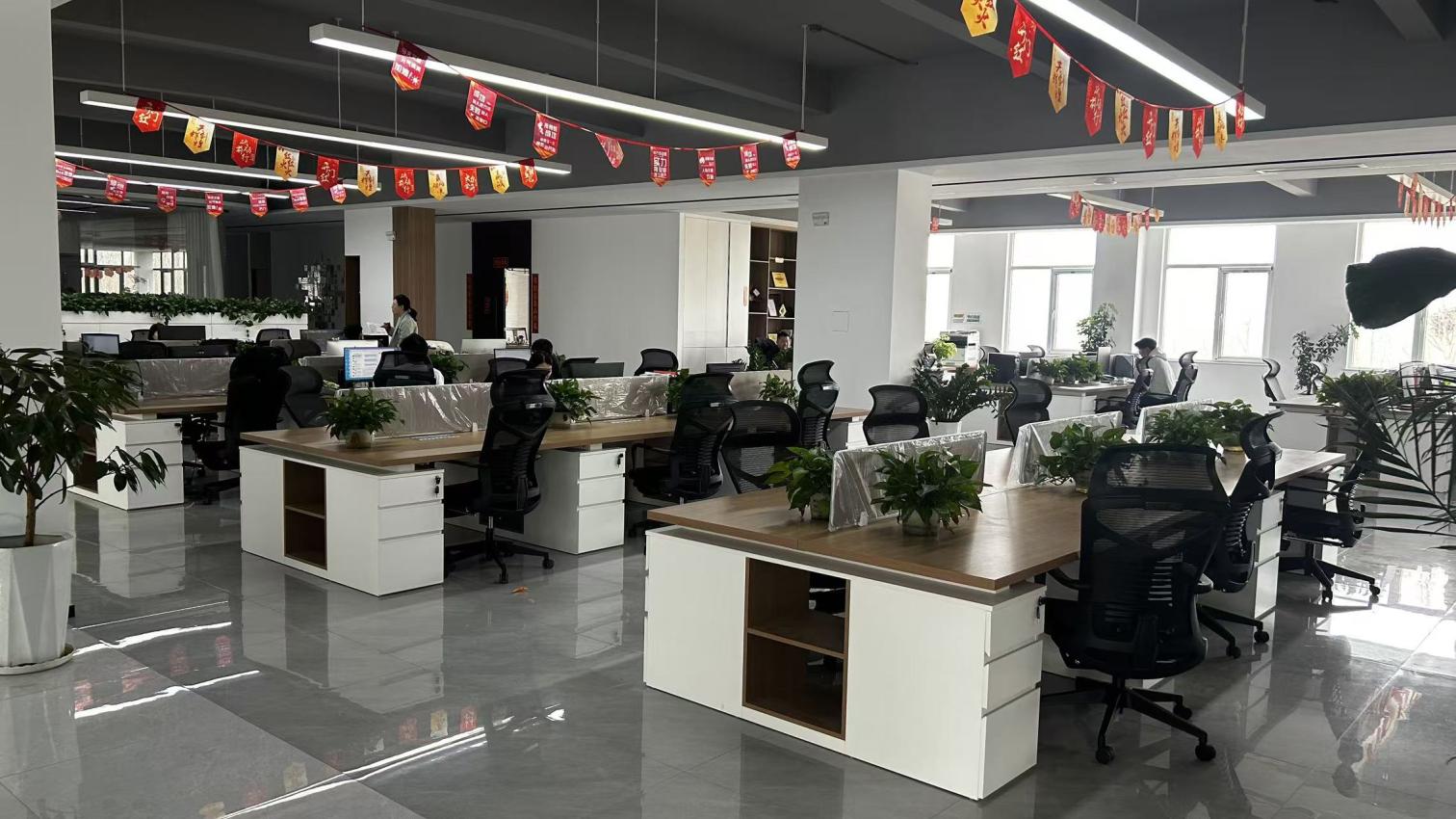
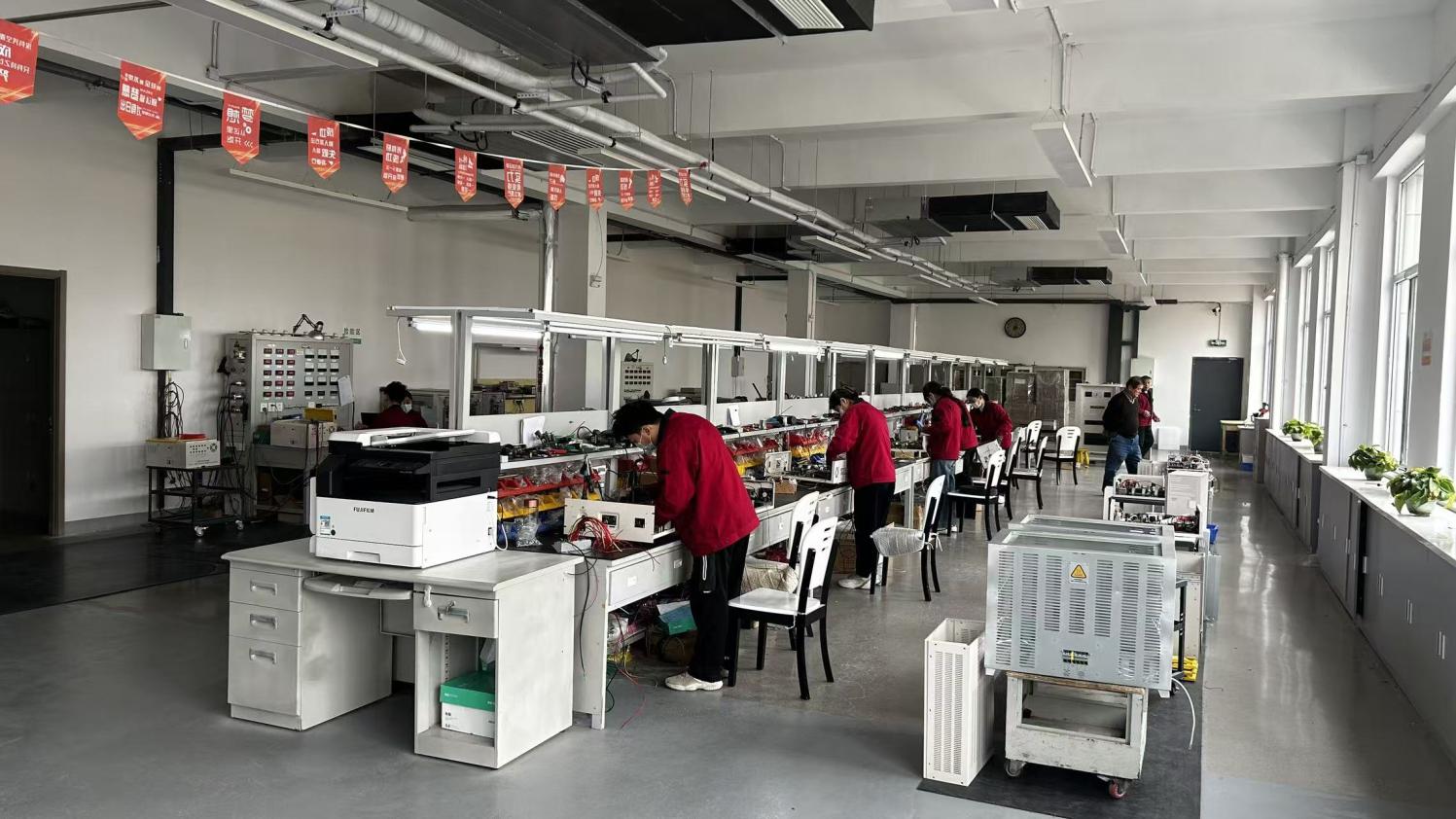
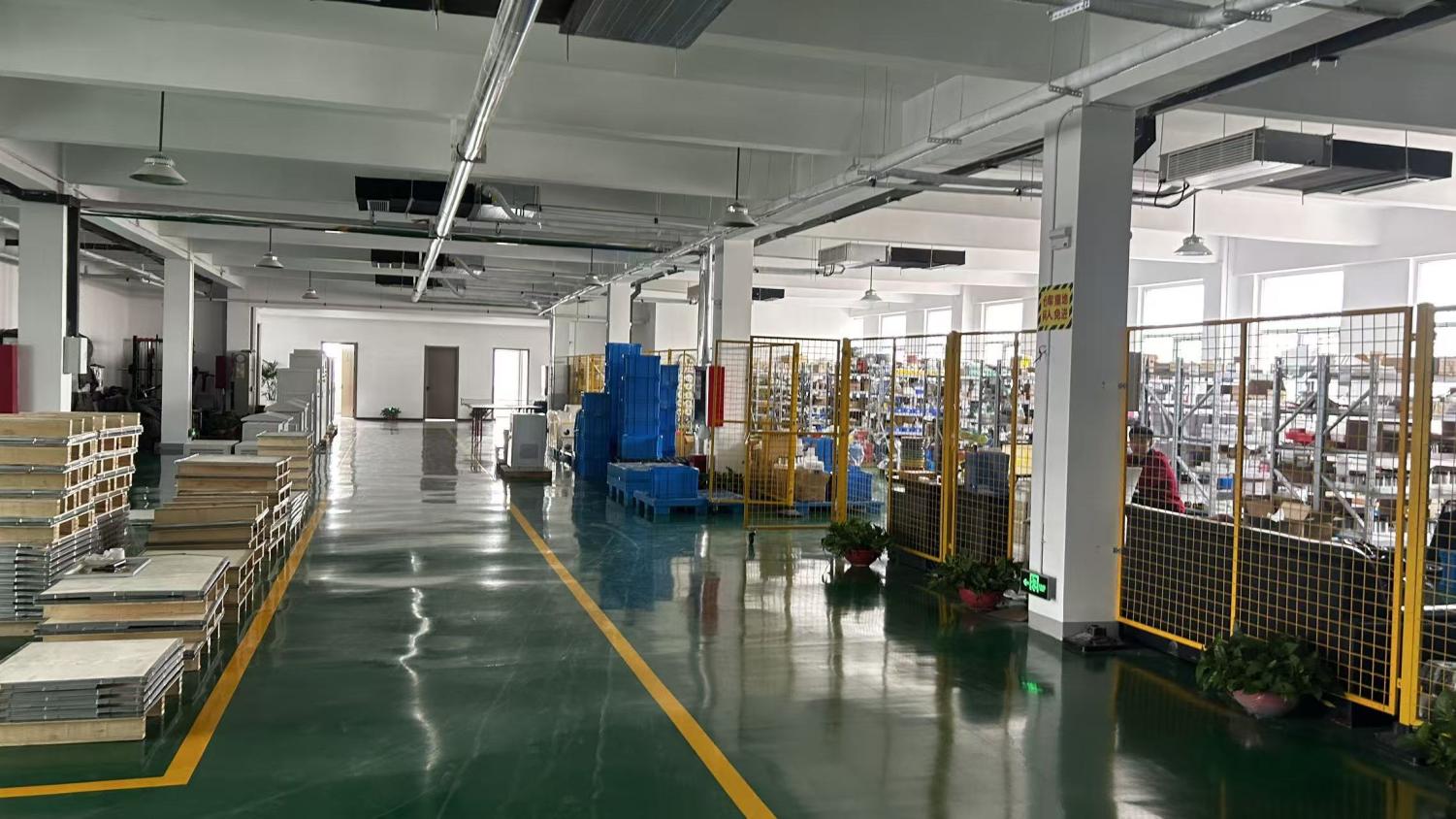
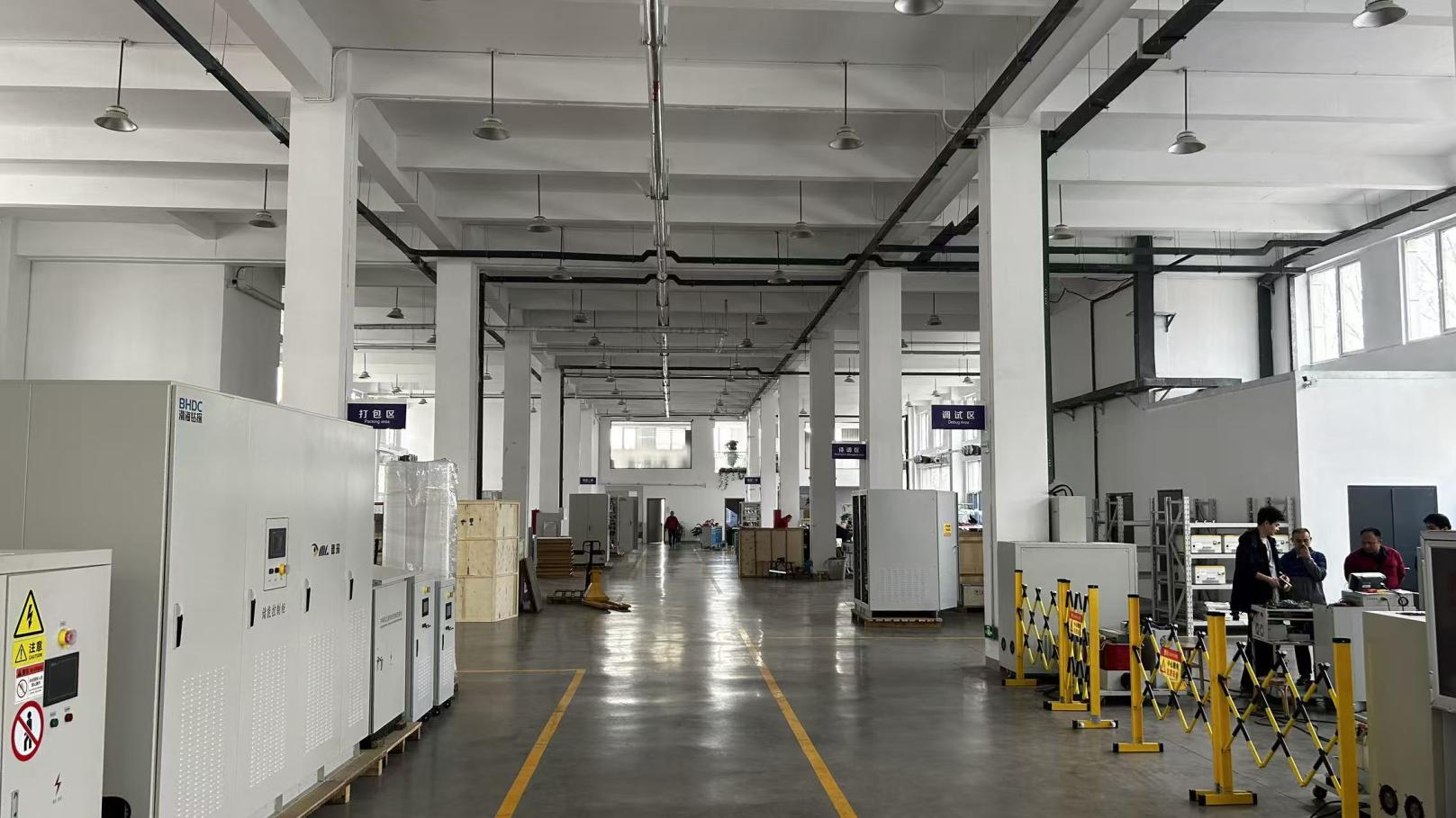
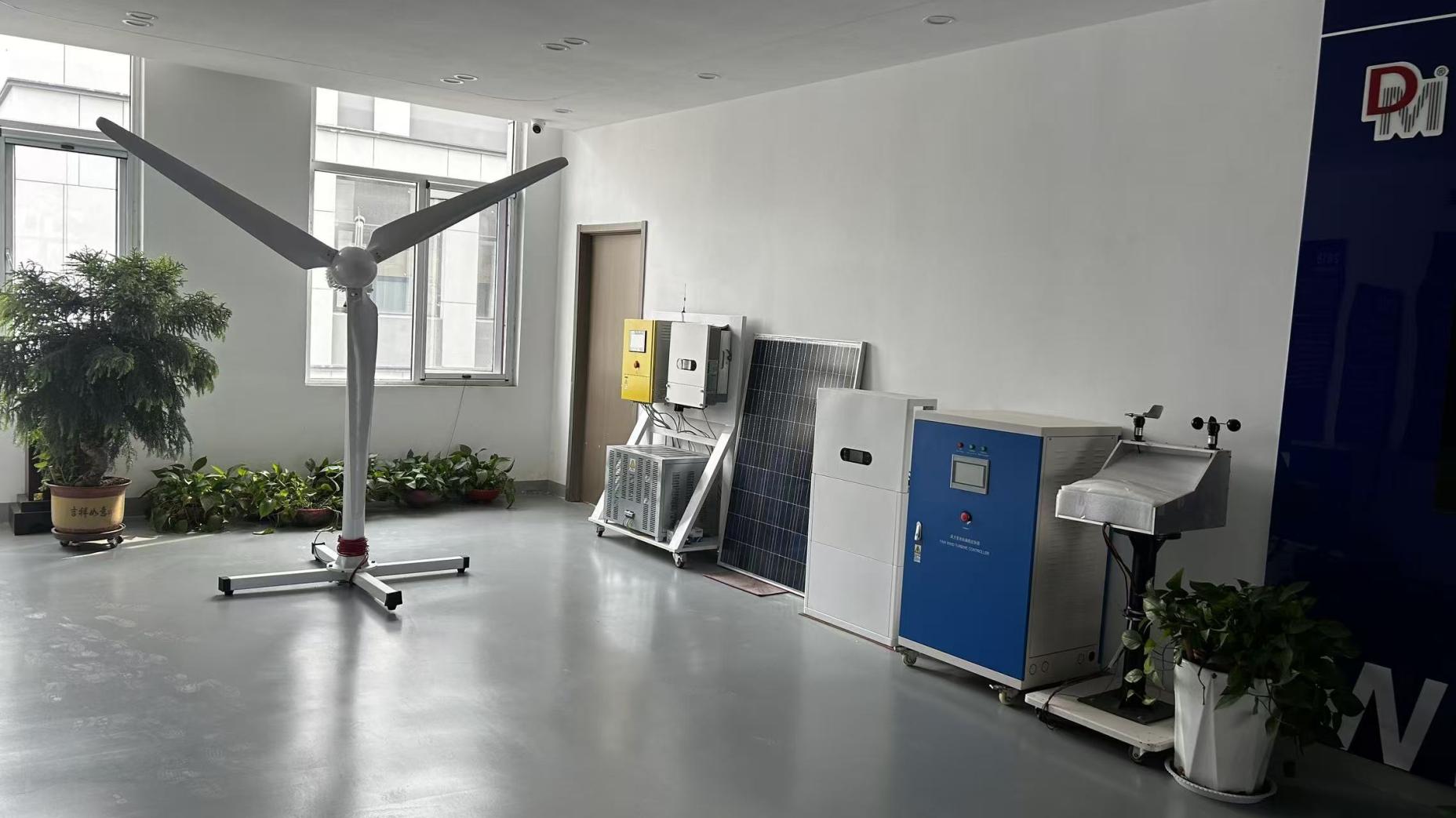
Our engineering teams utilize specialized laboratory and assembly equipment to guarantee the performance of our converters and controllers under tropical climates like Ghana's hot and humid conditions:
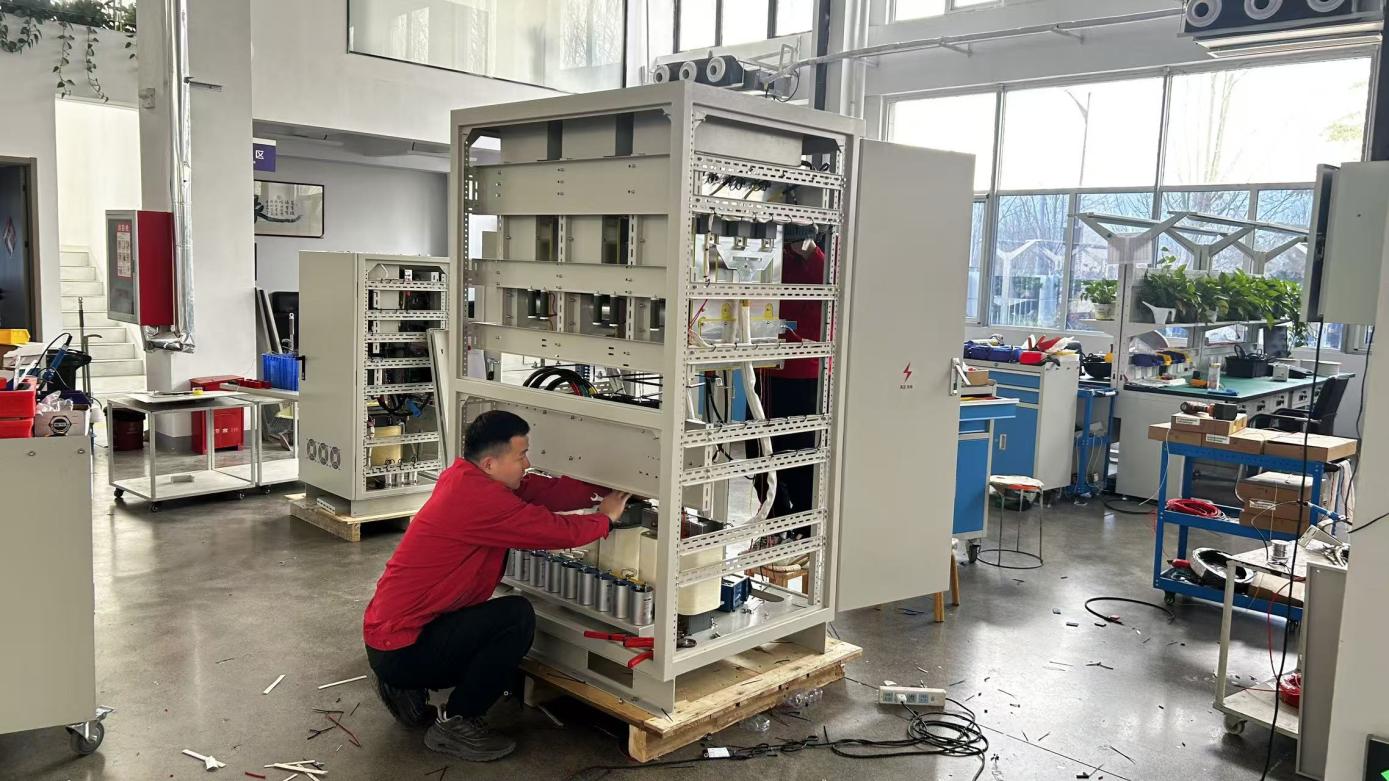
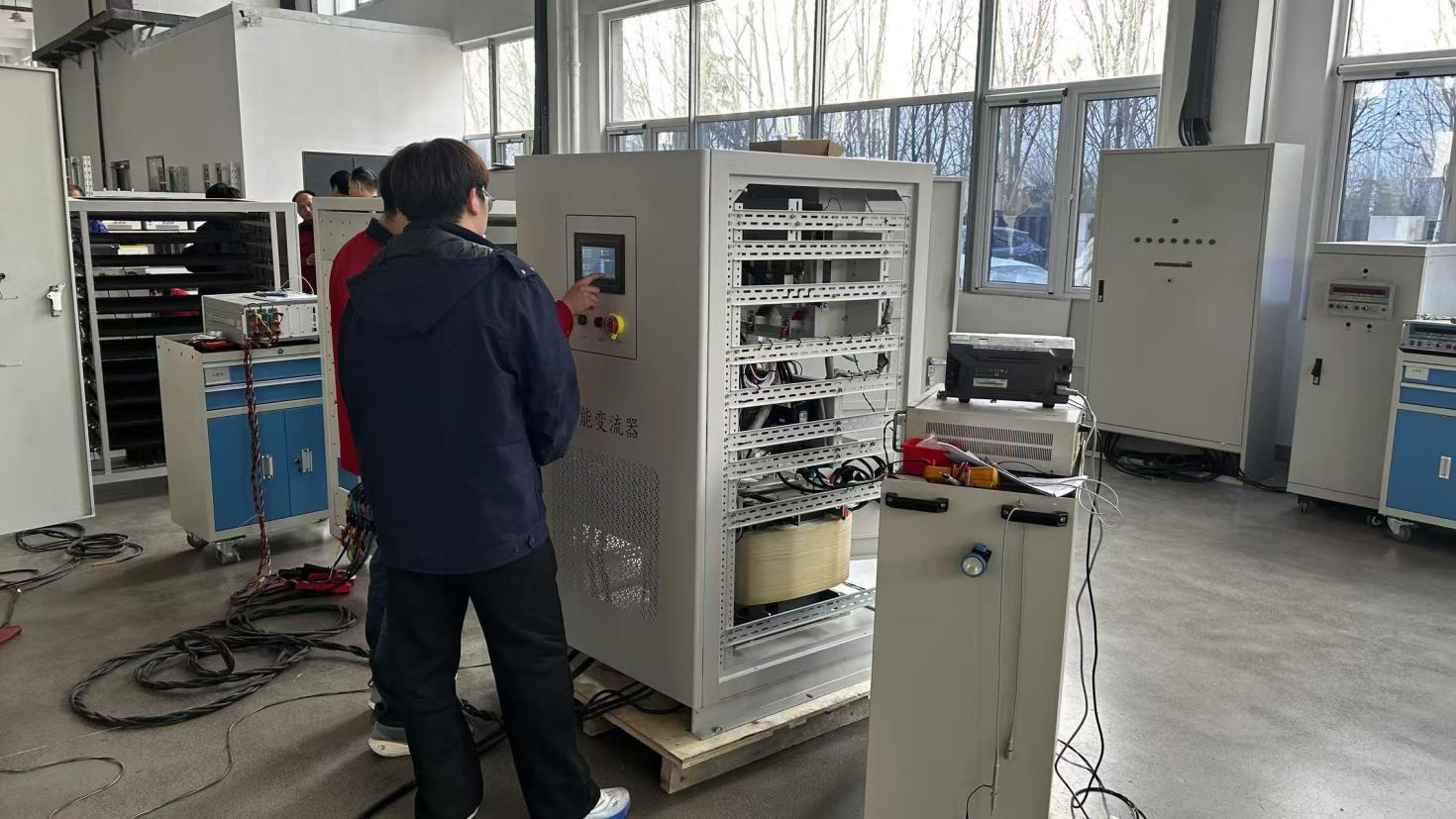
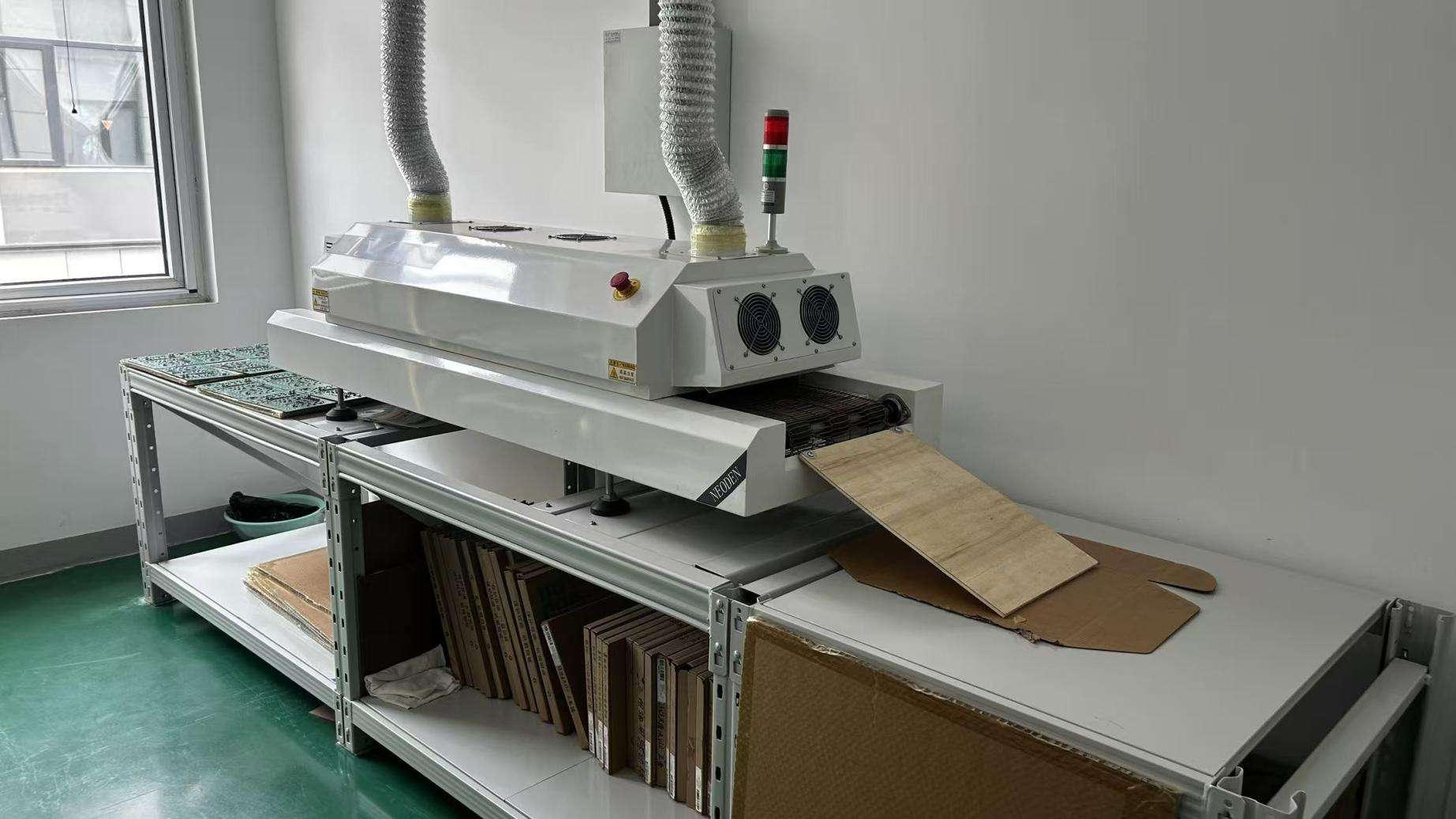
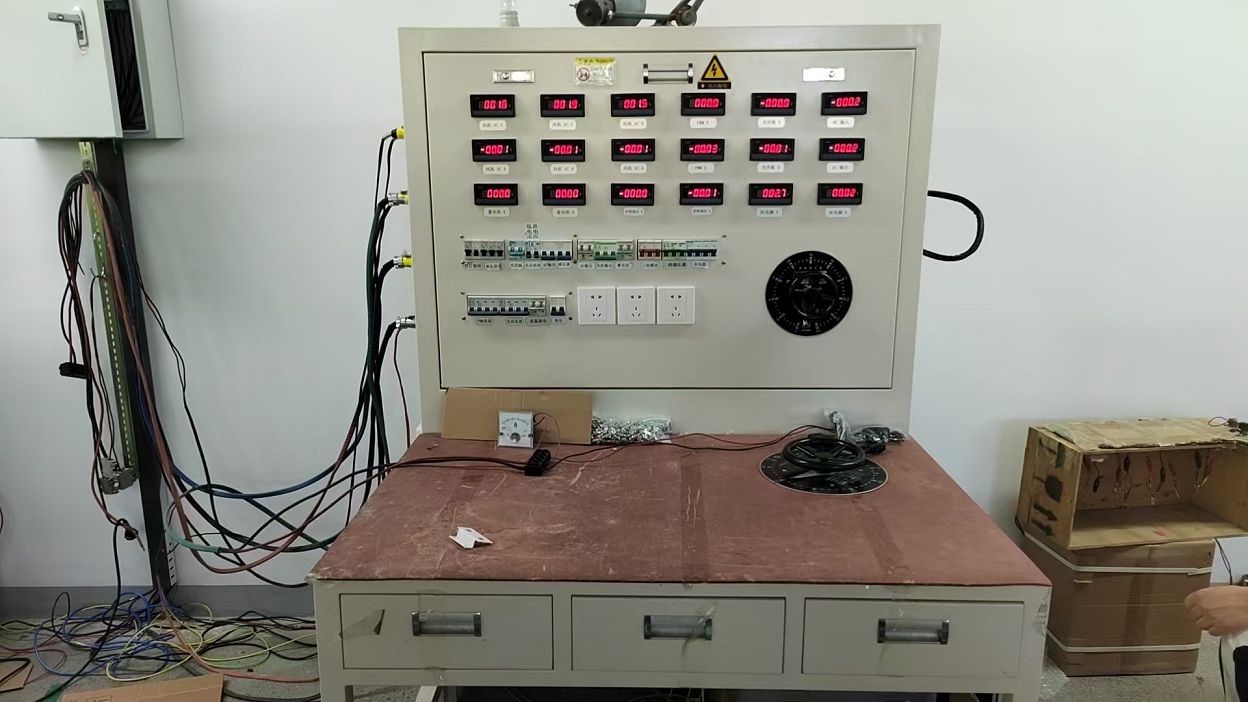
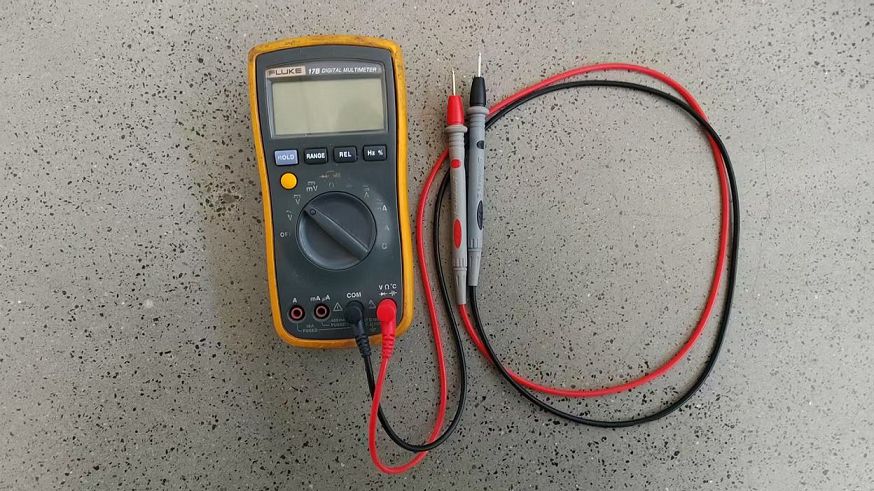
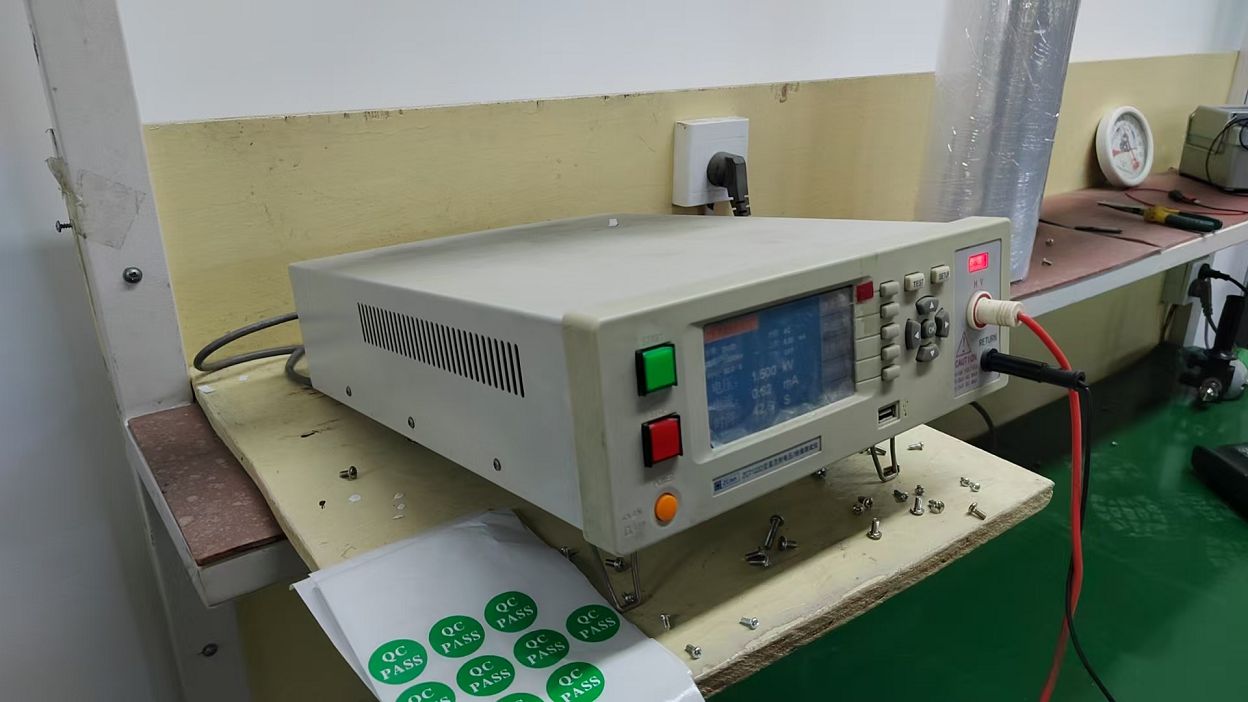
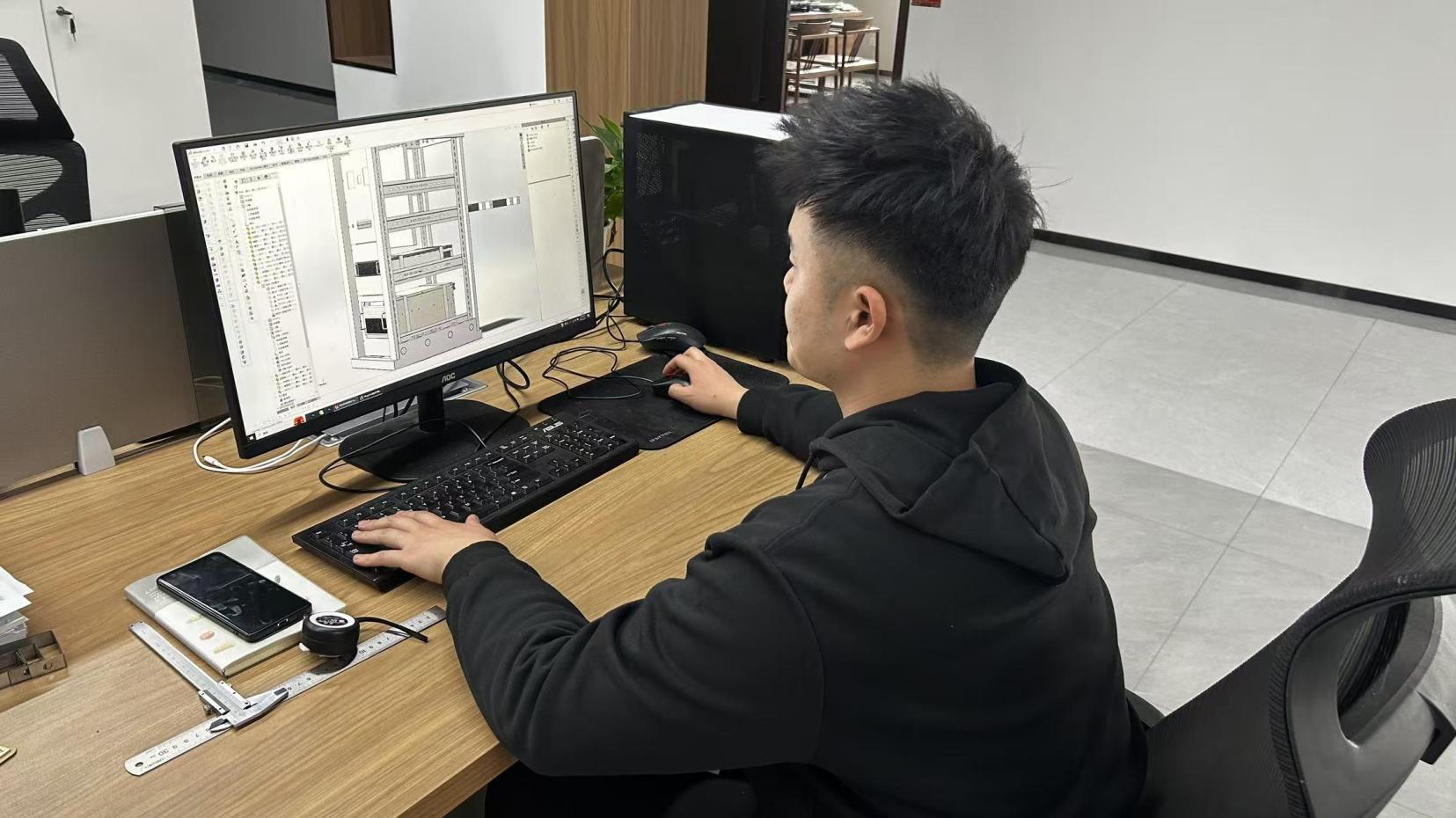
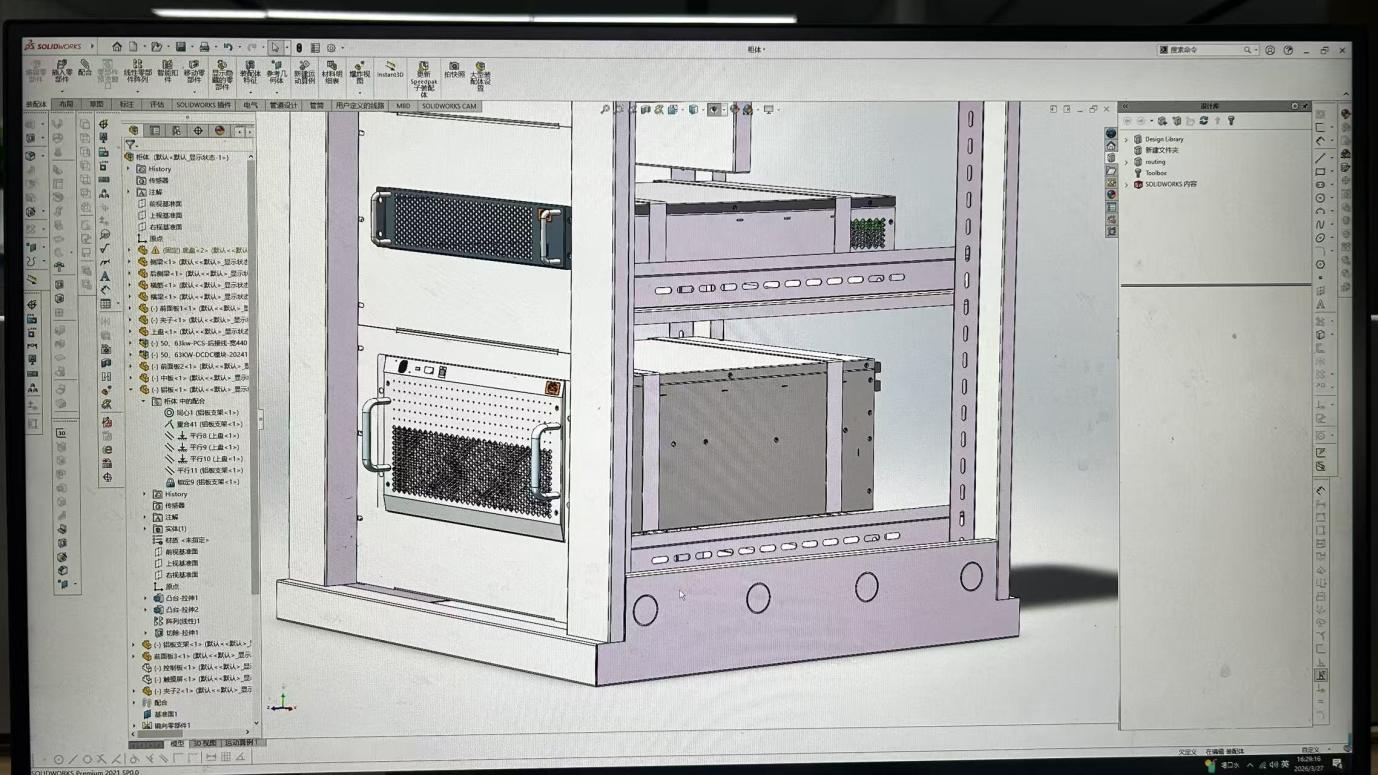
As regional networks in Ghana integrate higher percentages of renewable energy, microgrid design must advance beyond passive generation models. Deming Power's technological roadmap focus includes:
High-capacity hybrid solar-wind systems, permanent magnet alternators, and bidirectional converters designed to build robust microgrids and remote power stations.
Expert answers regarding compliance, local grid integration, seasonal power stability, and electrical design for small hydro systems in West Africa.
Contact our technical application team today to receive a detailed layout design, grid compliance report, and project pricing.
Send Inquiry Now Demin Power