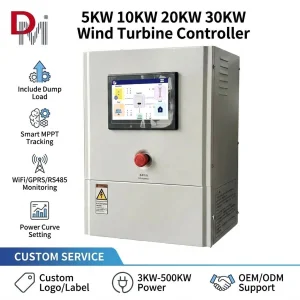
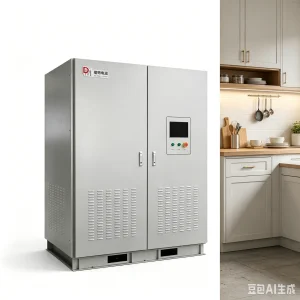
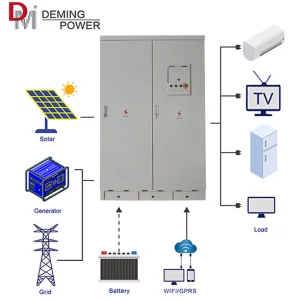
Featured core products designed for smart micro-grid and hydropower operations in the Osaka prefecture.
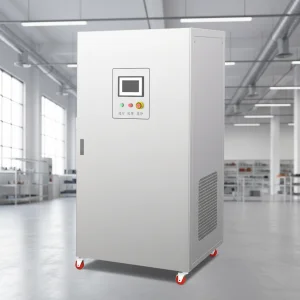
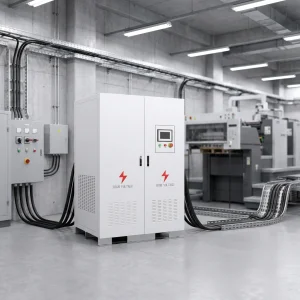
Under the Osaka Zero Carbon Vision 2050, the Osaka Prefectural Government has accelerated the transformation of its local grid structure. Unlike eastern Japan, which operates on a 50Hz frequency, the Kansai region—including Osaka, Kyoto, and Hyogo—runs on a strict 60Hz grid system managed by the Kansai Electric Power Company (KEPCO). This division creates critical demand for precision power conversion equipment.
For local commercial installations and rural industrial networks tapping into the Yodo River basin, the Yamato River, or municipal water treatment outflows, importing specialized hardware requires sophisticated frequency adaptation and voltage stabilization. Industrial and agricultural developers in Osaka are actively adopting micro-hydro systems (1kW to 300kW) as baseline power sources to offset volatile solar PV generation during peak seasons.
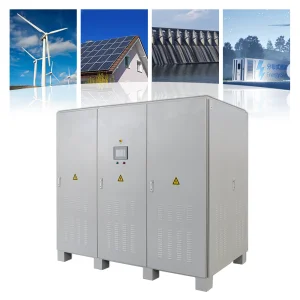
Connecting small-scale hydropower generation systems to KEPCO's grid requires strict harmonic distortion containment (THD < 5%), instantaneous voltage regulation, and precise phase synchronization. High-efficiency static frequency converters and smart bidirectional PCS modules are vital to ensure stable integration.
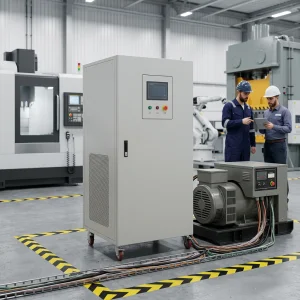
Industrial machinery must be adjusted to the Kansai 60Hz frequency. Deming Power's static converters resolve frequency-mismatches flawlessly.
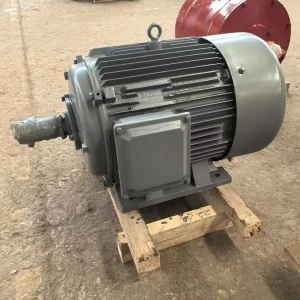
Small head (ultra-low water drop) areas in Osaka's agricultural belts utilize low-RPM permanent magnet generators for constant base-load power.
Ensuring compliance with Japan's Ministry of Economy, Trade and Industry (METI) technical requirements for grid connection.
Analyzing how technological advancement meets the industrial demands of Osaka's green initiative.
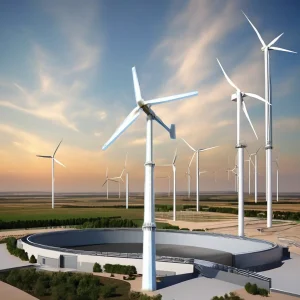
The global trend is transitioning towards hybrid renewable systems. While solar PV peaks during mid-day and wind is intermittent, small run-of-river hydro provides constant baseload electricity. Integrating these three sources requires a high-performance bidirectional DC-DC converter and a centralized power management system (PCS) to coordinate dynamic energy flows and battery storage charging patterns.
In Osaka's industrial valleys and outskirts, run-of-river installations utilize small-scale, ultra-low RPM permanent magnet water turbines. By avoiding massive reservoir construction, these systems maintain zero carbon footprints and minimal environmental impact. Deming Power's automatic voltage regulators with 96% operational efficiency adjust directly to changing flow rates to keep outputs stable.
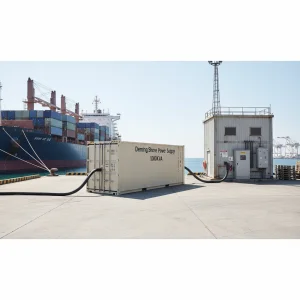
The Port of Osaka is implementing heavy decarbonization measures. Grid-tied shore power stations rely on frequency-isolated static converters to adapt to vessels operating under diverse global standards (50Hz / 60Hz and various voltages). Deming Power's robust design safeguards sensitive marine electronic systems from localized grid disturbances.
High-efficiency conversion components tailored for industrial applications in the Osaka region.
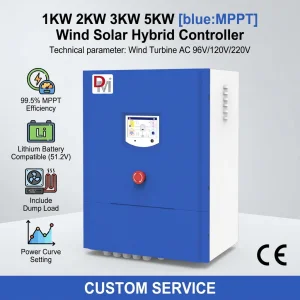
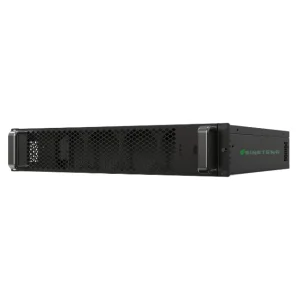
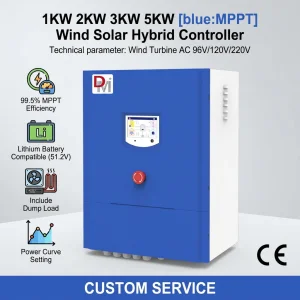
Jinan Deming Power Equipment Co., Ltd. is a nationally recognized high-tech enterprise established in 2004, specializing in the research, development, production, and service of renewable energy power equipment and advanced power testing solutions. The company holds ISO9001:2015 certification and has been recognized as a high-tech enterprise by the Chinese government multiple times (2015, 2018). With a dedicated R&D team of 16 engineers including doctoral supervisors and master's degree holders, Deming invests no less than 20% of annual sales revenue into technology development.
The company has completed 17 R&D projects in the last three years with 16 scientific and technological achievements transformed into commercial products. Deming's products have been exported to 120+ countries including Germany, Japan, the United States, UK, Canada, Australia, and Brazil, and the company has established cooperative relationships with Fortune 500 enterprises. The company's main products include wind/solar controllers, inverters, frequency converters, and high-power bidirectional DC test power supplies and battery simulators ranging from 150kW to 500kW.
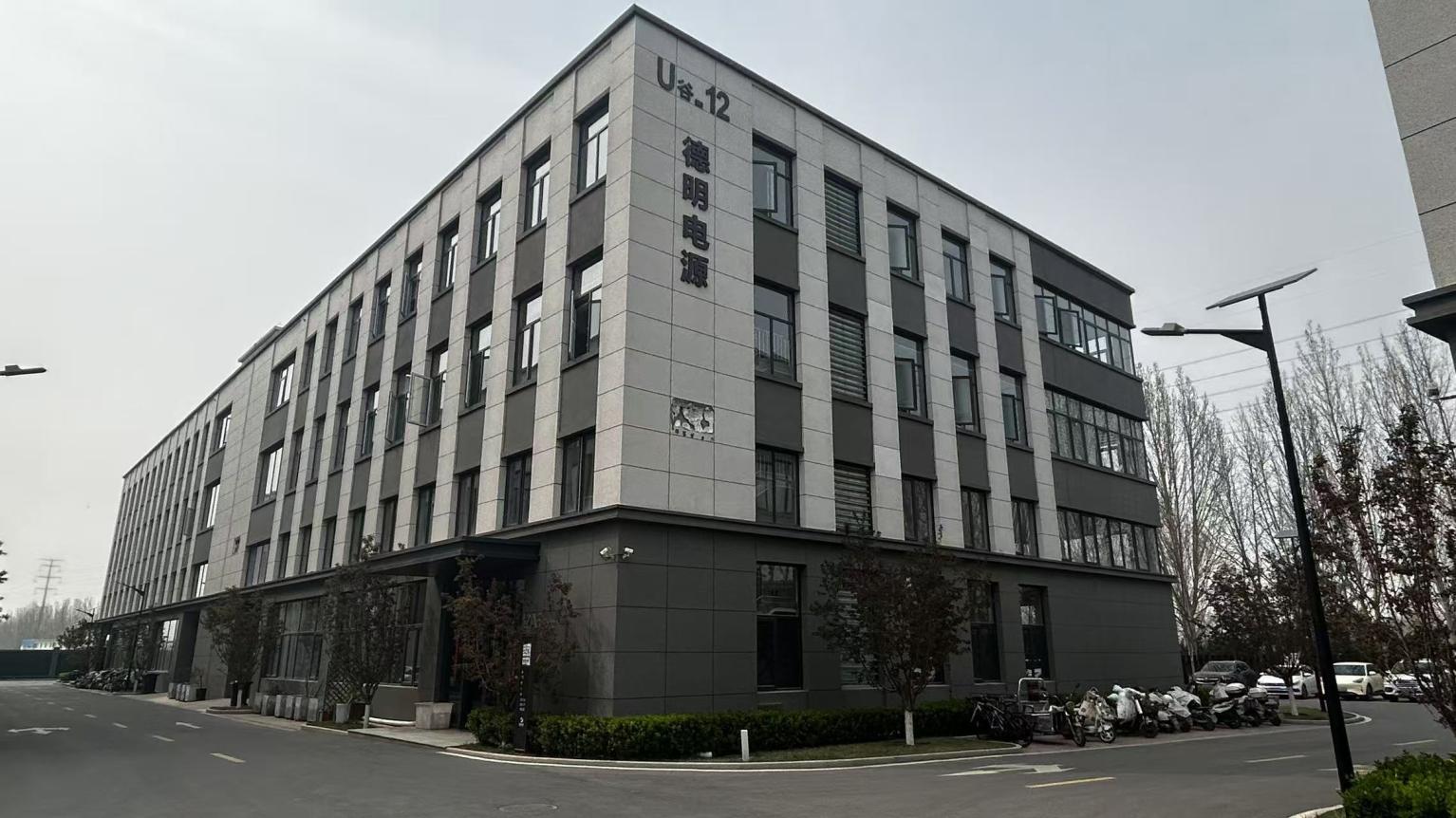
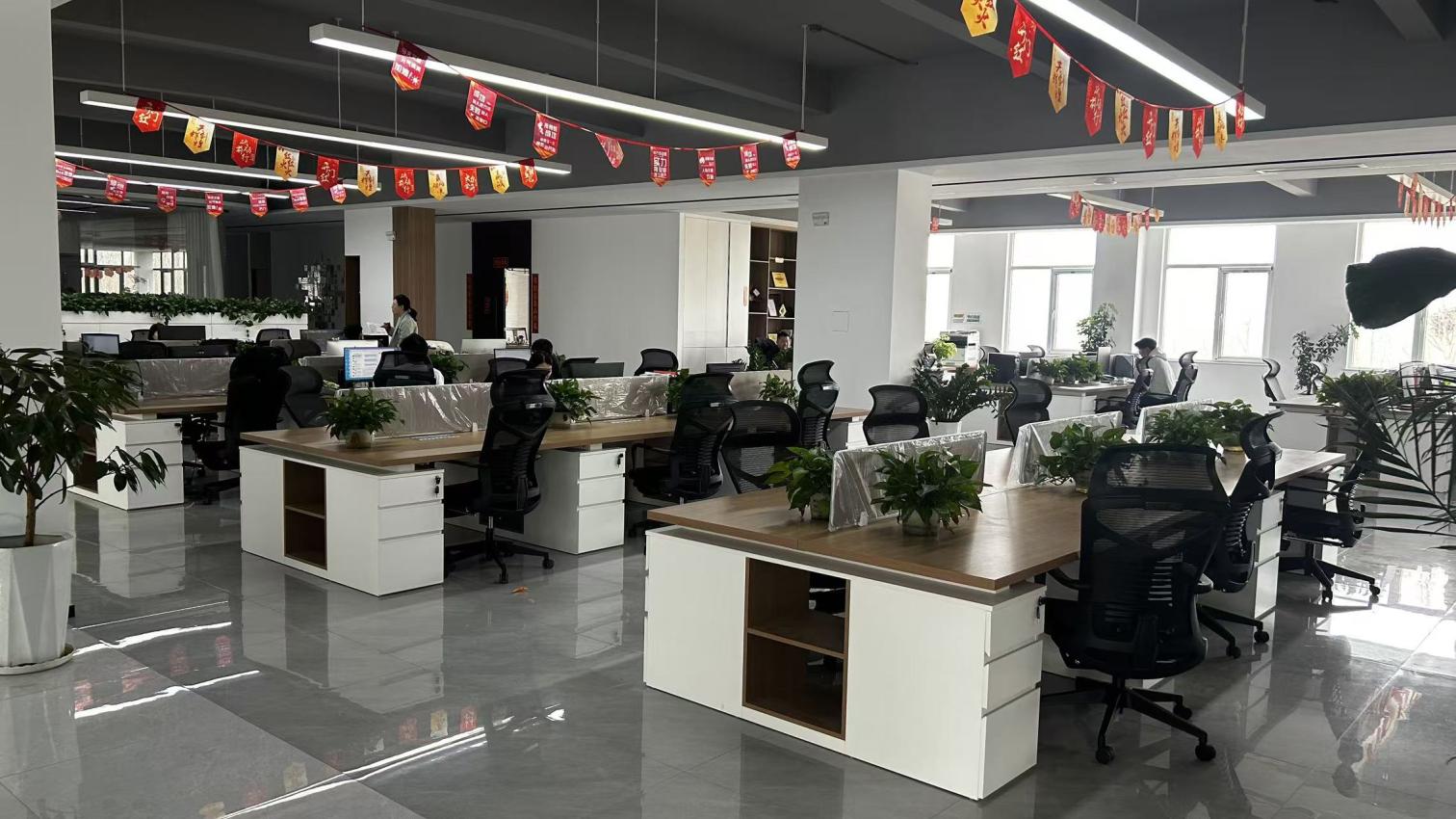
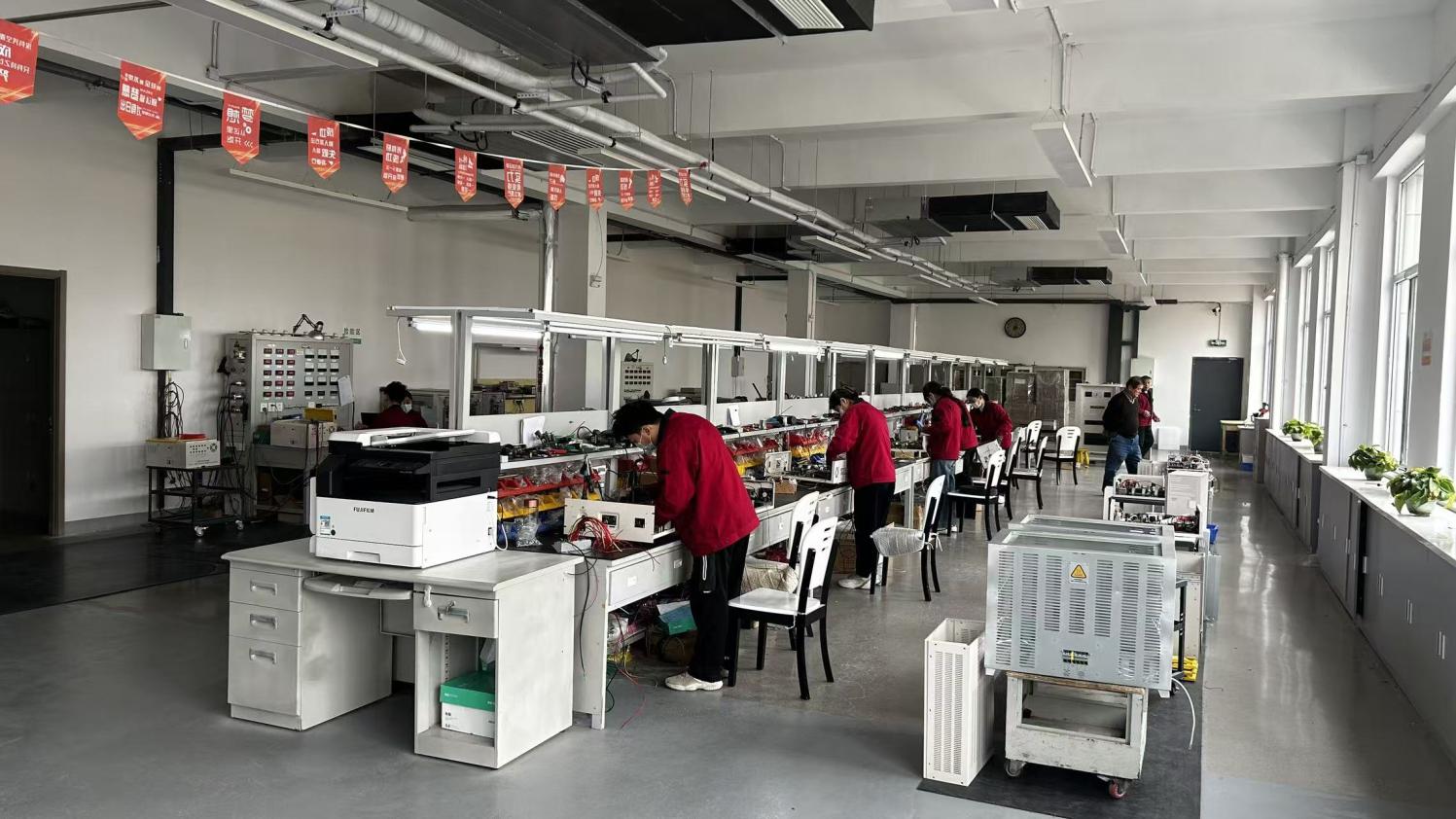
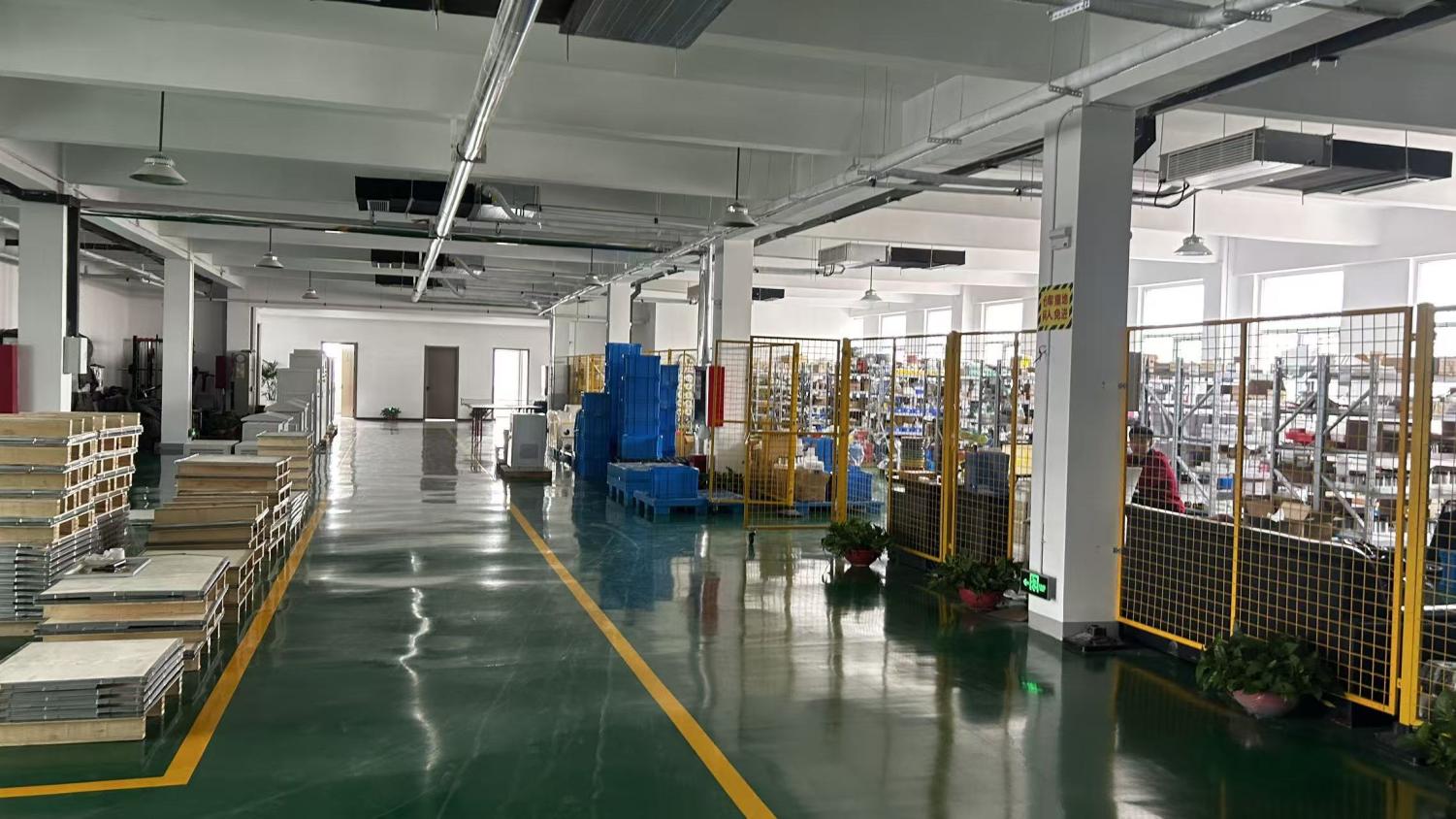
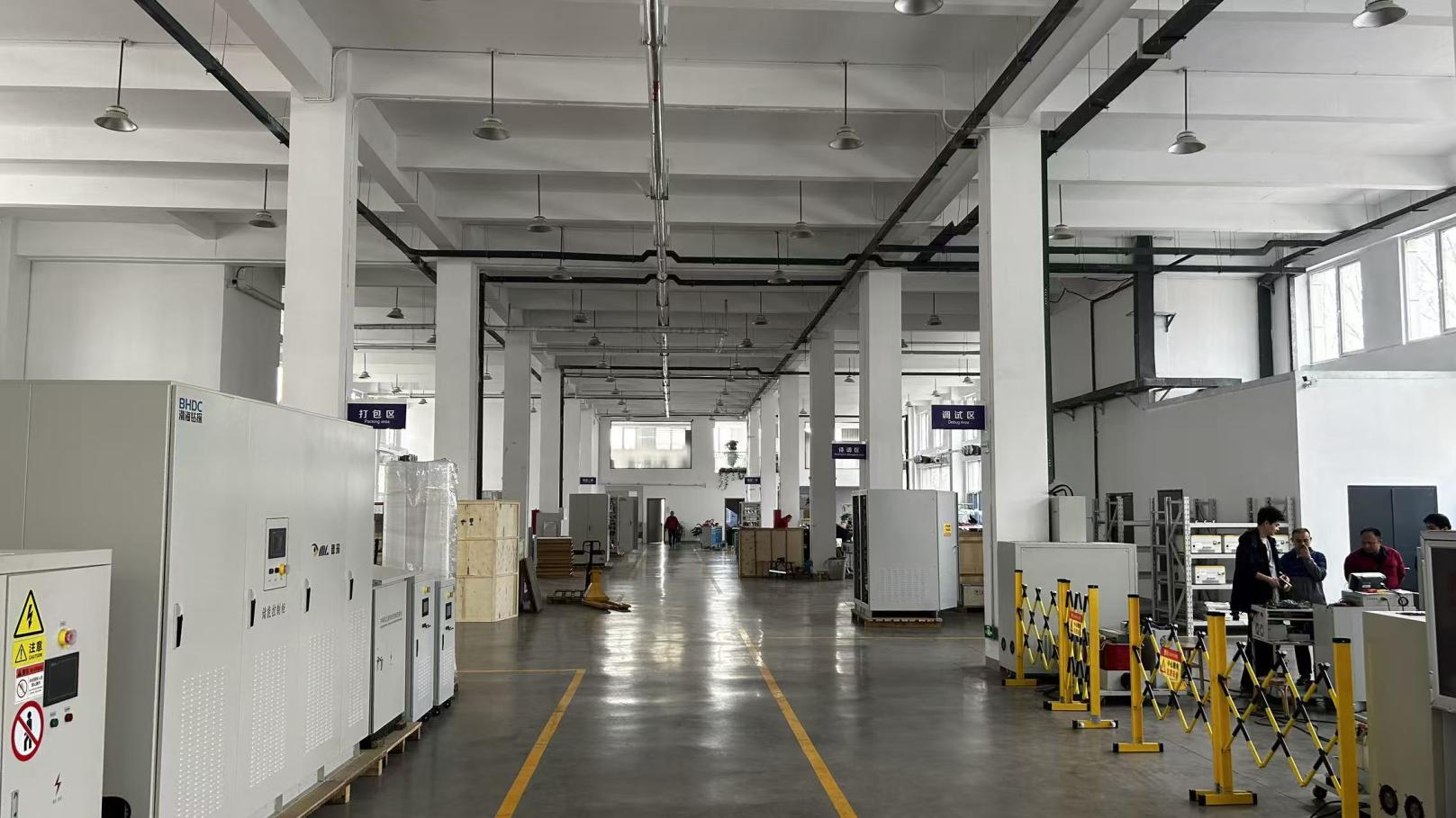
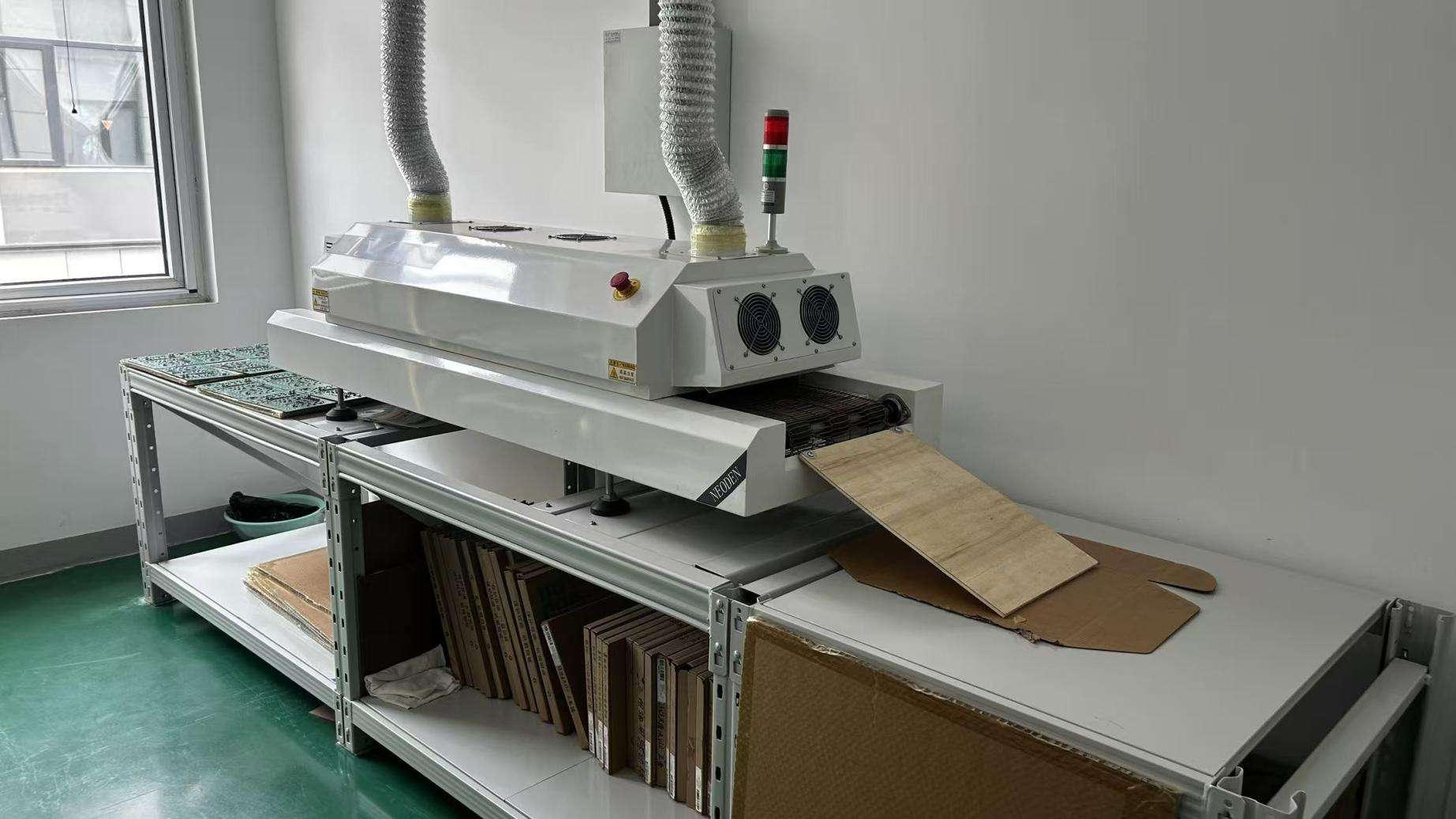
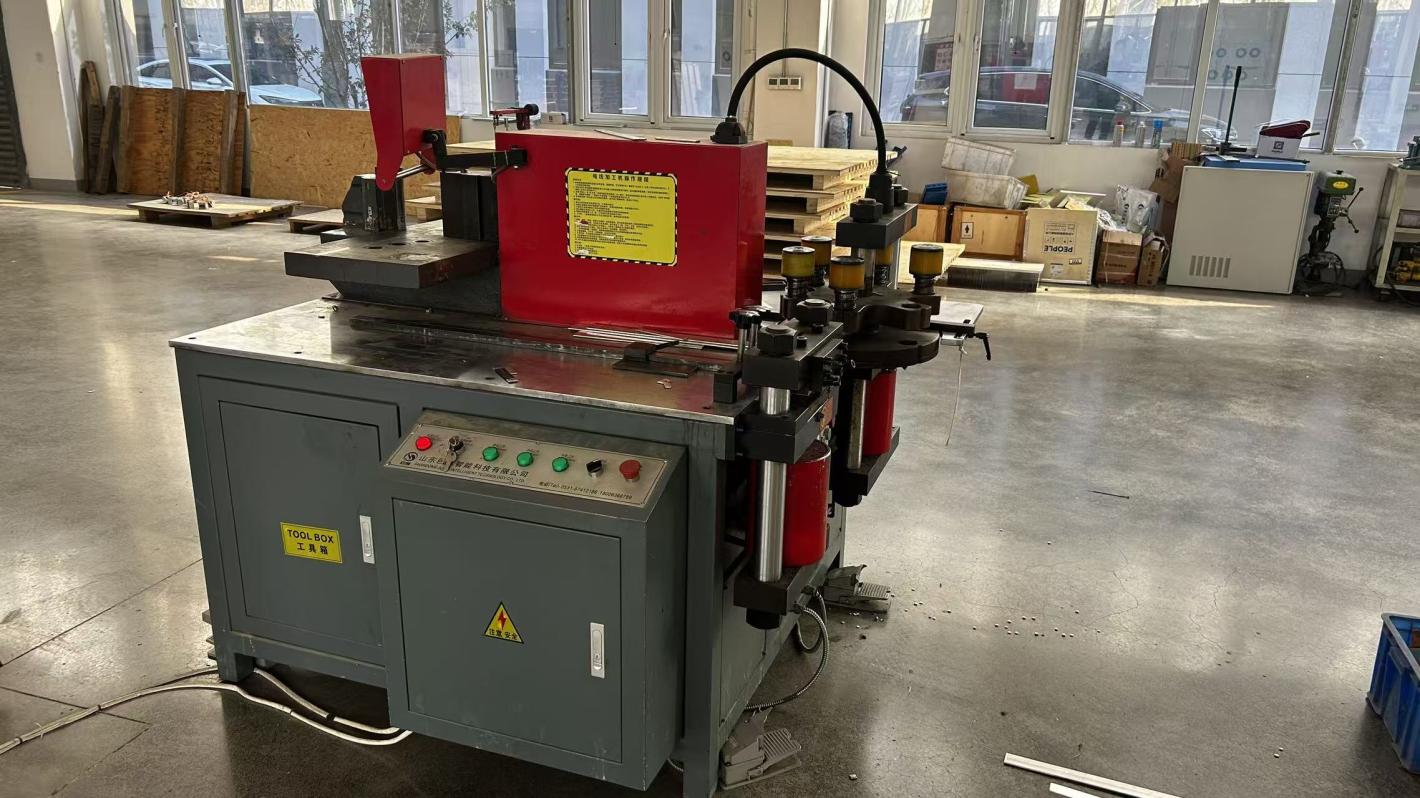
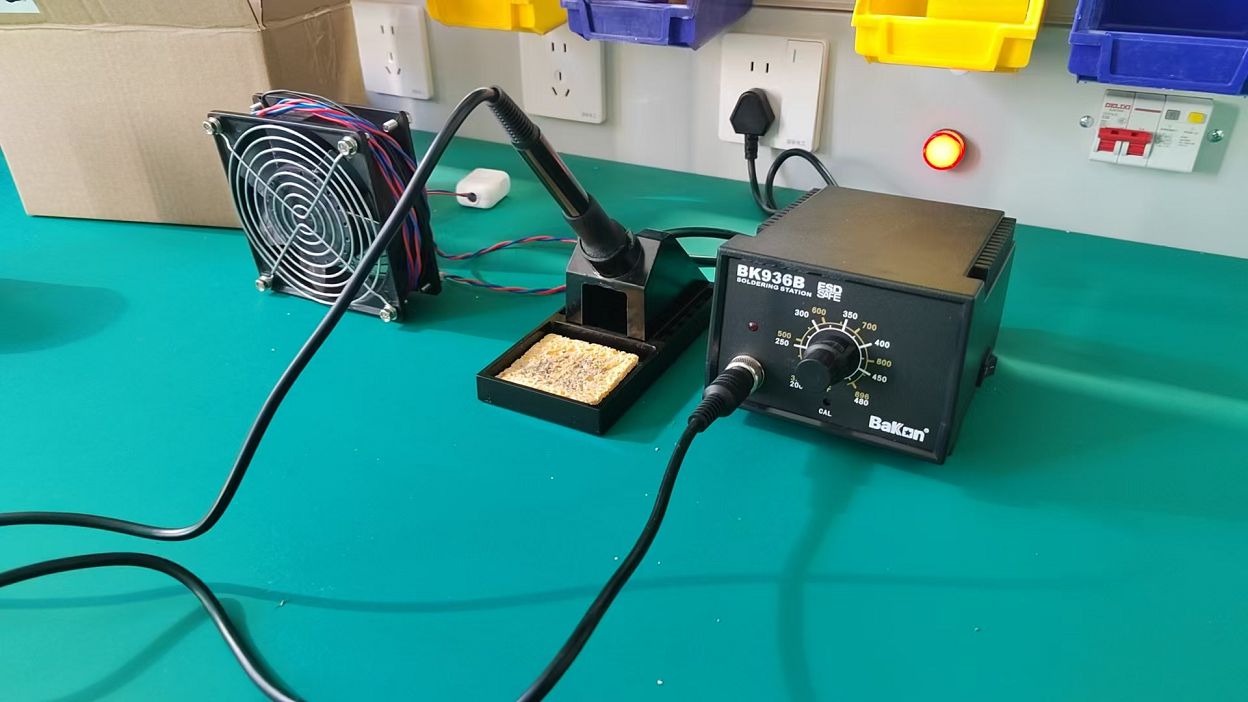
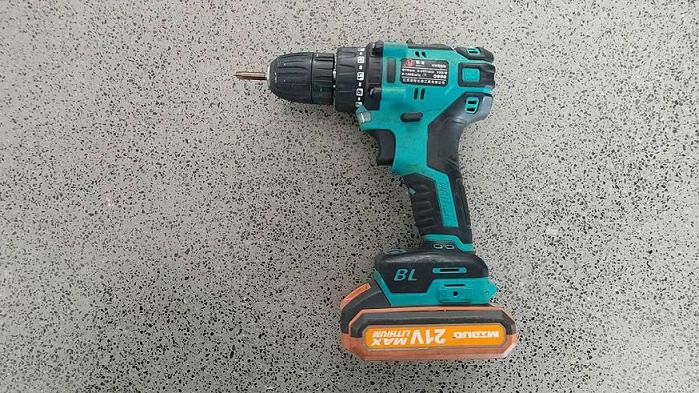
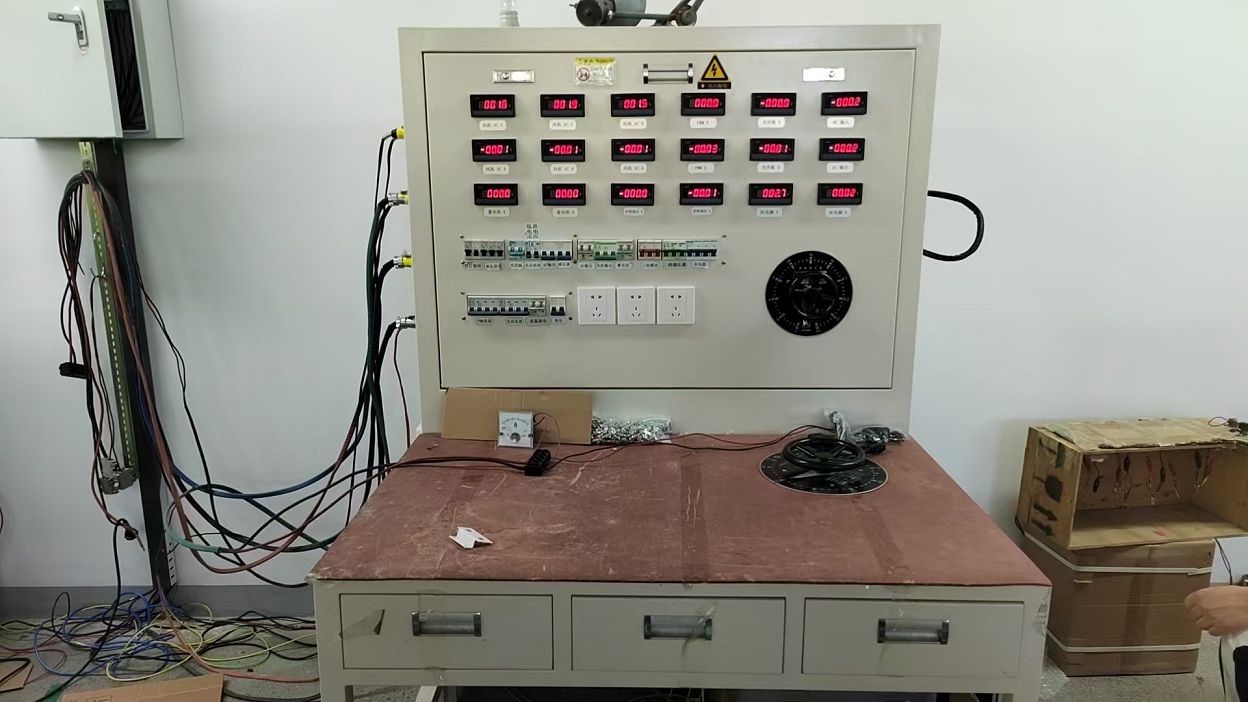
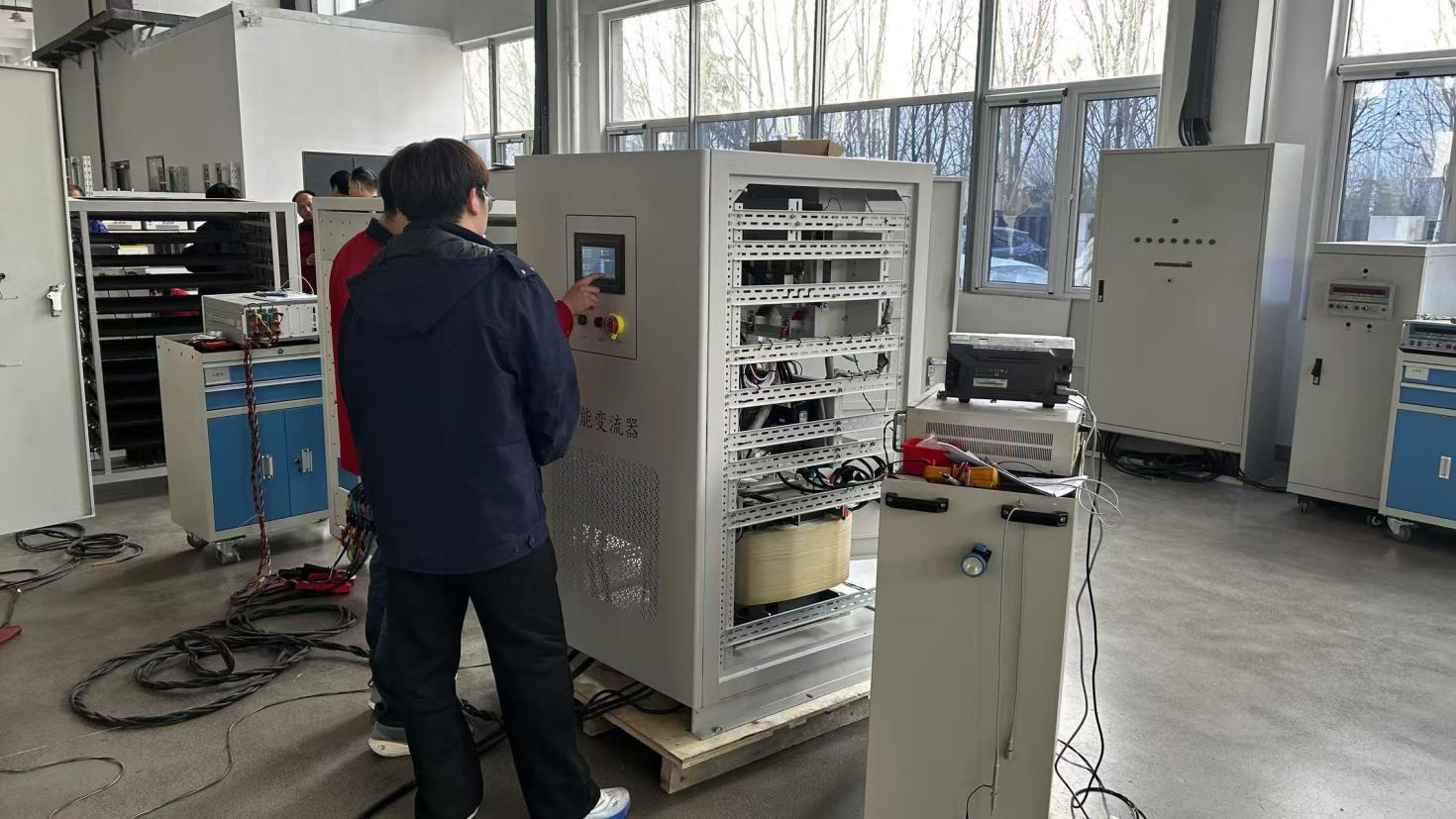
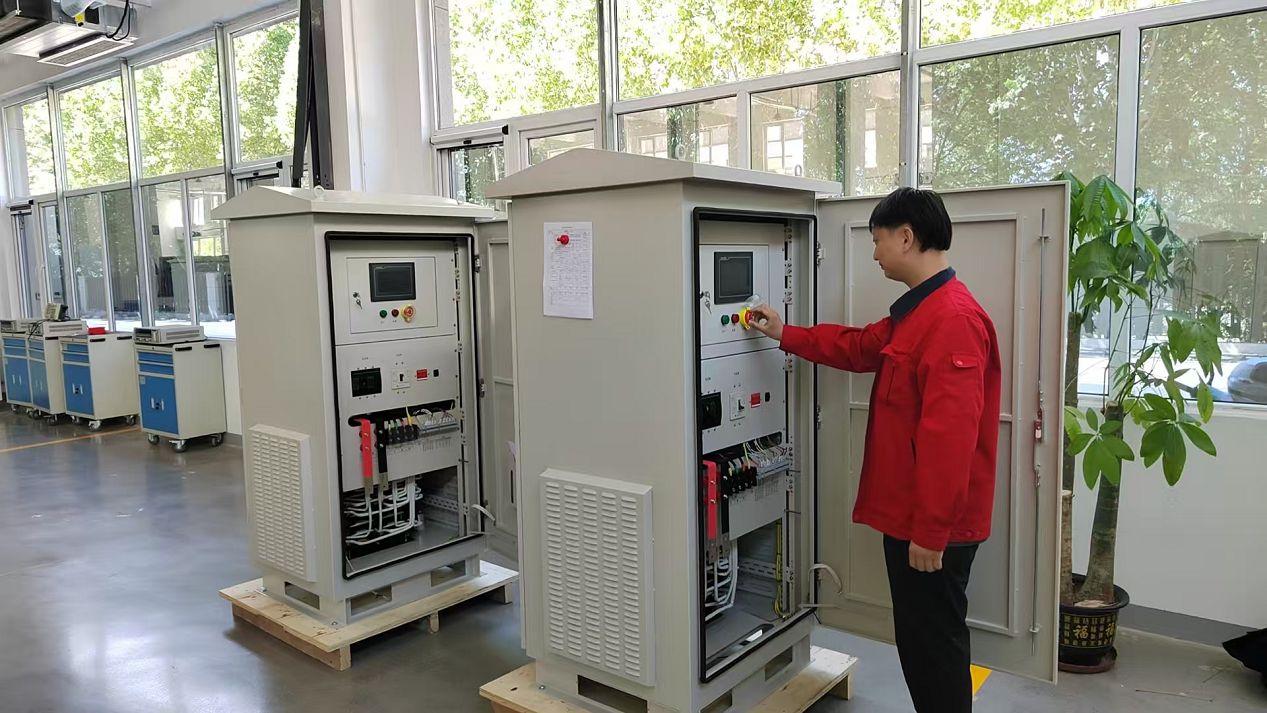
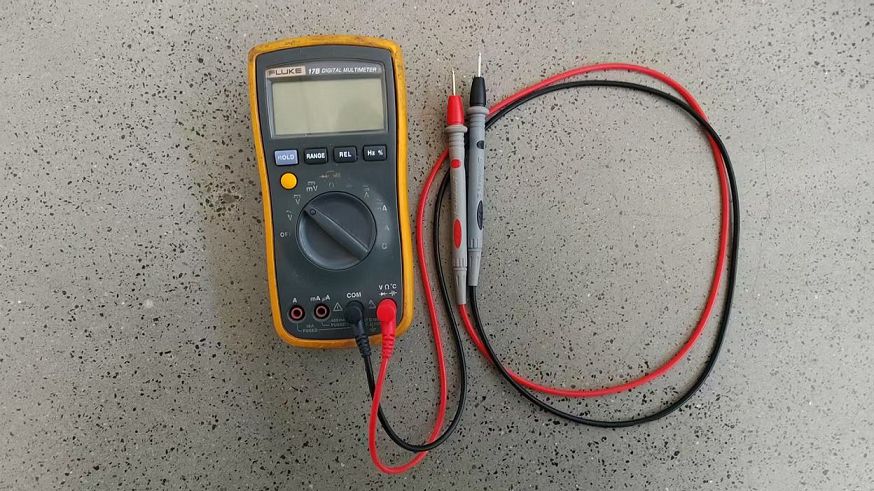
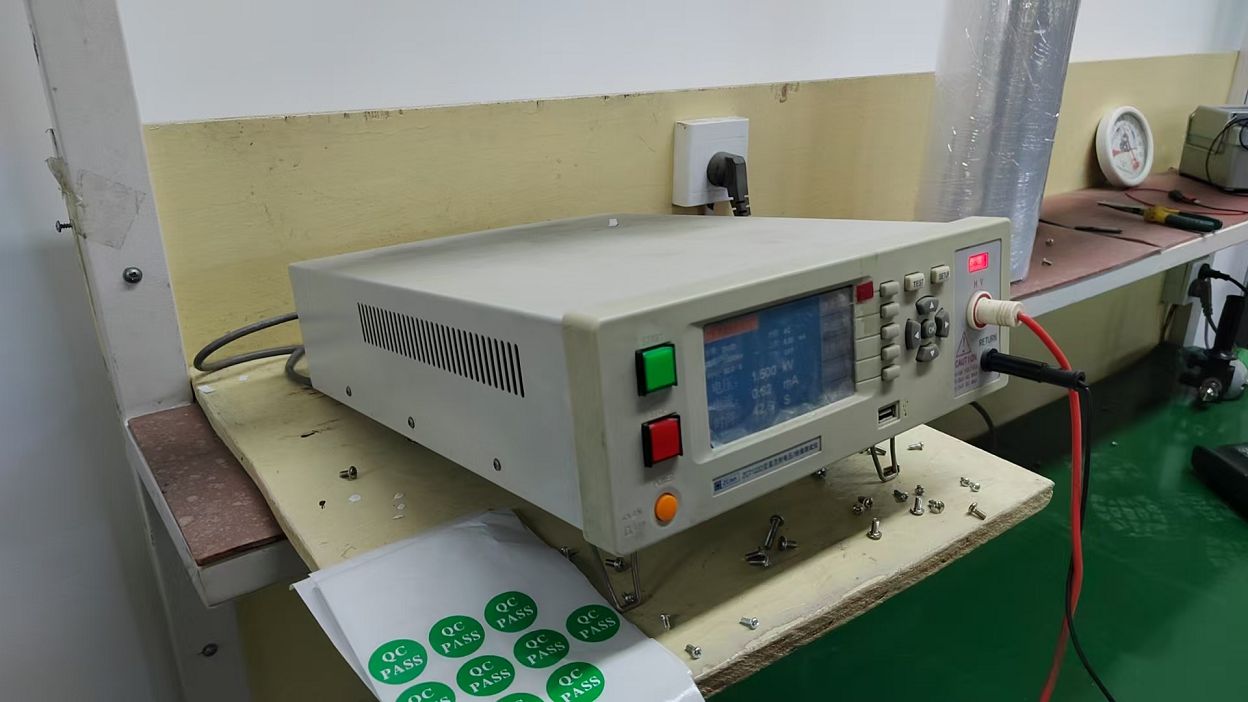
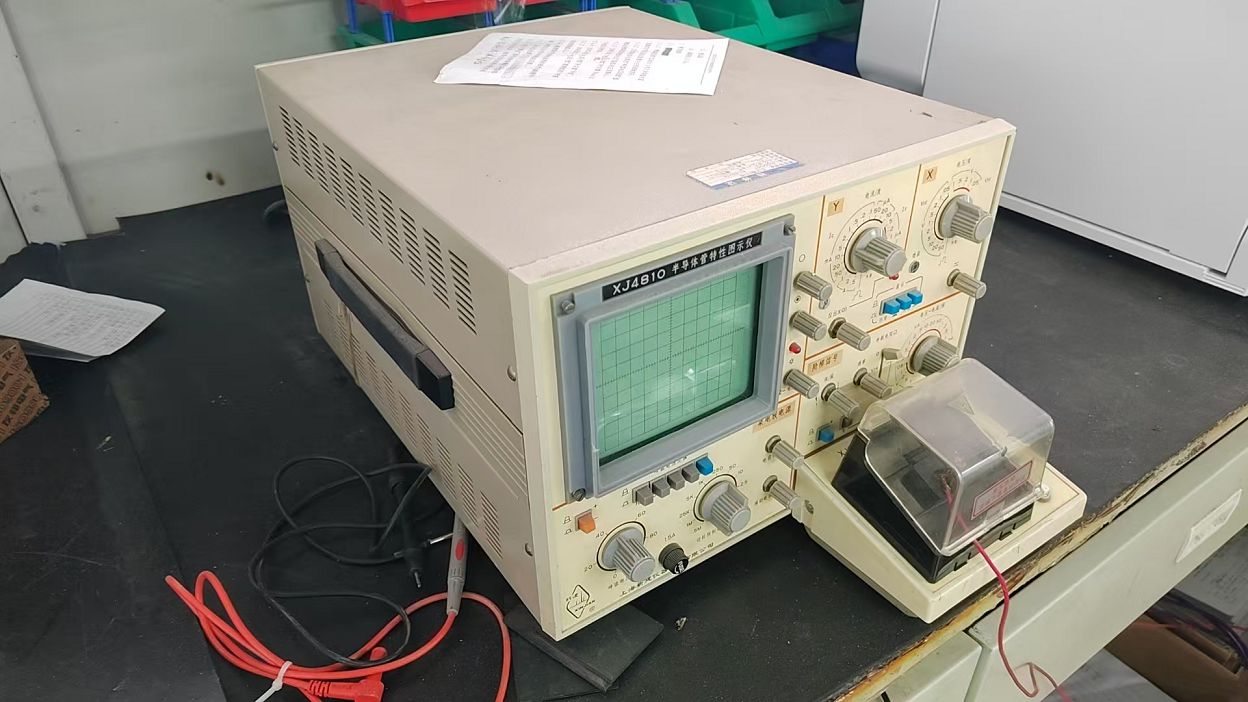
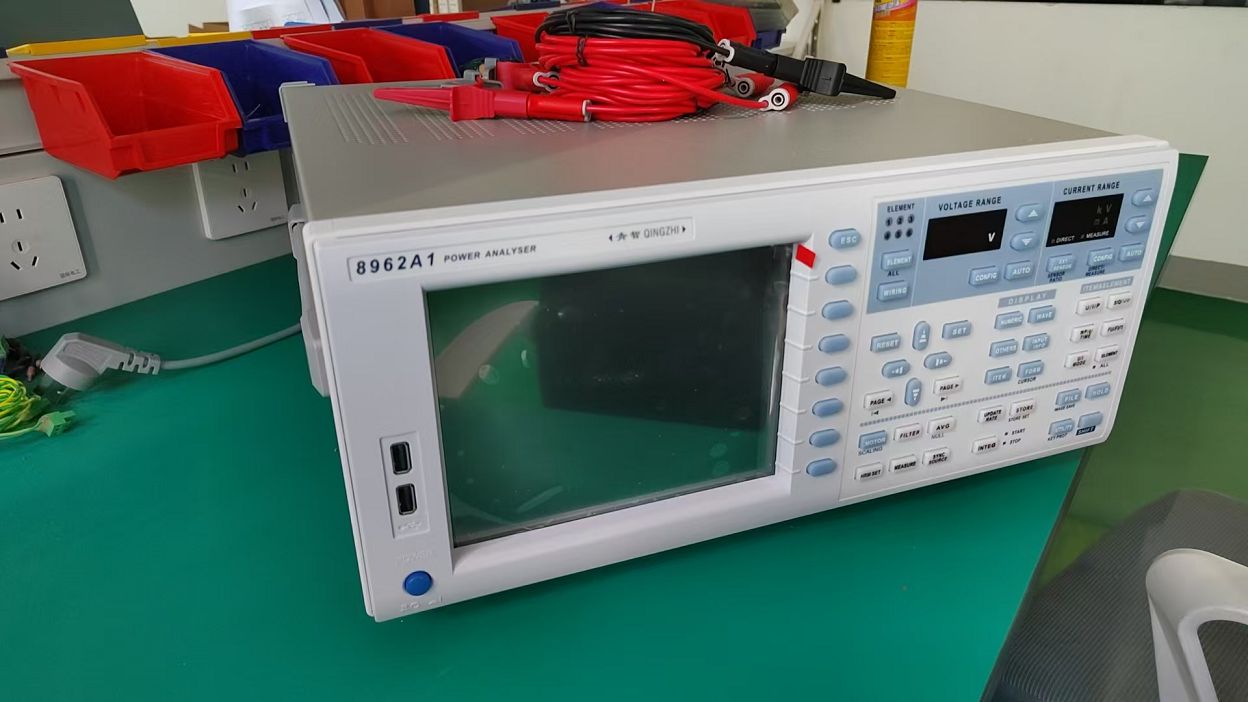
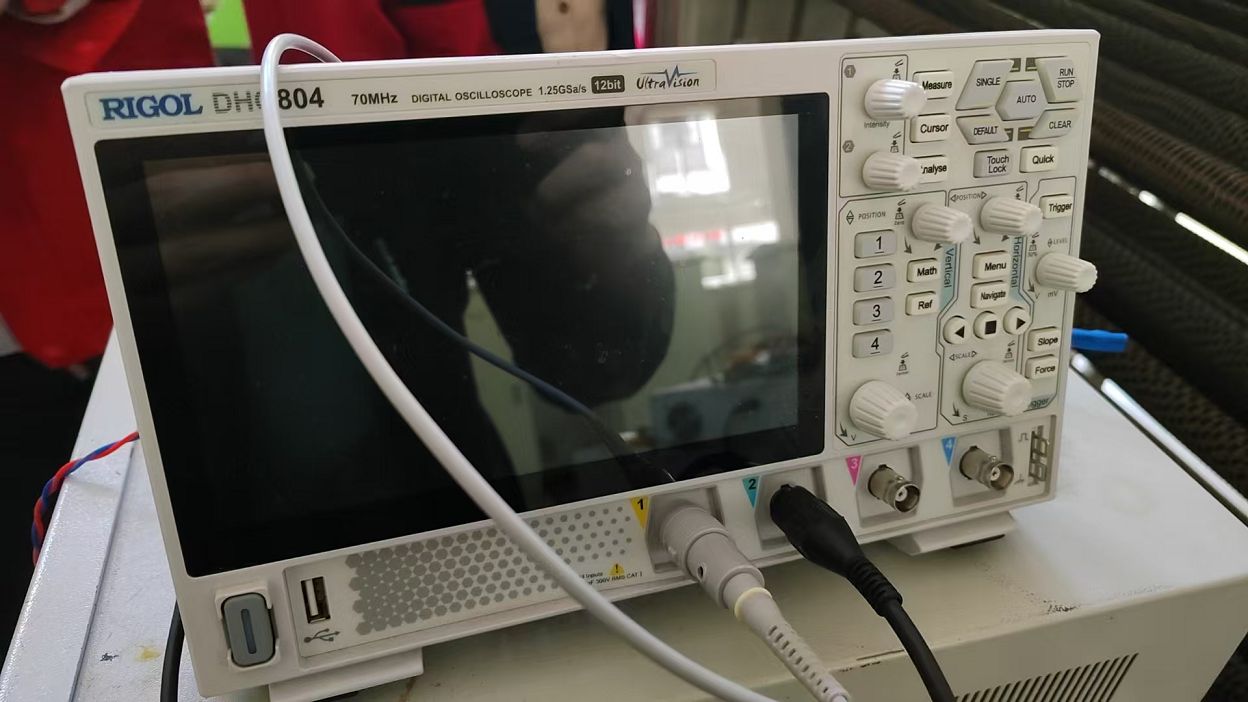
Take an inside look at our state-of-the-art manufacturing floor and scientific research testing equipment.
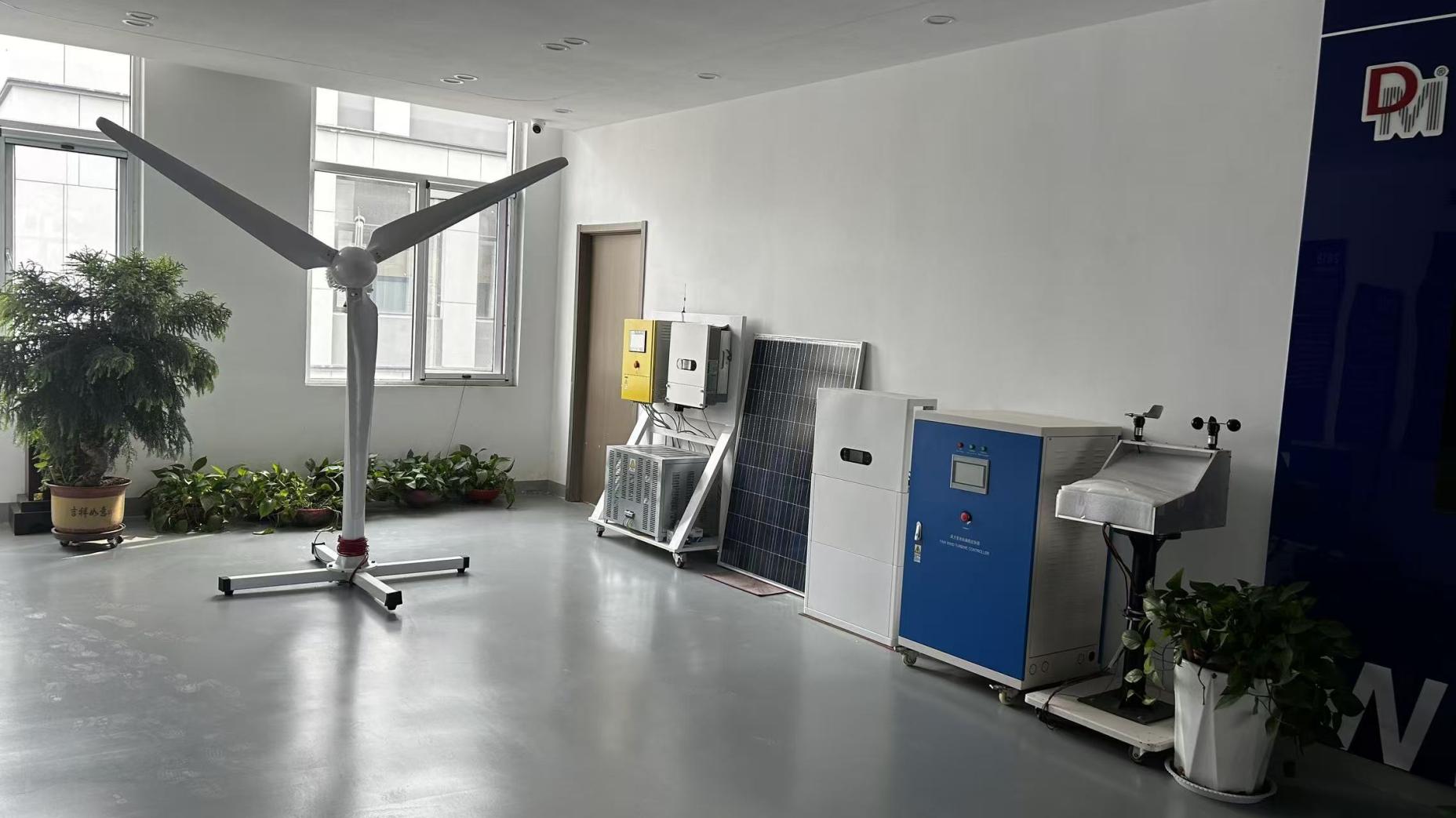
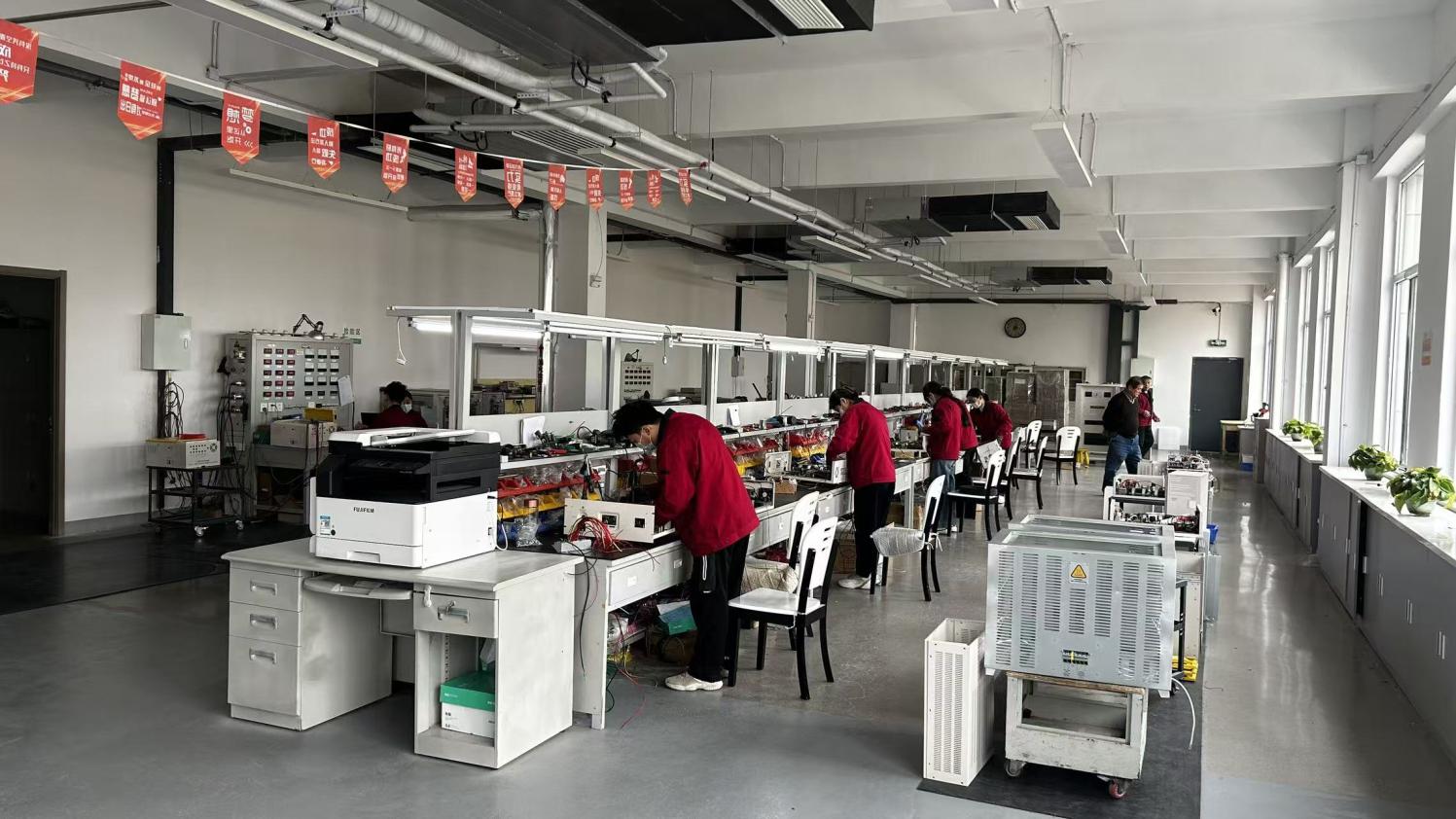
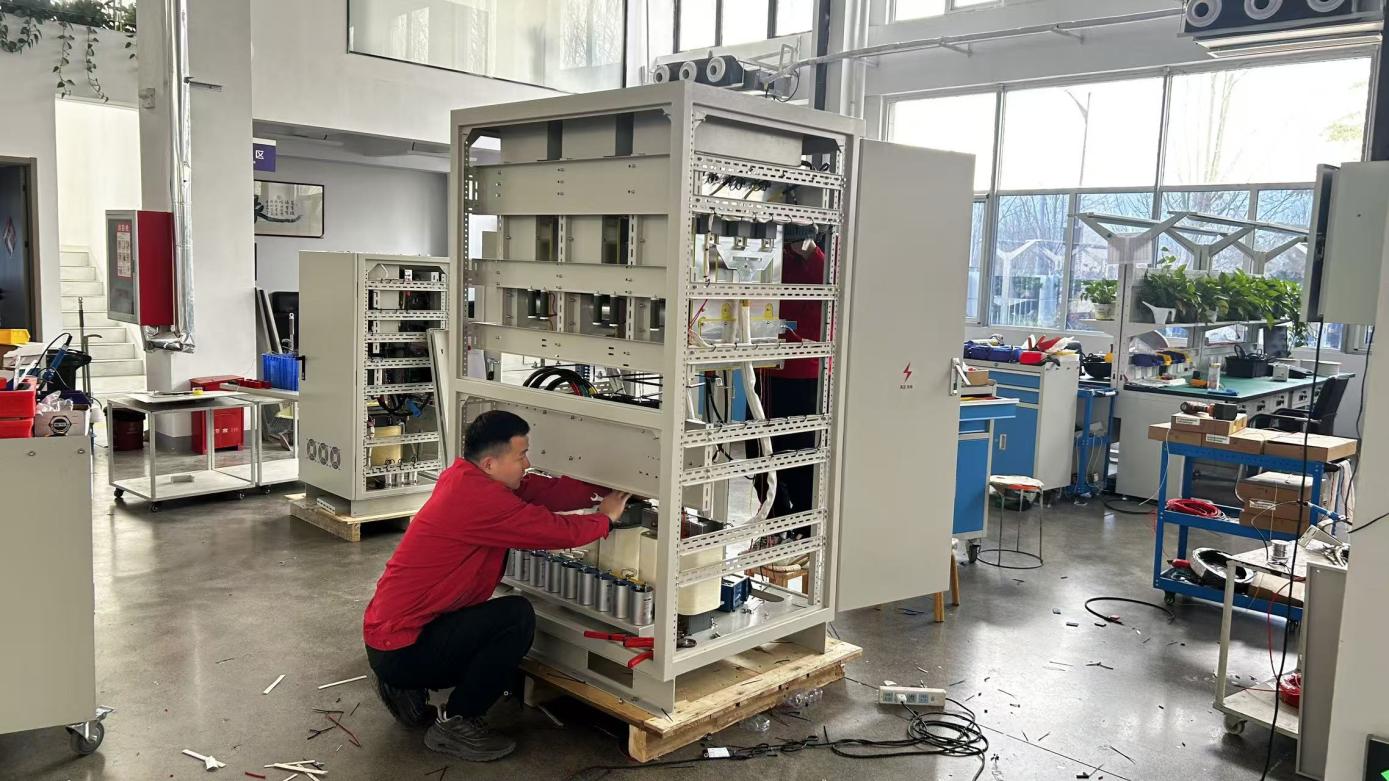
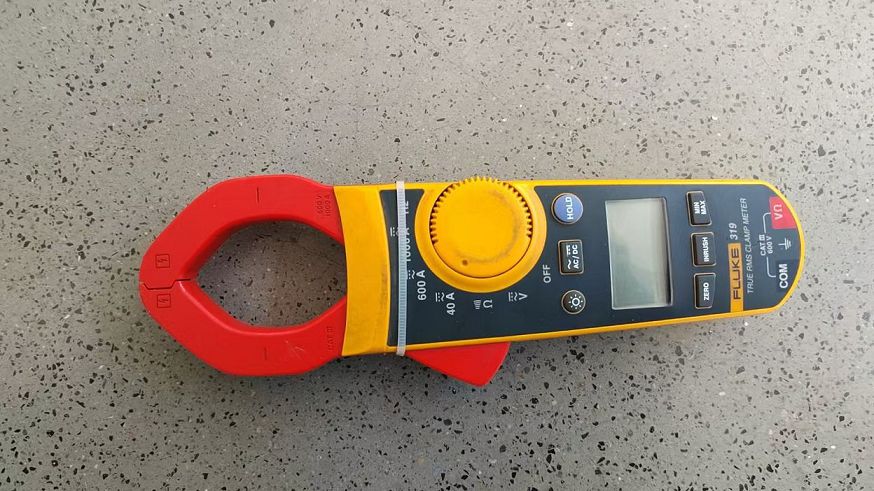
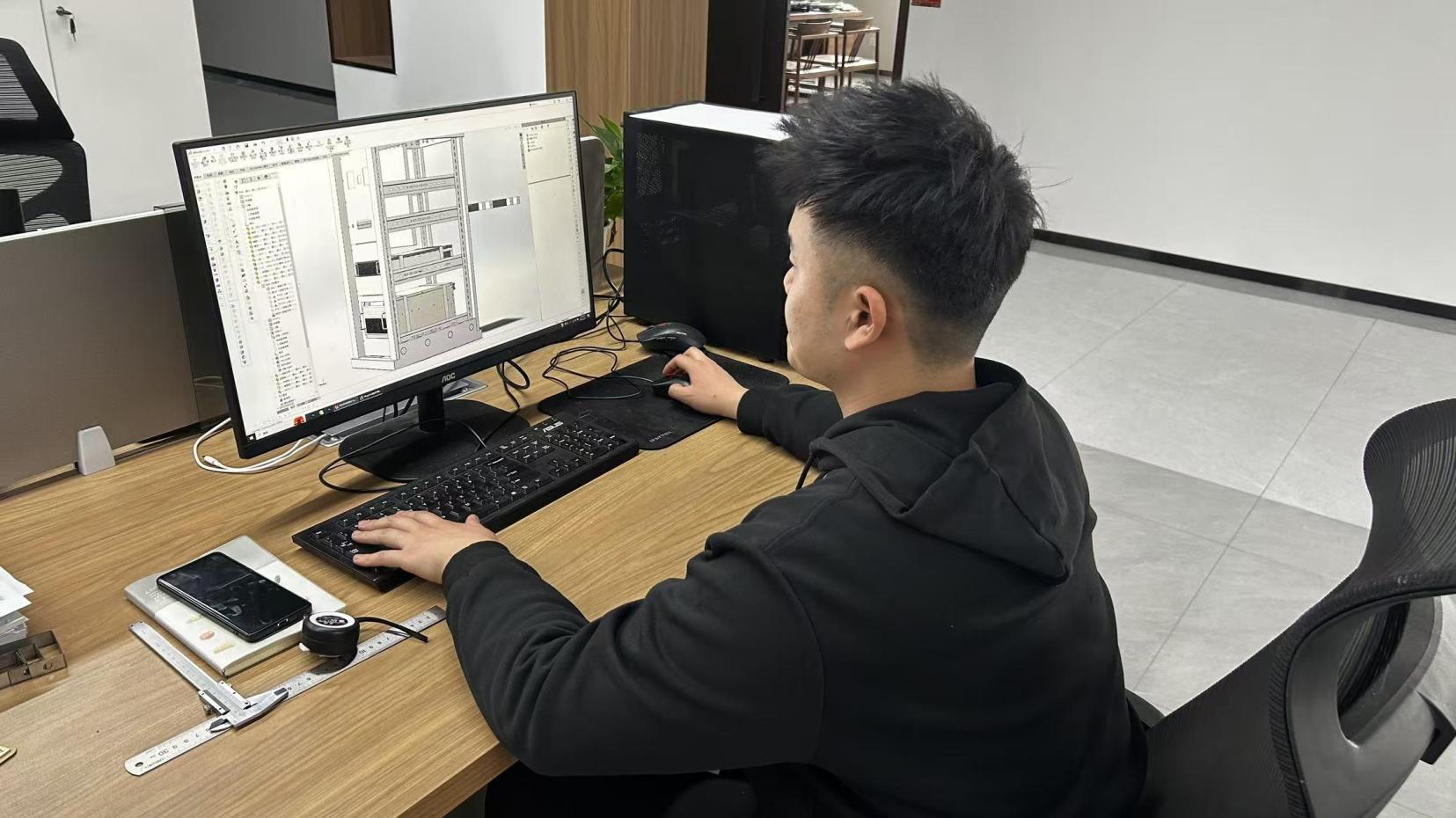
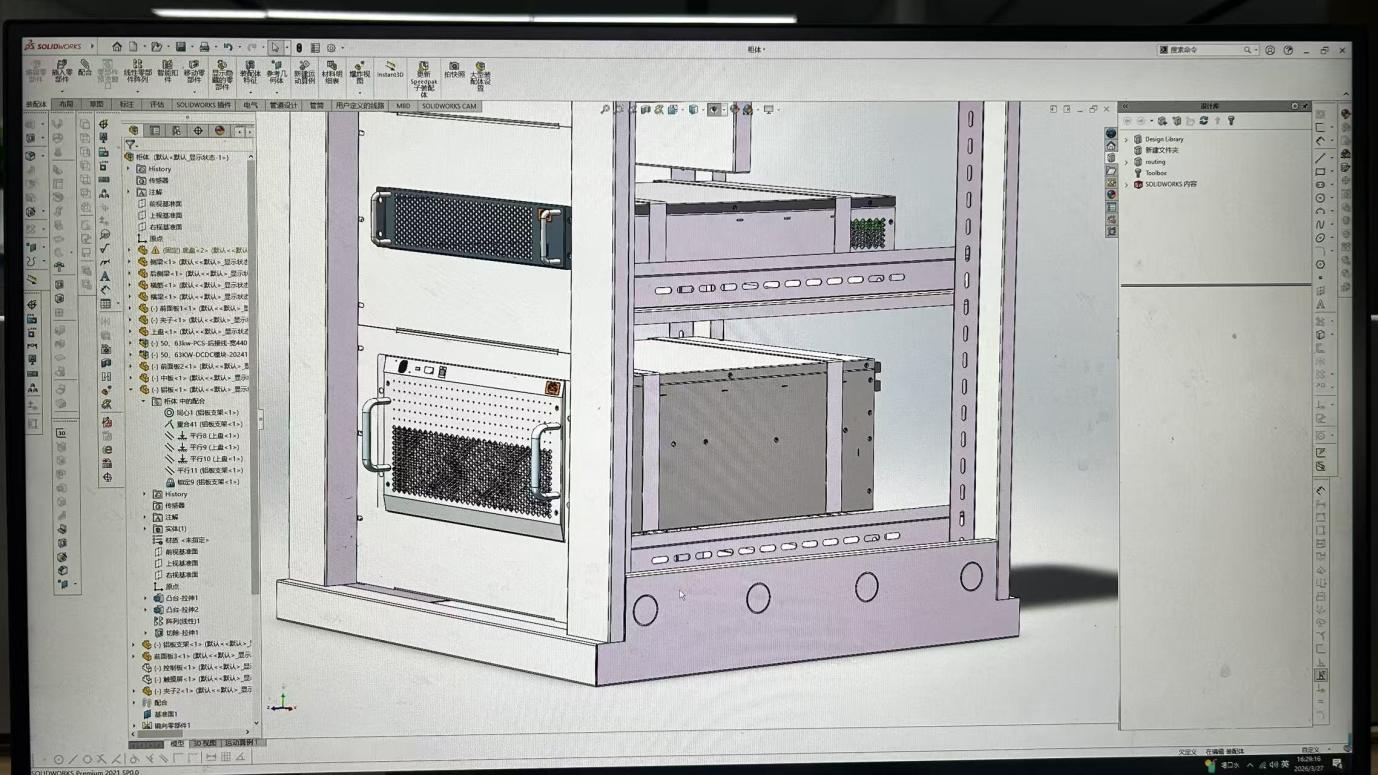
Addressing the complex grid integration, compliance, and product operational questions for engineers in Western Japan.
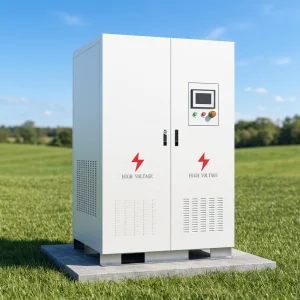
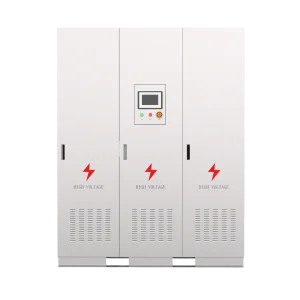
Heavy-duty, high-capacity electrical control systems built for Kansai's commercial projects.
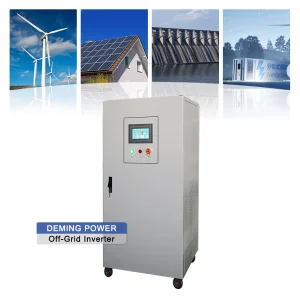
Get in touch with our team of expert energy engineers to configure your 60Hz grid integration converters, high-efficiency regulators, and micro-hydro controllers.
Request a Specialized Consultation Demin Power