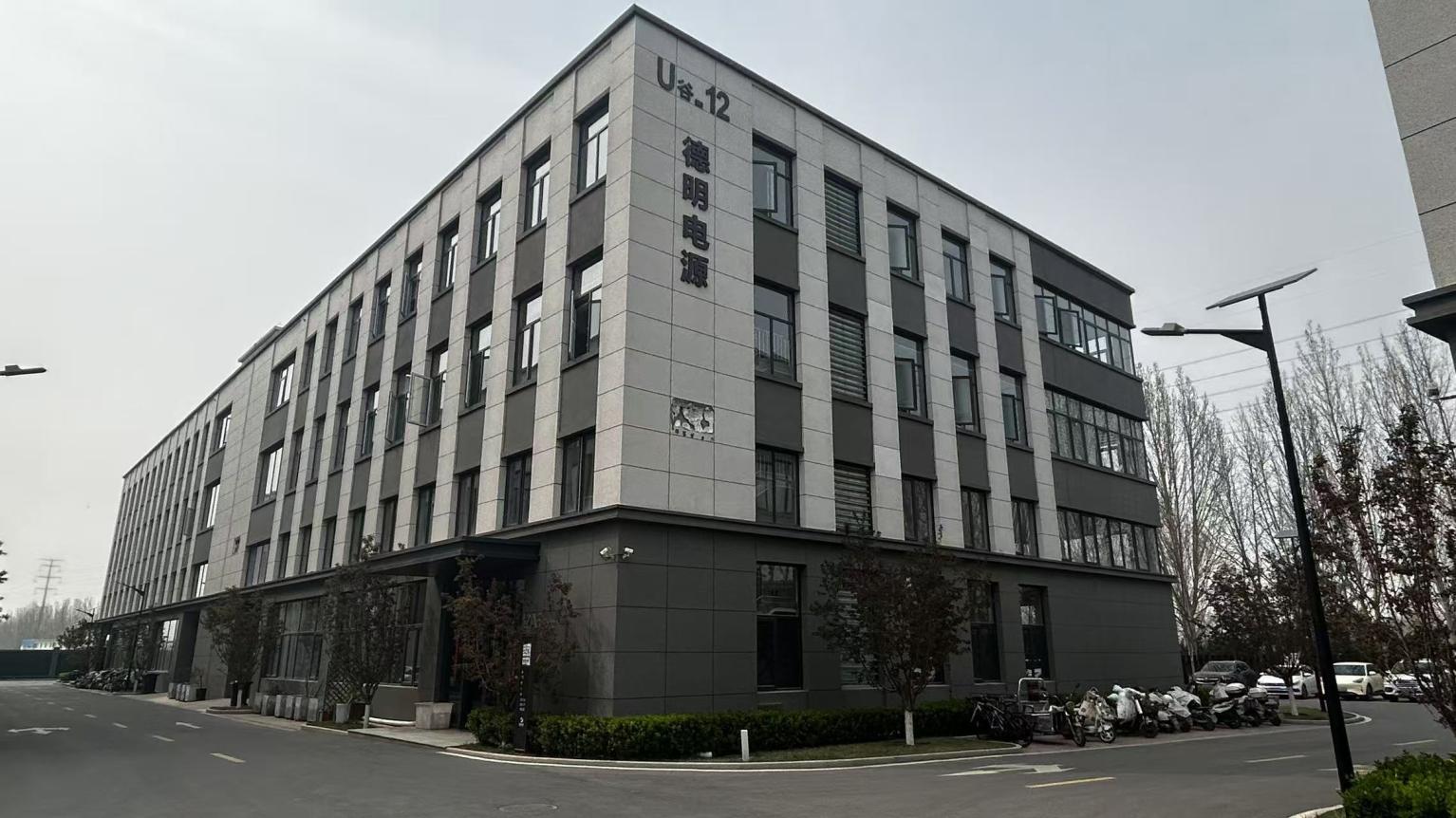
Demin Power
Navigating Melbourne's Commercial & Industrial Solar Transition
The Victoria Renewable Energy Shift: VRET & Grid Realities
As Melbourne scales its transition to meet the Victorian Renewable Energy Targets (VRET)—aiming for 65% renewable generation by 2030 and 95% by 2035—commercial and industrial (C&I) enterprises face distinct integration challenges. Operating within the National Electricity Market (NEM), Victoria's distribution networks (including CitiPower, Powercor, United Energy, Jemena, and AusNet Services) enforce strict grid connection standards. Systems require advanced voltage and frequency regulation capabilities to stabilize decentralized inputs.
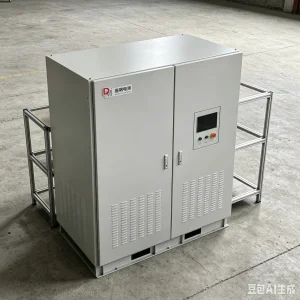
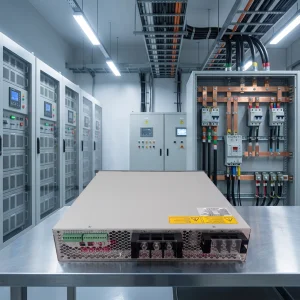
High-penetration solar zones, particularly in industrial corridors like Dandenong South, Campbellfield, and Laverton North, experience localized grid voltage rise during peak solar hours. To prevent curtailment and comply with AS/NZS 4777.2:2020 standards, developers must look beyond simple PV panels to implement sophisticated balance-of-system (BOS) components. These include bidirectional DC/DC converters, grid-forming power conversion systems (PCS), and smart battery energy storage systems (BESS).
Empowering Victorian Microgrids: High-Voltage BOS Components
Microgrids are emerging as the preferred architecture for rural Victorian properties, agricultural hubs in the Yarra Valley, and critical urban facilities. The primary limiting factors in contemporary microgrids are conversion efficiency, grid synchronization speed, and thermal dissipation under Australian ambient conditions.
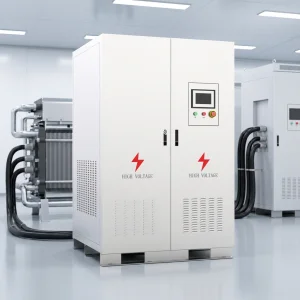
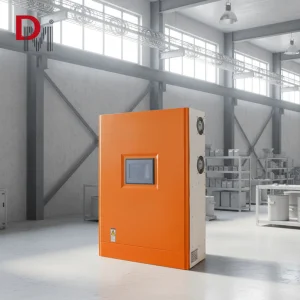
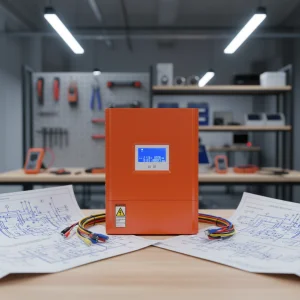
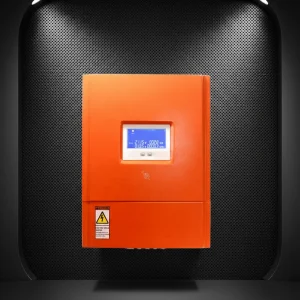
By implementing industrial-grade maximum power point tracking (MPPT) controllers that handle PV string voltages up to 680V and currents up to 400A, developers can minimize cable losses (I²R losses) across expansive installations. Deming's range of smart high-voltage controllers resolves these pain points through rapid transient response algorithms and heavy-duty thermal profiles, maintaining optimal charging currents even during Melbourne's volatile weather shifts.
Microgrid Architecture & System Configurations
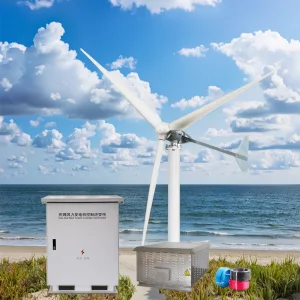
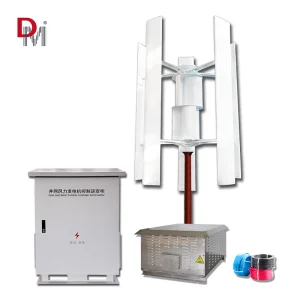
Developing reliable wind-solar-storage microgrids in Southern Australia requires balancing the seasonal variance of solar radiation with coastal wind resources. During Victoria's winter months, solar irradiance drops significantly, whereas wind energy generation peaks along Port Phillip Bay and surrounding regions.
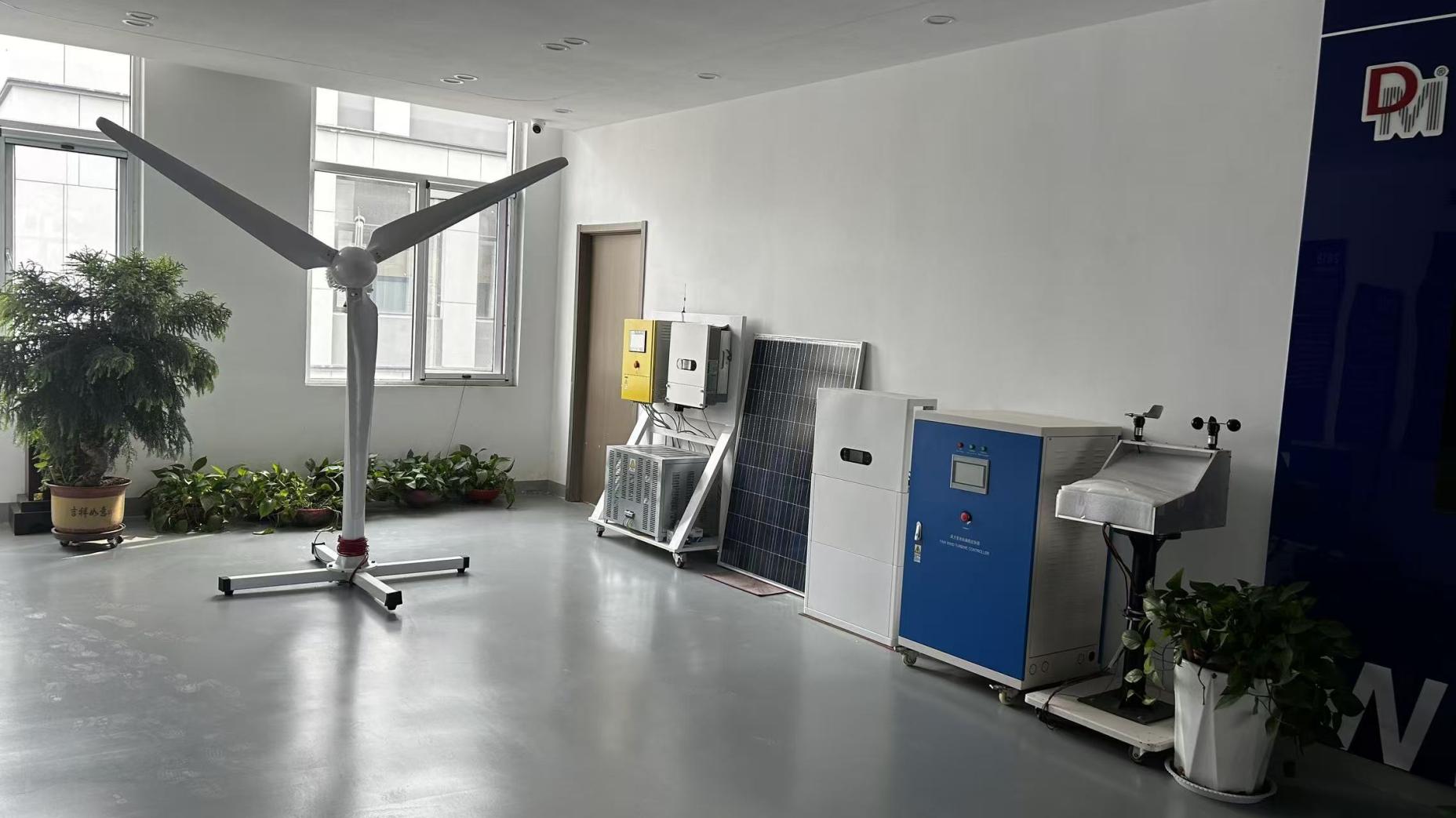
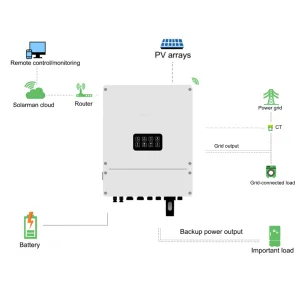
- Hybrid Inversion: Utilizing bidirectional DC/AC converters to manage dynamic charging paths from solar arrays and wind turbines simultaneously.
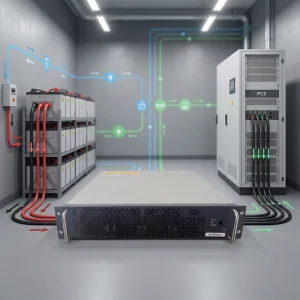
- Energy Storage Integration: Combining Lithium-Ion battery chemistry with heavy-duty Power Conversion Systems (PCS) for millisecond-level load shifting and peak shaving.
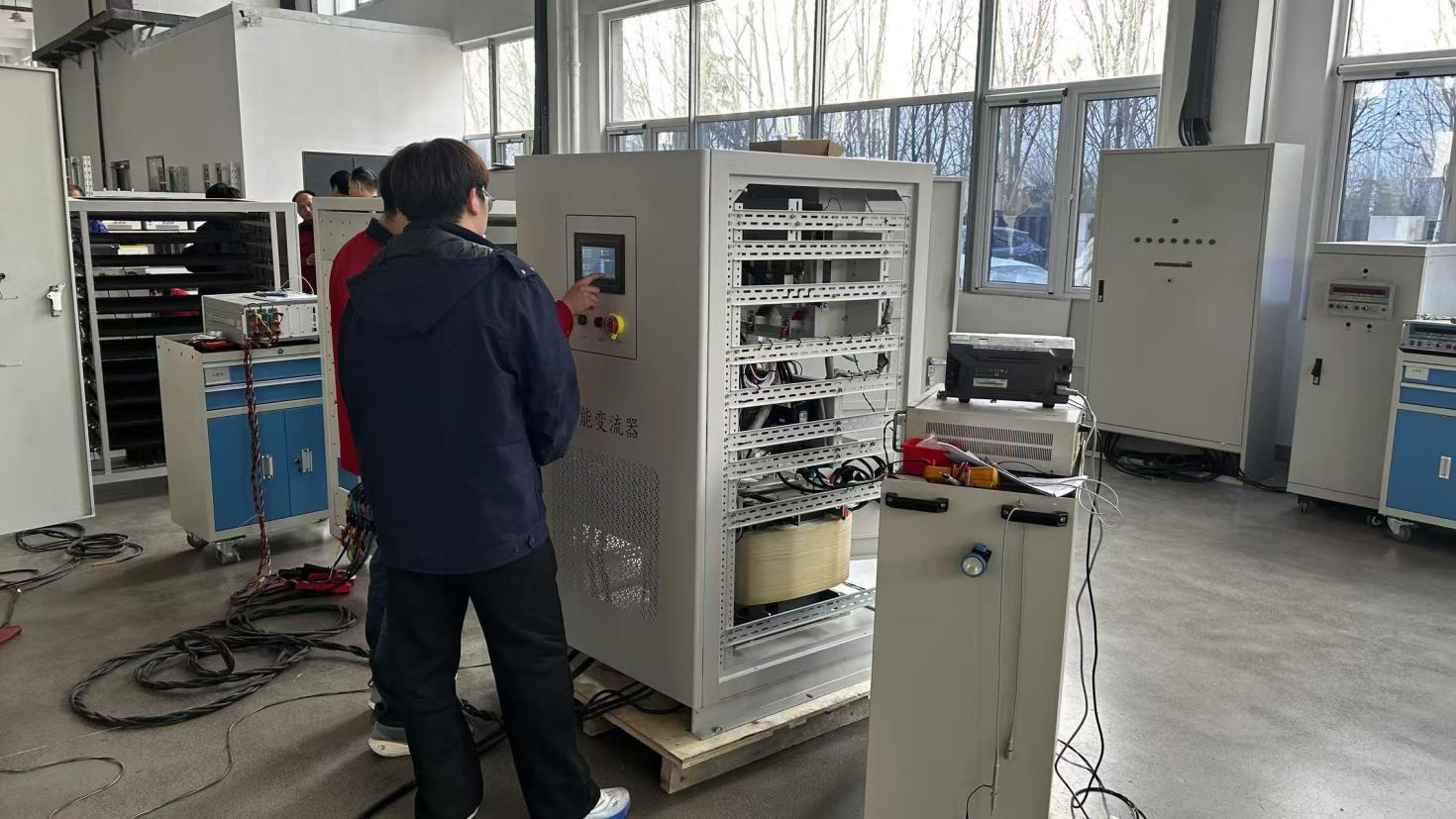
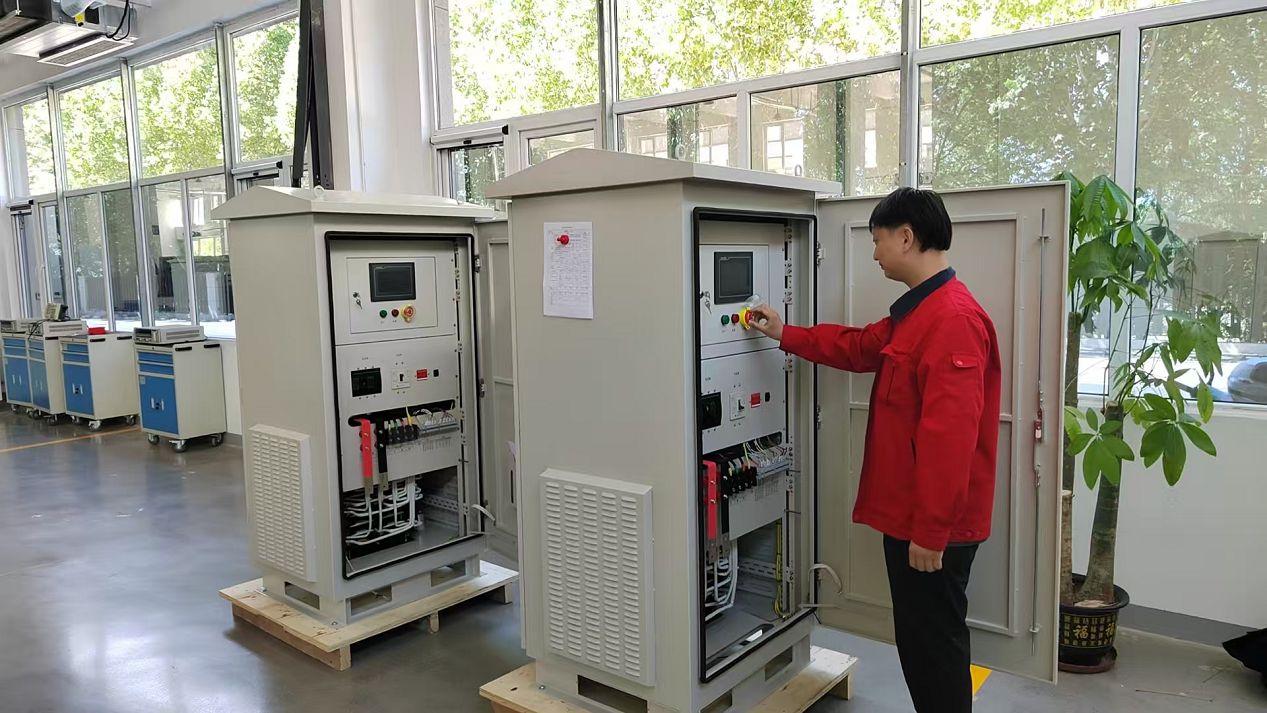
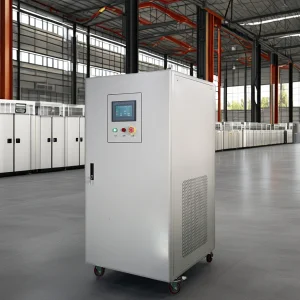
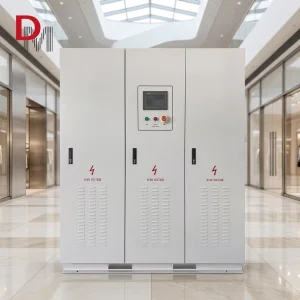
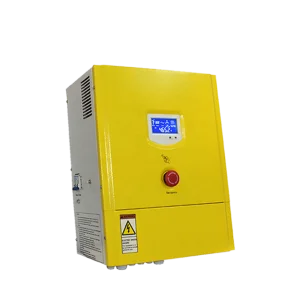
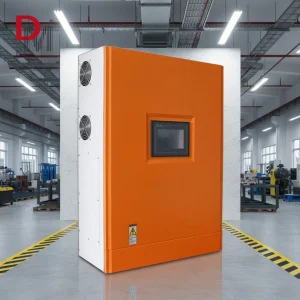
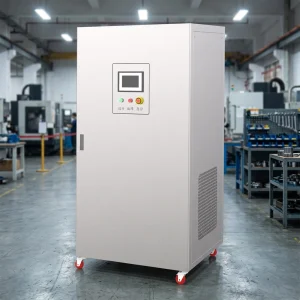
- Dynamic Voltage Control: Using Automatic Voltage Regulators (AVR) with digital touch-screen status monitoring to filter line harmonics and voltage dips in demanding industrial zones.
Global Technical Outlook: Next-Gen Inverter Topologies
Globally, the solar industry is transitioning from grid-following inverters to grid-forming topologies. Modern microgrids require inverters that act as voltage sources rather than current sources. This capability allows systems to establish independent voltage and frequency references, facilitating seamless black-start operations in the event of primary utility grid failures.
Additionally, hydrogen fuel cell integration is expanding within public transit and heavy freight applications. Utilizing triple-output DC/DC converters with transformer-less isolation (up to 1500V) allows for direct DC-bus coupling with fuel cells, avoiding unnecessary conversion steps and boosting overall round-trip system efficiency.