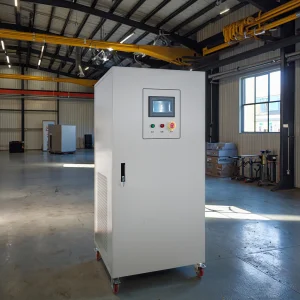
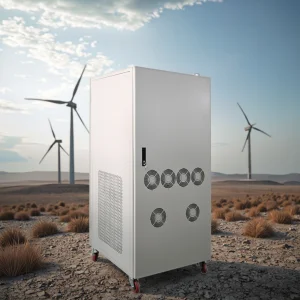
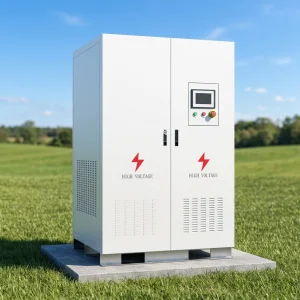
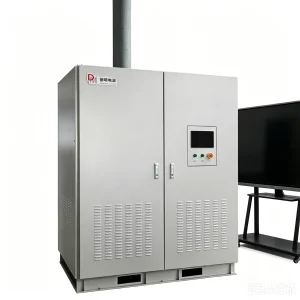
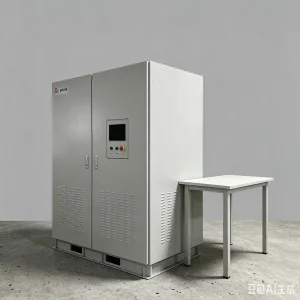
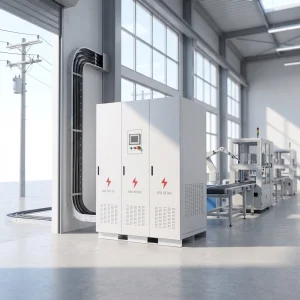
Engineered to comply with Tenaga Nasional Berhad (TNB) interconnectivity guidelines, providing optimized off-grid and hybrid energy infrastructure.
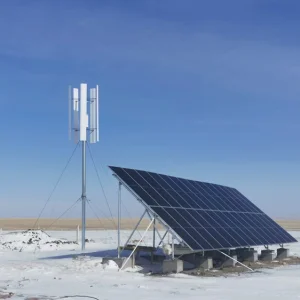
As Malaysia accelerates its transition toward a low-carbon economy, the Commercial and Industrial (C&I) sectors are facing dual pressures: rising energy costs and stringent Environmental, Social, and Governance (ESG) mandates. Under the National Energy Transition Roadmap (NETR) and schemes like the Net Energy Metering (NEM) 3.0 (particularly the NEM NOVA program for commercial entities), industrial enterprises are increasingly deploying localized solar systems to hedge against grid tariff hikes.
However, integrating high-capacity solar setups into the local distribution grid governed by Tenaga Nasional Berhad (TNB) presents significant challenges. High-penetration solar PV causes localized voltage swells, phase imbalance, and grid stability problems. Manufacturers in industrial zones like Selangor, Penang, and Johor require smart Power Conversion Systems (PCS) and grid-tied converters that offer dynamic reactive power regulation, isolation protection, and transient response capabilities. Jinan Deming's utility-grade frequency converters and bidirectional PCS systems are custom-engineered to stabilize local networks, bridging the gap between volatile solar generation and strict grid requirements.
"To stay competitive under Malaysia's Corporate Green Power Programme (CGPP), heavy manufacturing plants must move past standard grid-tied PV systems and implement energy storage-coupled bidirectional systems that prevent penalty tariffs for voltage fluctuation."
Globally, the shift from centralized generation to distributed, localized microgrids is well underway. High-efficiency bidirectional power systems are the foundation of this transition, enabling factories to operate in grid-tied, islanded, or hybrid modes. In Malaysia, this trend manifests in diverse settings, including remote eco-resorts in Sabah & Sarawak requiring stable off-grid microgrids, and massive palm oil processing mills utilizing a hybrid combination of biomass waste and solar PV.
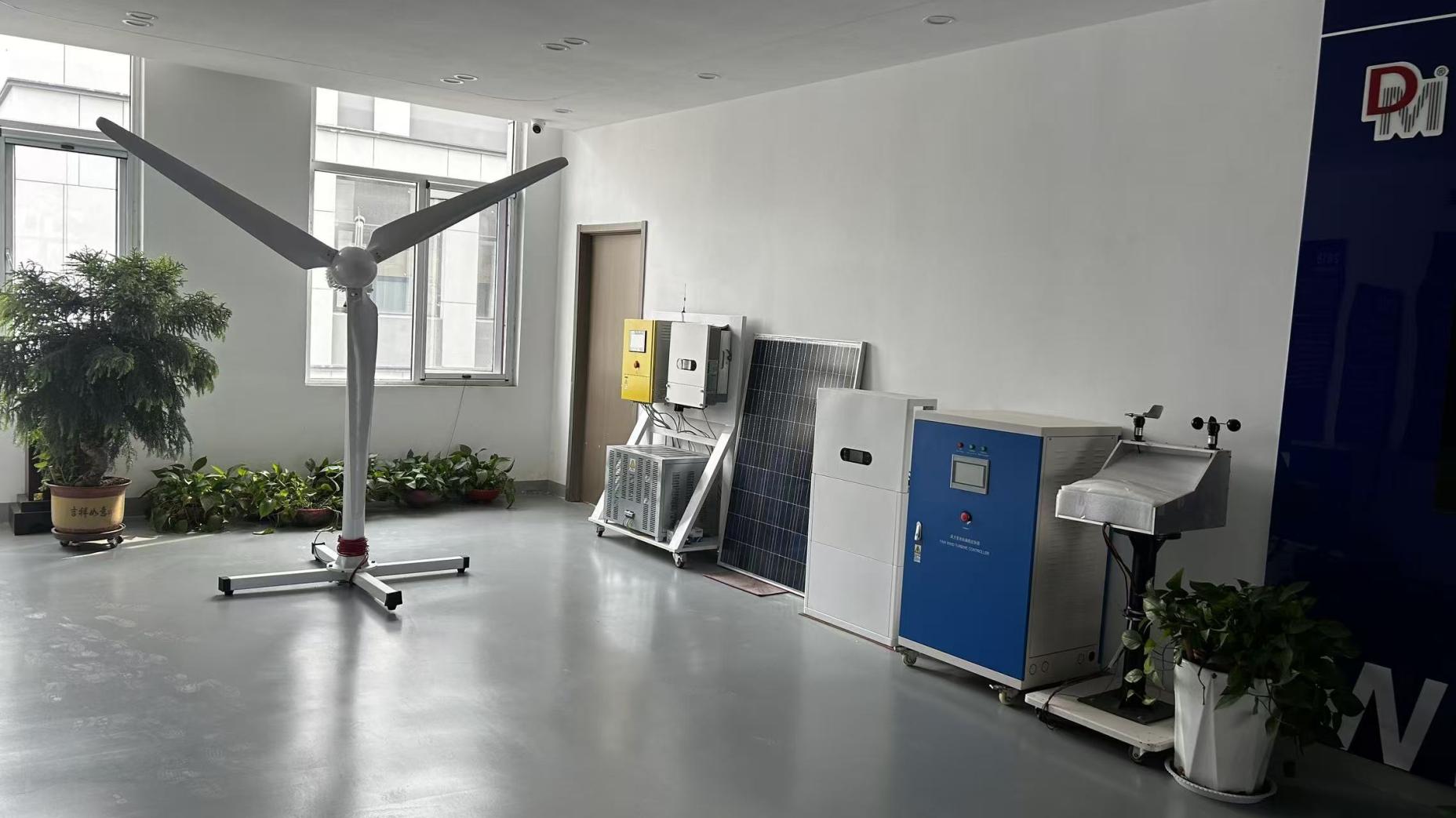
By pairing low-RPM permanent magnet generators (such as hydro or wind turbines) with smart storage systems, companies can generate reliable base-load power. Our 80kW Hydro Turbine kits and high-voltage grid-tied converters provide the exact frequency stabilization needed to regulate off-grid networks, ensuring uninterrupted power for sensitive industrial automation lines.
Why Jinan Deming Power Equipment Co., Ltd. is the trusted choice for tier-one global procurement managers.
Jinan Deming Power Equipment Co., Ltd. is a nationally recognized high-tech enterprise established in 2004, specializing in the research, development, production, and service of renewable energy power equipment and advanced power testing solutions. Holding ISO9001:2015 certification, the company has been recognized as a high-tech enterprise by the Chinese government multiple times (2015, 2018). With a dedicated R&D team of 16 engineers, including doctoral supervisors and master's degree holders, Deming invests no less than 20% of annual sales revenue into technology development. This continuous dedication has driven 17 successful R&D projects over the past three years, with 16 scientific and technological breakthroughs successfully commercialized.
China's industrial manufacturing ecosystem provides an unmatched efficiency advantage. By sourcing raw components, executing high-precision surface mounting, and running extreme-condition testing within a highly integrated geographic cluster, Jinan Deming offers premium-grade equipment at a highly optimized capital expenditure (CapEx) profile. This efficiency does not compromise quality: every bidirectional inverter, voltage regulator, and PCS undergoes strict multi-stage quality control. Our products are exported to over 120 countries, including Germany, Japan, the United States, UK, Canada, Australia, and Brazil, establishing long-term commercial relationships with Fortune 500 enterprises.
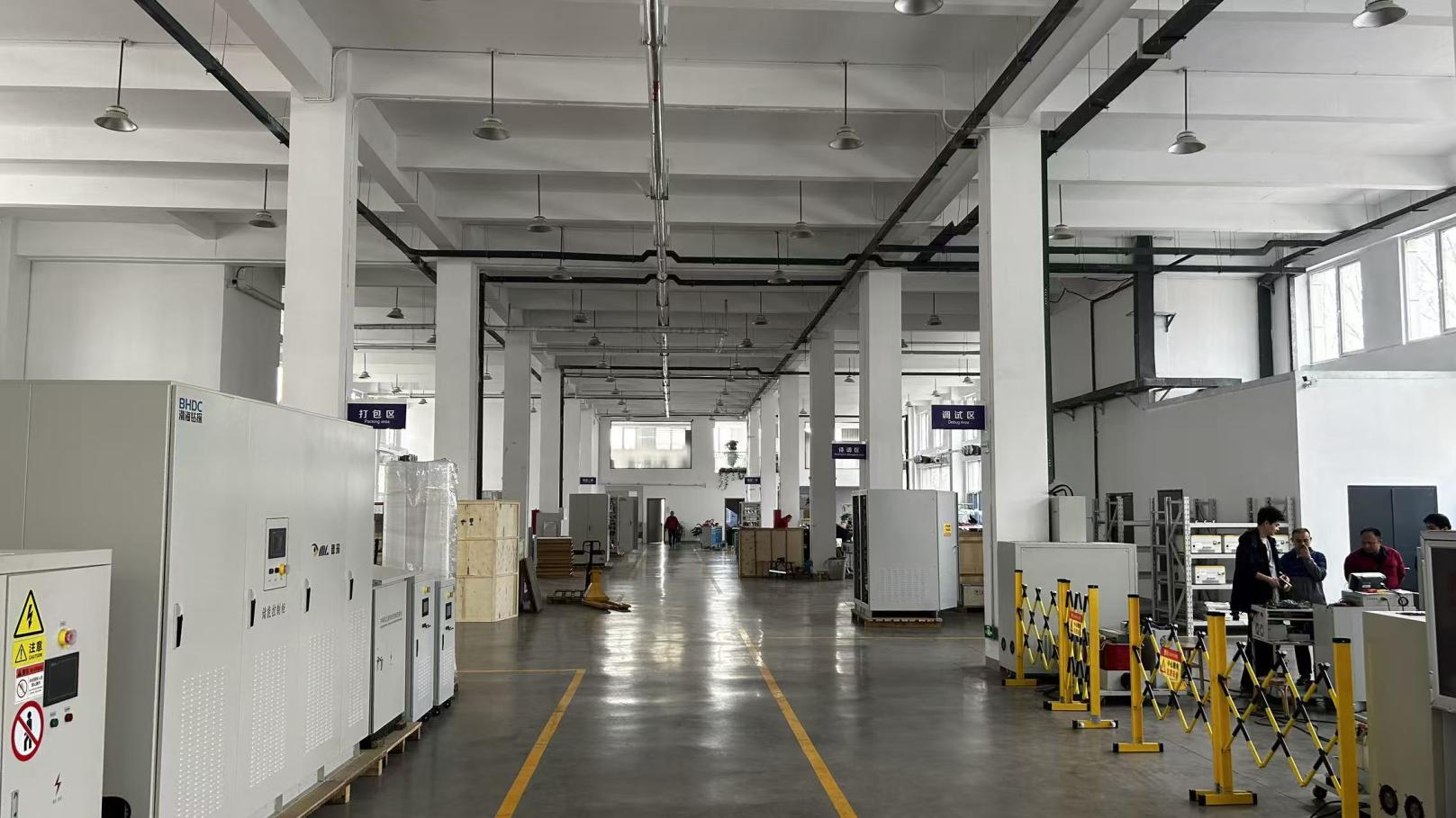
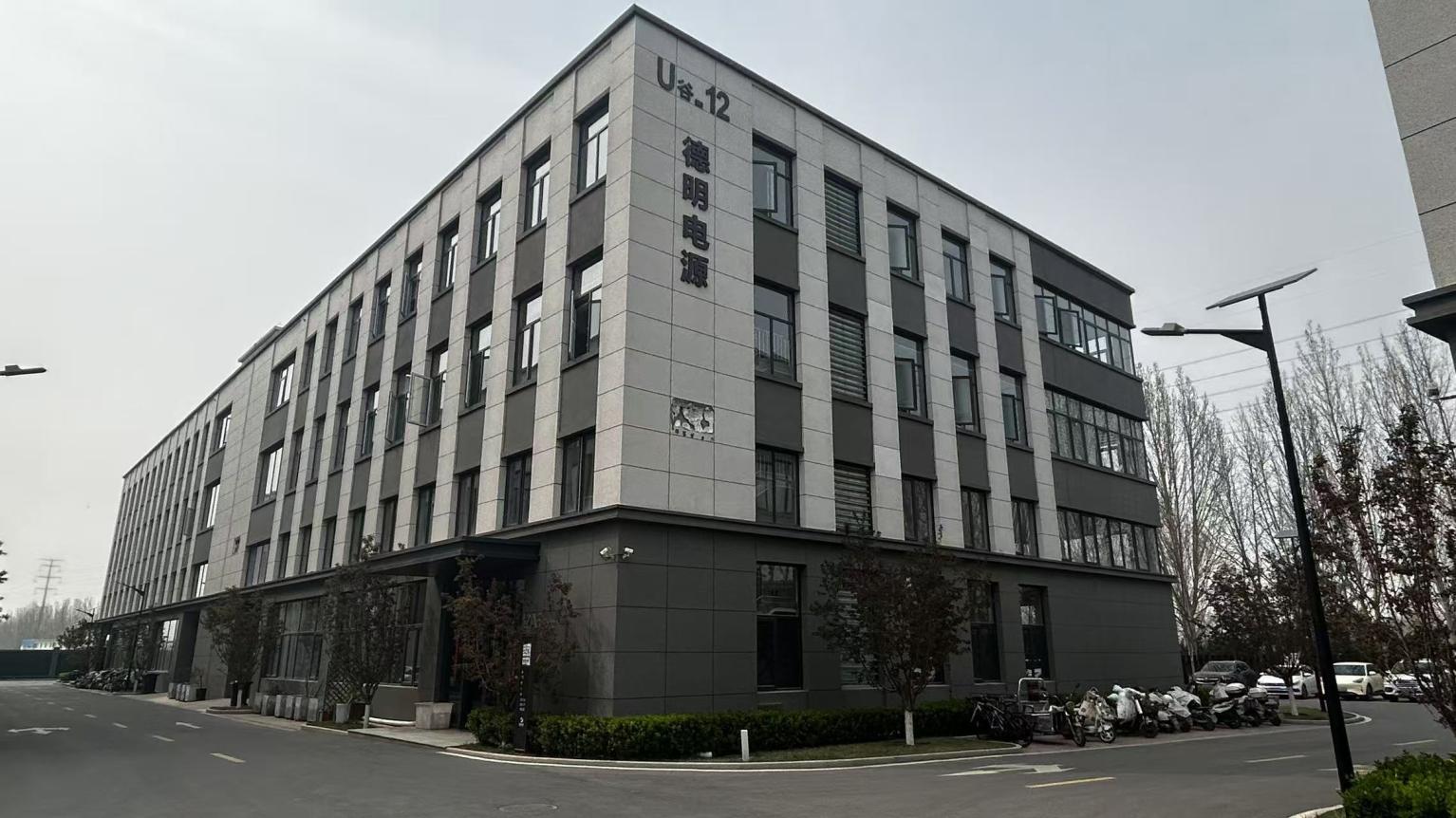 Manufacturing Center
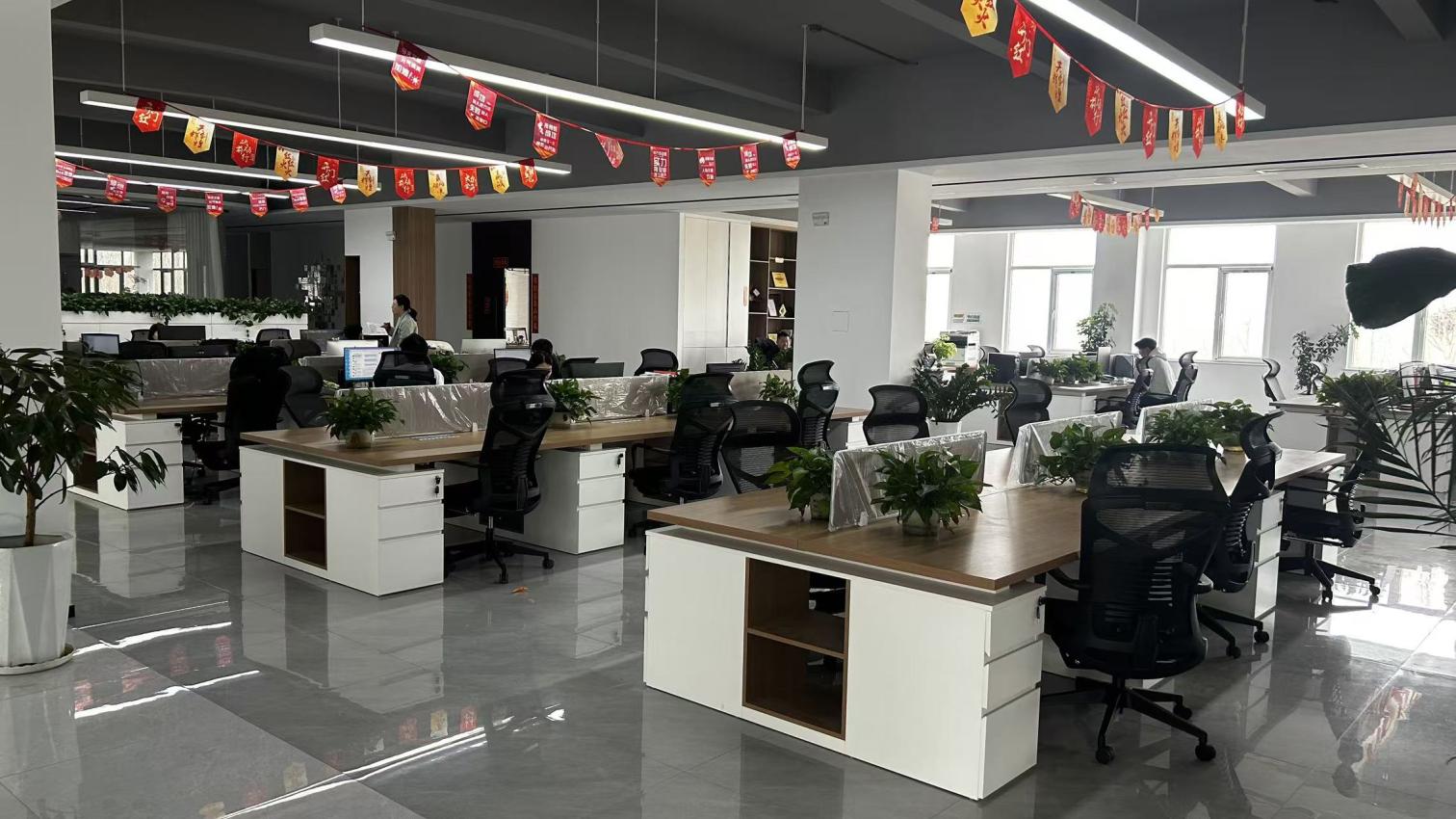 Testing Bay
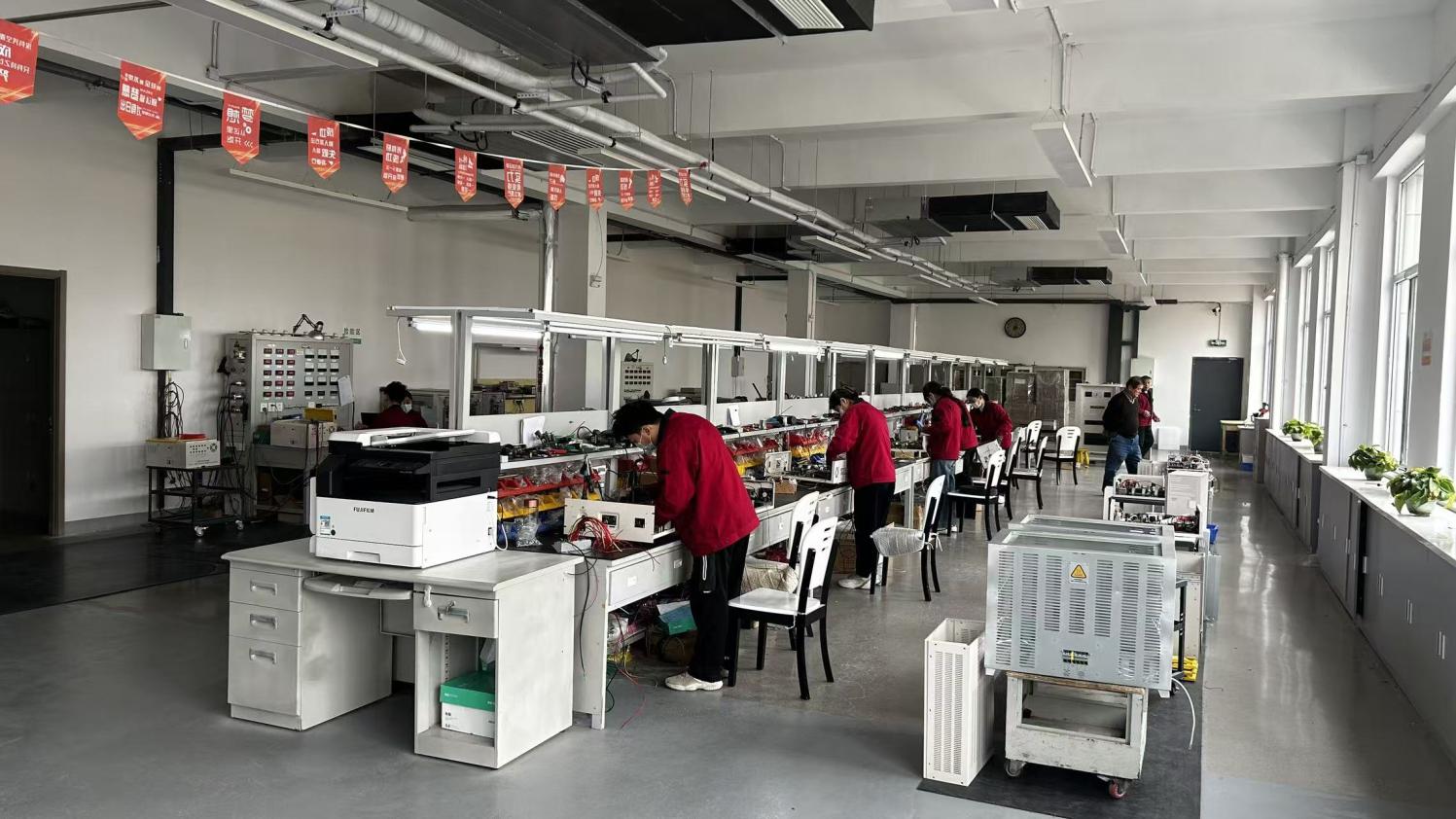 Component Warehouse
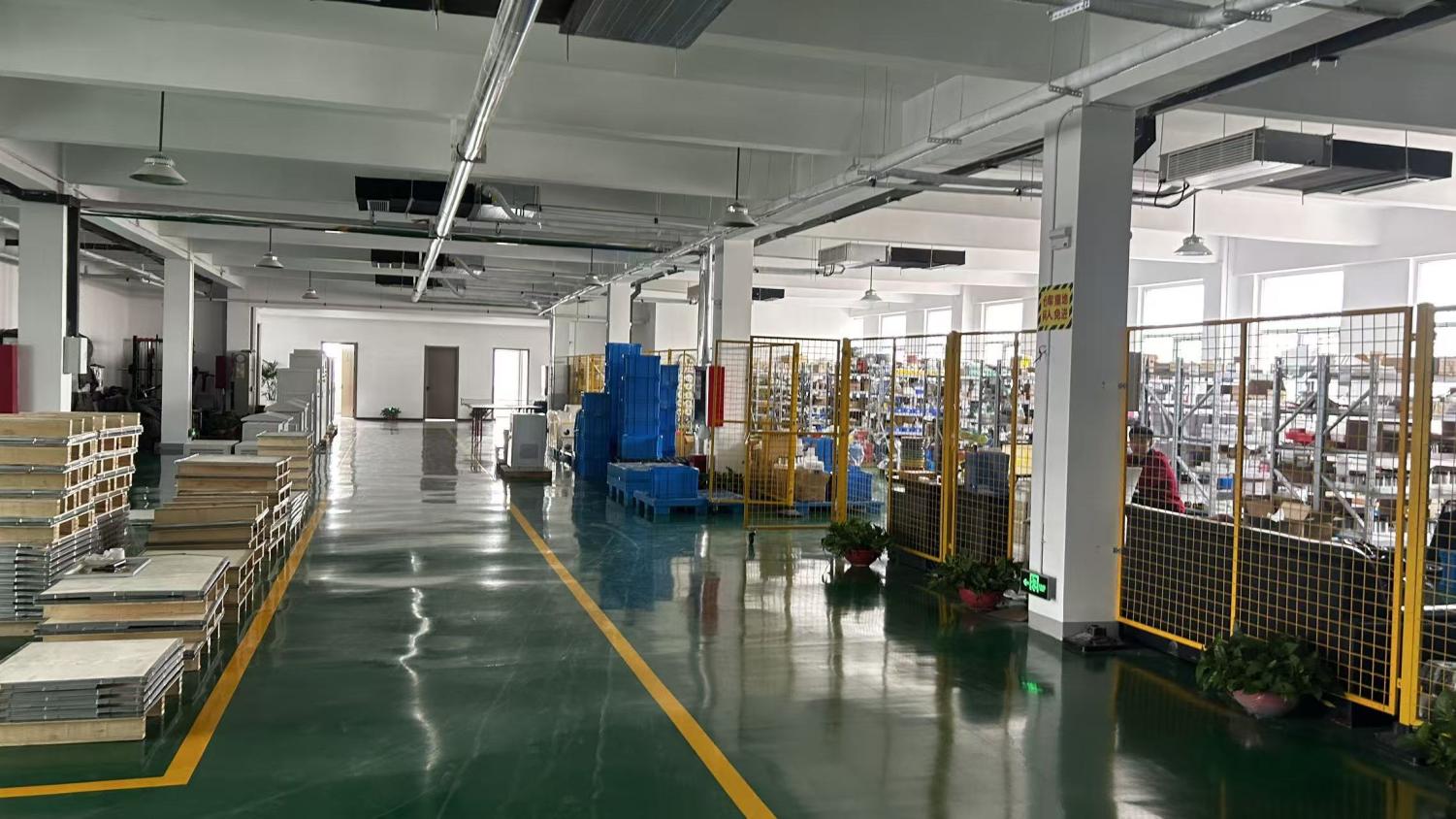 Inverter Integration
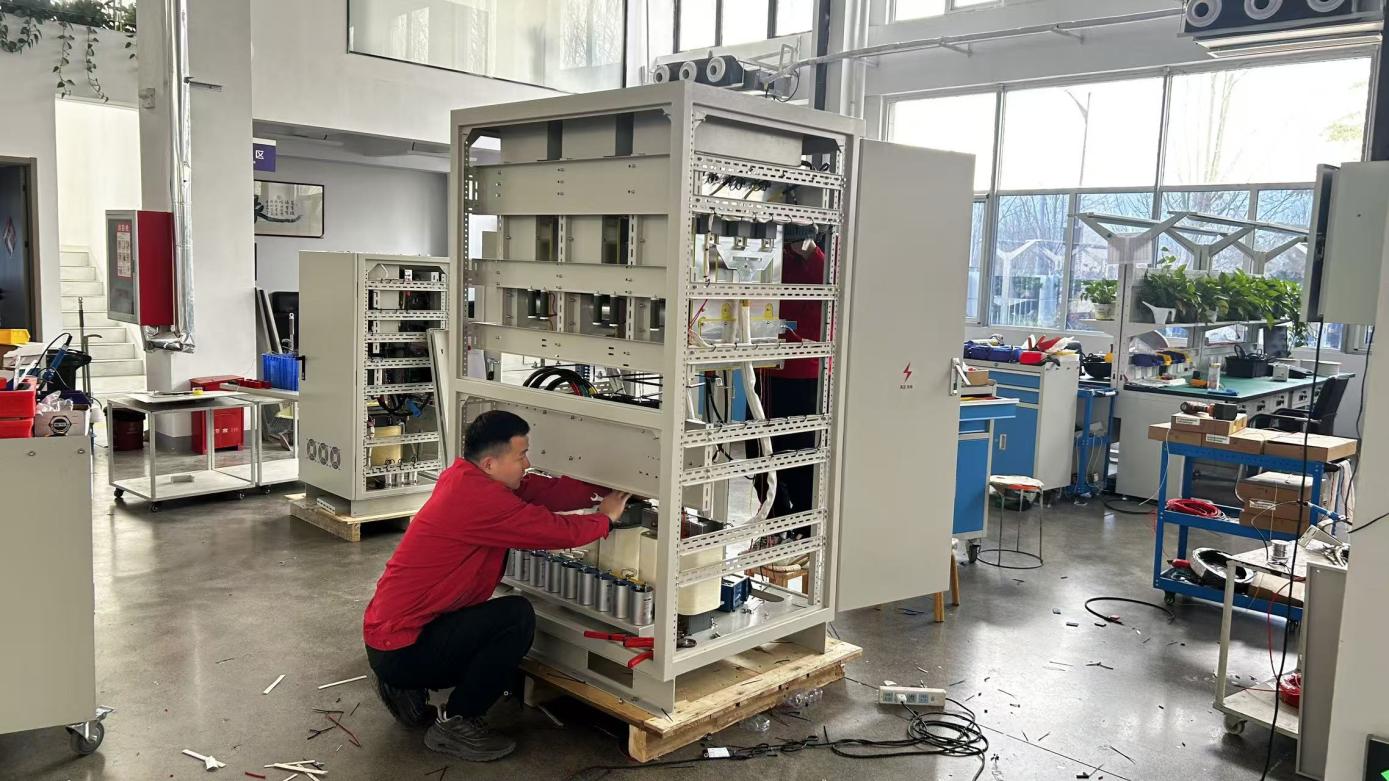
 Cabinet Assembly
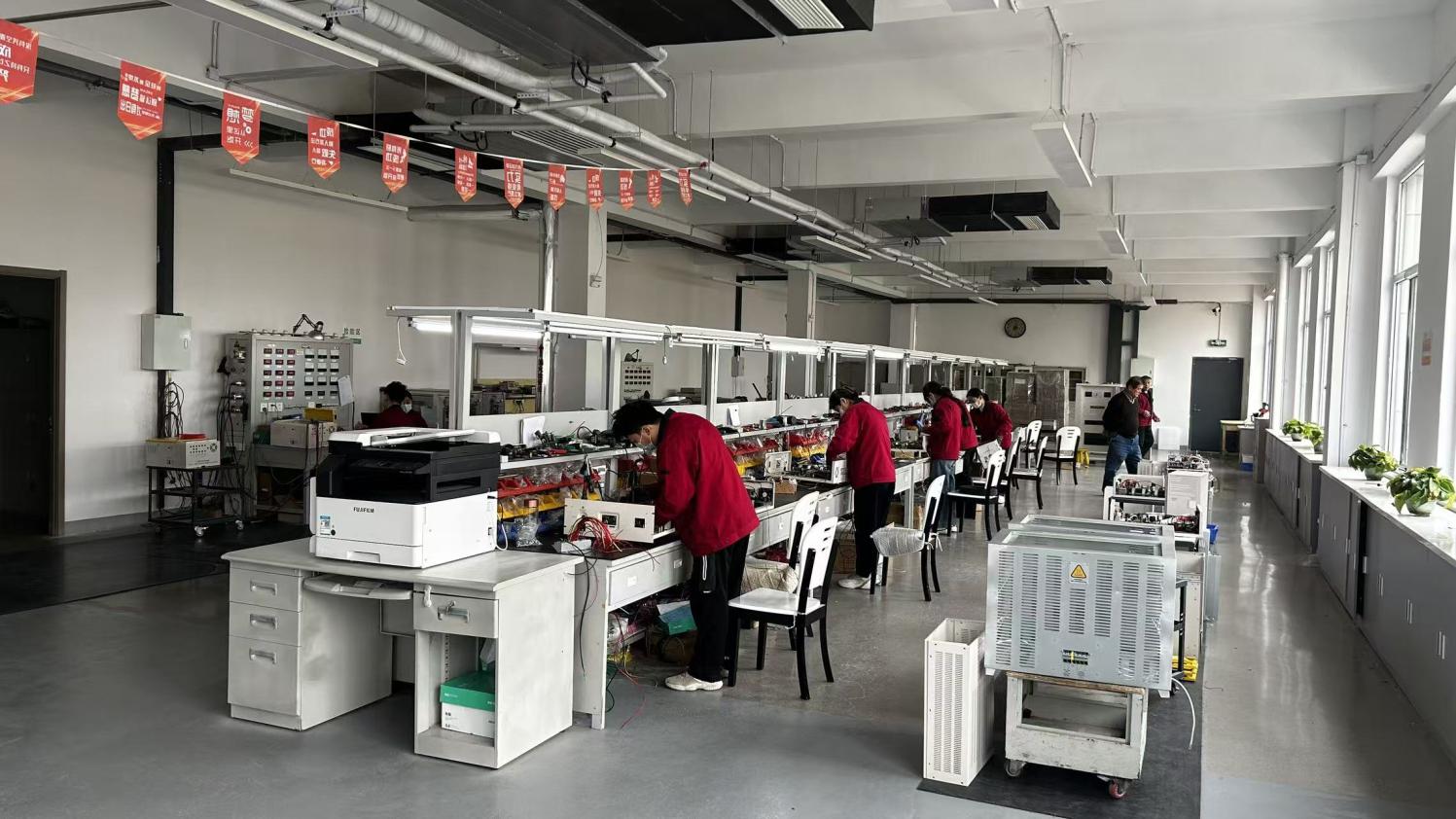
 High-Power Testing Station
Precise sub-assembly of high-current power stages for thermal stability and efficiency.
Multi-layer SMD reflow soldering and surface treatment for harsh, humid environments.
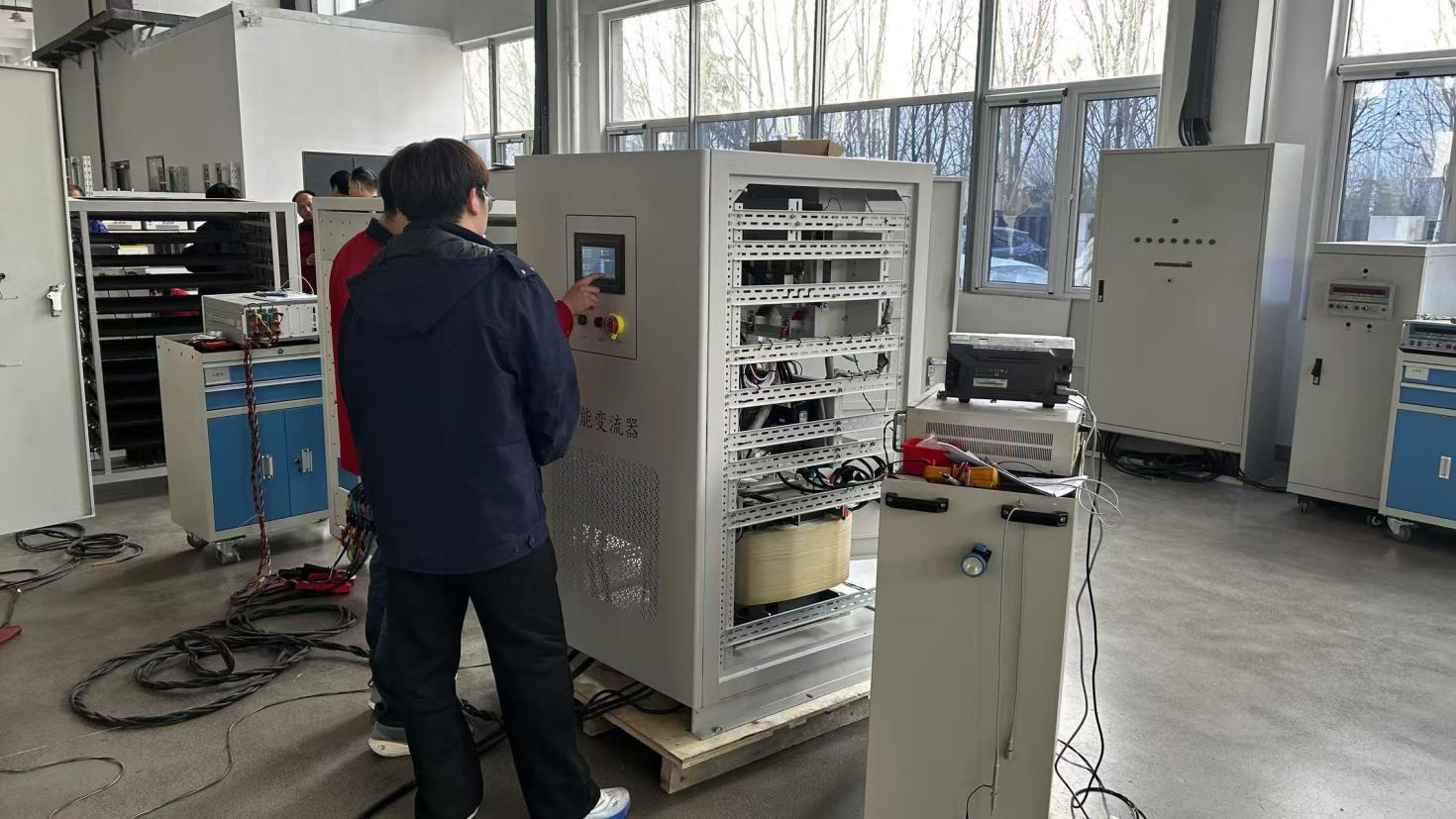
Component calibration to ensure minimal harmonic distortion under maximum load.
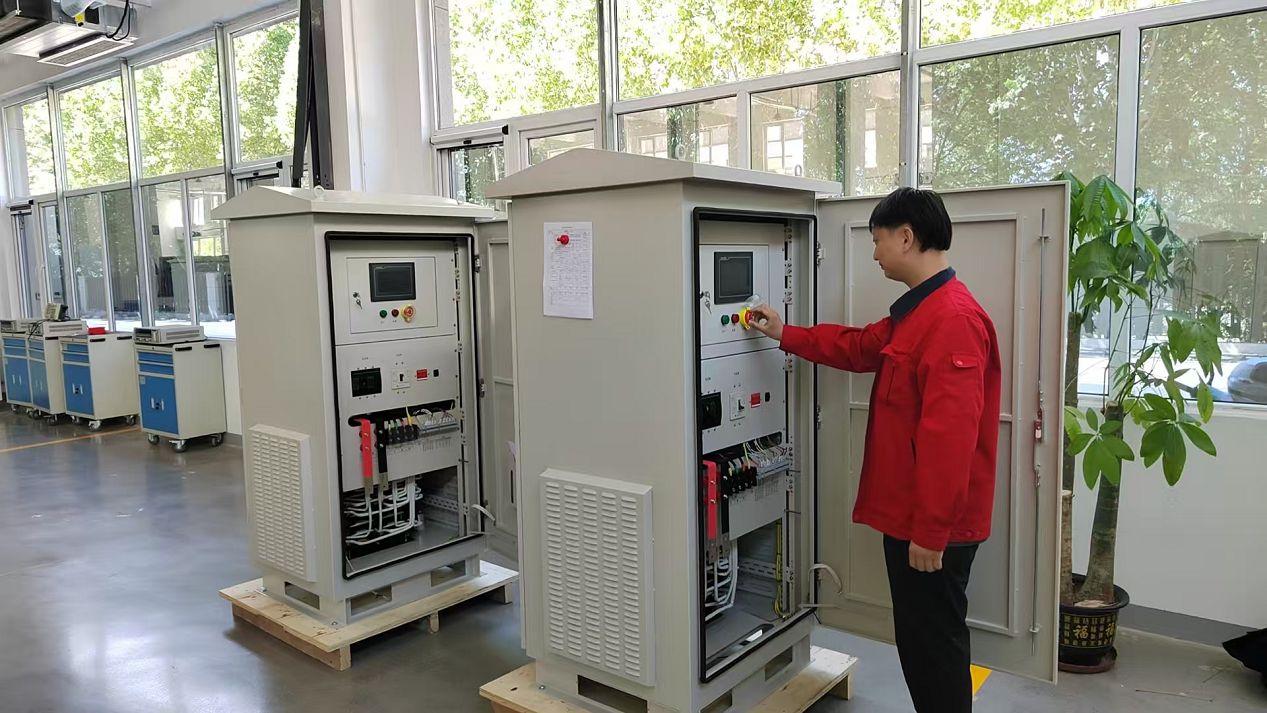
Full load burn-in, insulation testing, and thermal imaging of critical power terminals.
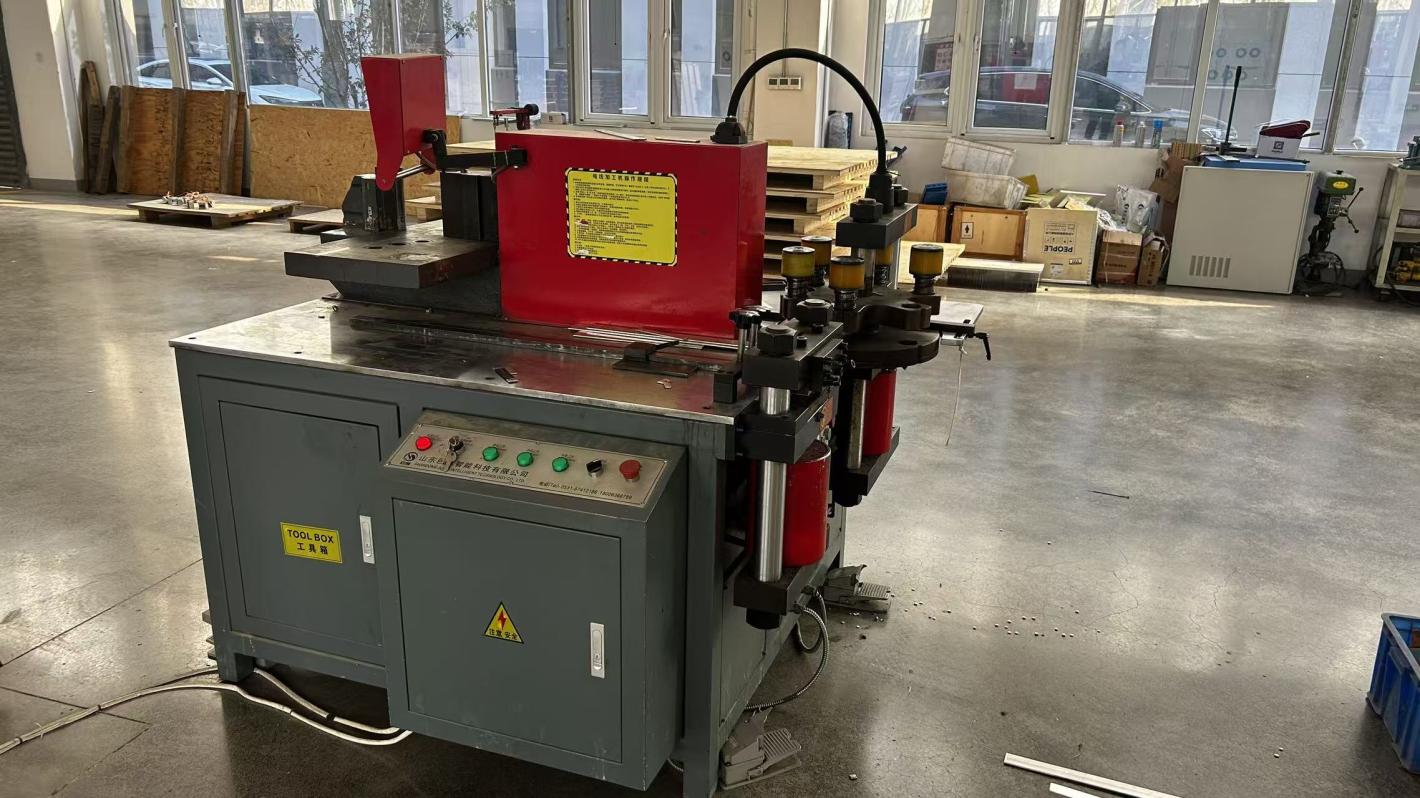
Heavy duty automated bending systems for low-impedance high-amperage busbars.
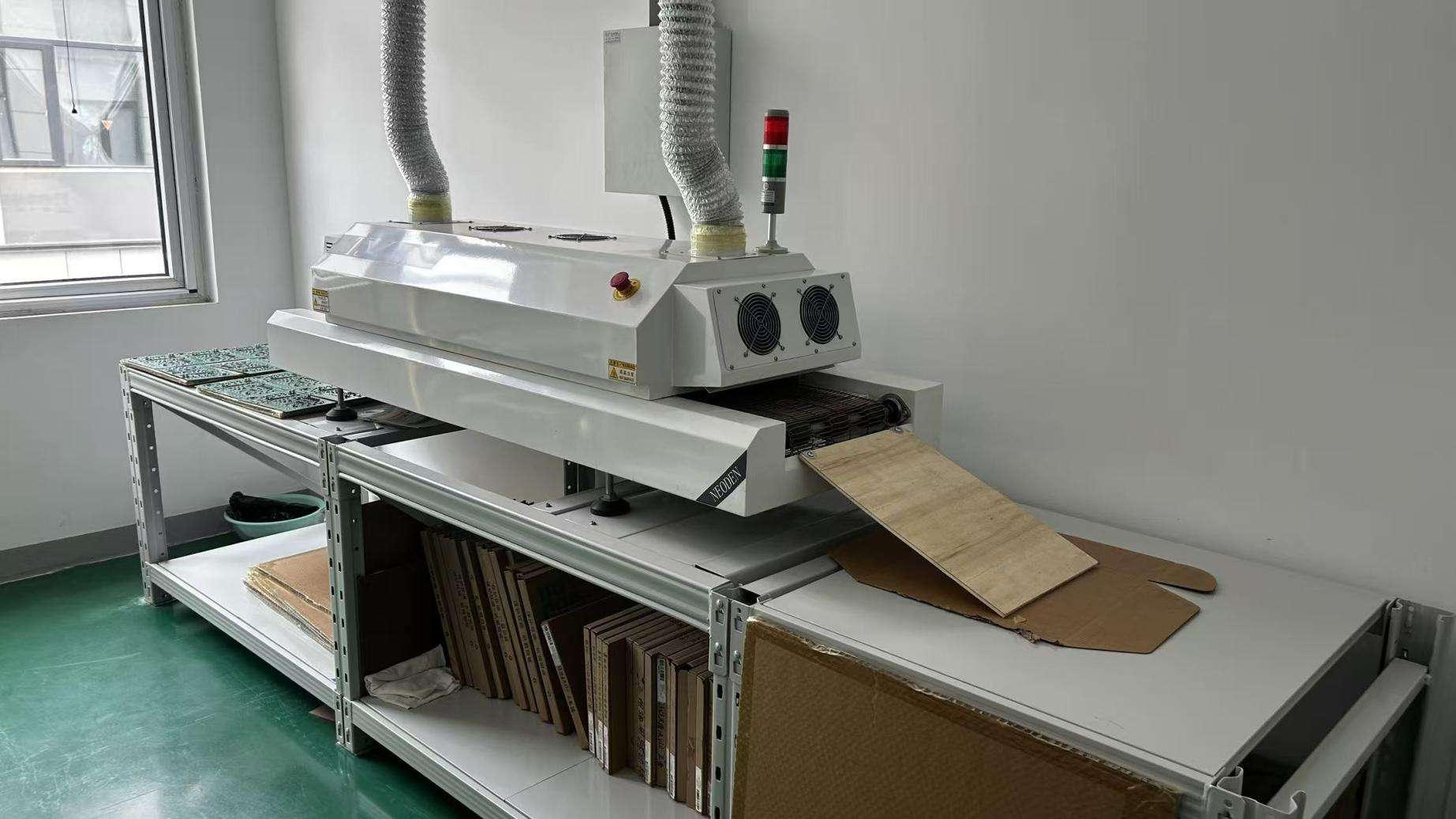
Precision temperature profiles ensuring zero solder voids under multi-layered PCBs.
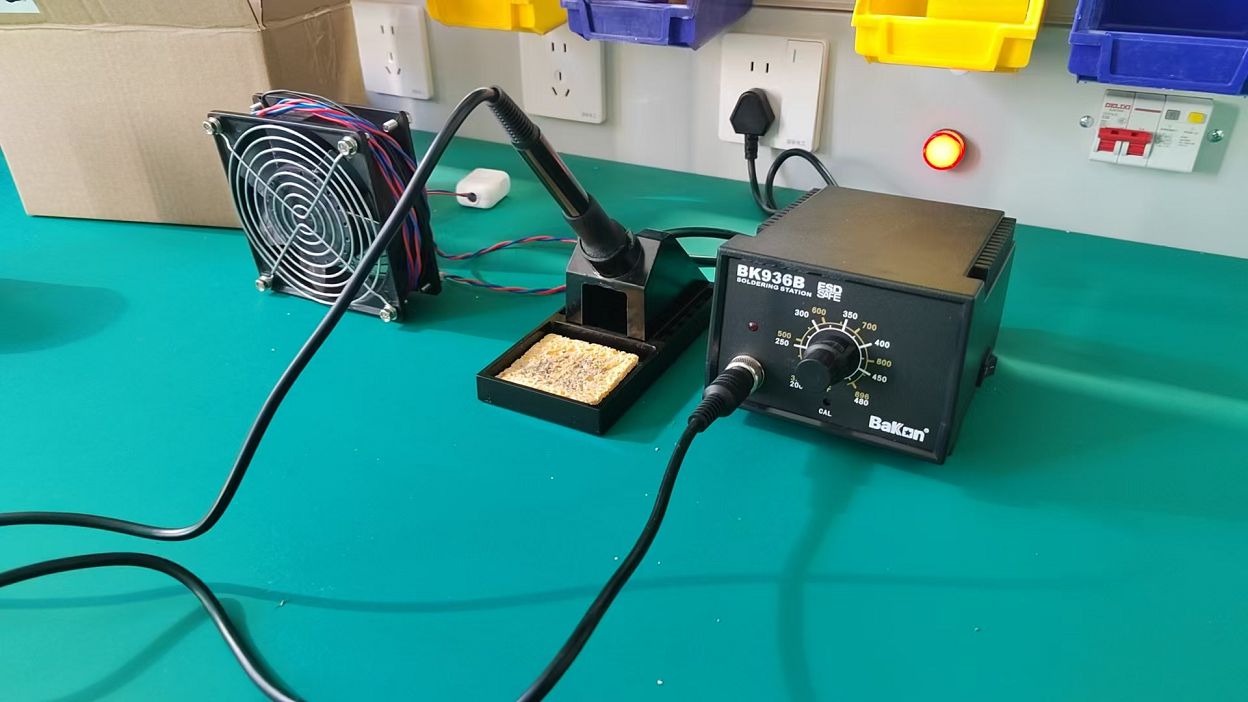
Electric Ferrowire Station
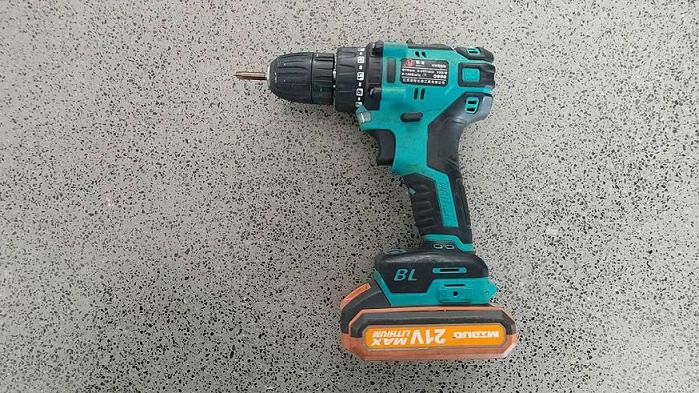
Precision Drill Calibration
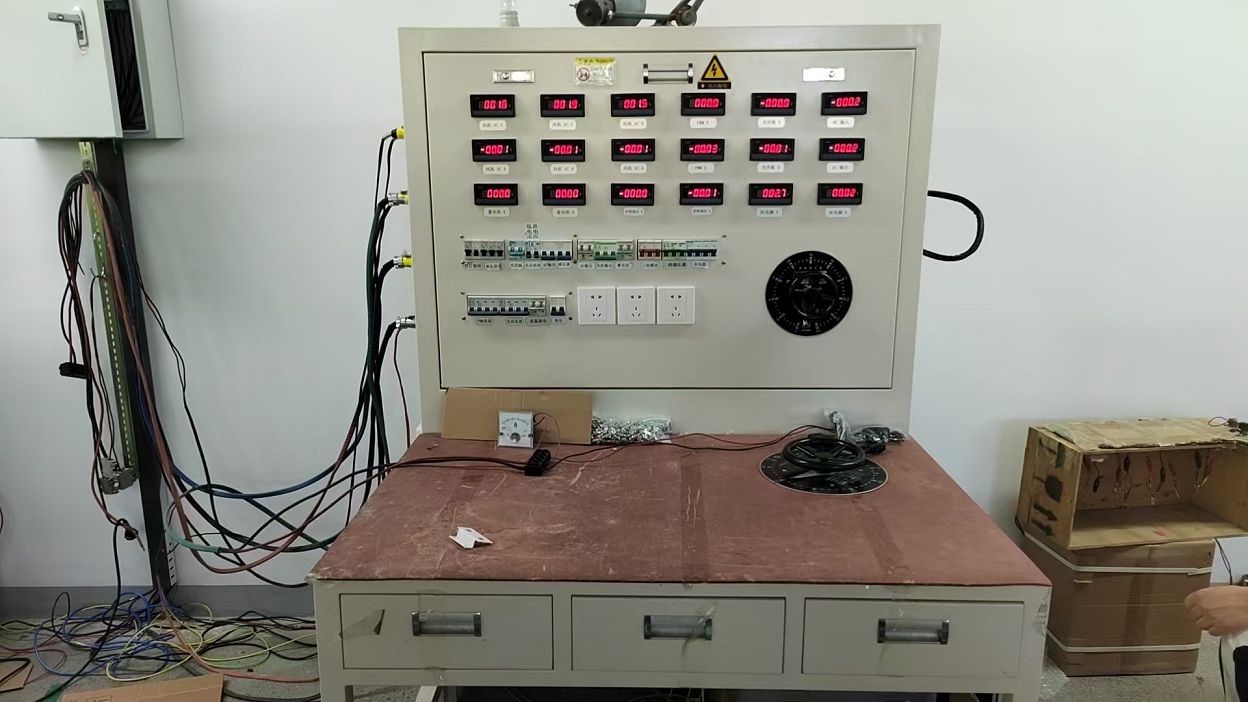
ESD Protected Workbench
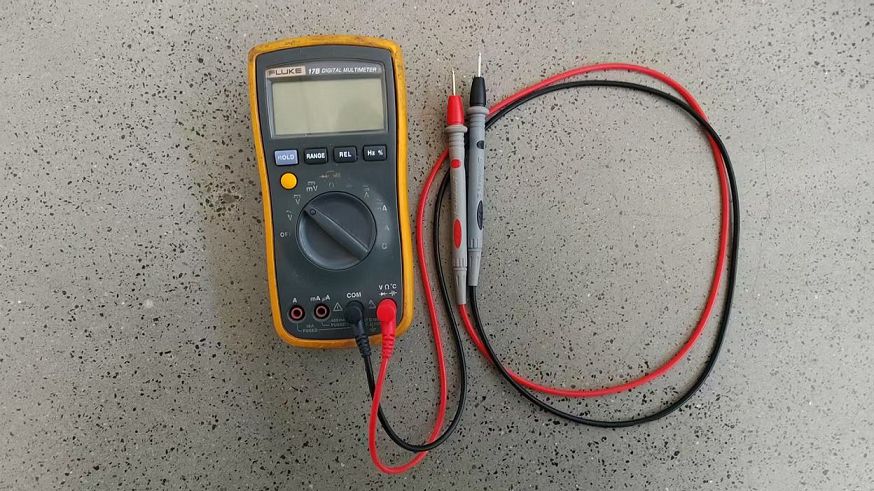
High-Precision Multimeter Calibration
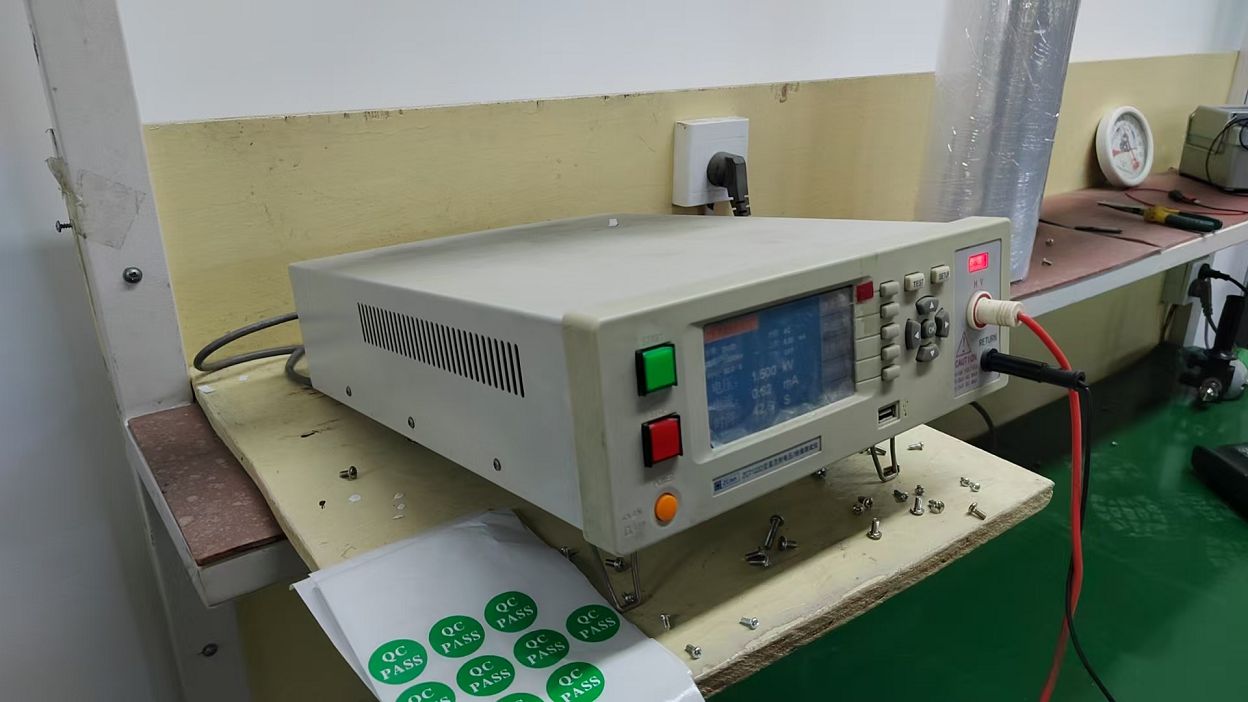
LCR AutoTester
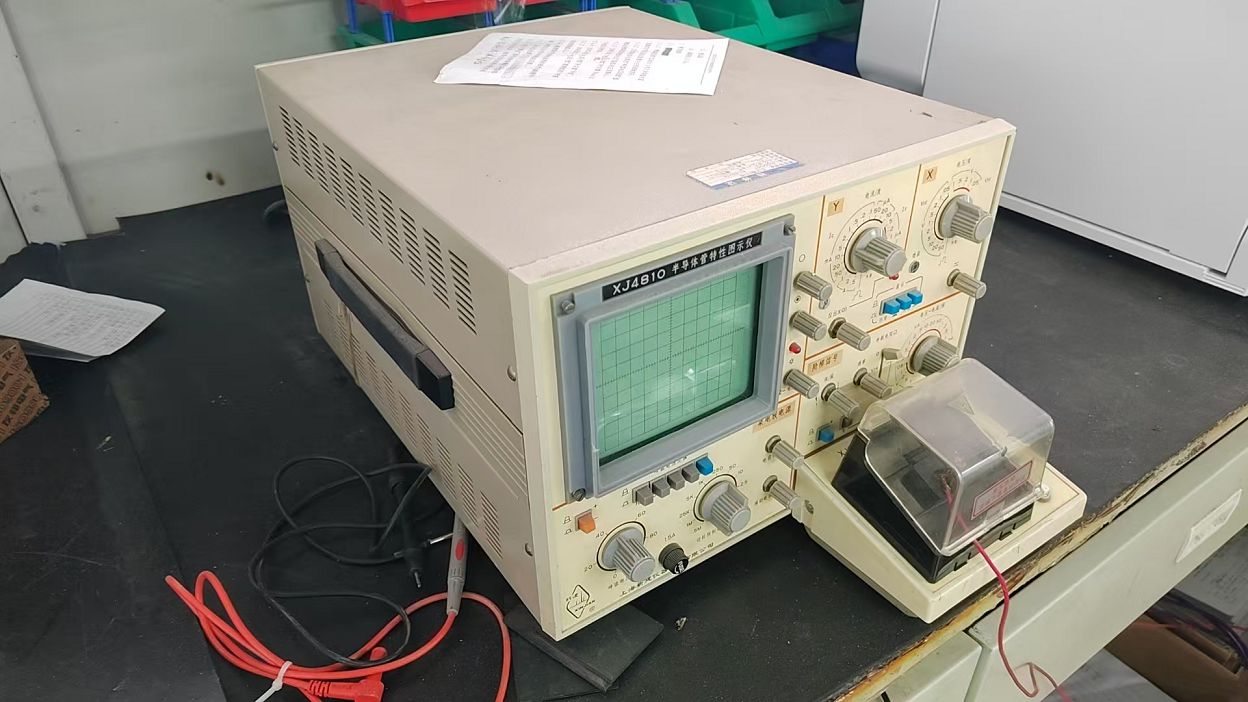
Semiconductor Characteristic Plotter
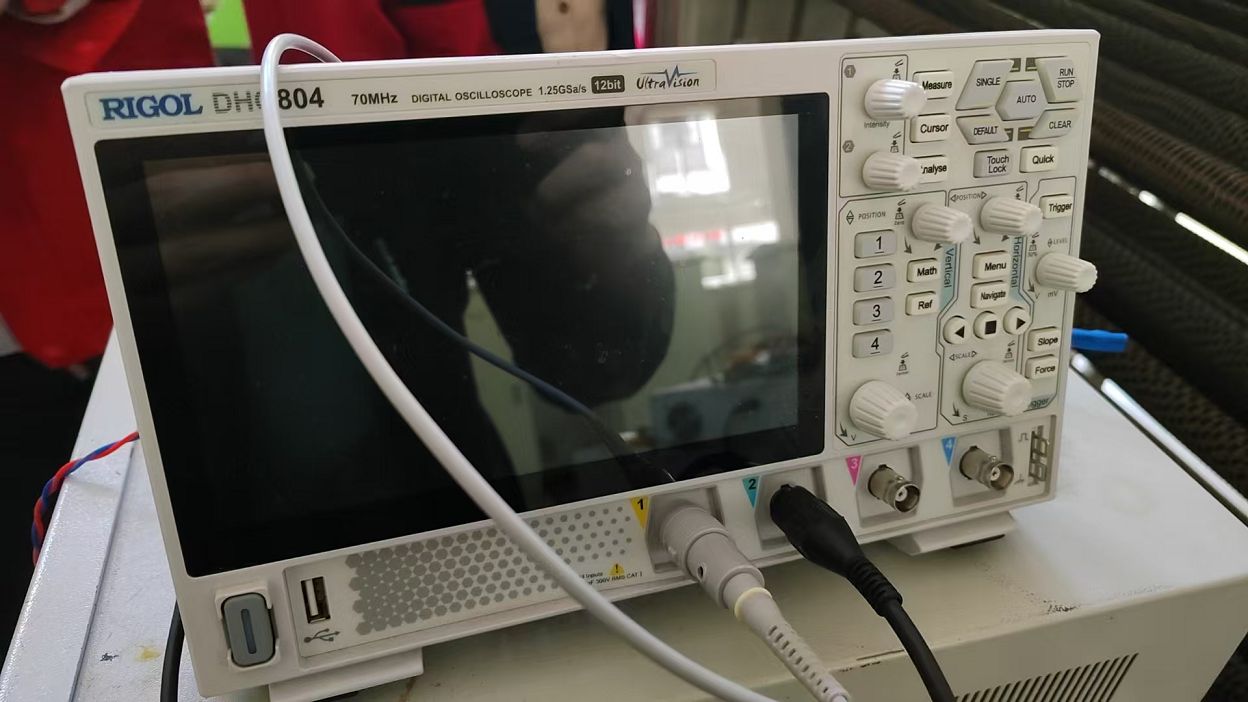
Digital Oscilloscope
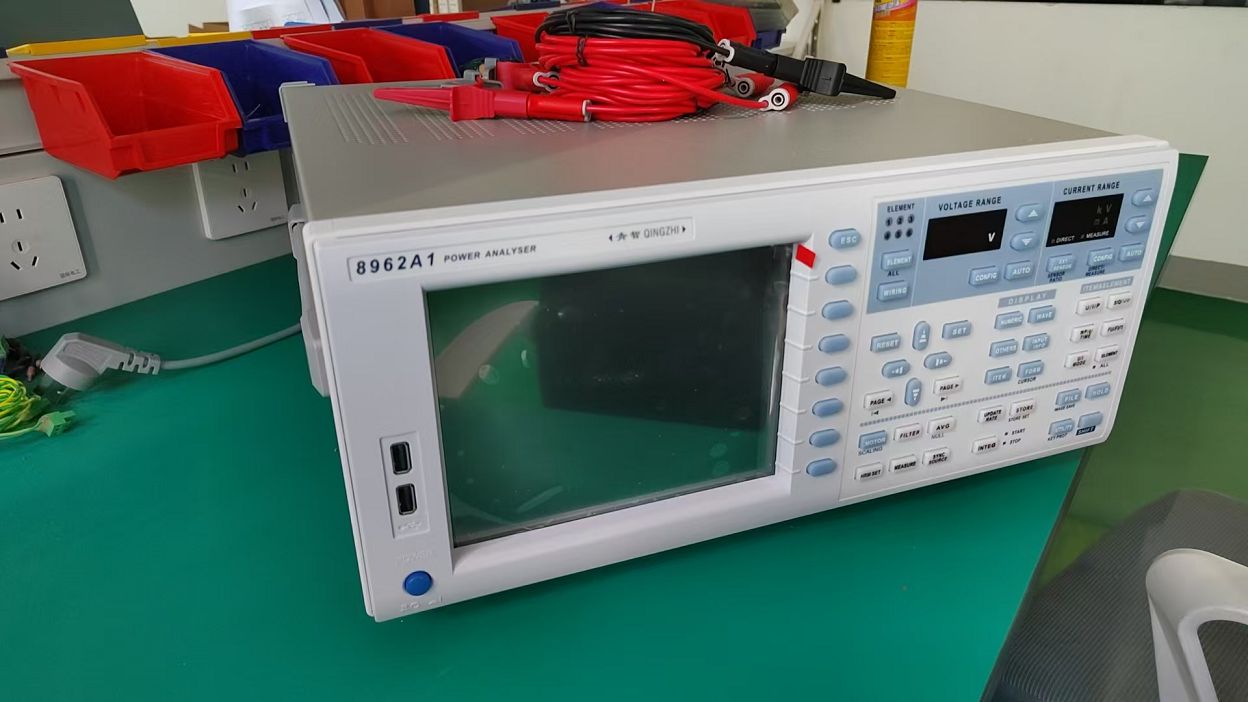
Power Quality Analyzer
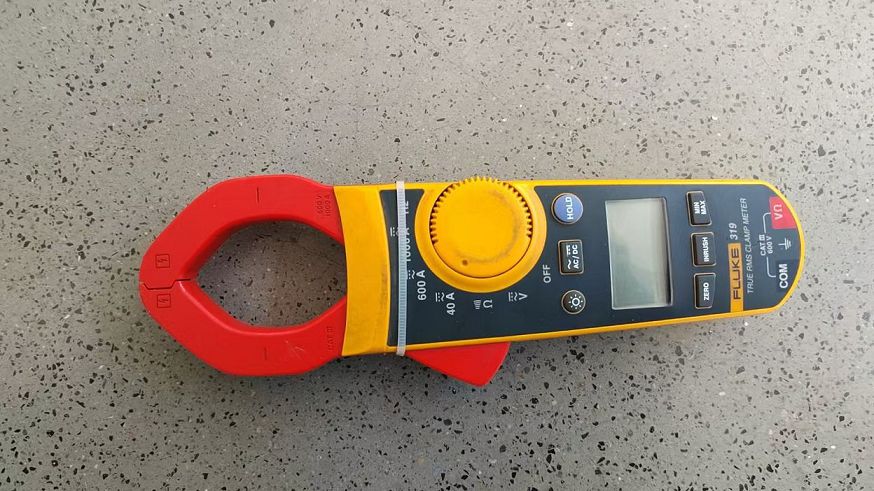
Clamp Current Meter Diagnostics
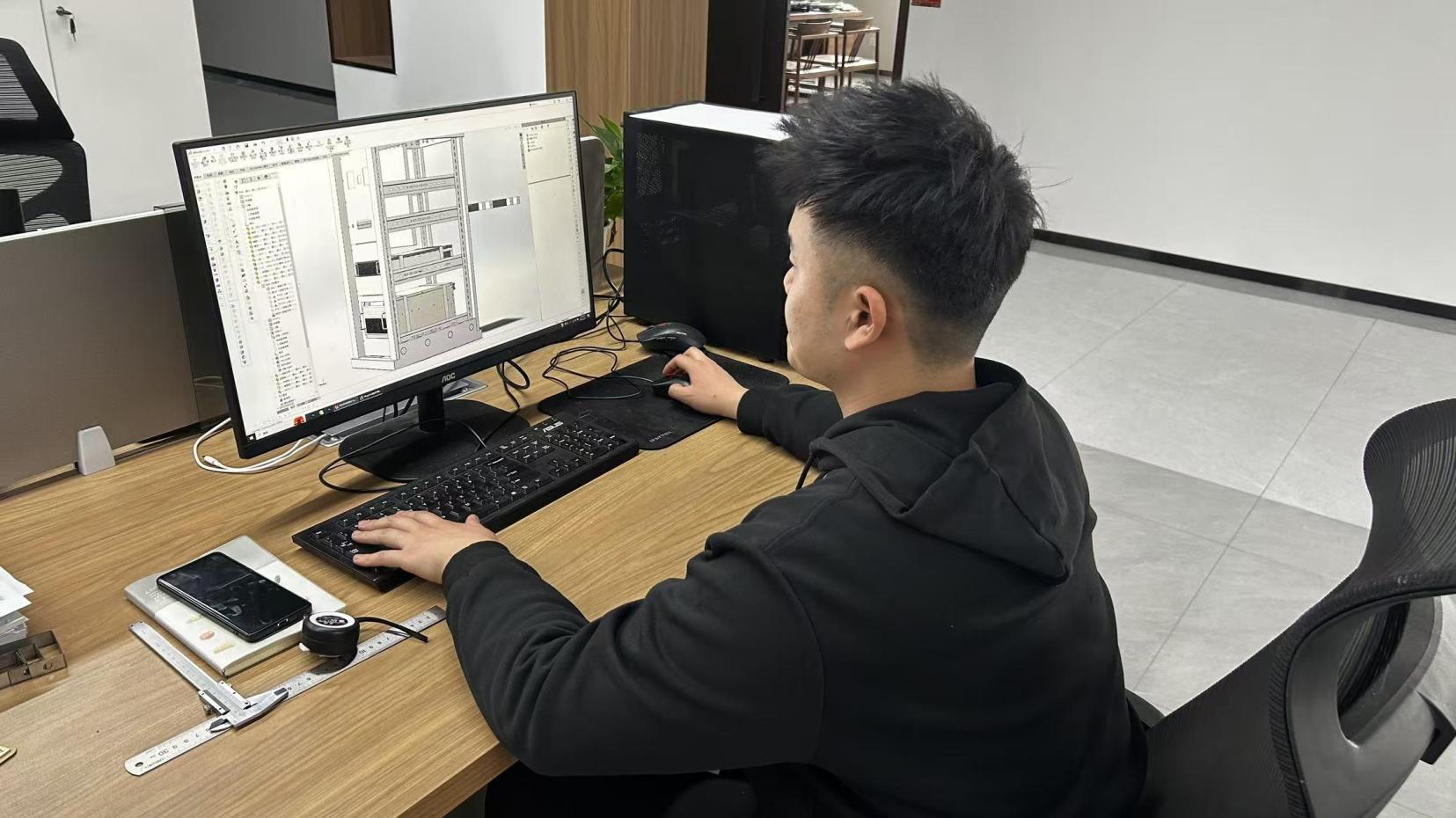
CAD Technical Drawing Design
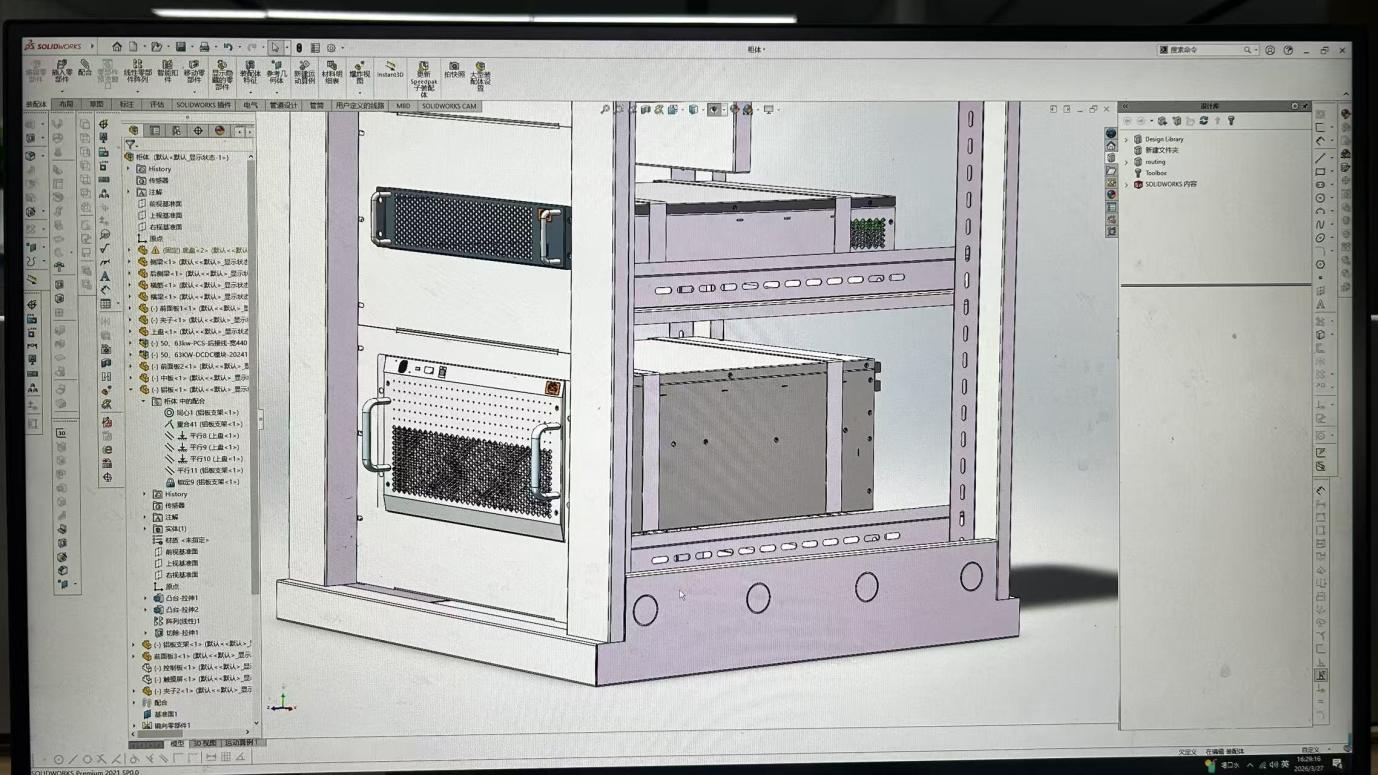
PC Integrated Control & Simulation
High-efficiency systems designed to operate seamlessly under high-humidity coastal and industrial environments.
When engineering and procurement teams in Malaysia look to buy medium-to-large-scale solar converters and Energy Storage Systems (ESS), standard home-use parameters do not apply. Industrial facilities operating high-torque machinery, heavy ventilation, or automation assembly lines demand rugged electrical architectures. Dynamic load profiles necessitate grid-level isolation via integrated isolation transformers.
Isolation transformers within the PCS protect the system's power stage from harmonic surges coming back from the factory load, and conversely block DC injection into the utility transformer. At Deming, our bidirectional PCS features isolated galvanic topologies that guarantee high-efficiency operations while safeguarding downstream equipment against lightning-induced transients—a major concern in Malaysia's tropical climate.
Answers to critical questions regarding system compatibility, customs clearance, and grid regulations.
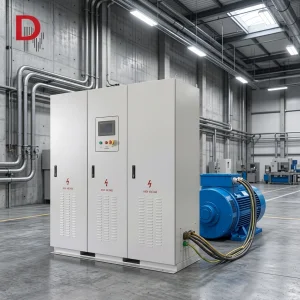
High-capacity Power Conversion Systems (PCS) and grid stabilizers engineered to withstand fluctuating industrial demands.
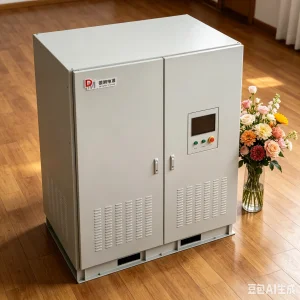
 Demin Power