Explore our foundational wind turbine control and grid integration technologies customized for local Sri Lankan distribution grids and high-humidity maritime zones.
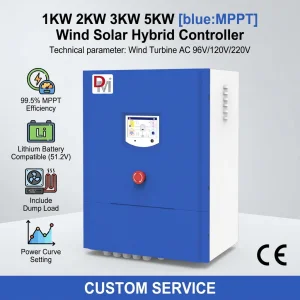
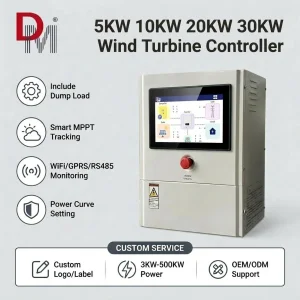
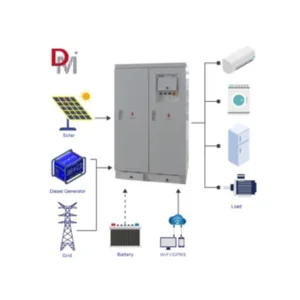
Evaluating resource capacity, macroeconomics, grid constraints, and localization strategies in South Asia's emerging green energy hub.
Sri Lanka stands at a historic turning point in its energy infrastructure development. With electricity tariffs for commercial and industrial users remaining high and volatile, the transition toward domestic renewable generation is no longer just an environmental goal, but a macroeconomic imperative. The Sri Lankan government, through the Ceylon Electricity Board (CEB) and the Sri Lanka Sustainable Energy Authority (SLSEA), has legally committed to achieving 70% of its generation from renewable energy sources by 2030, aiming for carbon neutrality by 2050.
Wind energy represents the cornerstone of this transition. Geographically positioned at the southern tip of the Indian subcontinent, Sri Lanka is exposed to two strong, predictable, monsoonal wind systems: the Southwest Monsoon (May to September) and the Northeast Monsoon (December to February). Research shows that areas such as the Mannar Peninsula, the Jaffna Peninsula, Kalpitiya, and the Central Highlands possess outstanding wind energy densities, with average wind speeds exceeding 7.5 to 9.0 m/s at 100 meters hub height. However, harnessing this fluctuating, high-density energy profile presents profound electrical challenges, including low grid inertia, voltage instability, and extreme grid impedance variations.
Unlike mature grids in mainland Europe or North America, Sri Lanka's transmission network is prone to frequency fluctuations and voltage sags, especially in remote northern and eastern districts. Connecting localized wind turbines or hybrid solar-wind microgrids requires advanced power electronics—specifically MPPT/PWM controllers and isolated bidirectional converters—to prevent voltage collapse and ensure smooth grid compliance.
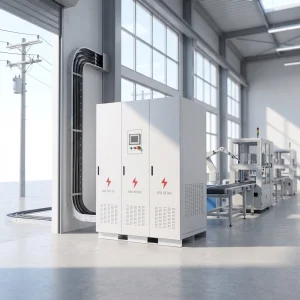
On a global scale, the wind energy sector has transitioned from simple mechanical power conversion to intelligent, software-defined grid stabilization networks. Modern wind turbines rely heavily on permanent magnet alternators (PMA) coupled with smart inverters and Power Conversion Systems (PCS) to manage dynamic active and reactive power profiles. Advanced grid-forming inverters are replacing old grid-following configurations, allowing renewable-rich local zones to operate autonomously as microgrids when the main grid fails. Jinan Deming Power Equipment Co., Ltd. sits at the intersection of these advancements, bringing decades of industrial manufacturing experience to design off-grid and grid-forming power electronics tailored to these challenging conditions.
How Deming’s specialized power equipment solves real-world energy issues in Sri Lanka's most vital economic sectors.
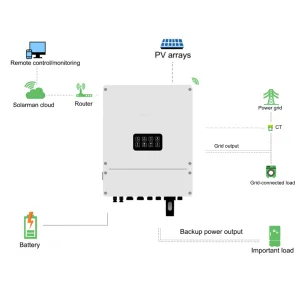
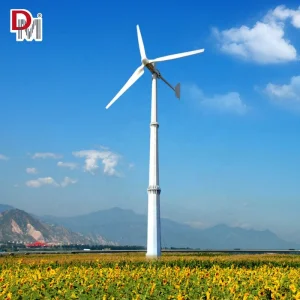
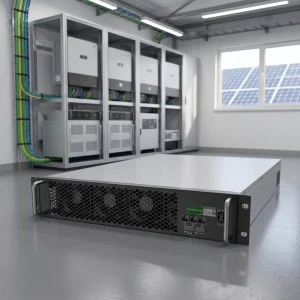
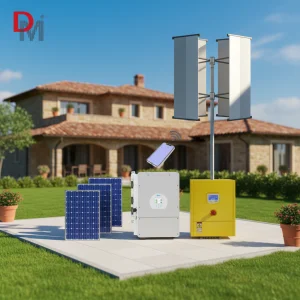
Sri Lanka's world-famous Ceylon tea factories, situated throughout the Central Highlands (Nuwara Eliya, Badulla, Hatton), operate in remote locations with highly volatile grid connections. Frequent load-shedding directly damages raw leaf processing. By integrating Deming's 50kW to 100kW 3-Phase Hybrid Inverters and PWM/MPPT Wind Controllers with localized vertical-axis or horizontal-axis wind turbines and solar panels, estates can build reliable hybrid microgrids.
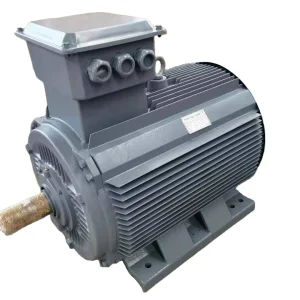
Aquaculture operations in the Jaffna Lagoon and Mannar require continuous aeration systems. Additionally, northern islands like Delft, Analaitivu, and Nainativu rely heavily on expensive, high-emission diesel generators. Our 10kW IP54 Waterproof Wind Turbine Generators and Anti-Corrosive Controllers are engineered for these environments:
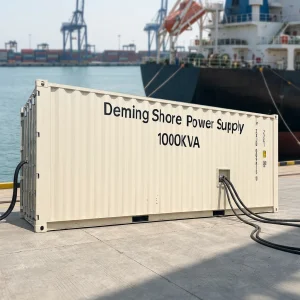
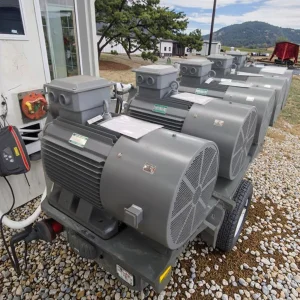
As major hubs in international shipping lanes, Sri Lanka's ports are implementing strict environmental standards. Auxiliary shipboard diesel engines must be shut down during docking. Our 500kW to 5MW Ship-to-Shore Power Systems and frequency converters handle frequency conversions (50Hz to 60Hz) and step up voltage levels safely, allowing modern vessels to draw clean, wind-generated shore power.
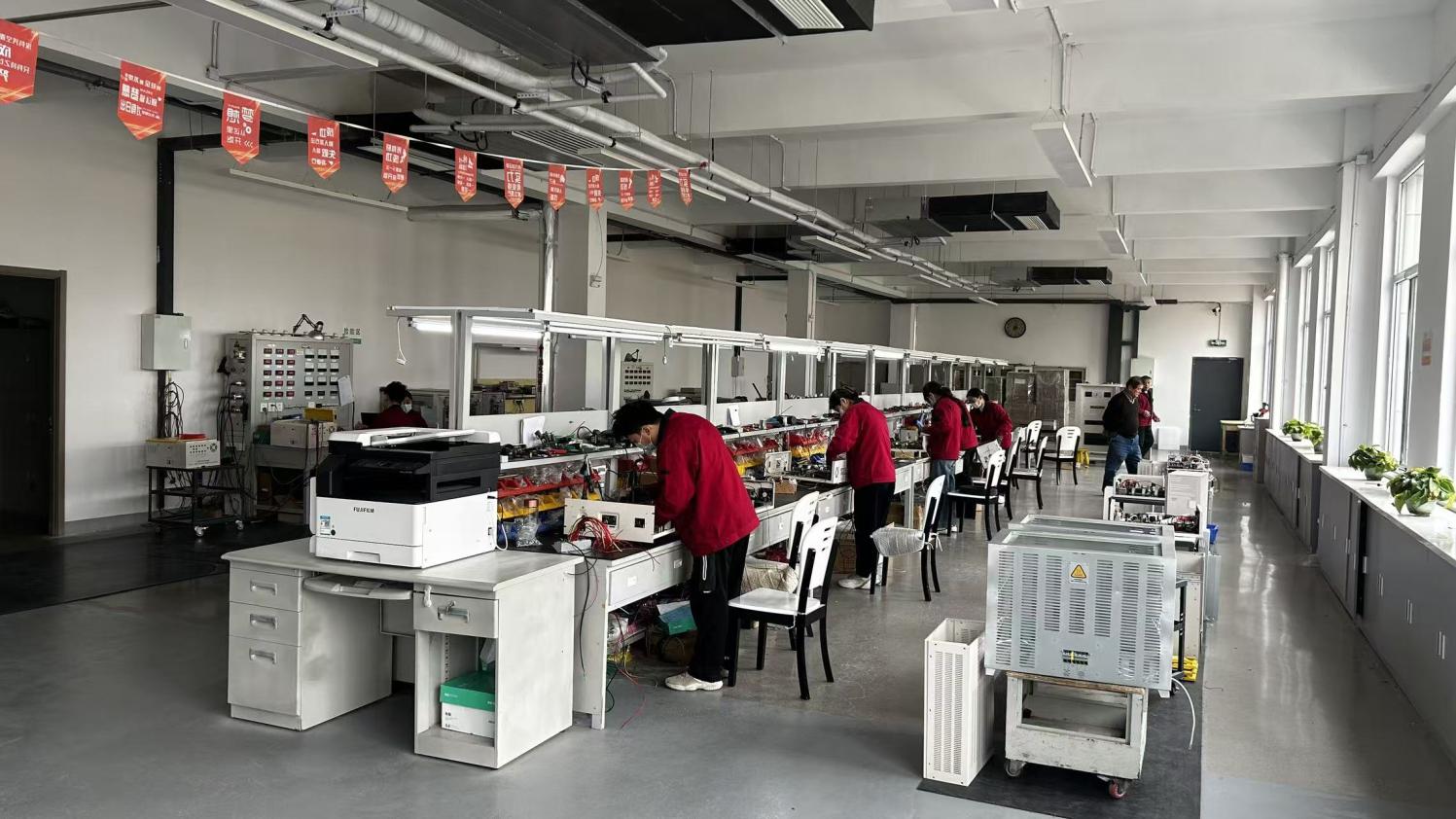
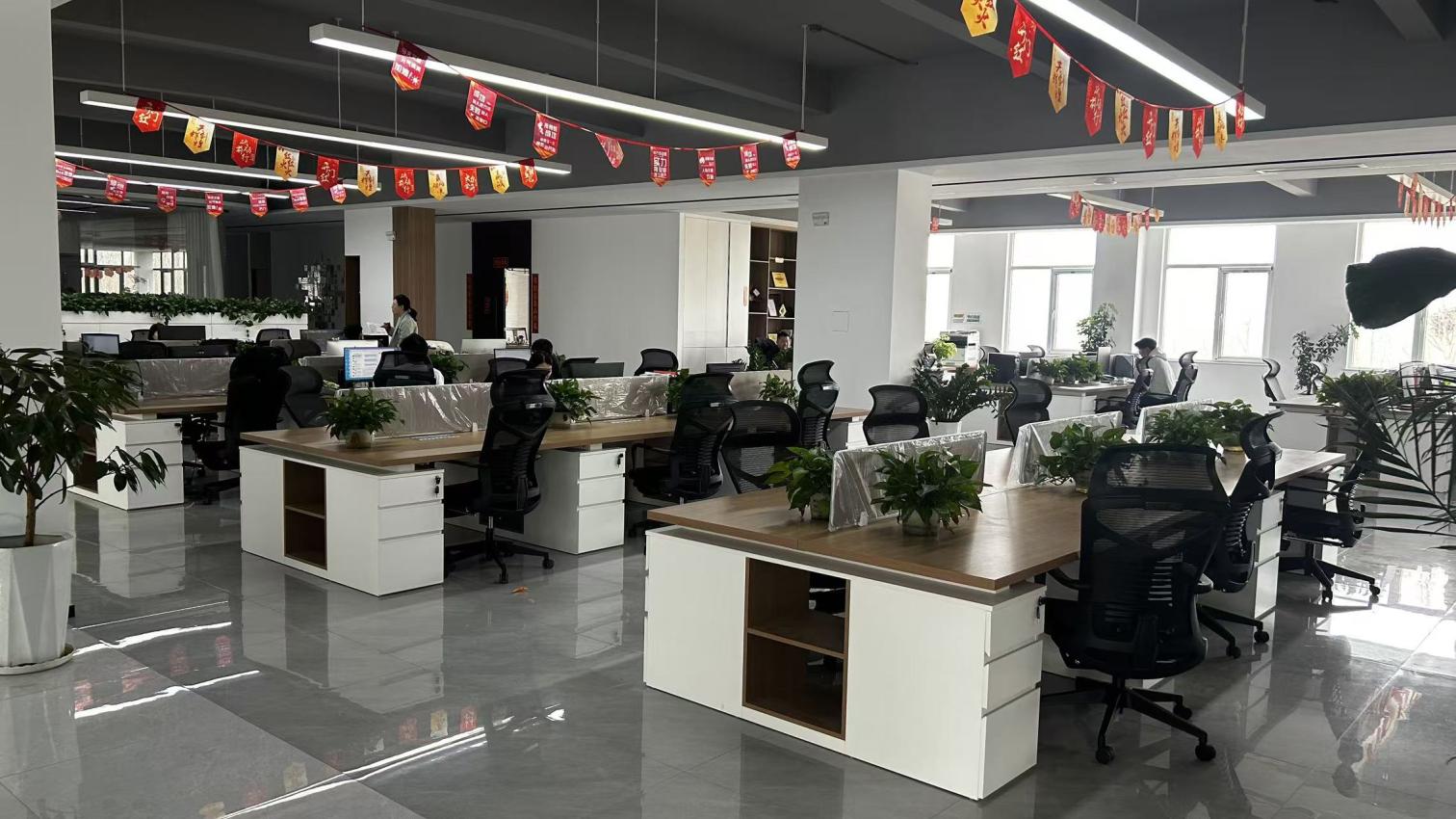
Jinan Deming Power Equipment: A globally recognized high-tech enterprise built on strict quality control and continuous R&D investment.
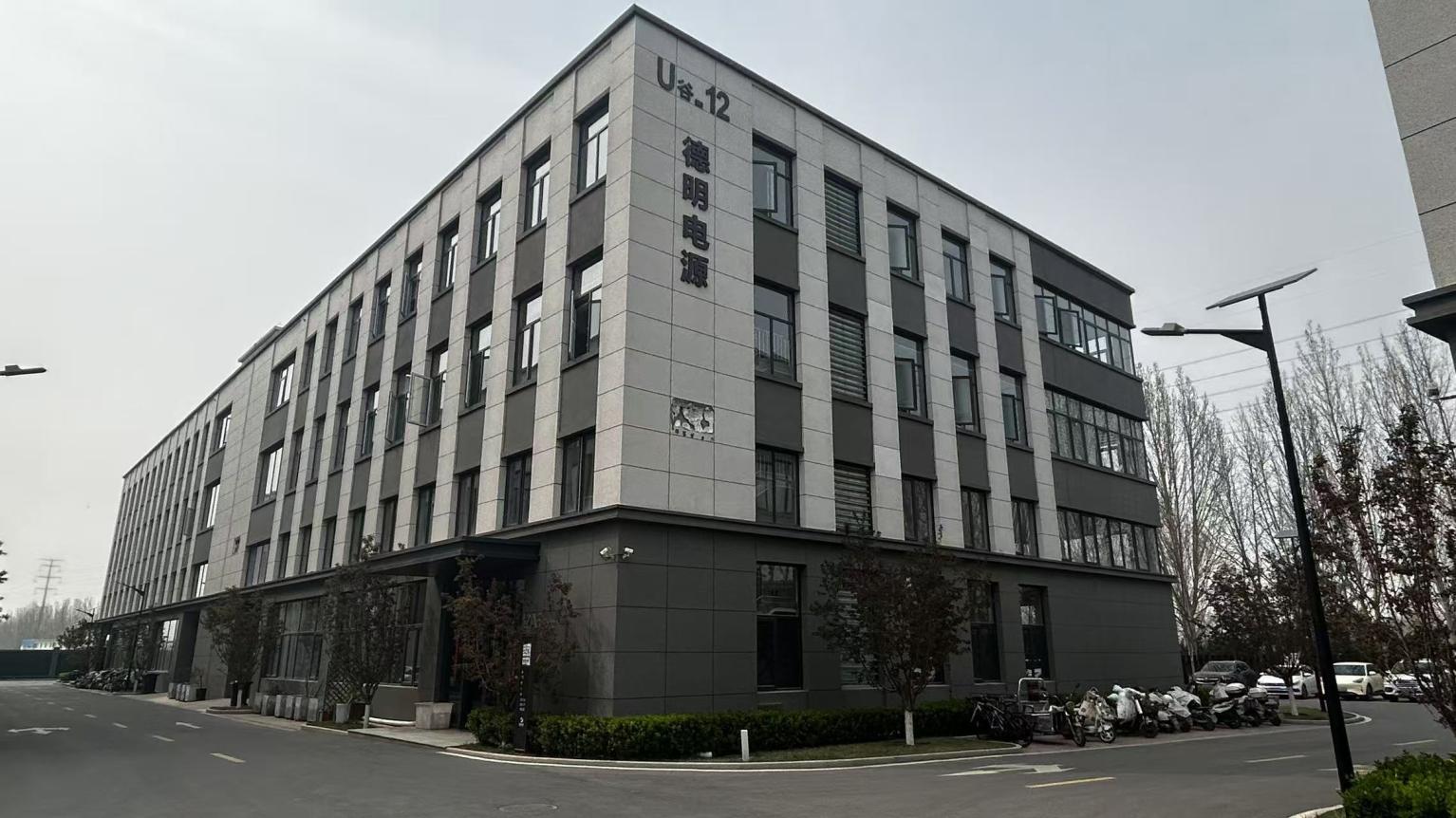
Established in 2004, Jinan Deming Power Equipment Co., Ltd. is a national high-tech enterprise specializing in the design, development, and manufacture of industrial-grade renewable energy power equipment. With an ISO9001:2015 certified production environment, we adhere to strict quality standards to ensure our products perform reliably in harsh environments.
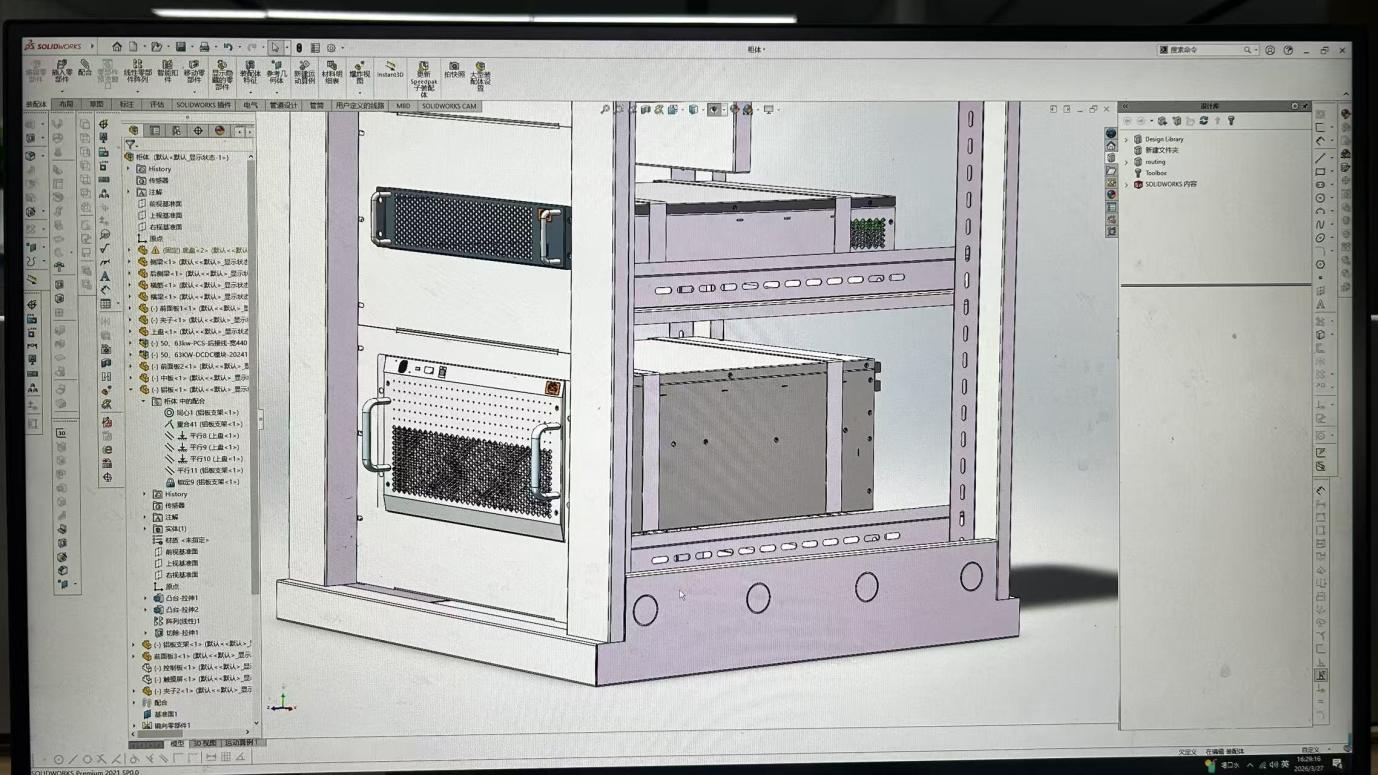
Our core strength lies in our R&D department. Led by a team of 16 senior engineers, including doctoral supervisors and master's degree holders, Deming dedicates no less than 20% of its annual sales revenue to R&D. Over the past three years, this focus has yielded 17 major R&D projects and 16 scientific and technological achievements commercialized into high-performing products. To date, Deming's grid-tie and off-grid solutions have been exported to over 120 countries, including the US, Germany, Japan, the UK, Canada, Australia, and Brazil, establishing long-term supply partnerships with Fortune 500 companies.
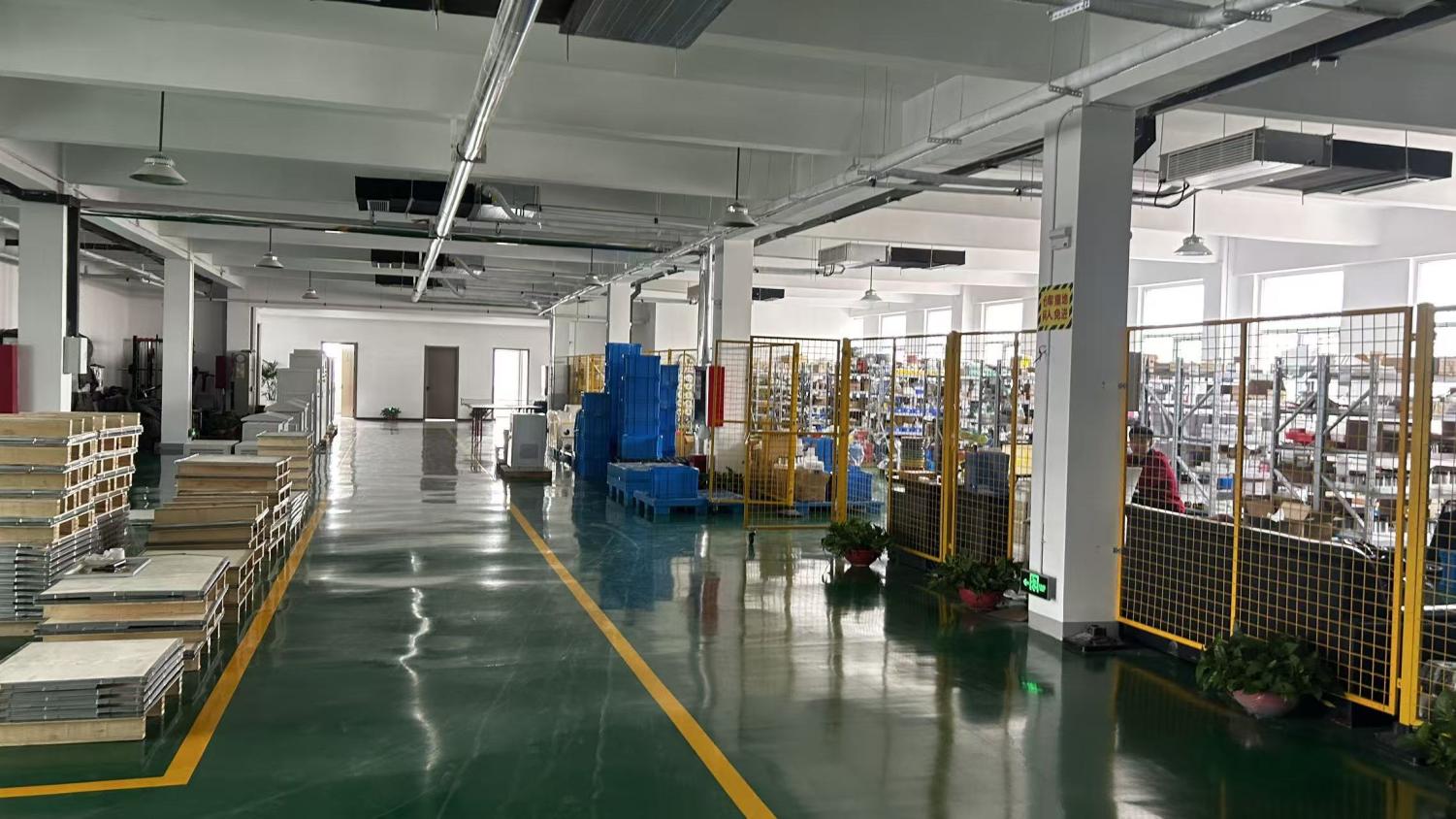
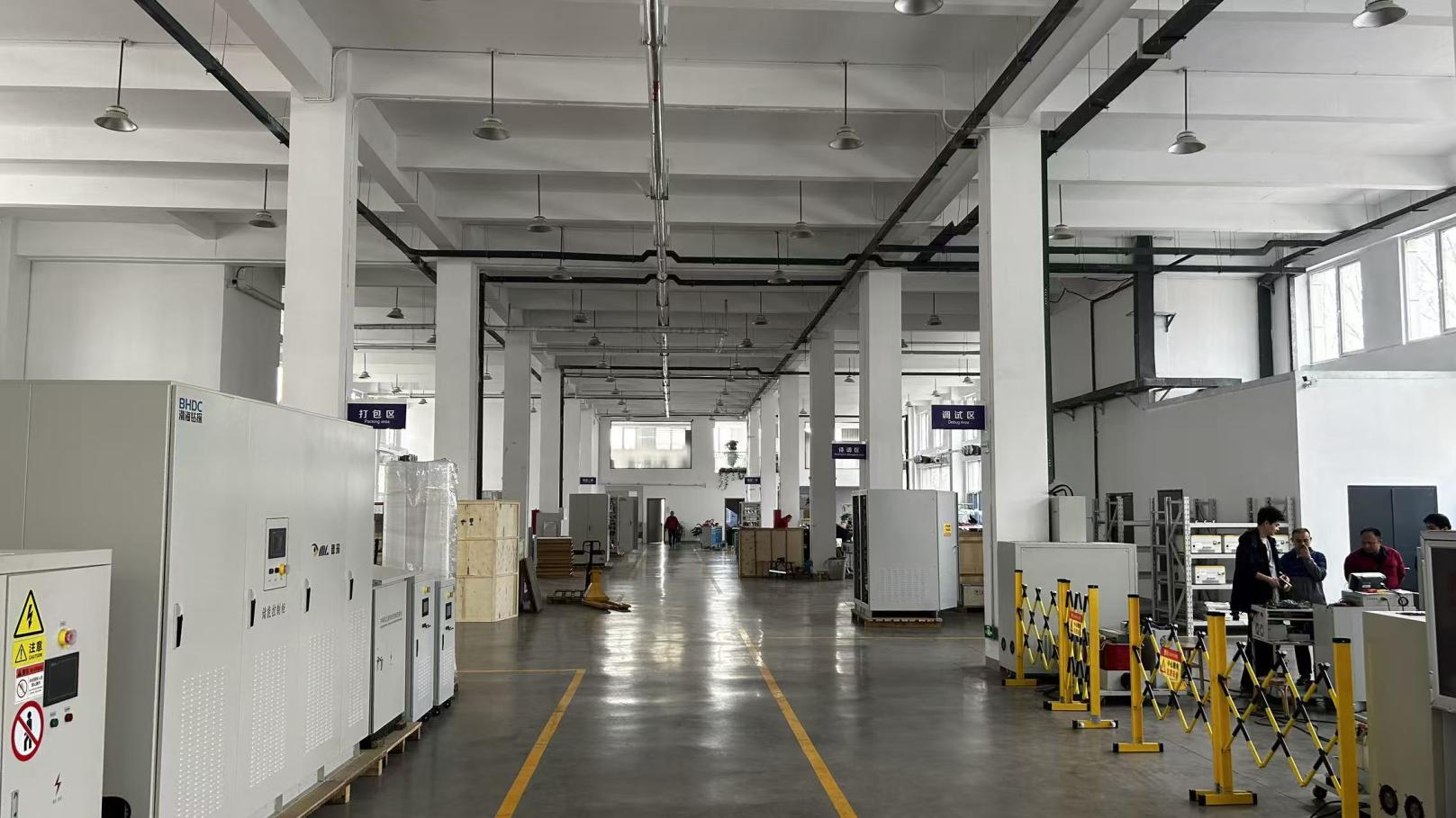
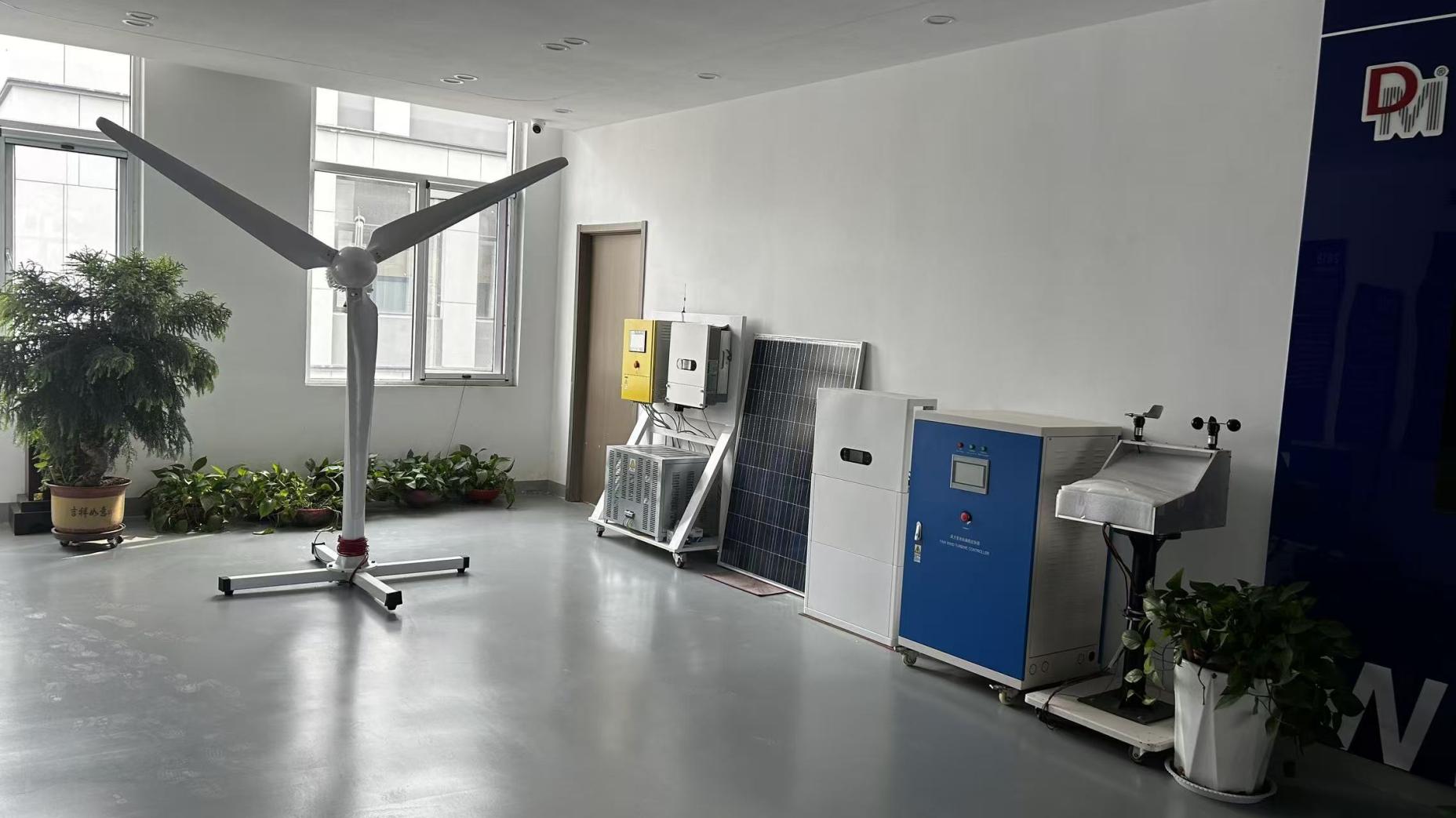
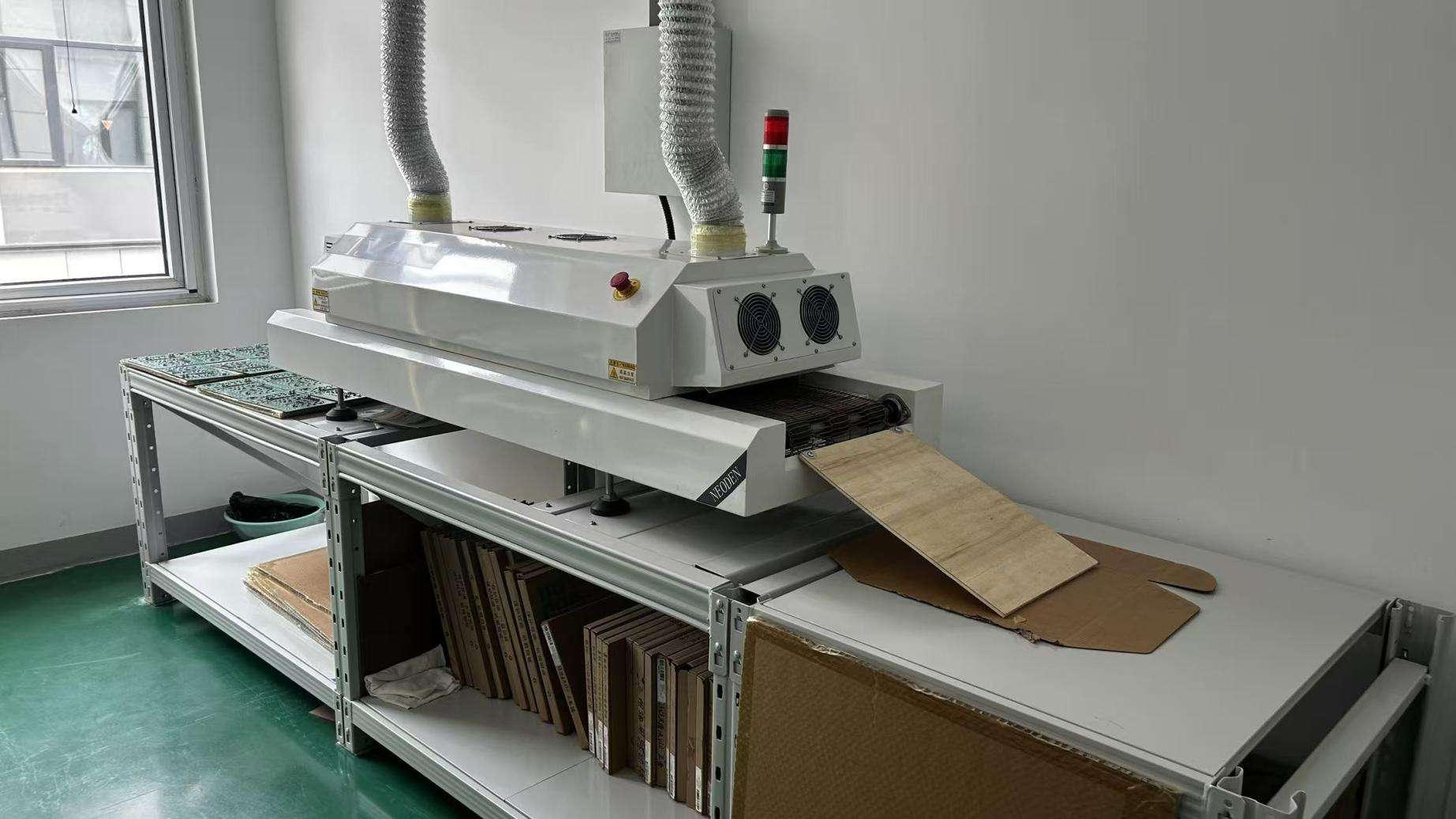
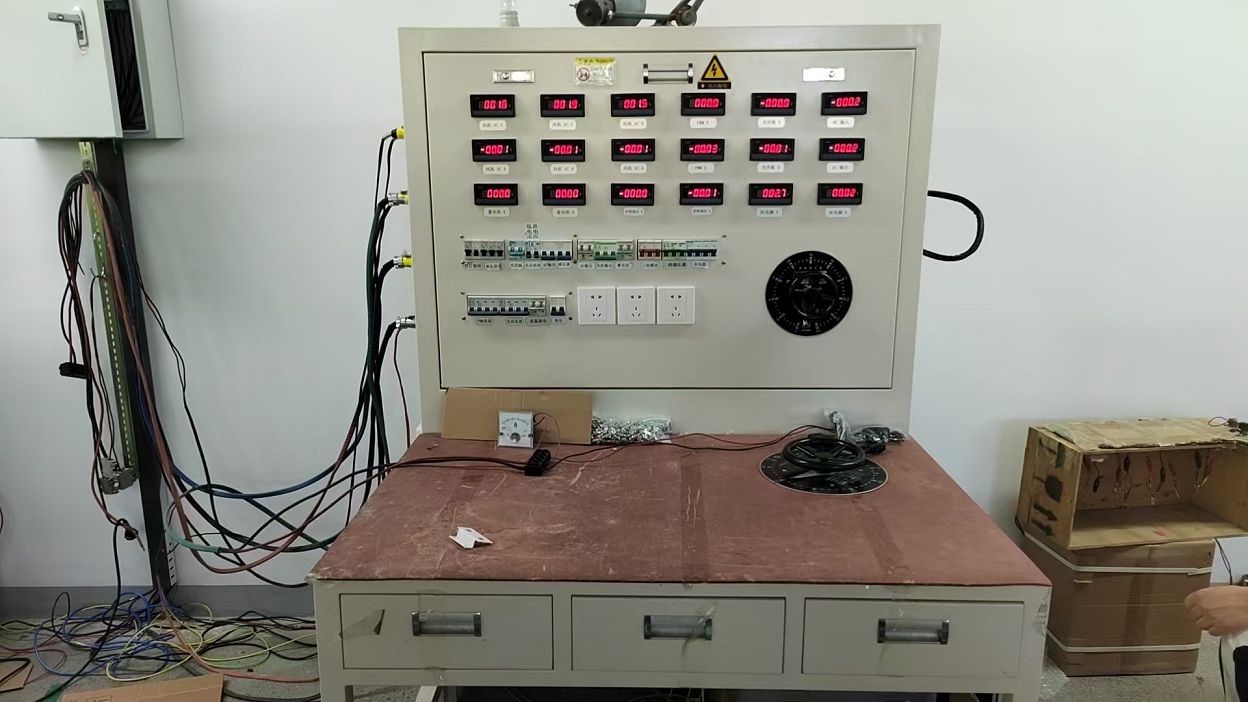
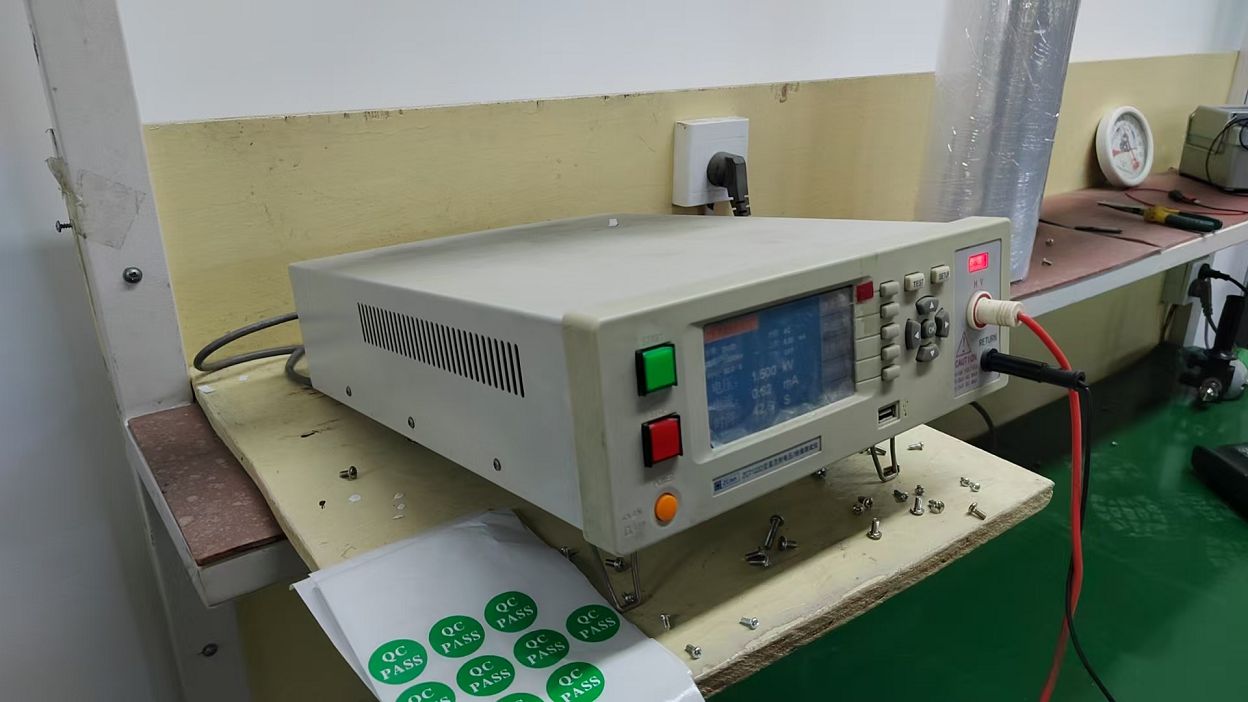
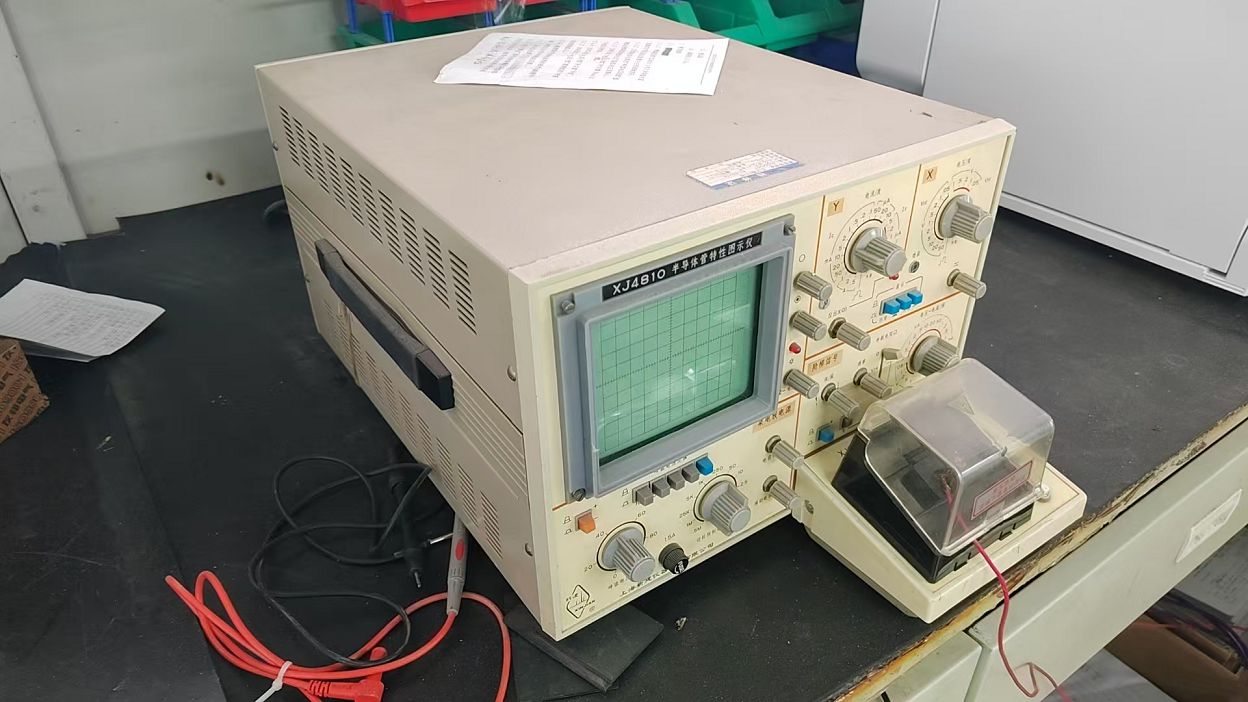
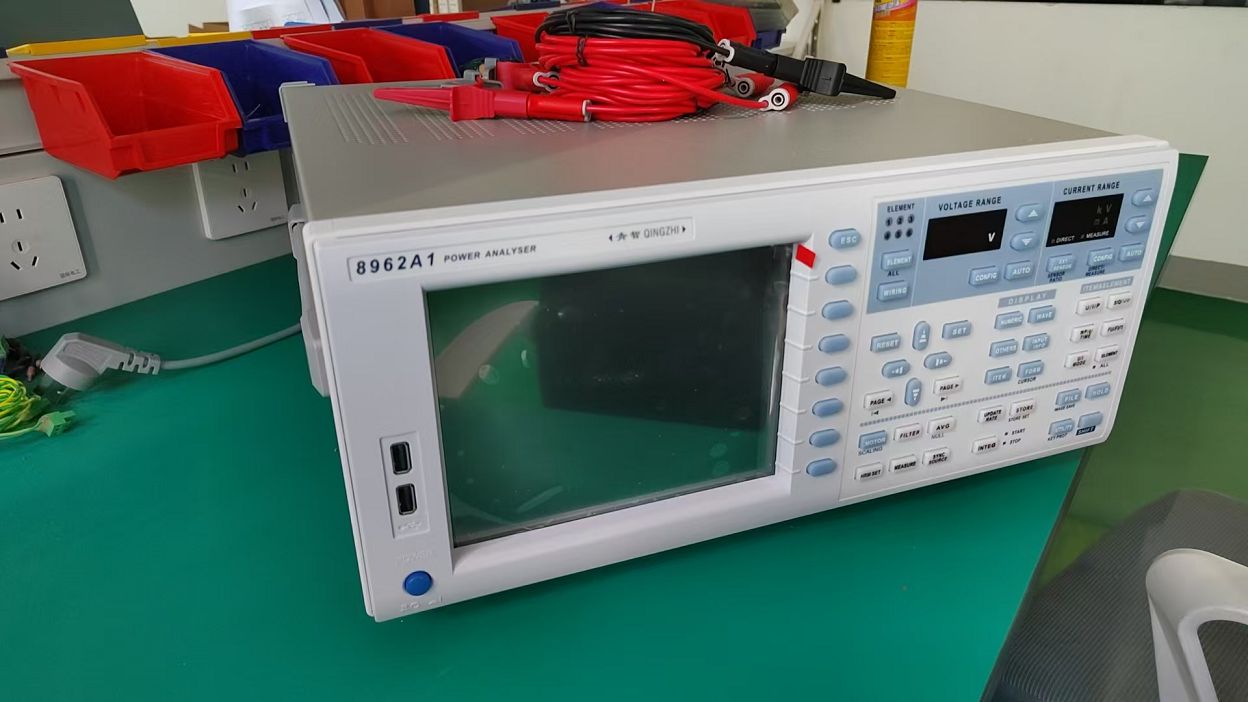
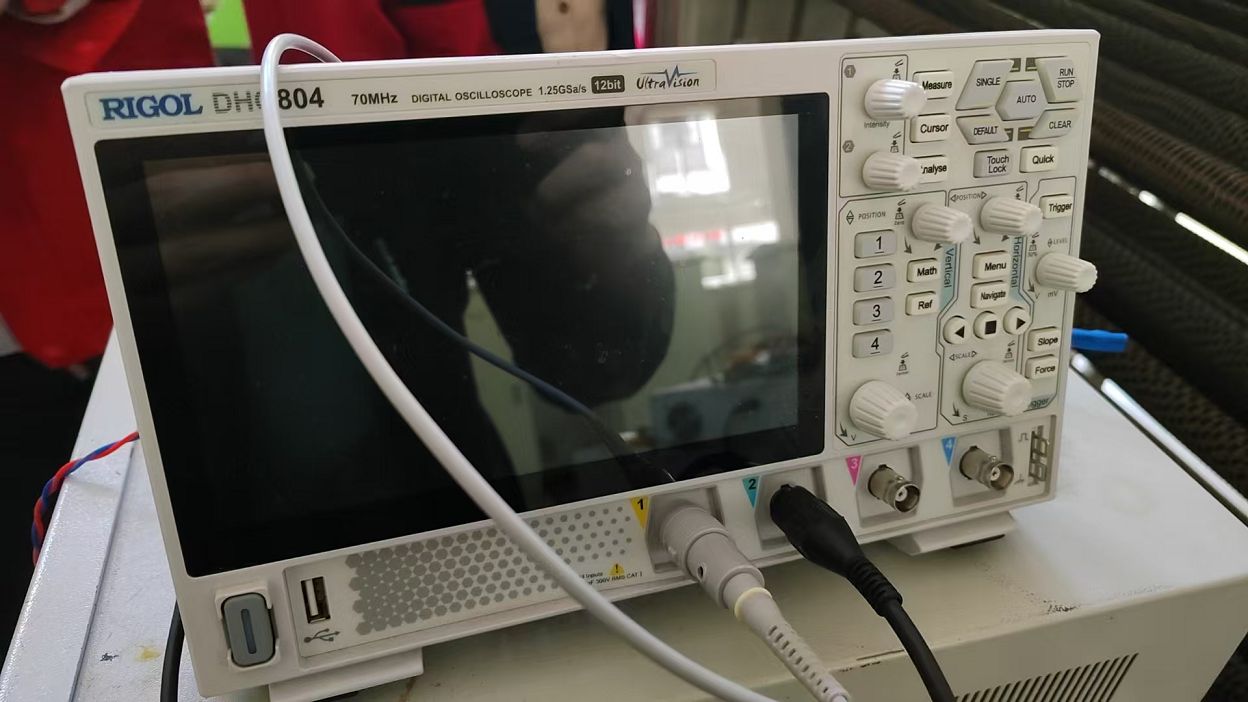
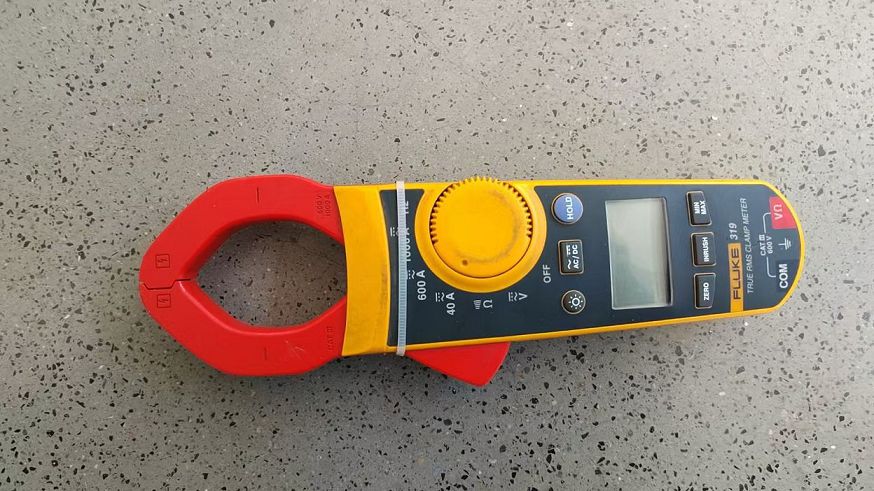
Our comprehensive testing laboratory simulates extreme wind dynamics, grid faults, and high temperature/humidity thermal cycling.
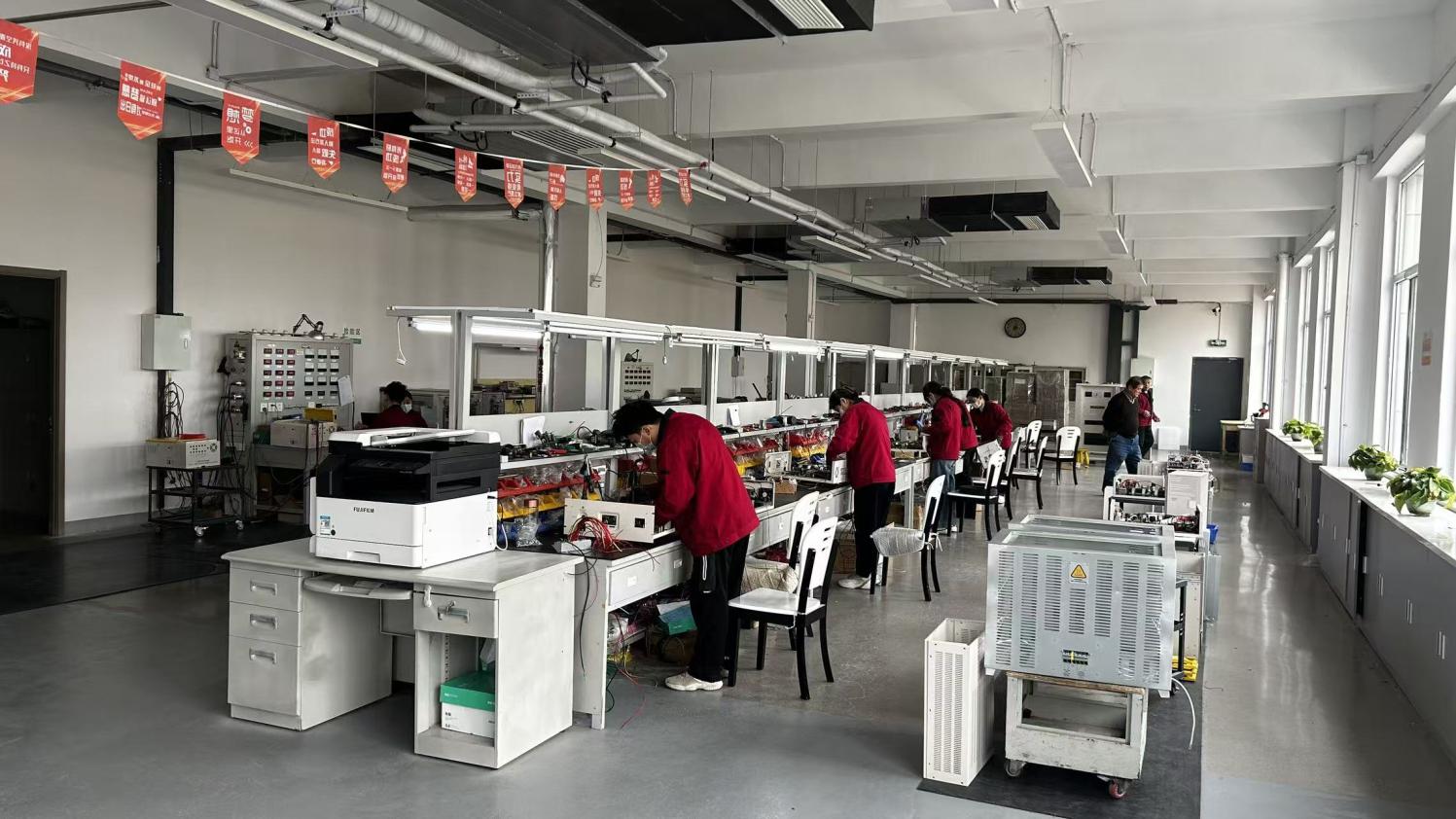
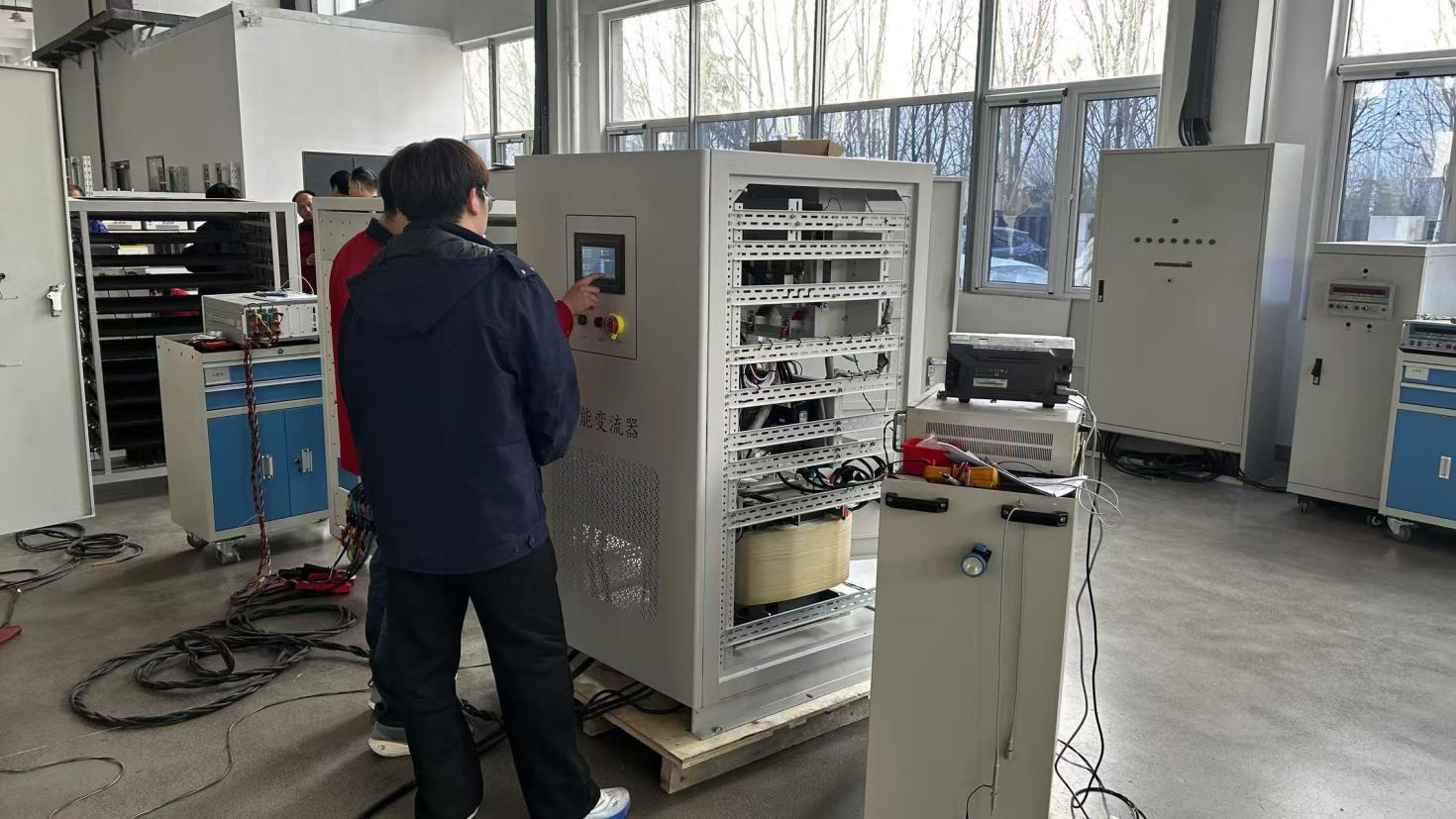
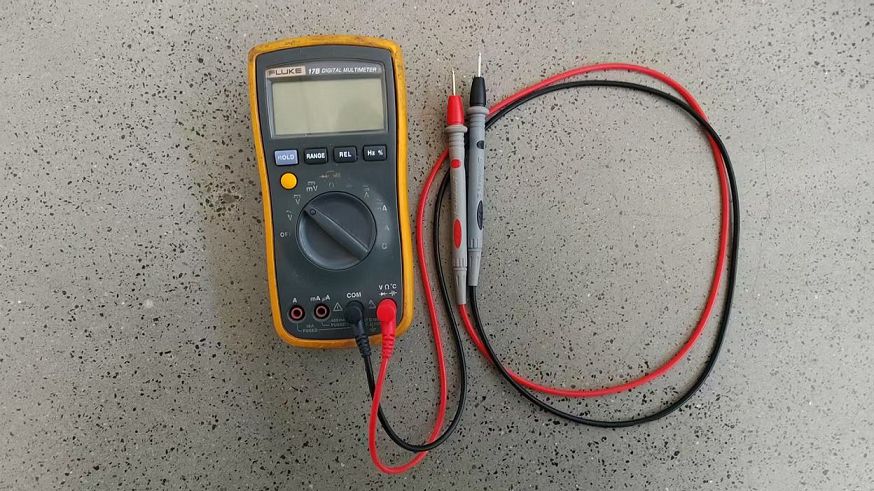
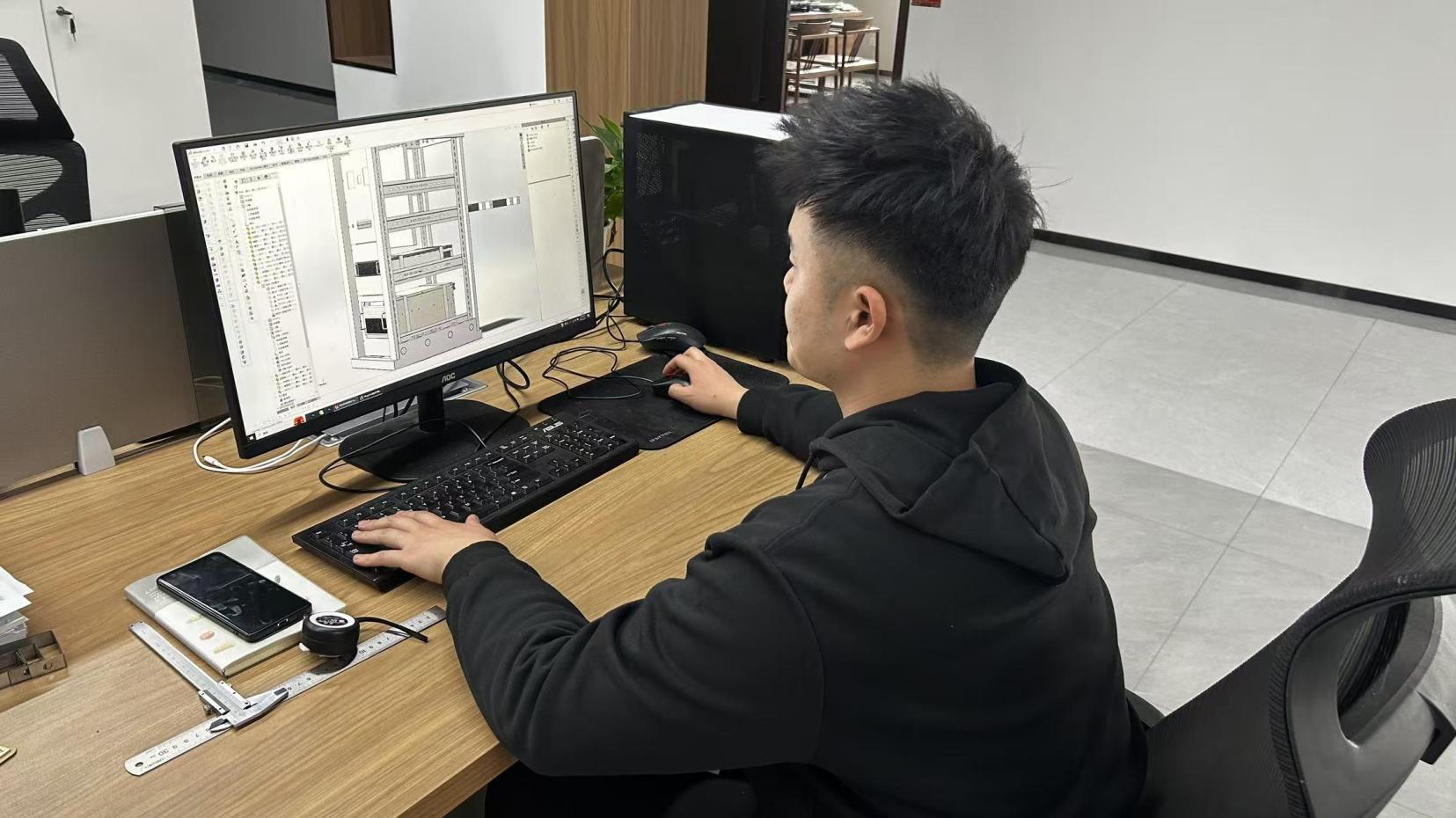
Our quality control extends from component-level inspections to final high-power burn-in tests. We utilize advanced testing instruments to verify the performance, stability, and efficiency of every controller and inverter before shipping.
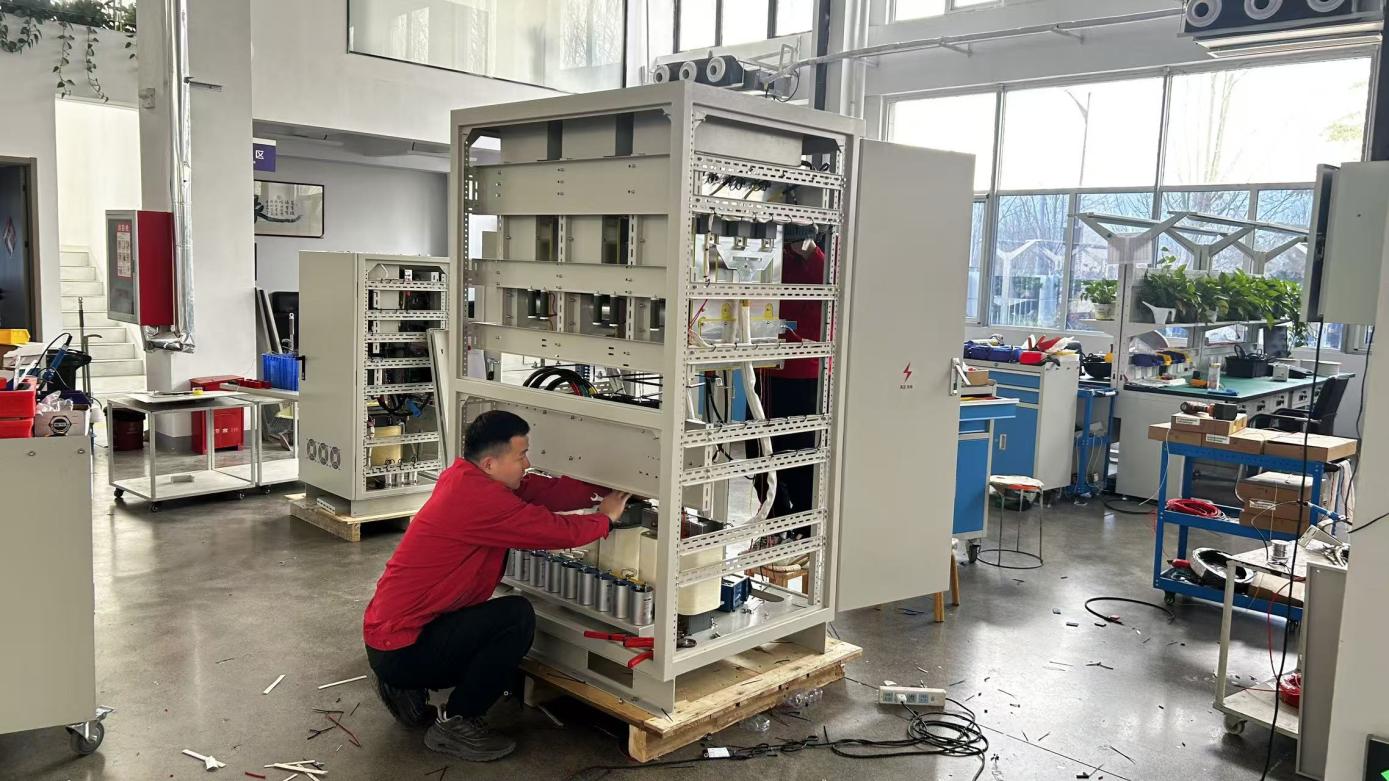
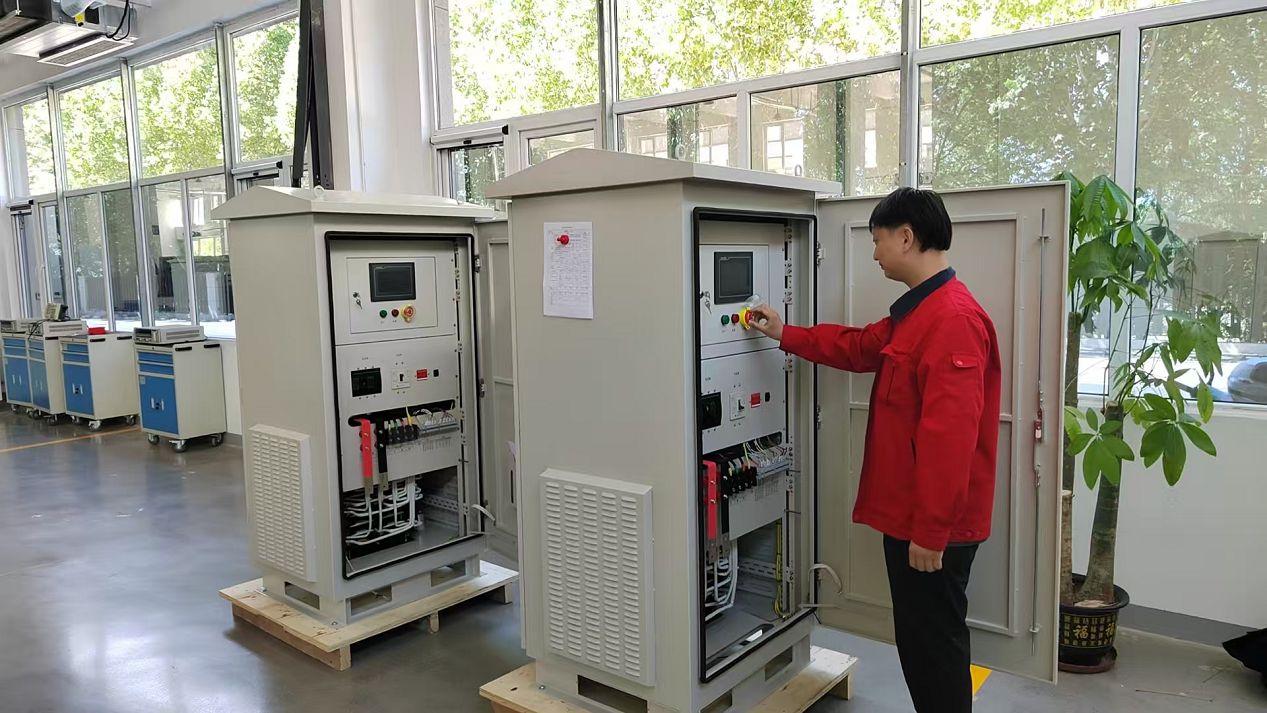
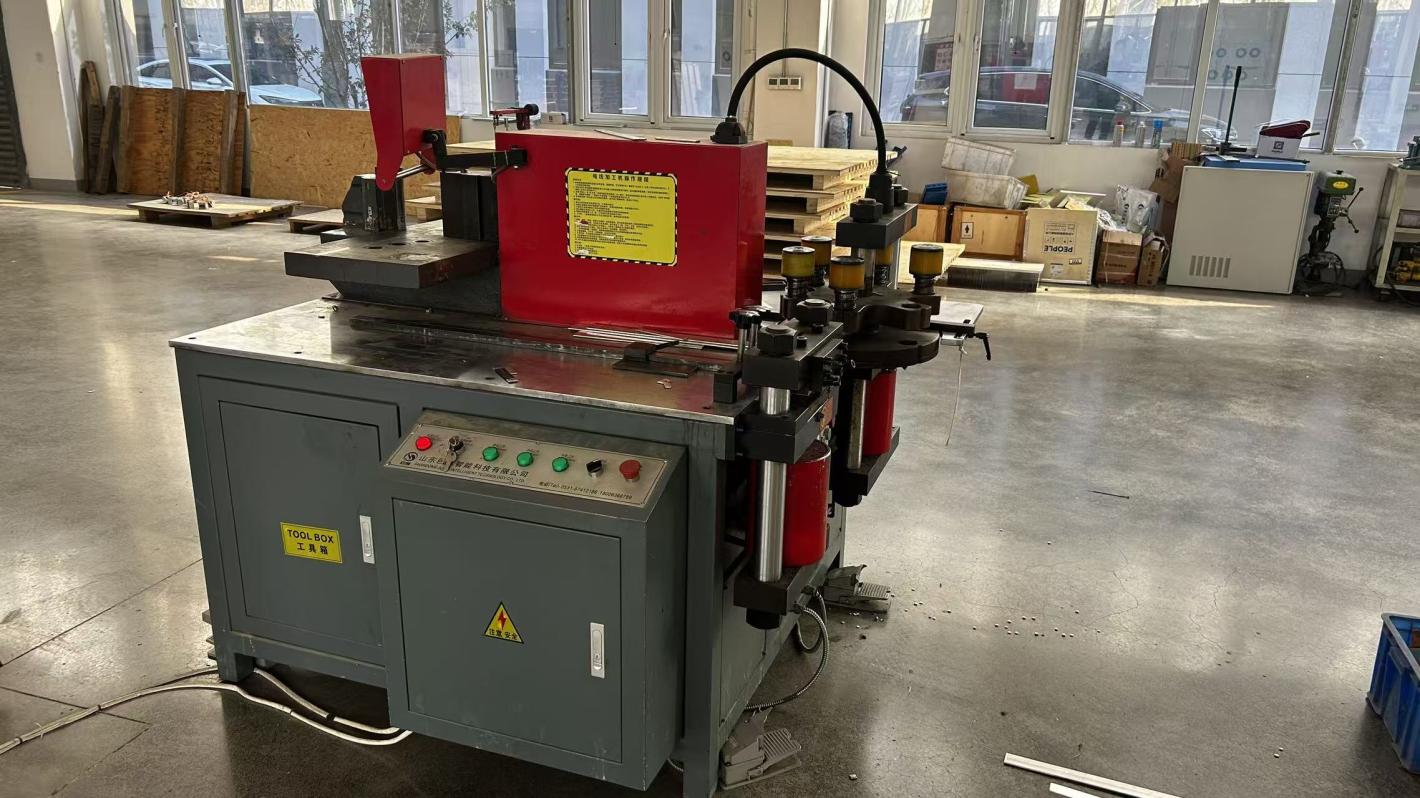
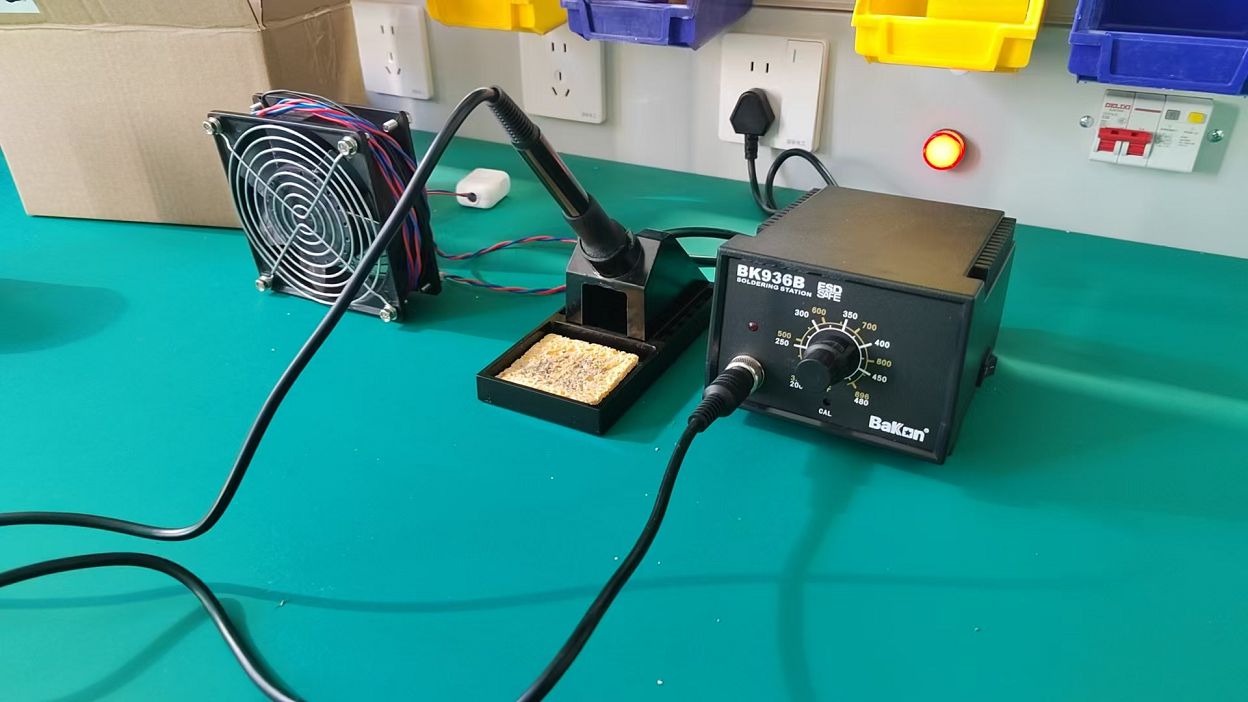
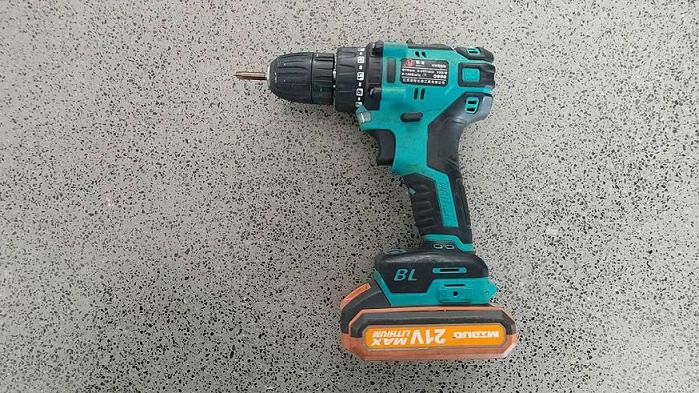
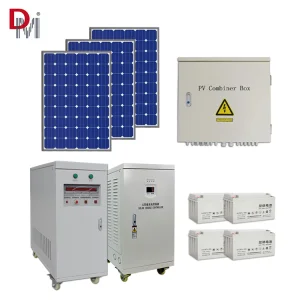
Advanced power electronics, storage converters, and turbine options optimized for municipal, commercial, and industrial developers in Sri Lanka.
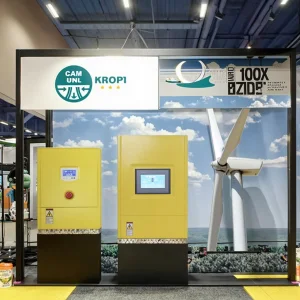
Technical guidance for developers, EPC contractors, and system integrators planning wind and hybrid projects in Sri Lanka.
Whether you are developing a commercial solar-wind microgrid for a highland estate, deploying marine-grade systems in coastal regions, or planning a grid-tie system, our engineering team can help customize your power electronics package.
Send Inquiry Now Demin Power