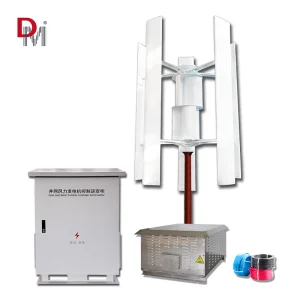
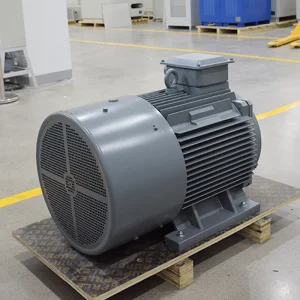
Engineered to operate seamlessly across high-altitude regions, providing stable local generation and minimizing grid-tie complexities.
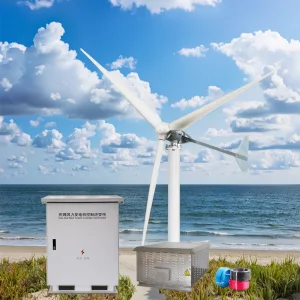
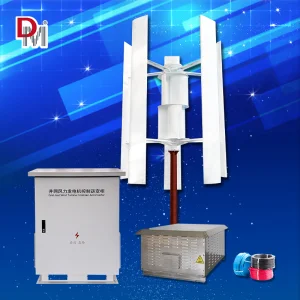
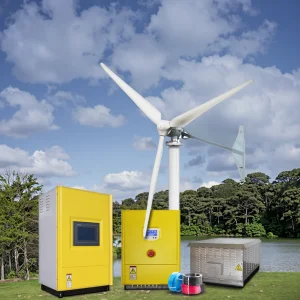
Analyzing technical challenges and industrial criteria for turbine components and power conversion systems deployed across complex Swiss topographies.
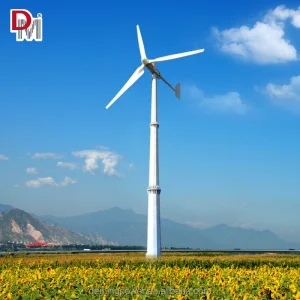
Switzerland’s wind energy landscape is defined by extreme topography and strict regional environmental regulations. Unlike flat offshore terrains in Northern Europe, Swiss wind turbine installations must deal with rapid gust variations in the Jura Mountains, Alpine passes, and high-altitude valleys. For project developers and global buyers sourcing equipment in Switzerland, standard commercial wind solutions are often inadequate. Systems require high-performance thermal tolerances, localized grid compliance, and integration with secondary energy resources like hydro-power and solar PV.
Key technical hurdles include low air density at high elevations, which directly affects the aerodynamic power extraction curve, and complex winter weather that demands ice mitigation strategies. To resolve these challenges, modern manufacturers focus on high-efficiency Permanent Magnet Synchronous Generators (PMSG), adaptive control algorithms, and robust grid-tie controllers capable of maintaining power quality under weak-grid scenarios common in remote valleys.
Alpine microgrids frequently feature high impedance and low fault levels. Power converters must manage Total Harmonic Distortion (THD) and offer low-voltage ride-through (LVRT) to prevent local grid collapse during sudden wind gusts or load variations.
Swiss industrial norms require strict safety configurations. High-speed emergency electromagnetic braking, active pitch control, and localized temperature regulation inside the nacelle are required to safeguard systems from sub-zero temperatures.
With high population density near mountain tourism hubs, turbines in Switzerland must meet strict low-frequency noise restrictions. Direct-drive vertical axis designs and acoustic dampening panels inside nacelles assist in maintaining regulatory compliance.
ISO9001:2015 certified R&D and manufacturing processes supporting global renewable energy grids.
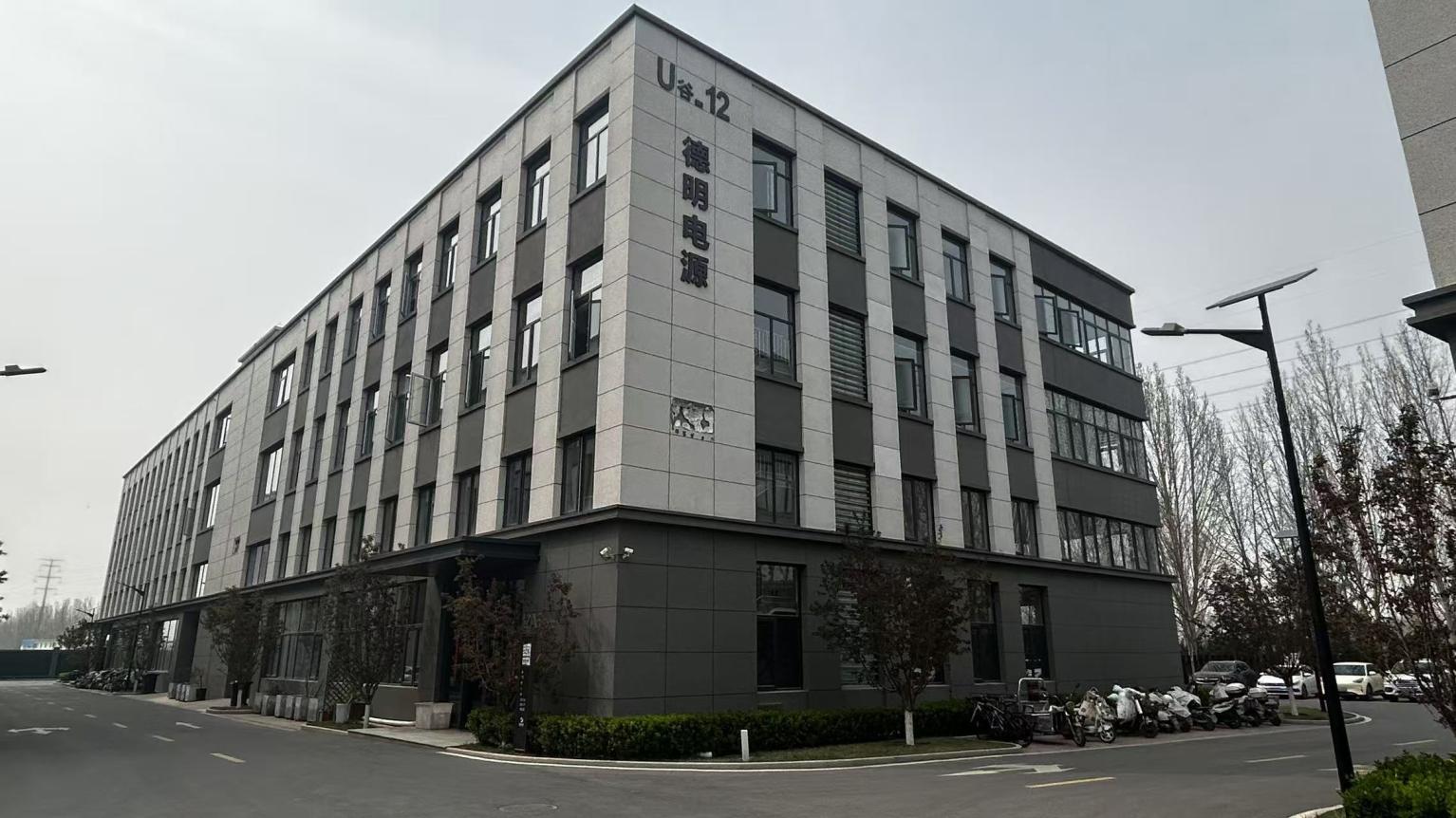
Jinan Deming Power Equipment Co., Ltd. is a nationally recognized high-tech enterprise established in 2004, specializing in the research, development, production, and service of renewable energy power equipment and advanced power testing solutions. The company holds ISO9001:2015 certification and has been recognized as a high-tech enterprise by the Chinese government multiple times (2015, 2018).
With a dedicated R&D team of 16 engineers including doctoral supervisors and master's degree holders, Deming invests no less than 20% of annual sales revenue into technology development. The company has completed 17 R&D projects in the last three years with 16 scientific and technological achievements transformed into commercial products. Deming's products have been exported to 120+ countries including Germany, Japan, the United States, UK, Canada, Australia, Switzerland, and Brazil, and the company has established cooperative relationships with Fortune 500 enterprises.
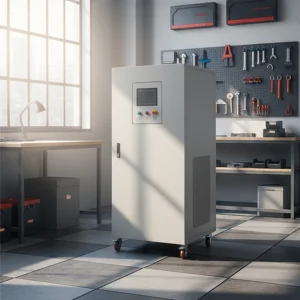
The company's main products include wind/solar controllers, inverters, frequency converters, and high-power bidirectional DC test power supplies and battery simulators ranging from 150kW to 500kW, serving as critical components for industrial-grade wind turbine systems deployed globally.
When sourcing controllers and inverters for Swiss wind system deployment, buyers should pay close attention to environmental protection ratings (IP65+) and grid synchronization response times. Standard converters often suffer from thermal derating above 1500 meters altitude due to decreased cooling efficiency in thin air. Deming's oversized heat dissipation fins and active thermal management ensure reliable performance up to 3000 meters above sea level.
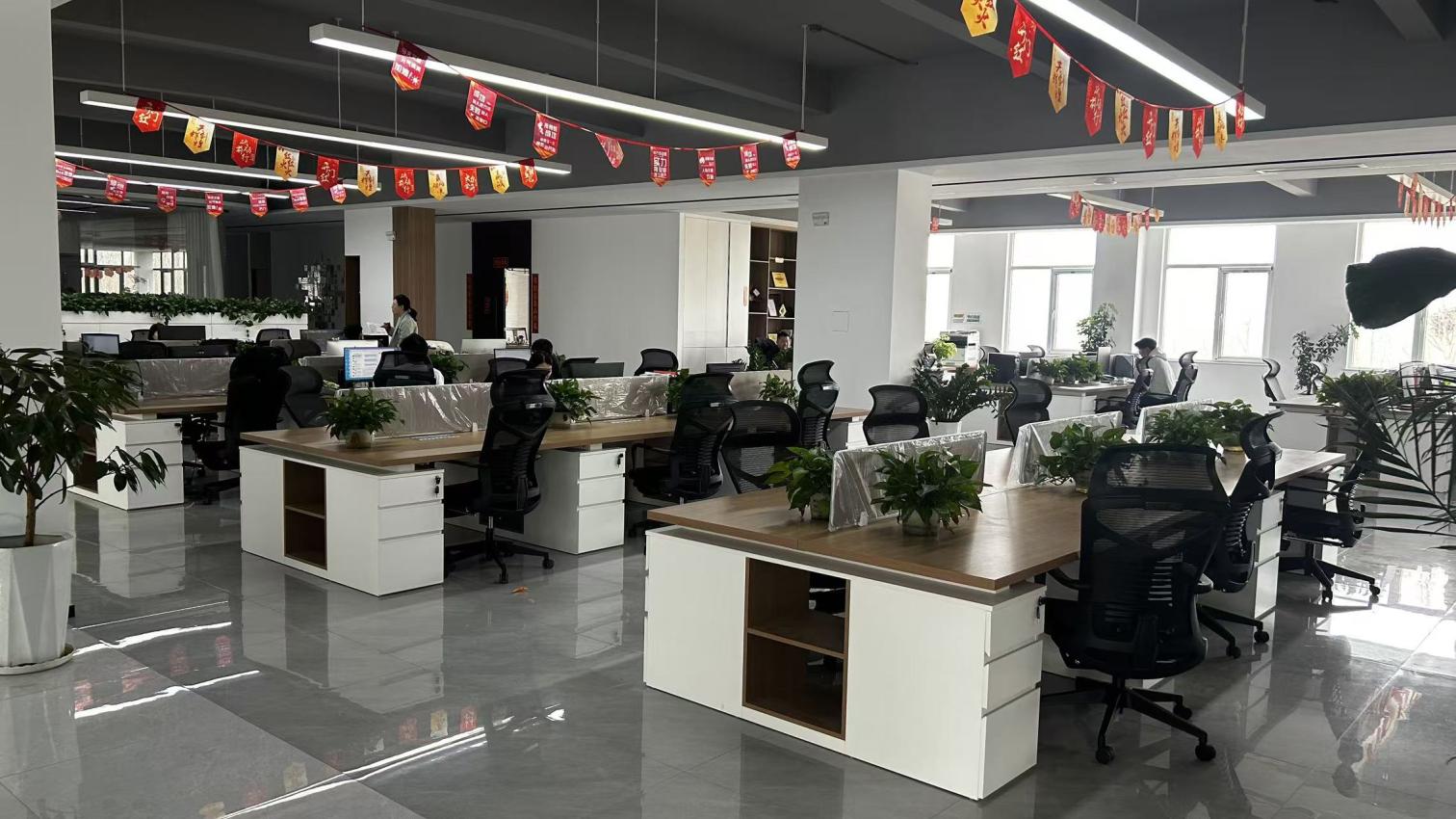
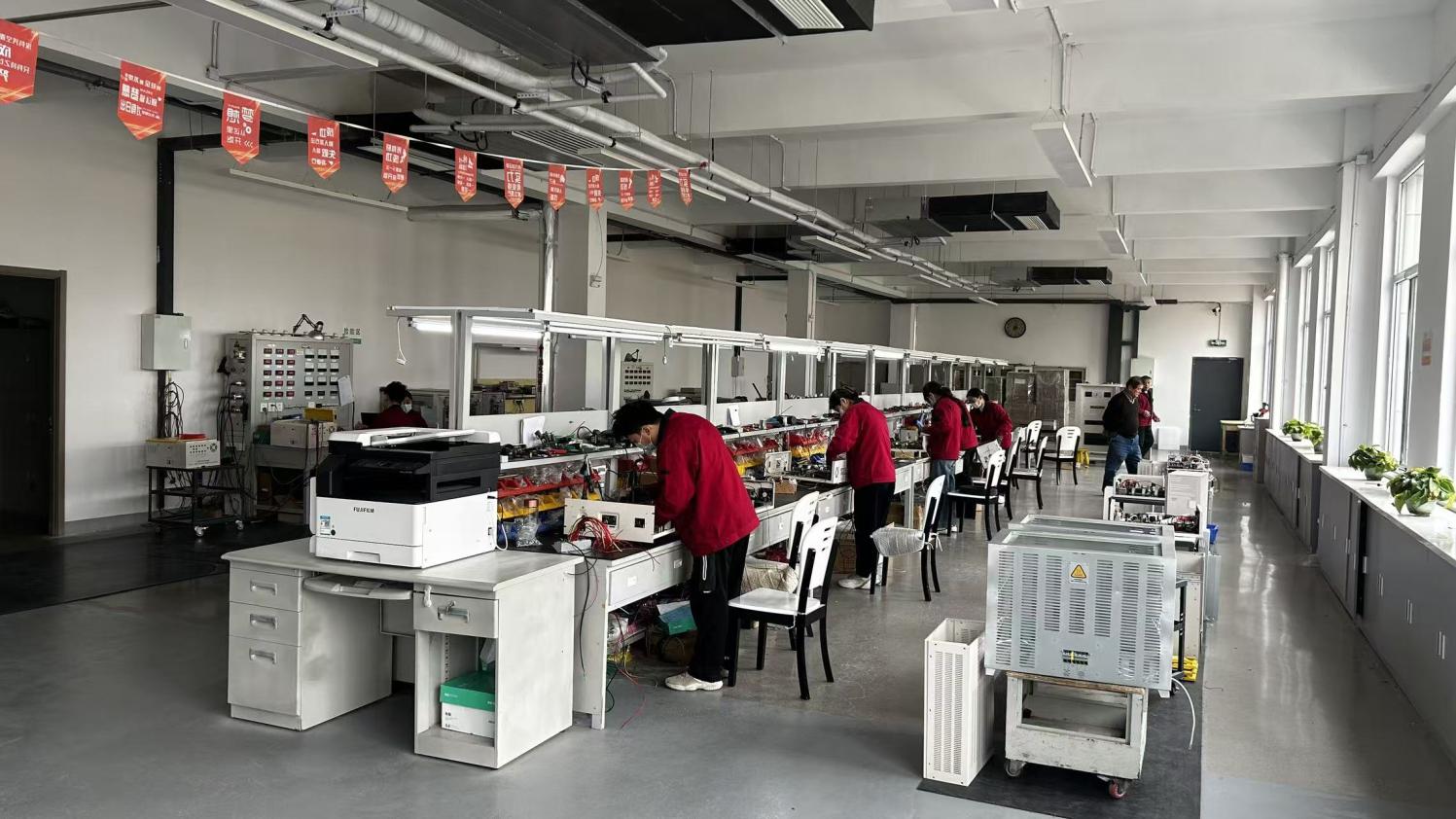
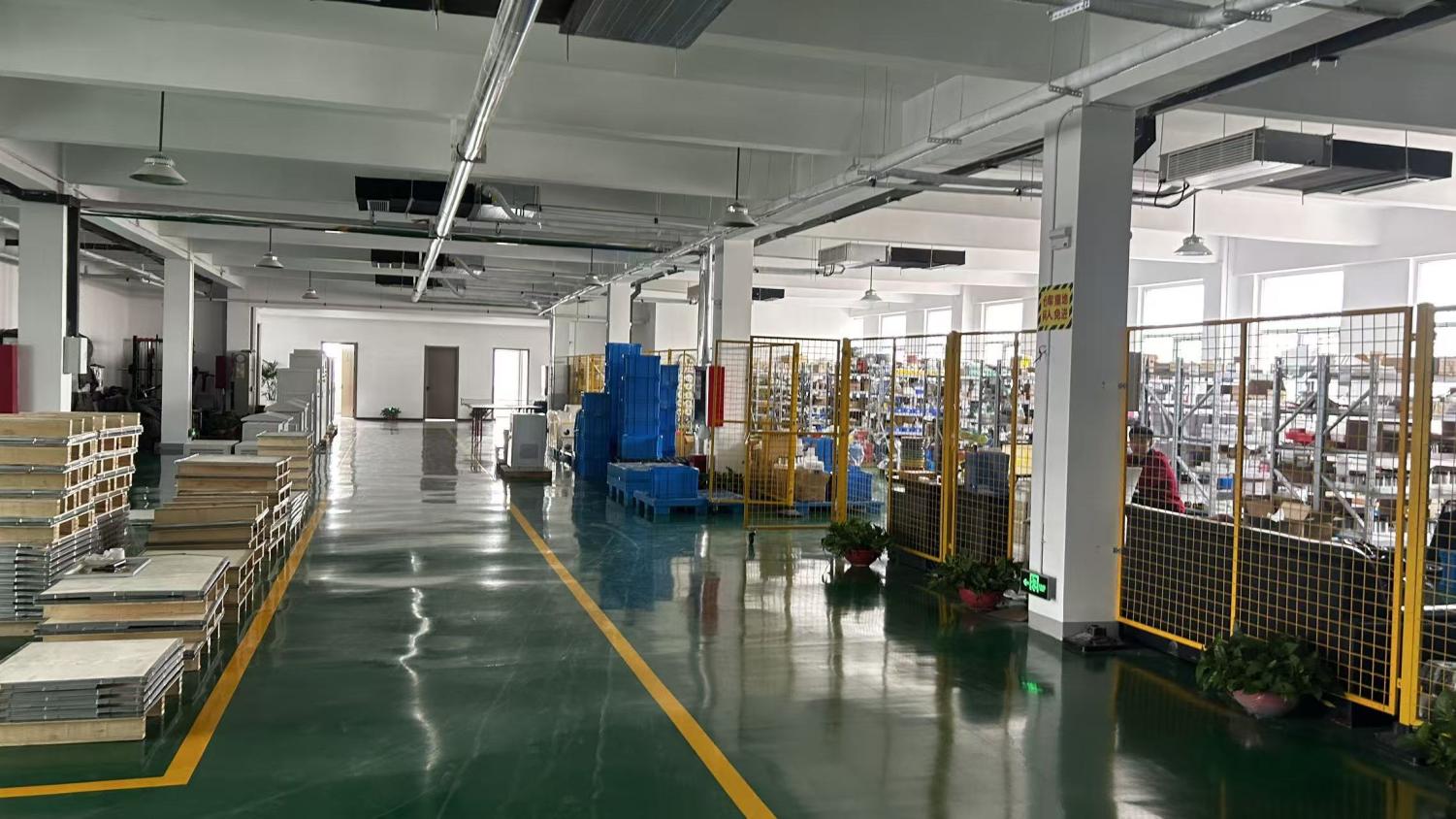
A view inside our state-of-the-art testing facility ensuring the reliability of every turbine component.
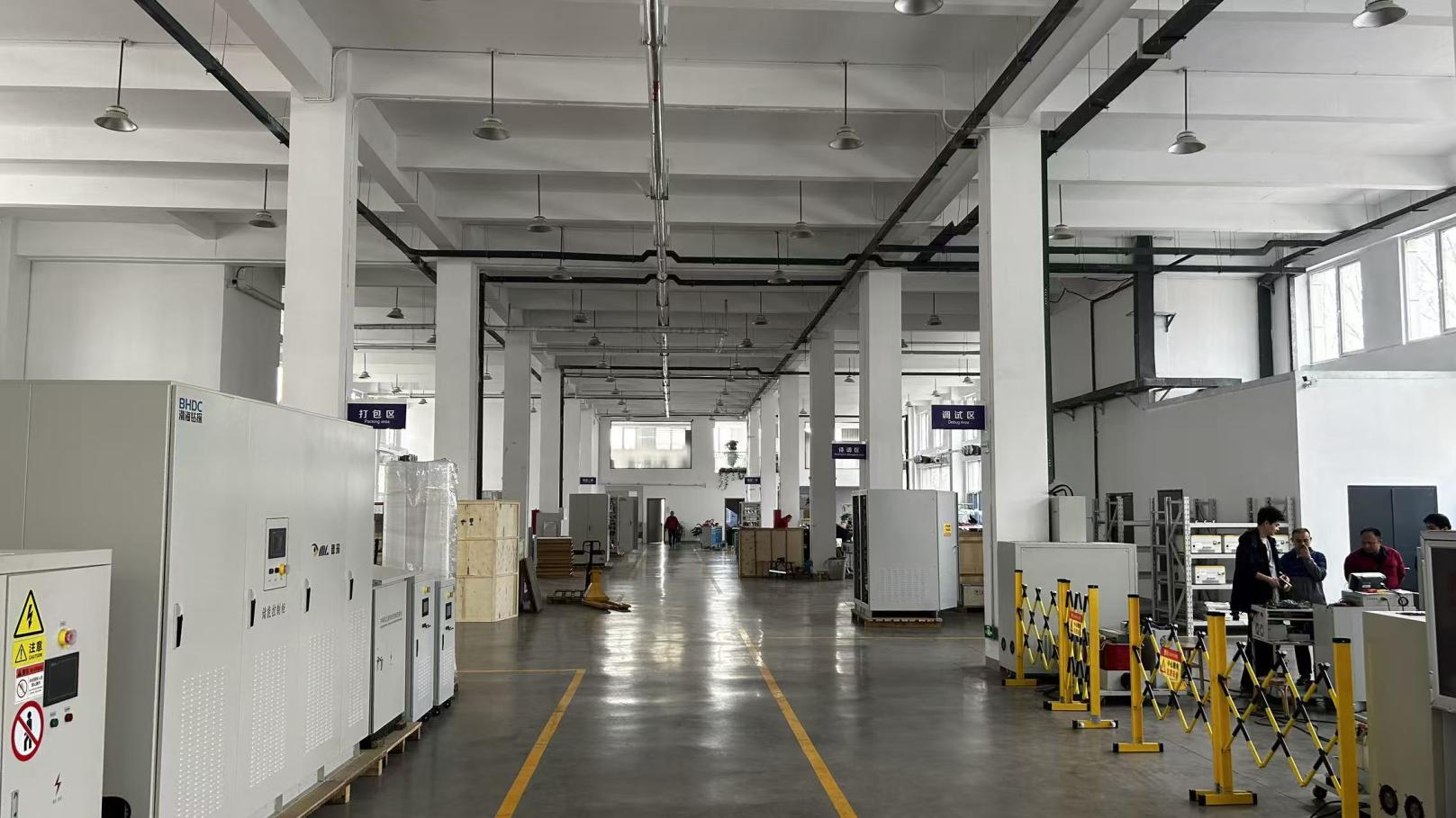 Quality Management
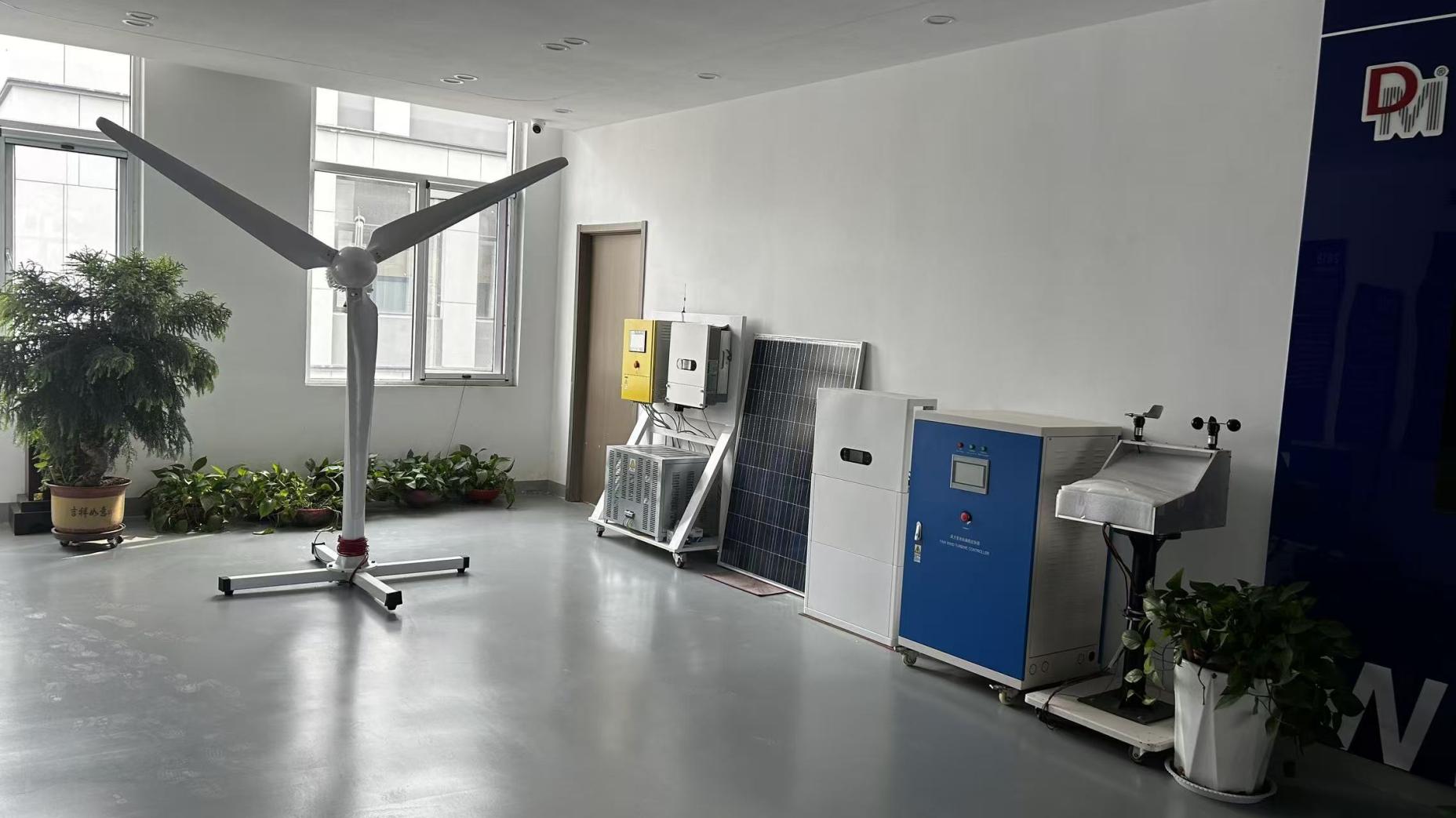 Manufacturing Line
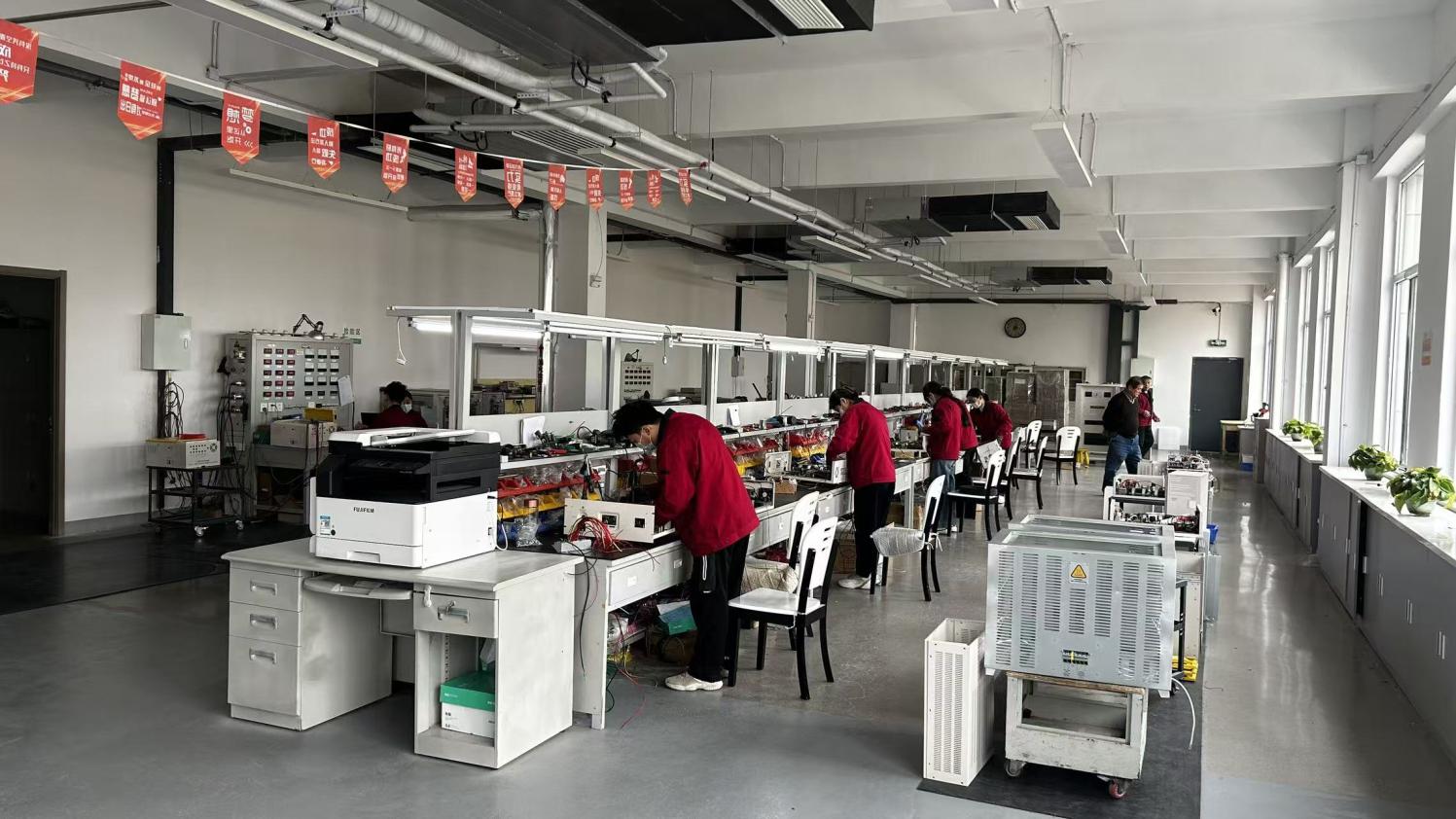 Circuit Assembly
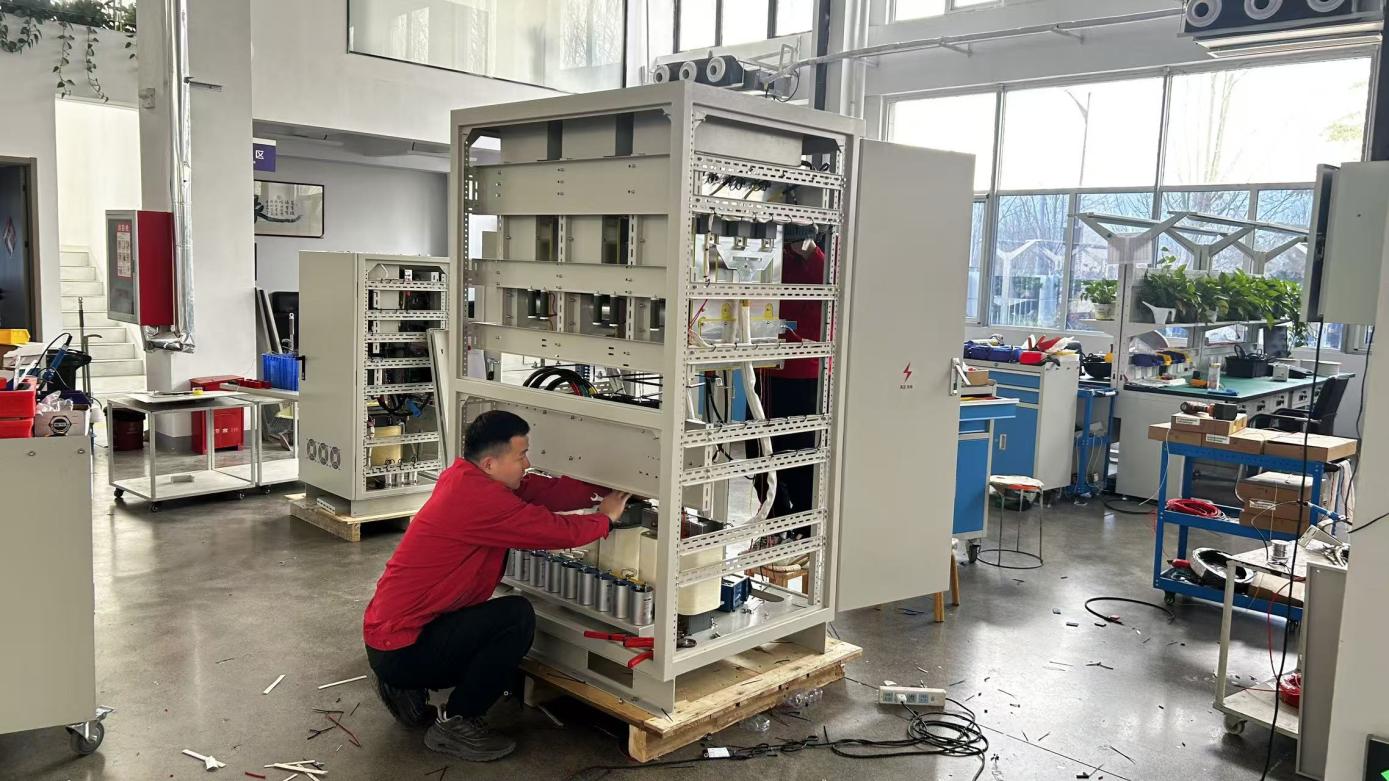 PCB Assembly
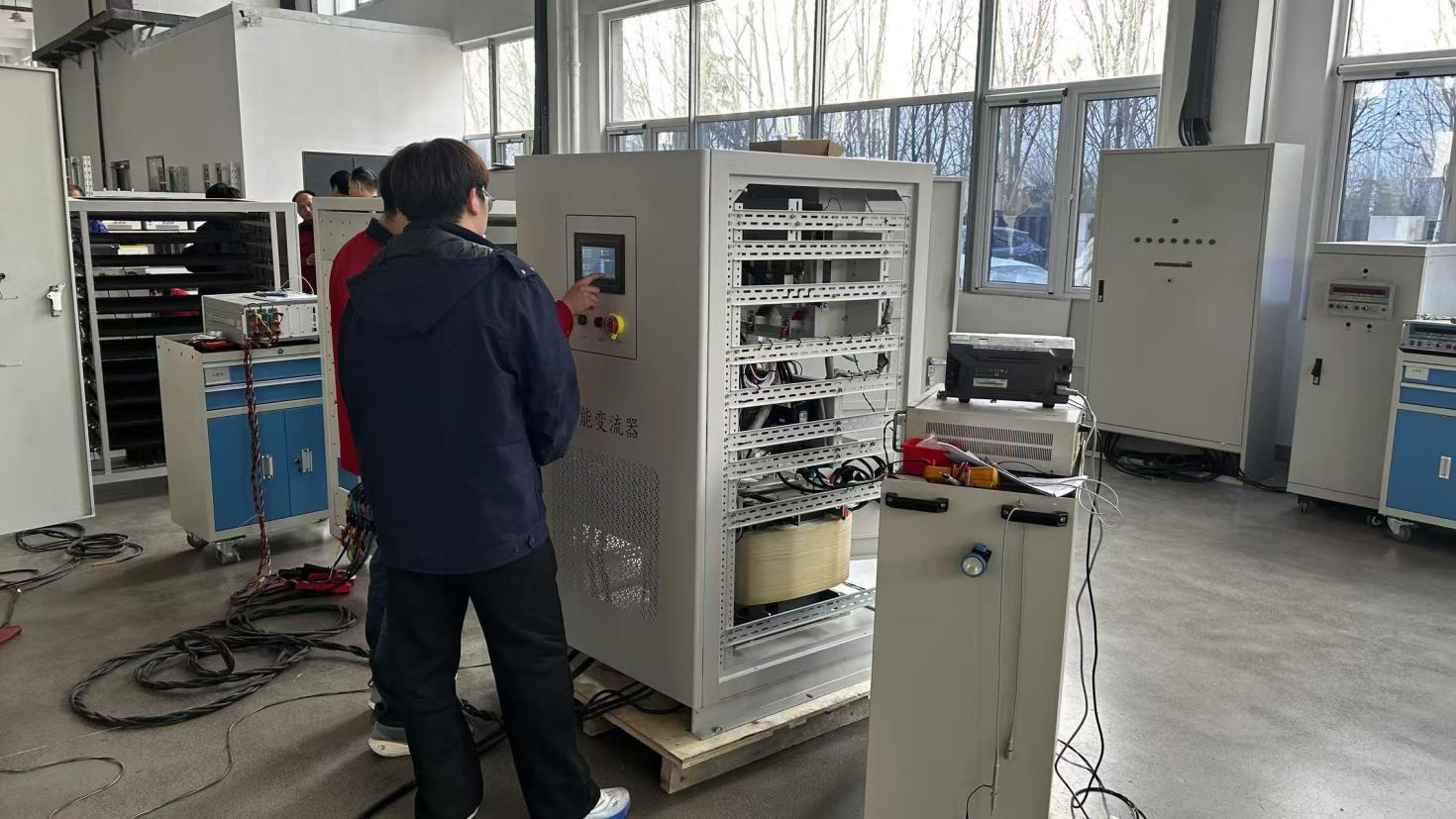 Debugging Process
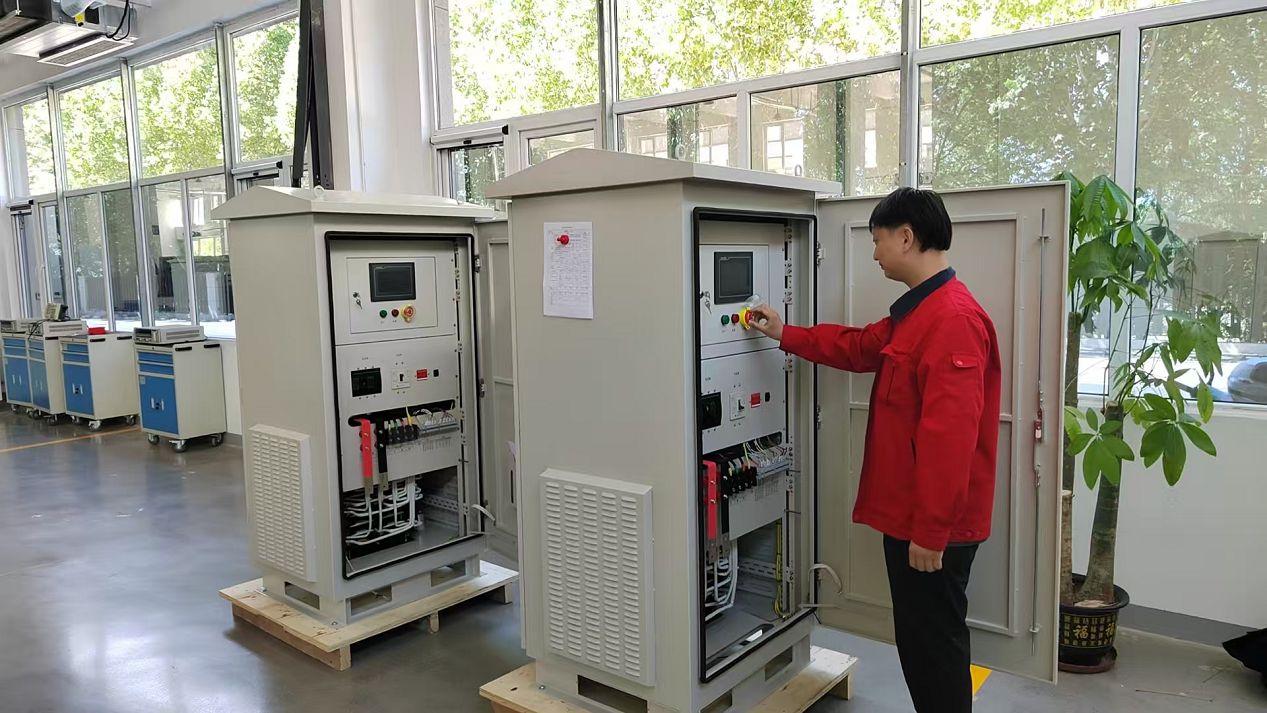 Quality Inspection
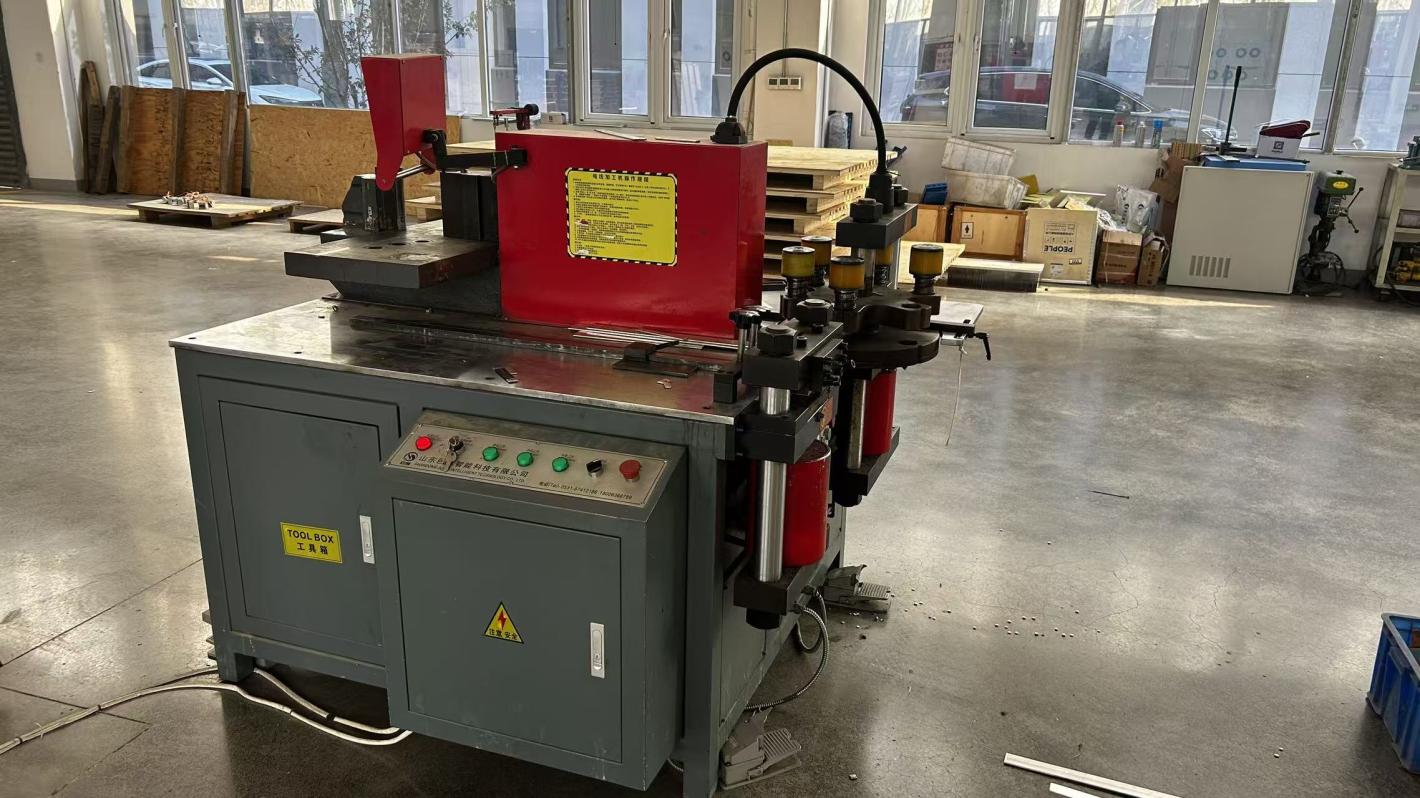 Copper Bar Processing
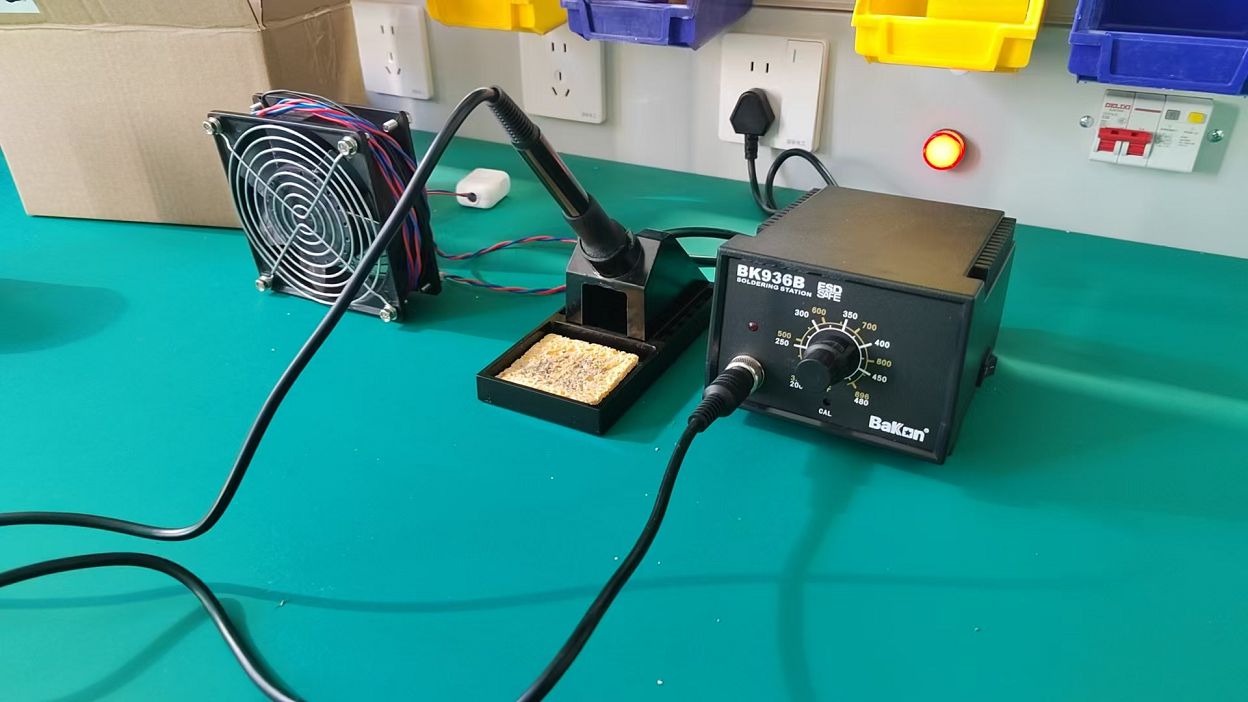 Electric Ferrowire Production
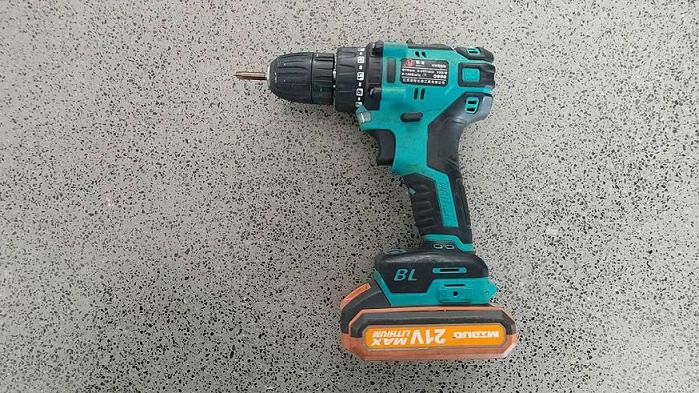 Precision Drilling Tools
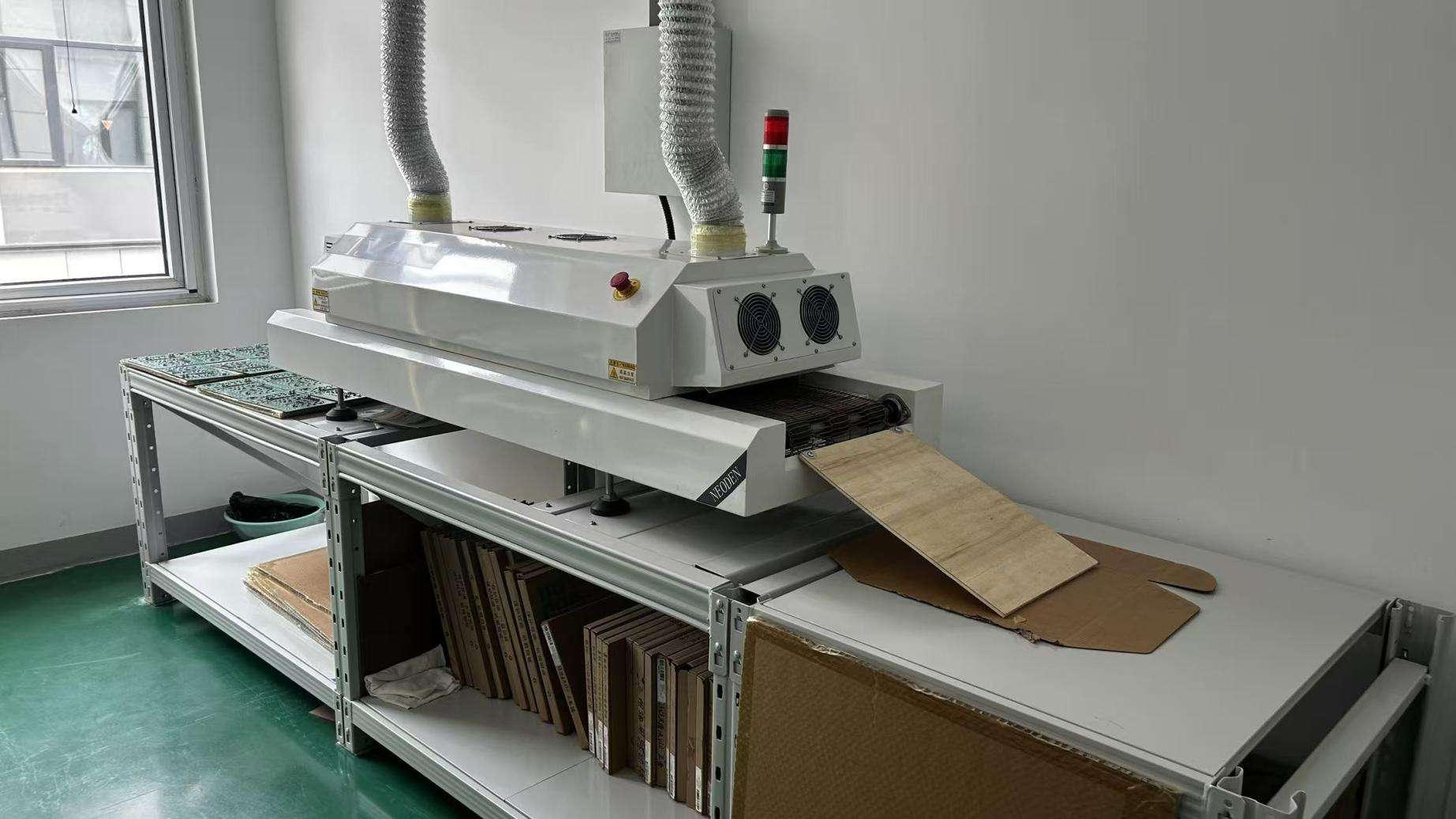 Reflow Soldering Line
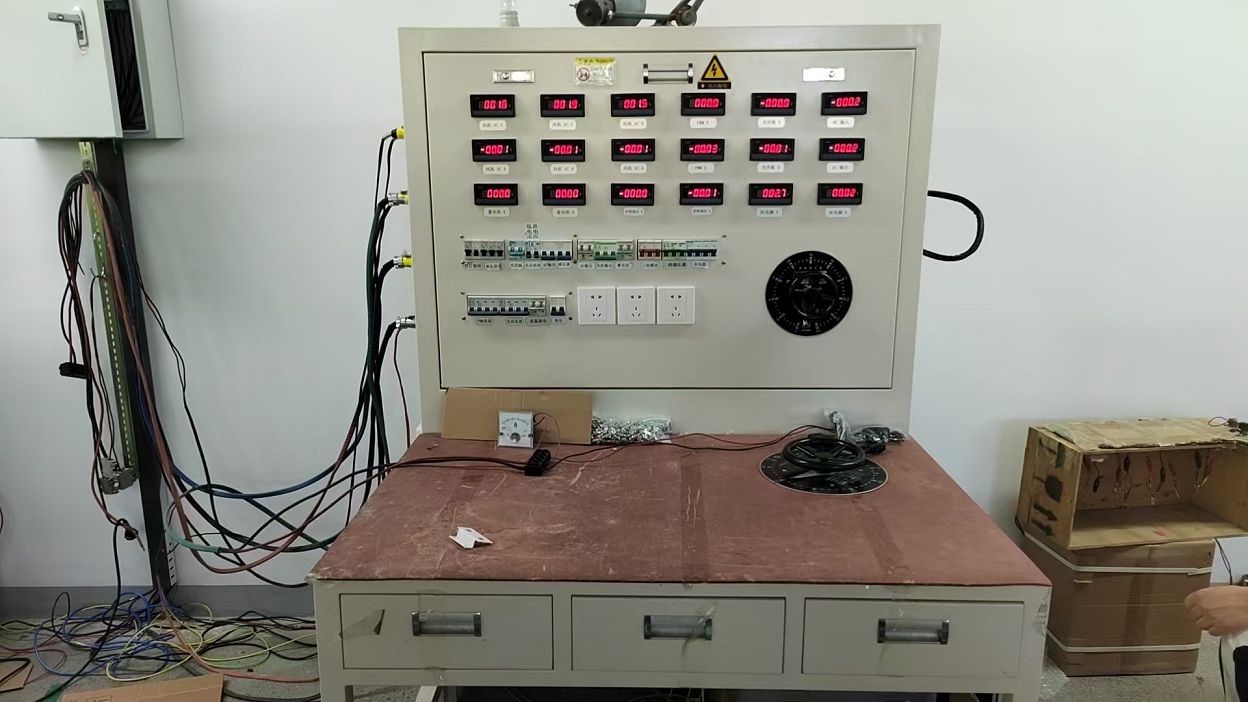 Assembly Workstations
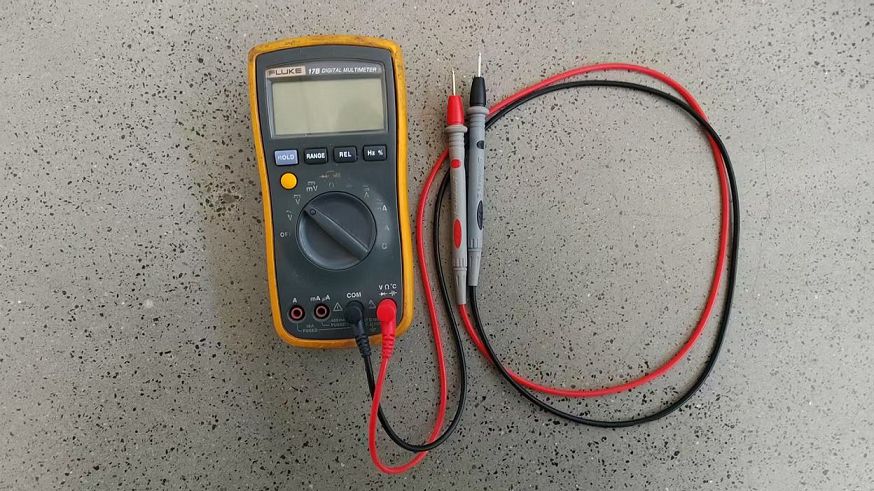 Digital Multimeters
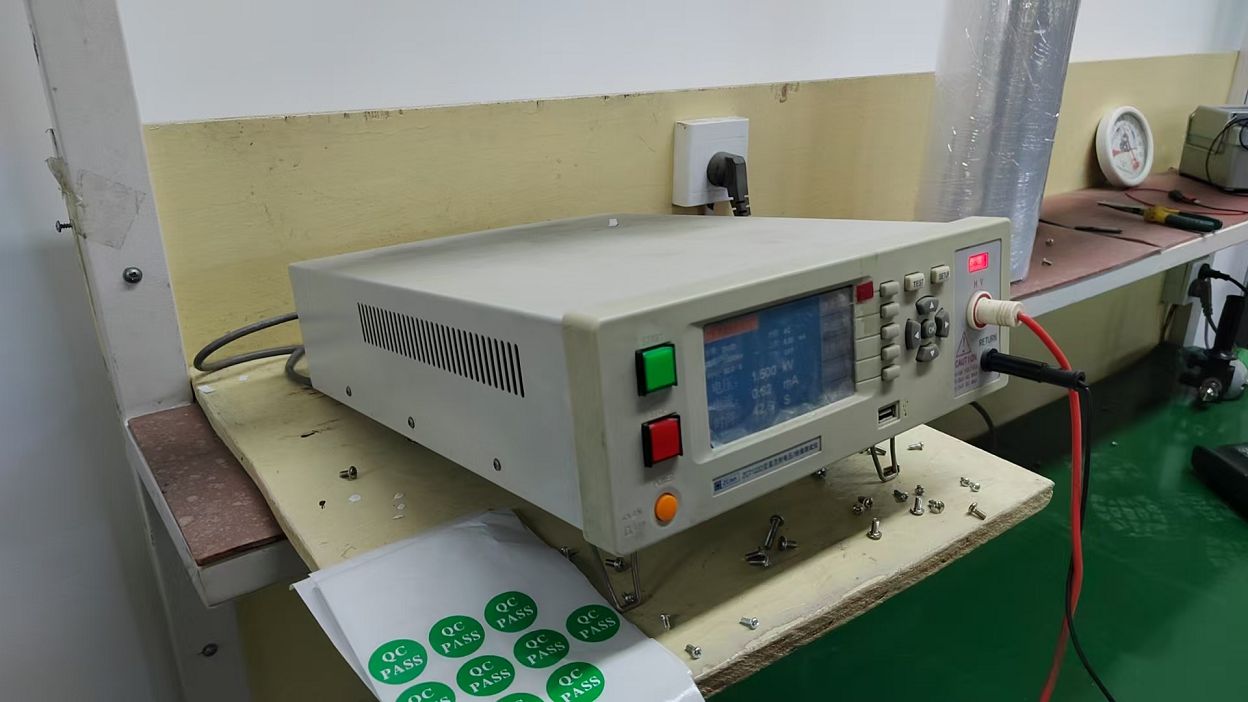 LCR AutoTester
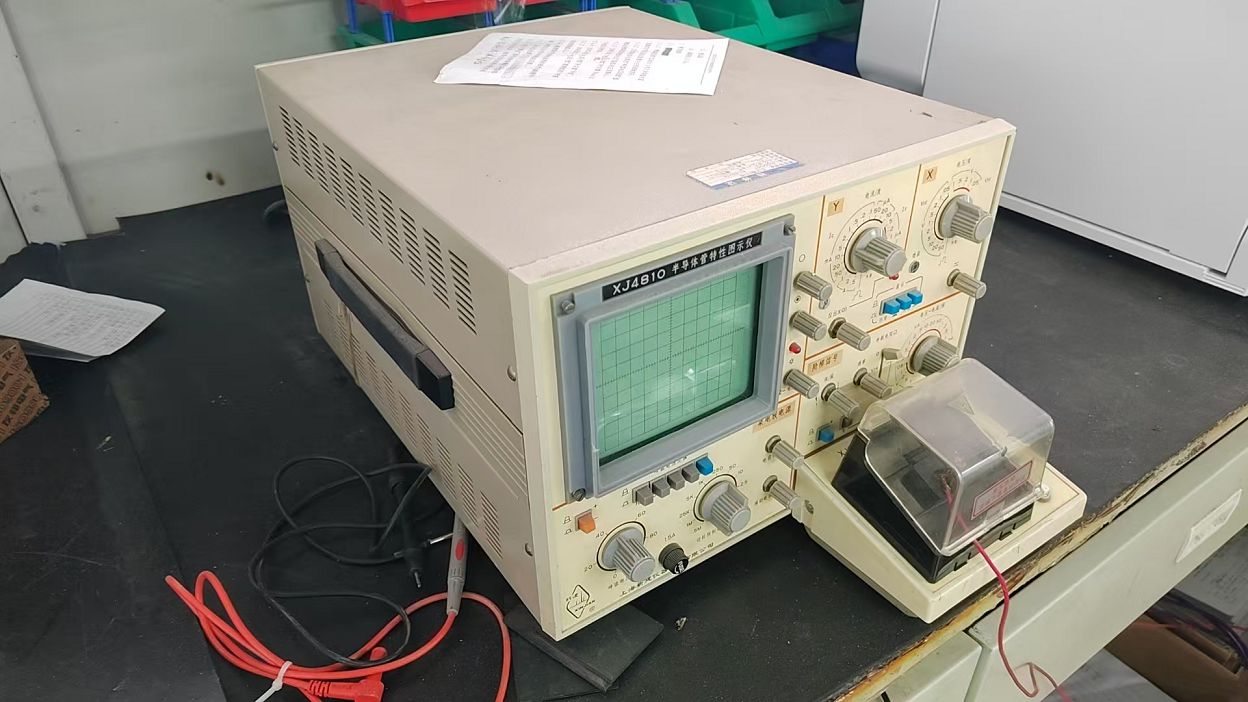 Semiconductor Plotter
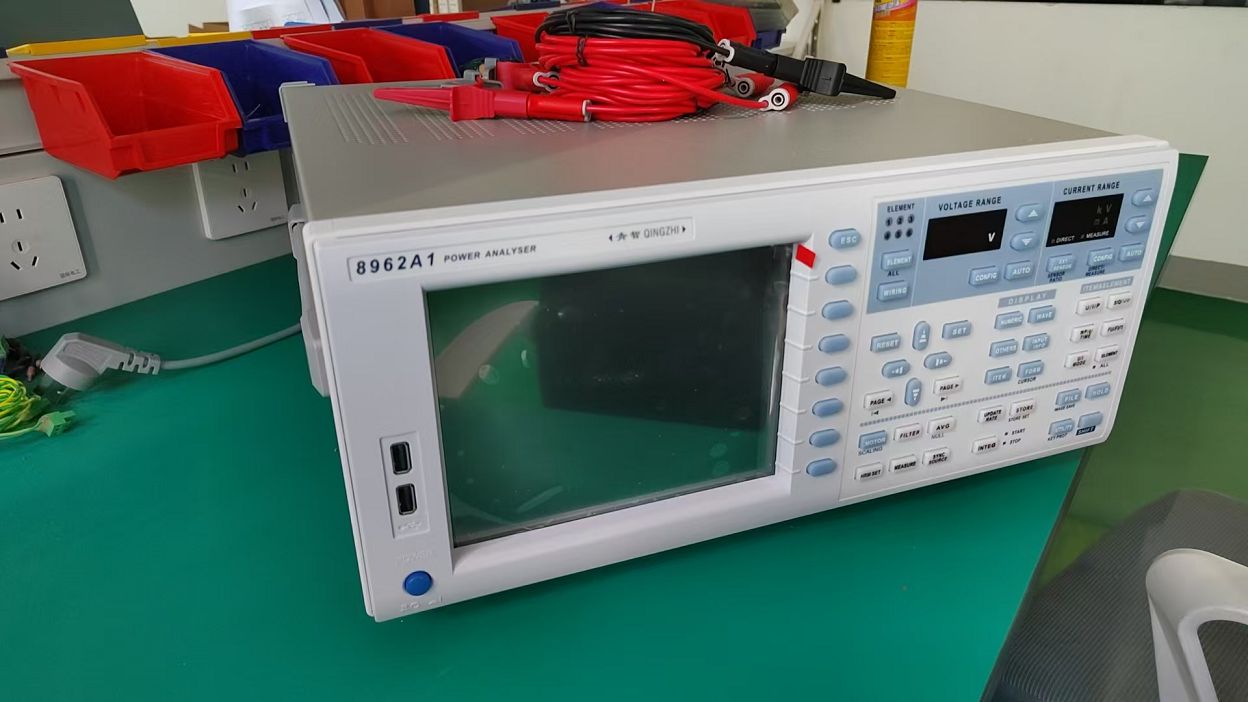 Digital Oscilloscope
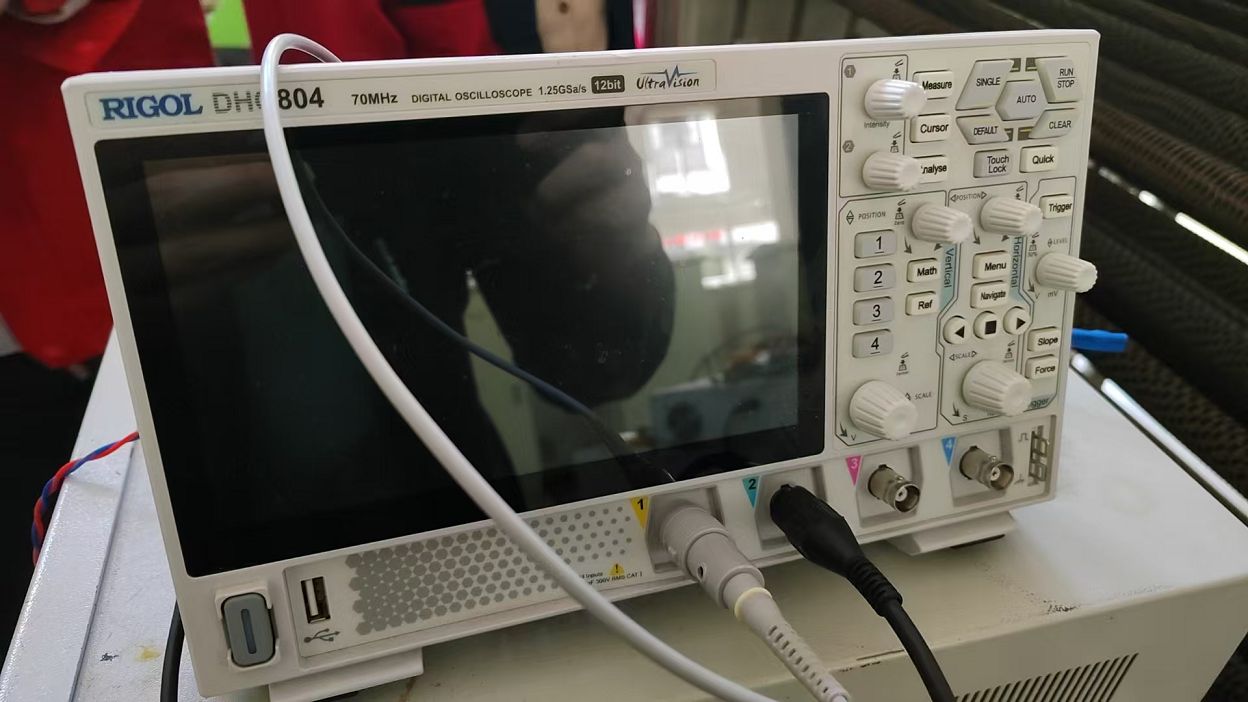 Power Quality Analyzer
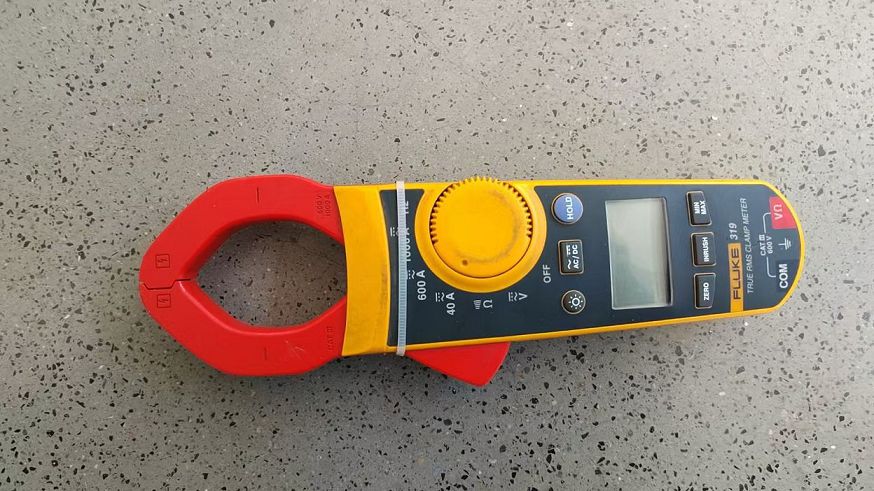 Clamp Current Meter
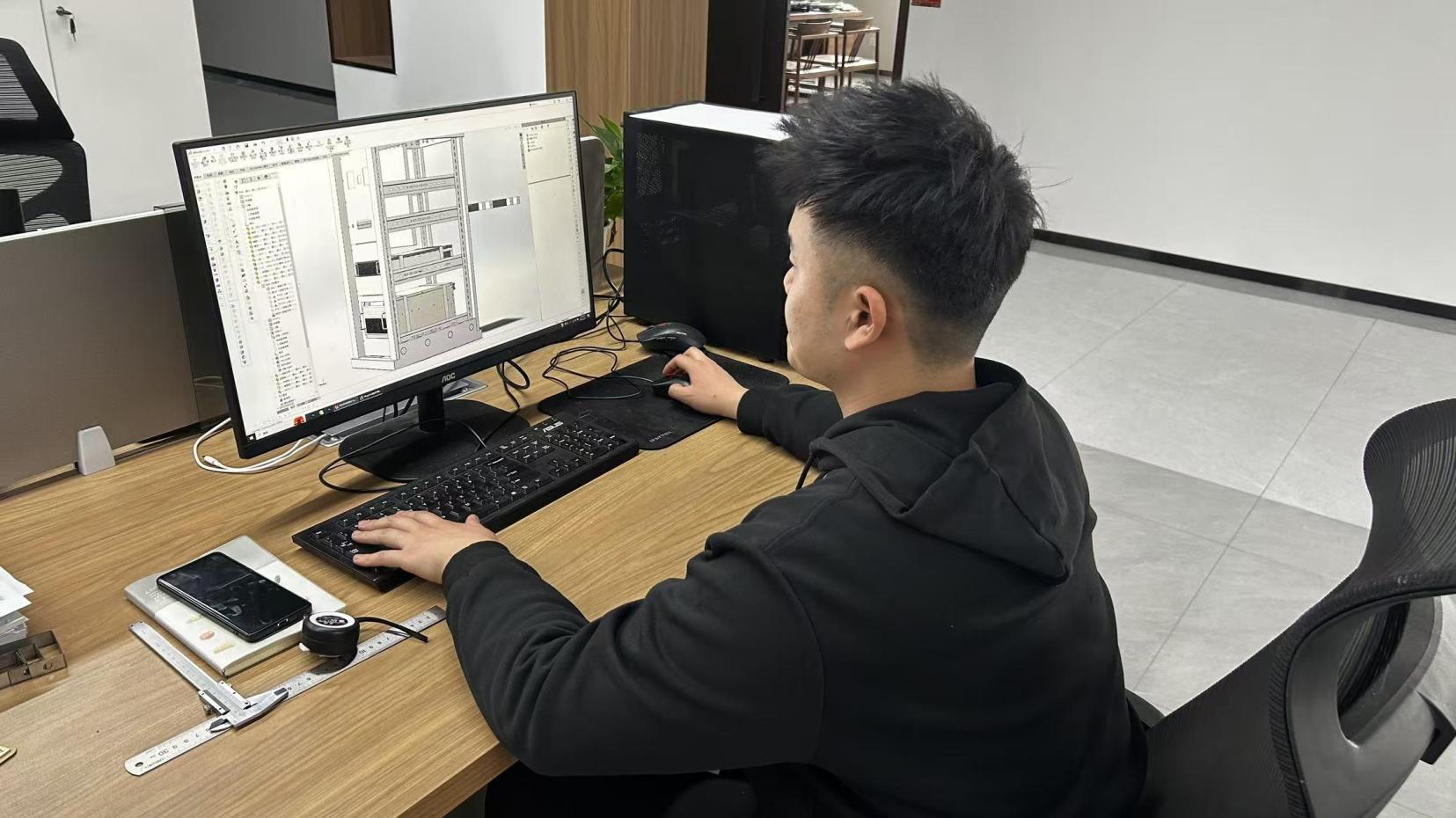 CAD Drawing Design
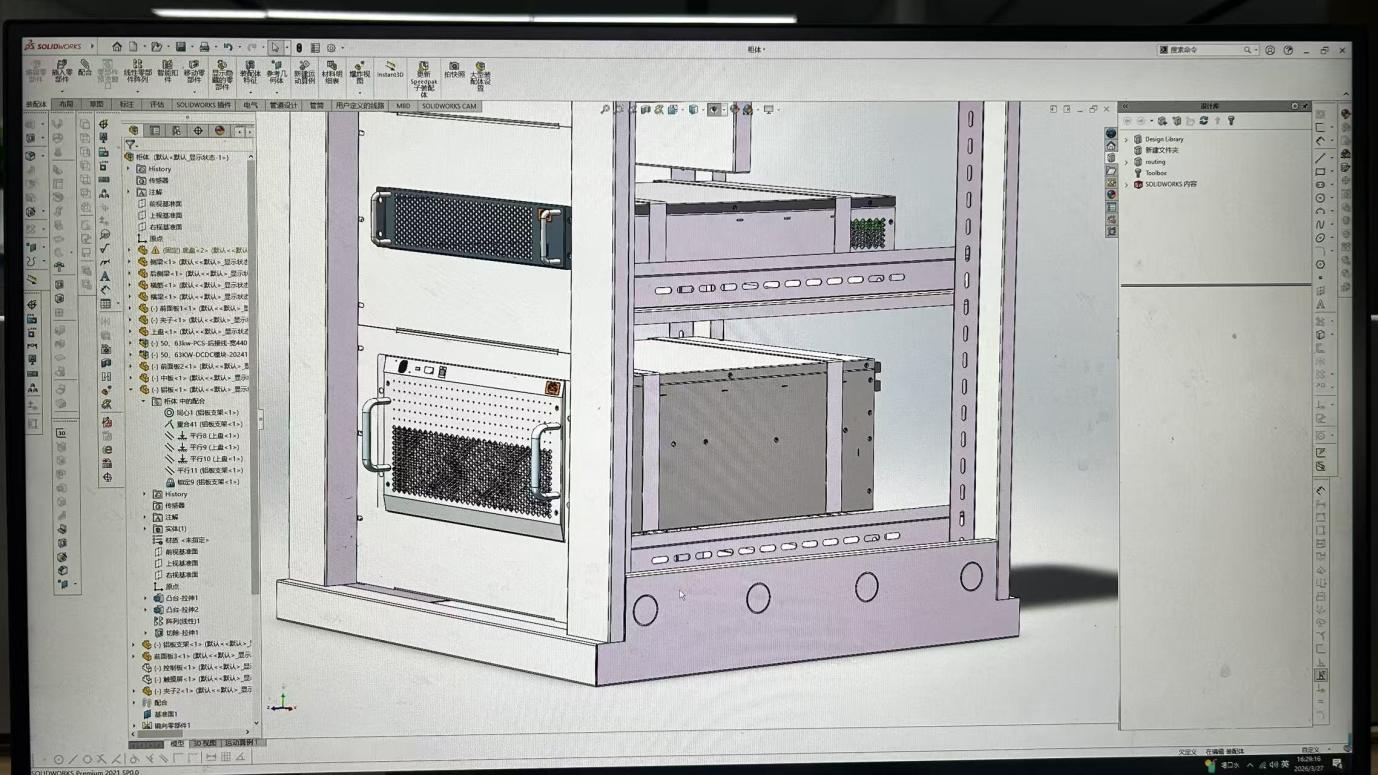 Engineering CAD Center
High-reliability power generation elements configured to meet the rigorous grid connection requirements of European installations.
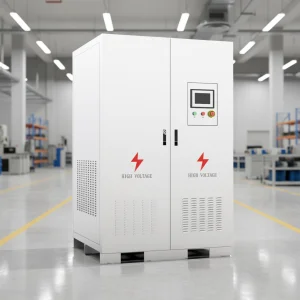
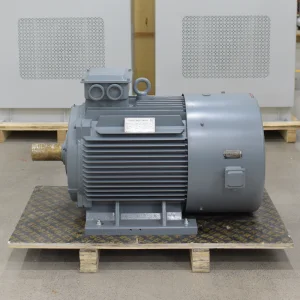
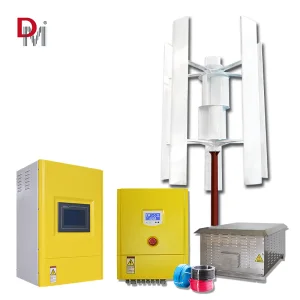
Overcoming high-altitude challenges through robust thermal design, active vibration suppression, and dynamic reactive power control.
Deploying wind systems in mountainous regions like Switzerland presents distinct aerodynamic challenges. Standard wind systems are configured for sea-level conditions with an air density of approximately 1.225 kg/m³. At elevations above 1,500 meters, air density decreases, altering the aerodynamic properties of turbine blades. This variation shifts the optimal tip-speed ratio, requiring turbine controllers to adapt their rotor speed setpoints to maximize power output. Deming Power’s multi-phase wind turbine controllers resolve this issue by integrating real-time pressure sensors with dynamic Maximum Power Point Tracking (MPPT) algorithms.
Furthermore, grid integration under the strict guidelines of EN 50549-1/2 demands active frequency containment reserves (FCR) and reactive power regulation. If a wind system connects to a remote mountain substation, voltage instability can occur due to fluctuations in wind speed. To address this, our grid-tie conversion systems utilize digital signal processors (DSPs) to monitor phase angle deviations, adjusting reactive power within 20 milliseconds to stabilize local lines. This capability allows Swiss engineering firms to deploy wind energy projects in isolated valleys without installing additional condenser banks.
Corrosion resistance is also critical for long-term durability in high-humidity mountain passes. Heavy condensation and winter salt applications can damage electrical insulation. By utilizing IP54 and IP65 enclosure protection levels and marine-grade anti-corrosion coatings, Deming ensures that every turbine component can withstand decades of exposure to alpine elements.
From micro-hydro generators to commercial-scale bidirectional converters, explore our full technology range.
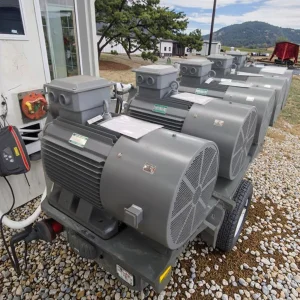
Technical answers regarding local Swiss regulations, wind turbine electronics selection, and installation best practices.
Our power converters and inverters are engineered to comply with EN 50549-1/2 and specific Swissgrid standards. They include integrated features for active frequency containment reserves, adjustable reactive power settings, and localized low-voltage ride-through (LVRT) to ensure grid stability in remote Alpine locations.
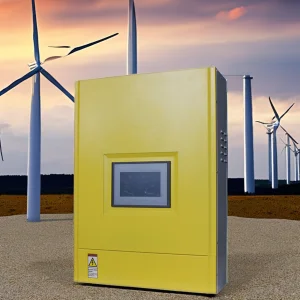
Lower air density reduces the kinetic energy available in the wind. Our turbine controllers resolve this by utilizing customized Maximum Power Point Tracking (MPPT) algorithms that dynamically adjust rotor speed to maintain the optimal tip-speed ratio, ensuring efficient power generation even at altitudes exceeding 2,000 meters.
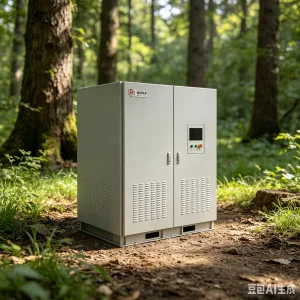
We design components with IP54 and IP65 protection ratings, using stainless steel and marine-grade anti-corrosion coatings. Our electronics housing is designed with advanced thermal systems to prevent condensation and maintain stable operation down to -40°C.
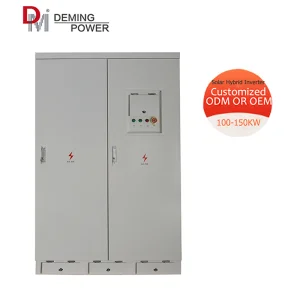
Yes, our 3-phase hybrid inverters (such as the 150kW and 200kW models) and our 300kW Power Conversion Systems (PCS) are specifically designed to coordinate inputs from wind, solar, and micro-hydro sources, managing battery charging and grid discharge to optimize energy supply.
Every product is manufactured under ISO9001:2015 standards, carries CE marking, and undergoes rigorous laboratory performance testing using digital oscilloscopes, LCR autotesters, and semiconductor testers. We provide comprehensive test reports and technical drawings to assist local Swiss engineers during grid certification.
Contact our engineering support team to receive CAD drawings, structural data sheets, and custom converter configurations tailored to your local grid constraints.
Request Project Support Now Demin Power