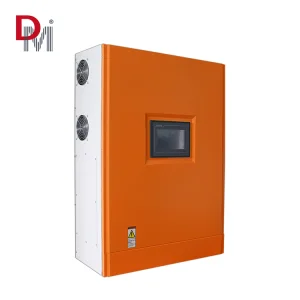
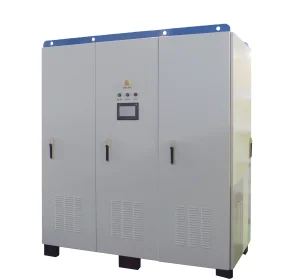
Pioneering industrial-grade power transformation and system control modules built to CE certification standards.
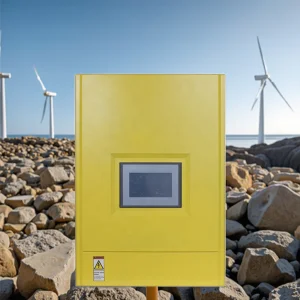
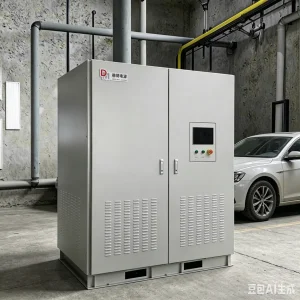
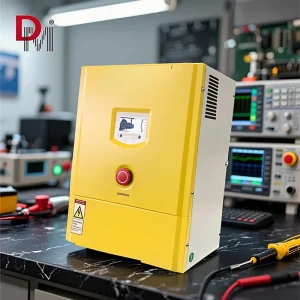
Founded in 2004, Jinan Deming Power Equipment Co., Ltd. is a nationally recognized high-tech enterprise specializing in the research, development, and manufacture of utility-grade renewable energy power equipment. Our core expertise resides in designing and fabricating advanced bidirectional energy storage systems (ESS), industrial wind/solar hybrid controllers, variable frequency shore power installations, and grid stabilizers.
Operating under strict ISO9001:2015 Quality Management standards, Deming has repeatedly earned national High-Tech Enterprise status from the Chinese government (in 2015 and 2018). Our relentless pursuit of technical innovation is backed by a highly qualified R&D team consisting of 16 senior engineers, including academic doctoral supervisors and post-graduate master's degree holders. To maintain technological preeminence, we allocate no less than 20% of our annual sales revenue directly back to internal scientific and technological development projects.
Over the last three consecutive years, this research focus has driven the execution of 17 major R&D projects, resulting in 16 high-impact technological breakthroughs successfully commercialized into our standard product catalog. Today, Deming's mission-critical hardware is deployed across more than 120 countries, including the United States, Germany, Japan, the United Kingdom, Canada, Australia, and Brazil, working in close technical partnerships with several Fortune 500 enterprises.
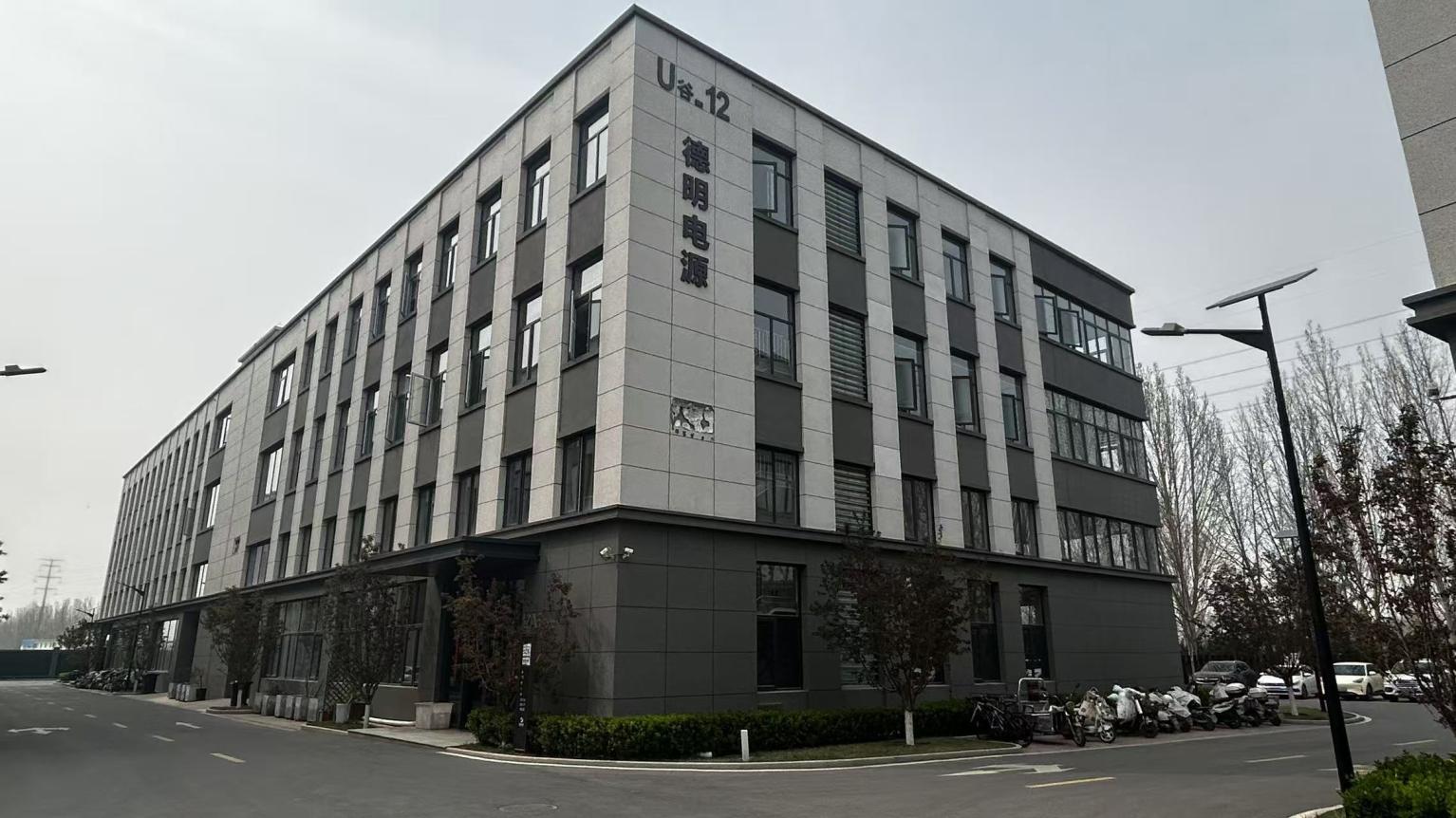
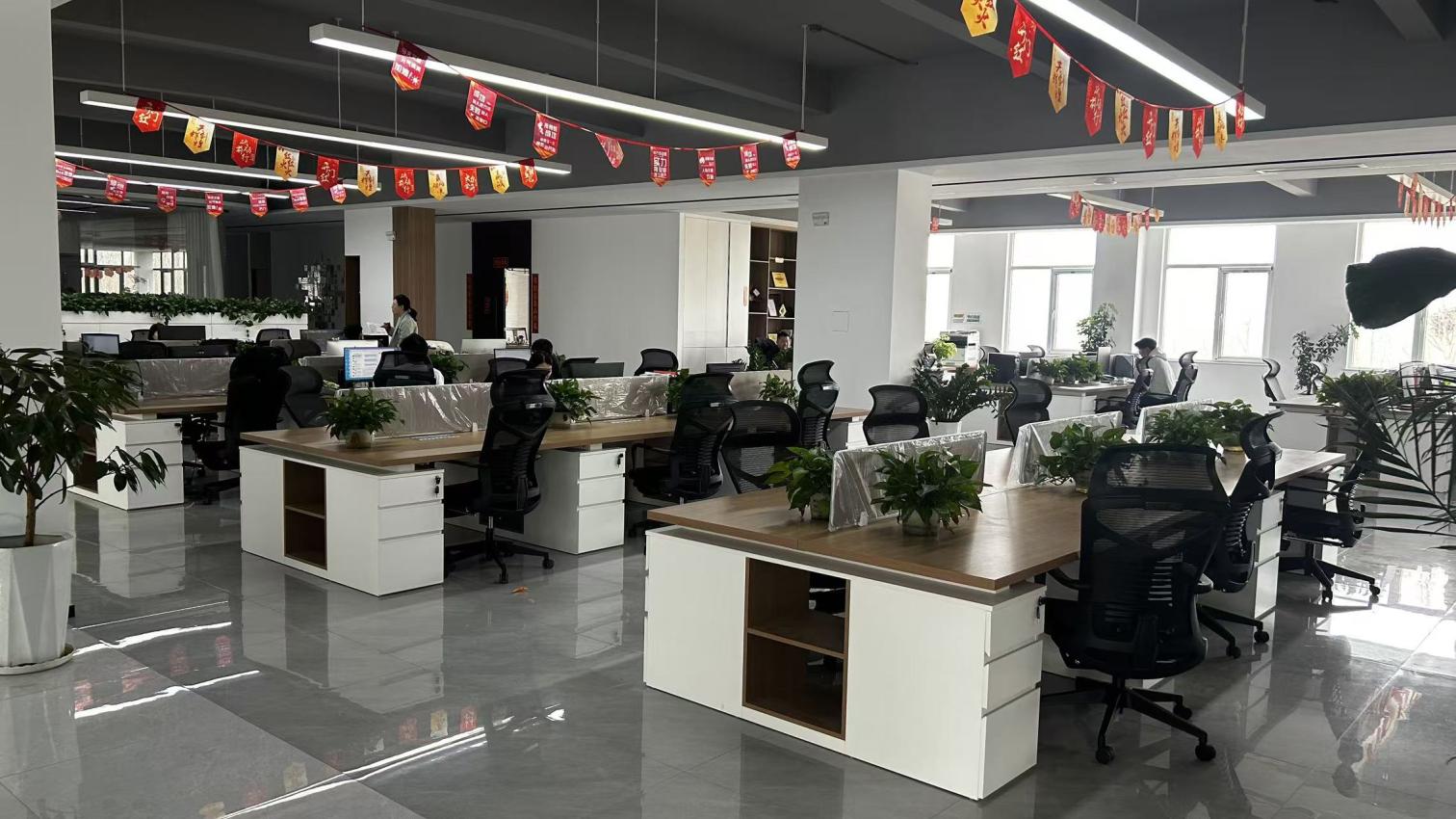
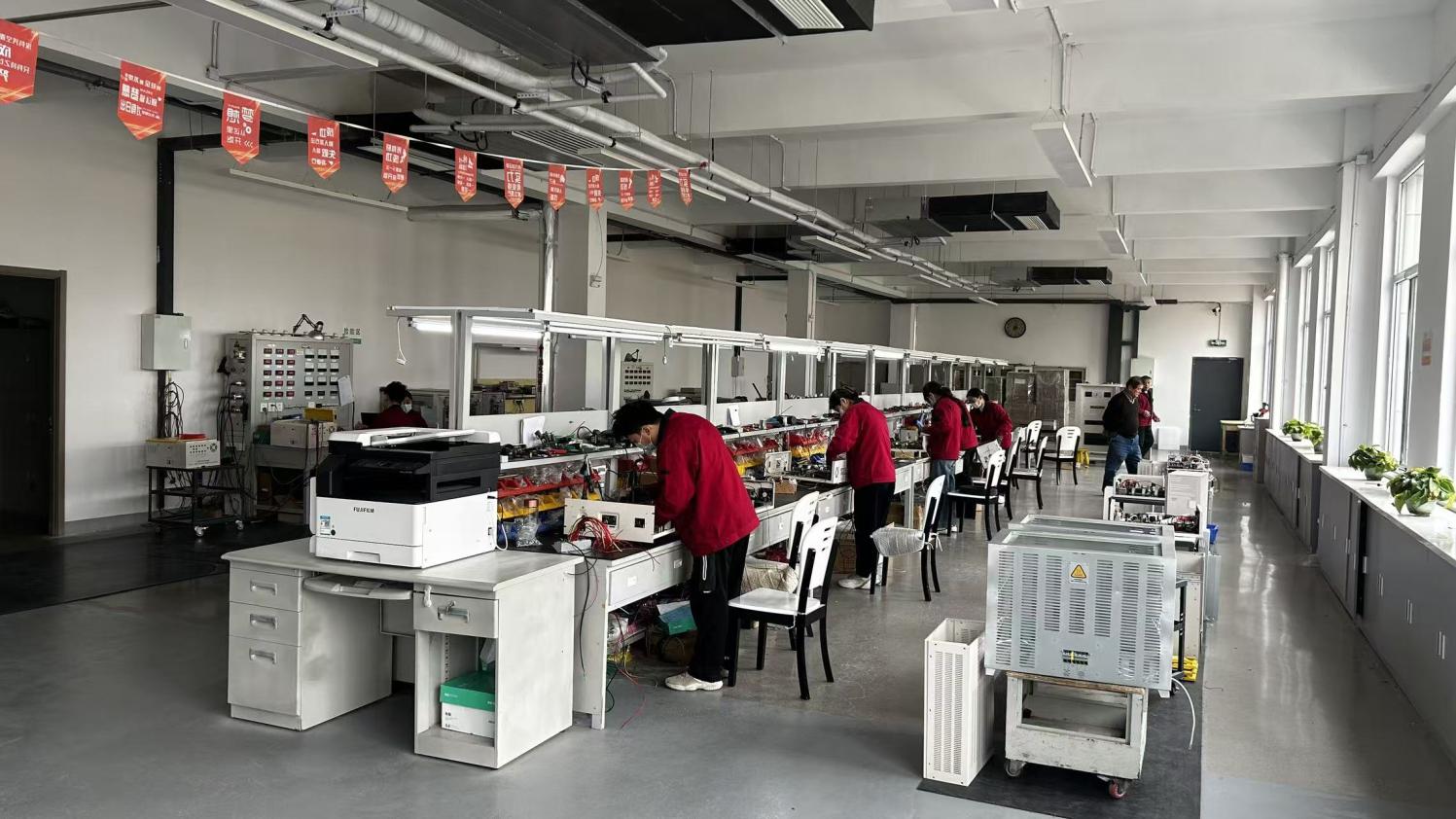
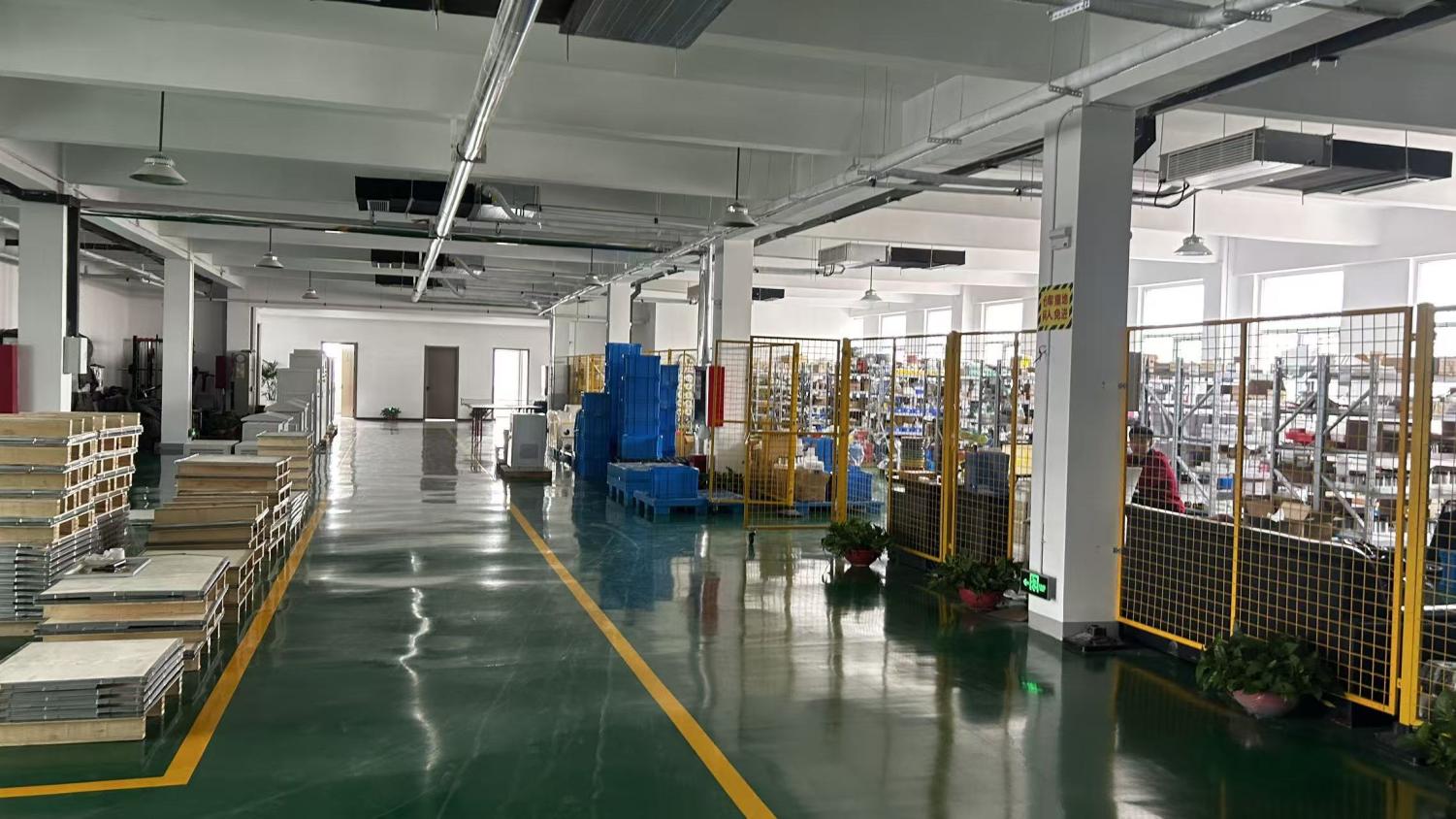
How geographical clustering, raw materials dominance, and technological vertical integration benefit global procurers.
China commands over 75% of the global lithium battery supply chain and power semiconductor processing. Deming Power utilizes direct domestic access to tier-one raw materials, copper bar manufacturers, and advanced IGBT component factories. This minimizes lead times and shields buyers from international logistics disruptions.
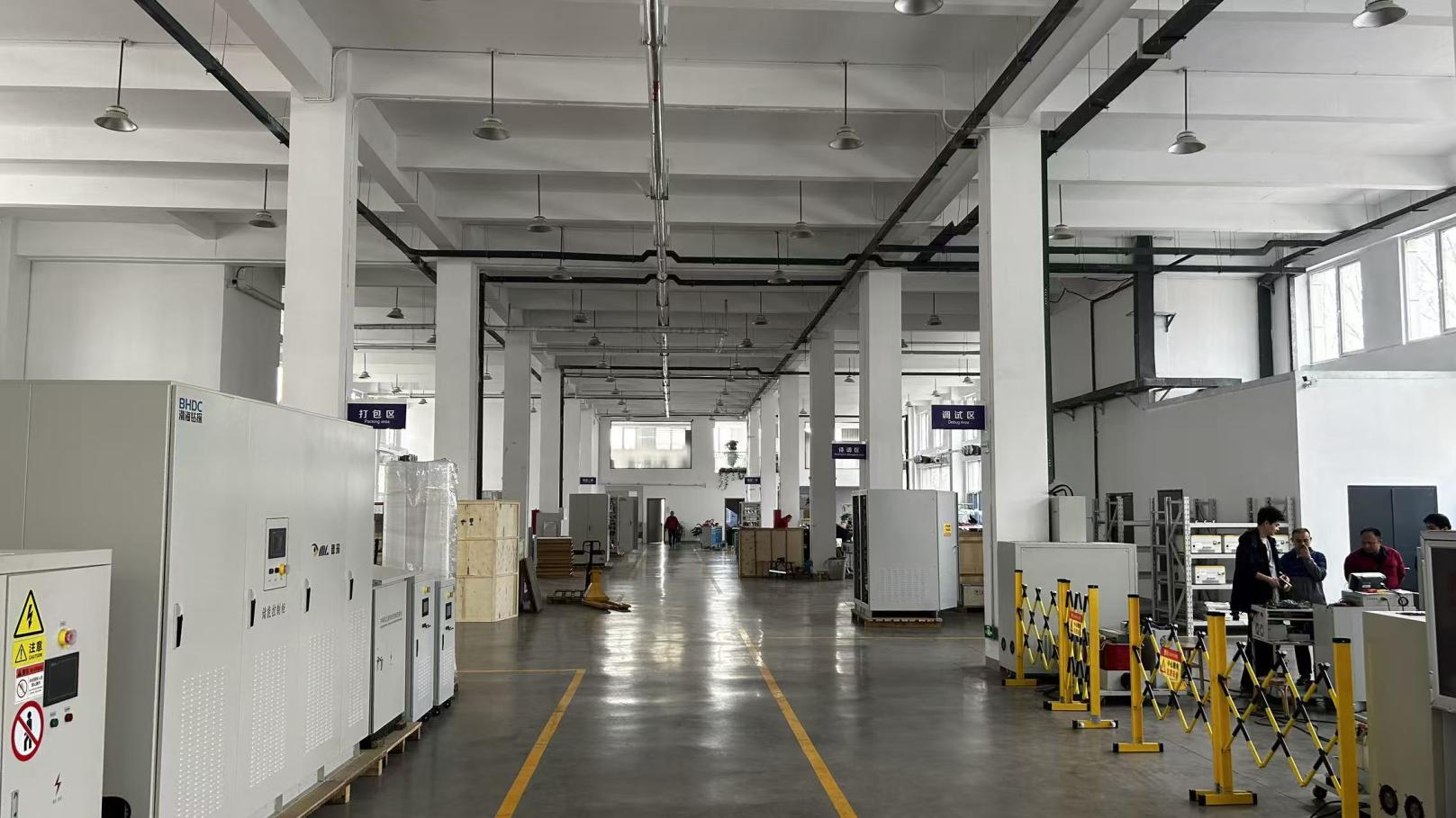
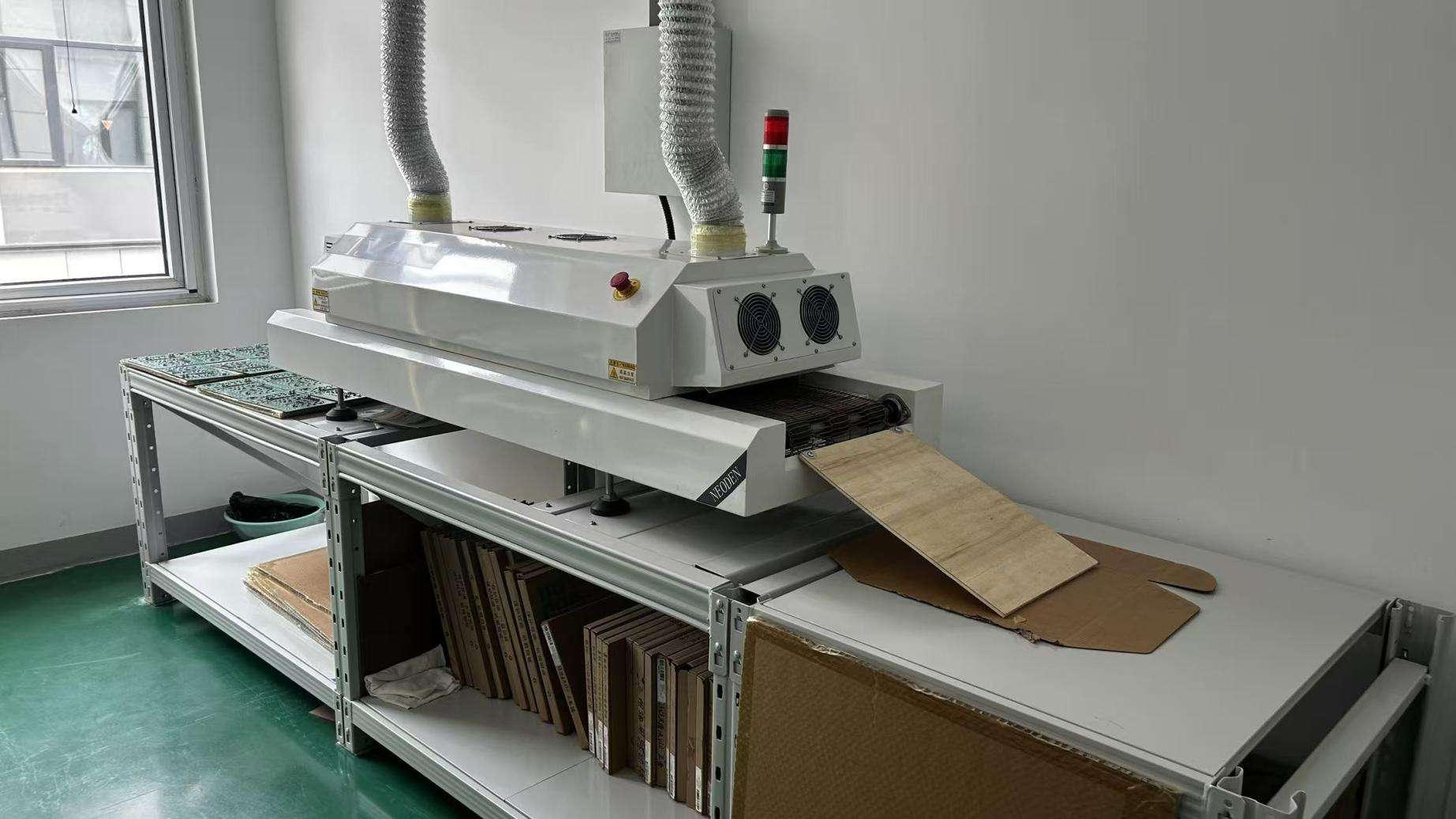
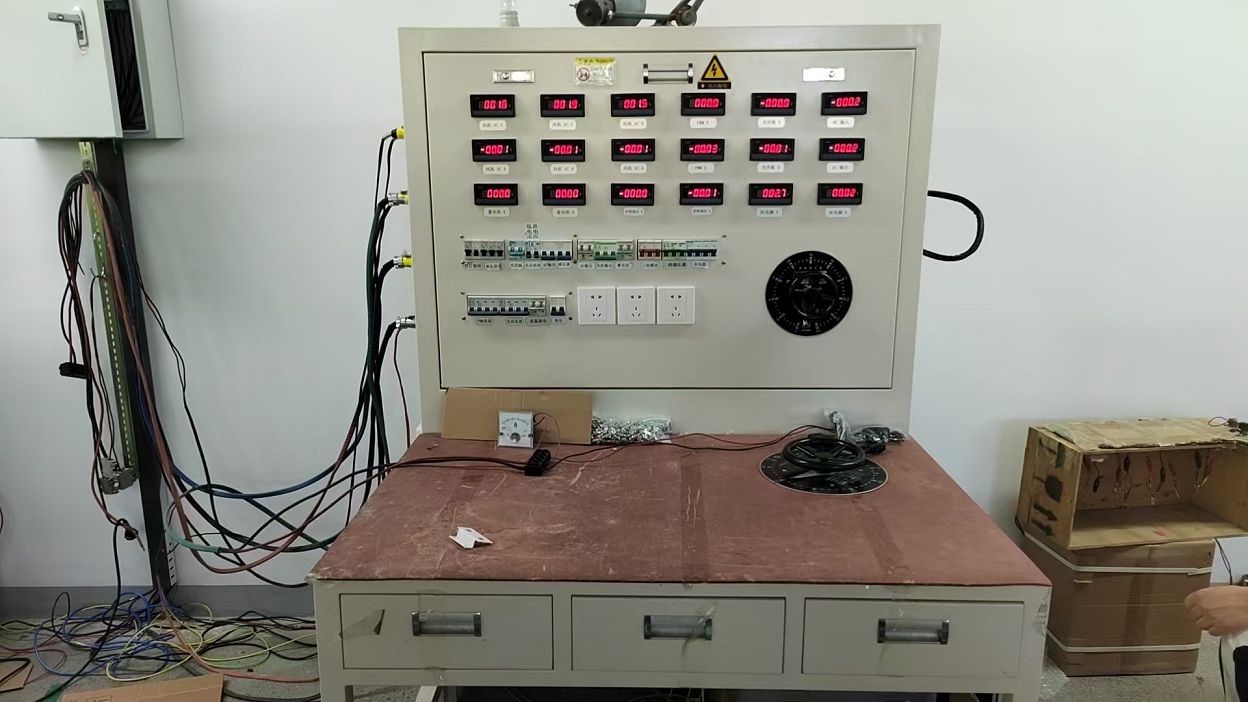
Our facility is equipped with localized reflow soldering machines, advanced copper bar shaping systems, and digital debugging workbenches. This allows our 16 R&D engineers to rapidly modify electrical layouts, draft custom drawings, and validate prototype performance within days, instead of the months required by western fabricators.
Our products are engineered from the ground up for compliance with European CE directives. Through severe harmonic distortion testing, electromagnetic compatibility (EMC) profiling, and high-voltage isolation tests, we guarantee that all bidirectional converters, stabilizers, and wind systems integrate smoothly into Western grids.
By combining highly efficient thermal dissipation systems with low-loss bidirectional topologies (up to 98% efficiency rates), we lower the Levelized Cost of Storage (LCOS). This helps global EPC contractors achieve quicker ROI on solar, wind, and battery backup projects.
Analyzing technological shifts toward grid-forming systems, medium voltage conversions, and microgrid independence.
Traditional grid-following inverters rely on a stable voltage source from the utility grid to synchronize their output. With the massive integration of intermittent renewables (wind and solar), grids are experiencing lower system strength. Modern power conversion systems (PCS) must act as virtual synchronous machines. Deming Power’s bidirectional inverters are engineered with advanced grid-forming control algorithms to dynamically stabilize voltage and frequency during load transitions.
To reduce cable costs and lower transmission losses over long distances, utility-scale developers are moving from low-voltage configurations to 1500V DC and above. This shift demands charge controllers and battery simulators capable of managing extreme input voltages. Deming's High-Voltage MPPT Solar Charge Controllers (up to 800V input) are built to address this transition, offering high conversion efficiency in modular form factors.
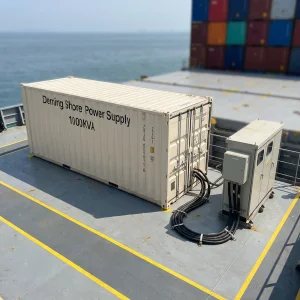
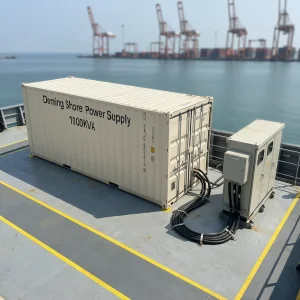
International environmental regulations mandate ships to shut down diesel auxiliary generators while docked in harbor. This requires ports to supply high-capacity shoreside power (often converting 50Hz utility grids to 60Hz vessel requirements at 6.6kV or 11kV levels). High-capacity static frequency converters have become the industry standard, replacing mechanical motor-generator sets due to their virtually silent operation and minimal maintenance footprint.
Deploying tailored hardware topologies to overcome localized electrical infrastructure challenges.
The Challenge: Ships operating on 60Hz electrical standards require stable energy when docking in 50Hz continental ports. The conversion system must withstand high humidity, salt-spray exposure, and massive step-load variations.
Deming Solution: High Capacity Shore Power Systems (500kW to 5MW) featuring multi-level isolation transformers and IP54 or IP65 outdoor environmental protection enclosures.
The Challenge: Heavy machinery (CNC tooling, conveyor motors, compressors) creates severe inrush currents. The electrical infrastructure suffers from voltage sags, leading to control board failures and downtime.
Deming Solution: Heavy Duty 100KW+ 3-Phase Servo AVRs paired with Bidirectional Power Converters to stabilize the supply voltage and support high-torque startup currents.
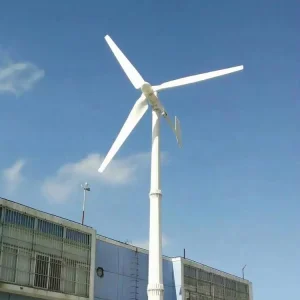
The Challenge: Combining high-inertia wind turbine generators, solar panels, and battery storage. During high wind conditions, excess energy can damage the battery pack if not managed.
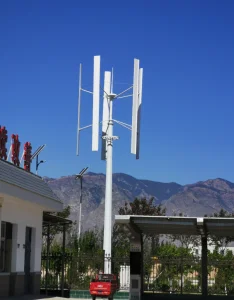
Deming Solution: Wind Turbine Grid-Tie Controllers (FKJ-GT series) with integrated automatic dump load systems to redirect excess energy safely.
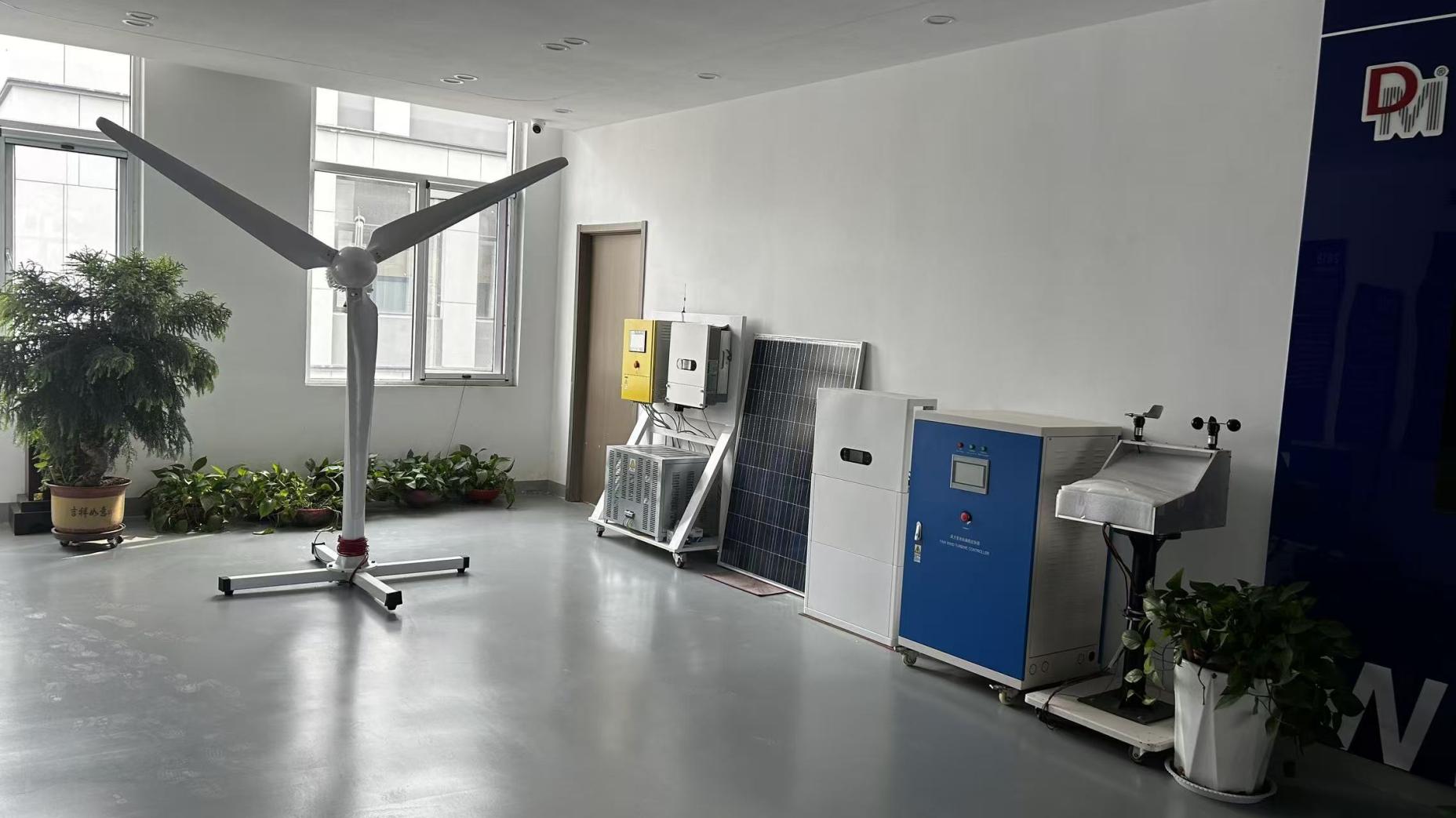
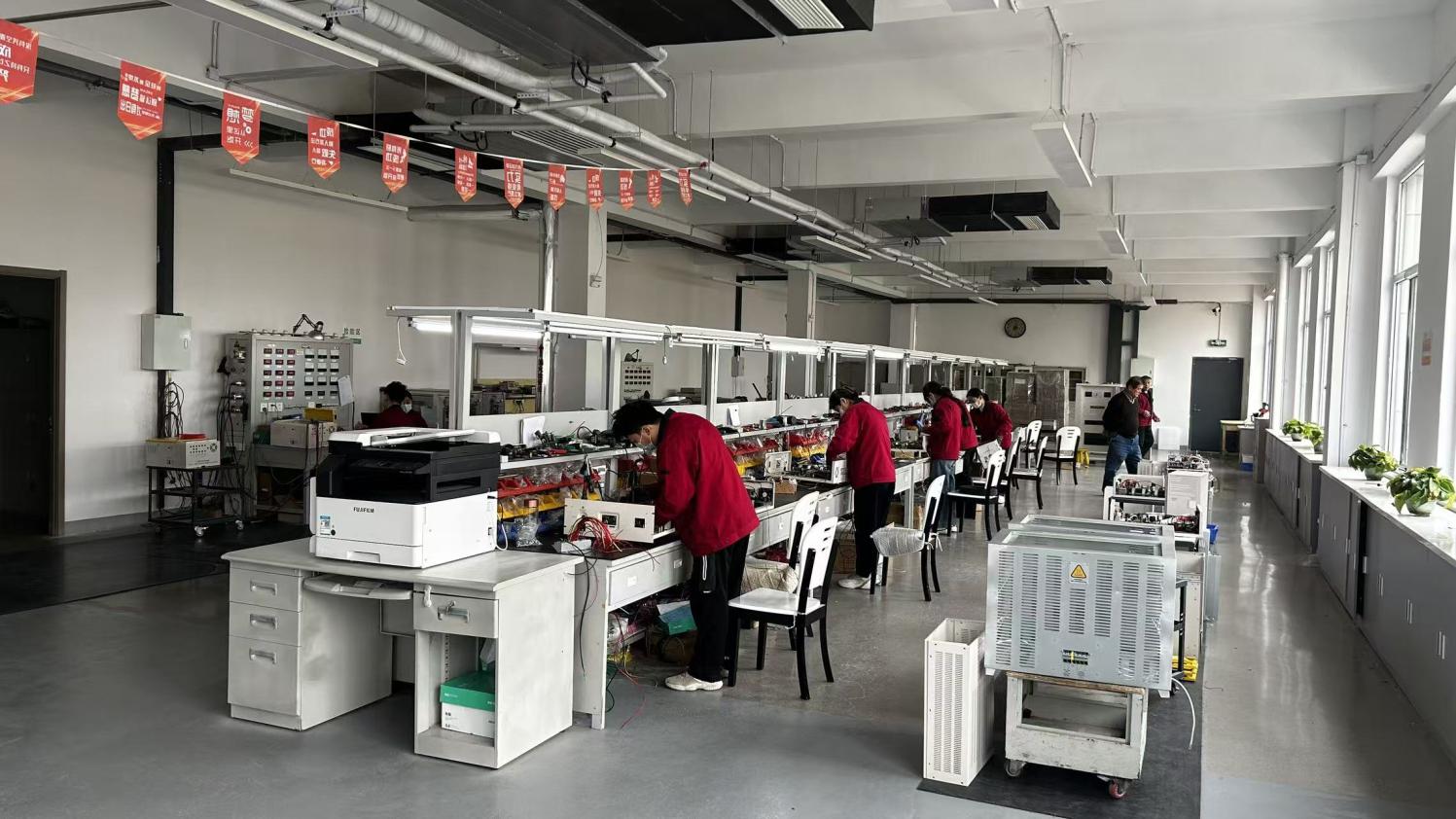
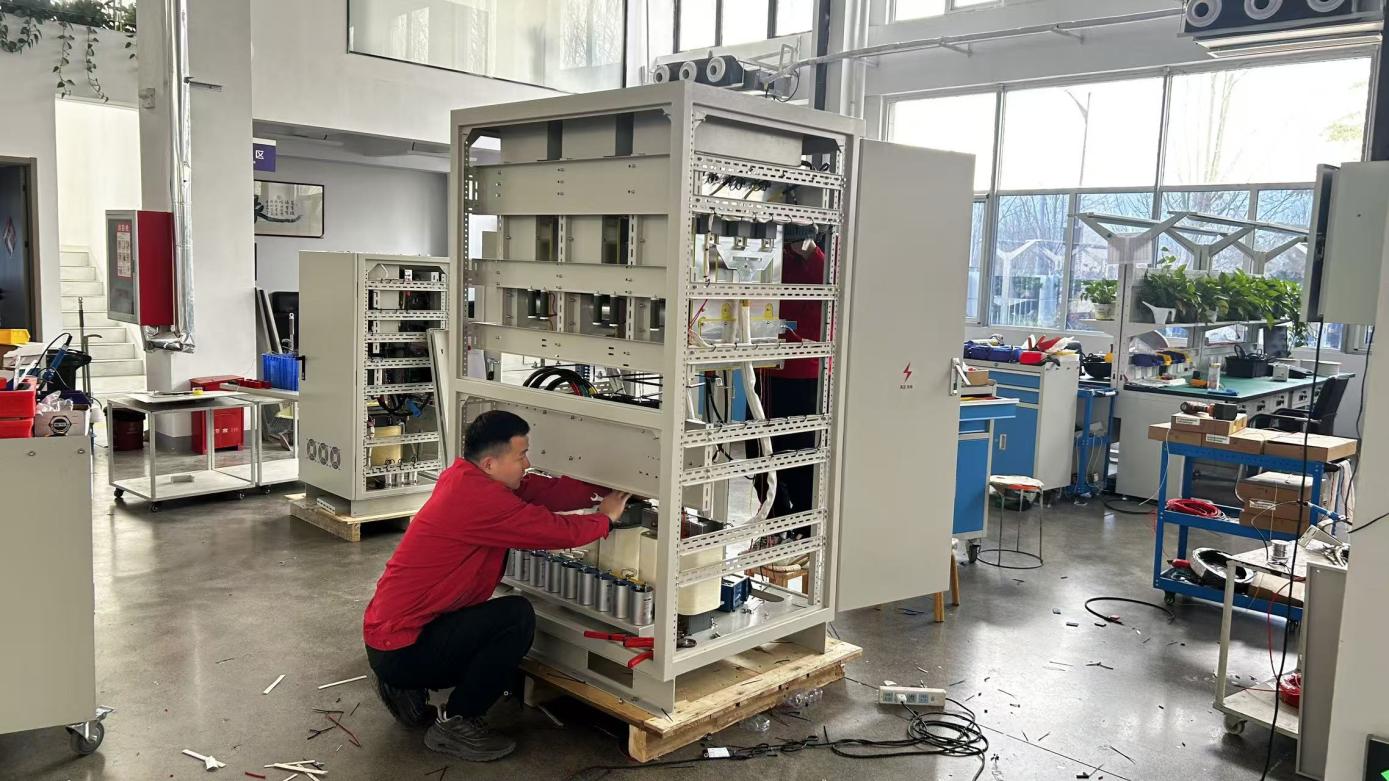
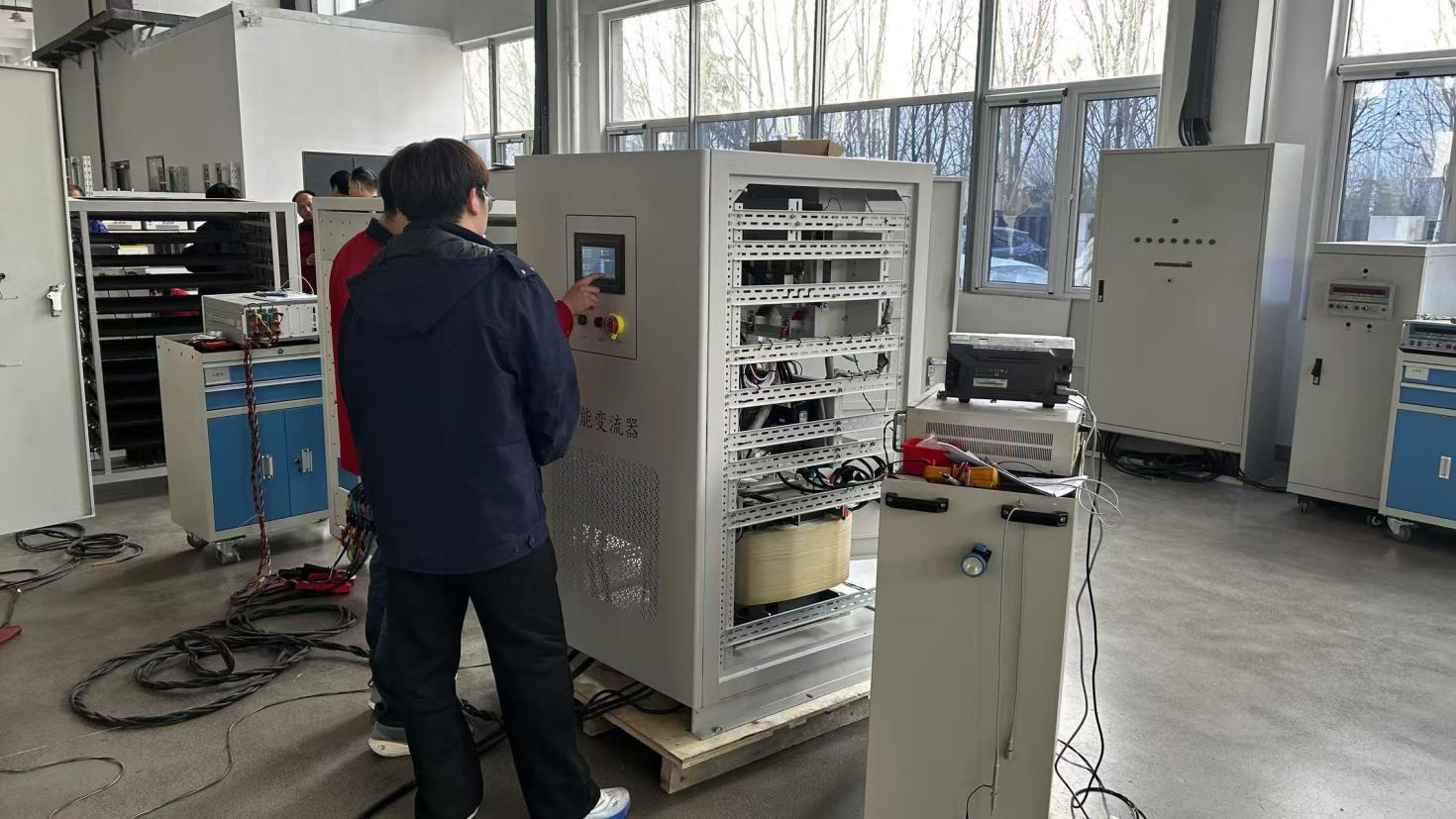
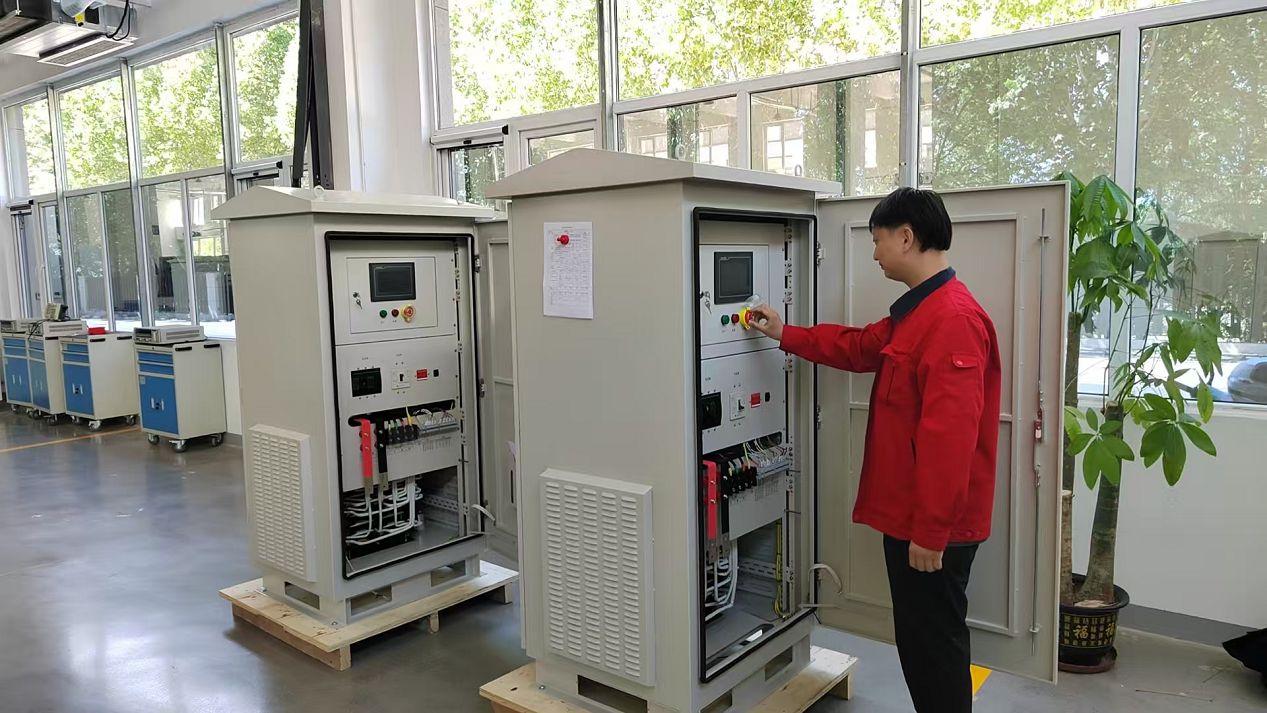
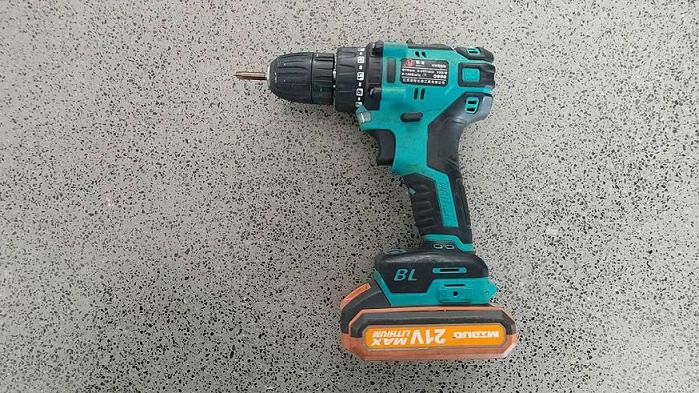
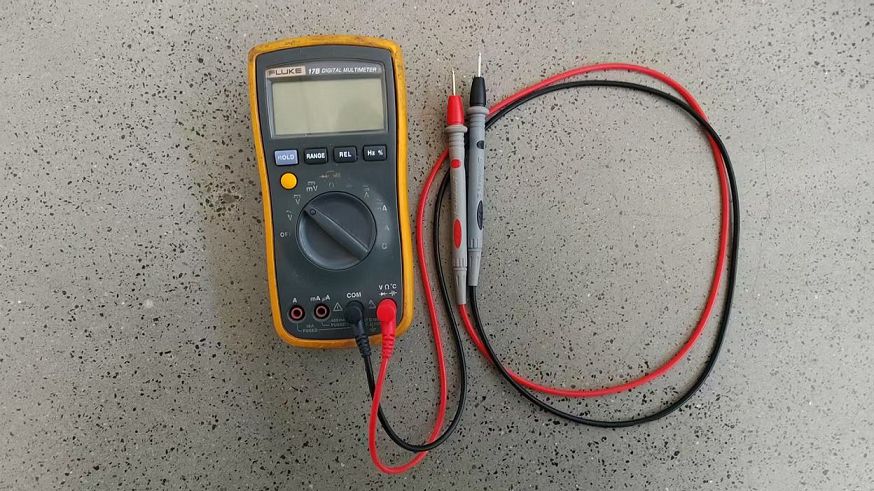
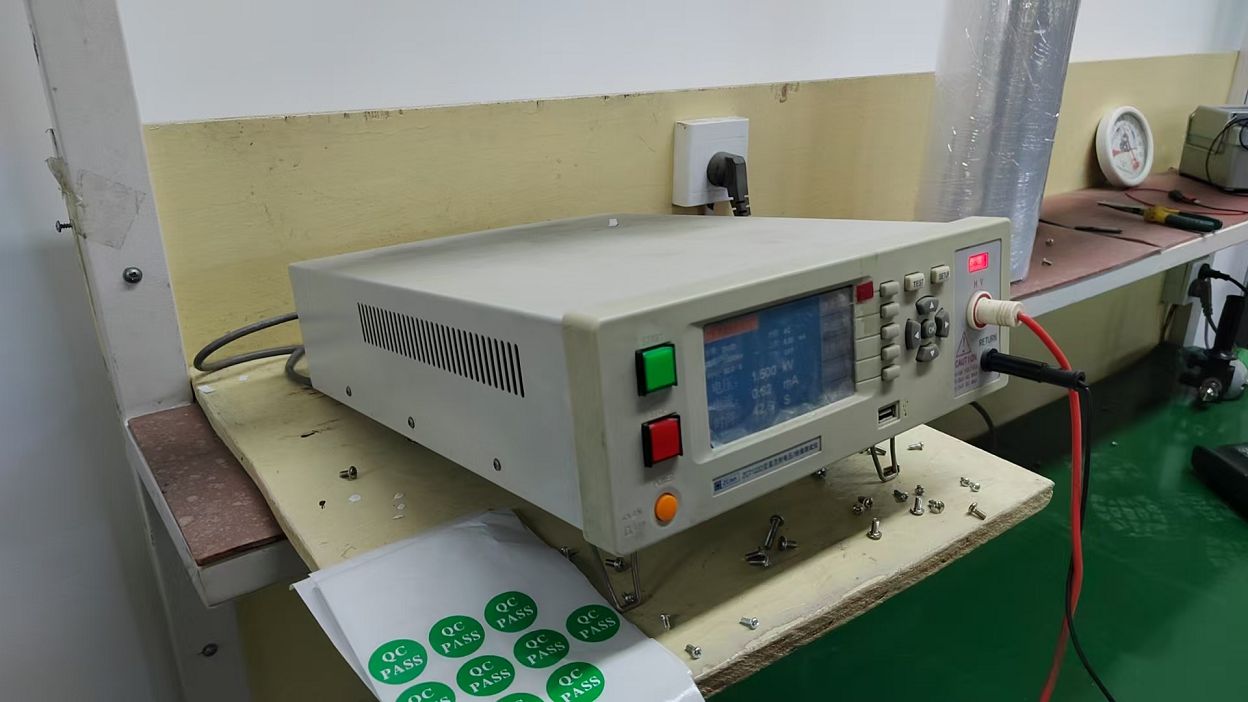
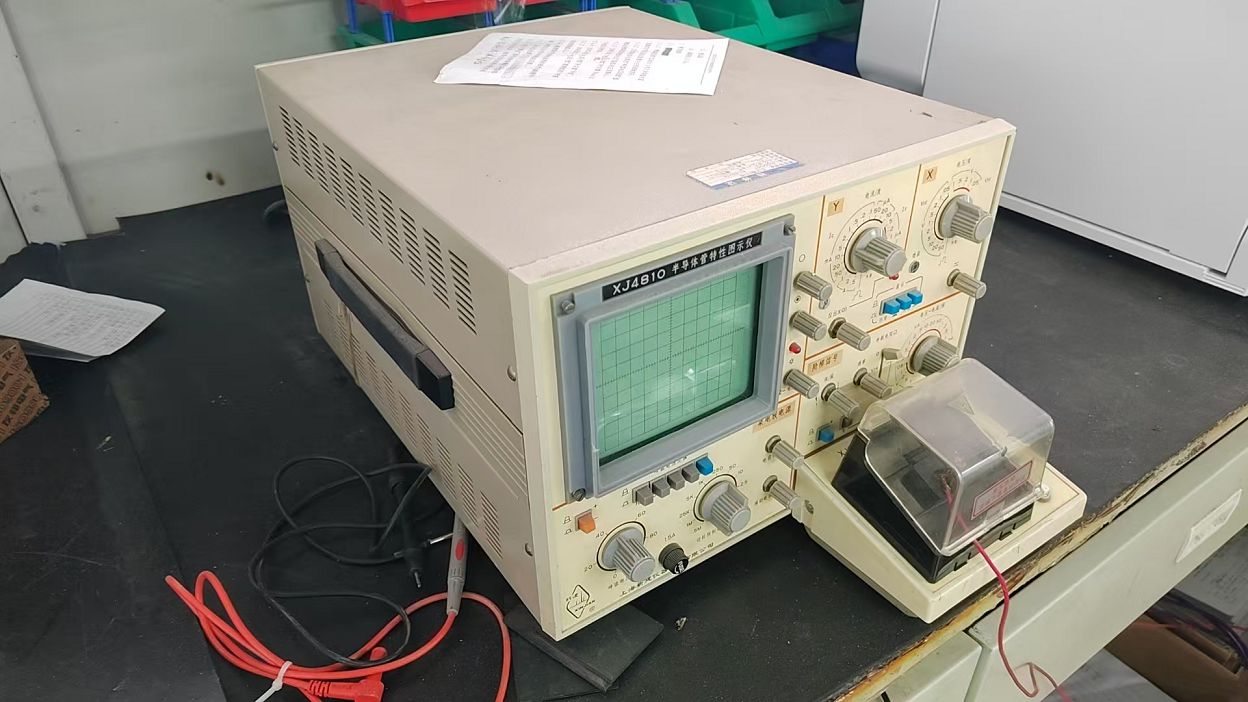
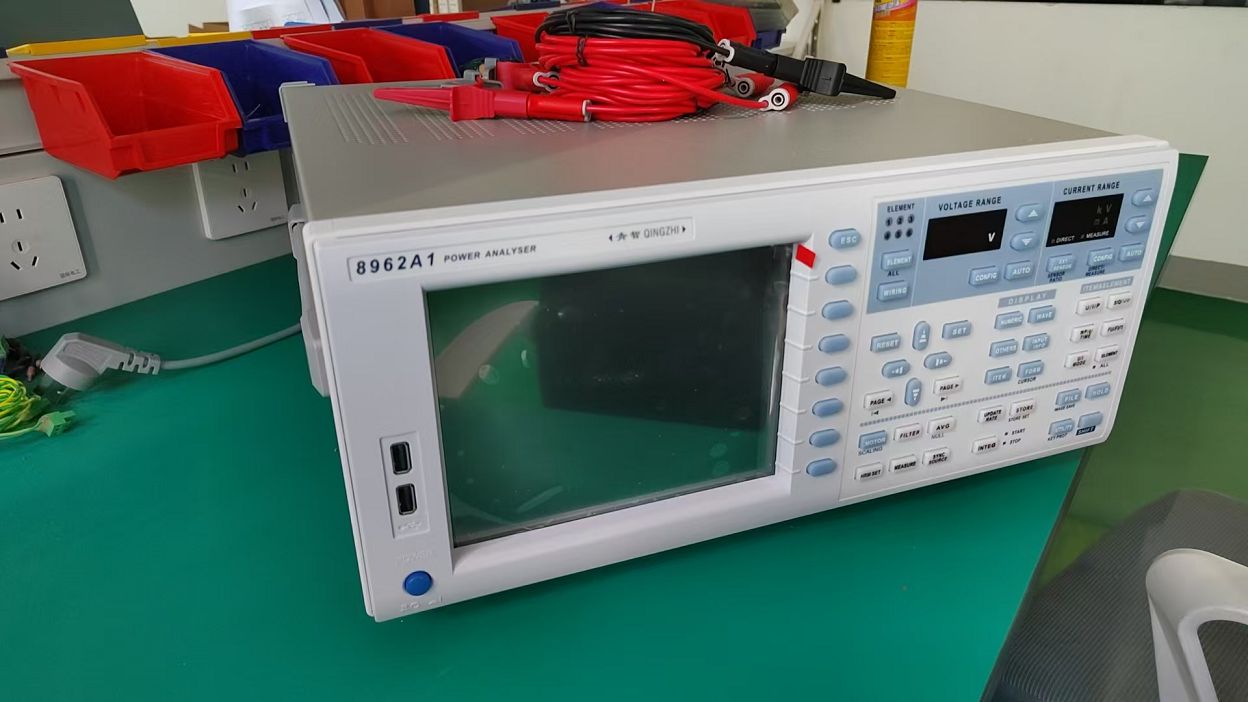
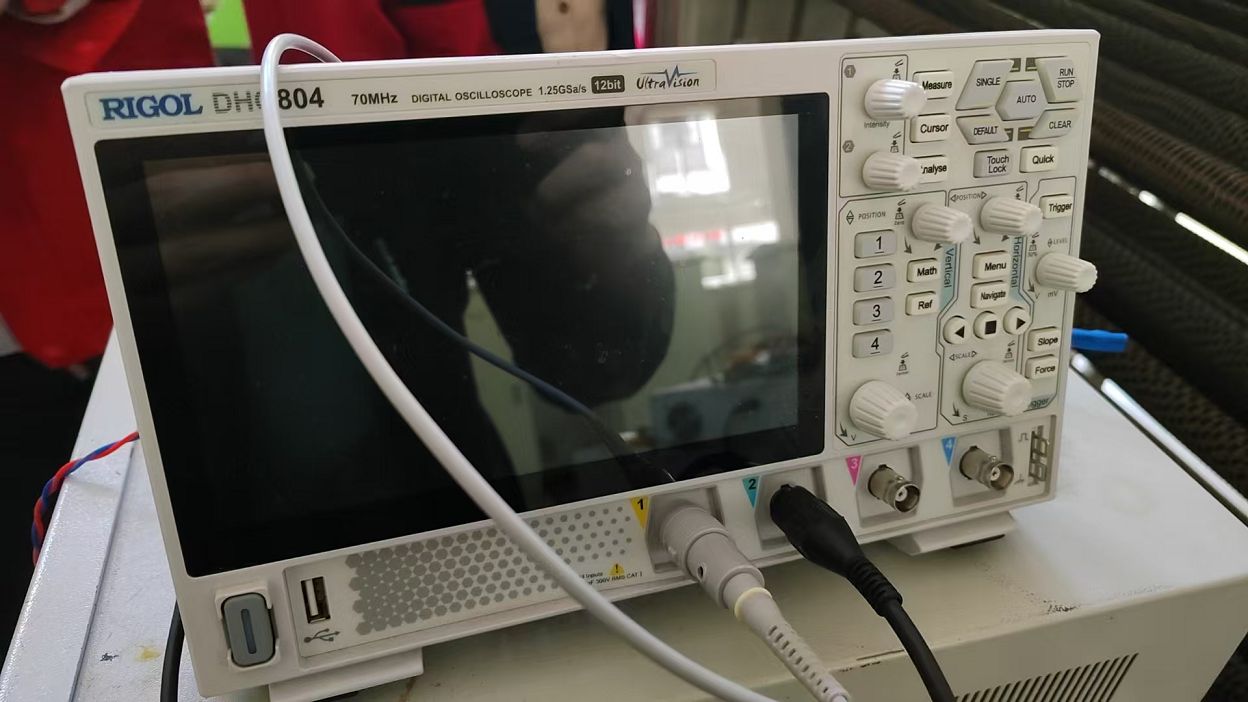
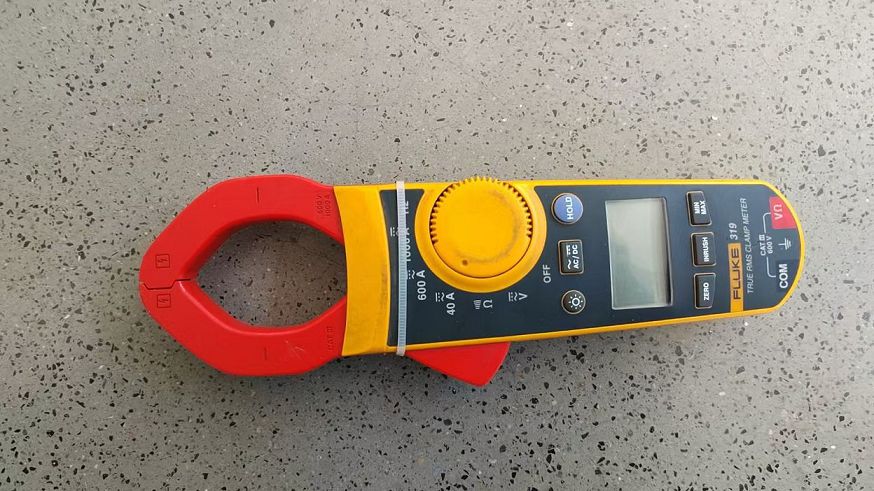
A detailed view of our quality control pipeline, certified instrumentation, and manufacturing floor.
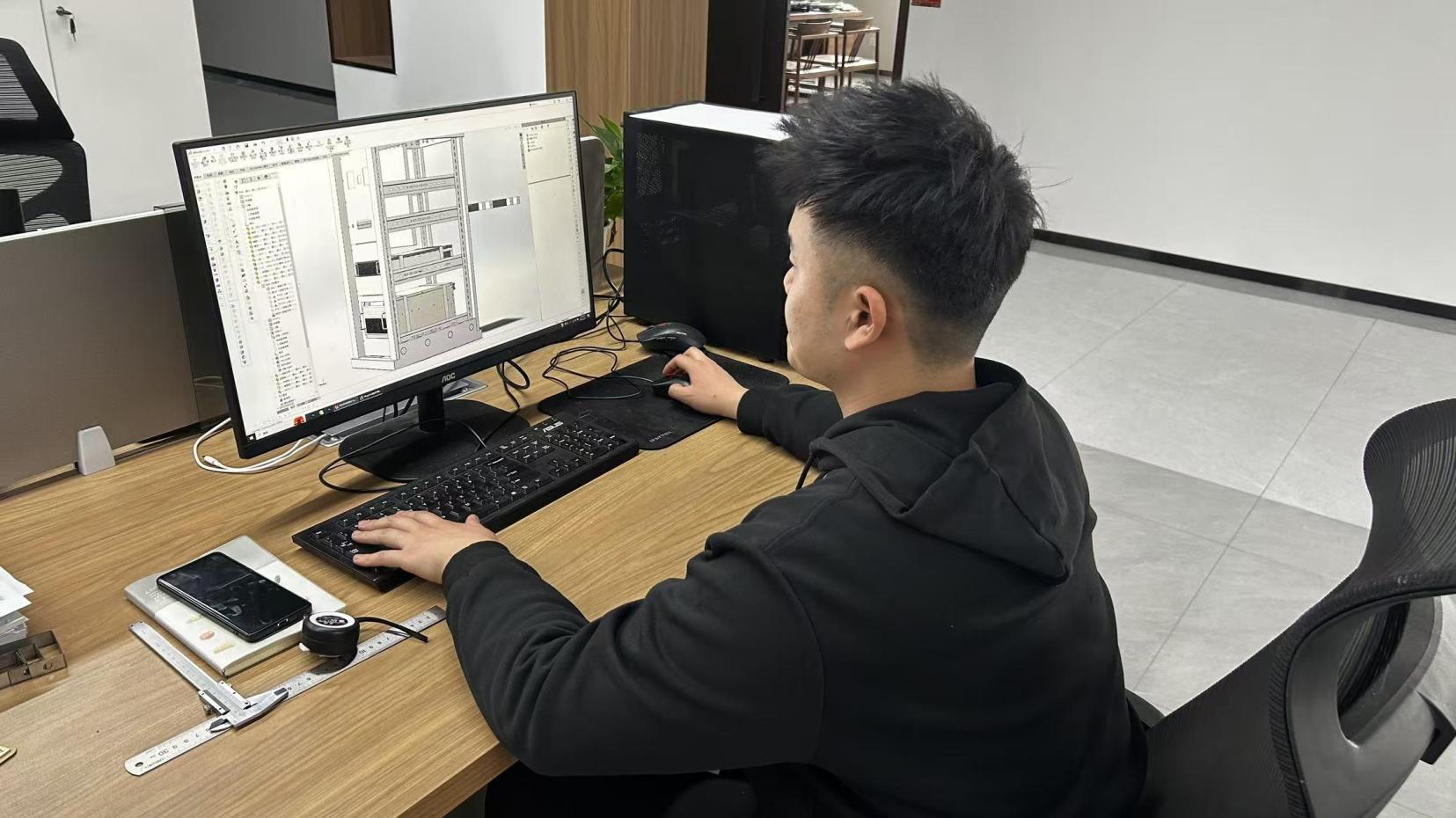
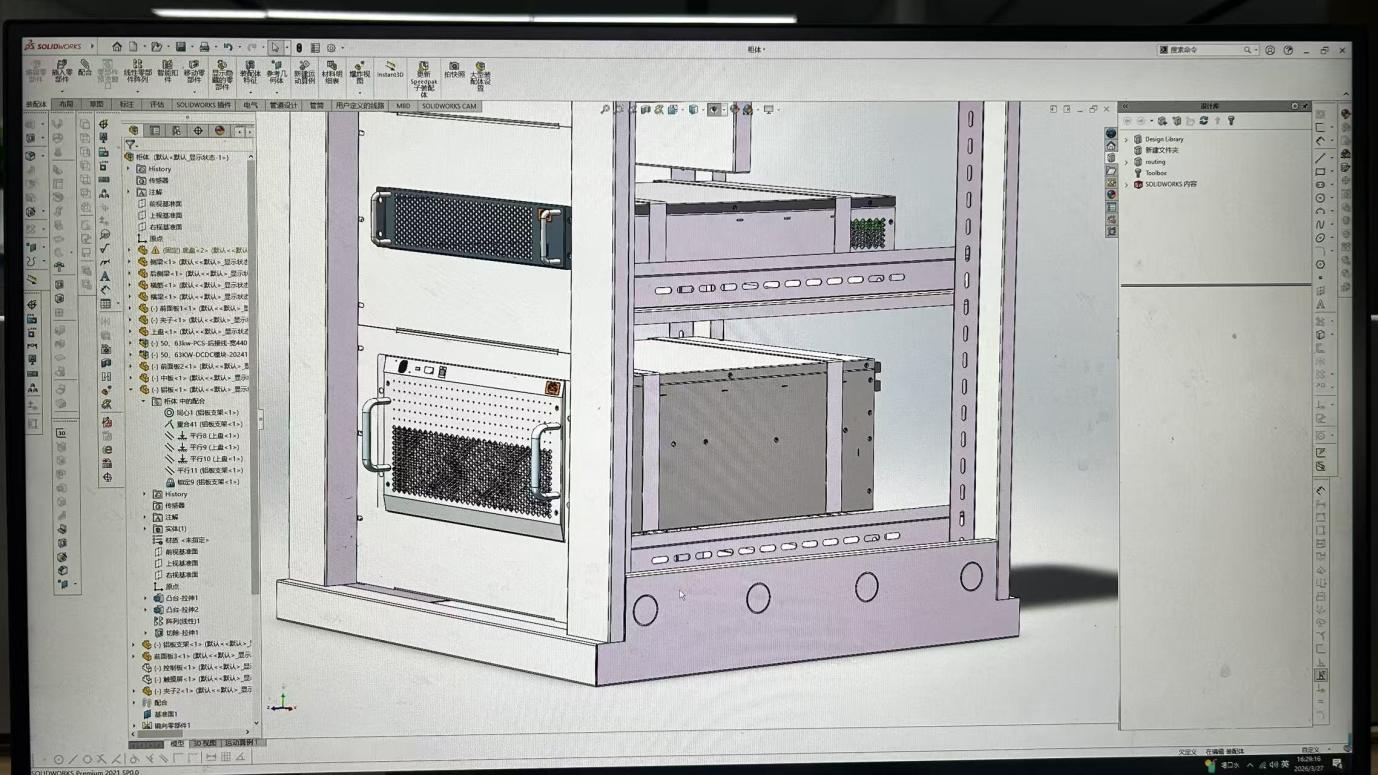
Using specialized CAD software and simulation platforms, our engineers draft detailed electrical schematics and structural layouts to meet custom specifications.
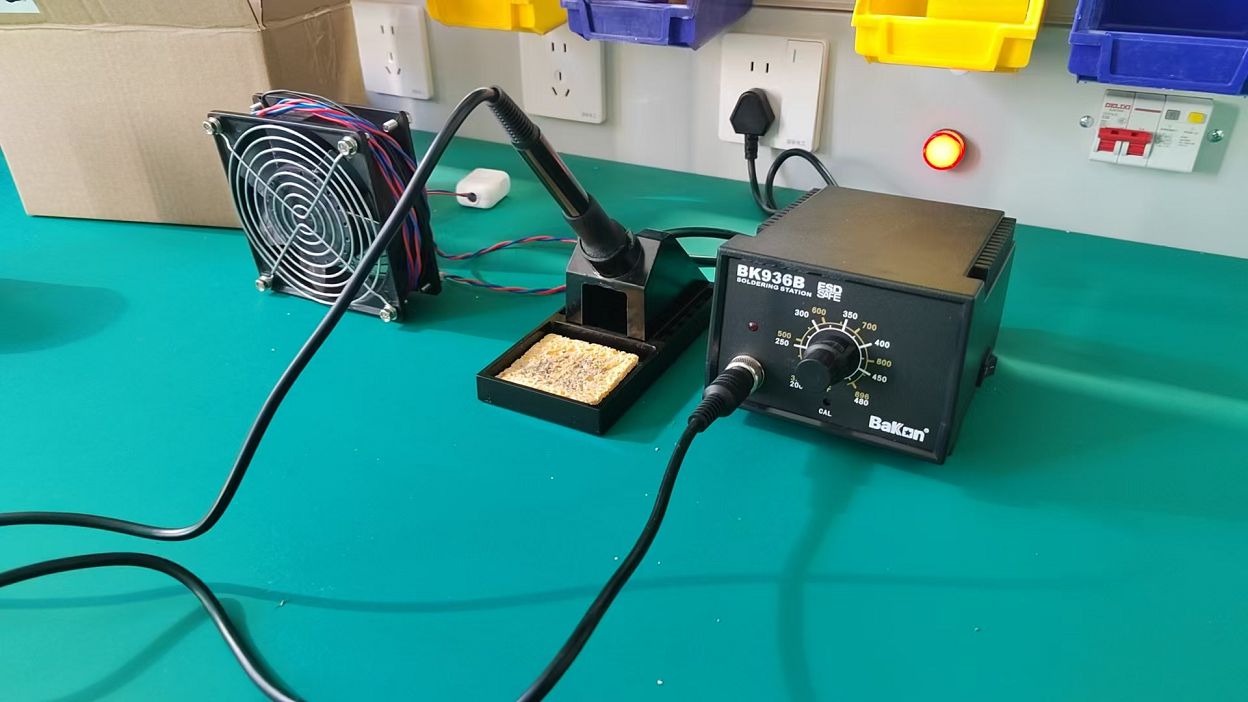
Circuit boards are populated with industrial-grade microprocessors and sensors using our precise reflow soldering equipment.
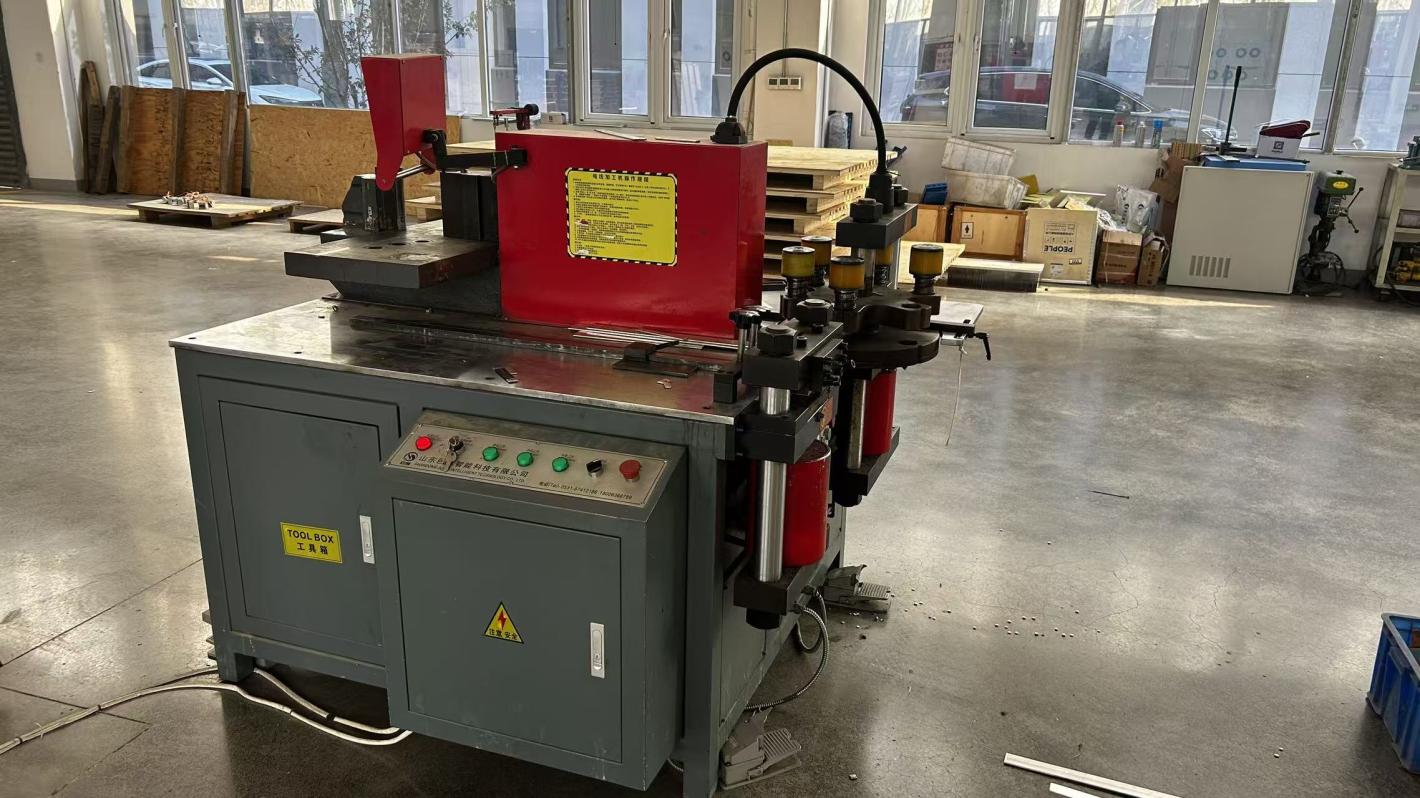
High-purity copper bars are formed and integrated to carry heavy currents with minimal contact resistance.
Key evaluation criteria for purchasing industrial electricity storage and power conversion hardware.
Before purchasing utility-scale equipment, confirm that the system meets the specific grid code standards of your region. For Europe, this includes CE EN 50549-1/2 or VDE-AR-N 4105. Deming Power's R&D department provides comprehensive technical testing documentation and third-party certifications to support system approvals with local utility providers.
For industrial applications involving motor startups, verify the short-term overload limits of the system. Stabilizers and power converters should handle at least 150% load capacity for 30 to 60 seconds without experiencing thermal shutdown or damage to internal semiconductors.
The service life of power electronics is heavily determined by their capacitors and IGBT modules. We use high-quality power components and active cooling configurations in our systems. This helps ensure stable operational performance for up to 10-15 years when properly maintained.
Providing engineering answers to common technical inquiries regarding energy storage and grid integration.
Maximum Power Point Tracking (MPPT) controllers dynamically adjust the system operating point to harvest maximum energy from the solar array, yielding up to 30% higher efficiency than Pulse Width Modulation (PWM) configurations. In high-voltage installations (600V to 800V DC), MPPT controllers allow for longer series strings, reducing cable sizing requirements, installation labor, and electrical losses across the system.
The integrated isolation transformer provides galvanic isolation between the DC battery pack and the AC utility grid. This isolates the DC system from grid transients, voltage surges, and lightning strikes. Additionally, it prevents DC injection into the utility grid, reduces common-mode noise, and simplifies grounding configurations for large-scale energy storage arrays.
Wind turbines possess rotational inertia. Unlike solar arrays, which can be safely open-circuited to stop energy generation, a wind turbine must remain loaded to prevent overspeeding during high wind conditions or utility grid failures. The grid-tie controller monitors DC link voltages and automatically diverts excess power to a resistive dump load. This acts as an electromagnetic brake to protect the mechanical structure from over-voltage damage.
Our Heavy Duty Servo AVR designs feature high-torque servo motors and micro-controller diagnostic systems, achieving a correction speed of 15V to 25V per second. This rapid response protects CNC machines, medical installations, and mining sites from voltage fluctuations, keeping the output within 1% to 3% of the target voltage.
Explore our high-capacity static frequency converters, wind-hydro turbines, and medium-voltage shore solutions.
 Demin Power