Advanced renewable energy conversion, rectification, and controller technologies designed for global grid-tie and off-grid infrastructures.
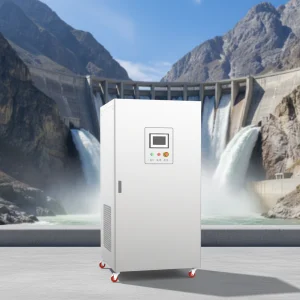
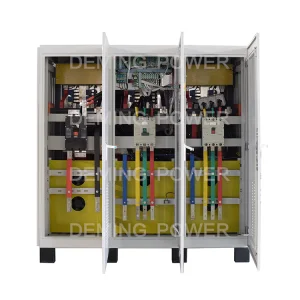
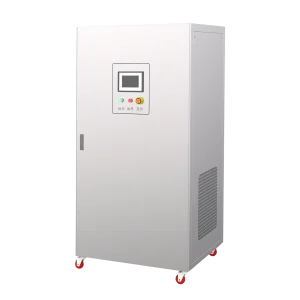
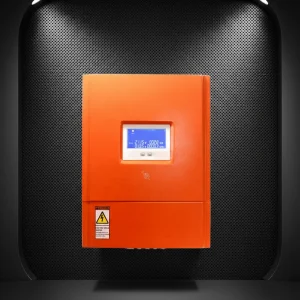
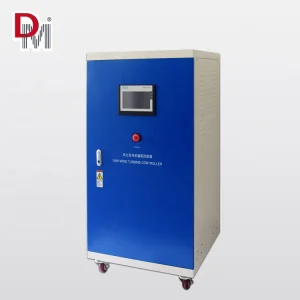

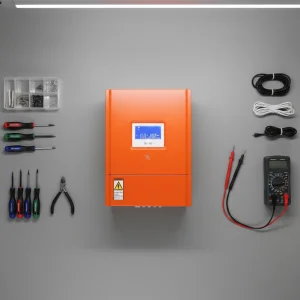
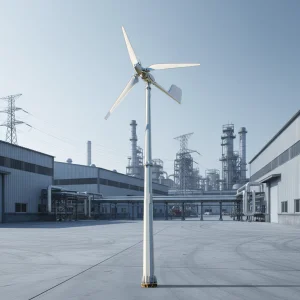
A comprehensive study on performance parameters, thermal management, regulatory structures, and industrial design trends.
In modern commercial, industrial, and utility-scale solar installations, the efficiency of power extraction from Photovoltaic (PV) arrays is primary. Maximum Power Point Tracking (MPPT) chargers act as the intelligence core of these installations, dynamically adjusting the electrical operating point of the PV modules to deliver maximum available power to the energy storage systems. Unlike conventional pulse-width modulation (PWM) controllers, which bind the solar array voltage directly to the battery voltage, MPPT technology allows the PV array to operate at its optimum power voltage (Vmp), achieving up to 30% higher power efficiency.
The progression of MPPT topology is defined by shifting from low-voltage, low-power consumer applications to high-power, multi-megawatt industrial grid setups. The evolution is visible in two main areas: digital control algorithms and power semiconductor hardware.
Modern industrial MPPT units employ advanced variations of Perturb and Observe (P&O) and Incremental Conductance (INC) algorithms. Fast dynamic tracking loop speeds minimize efficiency loss under variable solar irradiance, such as passing cloud covers.
The transition from silicon-based IGBTs to Silicon Carbide (SiC) and Gallium Nitride (GaN) MOSFETs enables higher switching frequencies (50 kHz to 150 kHz), resulting in reduced inductor sizes, higher power density, and lower heat dissipation.
Integrating high-voltage architectures (up to 700V/800V input) decreases structural copper cabling costs and I²R distribution losses over long distances in utility plants, elevating overall system efficiency to >98.5%.
With high-voltage systems (like the 700V/800V 200A or 460V/520V 300A configurations), maintaining high efficiency demands zero-voltage switching (ZVS) or zero-current switching (ZCS) topologies. High-performance microcontrollers continuously sample the PV panel voltage and current at rates exceeding 20 kHz to compute the incremental conductance ($\Delta I / \Delta V$). This ensures that the system tracks the absolute maximum power point rather than landing on localized false peaks, a common issue in multi-string configurations with partial shading.
For industrial buyers, engineering firms, and utility designers, adherence to global compliance standards is necessary for system deployment and project certification. CE (Conformité Européenne) certification ensures that MPPT controllers meet stringent European safety, health, and environmental protection requirements. Key standards include:
In addition to safety certifications, thermal management represents a major engineering bottleneck. Under peak operations (e.g., 300A charging currents), thermal losses can exceed several hundred watts. Industrial MPPT chargers use heavy duty aluminum heatsinks, forced air cooling with variable-speed smart fans (IP55 rated or higher), or liquid cooling plates to ensure junction temperatures of power devices remain well within their safe operating area (SOA). This prevents thermal derating and ensures continuous nominal power output in ambient temperatures ranging from -25°C up to +55°C.
When selecting a manufacturer for commercial microgrid systems, verify that testing protocols include 100% full-load burn-in cycles under controlled temperatures, insulation resistance tests (>10MΩ at 1000 VDC), and dielectric strength testing. This prevents premature component degradation in corrosive salt-spray coastal locations or high-humidity tropical installations.
Procuring industrial MPPT controllers for infrastructure projects is a highly complex engineering decision. Global buyers look beyond simple unit economics, focusing heavily on operational parameters, structural longevity, and system compatibility.
1. Communication Integration & Telemetry Protocol: Modern plants operate via SCADA networks. The controller must support Modbus RTU/TCP protocols over RS485 or Ethernet interfaces, enabling remote monitoring of battery parameters, PV current, daily yield, and immediate error reporting.
2. Battery Chemistry Profiles: High-performance MPPT controllers must feature programmable charging curves compatible with modern chemistry, including Lithium Iron Phosphate (LiFePO4), Lithium Titanate (LTO), Nickel-Cadmium, and traditional Lead-Acid/Gel battery configurations.
3. Protective Topologies: Integrated protective systems are necessary: PV reverse polarity protection, PV over-current limiters, battery overcharge/over-discharge defense, transient over-voltage surge arresters (Class II or higher), and output short-circuit protection.
Leveraging systematic testing, academic partnerships, and strict quality control protocols to supply industrial systems worldwide.
Jinan Deming Power Equipment Co., Ltd. is a nationally recognized high-tech enterprise established in 2004, specializing in the research, development, production, and service of renewable energy power equipment and advanced power testing solutions. The company holds ISO9001:2015 certification and has been recognized as a high-tech enterprise by the Chinese government multiple times (2015, 2018). With a dedicated R&D team of 16 engineers including doctoral supervisors and master's degree holders, Deming invests no less than 20% of annual sales revenue into technology development. The company has completed 17 R&D projects in the last three years with 16 scientific and technological achievements transformed into commercial products. Deming's products have been exported to 120+ countries including Germany, Japan, the United States, UK, Canada, Australia, and Brazil, and the company has established cooperative relationships with Fortune 500 enterprises. The company's main products include wind/solar controllers, inverters, frequency converters, and high-power bidirectional DC test power supplies and battery simulators ranging from 150kW to 500kW.
Manufacturing reliability starts at the layout phase. Our plant features specialized assembly lines, thermal aging rooms, and metrology test centers. Below are the certified facilities, production technologies, and metrological instruments utilized at Deming Power's plant:
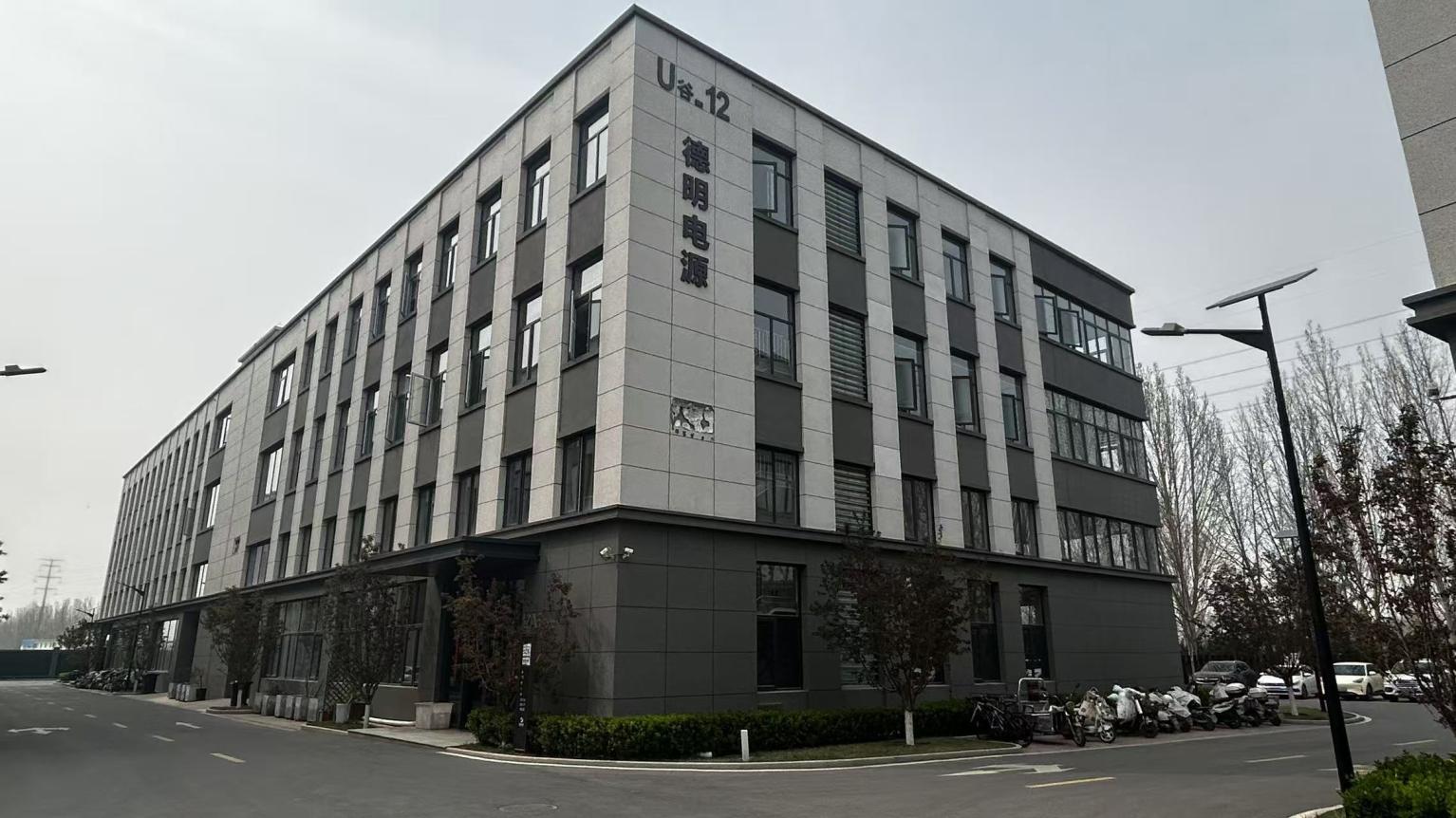 Office & Engineering
 Production Line
 Cabinet Assembly Area
 Assembly Area
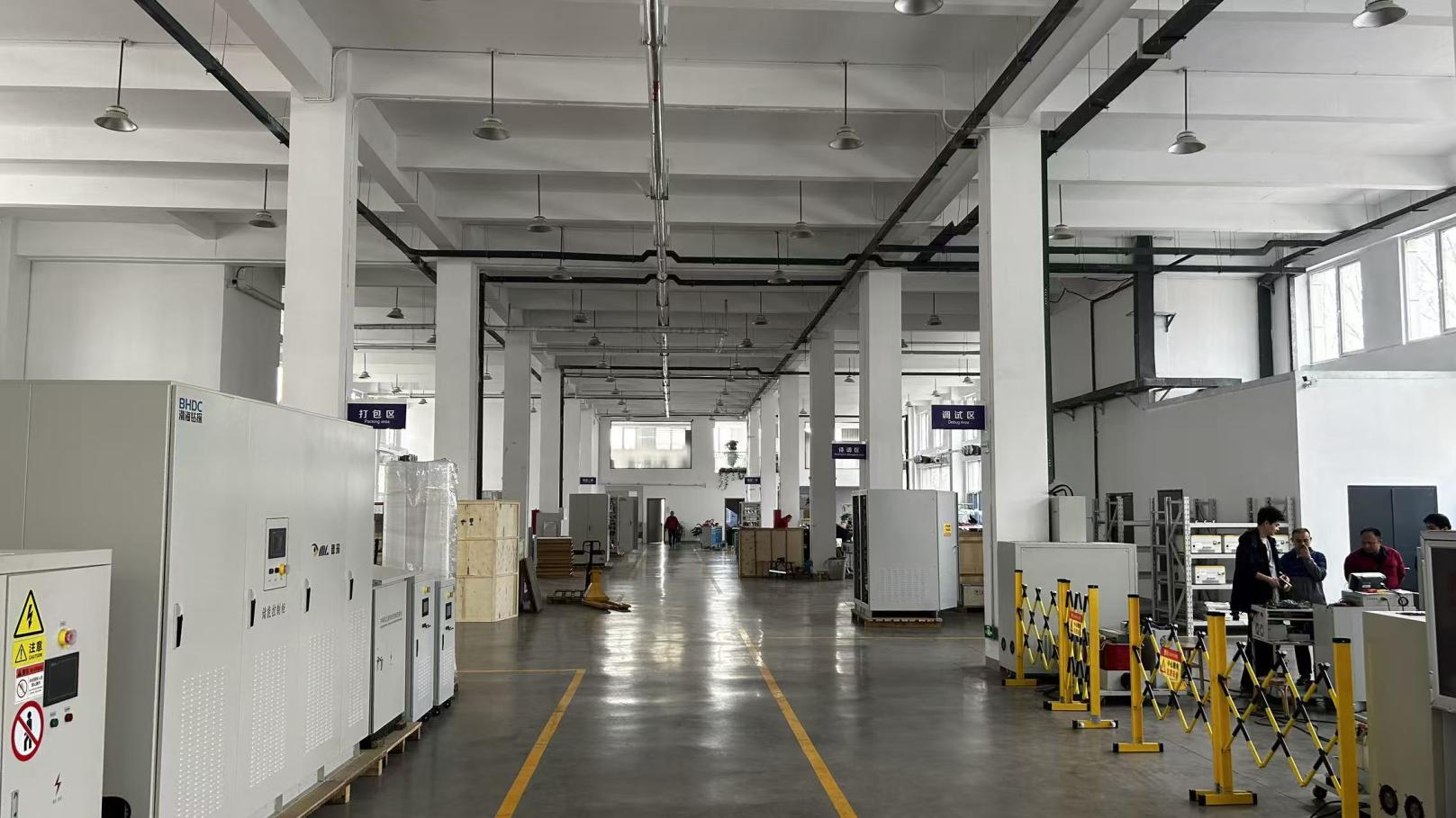 High-Power Testing Bay
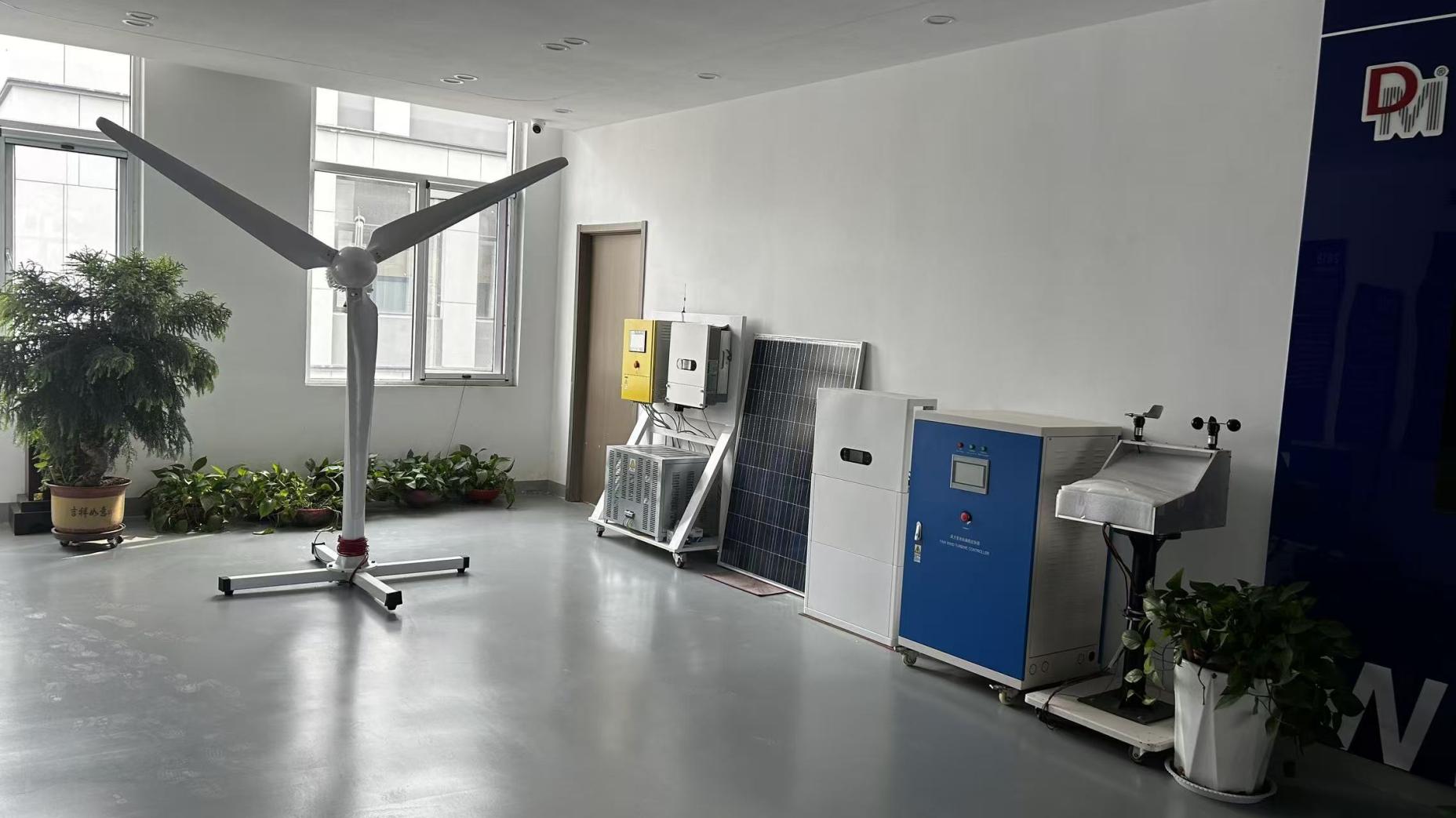 Logistics Area
 Circuit assembly
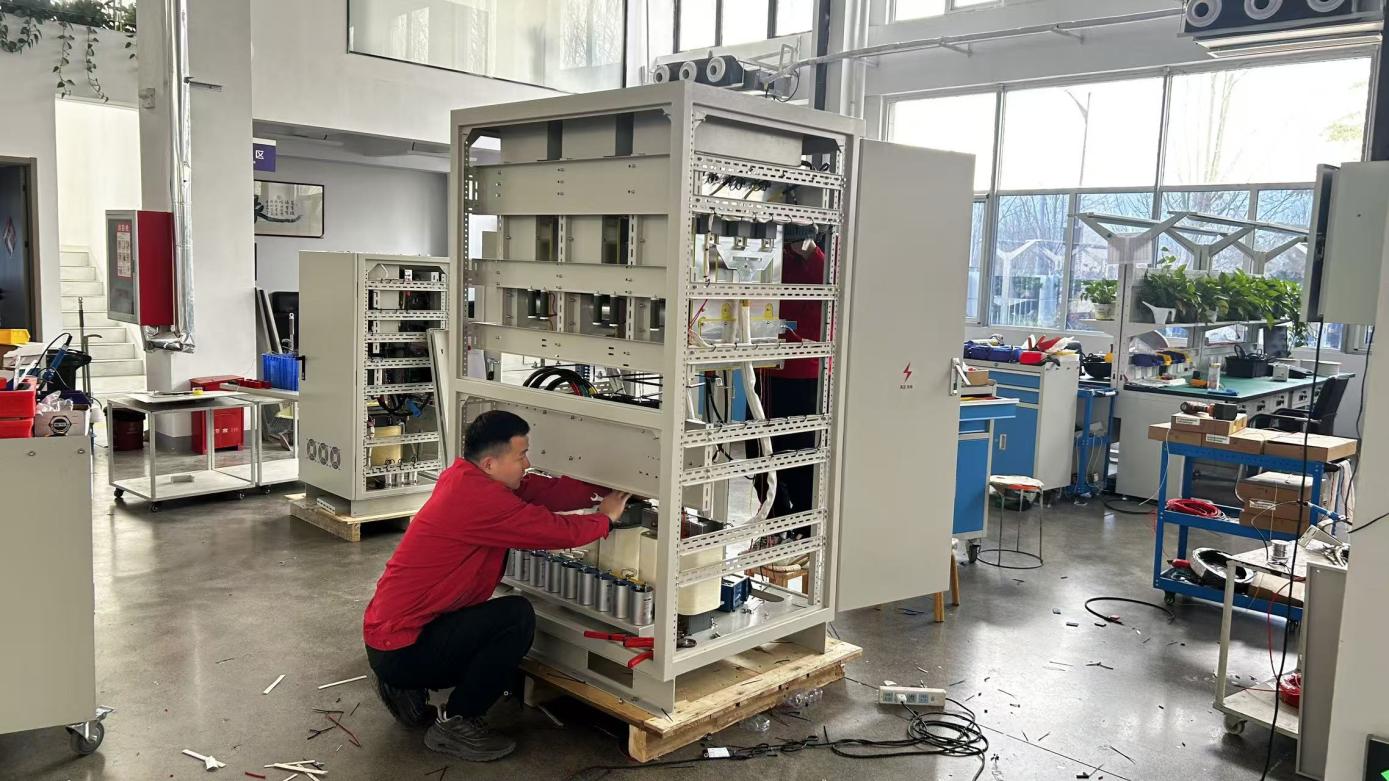 Circuit board assembly
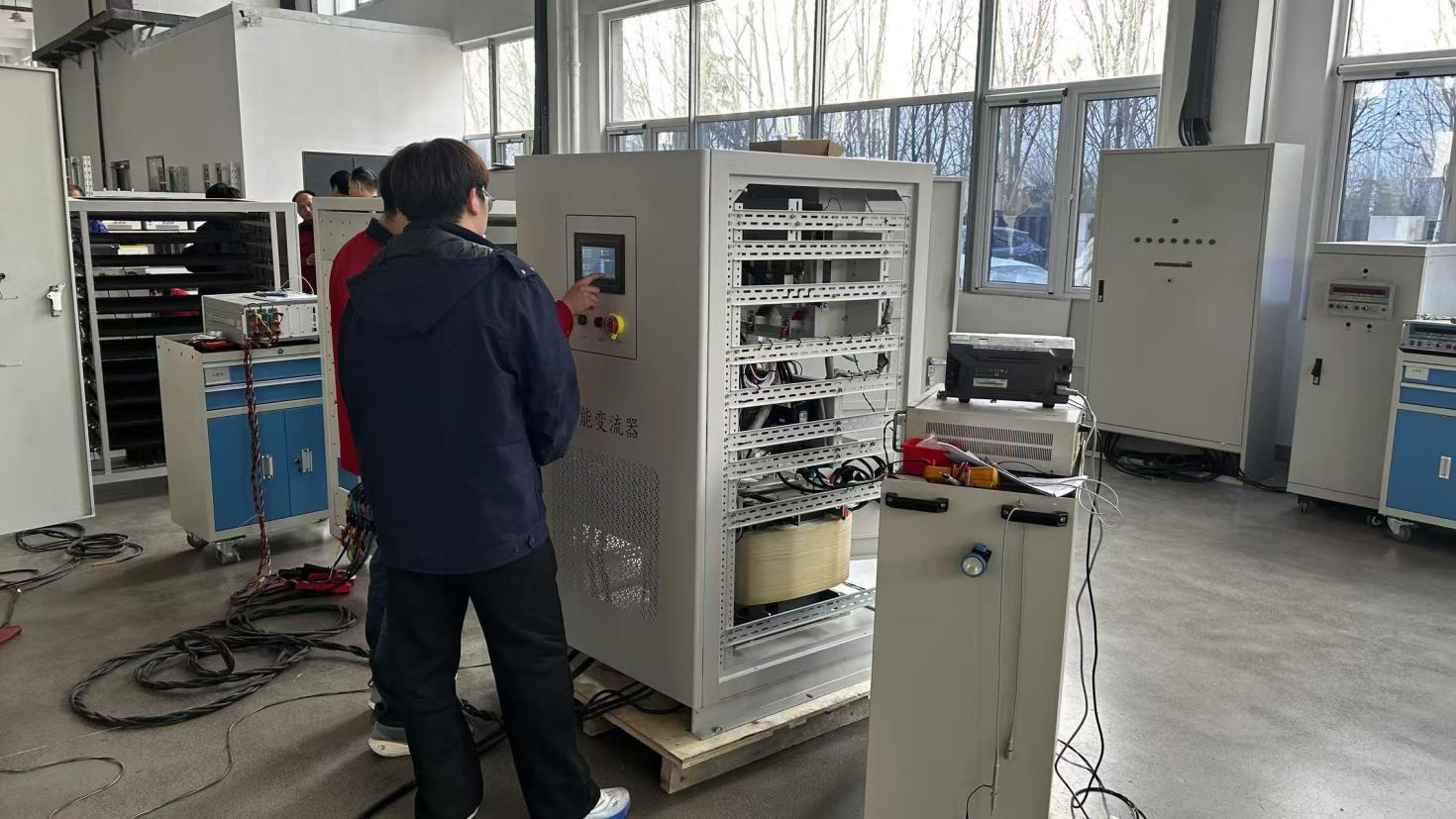 Debugging process
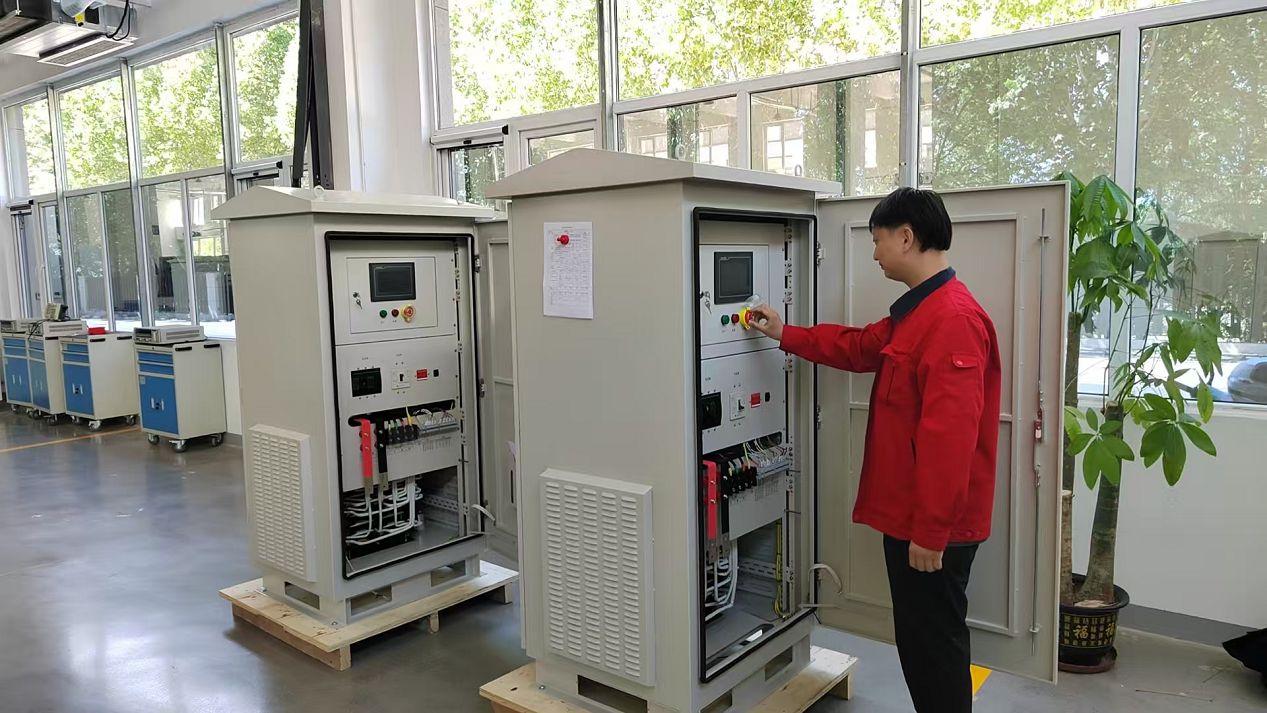 Quality inspection process
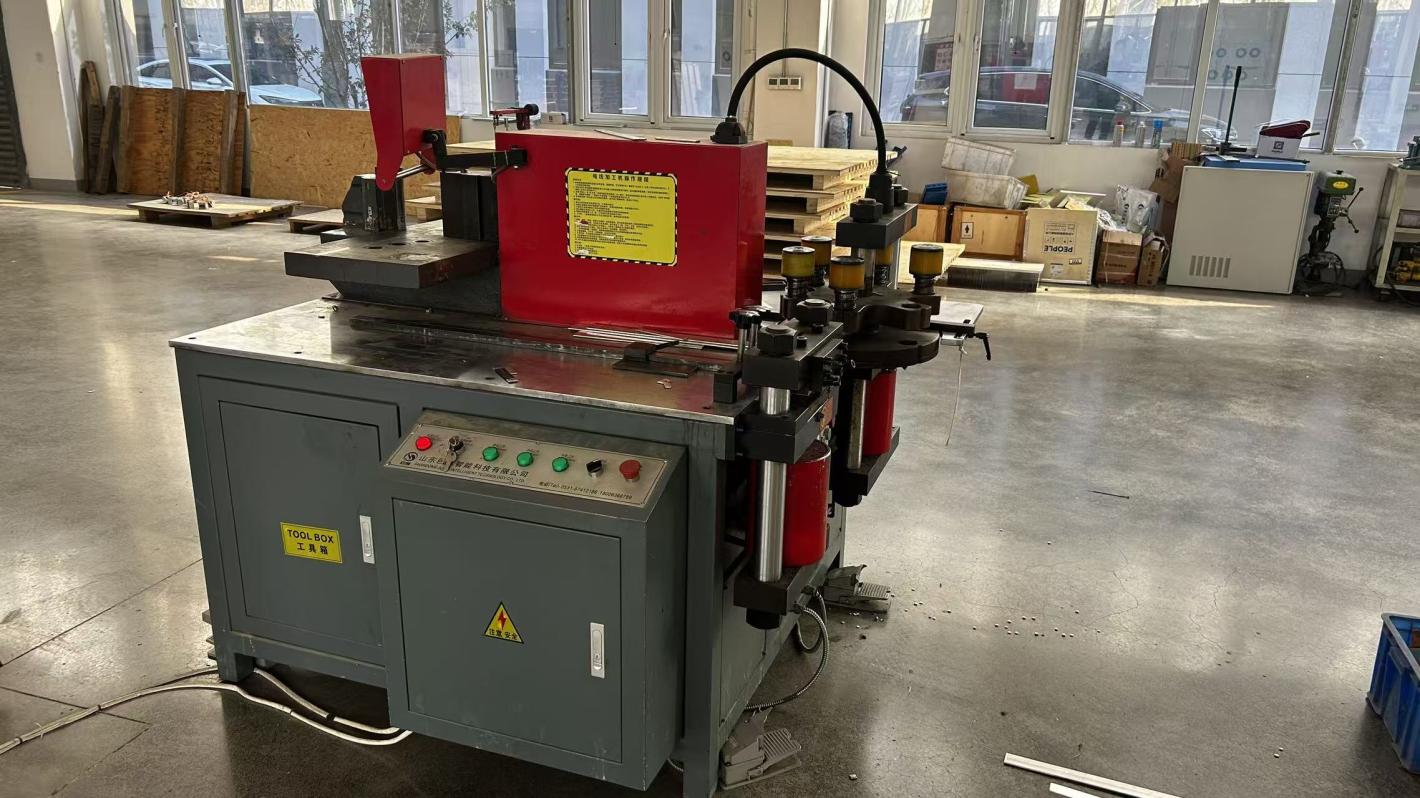 Copper bar production
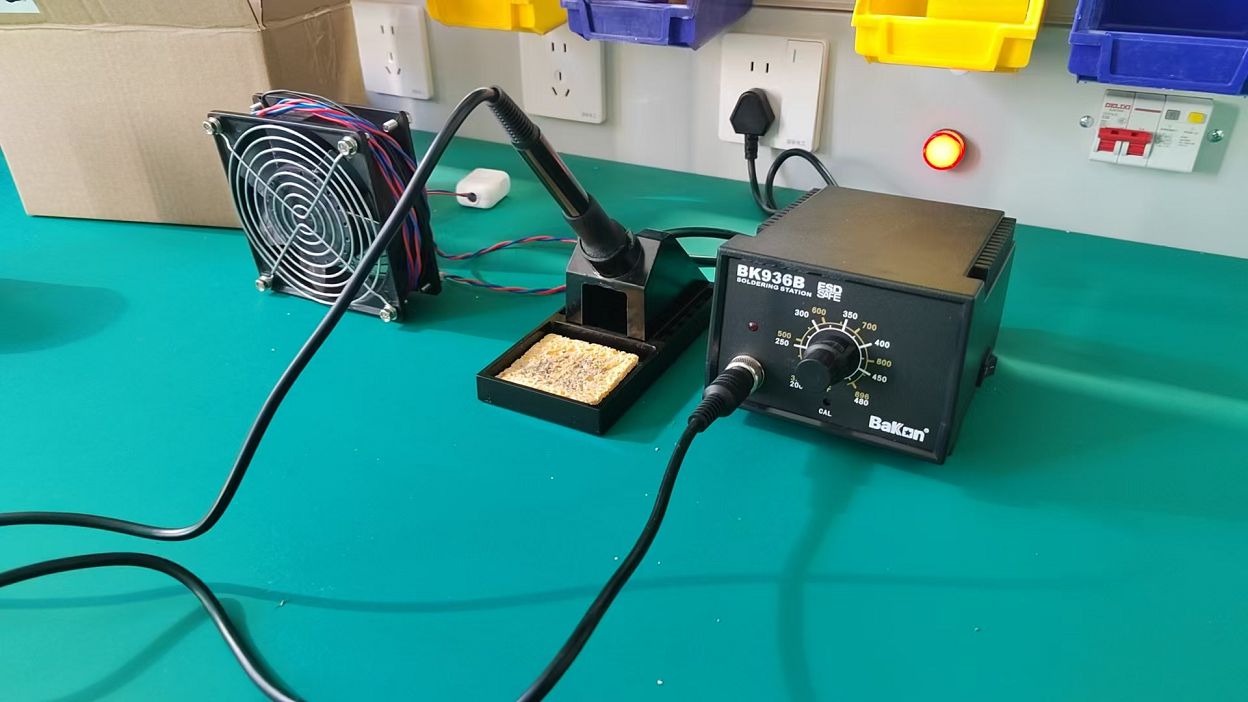 Electric ferrowire
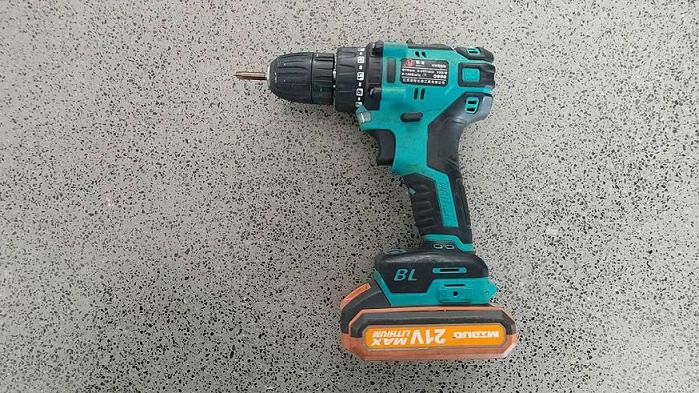 Electric drill
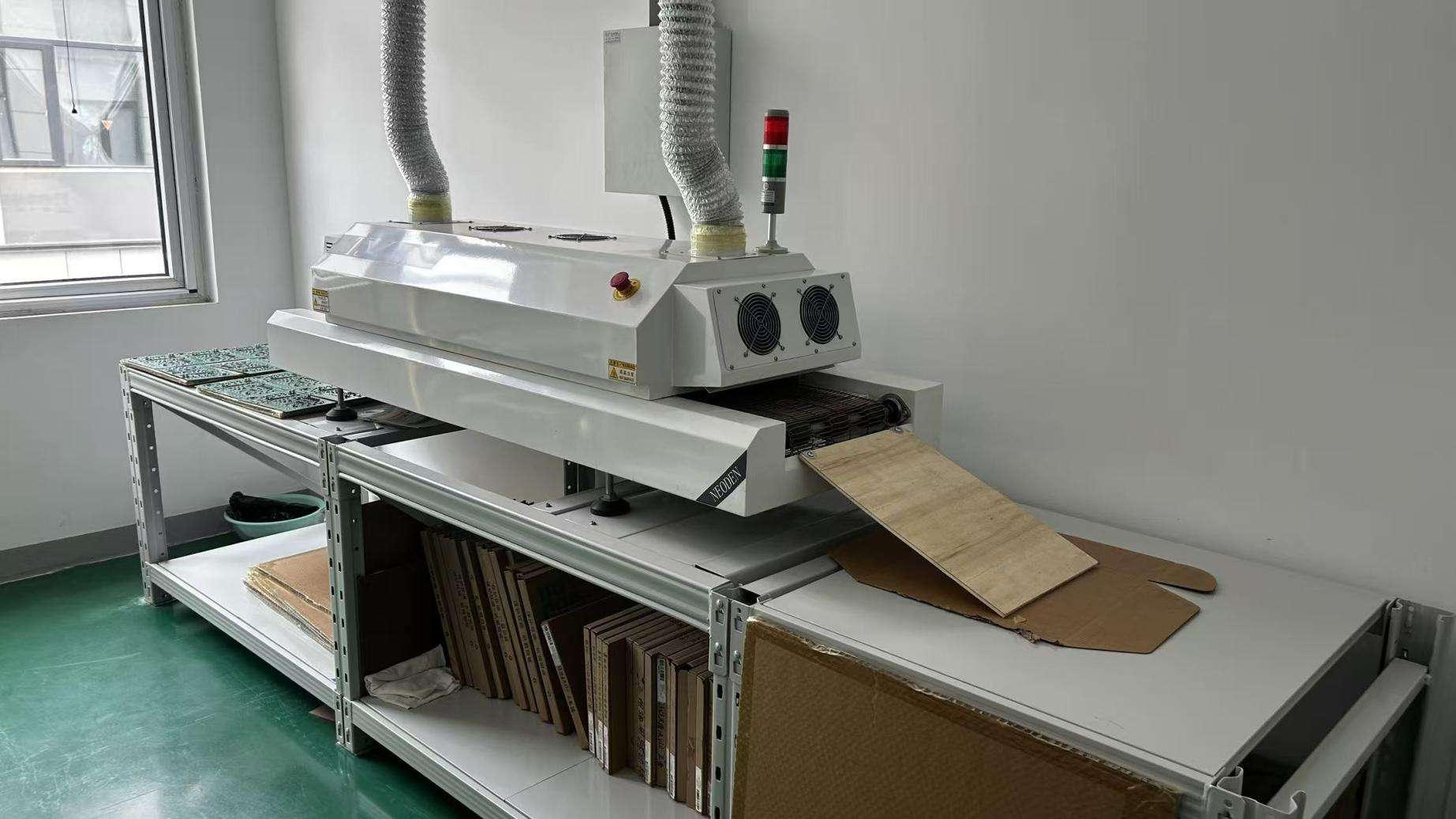 Reflow soldering machine
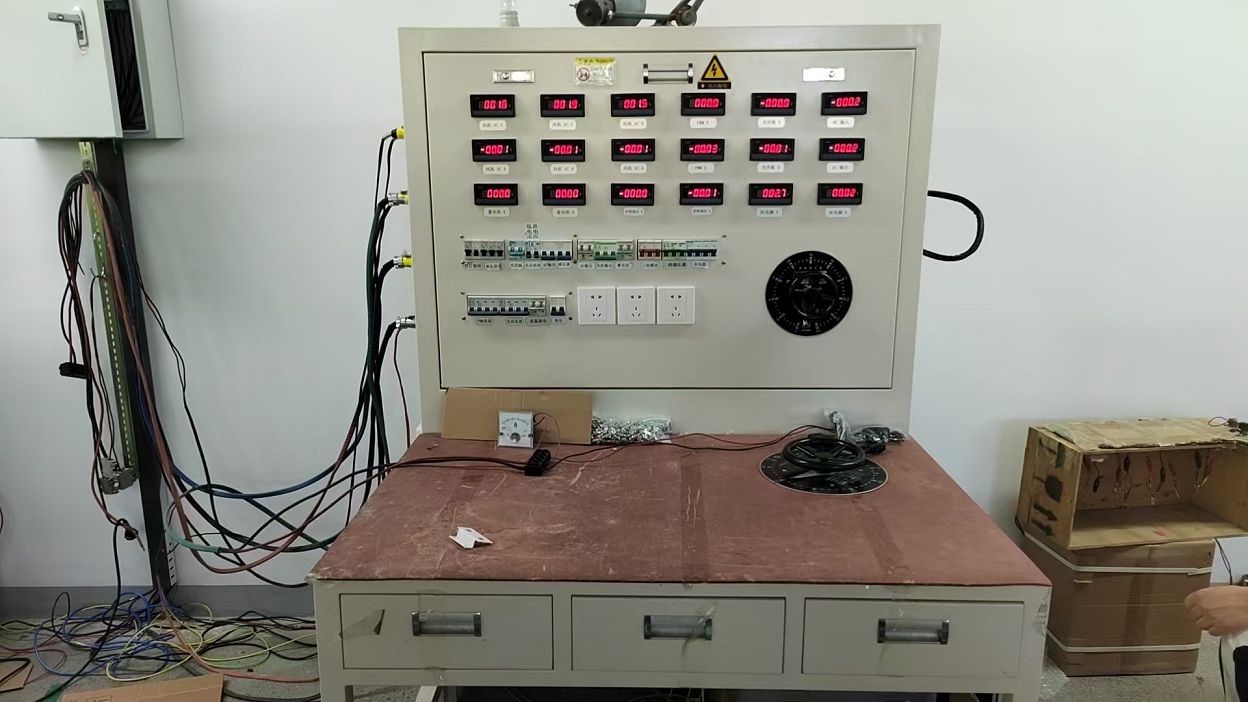 Workbench
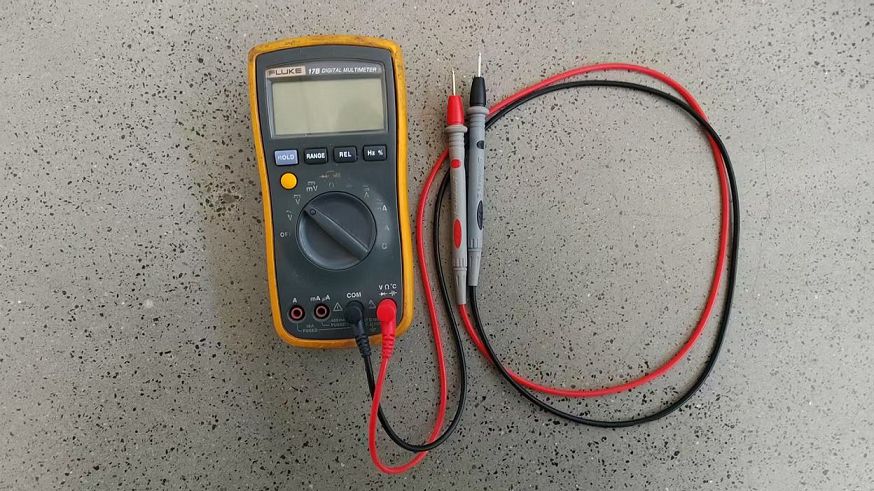 Multimeter
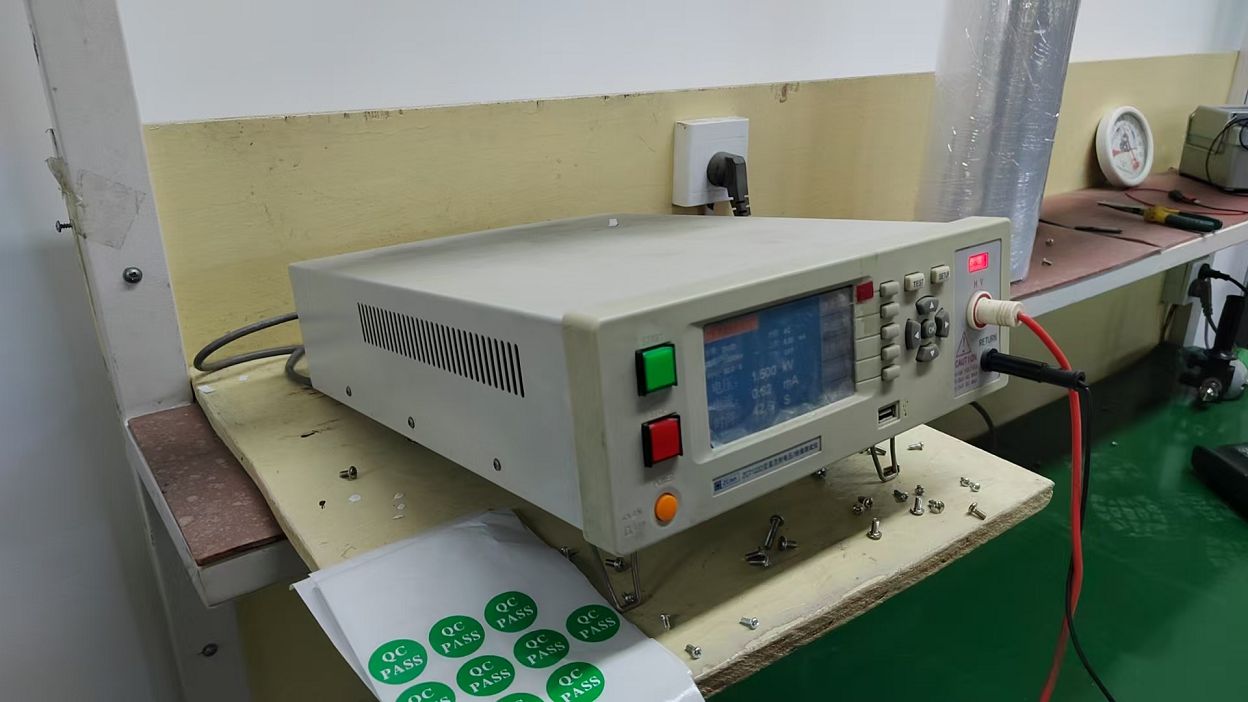 LCR AutoTester
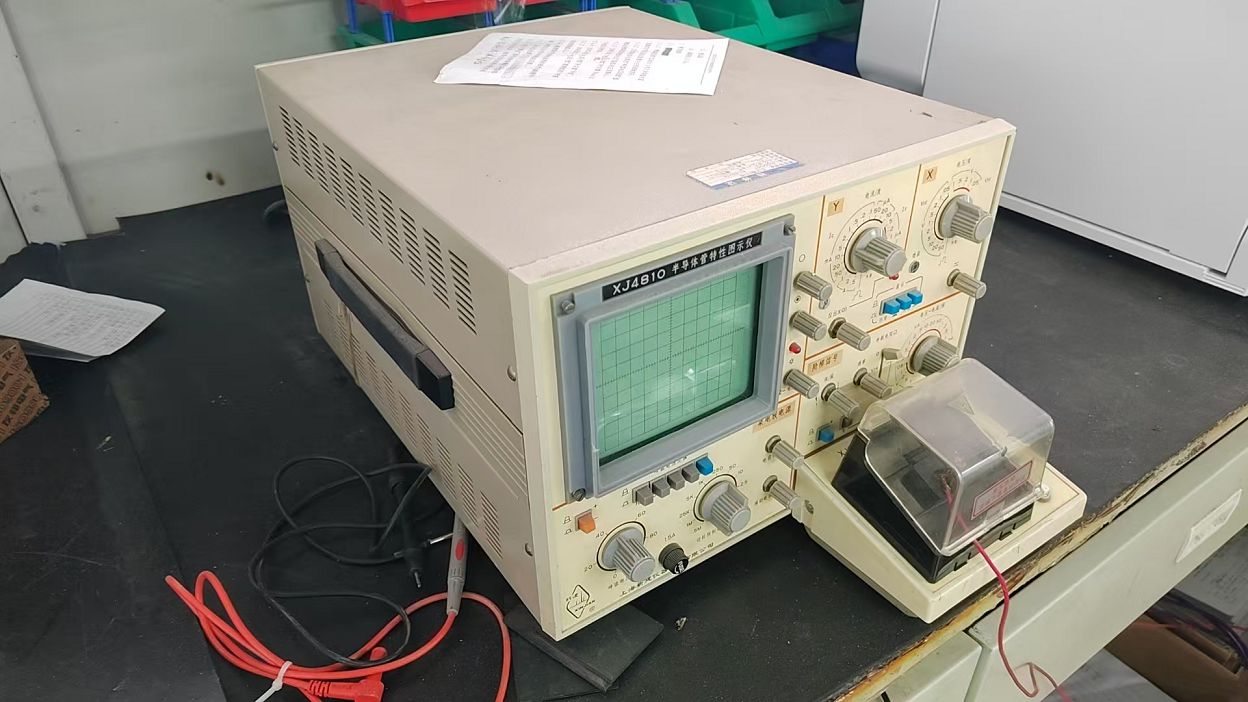 Semiconductor Plotter
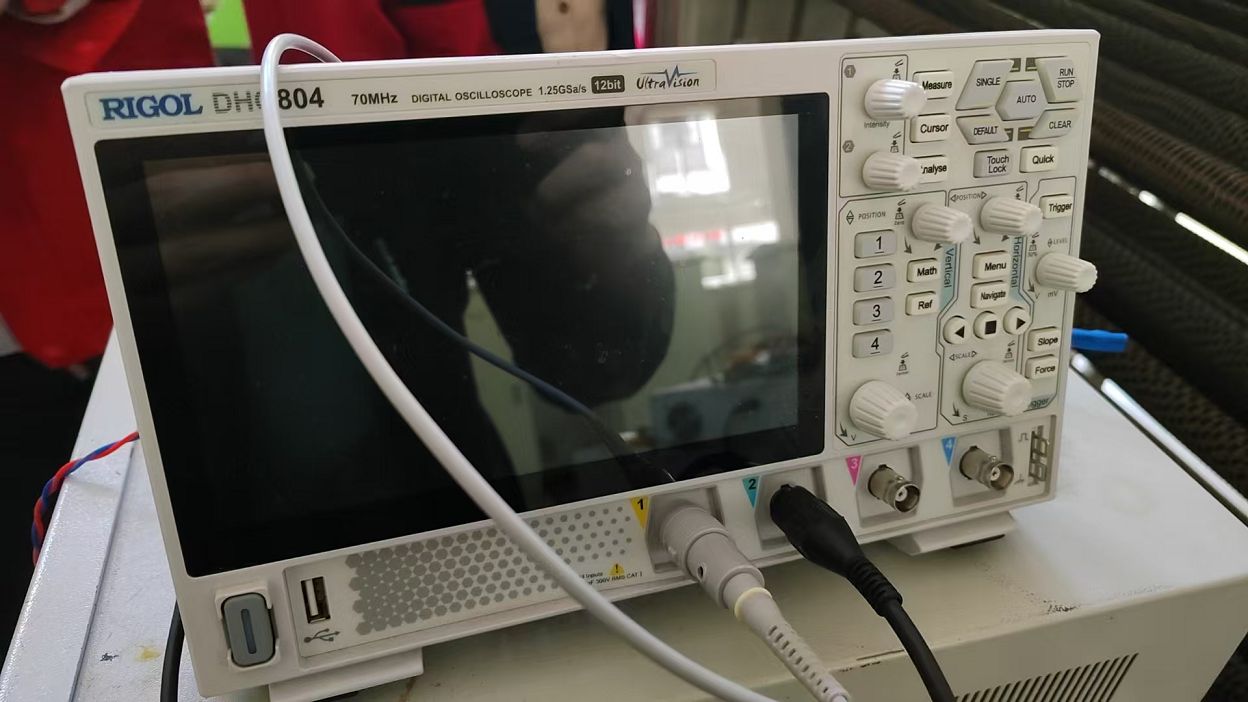
 Digital Oscilloscope
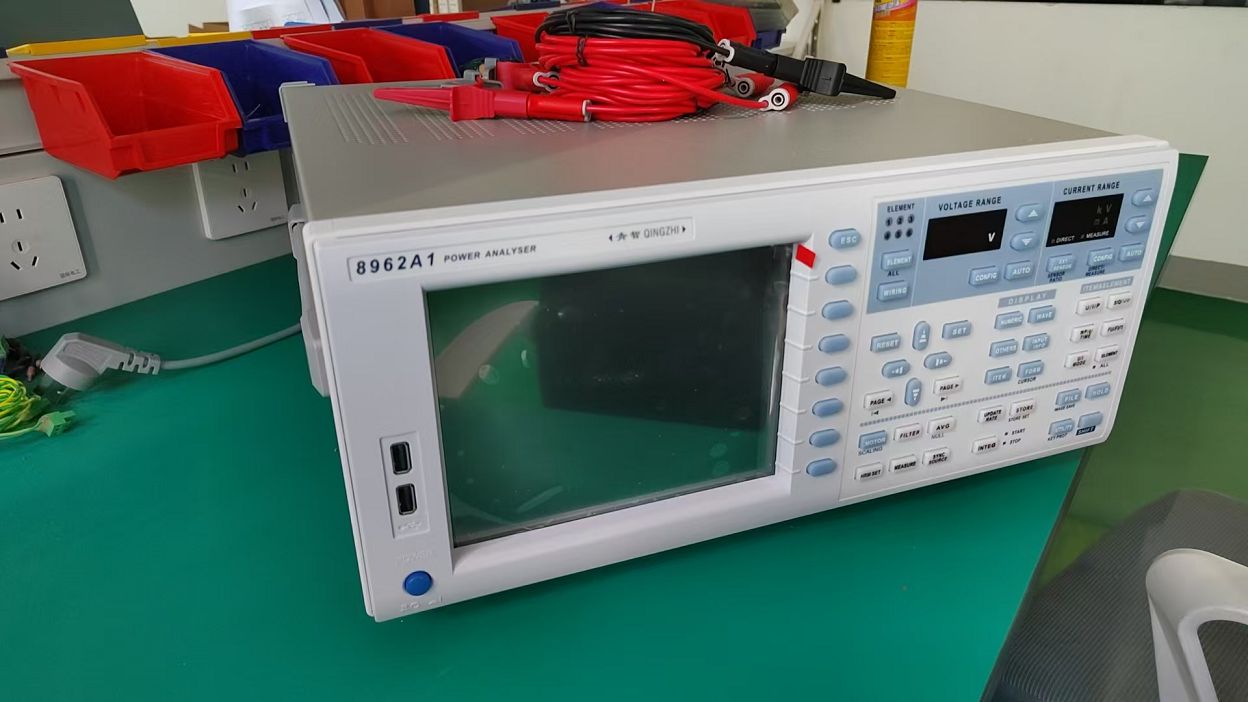
 Power Quality Analyzer
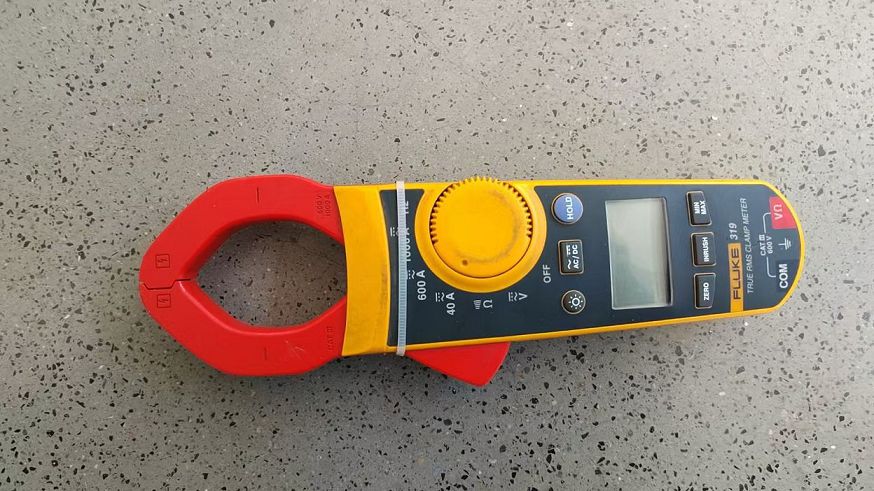 Clamp current meter
 Drawing Design
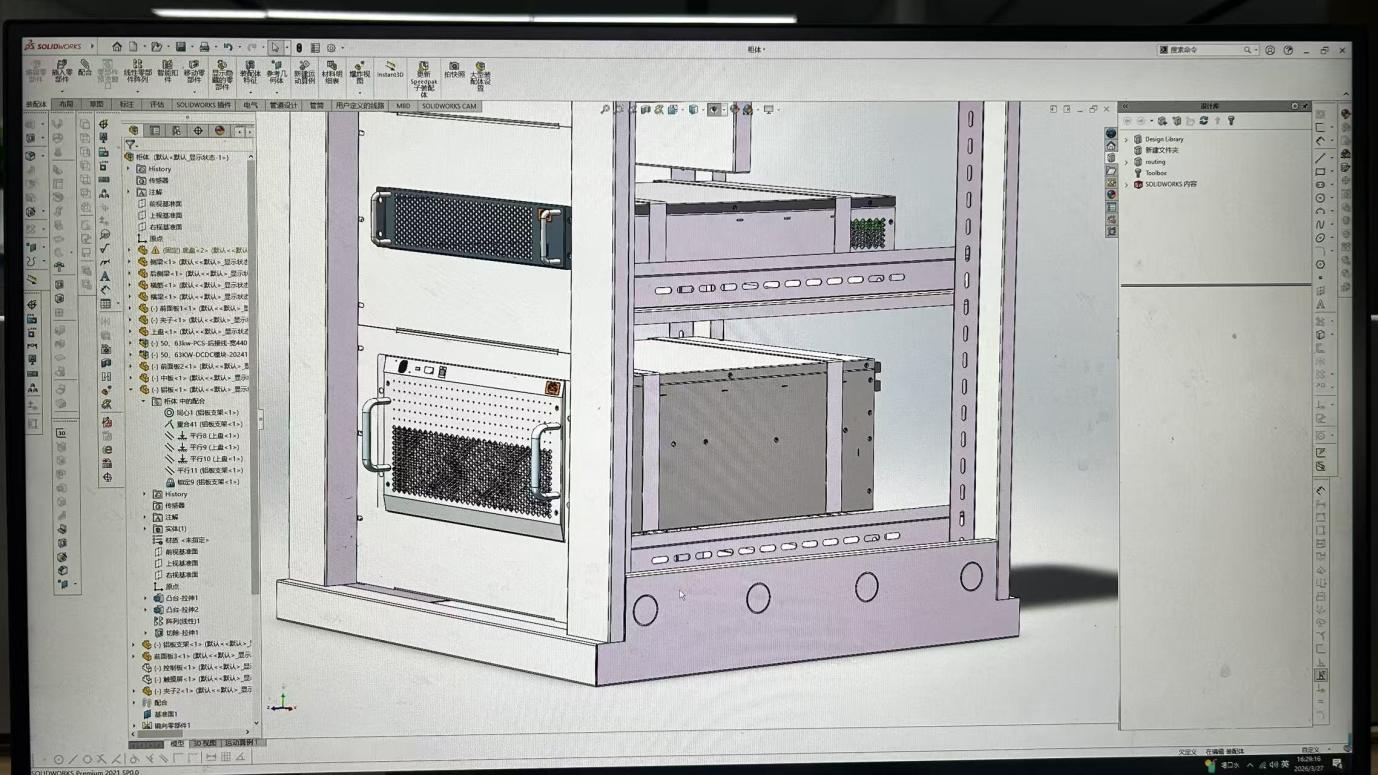 Computer CAD Station
Bridging today's power conversion hardware demands with the smart grid integration of tomorrow.
Modern utility stations rarely depend on a single source of generation. To ensure round-the-clock power reliability, developers install hybrid microgrids that combine solar photovoltaic arrays with wind turbine generators and backup battery energy storage systems (BESS). In these setups, multi-input MPPT architectures act as central arbiters of energy.
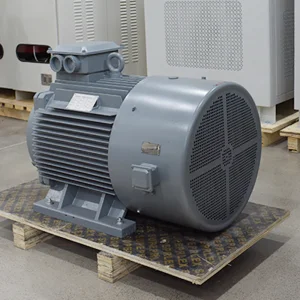
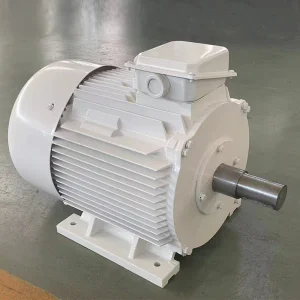
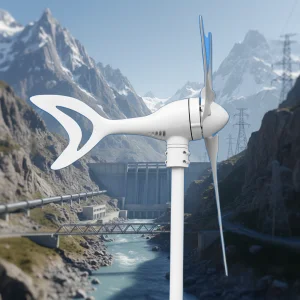
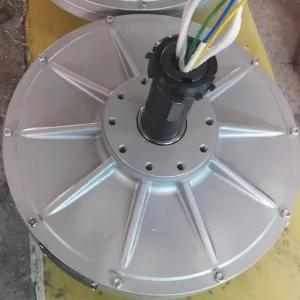
For instance, when combining a 50KW permanent magnet generator (wind/hydro) with a high-capacity solar array, the control electronics must handle two completely different electrical behaviors:
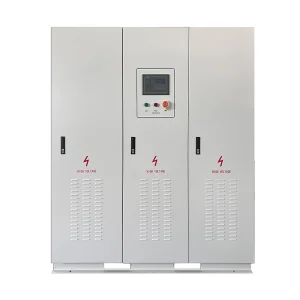
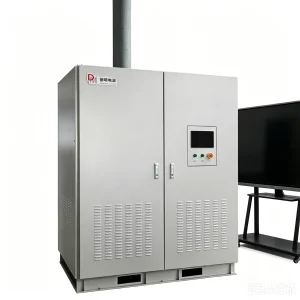
These inputs are fed into high-power bidirectional converters (ranging from 150kW to 500kW and upwards to 800kW) that connect the dynamic power inputs with the energy storage grid. This maintains power quality by minimizing harmonic distortion and regulating voltage transients, ensuring the local microgrid remains stable.
As Deming Power steps forward, our R&D roadmap focuses on four key pillars designed to maintain technical competitiveness:
Deploying machine-learning-driven MPPT algorithms designed to learn the local site shading history, mapping optimal curves in milliseconds and reclaiming 3-5% power yield under heavy partial shade.
Programming bidirectional inverters to actively support local grids by providing virtual inertia, stabilizing frequency fluctuations, and performing black starts during distribution blackouts.
Equipping controllers with native Wi-Fi/4G/5G capabilities to stream operational statistics directly to secure cloud portals, enabling predictive maintenance alerts before failure occurs.
By combining advanced hardware topologies with digital tracking algorithms, the future generation of power controllers will adapt dynamically to real-time grid requirements. This mitigates systemic losses and ensures long-term operational viability across global sites.
Addressing core engineering questions regarding industrial solar and wind power conversion systems.
Explore our complete catalog of commercial off-grid inverters, wind turbine generators, and hybrid microgrid controllers.
 Demin Power