A comprehensive study on localized microgrid stability, decarbonization pathways, and the engineering behind CE-certified power conversion systems.
The global transition towards Net Zero Energy (NZE) is no longer a peripheral corporate social responsibility objective; it is a fundamental baseline for operational resilience and regulatory compliance. Under the European Green Deal and the United States' Inflation Reduction Act (IRA), industrial entities are facing strict mandates to reduce carbon footprints. Decarbonizing heavy operations requires a shift from traditional grid dependency to distributed energy resources (DERs).
However, integrating volatile renewable sources like solar and wind introduces grid instability, voltage fluctuations, and power quality degradation. To counter these challenges, modern commercial and industrial (C&I) installations are utilizing high-performance power conversion systems (PCS), intelligent bidirectional inverters, and high-voltage MPPT controllers. By integrating these systems, industrial hubs can optimize energy consumption, mitigate peak demand charges, and secure localized power quality.
In the procurement of high-power energy assets—ranging from 500kW to 5MW—safety and compliance are vital. CE certification serves as a baseline indicator that equipment complies with European Union safety, health, and environmental protection requirements, including the Low Voltage Directive (LVD 2014/35/EU) and Electromagnetic Compatibility Directive (EMC 2014/30/EU).
Without these certifications, systems face operational rejection by local utilities and higher insurance risks. For industrial enterprises, deploying certified renewable systems (such as high-efficiency bidirectional inverters and automated frequency regulators) ensures seamless grid interconnection, decreases hardware failure rates, and minimizes downtime.
The paradigm of clean energy integration has evolved from grid-following (matching local grid frequency and voltage) to grid-forming. Modern microgrids require intelligent power conversion systems (PCS) capable of generating their own voltage waveforms, establishing black-start capability, and maintaining system frequency without external grid support.
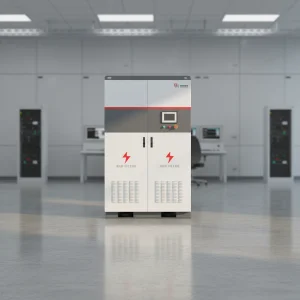
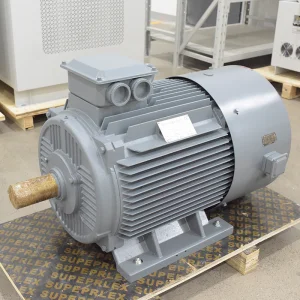
By combining high-capacity shore power systems (500kW to 5MW) with hybrid inverters and low-RPM permanent magnet generators, facilities can achieve operational energy security. When wind and solar supply fluctuates, bidirectional DC/AC converters shift energy to and from battery simulators and energy storage devices seamlessly, stabilizing the microgrid in milliseconds.
Suppress harmonic distortion (THD < 3%) via high-frequency PWM switching and digital signal processor (DSP) controls.
Enables peak-shaving, load-shifting, and active battery health management using advanced isolation transformers.
Maximize power output from asymmetric PV and wind configurations using high-voltage (up to 800V) tracking designs.
"For industrial grids, the synchronization of multiple volatile generation sources requires active microsecond-level phase matching and automatic voltage frequency regulation. Our solutions address these challenges, ensuring high-capacity installations operate safely in off-grid and weak-grid environments."
| Parameters | Industrial Specification | Core Application |
|---|---|---|
| Capacity Range | 1kW to 5MW Systems | Residential to Port Shore-Power |
| Core Efficiency | >90% under full load | Thermal minimization & high ROI |
| Ingress Protection | IP65 Dust & Waterproof | Outdoor Commercial Installation |
| Voltage Range | 220V / 380V / 680V / 800V | Multi-scenario grid adaptability |
| Control Interface | 4G / Modbus / CAN Bus | Enterprise Energy Management Systems |
Deploying specialized power architecture to meet the unique operational demands of modern marine, municipal, and industrial hubs.
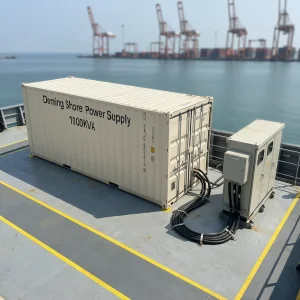
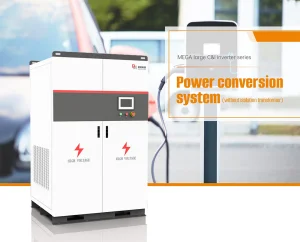
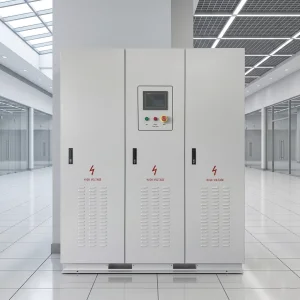
Large container ships and bulk carriers burn diesel fuel at port, generating significant emissions. Deploying High Capacity Shore Power Systems (500kW to 5MW) allows vessels to shut down auxiliary engines, transitioning to the local electric grid. The system manages the conversion of voltage and frequency (e.g., 50Hz to 60Hz) to match the onboard grid.
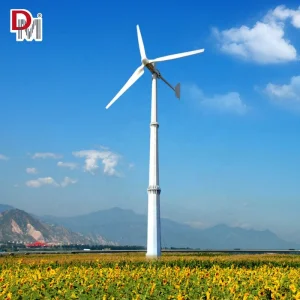
Remote mining sites often rely on expensive diesel logistics. Integrating wind generator kits (5kW to 20kW), solar PV arrays, and high-voltage MPPT solar charge controllers creates a localized microgrid. Backed by 300kW bidirectional energy storage PCS inverters, these systems reduce diesel fuel consumption by up to 70%.
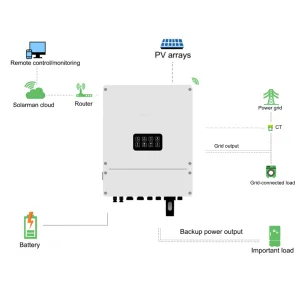
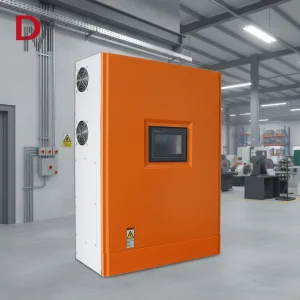
Off-grid base stations demand uninterruptible power. Safe and reliable solar-wind hybrid inverters with built-in 4G monitoring ensure continuous operation. Dynamic range regulation protects delicate electronic equipment against voltage drops and lightning surges in harsh outdoor environments.
A globally recognized national high-tech enterprise established in 2004, specializing in the research, development, and service of renewable energy power equipment and testing solutions.
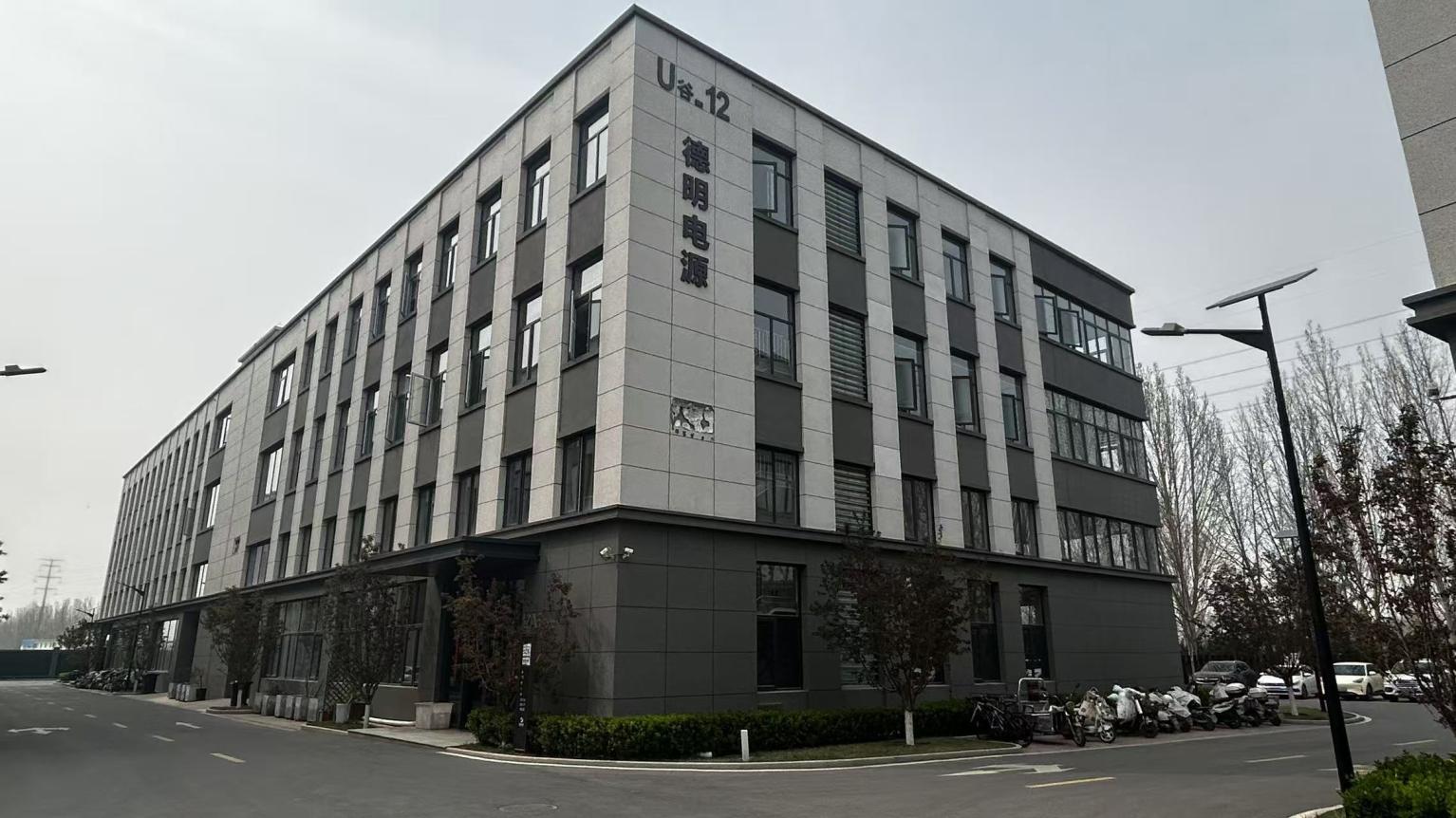
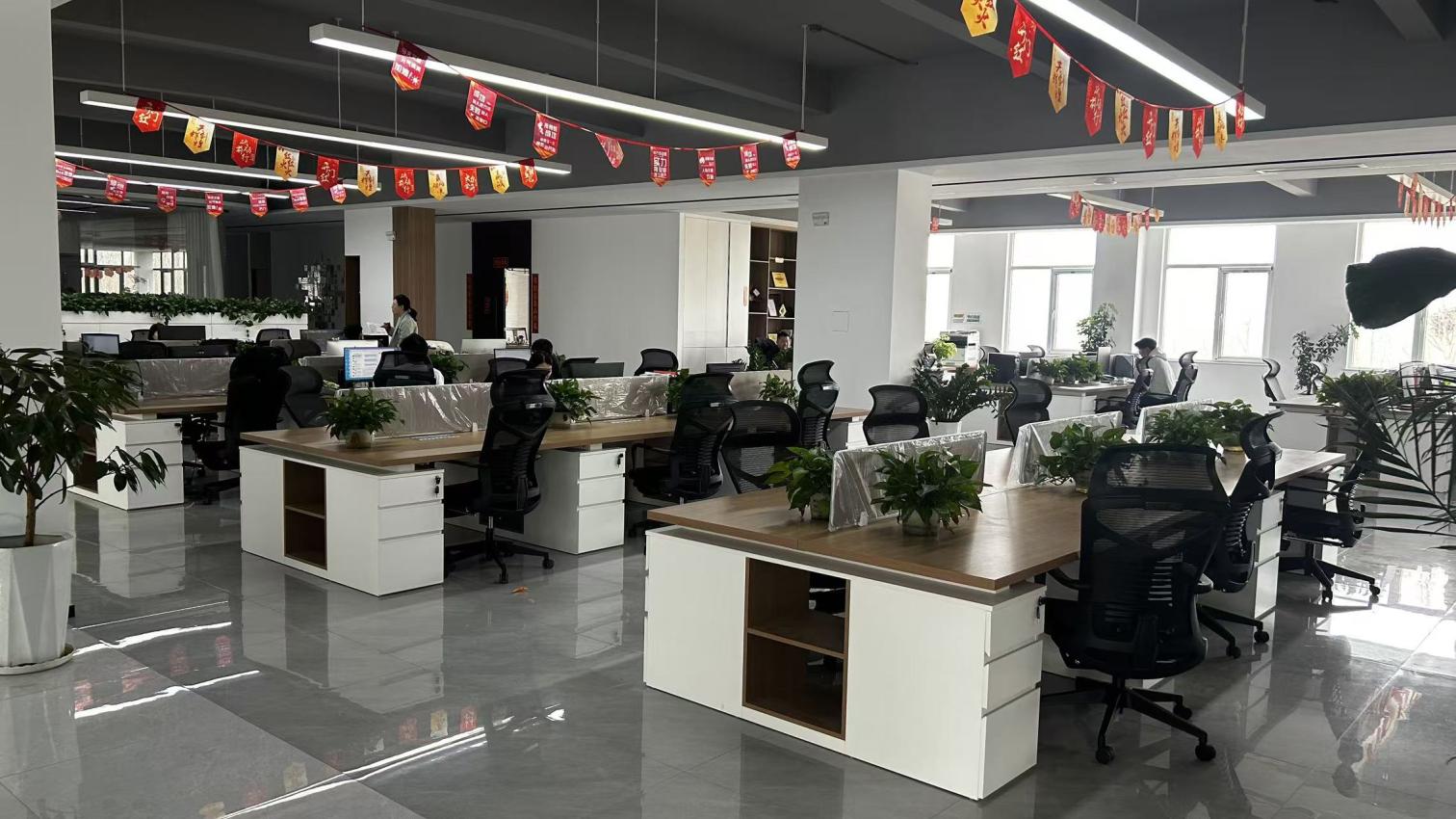
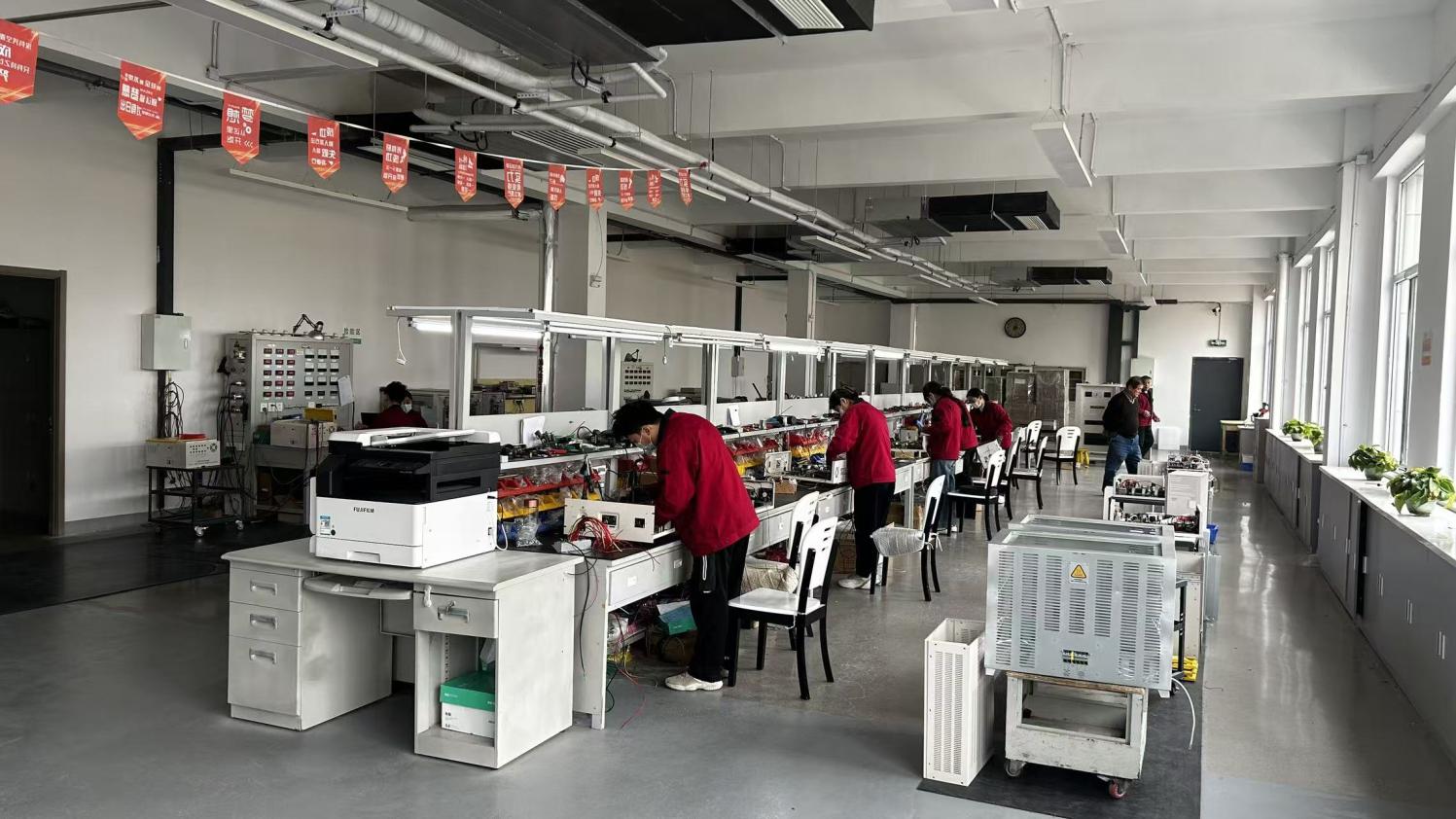
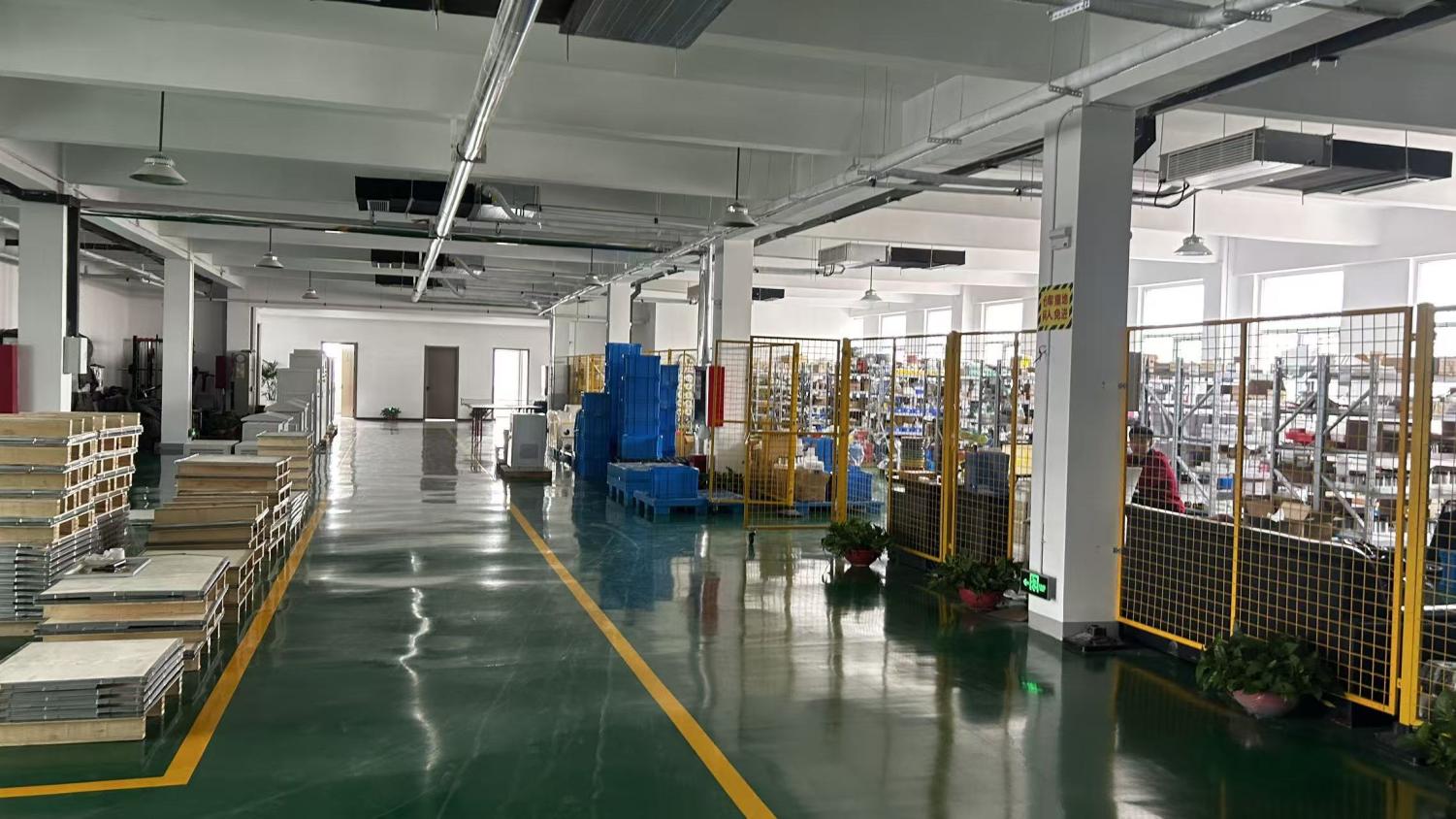
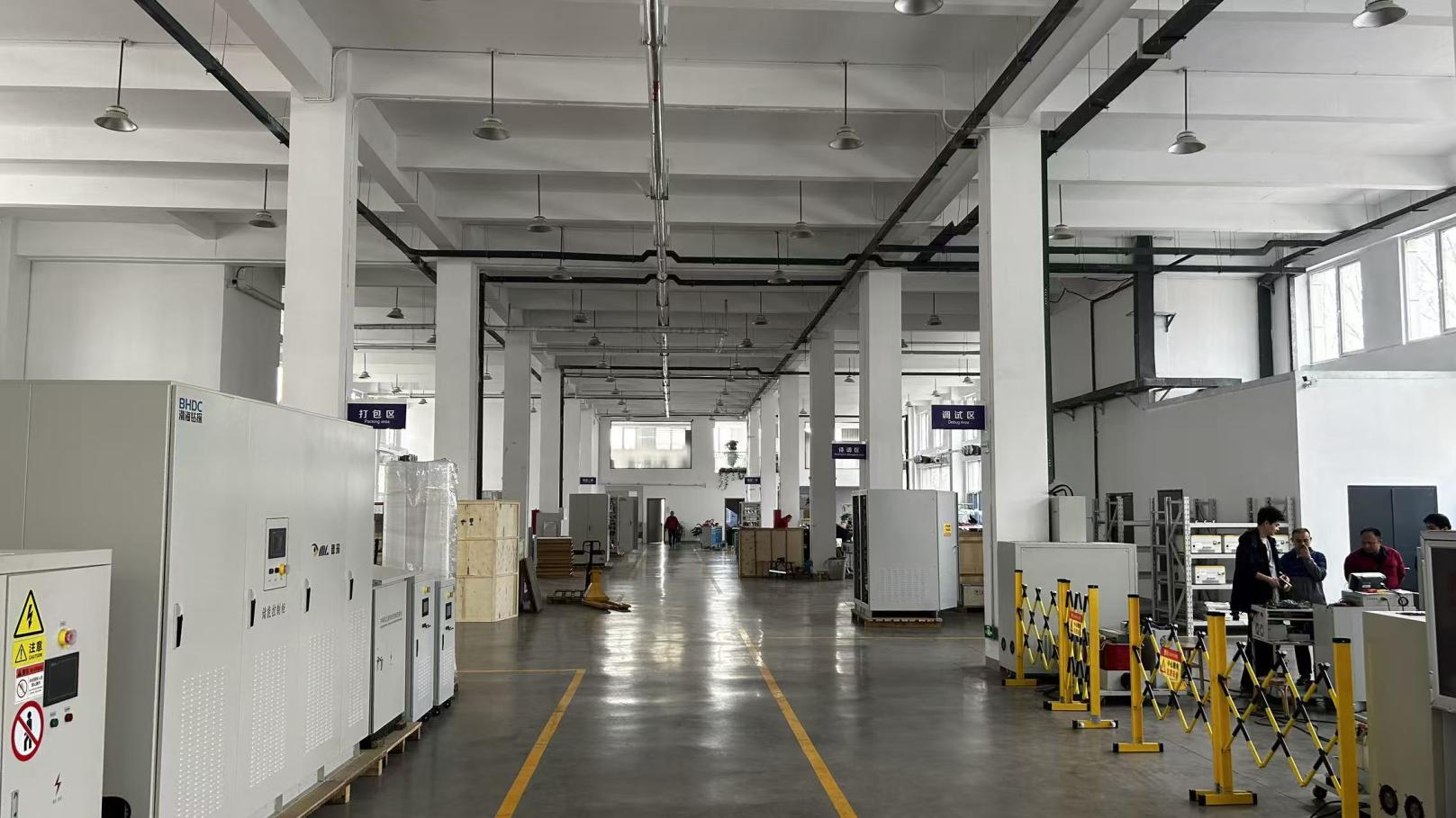
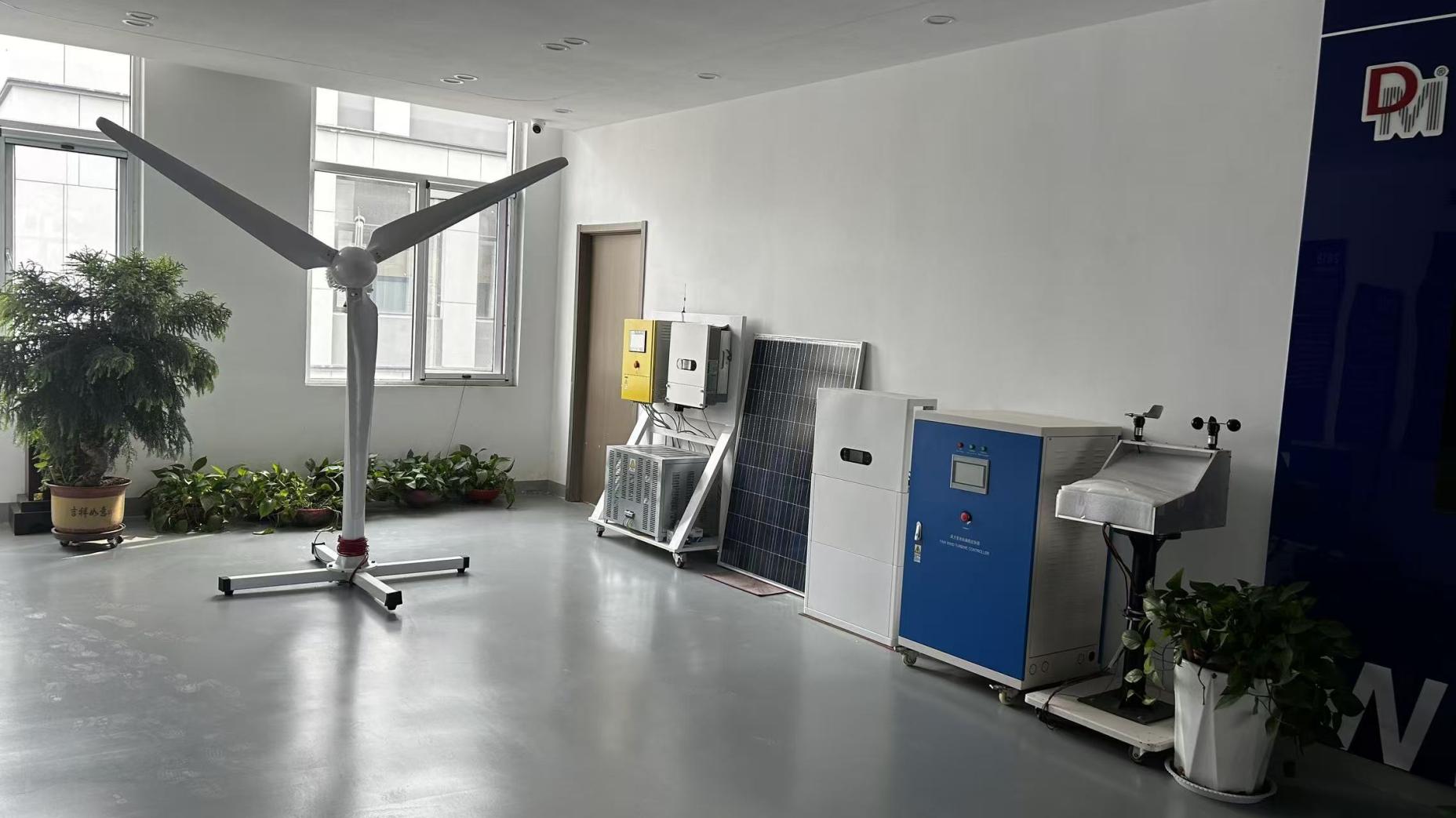
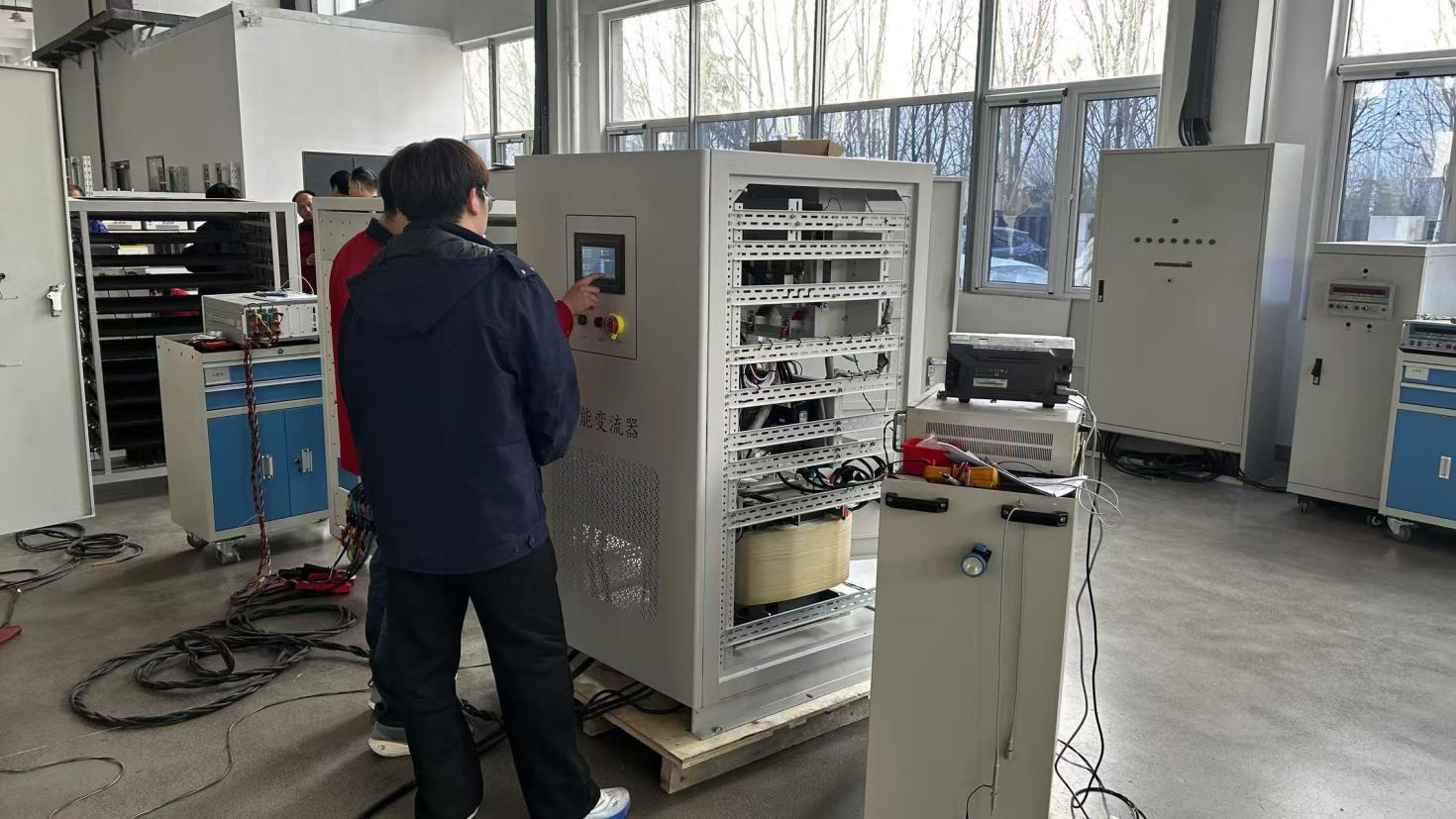
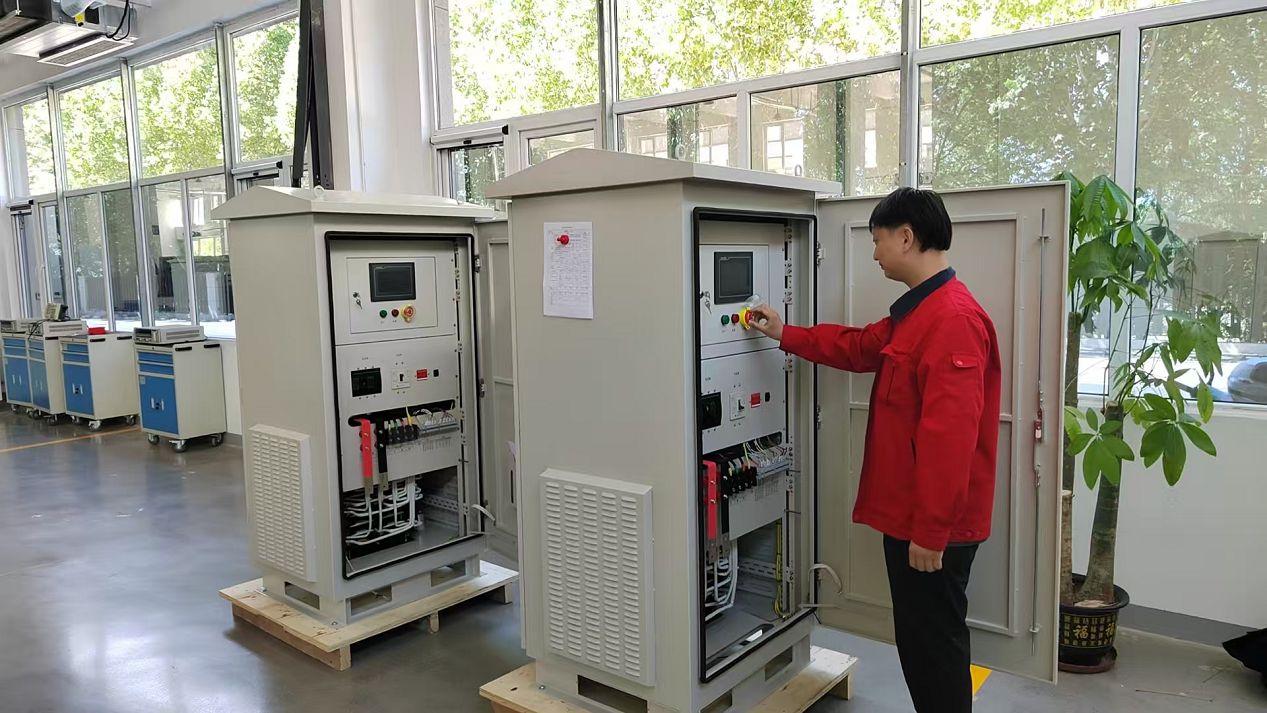
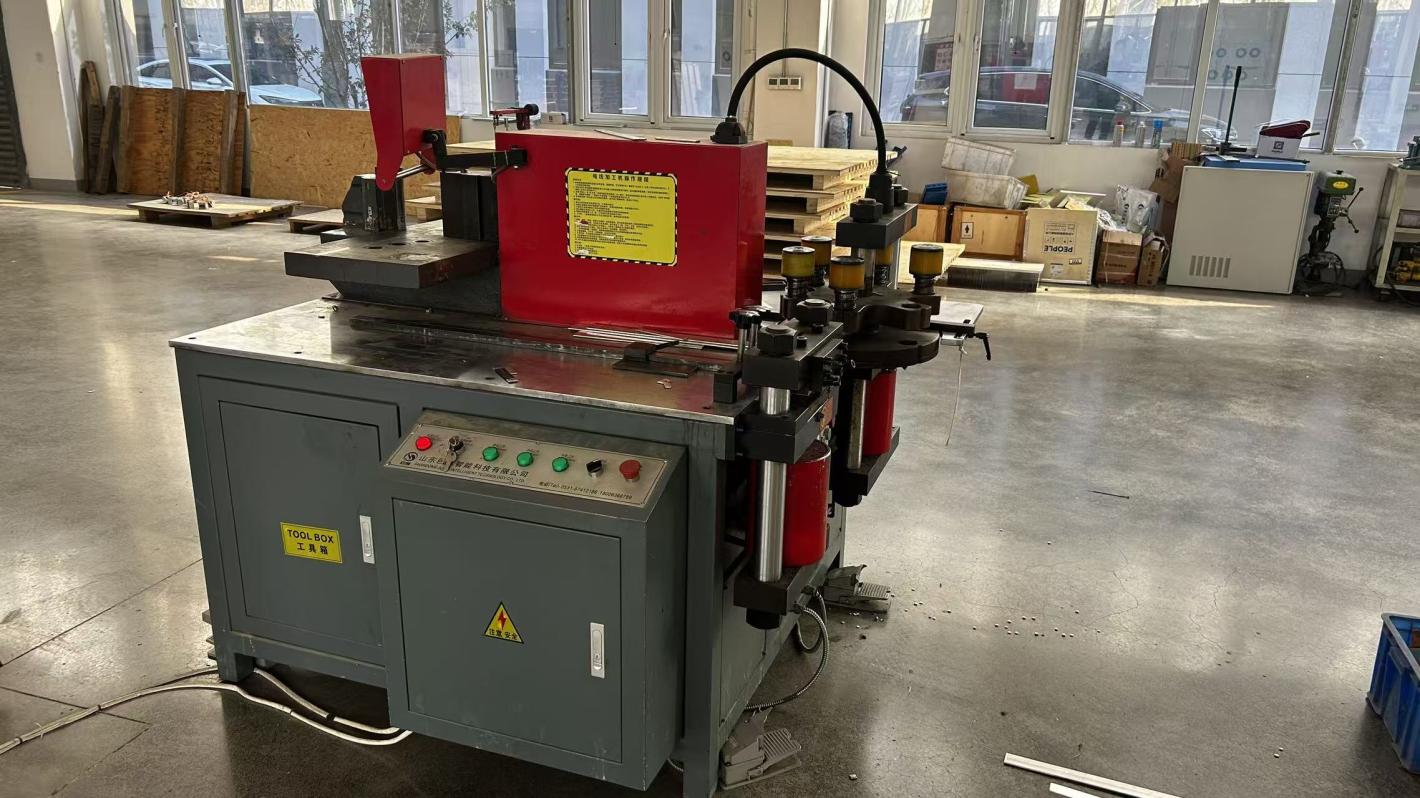
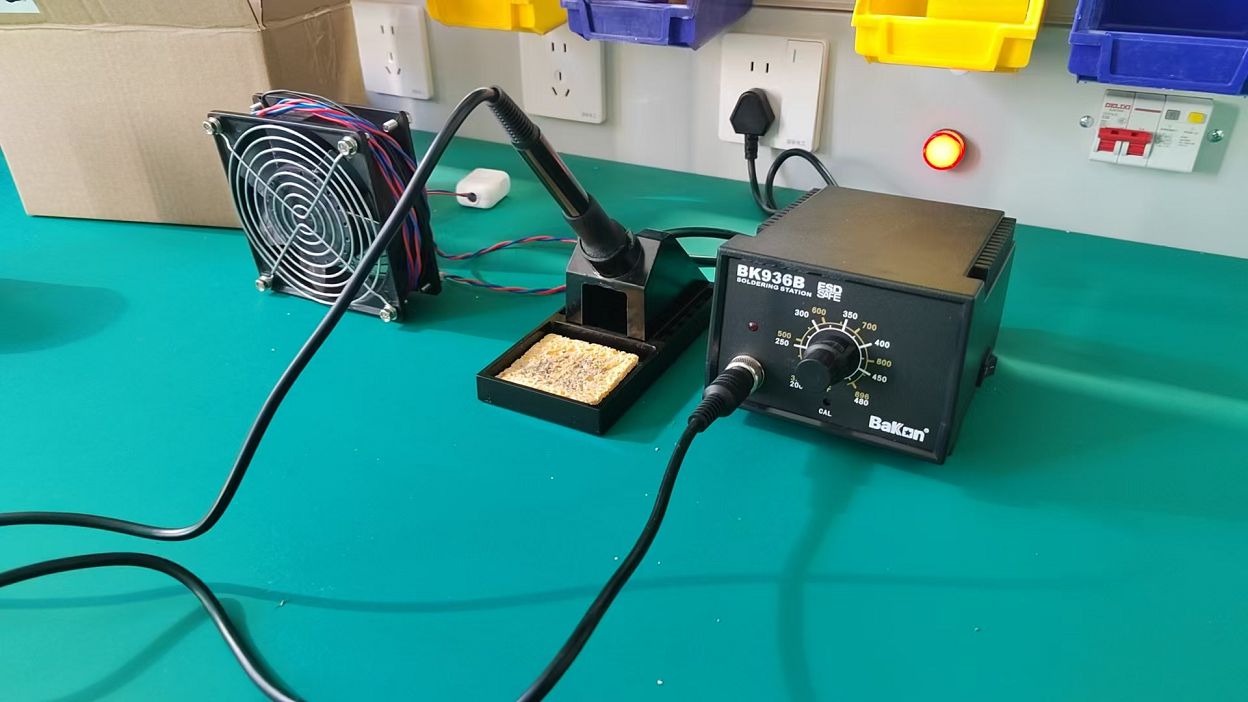
Established in 2004, Jinan Deming Power Equipment Co., Ltd. holds ISO9001:2015 certification and has been recognized as a high-tech enterprise by the Chinese government multiple times (2015, 2018). With a dedicated R&D team of 16 engineers, including doctoral supervisors and master's degree holders, Deming invests no less than 20% of annual sales revenue into technology development. Over the last three years, the company has completed 17 R&D projects, with 16 scientific and technological achievements transformed into commercial products.
Deming's products are deployed across 120+ countries, including Germany, Japan, the United States, UK, Canada, Australia, and Brazil, and the company has established cooperative relationships with Fortune 500 enterprises. The product portfolio includes wind/solar controllers, inverters, frequency converters, and high-power bidirectional DC test power supplies and battery simulators ranging from 150kW to 500kW.
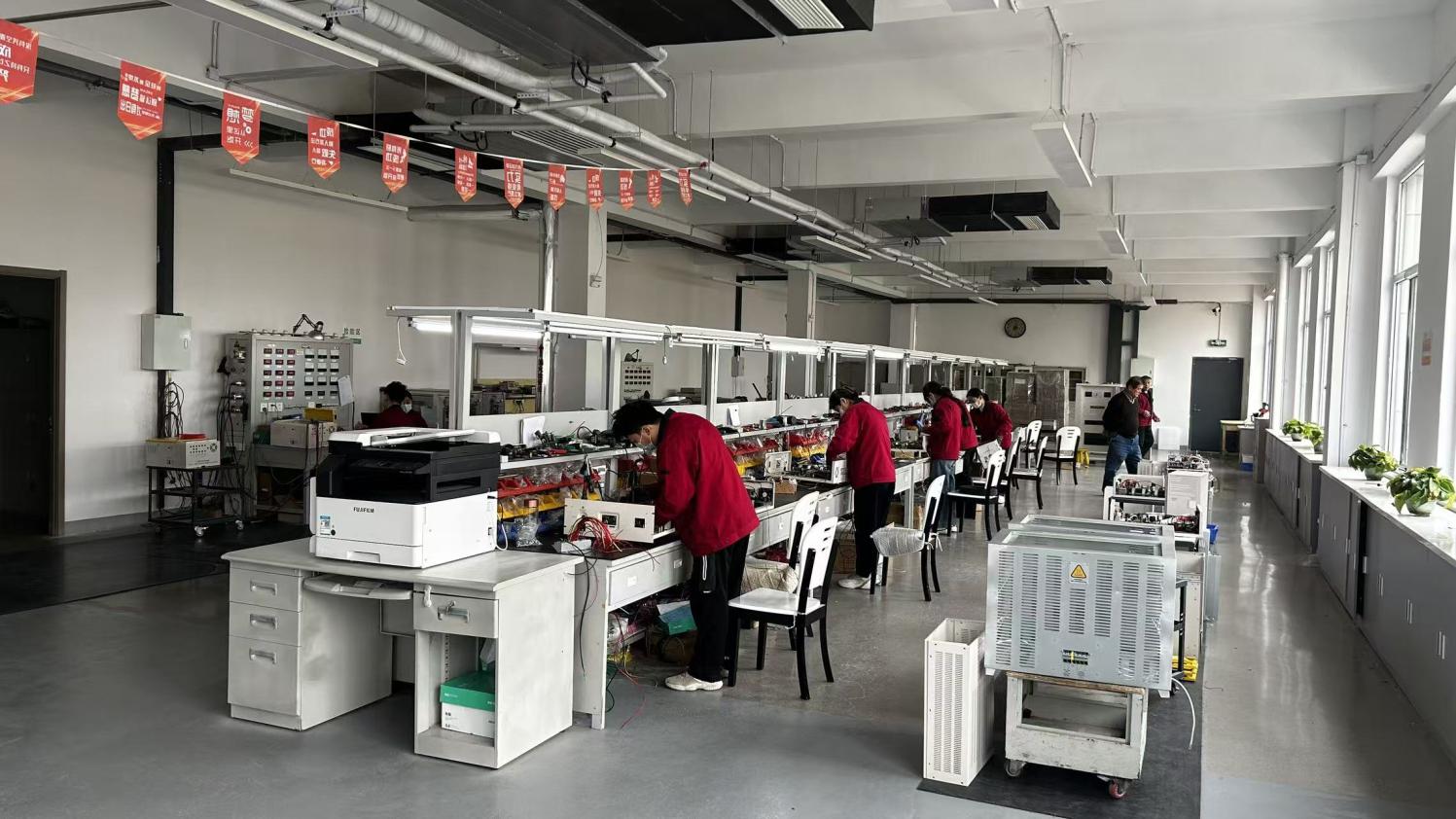
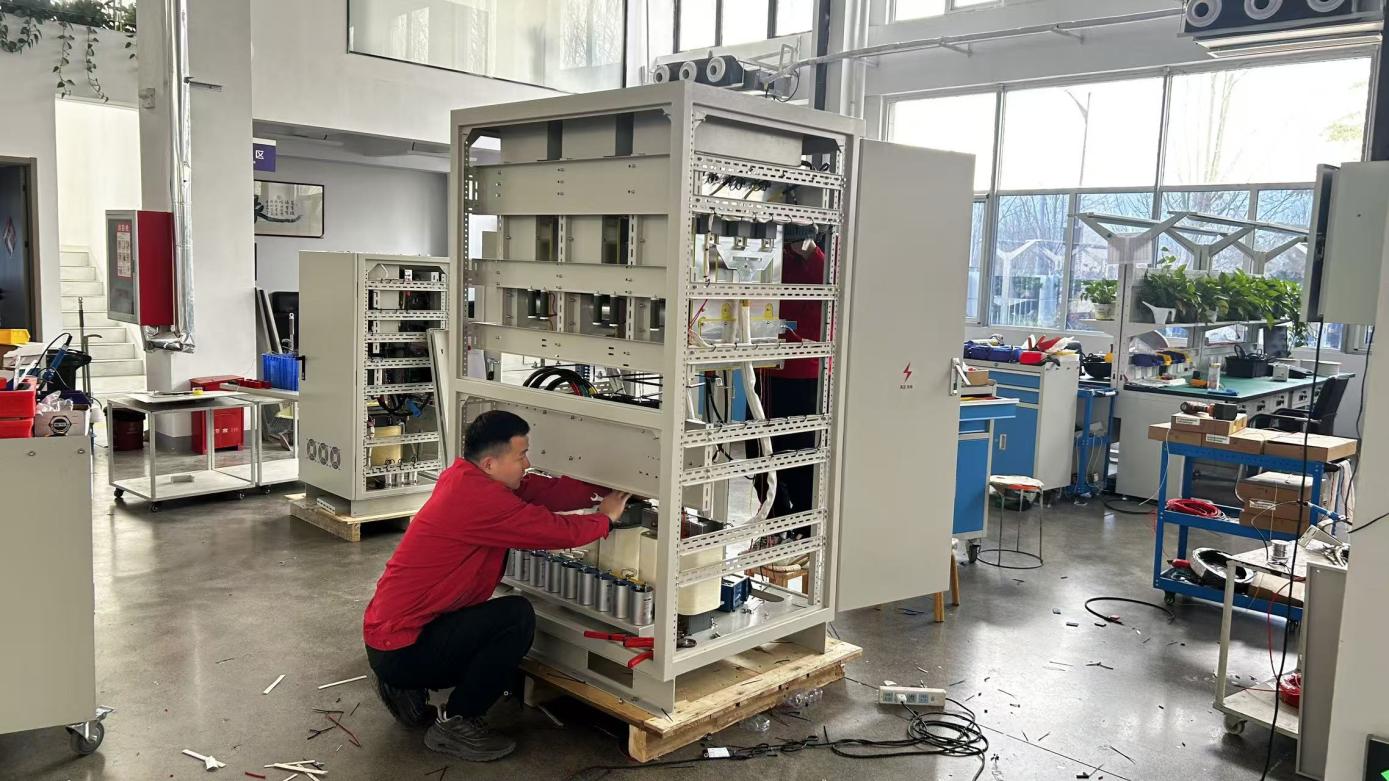
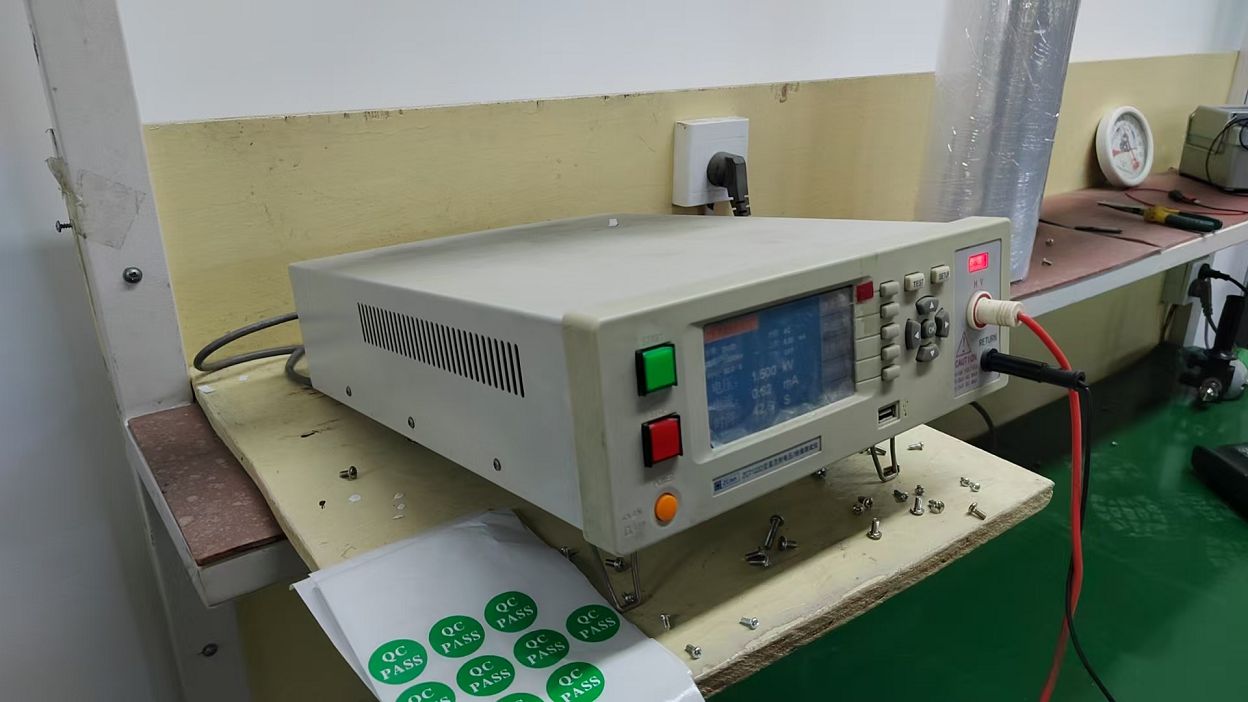
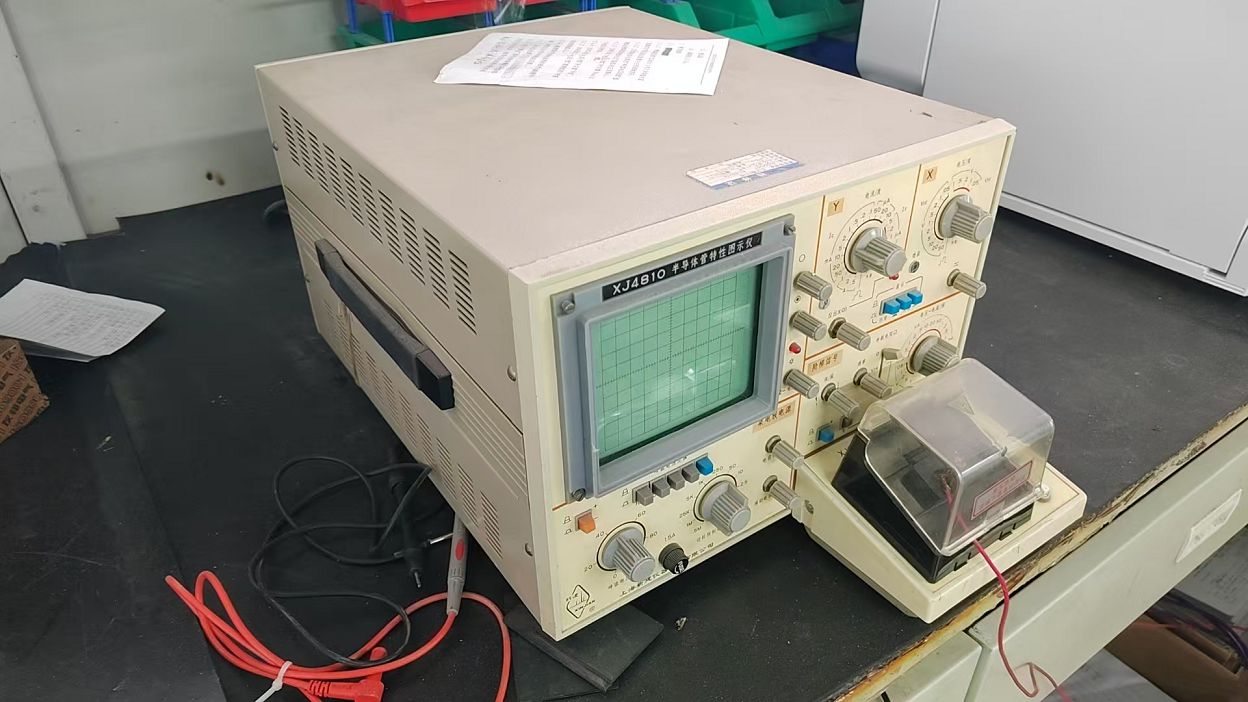
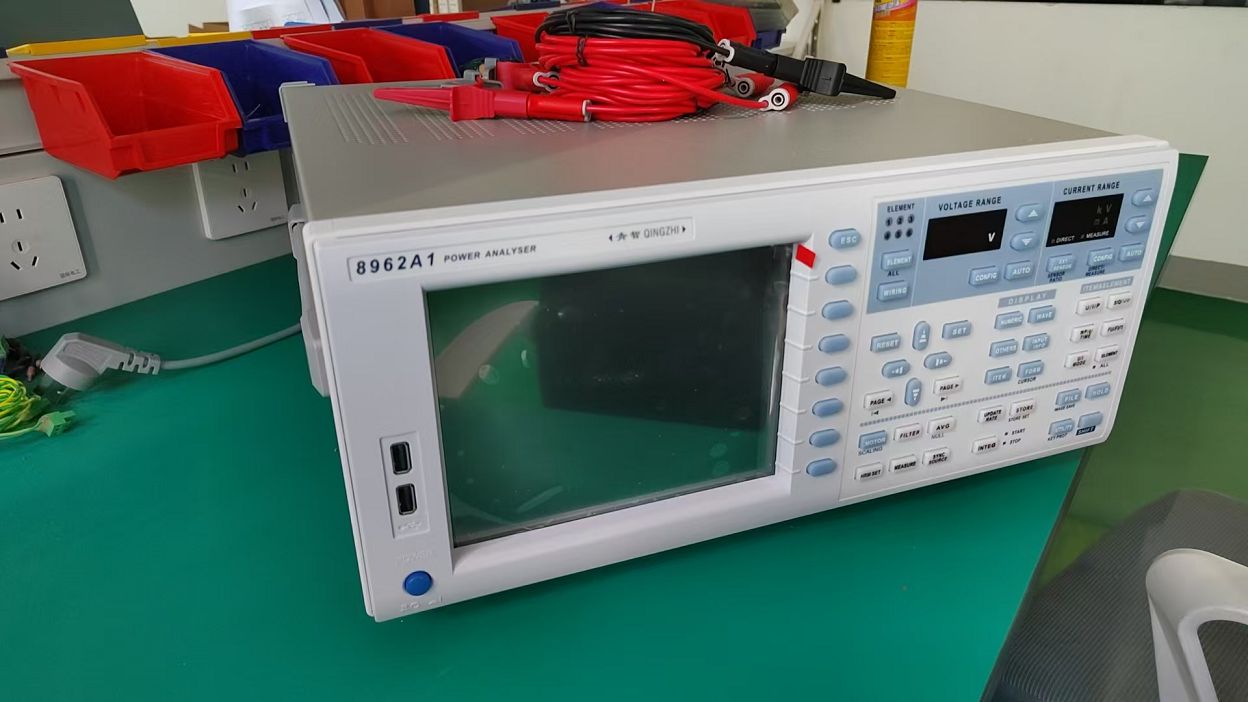
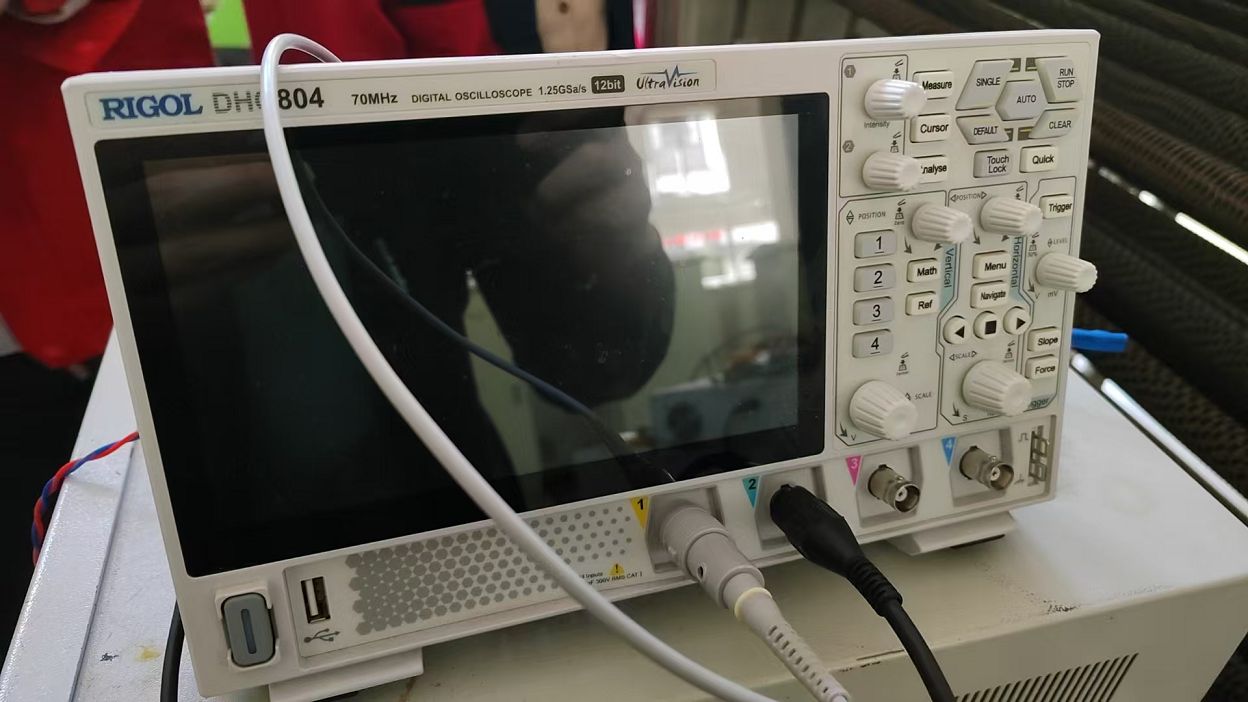
Looking forward, power systems are transitioning from passive electrical protection to active, AI-driven energy arbitration. Integrating edge-computing models into wind/solar hybrid controllers enables real-time weather forecasting and consumption analysis. This ensures that energy storage systems charge during low tariff windows and discharge to support industrial machinery during peak loads.
Additionally, the growth of high-power test benches (150kW to 500kW) is altering how new energy vehicles (NEVs) and high-voltage energy storage systems are validated. Using bidirectional DC power supplies as battery simulators allows engineers to test grid interactions without cycling actual batteries, reducing R&D cycle times and operational safety risks.
For marine power architectures, we expect ports to transition to automated plug-and-play shore power. Future systems will feature liquid-cooled high-power rectifiers and solid-state frequency converters, doubling power density and reducing footprint on limited dock space.
As these technologies develop, Jinan Deming Power Equipment remains focused on engineering solutions that balance high power output with safety, ensuring compliance with global certifications like CE and ISO9001:2015.
Expert answers addressing the sizing, engineering, installation, and compliance of industrial Net Zero solutions.
 Demin Power