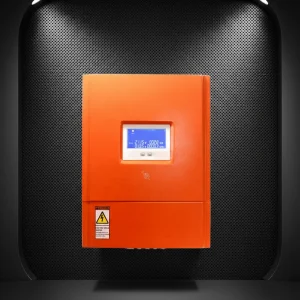
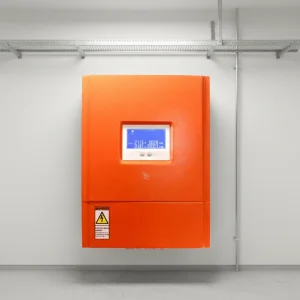
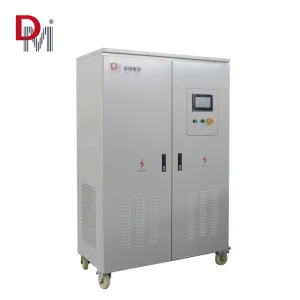
Industrial-grade wind-solar hybrid controllers, variable frequency converters, and energy storage systems
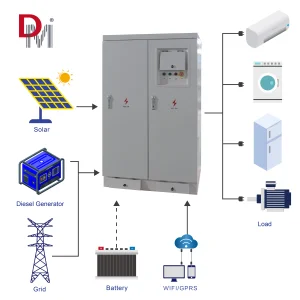
An Industry Whitepaper on Advanced Grid-Tie & Off-Grid Management Systems
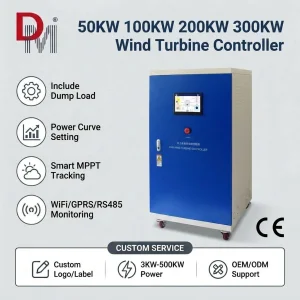
Modern microgrid systems demand unprecedented levels of electrical stability and dynamic response. As the penetration of wind and solar hybrid setups increases, the role of the turbine charger controller has evolved from a basic voltage regulator into a highly sophisticated energy management node. These systems must govern variable three-phase AC outputs from wind generators, perform Maximum Power Point Tracking (MPPT), and seamlessly coordinate grid-tie export or off-grid storage protection.
Globally, grid-code compliance is tightening. The European Union's CE markings, along with strict harmonic distortion limits, dictate that power equipment must suppress transients and maintain high efficiency. Under this regulatory landscape, controllers equipped with dump-load mechanisms, automatic electromagnetic braking, and advanced IGBT modules have transitioned from optional safeguards to critical system necessities.
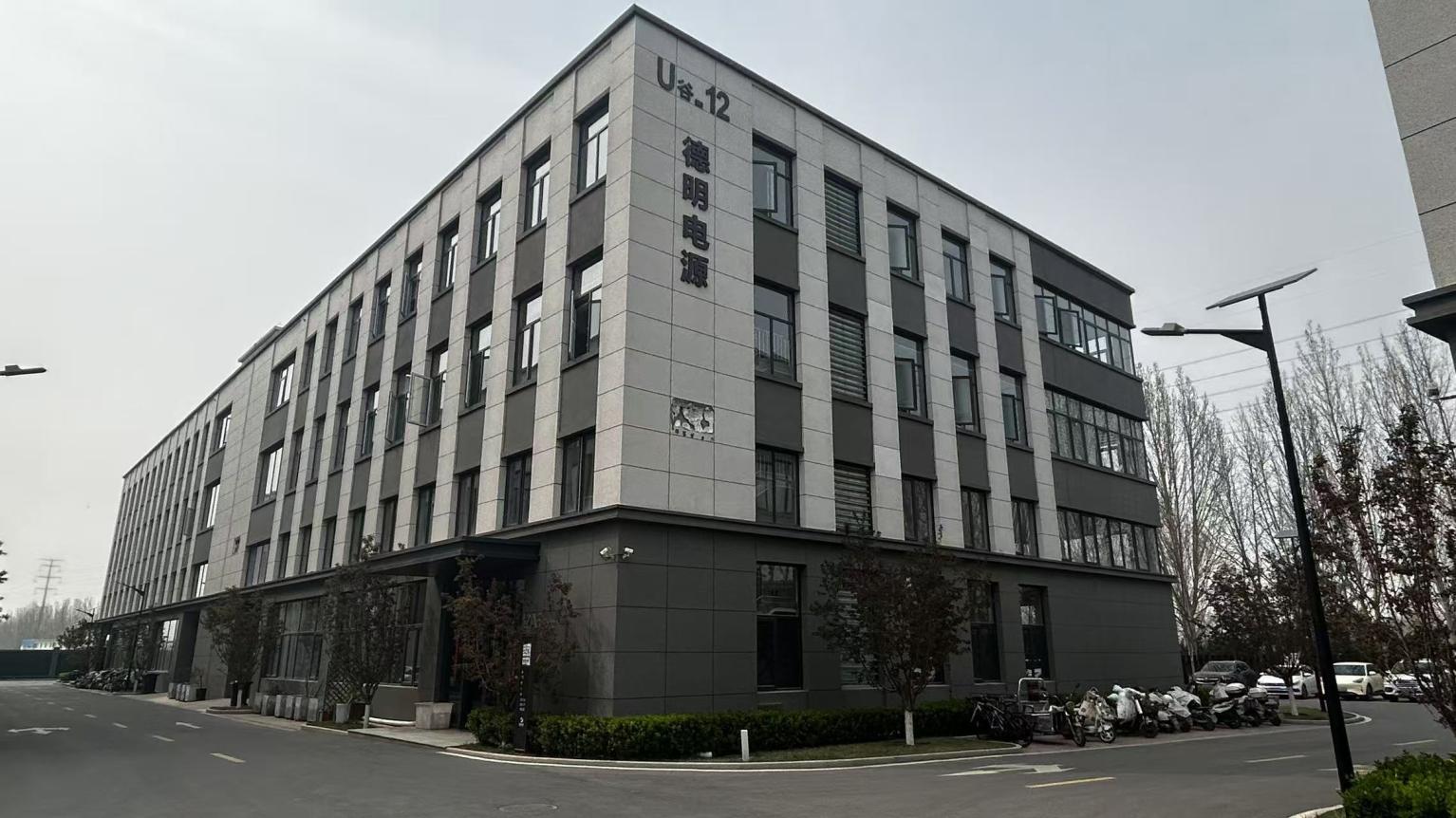
Maximizes aerodynamic efficiency under fluctuating wind velocities by instantly adjusting the generator load impedance. This ensures peak power transfer from the wind rotor to the battery bank or grid utility.
Guarantees wind turbine structural integrity during extreme storms. When voltage spikes or battery saturation occurs, the system redirects excess current to a robust dump-load resistor bank within milliseconds.
Integrates directly with commercial utility networks. Utilizing low-THD (Total Harmonic Distortion) inverters and phase-locked loop (PLL) tracking, ensuring stable current injection conforming to IEEE and EN grid criteria.
A National High-Tech Enterprise Dedicated to Renewable Grid & Energy Simulator Research

Jinan Deming Power Equipment Co., Ltd. has established itself as an industry benchmark for reliability. Recognized as a national High-Tech Enterprise in 2015 and 2018, the company holds ISO9001:2015 certification. Our internal engineering department features 16 highly experienced renewable energy engineers, guided by doctoral supervisors and master's degree holders.
With a strict mandate to reinvest no less than 20% of our annual sales revenue directly into research and development, we have transformed 16 R&D milestones into market-ready commercial successes over the past three years. This research-heavy focus ensures that Deming controllers deliver optimal thermal management, electromagnetic compatibility (EMC), and robust protections.
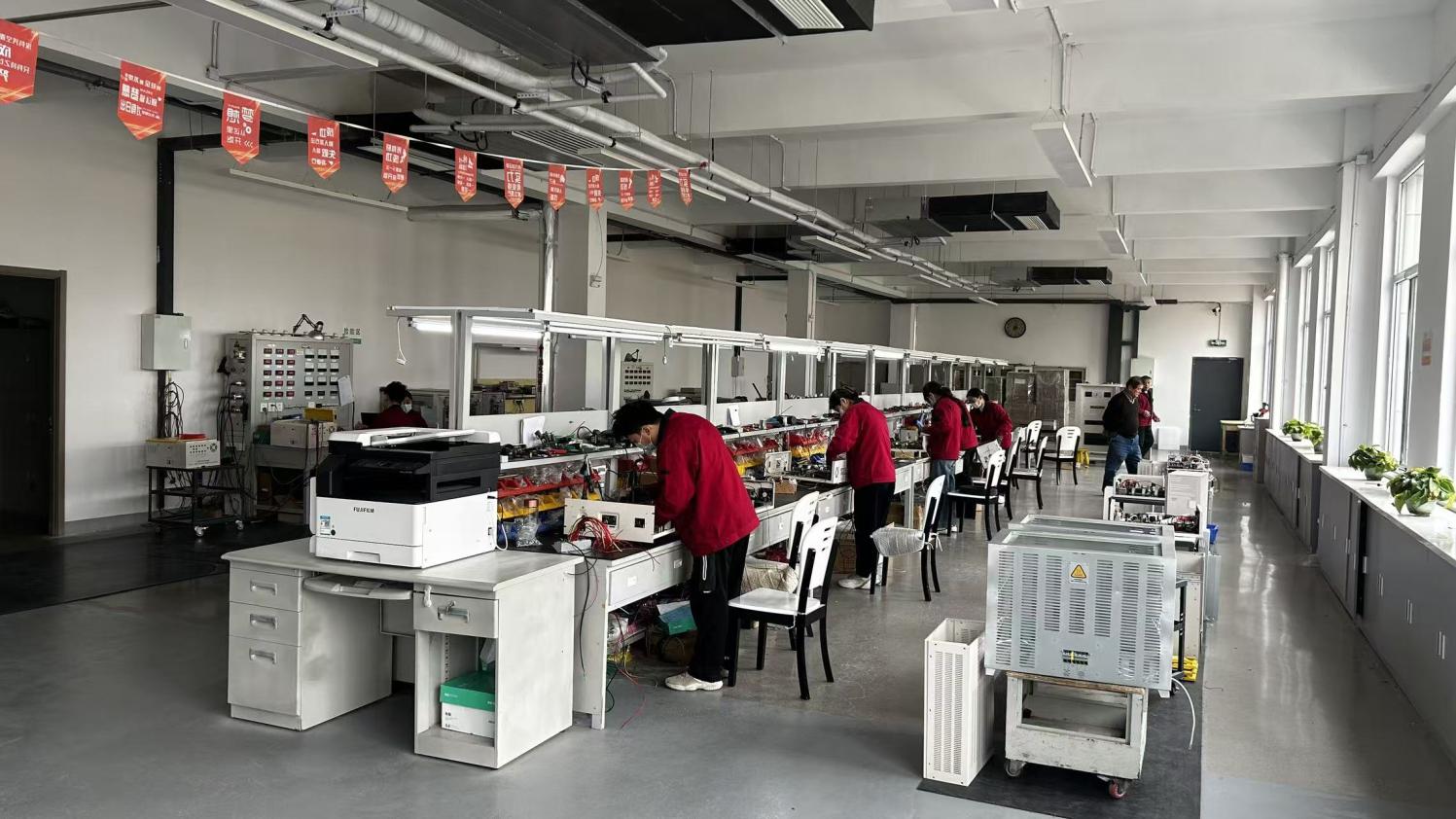
Our manufacturing and verification processes utilize top-tier diagnostic devices. Deming controllers, frequency converters, and bidirectional DC test power supplies (ranging from 150kW to 500kW) undergo rigorous validation protocols.
Why Deming Power represents the pinnacle of cost-effective, high-quality power engineering
Located in Shandong, Jinan Deming Power Equipment leverages China's industrial wind, solar, and power electronics supply chain. From microcontrollers and high-voltage IGBT modules to copper bars and customized sheet metal enclosures, all materials are sourced from qualified partners. This proximity reduces transit times and allows for rapid product iterations.
Unlike many European or North American integrators, our Jinan facility is equipped with dedicated grid simulators, battery simulators, and variable frequency power sources up to 500kW. This allows us to fully load and test large-scale turbine controllers and bidirectional power conversion systems (PCS) under realistic grid conditions before export.
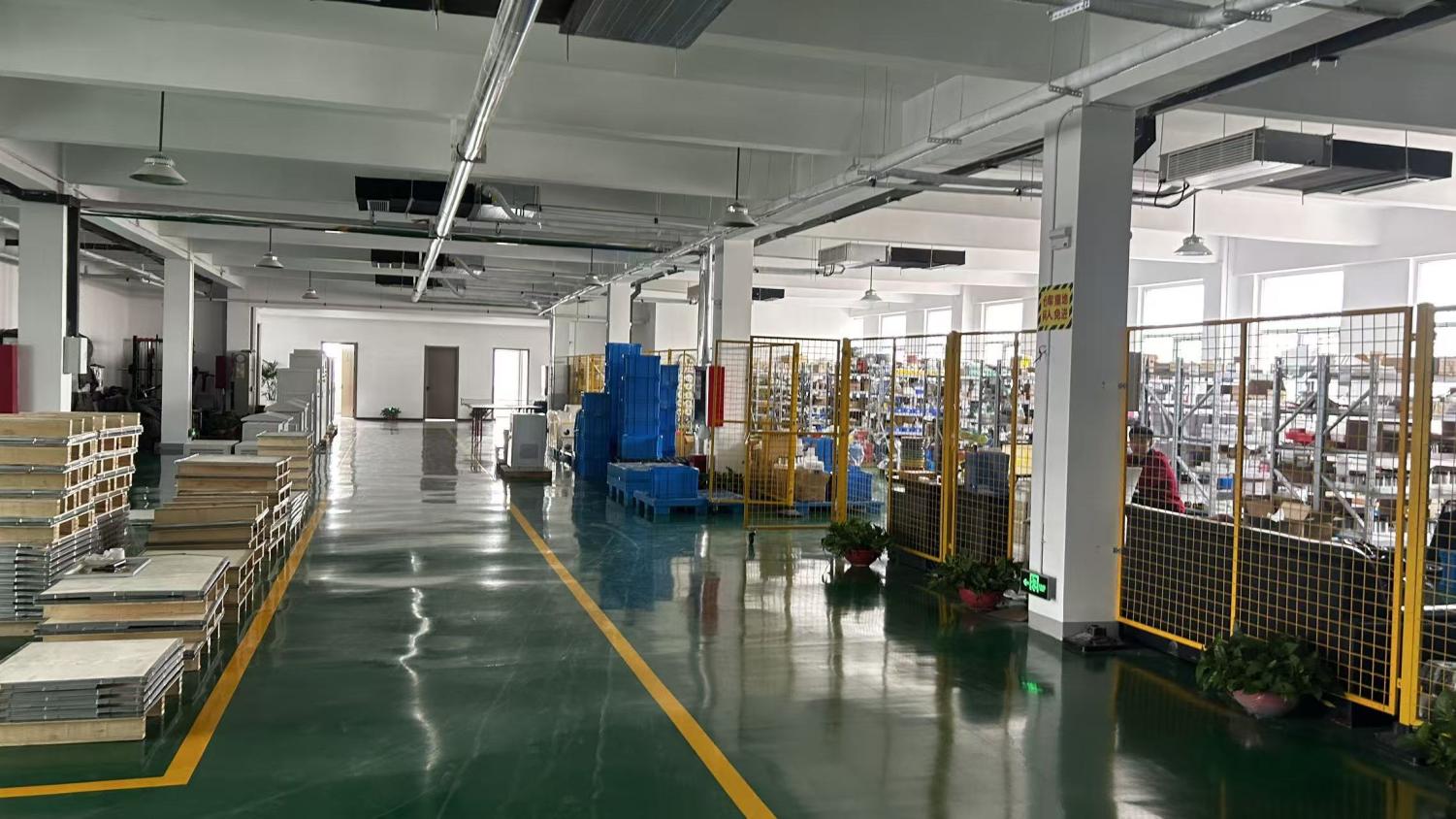
A visual overview of our component-level assembly, debugging, and quality control systems
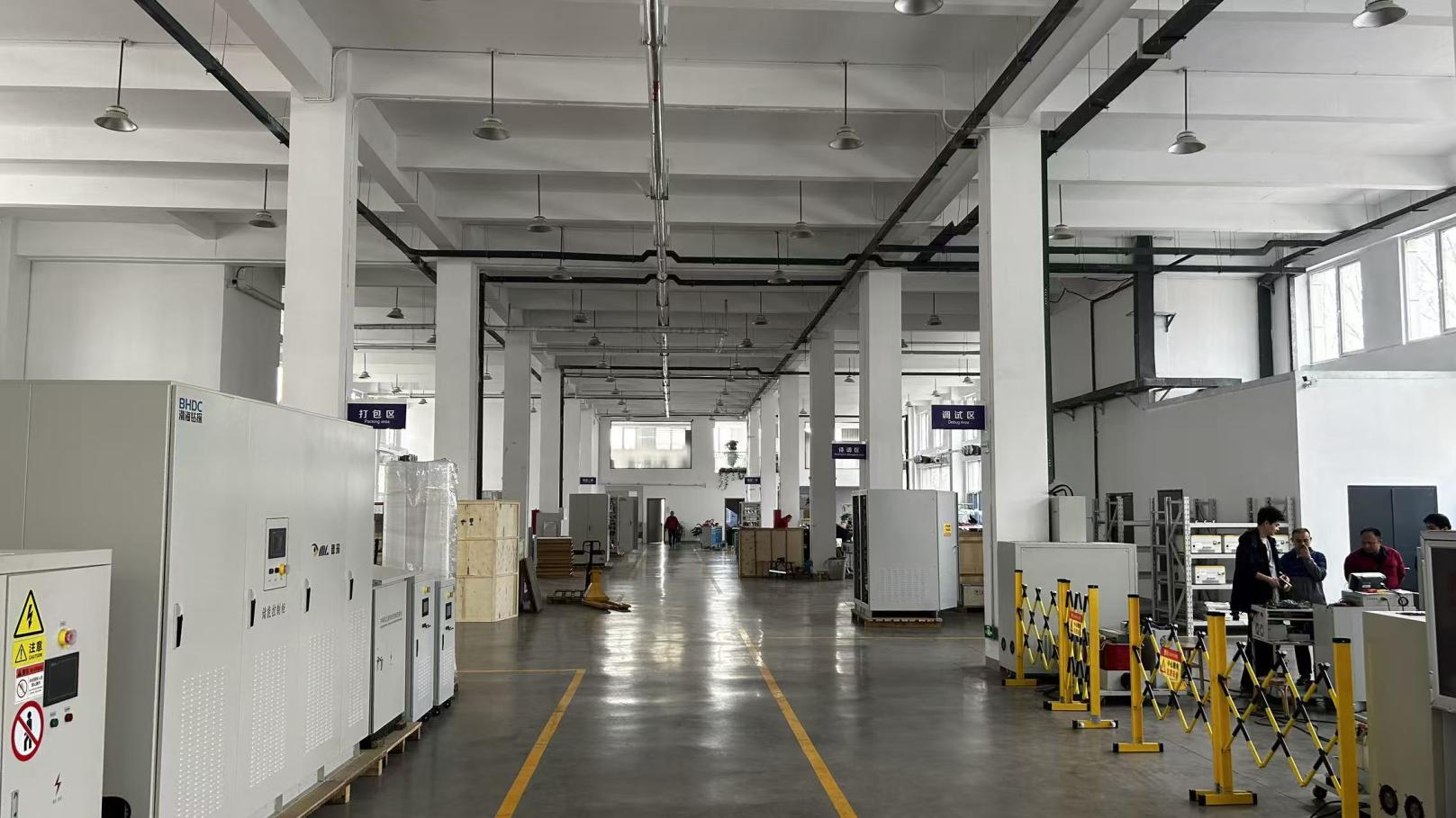 Control Cabinet Assembly
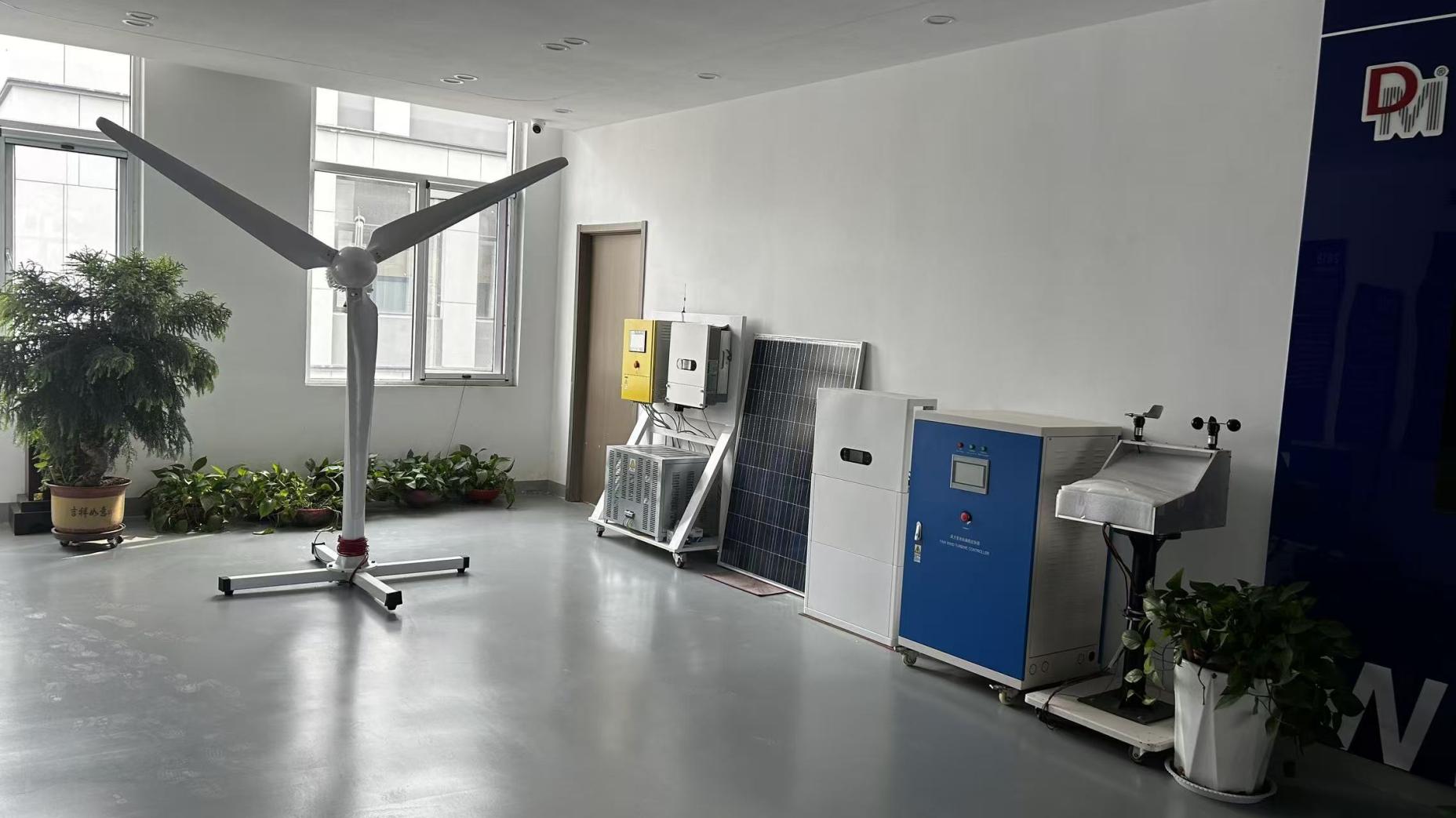 Factory Facility Floor
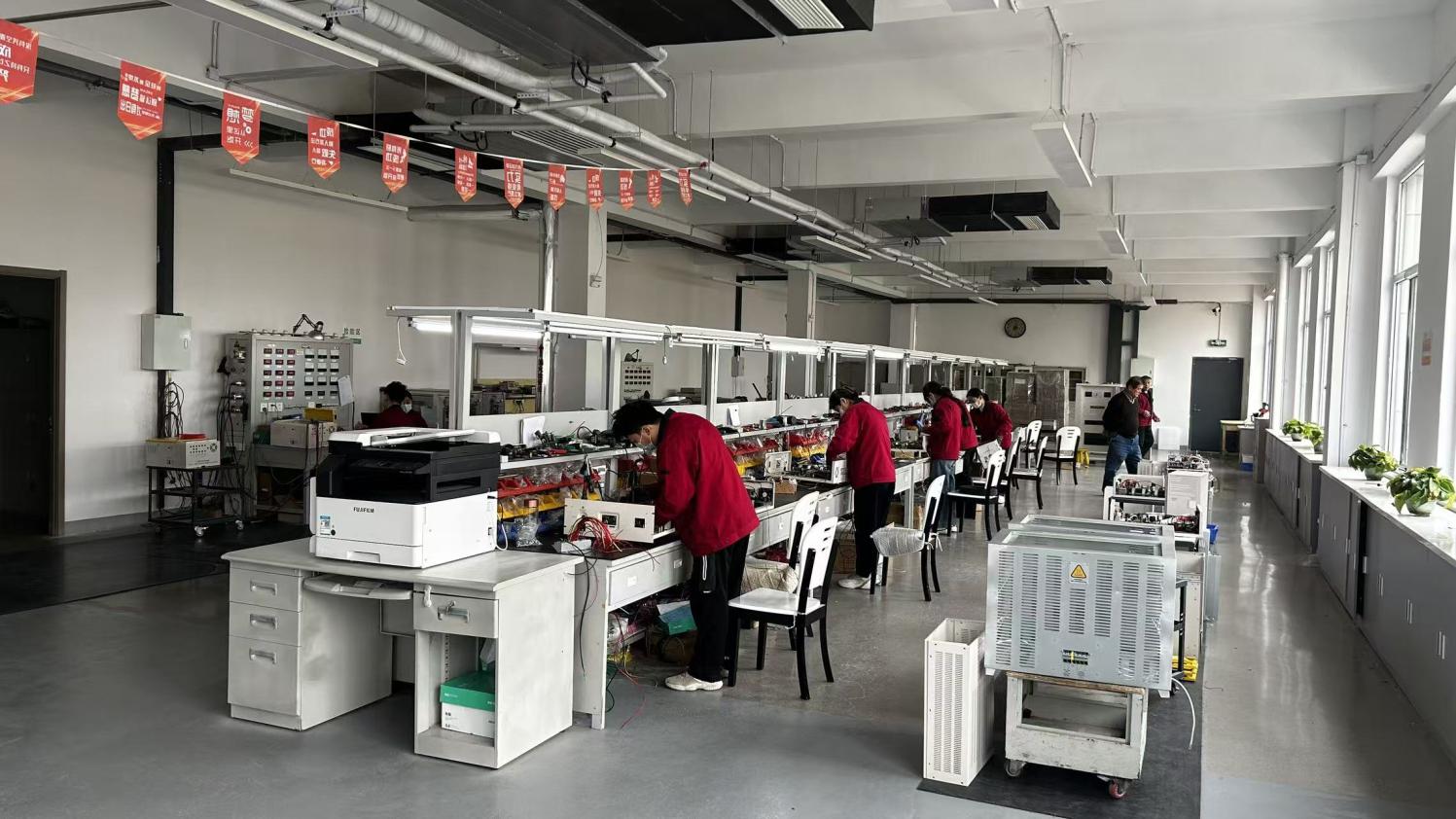 Circuit assembly
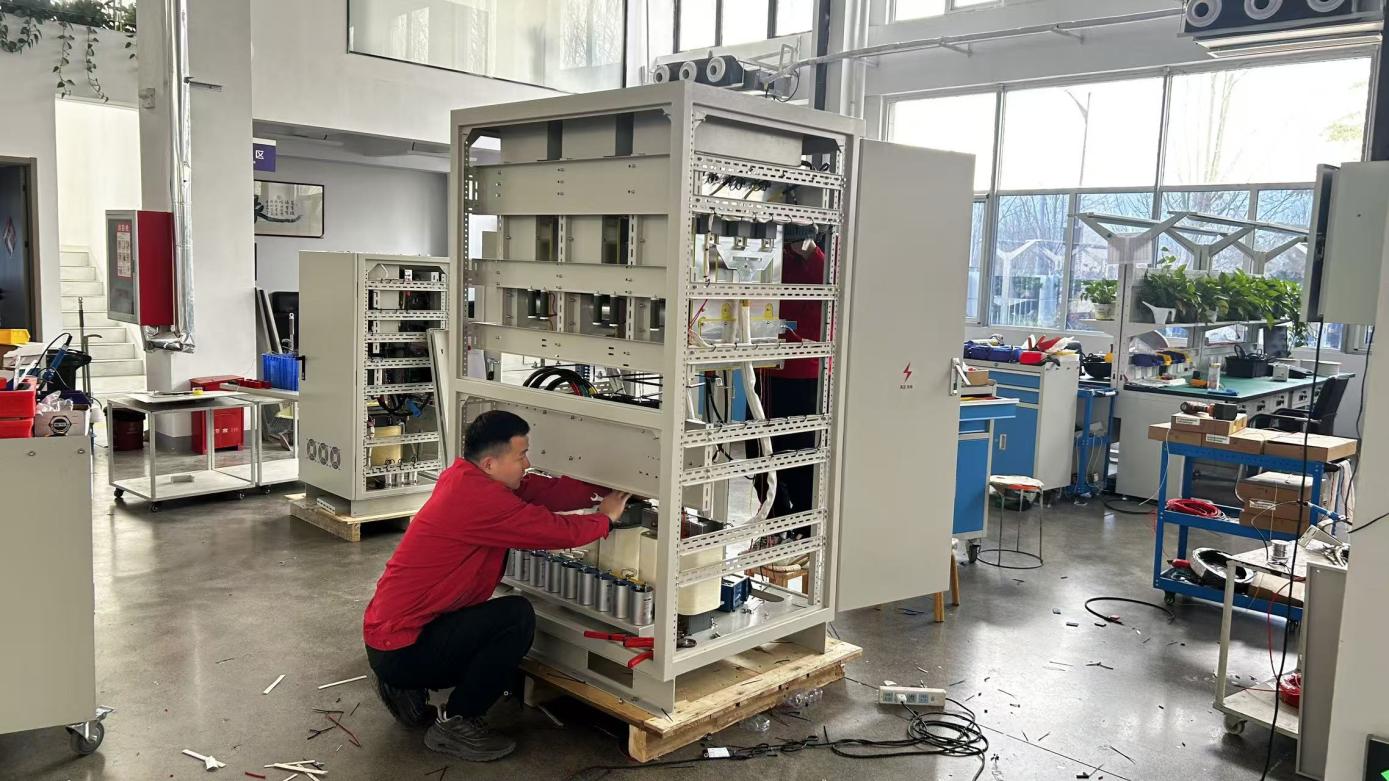 Circuit board assembly
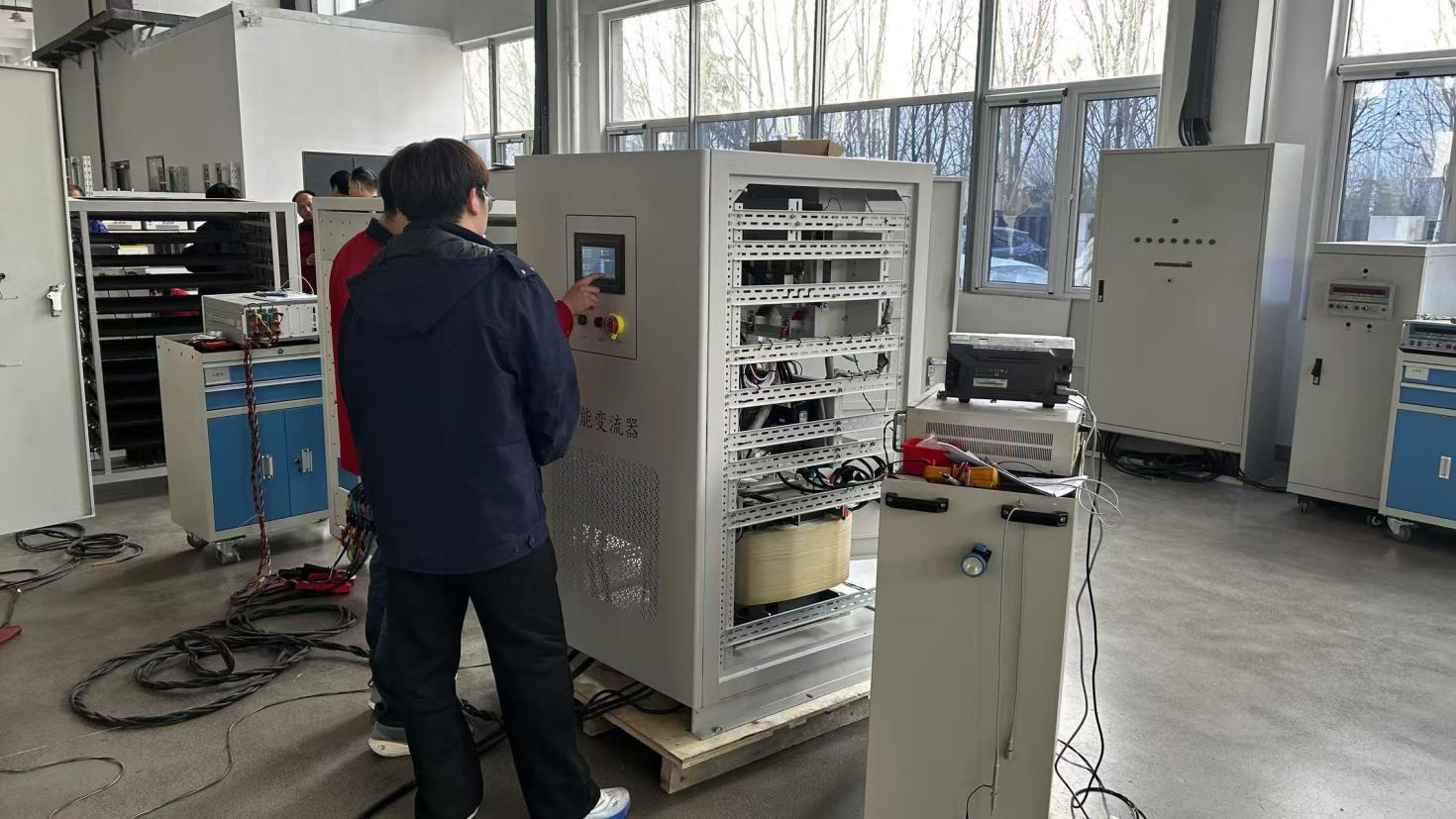 Debugging process
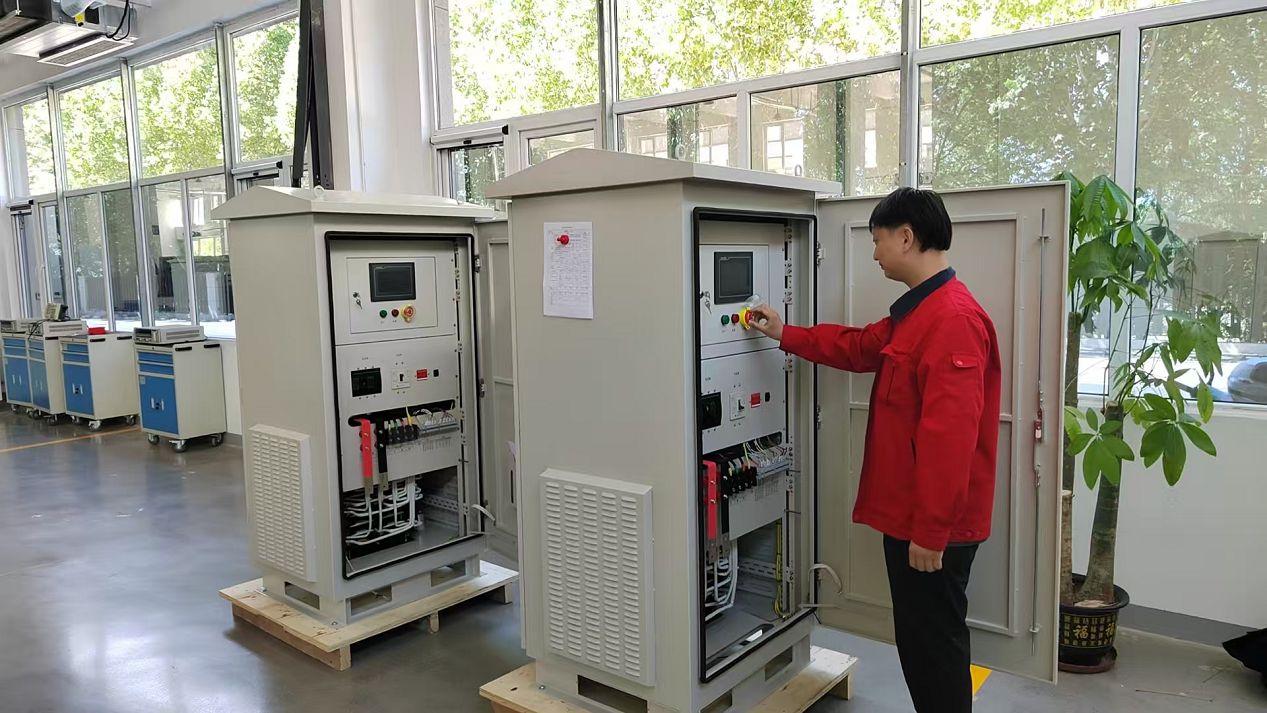 Quality inspection process
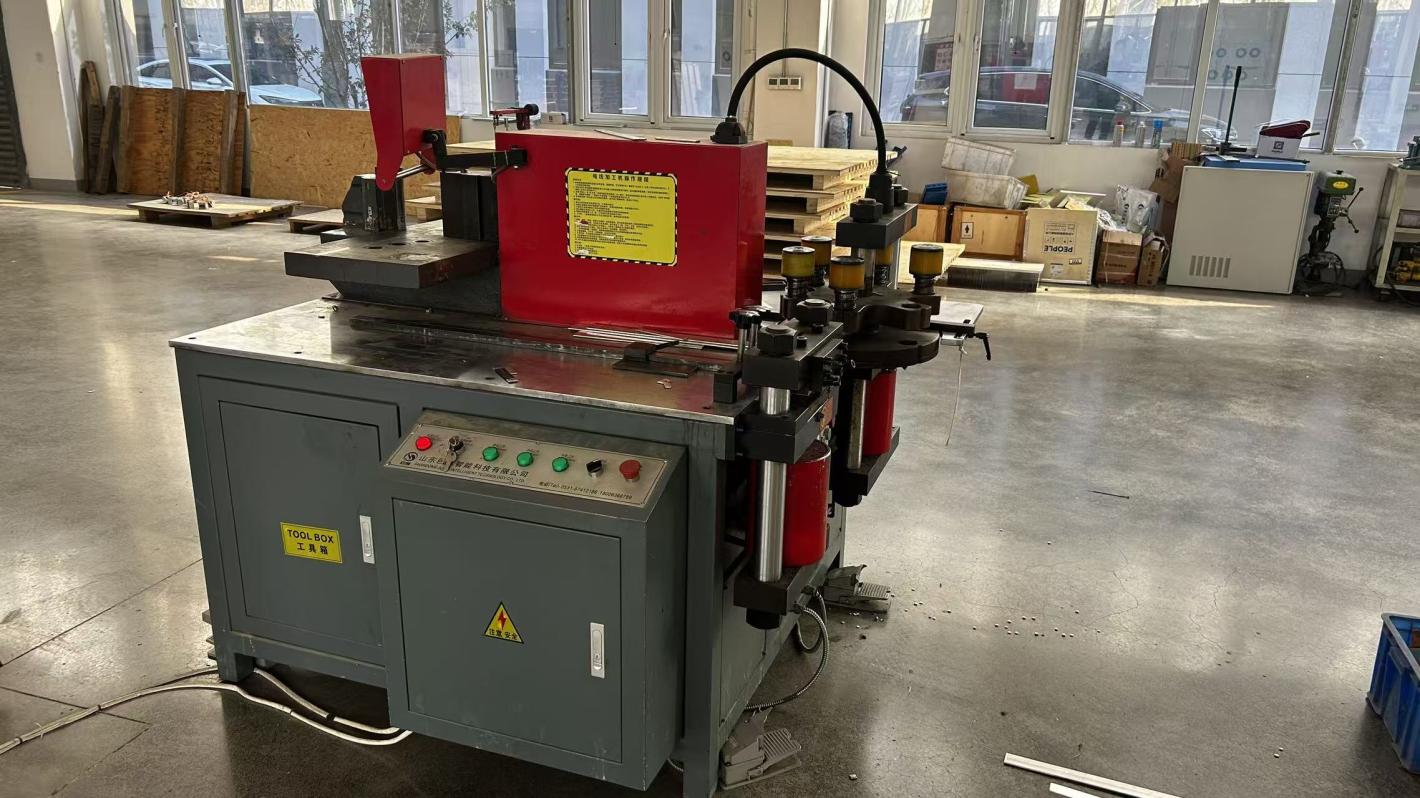 Copper bar production equipment
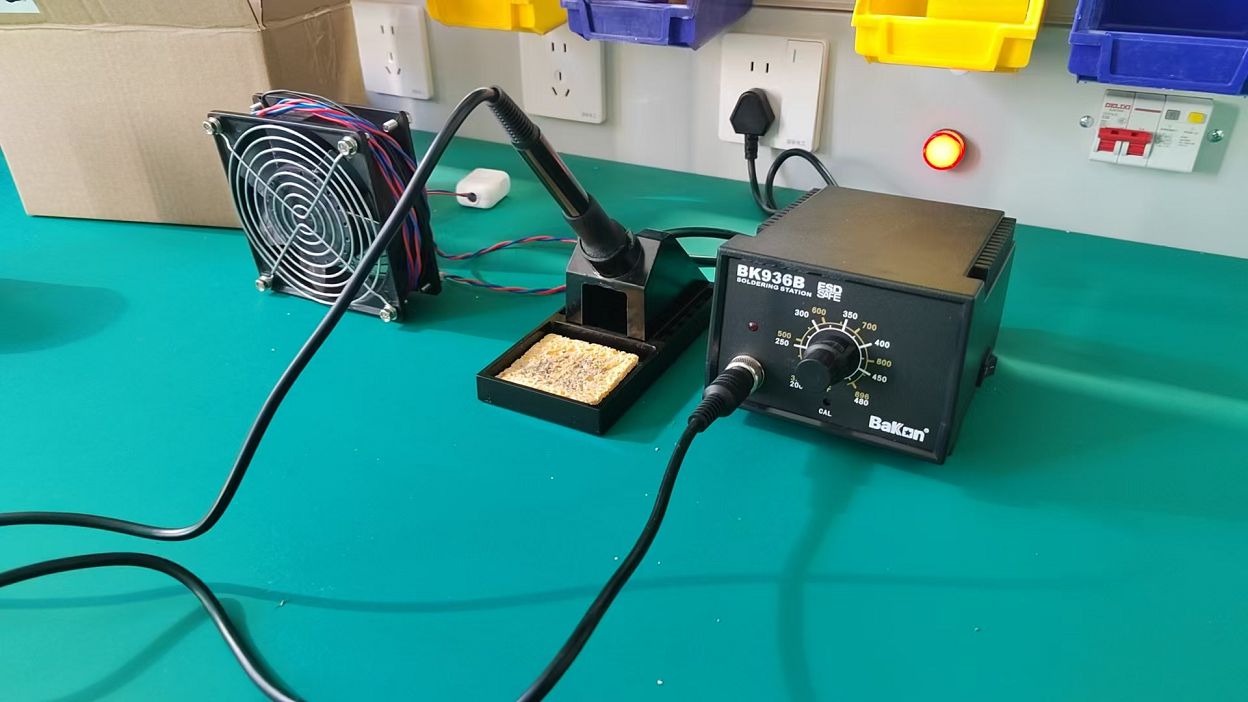 Electric ferrowire
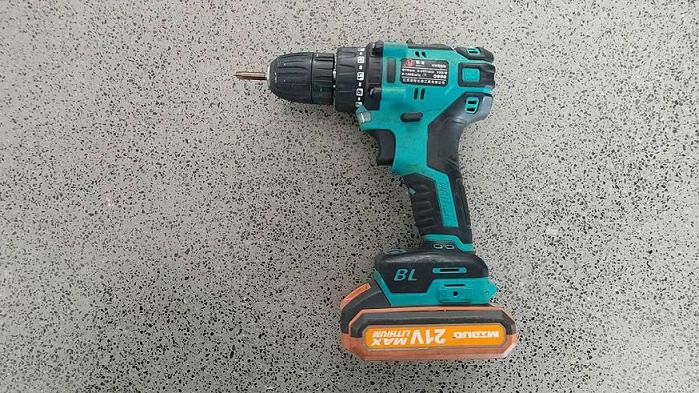 Electric drill
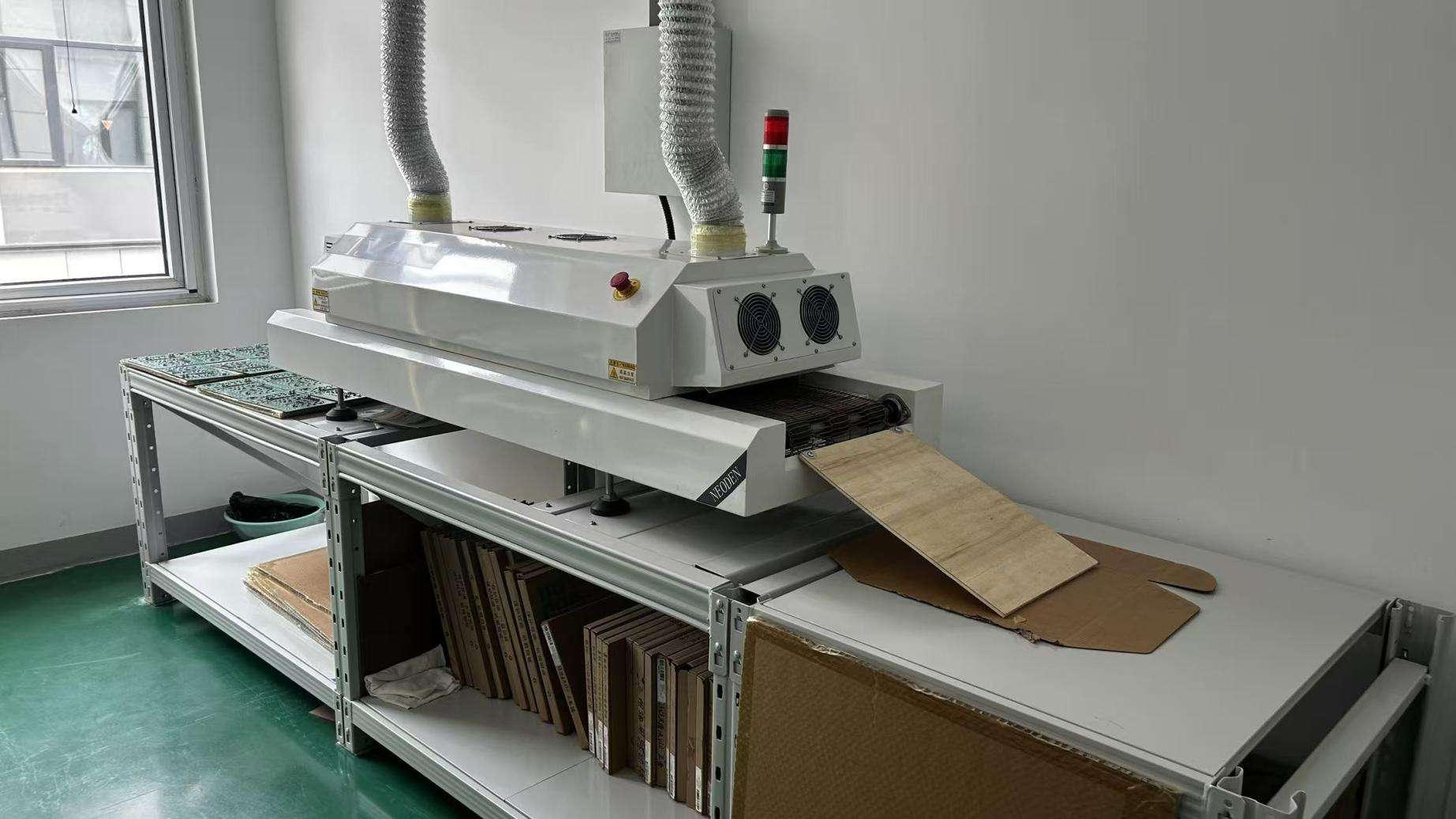 Reflow soldering machine
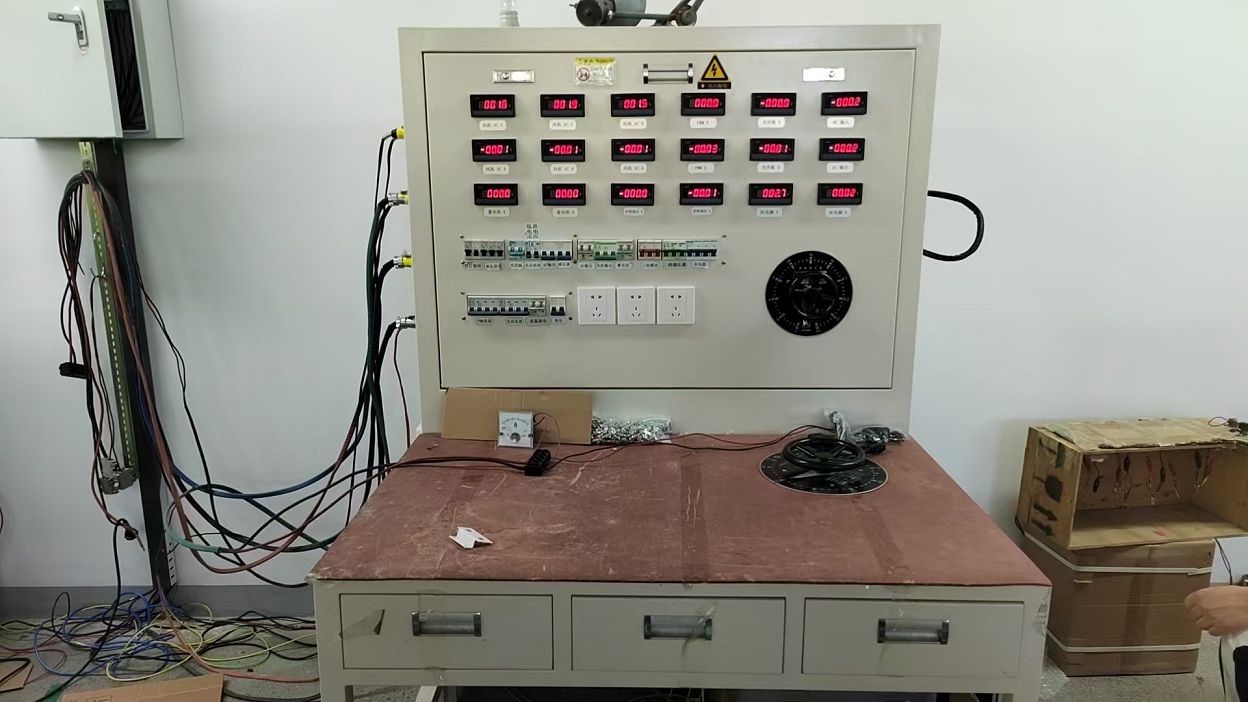 Workbench
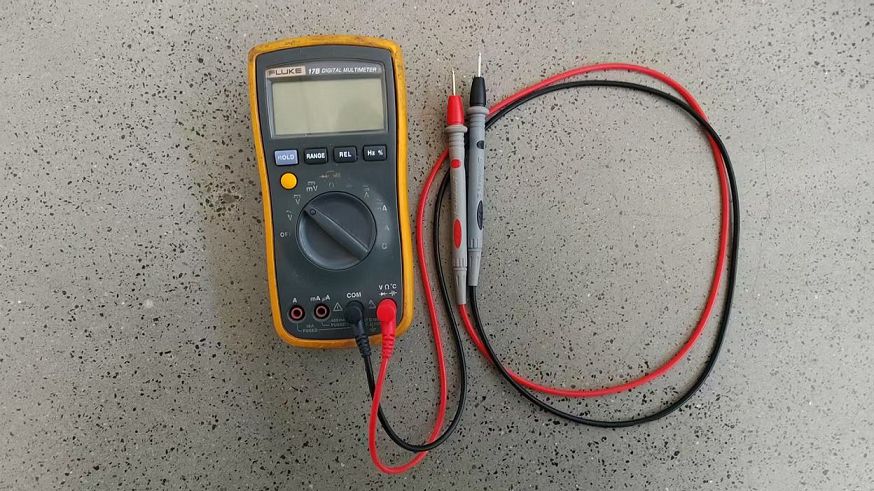 Multimeter
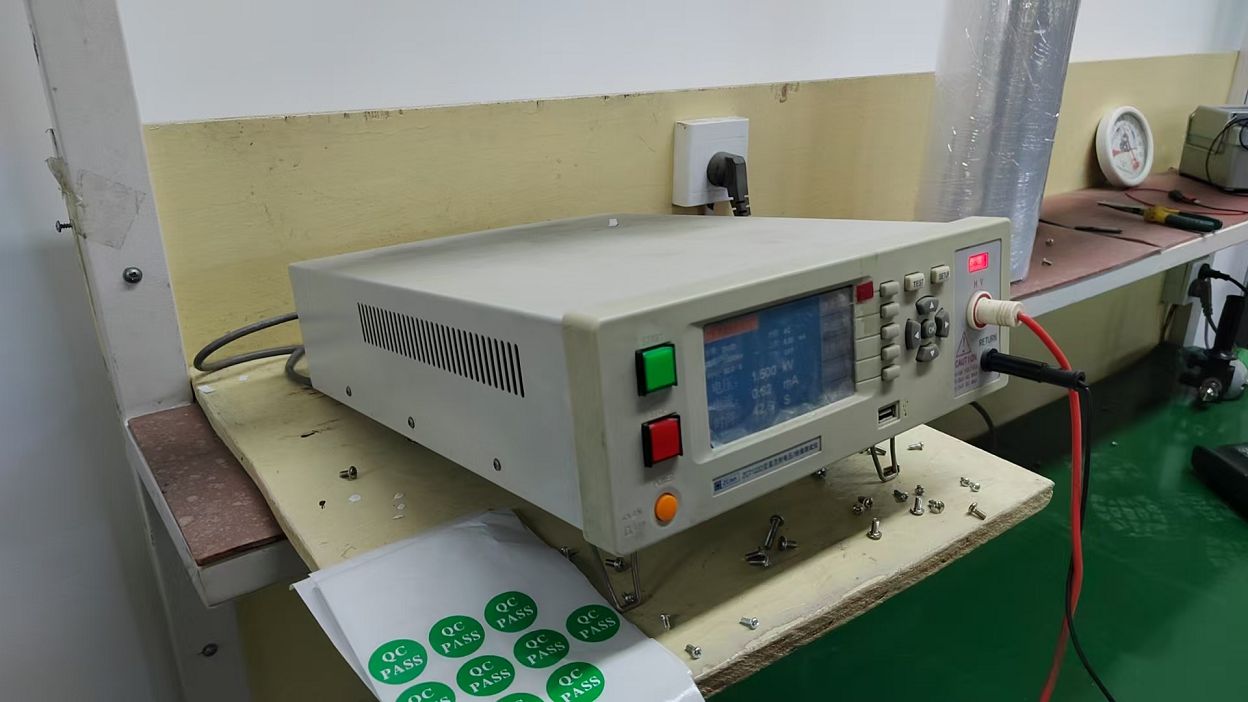 LCR AutoTester
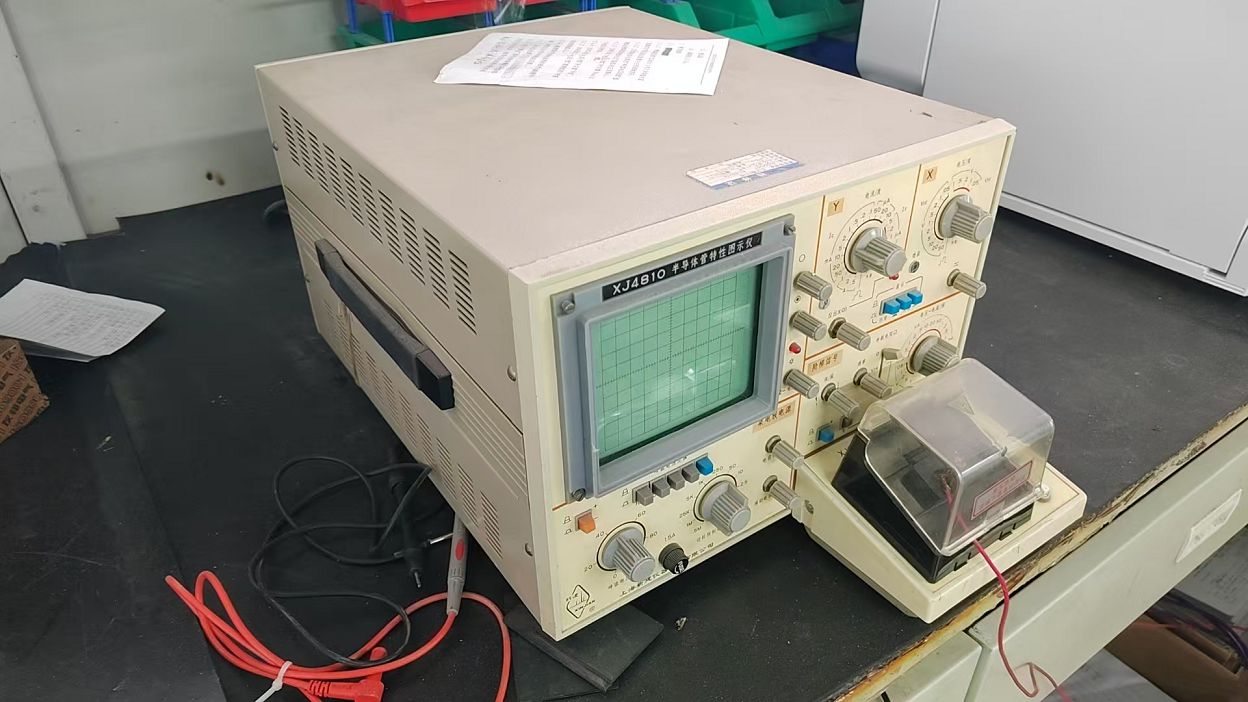 Semiconductor Characteristic Plotter
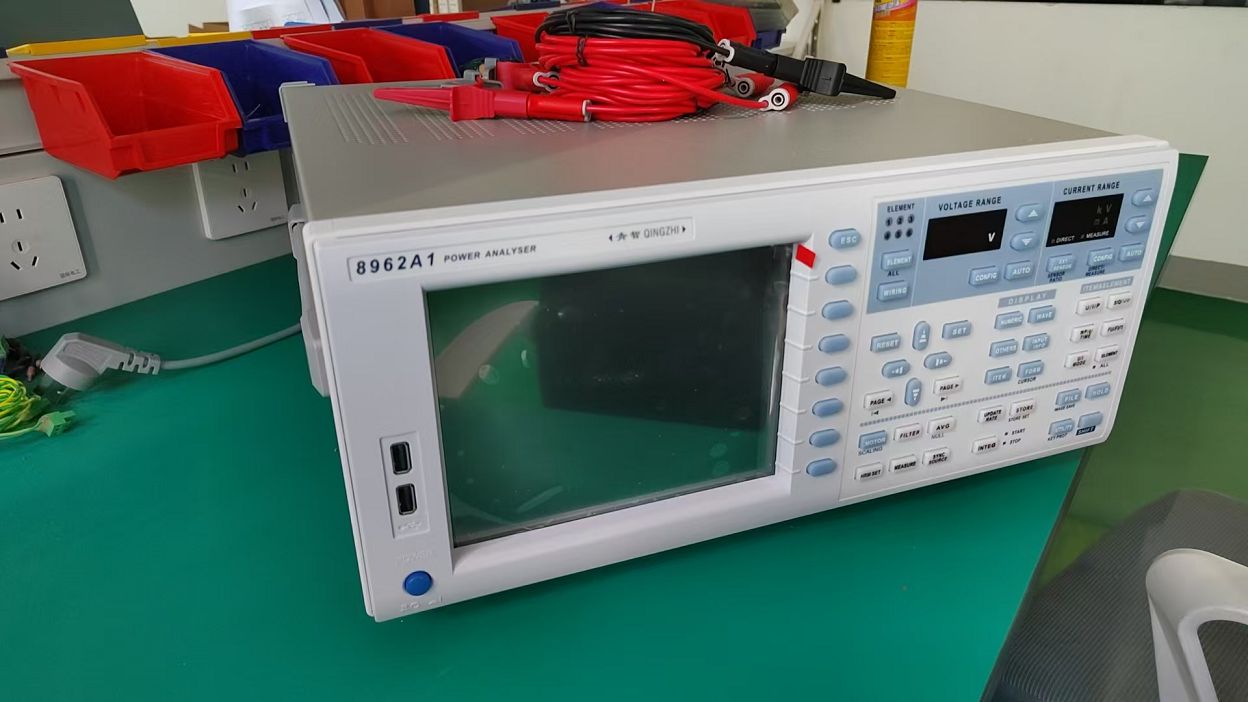 Digital Oscilloscope
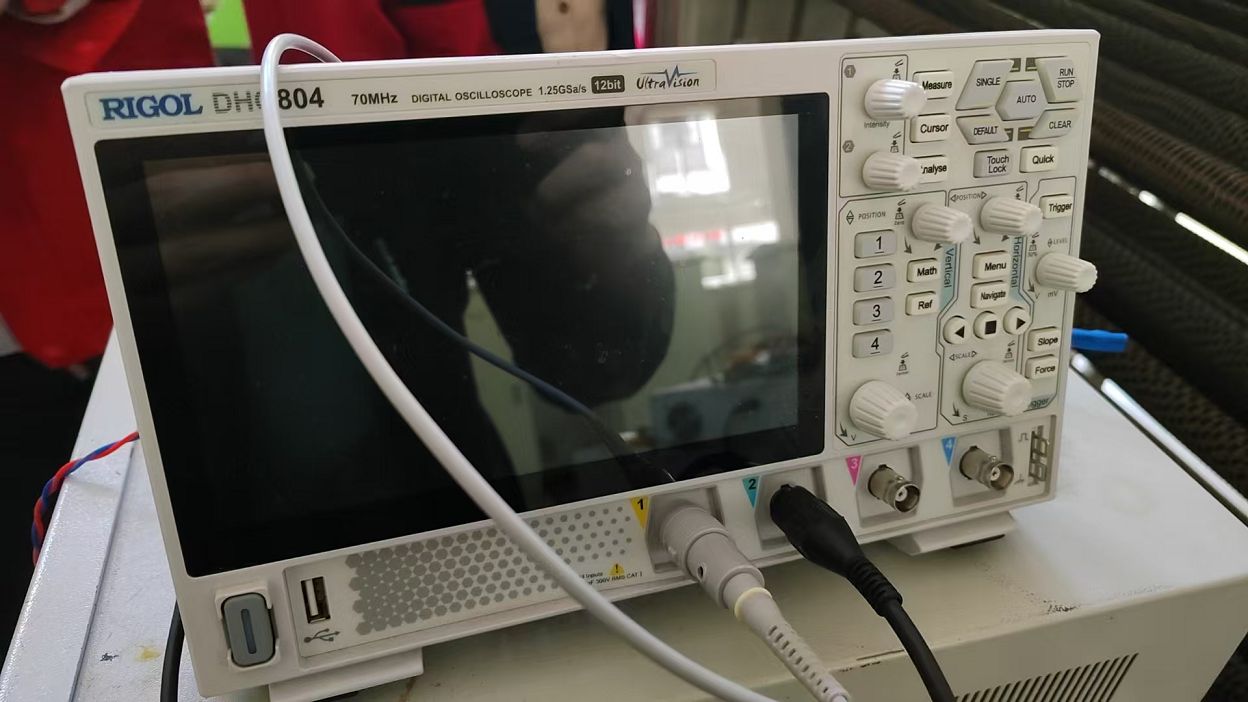 Power Quality Analyzer
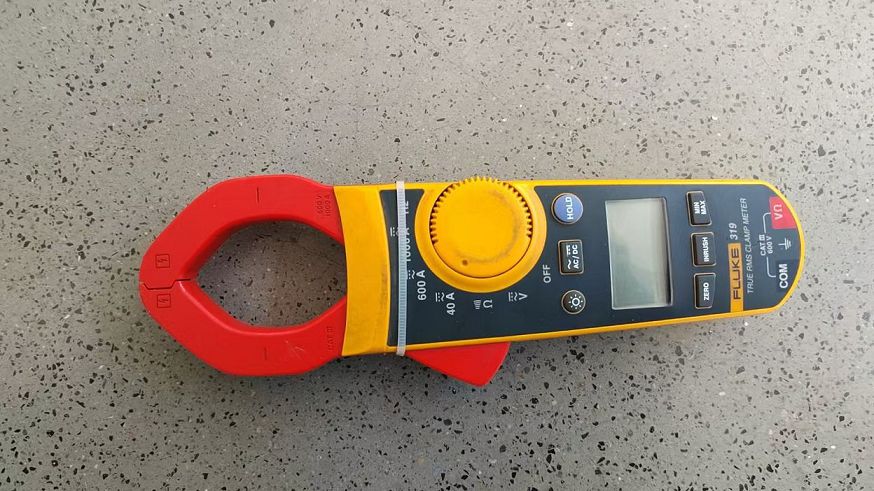 Clamp current meter
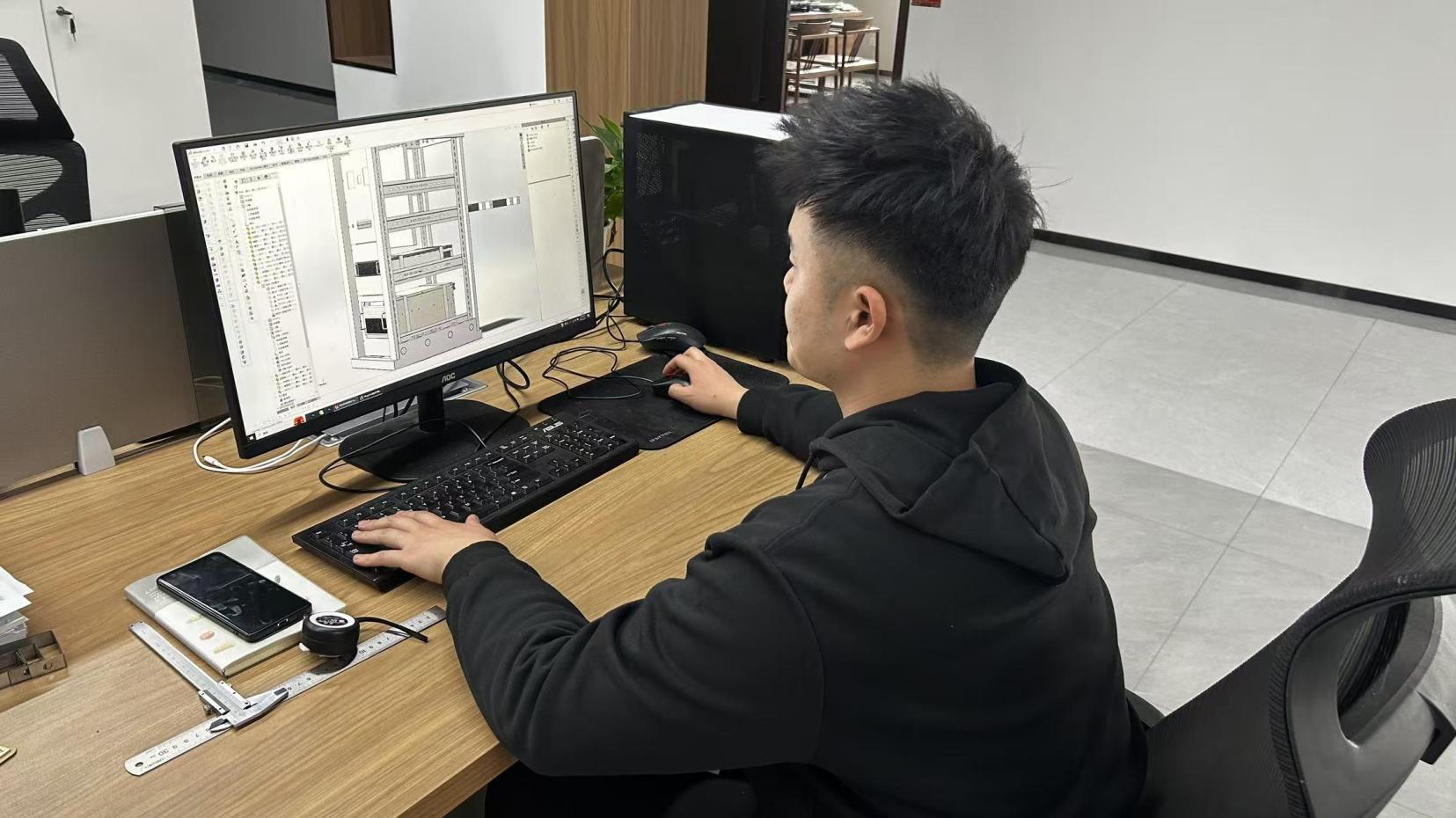 Drawing Design
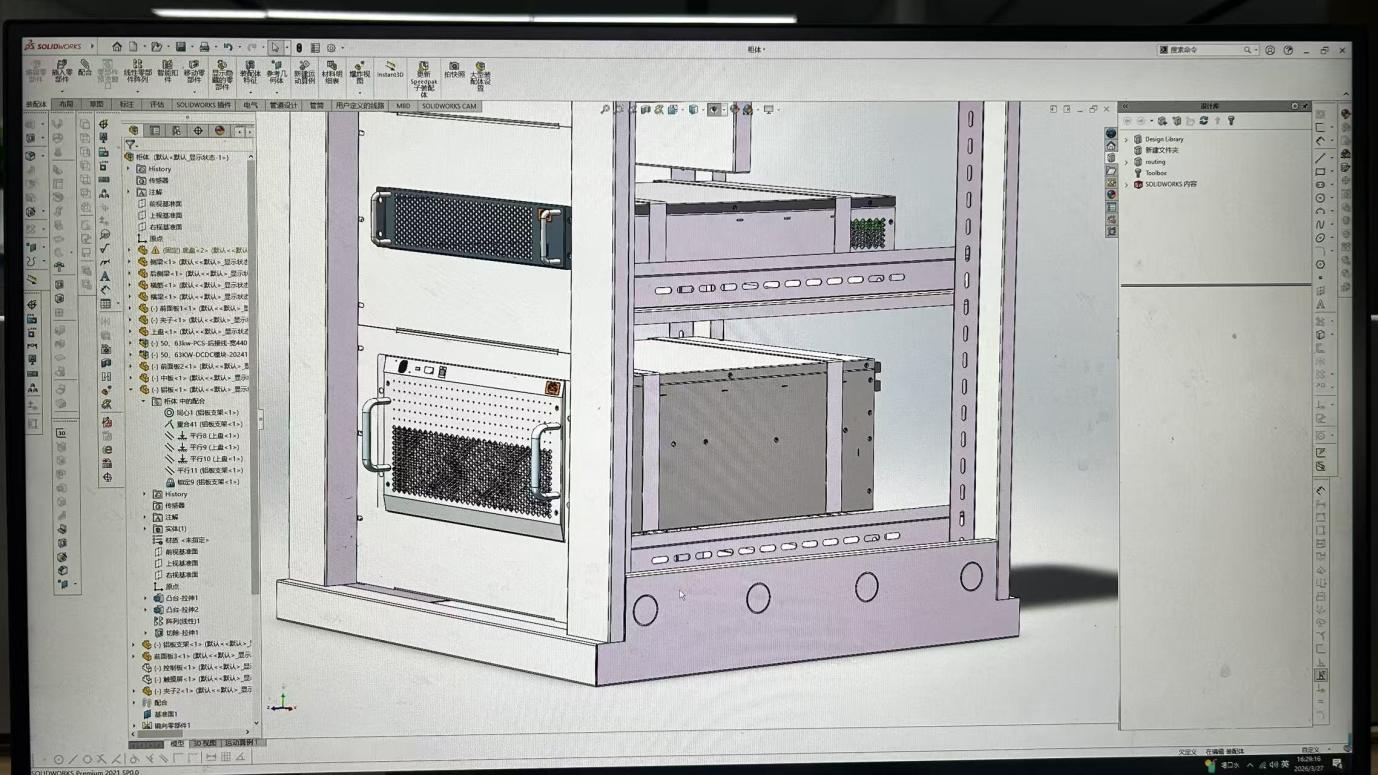 CAD/CAE Modeling Station
Engineered to perform in harsh marine, remote telecom, and heavy industrial microgrids
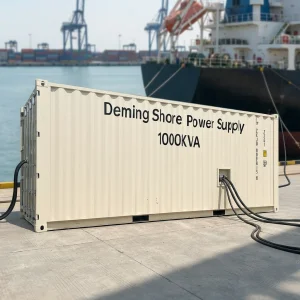
Deming's shore power supply converters deliver reliable electrical isolation and frequency adaptation (50Hz to 60Hz and vice versa) for vessels berthed in international ports, eliminating local diesel exhaust.
Our MPPT wind-solar controllers provide uninterrupted power to remote telecommunications infrastructure. Designed for high reliability, they require minimal maintenance and can survive extreme temperature fluctuations.
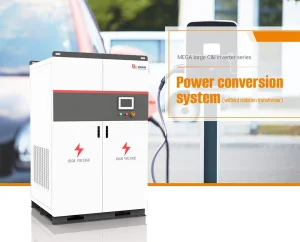
Bidirectional Power Conversion Systems (PCS) act as the link between commercial battery energy storage systems (BESS) and the utility grid, ensuring rapid frequency response and shaving peak demand.
Essential considerations for EPCs, engineers, and supply chain managers sourcing high-power wind controllers
When sourcing grid-tie or off-grid controllers for large installations, selecting equipment based solely on nameplate capacity is a common pitfall. To ensure long-term reliability and compatibility, engineering and procurement departments should evaluate three critical factors:
Jinan Deming Power Equipment offers comprehensive customization for global procurement, tailoring system specifications to the local grid environment:
High-efficiency conversion, rectification, and distribution modules for renewable grids
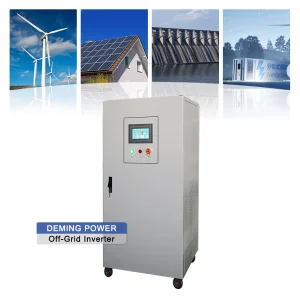
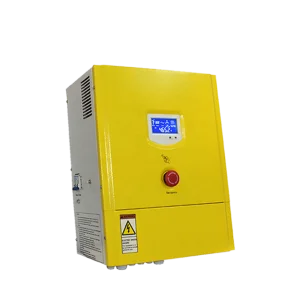
Direct technical answers from our engineering team regarding wind and solar control configurations
An on-grid wind turbine controller synchronizes the rectified AC voltage with the local utility grid through a grid-tie inverter, feeding clean power directly to the network. It requires protection systems to prevent islanding during power outages. An off-grid controller, on the other hand, charges battery banks (typically 24V, 48V, or high-voltage DC systems) and diverts excess wind energy to a dump-load resistor bank when the battery reaches full charge to prevent overcharging and rotor runaway.
Unlike solar panels, which can be safely open-circuited without damaging the cells, a wind turbine must never run unloaded. Without electrical load resistance, high wind speeds can spin the turbine beyond its rated design speeds (aerodynamic runaway), leading to catastrophic structural failure of the blades or stator coils. A dump-load resistor bank provides a continuous electrical load, dissipating excess energy as heat and allowing the electromagnetic braking system to safely slow down the turbine when needed.
Maximum Power Point Tracking (MPPT) dynamically matches the electrical load impedance of the controller to the output characteristic impedance of the generator. Because wind turbine power output is proportional to the cube of the wind speed, our three-phase MPPT algorithm continually calculates and tracks the optimal voltage-to-current ratio, delivering up to 30% more energy harvest than traditional PWM (pulse-width modulation) rectifiers.
We offer full engineering customization of the controller's braking points, battery charging profiles, and communication protocols. Buyers can specify custom high-voltage cutoffs, select specific Modbus configurations, choose remote control options via GPRS or Ethernet, and order tailor-made enclosures suited for corrosive marine environments or dusty desert solar arrays.
 Demin Power