Engineered for absolute stability, dynamic load regulation, and reliable grid integration under harsh conditions.
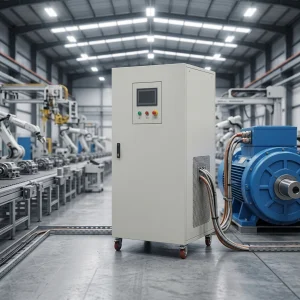
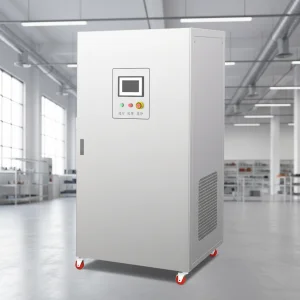
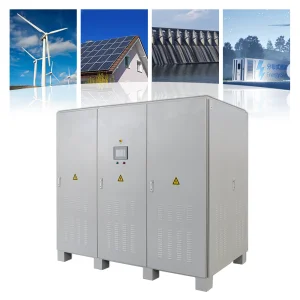
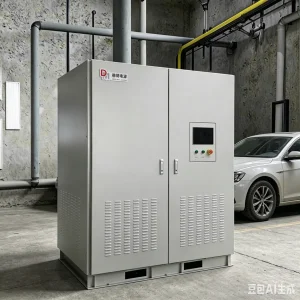
Decarbonization, Grid Resiliency, and Levelized Cost of Energy (LCOE) Optimization.
As the global power sector moves relentlessly towards carbon neutrality, reliance on centralized fossil-fueled generation is fading. However, the inherent intermittency of prime renewable sources like wind and solar threatens grid balance and power quality. Hybrid Energy Systems (HES) have emerged as the definitive solution to bridge the gap between variable generation and rigid demand curves. By integrating multiple local generation profiles (PV, wind turbines, hydro) with advanced energy storage and high-performance power conversion electronics, industrial systems can achieve reliable off-grid autonomy and seamless utility grid interaction.
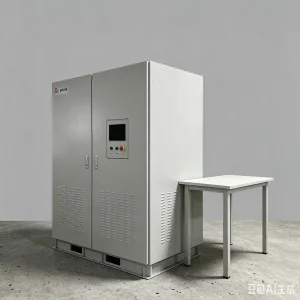
This paradigm shift requires a major technological transition: moving away from simple, unidirectional grid inverters towards bidirectional, multi-input energy hubs. Jinan Deming Power Equipment Co., Ltd. builds solutions around this transition. By coupling permanent magnet generators with high-speed bidirectional DC/DC converters, intelligent MPPT charge controllers, and robust Power Conversion Systems (PCS), we enable commercial and industrial operations to leverage localized energy dispatching. This mitigates peak-demand penalties, guarantees clean harmonic outputs, and protects critical machinery from line disruptions.
Decoupled multi-source topologies isolate local loads from commercial utility fluctuations. Integrated isolation transformers prevent high-voltage spikes and transient feedback.
Intelligent control algorithms match generation curves (wind/solar/hydro) with battery state-of-charge (SoC), minimizing diesel generator dependence and component wear.
Pure sine wave inverter output combined with precise digital signal processing (DSP) keeps THD below 3%, preventing inductive thermal damage to industrial electric motors.
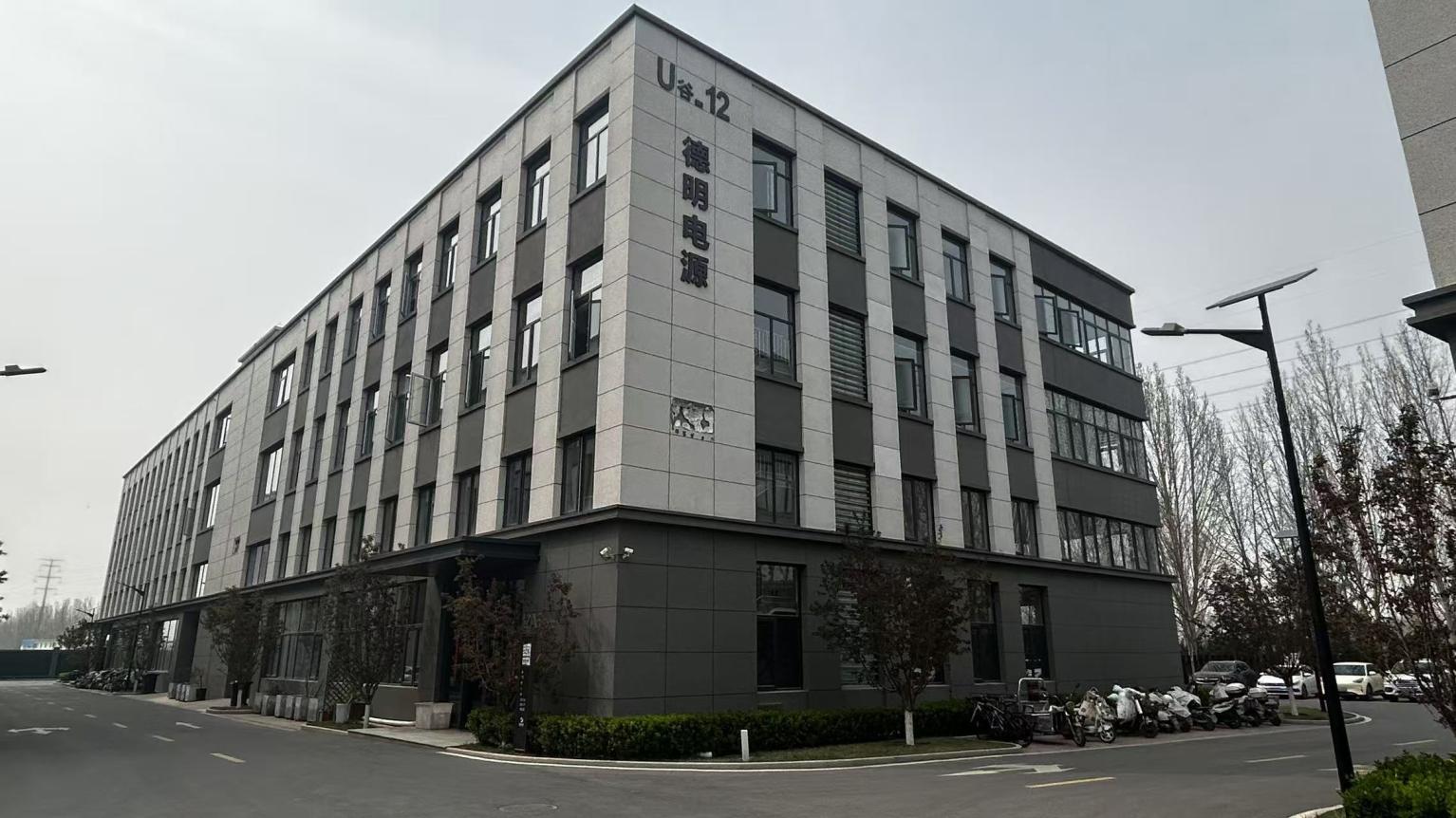
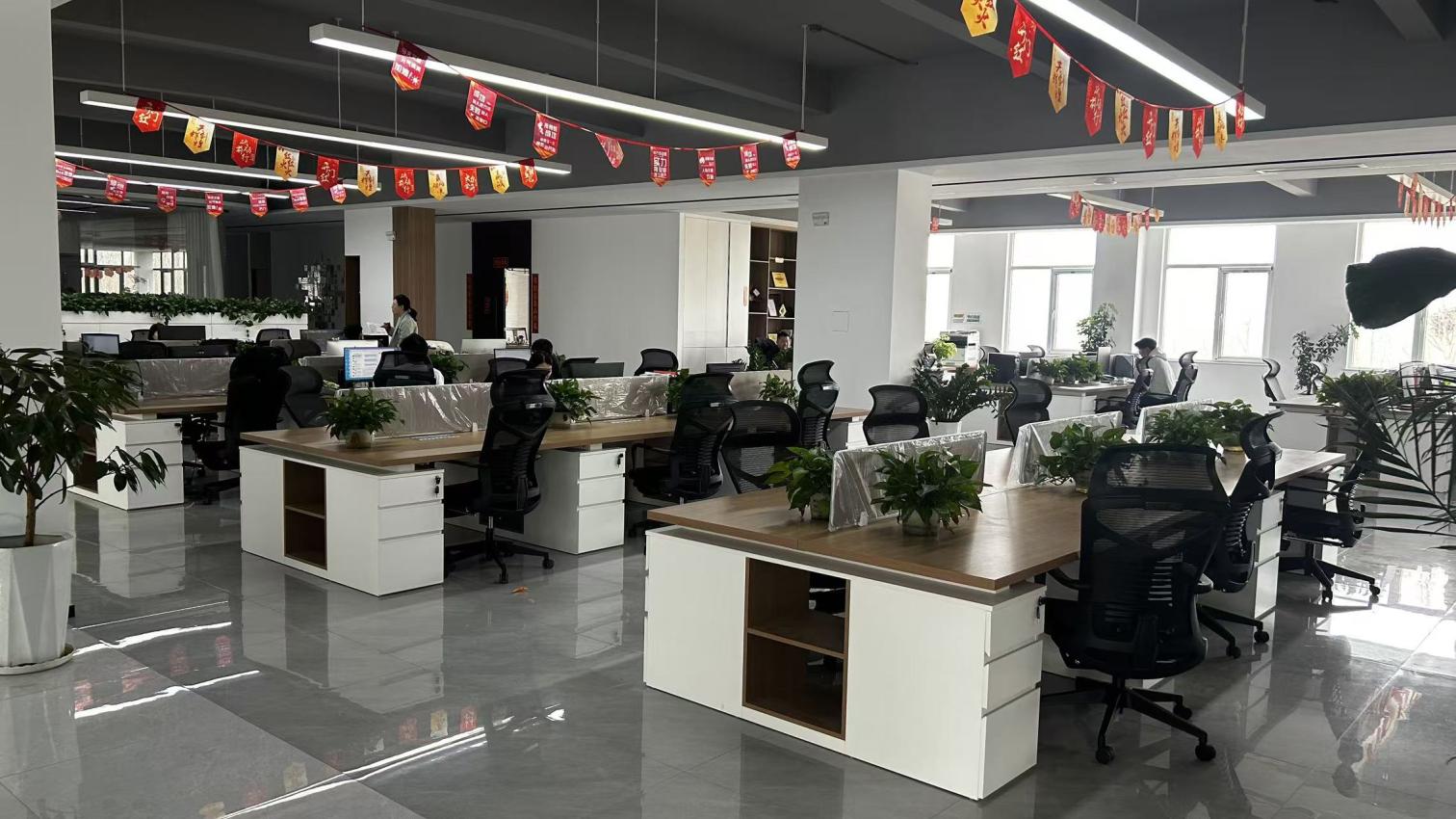
Established in 2004, Jinan Deming Power Equipment Co., Ltd. is a nationally recognized high-tech enterprise specializing in the research, development, production, and service of renewable energy power equipment and advanced power testing solutions.
The company holds ISO9001:2015 certification and has been recognized as a high-tech enterprise by the Chinese government multiple times (2015, 2018). With a dedicated R&D team of 16 engineers including doctoral supervisors and master's degree holders, Deming invests no less than 20% of annual sales revenue into technology development.
The company has completed 17 R&D projects in the last three years with 16 scientific and technological achievements transformed into commercial products. Deming's products have been exported to 120+ countries including Germany, Japan, the United States, UK, Canada, Australia, and Brazil, and the company has established cooperative relationships with Fortune 500 enterprises. The company's main products include wind/solar controllers, inverters, frequency converters, and high-power bidirectional DC test power supplies and battery simulators ranging from 150kW to 500kW.
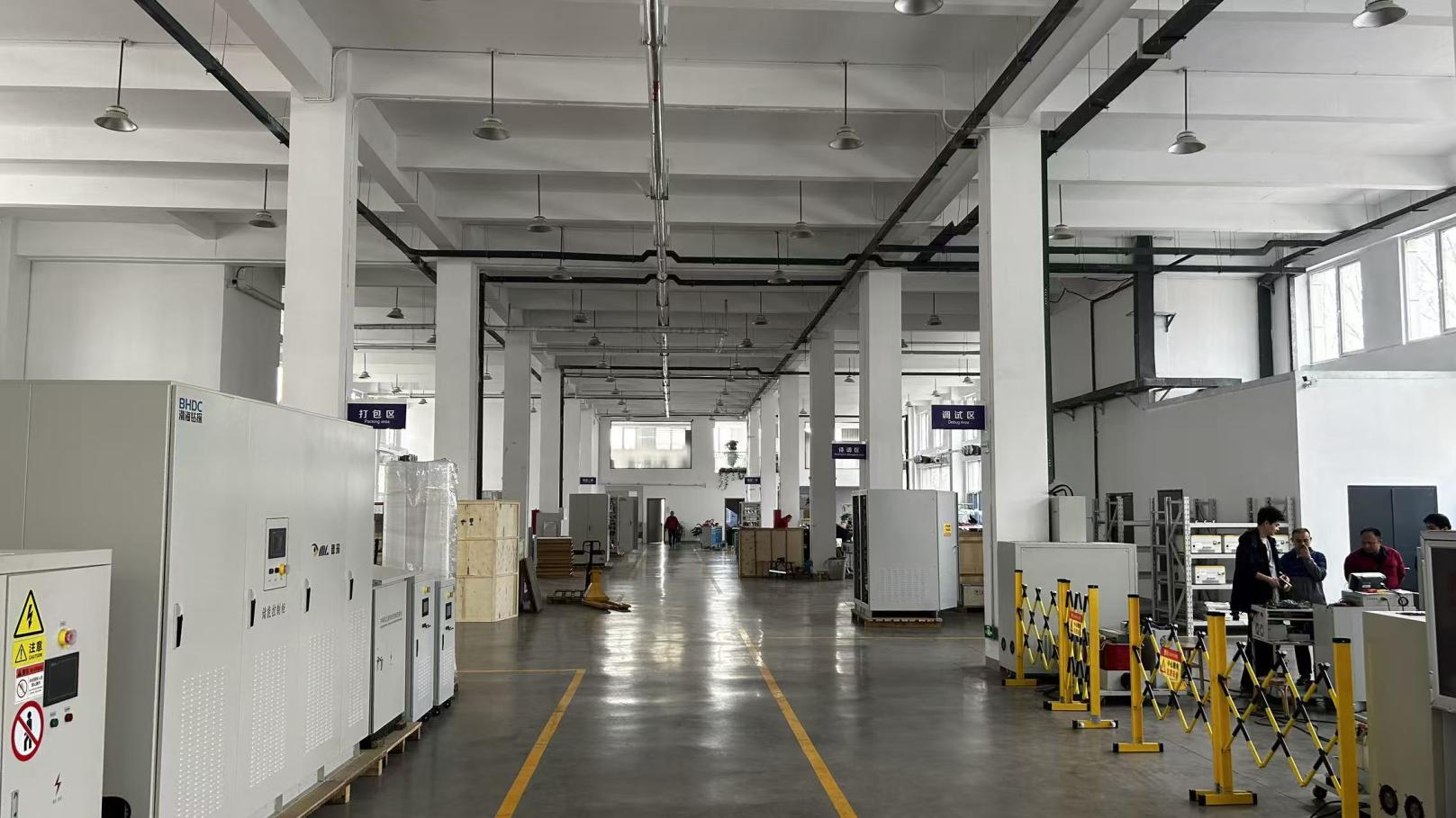
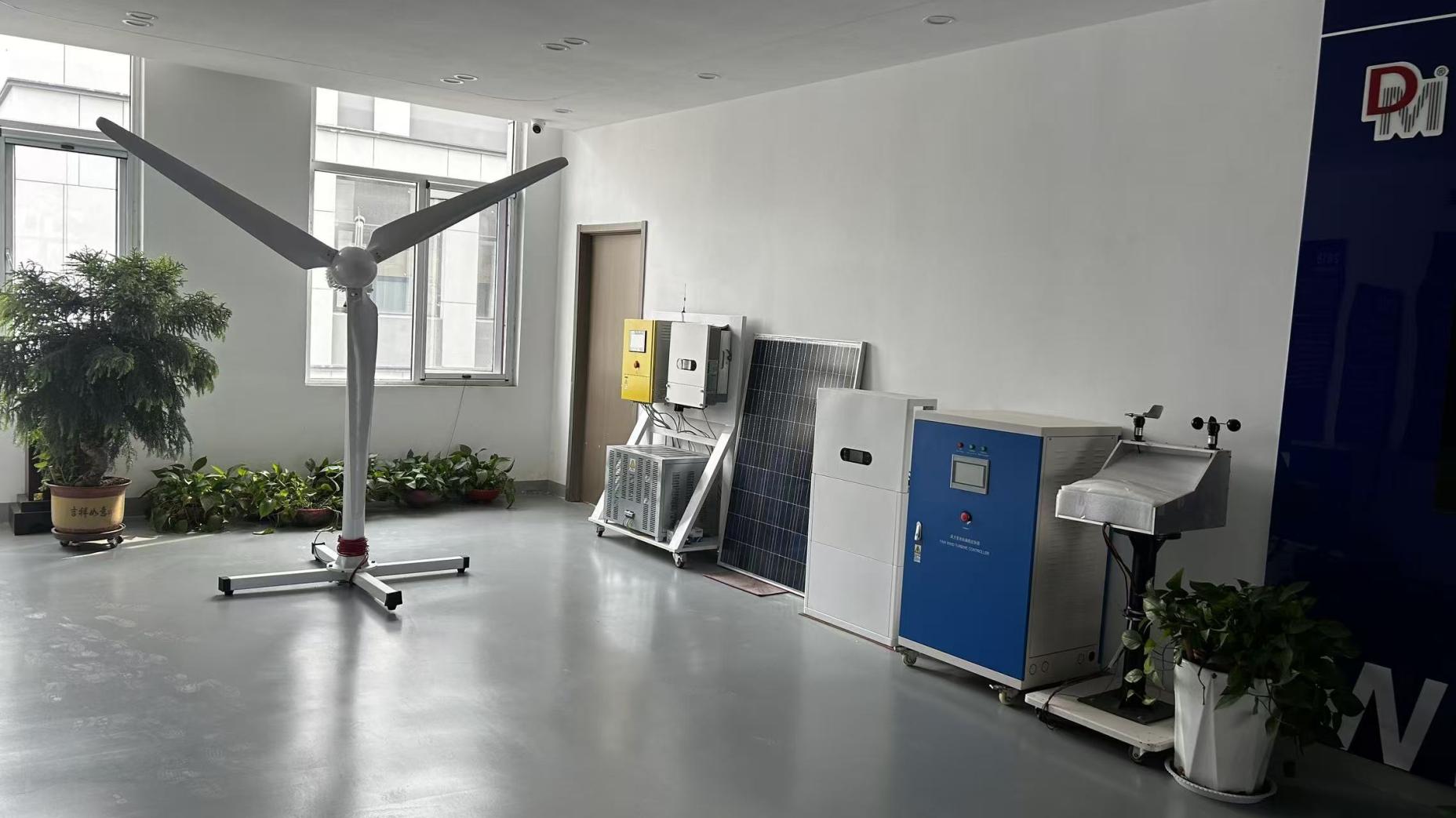
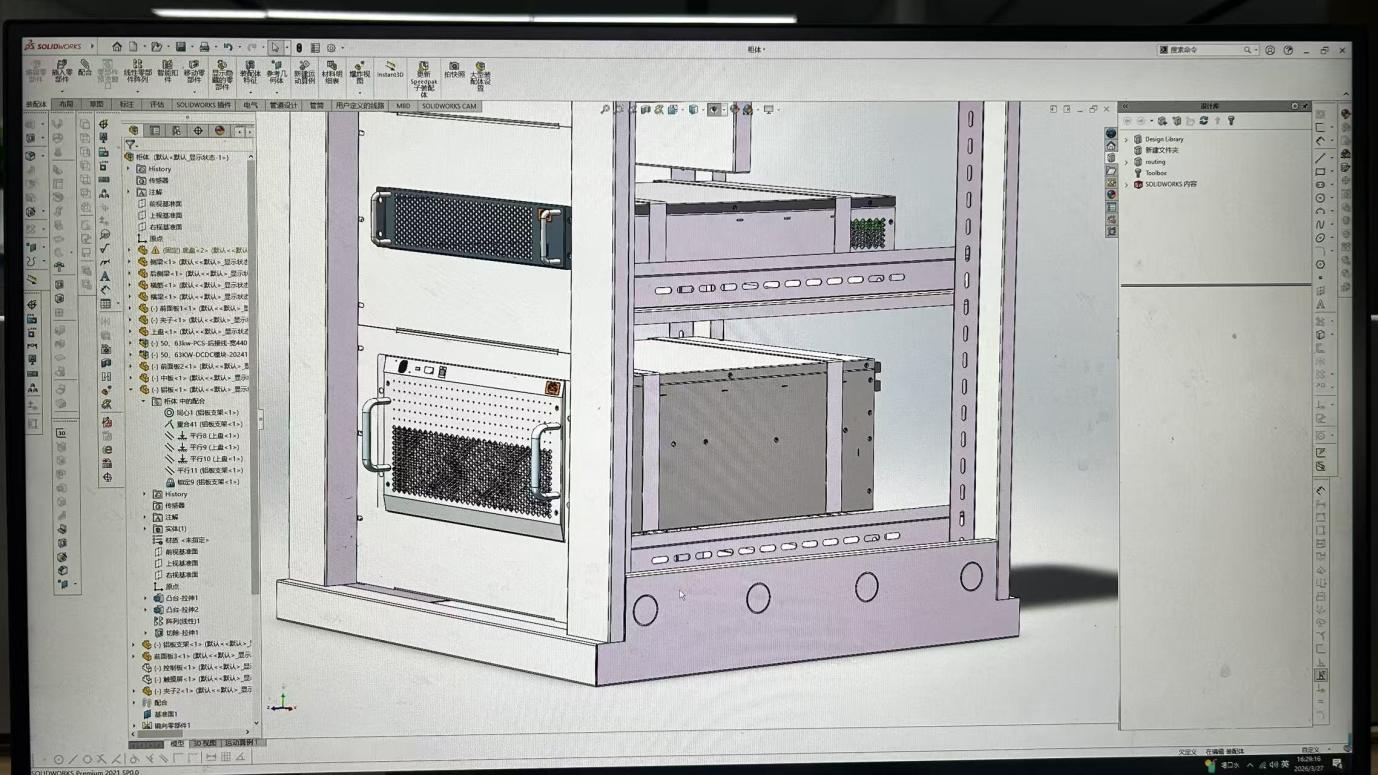
Decentralized Power Infrastructure for Heavy Industries, Ports, and Remote Islands.
Modern microgrids face complex engineering challenges when scaling across global geographic profiles. For example, high-power ports require shore-to-ship energy translation, which is sensitive to frequency drops, while remote mines require high inductive current tolerances due to grinding mills and massive conveyor belts. Our engineering solutions address these specific challenges, optimizing stability across three main areas:
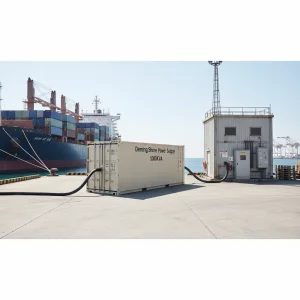
Ports and marine operations require stable voltage and frequency to comply with local environmental regulations. Our shore power supply units operate at high power capacities to convert unstable harbor power grids, delivering low-harmonic pure AC outputs to auxiliary marine systems. This prevents vessel generator emissions while protecting onboard electronics from line voltage fluctuations.
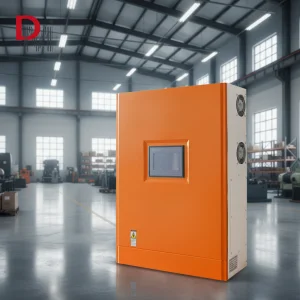
By using bidirectional DC/DC converters and isolated power conversion systems (PCS), our solutions integrate solar arrays, wind turbines, and battery banks. When wind speeds drop, battery systems release energy instantly via advanced bidirectional controllers, ensuring zero-interruption transitions for critical equipment like mining machinery and communication towers.
Through regional partnerships across the US, EU, and Latin America, Deming Power configures its systems to meet local grid integration requirements. This includes complying with dynamic reactive power injection rules, providing black-start capability during outages, and integrating seamlessly with SCADA systems via Modbus RTU/TCP protocols.
Strict manufacturing standards ensuring extreme reliability in industrial environments.
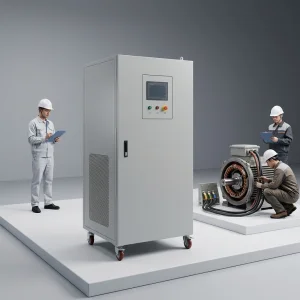
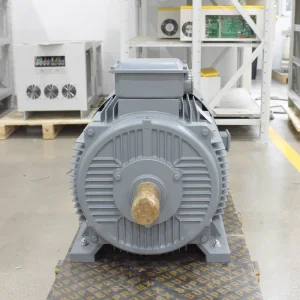
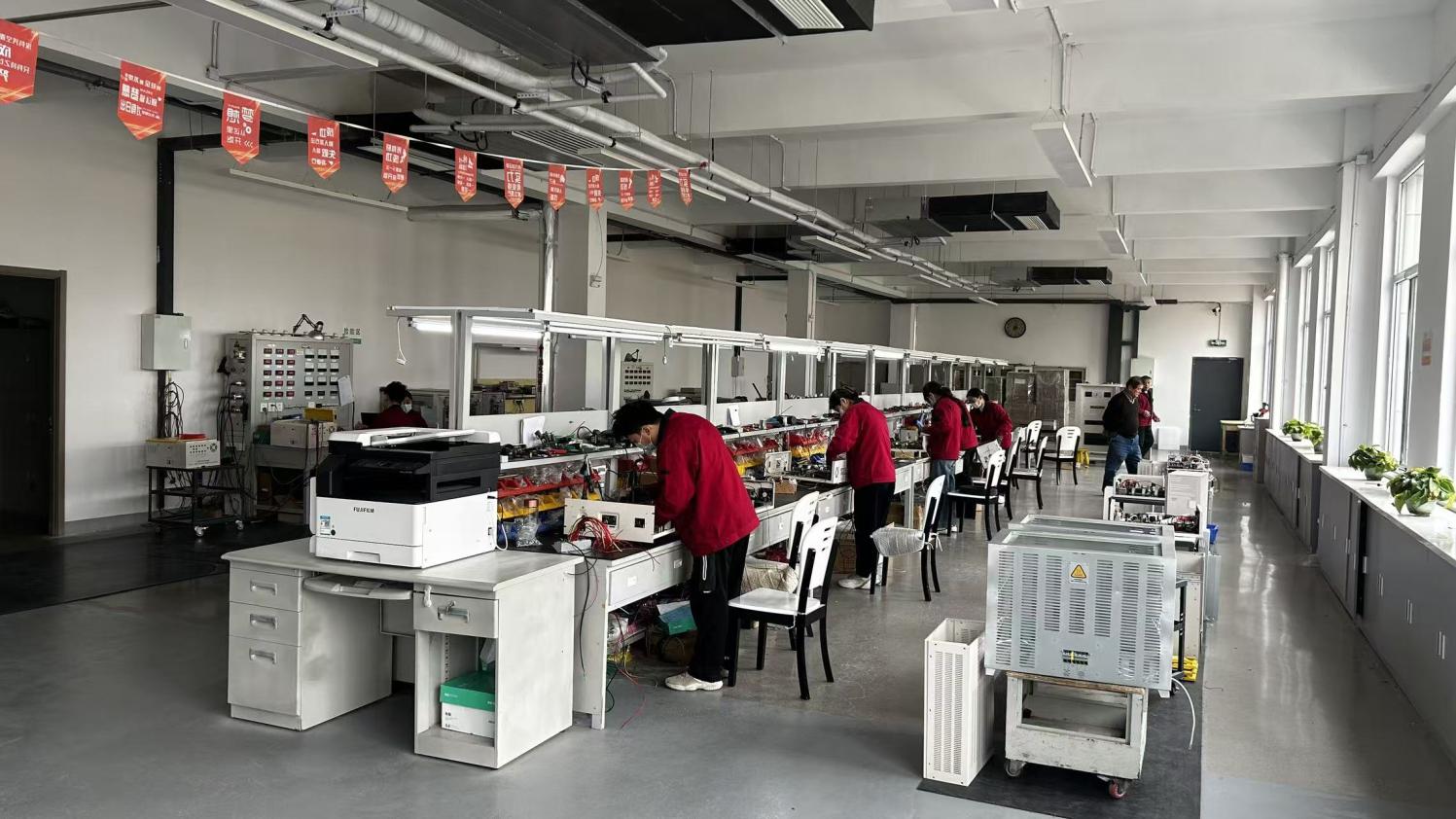
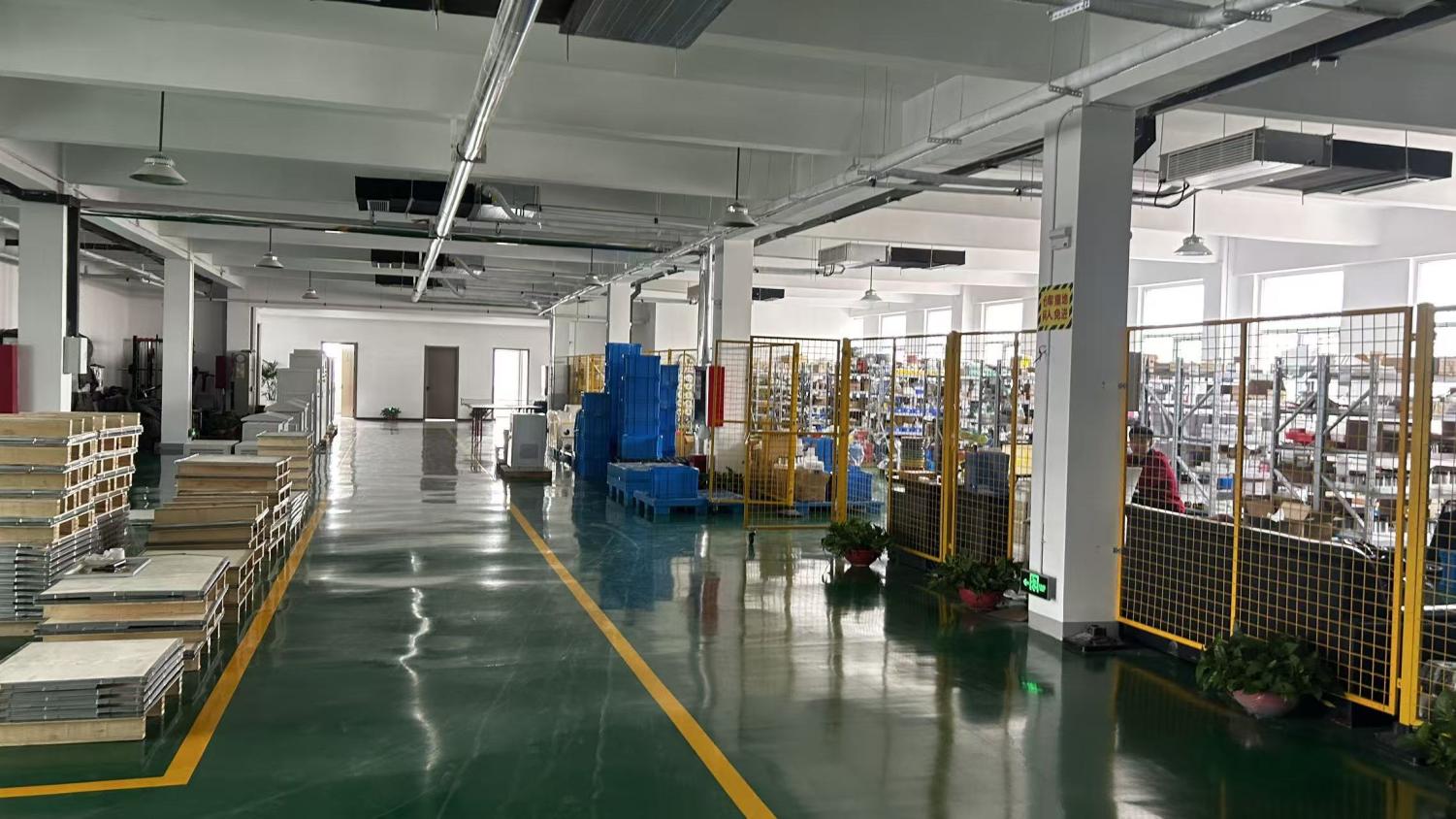
Reliability in high-power applications is achieved through strict quality control. From precision circuit layout to thermal chamber testing, every assembly phase is monitored. Our engineering facility utilizes modern testing instruments to analyze transient responses, verify dielectric insulation, and eliminate semiconductor anomalies before delivery.
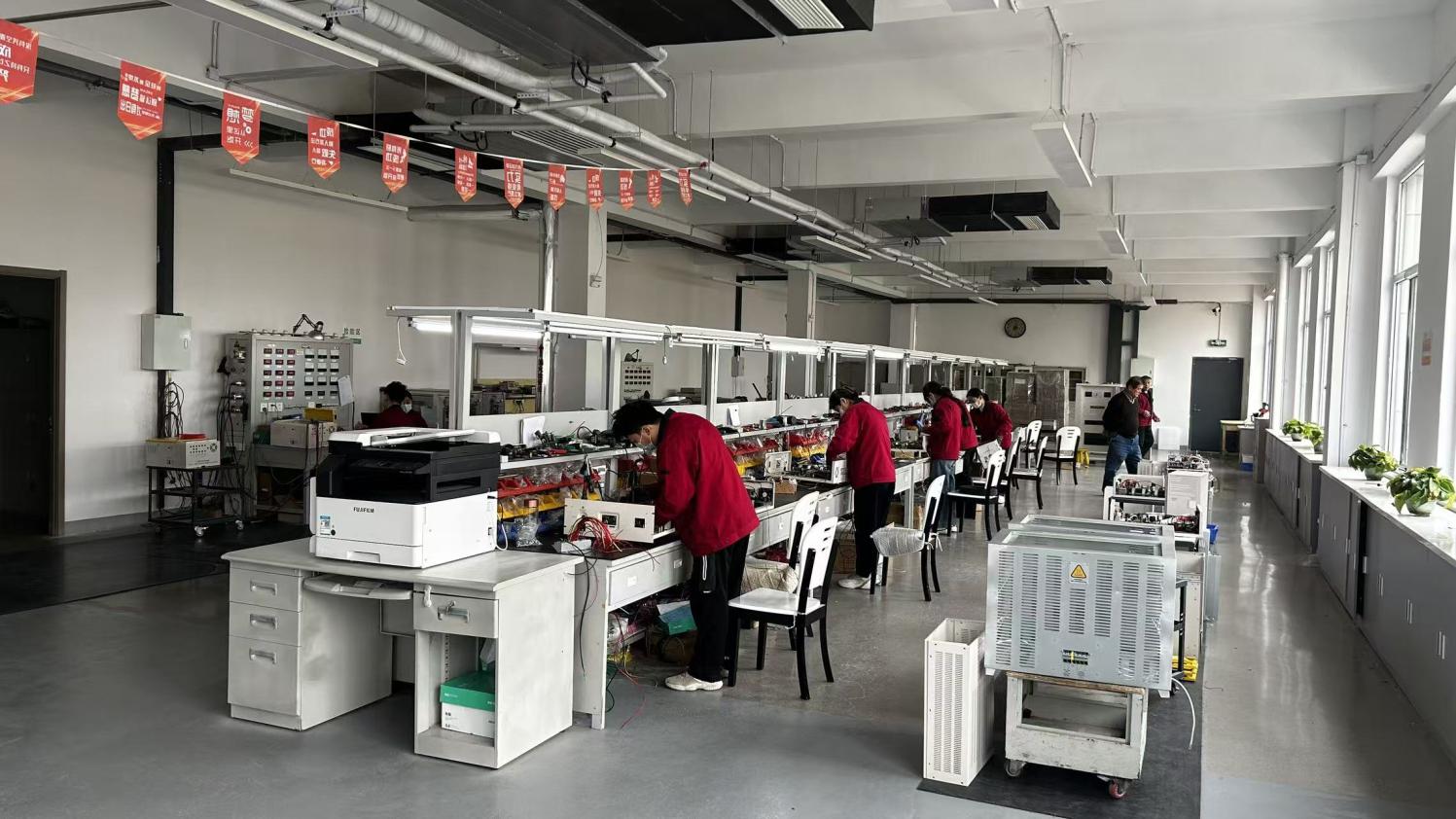
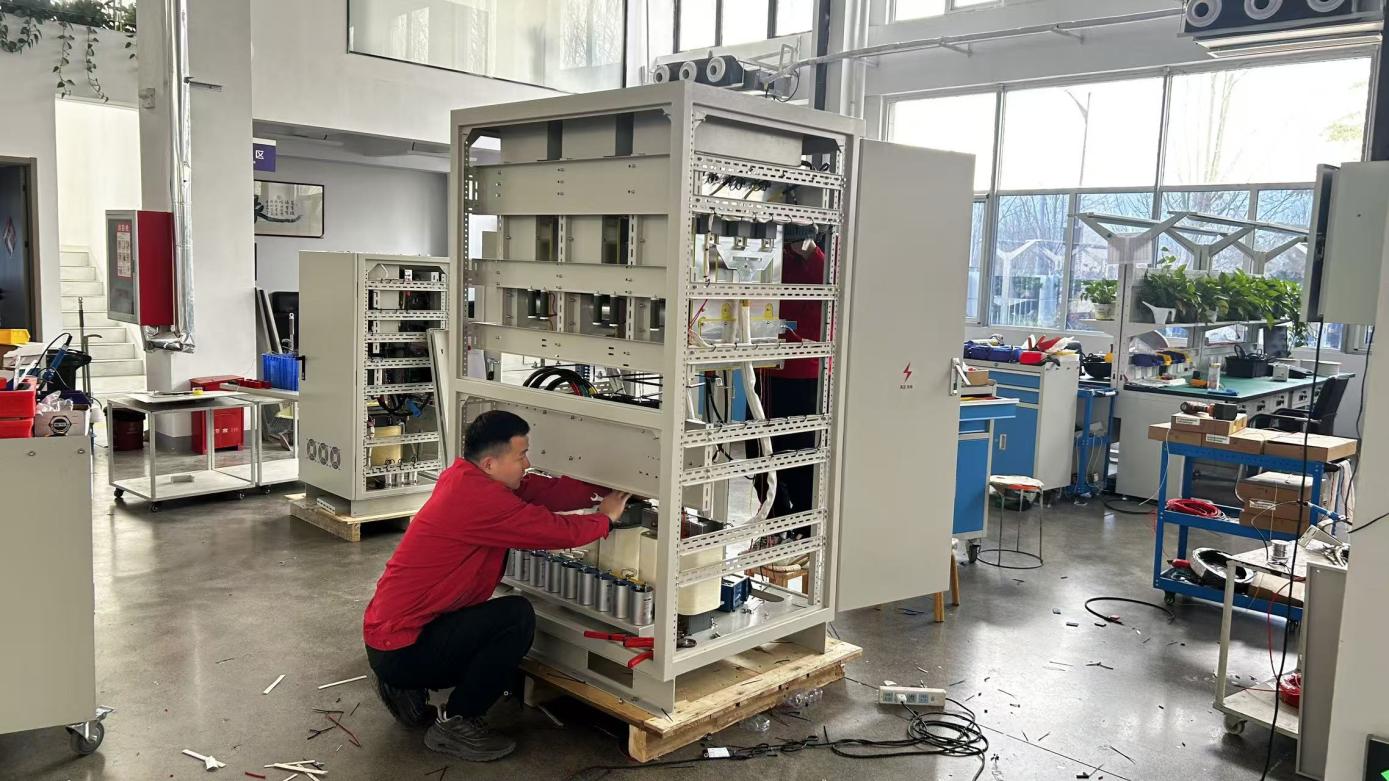
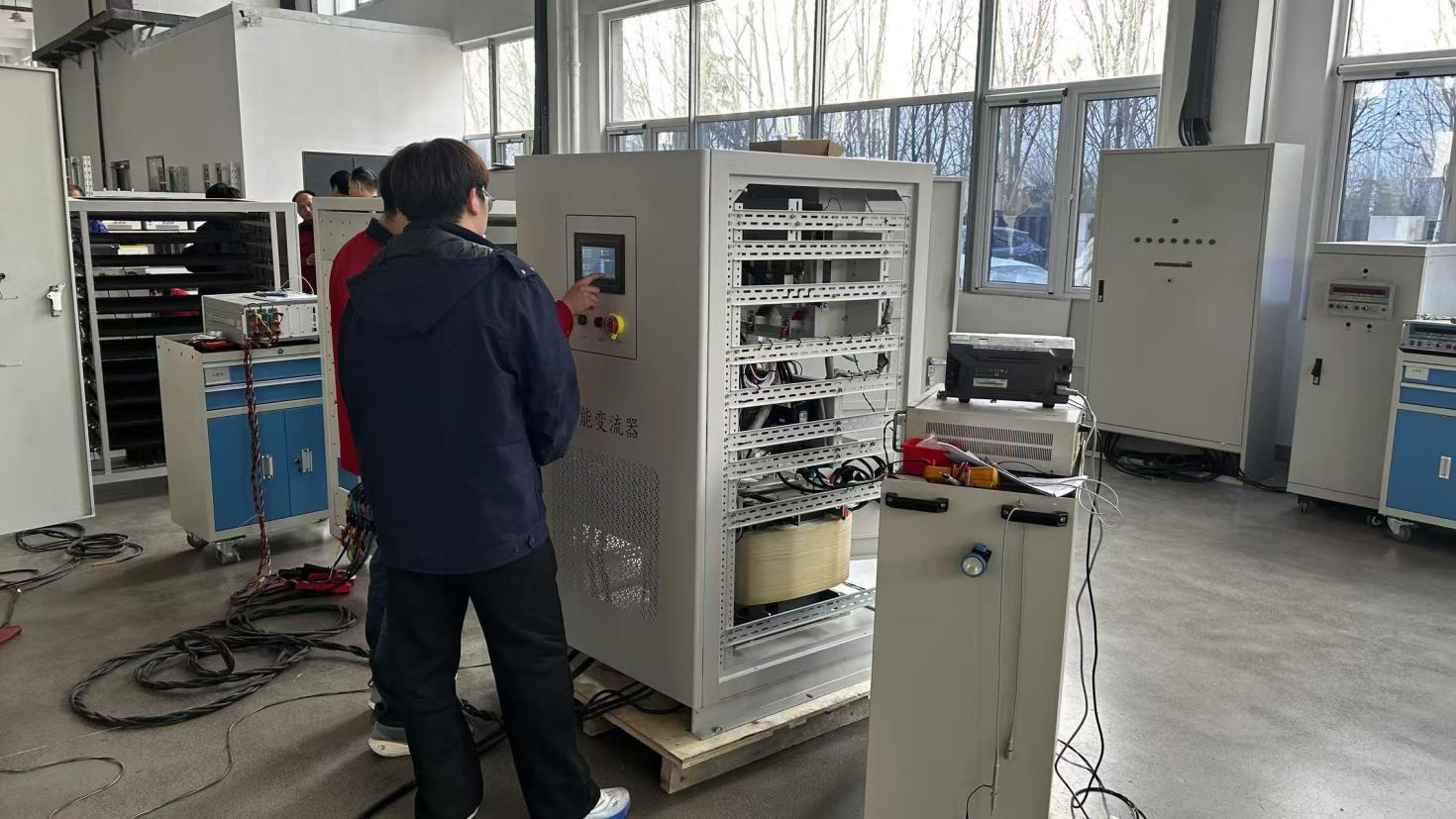
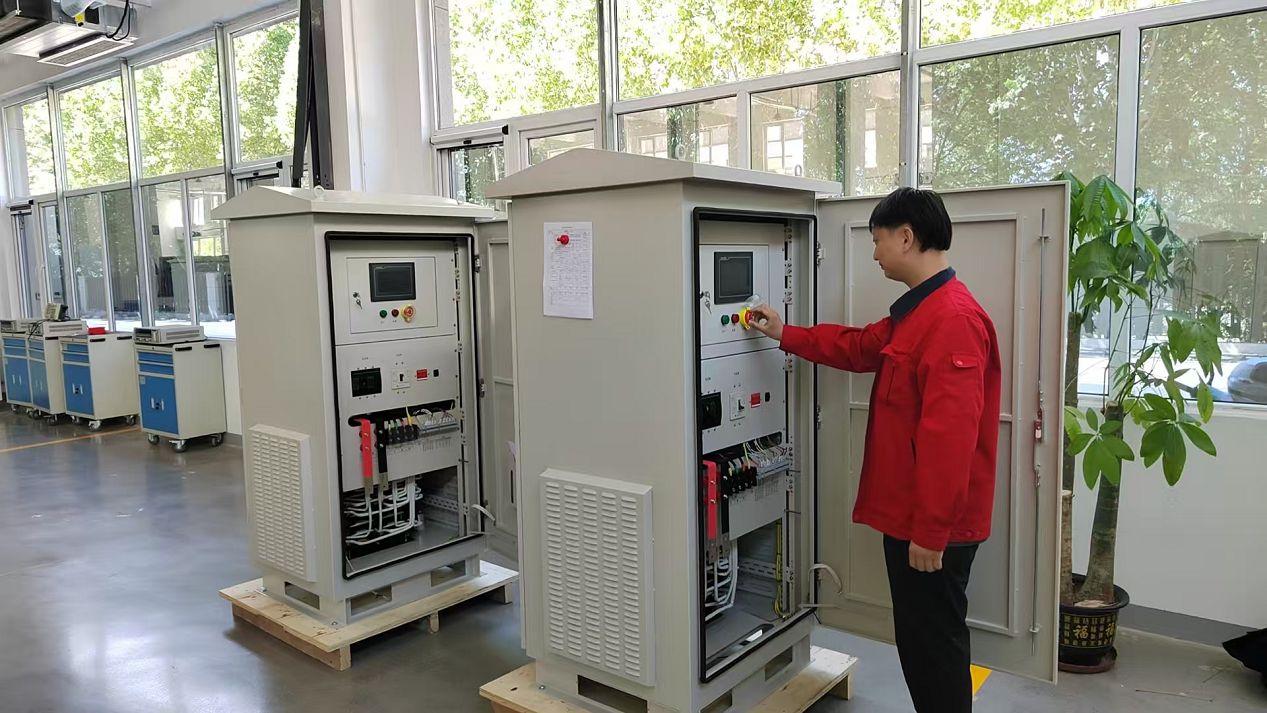
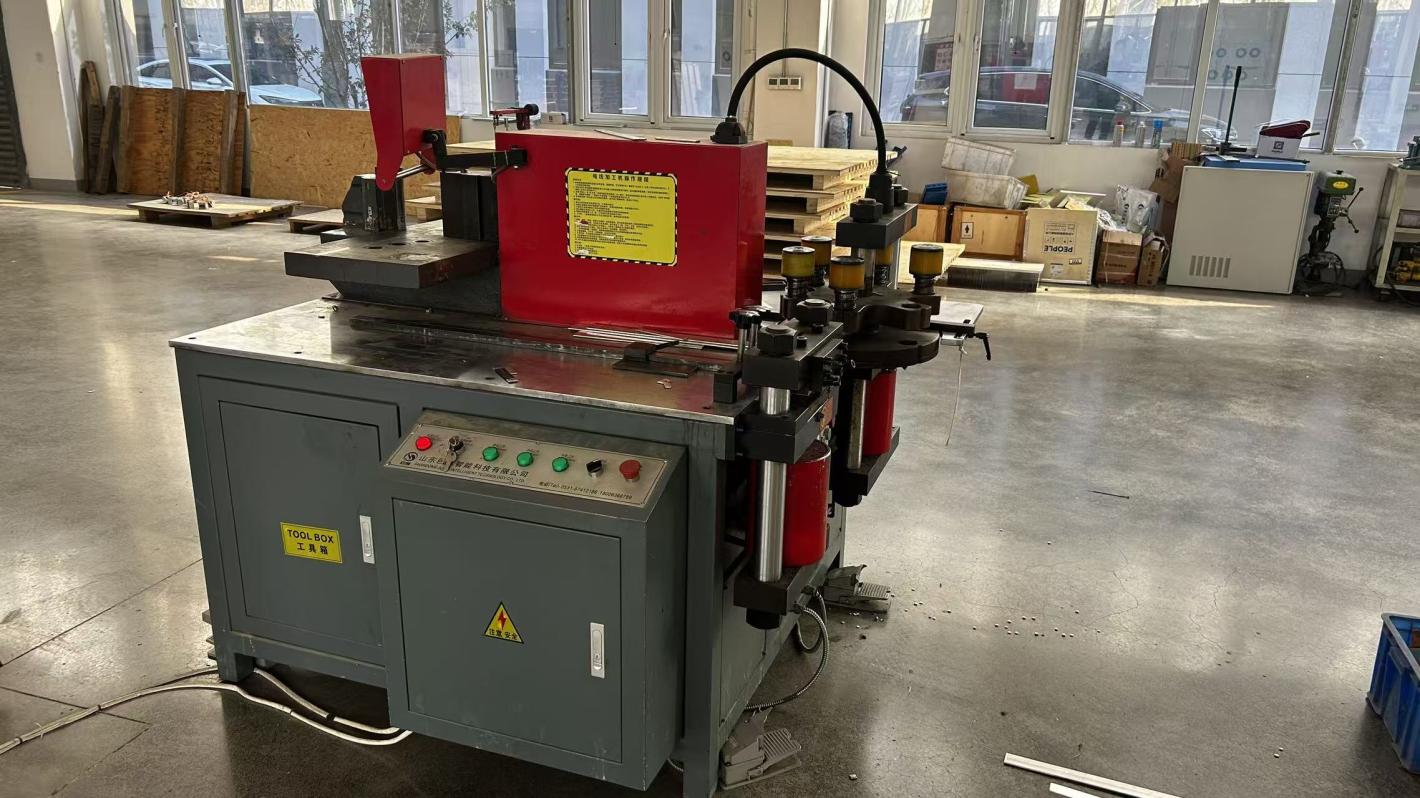
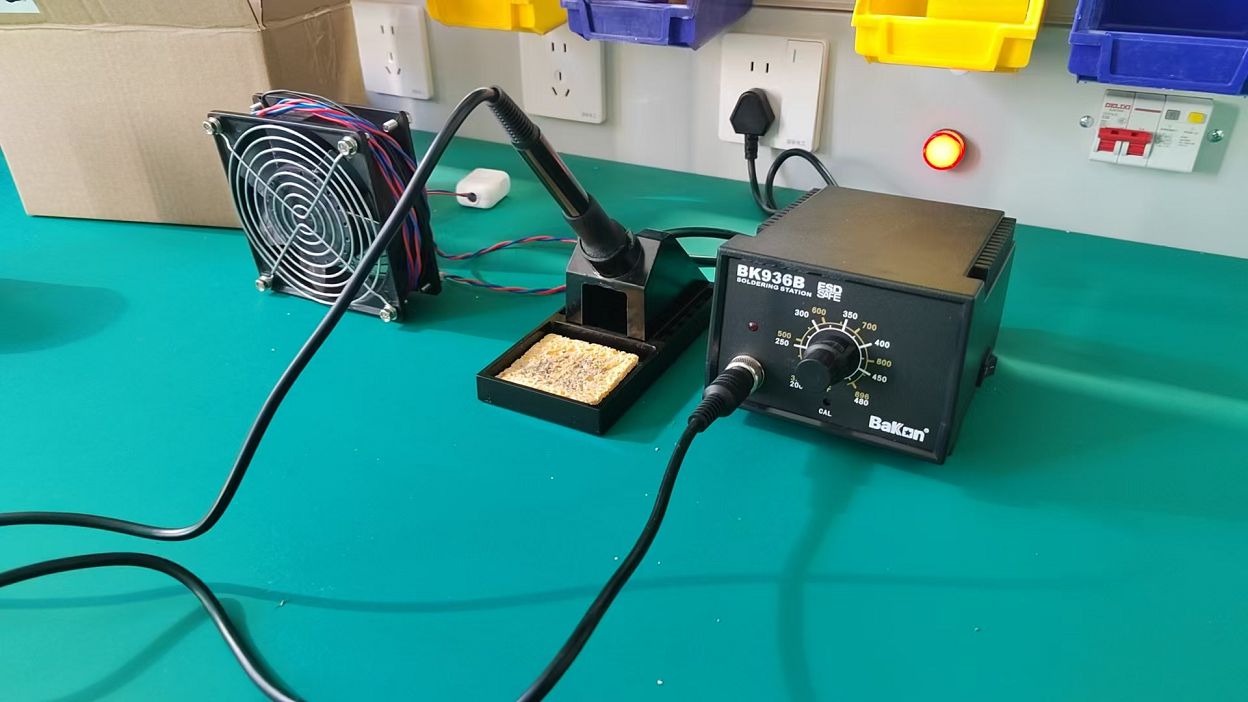
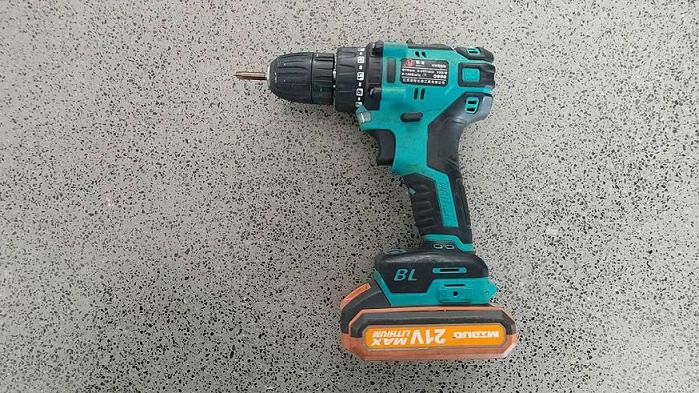
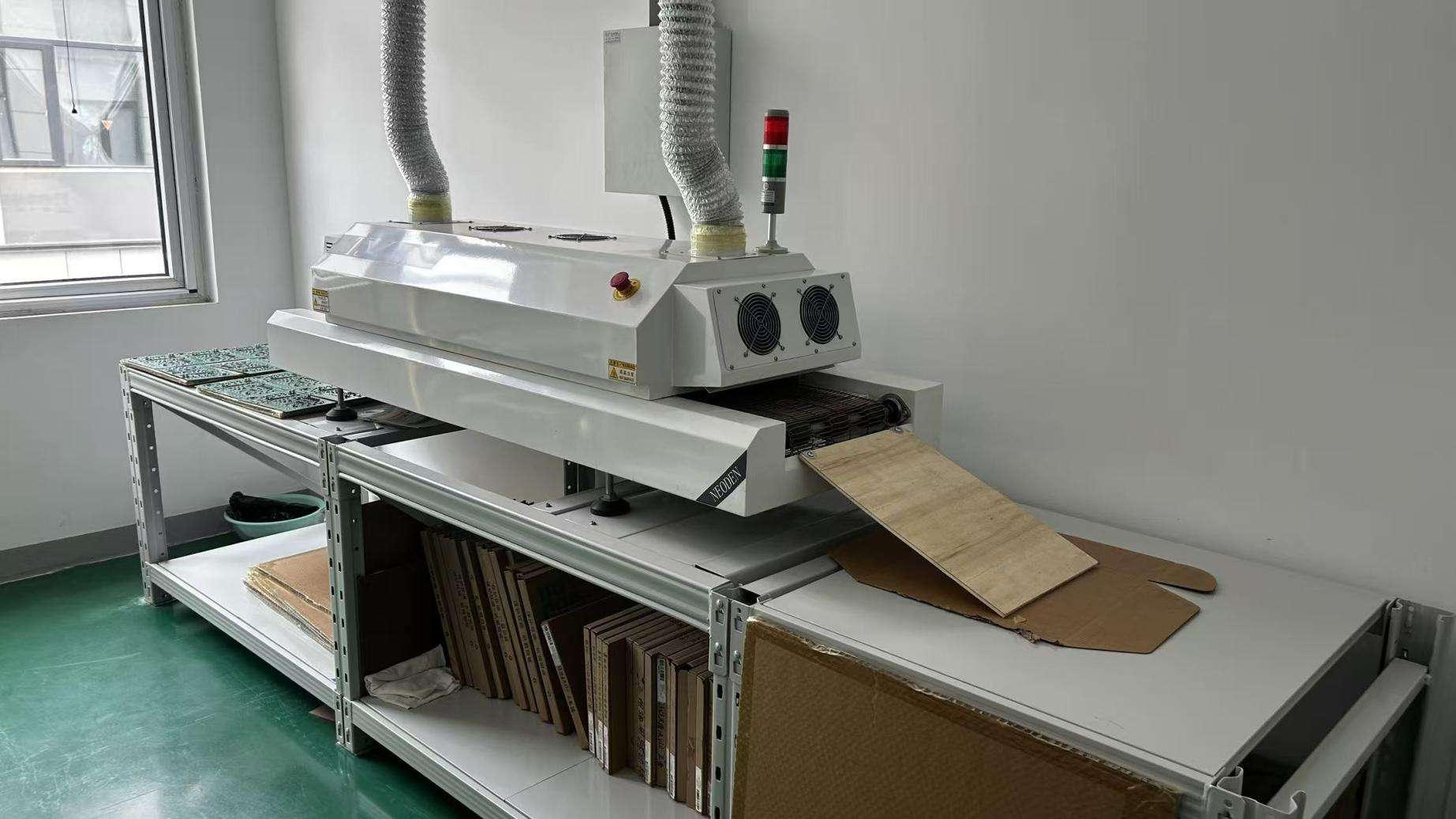
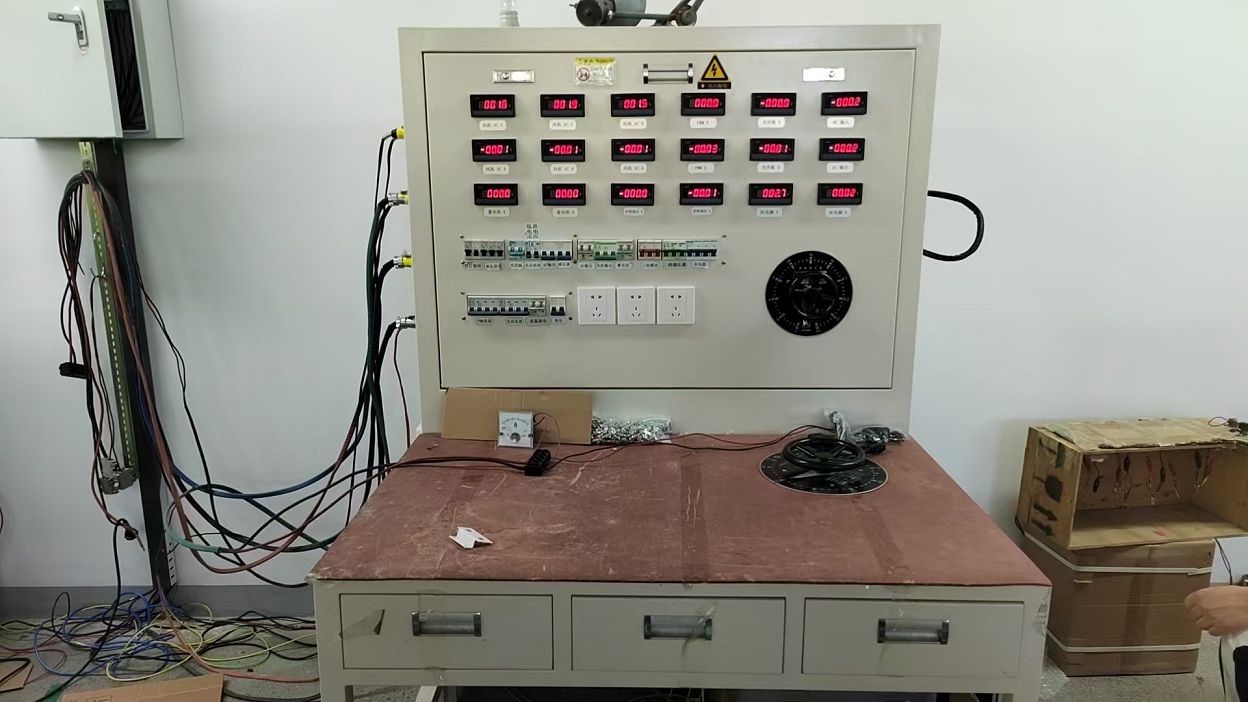
Ensuring hardware calibration and safety verification under full load simulation.
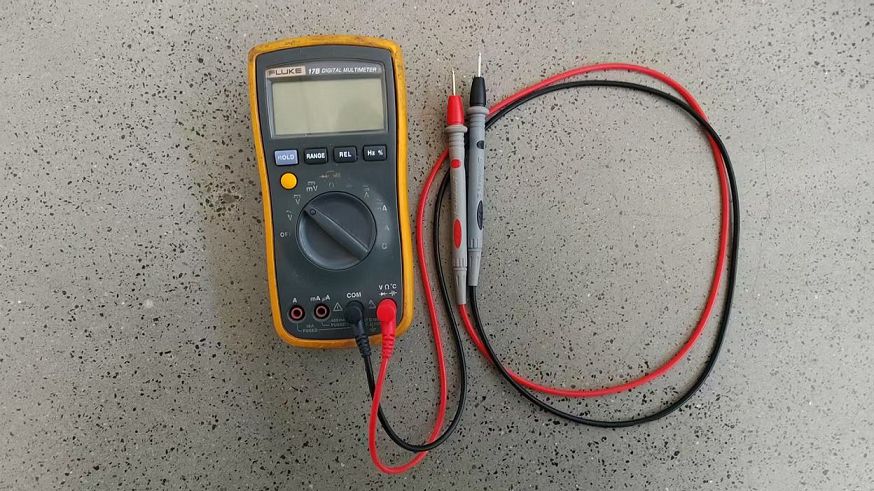
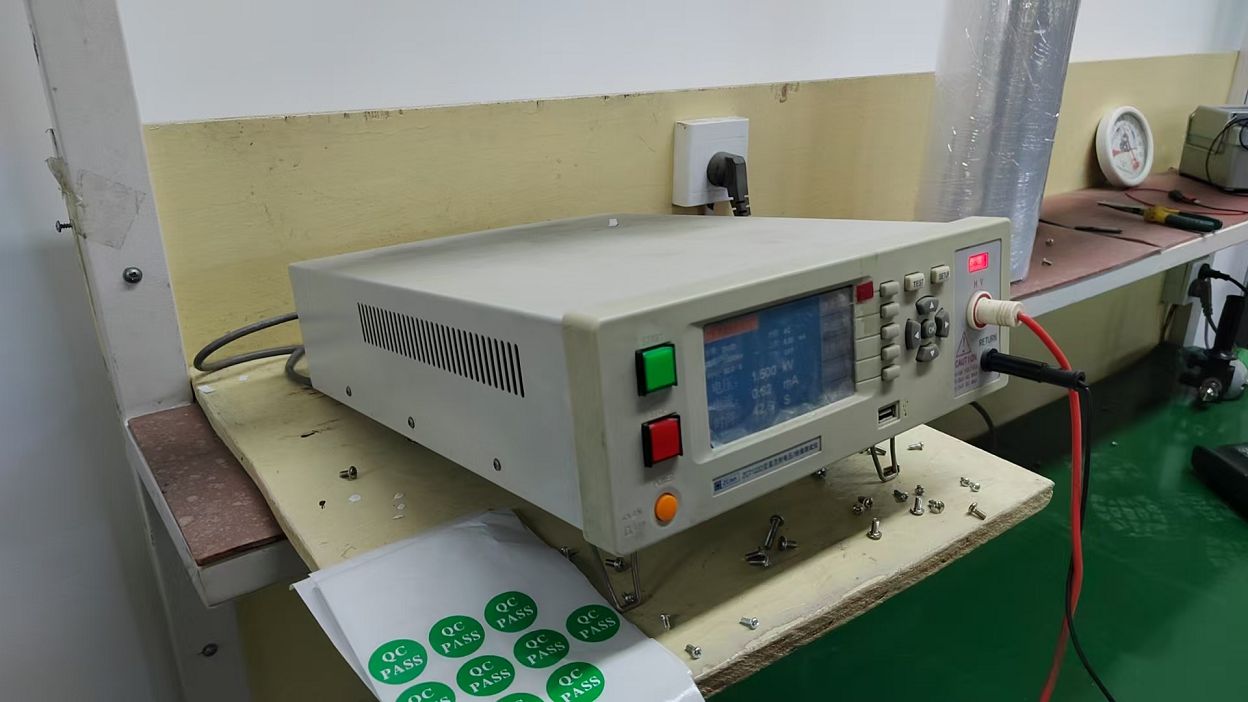
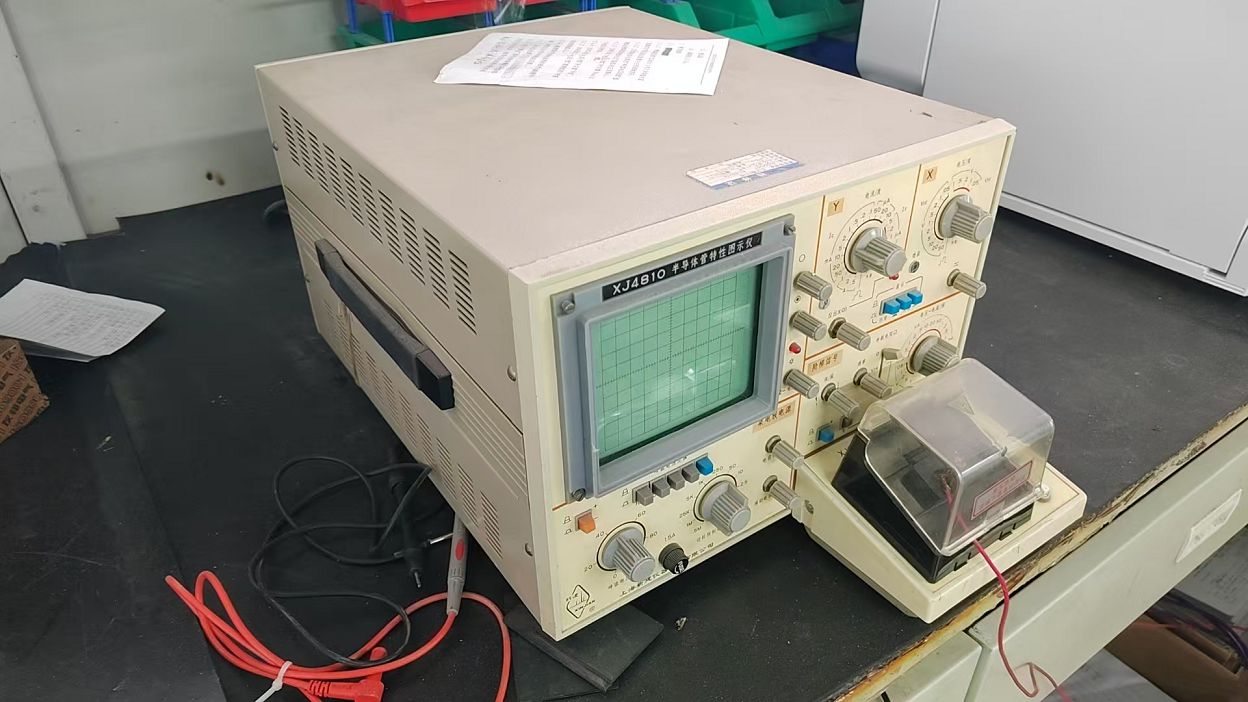
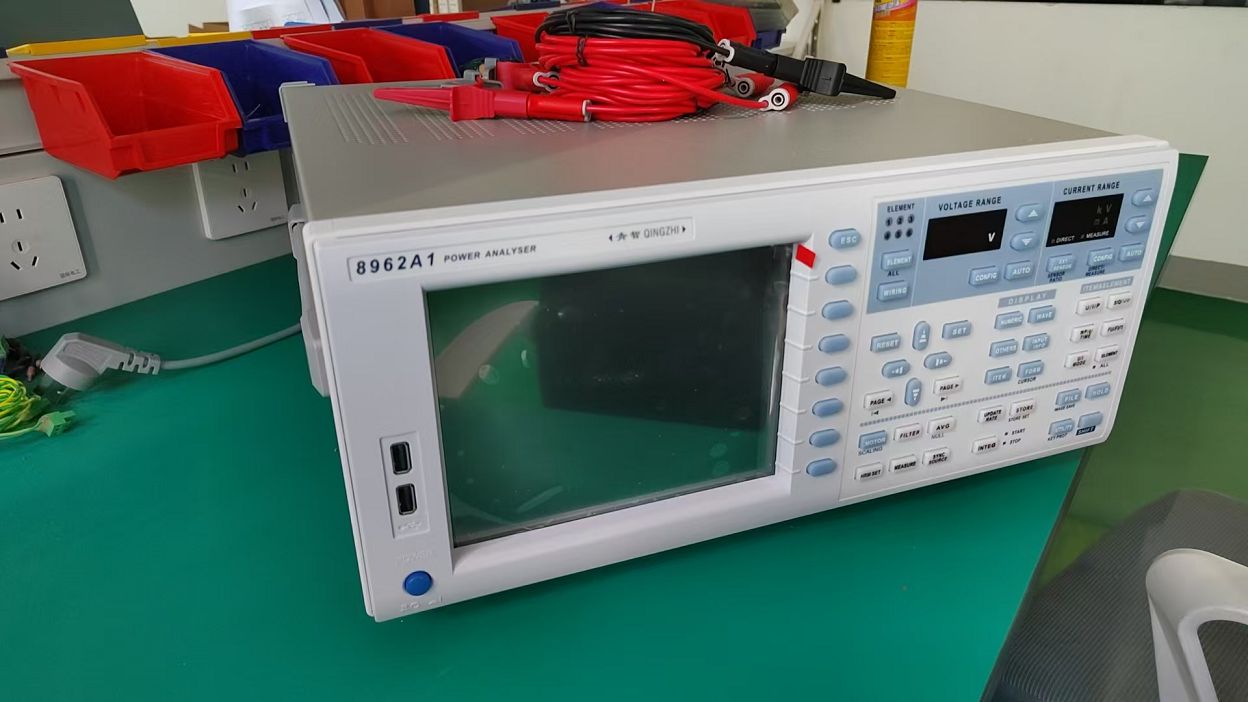
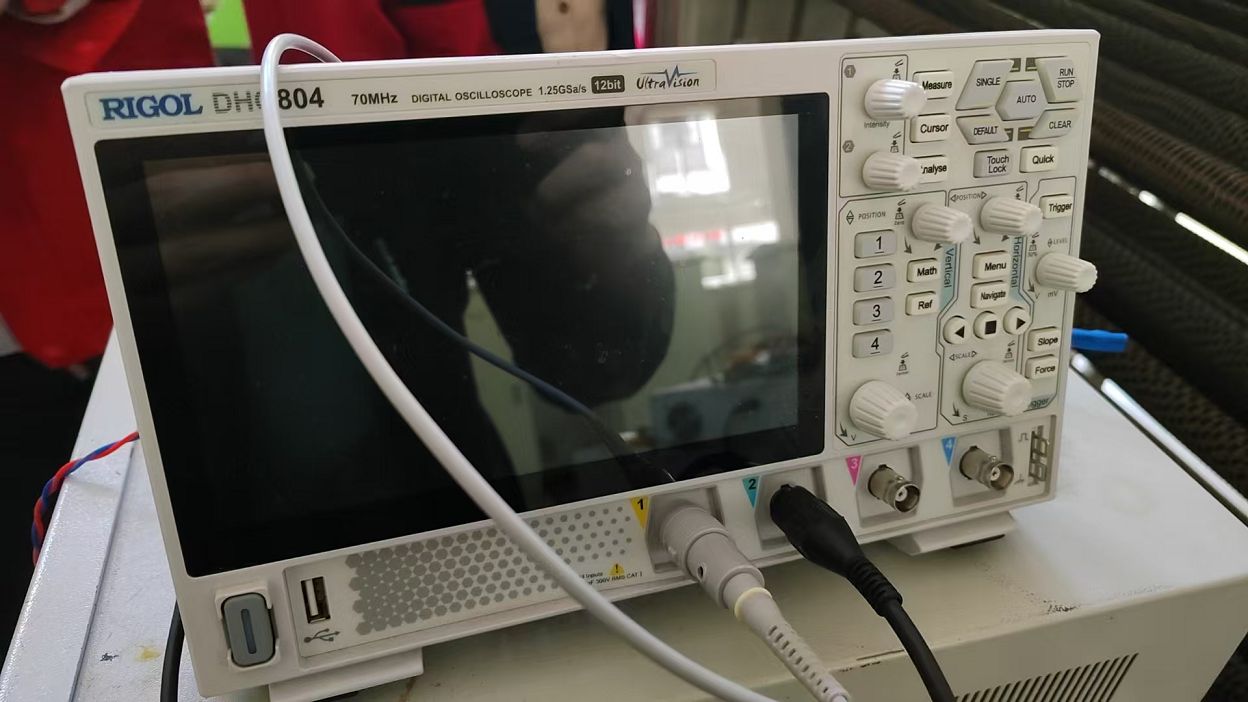
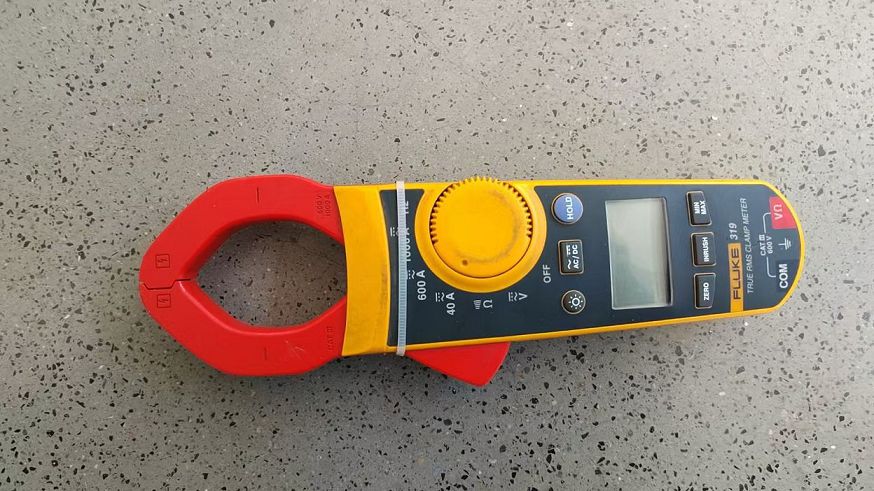
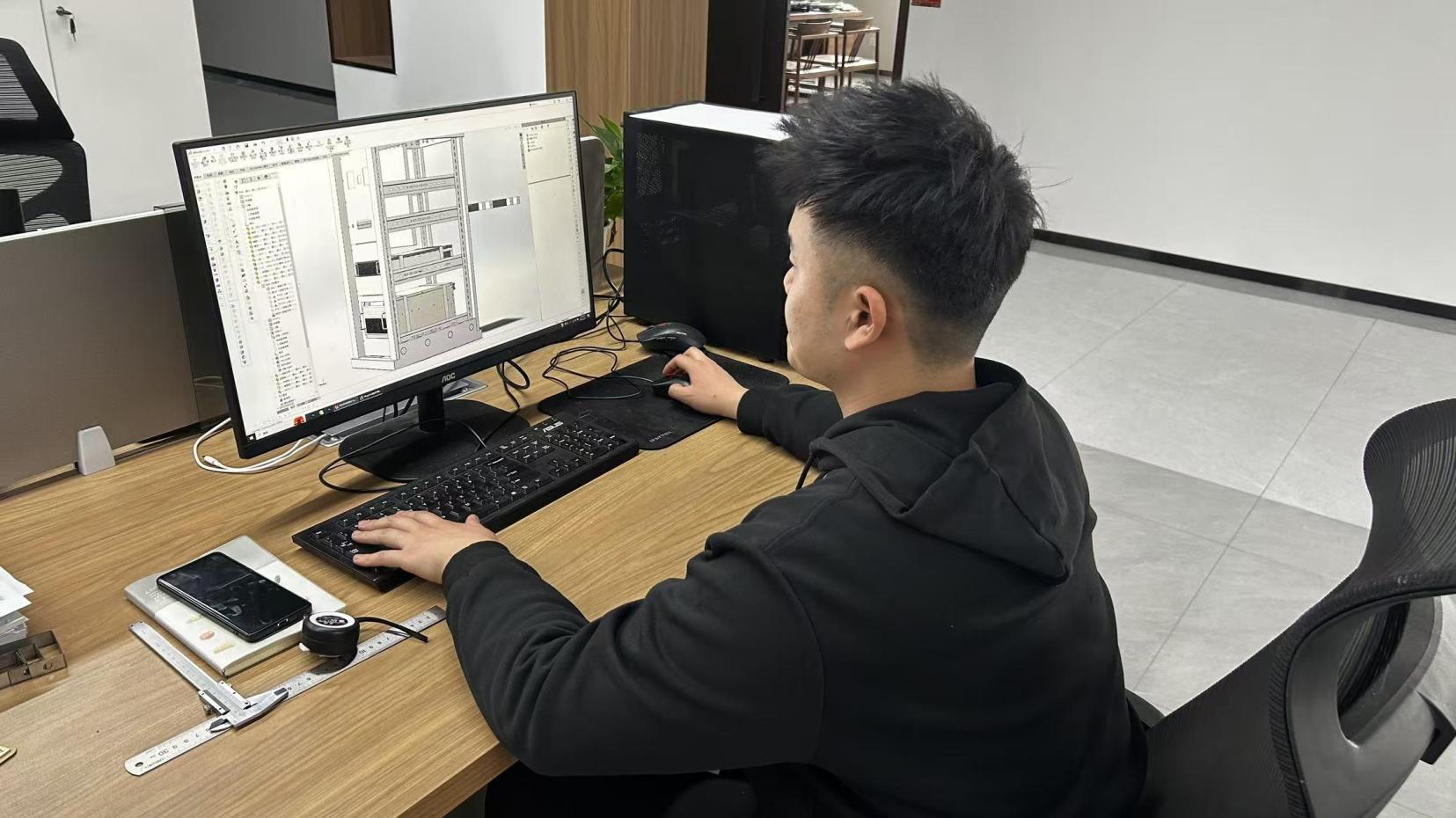
Custom schematics configured by our 16 R&D engineering experts to align with client engineering specifications.
Innovating for smart grids, wide-bandgap semiconductors, and virtual power plant integration.
The transition from conventional grid structures to modern distribution systems requires continuous hardware and firmware updates. Our technical roadmap focuses on three main developments:
Silicon Carbide (SiC) Integration: Replacing standard silicon IGBT modules with SiC MOSFETs allows our bidirectional converters to run at higher switching frequencies. This reduces heat generation and filter size, increasing overall efficiency to over 98.5%.
AI-Driven Energy Management System (EMS): Our upcoming EMS modules use predictive algorithms to analyze weather and grid pricing patterns. This optimizes battery usage and generator performance to maximize energy efficiency in real time.
Grid-Forming Virtual Synchronous Generator (VSG) Technology: Modern power grids require local generation sources to support system frequency. Our grid-forming firmware simulates virtual inertia, providing frequency support in weak microgrid areas.
Technical responses to common engineering queries regarding integration, conversion, and performance.
A bidirectional Power Conversion System (PCS) allows for two-way energy flow, letting you charge batteries from the grid when energy prices are low, and discharge power back to the grid during peak demand. Unidirectional inverters only export energy, lacking dynamic load management capabilities.
Our FKJ-GT wind controllers feature an integrated automatic brake control system. If wind speeds exceed safe limits, or during a grid failure, the controller uses a dump-load system to manage excess energy, preventing damage to the wind turbine.
We design our converters with advanced LCL filters and run active harmonic damping algorithms on digital signal processors (DSPs). This keeps the total harmonic distortion (THD) of our systems below 3%, meeting IEEE 519 standards.
Yes, our 50KW to 100KW bidirectional DC/DC converters function as battery simulators. They allow testing facilities to emulate different battery chemistries (LiFePO4, LTO, Lead-Acid) and evaluate EV drivetrains or solar chargers under safe, repeatable conditions.
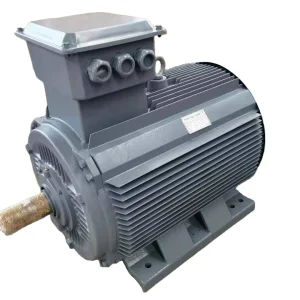
Our AC/AC converters rectify variable-frequency, variable-voltage output from Permanent Magnet Generators (PMG) into a stable DC bus. They then invert that DC power back into standard 50Hz/60Hz AC, providing stable power even with fluctuating generator speeds.
Yes. All our industrial-grade inverters and controllers support RS485, CAN bus, and Ethernet interfaces. They communicate using Modbus RTU/TCP protocols, allowing easy integration with SCADA systems and remote cloud monitoring platforms.
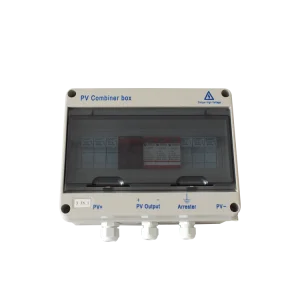
High-frequency MPPT tracking, rugged combiner units, and split-phase power converters.
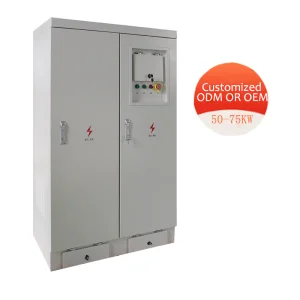
 Demin Power