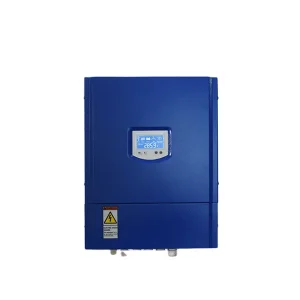
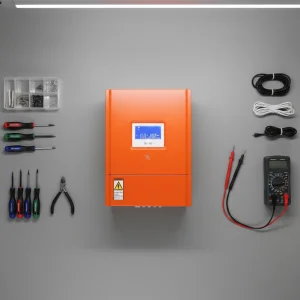
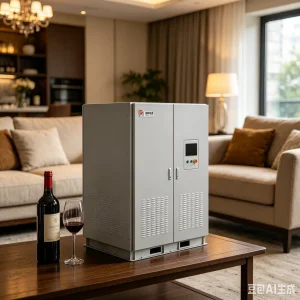
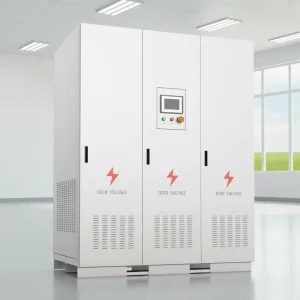
High-efficiency controllers, off-grid frequency converters, and industrial bidirectional PCS units engineered for modern green energy systems.
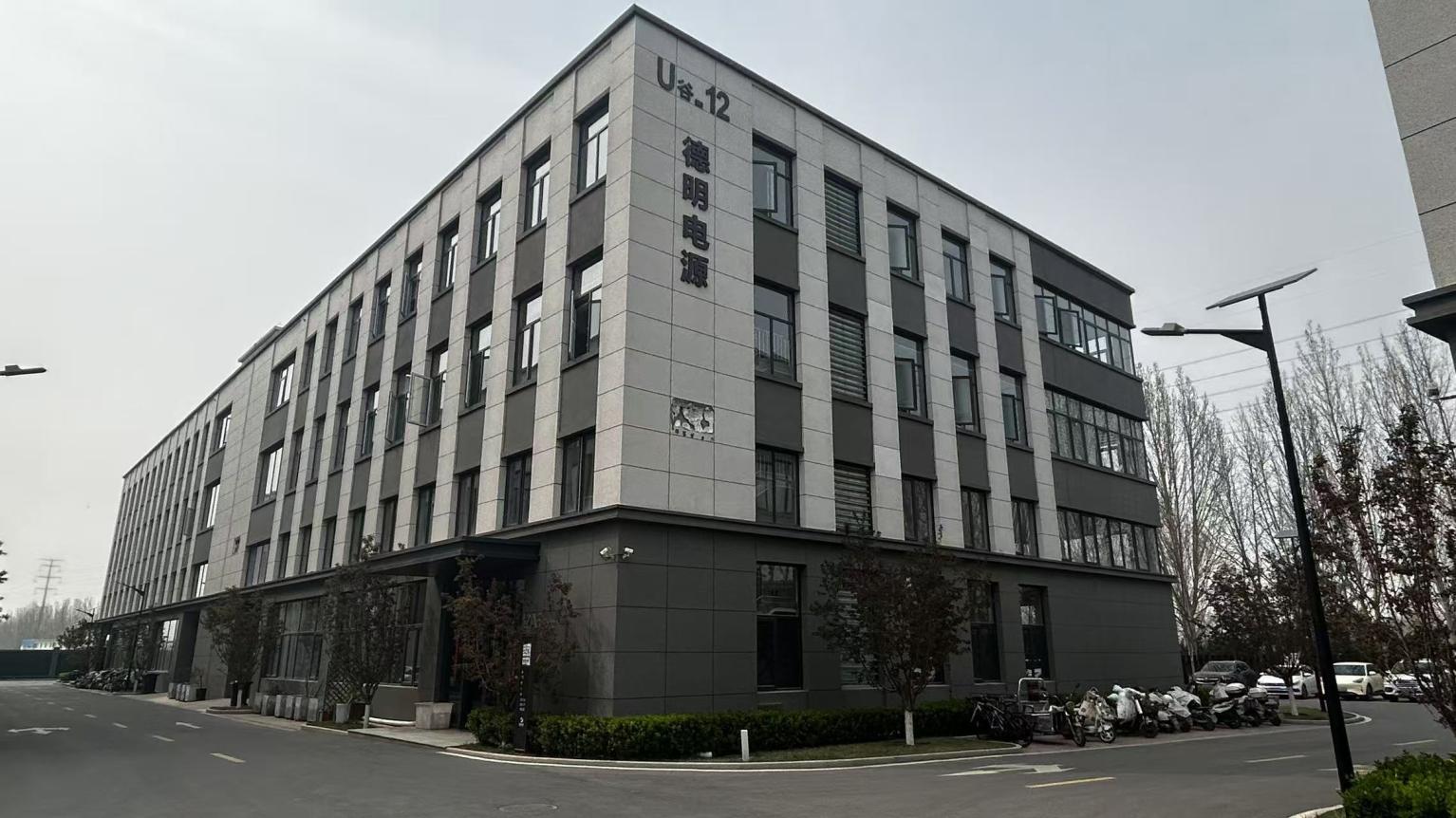
Established in 2004, Jinan Deming Power Equipment Co., Ltd. is a nationally recognized high-tech enterprise specializing in the R&D, manufacturing, and technical support of high-power renewable energy interfaces and industrial testing systems. Over two decades of execution, the company has integrated advanced power electronics into complex grid environments, specializing in Permanent Magnet Generator (PMG) integration, control technologies, bidirection DC-AC test equipment, and off-grid multi-phase energy converter topologies.
Operating under a strict ISO9001:2015 Quality Management framework, Deming has repeatedly earned high-tech enterprise recognition from the Chinese government. The backbone of our operational excellence is our veteran R&D engineering team, consisting of doctoral supervisors and master’s degree holders. With a minimum of 20% of annual sales revenue funneled back into R&D, we have successfully commercialized 16 proprietary scientific breakthroughs in recent years, serving Fortune 500 enterprises and microgrid installers globally in markets including Germany, Japan, the US, UK, Canada, Australia, and Brazil.
In modern decentralized utility grids and microgrids, the efficiency of a Permanent Magnet Generator (PMG) is inextricably linked to the performance of its power processing interfaces. A PMG relies on rare-earth magnets (such as NdFeB) to construct a high-intensity rotor magnetic field, eliminating rotor copper losses and slip-ring maintenance. However, PMGs natively generate variable-voltage, variable-frequency AC power due to fluctuations in prime mover speeds (e.g., wind fluctuations or variable hydro flows).
Variable speed operation requires precise rectification and synchronous AC-DC conversion to isolate fluctuation from the utility grid.
Stator harmonic currents can induce secondary heating in permanent magnets, potentially causing irreversible thermal demagnetization.
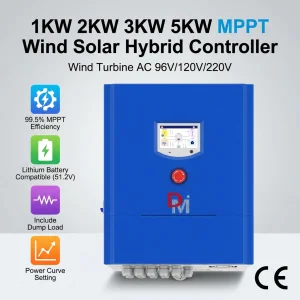
Interconnected generation systems must withstand grid transients without dropping load, necessitating intelligent controllers and dynamic braking resistors.
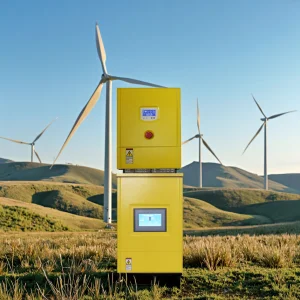
Jinan Deming Power Equipment co., ltd. bridges this gap by engineering highly resilient wind/solar charge controllers, high-power grid-tied and off-grid bidirectional converters, and ultra-high efficiency DC/AC sine wave converters. Operating with efficiencies up to 99%, our triple-output and phase-matched converters ensure the kinetic energy harvested by PMGs is converted to stable, clean utility-grade power.
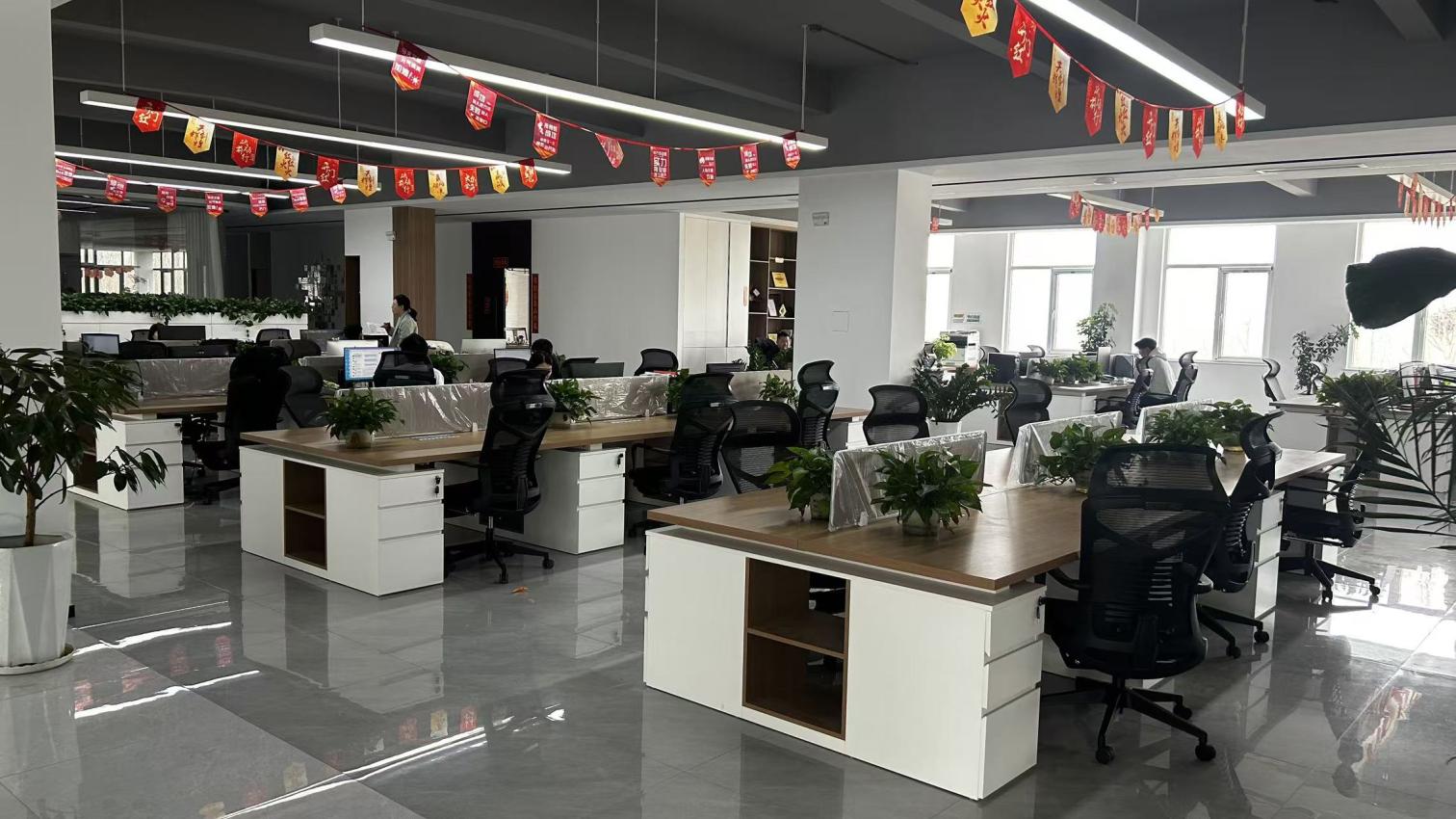
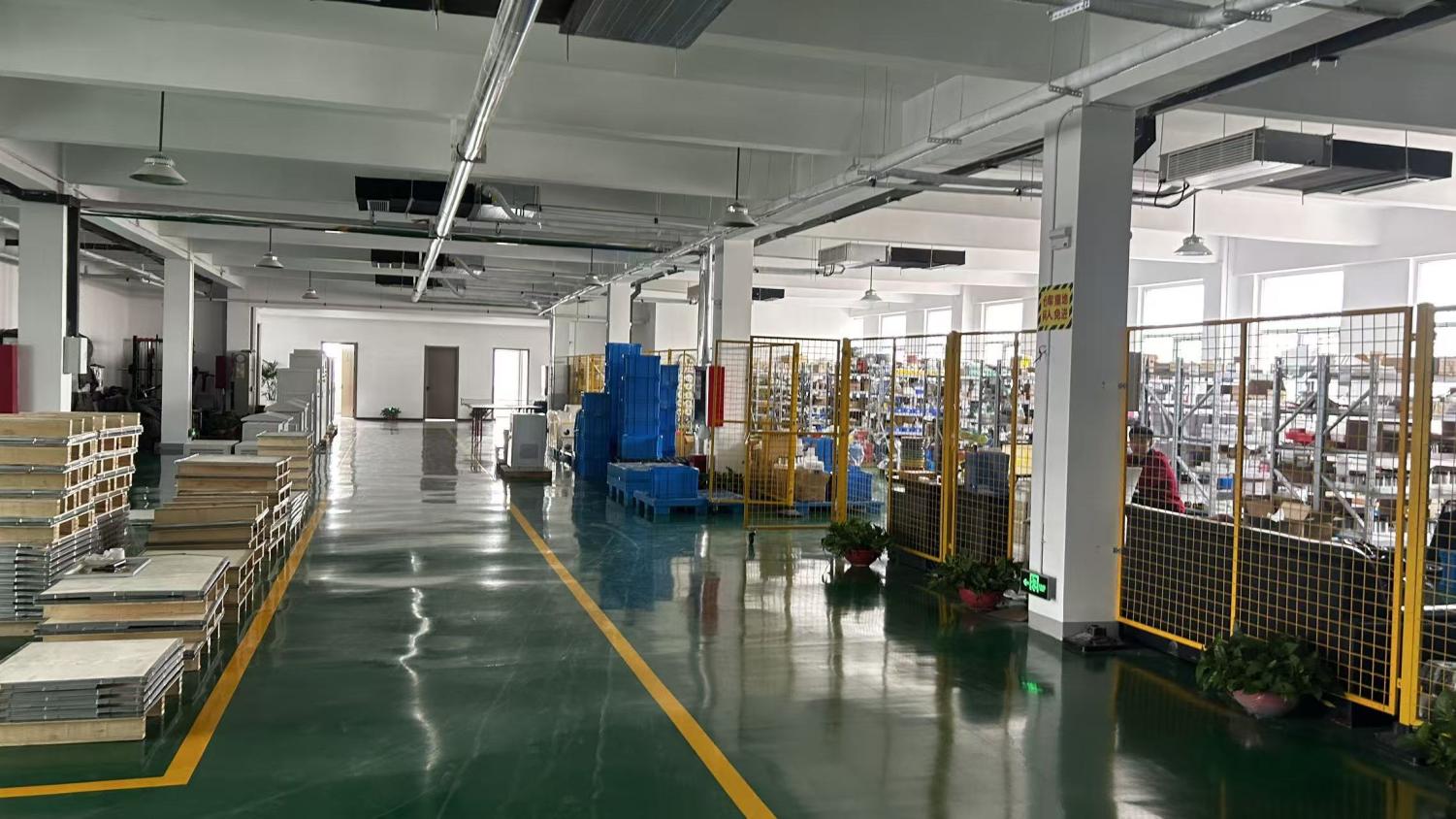
Purchasing high-power renewable energy equipment from China provides significant structural advantages. China dominates the global supply chain for rare earth elements, processing over 70% of the world's Neodymium (Nd), Praseodymium (Pr), and Dysprosium (Dy). These elements are vital for the high-strength sintered magnets used in high-efficiency PMG rotors. By placing manufacturing in Jinan, Shandong, we leverage a highly mature industrial cluster that guarantees raw material quality, advanced manufacturing systems, and reliable supply lines.
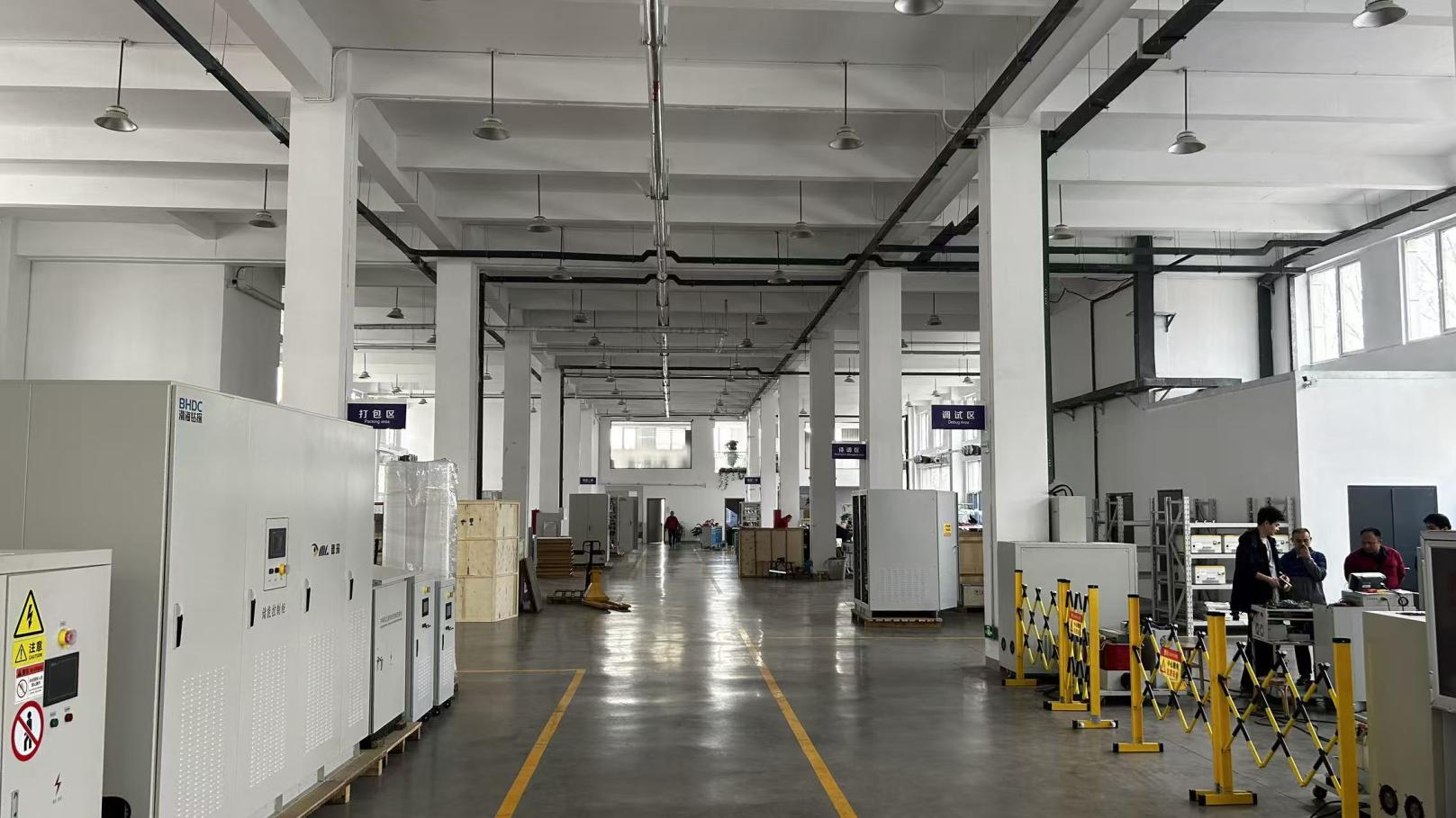
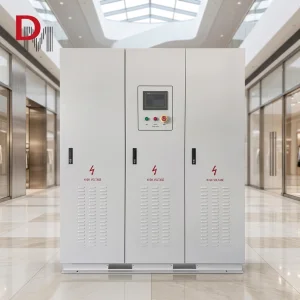
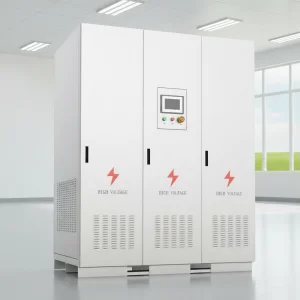
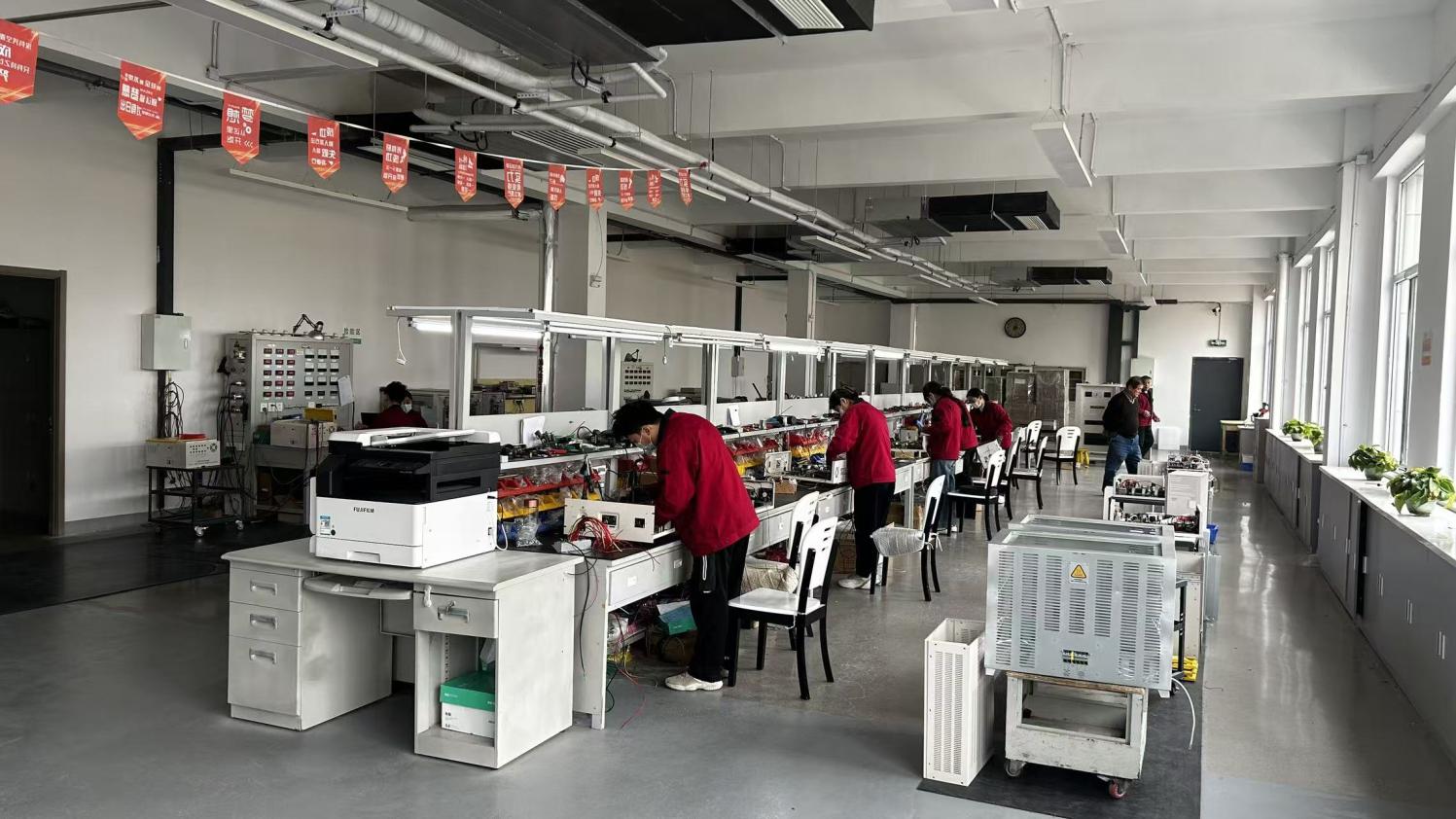
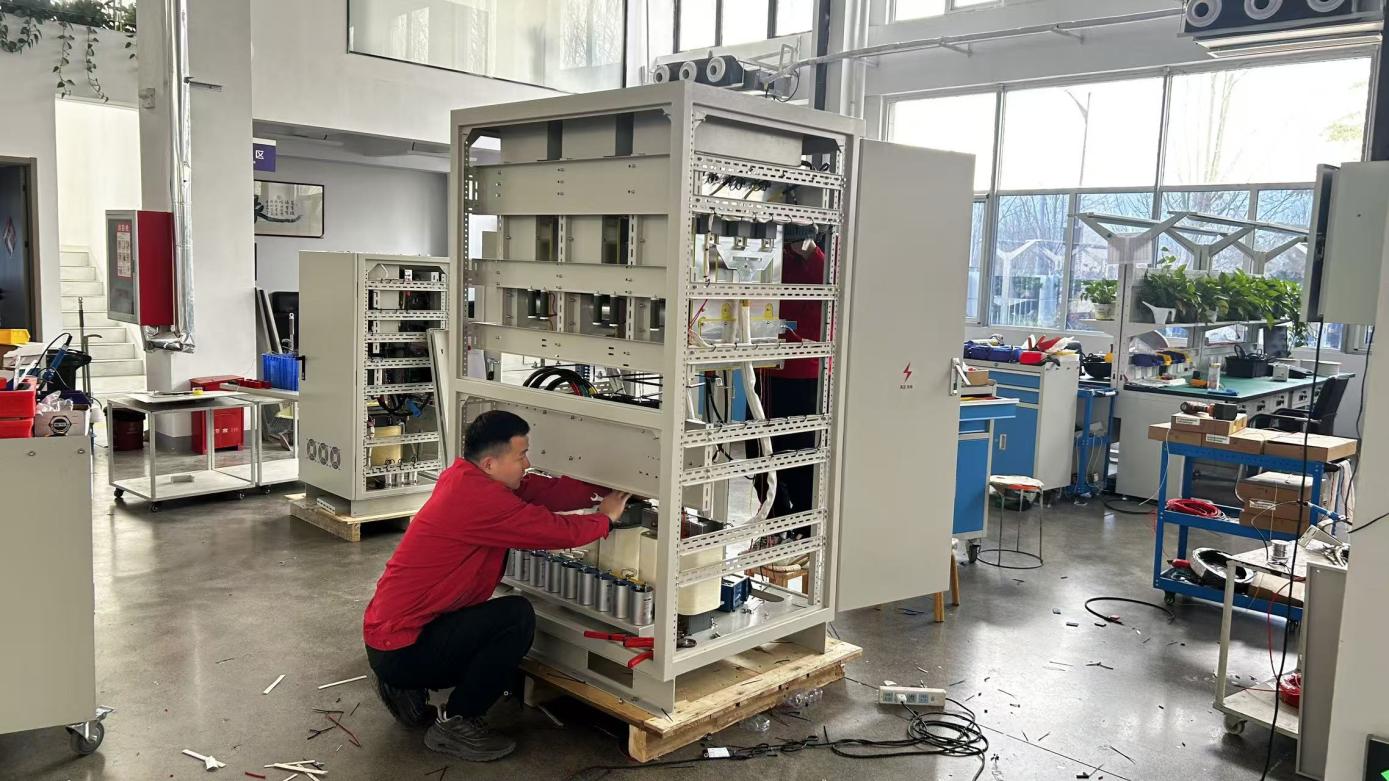
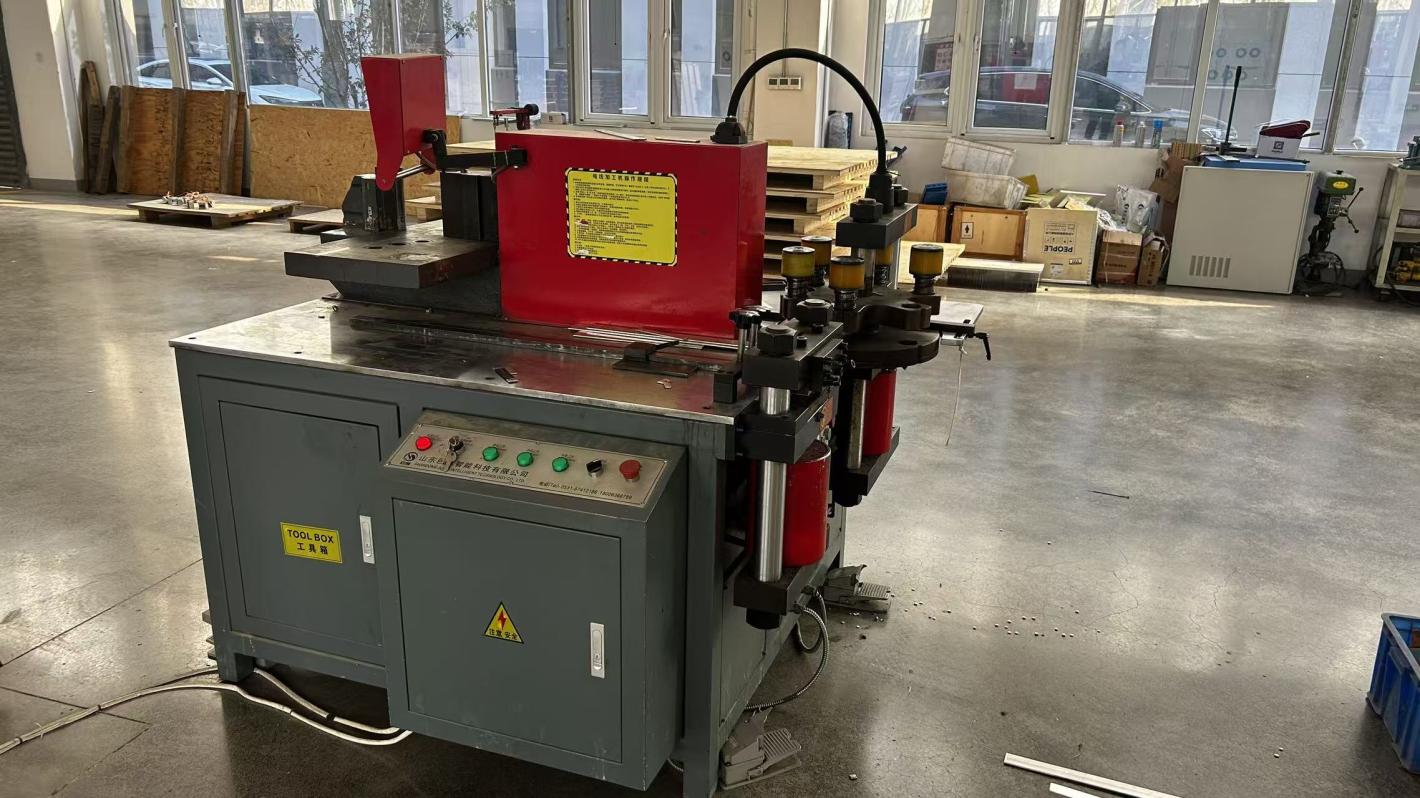
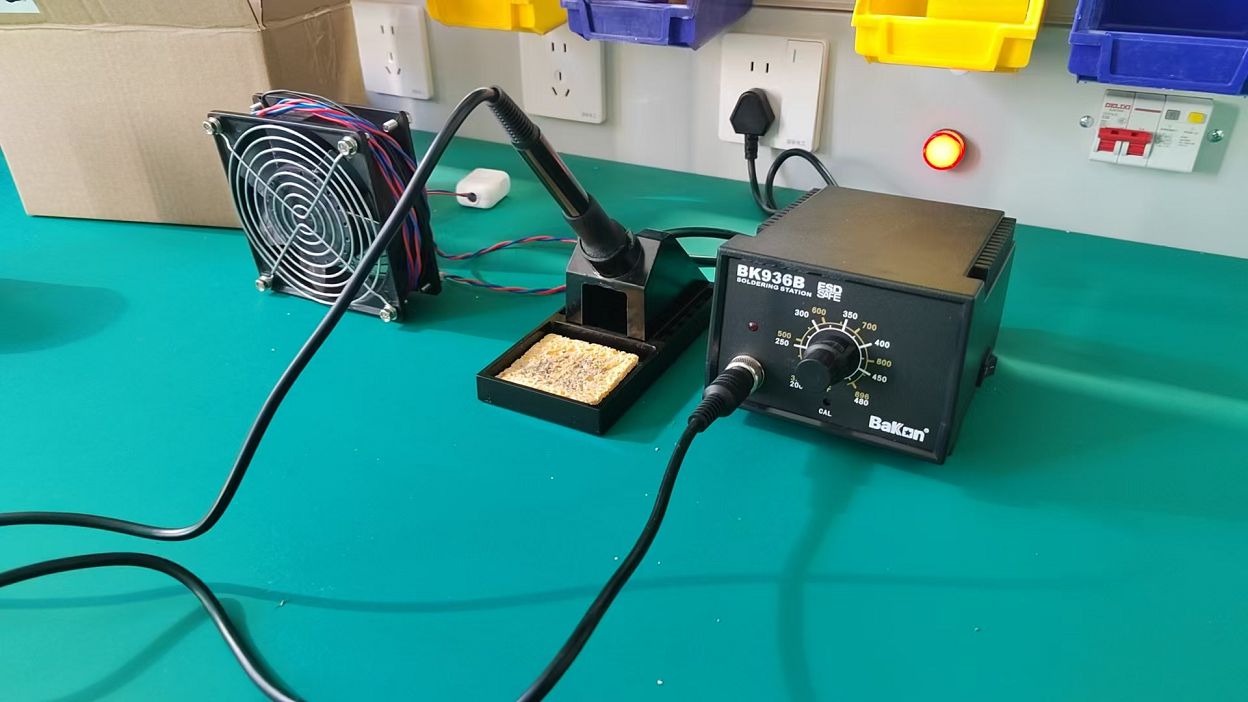
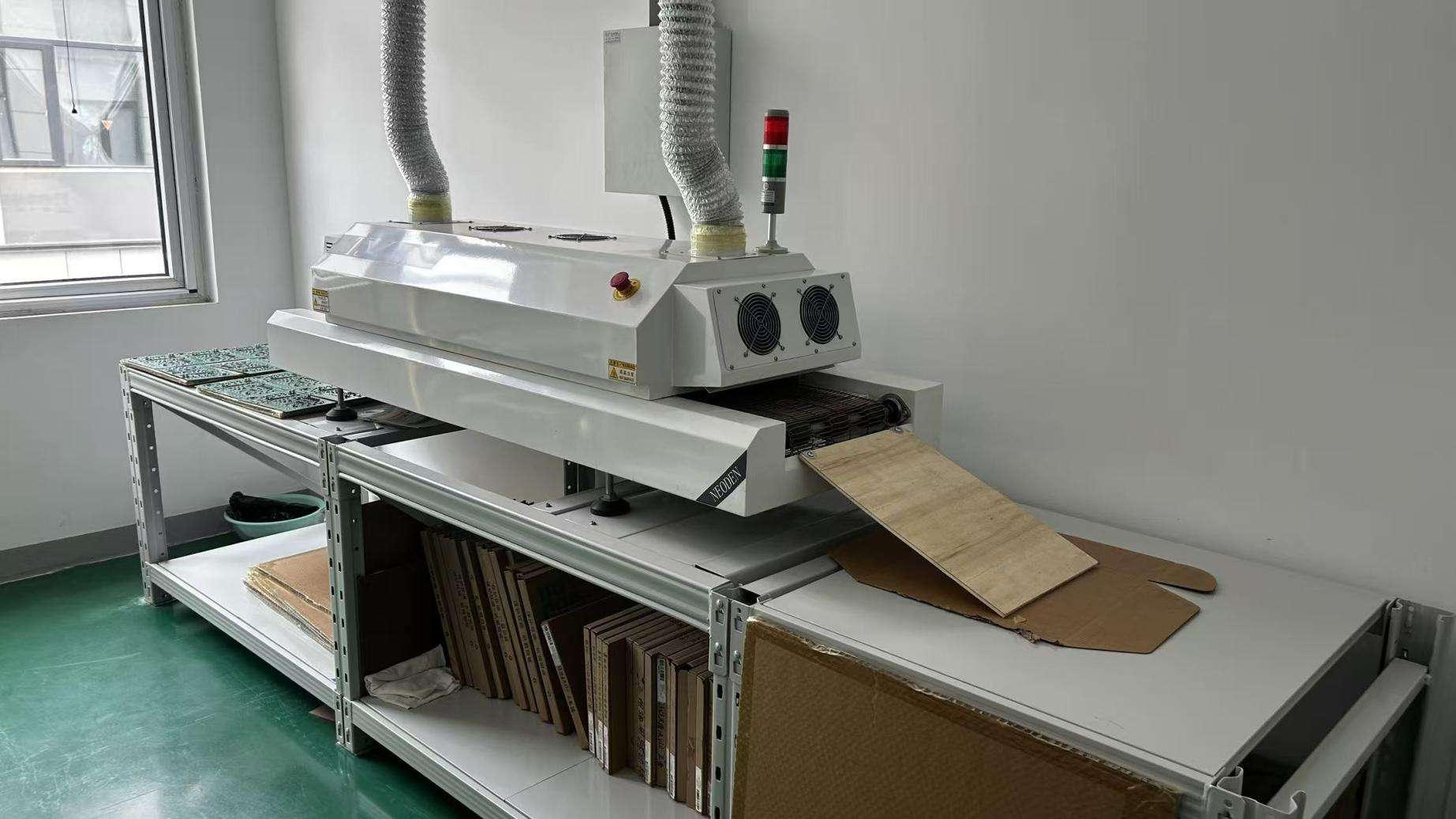
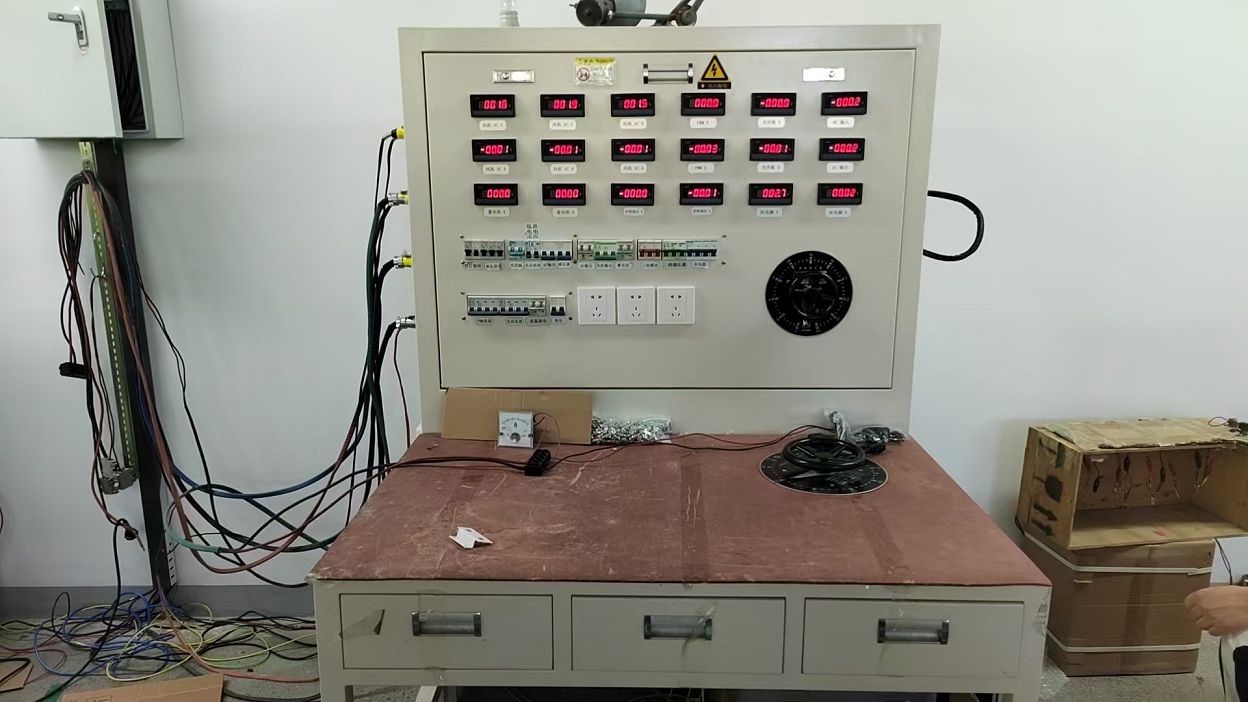
At Jinan Deming, we handle all critical processes under one roof. Our facilities are equipped with precision reflow soldering machines, automated copper bar production systems, and advanced PCB testing stations. This vertical integration reduces the risk of sub-component quality drift and optimizes production speeds, allowing us to ship highly customized 600kW frequency controllers and 1000kVA shore power converters with short lead times.
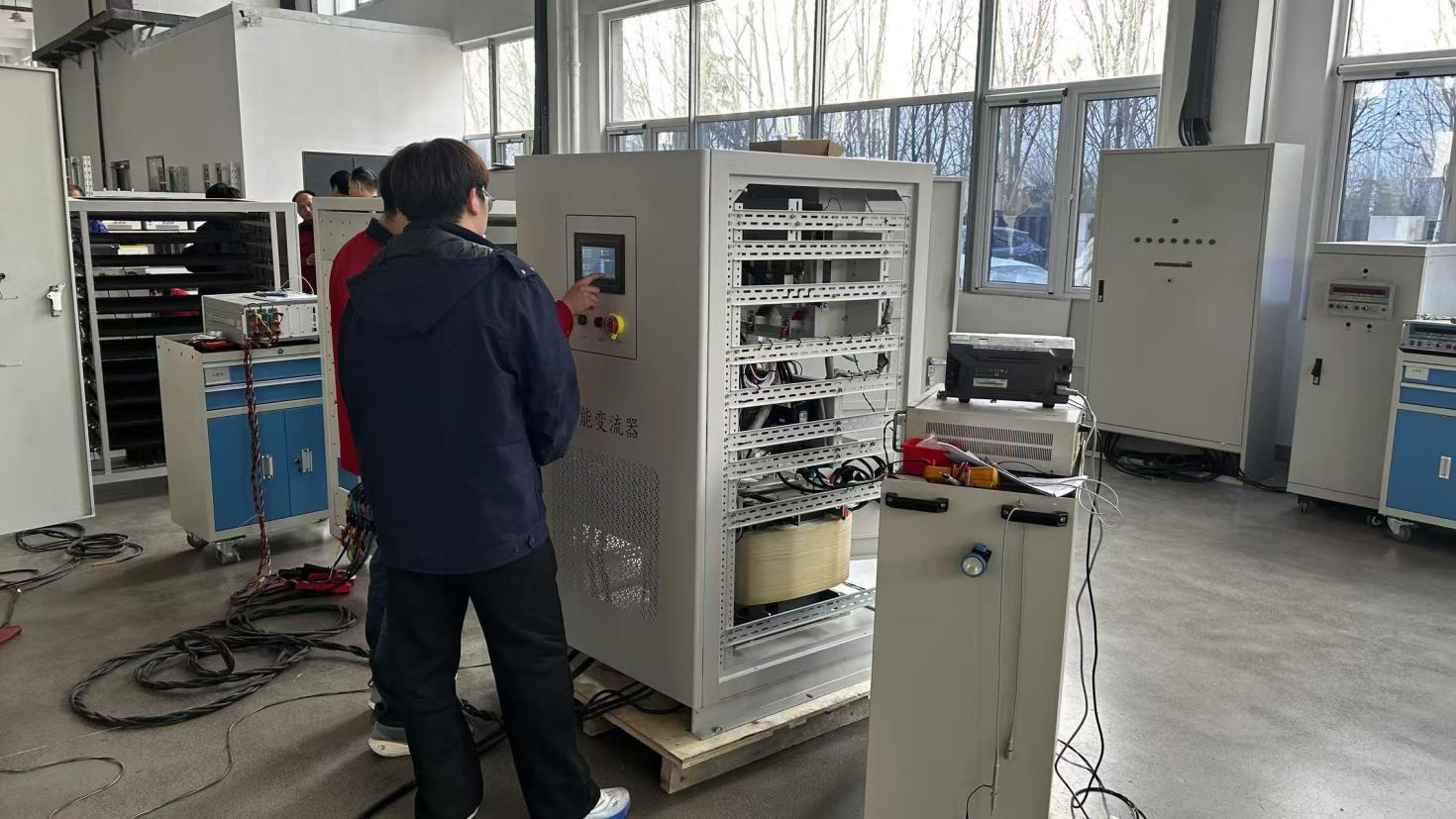
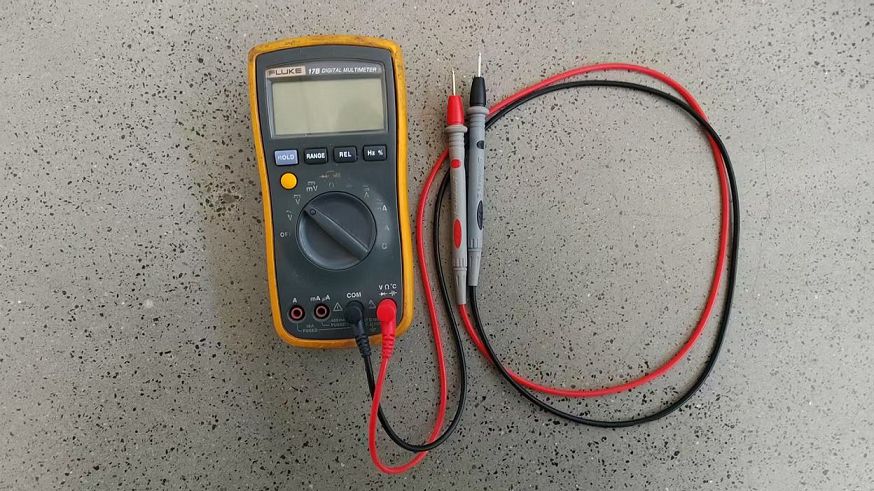
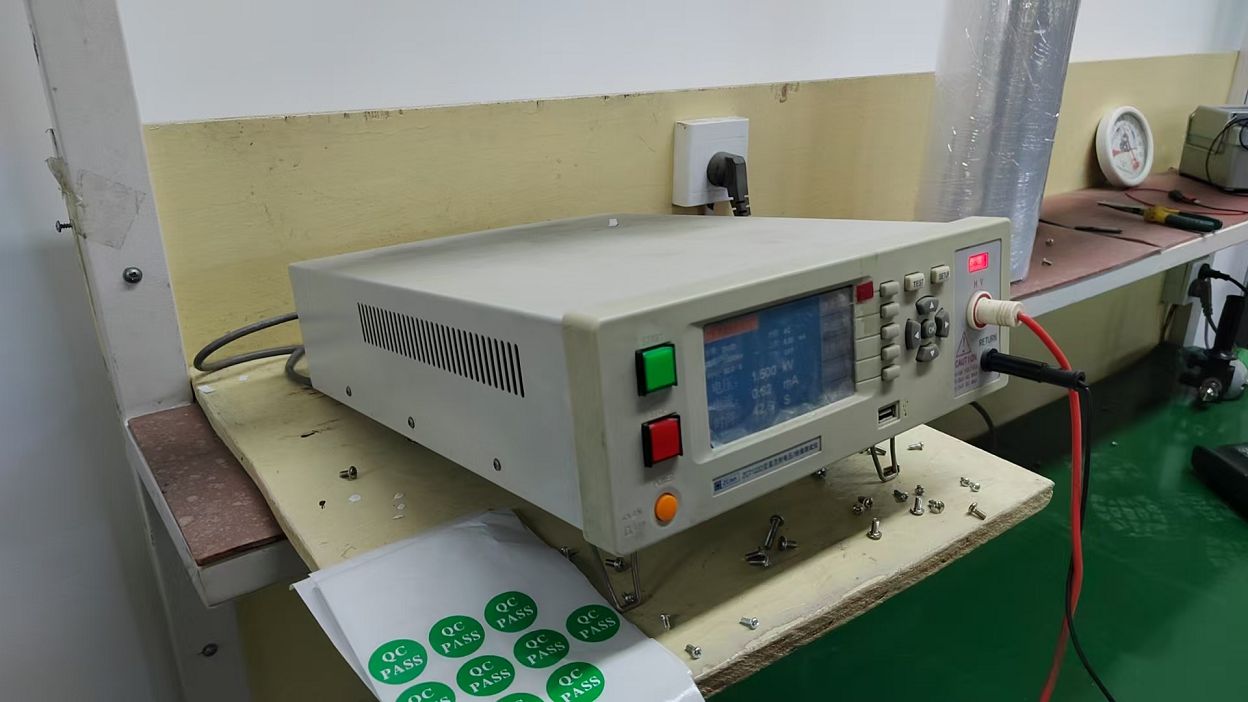
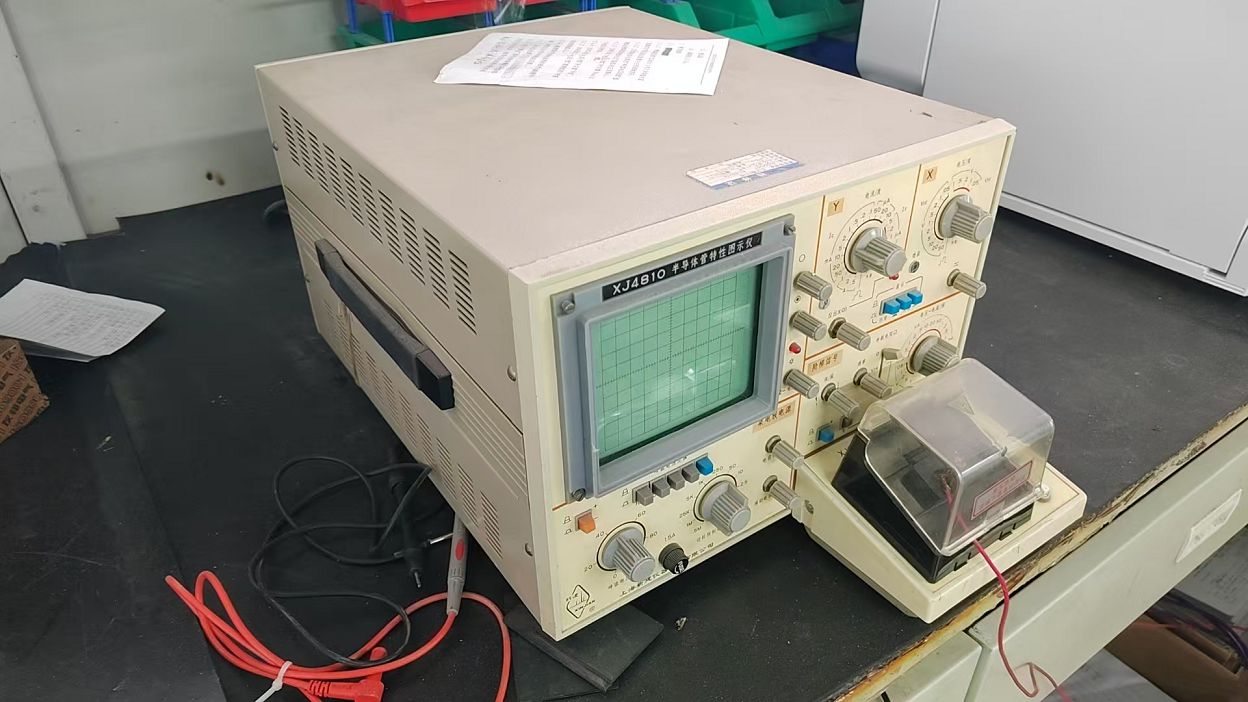
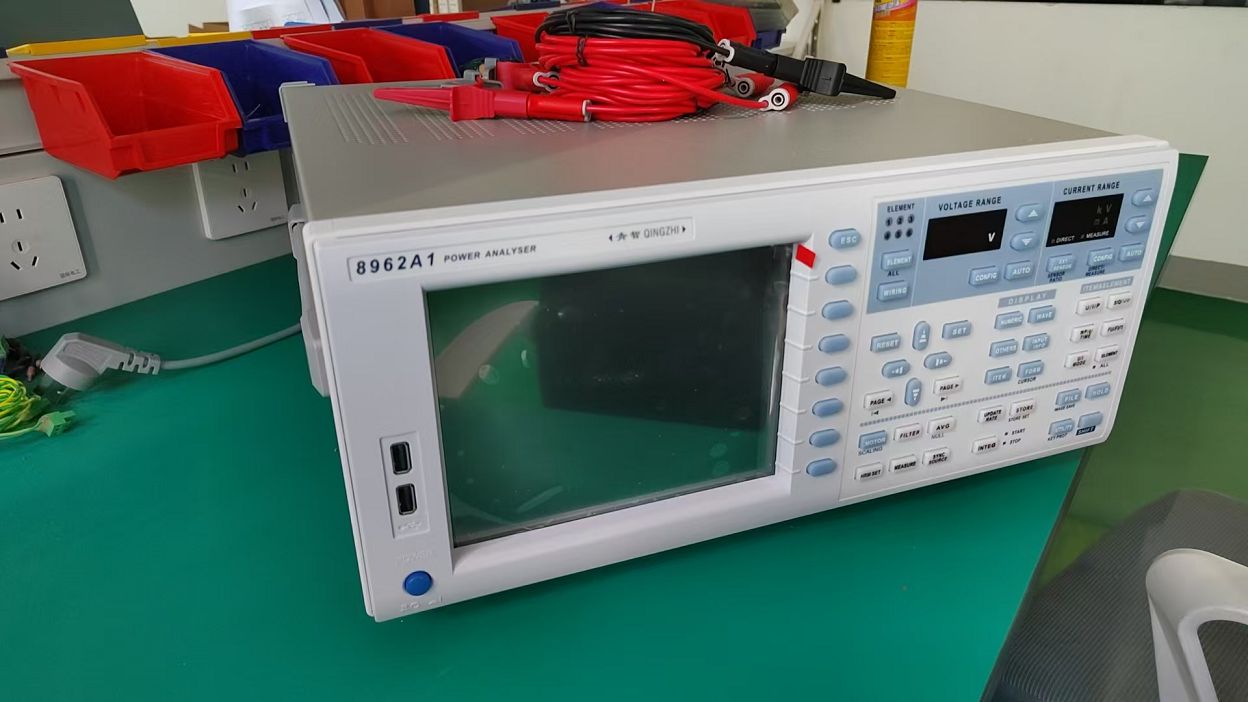
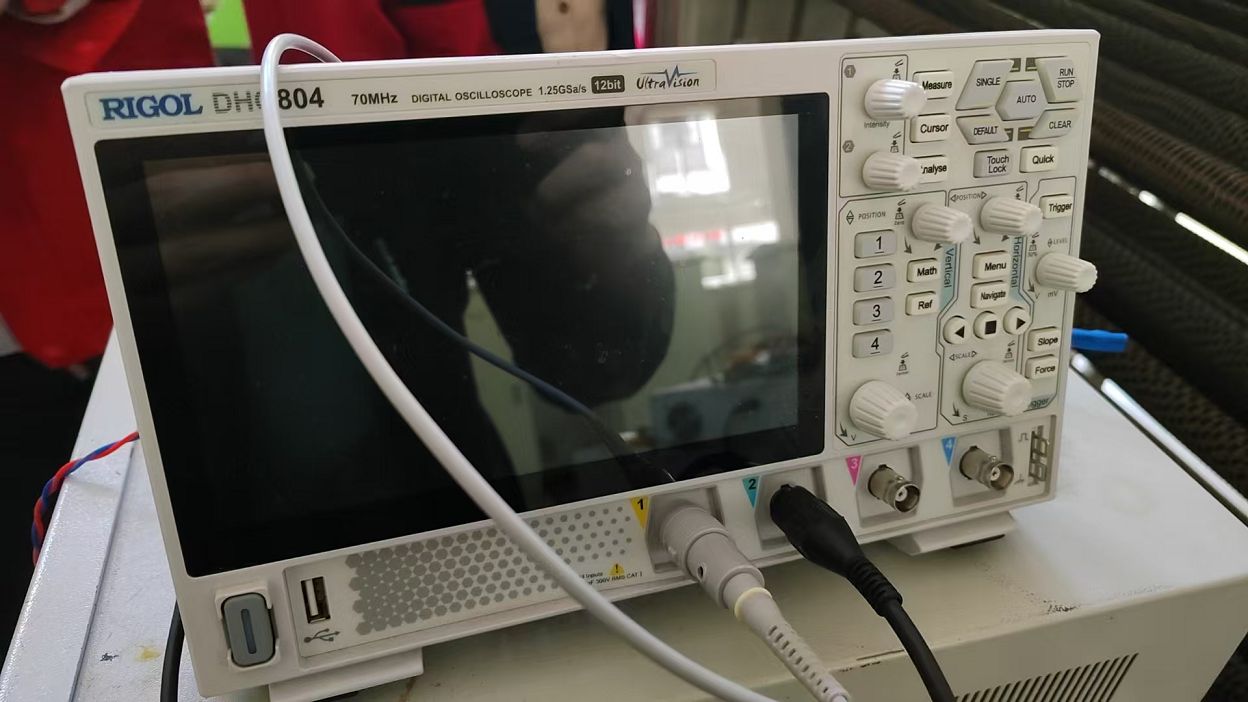
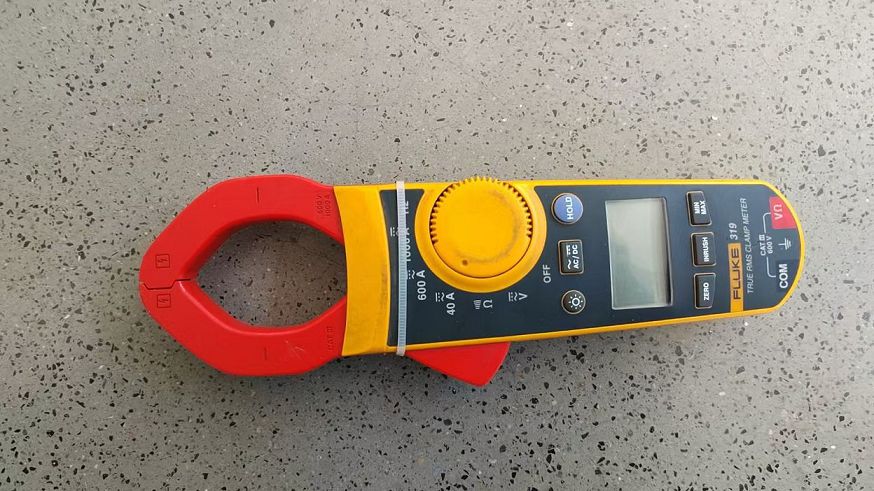
Our rigorous quality control framework uses high-grade instrumentation at every stage of production. From initial component checking with LCR AutoTesters and Semiconductor Characteristic Plotters to complete system validation using Digital Oscilloscopes and Power Quality Analyzers, every device is thoroughly tested to prevent field failures.
Global utility operators and industrial businesses require strict adherence to local grid codes, international safety certificates, and reliable localization support.
Our converters comply with strict international standards, including IEEE 1547, UL 1741, CE, and European grid codes. We offer integrated low-voltage ride-through (LVRT) capabilities and precise active/reactive power control to maintain grid stability.
Whether deployed in coastal ports, offshore wind farms, or high-altitude hydro installations, our systems are designed with custom enclosures (up to NEMA 4X / IP65), anti-condensation heaters, and forced convection or liquid cooling systems.
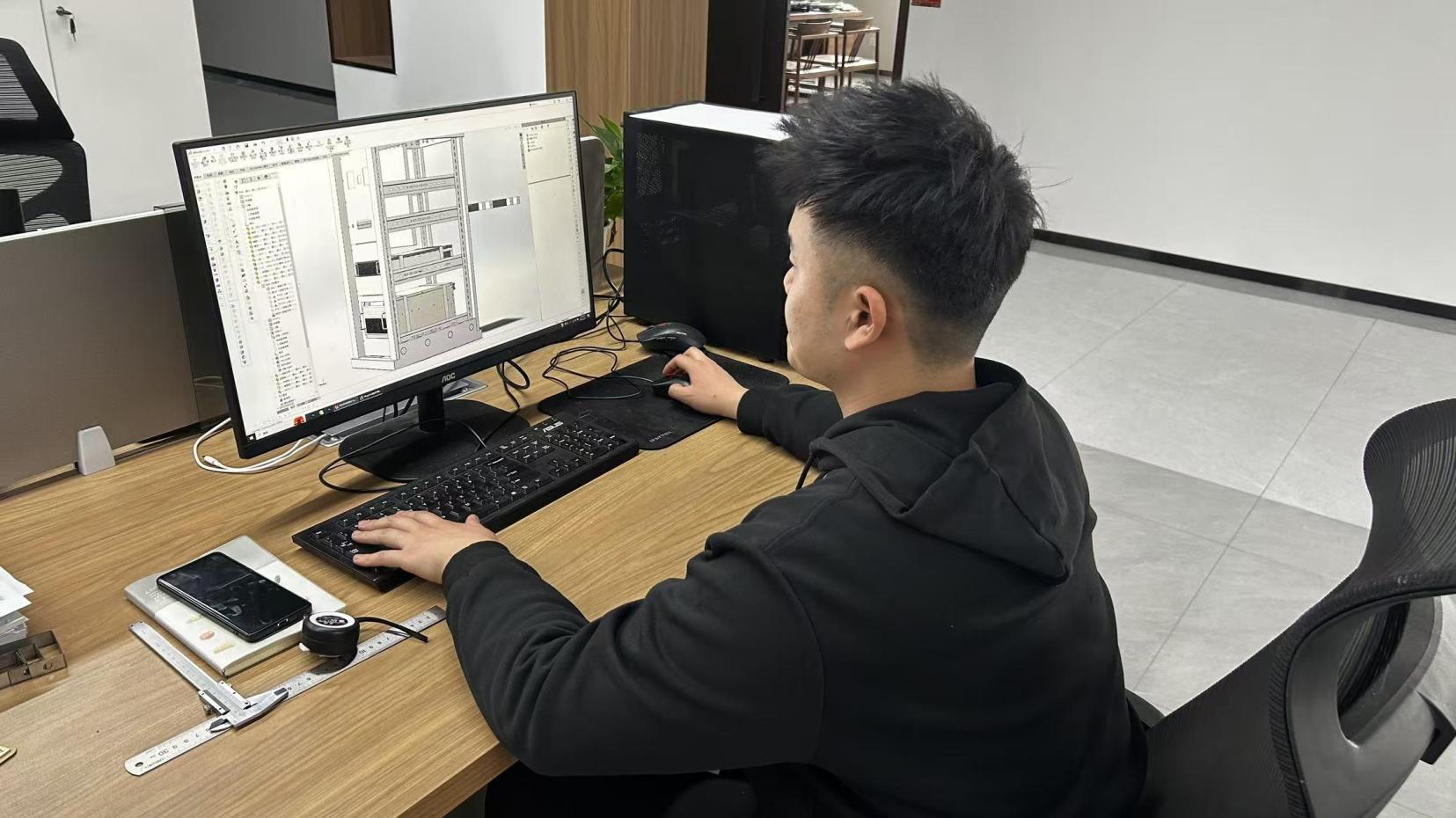
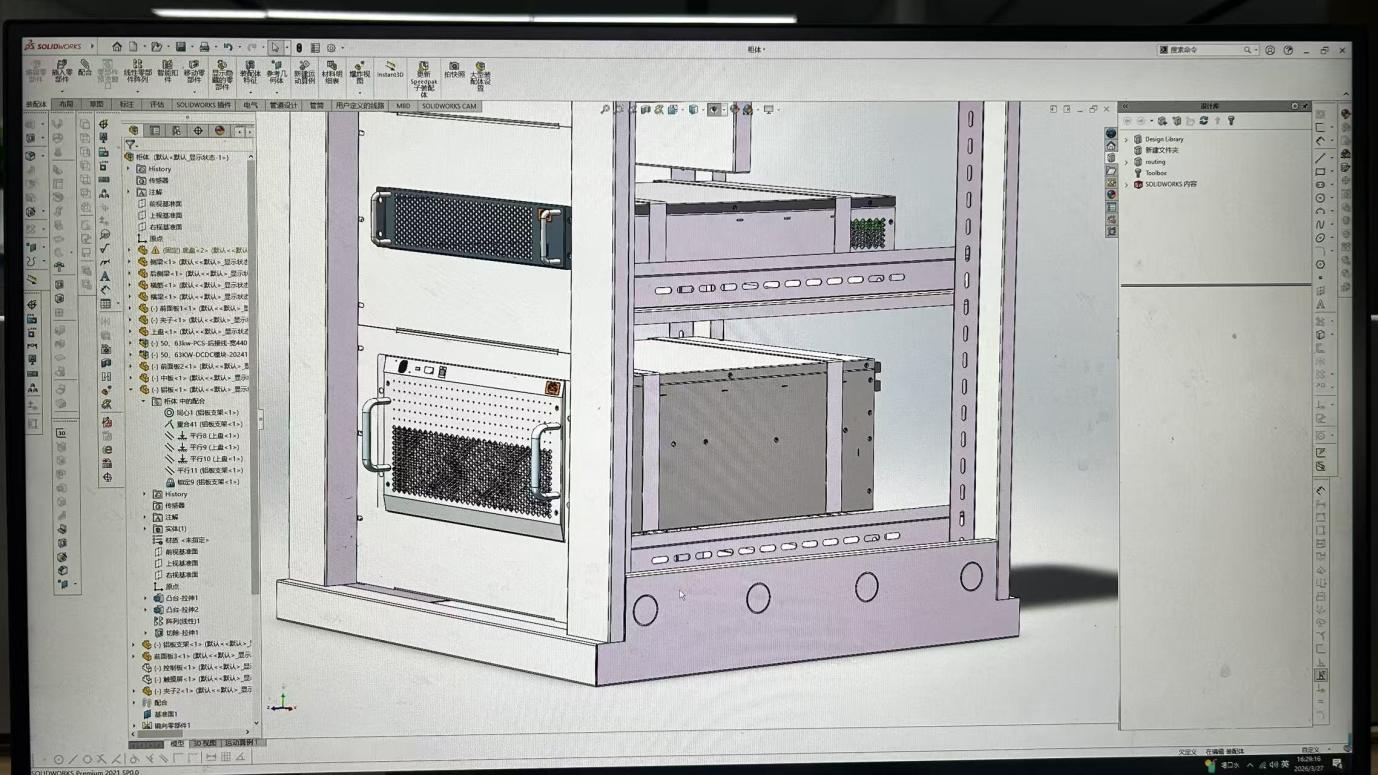
We provide comprehensive engineering services, from initial system sizing and design validation to remote system commissioning. Our 16-member R&D team provides direct engineering support to simplify system integration.
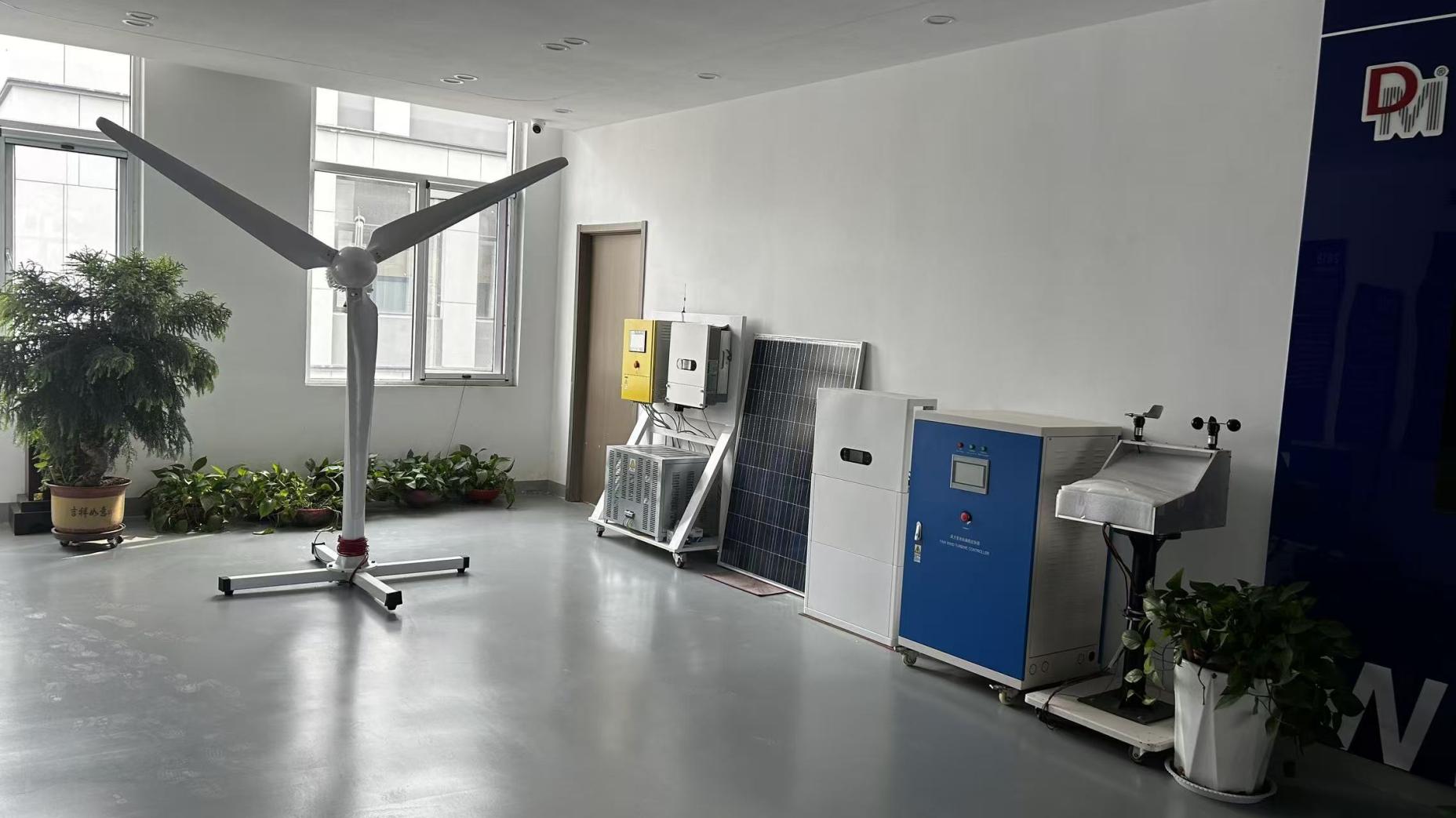
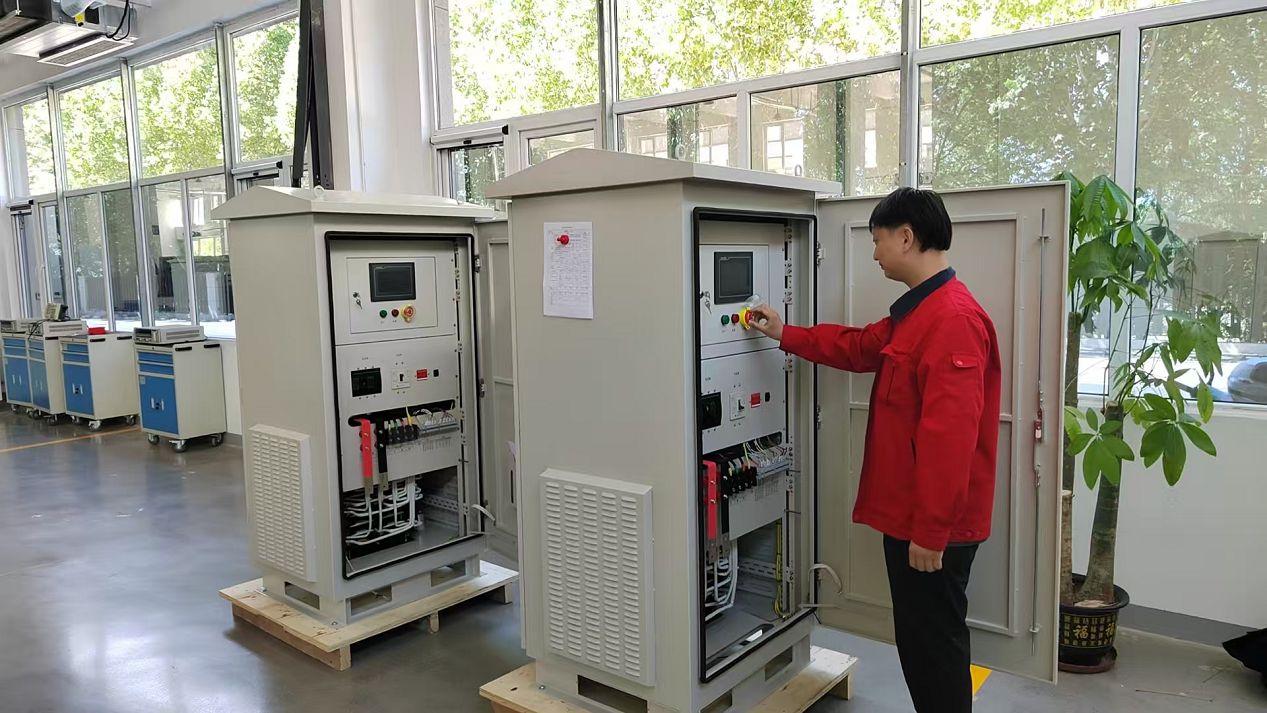
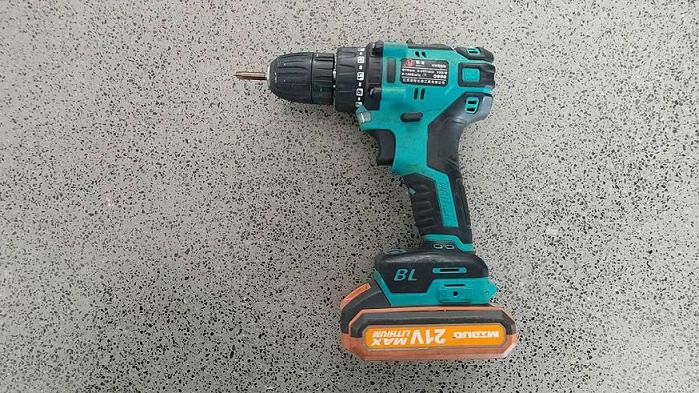
Our facility integrates advanced assembly lines, specialized production equipment, and state-of-the-art testing instrumentation to ensure optimal product quality and reliability.
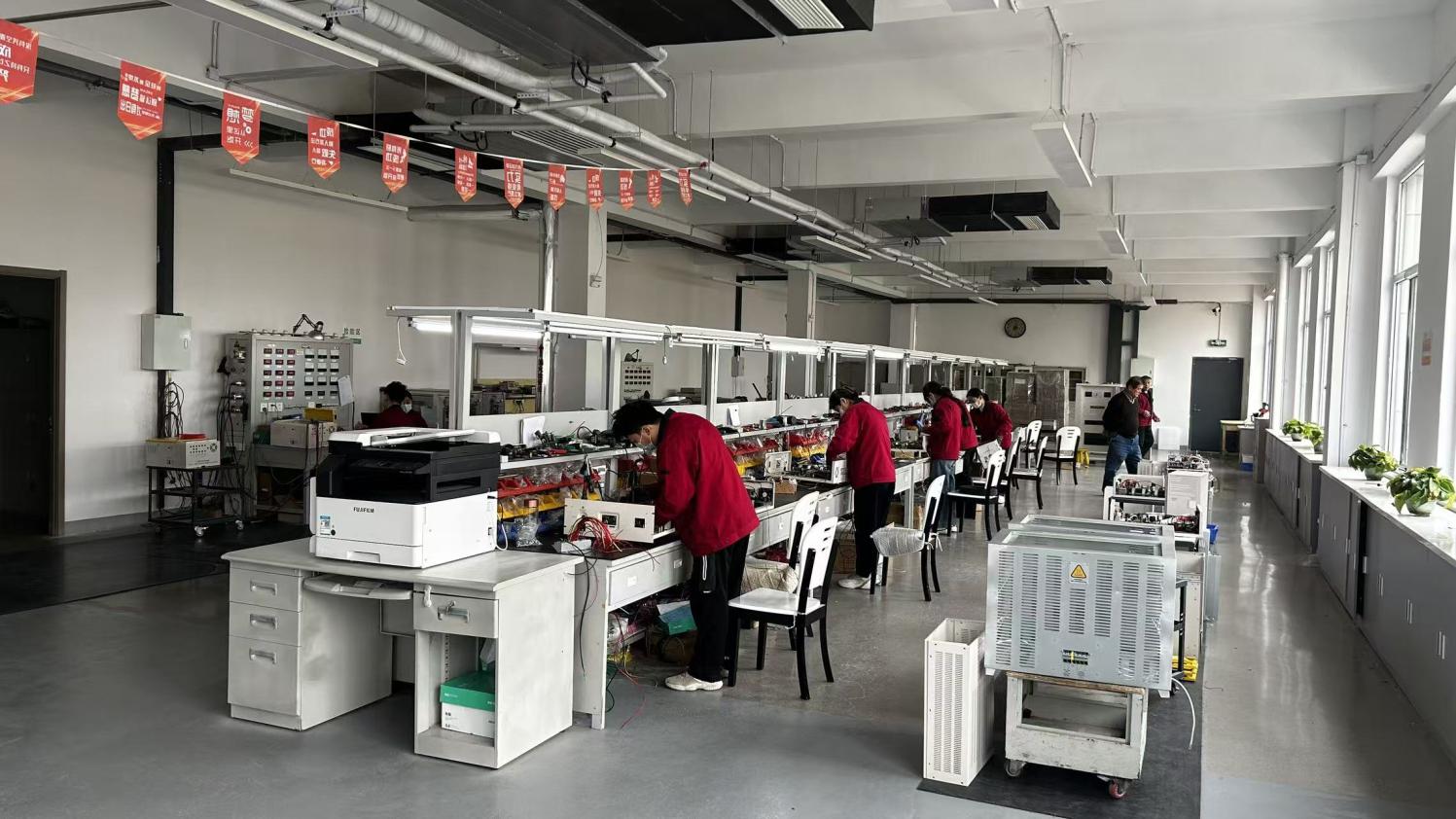
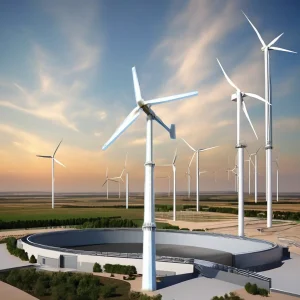
The global power sector is transitioning from centralized, high-inertia fossil fuel generation to distributed, low-inertia renewable systems. Permanent Magnet Generators are a key technology in this transition. Direct-drive configurations are replacing geared systems in wind turbines to improve reliability, while micro-hydro facilities use PMGs to capture energy from low-head water resources.
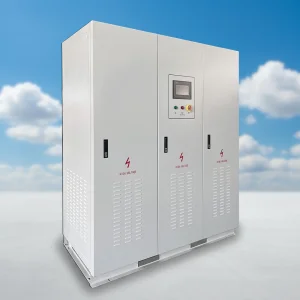
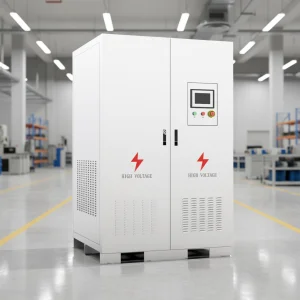
Integrating PMGs into local microgrids requires bidirectionality. Deming's 300kW Battery Energy Storage PCS Bidirectional Converters manage energy transfer between batteries, PMG prime movers, and local loads, maintaining grid stability.
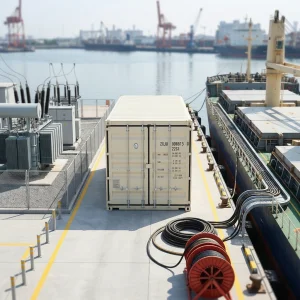
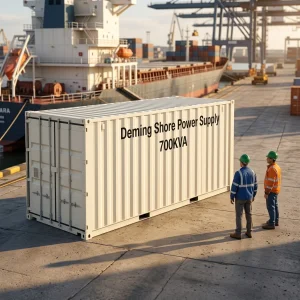
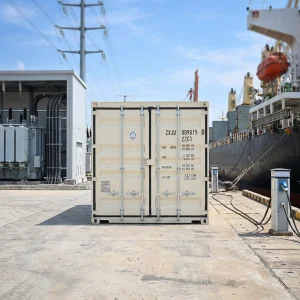
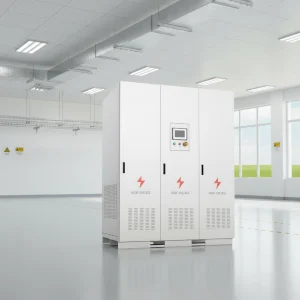
Commercial ships run auxiliary diesel engines while docked, emitting significant carbon. Modern ports use shore-to-ship power converters to supply clean electricity. Deming’s 500kW to 5000kW Shore Power Supply Systems convert local utility power (e.g., 50Hz) to ship-compliant power (e.g., 60Hz) with 96% efficiency.
Micro-hydro applications require reliable control systems that can handle seasonal water flow variations. Deming's 10KW Water Turbine Controller provides precise excitation management and voltage regulation, protecting generators from overspeed conditions.
Detailed technical answers to common integration questions regarding Permanent Magnet Generators, power conditioning, and system compliance.
High-power systems designed for grid integration, test bench simulation, and remote off-grid operations.
 Demin Power