Explore our high-performance power conversion devices engineered for smart grids, renewable energy generation, and utility-scale energy storage applications.
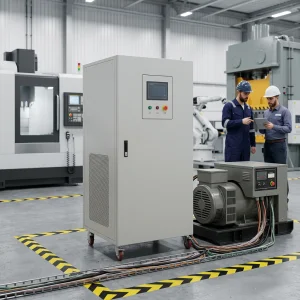
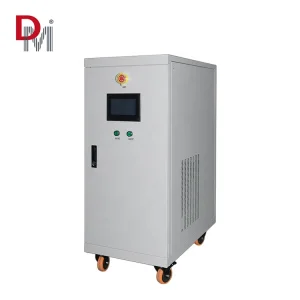
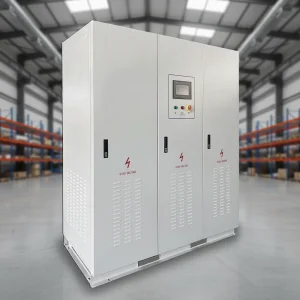
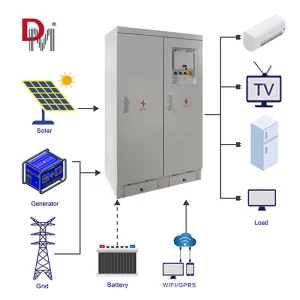
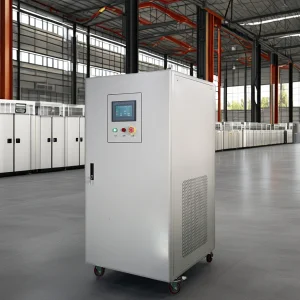
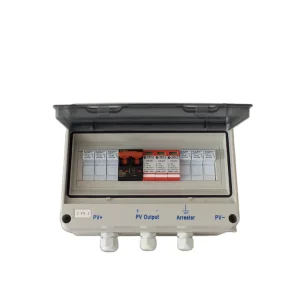
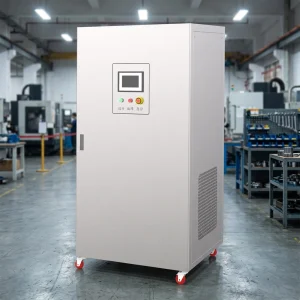
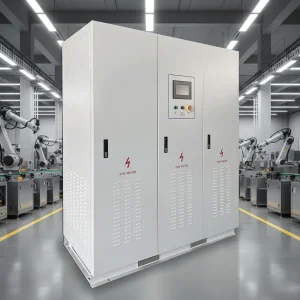
A comprehensive analysis of bidirectional topologies, grid integration challenges, and efficiency optimization in megawatt-scale power systems.
In modern microgrids and decentralized energy landscapes, the deployment of robust DC-DC and AC-DC converters is crucial. Standard systems often fall short when resolving high-voltage fluctuations inherent in transient renewable sources like wind and solar. Modern utility infrastructure demands bidirectional topology that allows energy to flow dynamically between battery storage installations and active distribution networks.
By leveraging insulated-gate bipolar transistor (IGBT) configurations and emerging silicon carbide (SiC) semiconductor platforms, manufacturers achieve conversion efficiencies exceeding 99%. This minimize thermal losses, resulting in smaller system footprints and longer operation lifecycles. High-capacity bidirectional conversion systems function not only as power routers but also actively assist in voltage regulation, reactive power injection, and harmonic distortion control.
Jinan Deming Power Equipment Co., Ltd., founded in 2004, is a national high-tech enterprise at the forefront of China's industrial power electronics sector. Deming's core focus spans the design, development, and manufacture of wind and solar charge controllers, grid-tie/off-grid inverters, frequency converters, and heavy-duty bidirectional DC test power supplies (ranging from 150kW to 500kW).
Unlike assembly-only plants, Deming maintains a dedicated 16-engineer research division led by academic doctoral supervisors and master's degree holders. Reinvesting at least 20% of annual revenue directly back into R&D has driven 17 advanced development projects over the past three years. This translated into 16 proprietary technological innovations commercialized for international export markets.
"Our commitment to high-frequency switching design, sophisticated thermal modeling, and rigorous testing protocols ensures that every converter cabinet leaving Jinan Deming performs optimally under harsh conditions—from deep-sea marine ports to arid, high-altitude solar farms."
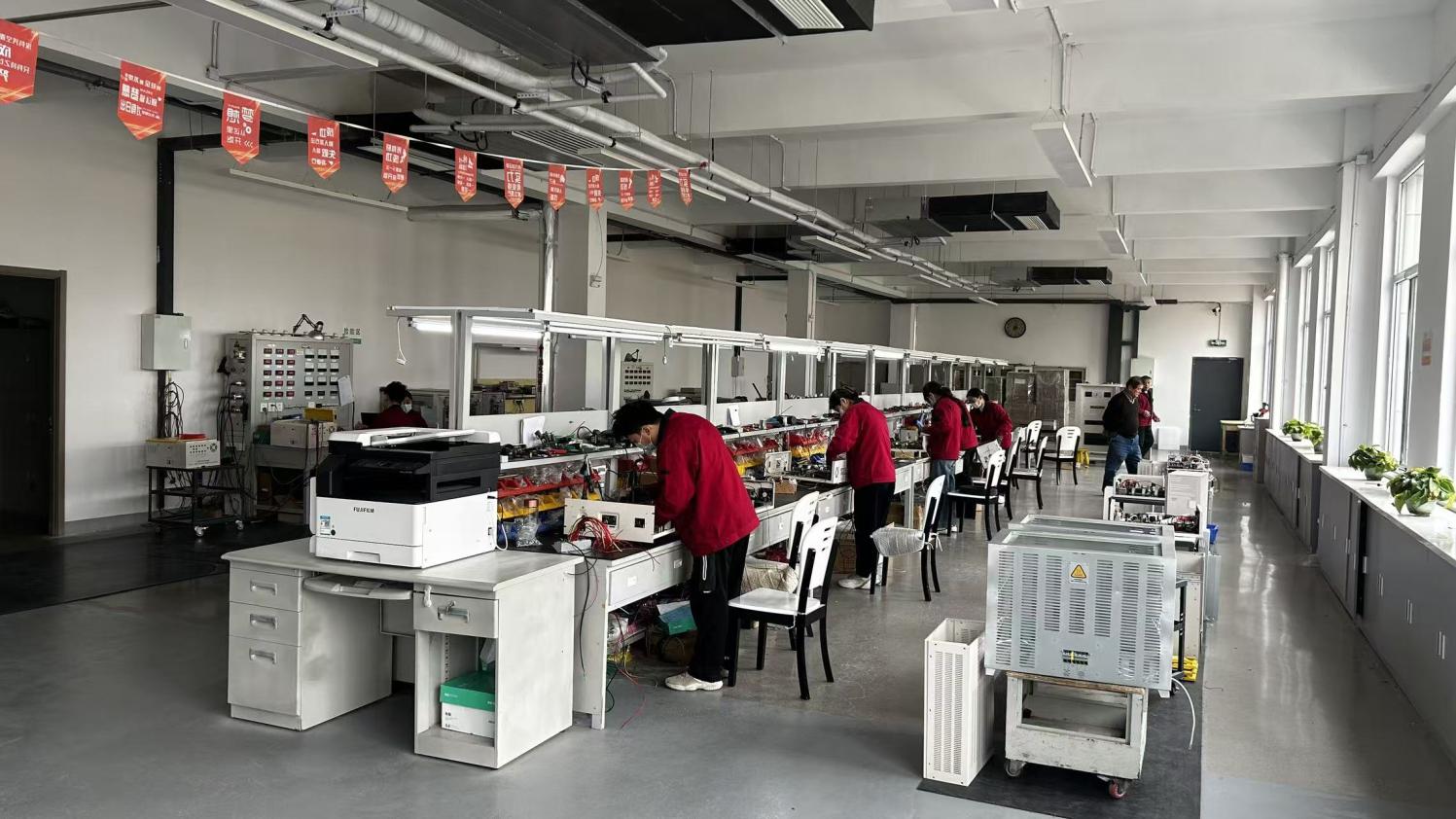
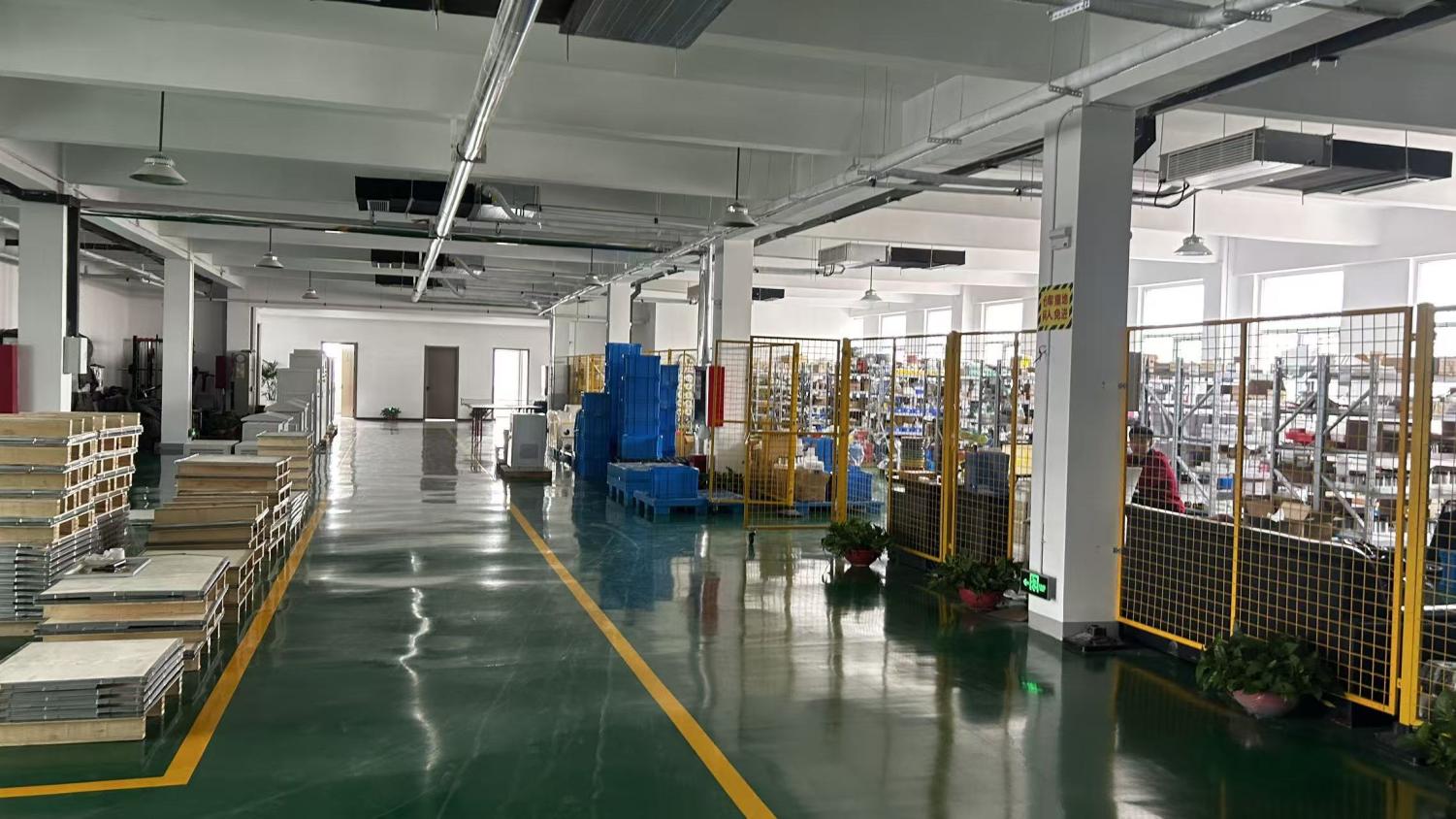
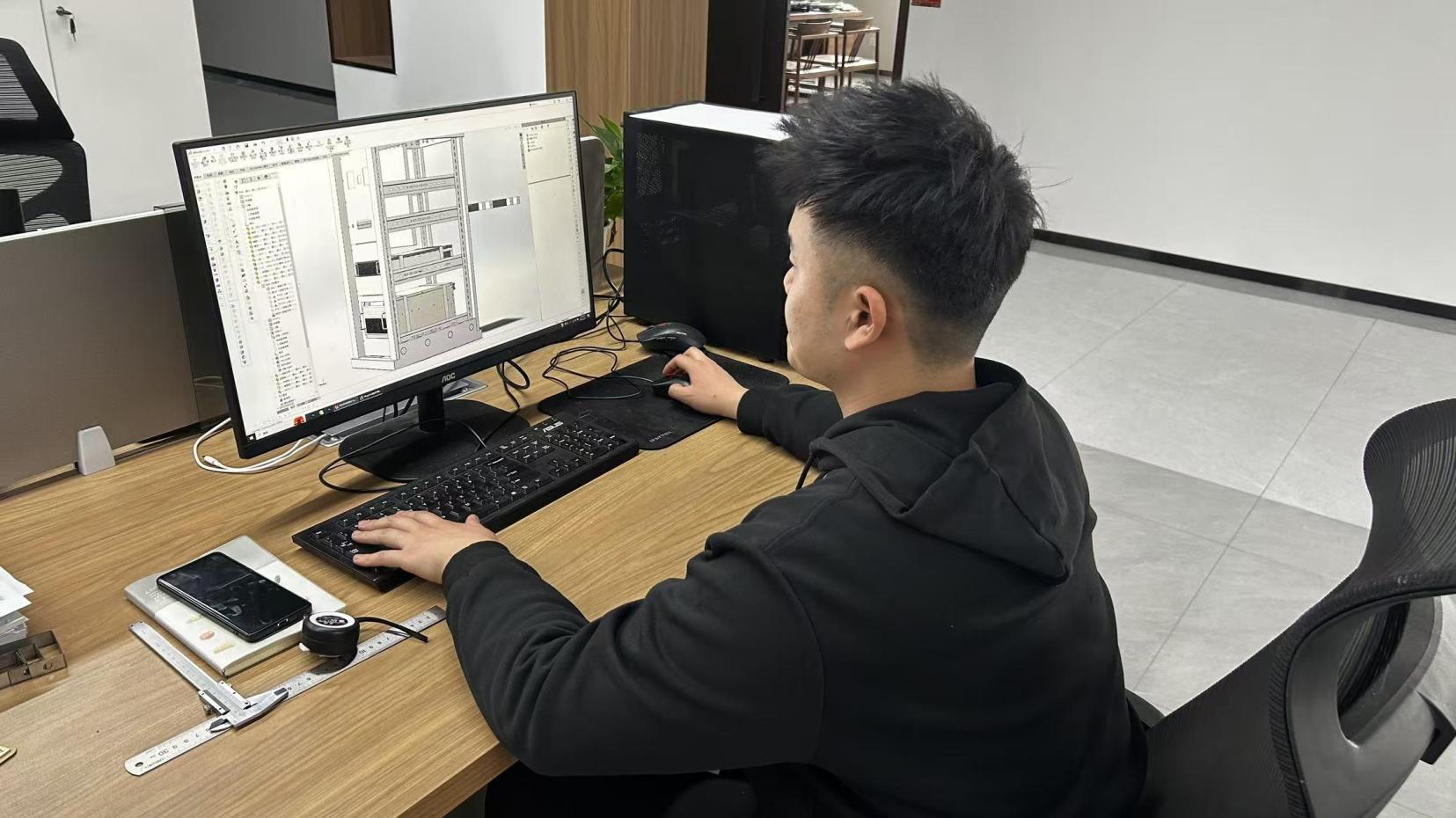
Observe the specialized manufacturing workflow, assembly precision, and multi-tier quality control systems inside our ISO9001:2015-certified facility.
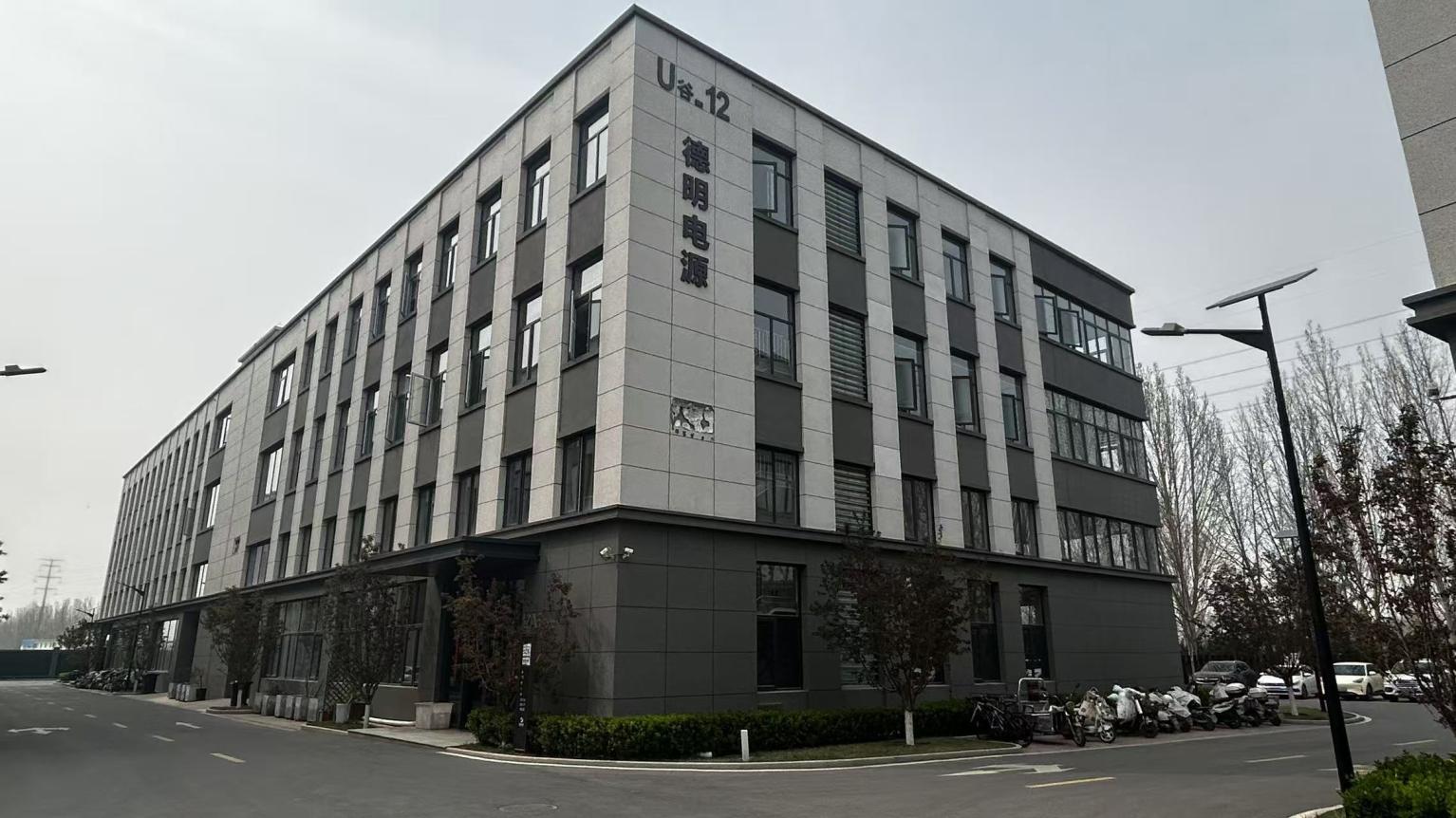
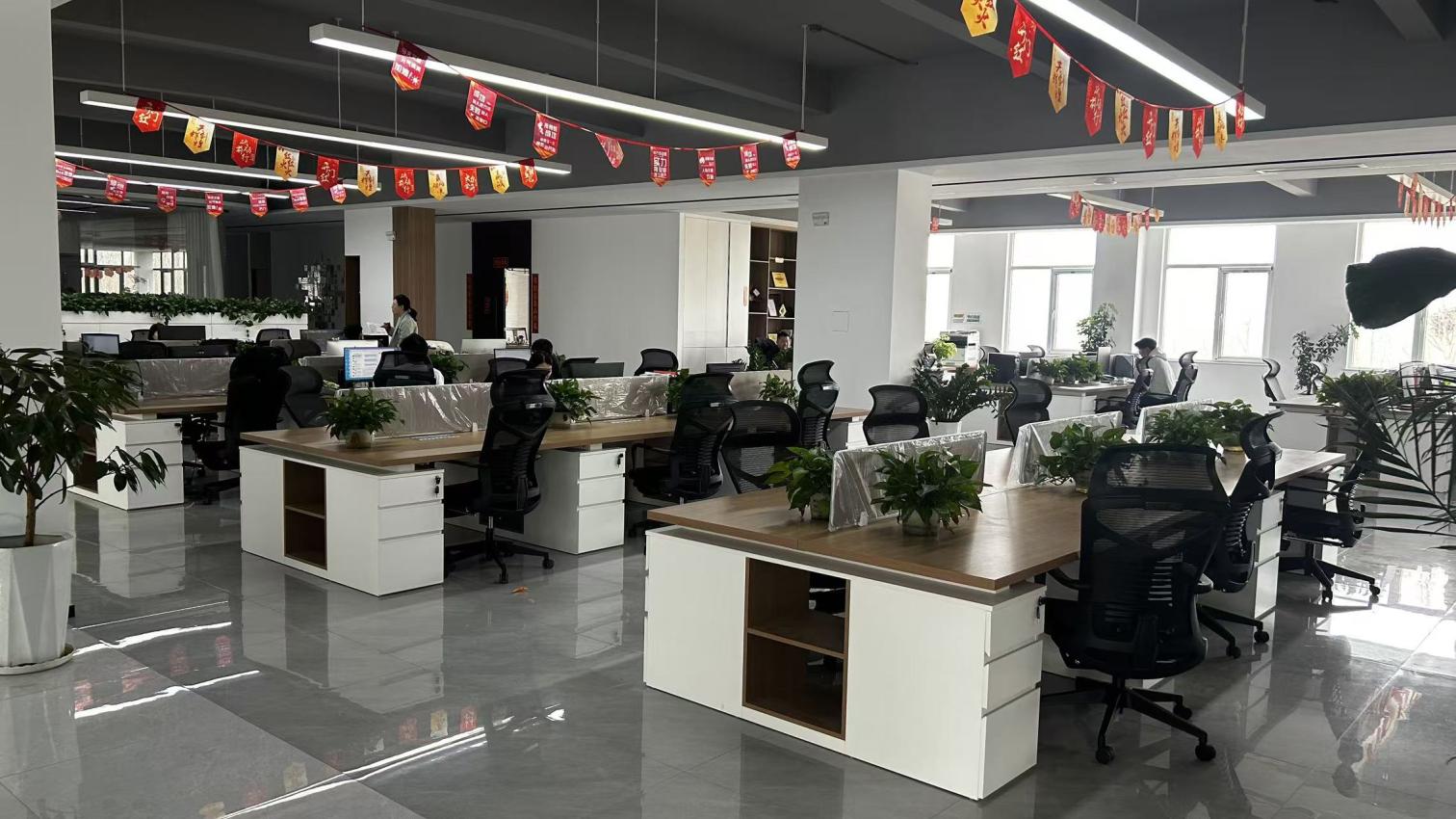
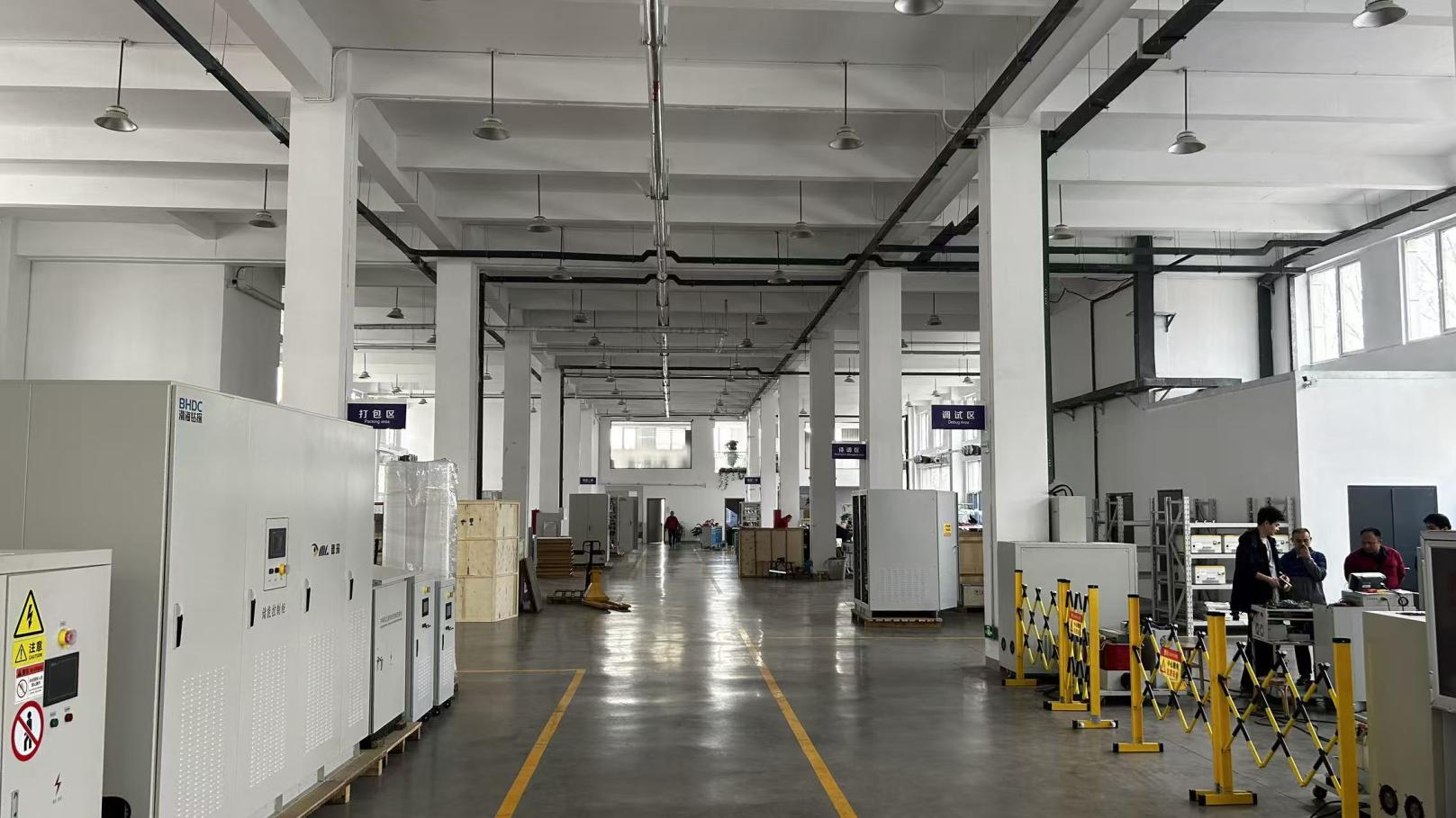
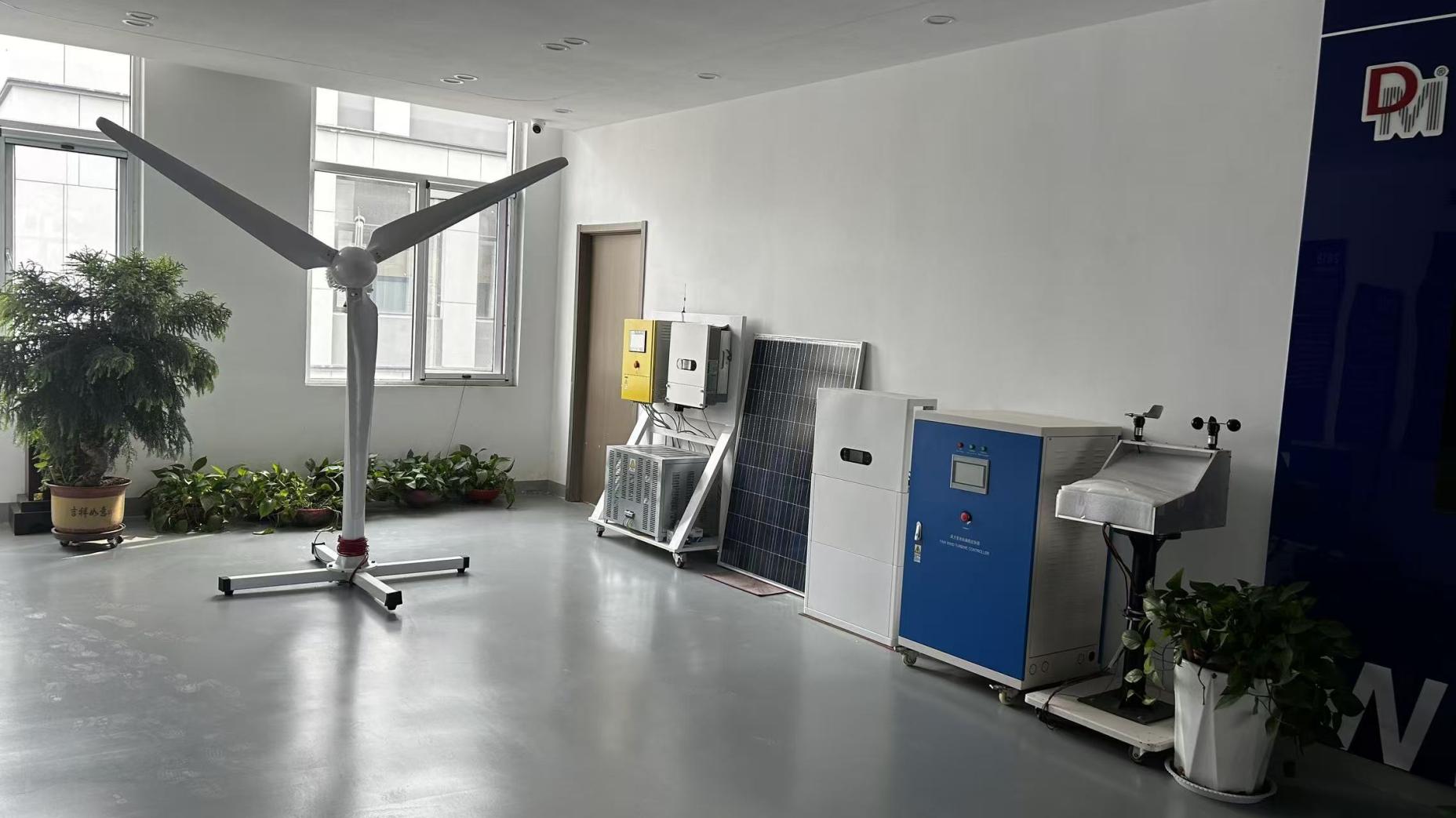
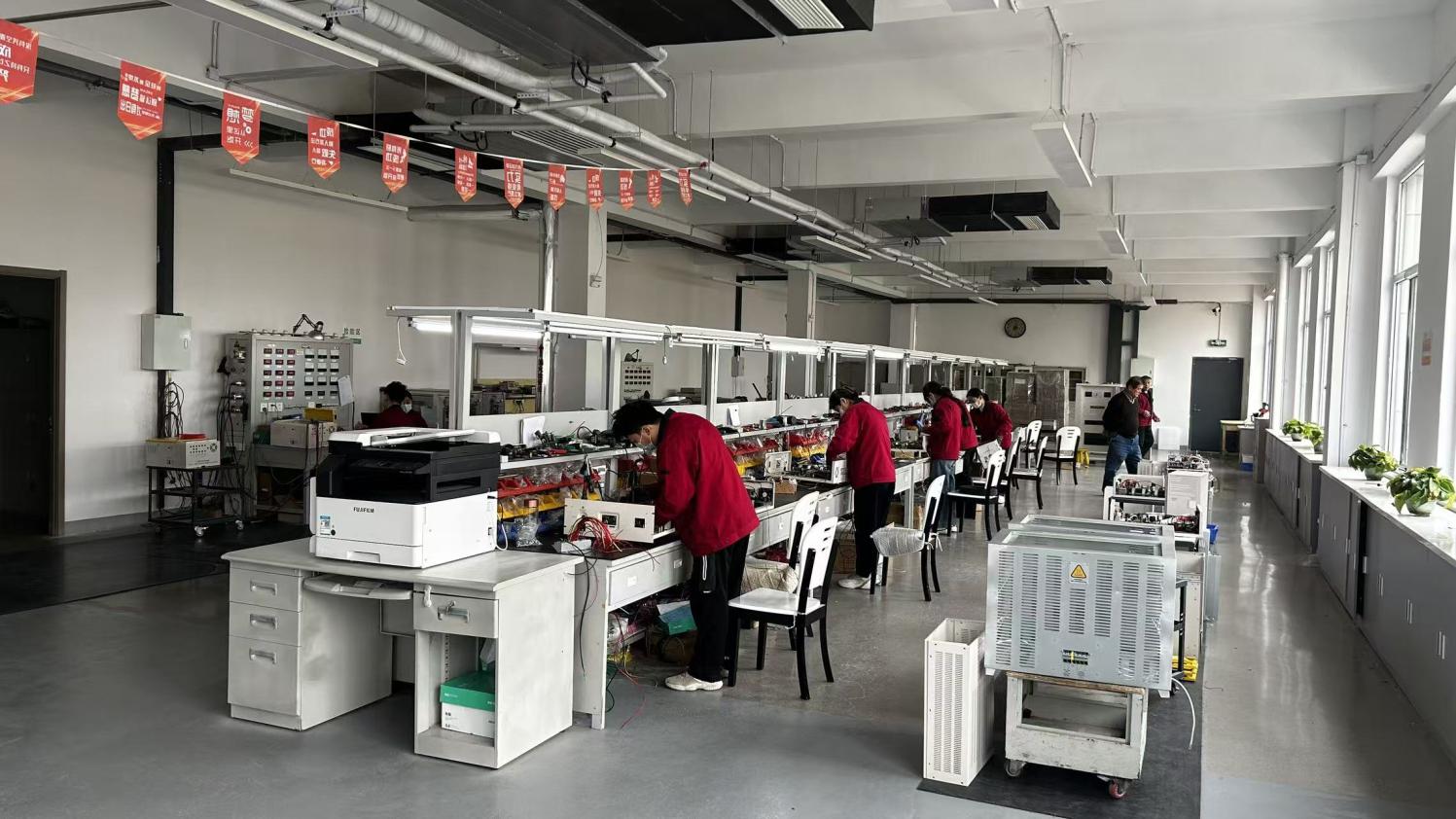
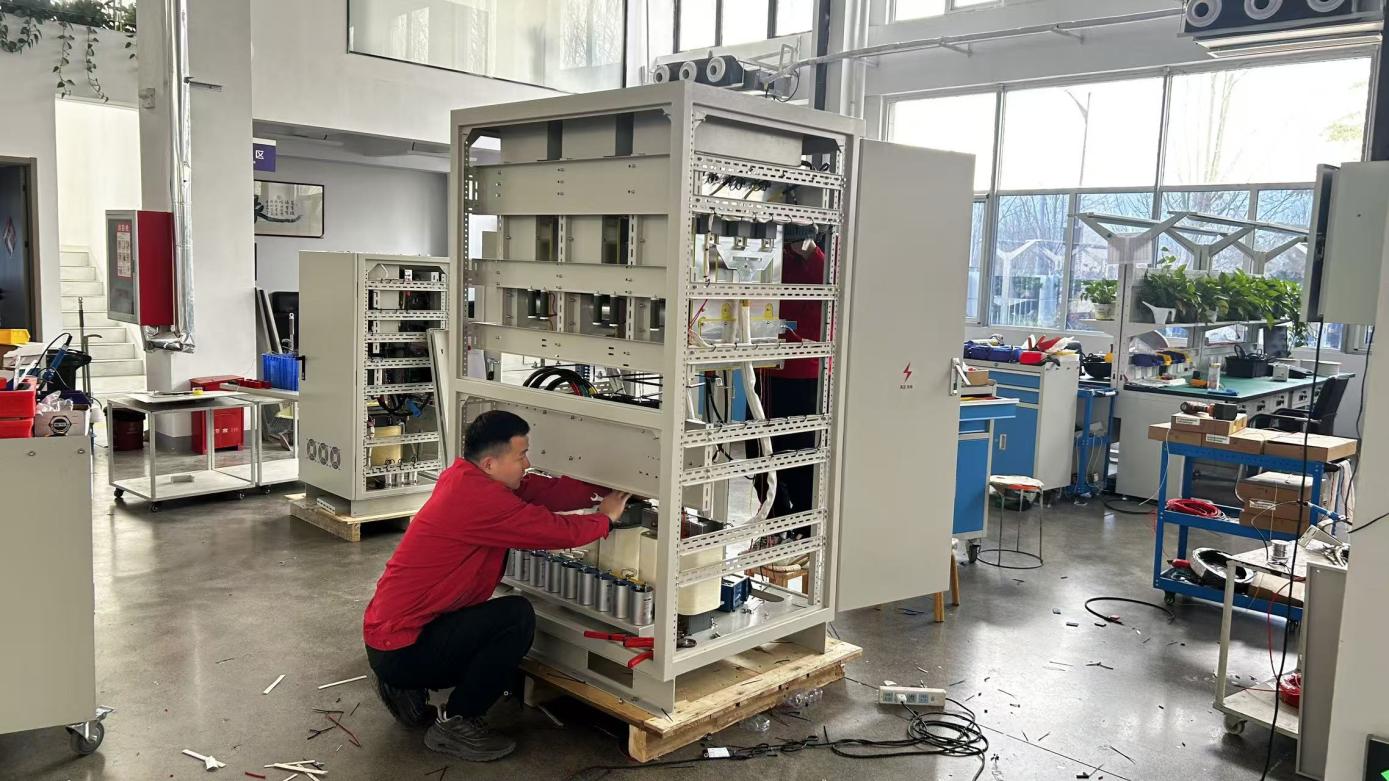
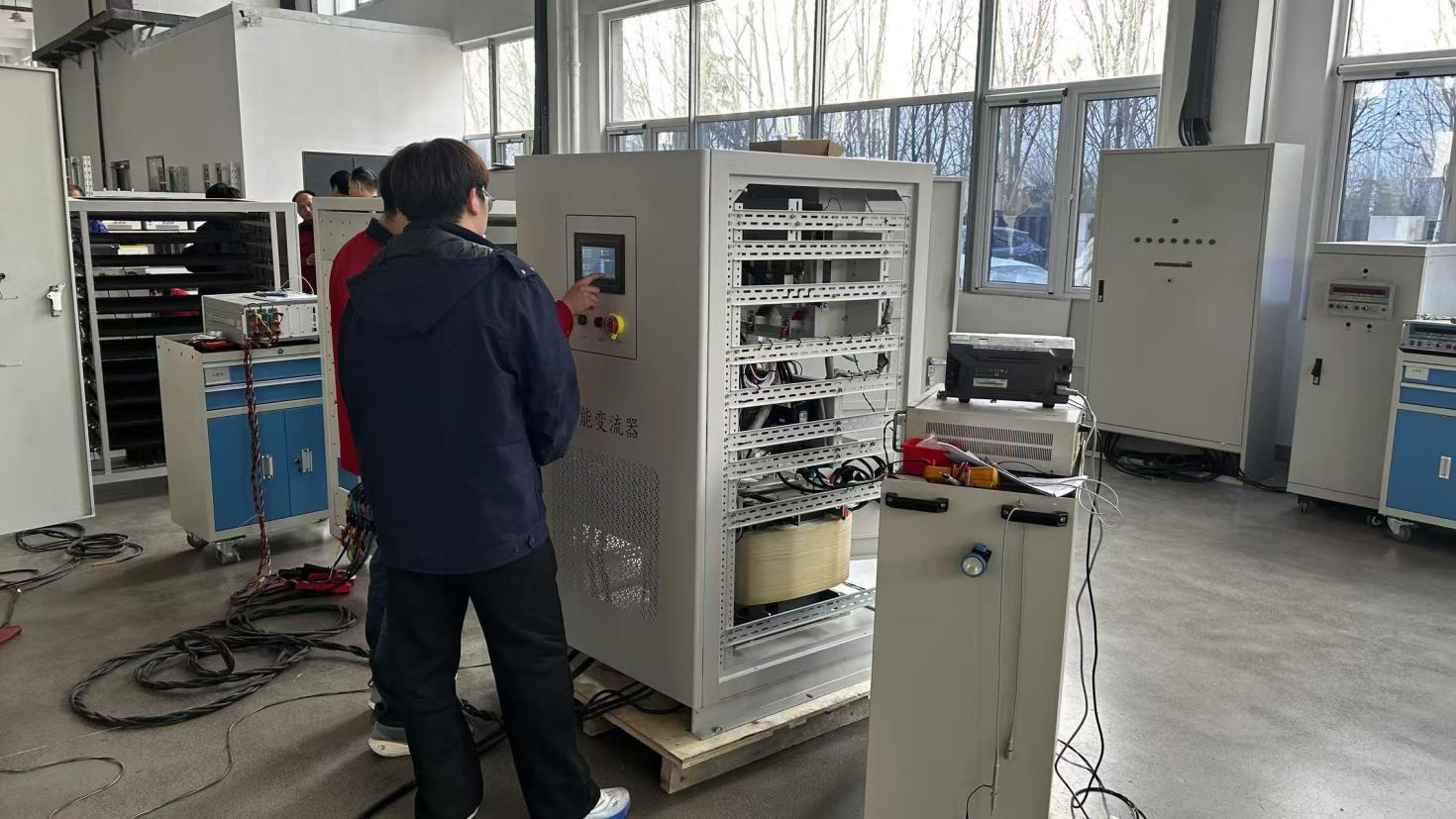
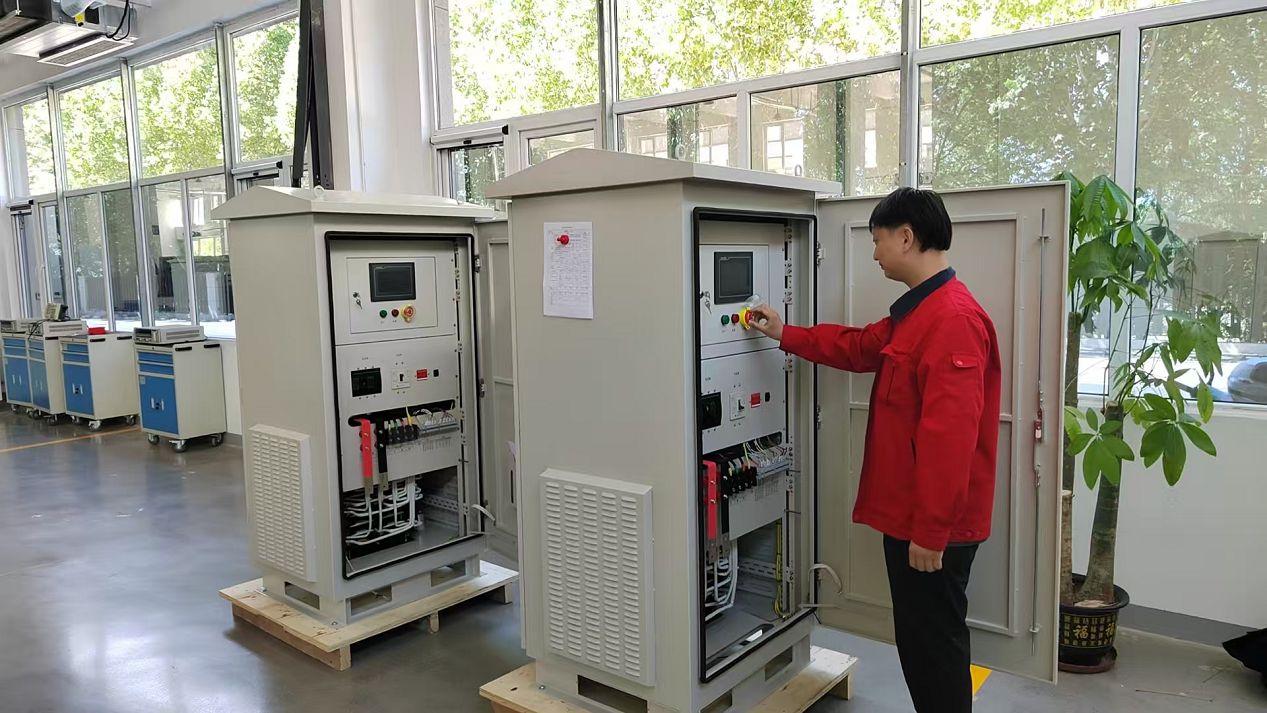
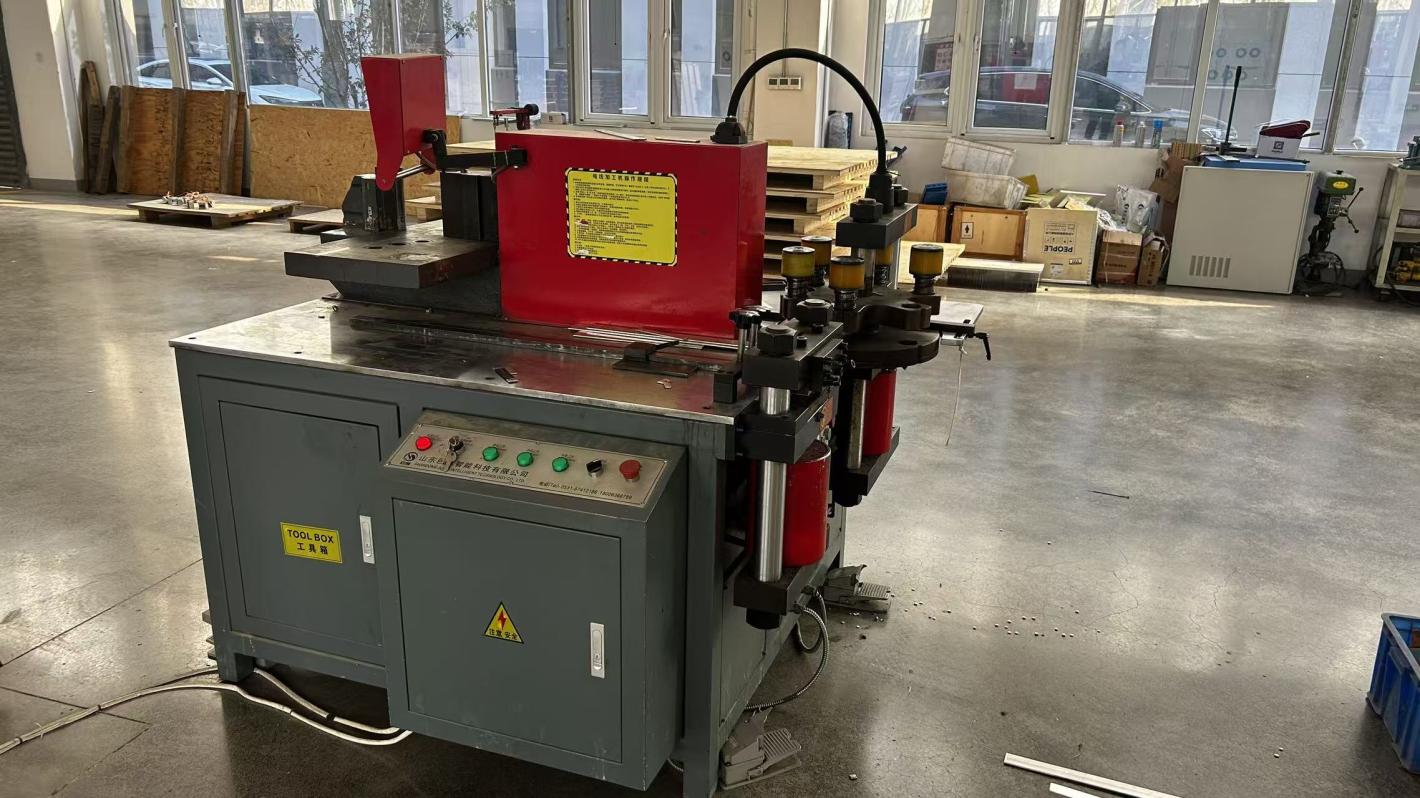
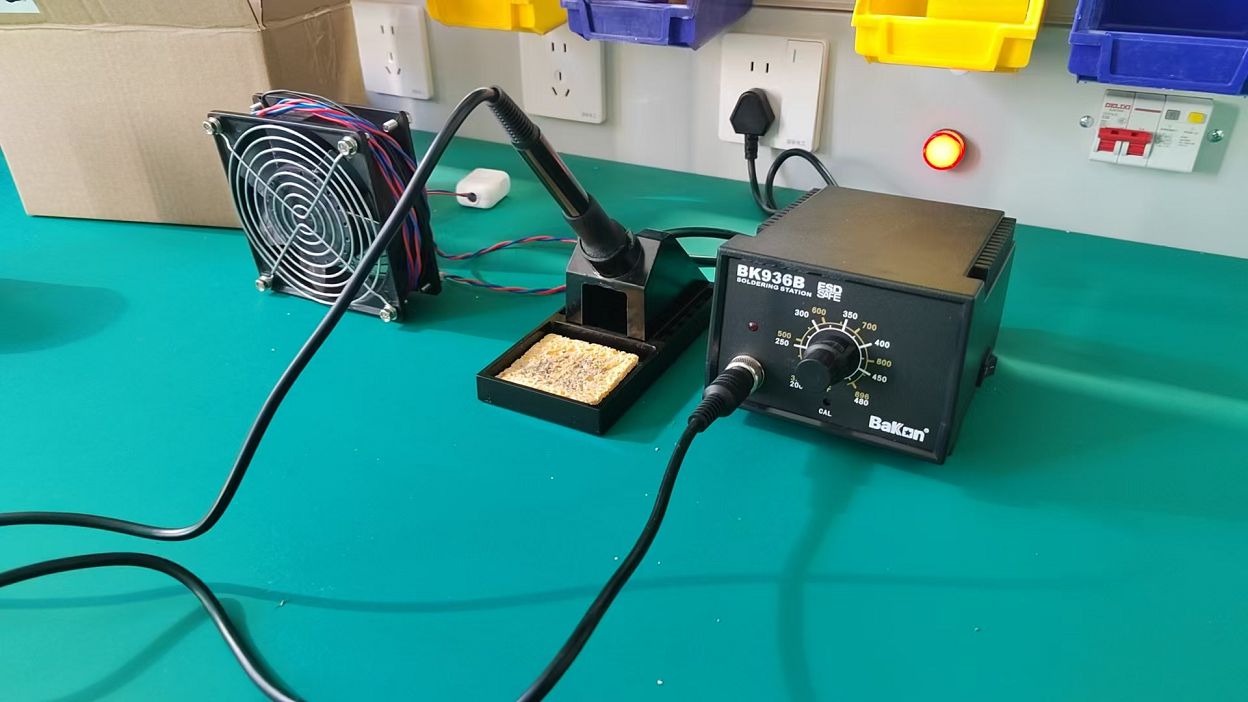
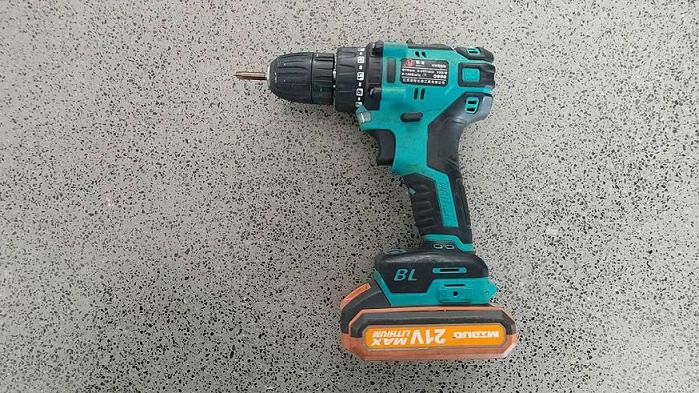
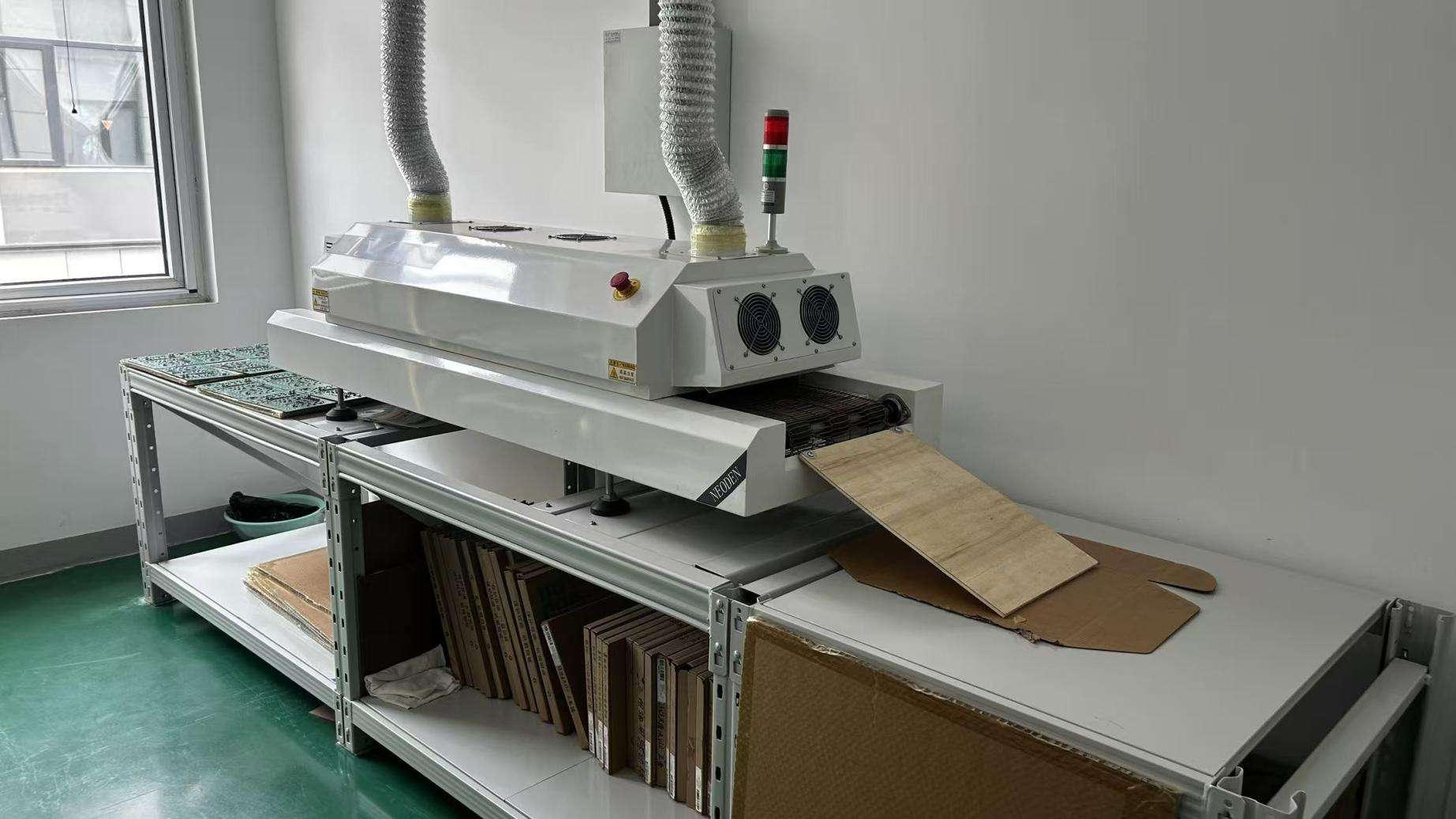
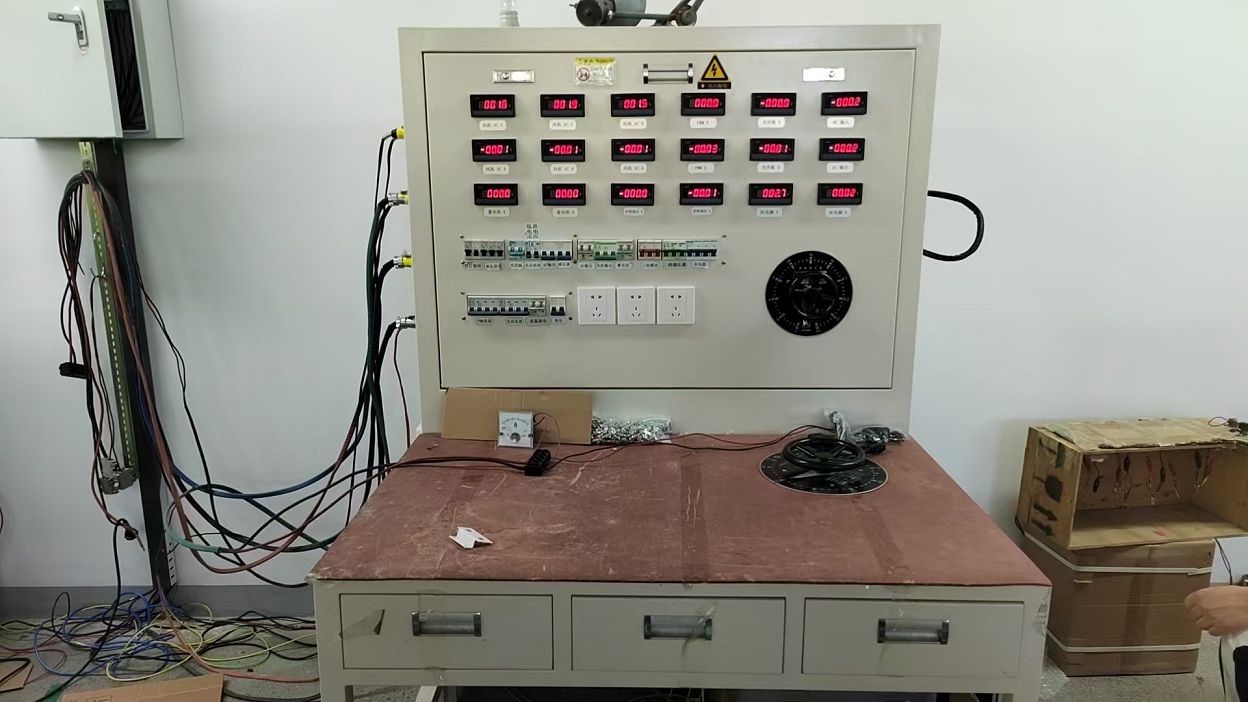
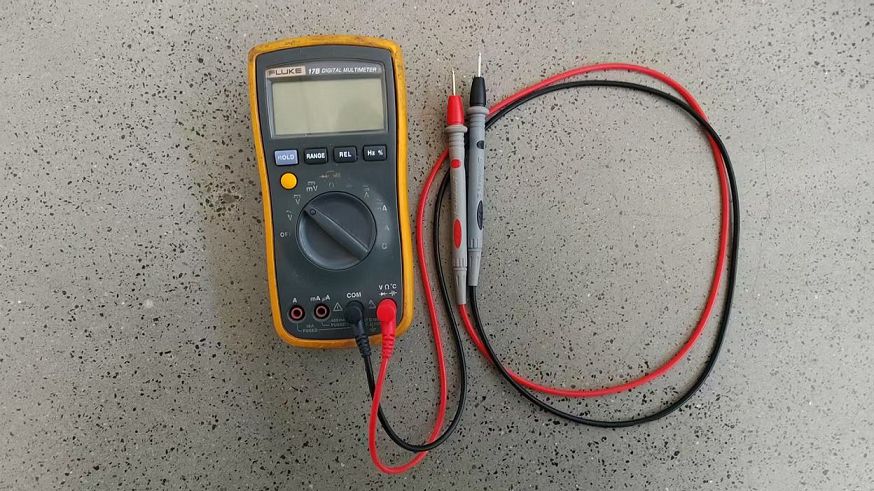
The global demand for large-scale energy storage system (ESS) components has changed how international EPCs approach sourcing. Instead of standard catalog models, global companies require deeply customized configurations matching specific site footprints, complex grid codes (such as IEEE 1547 and UL 1741), and demanding operating environments.
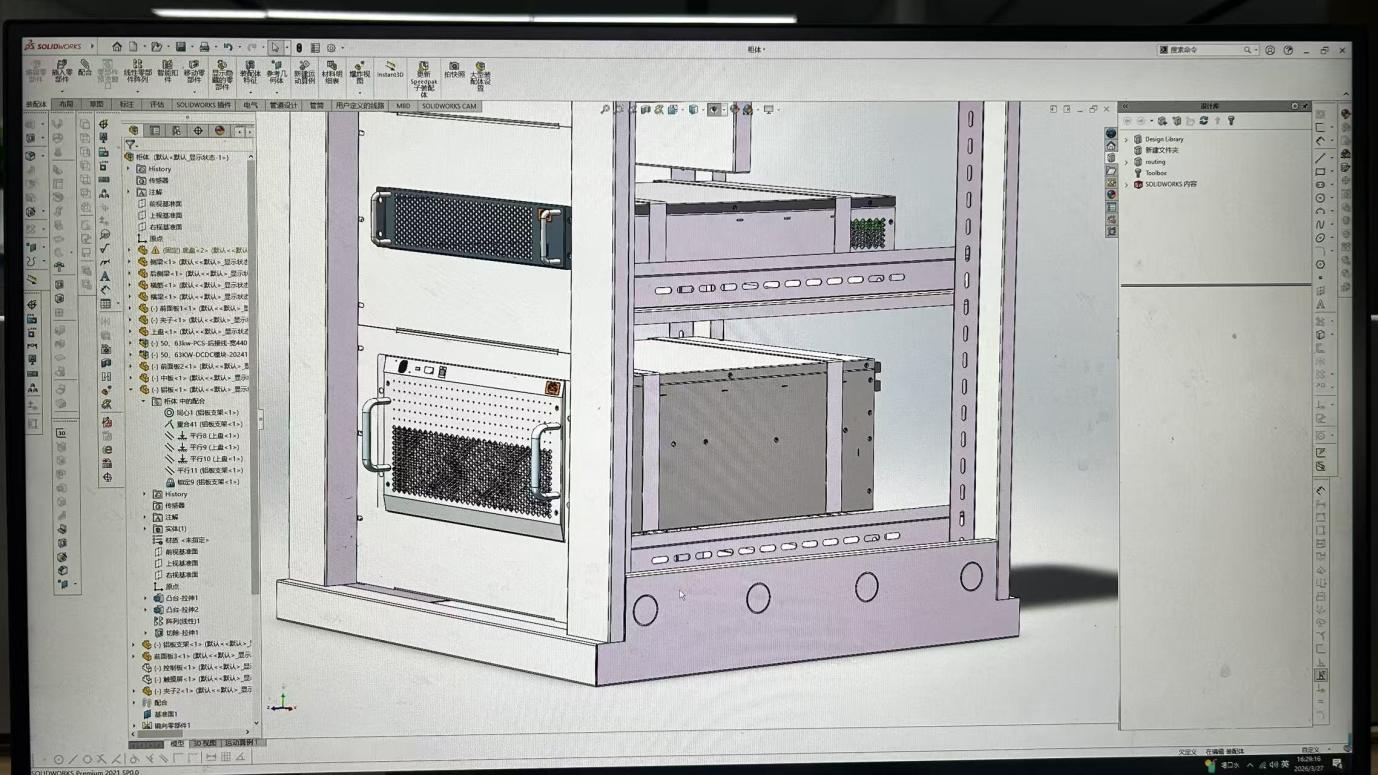
Selecting a Chinese manufacturer like Jinan Deming offers significant supply chain advantages. Proximity to raw silicon processing facilities, copper busbar extrusion facilities, magnetic winding ecosystems, and rapid PCB assembly services shortens the standard production cycle. By conducting manufacturing steps in-house—from initial schematic design to reflow soldering, precision copper bar routing, and final unit debugging—Deming keeps production timelines predictable and costs optimized.
To demonstrate empirical capability, let's explore three critical application fields where Deming equipment is currently running worldwide:
Operating 5kW-10kW AC-DC micro-hydro converters in isolated mountain communities, stabilizing fluctuating voltage feeds into reliable energy sources.
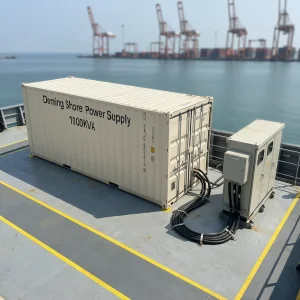
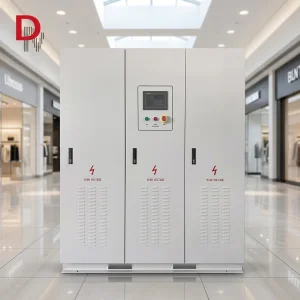
Supplying heavy-duty onshore systems (500kW to 5MW) designed to power cargo liners at dockside, mitigating local fuel emissions.
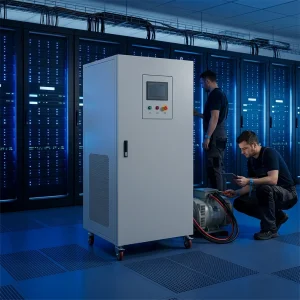
Installing 100kW to 500kW bidirectional converters with integrated battery simulators, optimizing charge profiles for industrial lithium packs.
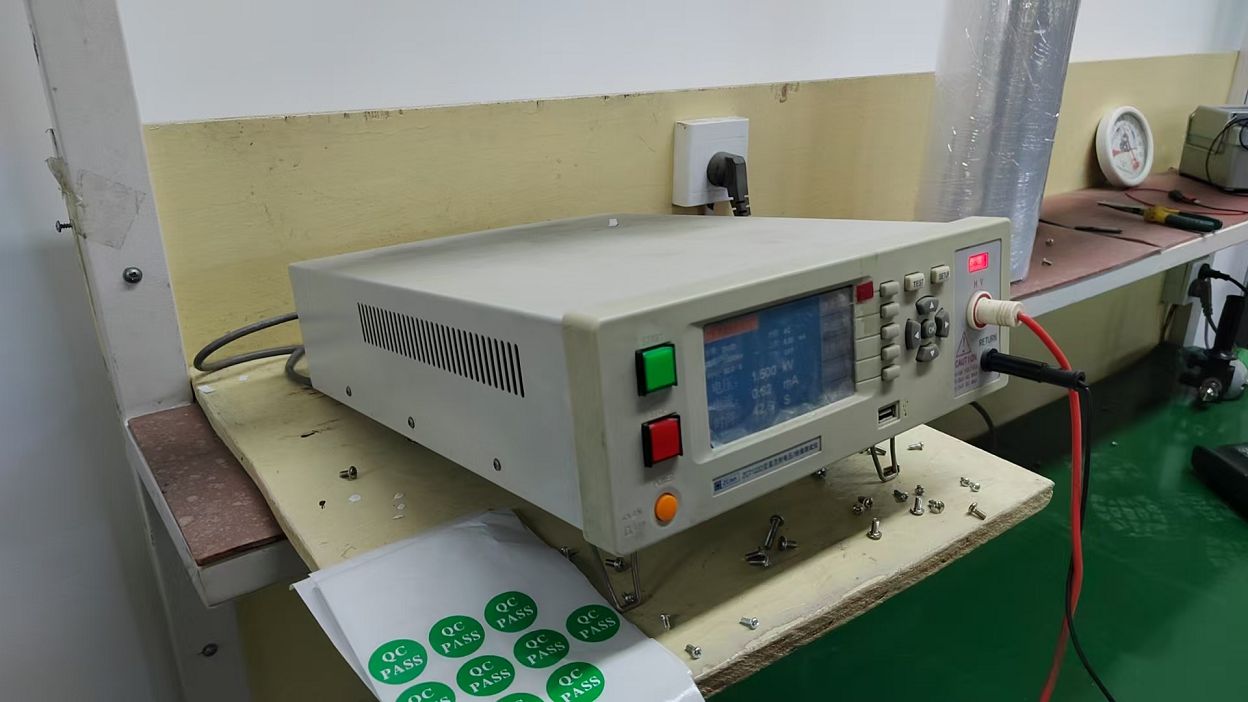
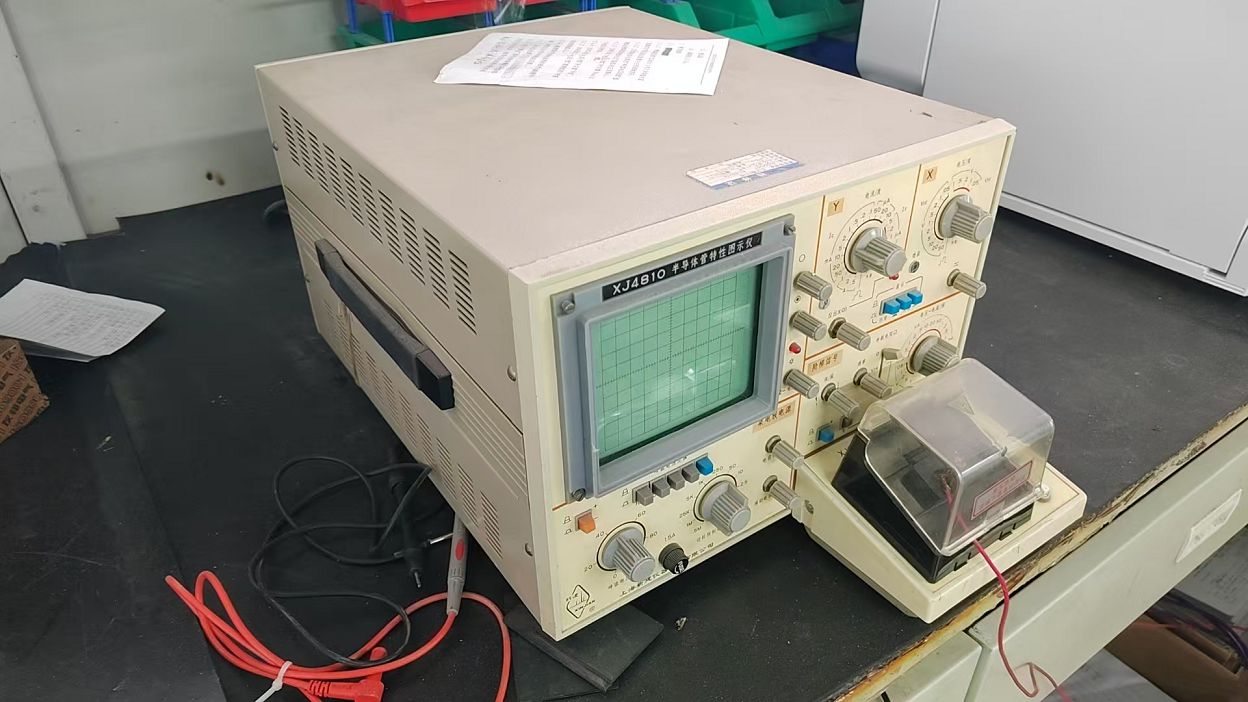
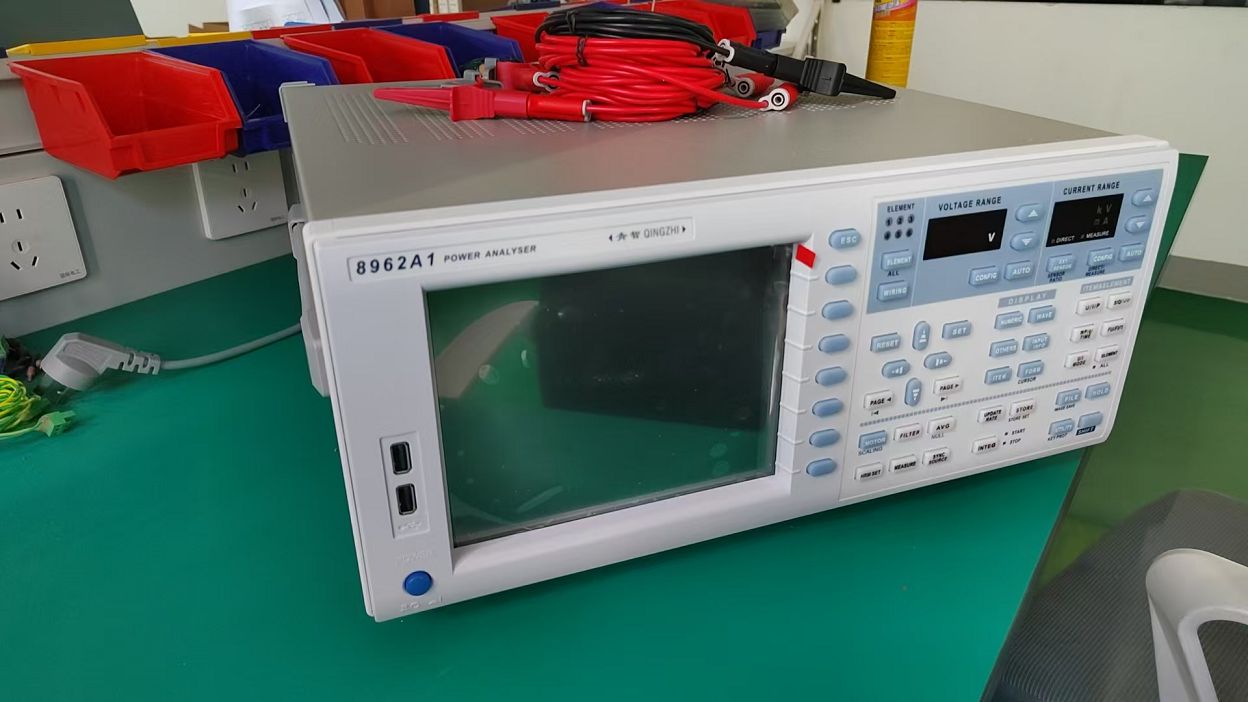
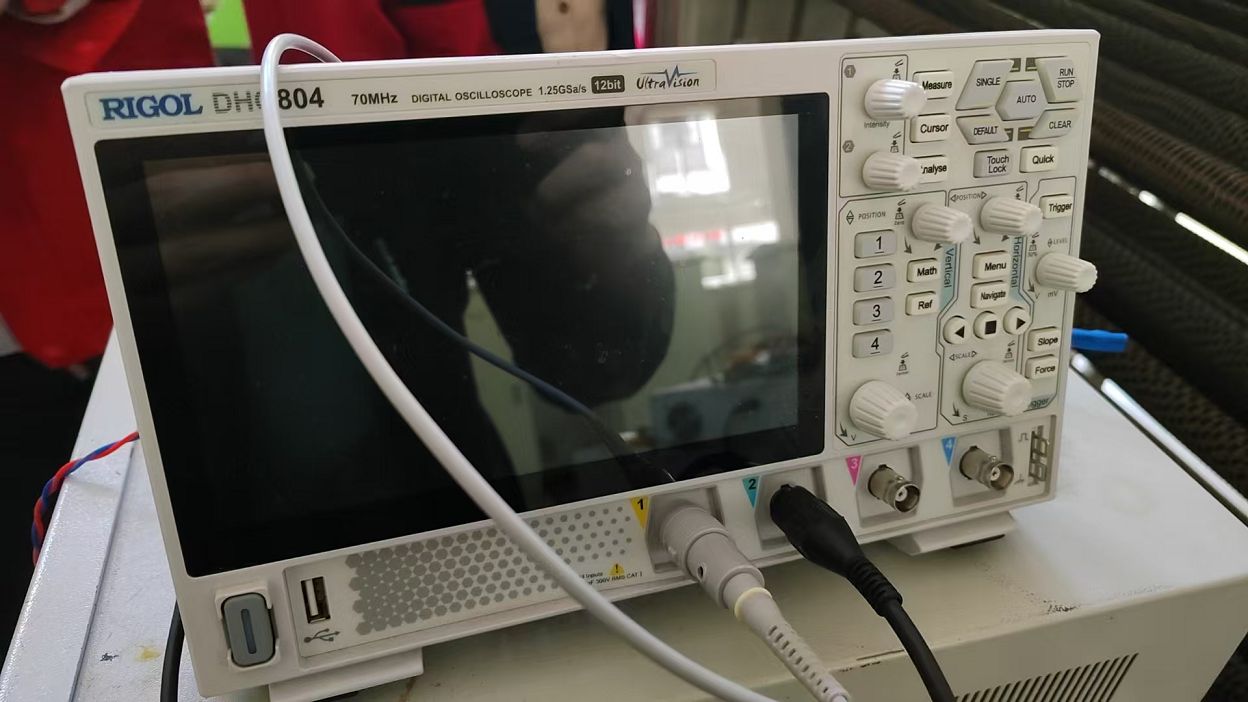
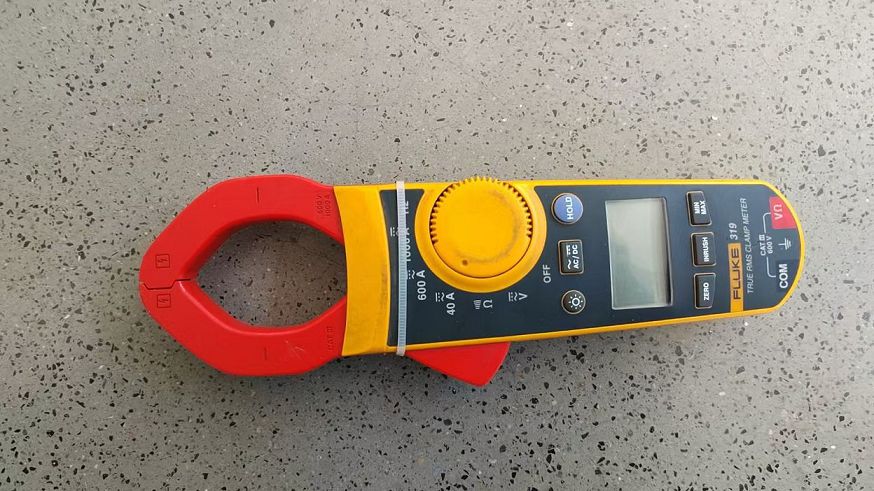
Power converters operating at high voltages require meticulous safety certification and quality verification. At Jinan Deming, testing is an integrated workflow step, not an afterthought. The factory is equipped with advanced diagnosis systems including Power Quality Analyzers, LCR AutoTesters, Semiconductor Characteristic Plotters, and Digital Oscilloscopes.
These systems confirm that harmonic currents stay within IEEE 519 standards and verify system response during simulated grid disturbances. In addition, automated thermal imaging checks heat dissipation across the internal busbars, verifying the efficiency of the active cooling configuration.
Comprehensive answers to technical integration, sourcing timeline, and compliance questions frequently raised by global procurement professionals.
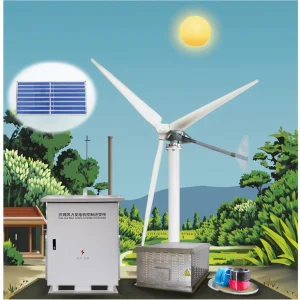
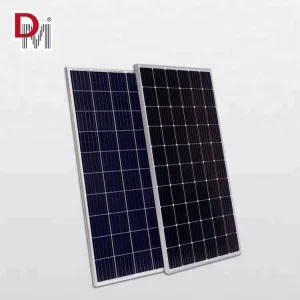
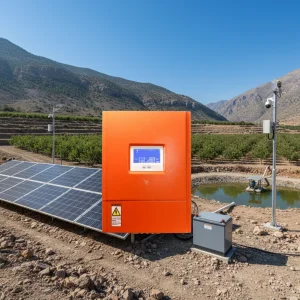
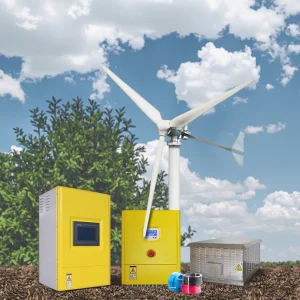
Explore our wind, solar, and hybrid integration systems designed to secure power delivery in off-grid environments and high-load industrial hubs.
 Demin Power