Pioneering clean energy technologies built to deliver high efficiency, reliable transmission, and smart grid adaptation.
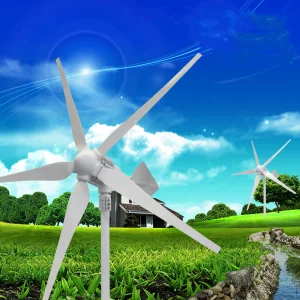
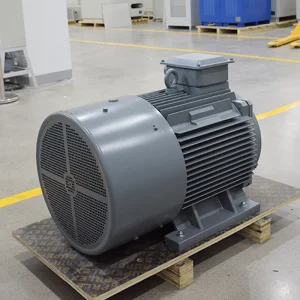
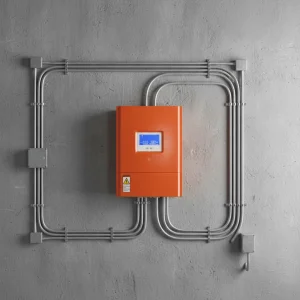
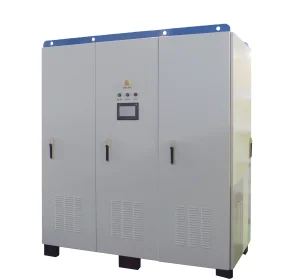
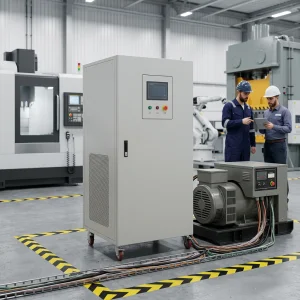
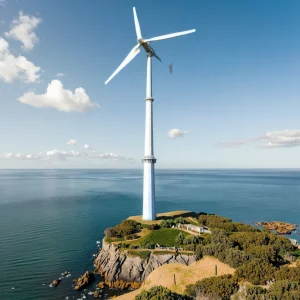
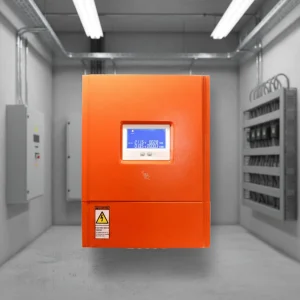
In the global transition towards decarbonized microgrids and utility-scale grids, the demand for customizable power electronics has surged. Jinan Deming Power Equipment Co., Ltd., established in 2004, stands at the absolute vanguard of this industrial shift. Recognized as a national high-tech enterprise, Deming specializes in the advanced research, development, and system integration of renewable energy power conversion solutions, including wind/solar hybrid systems, grid-tie interfaces, and multi-megawatt marine shore stations.
By leveraging an engineering-first culture, we invest no less than 20% of annual sales revenue into R&D. This relentless capital commitment supports our specialized core R&D team consisting of 16 senior design engineers, doctoral supervisors, and master's degree holders. Over the past three years alone, Deming has executed 17 major scientific R&D initiatives, leading to 16 technological achievements directly commercialized into class-leading products. This ensures our clients receive state-of-the-art architectures engineered to survive demanding environments.
Decentralization, smart grid regulation, and extreme-efficiency power conversion architectures.
The global energy landscape is undergoing a systemic decentralization process. Traditional fossil-fuel plants are being superseded by distributed resources, among which small-scale run-of-river hydropower and micro-hydro networks represent one of the most reliable base-load contributors. Unlike solar or wind, hydropower offers persistent generation capacities, making it the perfect stabilizer for local mini-grids. However, integrating variable-flow run-of-river generators with strict utility-grade grids requires sophisticated conversion, inversion, and voltage regulation systems.
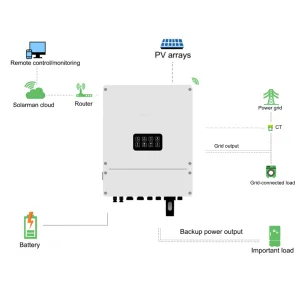
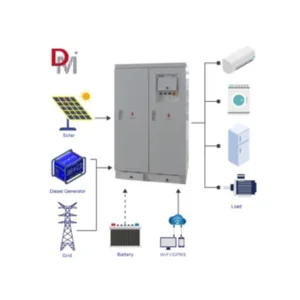
Modern microgrid architectures require hybrid designs. To capitalize on the continuous generation of hydropower while mitigating peak demand, industrial and commercial projects now routinely incorporate bidirectional DC/AC energy storage systems, solar PV arrays, and micro-hydro turbines in a centralized topology. Designing components that can communicate with multiple energy inputs seamlessly, track Maximum Power Points (MPPT), and sustain grid stability is a highly technical discipline. This is where Deming's industrial-grade grid-connected converters excel, allowing integration speeds and safety margins designed to meet both EU CE standards and strict North American IEEE standards.
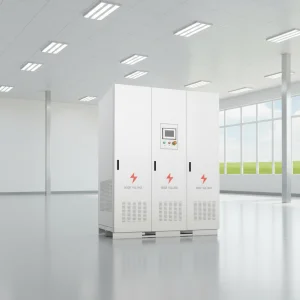
As micro-hydro installations expand globally, international utility commissions have tightened grid compliance codes. System developers require excitation controllers and grid-tie inverters that support Fault Ride-Through (FRT), dynamic reactive power compensation, and harmonic minimization (IEEE 519 compliance). Ensuring these behaviors requires robust hardware testing under simulated real-world fault conditions, which Deming executes via high-power bidirectional DC simulators and battery simulators ranging from 150kW to 500kW.
Active reactive power injection and voltage control algorithms ensure stability under sudden turbine load changes.
Real-time adaptation to changing water heads and flow velocities guarantees optimal hydrodynamic efficiency.
High-order LC/LCL filtering configurations prevent harmonic distortion from degrading local transformers and industrial loads.
Understanding B2B purchasing priorities, risk mitigation, and custom electrical tailoring.
For B2B buyers, EPC contractors, and system integrators sourcing power equipment, the primary metrics for selection are long-term MTBF (Mean Time Between Failures), thermal performance, serviceability, and OEM customization. Power conversion systems must operate in remote regions—such as high-altitude river valleys, humid coastal ports, or dusty agricultural settings. Off-the-shelf catalog products are rarely adequate for these harsh site-specific topologies.
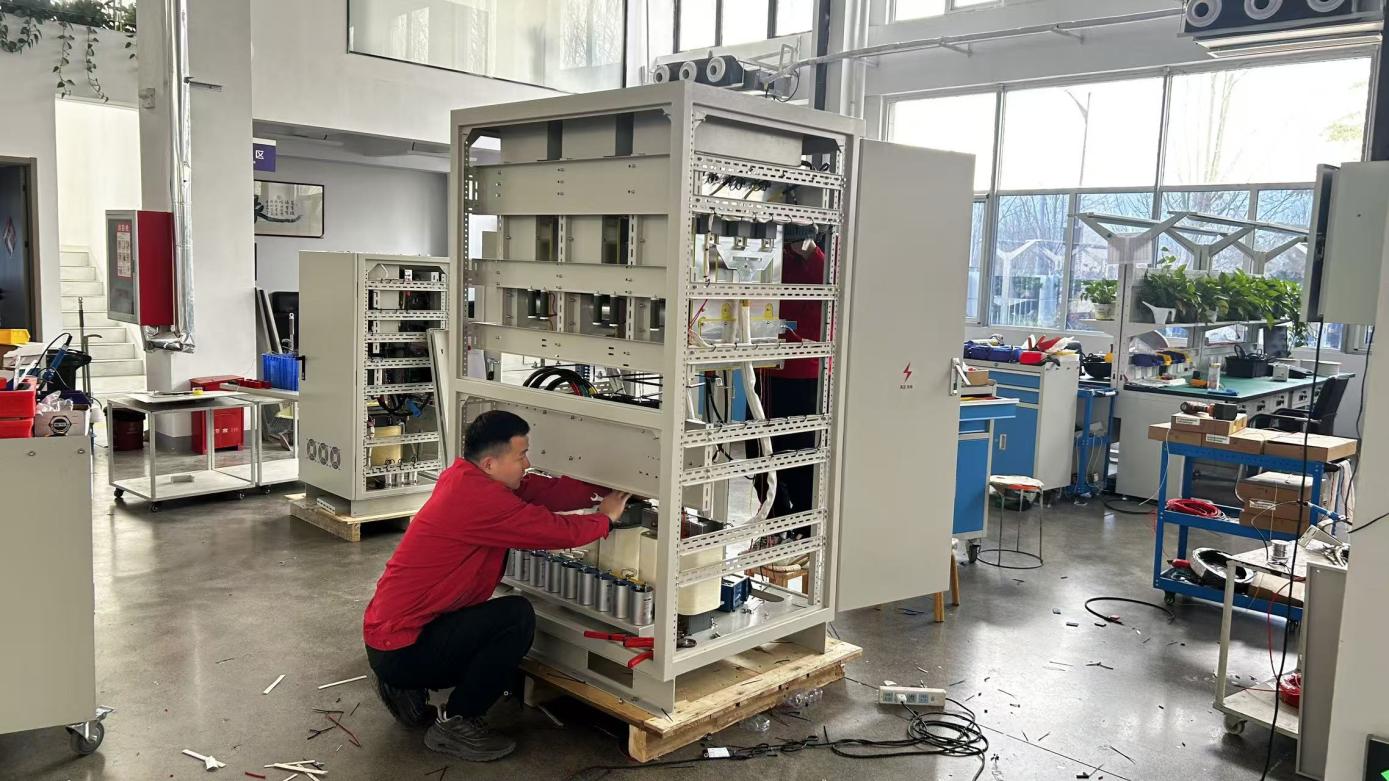
Deming mitigates these risks by offering comprehensive Original Equipment Manufacturer (OEM) design flexibility. Our manufacturing process covers the entire product lifecycle from circuit board assembly, high-voltage diagnostic testing, custom busbar layout, and environmental chamber conditioning. This depth of engineering control allows us to modify:
A look inside Deming's ISO9001:2015 certified manufacturing facility and R&D processes.
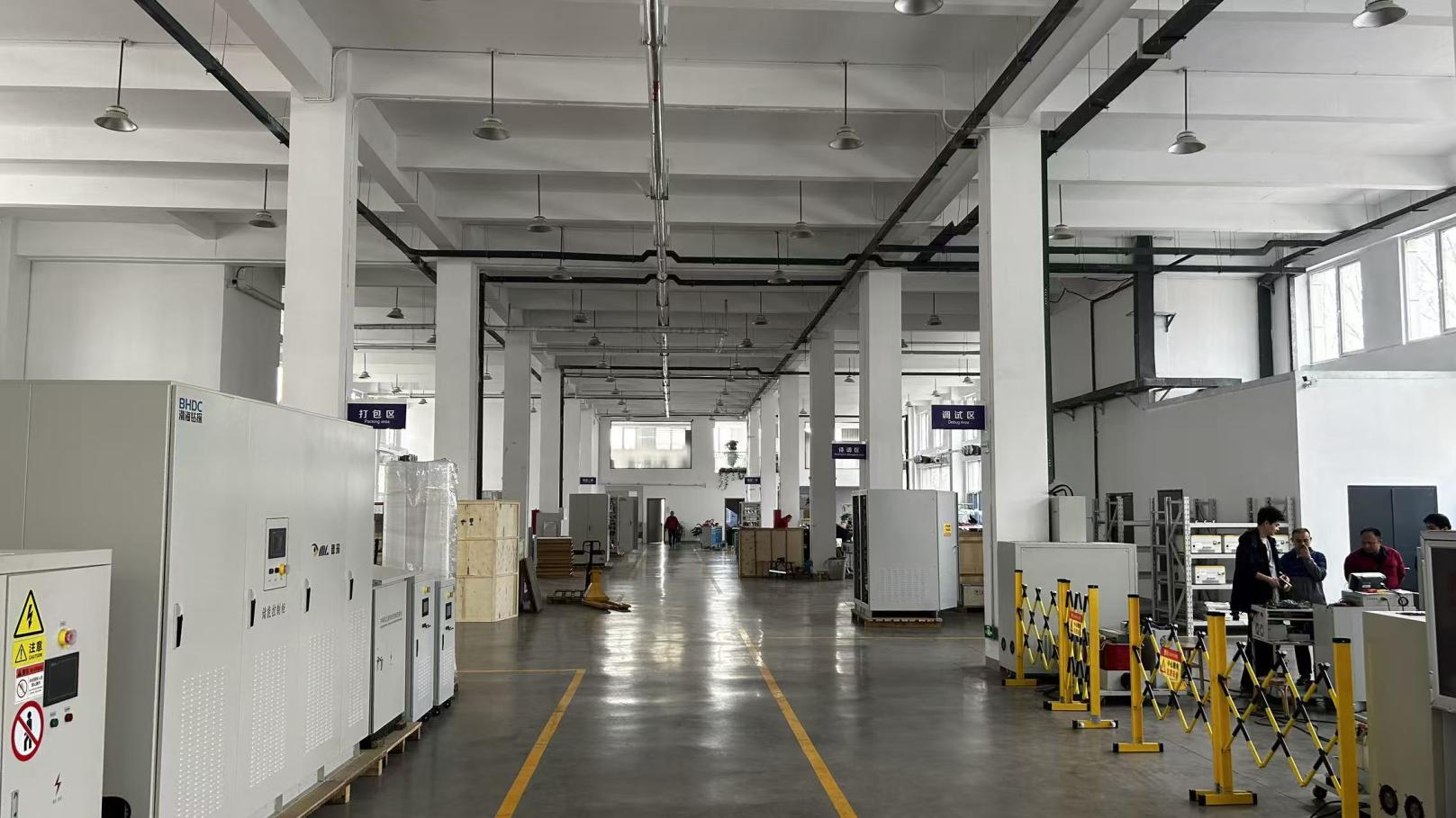
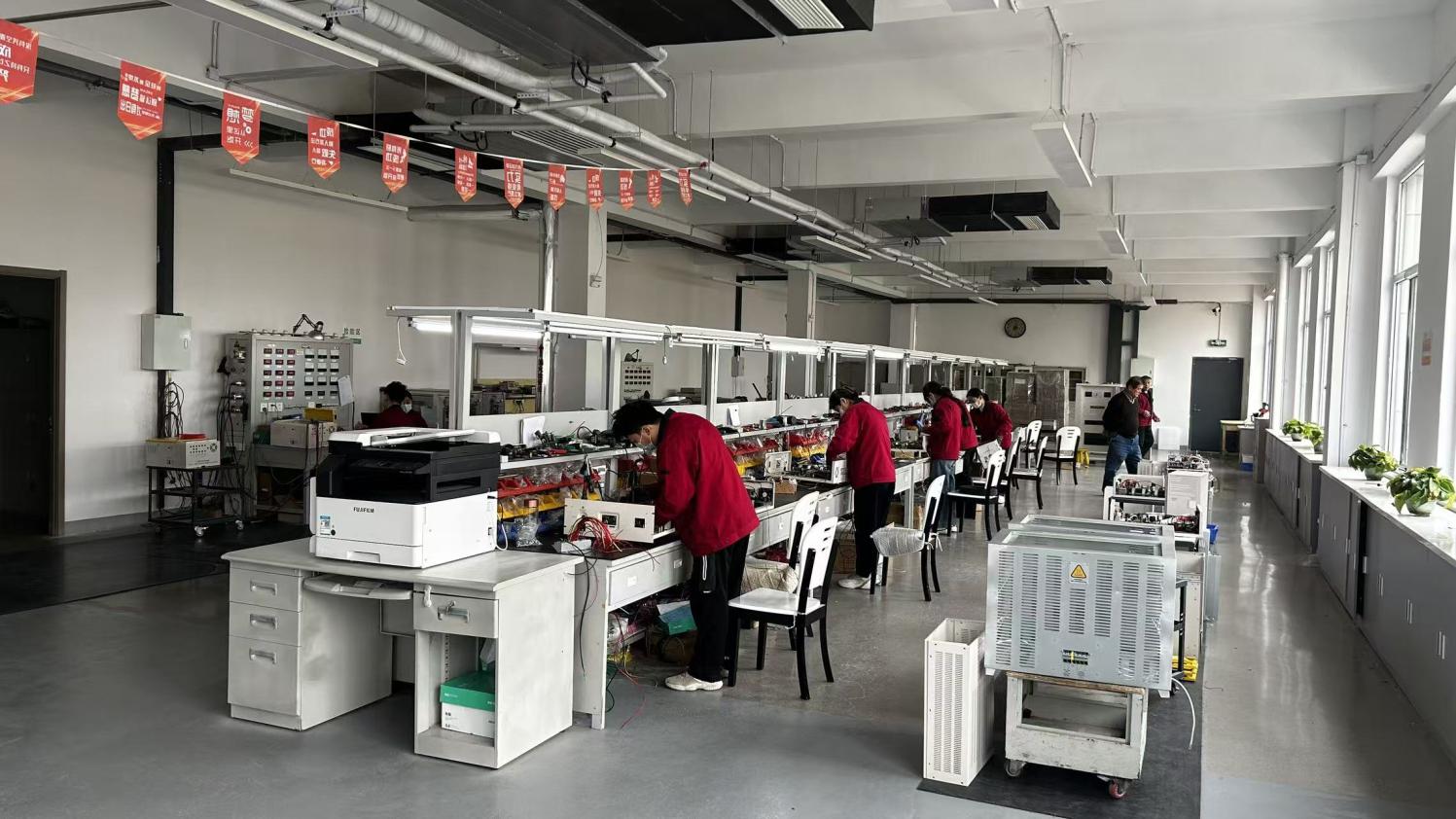
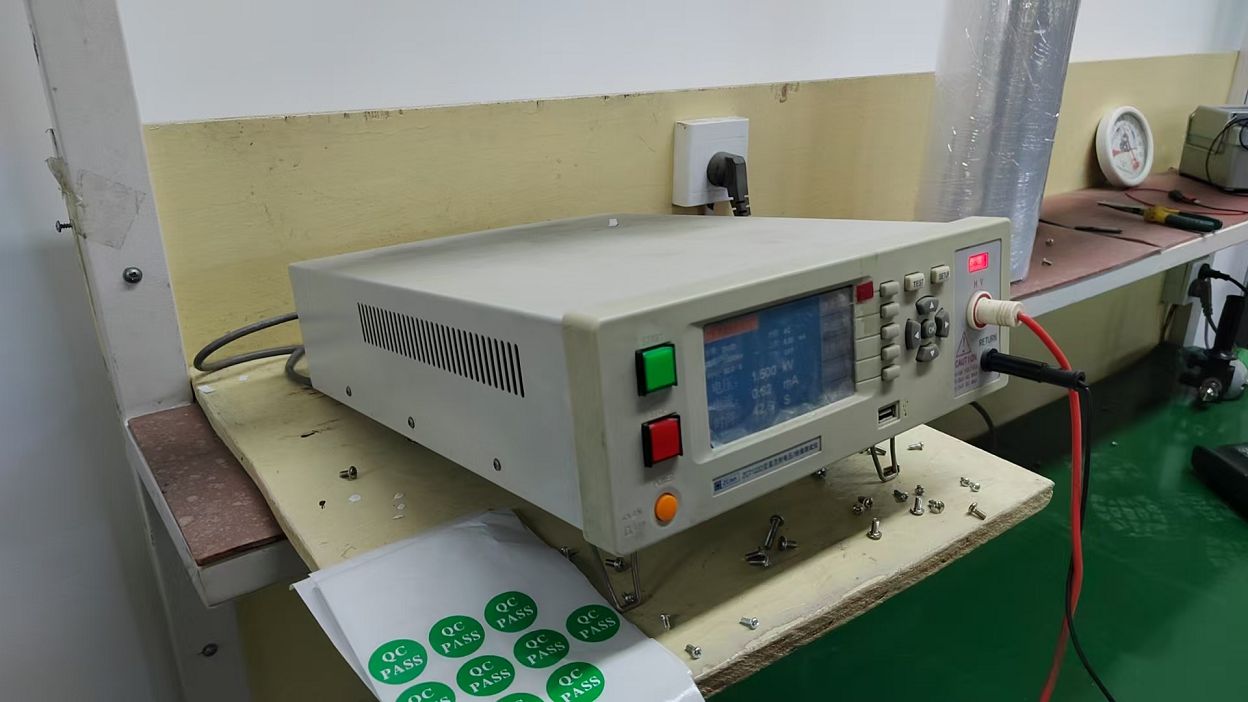
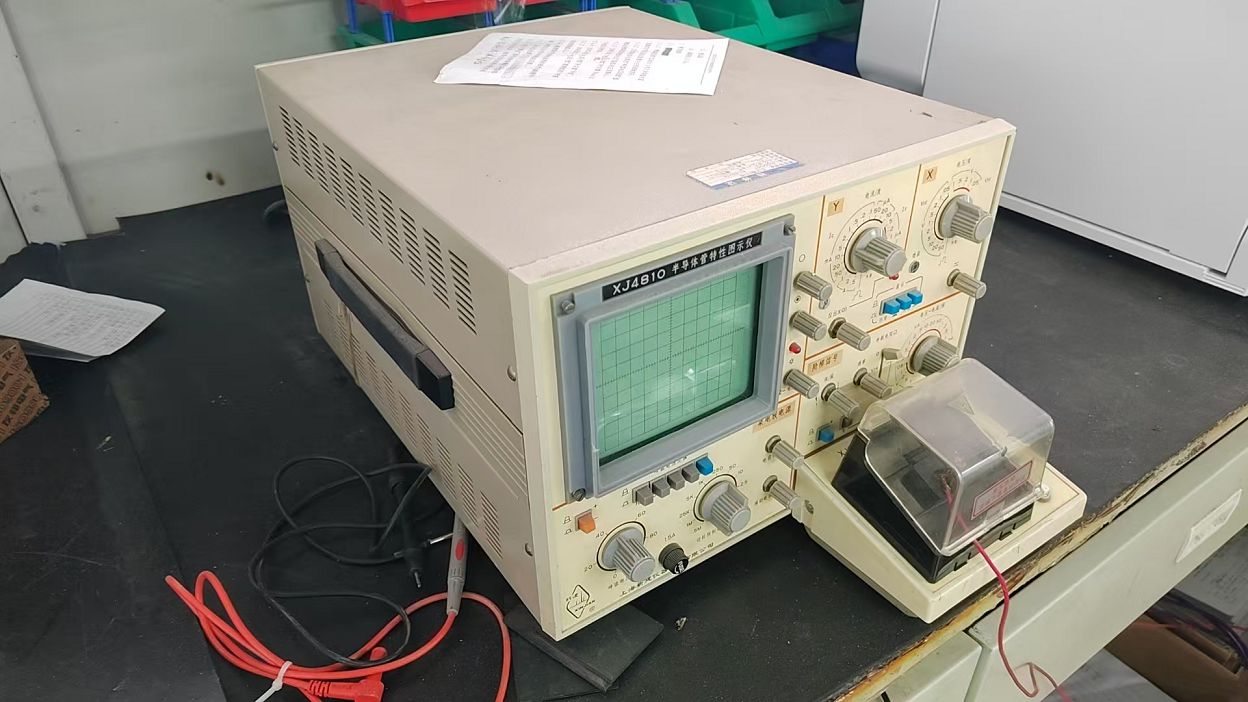
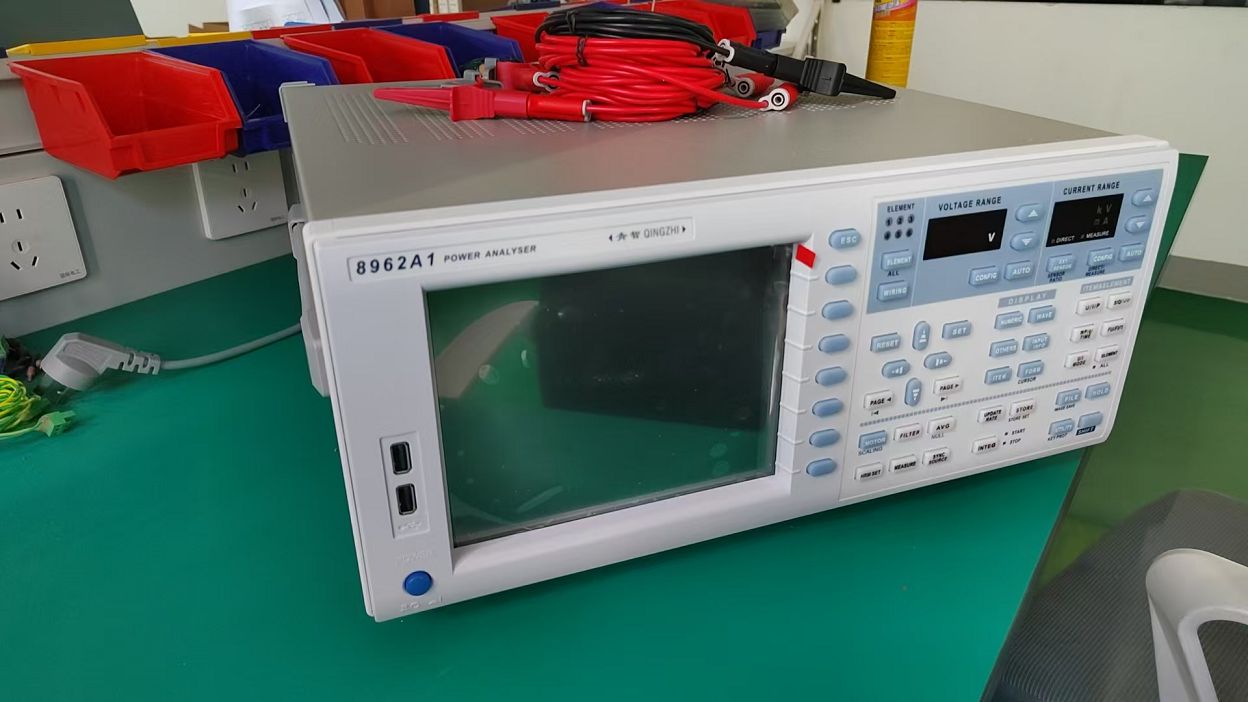
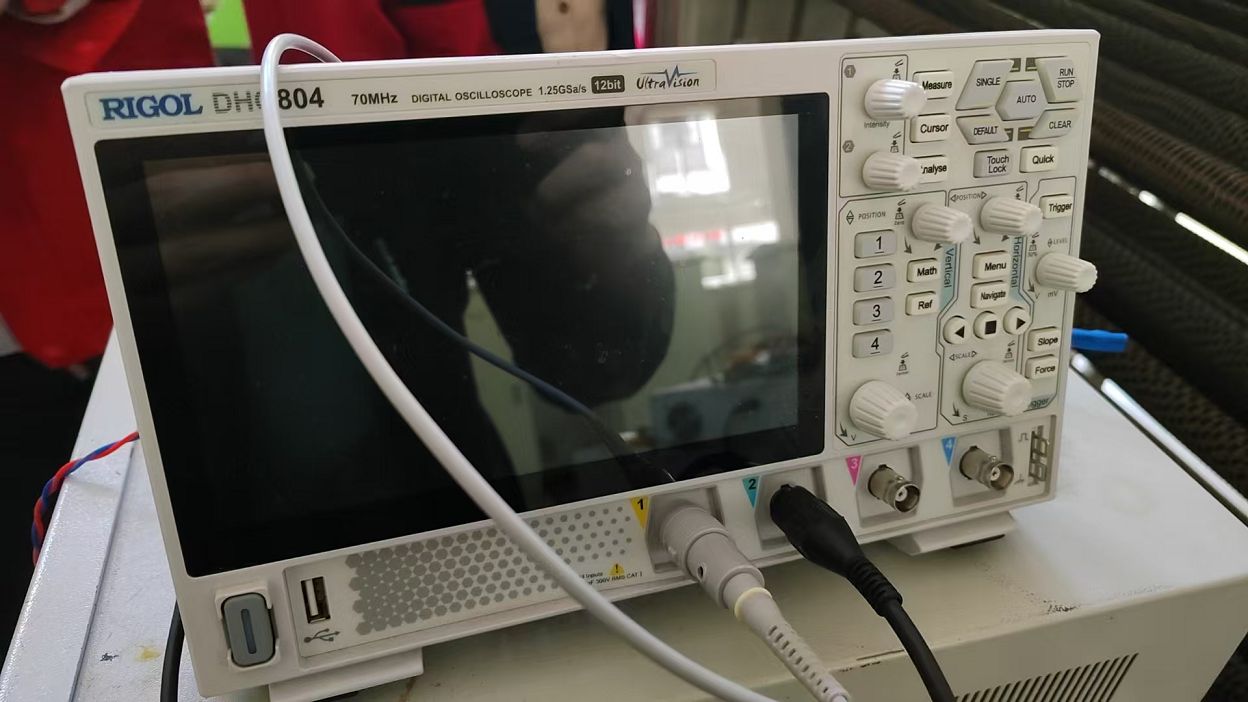
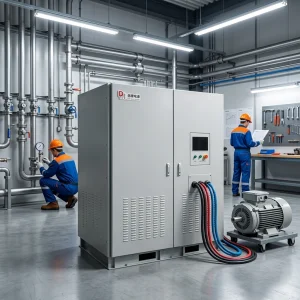
Achieving a reliable 99% conversion efficiency across high-power converters requires precision manufacturing. At Jinan Deming, we utilize advanced automated assembly equipment alongside strict, multi-stage testing criteria. By integrating China's vast industrial supply chain with advanced testing machinery, we guarantee stable delivery lead times, structural reliability, and cost-effective pricing models.
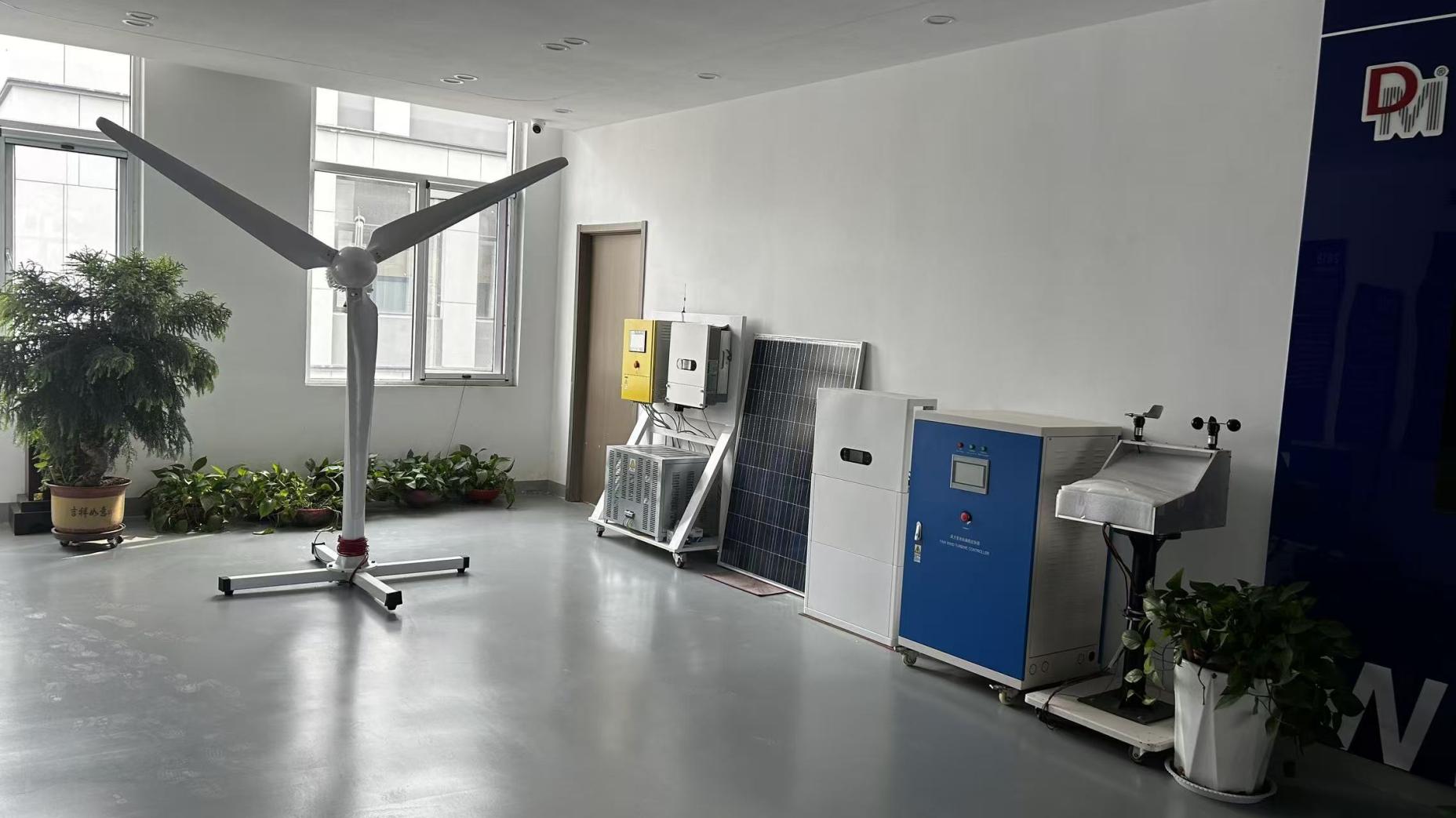
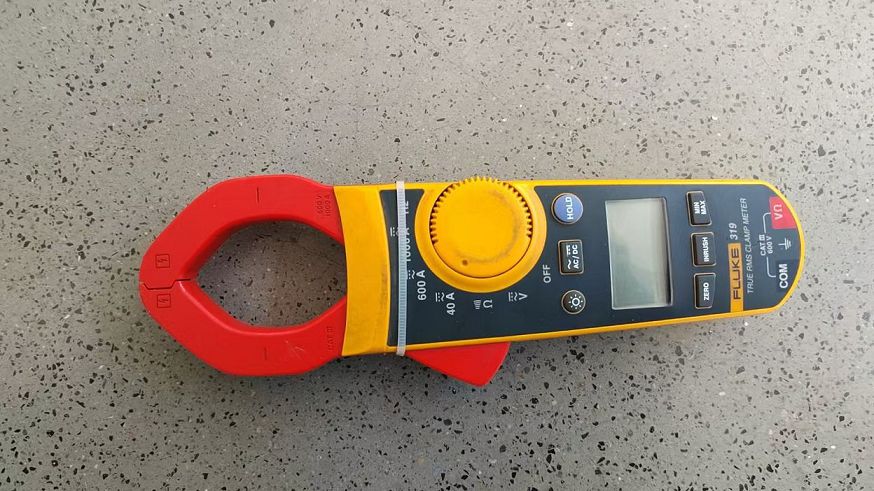
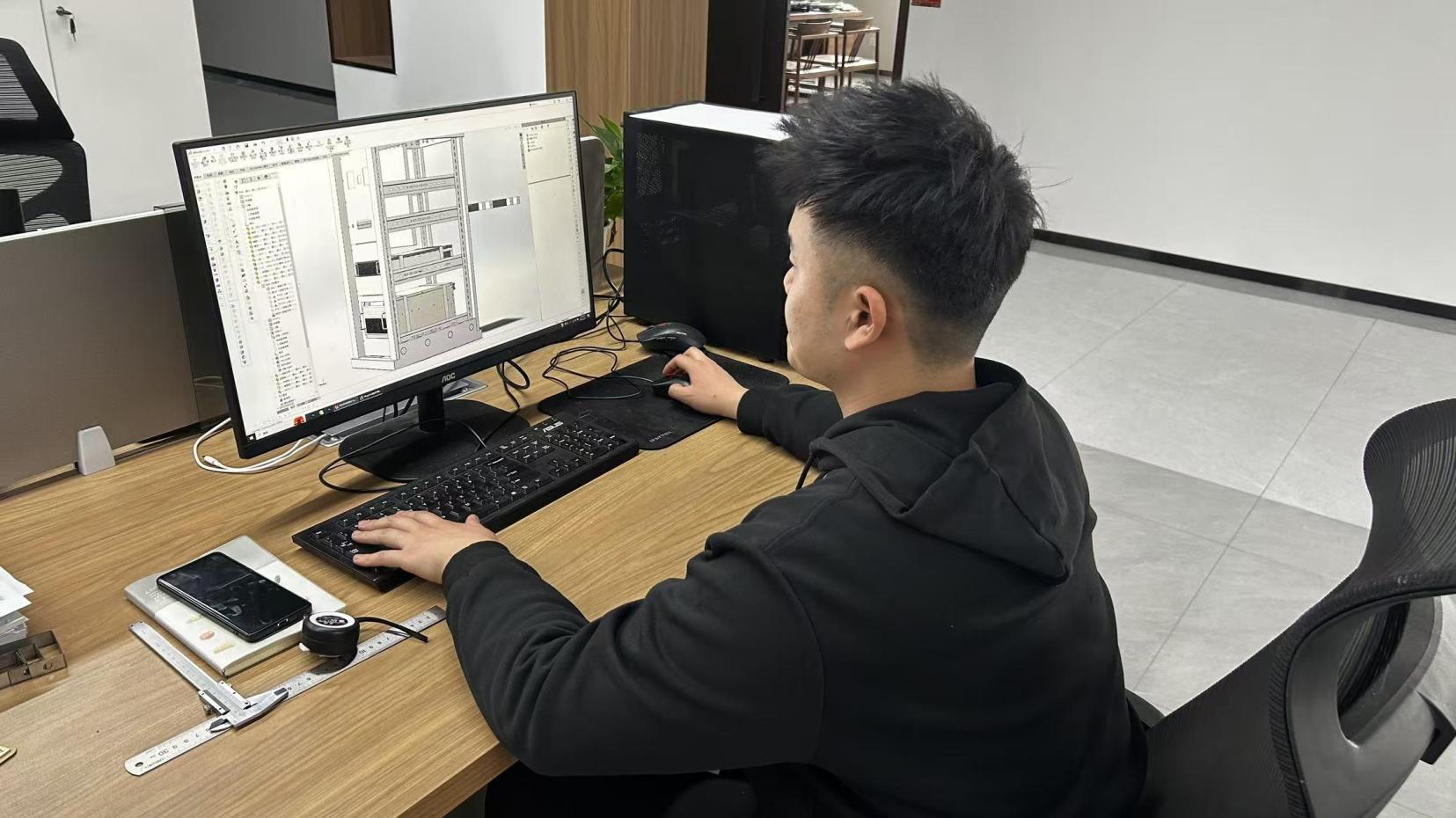
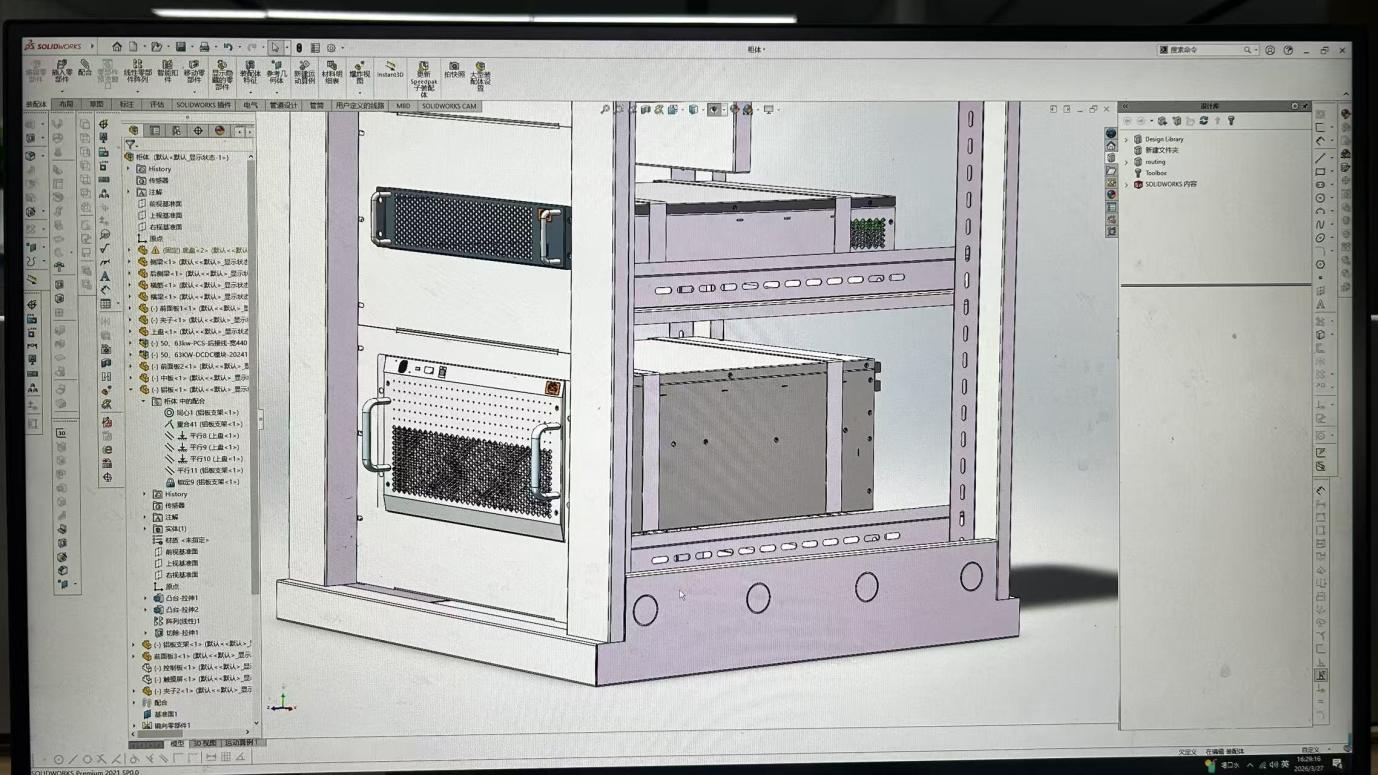
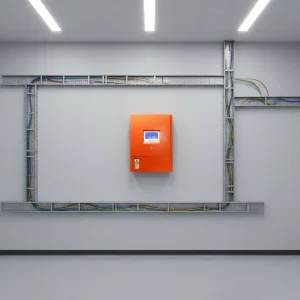
Our ISO9001:2015 facility utilizes state-of-the-art testing equipment to inspect and optimize every system component before dispatch. Below is a detailed view of our actual production floor, assembly departments, and engineering test benches:
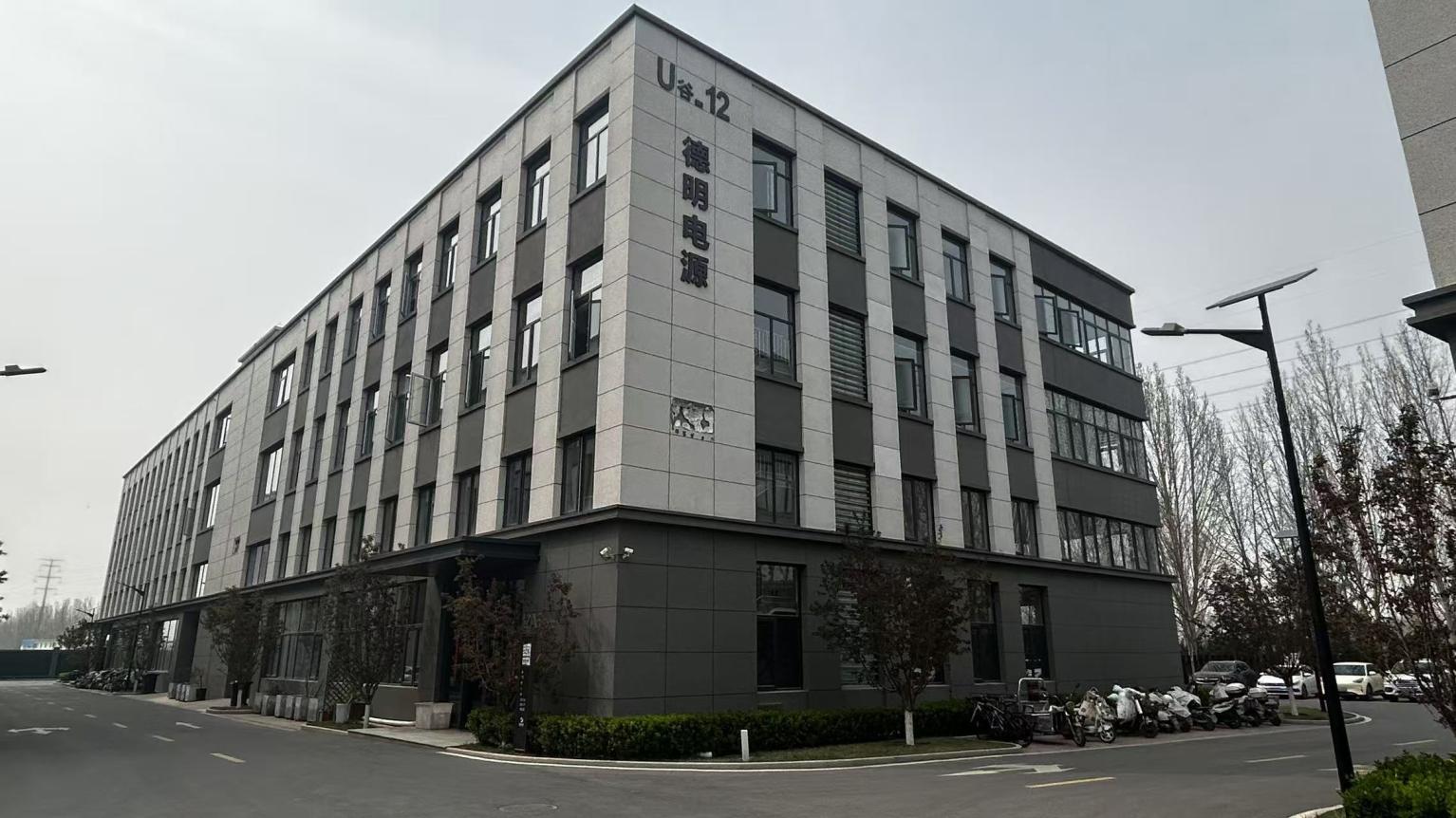
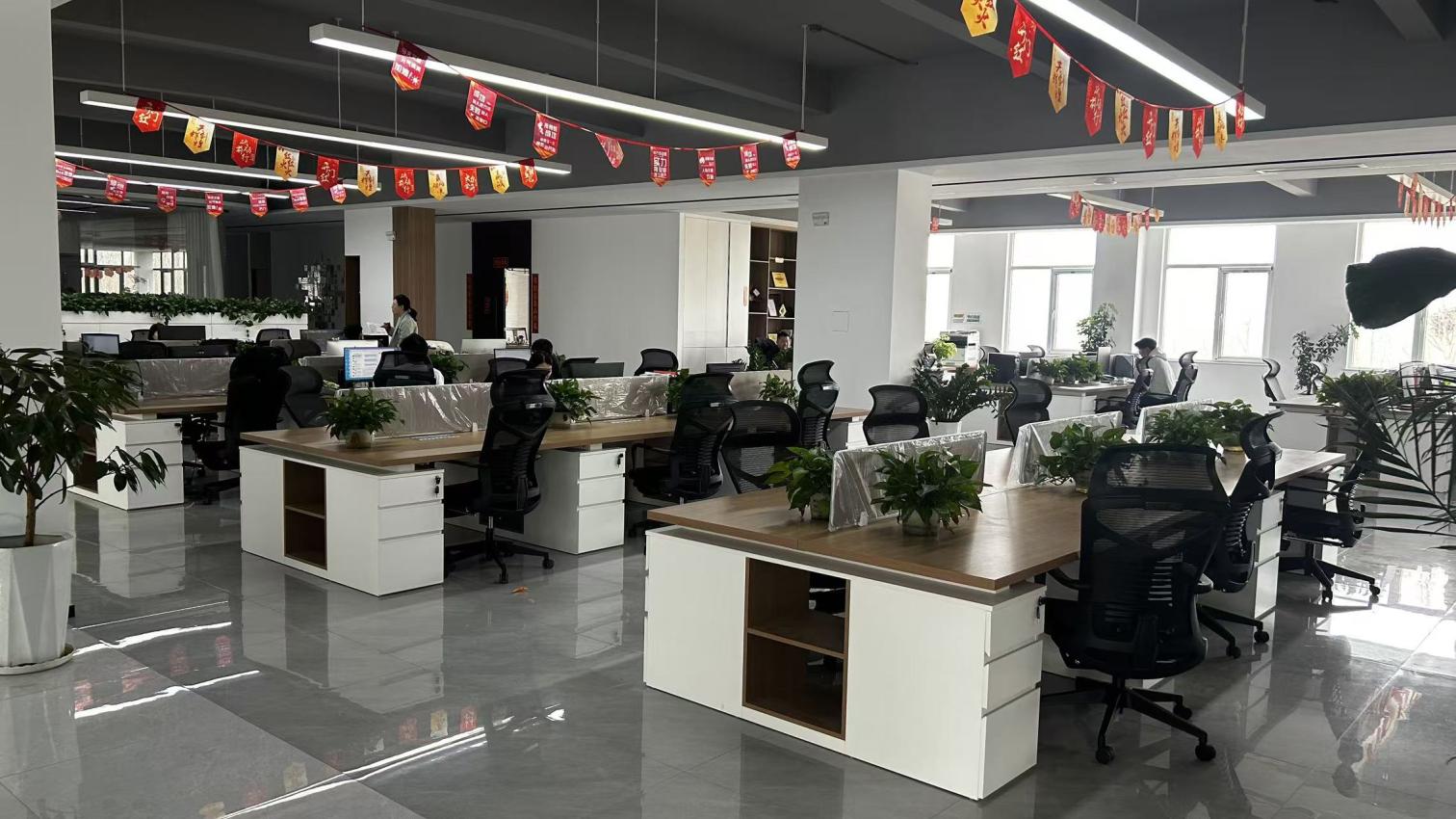
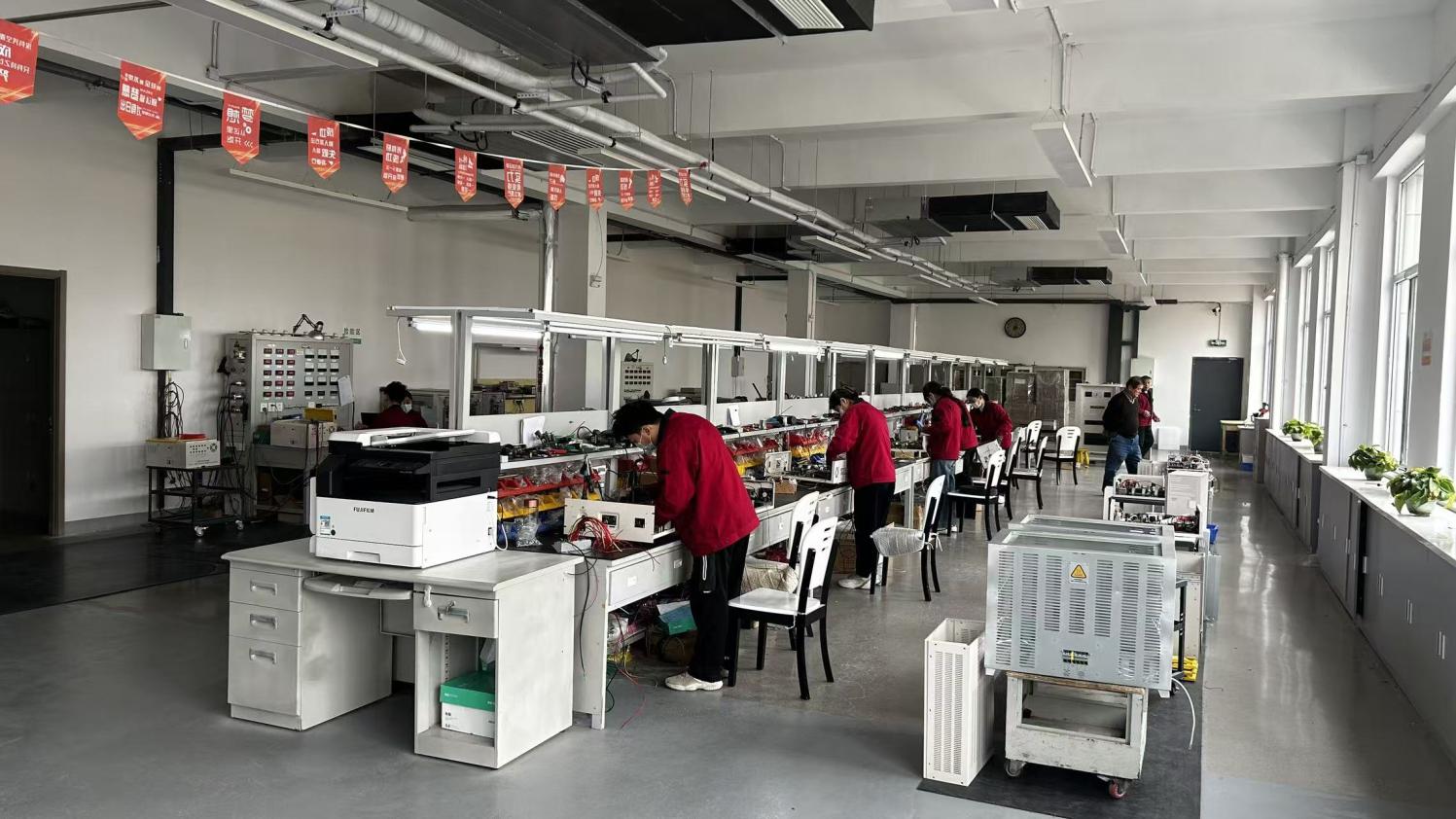
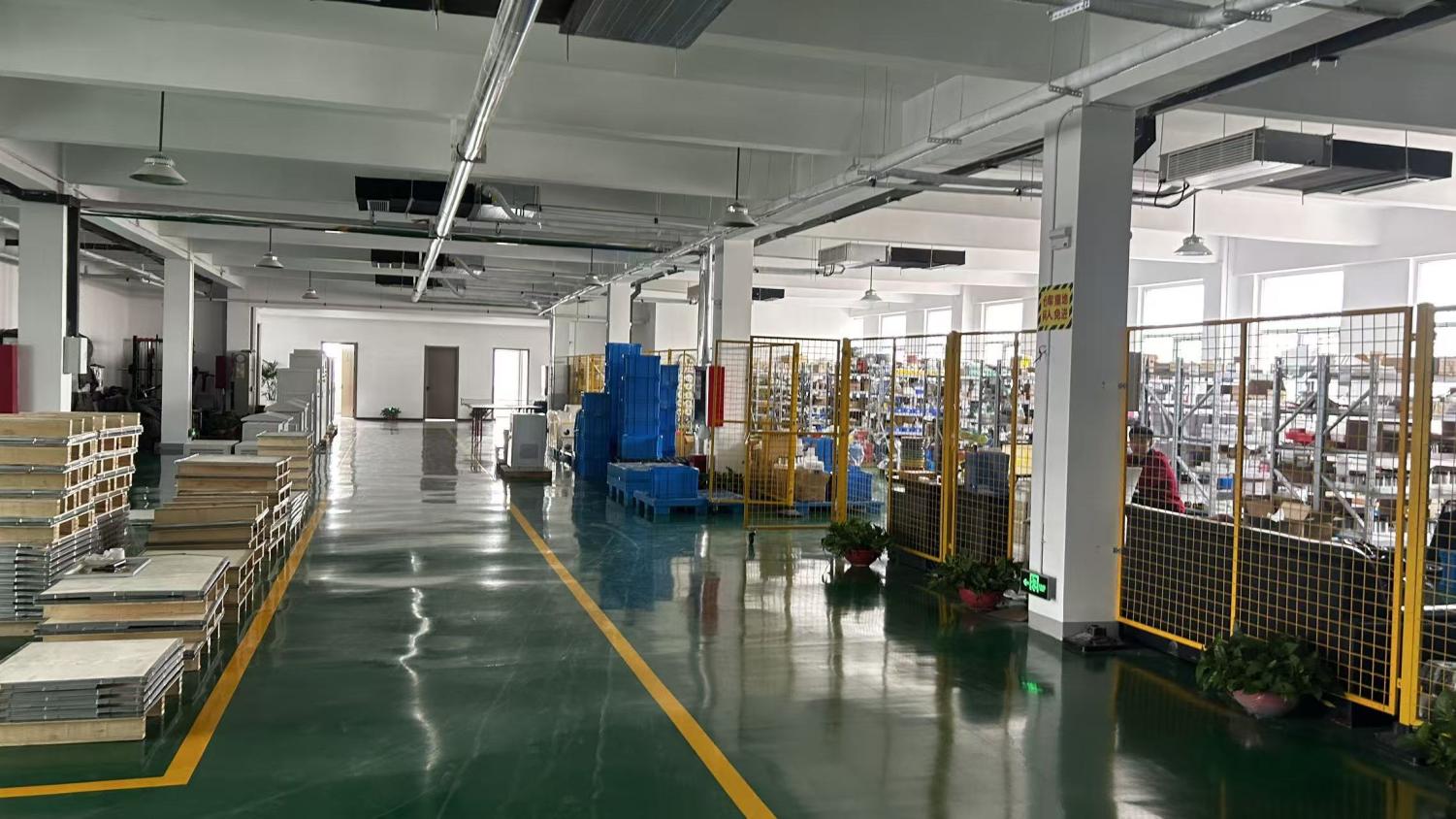
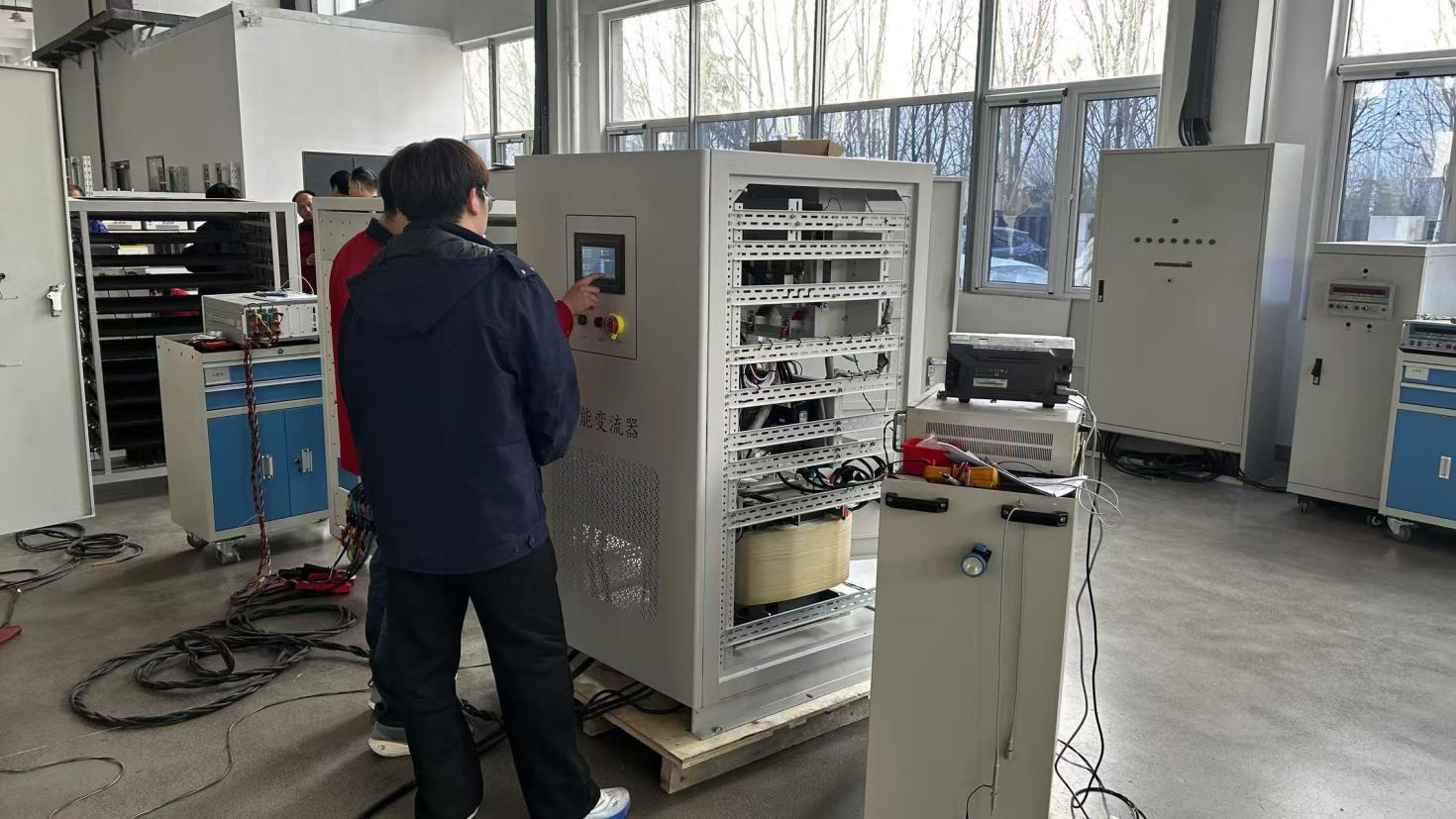
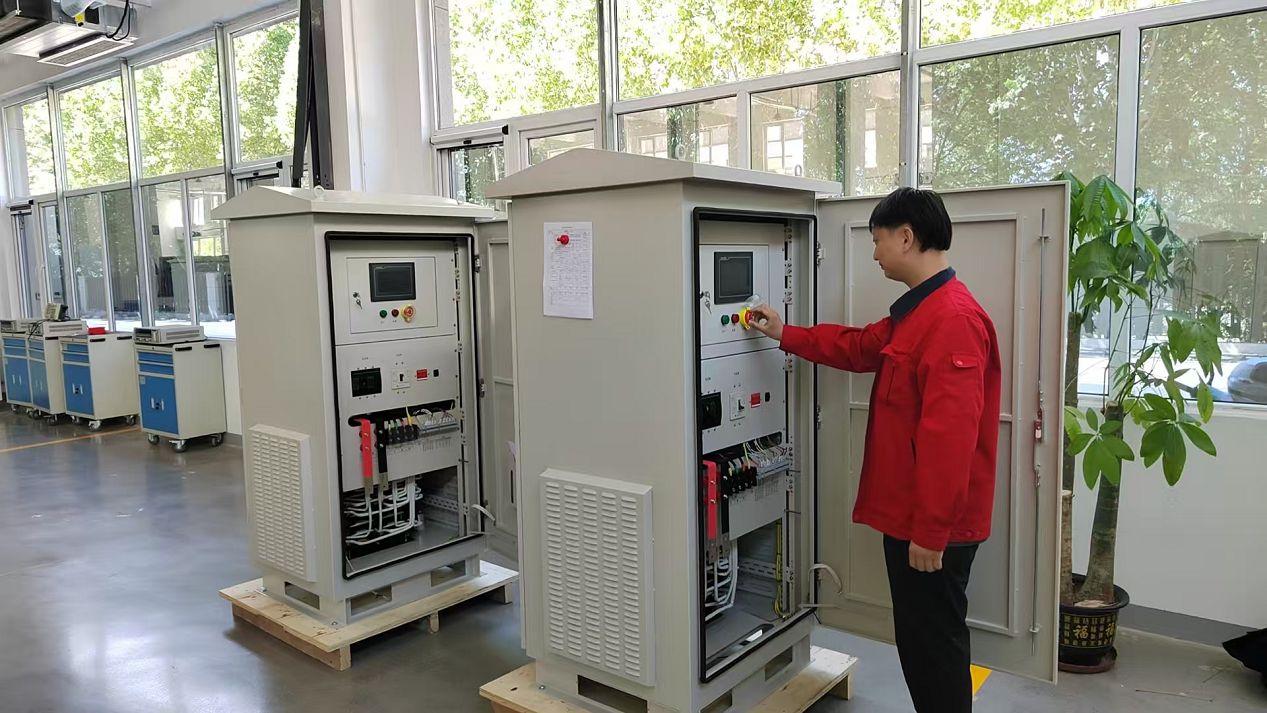
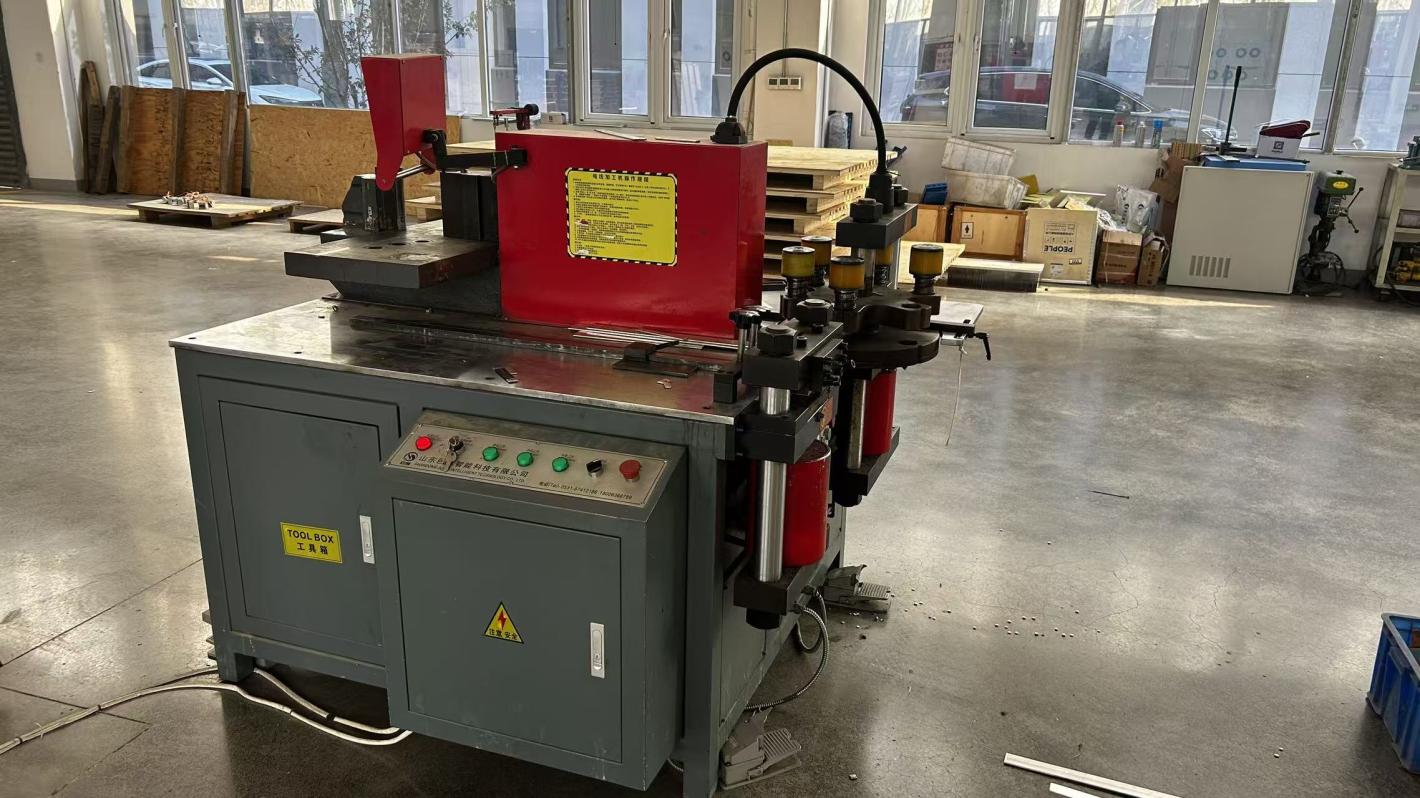
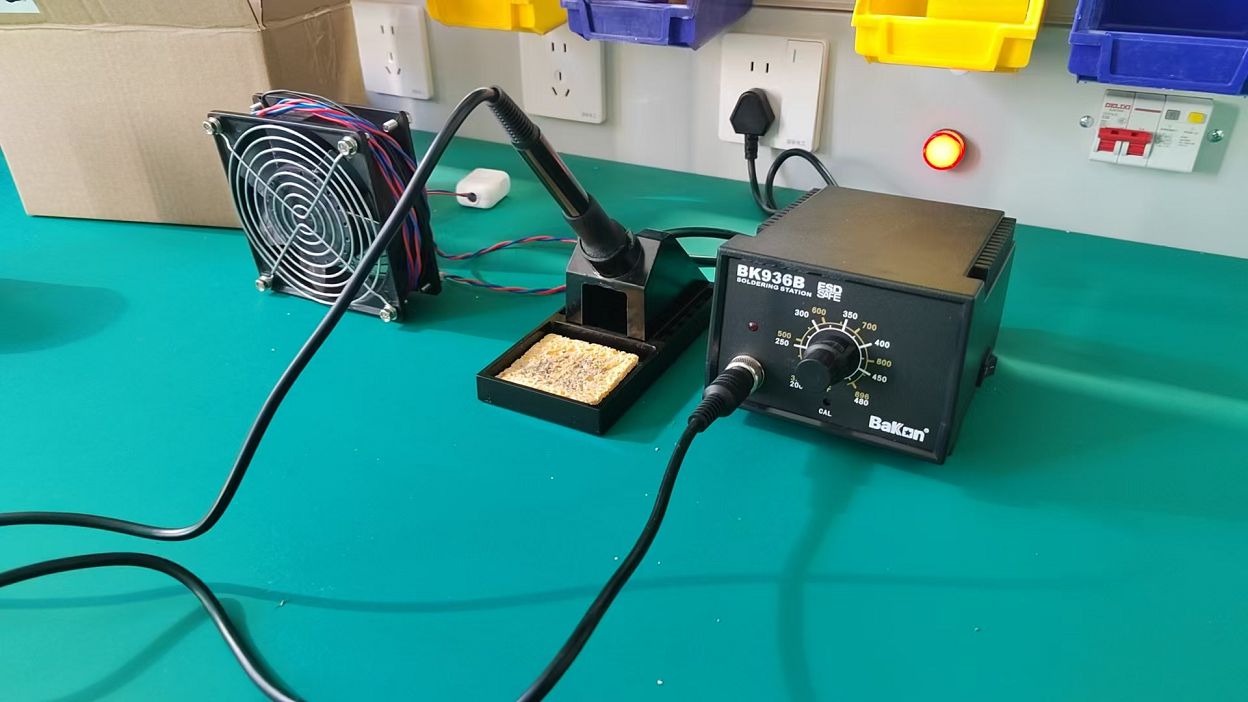
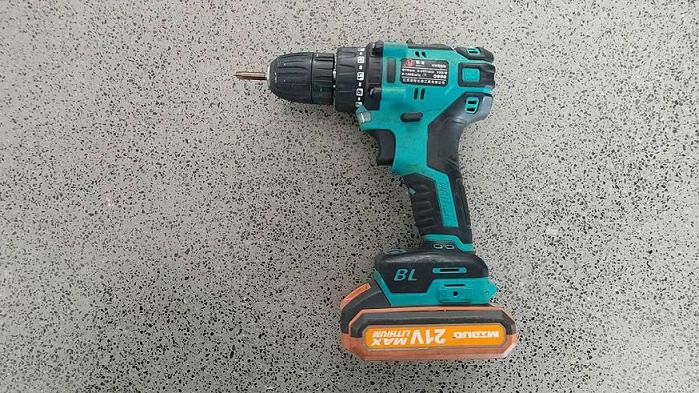
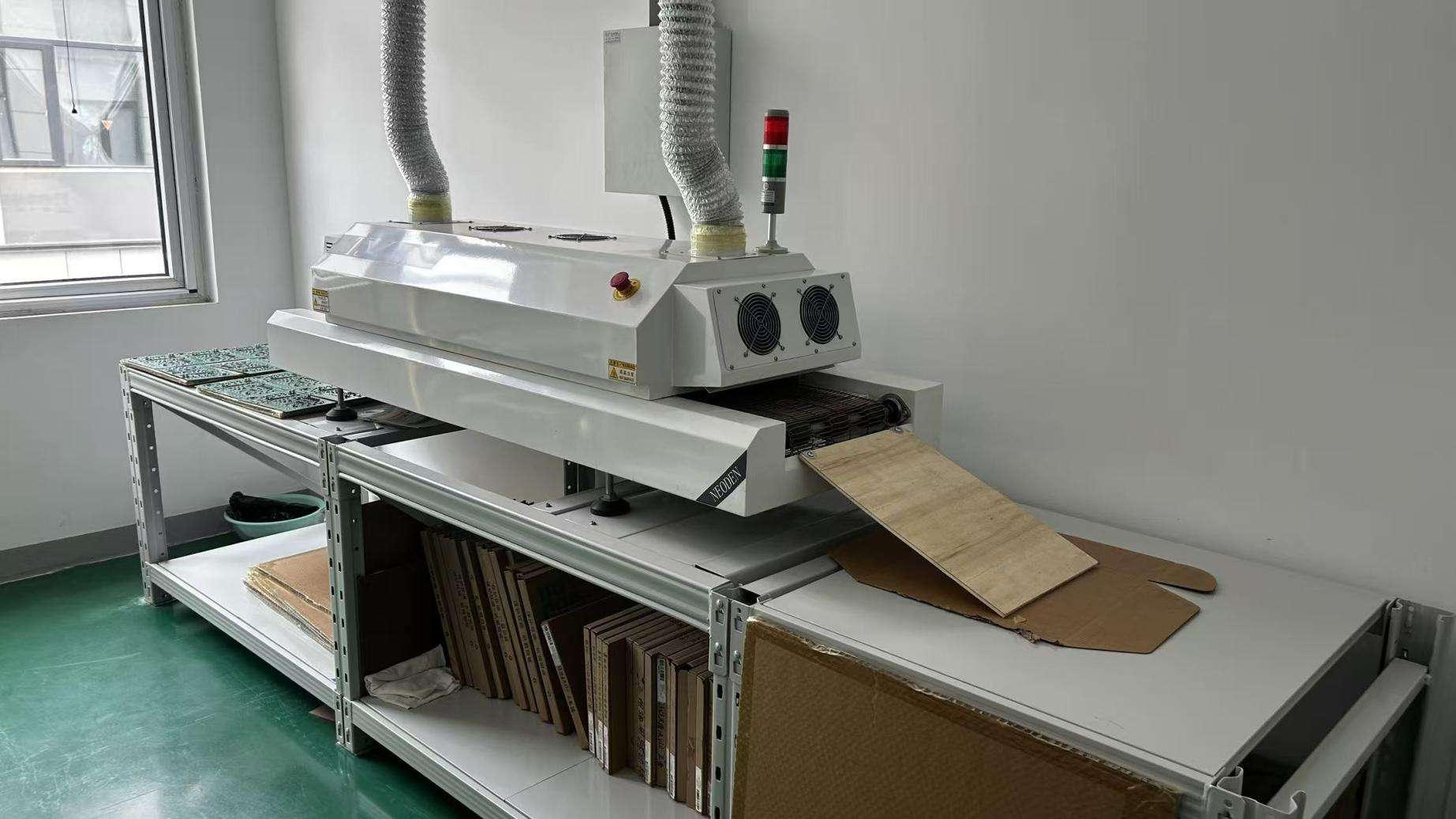
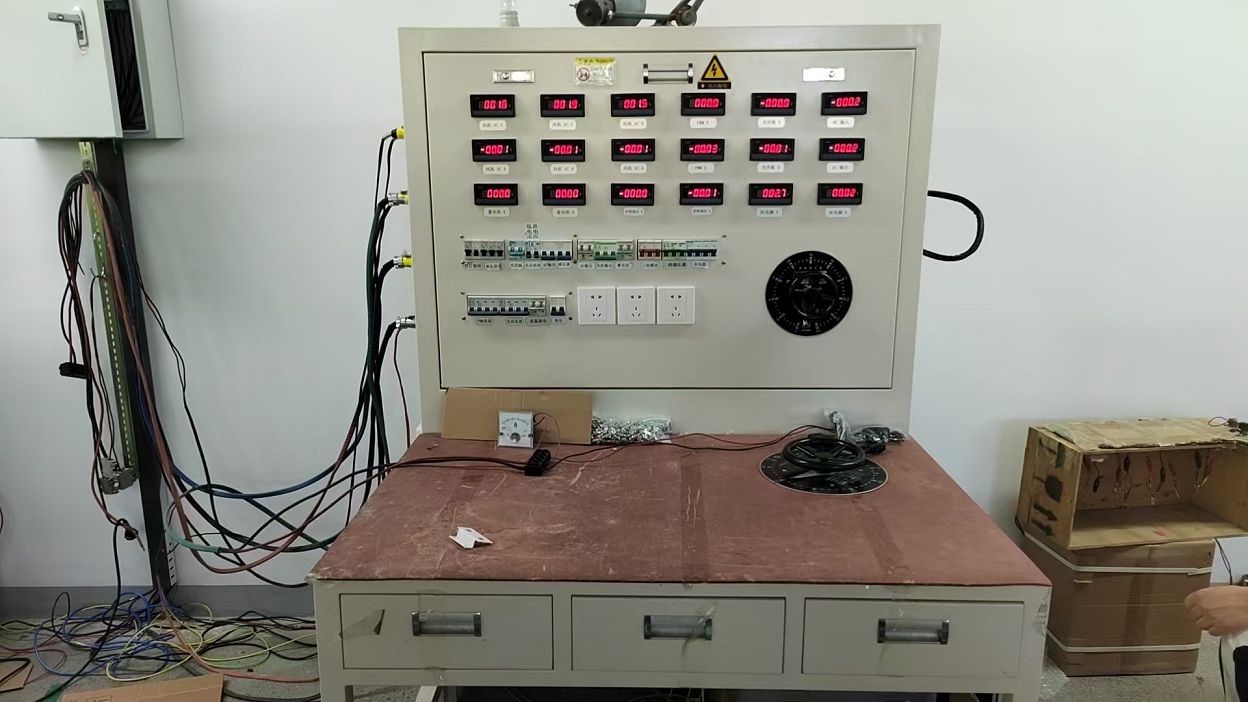
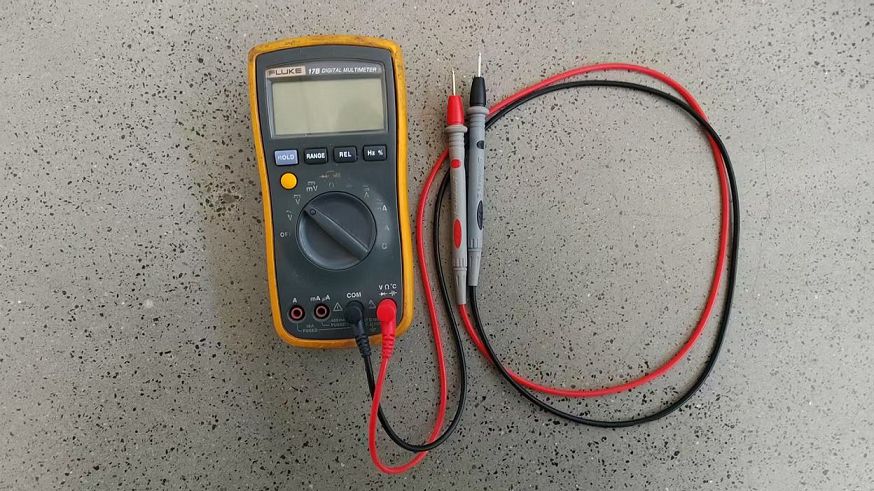
Real-world applications of Deming Power's customized high-capacity systems across strategic sectors.
In developing rural networks or remote agricultural applications, extending national high-voltage transmission lines is often cost-prohibitive. Mini-hydro generators coupled with Deming's 5KW-10KW Off-Grid Micro Hydro Power Converter systems provide reliable energy. The integrated AC/DC converters stabilize dynamic fluctuations from run-of-river flow velocities, rectifying the raw variable output into reliable 220V/380V sinusoidal power suitable for irrigation pumps, agricultural machinery, and local medical facilities.
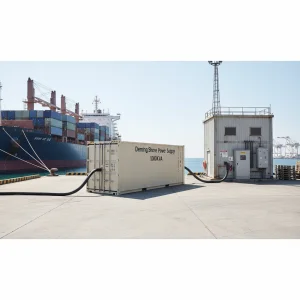
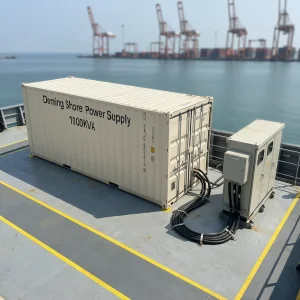
International environmental mandates force commercial shipping docks to reduce diesel emissions. Deming's high-capacity shore power solutions, spanning from 500kW to 5MW, convert local electrical grid profiles to match shipboards (such as shifting between 50Hz and 60Hz frequencies). Featuring 99% conversion efficiency, custom-designed copper busbars, and robust semiconductor structures, these marine systems operate reliably in saline environments.
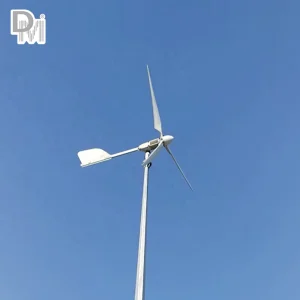
Large-scale chemical, manufacturing, or mining facilities in remote regions often deploy hybrid renewable schemes. Managing inputs from wind turbines, PV panels, and water turbines requires a unified bidirectional power management scheme. Using Deming's 3kW to 100kW hybrid inverters and high-power charge controllers, operators can dynamic-balance storage batteries, load shedding, and peak demand profiles while ensuring maximum safety.
Detailed technical insights for B2B buyers and EPC procurement leads.
Advanced high-power converters, converters, and shore supply infrastructure for industrial applications.
 Demin Power