OEM/ODM Grid Connection Manufacturer & Exporters

Pioneering High-Efficiency Power Conversion Systems, Bidirectional Grid-Tie Test Units, and Heavy-Duty Intelligent Stabilizers for Renewable Energy Ecosystems Globally.

The Frontier of Smart Grids and Microgrid Power Integration

The global shift toward decentralized green power demands highly intelligent energy routing. Microgrids, remote wind/solar systems, and marine shore terminals require robust interface systems capable of balancing intermittent power with utility grid structures. As a result, the demand for OEM/ODM Grid Connection Solutions has shifted from basic inverter topologies to complex bidirectional systems capable of managing peak-shaving, frequency stabilization, and reactive power control.

Modern developers require hardware with low total harmonic distortion (THD), maximum power point tracking (MPPT) wide-voltage performance, and high switching frequencies. The incorporation of wide-bandgap semiconductors (such as SiC and GaN) and bidirectional active front ends has allowed efficiency thresholds to surpass 99%—minimizing thermal losses in multi-megawatt installations.

"To build resilient future grids, OEM partners must look past simple power conversion and integrate full dynamic simulation testing, fast transient response rates, and high-frequency stabilization right at the manufacturing level."

Global Procurement Requirements: The E-E-A-T Framework

For engineering firms, utility suppliers, and wind/solar developers, selecting an OEM/ODM partner is not just a capital purchase—it is an investment in long-term reliability. International buyers prioritize the following verification markers:

  • Regulatory & Safety Conformity: Strict alignment with international certification baselines, including CE, ROHS, UL, and local grid standards (e.g., IEEE 1547, VDE-AR-N 4105).
  • Thermal & Mechanical Durability: Systems that withstand harsh operational environments, from offshore marine platforms requiring anti-corrosion frequency converters to desert-bound solar fields.
  • Hardware-in-the-Loop Simulation: Verifiable factory testing that guarantees performance stability before on-site commissioning, minimizing expensive local deployment delays.
2004
Established Year
20%+
R&D Reinvestment
120+
Countries Exported
16
Commercialized Inventions

China Industry 4.0: Supply Chain Resiliency & Engineering Excellence

How Jinan Deming Power Equipment integrates state-of-the-art production automation to resolve global grid equipment bottlenecks.

Dedicated R&D and Academic Leadership

With an R&D team comprising 16 senior engineers—including doctoral supervisors and master’s degree holders—we dedicate over 20% of annual revenue to cutting-edge research. This academic and technical depth has successfully delivered 17 R&D projects and commercialized 16 key technological milestones in the last three years alone.

State-of-the-Art Production Technologies

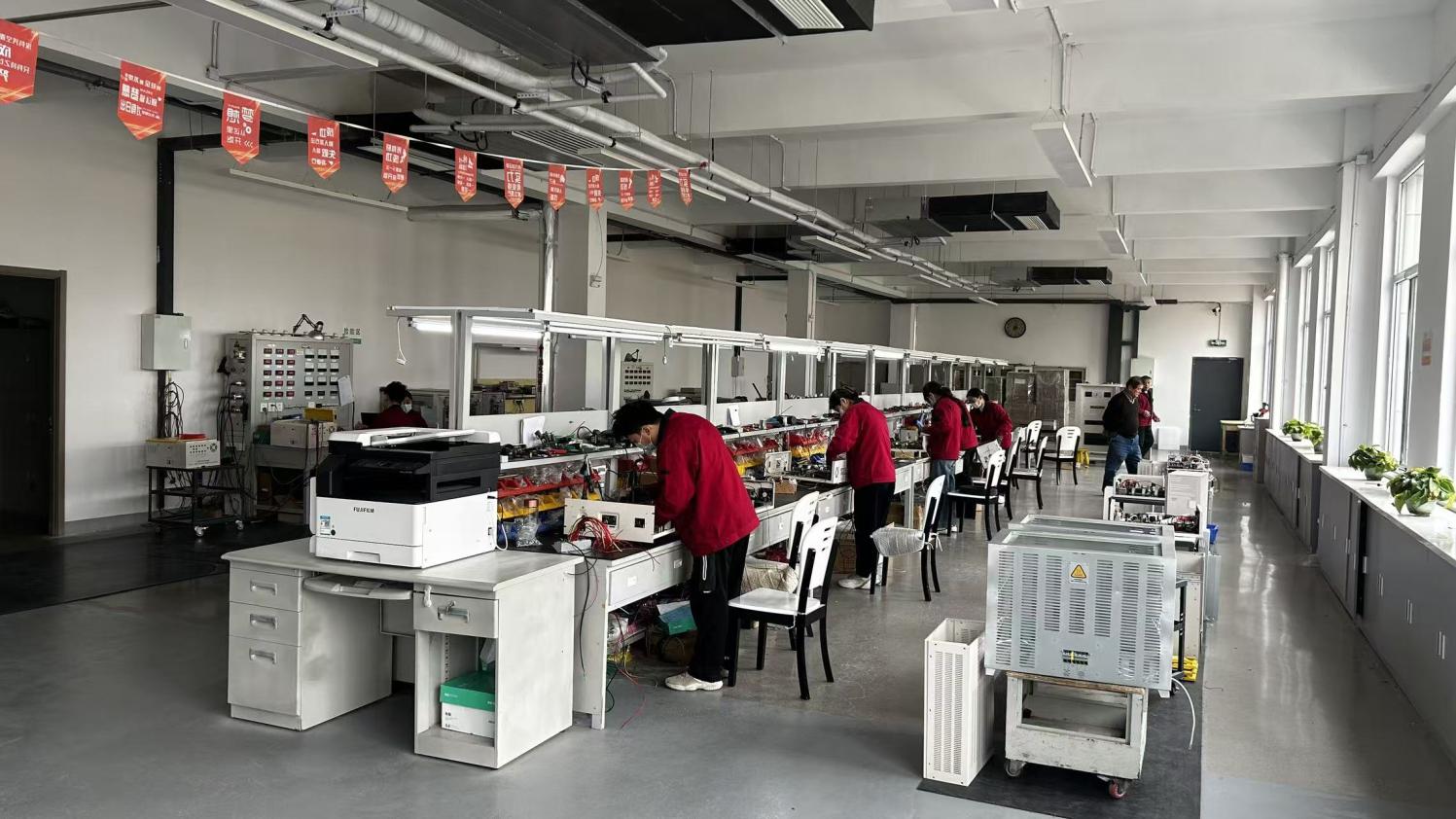
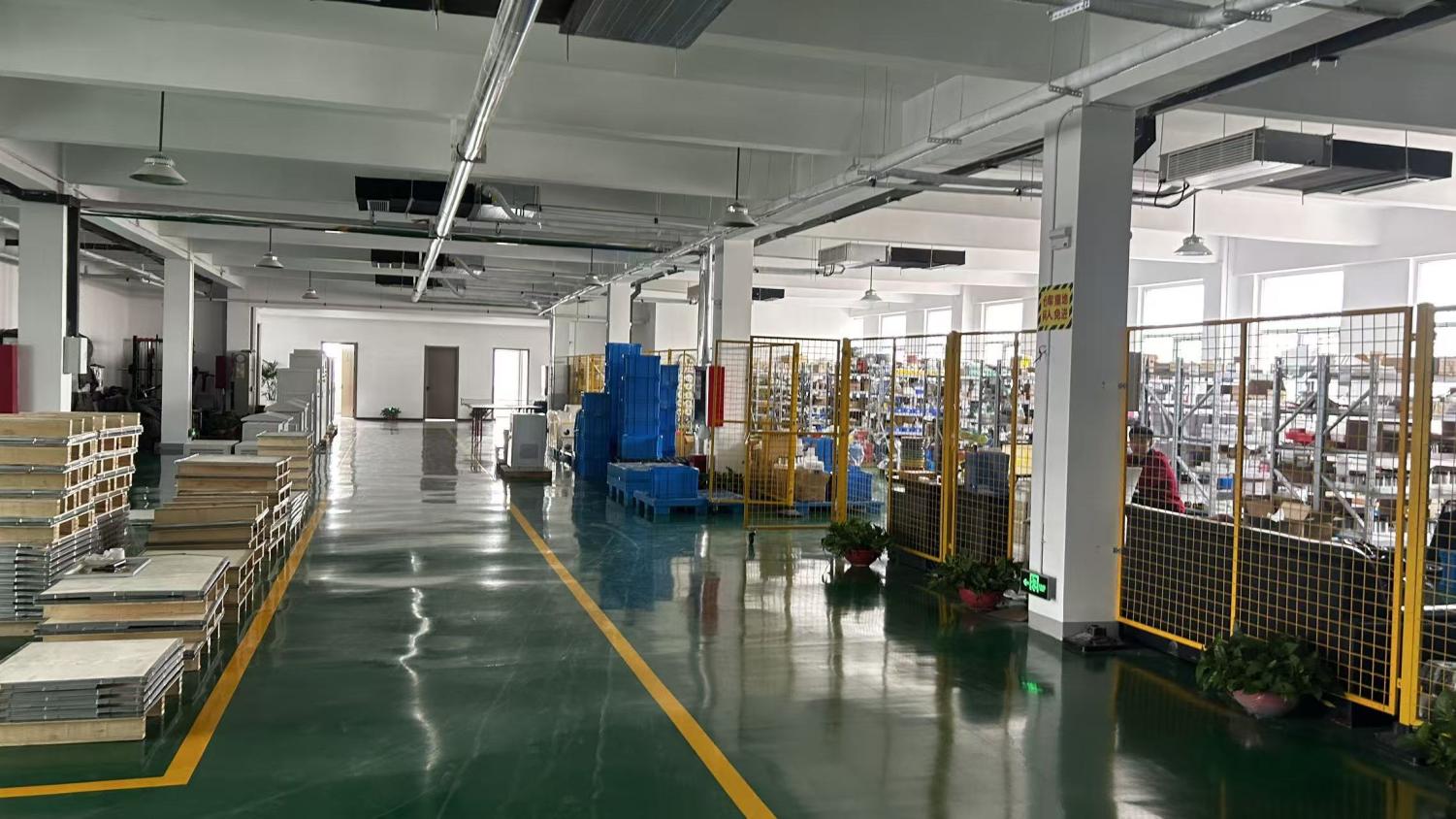
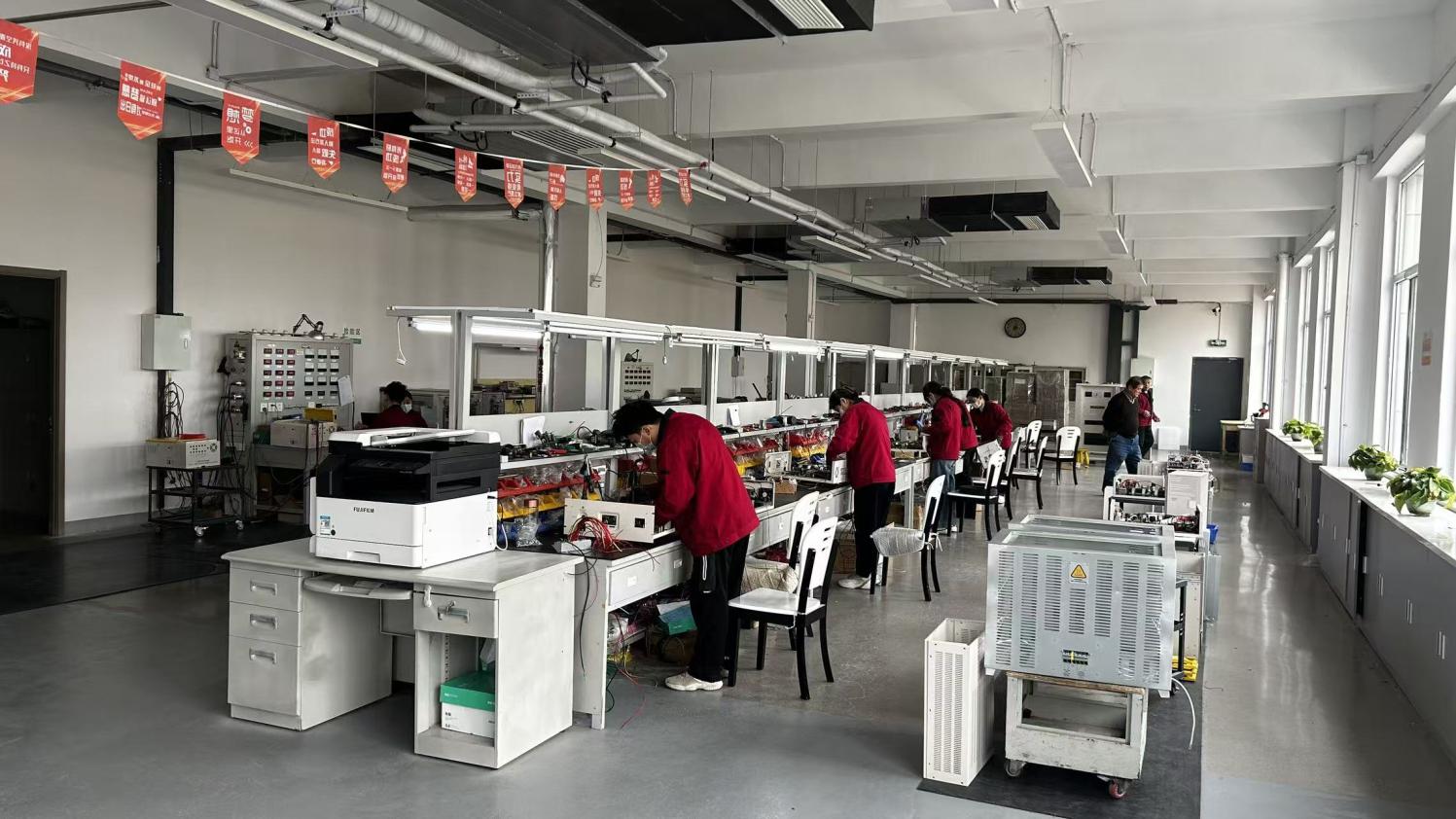
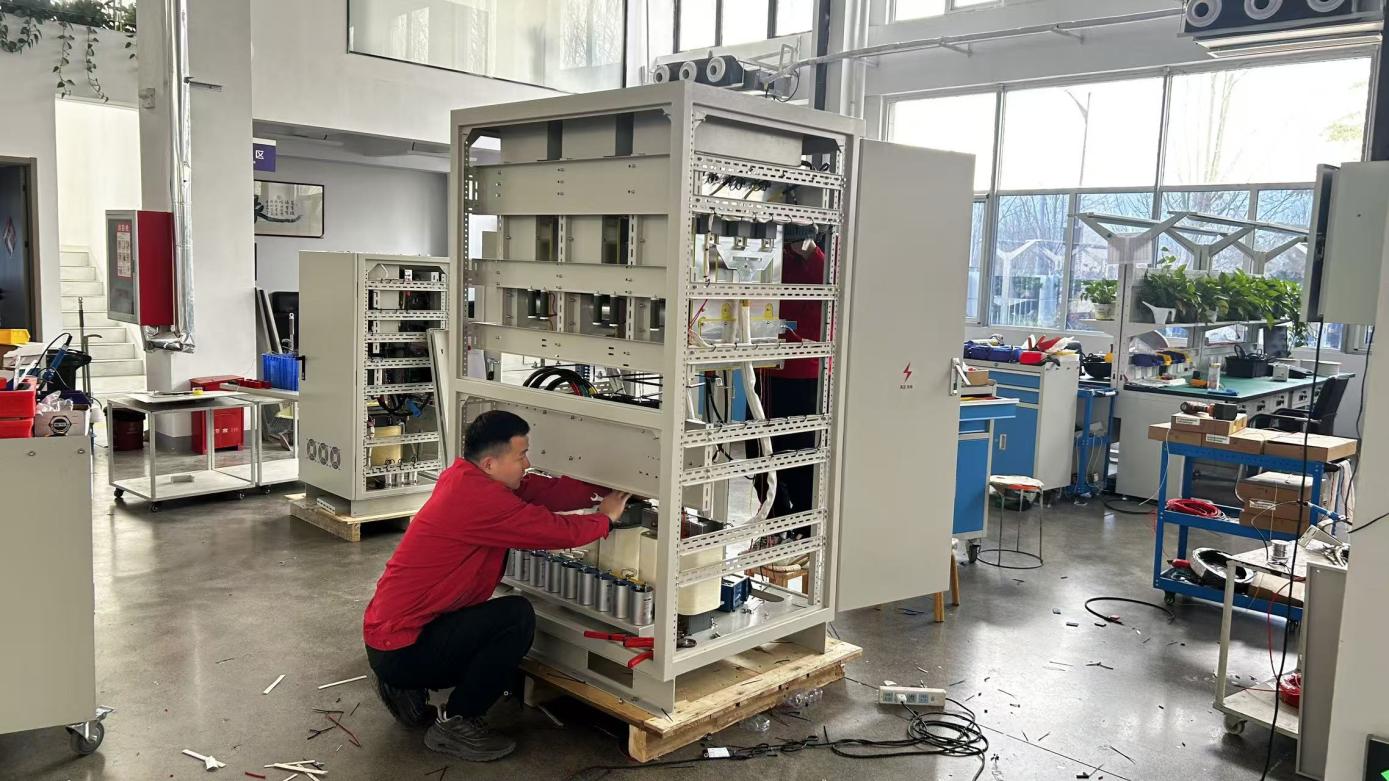
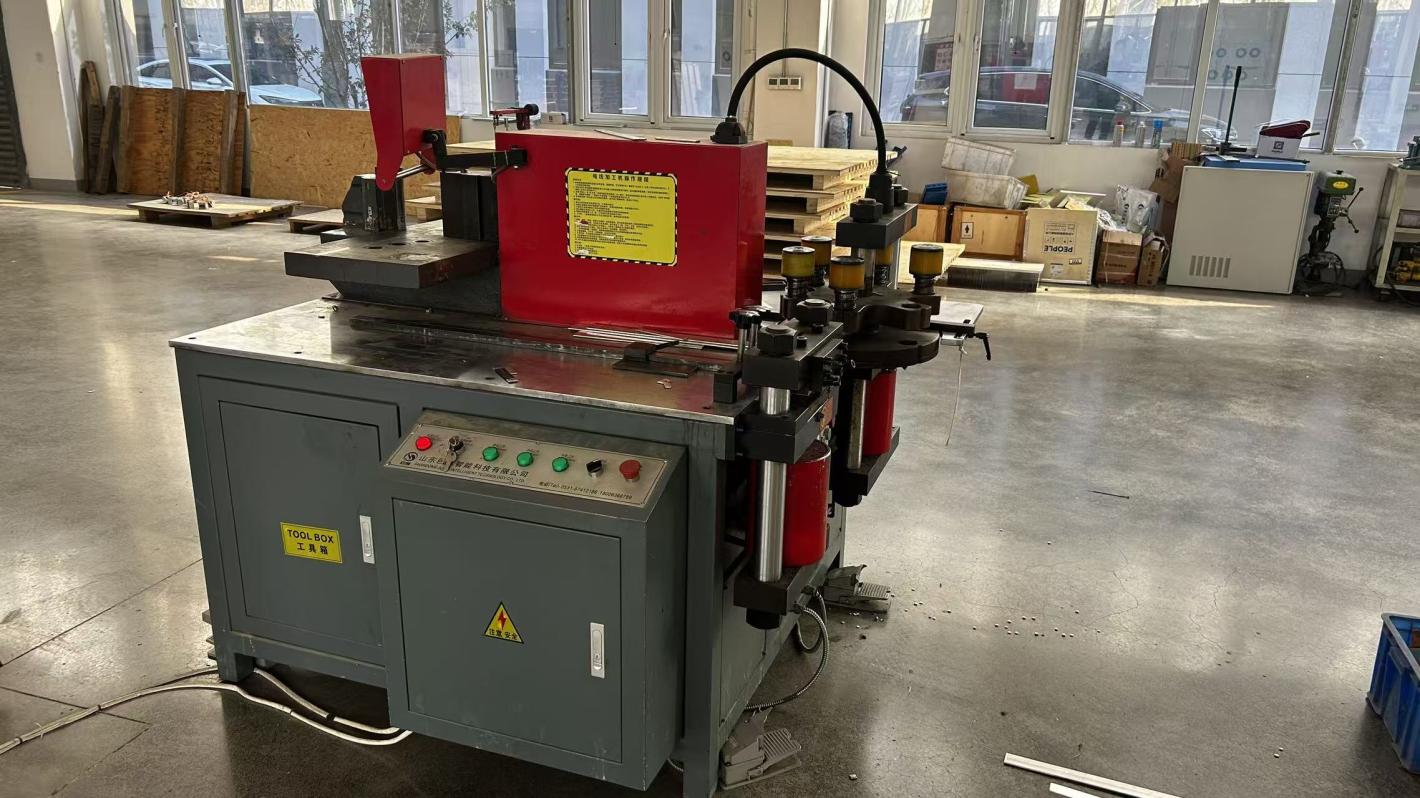
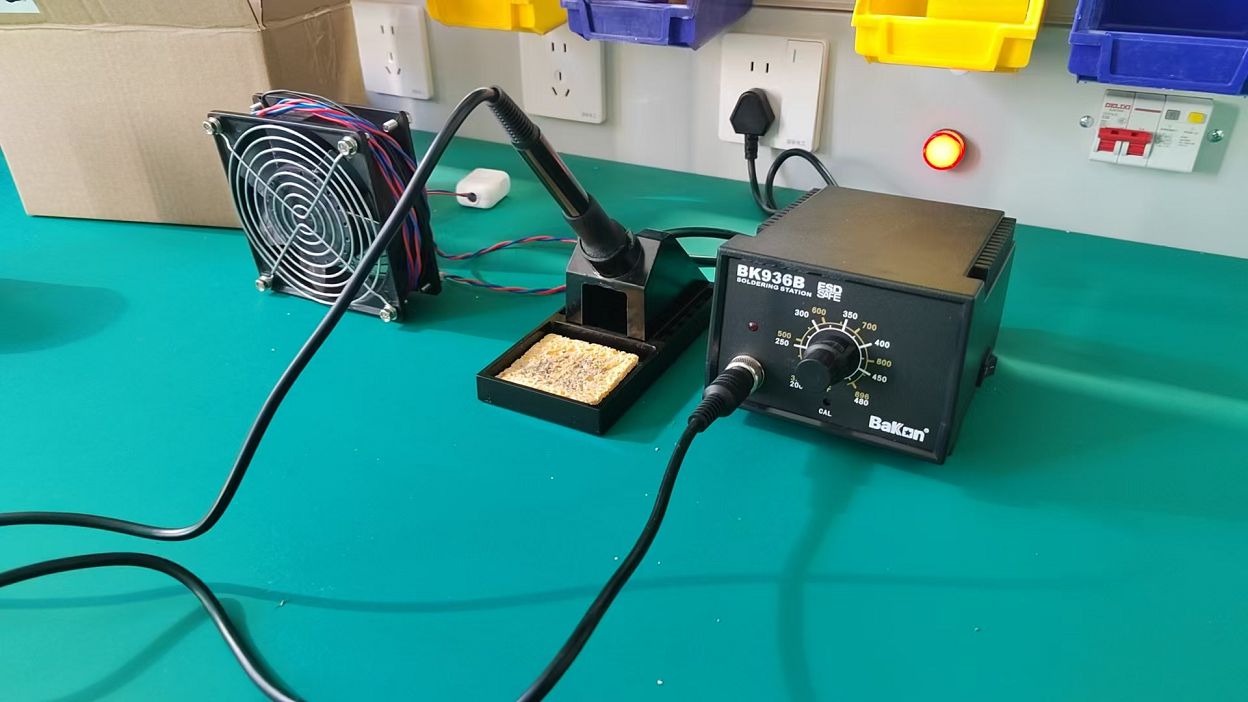
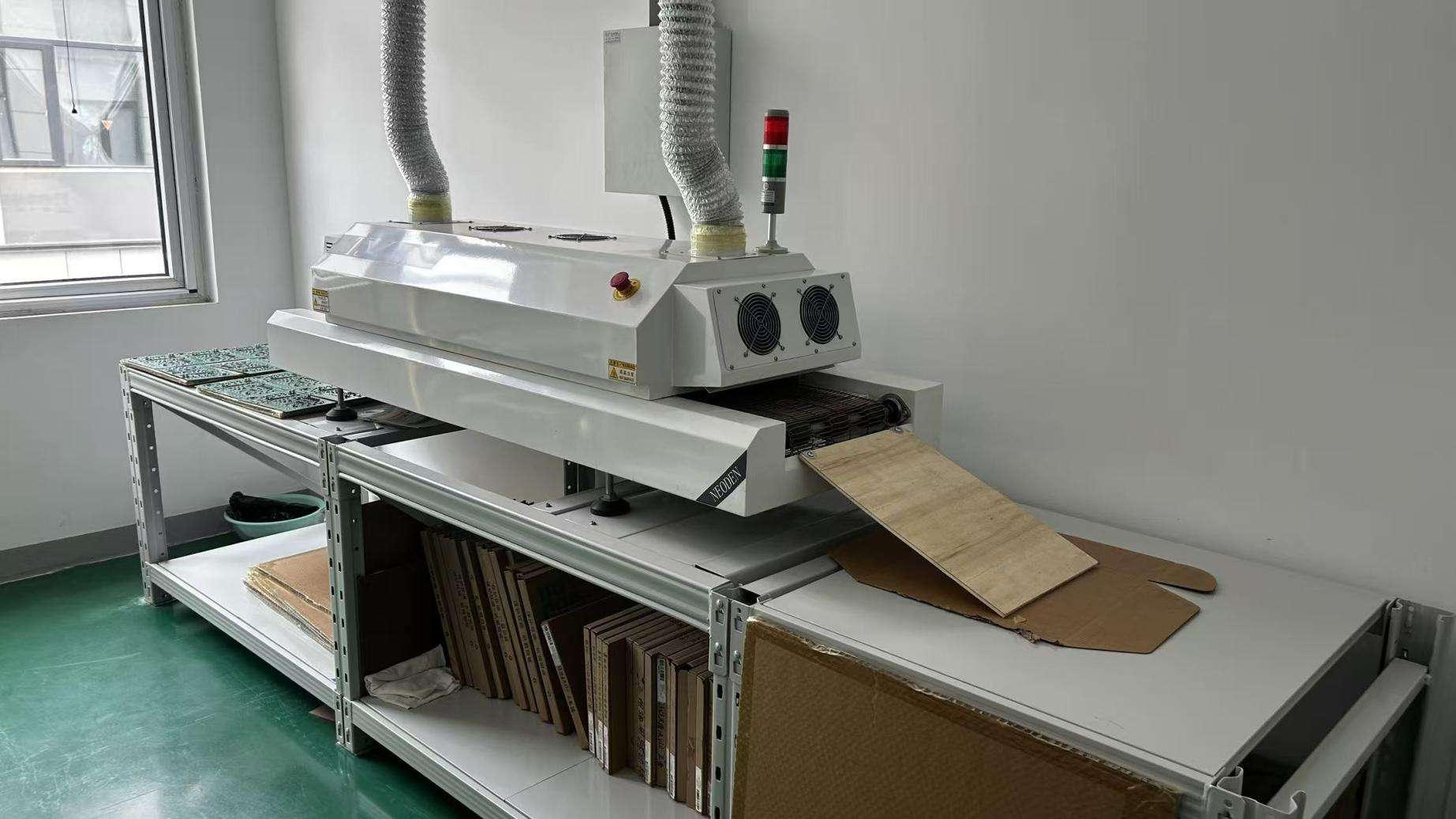
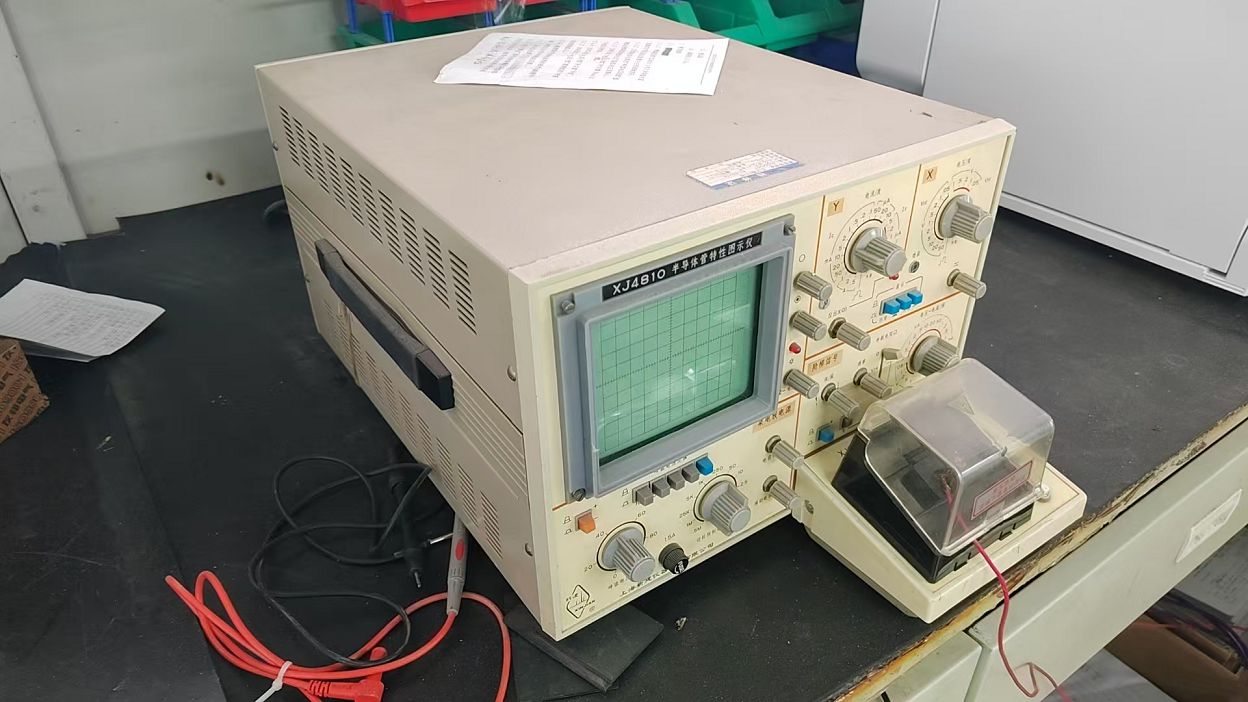
Our facility features modern reflow soldering machines, precise copper bar production tools, automatic LCR testers, and semiconductor plotters. Operating under strict ISO9001:2015 controls, we guarantee uniform assembly, thermal stability, and circuit integrity across large-scale manufacturing runs.

Rigorous Quality Control

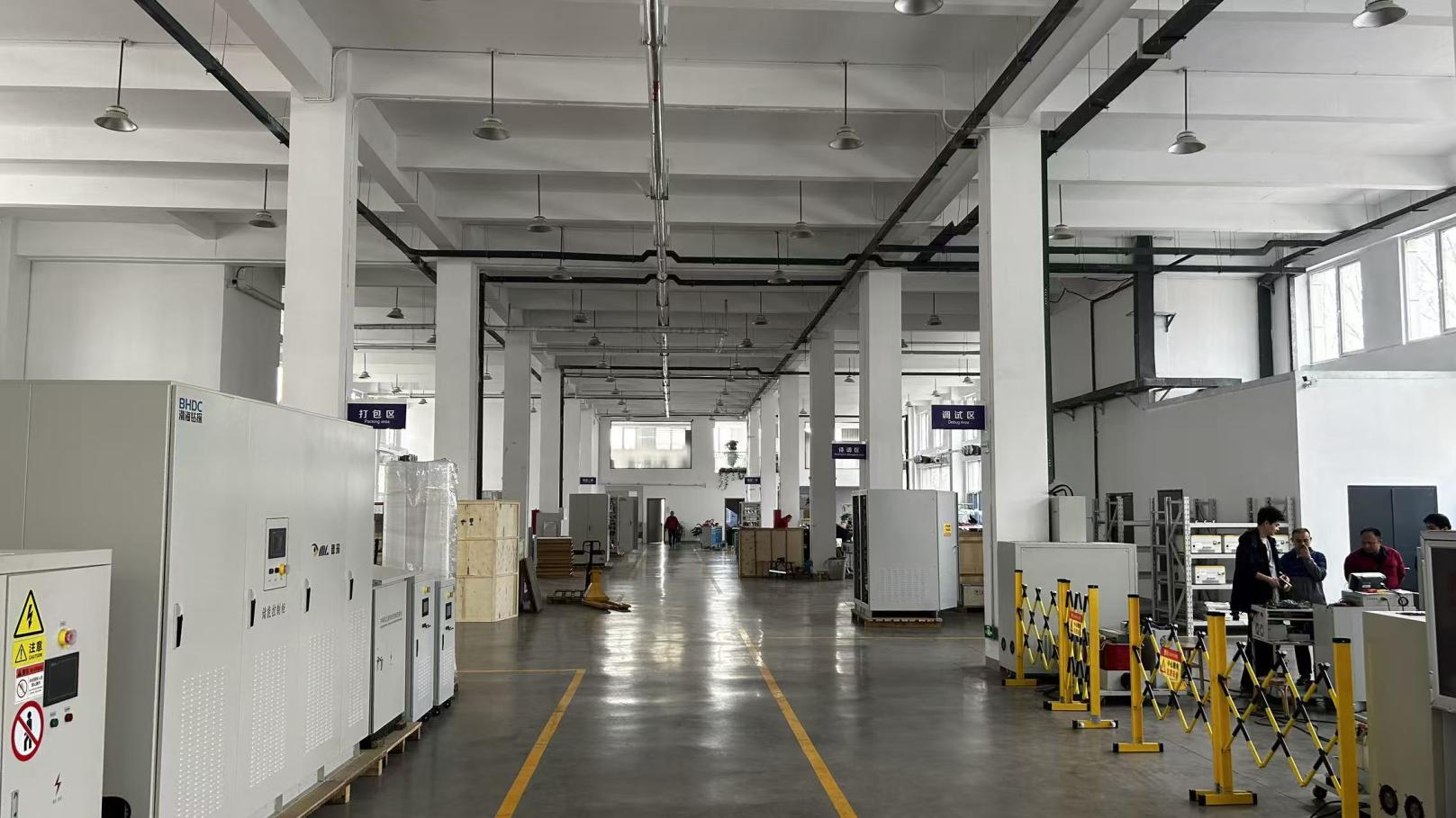
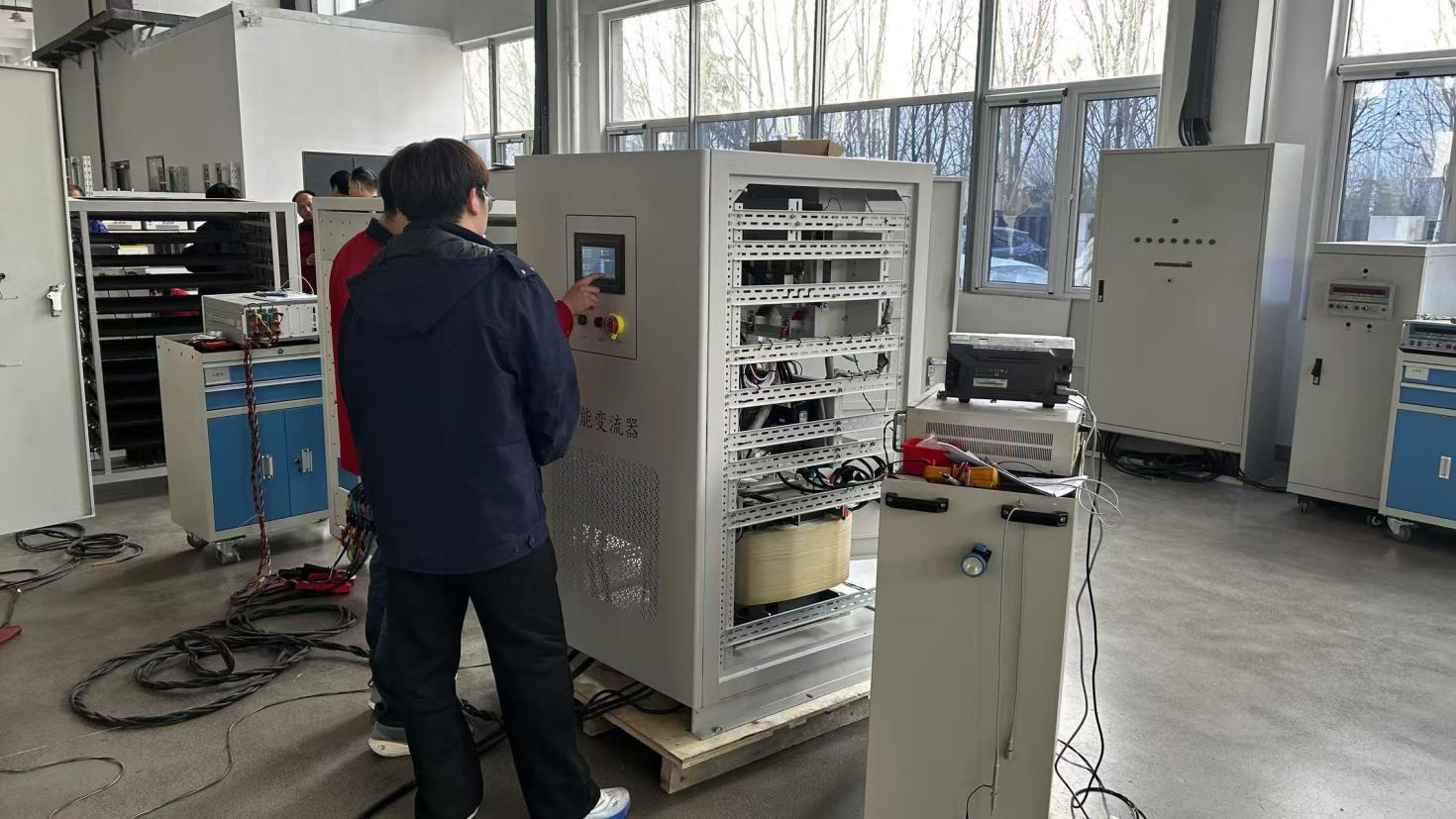
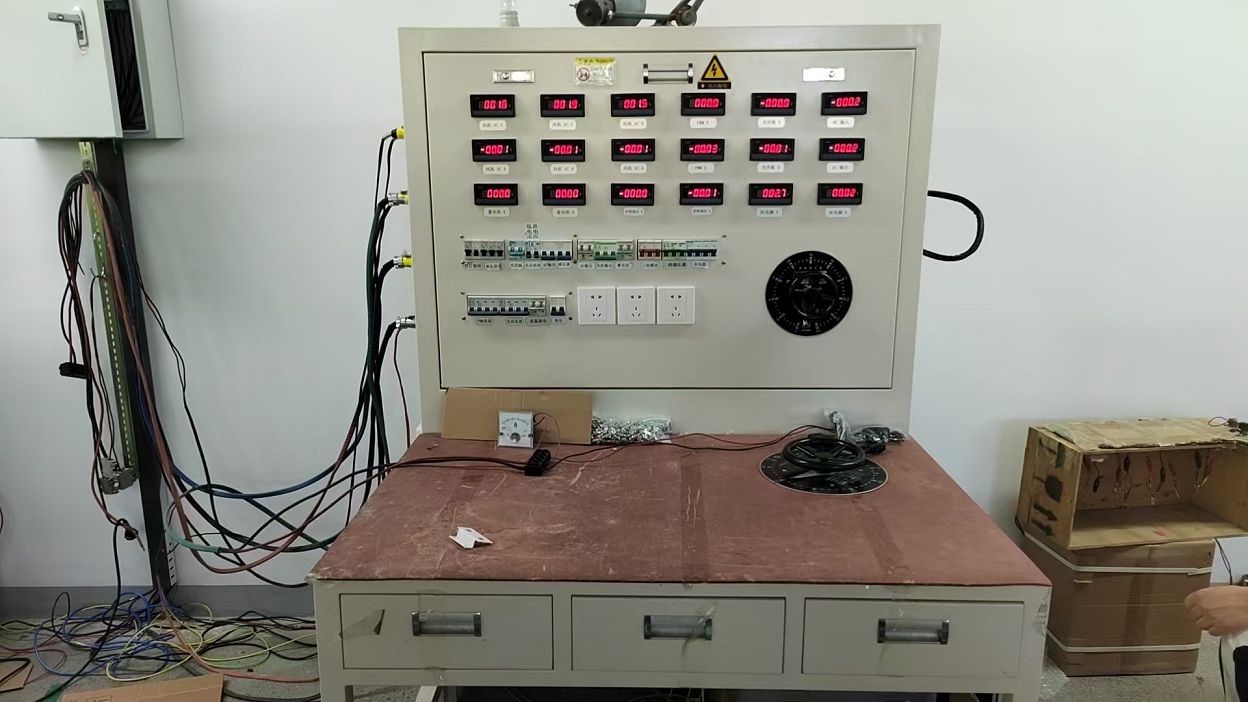
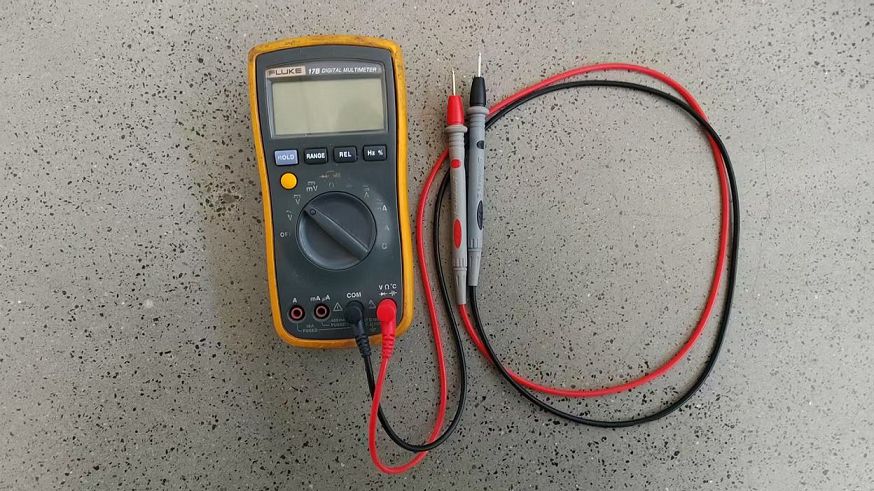
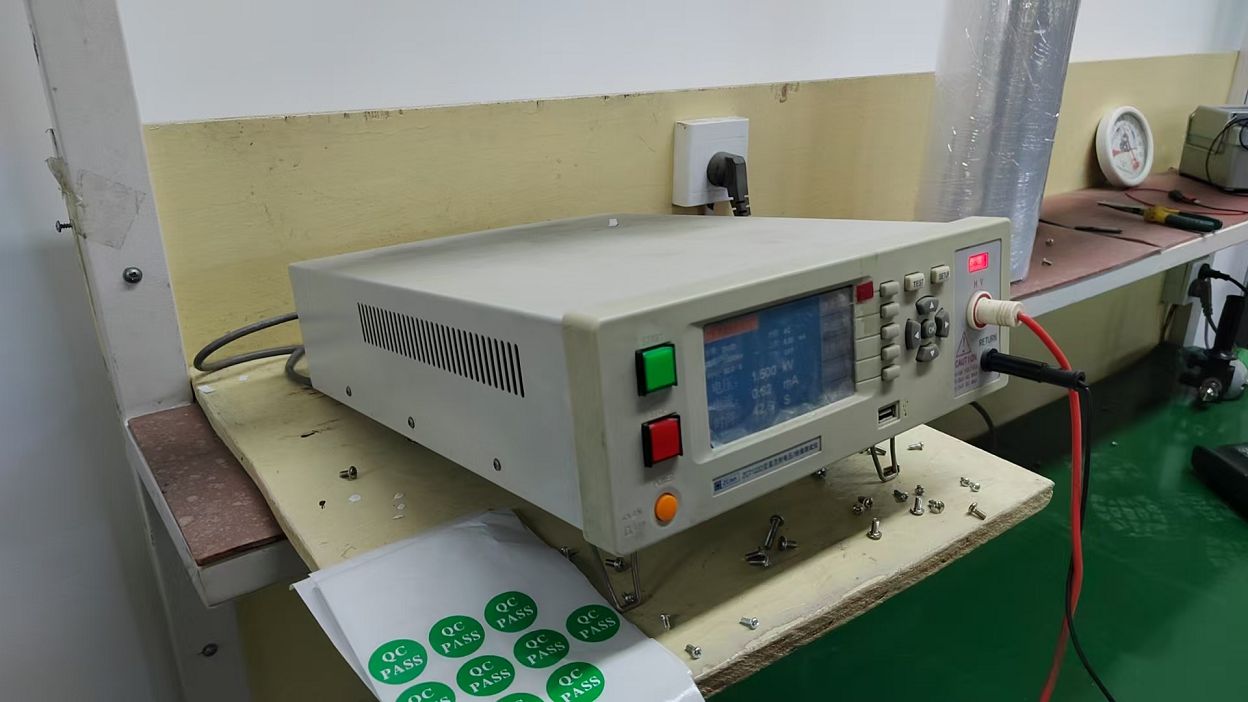
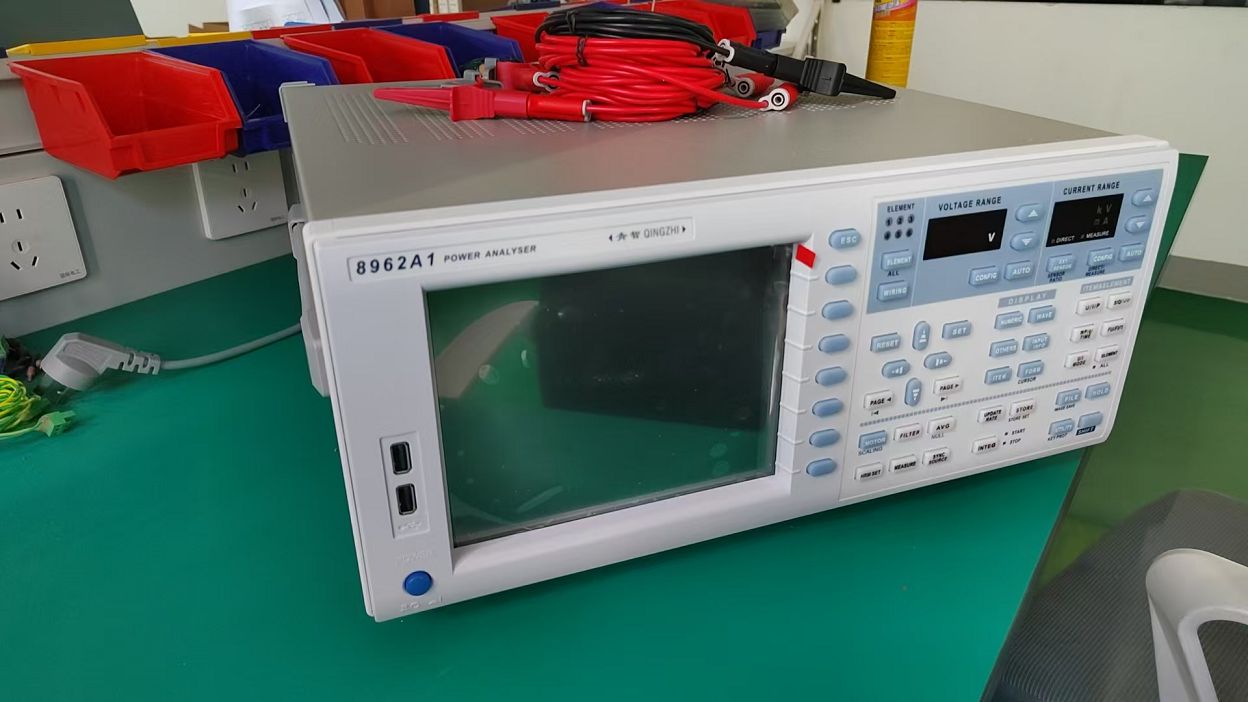
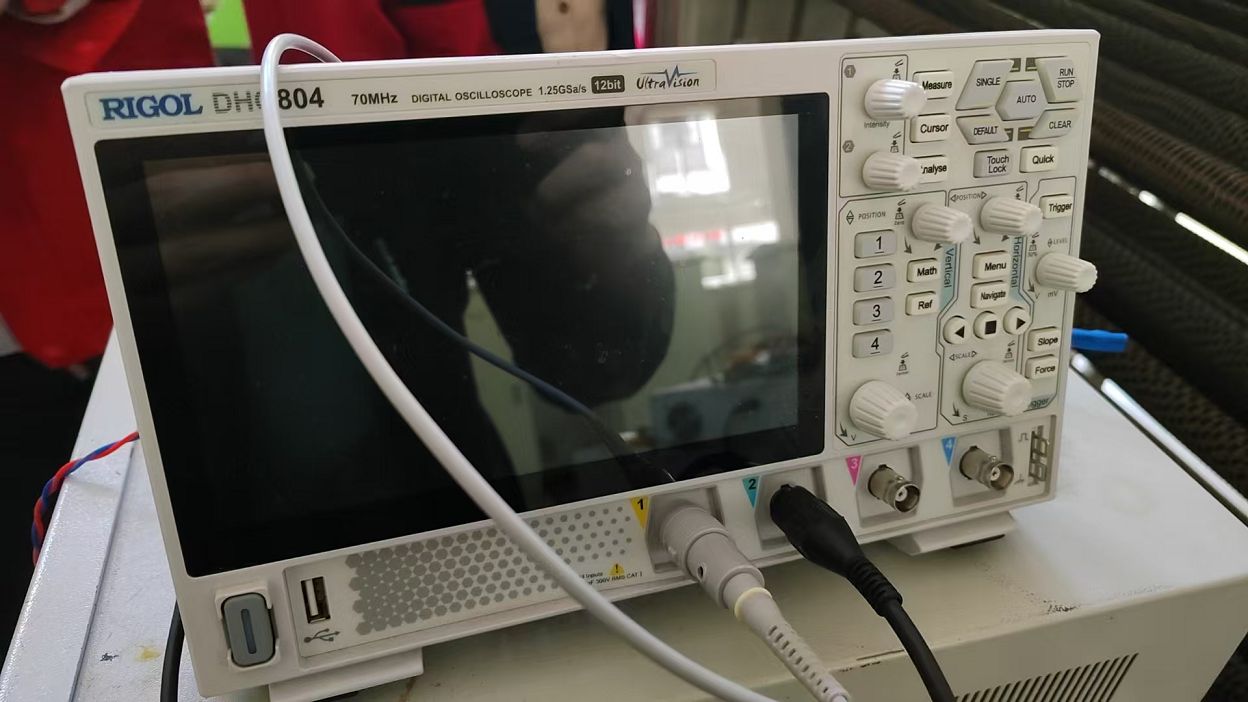
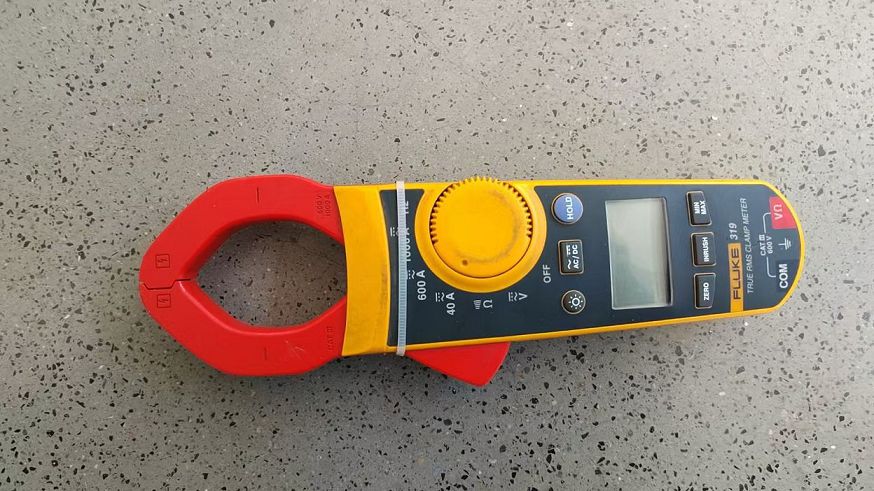
Every industrial converter, wind controller, and bidirectional power system undergoes multi-stage debugging and electrical stress tests. Using digital oscilloscopes and power quality analyzers, our technical staff ensures zero-defect quality before export.

Targeted Global Applications & Deployment Cases

Engineered solutions customized to meet the distinct operational challenges of global infrastructure projects.

1. Container Terminals & Marine Operations

  • Challenge: Ships docked at ports produce significant carbon emissions when running auxiliary diesel generators.
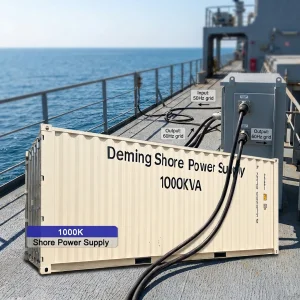
  • Solution: Installation of 6.6kV/11kV Shore Power Systems and Solid State Frequency Converters.
  • Result: Seamless, clean energy transfer from the local power grid to docked cargo vessels, matching local voltage levels and keeping noise and emissions to a minimum.

2. High-Power Test Facilities & Labs

  • Challenge: Testing dynamic battery packs, EV powertrains, or large solar inverters under realistic conditions without wasting substantial energy.
  • Solution: Bidirectional DC test power supplies and real-time battery simulators (150kW to 500kW).
  • Result: Testing labs can simulate high-voltage battery discharge curves and recycle up to 95% of tested energy back into the local grid.

3. Remote Microgrids & Off-Grid Utilities

  • Challenge: Power instability in off-grid rural sites, island utilities, and industrial mining projects reliant on wind and solar power.
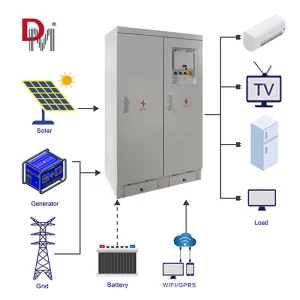
  • Solution: Smart hybrid inverters coupled with high-capacity three-phase MPPT controllers.
  • Result: Constant AC output voltage stabilization and reliable load balancing, ensuring clean, continuous electricity for CNC machinery and sensitive utility gear.

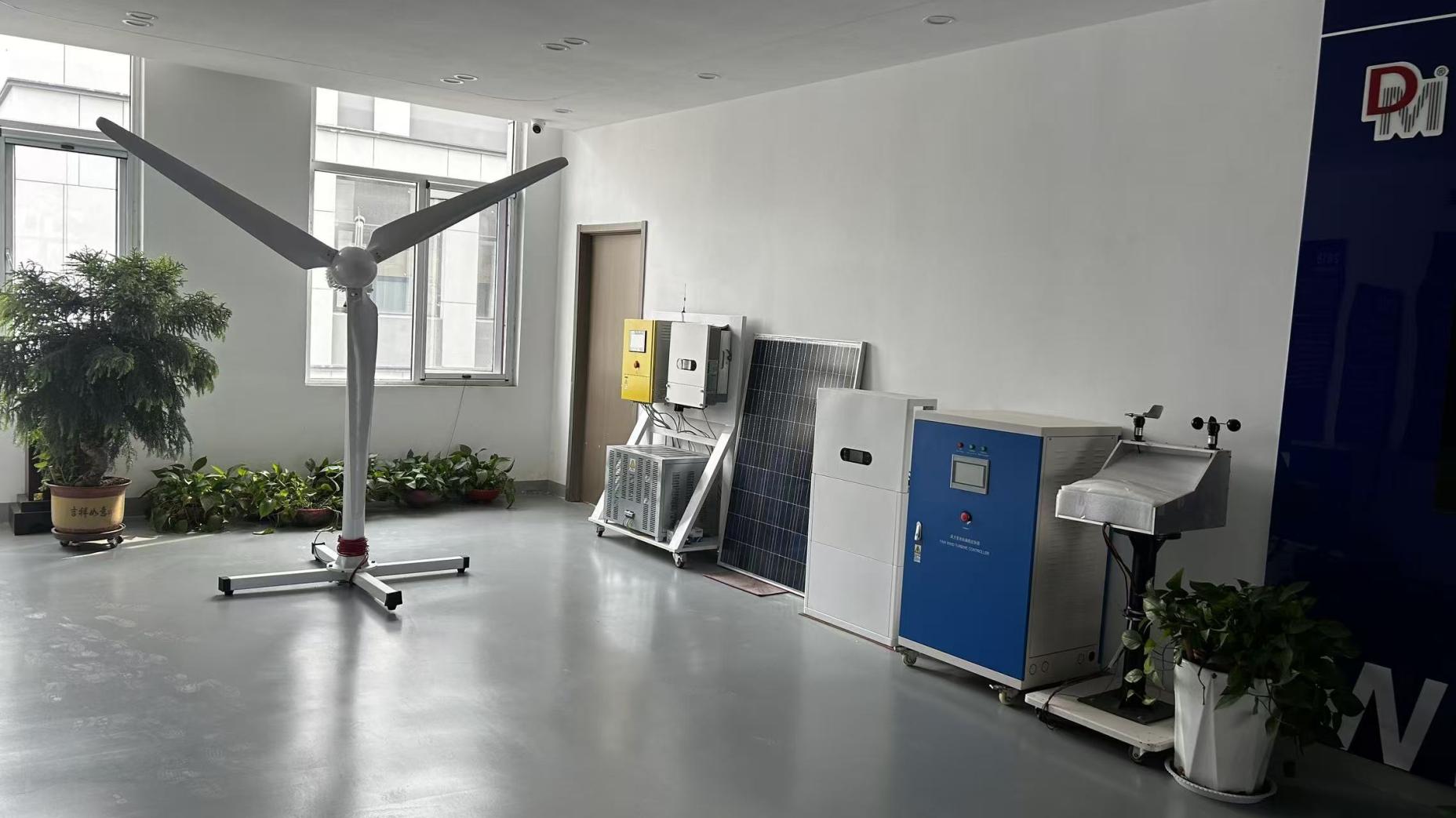
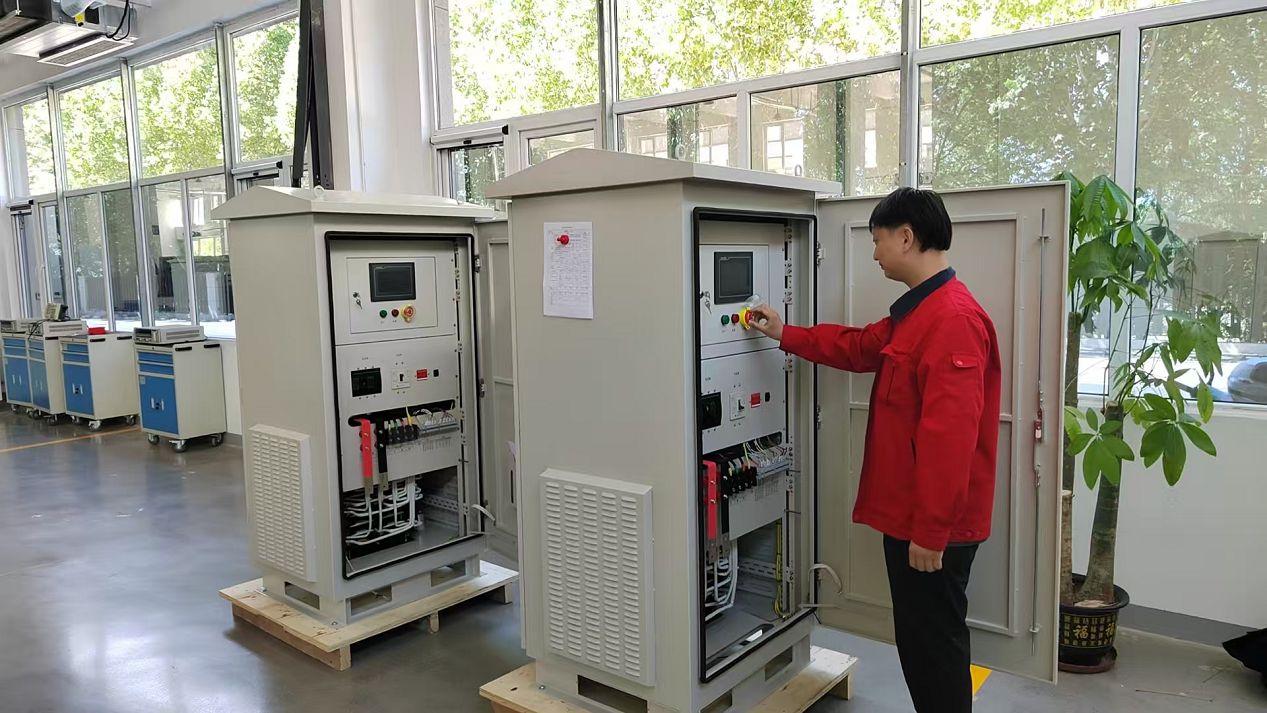
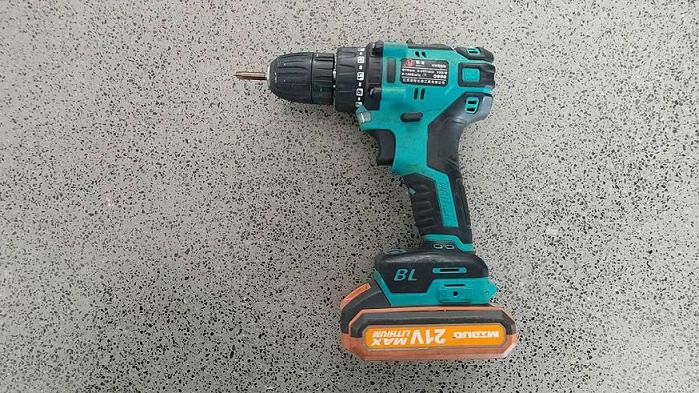
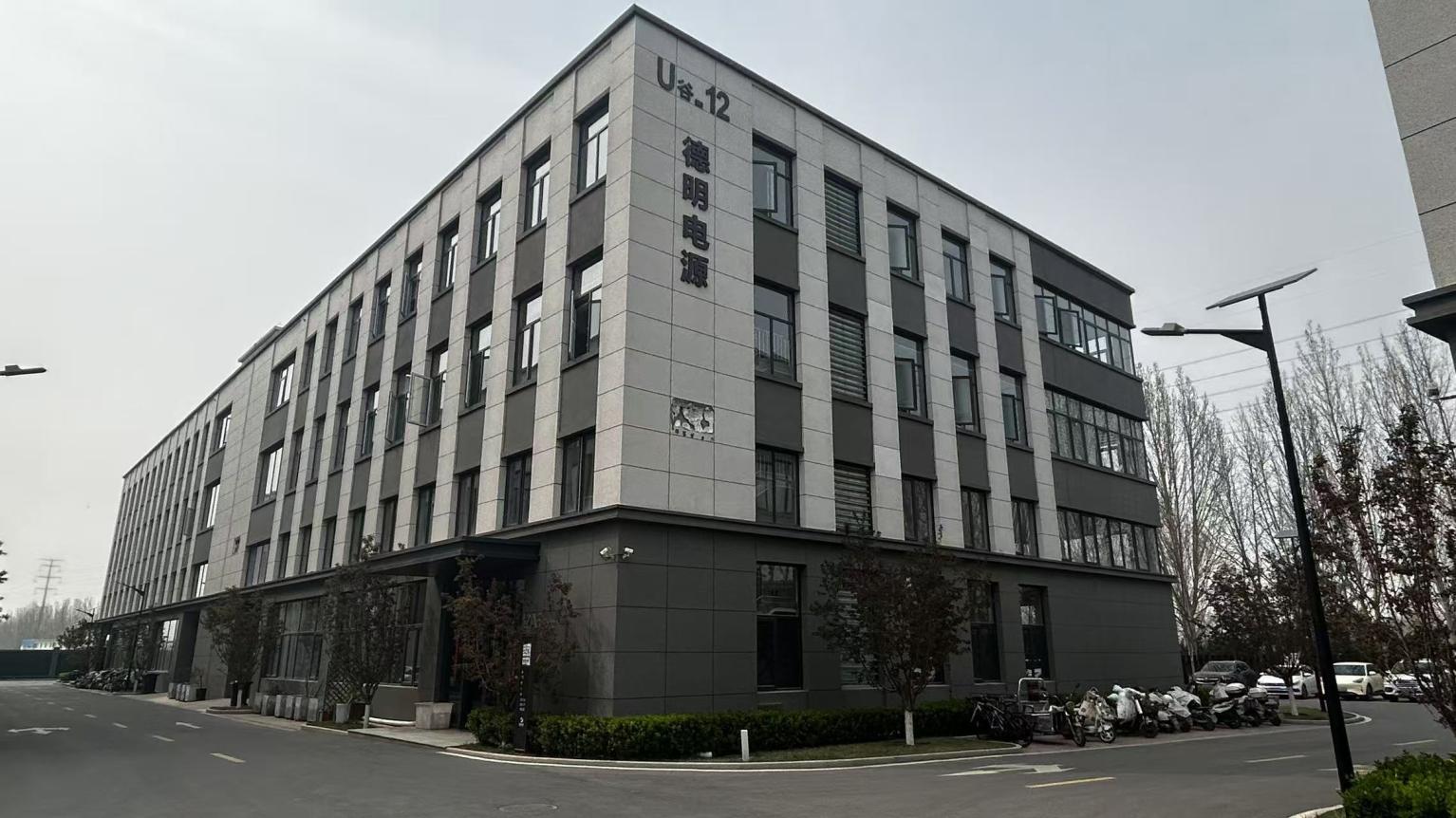
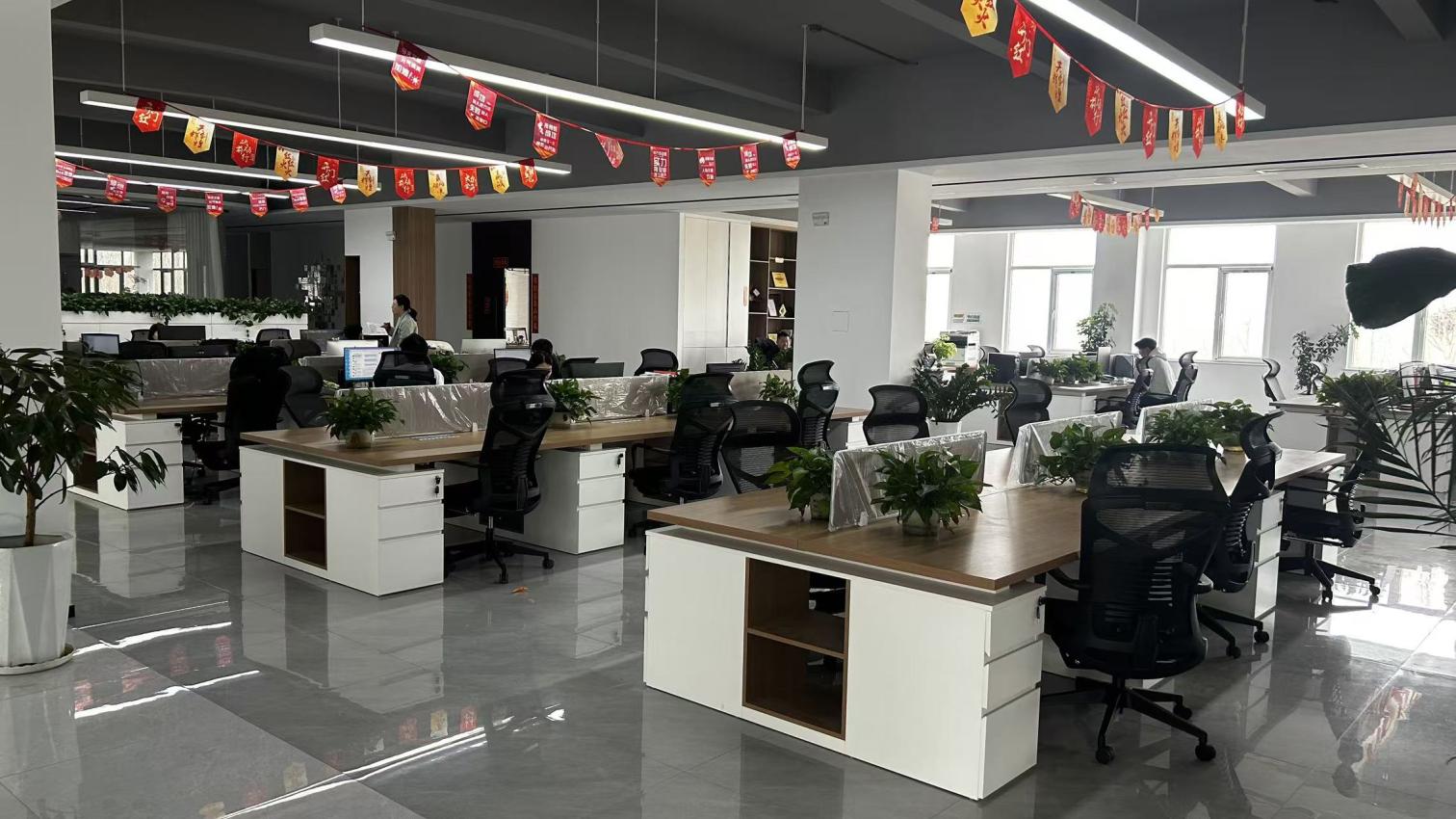
Advanced Production Line & Quality Control Laboratory

Take an inside look at Jinan Deming Power Equipment's manufacturing facility, testing equipment, and R&D engineering center.
Expert Q&A: Grid Connection & Power Regulation

Get answers to common technical, design, and regulatory questions from Deming's R&D engineering team.

1. What distinguishes a bidirectional inverter from a standard grid-tie solar inverter?
A bidirectional inverter (such as our 300kW microgrid units) operates in both directions, allowing power to flow from the grid to charge battery storage systems, and from the batteries back to the grid during peak loads. Standard grid-tie inverters are unidirectional and only feed harvested solar or wind power directly into the AC grid. Our bidirectional platforms feature advanced digital controls for instant transition between charge and discharge modes.
2. How do Deming wind turbine controllers stabilize variable-speed wind inputs?
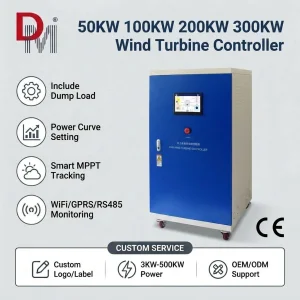
We use high-speed MPPT algorithm tracking and three-phase rectification. When wind speeds change rapidly, our controllers alter the generator loading in real-time, preventing voltage spikes and ensuring a stabilized DC output. For grid-tied wind applications, this output is matched to local grid standards using high-precision digital PLL (Phase Locked Loop) synchronization.
3. What parameters are crucial when selecting shore power solid-state converters?
Key factors include output voltage range (typically 6.6kV or 11kV), frequency isolation (converting 50Hz grid power to 60Hz ship standards or vice-versa), and defense against seaside air conditions. Our marine shore power systems feature robust insulation, active cooling systems, and specialized anti-corrosion enclosures to guarantee long-term operation on busy container terminals.
4. Can your high-power test supplies act as battery simulators for EV testing?
Yes. Our 150kW to 500kW bidirectional test power supplies are equipped with specialized control software that simulates typical battery charge/discharge behaviors, internal resistance variations, and voltage curves under stress. This allows research and testing laboratories to safely test automotive drivetrains, DC chargers, and battery systems with high energy efficiency.
5. What ODM/OEM customization capabilities does Jinan Deming offer?
Back by ISO9001:2015 engineering controls and a large R&D investment, we can customize firmware control algorithms, input/output voltage boundaries (up to 850V DC and above), system communication options (Modbus, CAN, Profibus), and thermal management setups (forced air or liquid cooling). We work closely with partners to build custom models that meet local grid codes and international standards.