Explore state-of-the-art power conversion, grid stabilization, and alternative generation systems deployed globally.
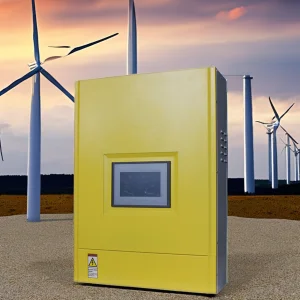
Understanding why reliable power conditioning, harmonic filtering, and dynamic voltage correction are essential to modern industries.
Compensating for low-inertia grids caused by high solar and wind penetration. Active power frequency converters stabilize variable renewable inputs instantly.
Mitigating Total Harmonic Distortion (THD) generated by heavy VFDs, LED lighting arrays, and massive digital switching networks in commercial real estate.
Protecting precision medical equipment and micro-chip production lines from millisecond voltage fluctuations that can cause run failures or batch losses.
Technological shifts, decarbonization metrics, and electrification projects reshaping the grid engineering pipeline.
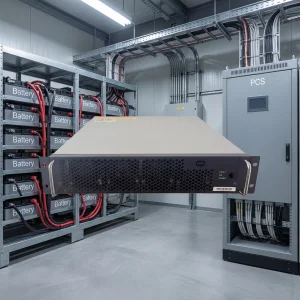
The rise of behind-the-meter Battery Energy Storage Systems (BESS) demands intelligent bidirectional DC-DC converters and Power Conversion Systems (PCS) to manage energy back-feeding dynamically.
Adoption of Silicon Carbide (SiC) and Gallium Nitride (GaN) components in solid-state power electronic converters for higher switching speeds and thermal efficiencies.
Integration of hybrid wind-solar-hydro complexes with smart communication protocols (RS485/Modbus RTU) to isolate localized faults and maintain islanded power autonomy.
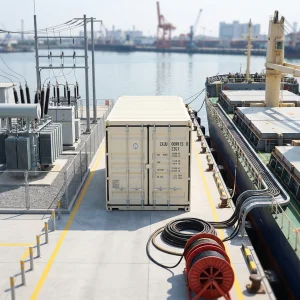
Stringent maritime environmental standards require ports to convert grid frequency (e.g., 50Hz grid to 60Hz marine frequency) for clean electricity usage while docked.
Established in 2004, Jinan Deming Power Equipment Co., Ltd. has stood at the forefront of power engineering innovation for over two decades. As a nationally recognized high-tech enterprise, Deming specializes in the development, manufacturing, and support of advanced renewable energy converters, high-power controllers, and sophisticated testing equipment.
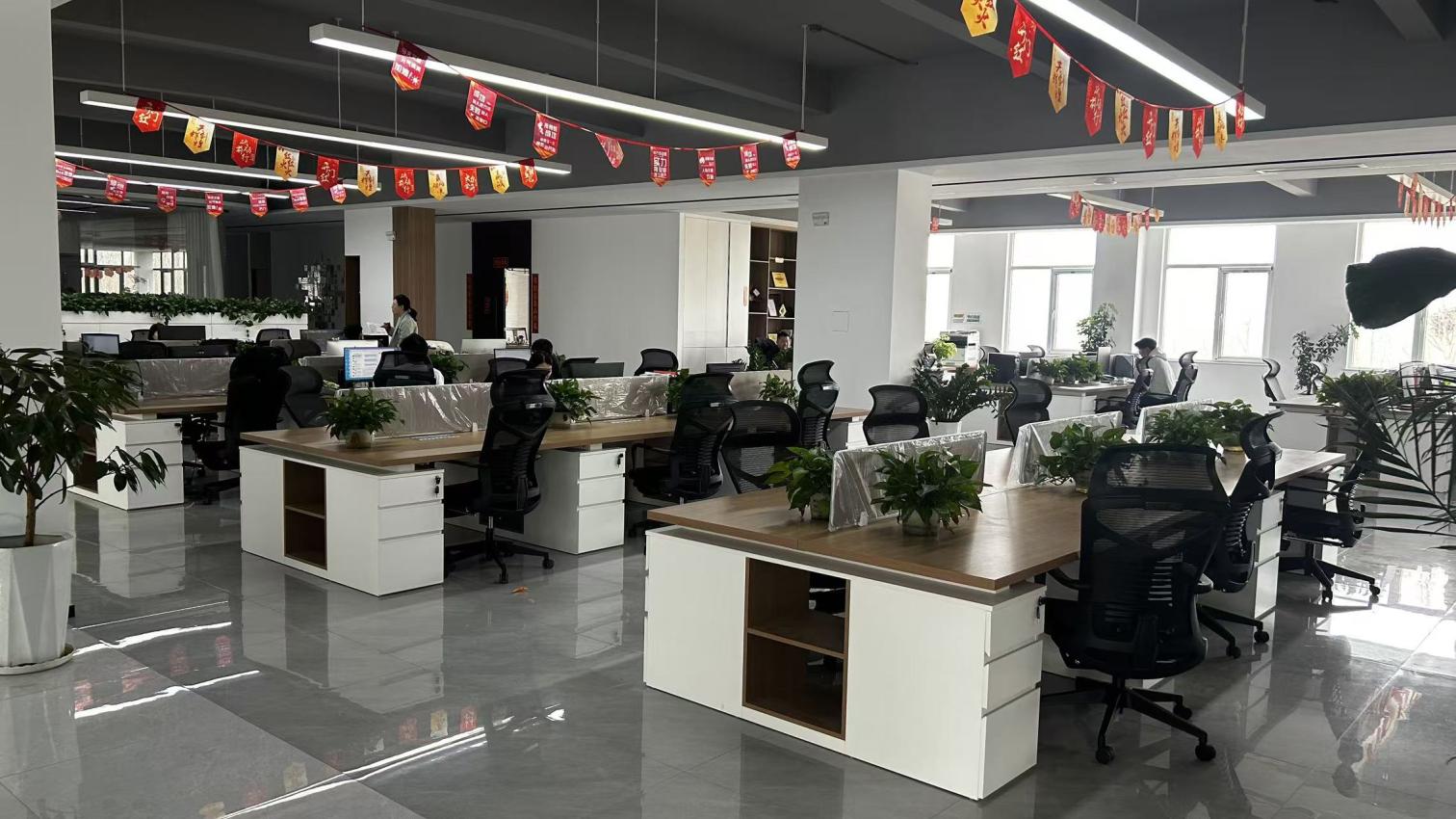
Holding the prestigious ISO9001:2015 Quality Management System Certification, Deming's operational framework is built on rigorous safety, precision engineering, and process transparency. The company's technical excellence is driven by a stellar R&D division comprising 16 senior engineers, including doctoral supervisors and master's degree holders. To maintain its industry-leading position, Deming reinvests no less than 20% of its annual sales revenue into new technology development. This investment has led to the successful execution of 17 R&D projects over the past three years, translating directly into 16 patented industrial products.
With export operations expanding across 120+ countries—including highly regulated markets in Germany, Japan, the United States, the UK, Canada, Australia, and Brazil—Deming has established direct partnerships with key Fortune 500 enterprises. Their product catalog ranges from variable-speed wind/solar system controllers to large-scale grid bidirectional DC simulators (up to 500kW) designed for high-stress electric vehicle drivetrain testing and grid simulation.
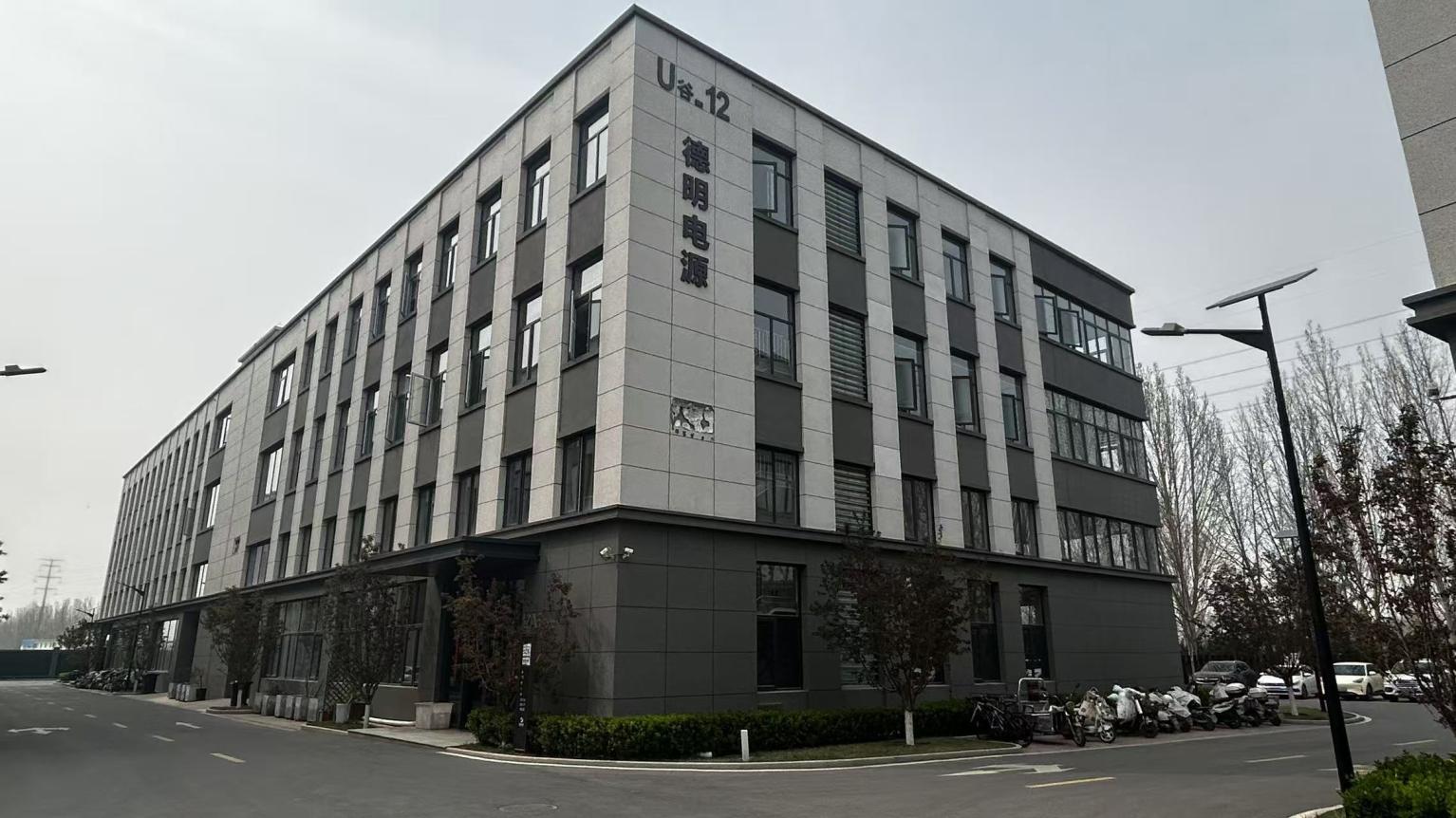
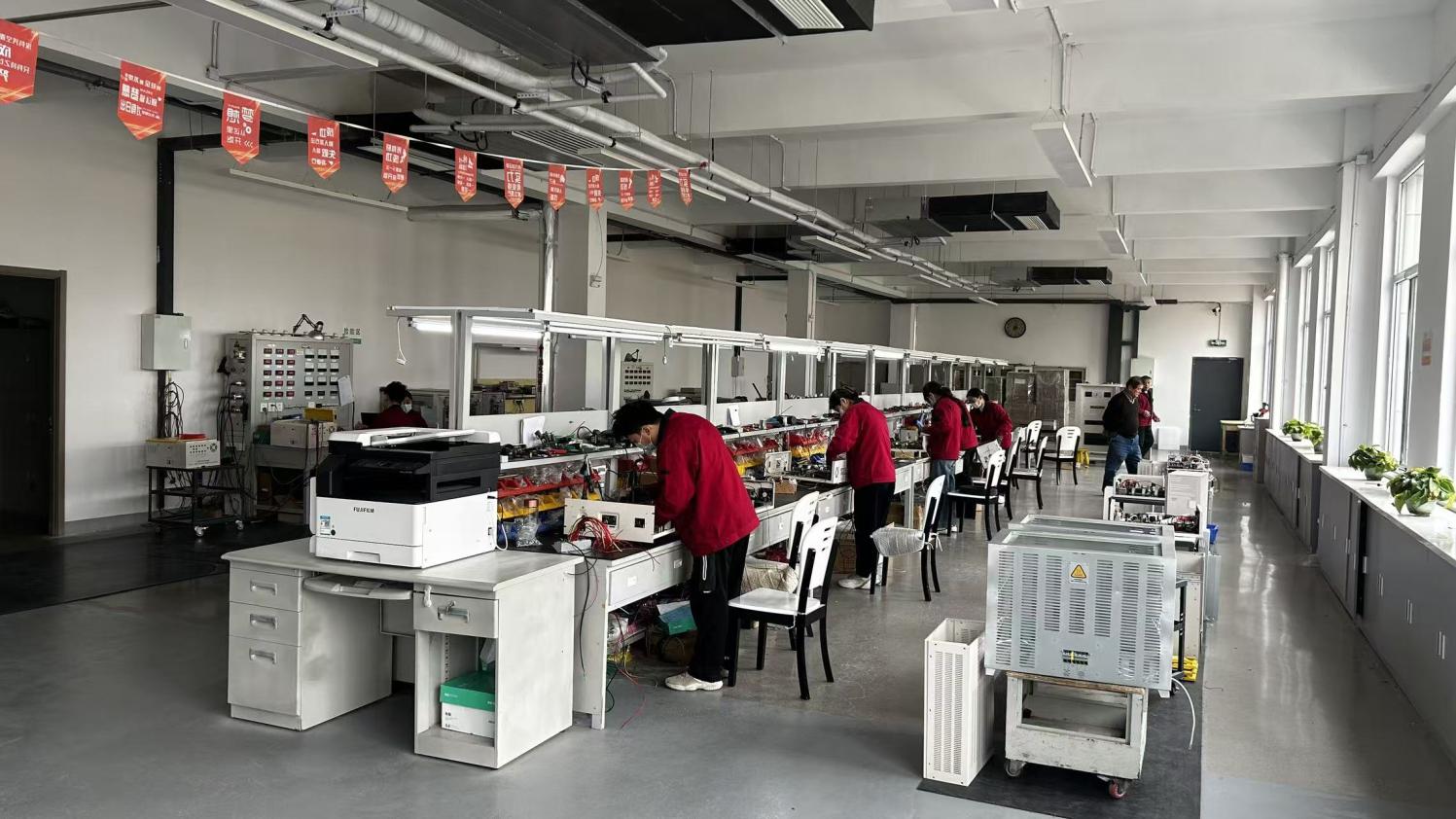
Our certified processes ensure maximum MTBF (Mean Time Between Failures) and strict compliance with global electrical safety directives.
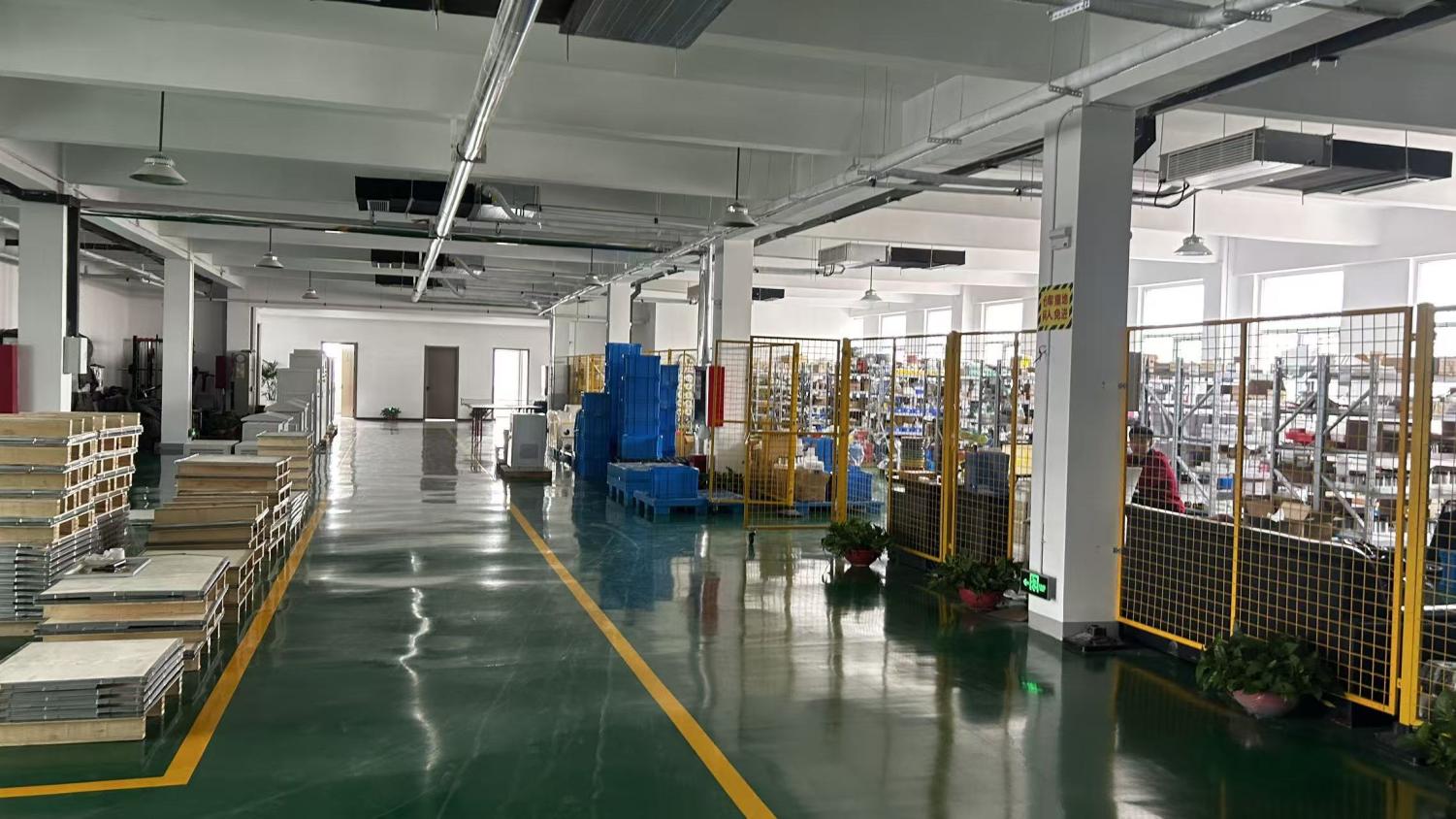
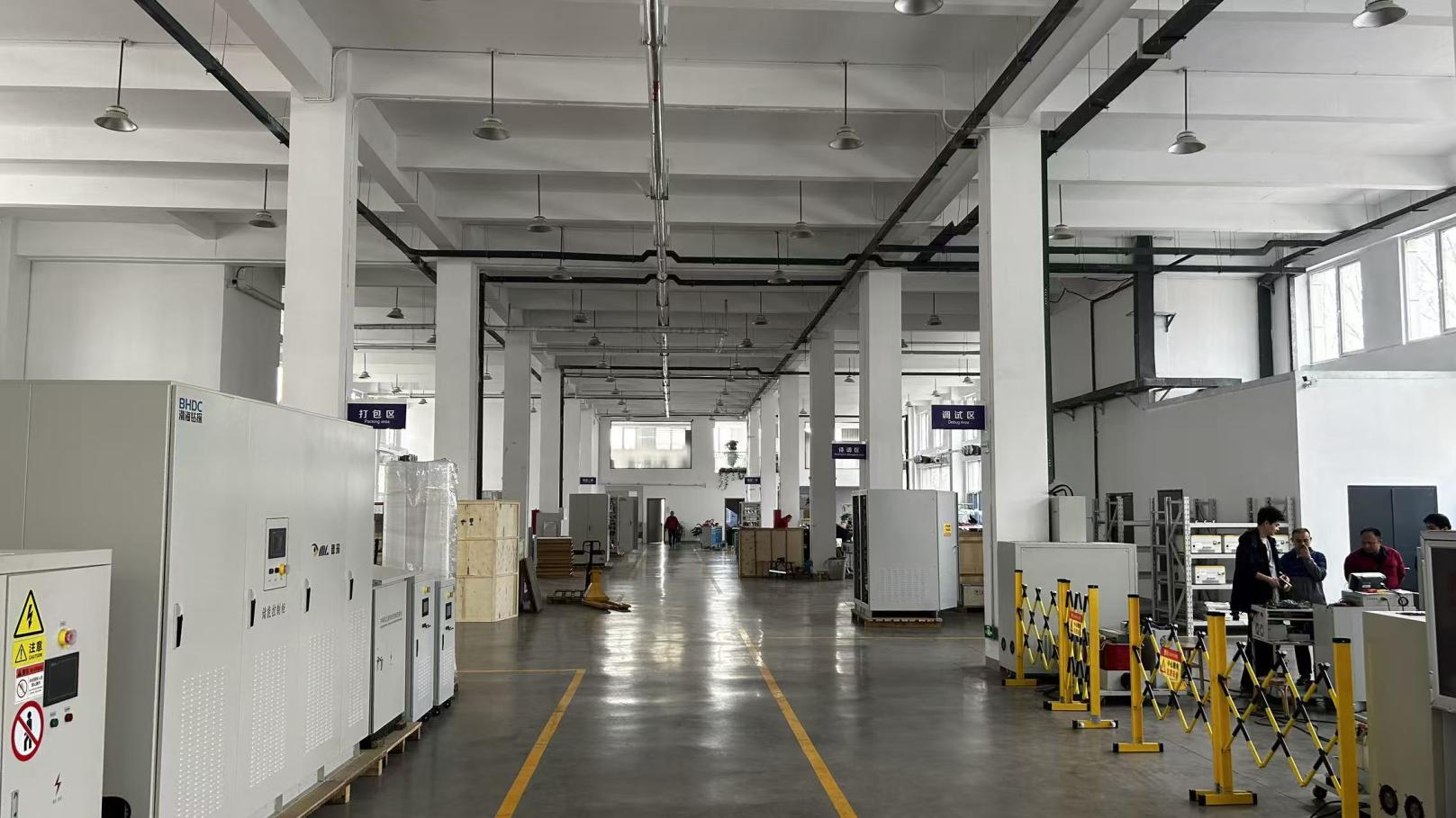
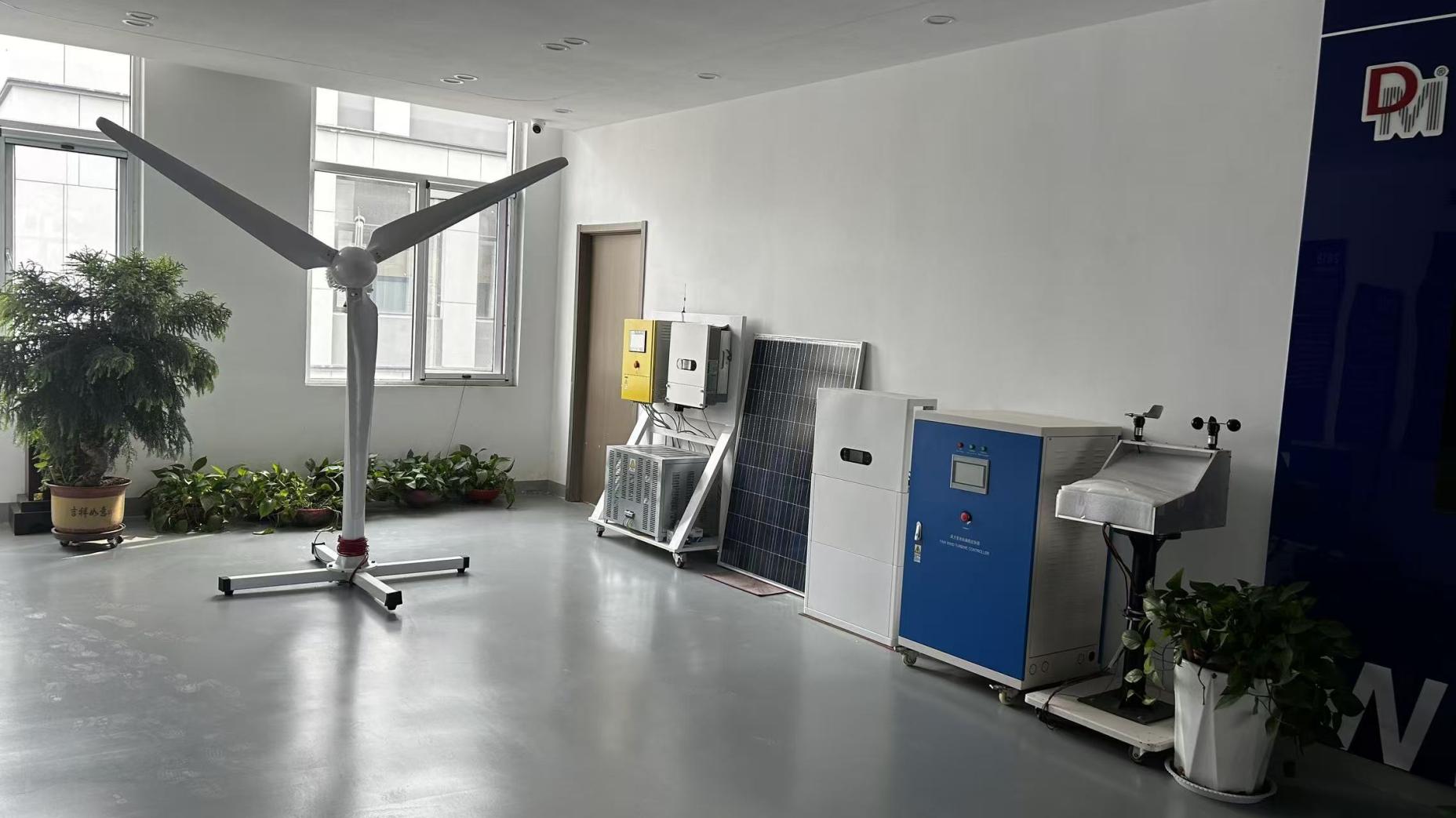
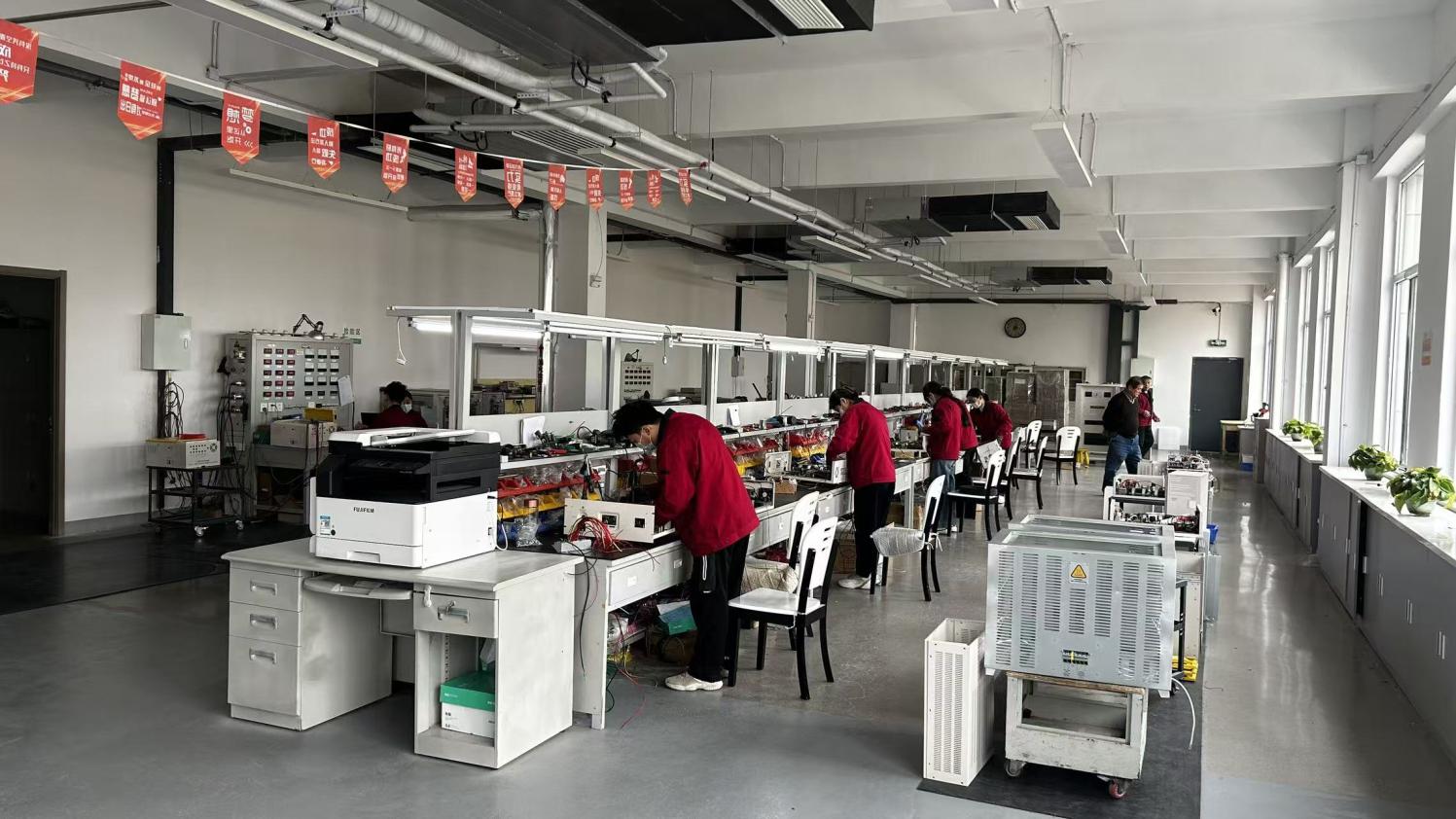
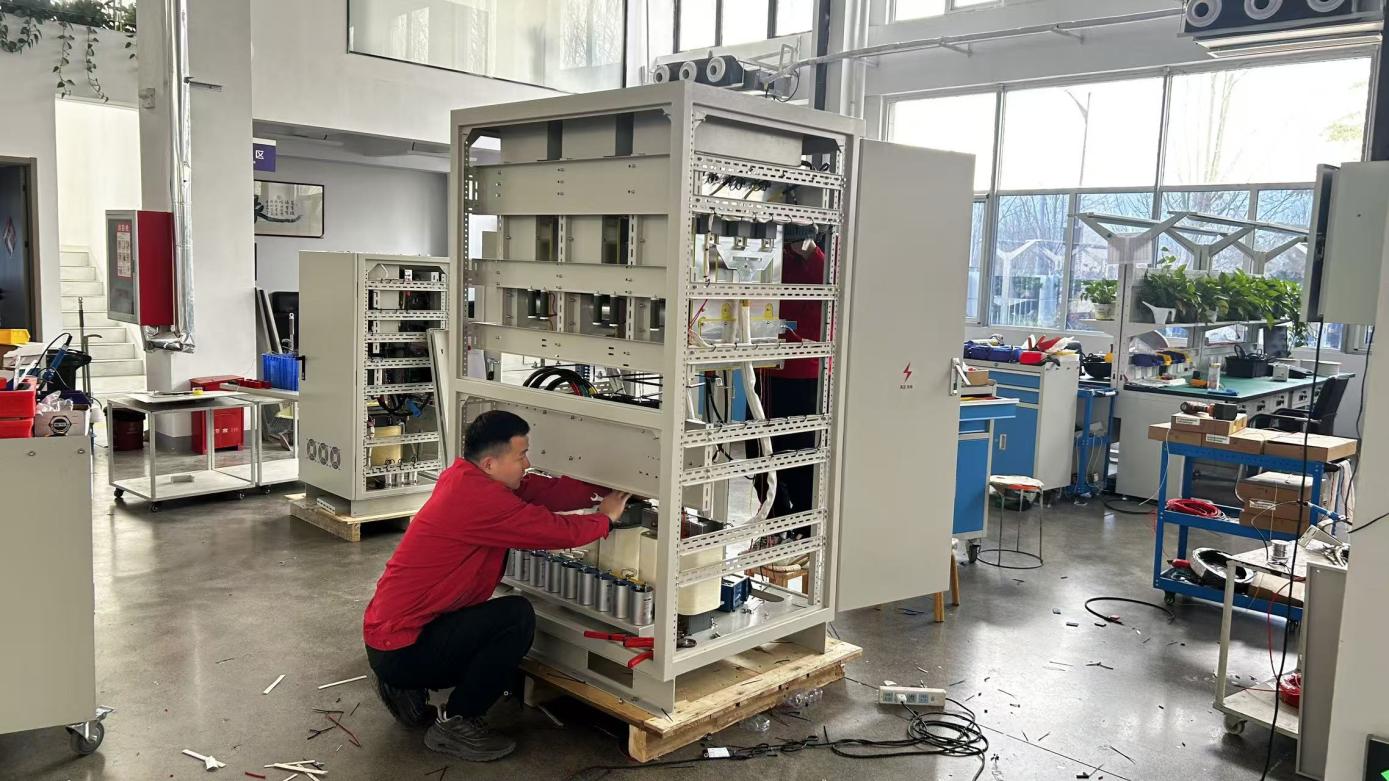
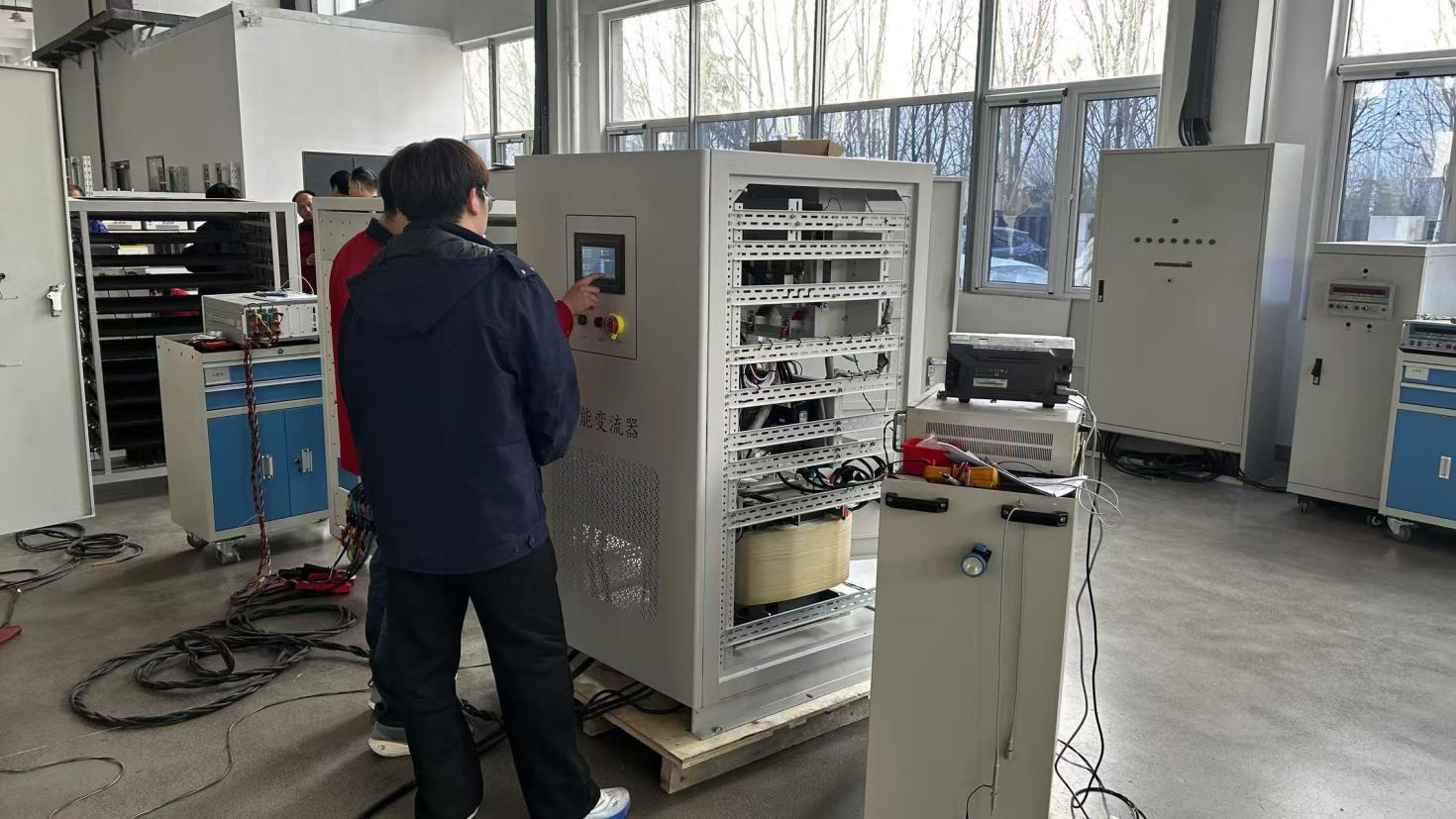
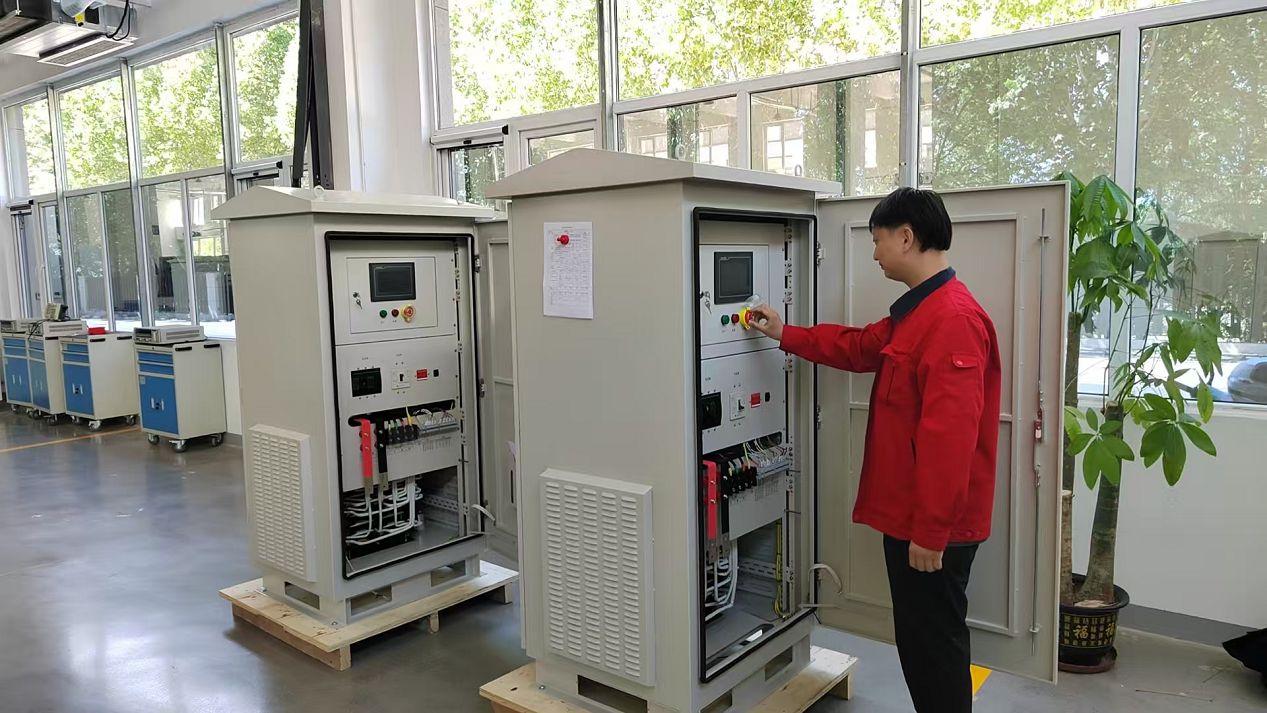
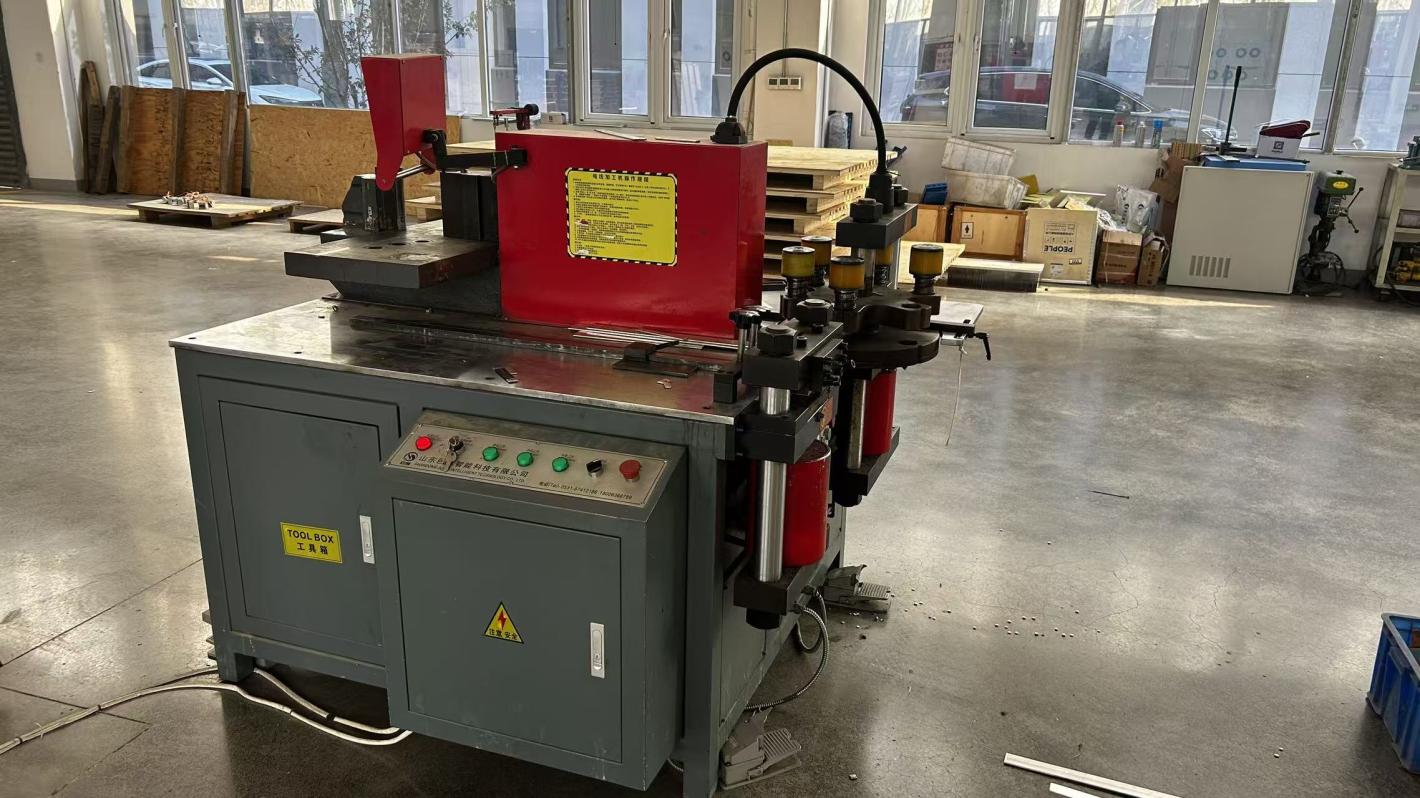
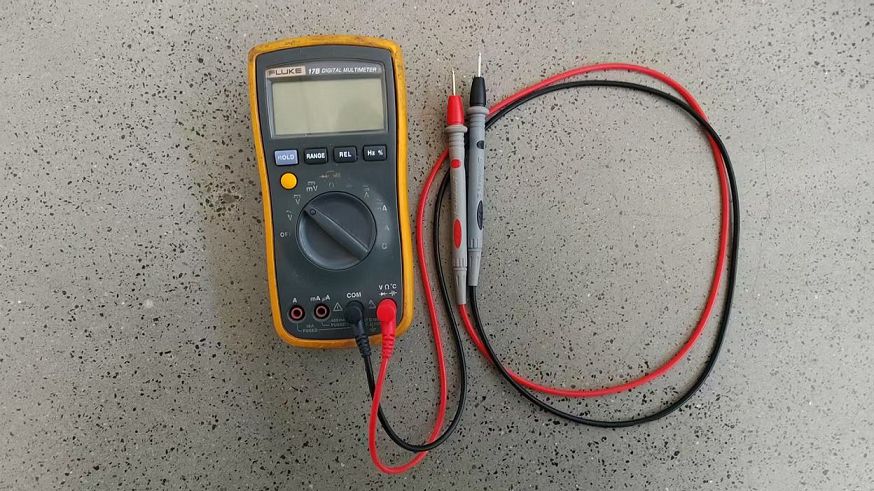
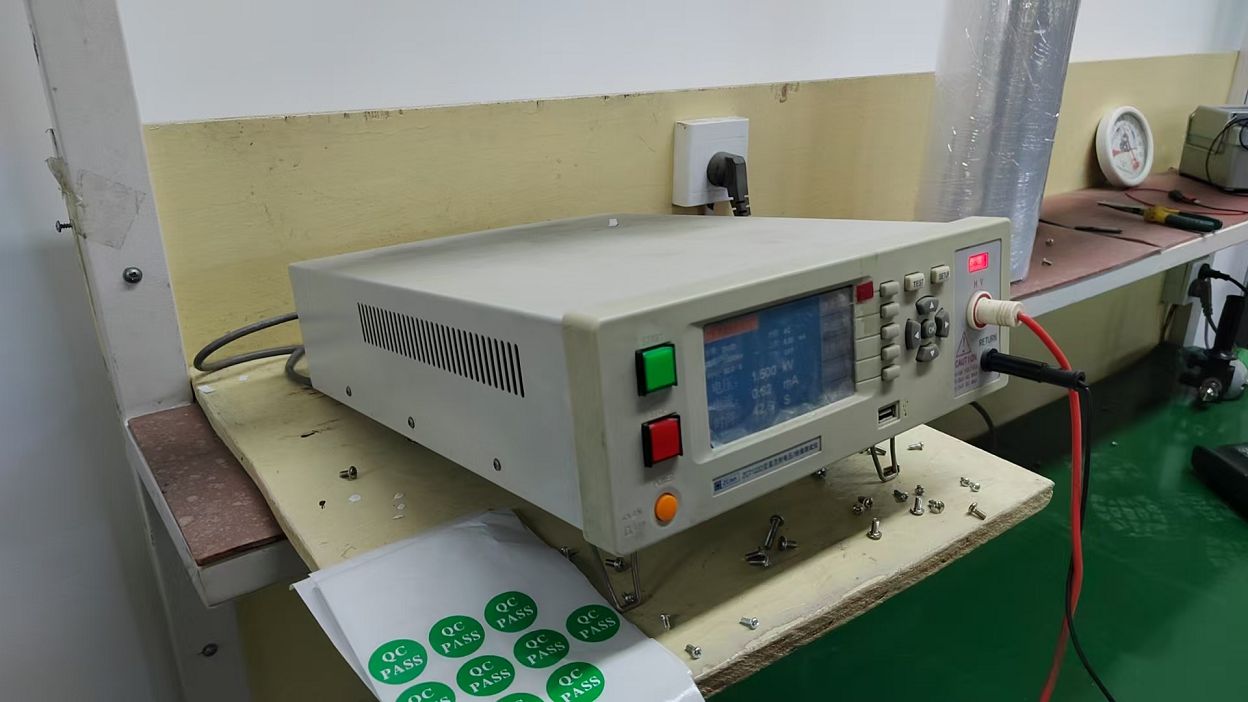
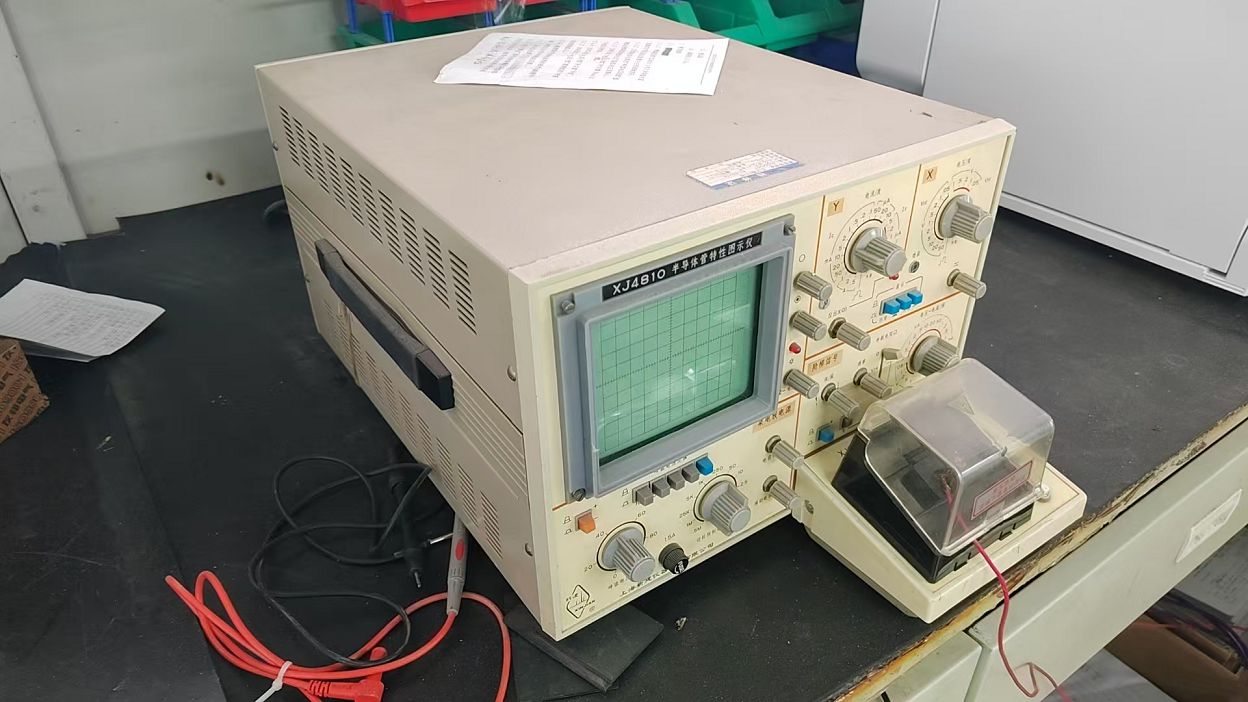
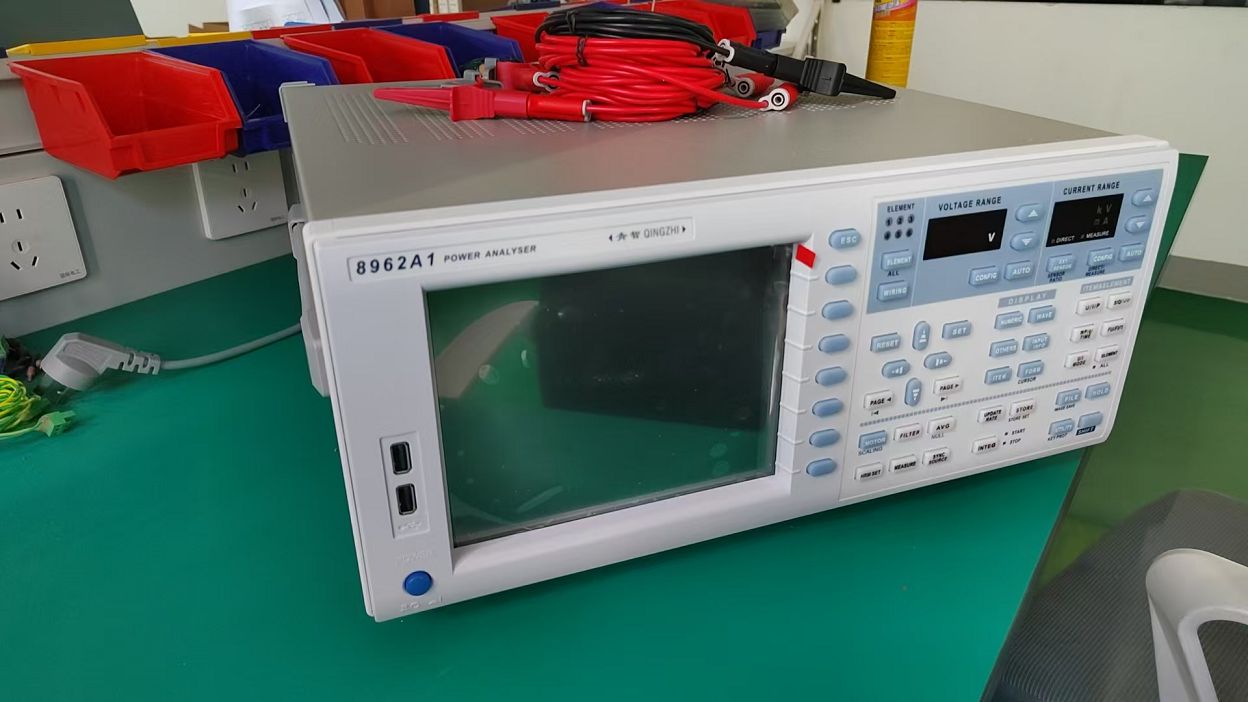
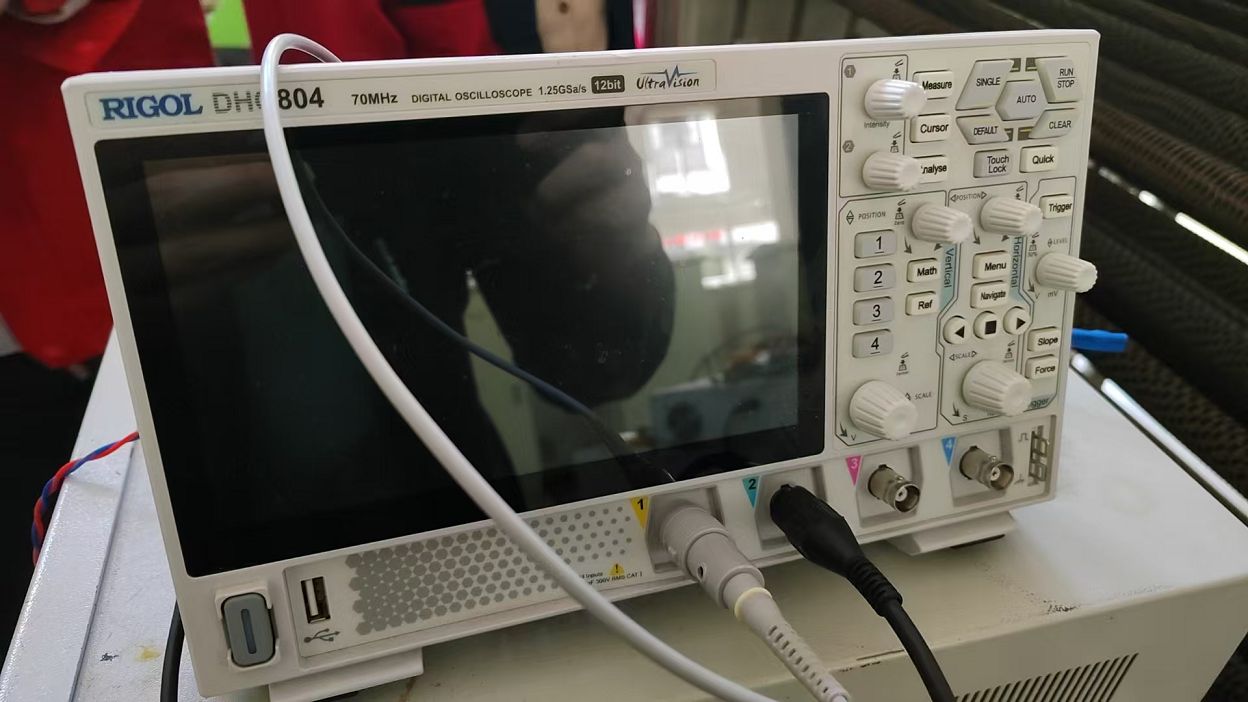
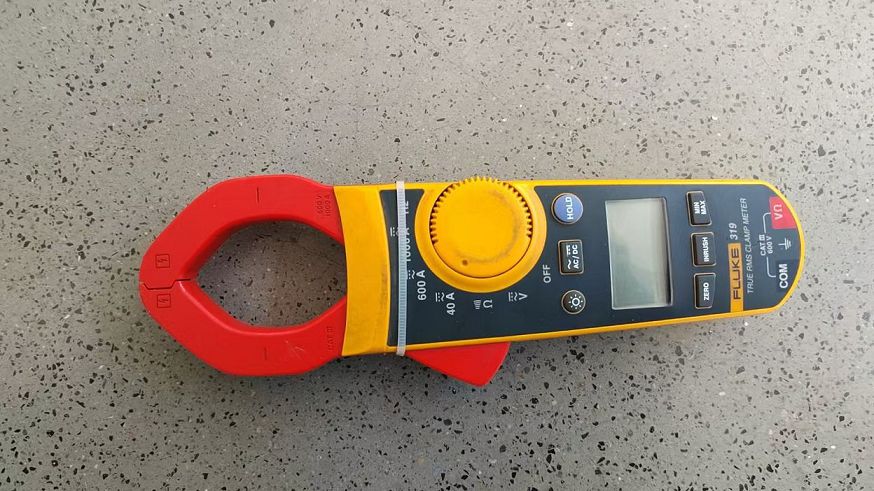
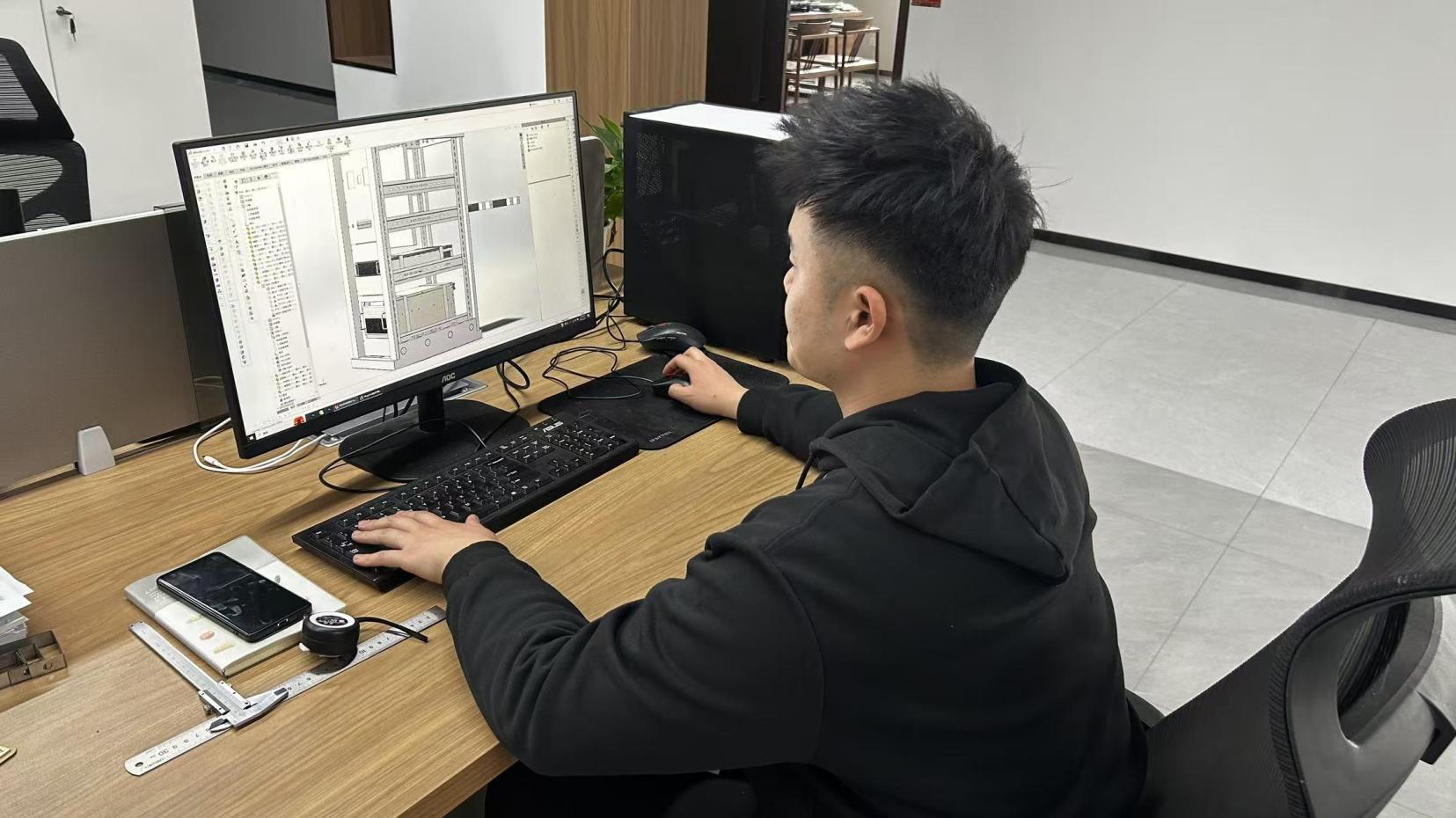
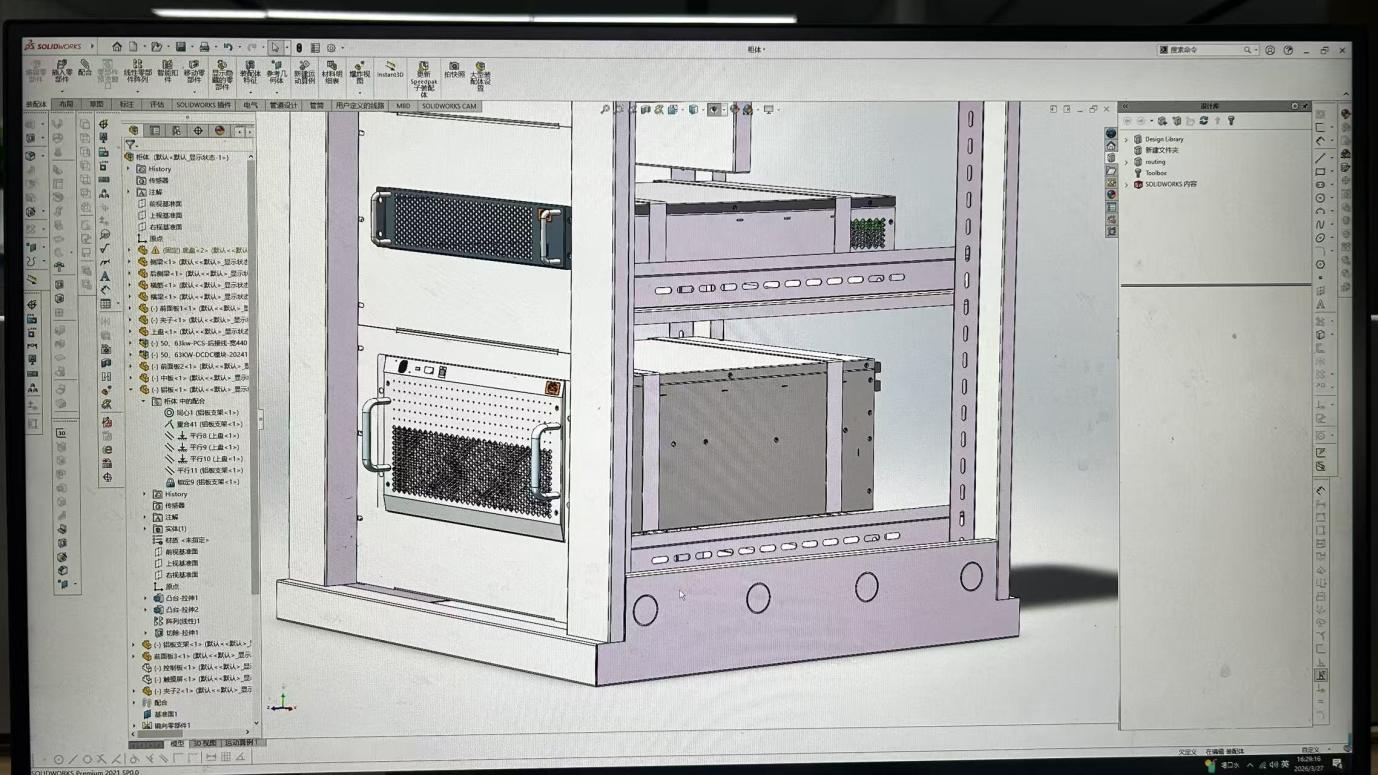
Where power conversion technology is headed over the next decade.
| Core System Type | Current Market Standards | Deming Next-Gen Implementation | Future Technology Outlook (2026-2030) |
|---|---|---|---|
| Bidirectional DC-DC Converters | Single-directional isolation, standard silicon components, 95% peak efficiency. | Multi-phase interleaved topology, digital DSP controls, SiC modules, bidirectional battery simulation. | Gallium Nitride high-frequency switches, autonomous impedance matching, >99% efficiency. |
| Wind/Solar Controllers | Basic PWM and standard MPPT tracking, analog frequency matching. | High-precision PWM wind controller with automatic dump-load resistors, Modbus communications. | AI-driven predictive wind speed calculation, integrated battery-to-grid grid compliance. |
| Frequency Converters | Standard thyristor conversion, higher THD output requiring massive physical filters. | Active front-end (AFE), solid-state frequency converter shore power (500KVA-1000KVA). | Direct matrix conversion without DC-link capacitors, reducing unit footprints by 40%. |
| BESS Grid Interfacing | Basic grid-tied inverters relying on stable external grid frequencies. | Grid-forming bidirectional PCS (Power Conversion Systems) capable of black-starting microgrids. | Virtual synchronous generator (VSG) algorithms to inject artificial inertia into unstable grids. |
How modern industries apply high-capacity power solutions to safeguard operation and integrate renewable generators.
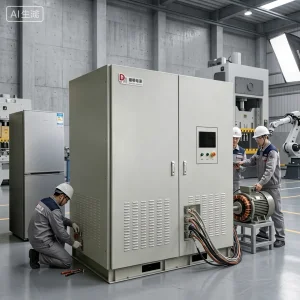
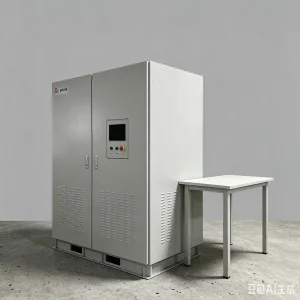
Ocean-going container ships operate internal electrical grids at 60Hz. When docked at 50Hz ports (common across Europe and Asia), ships must keep diesel generators running to maintain power, causing air and noise pollution. By installing Deming's 500KVA to 1000KVA Solid State Frequency Converters, ports convert the local utility grid power cleanly to the vessel's required electrical profile. This eliminates port emissions and ensures zero noise pollution while docked.
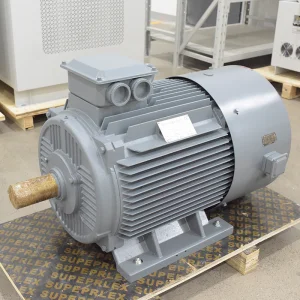
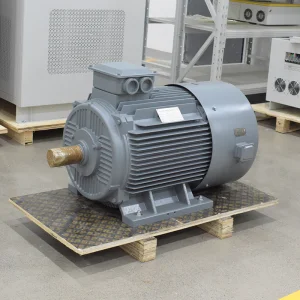
Remote environments, such as mining outposts or isolated island networks, utilize a mix of wind generators, hydro generators, solar PV arrays, and battery systems. Deming's range of Permanent Magnet Alternators (low RPM), wind turbine charge controllers, and 100KW bidirectional DC-DC converters allow these components to integrate smoothly onto a single system bus, preventing system overloads and maximizing energy yields.
Manufacturing plants that design electric vehicles, solar inverters, and utility-scale batteries need grid simulation equipment to run product stress tests. Utilizing high-capacity bidirectional DC test power supplies and battery simulators (ranging from 150kW to 500kW), test laboratories can mock grid failures, battery discharge curves, and transient voltage sags safely in a closed-loop lab environment.
Direct answers to common engineering questions regarding grid stabilization and power electronics procurement.
High-capacity PQ systems address critical utility and industrial performance limits. This includes neutralizing harmonic currents (which cause transformer overheating), correcting low power factors to avoid utility penalties, compensating for voltage sags and swells to prevent factory downtime, and managing grid frequency stability in remote areas.
Unlike standard unidirectional converters, bidirectional DC-DC converters allow power to flow in both directions (charging and discharging). This is crucial for microgrid energy management systems, enabling them to route excess energy from solar or wind sources to a battery bank and discharge that energy back to the grid when generation drops.
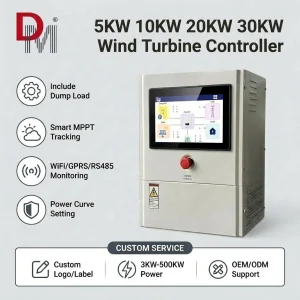
Deming integrates wind turbine charge controllers equipped with PWM functions and a physical dump-load system. Under high wind conditions, when the turbine's generated voltage exceeds the maximum safety limits of the battery or grid-tied inverter, the controller directs the excess energy to a dump-load resistor bank, preventing electrical overloads and mechanical runaways.
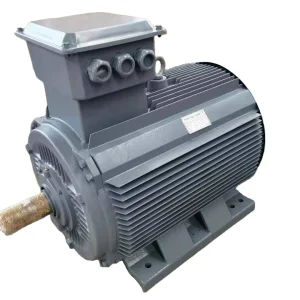
Low RPM permanent magnet generators (such as the DMG series) generate high-efficiency electric power at lower mechanical rotational speeds. This eliminates the need for expensive, high-maintenance mechanical speed-increasing gearboxes, significantly reducing mechanical failure points and long-term maintenance costs for wind and hydro sites.
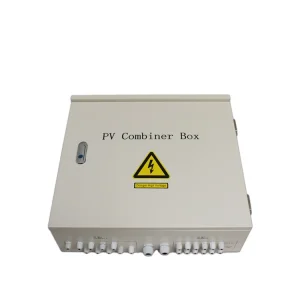
Modbus RTU protocols enable digital data transmission between combiner boxes, charge controllers, and centralized SCADA platforms. This allows operators to monitor real-time metrics (like current per string, temperature, and fuse status), isolate faults instantly, and streamline site-wide plant operations.
Explore our collection of permanent magnet alternators, custom industrial power converters, and high-power shore frequency systems.
 Demin Power