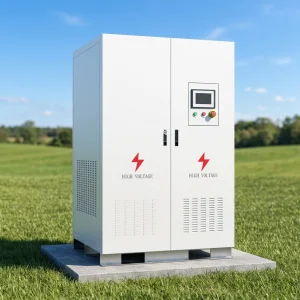
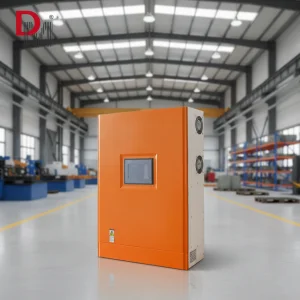
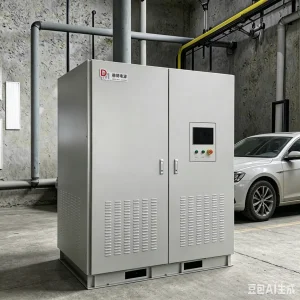
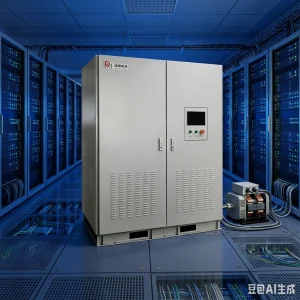
Explore our premium selection of industrial-grade controllers, regulators, and converters engineered for high-reliability solar, wind, and hybrid power systems.
The global Photovoltaic (PV) market has shifted gears from pioneering experimental installations to gigawatt-scale grid deployments. At the very heart of this transformation is the PV junction box—a critical component responsible for routing electrical power from the solar modules to the external system. As system architectures migrate from 1000V DC to 1500V DC to achieve lower levelized cost of energy (LCOE), the demands placed on PV junction boxes have risen exponentially.
For Engineering, Procurement, and Construction (EPC) contractors, utility developers, and solar module manufacturers, selecting the right PV junction box supplier is not merely a purchase transaction; it is a long-term risk management strategy. A single connection failure or bypass diode malfunction can compromise the efficiency of an entire string or, in the worst-case scenario, trigger thermal runaway and localized fires.
Modern high-power solar panels (up to 700W+) generate substantial current. Junction boxes must dissipate heat rapidly to keep diodes within safe operating temperatures, preventing failures under continuous load.
With solar installations expanding into desert terrains, offshore floating arrays, and high-humidity tropical zones, hermetic sealing against moisture, salt mist, and sand penetration is vital.
Higher system voltages reduce copper losses but place strict requirements on clearance distances, creepage distances, and tracking resistance indexes (CTI) of the internal polymer plastics.
"Information Gain Insight: The true cost of a PV junction box is not its initial purchase price, but its warranty-period failure rate. Modern suppliers are evaluated using highly rigorous stress testing regimens such as DH1000 (Damp Heat 1000 hours) and TC200 (Thermal Cycling 200 cycles)."
A PV junction box cannot operate in isolation. It forms the primary link in a chain that leads to solar charge controllers, inverters, and grid-tied converters. To realize maximum yield, developers are implementing macro-level system architectures that integrate smart junction boxes directly with advanced power management hardware.
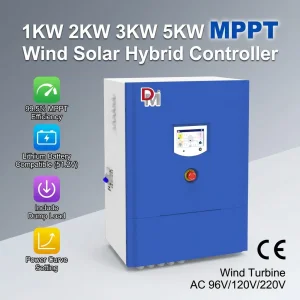
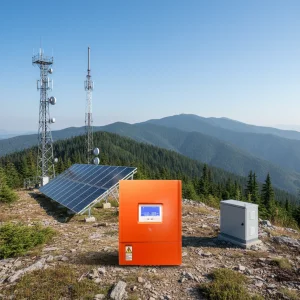
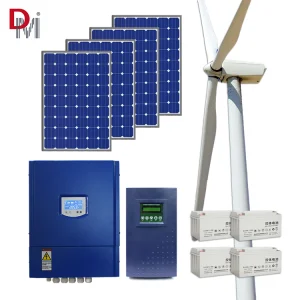
Jinan Deming Power Equipment Co., Ltd. sits at the critical interface of this integration. While top PV junction box manufacturers ensure safety at the module level, Deming's range of ultra-high-efficiency MPPT controllers, wind/solar hybrid systems, and bi-directional test power units ensure that energy is captured, regulated, and fed to the grid or energy storage systems with minimum loss.
By integrating Module-Level Power Electronics (MLPE) directly into the junction box, systems gain Rapid Shutdown (RSD) safety standards (NEC 2017/2020) and individual module monitoring capability.
Modern inverters require stable DC inputs. Advanced junction boxes reduce voltage spikes during shading events, providing a cleaner DC input to high-power hybrid inverters.
High-voltage DC simulation testing, utilizing Deming's advanced testing units, helps developers simulate real-world PV array behaviors to test junction box and inverter compatibility before field deployment.
To help global procurement teams make informed decisions, we have analyzed the leading entities shaping the global PV junction box manufacturing and export landscape. These firms represent the pinnacle of reliability, production capacity, and technology adoption.
Renowned for their industry-standard MC4 connector series. Stäubli provides high-end, premium junction boxes designed for maximum durability in extreme environments. They set the benchmark for low contact resistance.
A global leader in industrial connectivity solutions. TE’s SOLARLOK series offers toolless, decentralized junction box systems that optimize installation speeds and reduce module assembly overheads.
Amphenol specializes in heavy-duty connectors and integrated junction boxes for utility-scale solar farms. Their products boast superb thermal conductivity and robust mechanical construction.
One of China's largest volume exporters. Tonglin focuses on automated manufacturing processes to supply highly cost-effective, certified junction boxes to tier-1 solar panel manufacturers globally.
Specializes in innovative bypass diode designs. Their smart junction box models allow for active cooling and modular replacements, drastically reducing maintenance down-times.
Though primarily a module giant, Risen possesses deep in-house engineering divisions that export advanced connection configurations, setting standard baselines for high-power split junction boxes.
Focuses on cost-effective, high-output production lines catering to mid-to-high power modules. Their junction boxes are certified for major markets including Europe (TUV) and North America (UL).
Pioneering active bypass switches within their boxes to replace traditional diodes. This limits energy losses and heat dissipation issues during partial shading events.
Known for customized designs catering to specialized building-integrated photovoltaics (BIPV) and flexible module developers who require ultra-slim low-profile junction boxes.
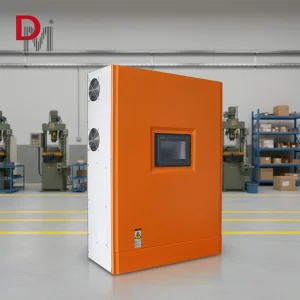
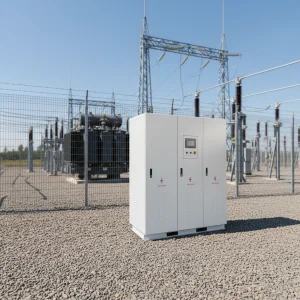
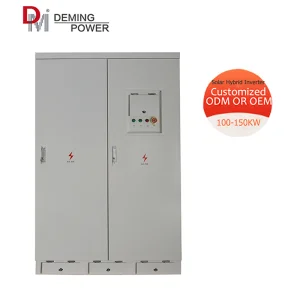
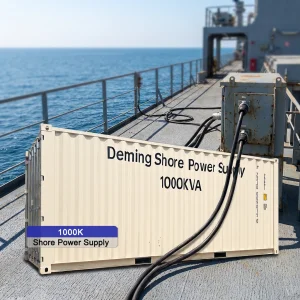
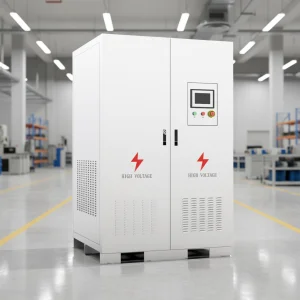
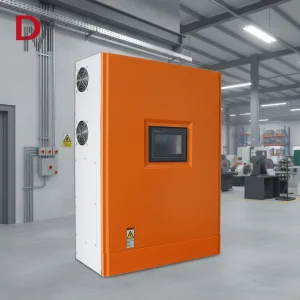
Working in synergy with major regional suppliers, Deming provides integrated power conversion and control cabinets that pair directly with high-performance junction boxes to form a complete system-wide solution.
The PV sector is moving away from basic, passive "diode-and-plastic-cup" boxes. The technical roadmap for junction boxes is closely aligned with the development of N-type TOPCon and HJT (Heterojunction) cells, which require precise power management. Here are the key technical developments underway:
Integrating microcontrollers or active switches instead of Schottky diodes. Active bypass switches drop voltage losses by over 80%, substantially reducing the temperature inside the junction box housing during shading events.
Dividing the junction box into three smaller, individual boxes (each housing one diode). This layout minimizes cable lengths, improves heat dissipation, and fits perfectly with half-cut cell module layouts.
Use of advanced Polyphenylene Ether (PPE) and Polycarbonate (PC) alloys to withstand high UV exposure and chemical corrosion, guaranteeing a 25-to-30-year lifetime in harsh maritime and desert environments.
Established in 2004, Jinan Deming Power Equipment Co., Ltd. is a nationally recognized high-tech enterprise specializing in renewable energy power equipment, testing solutions, and advanced controllers.
With an unwavering commitment to engineering excellence, Jinan Deming reinvests no less than 20% of its annual sales revenue back into technology development. Our highly specialized R&D team consists of 16 top-tier engineers, including doctoral supervisors and master’s degree holders. Over the past three years alone, Deming has executed 17 advanced R&D projects, translating 16 scientific breakthroughs into commercialized products.
Operating under strict ISO9001:2015 quality standards, Deming has exported advanced power converters, MPPT solar controllers, wind turbine regulators, and bi-directional test systems to over 120 countries, including Germany, Japan, the United States, UK, Canada, Australia, and Brazil. Our reliability and technological edge have earned us collaborative partnerships with multiple Fortune 500 enterprises globally.
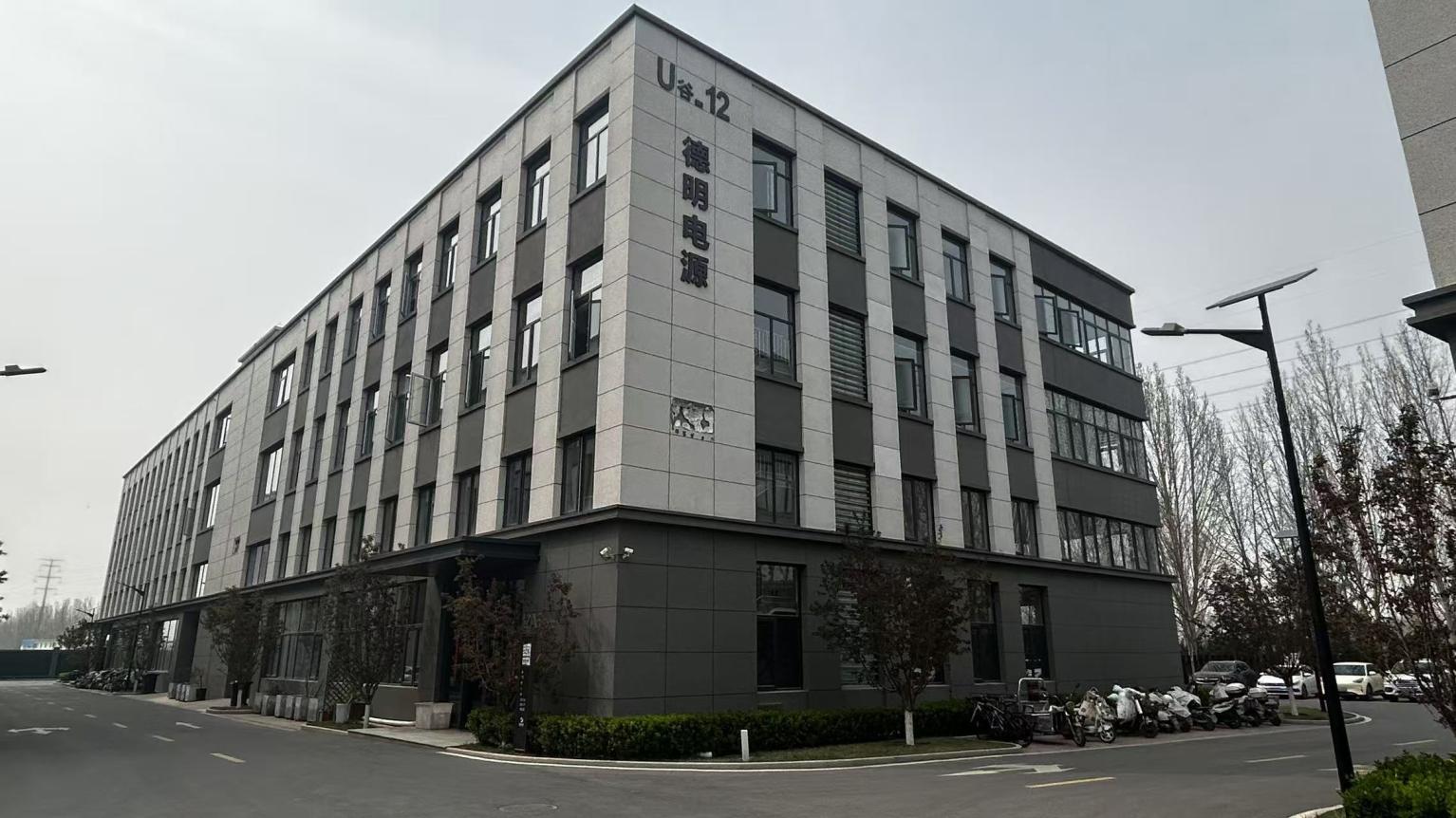
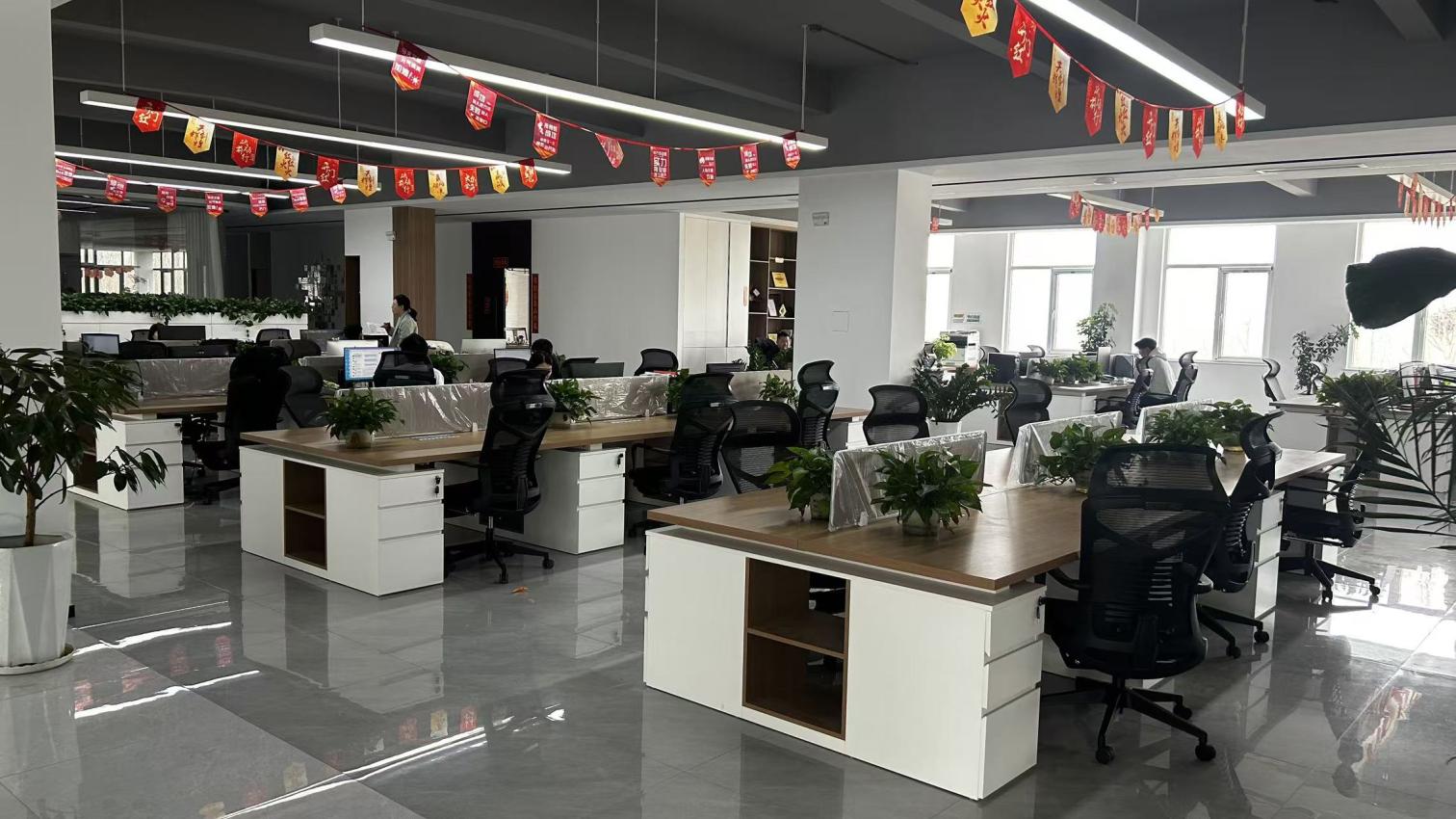
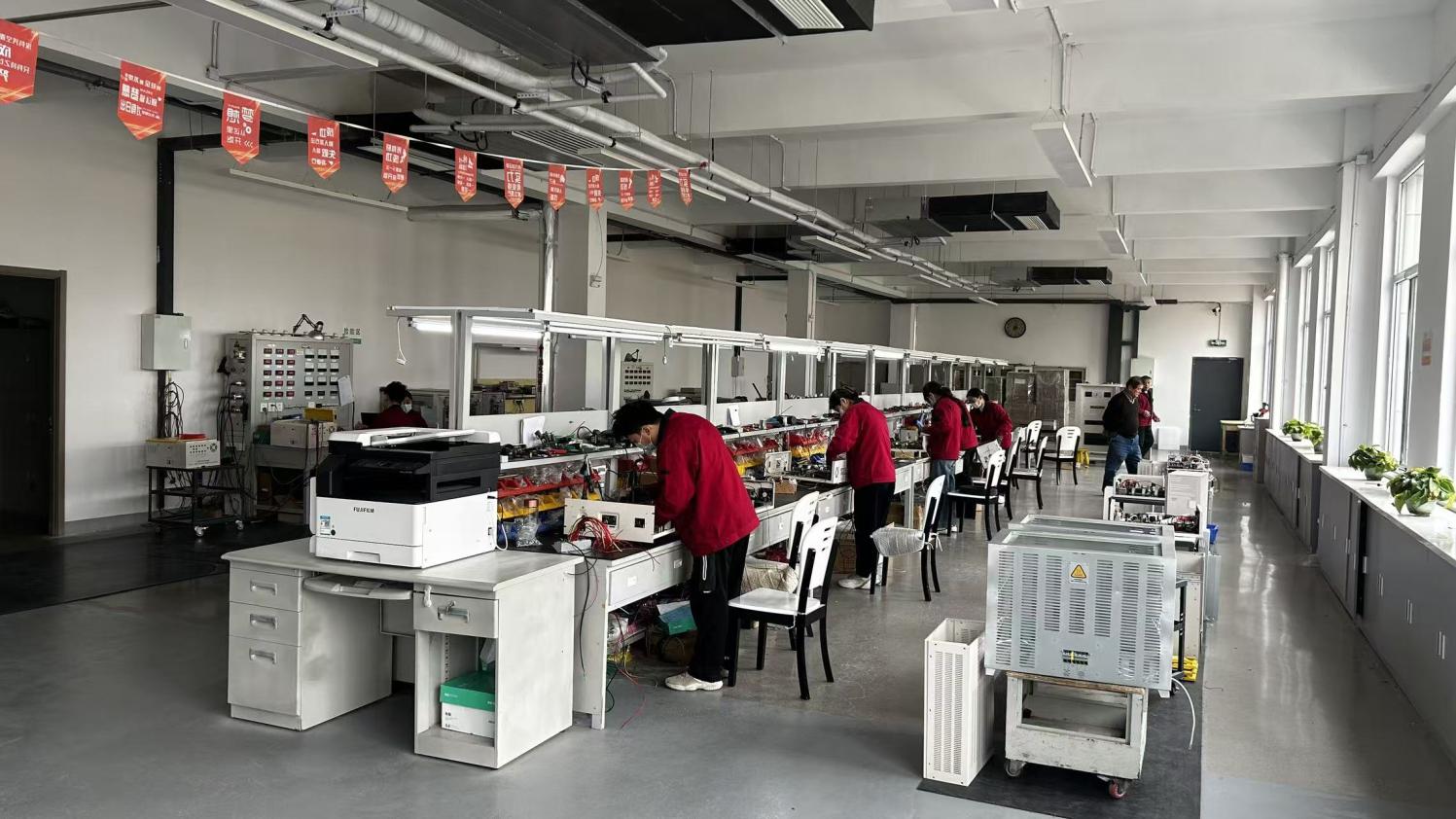
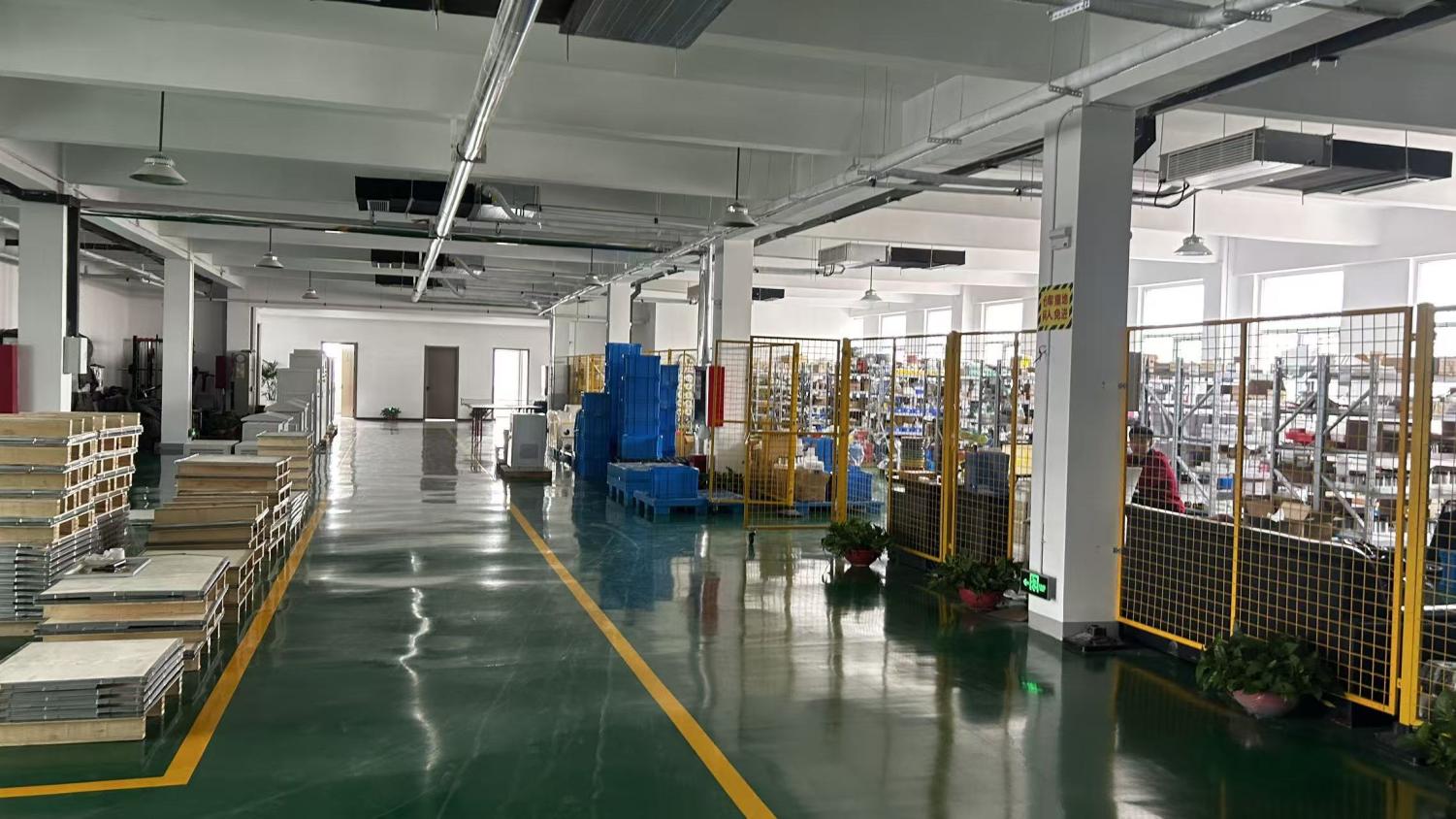
A visual window into Jinan Deming's state-of-the-art production assembly, diagnostic testing, and rigorous inspection workflows.
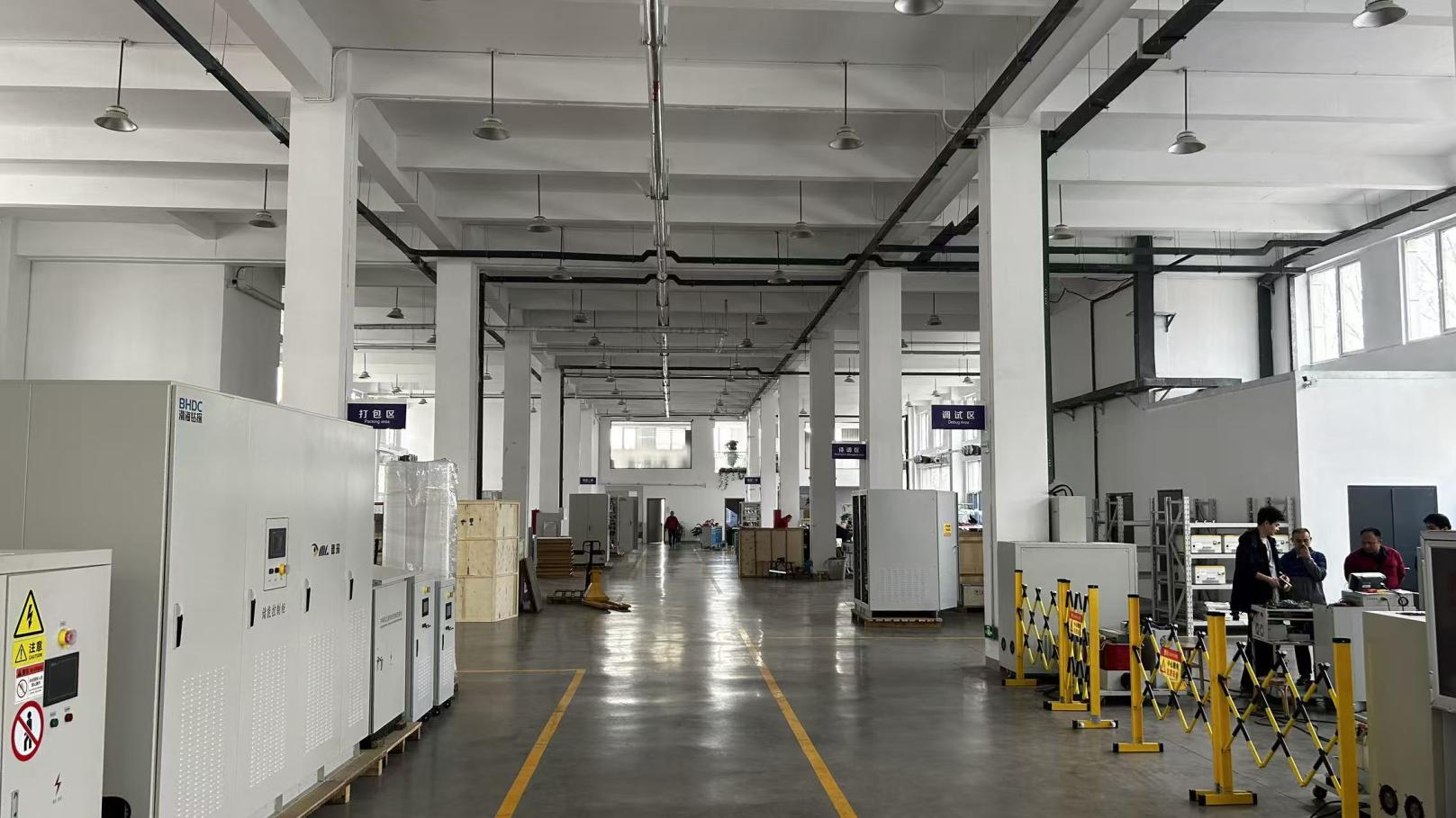 Industrial Manufacturing Area
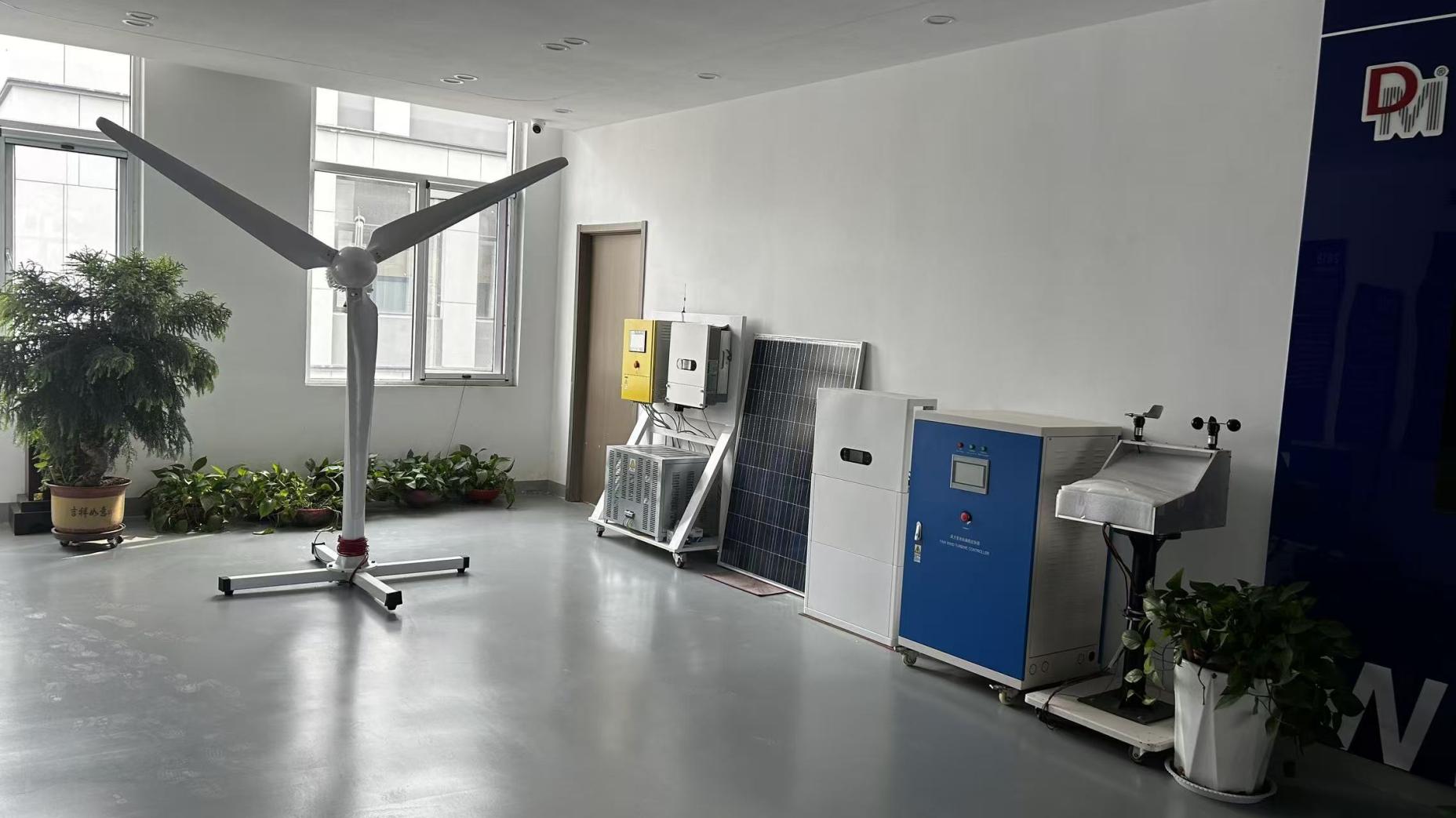 Quality Management System Lab
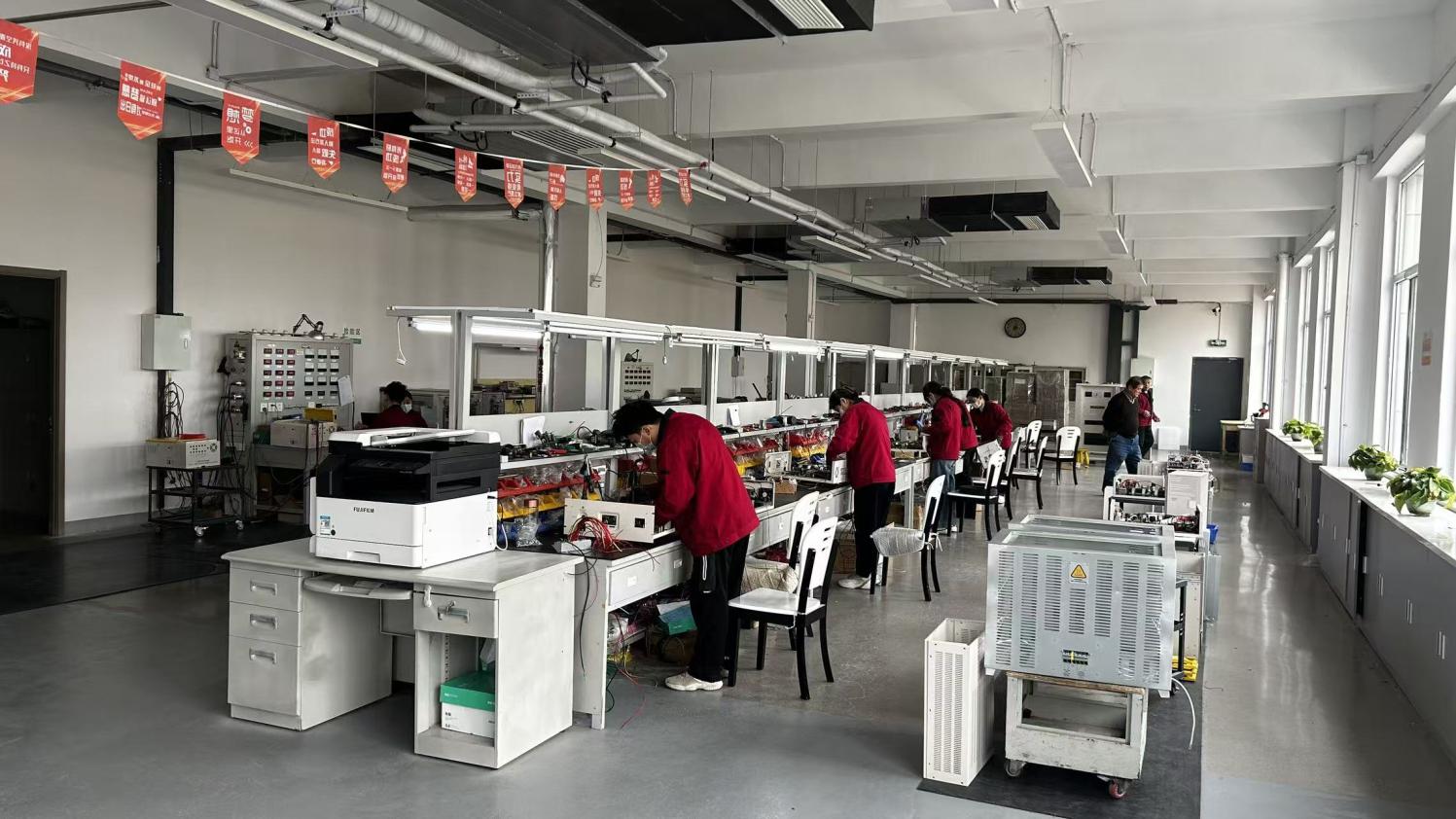 Circuit Assembly
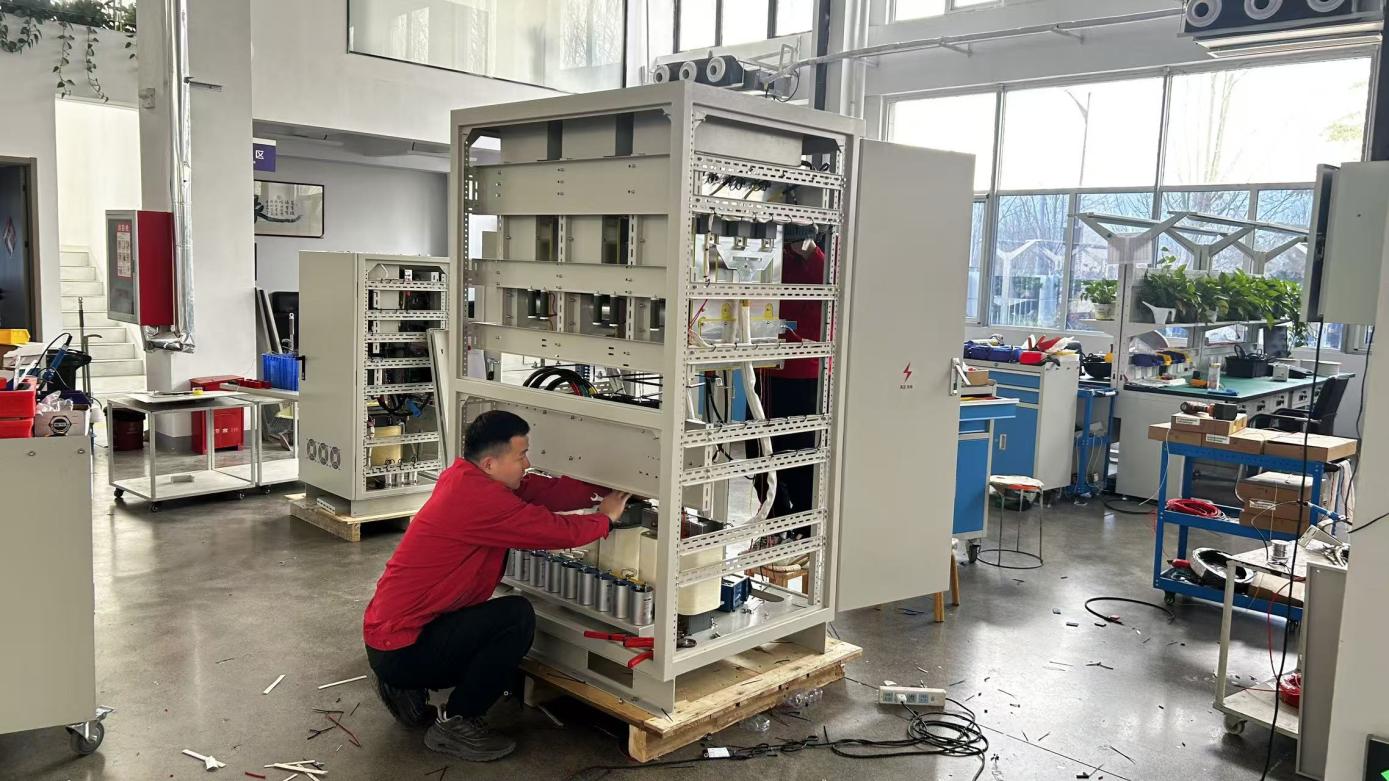 Circuit Board Assembly
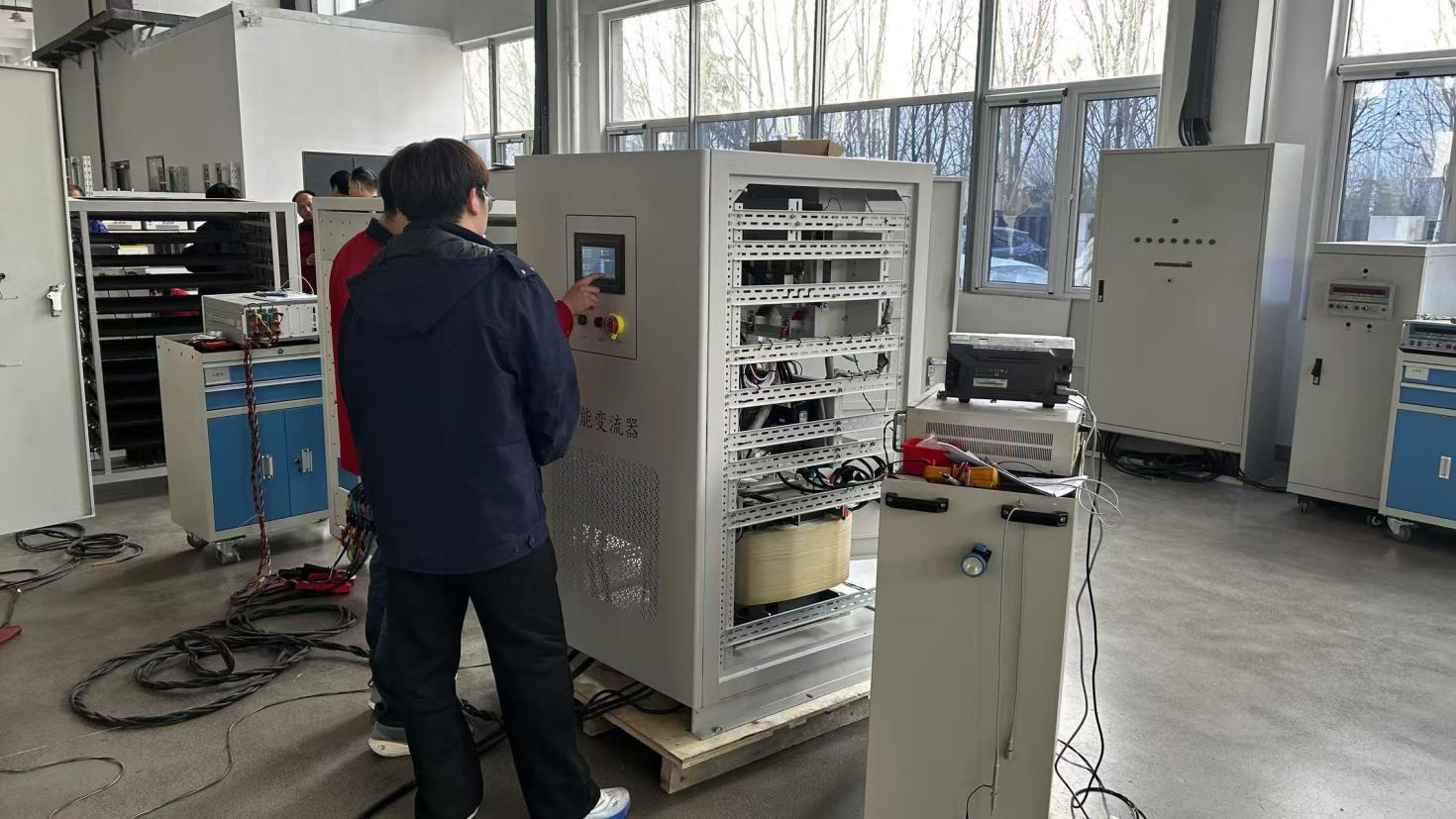 Debugging Process
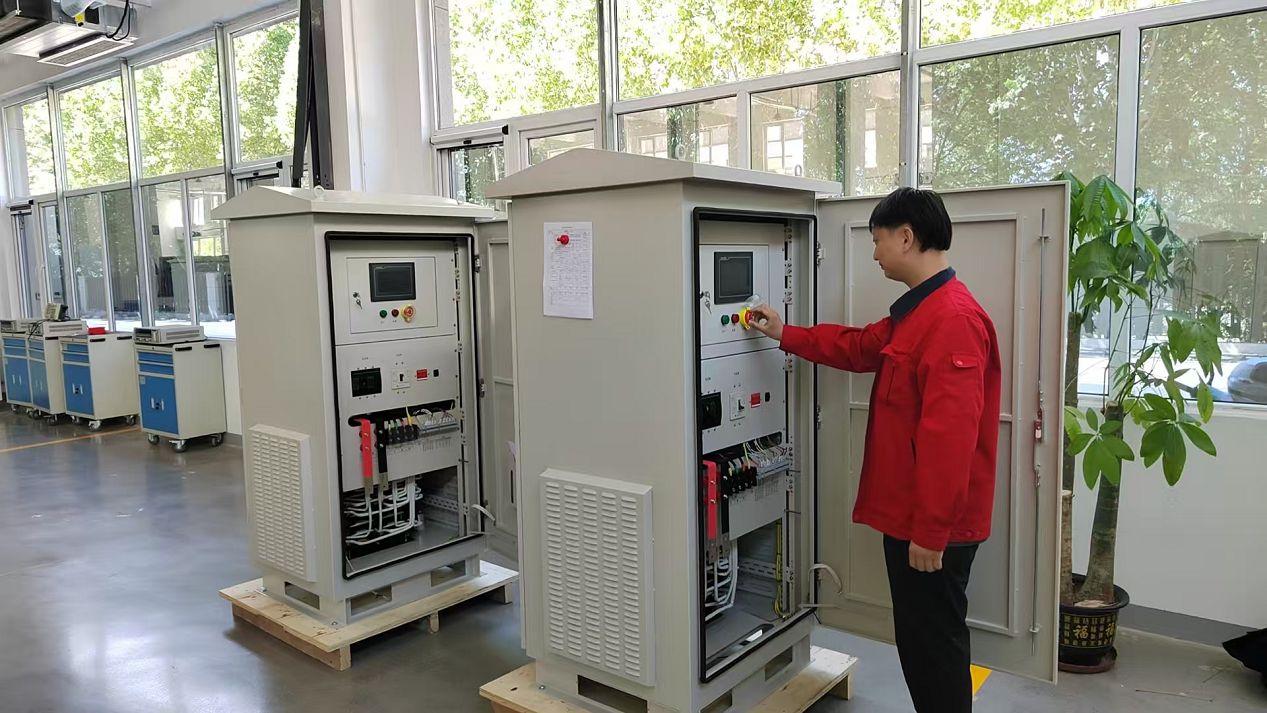 Quality Inspection Process
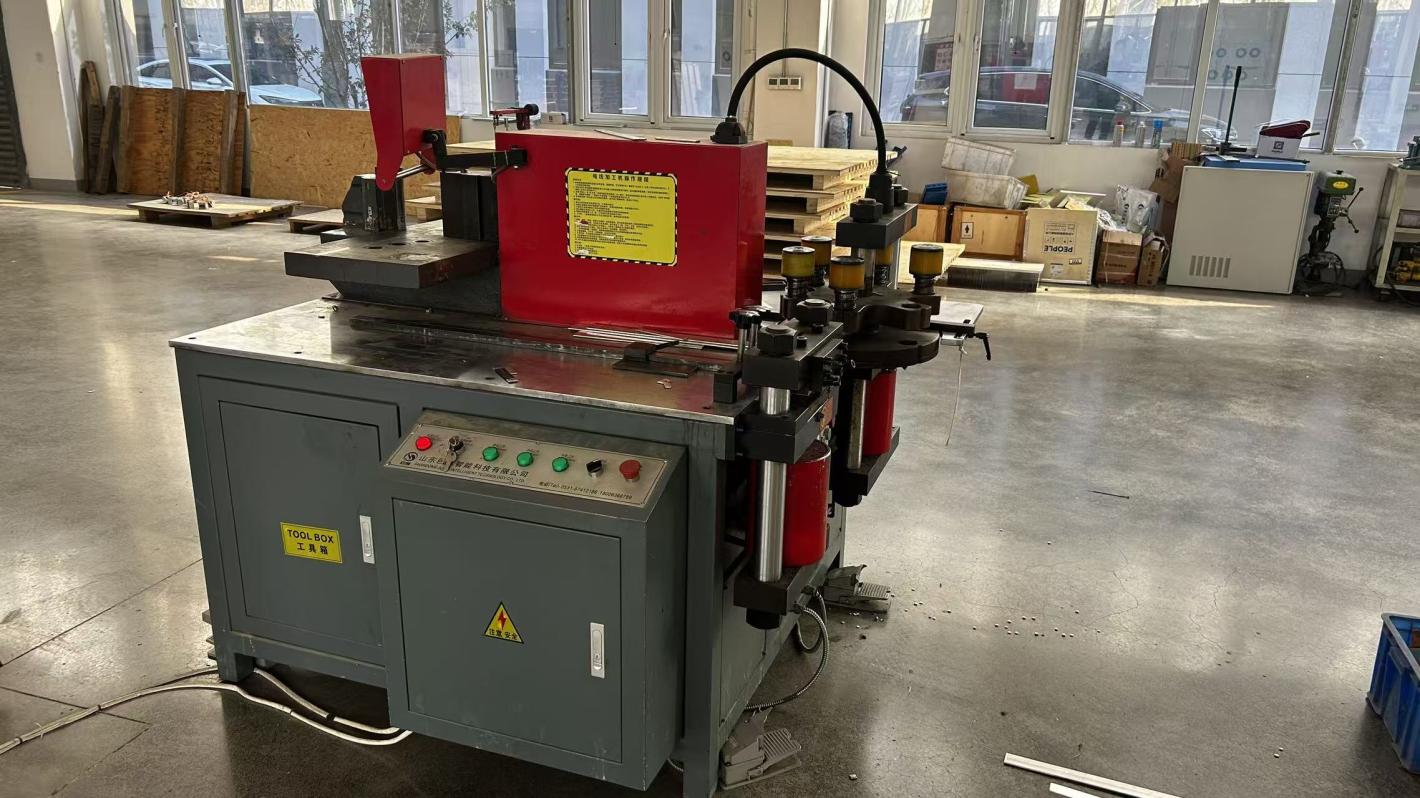 Copper Bar Production Equipment
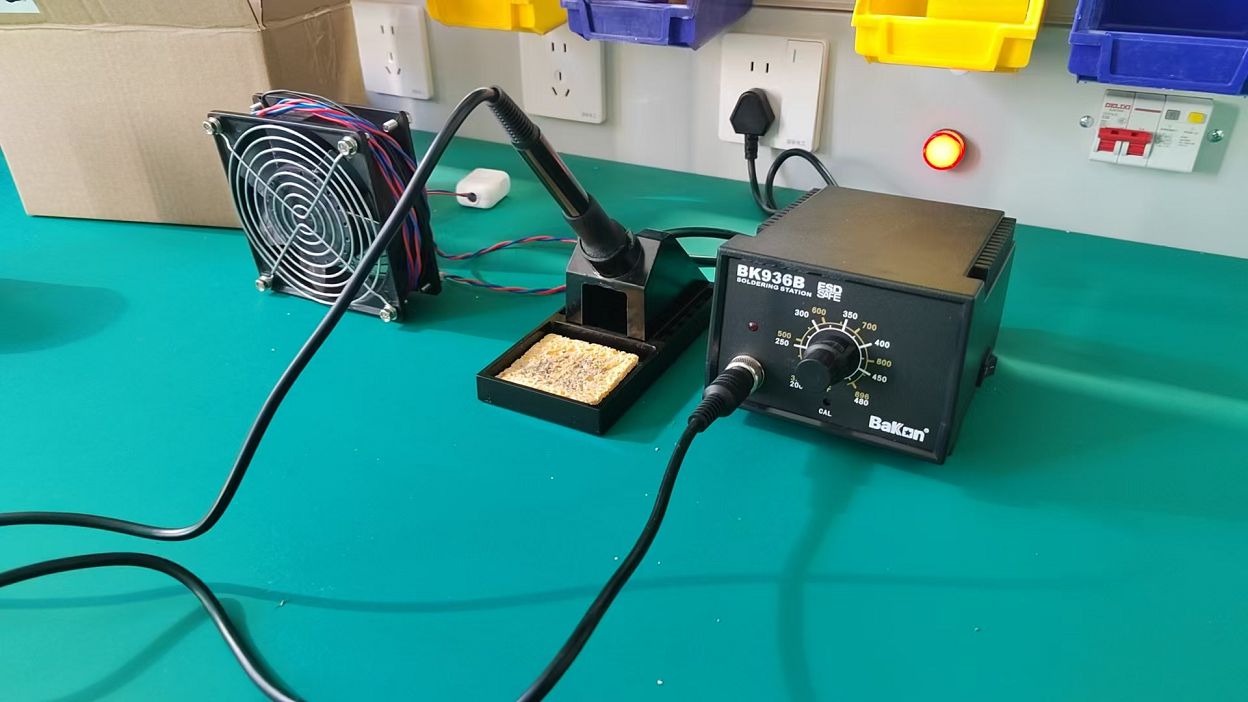 Electric Ferrowire Process
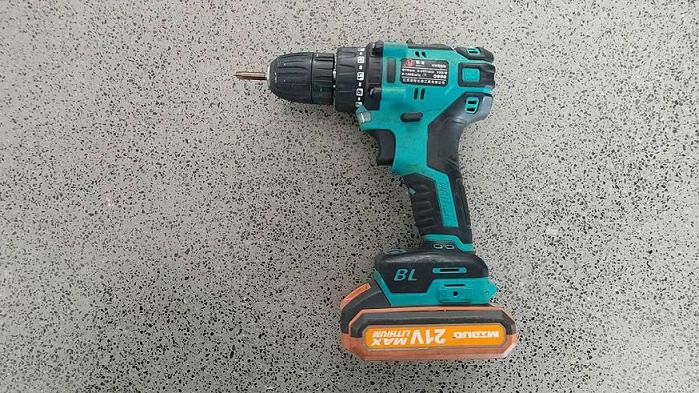 Electric Drill Operations
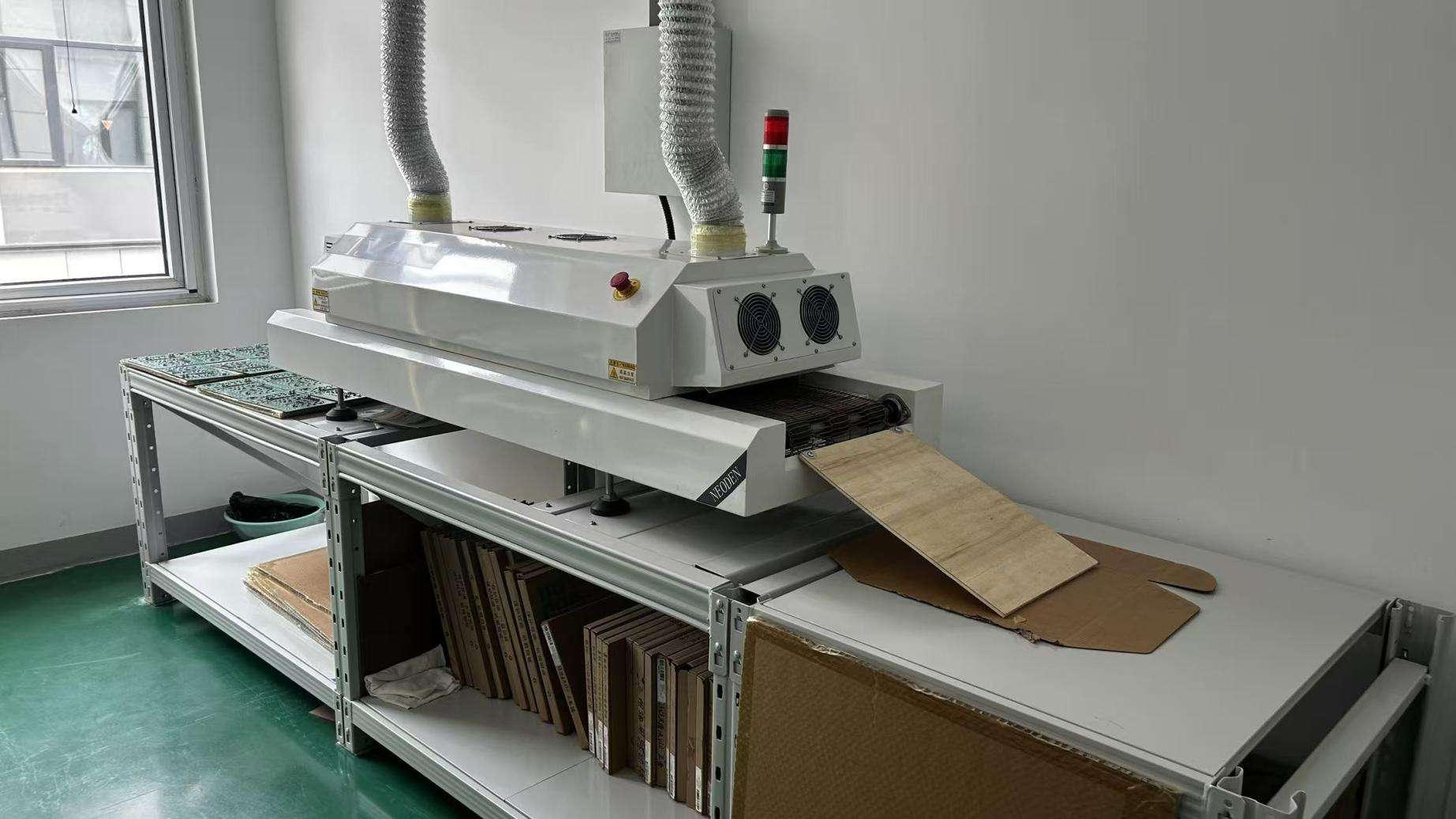 Reflow Soldering Machine
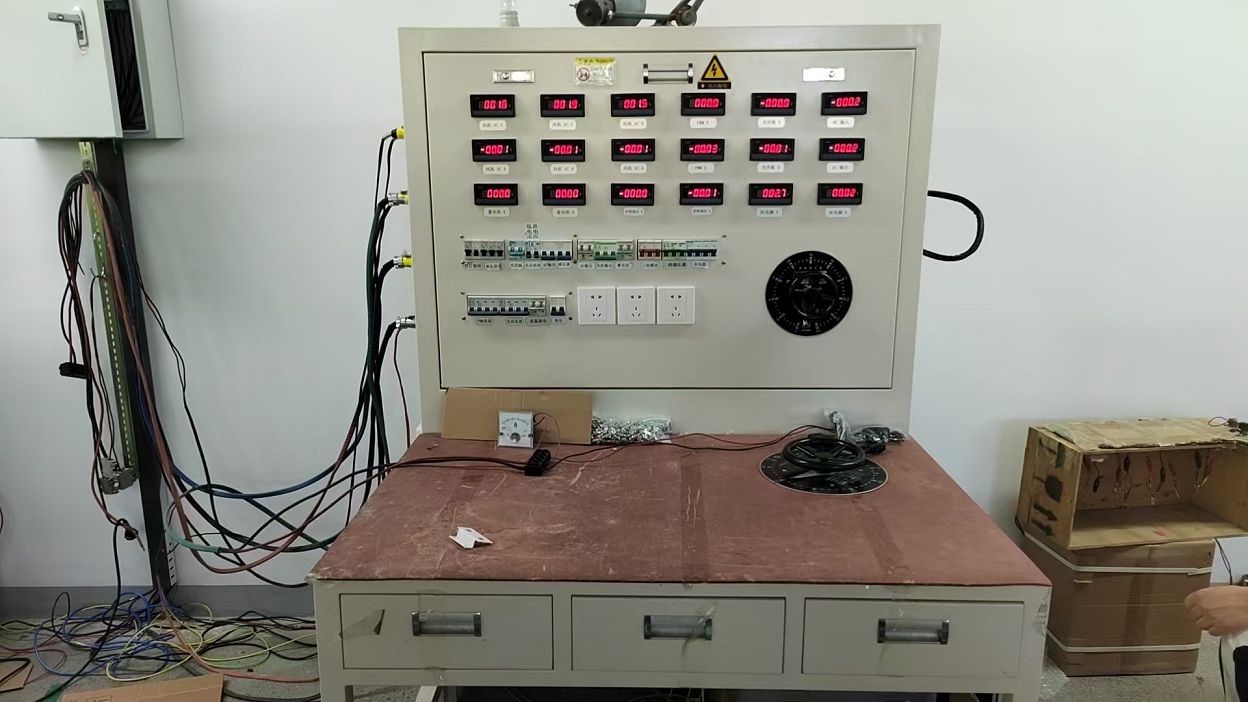 Standard Engineering Workbench
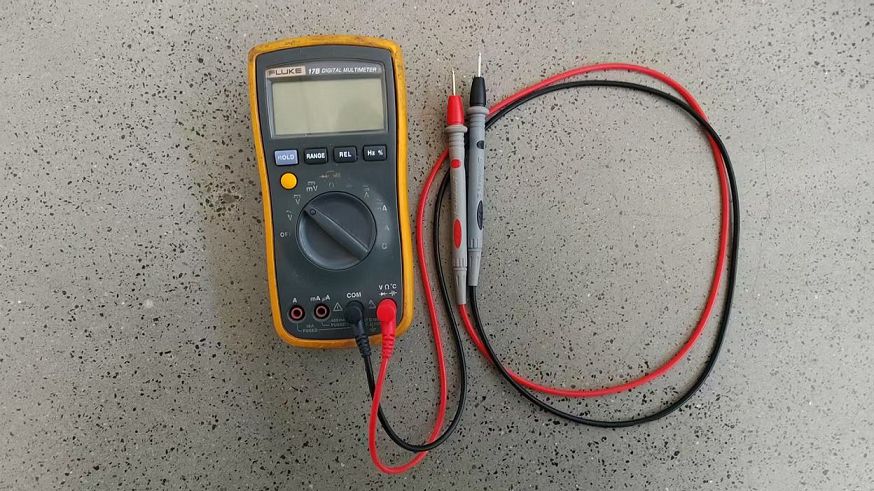 Precision Multimeter Testing
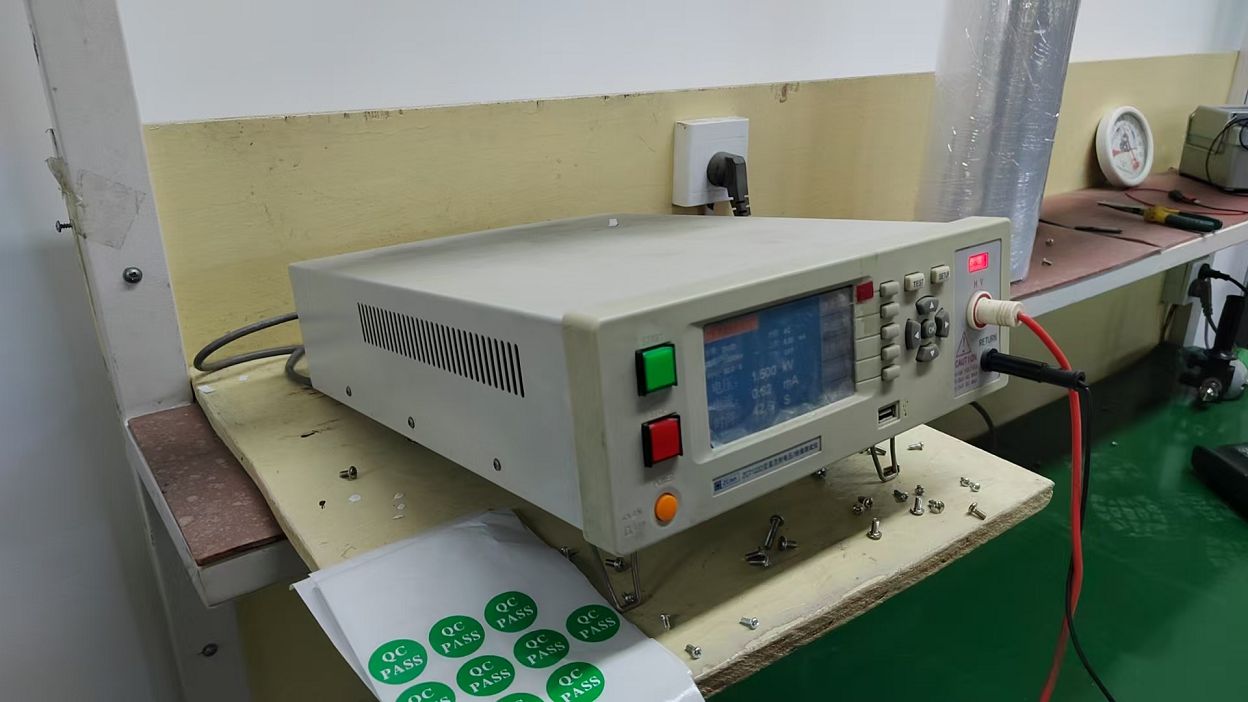 LCR AutoTester System
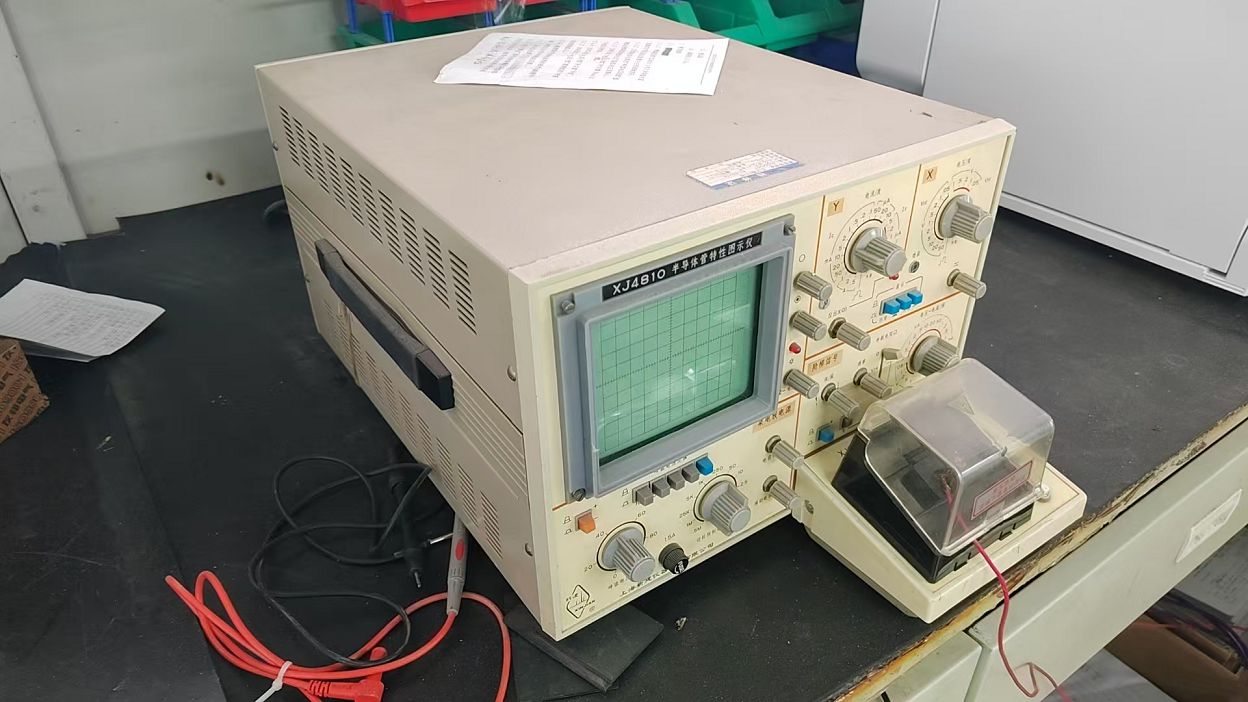 Semiconductor Plotter
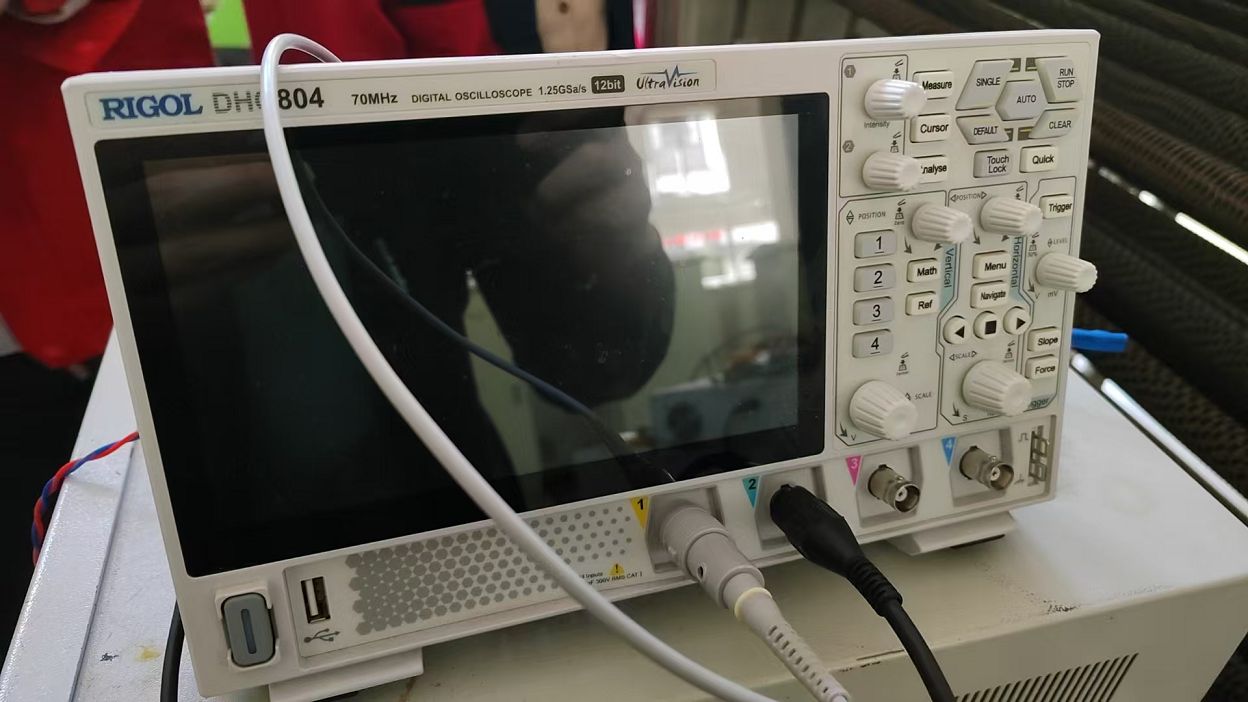
 Digital Oscilloscope
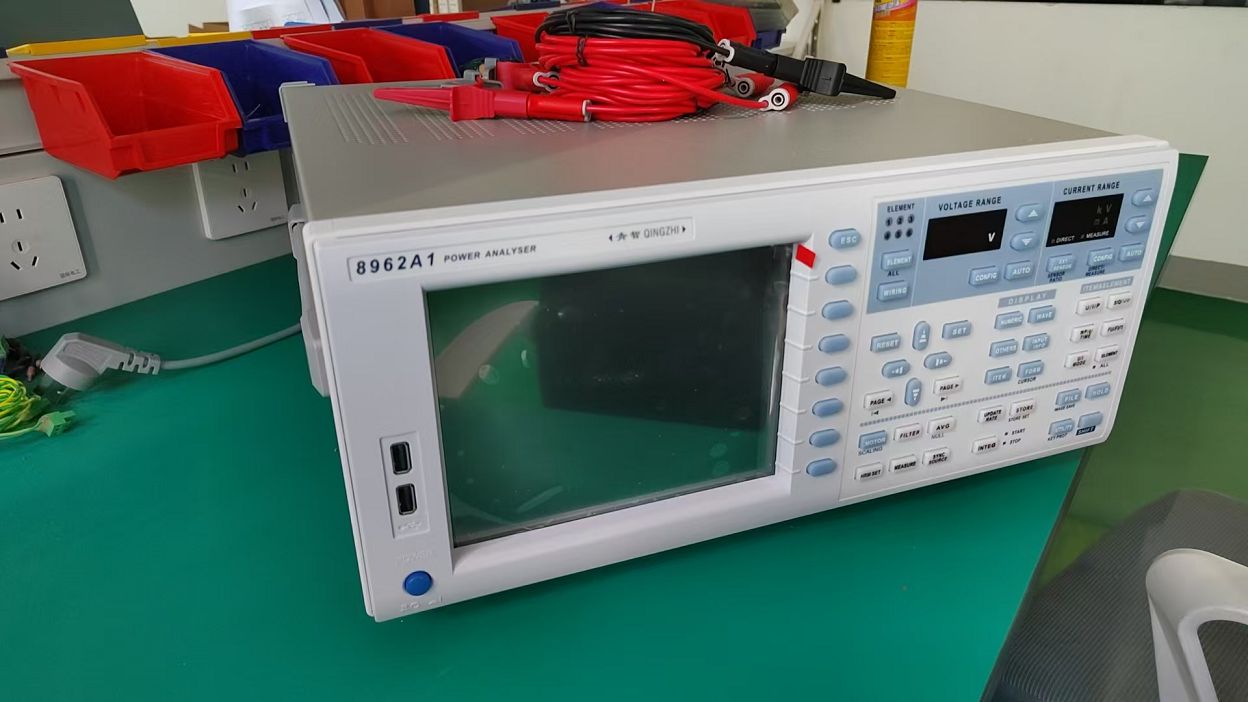
 Power Quality Analyzer
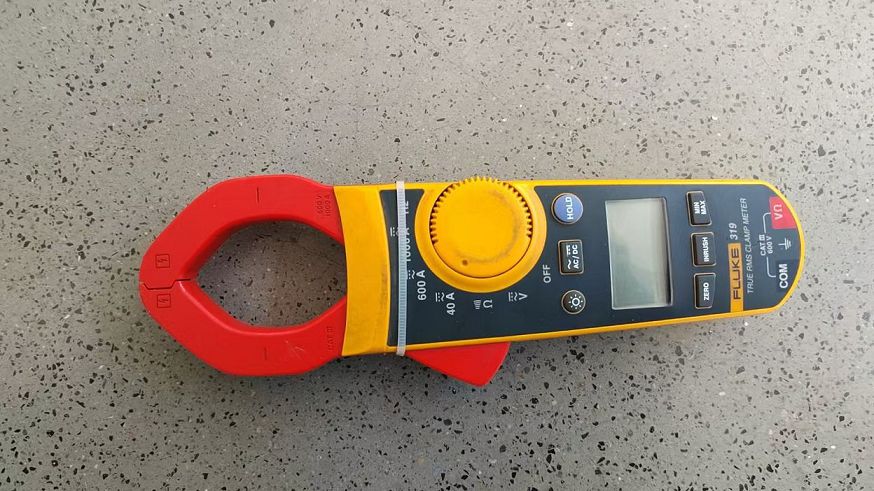 Clamp Current Meter
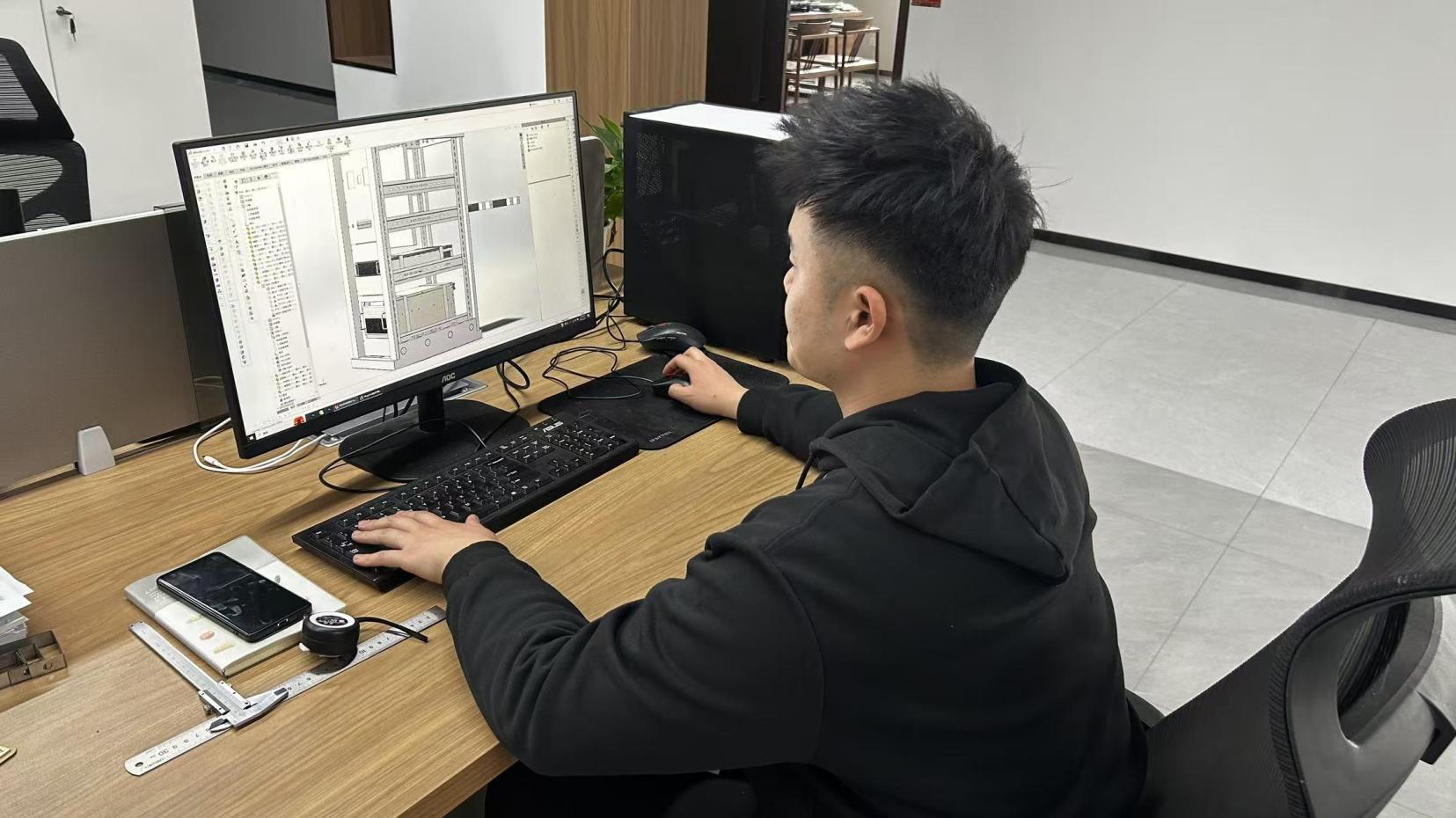 CAD Drawing Design Unit
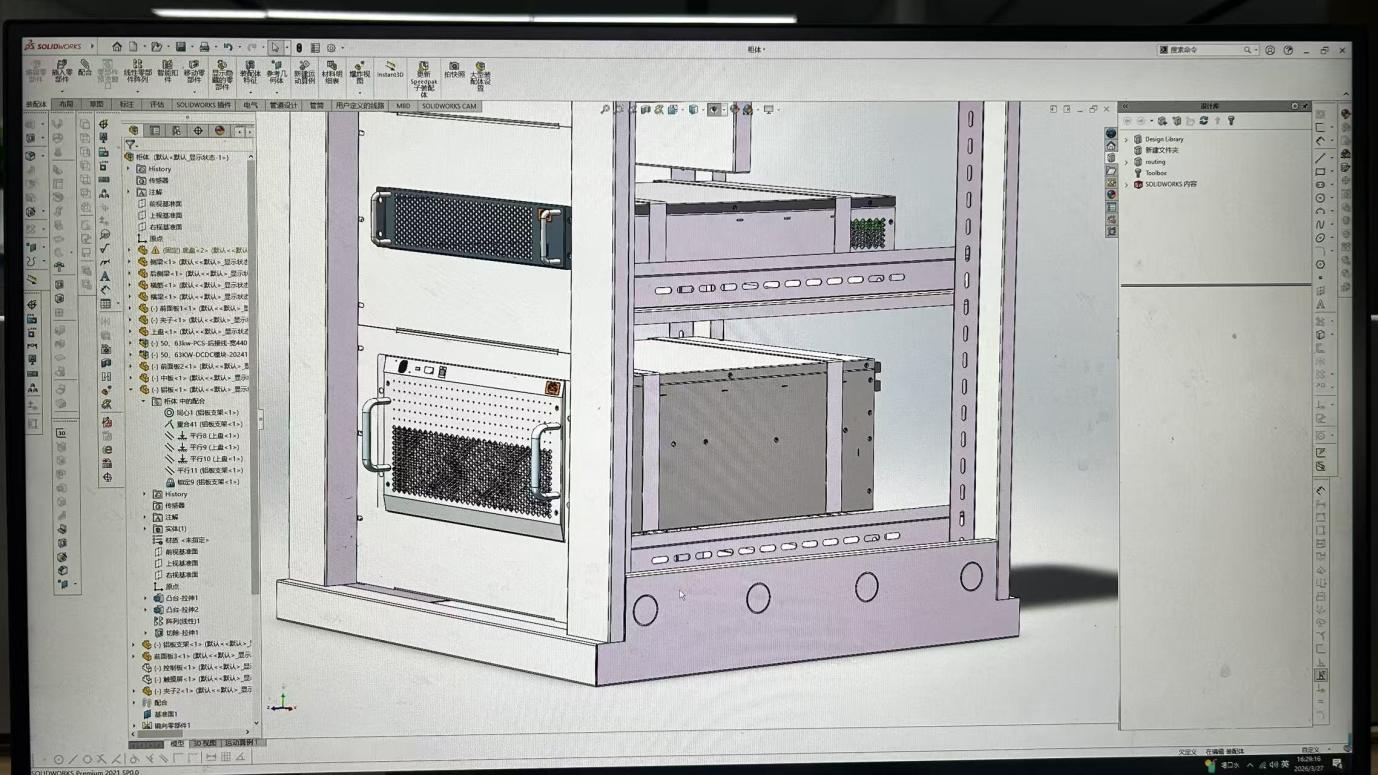 Computer Aided Simulation
Entering international markets with electrical hardware requires meeting strict standards. Every region has its own set of rules regarding insulation, flame retardance, and grid safety. Working with certified suppliers ensures smooth project execution and avoids customs clearance delays.
The fundamental standard specifying safety requirements, test guidelines, and structural characteristics of junction boxes for photovoltaic systems. Essential for EU market access.
The standard for safety of Photovoltaic Junction Boxes in North America. Evaluates polymer degradation under extreme weathering, mechanical impacts, and fire safety ratings.
Ensures that manufacturing facilities have traceable, repeatable quality controls and do not utilize hazardous chemicals or heavy metals in soldering or plastic compounding processes.
Jinan Deming Power Equipment holds ISO9001:2015 certification. Our engineering outputs carry the necessary CE, ROHS, and regional certifications, ensuring smooth integration with local distribution grids and compliance with safety inspectors in Europe, America, and the Asia-Pacific region.
Deep industrial answers to help sourcing directors and engineering leads resolve design and supply-chain inquiries.
A continuation of our premium equipment portfolio, featuring high-efficiency converters, heavy-duty off-grid systems, and clean energy generators.
 Demin Power