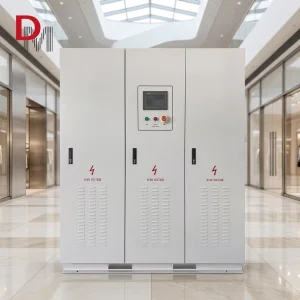
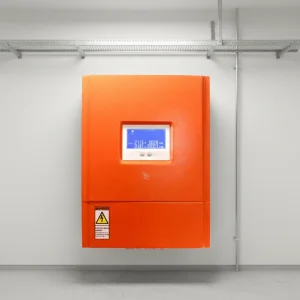
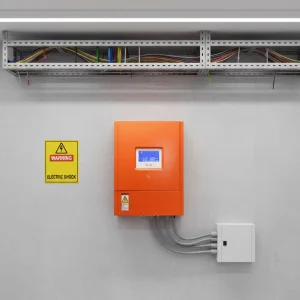
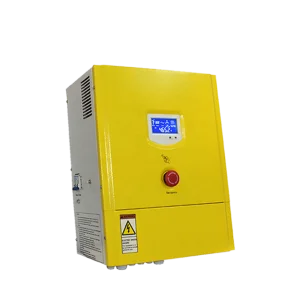
High-precision smart controllers, multi-phase inverters, and voltage stabilization systems critical for optimizing grid efficiency and audit compliance.
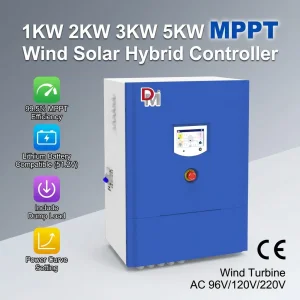
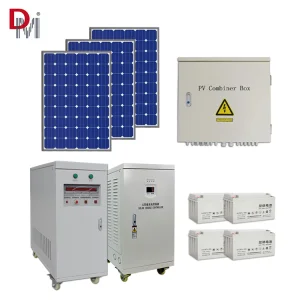

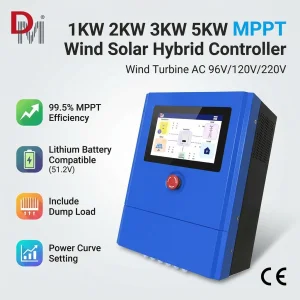
Established in 2004, Jinan Deming Power Equipment Co., Ltd. is a nationally recognized high-tech enterprise dedicated to the research, development, engineering, and manufacturing of high-capacity renewable energy power equipment, power quality solutions, and advanced industrial test systems. Decades of focused engineering have positioned Deming as a key global supplier in the field of industrial energy management and grid optimization—fundamental building blocks for execution of rigorous Industrial Energy Audits.
Operating under a certified ISO9001:2015 Quality Management System, Deming’s engineering ecosystem relies on continuous innovation. The company hosts an elite R&D team composed of 16 senior design engineers, including doctoral supervisors and master’s degree holders. Deming strategically re-invests no less than 20% of its annual sales revenue back into core technology development. This massive resource allocation has fueled 17 distinct research and development projects within the past three years alone, successfully converting 16 scientific and technological breakthroughs into commercially viable power control systems.
Today, Deming’s specialized hardware—ranging from wind/solar controllers and high-power bidirectional converters (50kW to 500kW) to battery simulator systems—is deployed across more than 120 countries, including high-standard markets such as Germany, Japan, the United States, the UK, Canada, Australia, and Brazil. Collaborating directly with several Fortune 500 enterprises, Jinan Deming continues to provide the structural foundation for modern industrial microgrids and macro-scale carbon auditing structures worldwide.
An industrial energy audit is not merely a software exercise; it is heavily dependent on hardware-level measurement, regulation, and power flow control. As multinational corporations align with ESG initiatives and target Net-Zero emissions, the accuracy of auditing data hinges on the efficiency of energy conversion and load testing. Jinan Deming Power Equipment provides the foundational infrastructure that enables auditors to stabilize, measure, and optimize facility grids.
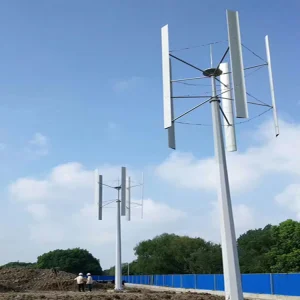
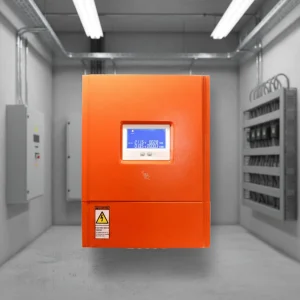
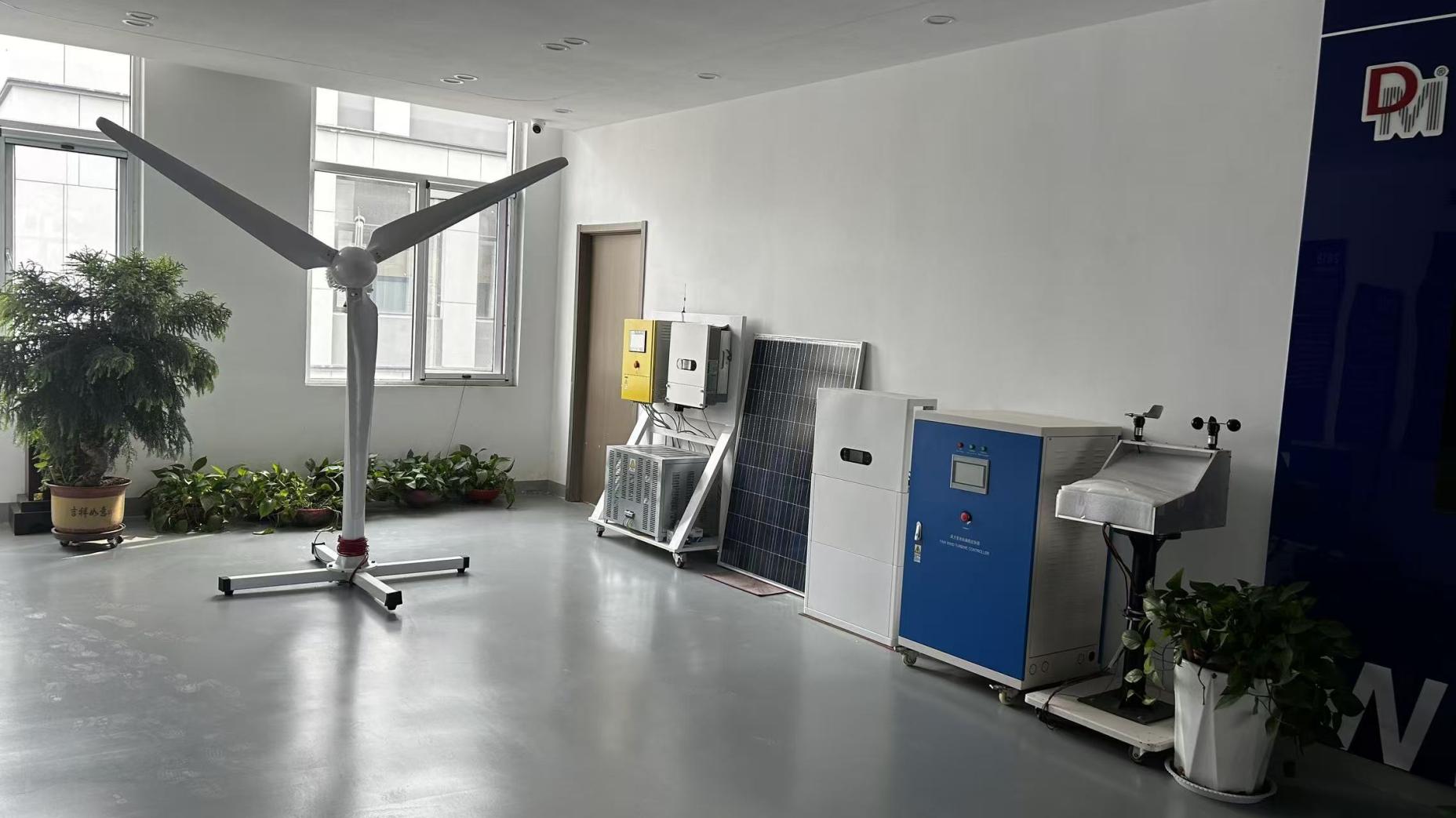
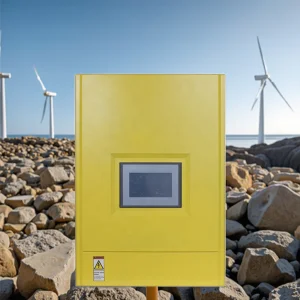
For operations combining solar, wind, and battery storage, our high-power MPPT charge controllers and grid-tied systems track real-time efficiency metrics, reducing parasitic line losses and providing localized generation audits.
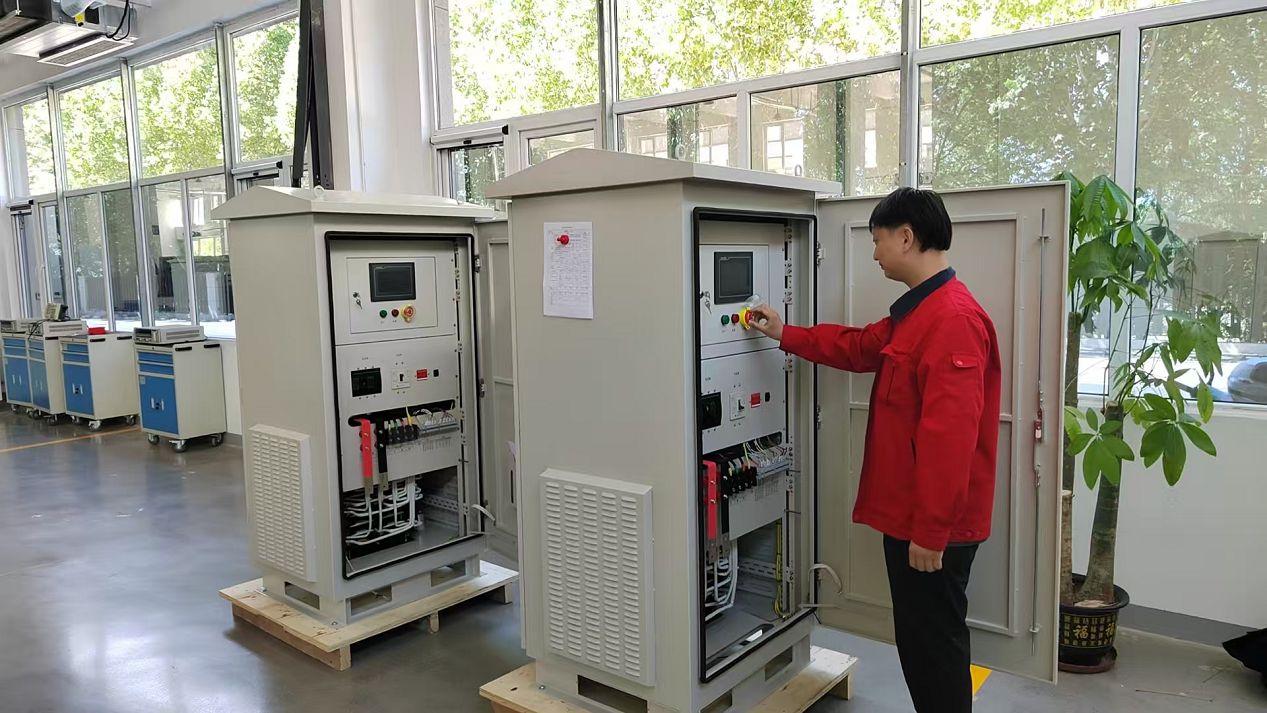
Voltage drops and harmonic distortions lead to energy loss. Deming’s 100kW AVR (Automatic Voltage Regulator) with Touch Screen Interfaces provides stabilized terminal voltage, eliminating reactive power losses during audits.
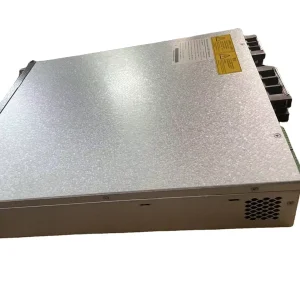
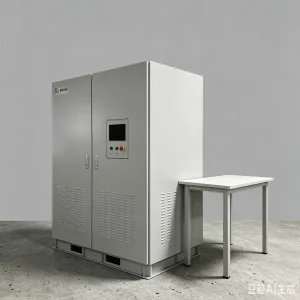
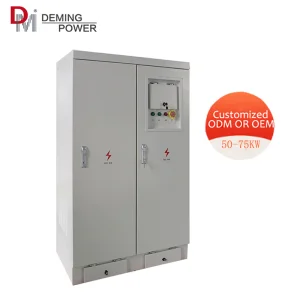
Our 50kW to 300kW bidirectional DC-DC converters and isolated converters allow industrial facilities to run simulated testing profiles of Battery Energy Storage Systems (BESS) to calculate precise degradation rates and round-trip efficiency (RTE).
SEO Insight & Technical Note: Under the scope of ISO 50001 (Energy Management Systems), energy auditors must establish Energy Baselines (EnBs) and Energy Performance Indicators (EnPIs). Jinan Deming’s high-power bidirectional conversion systems provide the exact physical load control and data monitoring interfaces required to calculate these metrics with laboratory-grade precision.
The transition from passive power networks to bidirectional, smart-grid-interactive industrial networks demands a new generation of power electronics. The Jinan Deming technology roadmap focuses on three core pillars:
To achieve conversion efficiency ratings exceeding 98.8%, Deming’s R&D division is actively transitioning its high-voltage bidirectional converter topologies from traditional IGBT modules to advanced Silicon Carbide (SiC) MOSFETs. This migration drastically minimizes switching losses, enables higher switching frequencies, and significantly shrinks the physical footprint of industrial-scale 300kW-500kW converters.
Future iterations of Deming's MPPT charge controllers and wind turbine regulators feature native IoT connectivity. Incorporating Modbus TCP, CAN bus, and RESTful API integrations, these units push real-time thermal, current, voltage, and efficiency metrics directly to cloud-based Enterprise Resource Planning (ERP) and Energy Management Software (EMS). This bridges the gap between hardware monitoring and real-time carbon tracking.
Deming's bidirectional DC-DC converter line is evolving to support complete Digital Twin modeling of multi-chemistry battery installations (LFP, NMC, Solid-state). This enables plant engineers to execute predictive health monitoring and thermal runaway simulations, proving invaluable during pre-construction energy auditing and system design phases.
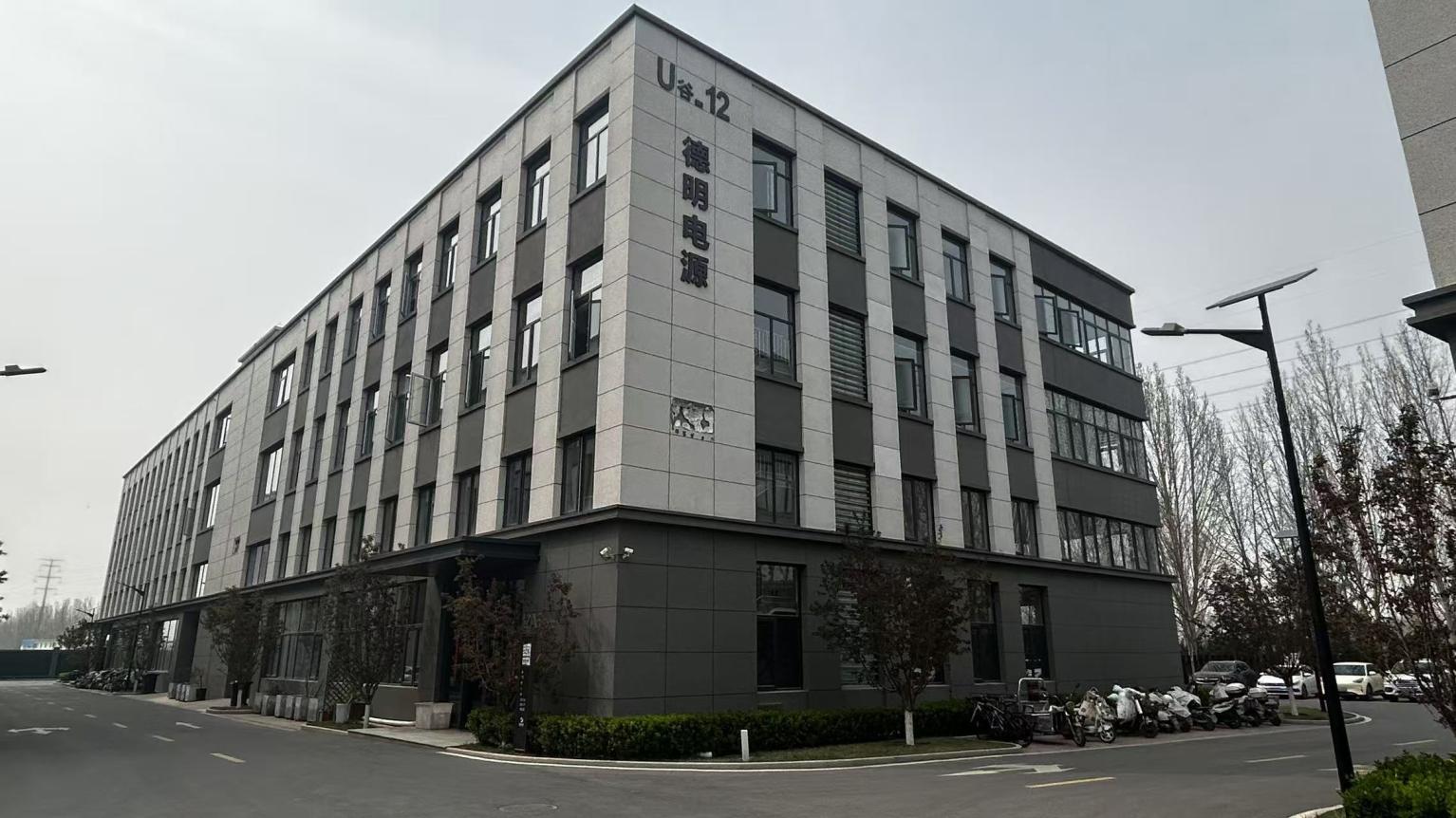
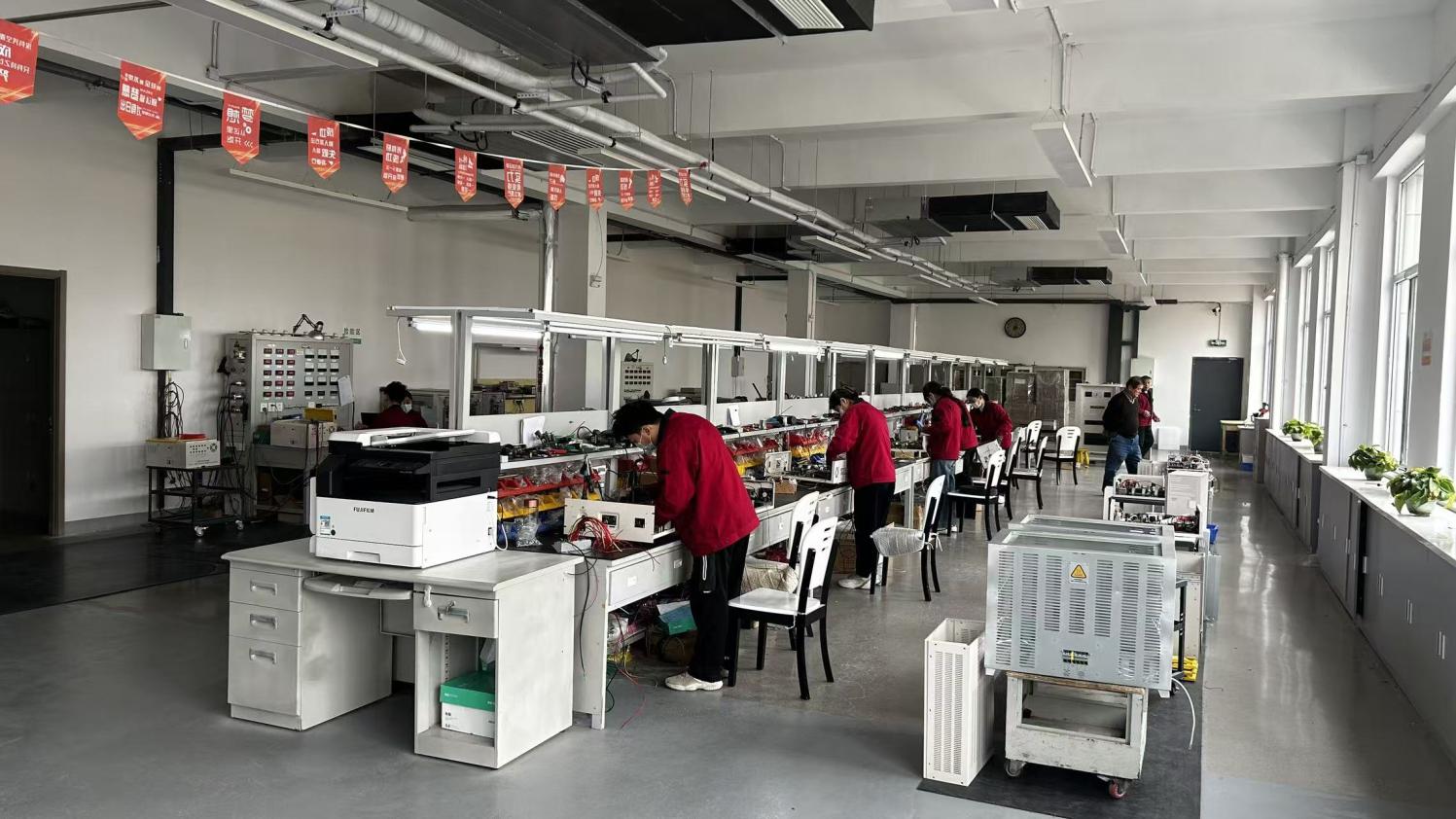
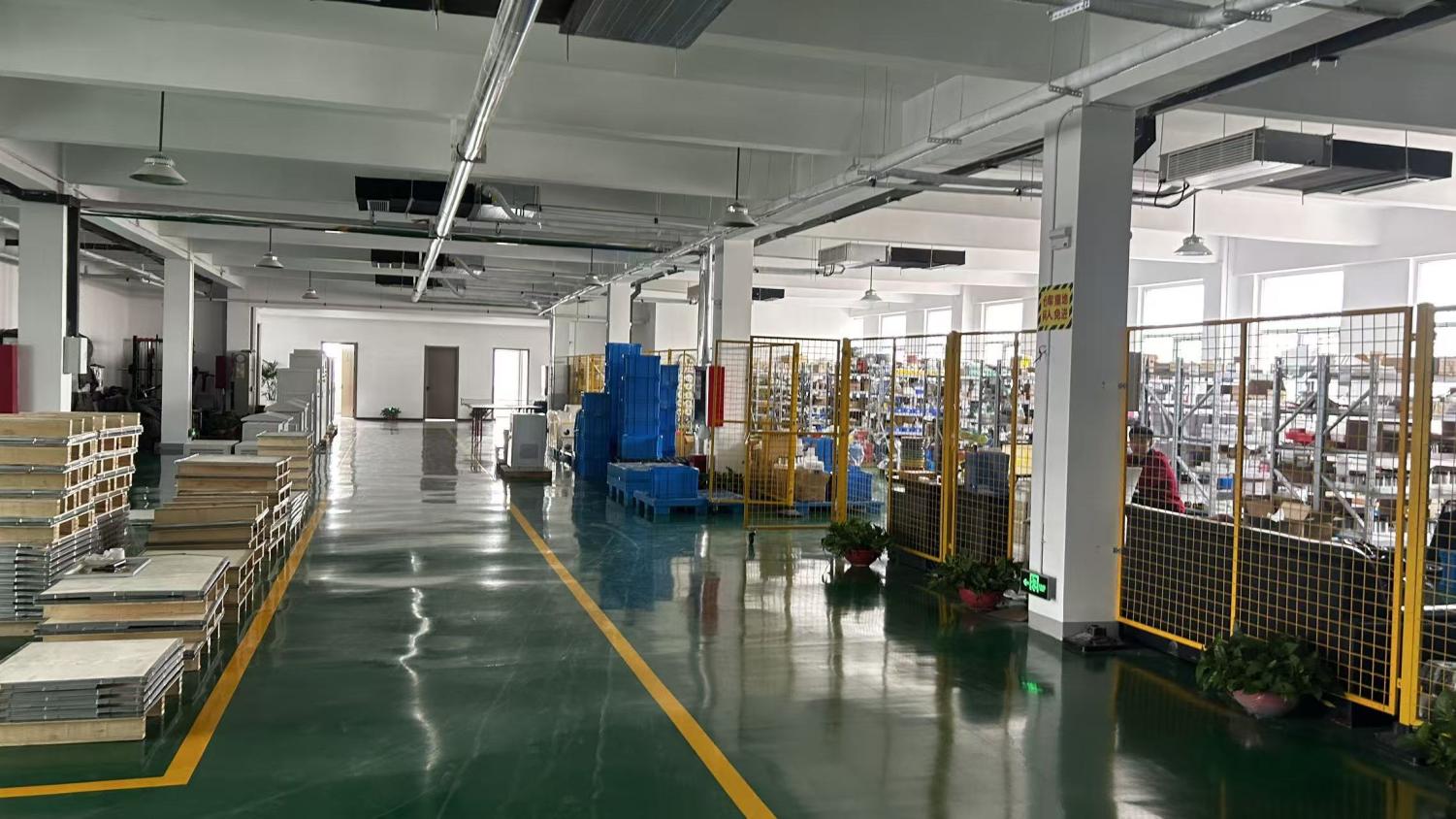
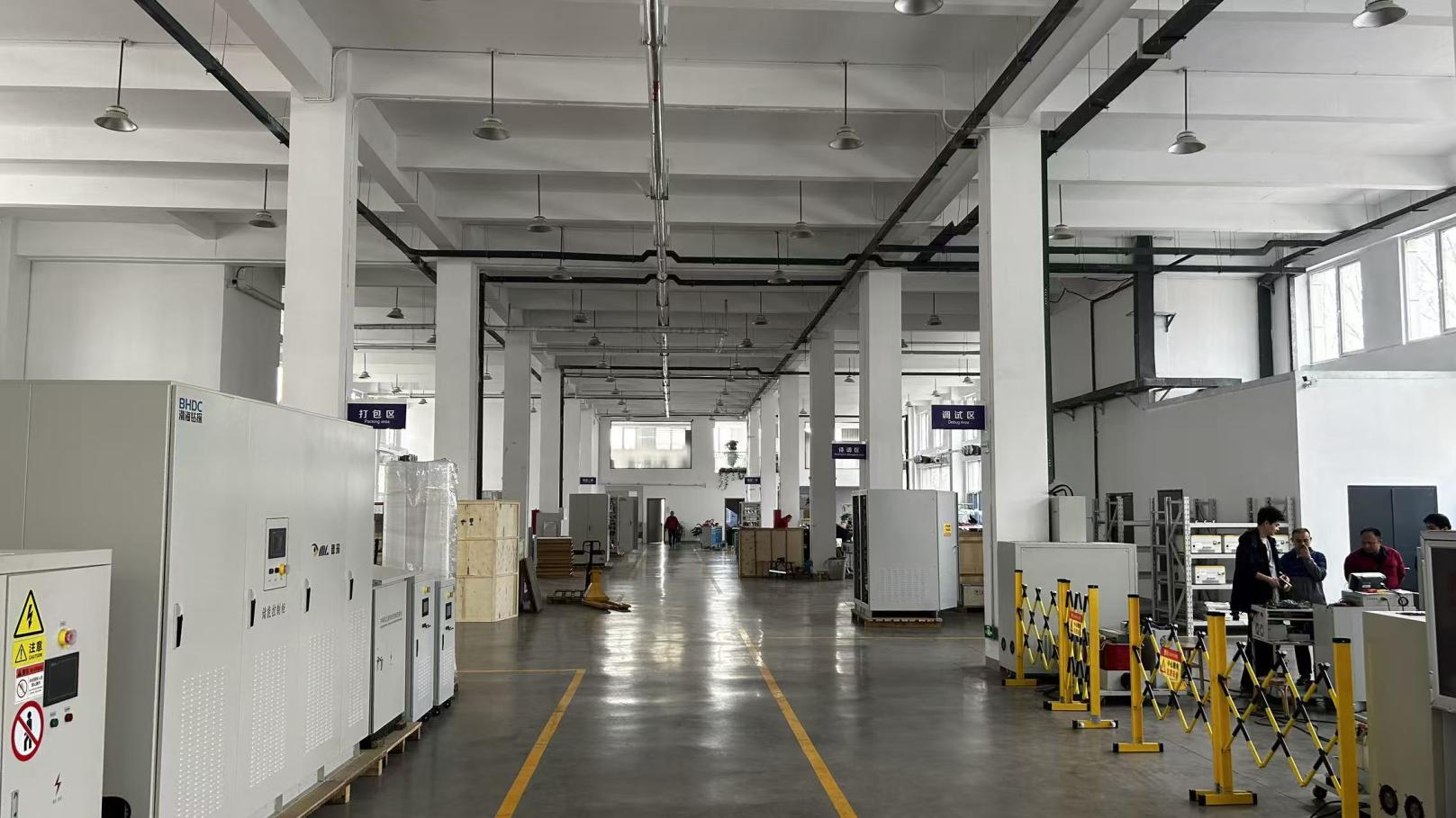
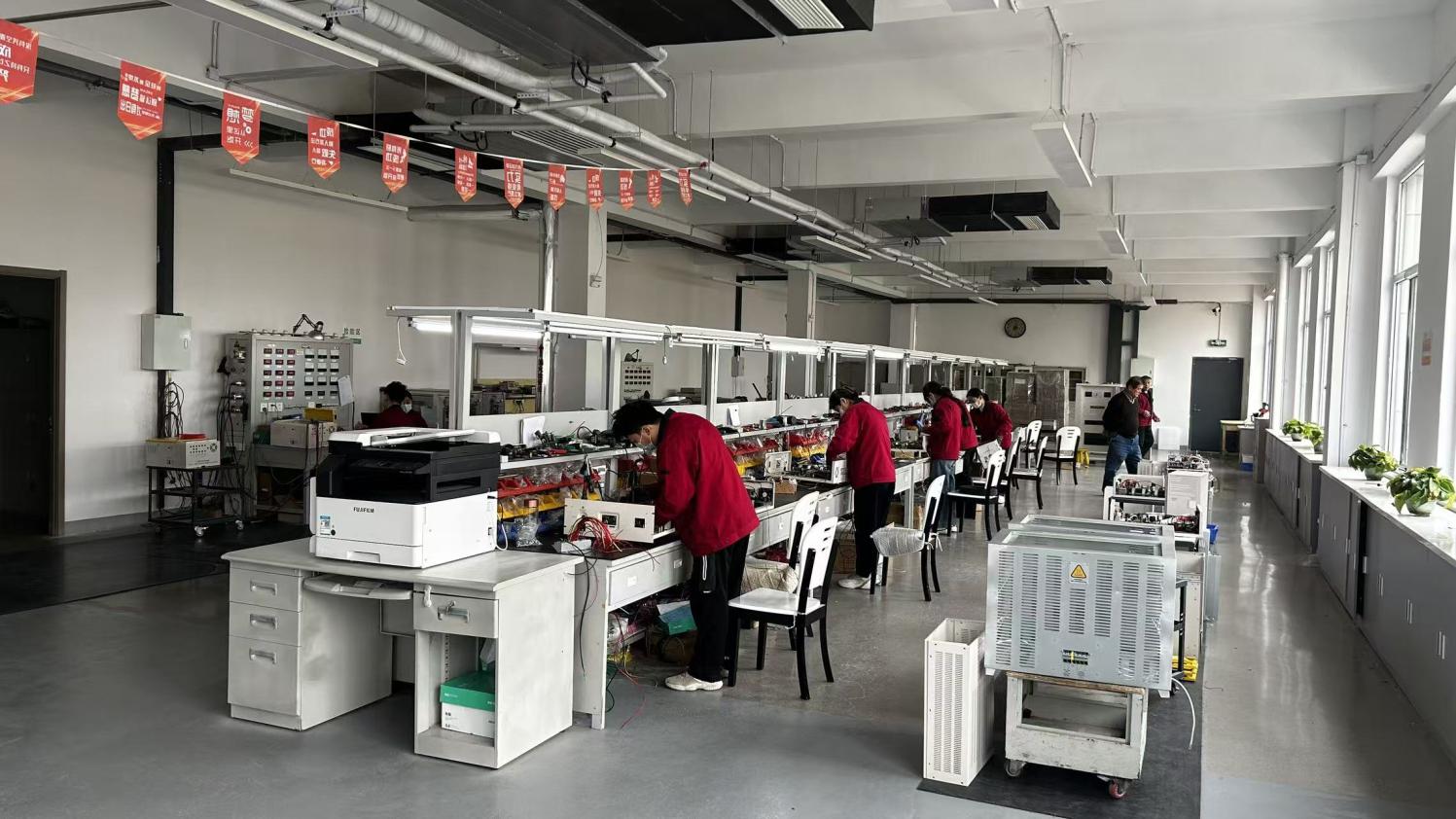
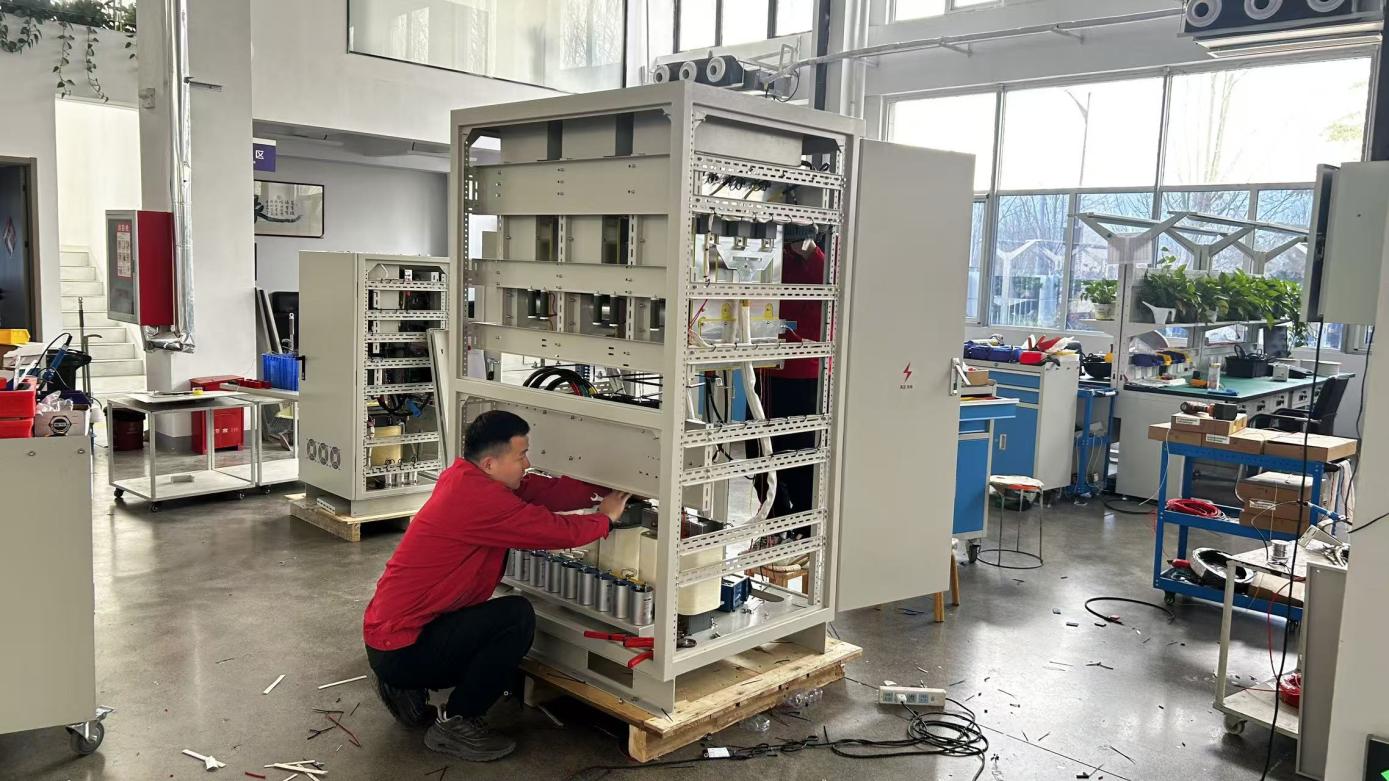
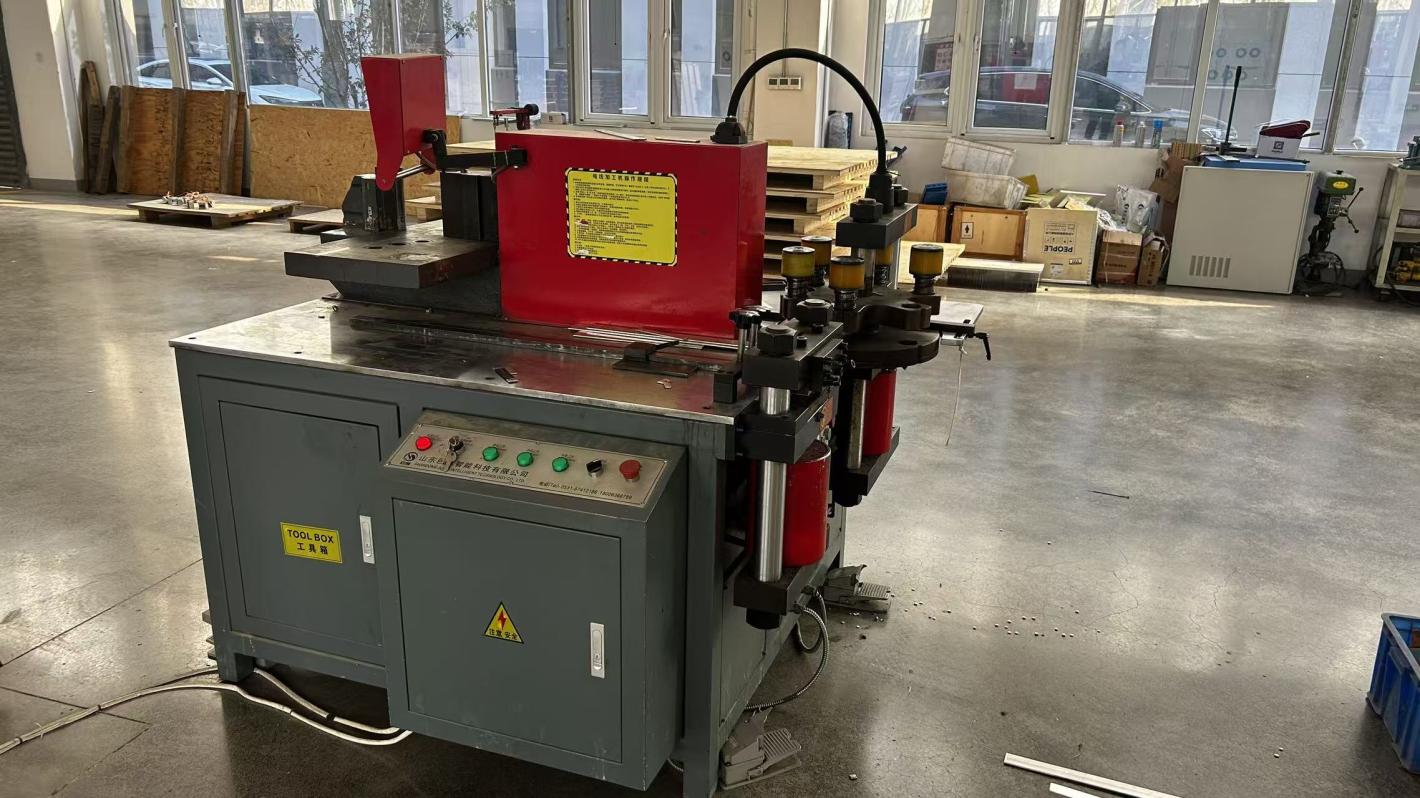
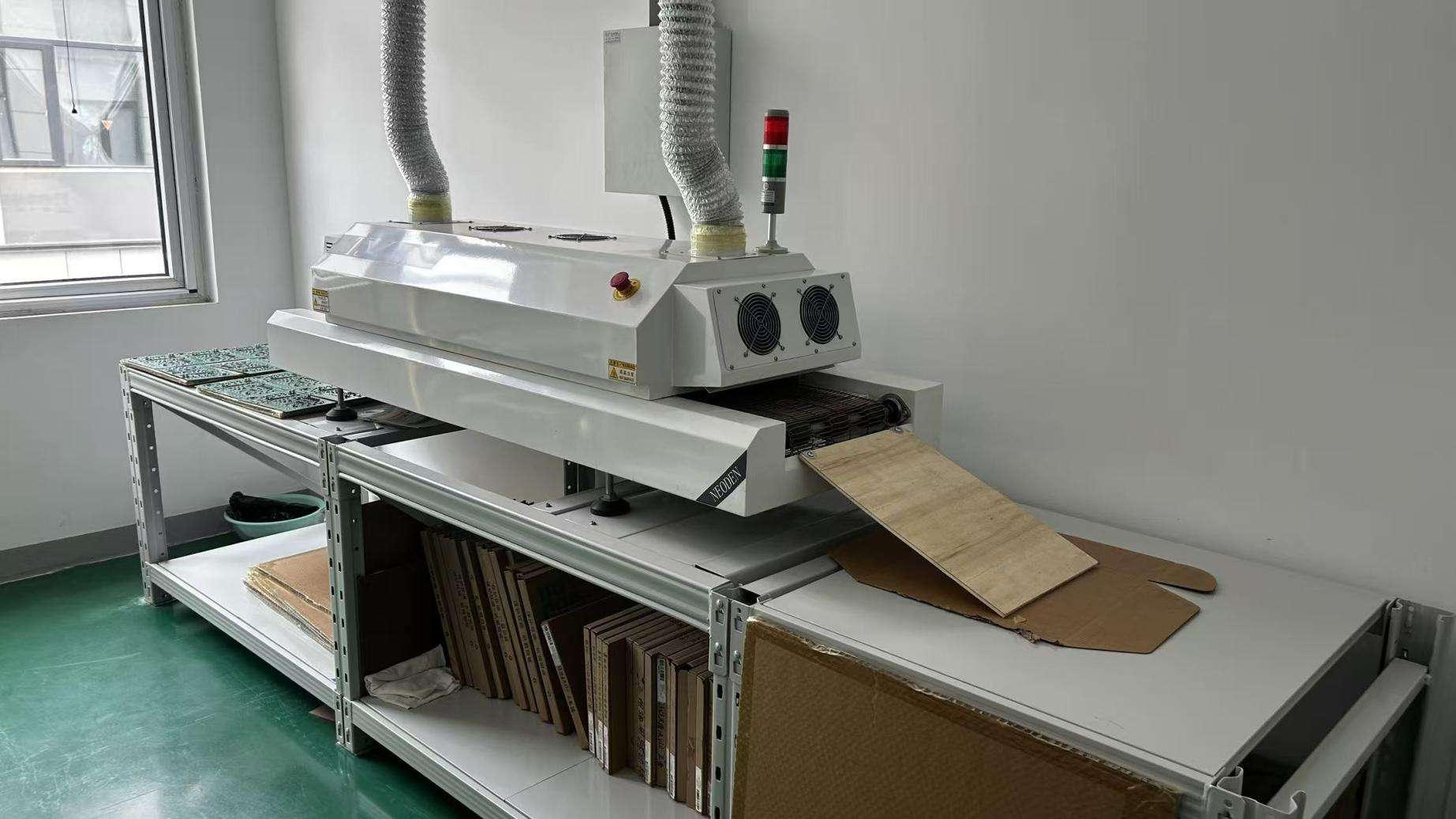
Deming’s manufacturing plant in Shandong, China, embodies the principles of China Factory 4.0—focusing on agility, vertical integration, and structural quality control. By maintaining in-house copper bar production, automated reflow soldering, and full SMT lines, Deming eliminates the typical supply chain bottlenecks associated with outsourced electronics manufacturing.
| Production Phase | Machinery & Technology Deployed | Quality Assurance Target |
|---|---|---|
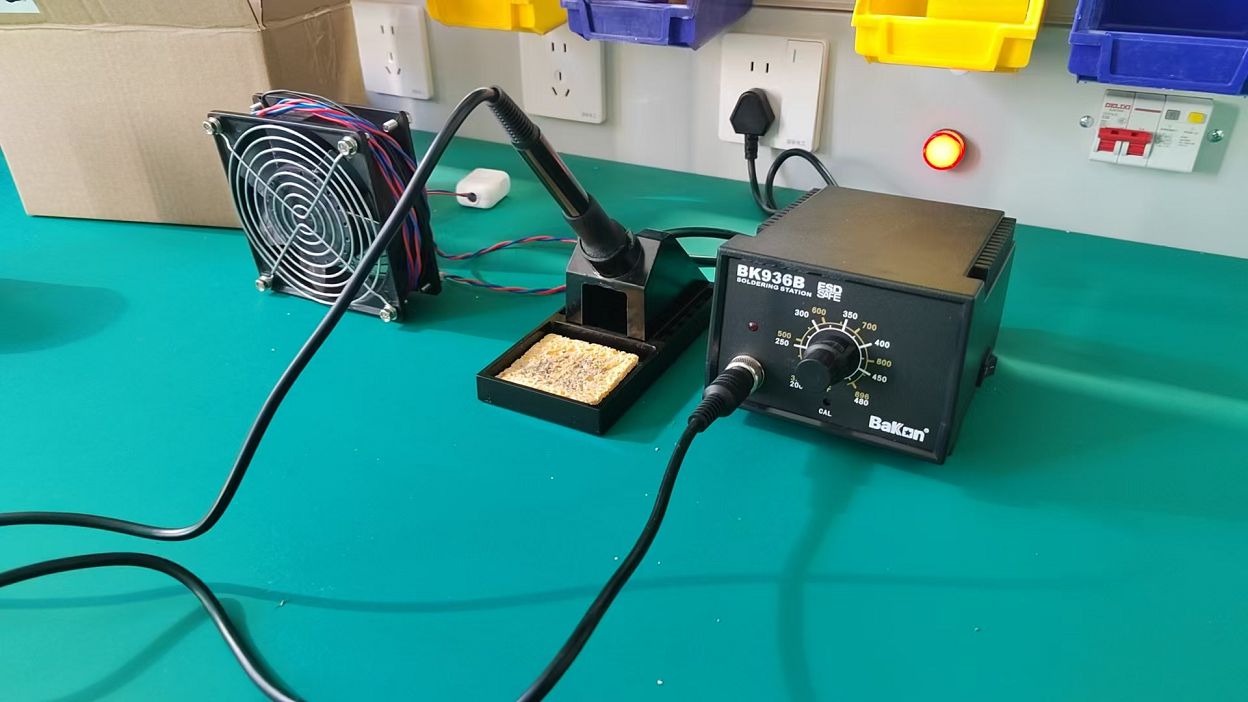
| PCB & Control Assembly | Automated SMT & High-Precision Reflow Soldering Machines | Zero solder-joint defect rates via Optical Inspection (AOI) |
| Structure & Busbar Production | In-house Copper Bar Production Equipment & CNC Machining | Optimized thermal dissipation & minimal impedance loss |
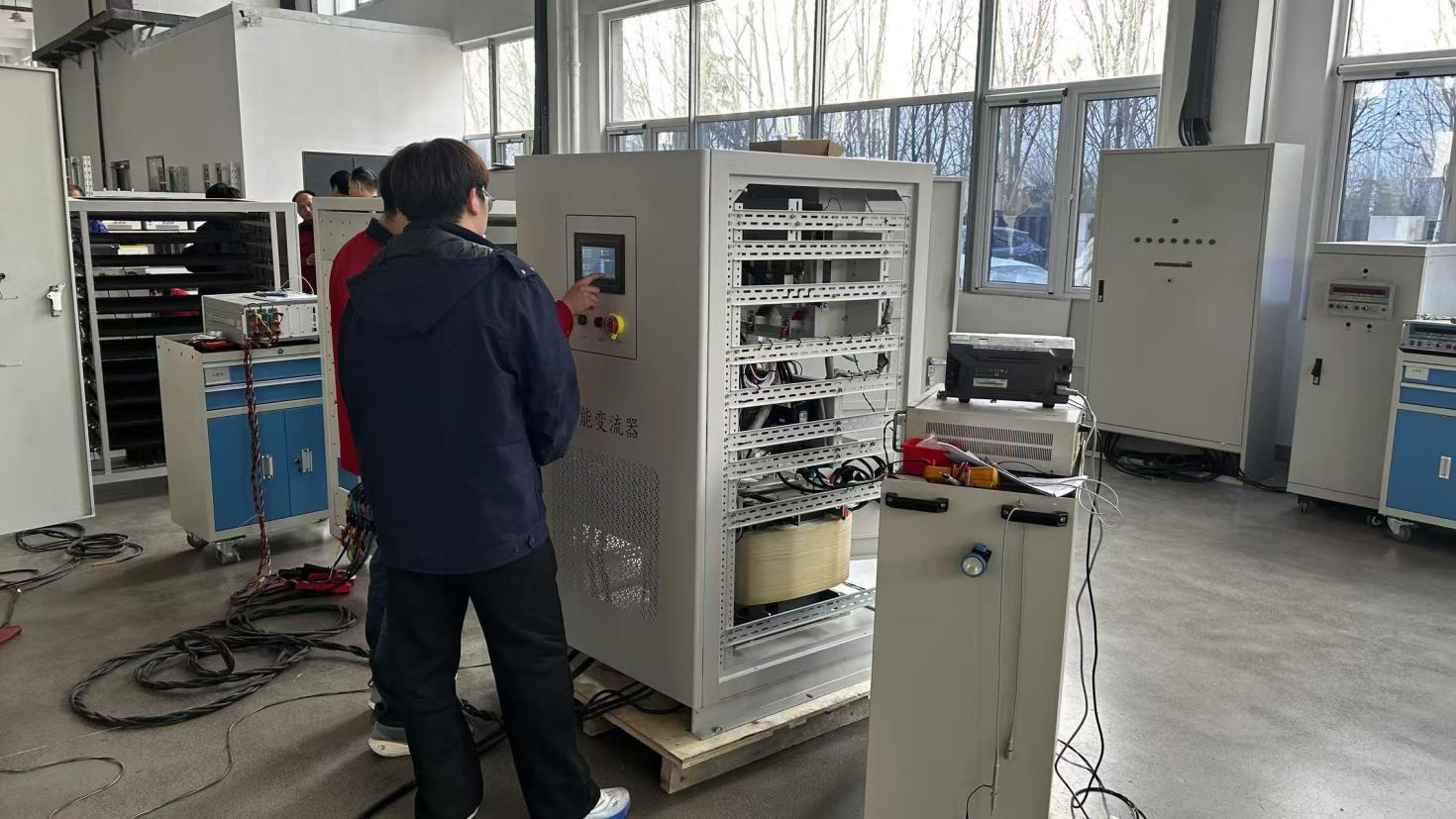
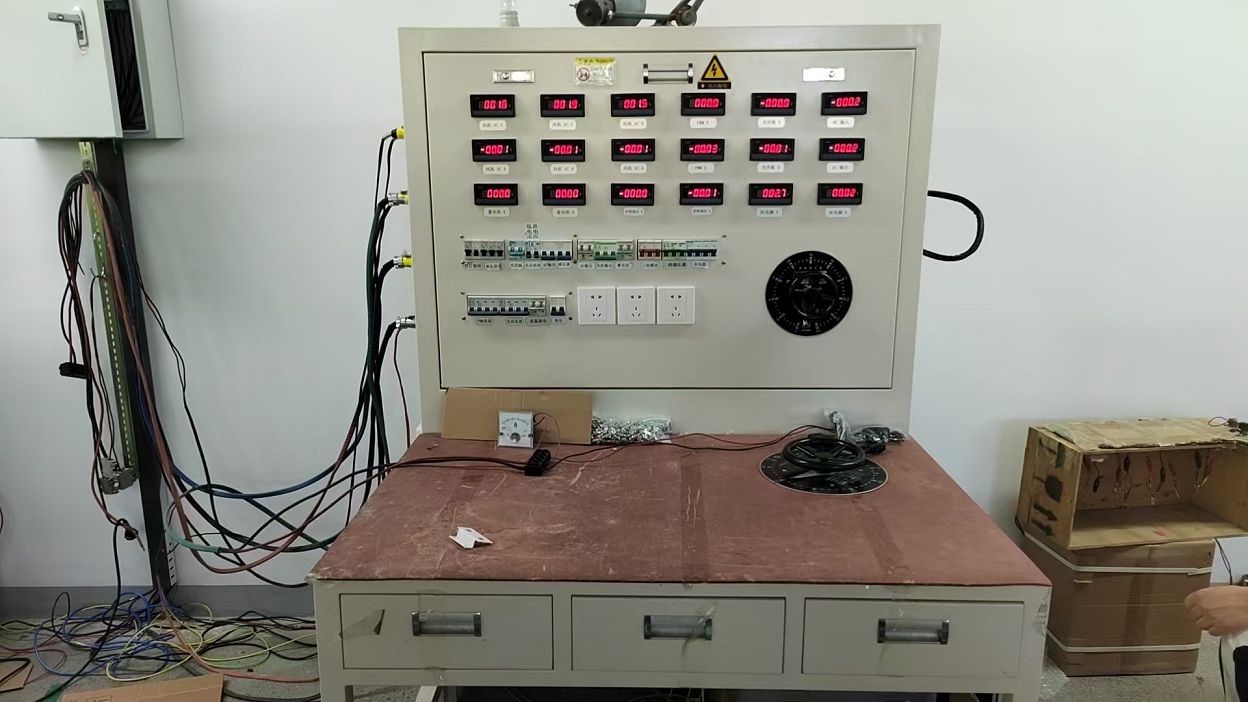
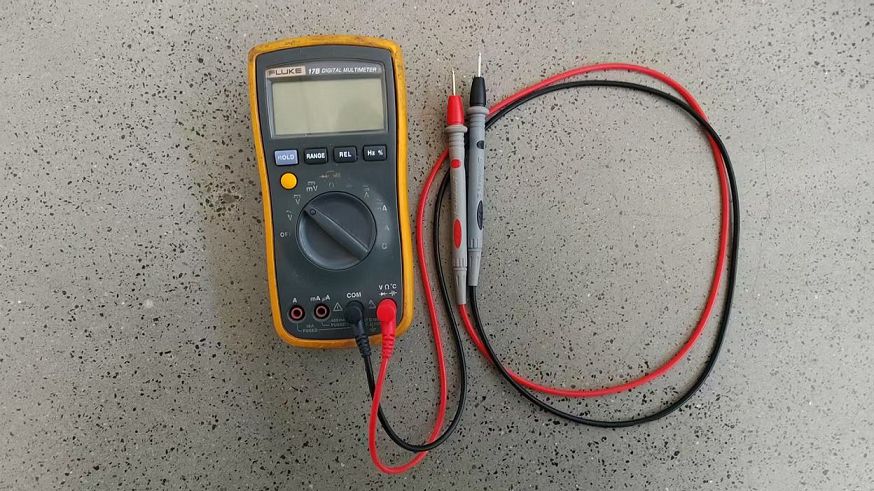
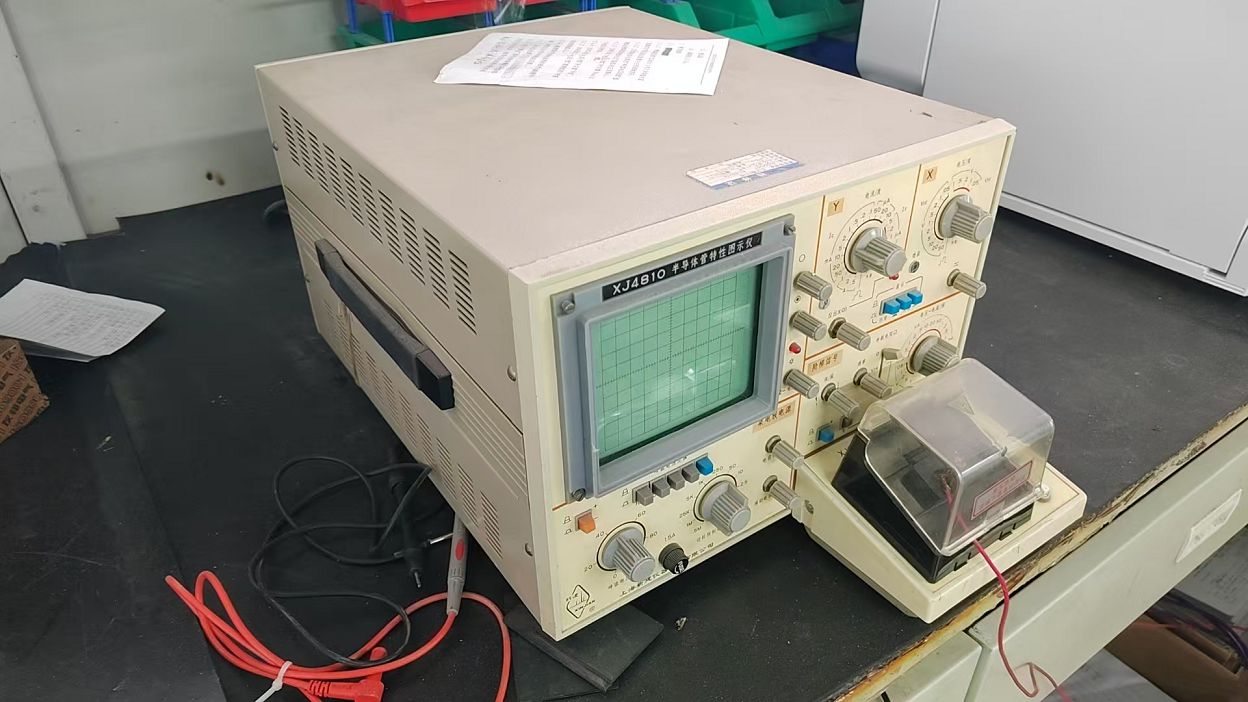
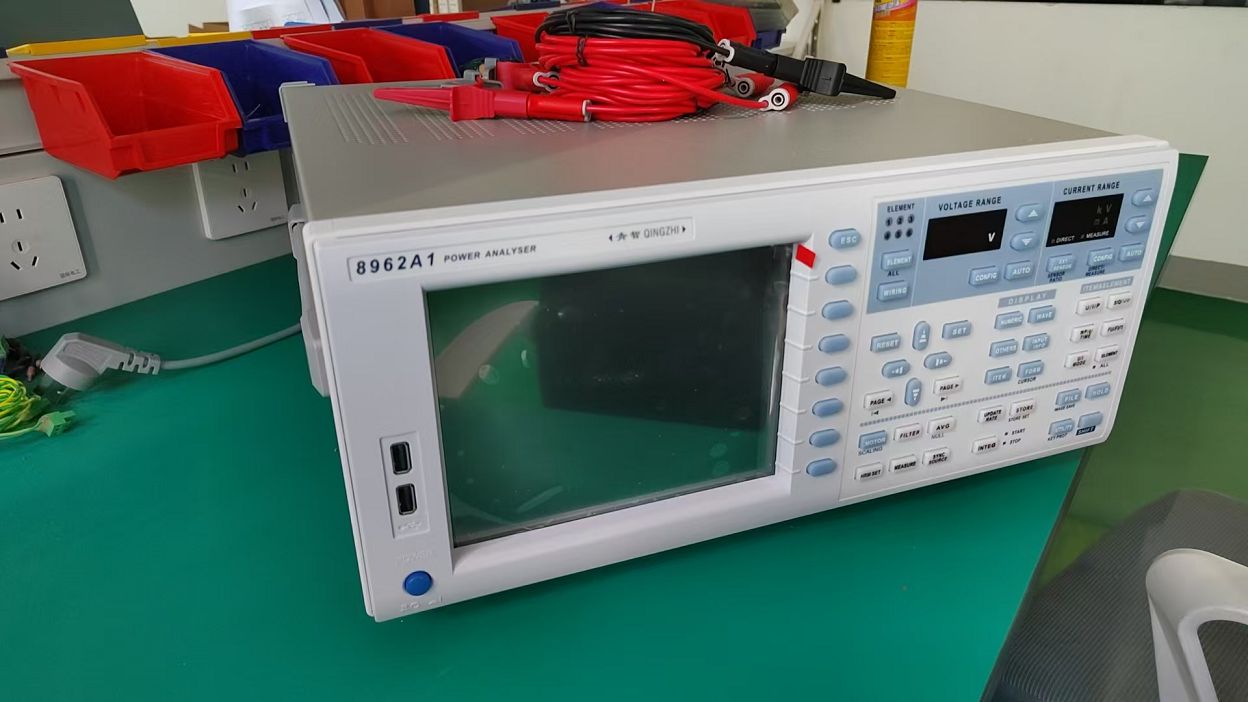
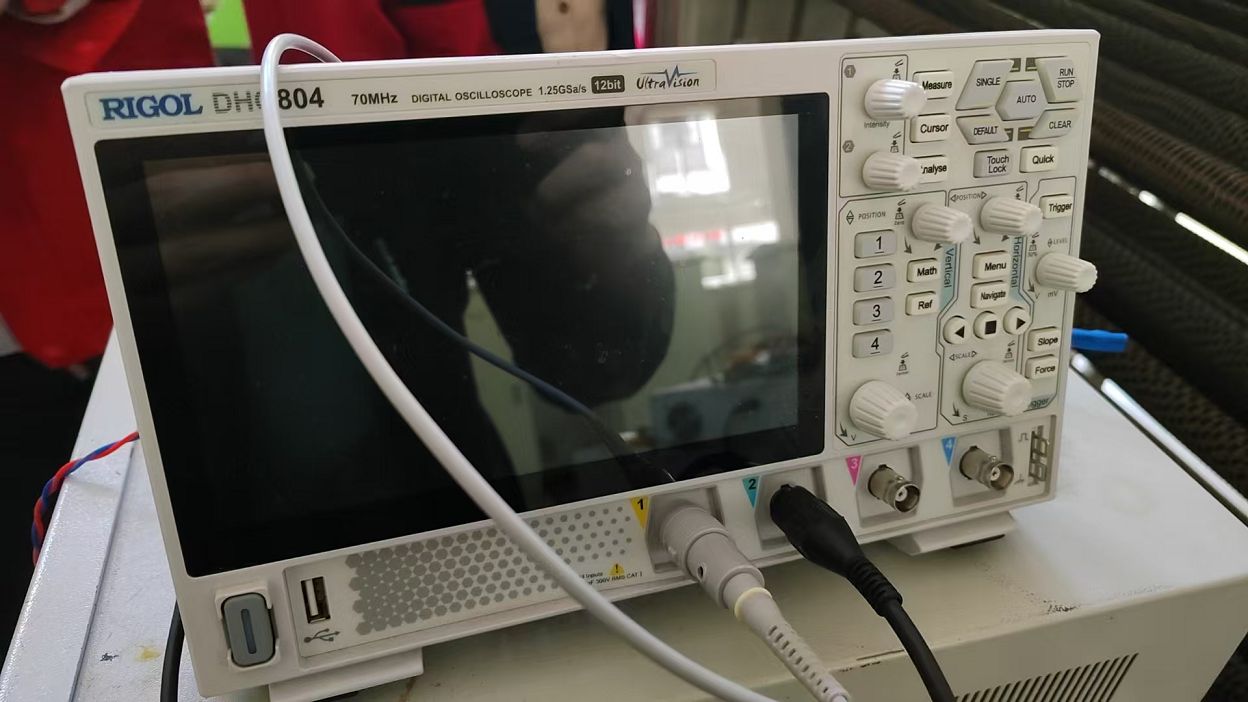
| System Testing & Calibration | LCR AutoTesters, Digital Oscilloscopes, Semiconductor Plotters | Precision voltage matching and current tracking alignment |
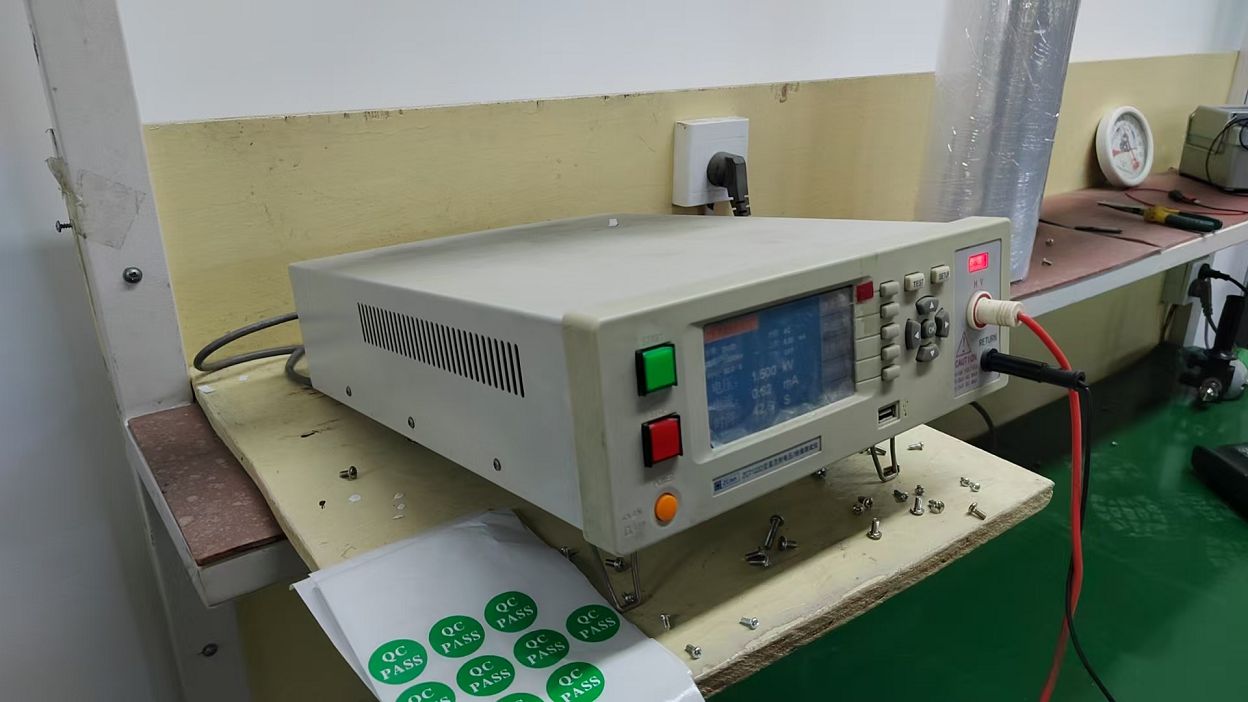
| Final Quality & Stress Testing | High-Power Bidirectional DC Load Chambers & Battery Simulators | 100% full-load burn-in testing under simulated grid fault scenarios |
This high degree of manufacturing integration allows Jinan Deming to offer rapid customization (ODM/OEM) for international clients, ensuring that bulk orders for specific voltage profiles (e.g., 600V, 680V, 700V, 800V MPPT controllers) are produced, tested, and dispatched with absolute efficiency and traceability.
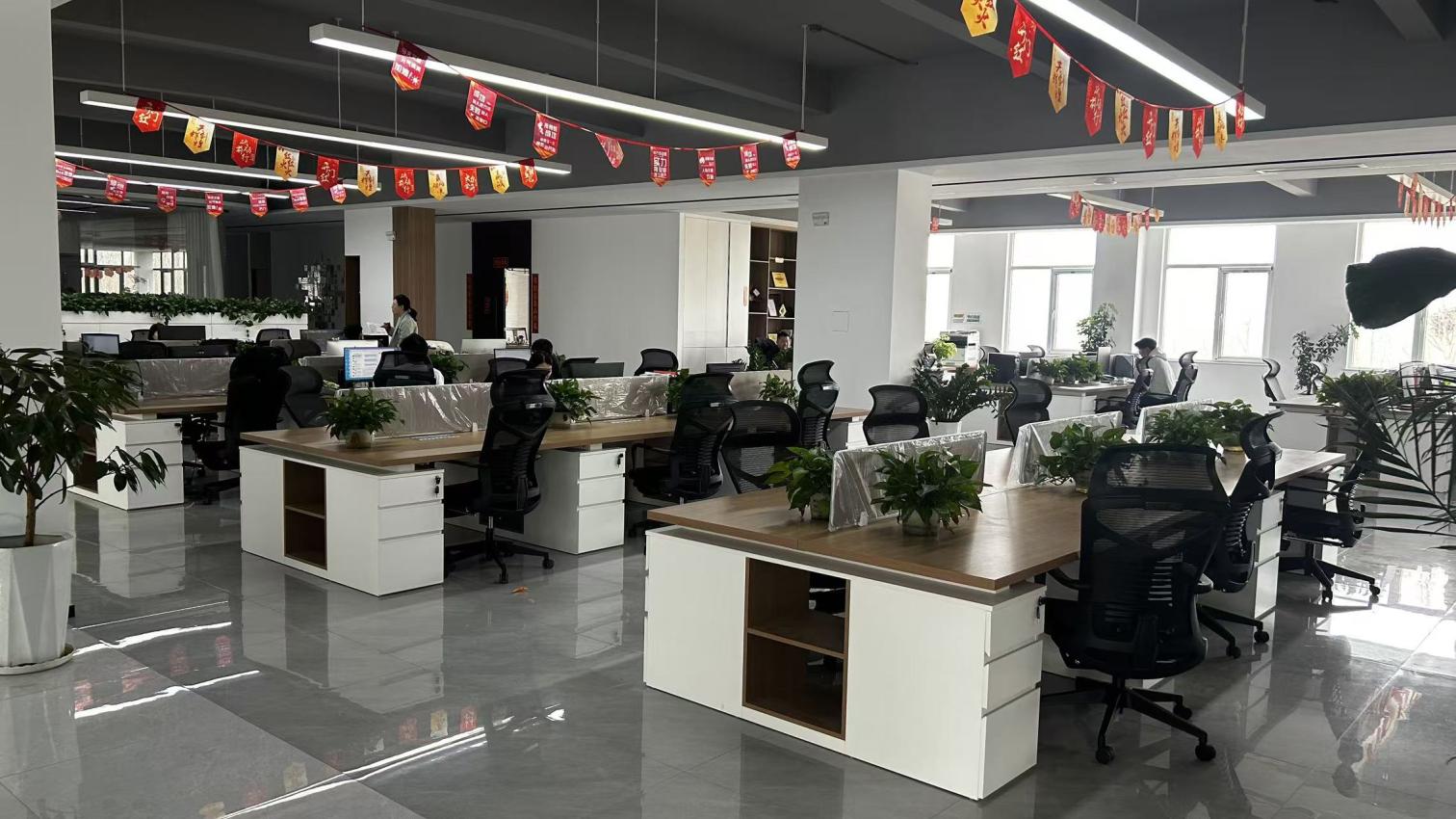
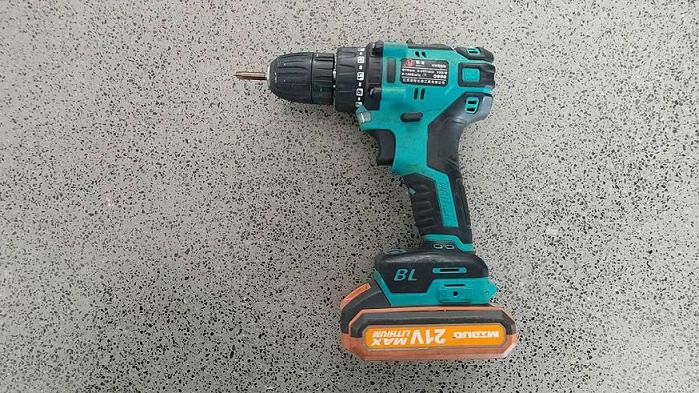
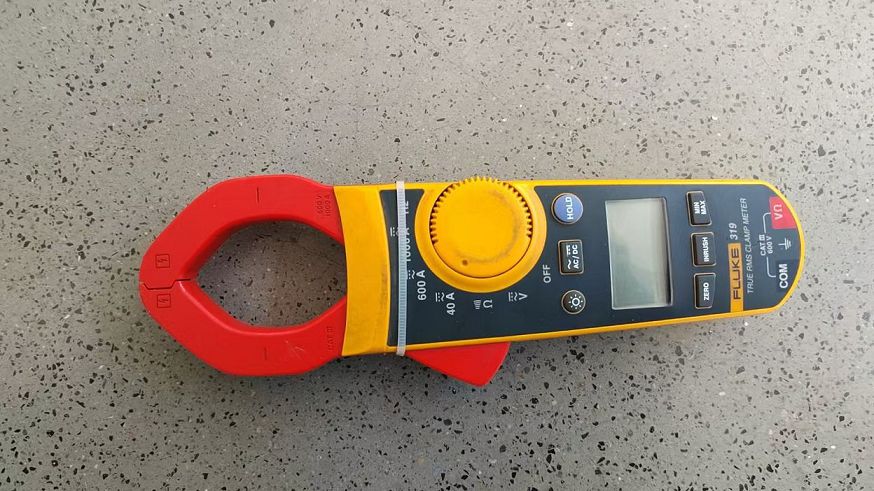
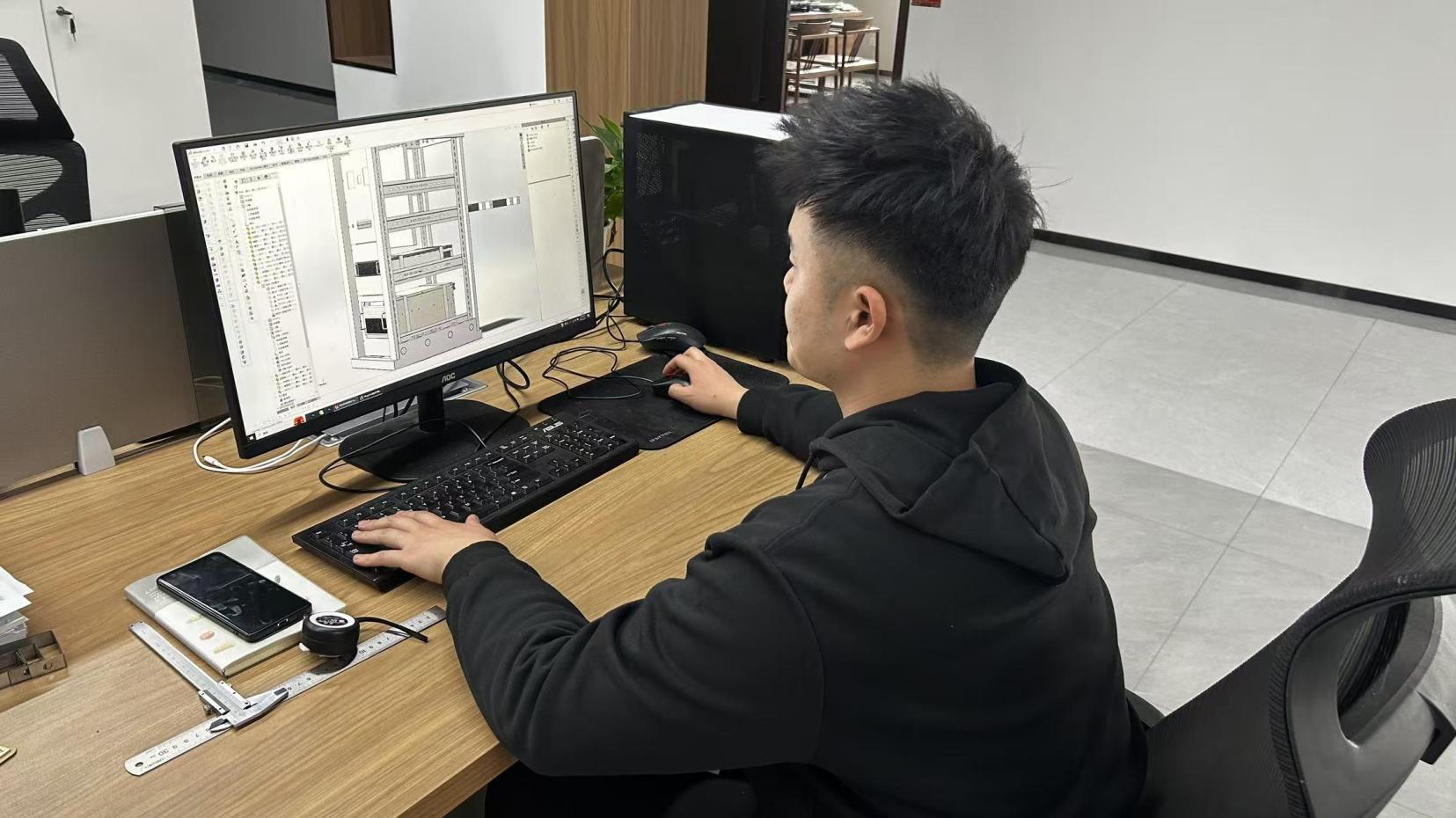
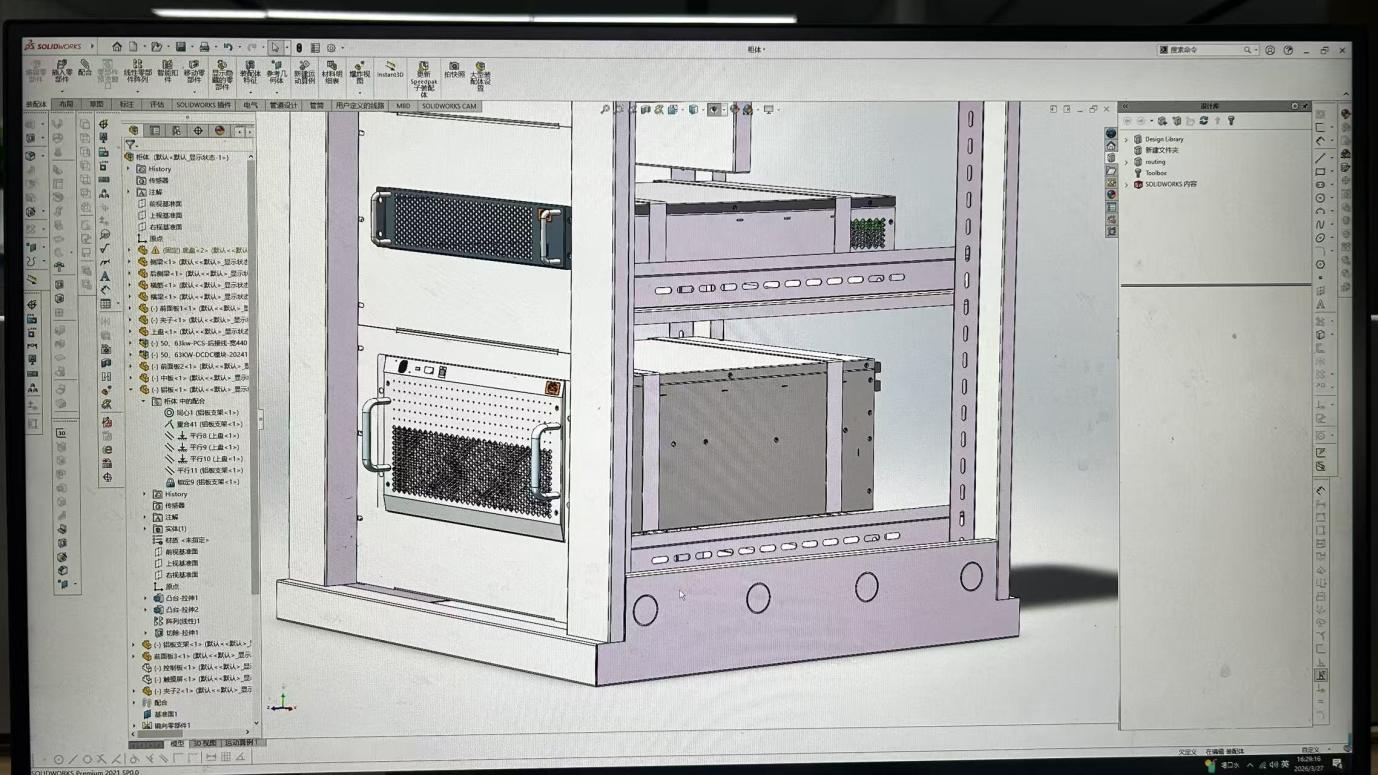
Below is a verified look into our Shandong manufacturing base. Each workstation is designed to meet strict ISO 9001:2015 guidelines, ensuring that everything from initial circuit design to structural assembly is systematically inspected.
Deploying heavy power hardware into national grids requires strict alignment with local distribution codes. Jinan Deming ensures compliance through targeted engineering and a comprehensive document package:
When procurement officers or energy engineering consultants source power equipment for multi-megawatt facilities, evaluating technical specifications is paramount. Below is a structured checklist to streamline your technical vetting of Jinan Deming products:
Heavy-duty power conversion, bidirectional converters, and storage solutions built for industrial grids and high-voltage energy storage installations.
 Demin Power