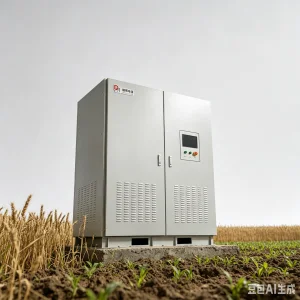
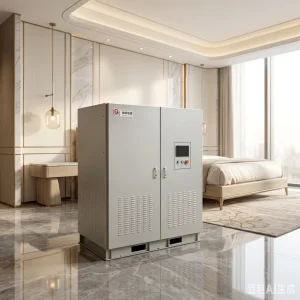
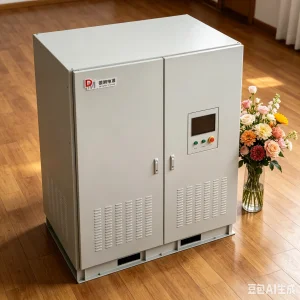
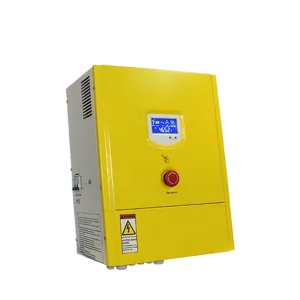
Explore our core industrial grade energy storage conversion systems, hybrid charge controllers, and alternative energy generation systems designed for high availability.
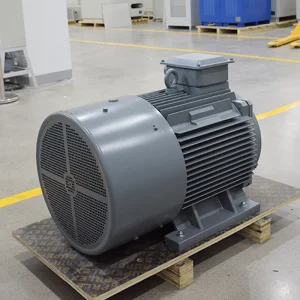
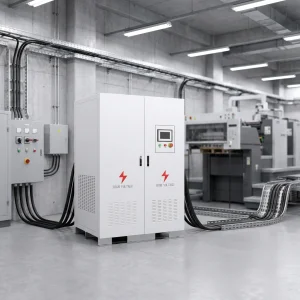
An in-depth perspective on energy security, load peak-shaving, and the integration of smart bidirectional conversion topologies in modern distribution grids.
Decarbonizing industrial plants requires balancing highly volatile renewable inputs (PV, wind) with sensitive manufacturing machinery. By utilizing static frequency converters (such as 50Hz to 60Hz 150kVA topologies) and isolated bidirectional PCS systems, factories can stabilize dynamic voltage shifts, prevent harmonics, and maintain clean continuous currents without sacrificing operational throughput.
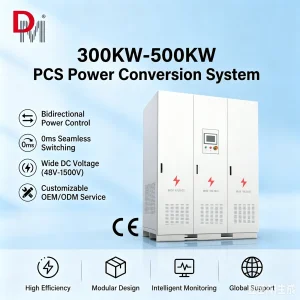
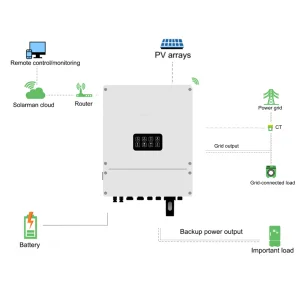
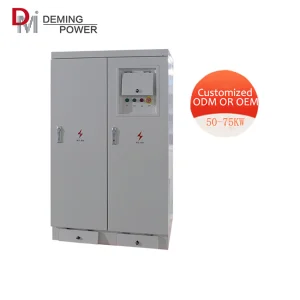
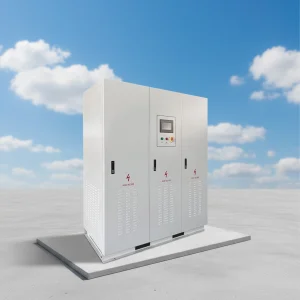
Utility-scale battery energy storage systems (BESS) act as the backbone of modern power distribution systems. Industrial operators are scaling from mere generation to deep storage integration. A 300kW bidirectional power conversion system (PCS) with isolated transformer compatibility ensures seamless transition between grid-tied loading and islanded backup power during utility failure.
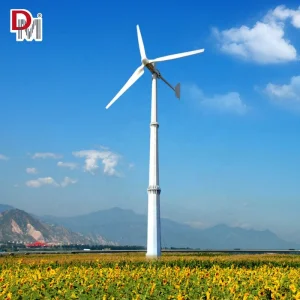
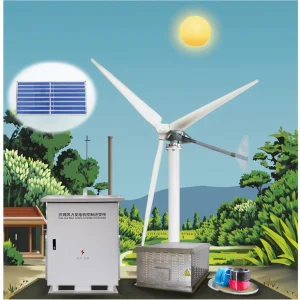
For remote areas, isolated ports, and mineral extraction zones, relying solely on solar photovoltaic cells creates operational blind spots during low irradiance periods. Integrating micro hydro-generators and wind turbines using MPPT wind/solar hybrid controllers produces a robust, multi-source localized grid, keeping battery levels stable and lowering diesel generator runtime.
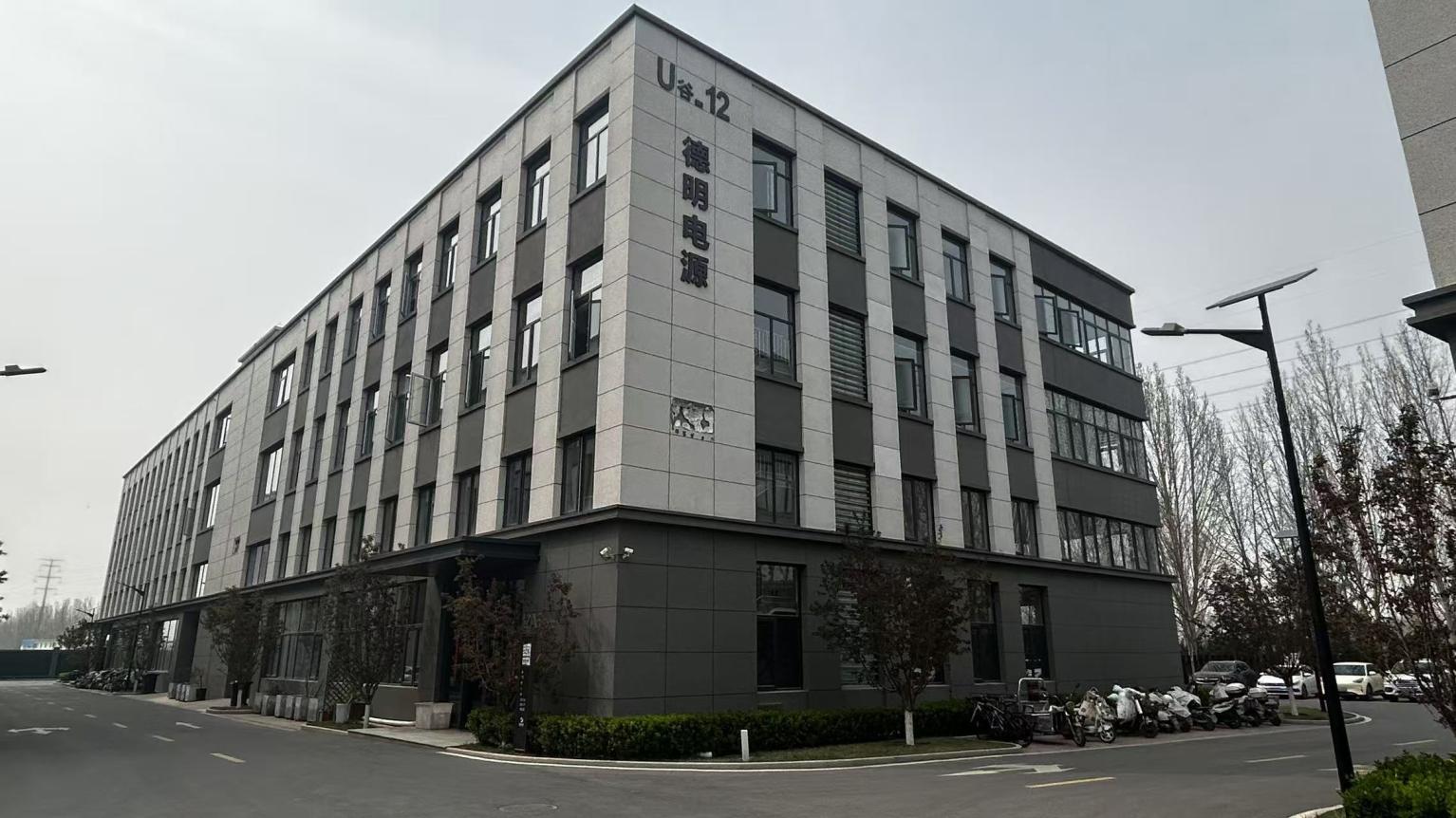
Founded in 2004, Jinan Deming Power Equipment Co., Ltd. is a national high-tech enterprise specializing in the design, development, and system supply of heavy-duty renewable energy power systems. With over two decades of technical evolution, we engineer custom solutions that bridge the gap between volatile clean energy generation and highly demanding grid topologies.
Countries Supplied
Annual R&D Reinvestment
Senior Design Engineers
Max Unit System Output
Deploying photovoltaic system architectures in challenging operating environments globally.
For high-intensity processing plants subject to strict demand charges, integrating a 300kW Solar Battery Storage Power Conversion System helps shave maximum load draws. The system shifts power from solar arrays during low consumption hours directly to high-density lithium storage, releasing it during high-tariff periods to optimize electricity bills.
Remote islands and offshore stations cannot access regional main grids. A hybrid architecture combining 10kW-20kW wind generators, micro hydro-turbines, and high-efficiency solar tracking arrays utilizes three-phase off-grid inverters (up to 500kW). This configuration guarantees consistent 24/7 power availability, balancing varying wind and water flows with daytime solar power.
Global Fortune 500 manufacturers utilize Deming's high-power bidirectional DC test power supplies and battery simulators. This equipment allows laboratory researchers to safely simulate actual battery discharge and charge cycles under extreme temperatures, validating the reliability of electric vehicle (EV) drivelines and large solar hybrid inverters.
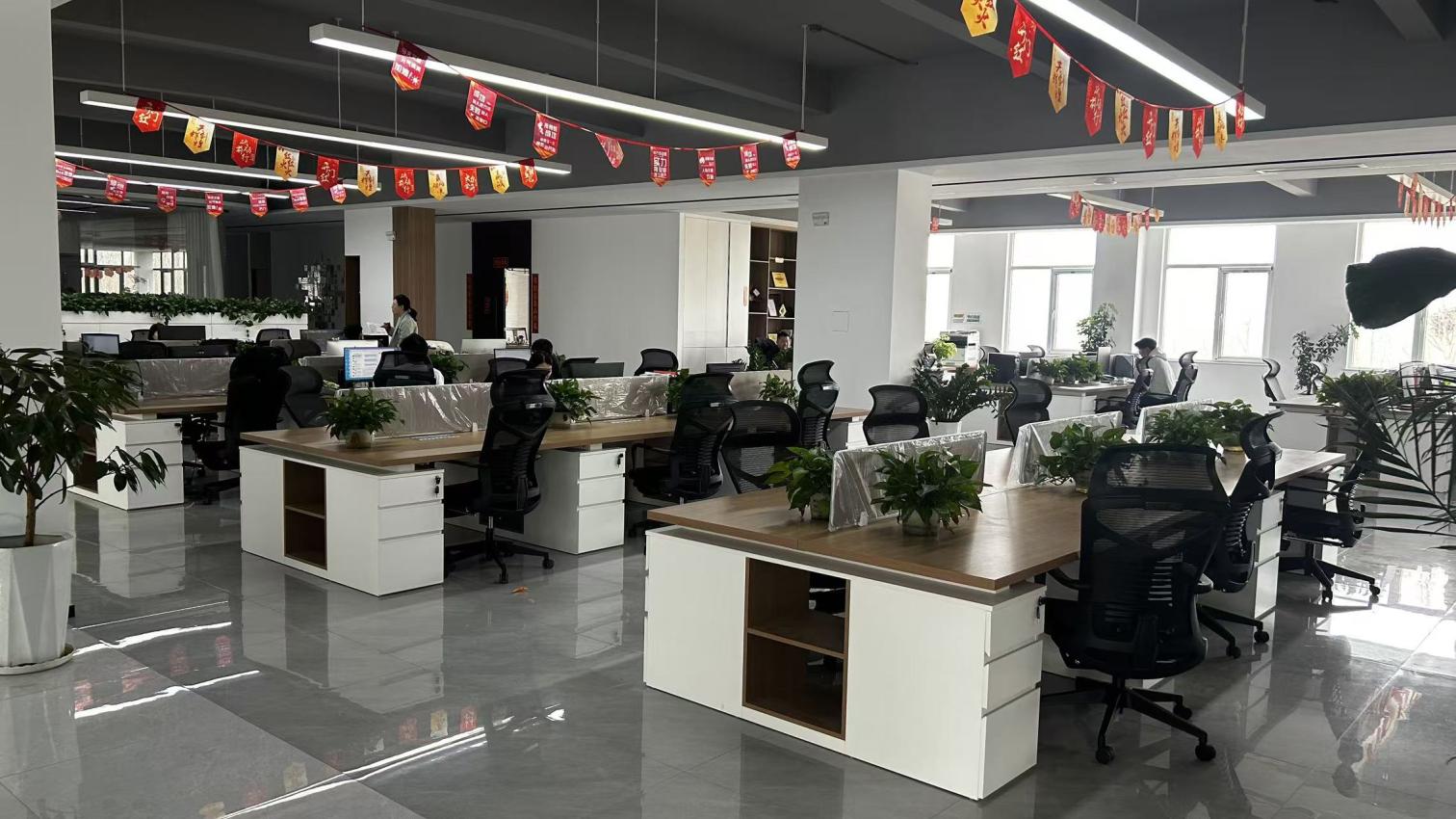
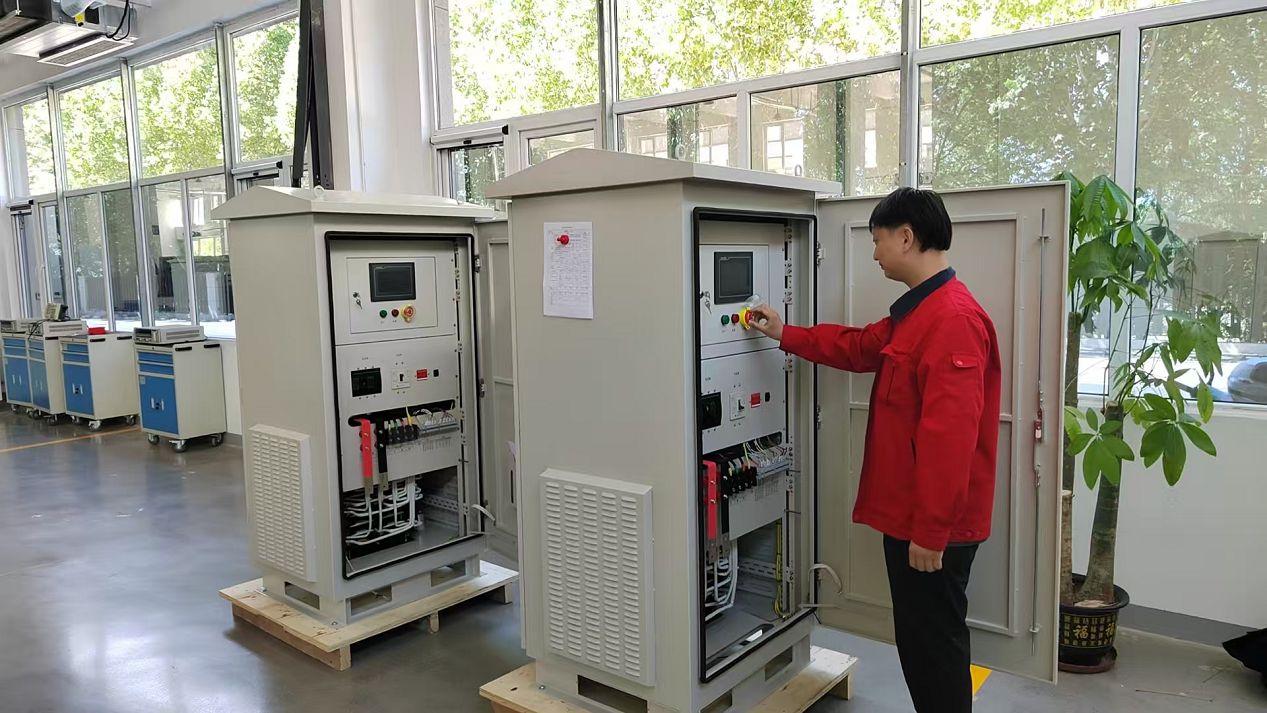
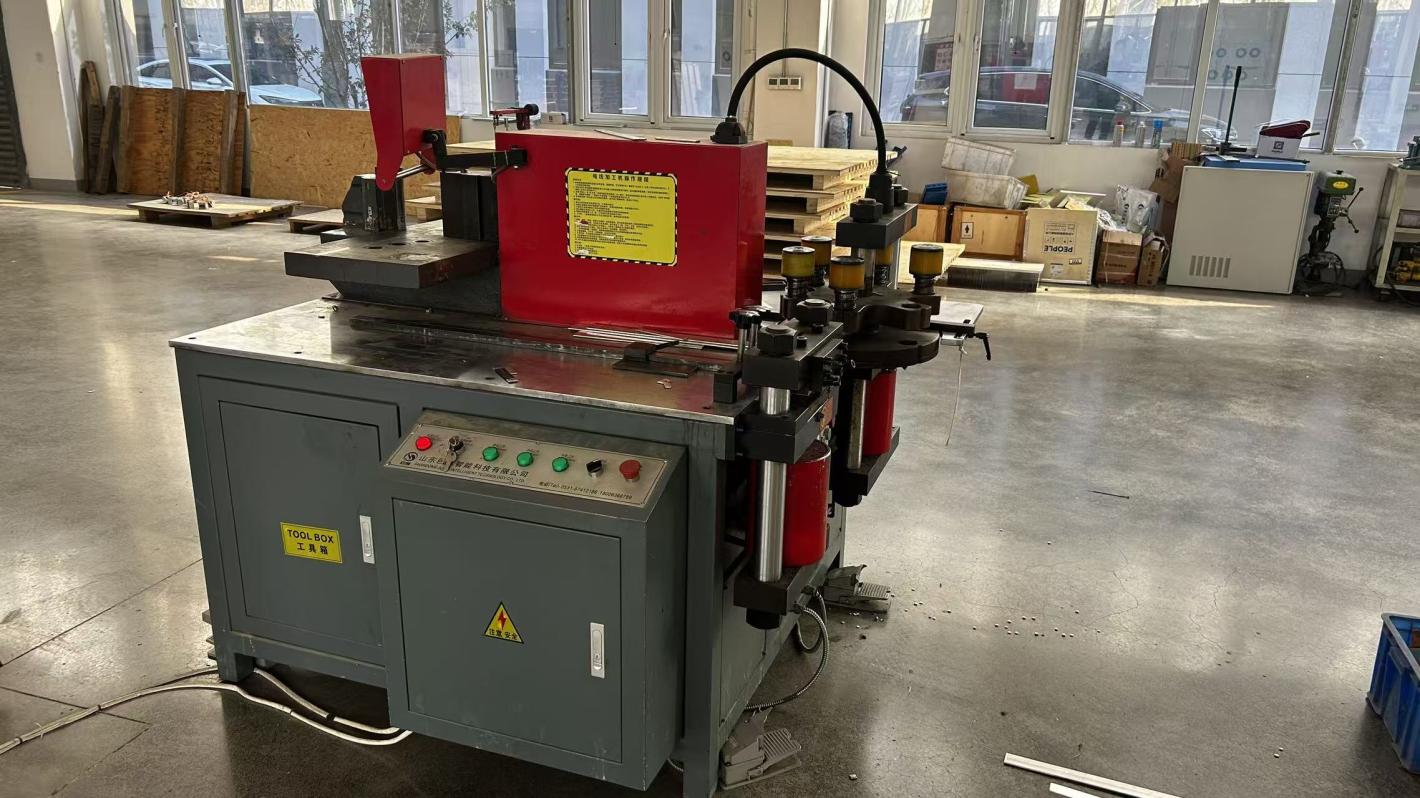
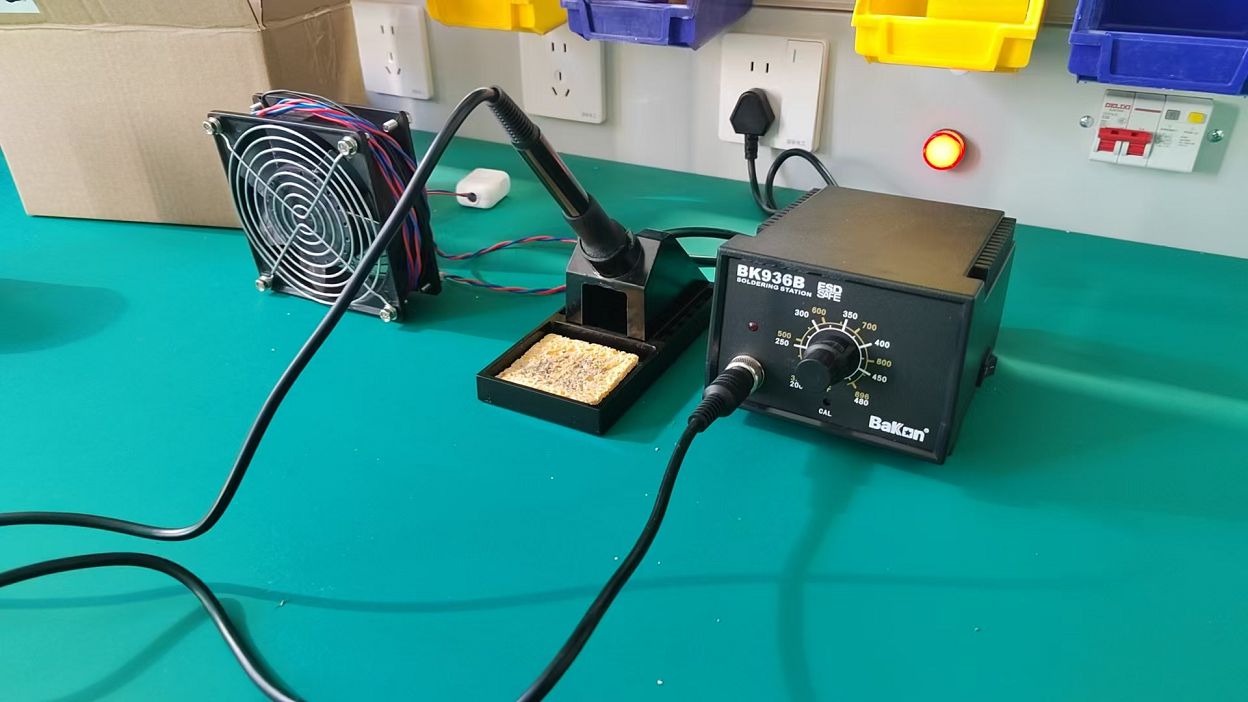
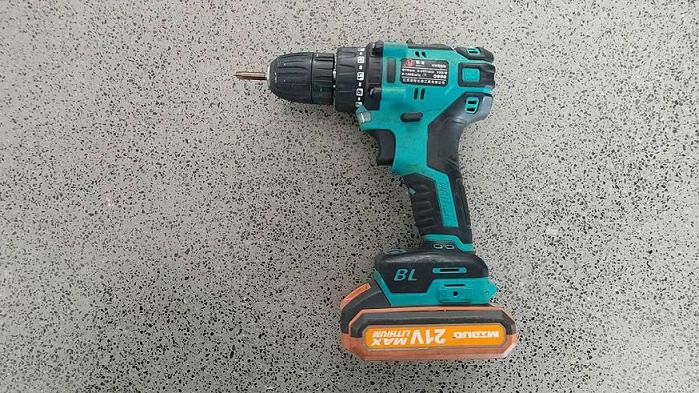
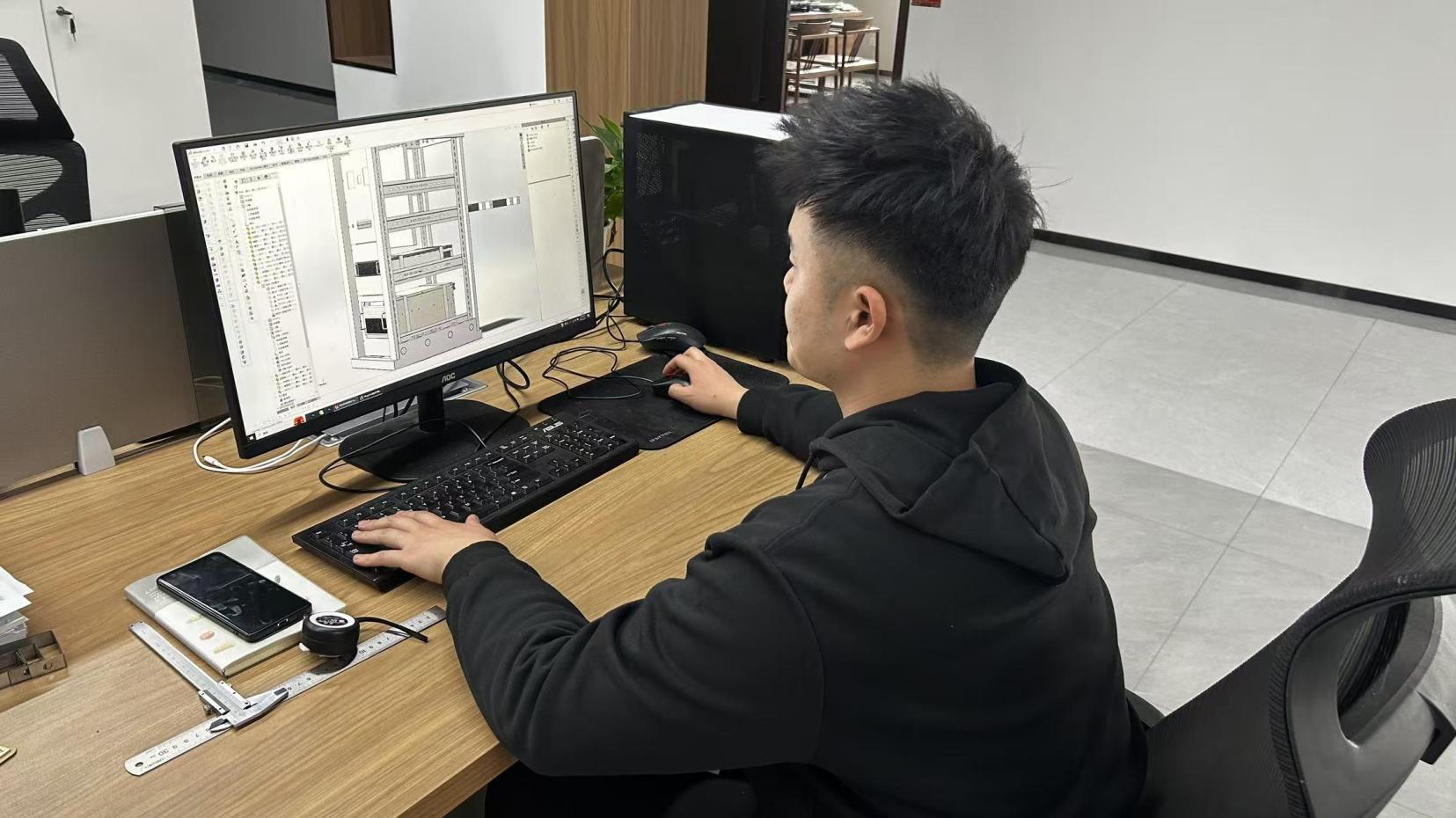
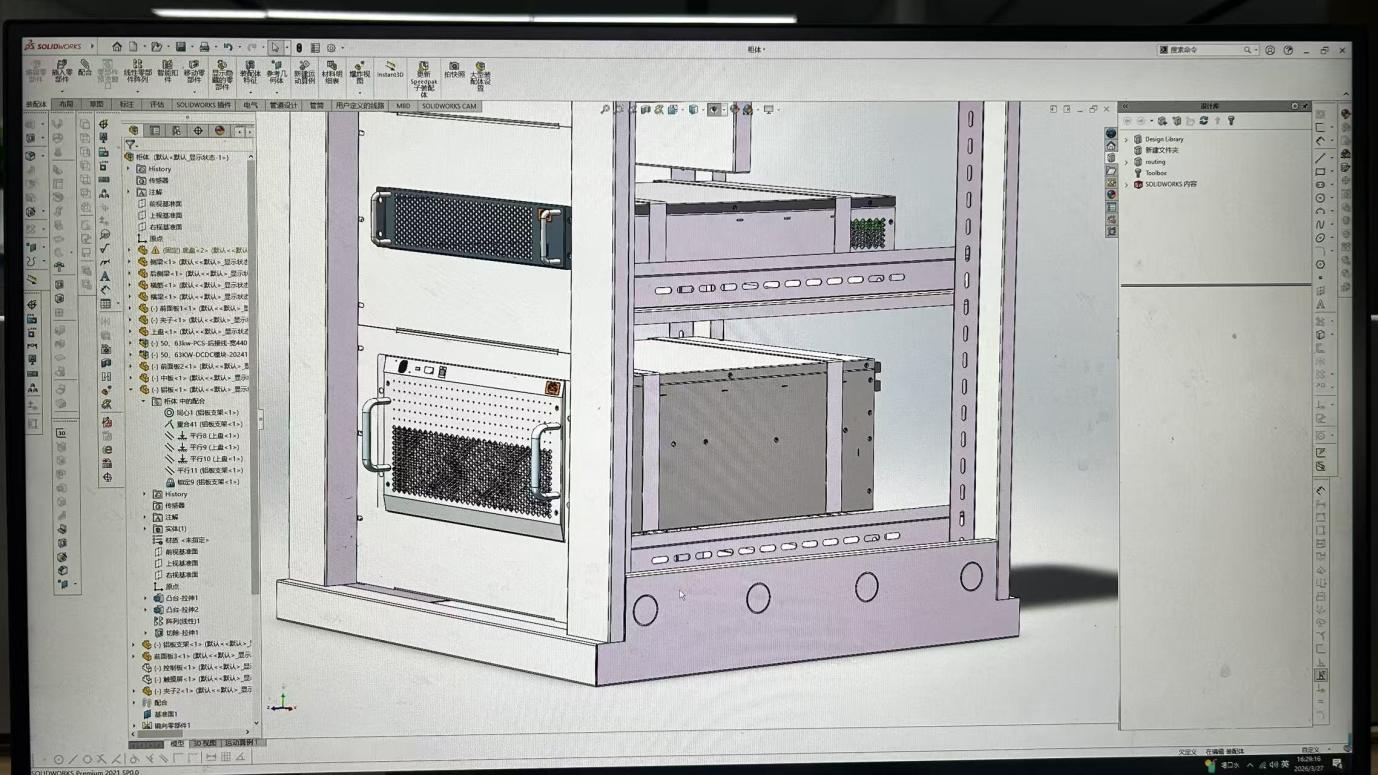
Inside our ISO9001:2015 facility. Each component is designed, assembled, debugged, and rigorously analyzed via advanced testing instruments.
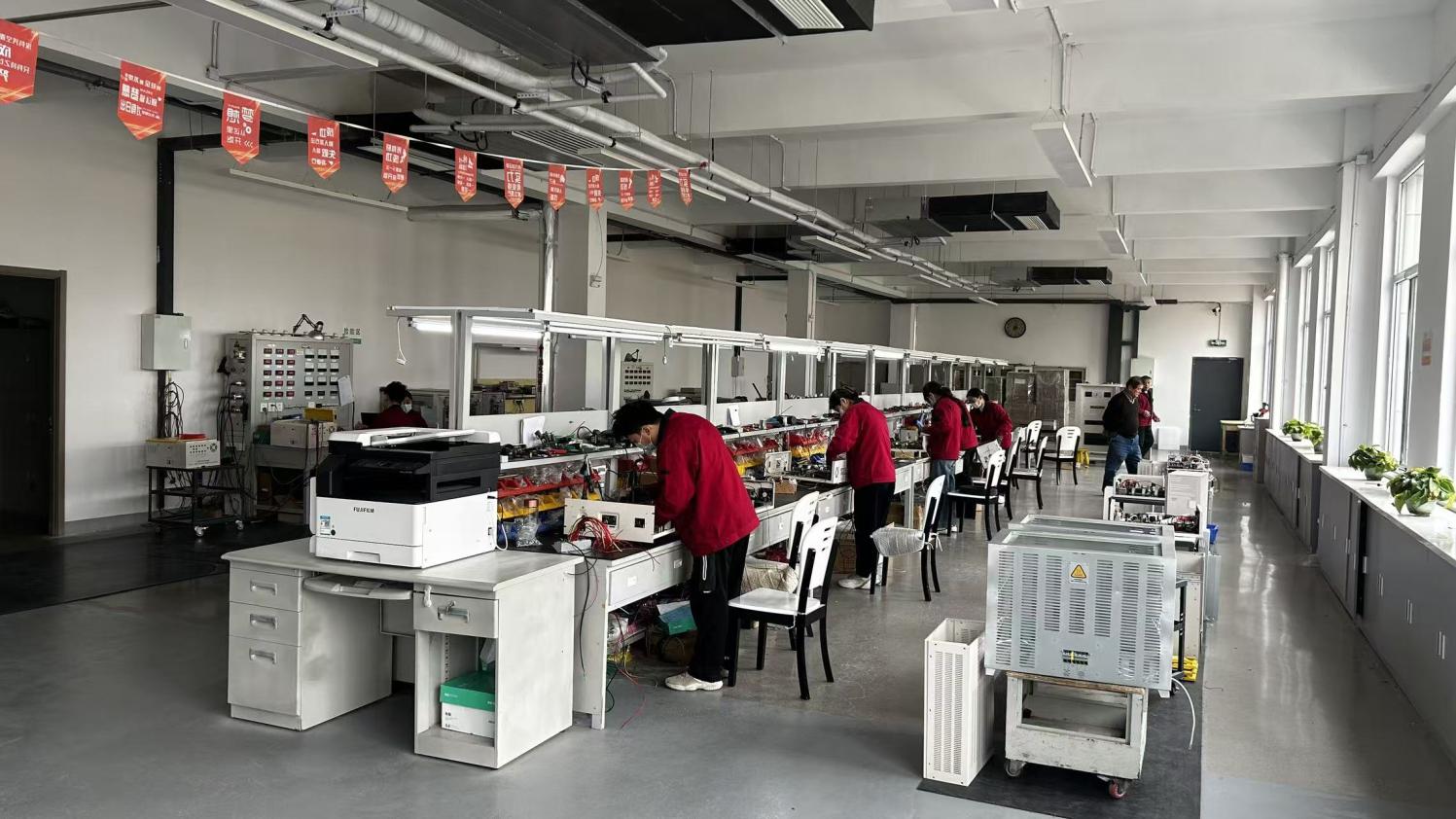
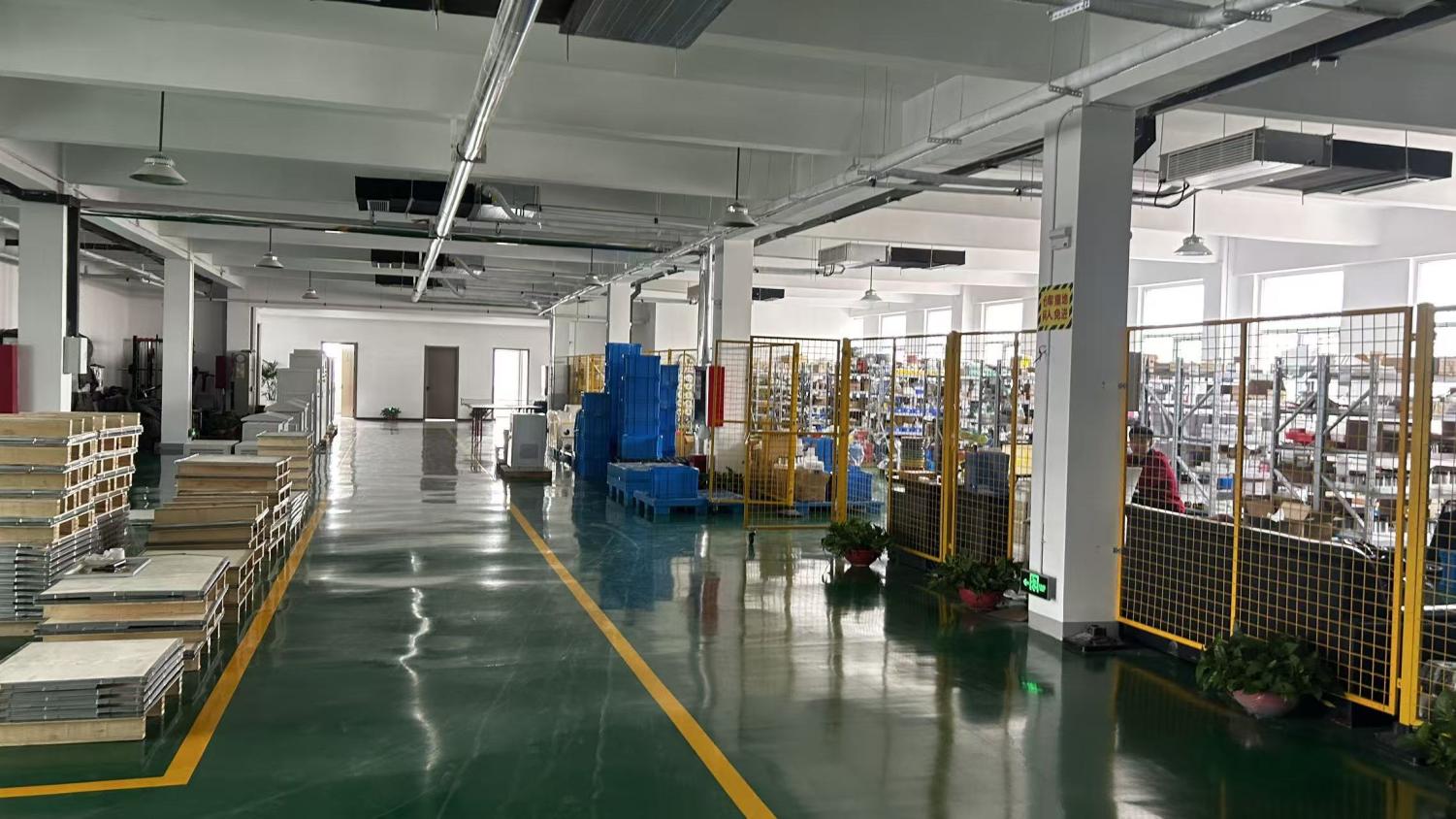
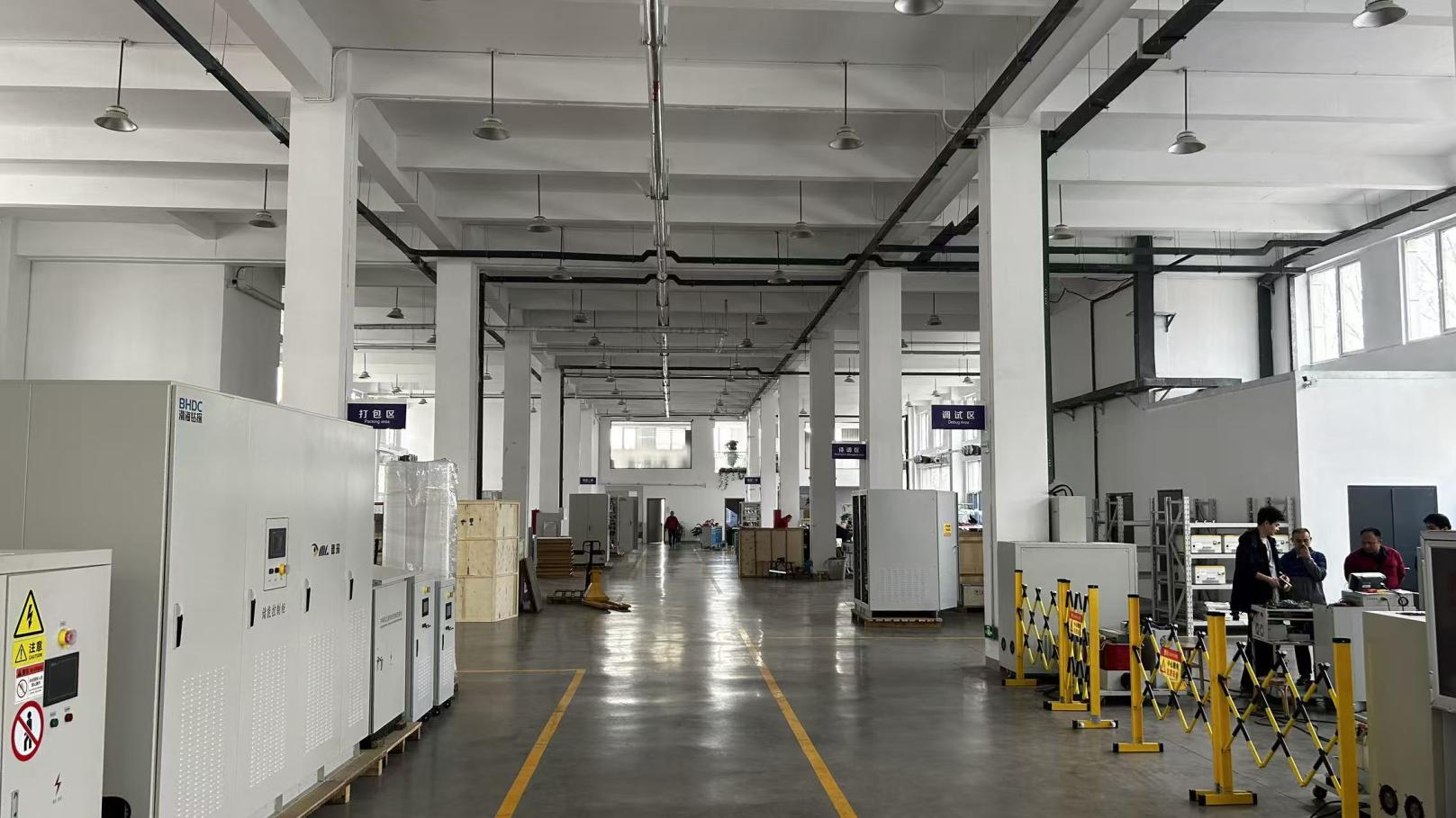
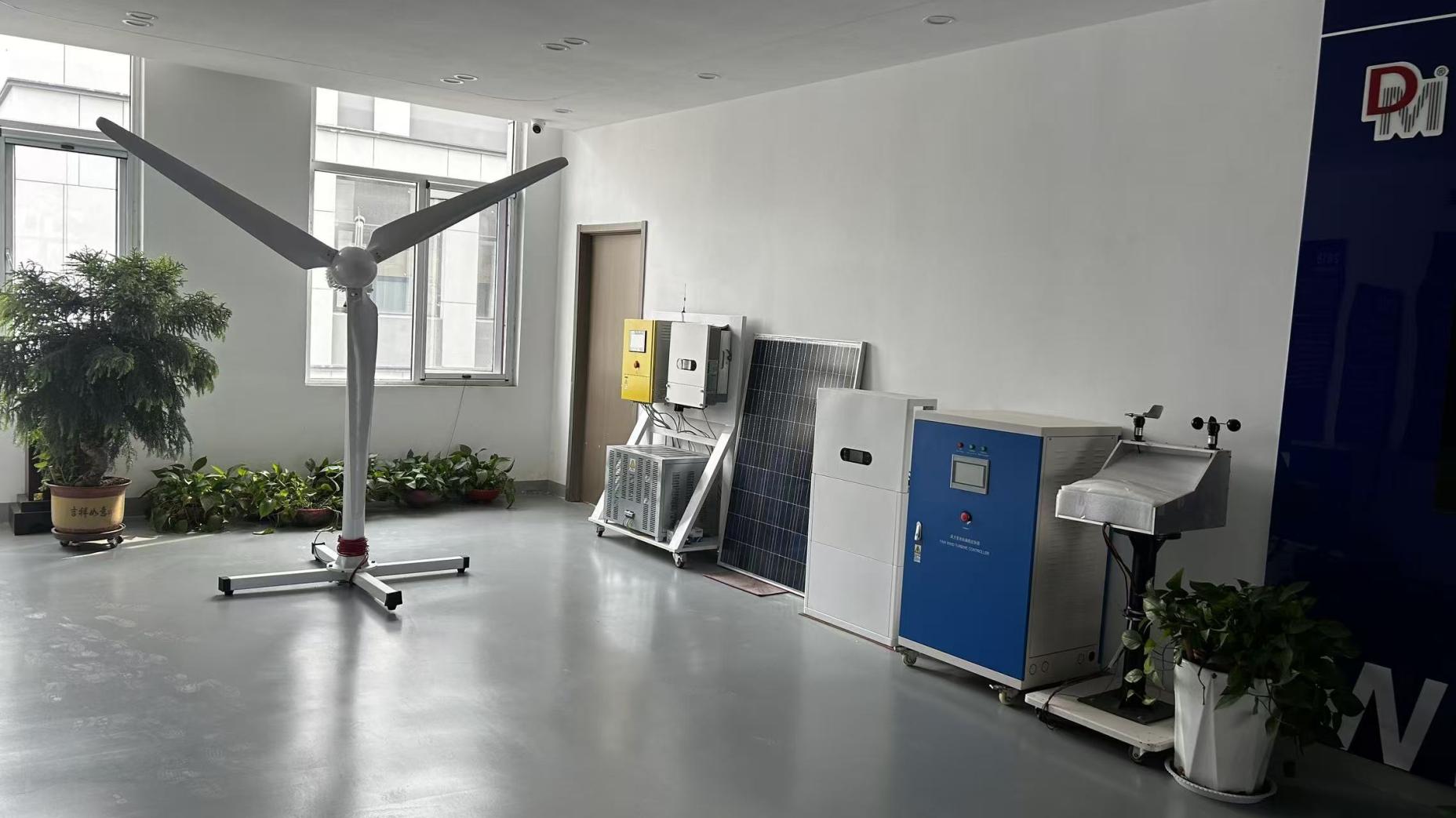
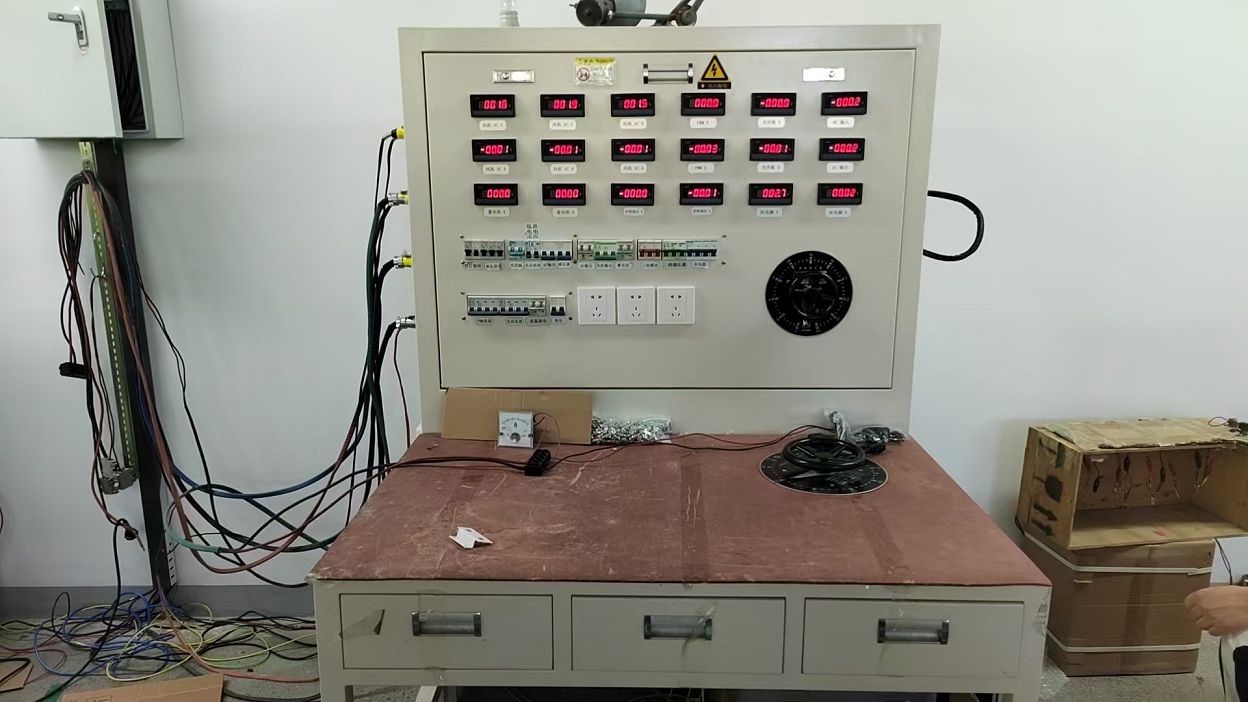
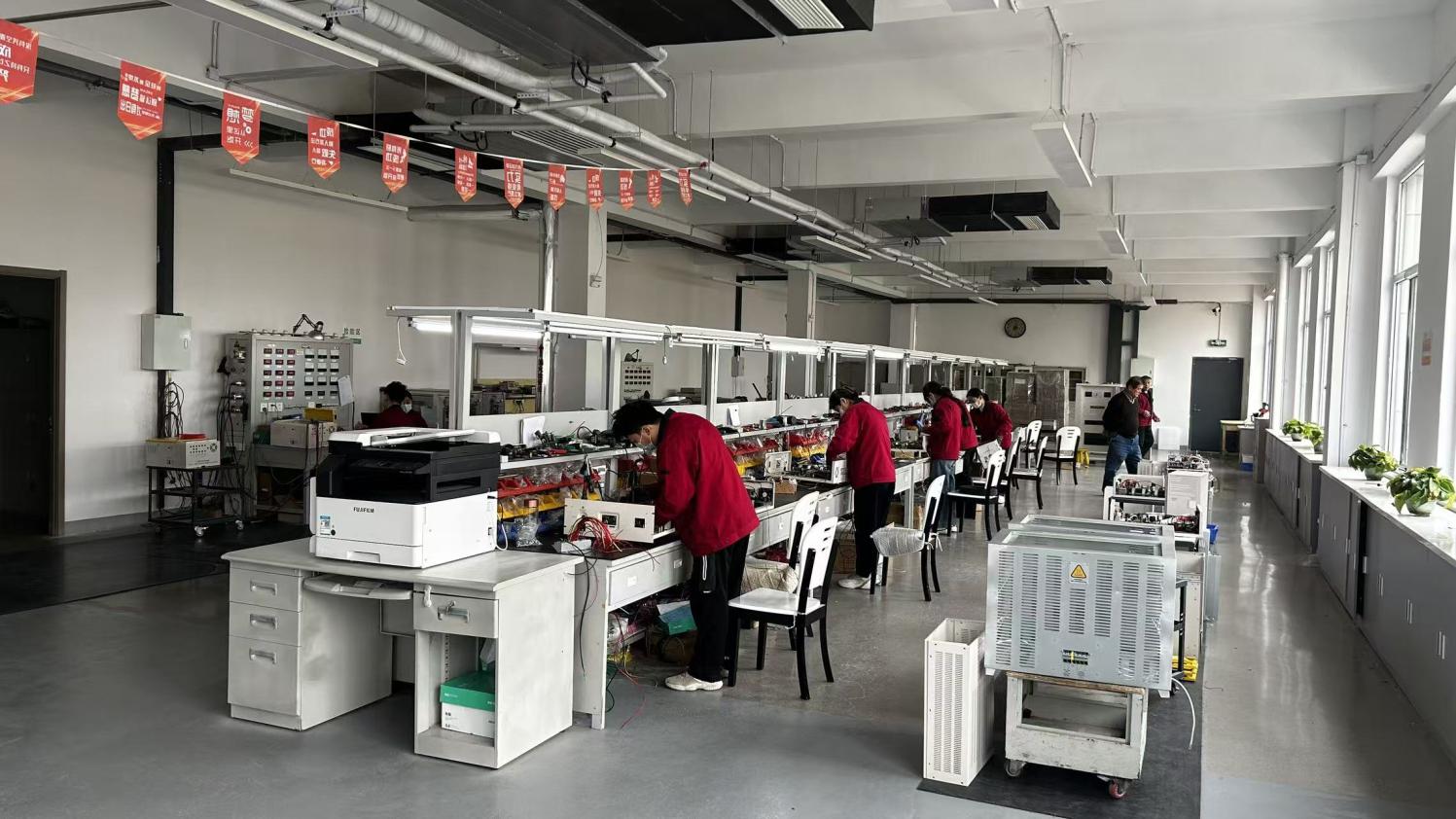
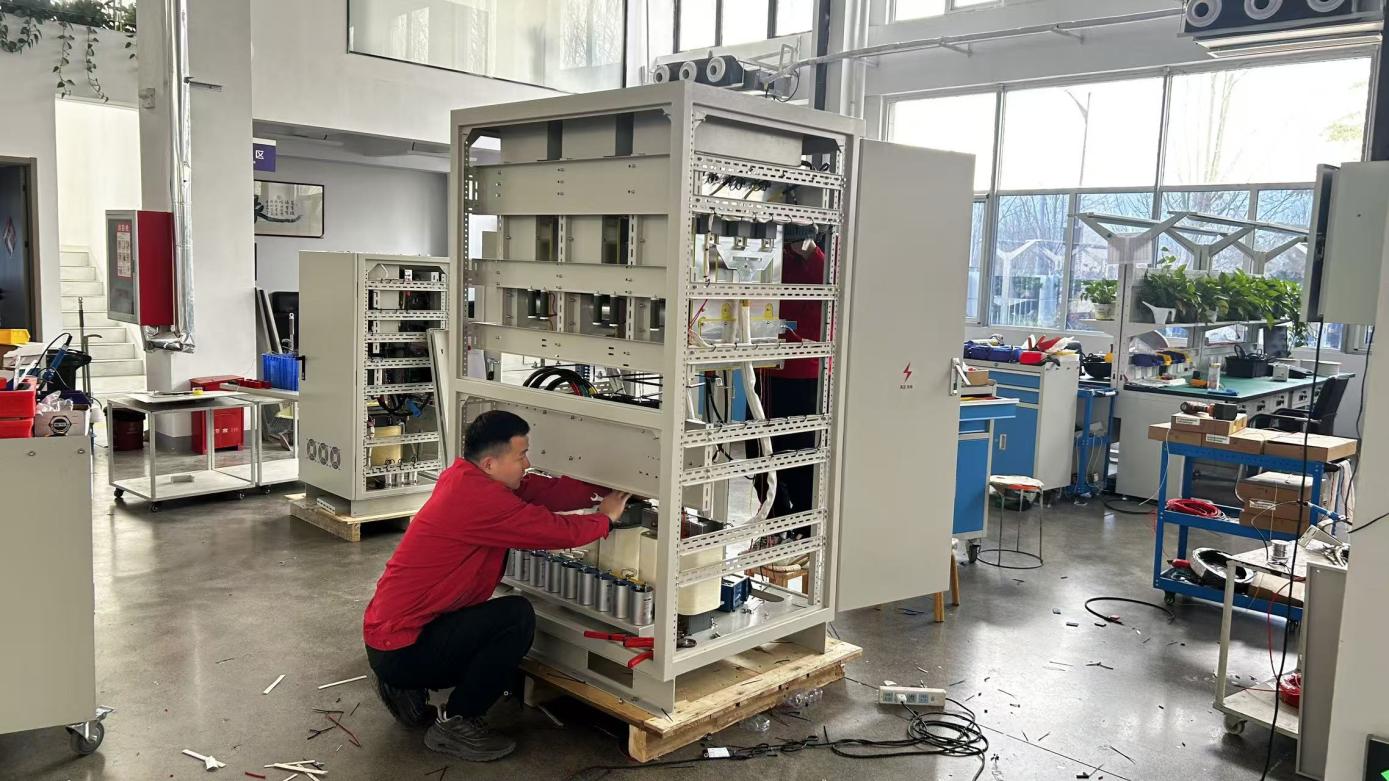
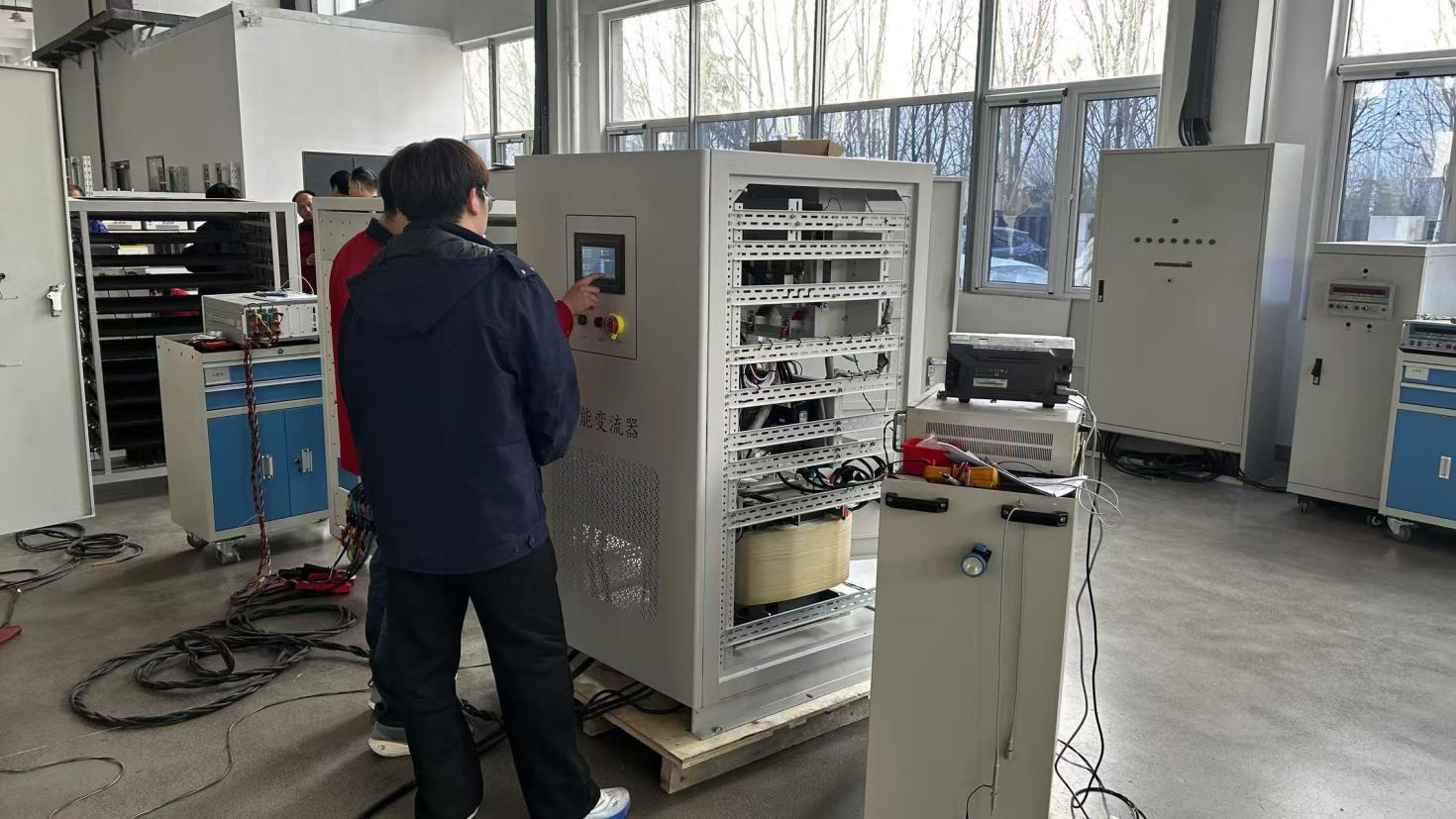
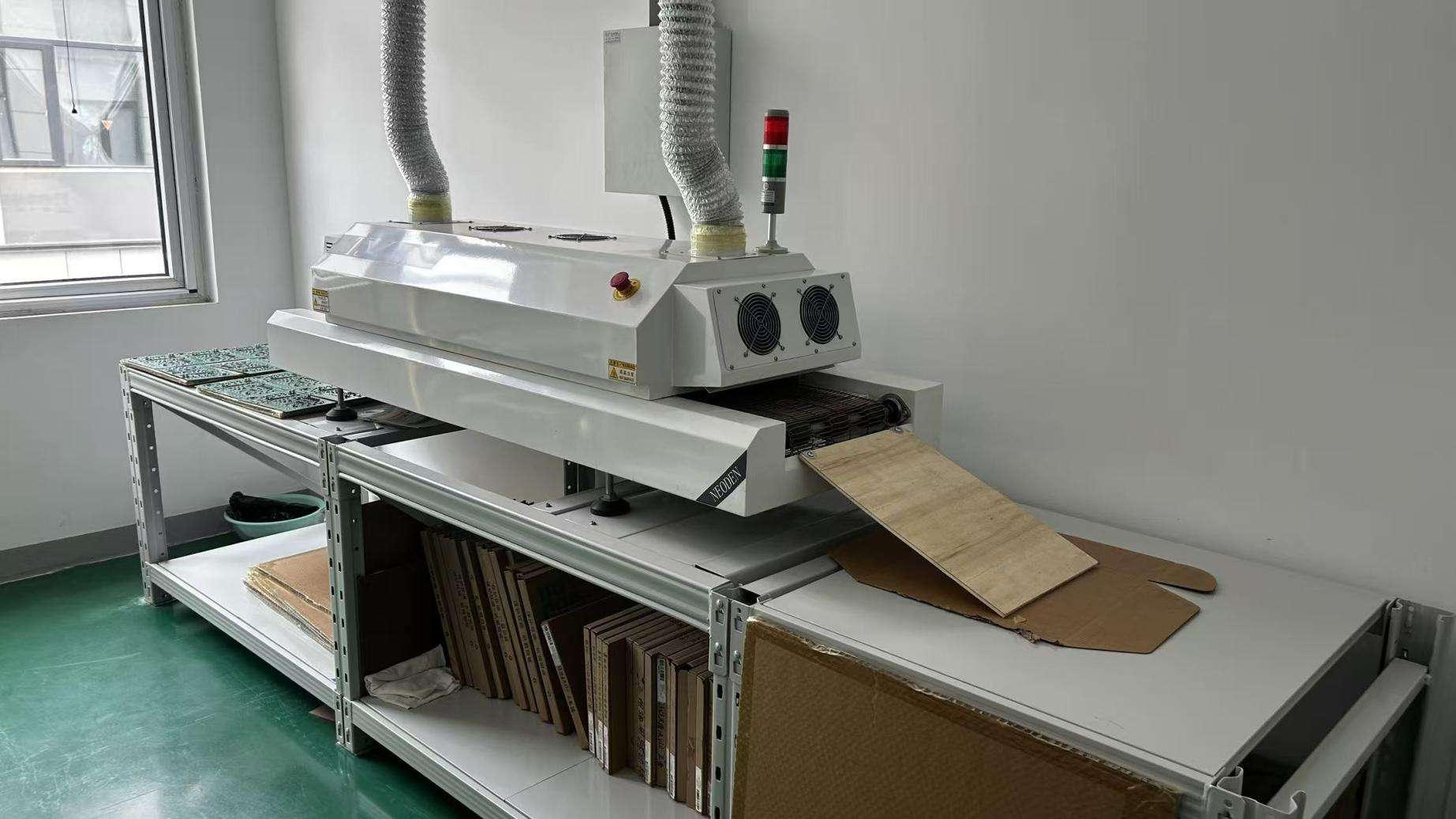
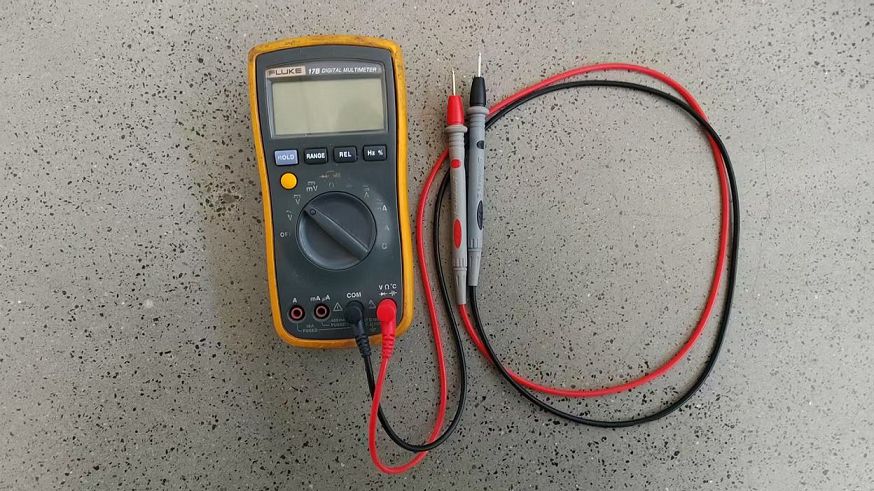
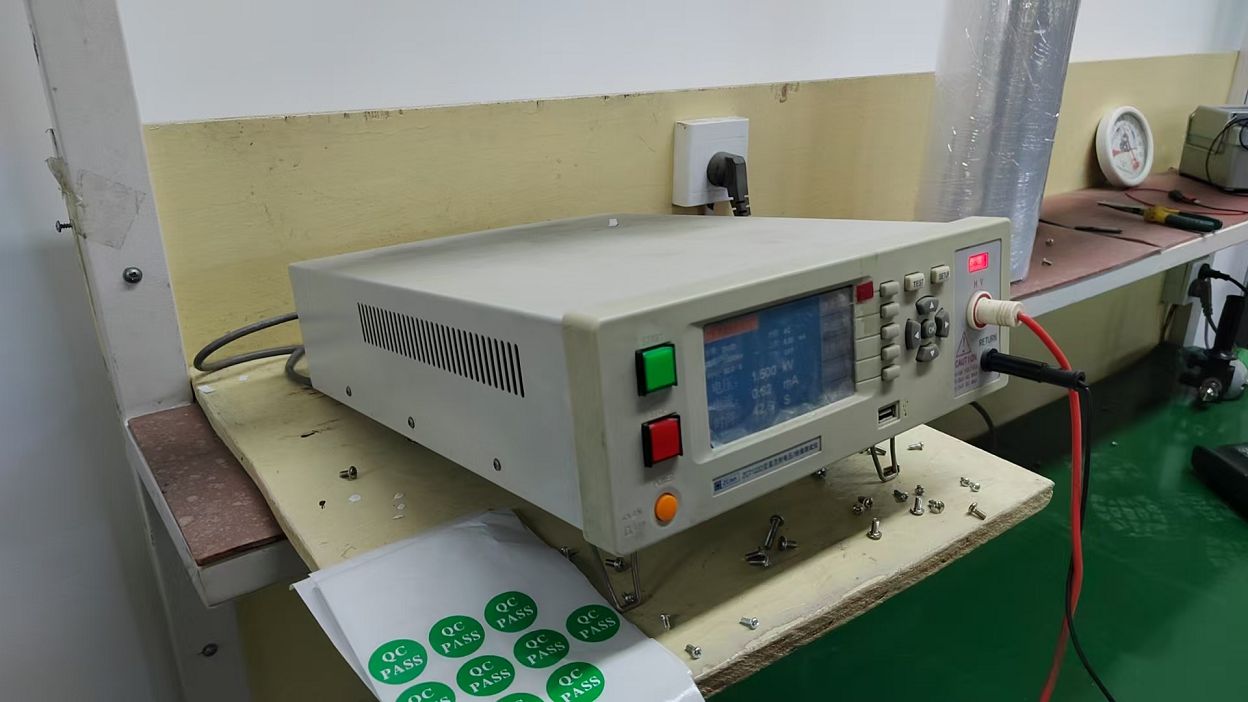
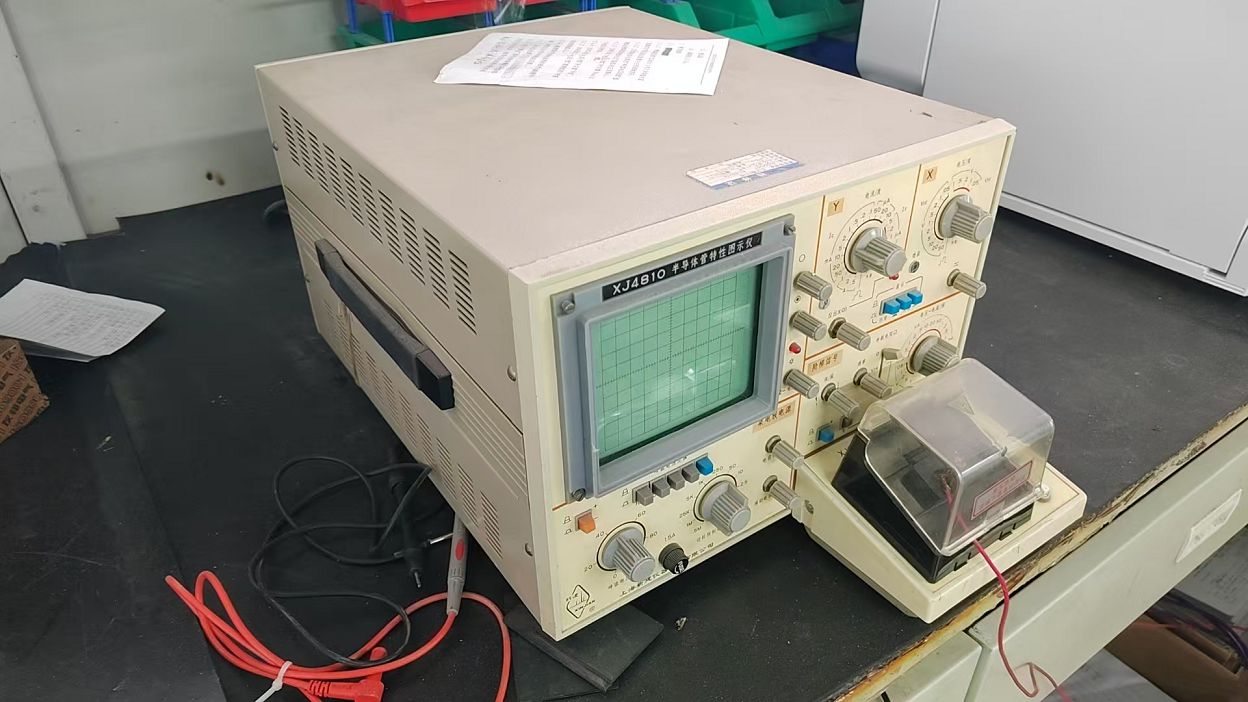
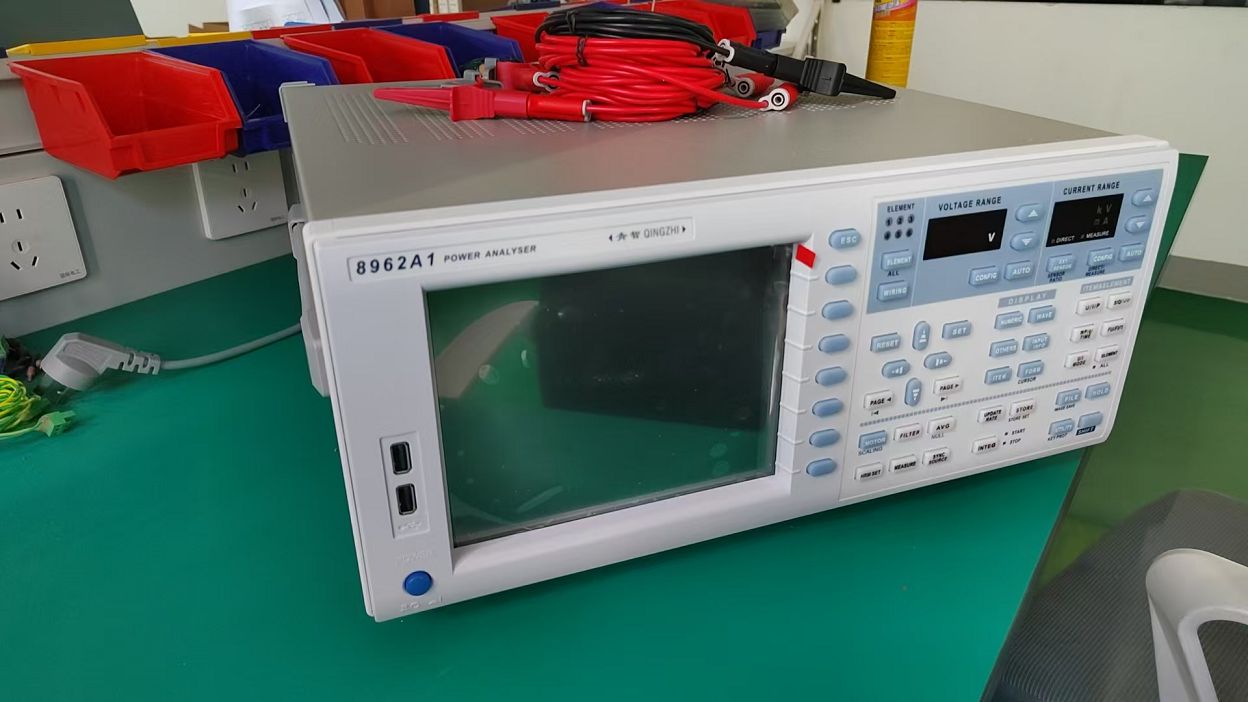
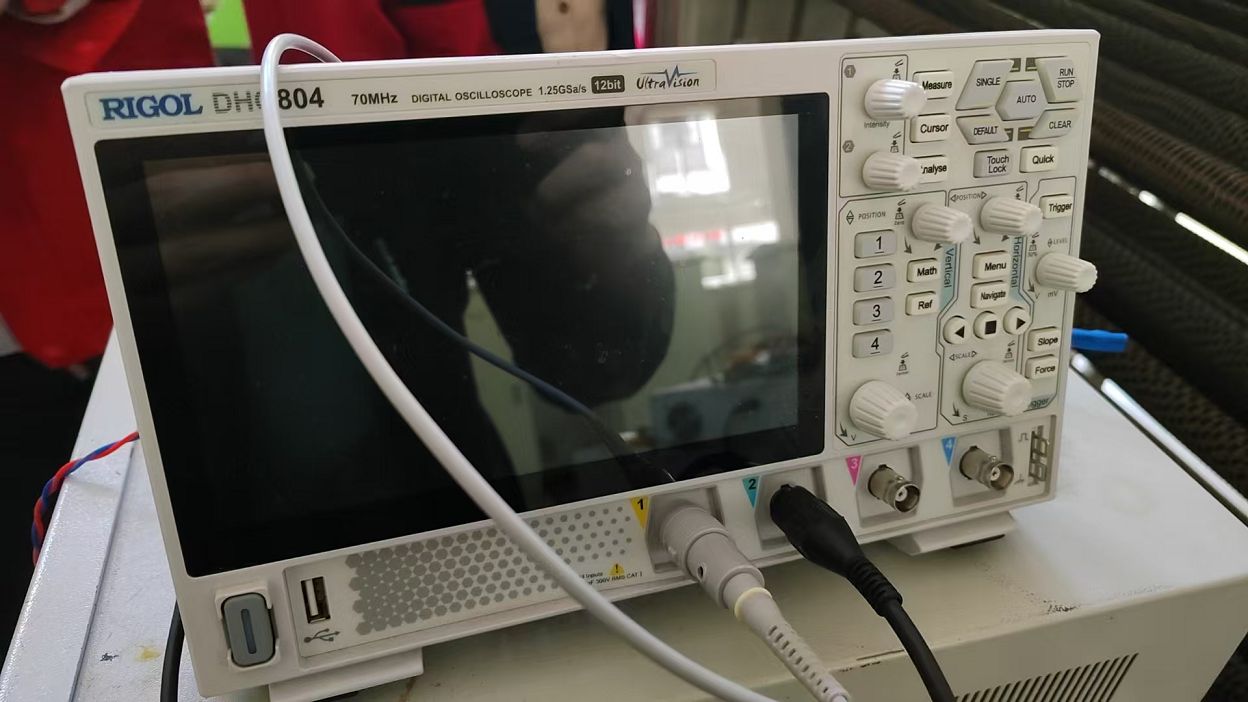
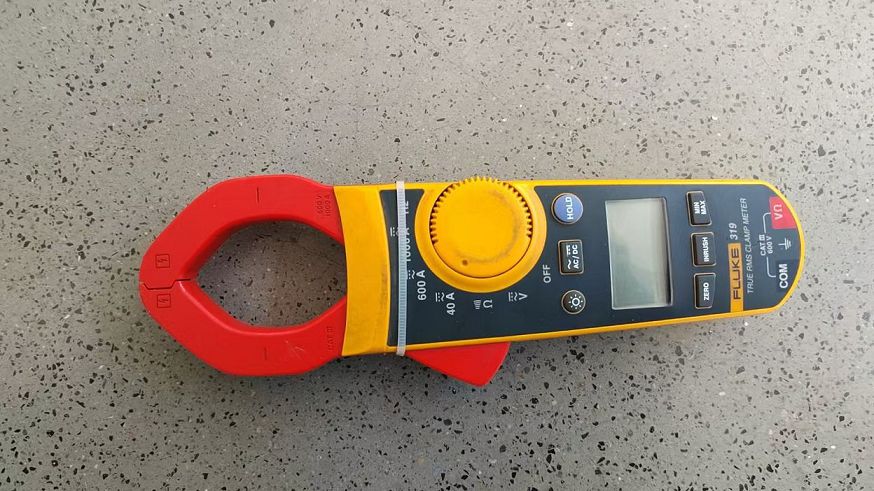
Important engineering metrics when acquiring bidirectional DC-DC converters, isolated PCS cabinets, and wind/solar hybrid systems from China.
For utility scale battery energy storage systems (BESS), galvanic isolation is critical. Inverters integrated with high-durability isolated low-frequency transformers protect expensive battery banks (LFP/Sodium-ion) from grid-side high-voltage spikes, transient currents, and lightning strikes. Choosing an isolated PCS system reduces the long-term risk of catastrophic thermal runaway in industrial facilities.
Thermal management is the main factor determining the lifespan of high-capacity IGBT modules. Modern bidirectional converters operating at 850V with custom 99% conversion efficiency reduce energy lost as heat. This design reduces thermal stress on key silicon components and extends the lifespan of the internal capacitors and power rails in harsh industrial environments.
Global buyers need to ensure PCS systems support dual operation modes: on-grid and off-grid. Systems must transition from current-source grid-following (regulating active and reactive power) to voltage-source grid-forming (supporting local grid voltage and frequency during utility outages) within milliseconds to protect critical operations from power disruptions.
Direct technical answers from Jinan Deming Power Equipment's engineering team.
A bidirectional PCS allows energy to flow in both directions. It charges batteries by converting AC from the grid or solar systems into DC, and discharges batteries by converting DC back to clean AC during peak pricing hours or grid failures, providing stable grid support.
The isolation transformer provides galvanic isolation, electrically separating the DC battery system from the AC grid. This prevents ground faults, blocks common-mode noise, and prevents high-voltage grid transients from damaging the battery packs or control electronics.
It acts as a clean solid-state power supply, isolating load equipment from utility variations. It rectifies unstable AC grid voltage to DC and inverts it to a precise frequency (e.g., 60Hz for import equipment on a 50Hz grid) with low total harmonic distortion (THD).
Bidirectional DC-DC converters bridge the battery banks (200V-1000V) and the common DC bus of the central inverter system. They regulate charge and discharge rates, maintain stable DC link voltage, and optimize battery charge cycles to prolong the lifespan of lithium batteries.
Yes. Deming MPPT wind controllers feature built-in over-speed and over-current protection. During high wind speeds, the controller automatically engages an electronic dump load or mechanical brake to slow down the turbine, protecting the alternator from burning out.
Yes. Our complete line of inverters, PCS systems, and controllers support standard industrial protocols, including RS485 and Modbus-RTU/TCP, allowing operators to monitor and manage energy systems from central SCADA systems.
Select specialized equipment for utility-scale energy projects, off-grid systems, and test laboratories worldwide.
 Demin Power