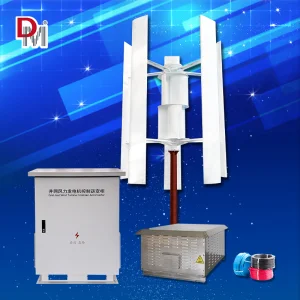
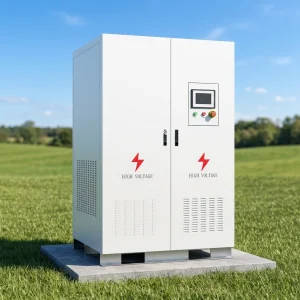
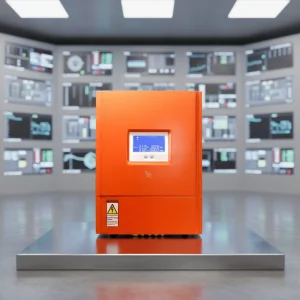
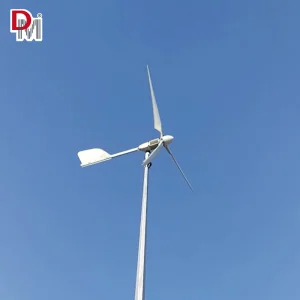
Explore our core engineering catalog featuring high-performance generators, grid-tied converters, and utility-scale hybrid components designed to run under complex operational environments.
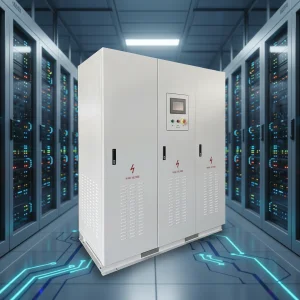
A comprehensive overview of grid-tied power electronics, macro-market dynamics, and future technological paradigms.
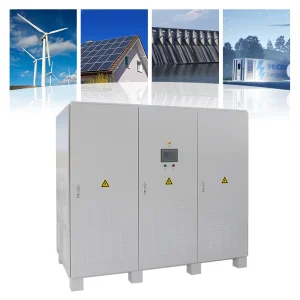
The global transition toward clean energy has fundamentally shifted the requirements of Commercial and Industrial (C&I) photovoltaic (PV) systems. Today's commercial solar operations no longer function as isolated grid extensions. Instead, they require sophisticated, bidirectionally coupled hybrid platforms capable of integrating photovoltaic solar arrays, multi-megawatt wind turbines, and energy storage systems (BESS).
As grids become highly saturated with variable renewable sources, developers are prioritizing grid-forming power conditioning equipment over standard grid-following systems. Choosing an elite China photovoltaic systems supplier means securing access to dynamic converter topologies that maintain grid resilience and deliver superior power quality under varying load factors.
“Industry Focus: Modern C&I microgrids require a minimum converter efficiency of 98.5% paired with high-voltage MPPT algorithm controls to minimize systemic thermal losses and sustain operation in remote geographies.”
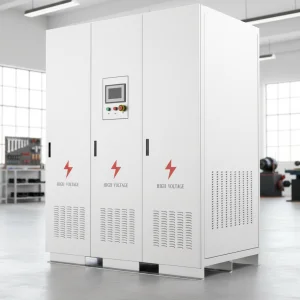
Efficiency limits in standard systems are heavily governed by the switching performance of active semiconductor modules. Next-generation hybrid power conversion systems (PCS) utilize advanced topologies like Three-Phase Triple Output AC/DC architectures. These systems allow simultaneous control of multiple input sources, bridging the gap between mechanical generators (wind/hydro) and solid-state DC links (solar/battery storage).
Maintains voltage and frequency stability in isolated islanded configurations without relying on a legacy utility grid.
Simultaneously manages dynamic loads across different voltage levels (e.g. AC/DC systems, auxiliary pumps, and batteries).
Protects electrical infrastructure from sudden voltage sags and transients caused by fluctuating hydro or wind speeds.
Industrial deployments of renewable technology vary based on geography and access to regional infrastructure. On-grid applications require compliance with strict national grid codes (such as IEEE 1547 and EN 50549), demanding dynamic reactive power support and zero-voltage ride-through (ZVRT). Conversely, off-grid microgrids in mining fields, island communities, and agricultural hubs demand high levels of reliability from hybrid controller networks to handle high starting currents from motors and heavy-duty industrial machinery.
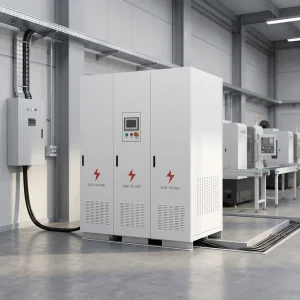
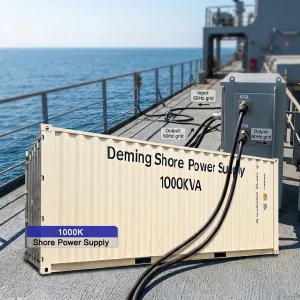
A prime application of these systems is Marine Shore Power Systems. When large cargo vessels berth at port docks, keeping their primary diesel auxiliary engines running causes substantial greenhouse emissions and noise pollution. By installing industrial frequency converters and shore power supply units, ports can smoothly convert local utility power (often 50Hz) to the vessel’s internal power grid (60Hz at variable voltages), facilitating silent, emission-free port operations.
A globally trusted, high-tech pioneer established in 2004, manufacturing advanced power conditioning and testing systems.
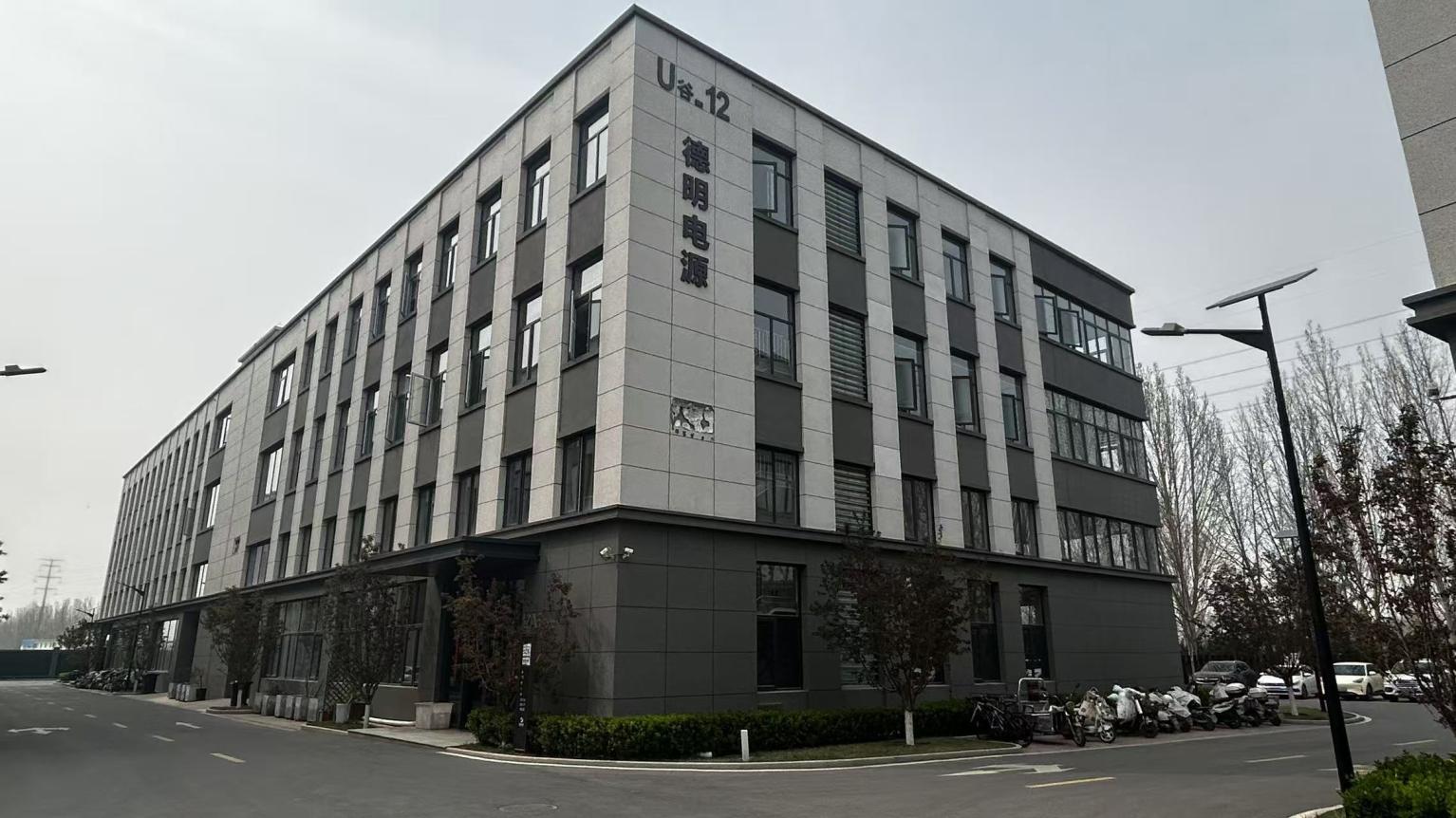
Jinan Deming Power Equipment Co., Ltd. is a nationally recognized high-tech enterprise specializing in the research, development, production, and service of renewable energy power equipment and advanced power testing solutions. The company holds ISO9001:2015 certification and has been recognized as a high-tech enterprise by the Chinese government multiple times (2015, 2018).
With a dedicated R&D team of 16 engineers, including doctoral supervisors and master's degree holders, Deming invests no less than 20% of annual sales revenue into technology development. The company has completed 17 R&D projects in the last three years, with 16 scientific and technological achievements transformed into commercial products.
Deming's products have been exported to 120+ countries, including Germany, Japan, the United States, UK, Canada, Australia, and Brazil, and the company has established cooperative relationships with Fortune 500 enterprises. The company's main products include wind/solar controllers, inverters, frequency converters, and high-power bidirectional DC test power supplies and battery simulators ranging from 150kW to 500kW.
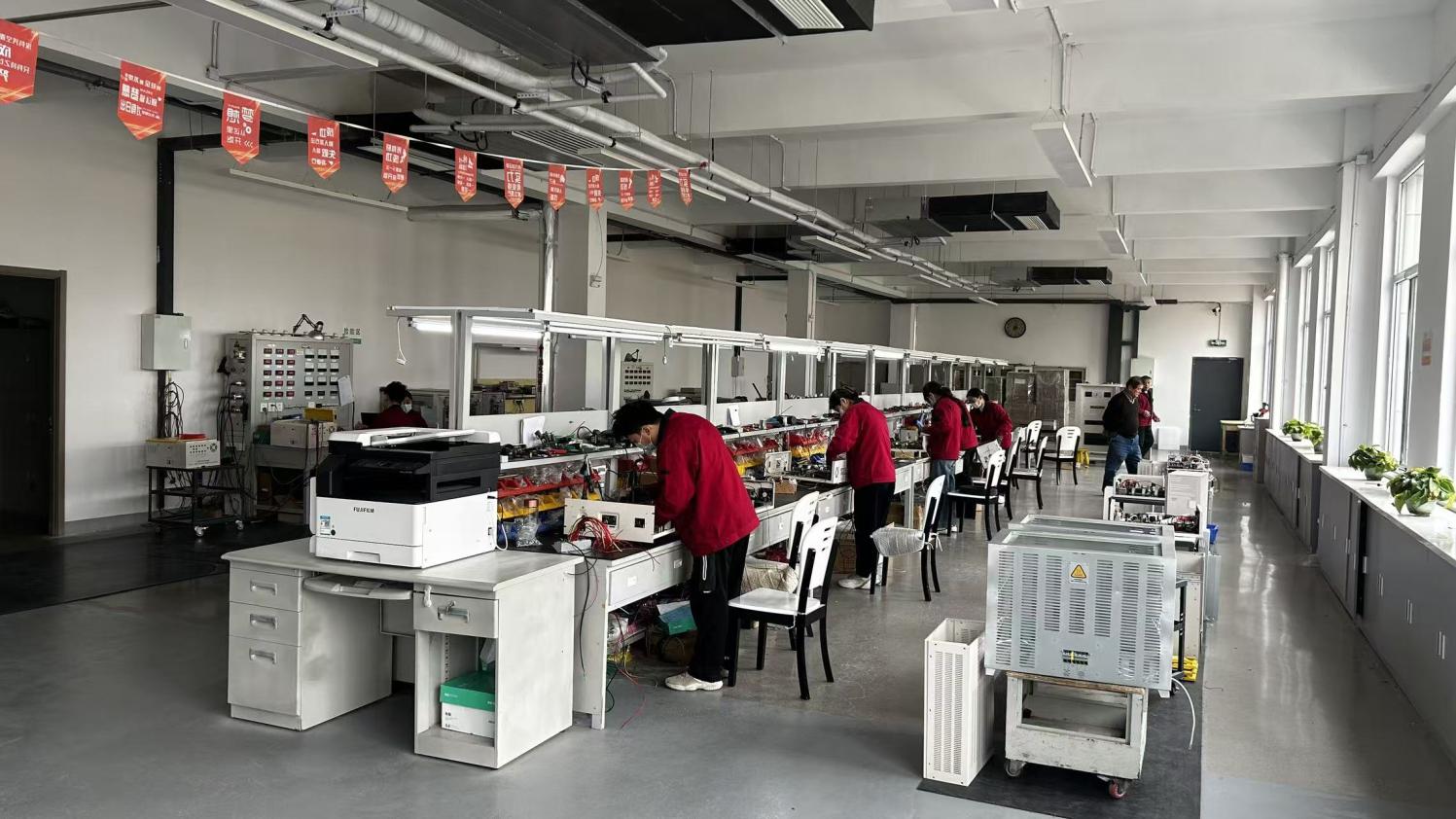
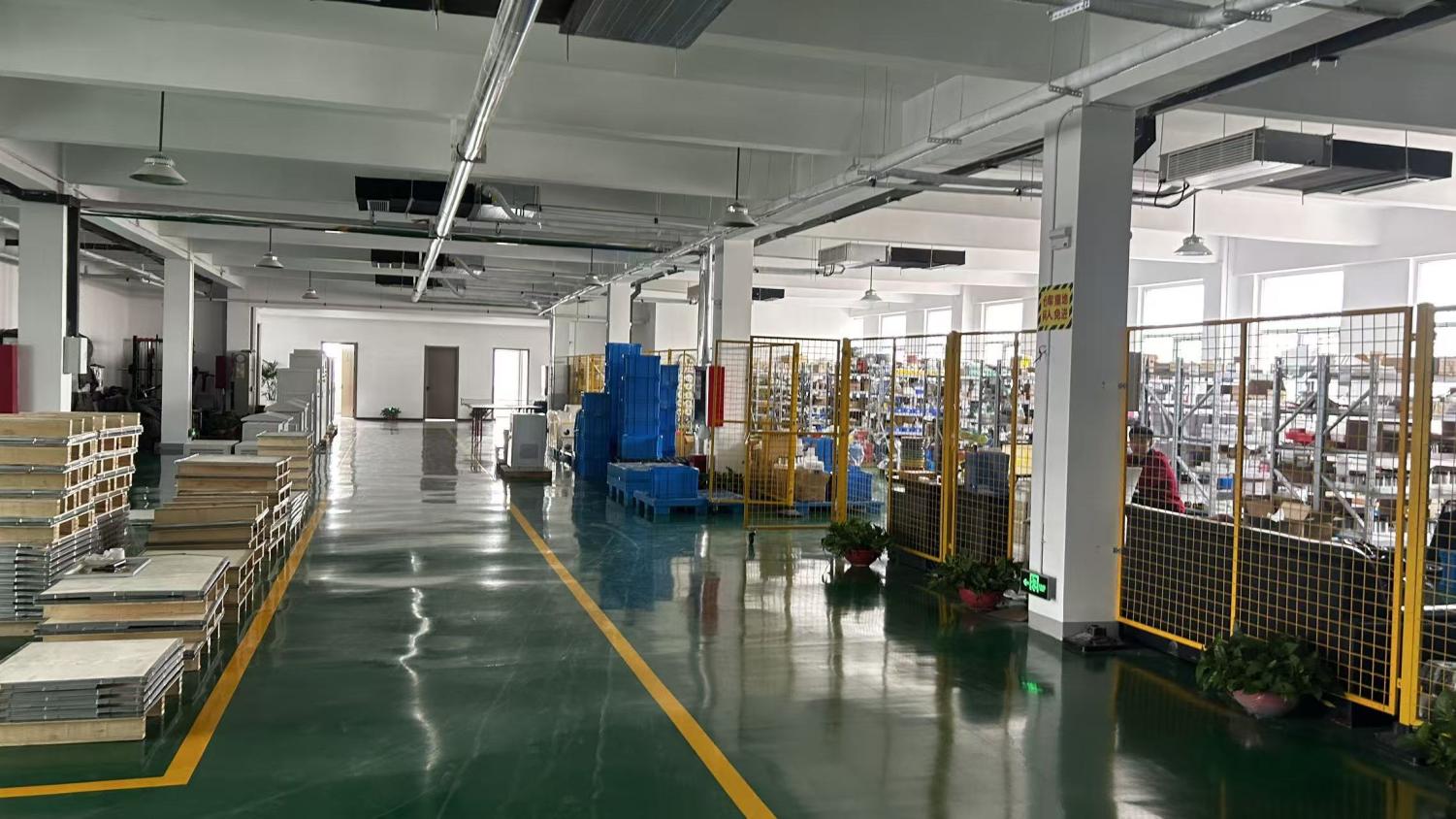
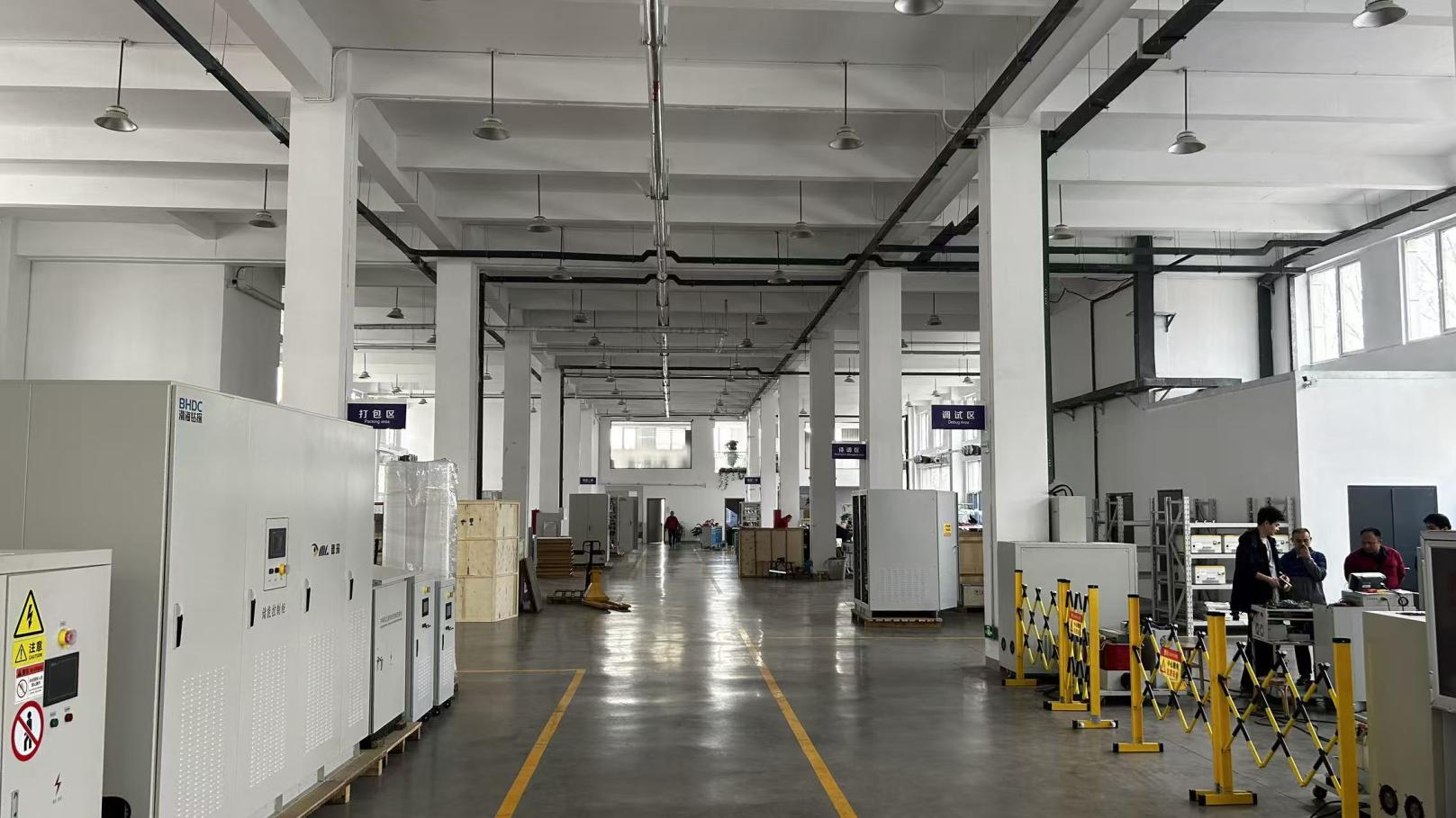
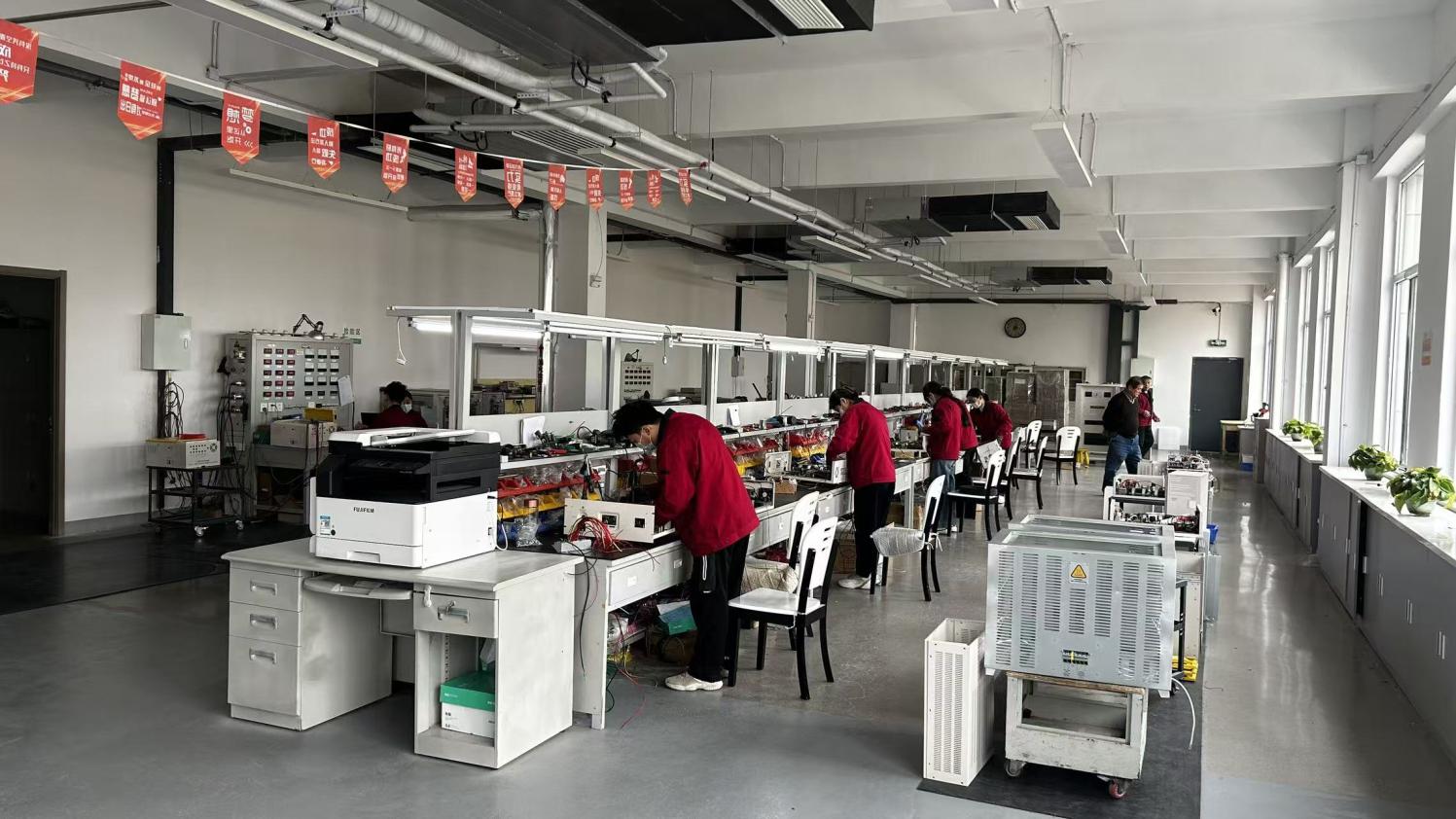 Circuit assembly
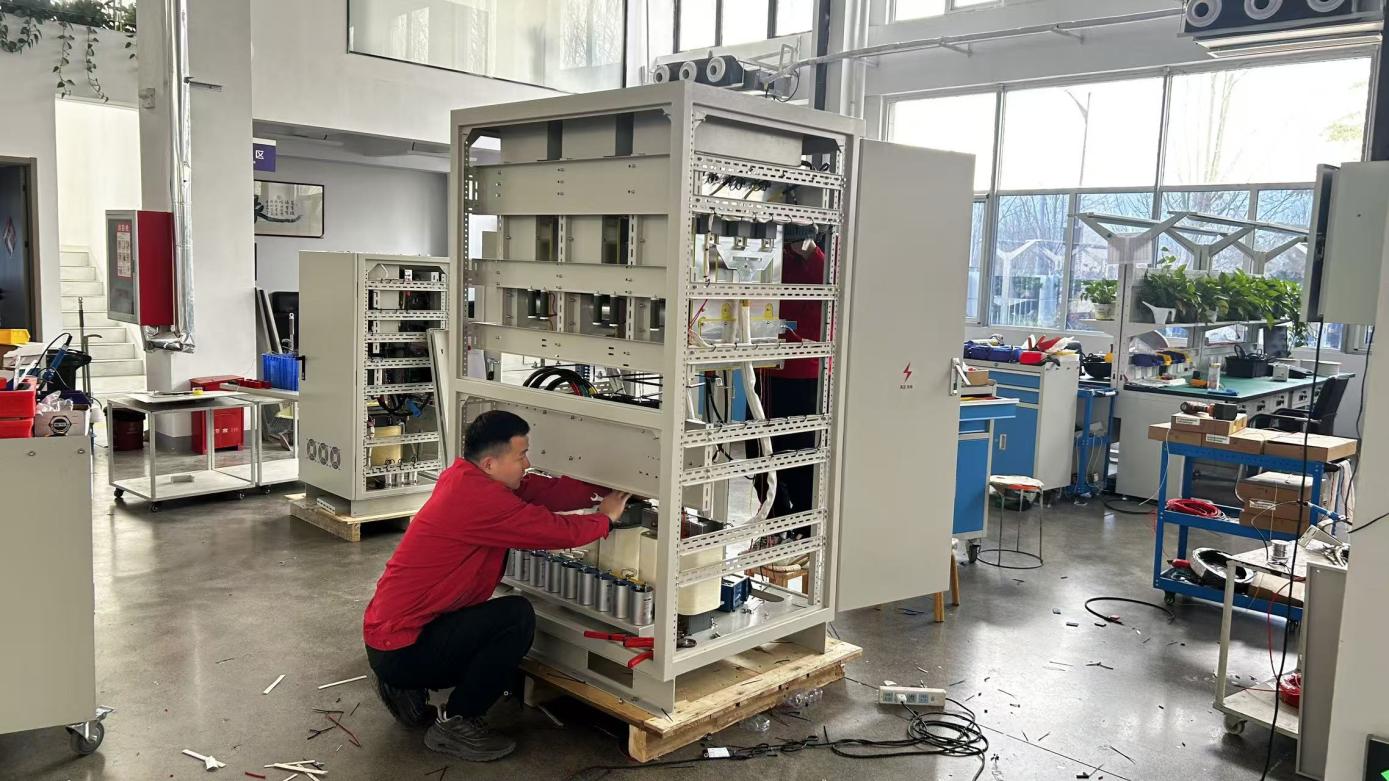 Circuit board assembly
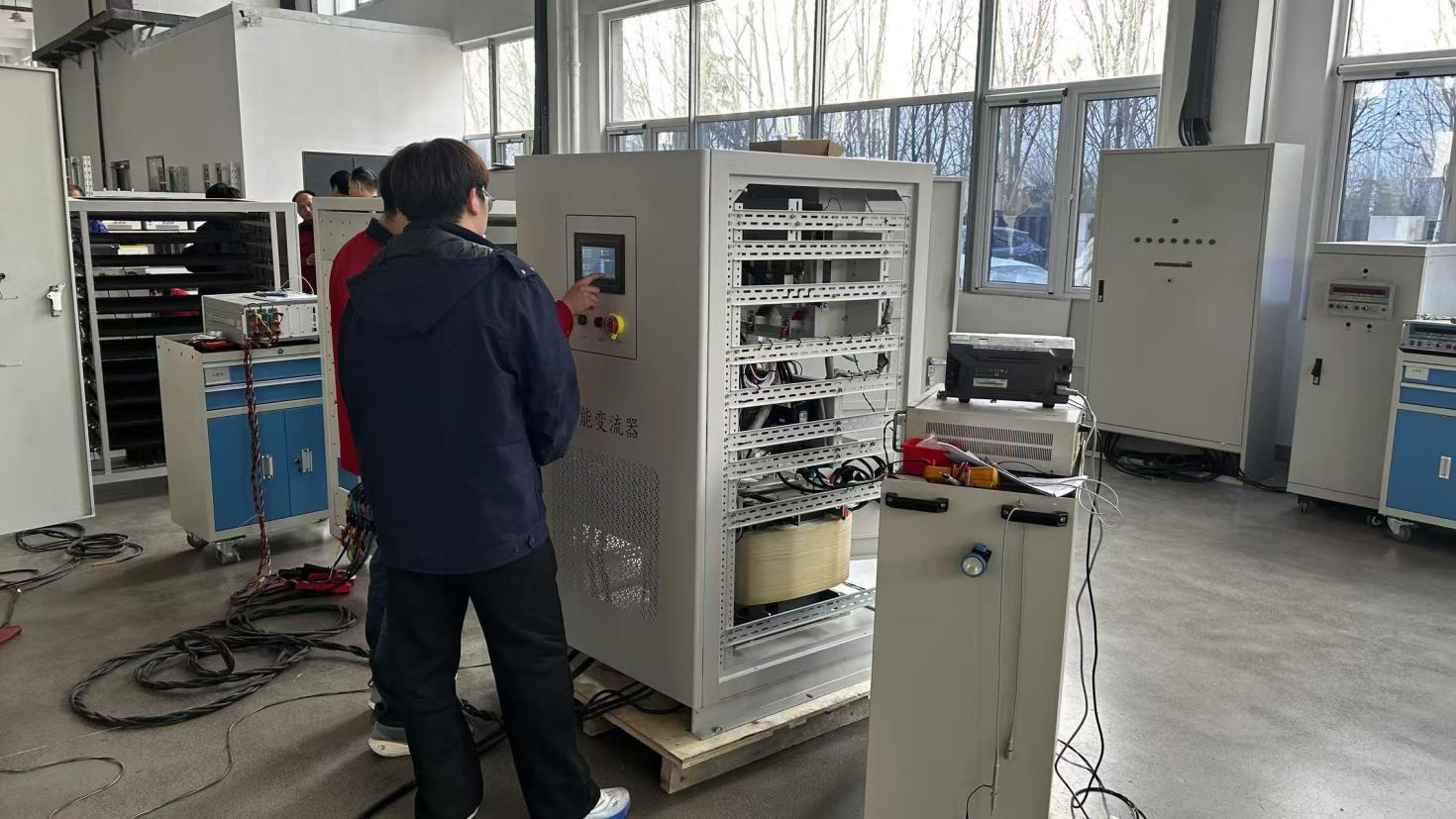 Debugging process
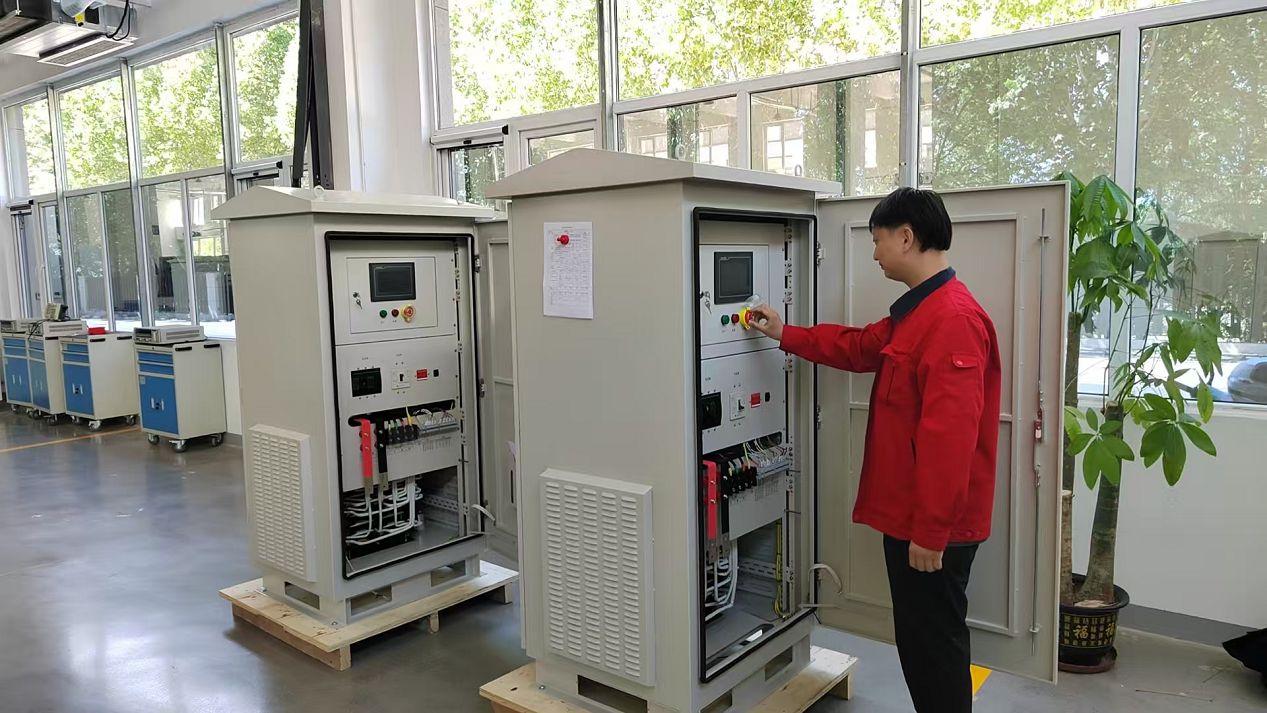 Quality inspection process
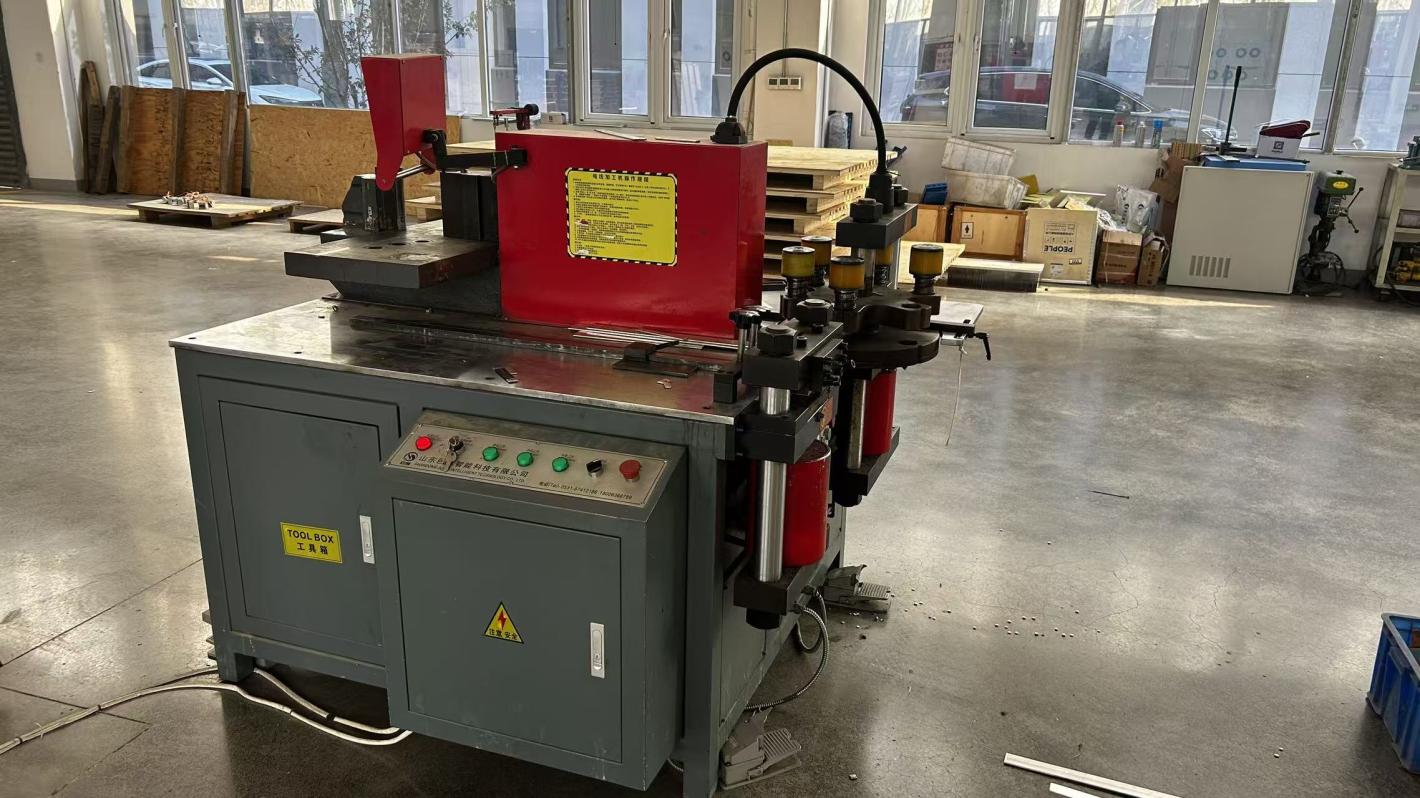 Copper bar production equipment
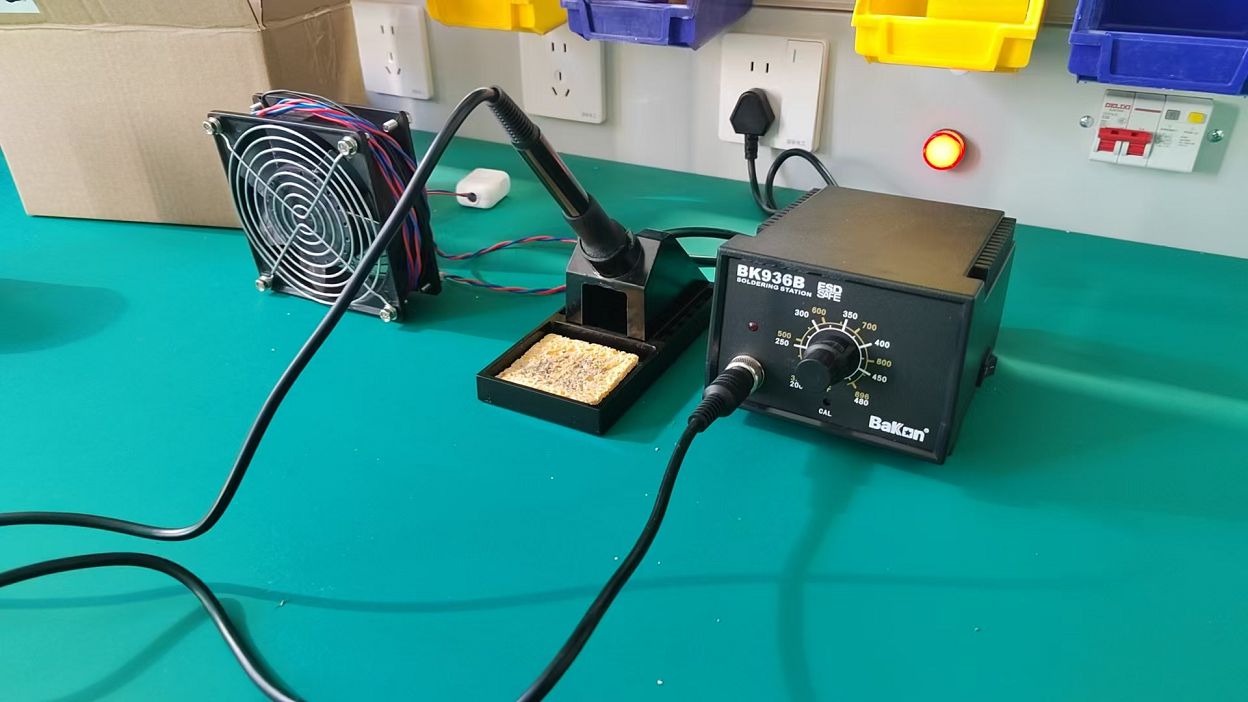 Electric ferrowire
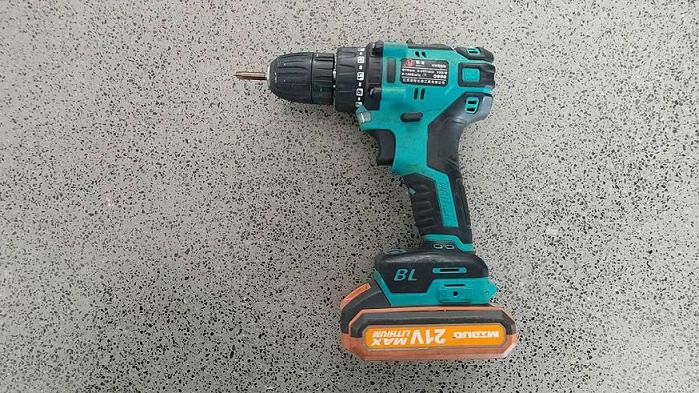 Electric drill
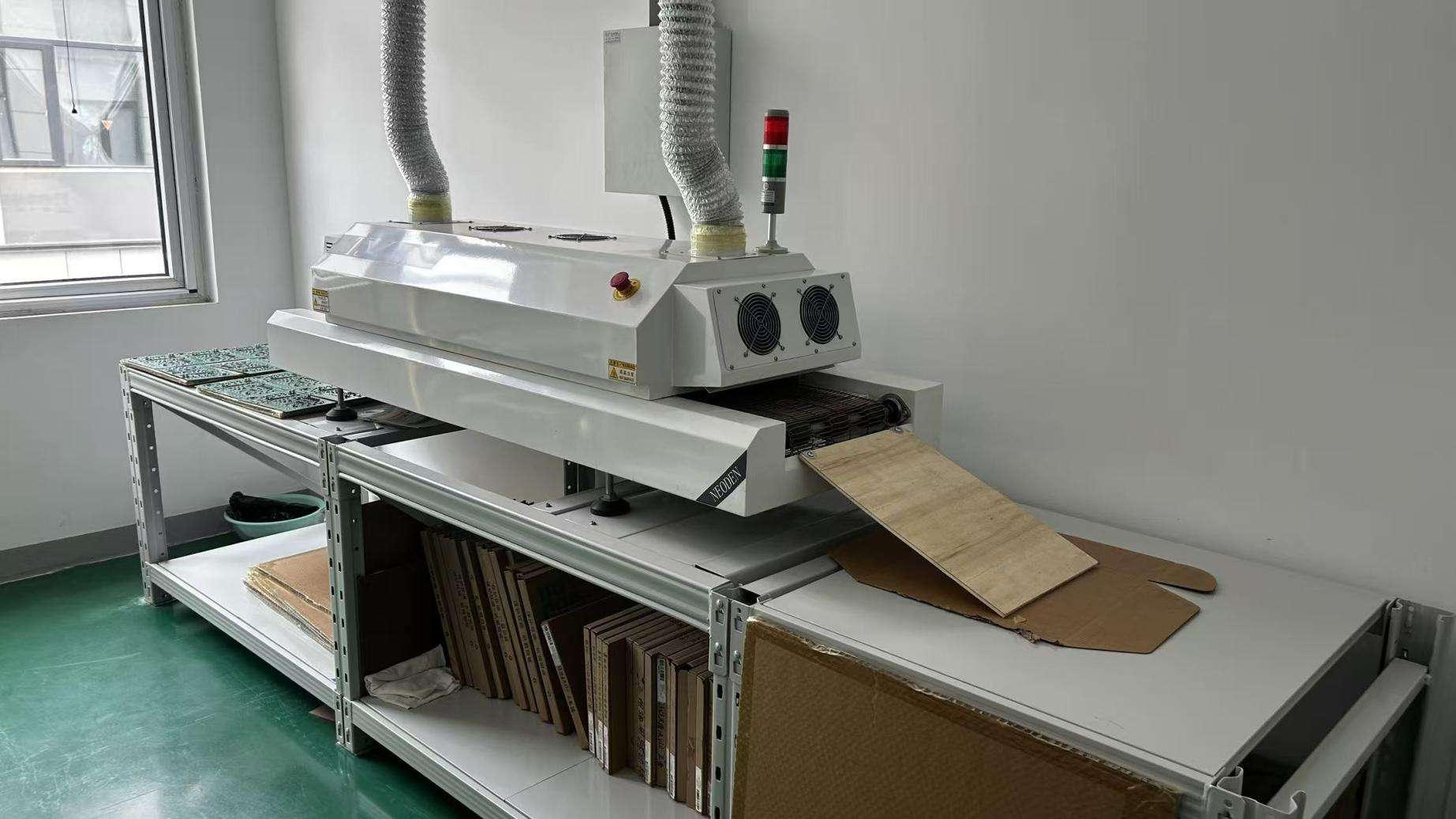 Reflow soldering machine
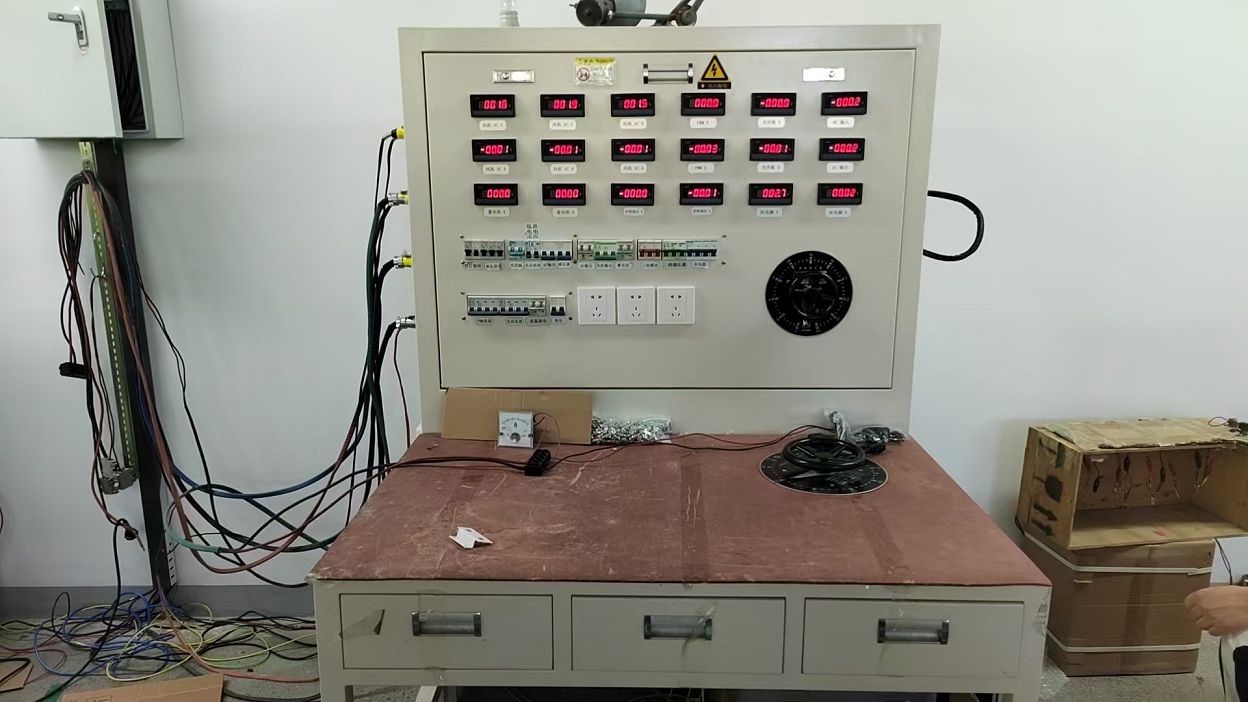 Workbench
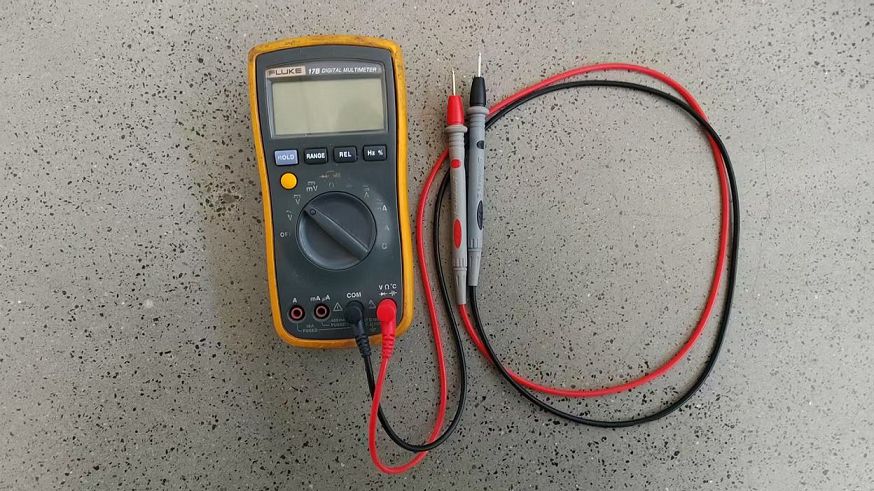 Multimeter
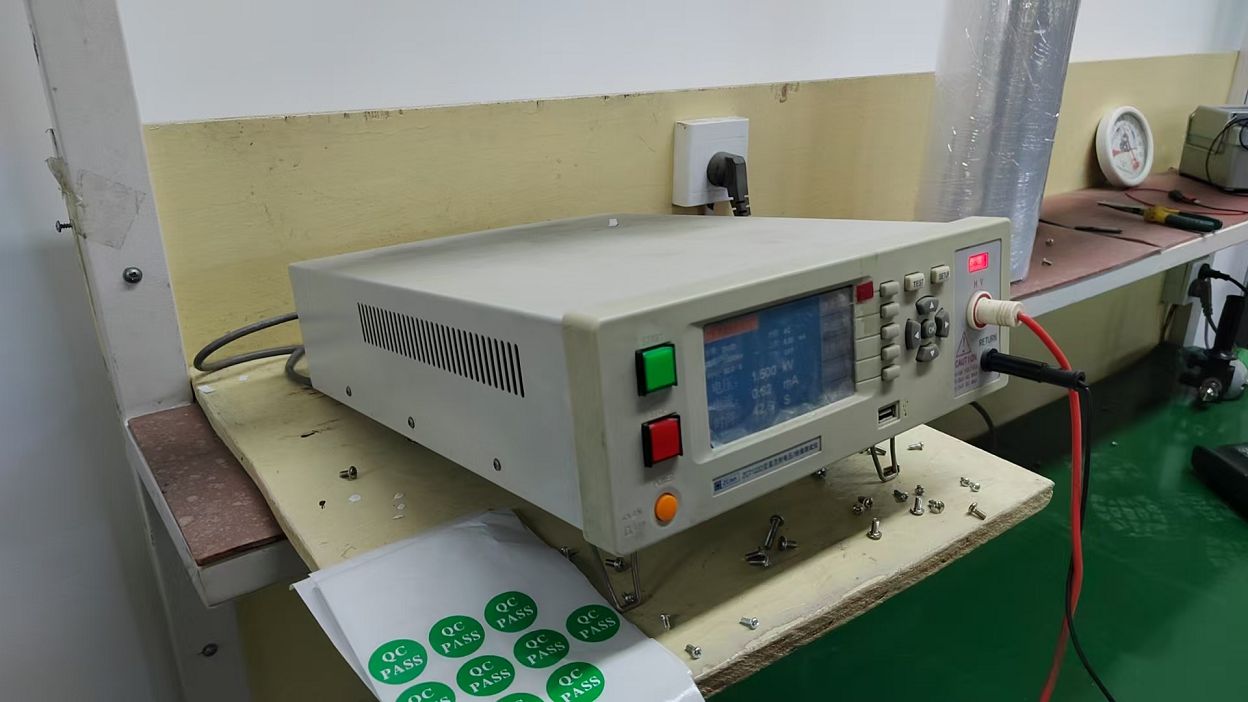 LCR AutoTester
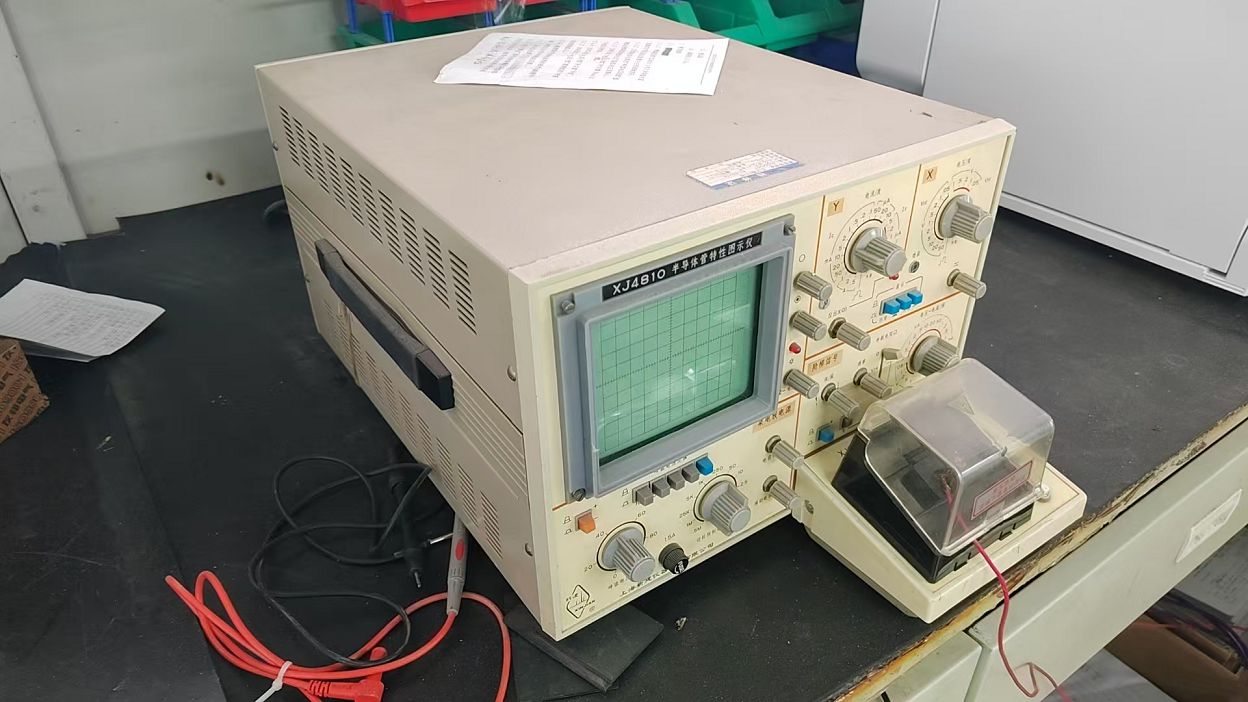 Semiconductor Characteristic Plotter
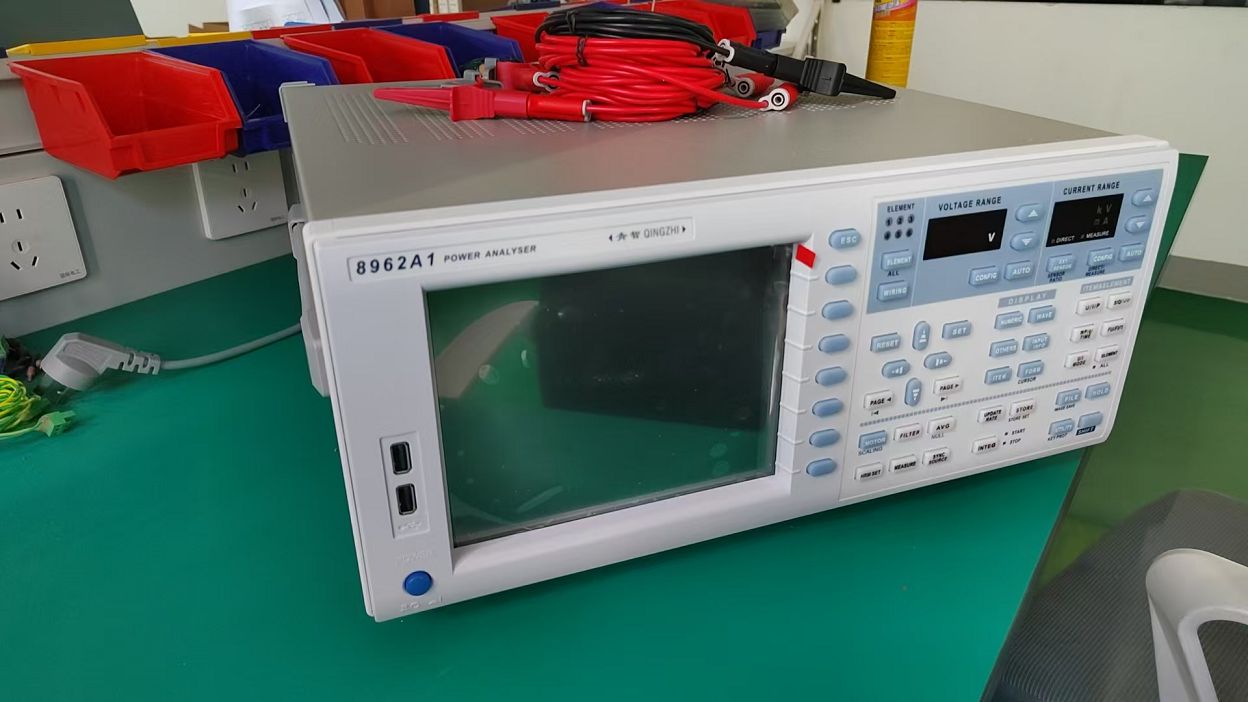 Digital Oscilloscope
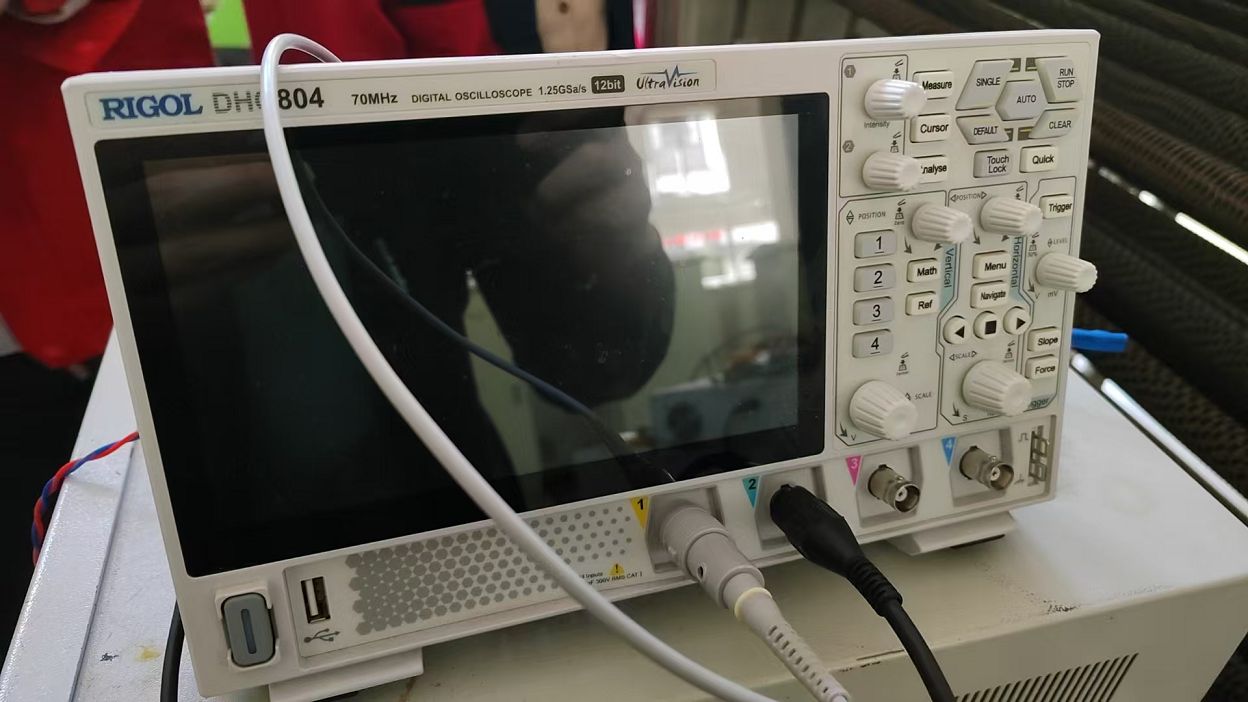 Power Quality Analyzer
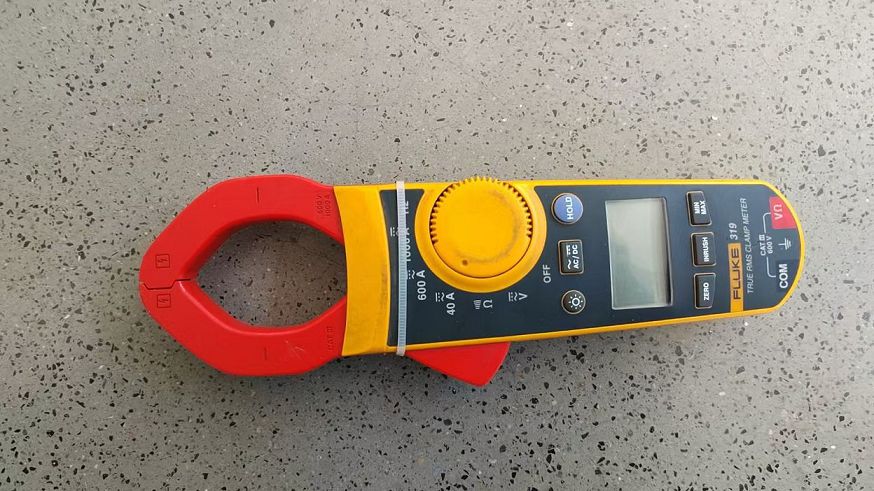 Clamp current meter
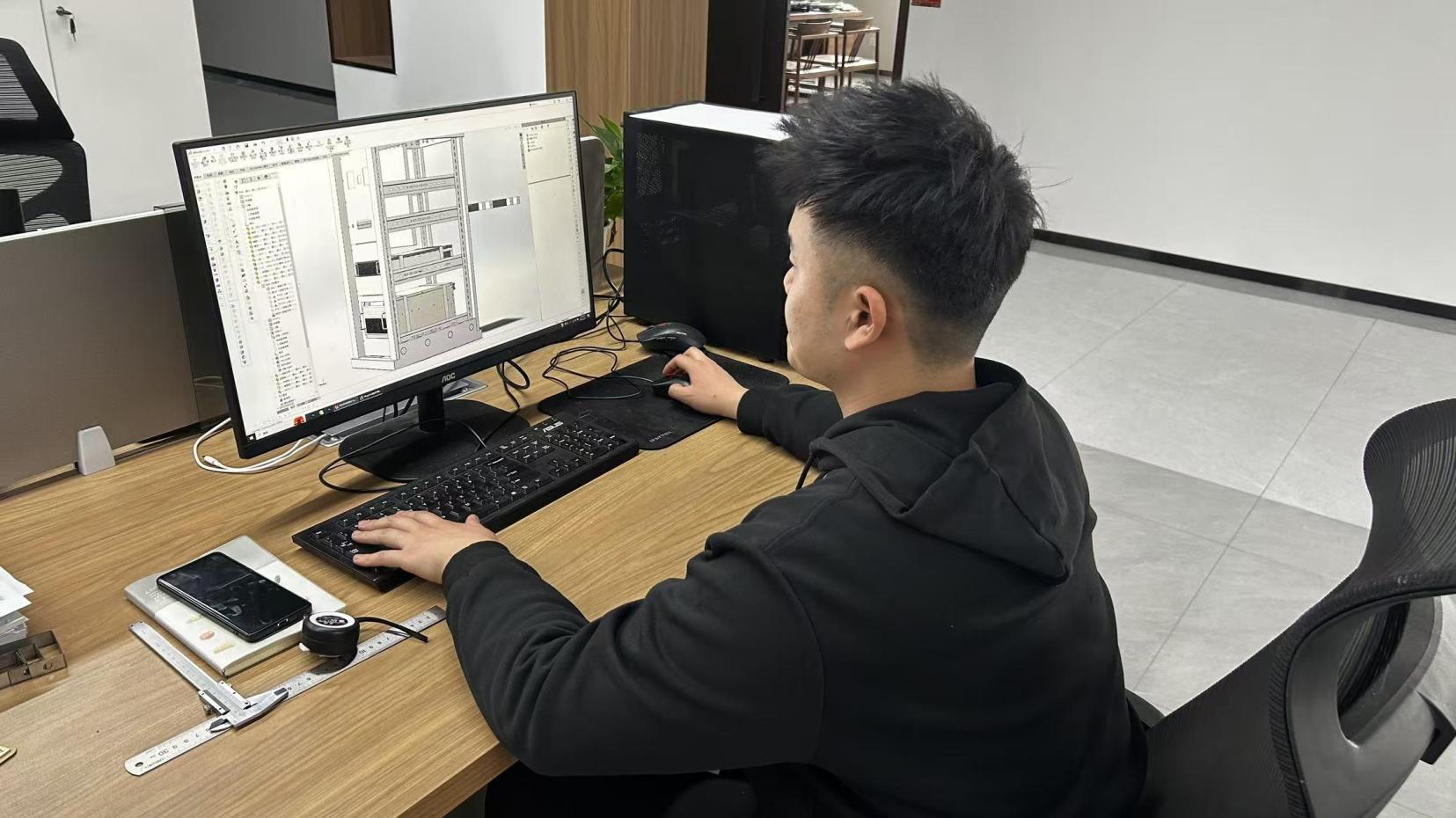 Drawing Design
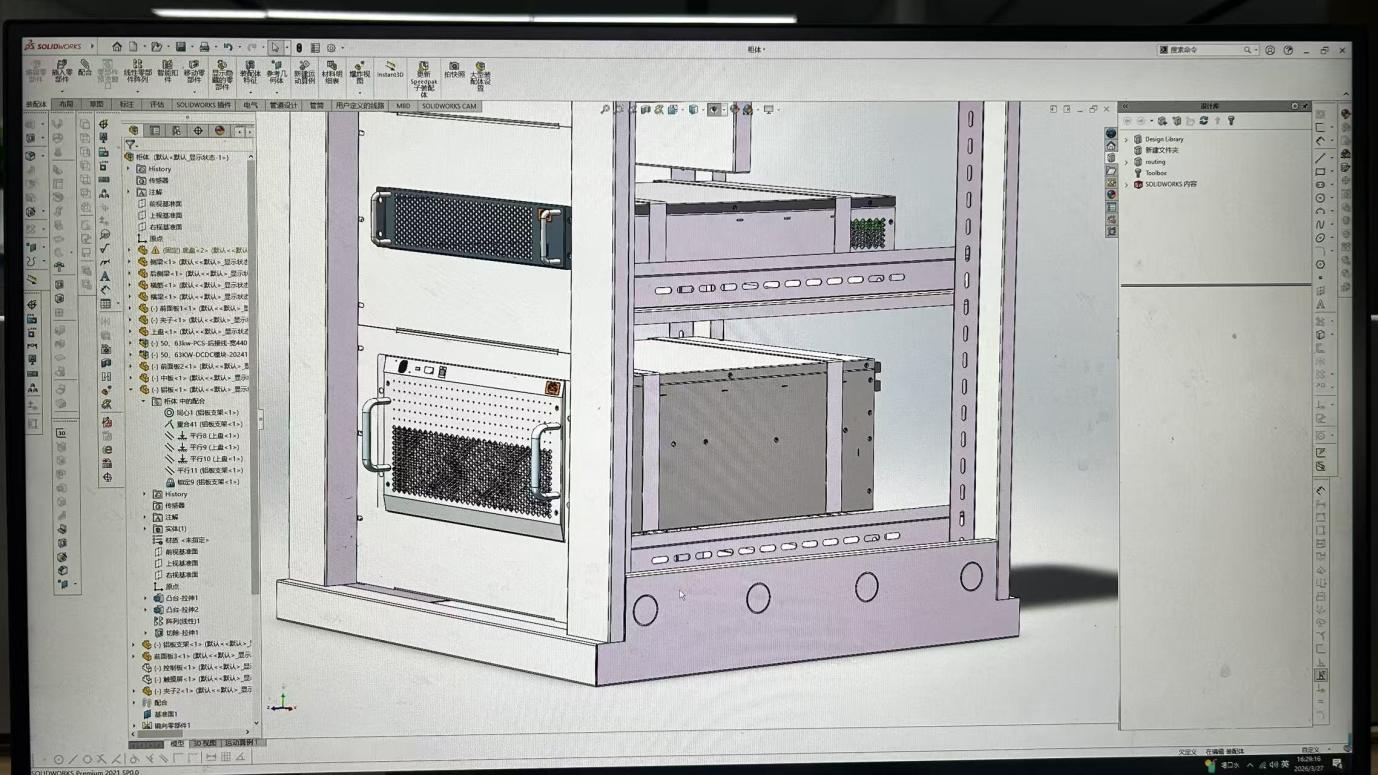 Computer Modeling Station
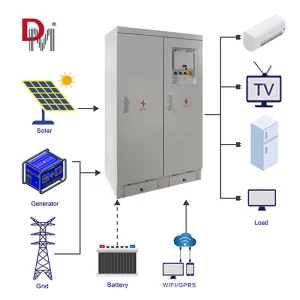
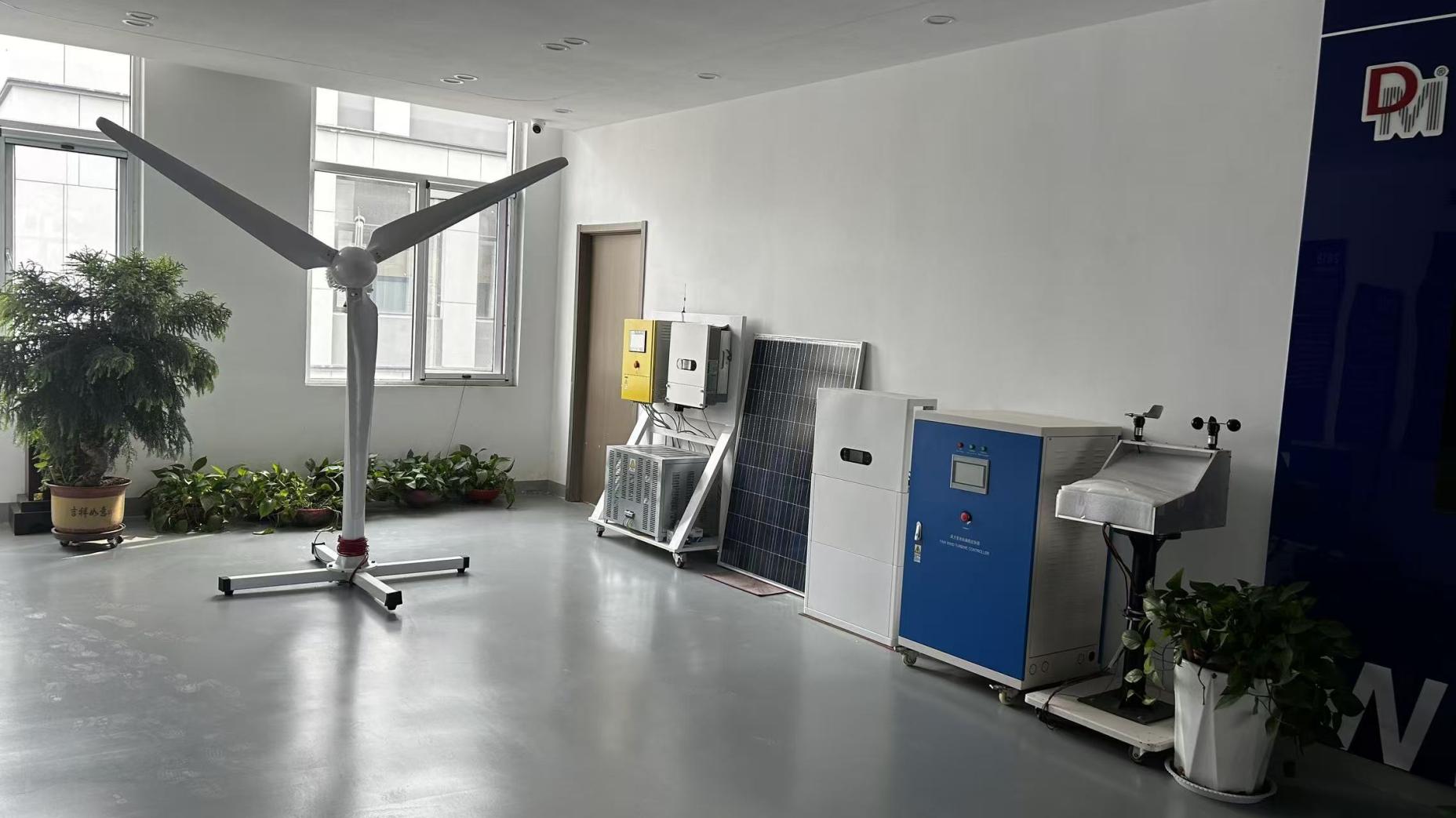
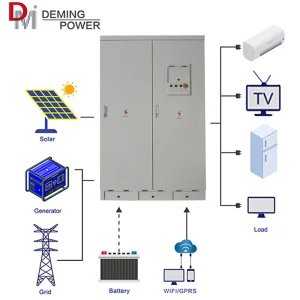
In modern commercial solar environments, relying solely on standard PV output can cause stability challenges. Integrating wind or hydro co-generation allows power grids to balance generation cycles. Deming's range of hybrid controllers manages these inputs dynamically. By utilizing a common DC bus configuration, multiple clean energy sources can feed power into a single, high-efficiency hybrid inverter system.
This common DC bus setup reduces systemic losses by eliminating multiple AC-to-DC conversion stages. When solar panels, wind alternators, or hydro turbines generate power, the energy flows straight to the DC bus. From there, it is directed to battery storage or converted to stable grid-grade AC by a central hybrid inverter. This architecture ensures high operational flexibility for off-grid communities and remote industrial facilities.
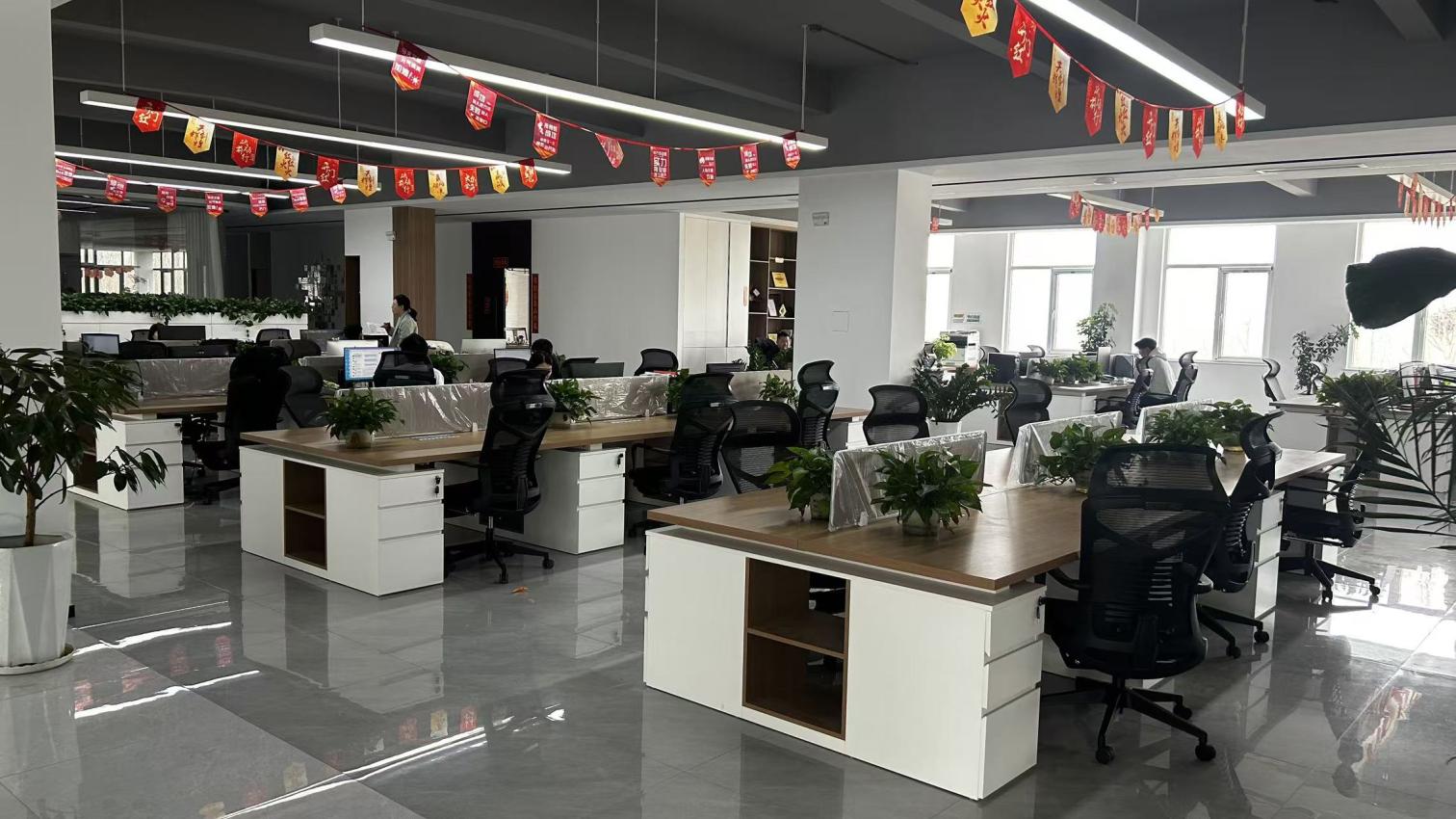
To maintain performance across globally diverse and harsh operational locations—such as maritime environments, high-altitude installations, and desert solar farms—Deming enforces strict testing standards. Our facility is equipped with dedicated quality control systems, utilizing semiconductor plotters, LCR auto-testers, and digital power quality analyzers to verify performance before dispatch.
This meticulous testing process ensures that every component—from bidirectional battery simulators to large-scale grid-tied frequency converters—minimizes voltage ripples and meets international safety specifications. By maintaining high-precision assembly lines, Deming consistently provides long-term reliability for demanding global applications.
Expert insights addressing key questions on converter design, shore power systems, and industrial grid-tied architectures.
A triple-output AC/DC converter manages multiple distinct voltage lines simultaneously from a single conversion stage. This setup reduces system complexity and cost by eliminating the need for separate standalone converters. It allows operators to supply power to high-voltage battery storage, mid-voltage local AC loads, and low-voltage auxiliary controls simultaneously, maintaining conversion efficiency levels up to 99%.
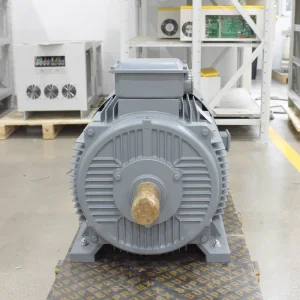
Low-RPM generators eliminate the need for mechanical speed-up gearboxes. This direct-drive configuration reduces mechanical friction, wear, and maintenance requirements, while improving reliability. Using high-coercivity NdFeB (Neodymium Iron Boron) permanent magnets, these units deliver stable electrical output even at low startup wind velocities or low hydro head pressures.
When container ships berth at port docks, keeping their primary diesel auxiliary generators running to support onboard loads produces substantial local pollution. A marine shore power converter bridges the frequency and voltage gap between the port's local utility grid (e.g. 50Hz) and the ship's internal power standard (e.g. 60Hz at 440V/6600V), allowing vessels to shut down diesel auxiliary systems and operate on clean shore-side utility power.
High-voltage solar systems operate in dynamic conditions with shifting clouds, dust accumulation, and temperature changes. Real-time Maximum Power Point Tracking (MPPT) with high resolution ensures the system continually locates and maintains the optimal operating voltage point, preventing localized energy mismatches and capturing up to 15% more power over the course of a day compared to legacy PWM or low-resolution controllers.
Deming utilizes in-house developed bidirectional DC test power supplies and battery simulators. These systems model diverse grid scenarios, including voltage sags, phase imbalances, and load transients. Testing converters against simulated grid disturbances before shipment ensures they maintain performance and remain fully compliant with grid-tie requirements prior to field integration.
Reliable power electronics to optimize conversion, control wind-solar inputs, and manage power flow for hybrid systems.
 Demin Power