High-performance converters, inverters, and controllers engineered for mission-critical industrial microgrids.
The global transition toward decentralized power grids and decarbonized infrastructure has highlighted critical vulnerabilities in conventional distribution networks. Commercial and Industrial (C&I) facilities, utility operators, and microgrid developers are actively searching for robust energy topologies capable of maintaining system stability under high penetrations of intermittent renewable generation. This is where an advanced Energy Management System (EMS) becomes paramount.
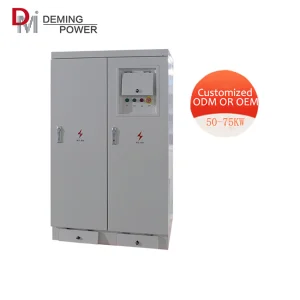
An EMS is not simply a software monitoring tool; it is the orchestrating intelligence that manages real-time power flows between solar photovoltaic arrays, wind generators, battery energy storage systems (BESS), auxiliary power supplies, and utility grids. To achieve high operational resilience and optimal economic yield, the underlying physical layer—consisting of high-efficiency bidirectional inverters, modular DC-DC converters, active harmonic filters, and robust frequency stabilizers—must deliver instantaneous sub-millisecond response rates.
"Reliability in extreme circumstances is the true test of energy equipment. Power electronics must operate continuously at peak efficiency under variable load profiles, keeping harmonic distortions low while safeguarding battery health across thousands of charge-discharge cycles."
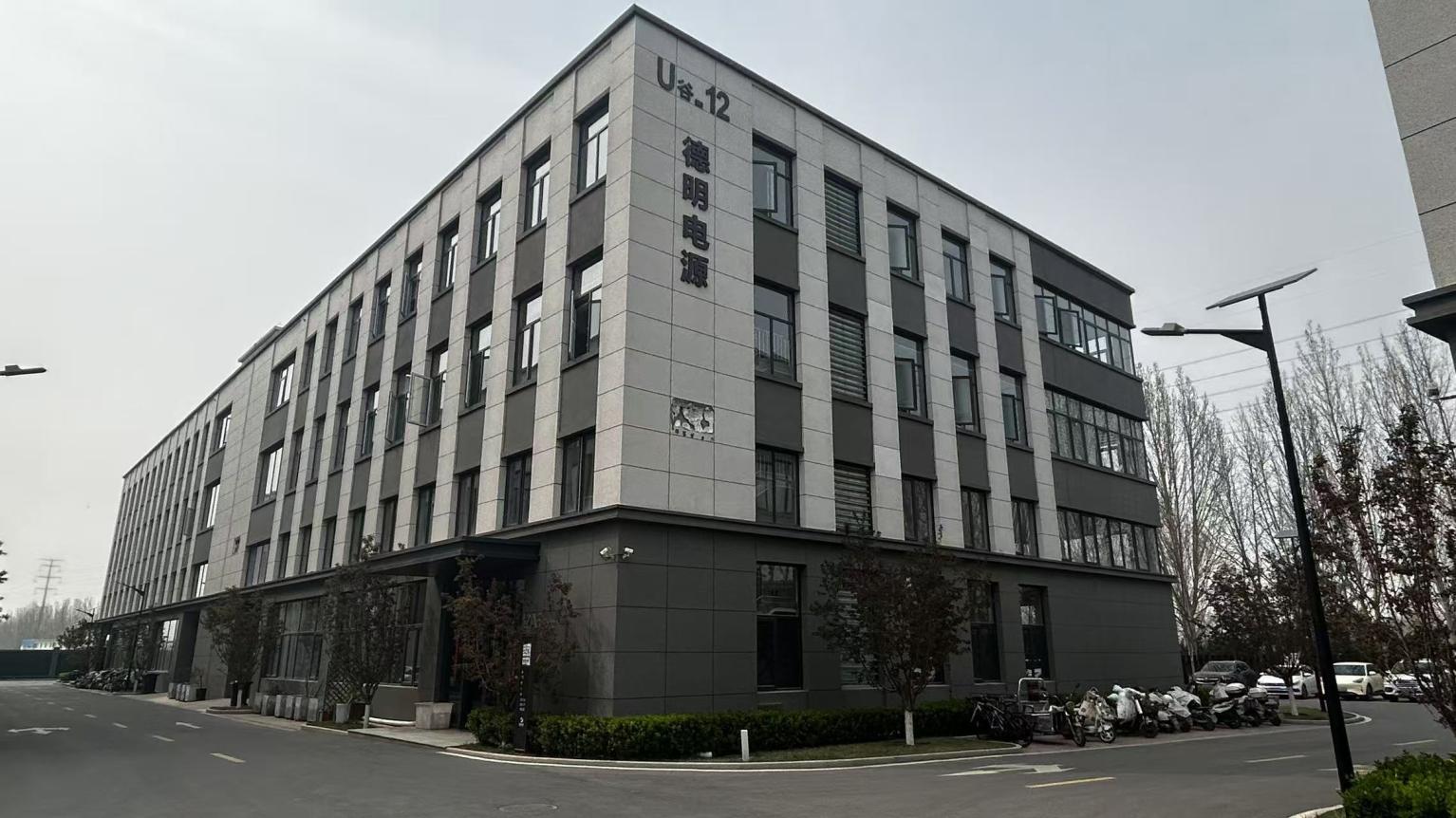
Jinan Deming Power Equipment Co., Ltd. is a nationally recognized high-tech enterprise established in 2004, specializing in the research, development, production, and service of renewable energy power equipment and advanced power testing solutions. The company holds ISO9001:2015 certification and has been recognized as a high-tech enterprise by the Chinese government multiple times (2015, 2018).
With a dedicated R&D team of 16 engineers including doctoral supervisors and master's degree holders, Deming invests no less than 20% of annual sales revenue into technology development. The company has completed 17 R&D projects in the last three years with 16 scientific and technological achievements transformed into commercial products. Deming's products have been exported to 120+ countries including Germany, Japan, the United States, UK, Canada, Australia, and Brazil, and the company has established cooperative relationships with Fortune 500 enterprises. The company's main products include wind/solar controllers, inverters, frequency converters, and high-power bidirectional DC test power supplies and battery simulators ranging from 150kW to 500kW.
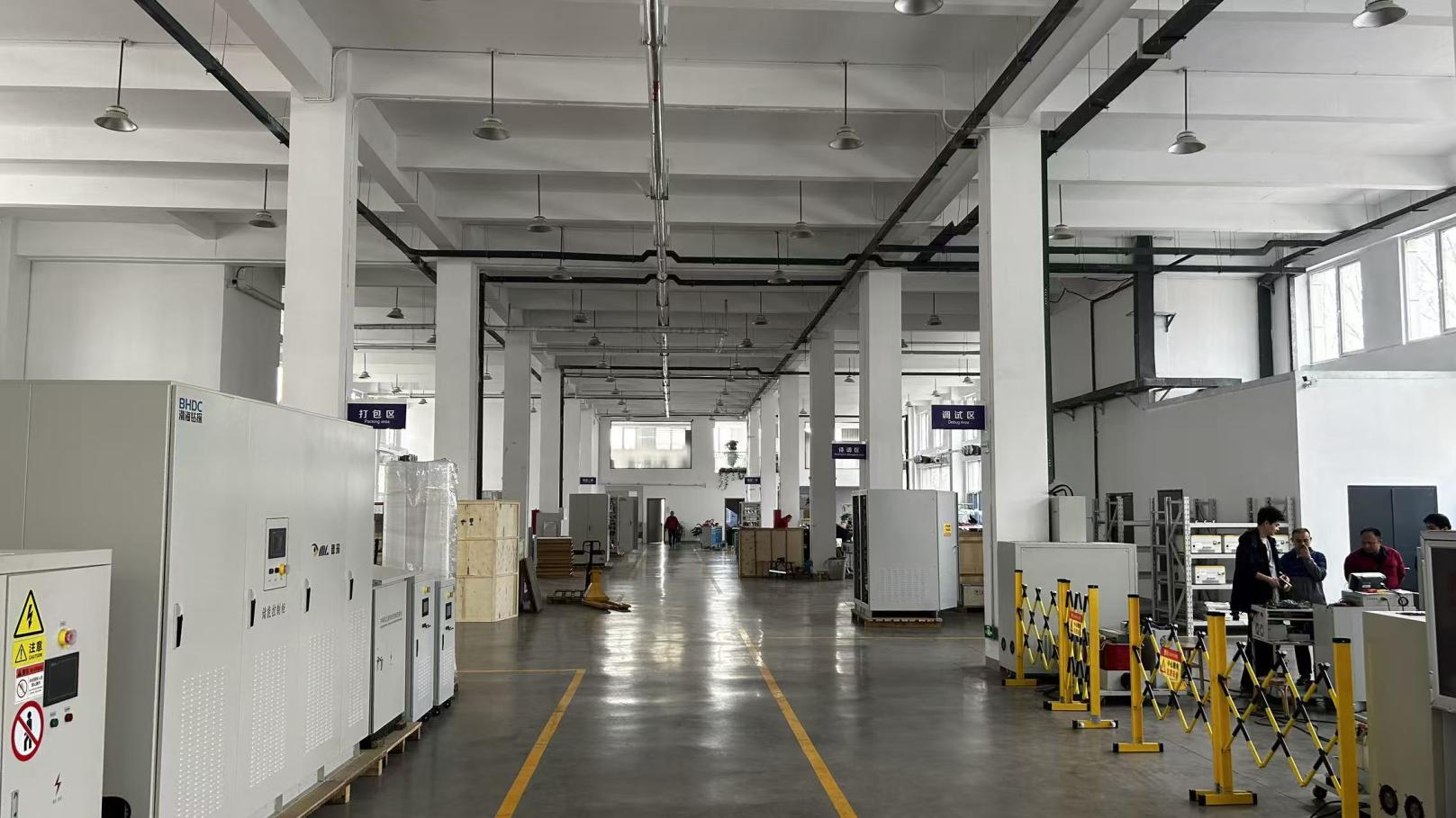
Our production lines are engineered to handle the rigorous demands of custom industrial power configurations. From high-precision PCB assembly and reflow soldering to large-scale copper bar bending and heat-sink machining, our manufacturing systems guarantee long-term thermal dissipation and structural longevity.
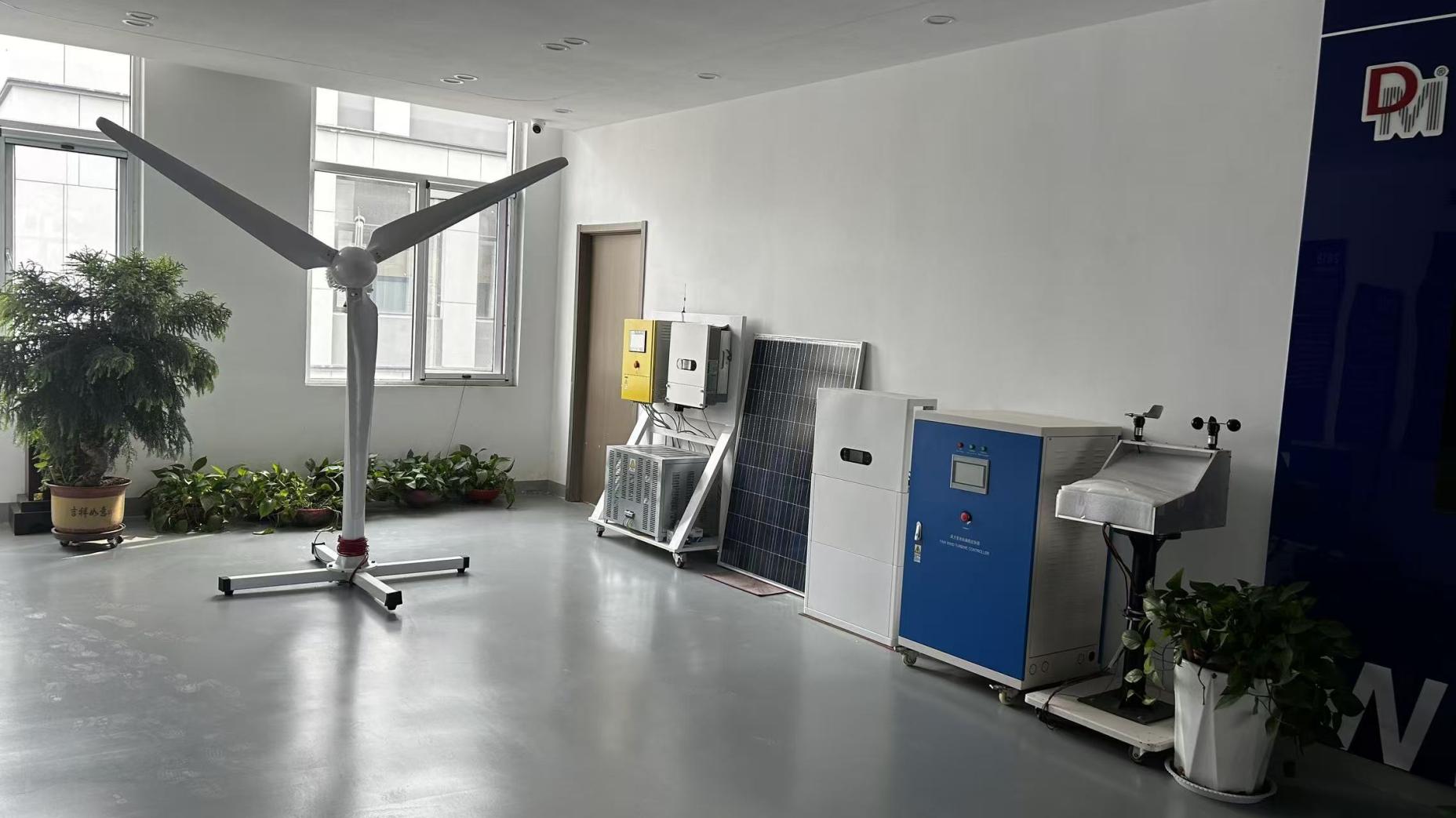
Depending on local environmental and grid-code requirements, EMS deployment strategies vary. Jinan Deming Power Equipment designs scalable, application-optimized systems that integrate with specific national grid conditions and natural resources.
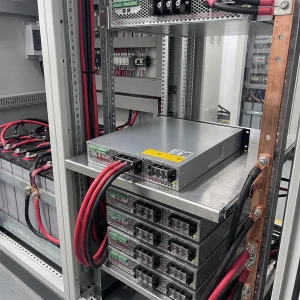
In highly industrialized regions, peak-demand charges and dynamic energy pricing force manufacturers to seek local storage solutions. Our modular DC-DC bidirectional converters (30kW to 100kW stackable designs) connect high-voltage battery arrays directly to common DC buses, stabilizing local loads and facilitating peak shaving. By utilizing sub-millisecond switching times, these units shift power consumption from high-tariff periods to low-tariff hours, protecting delicate machinery from grid sags.
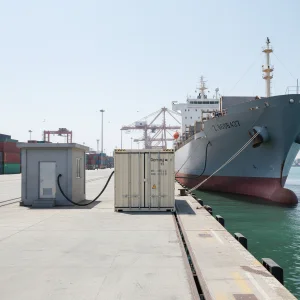
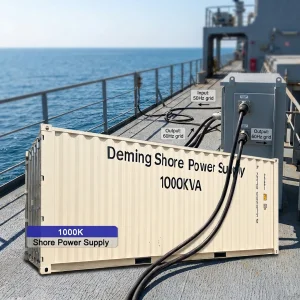
Port cities face immense environmental pressure to eliminate emissions from docked container vessels. Ships typically run auxiliary diesel engines while docked to power internal systems. By installing Deming's 6.6kV or 11kV Shore Power solid-state frequency converters, ports can feed reliable, low-harmonic grid power directly to docking vessels. These systems convert local utility grid frequencies (e.g., 50Hz to 60Hz or vice versa) with high-efficiency isolation transformers, lowering coastal particulate emissions and noise pollution.
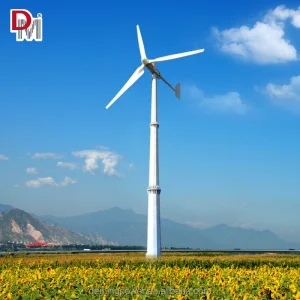
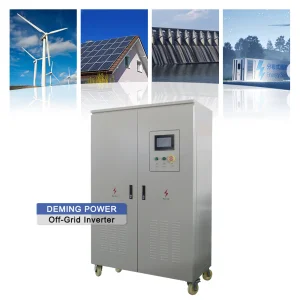
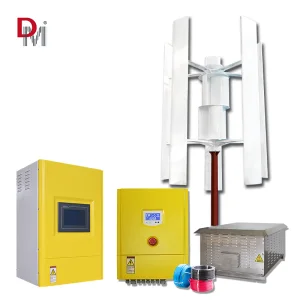
For isolated communities or mountainous areas without utility grid access, hybrid microgrids relying on wind, solar, and hydro resources are the only viable power option. Deming's industrial off-grid three-phase inverters (up to 300kW) combined with active IGBT MPPT solar charge controllers and permanent magnet hydro-generator converters form a resilient local grid. These microgrid systems dynamically manage changing input profiles from wind mills and water currents to maintain consistent 50Hz/60Hz voltage output for rural communities.
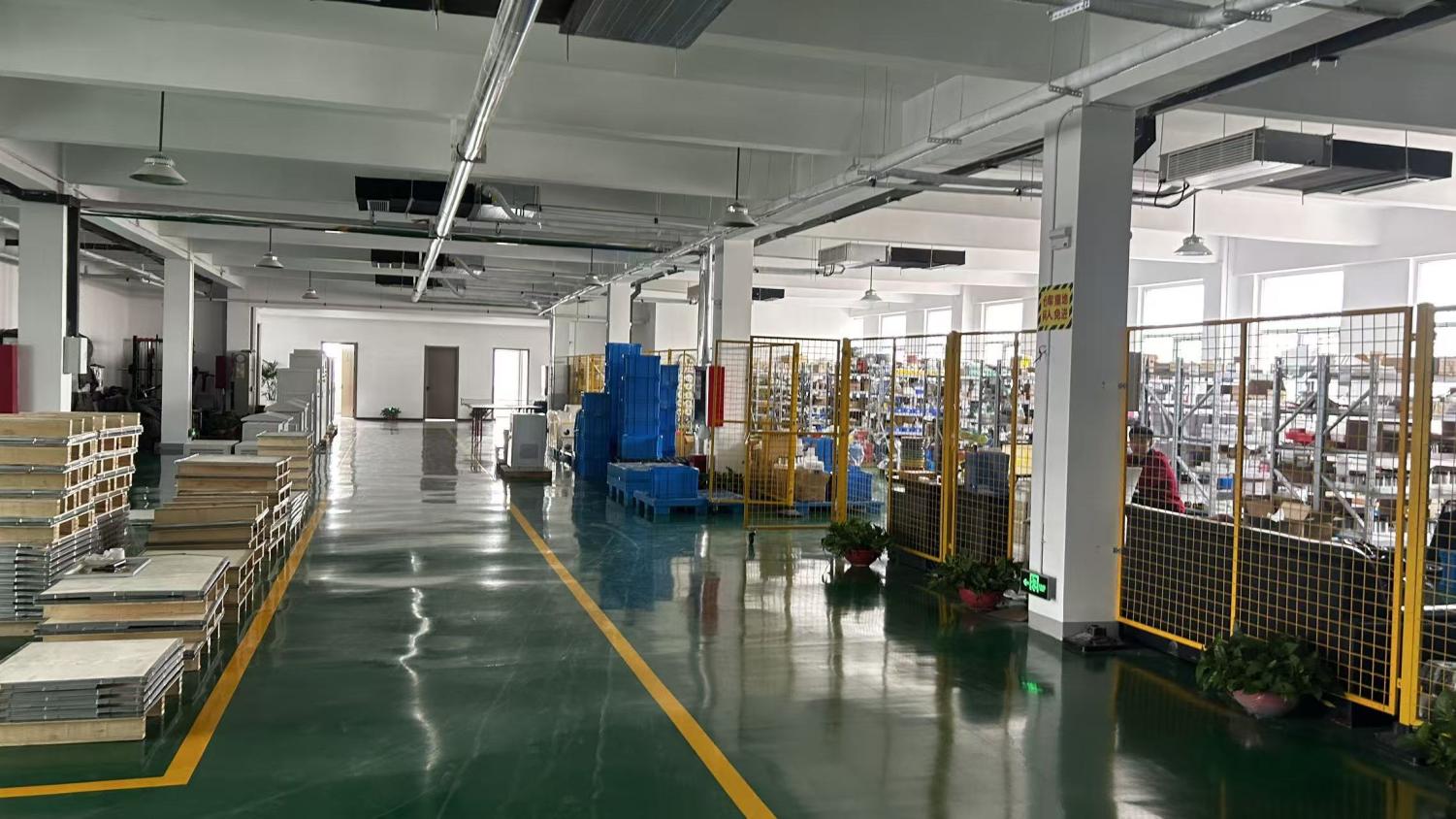
The manufacturing facility of Jinan Deming Power Equipment leverages China's highly integrated industrial ecosystem to offer unmatched customizability, material traceability, and prompt lead times. Our production workflow combines automation with strict validation at every stage.
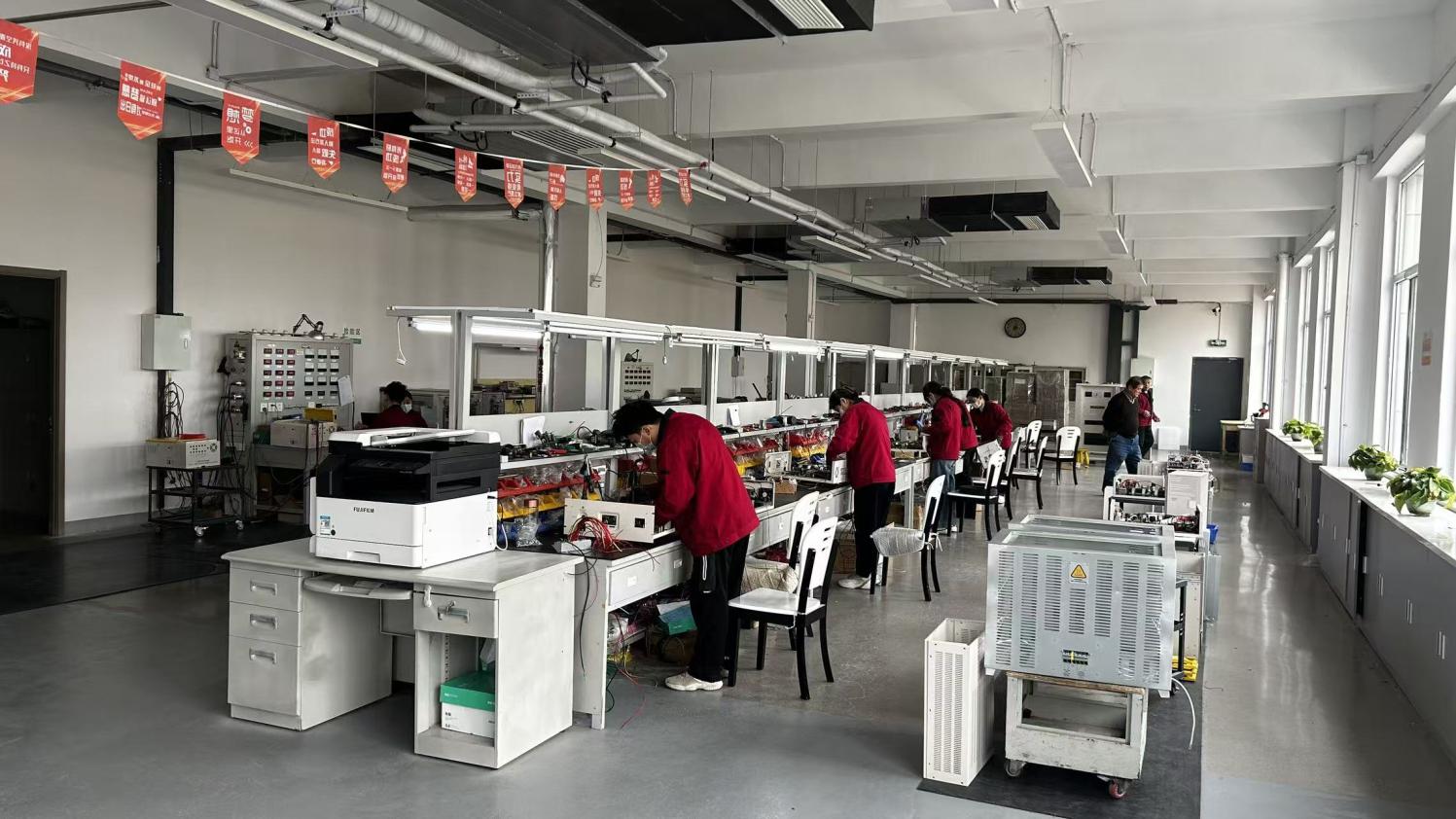
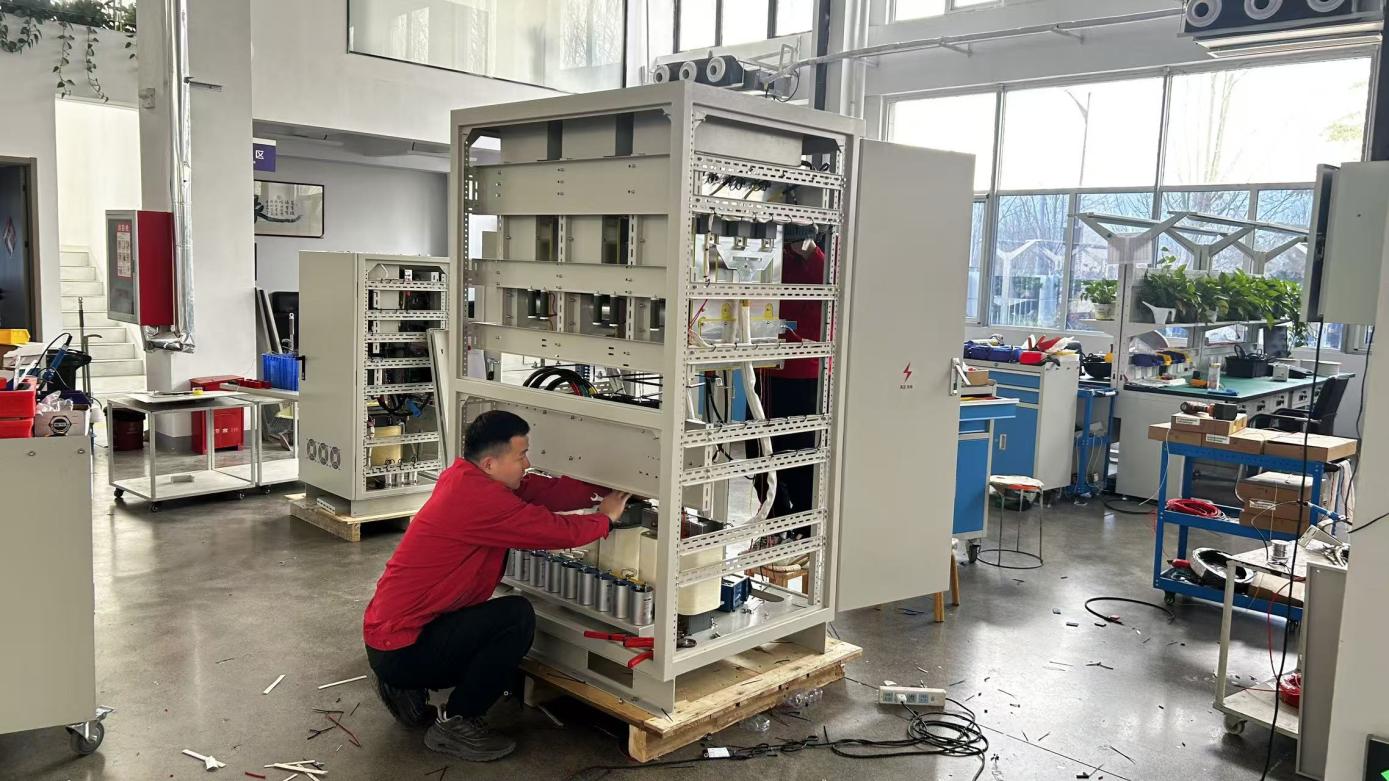
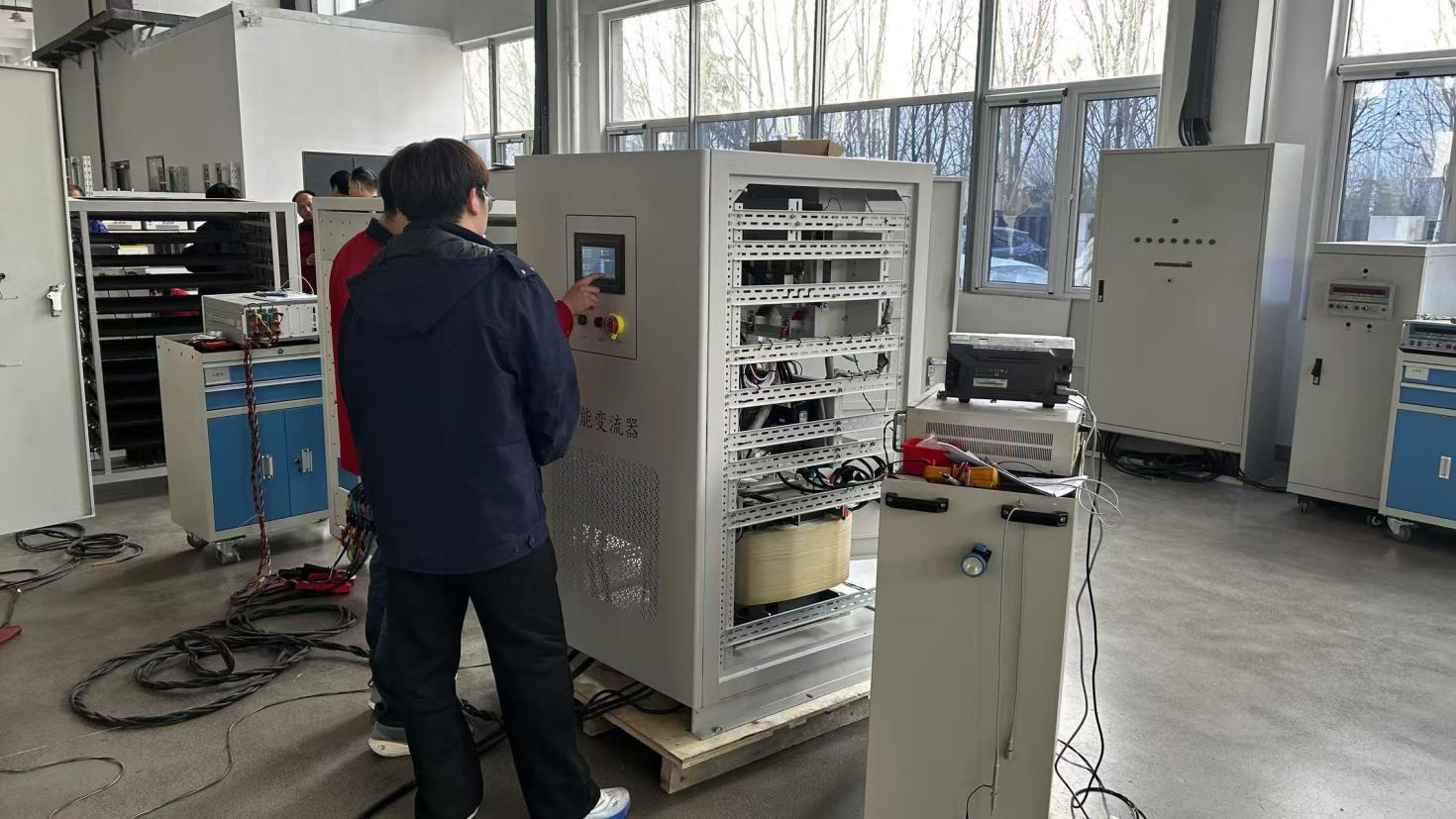
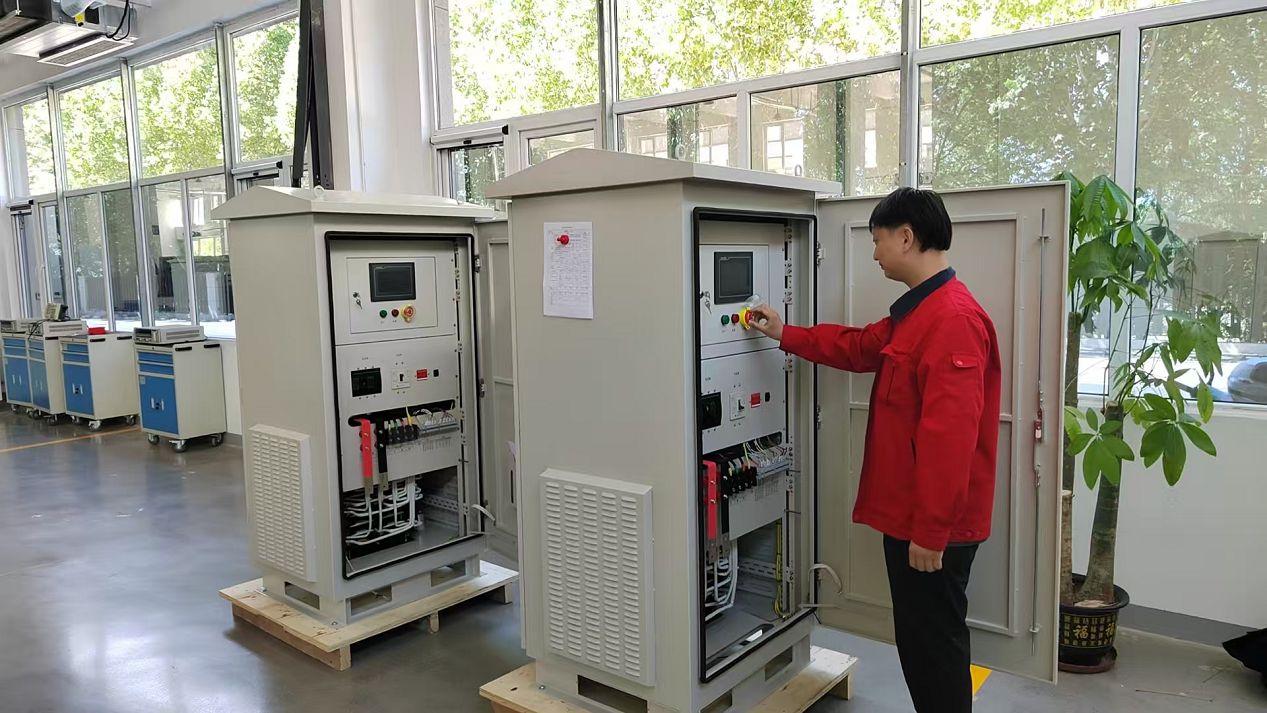
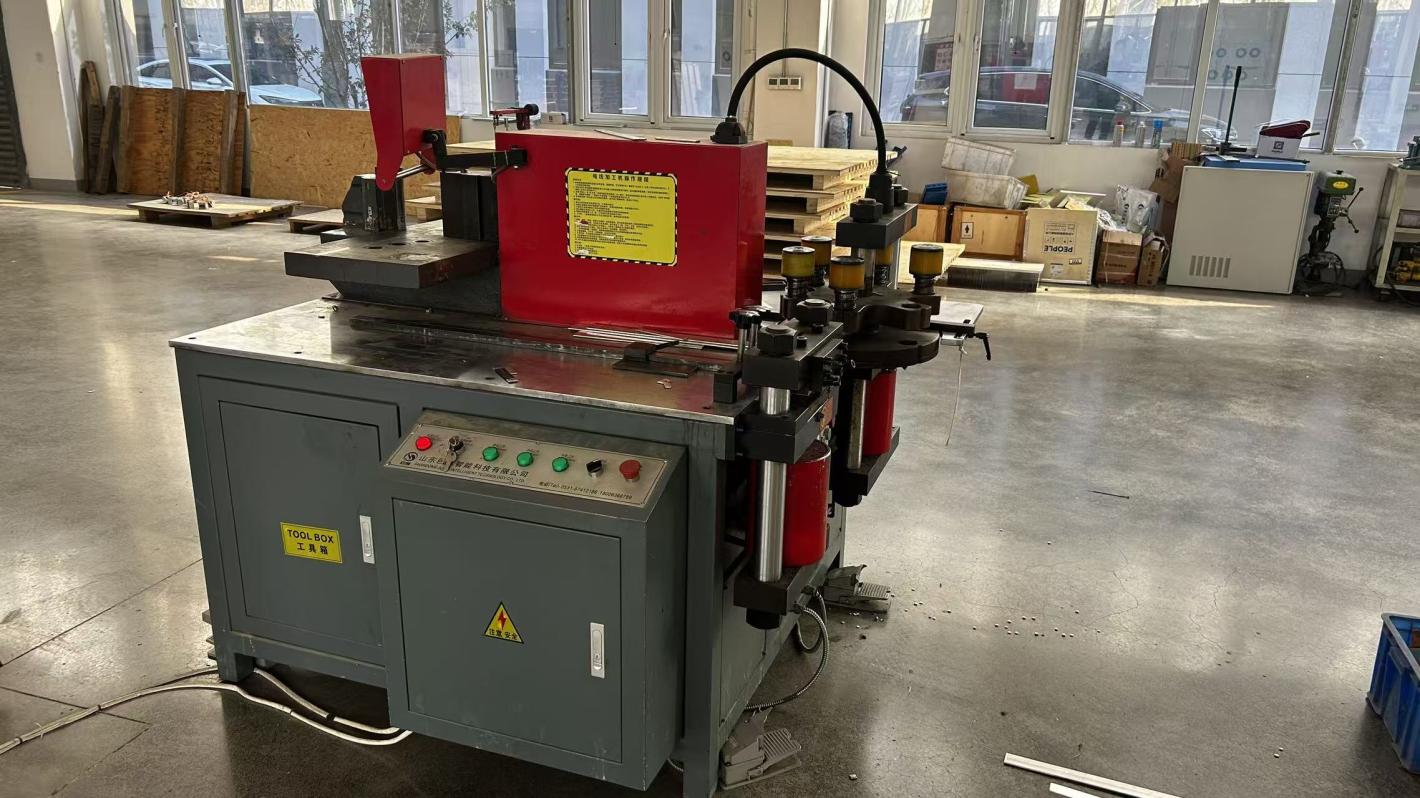
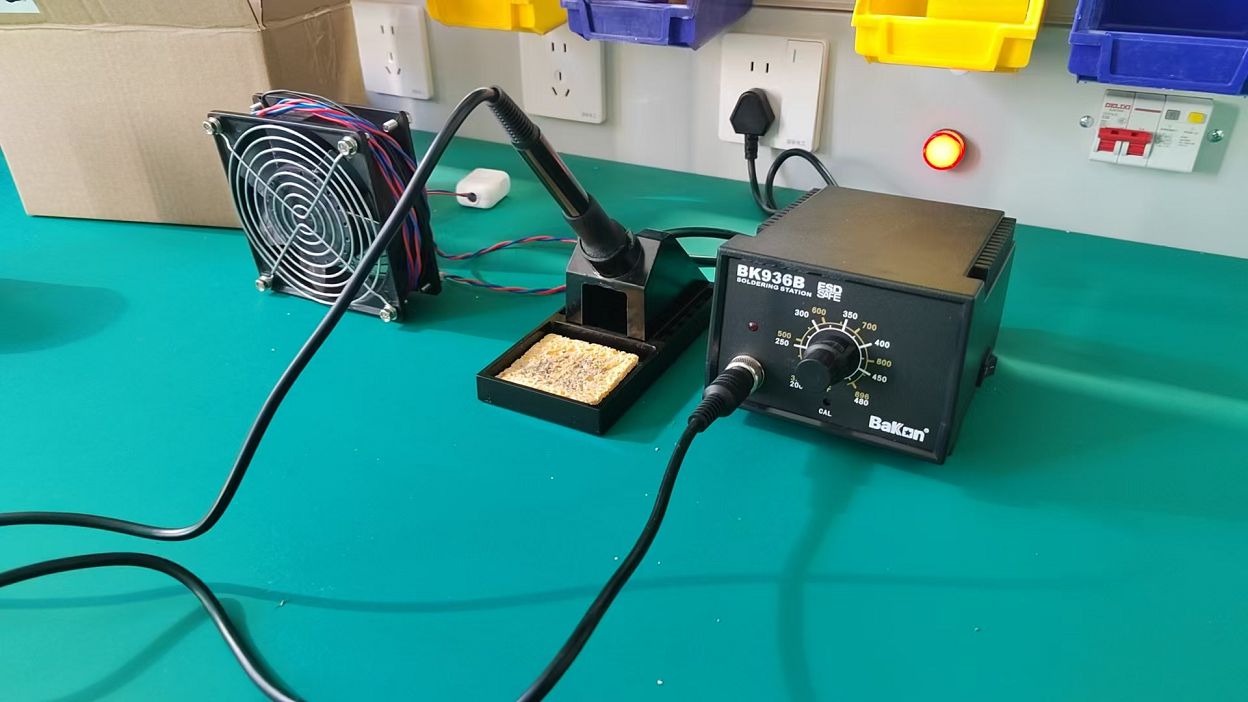
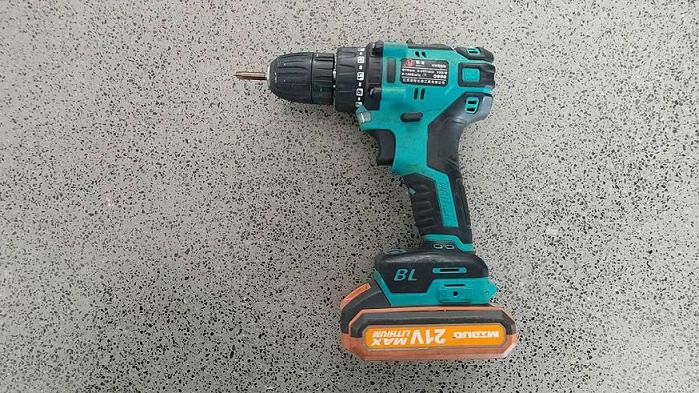
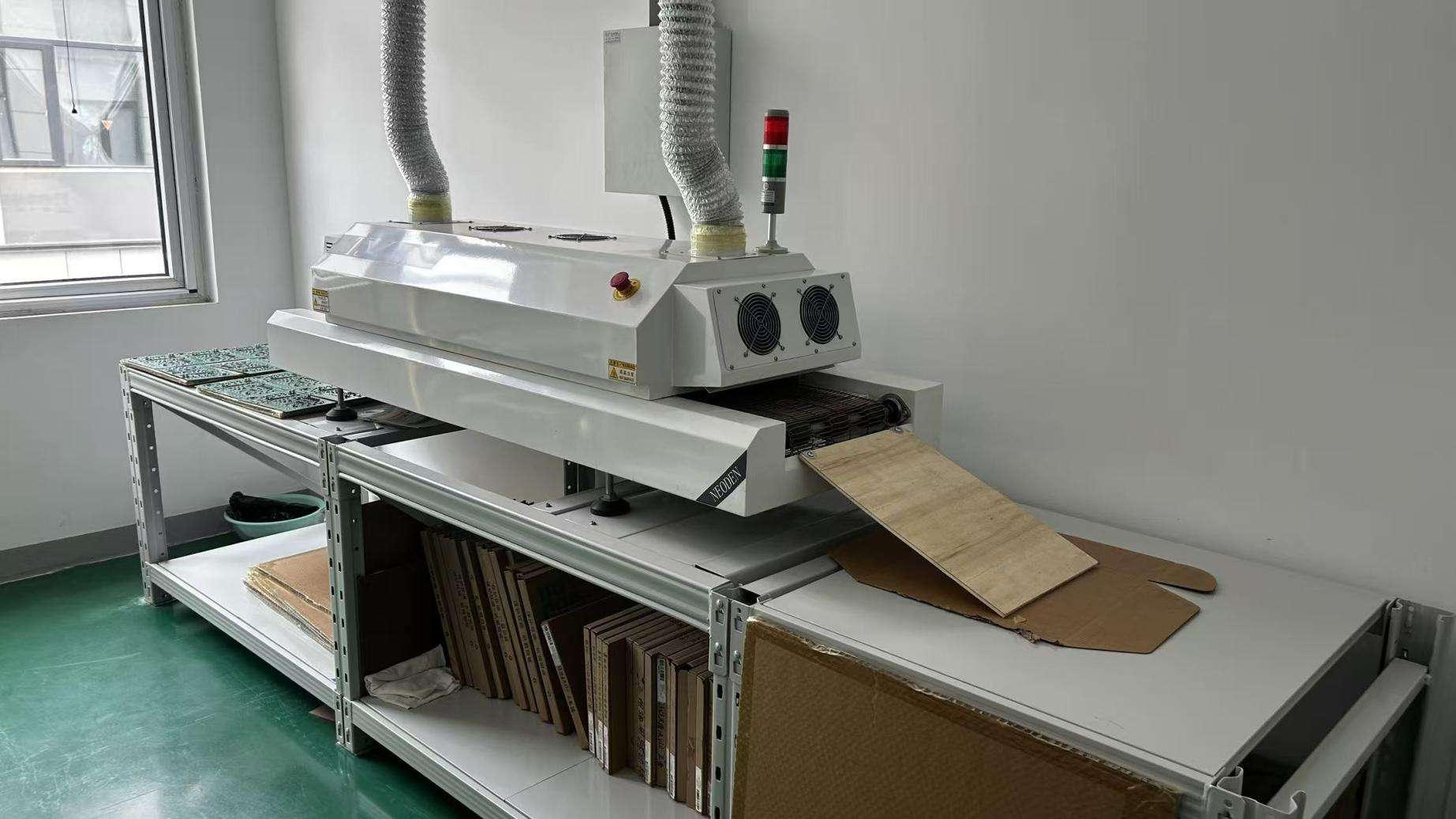
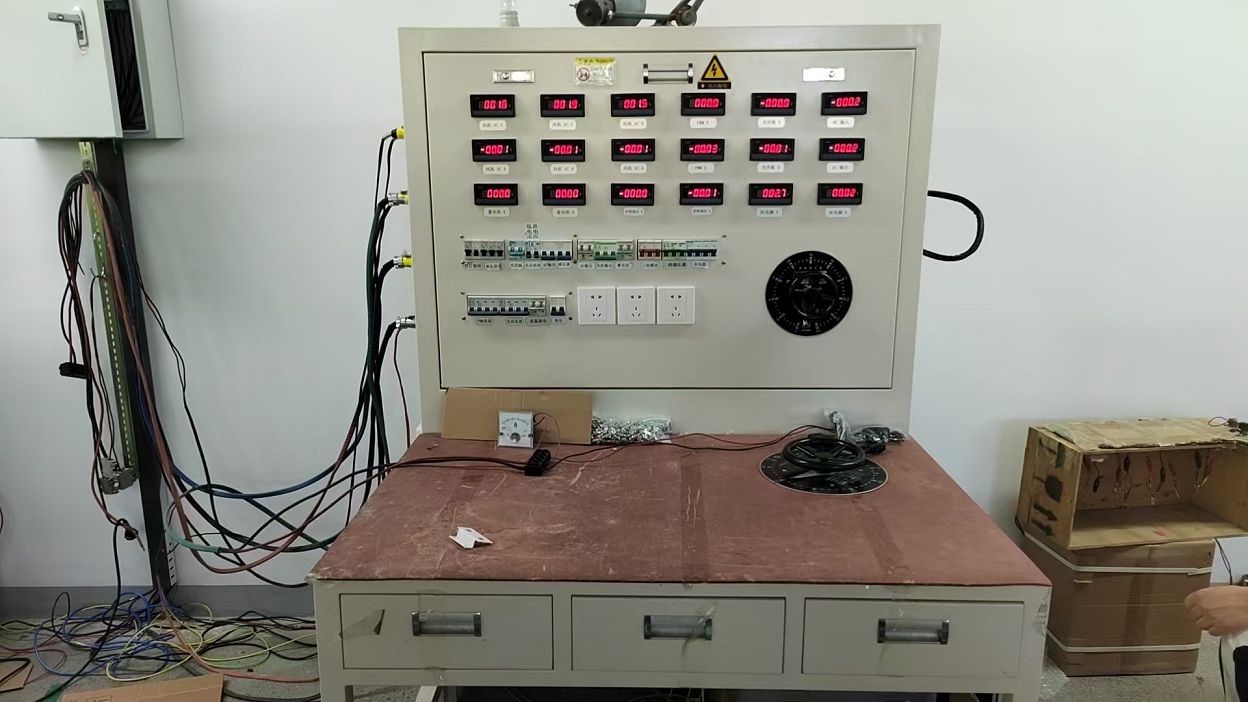
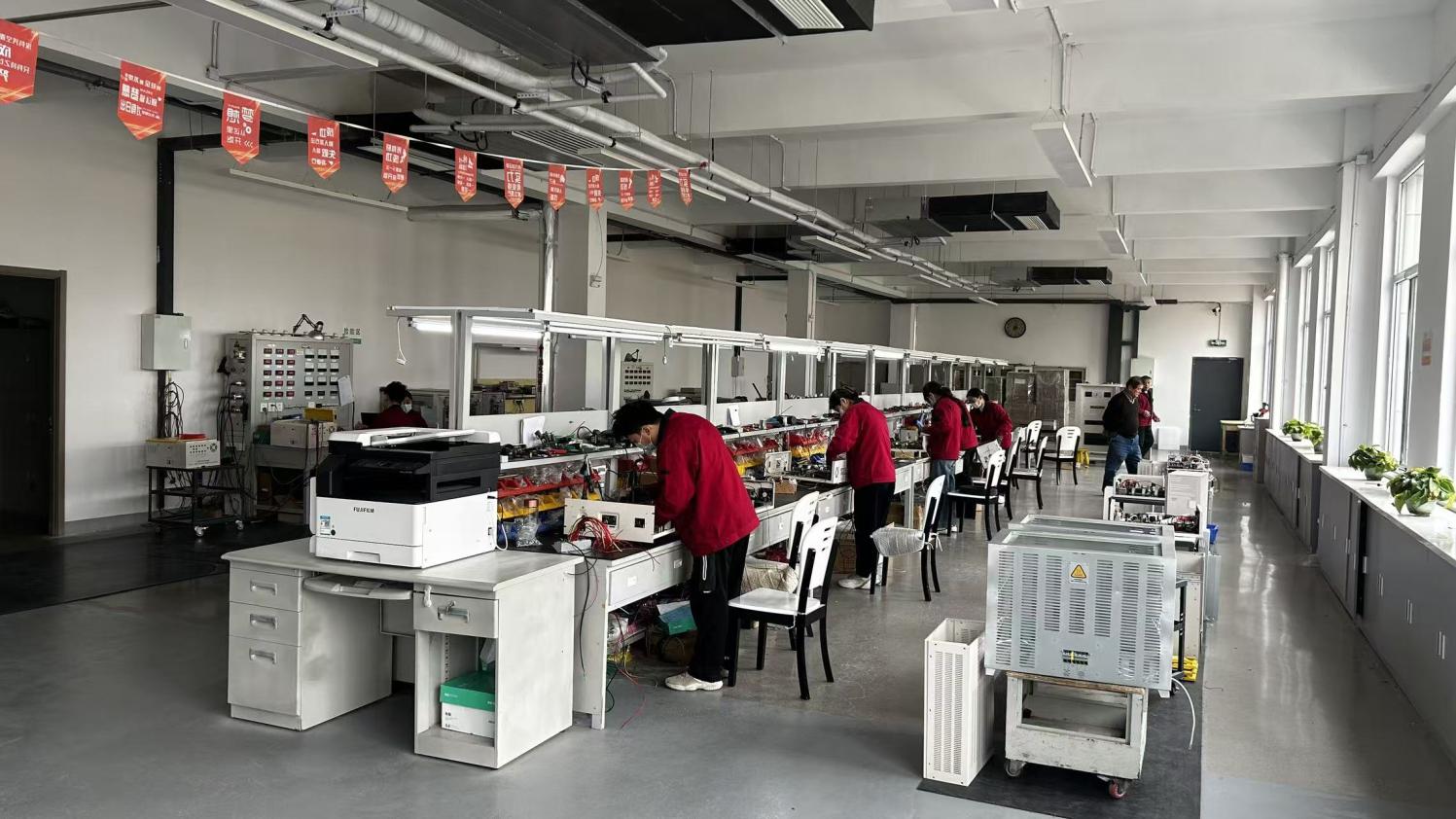
By combining automation (such as automated reflow soldering machines and specialized copper bar tooling) with meticulous manual wiring and double-checked crimps, we minimize infant mortality failures in power modules. Every PCB undergoes extensive visual, thermal, and functional testing before cabinet integration.
To guarantee that our systems operate reliably under grid anomalies and load surges, our laboratory is equipped with precision calibration and analysis tools. We evaluate semiconductors, inductors, capacitors, and overall power systems under varying loads.
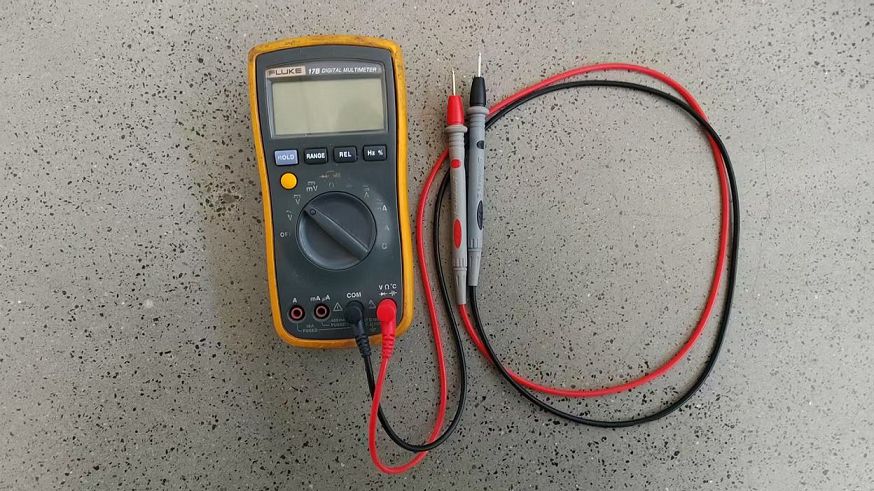
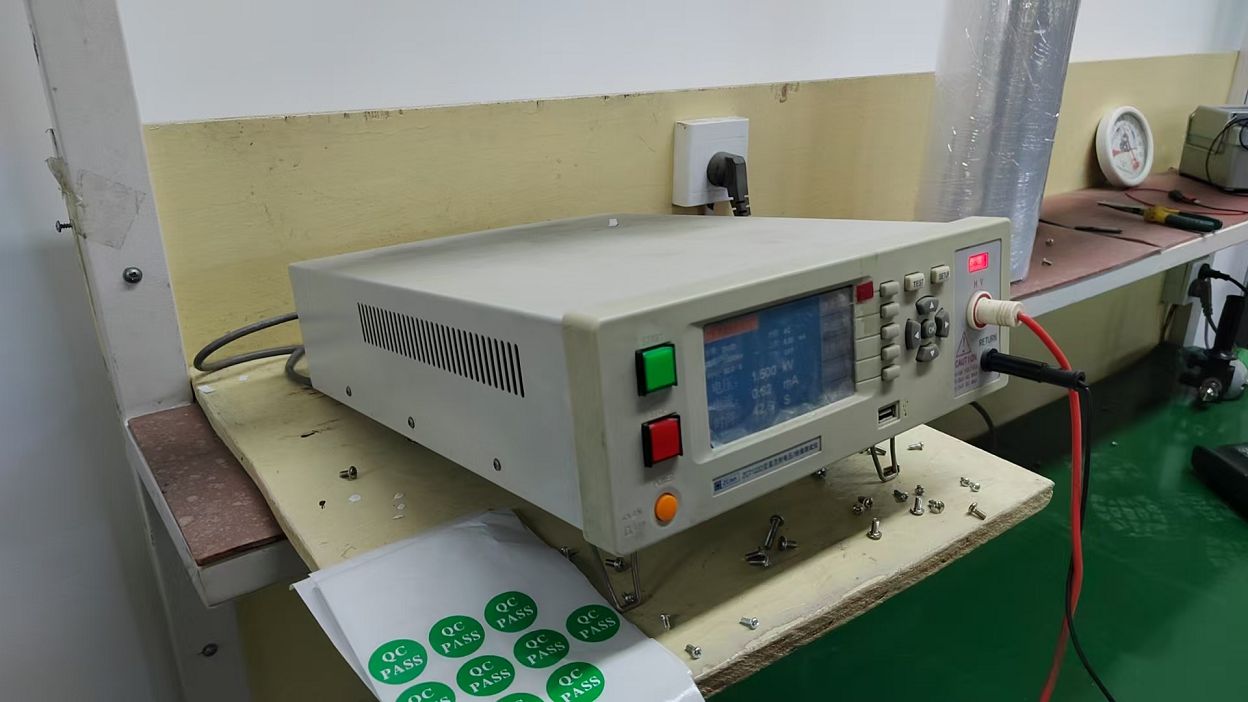
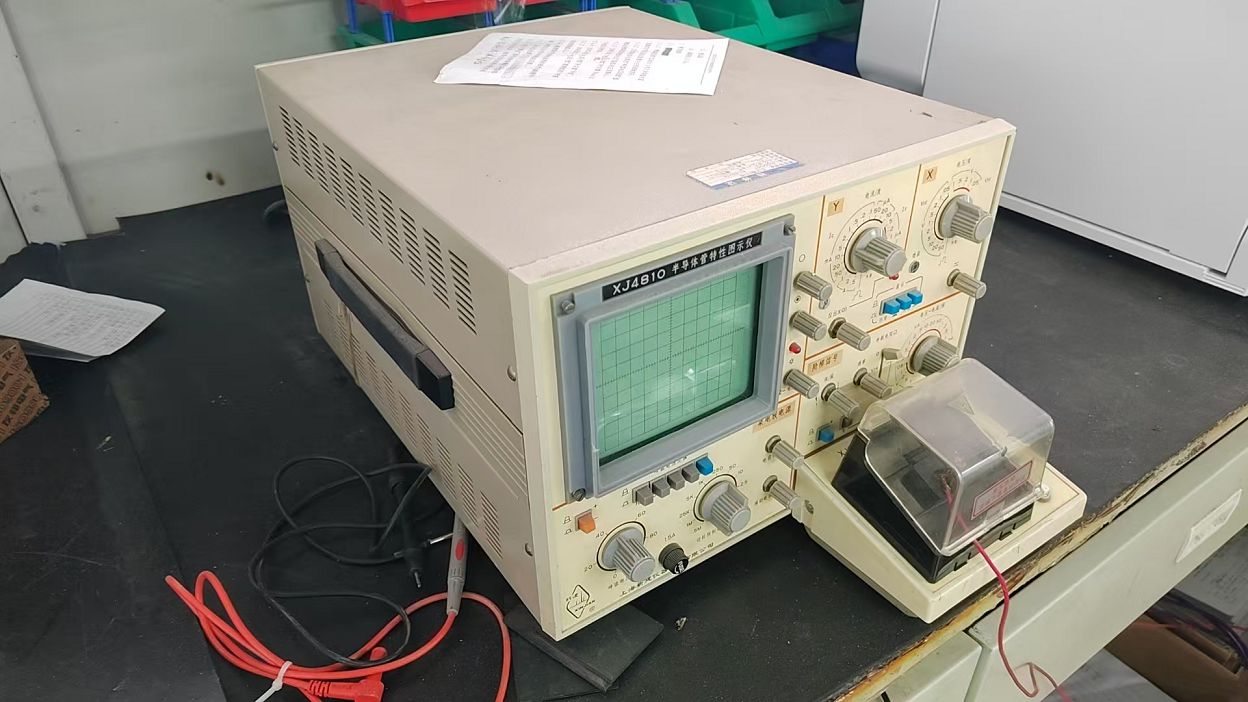
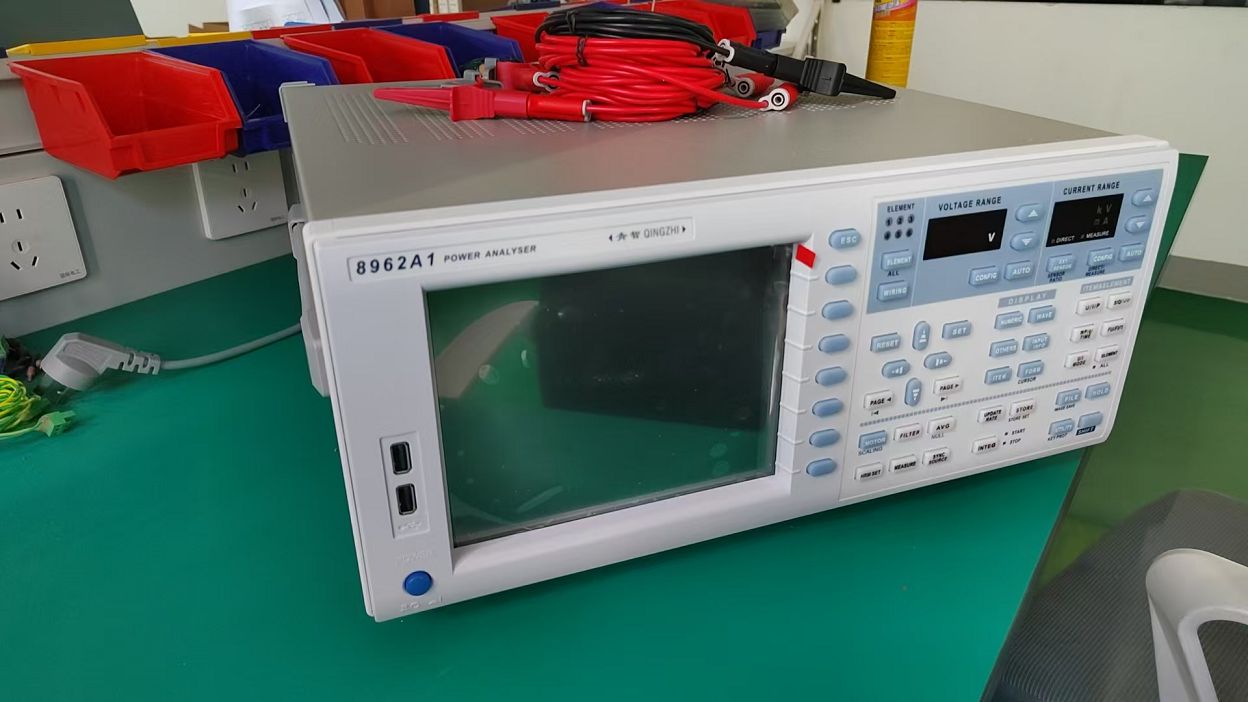
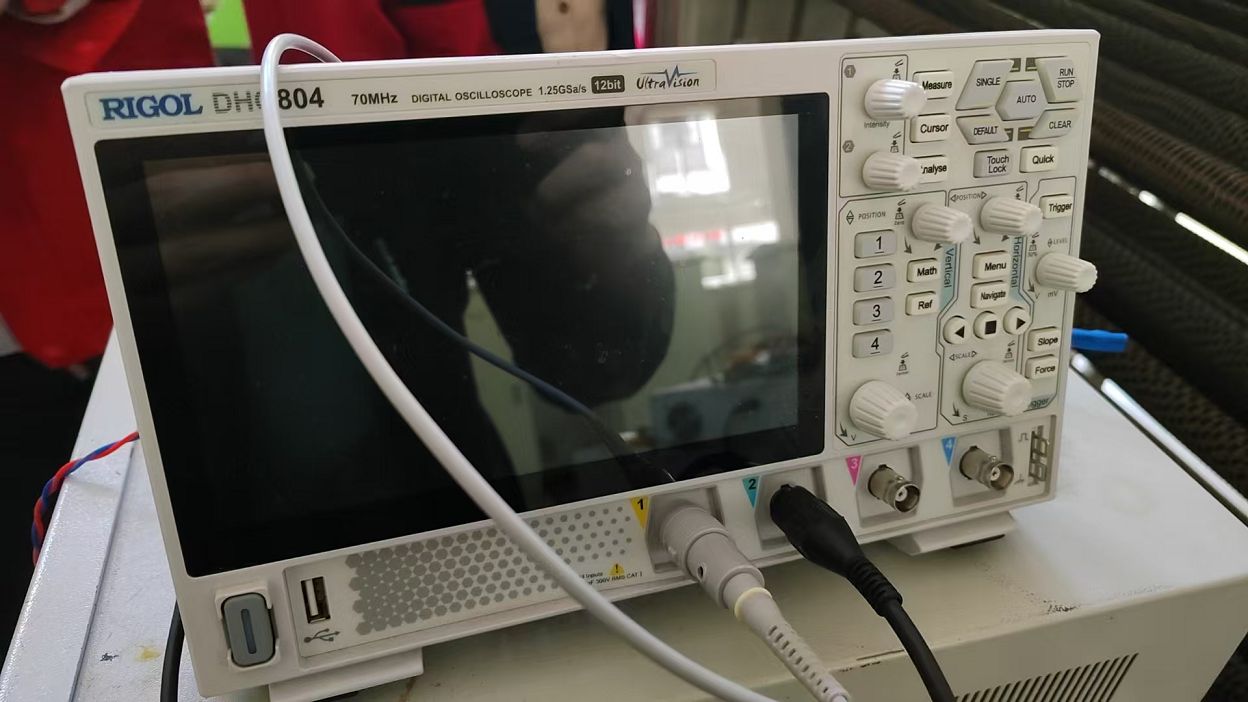
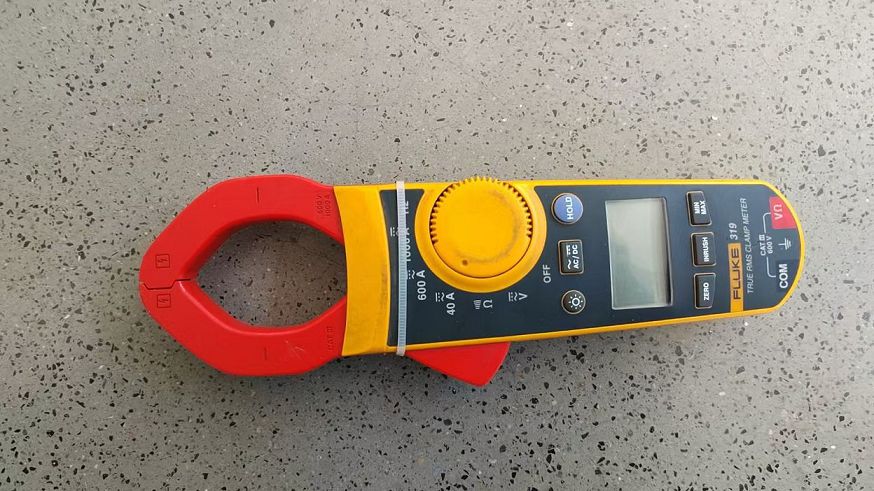
With digital oscilloscopes, LCR autotesters, semiconductor characteristic plotters, and power quality analyzers, our engineering teams inspect waveforms, verify transient responses, and eliminate harmonic distortions prior to packaging.
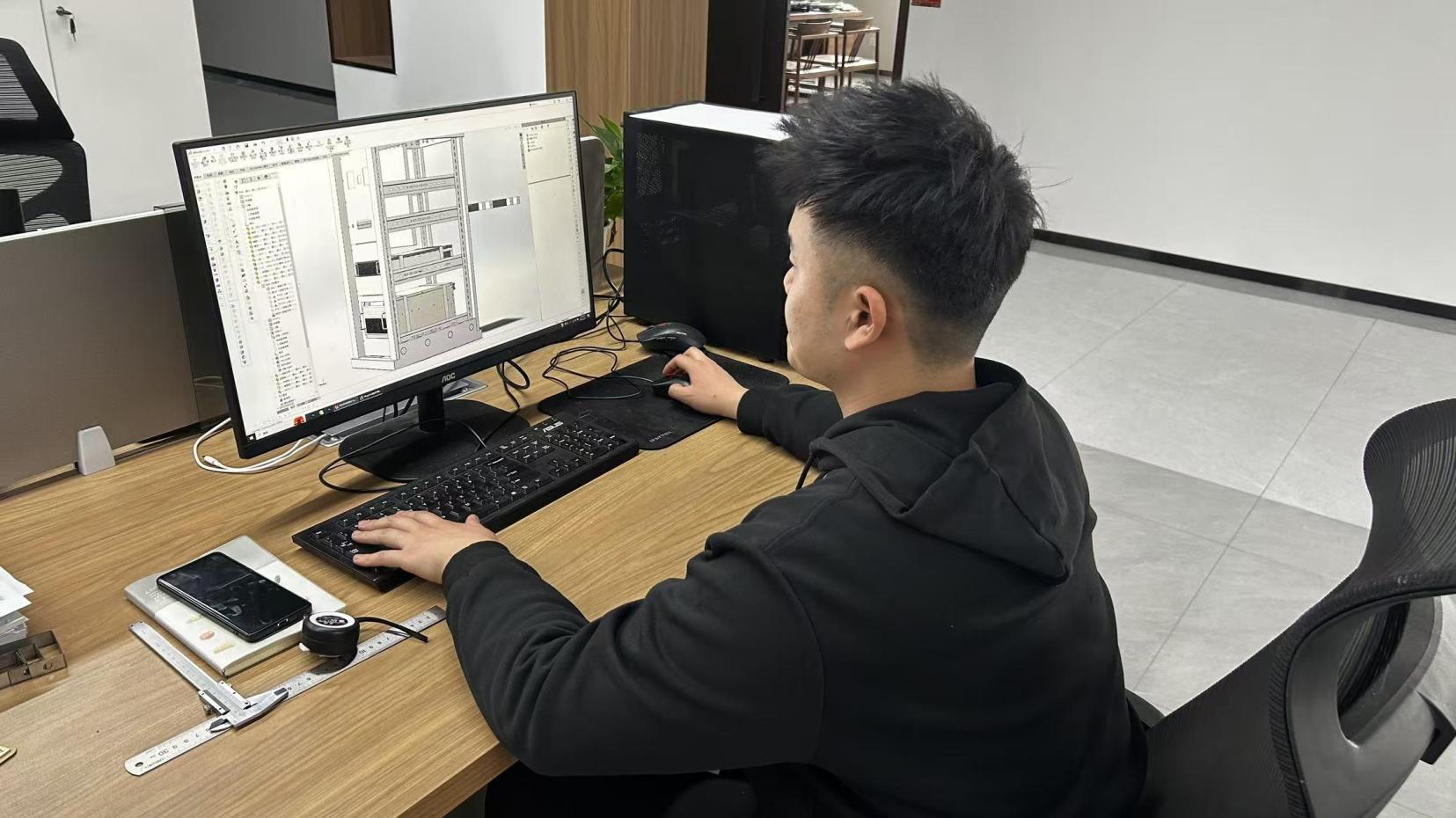
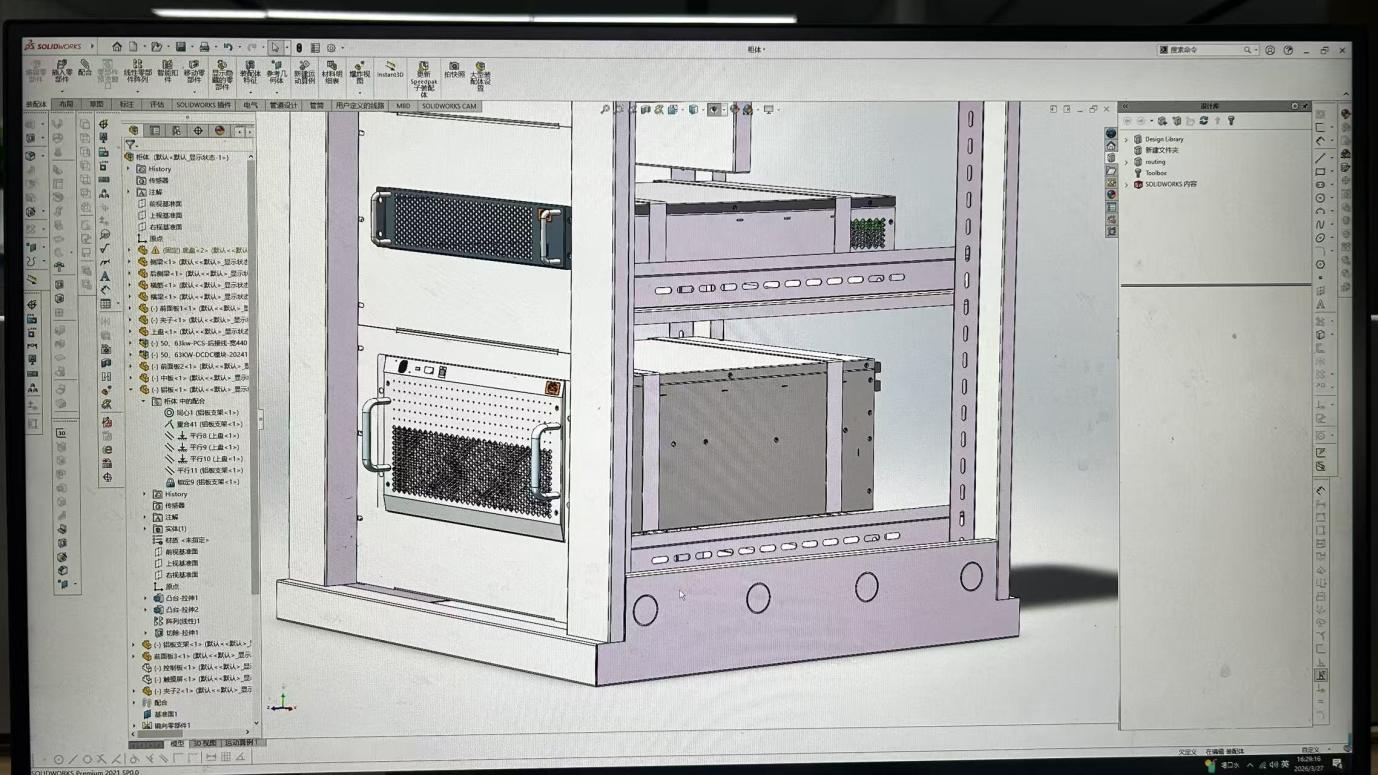
The field of industrial power electronics is shifting from simple, reactive protection devices to active, predictive grid assets. As wind and solar generation sources increase, microgrids face challenges related to low rotational inertia. The future of energy management depends on the adoption of advanced control algorithms and wide-bandgap semiconductor devices.
| Technology Vector | Current Standard (Silicon IGBT) | Next-Gen Integration (SiC / GaN & AI) | Operational Advantage |
|---|---|---|---|
| Semiconductor Base | Conventional Silicon IGBTs with thermal cooling limits | Silicon Carbide (SiC) switching topologies | Reduces switching losses, increases density, and allows higher operating temperatures. |
| Dynamic Grid Response | Grid-following phase-locked loops (PLL) | Grid-forming (GFM) virtual synchronous generator control | Stabilizes isolated microgrids by actively emulating physical rotor inertia. |
| Control Layer | Rule-based SCADA scheduling and reactive limiters | Edge AI predictive state-of-charge (SoC) management | Optimizes battery life and maximizes local solar/wind utilization. |
An energy management system cannot operate in isolation; it must comply with local utility grid requirements. Requirements such as IEEE 1547 in North America, VDE-AR-N 4110 in Germany, and local AS4777 rules in Australia mandate strict reactive power support, low-voltage ride-through (LVRT) capacities, and precise frequency control.
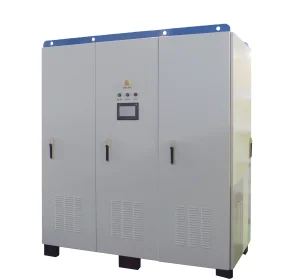
To address these diverse demands, Deming designs flexible conversion systems. Our AC/DC converters support dual frequency configurations (50Hz / 60Hz) and a range of voltages (from 220V up to 480V, 6.6kV, and 11kV configurations). Our technical support teams work with clients from initial feasibility modeling through grid simulation testing to final system commissioning.
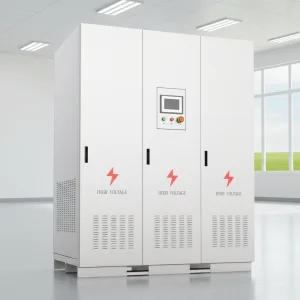
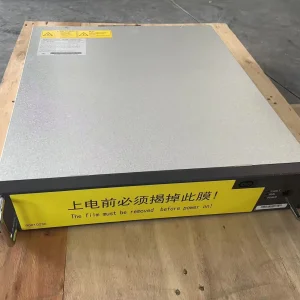
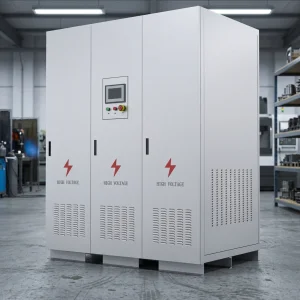
High-capacity equipment engineered for heavy industrial and utility applications.
 Demin Power