Engineered to support clean energy transitions, our primary distributed generation controllers, power conversion modules, and automatic voltage regulators optimize stability across C&I microgrid systems.
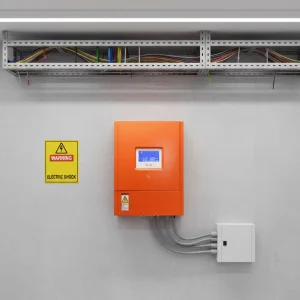
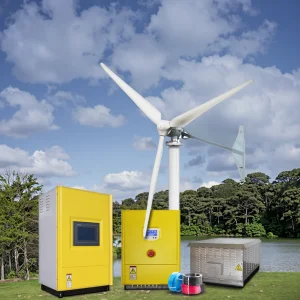
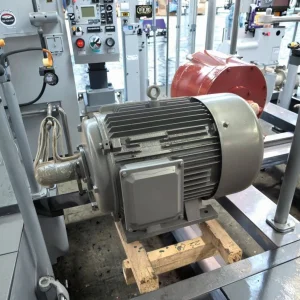
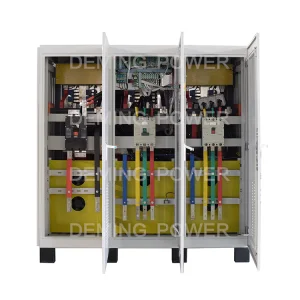
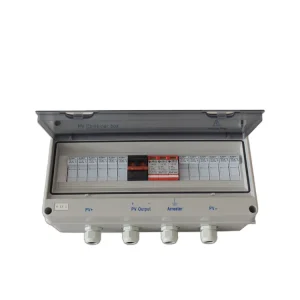
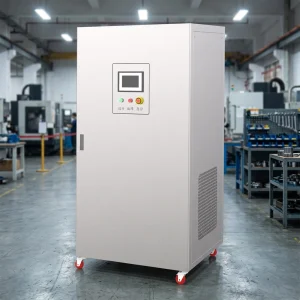
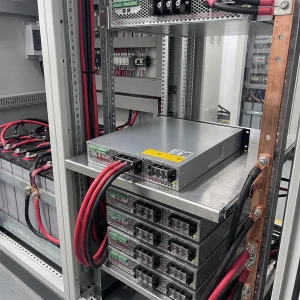
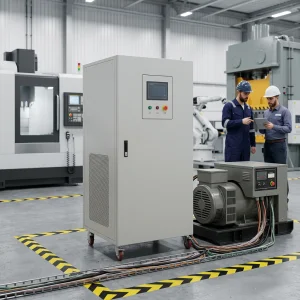
The global energy transition has elevated microgrids from localized experimental circuits to vital, utility-scale infrastructure. Driven by rising grid tariffs, increasingly frequent extreme weather events, and stringent decarbonization mandates, businesses worldwide are adopting resilient microgrids. Unlike standard backup generators, modern microgrids leverage integrated Distributed Energy Resources (DERs), combining solar photovoltaics, wind energy, small hydro, and battery energy storage systems (BESS) into a single, cohesive power environment.
In North America and Europe, C&I microgrids are primary tools for peak shaving and demand response, allowing businesses to avoid heavy peak electricity pricing. In developing regions, microgrids function as the primary supply of power, ensuring stable electricity for mining, heavy manufacturing, and remote agricultural communities. By integrating high-power bi-directional DC-DC converters, variable frequency voltage regulators, and advanced energy storage systems, modern enterprises can switch dynamically between grid-tied and islanded modes, shielding vital operations from external grid disruptions.
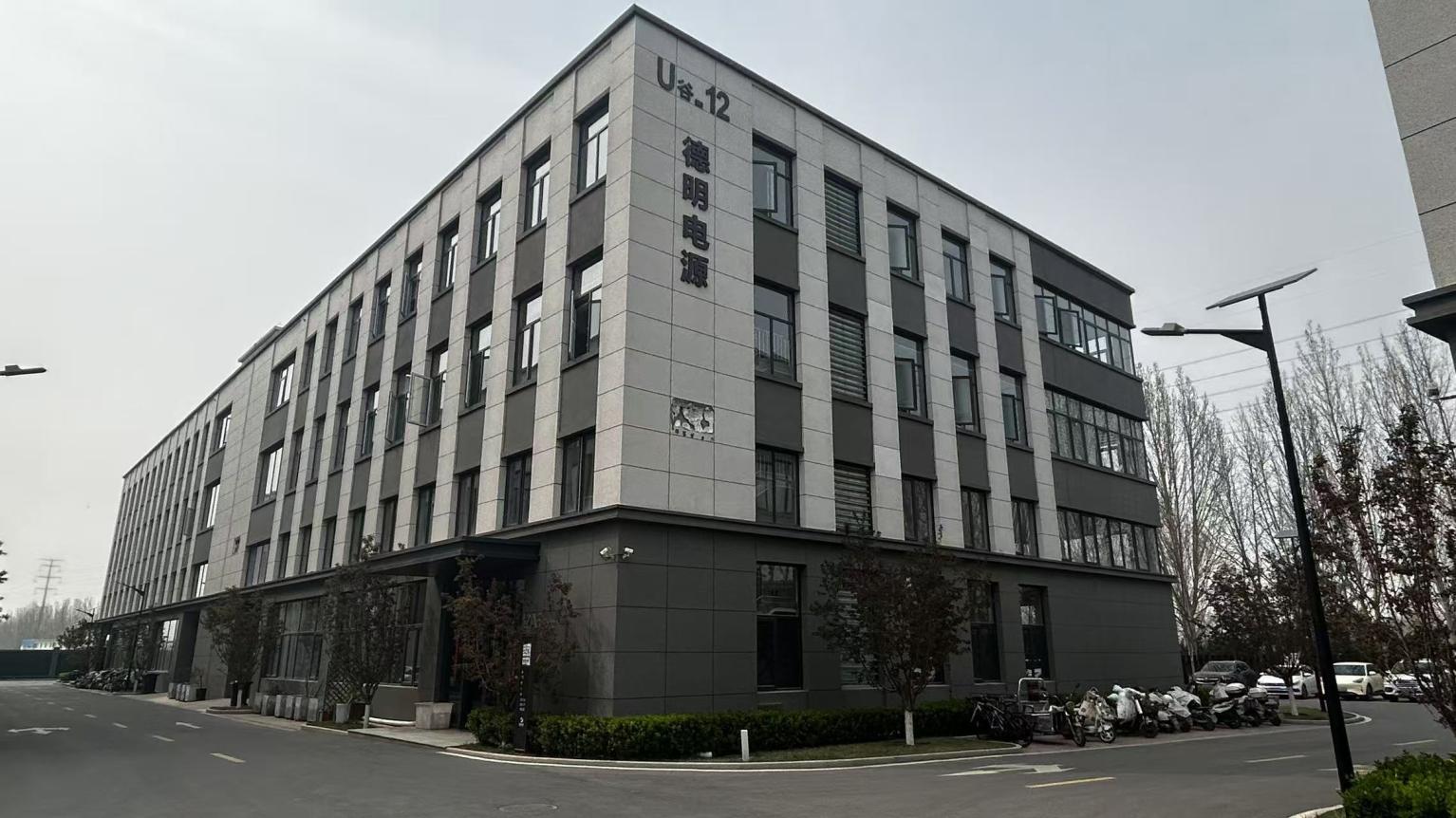
Established in 2004, Jinan Deming Power Equipment Co., Ltd. is a nationally recognized high-tech enterprise specializing in the research, development, and manufacture of advanced renewable energy power equipment.
Jinan Deming Power Equipment Co., Ltd. is a nationally recognized high-tech enterprise established in 2004, specializing in the research, development, production, and service of renewable energy power equipment and advanced power testing solutions. The company holds ISO9001:2015 certification and has been recognized as a high-tech enterprise by the Chinese government multiple times (2015, 2018).
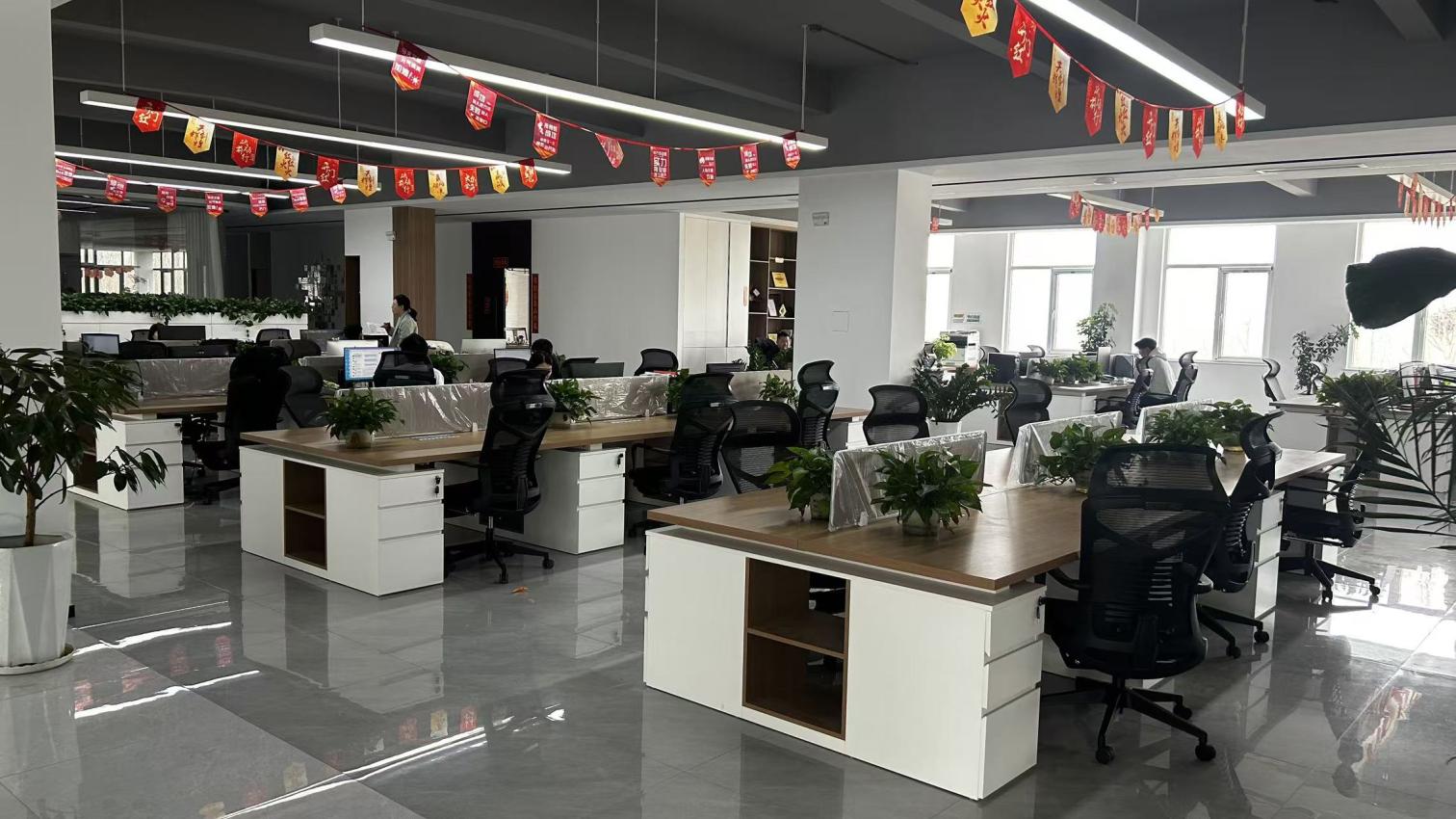
With a dedicated R&D team of 16 engineers including doctoral supervisors and master's degree holders, Deming invests no less than 20% of annual sales revenue into technology development. The company has completed 17 R&D projects in the last three years with 16 scientific and technological achievements transformed into commercial products.
Deming's products have been exported to 120+ countries including Germany, Japan, the United States, UK, Canada, Australia, and Brazil, and the company has established cooperative relationships with Fortune 500 enterprises. The company's main products include wind/solar controllers, inverters, frequency converters, and high-power bidirectional DC test power supplies and battery simulators ranging from 150kW to 500kW.
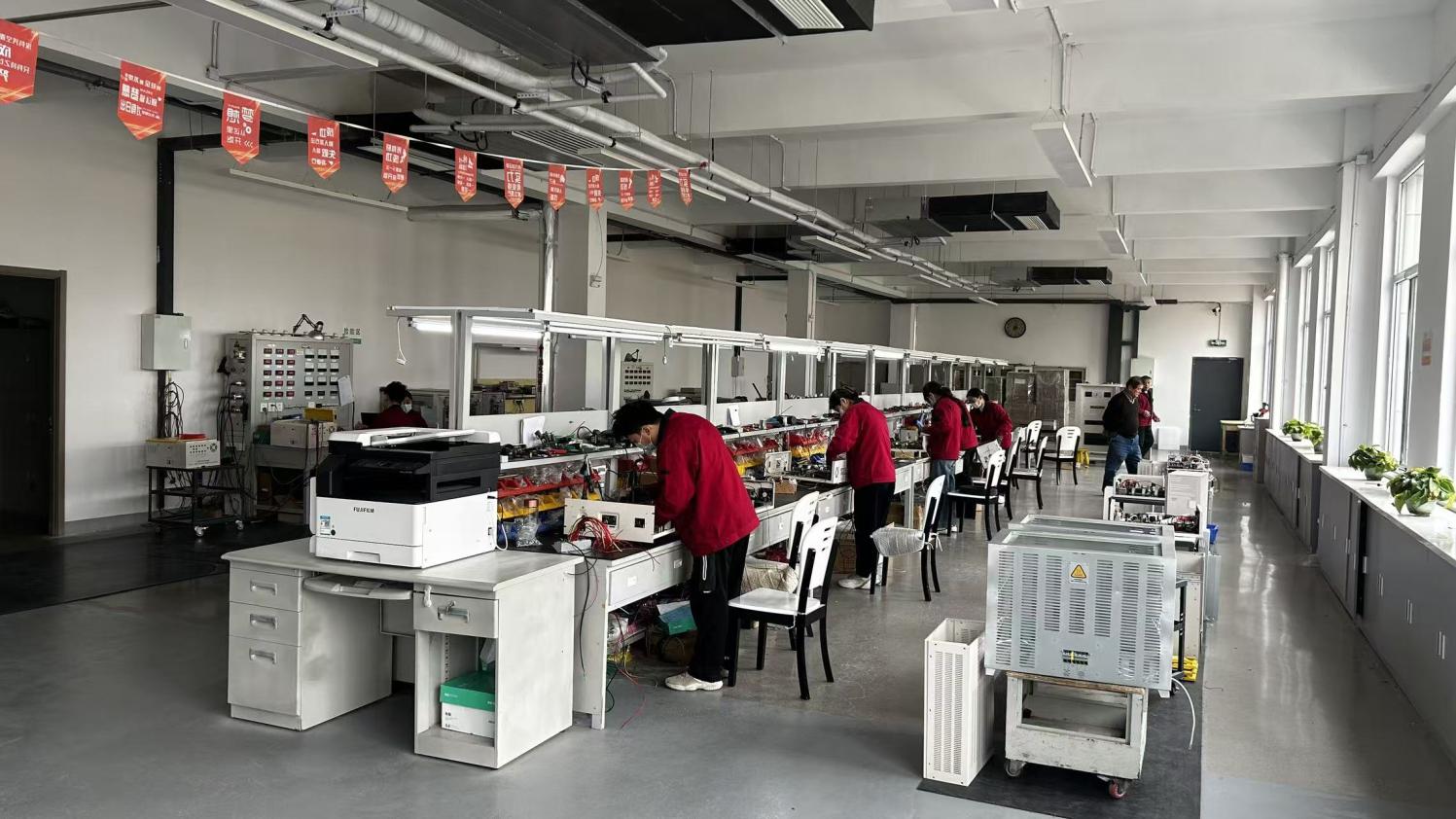
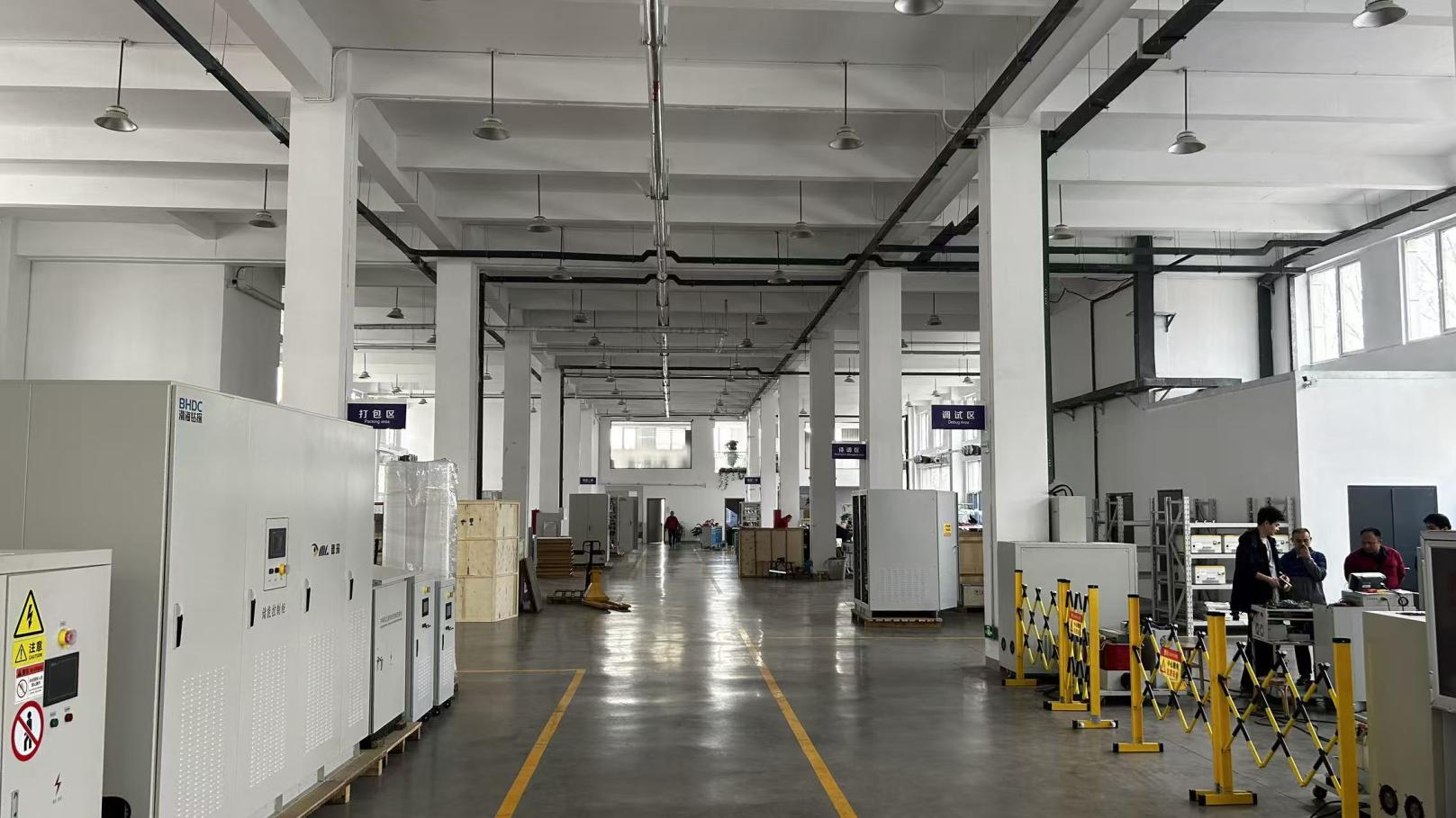
The primary strength of Chinese high-tech manufacturing lies in its deep supply chain integration. At Jinan Deming, our manufacturing workflow integrates raw material sourcing, heavy copper bar production, precision PCB surface mounting, and advanced load testing within a minimal geographic footprint. This integration allows us to significantly reduce production lead times while maintaining strict quality control standardizations across our high-power converters, wind grid-tie controllers, and bidirectional battery simulators.
 Assembly Line Overview
 Technical Testing Station
 Component Calibration
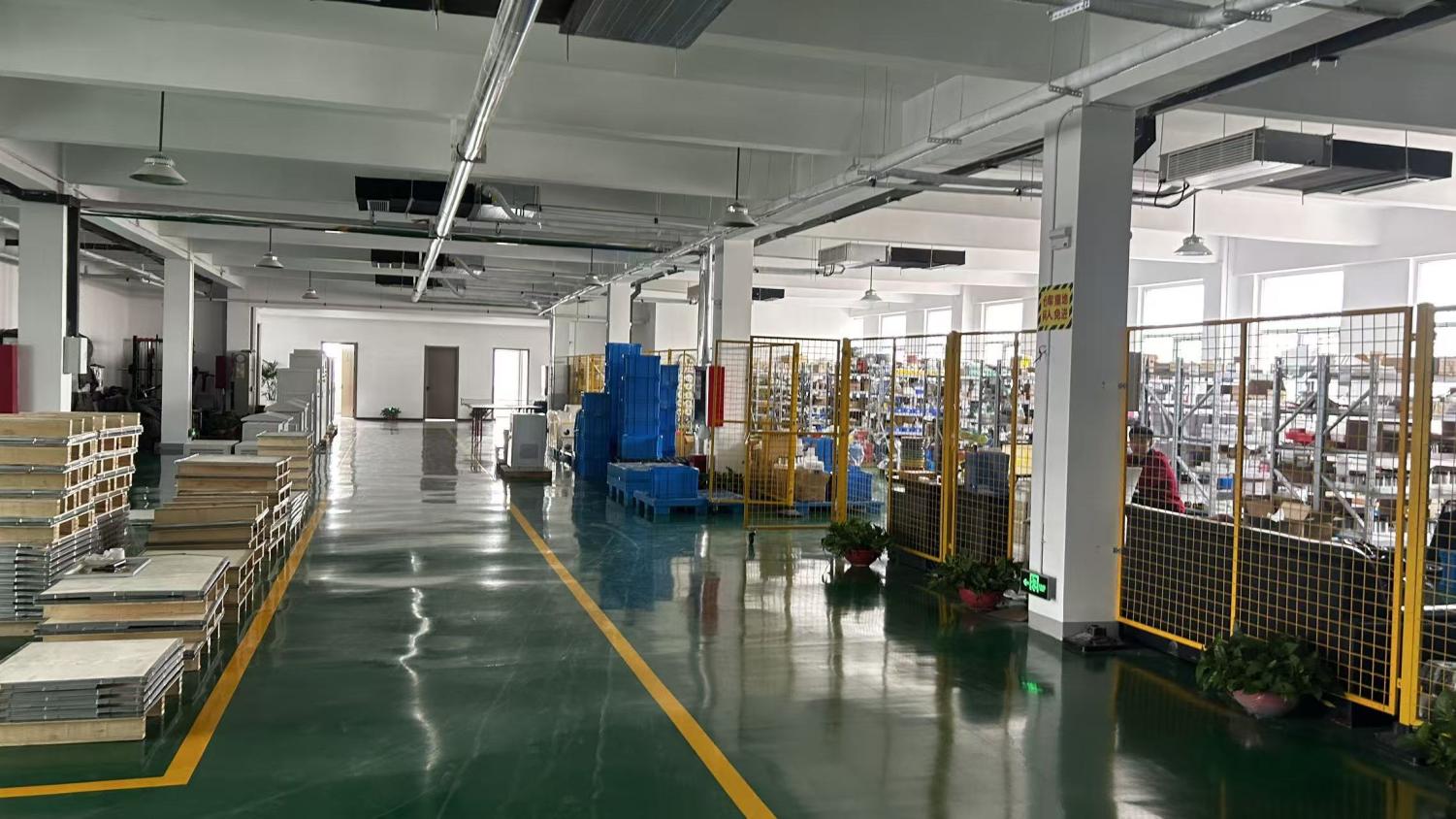 Heavy Power Unit Construction
 Finished Product Inspection Area
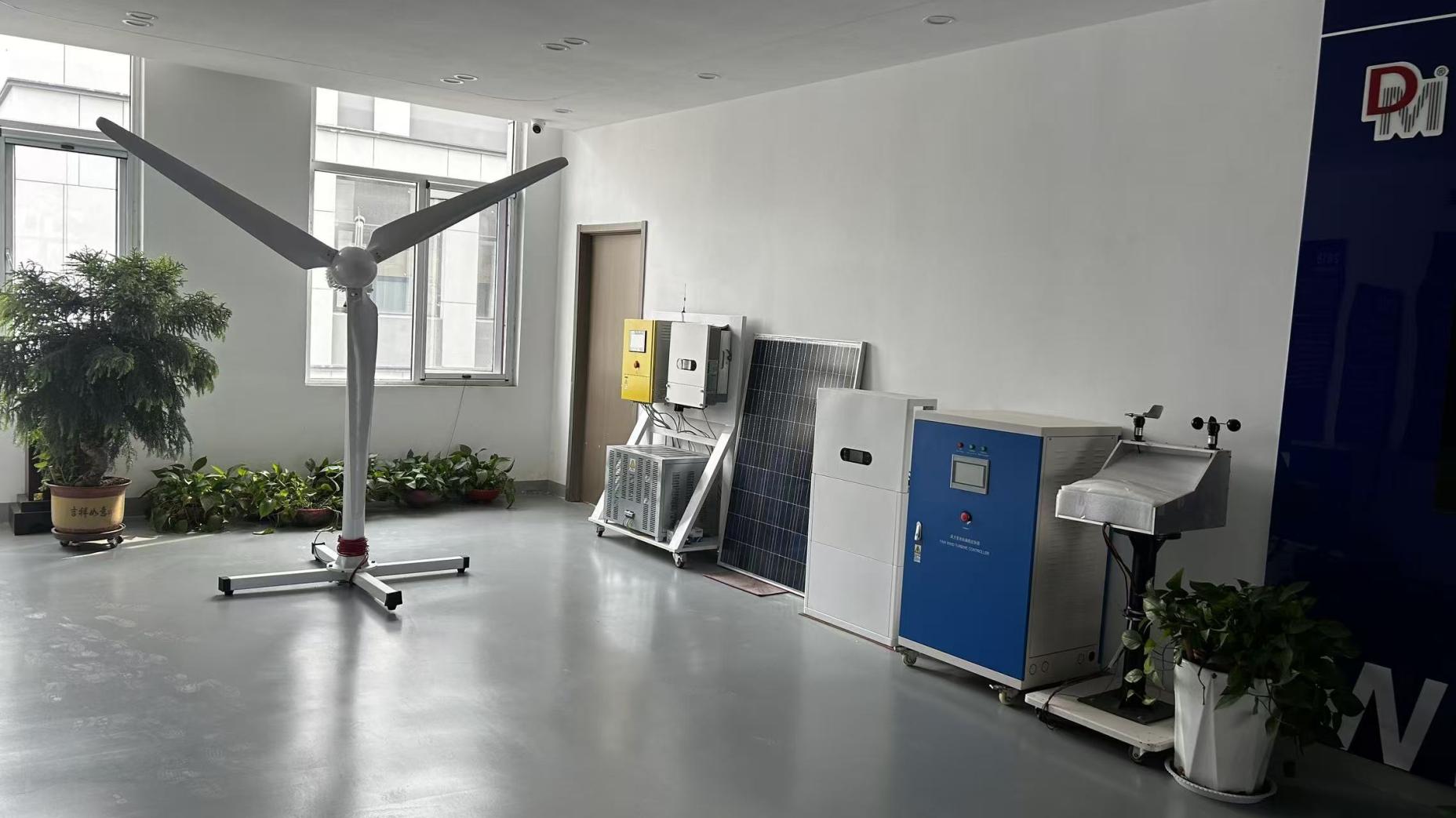 Custom Configuration Setup
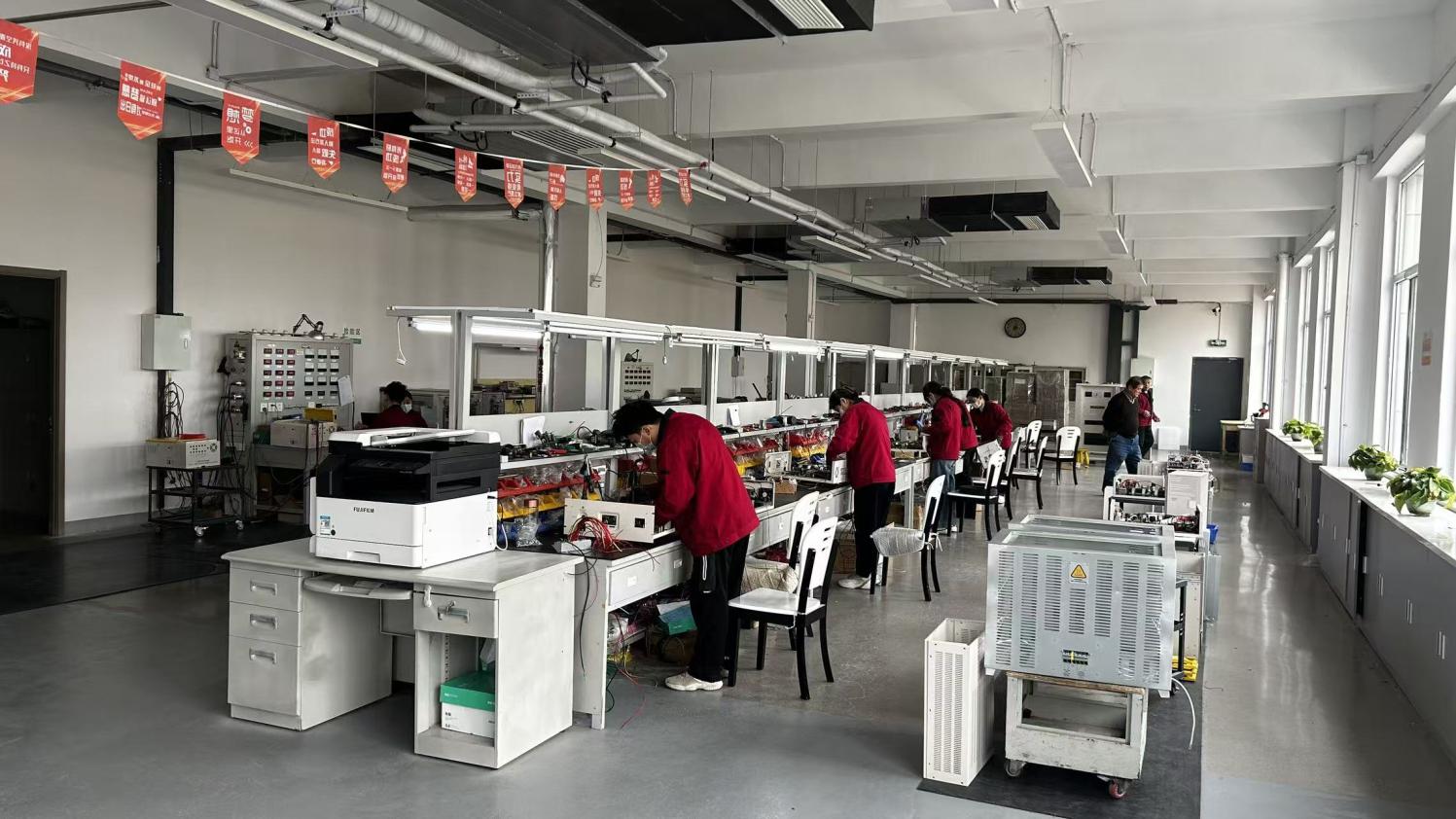 Circuit assembly
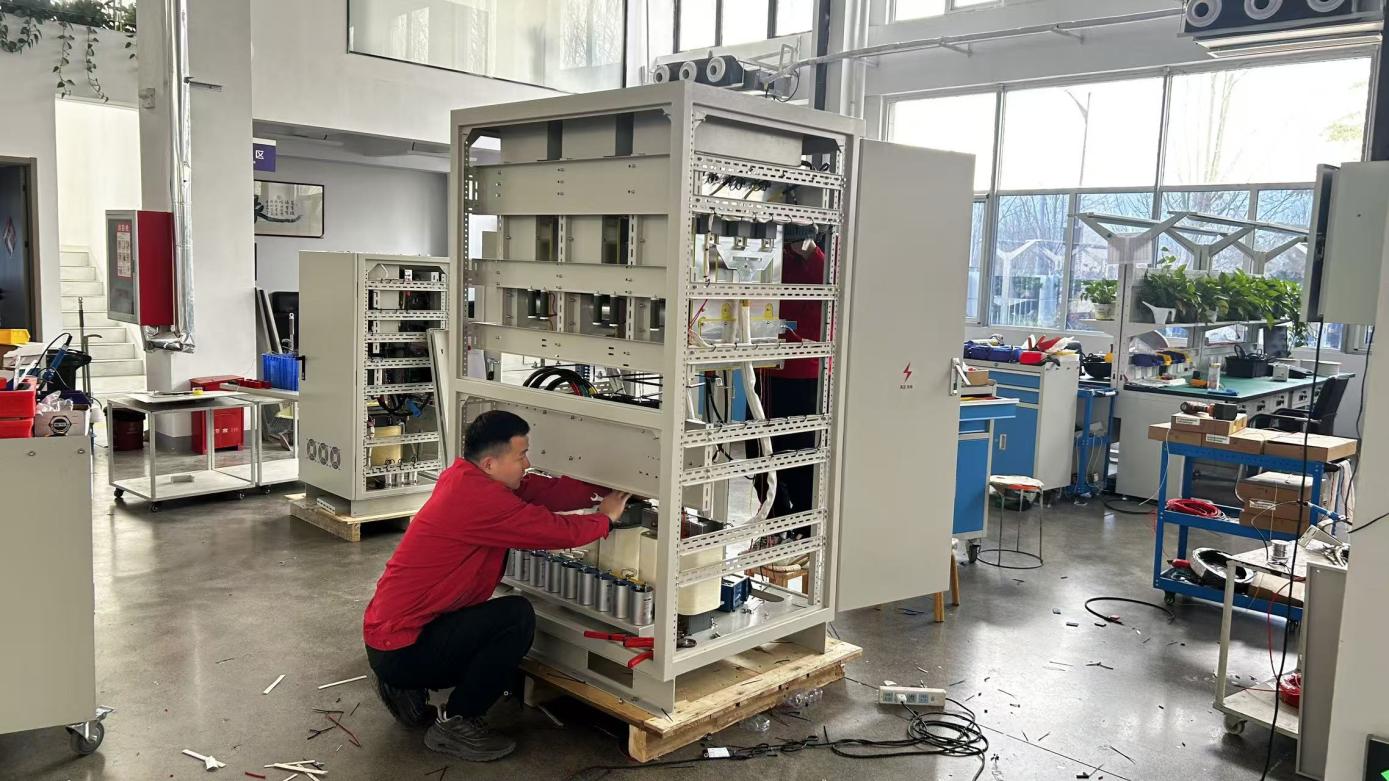 Circuit board assembly
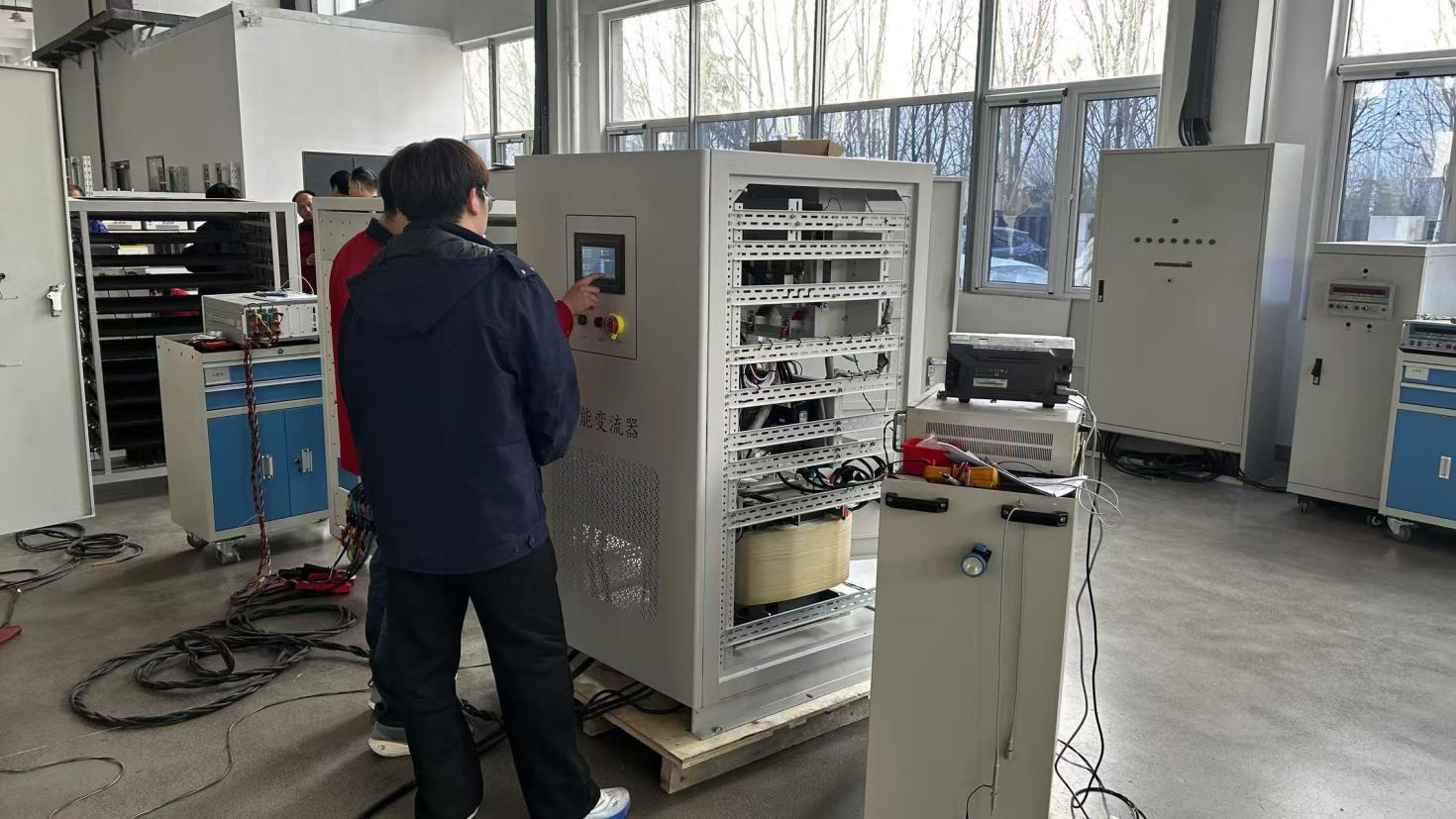 Debugging process
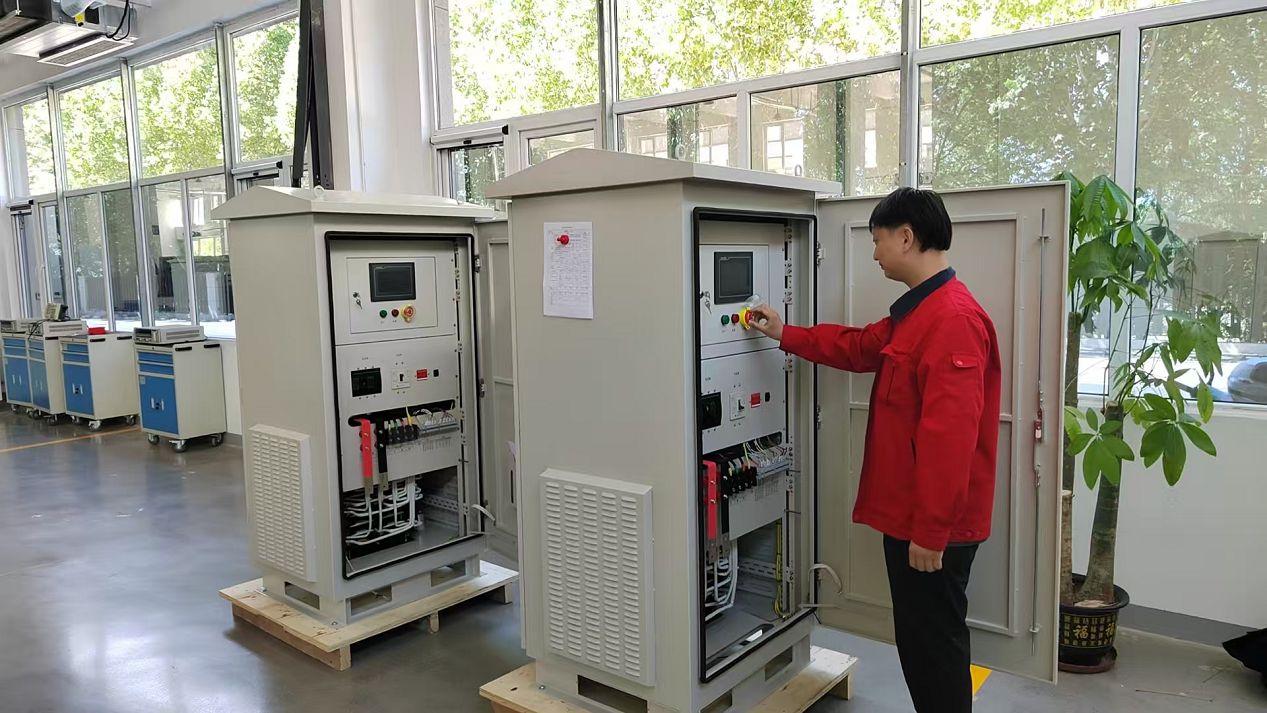 Quality inspection process
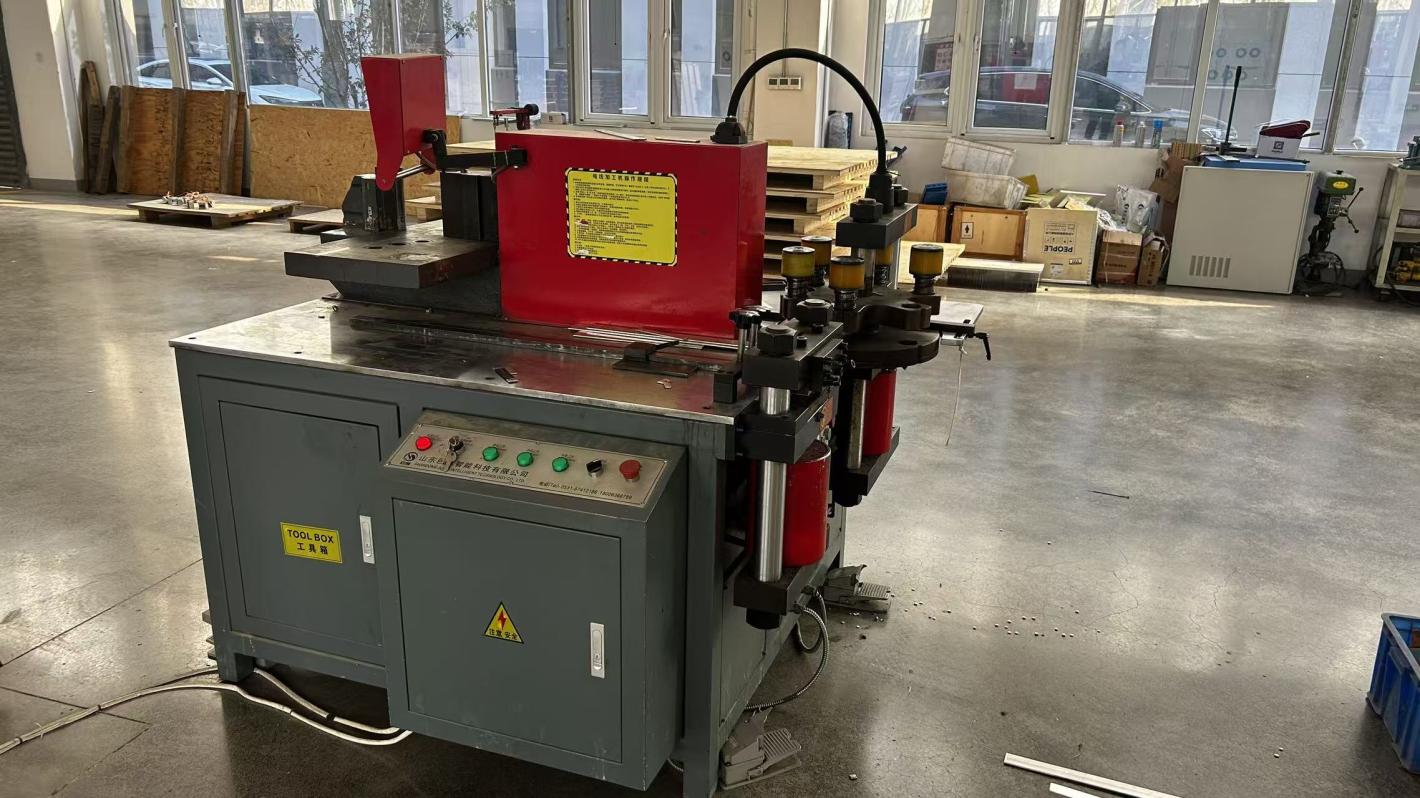 Copper bar production equipment
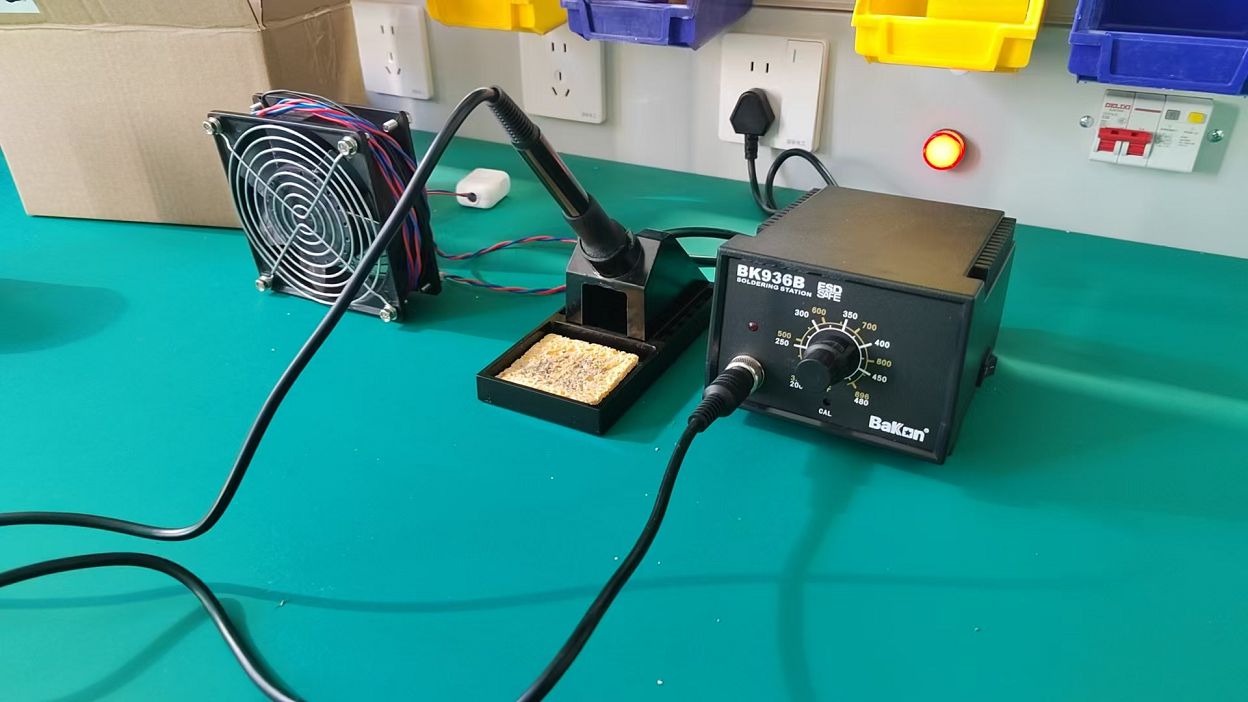 Electric ferrowire
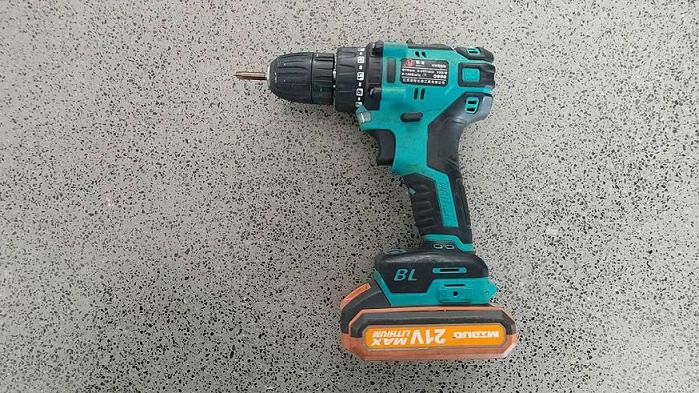 Electric drill
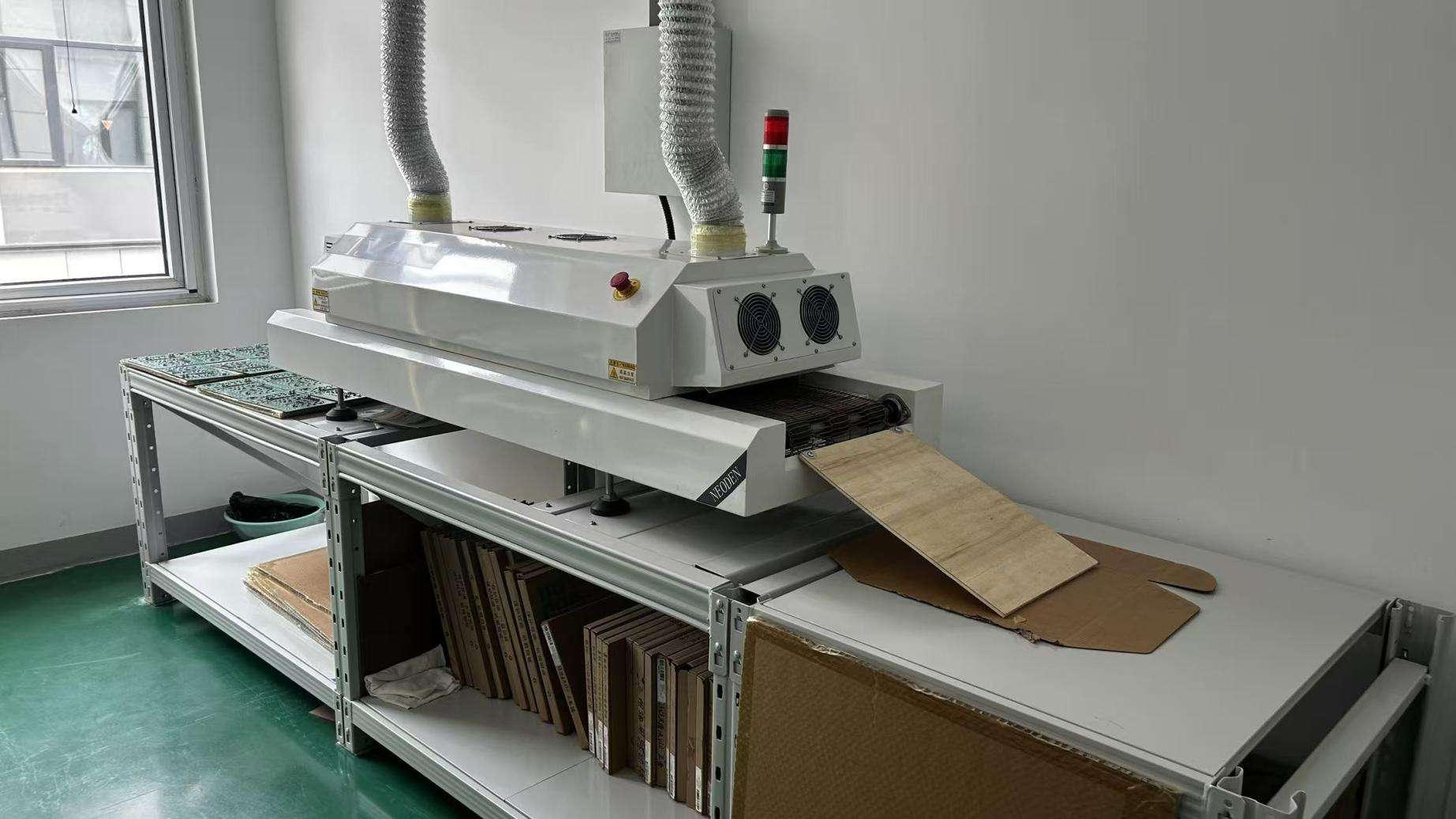 Reflow soldering machine
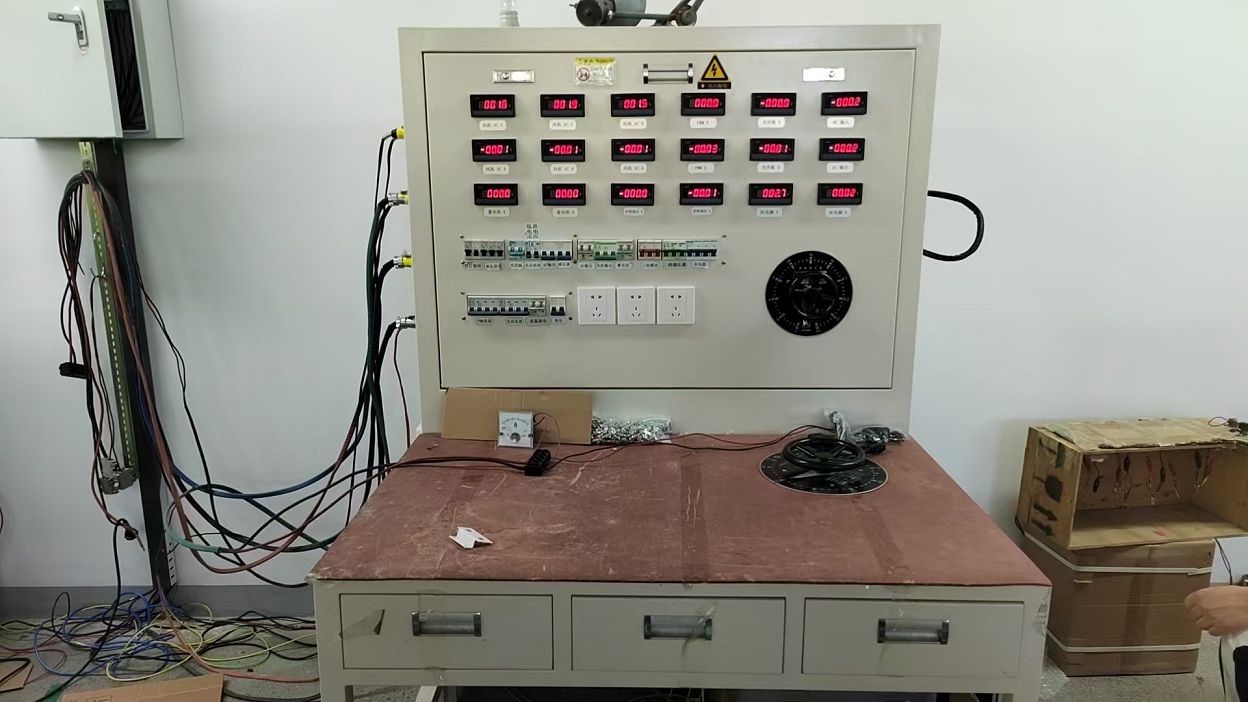 Workbench
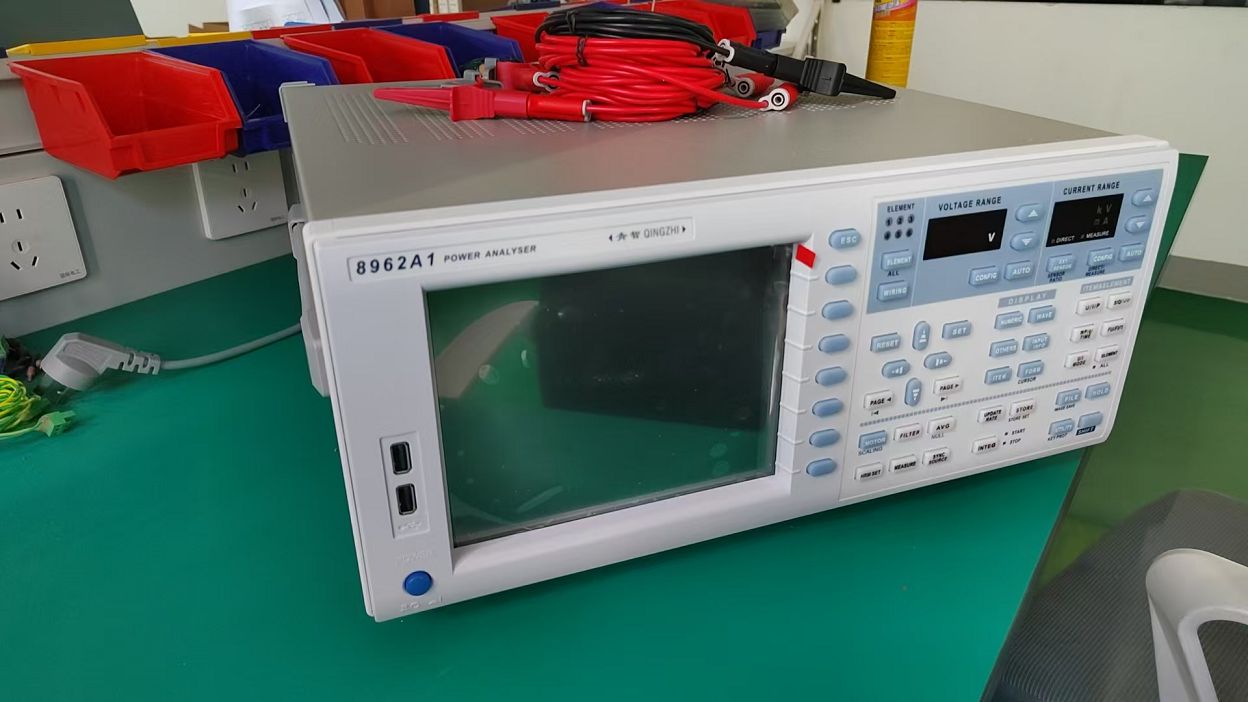
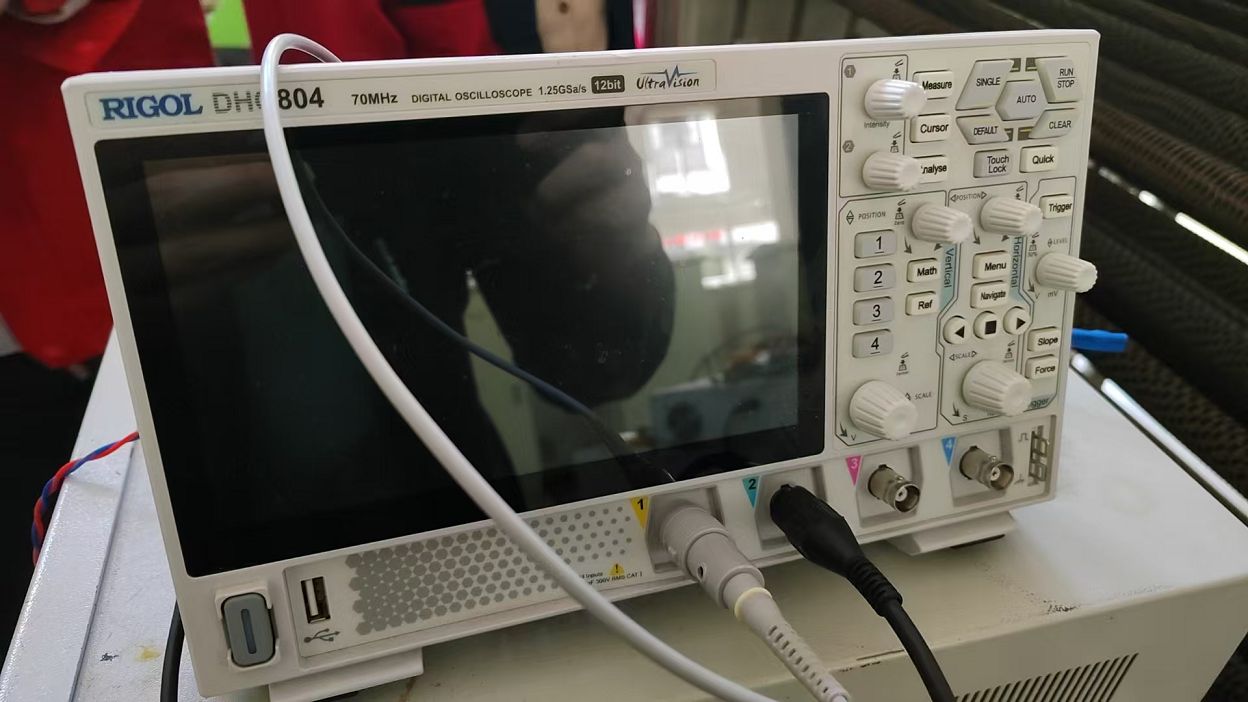
Ensuring reliability in microgrid components requires strict verification at every stage. We utilize professional testing equipment, from semiconductor characteristic plotters to digital oscilloscopes and power quality analyzers, guaranteeing that all equipment leaves our facility compliant with the highest international standards.
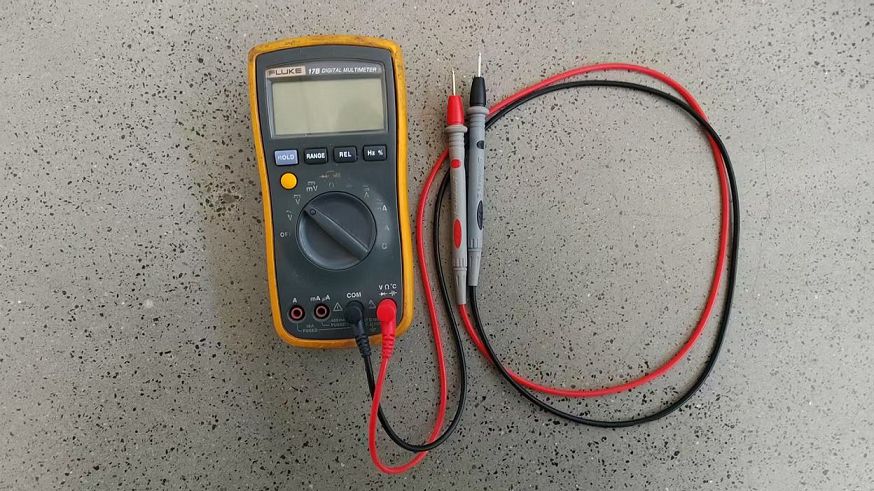 Multimeter
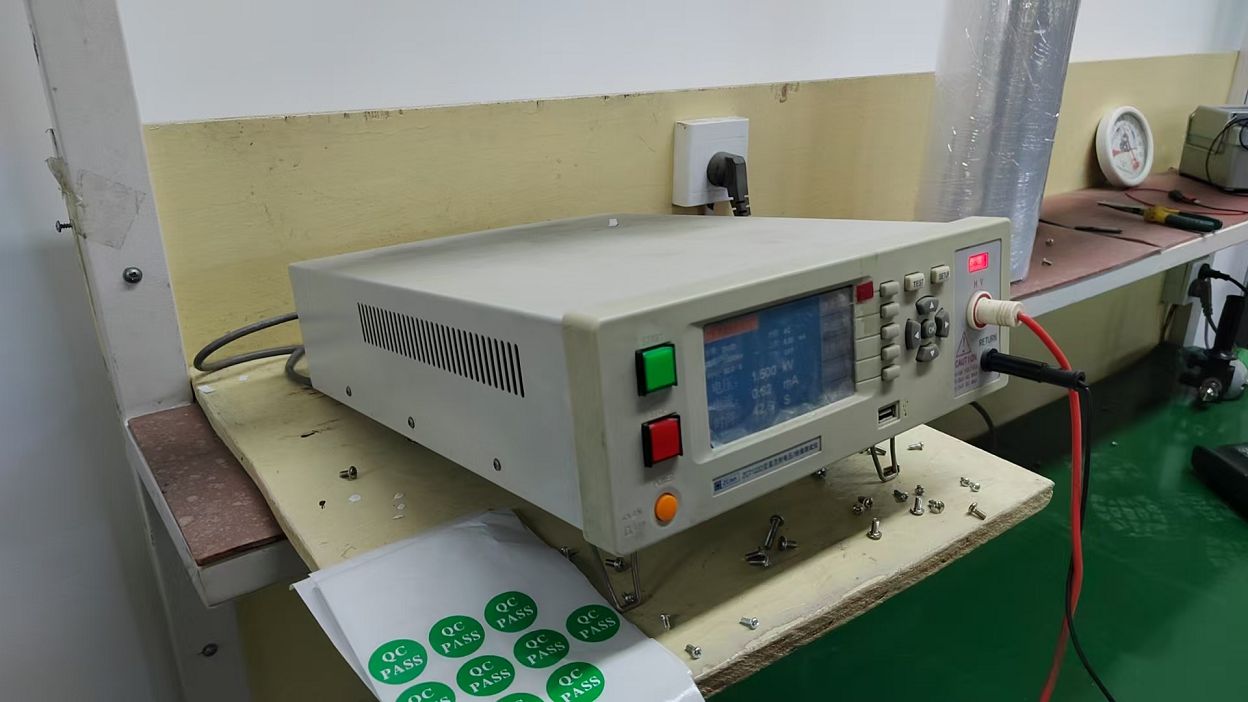 LCR AutoTester
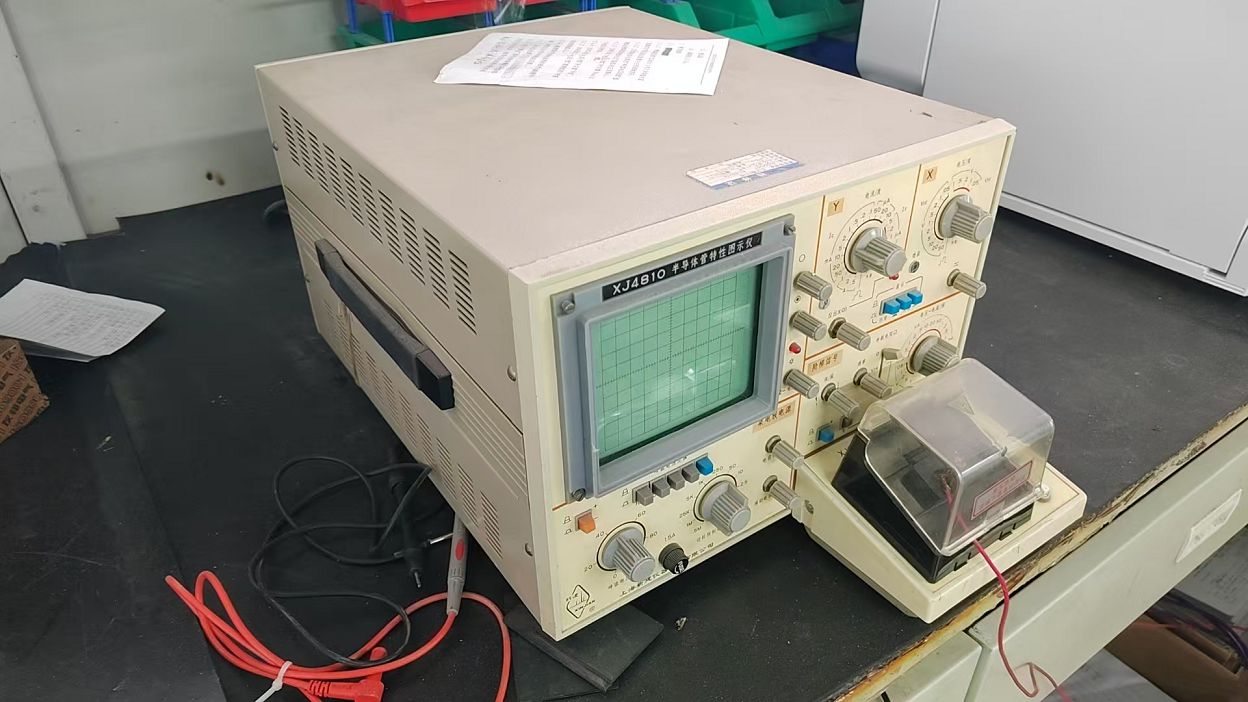 Semiconductor Characteristic Plotter
 Digital Oscilloscope
 Power Quality Analyzer
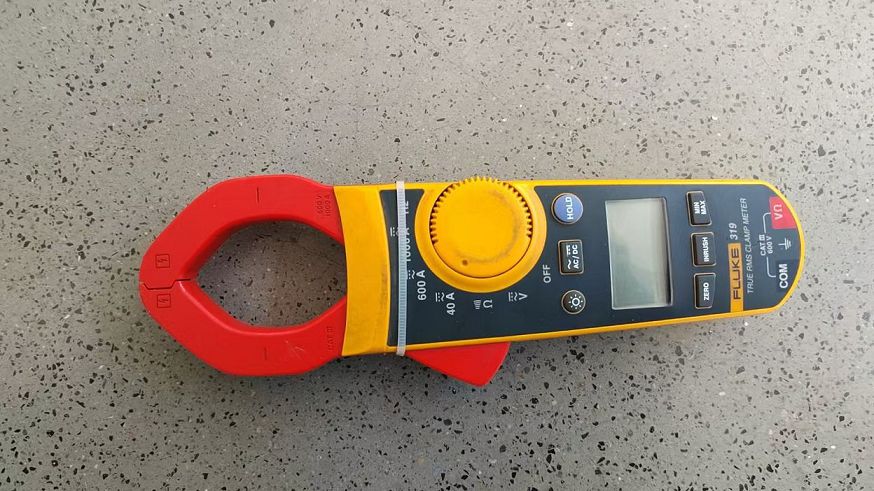 Clamp current meter
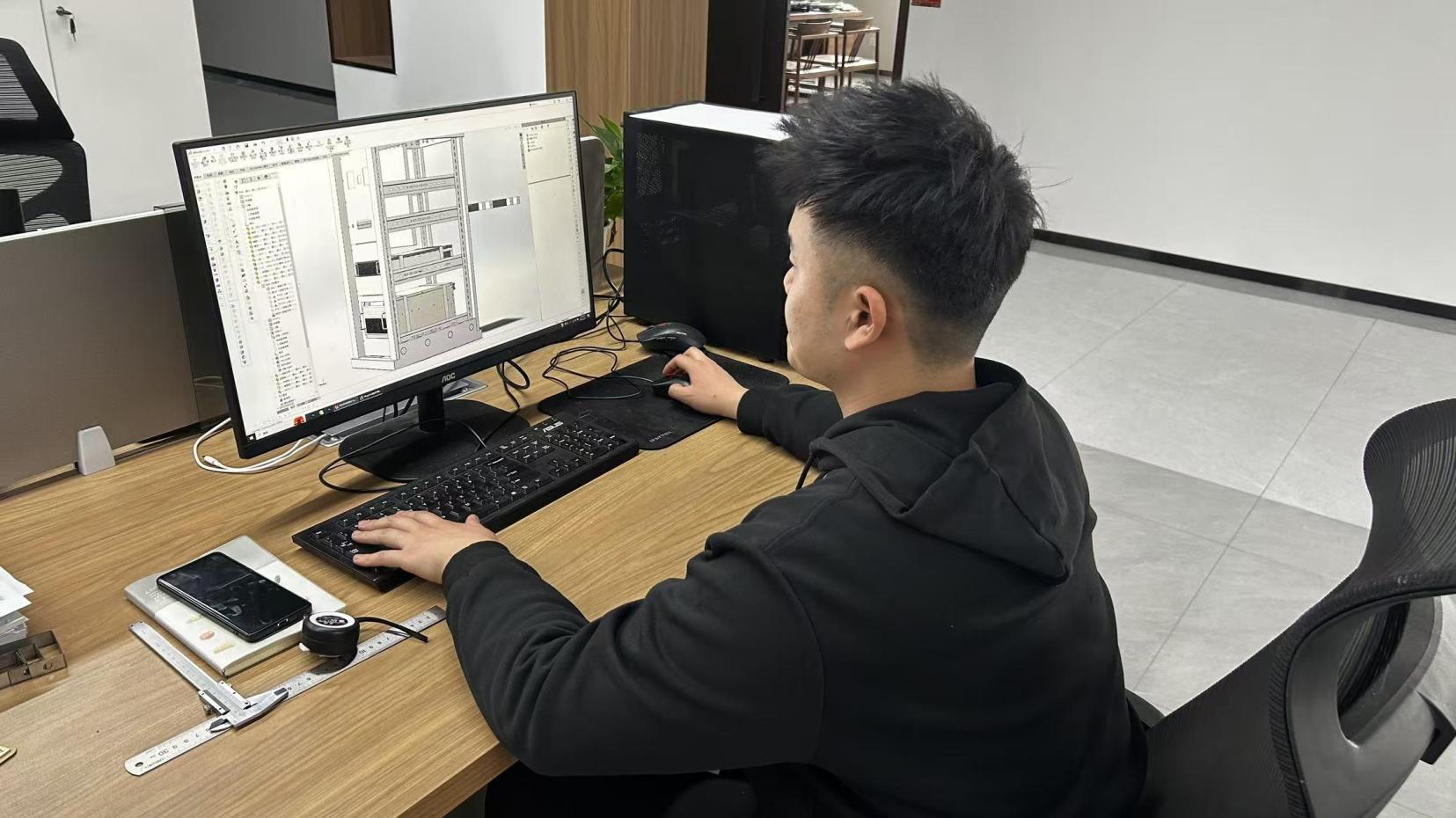 Drawing Design
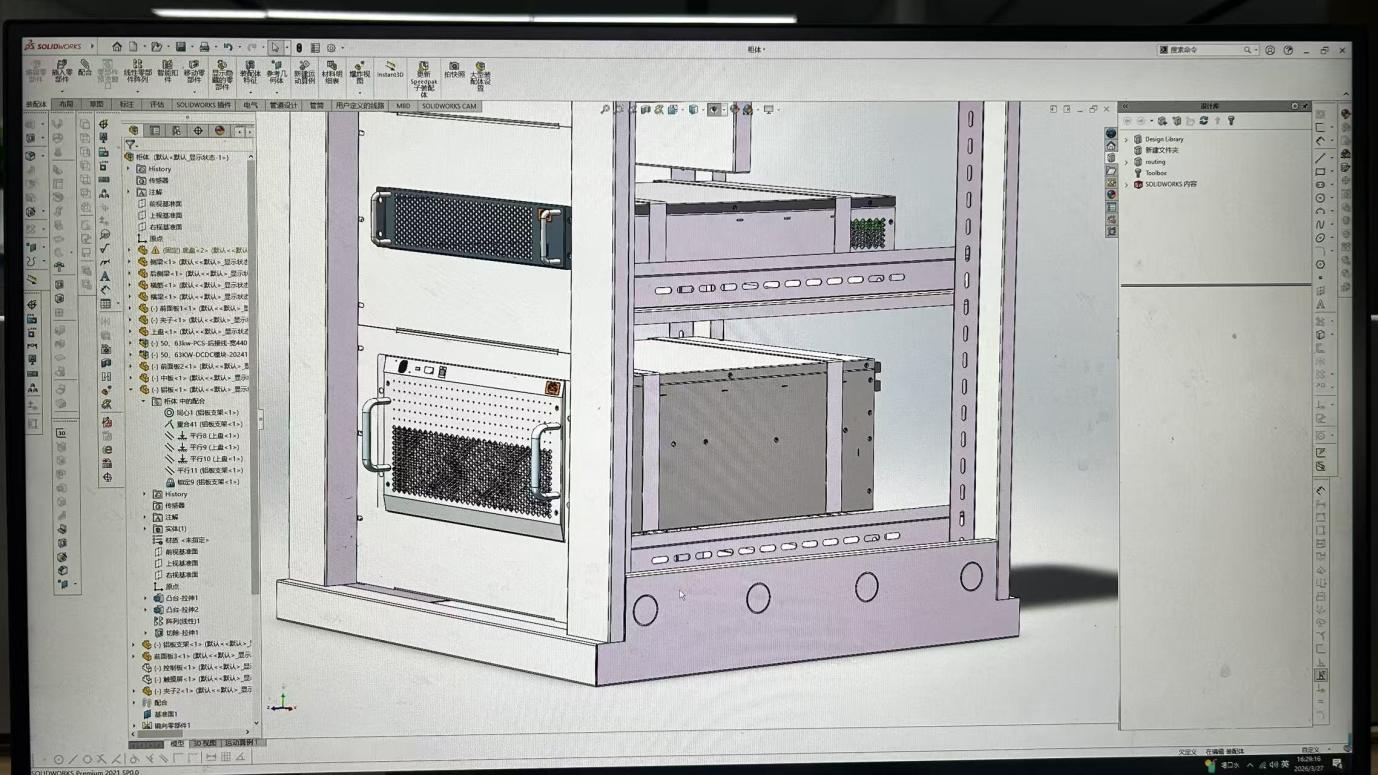 R&D CAD Engineering
Every environment presents unique power challenges. Jinan Deming designs bespoke microgrid systems tailored to specific topographical and commercial requirements.
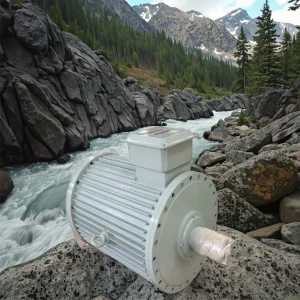
In areas lacking centralized grid coverage, such as remote valleys and islands across Southeast Asia and Africa, off-grid microgrids are crucial. Here, our Off Grid Micro Hydro Power Generator Converter (5KW/10KW) and High Quality Water Turbine Generators (400kW) serve as base power suppliers. Combined with solar PV and wind controllers, these converters manage varying hydrological flows, supplying stable 220V/380V AC power directly to residential and medical facilities without needing a utility connection.
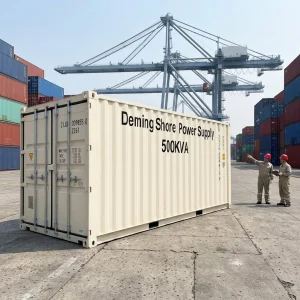
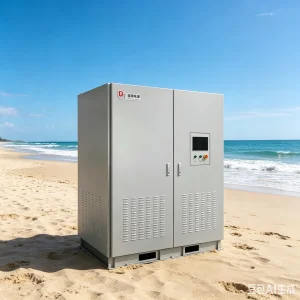
Marine ports require massive power shifts during ship berthing. Our Deming 500kVA Shore Power Unit utilizes forced convection cooling to adapt to harsh, saline marine environments. Converting variable grid frequencies (300V-1000V, 24Hz-400Hz) to a steady 660V output with 0.96 efficiency, it allows docked vessels to shut down diesel auxiliary engines, significantly lowering dock emissions and ensuring compatibility with international shipping power standards.
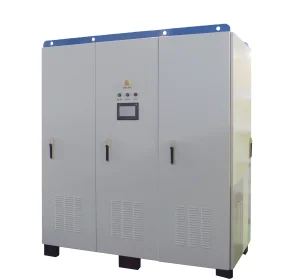
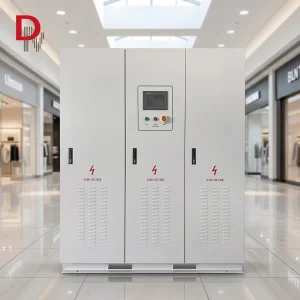
High-tech manufacturing plants and processing units experience severe demand penalties when starting large machinery. Incorporating our Deming 300kW Power Conversion System (PCS) Bidirectional Converter alongside Modular DC-DC Converters allows facility managers to store low-cost off-peak energy and release it during peak hours. This setup minimizes utility demand charges and provides millisecond-level backup power if the main utility line fails.
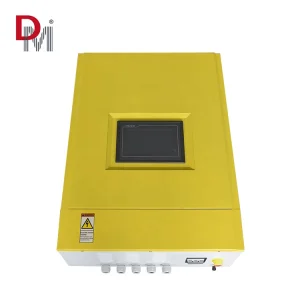
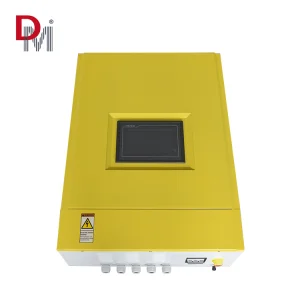
For microgrids with multiple power sources, our Wind Turbine Grid-tie Inverters (250KW) and high-voltage MPPT Solar Charge Controllers (700V/800V 200A) coordinate different resource profiles. During low wind and high sun periods, the MPPT controllers maximize PV production; when rivers flow faster at night, the hydro turbine generator takes over the base load, offering a balanced and self-sustaining energy mix.
The microgrid sector is undergoing rapid transformation, moving toward higher operating voltages, modular hardware setups, and smarter control architectures. Companies seeking to future-proof their energy assets should keep a close eye on these four key developments:
Transitioning system links from low AC voltages to 600V-1000V DC reduces line losses, simplifies parallel configurations, and minimizes cable sizing. Our 800V DC-DC converters are built to handle this shift directly.
Modern systems avoid single points of failure. Stacking modular 30KW, 50KW, or 100KW DC-DC converters lets systems scale up as load demand grows, and simplifies maintenance by allowing modular replacement without system downtime.
Equipment must be capable of bidirectional operation. Modern PCS systems manage power flows into and out of batteries, enabling advanced grid-interactive services like frequency regulation and virtual power plant (VPP) participation.
Utilizing Wide Bandgap (WBG) semiconductors like Silicon Carbide (SiC) and Gallium Nitride (GaN) allows conversion efficiencies above 98%, shrinking cooling needs and extending system lifespans in tough C&I environments.
| Feature Parameter | Legacy Systems (pre-2018) | Jinan Deming Modern Systems | C&I Operational Benefit |
|---|---|---|---|
| Operating DC Bus Voltage | 12V / 24V / 48V / 96V DC | Up to 600V - 1000V DC | Significantly reduced cabling cost, minimized I²R thermal losses, higher round-trip efficiency. |
| Conversion Topology | Unidirectional Buck/Boost | Bidirectional Synchronous Rectification | Enables dynamic vehicle-to-grid (V2G) power flows and unified battery charge/discharge operations. |
| Efficiency Ratings | 85% - 90% | 96% - 98.2% | Reduces thermal dissipation requirements, allowing for compact, lower-footprint enclosures. |
| Control Interface | Basic Analog Indicators | Smart Microcontroller Touch Screens (Modbus/CAN/TCP) | Integrates seamlessly with SCADA, building management systems (BMS), and remote management software. |
Procuring large-scale power equipment requires balancing safety compliance, performance metrics, and manufacturer support. When sourcing microgrid components, engineering teams should evaluate the following parameters:
Any grid-connected inverter or PCS must meet the national grid standards of its destination market (e.g., IEEE 1547 / UL 1741 in North America, CE-LVD/EMC in the European Union). Verify that the manufacturer holds ISO9001:2015 quality management certifications and can provide independent lab test reports for transient voltage response and anti-islanding protection.
Outdoor microgrid equipment must withstand harsh weather. Systems deployed in coastal areas, mines, or deserts need IP54/IP65 ingress protection, anti-corrosion coatings, and robust thermal management—such as forced convection cooling or liquid-cooled loops—to operate reliably under high ambient temperatures.
Avoid systems that limit capacity scaling. Choosing modular designs (like our stackable DC-DC converters) allows operators to scale up power by adding plug-and-play modules to the DC bus, avoiding expensive system-wide replacements.
Select systems equipped with fast digital signal processing (DSP). This technology provides automatic protection against over-current, over-voltage, short-circuits, and thermal runaway, preventing damage to expensive downstream battery modules and local loads.
Key answers to technical and logistical questions on deploying C&I microgrids and integrating Deming power equipment.
A bidirectional converter (like the Deming 300kW PCS) manages two-way energy flows. It charges the battery array during high-production, low-cost periods and discharges power back into the microgrid's DC or AC bus when generation drops or energy demand peaks. This functionality supports peak shaving, stabilizes system frequencies, and ensures seamless transition to island mode during outages.
Wind and hydro resources naturally vary in output. Our system handles this through high-voltage MPPT controllers, automatic voltage regulators, and variable frequency converters. These devices dynamically regulate input voltage fluctuations and convert them into stable DC or AC power, protecting battery storage and preventing grid harmonic disruptions.
Yes. Our modular 30KW, 50KW, and 100KW DC-DC converters feature a stackable design. They use high-speed CAN bus communication to share current load profile information across units, allowing multiple converters to run in parallel on a single DC bus without risk of circulating current damage.
We test components under strict QA standards using professional diagnostics. Every product undergoes insulation resistance testing, load simulation, and thermal scanning. We utilize advanced testing equipment, including semiconductor characteristic plotters, digital oscilloscopes, and power quality analyzers, to ensure all systems meet international performance benchmarks.
The 500kVA shore power unit is designed to bridge the gap between local grid systems and various shipboard power configurations. It supports input voltages ranging from 300V to 1000V and dynamic output frequencies from 24Hz to 400Hz. This capability allows docked vessels to connect directly to shore power, shutting down their diesel auxiliary generators to lower dock emissions and noise pollution while operating at a high efficiency of 0.96.
Explore our selection of industrial-grade wind turbine controllers, solar chargers, shore power conversion systems, and bidirectional grid-tie converters designed for heavy-duty applications.
 Demin Power