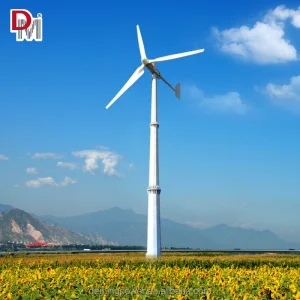
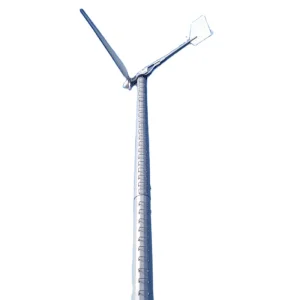
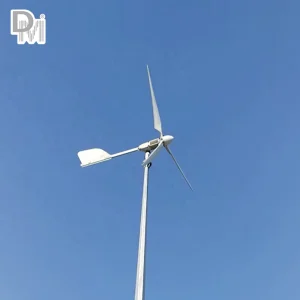
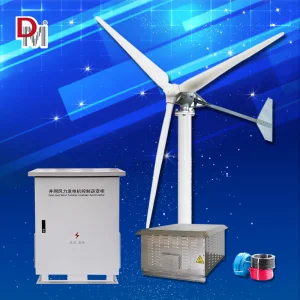
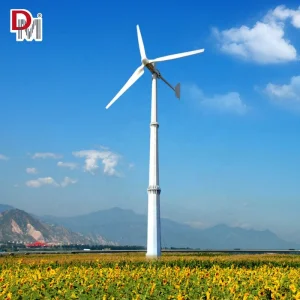
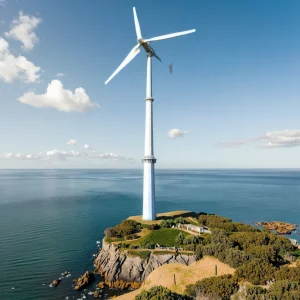
Engineered for high-yield power generation in microgrids, coastal estates, and off-grid facilities across the Philippine archipelago.
As an archipelagic nation consisting of over 7,600 islands, the Philippines faces unique, dual-pronged energy challenges: exceptionally high electricity costs in urban grids and unreliable power distribution in off-grid rural communities. In response, the Philippine Department of Energy (DOE) has intensified its push toward clean energy, targeting a 35% renewable generation share by 2030 and 50% by 2040.
Wind energy represents one of the most commercially viable alternatives to expensive diesel imports. Coastal corridors like Northern Luzon, Mindoro, Romblon, and parts of the Visayas present excellent wind power density, making customized wind turbine systems a vital development driver for industrial plants, remote resorts, and telecommunication towers.
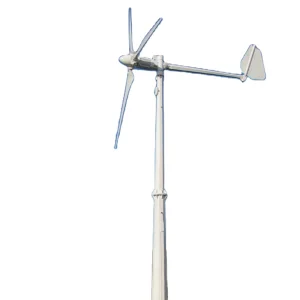
The foremost technical bottleneck for wind turbine deployments in the Philippines is the frequent occurrence of tropical storms. Standard horizontal axis turbines run the risk of structural failure during major typhoons. Our specialized wind generators are built to bypass this risk through state-of-the-art engineering:
From agriculture to luxury tourism, wind turbine systems provide reliable off-grid and grid-tied energy configurations.
Perfect for off-grid barangays, military outposts, and private island resorts. Combining wind generators with battery banks eliminates reliance on diesel generator logistics.
Seafood facilities in General Santos or Iloilo can leverage hybrid solar-wind systems to safeguard processing lines against sudden power fluctuations.
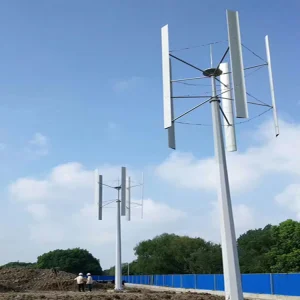
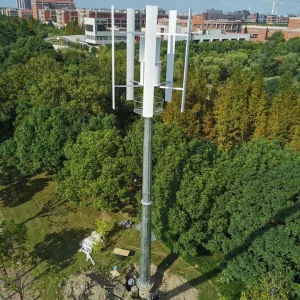
Compact vertical axis wind turbines (VAWT) capture multi-directional winds in urban areas like Metro Manila, reducing reliance on the primary grid.
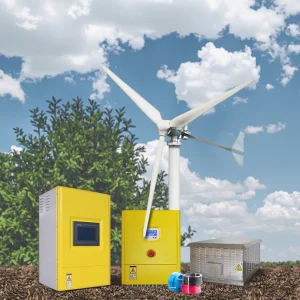
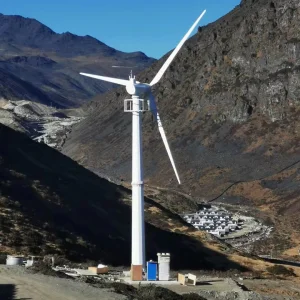
Jinan Deming Power Equipment Co., Ltd., established in 2004, is a nationally recognized high-tech enterprise specializing in the research, development, production, and service of renewable energy power equipment and advanced power testing solutions. The company holds ISO9001:2015 certification and has been recognized as a high-tech enterprise by the Chinese government multiple times (2015, 2018). With a dedicated R&D team of 16 engineers including doctoral supervisors and master's degree holders, Deming invests no less than 20% of annual sales revenue into technology development. The company has completed 17 R&D projects in the last three years with 16 scientific and technological achievements transformed into commercial products.
Deming's products have been exported to 120+ countries including Germany, Japan, the United States, UK, Canada, Australia, and Brazil, and the company has established cooperative relationships with Fortune 500 enterprises. The company's main products include wind/solar controllers, inverters, frequency converters, and high-power bidirectional DC test power supplies and battery simulators ranging from 150kW to 500kW.
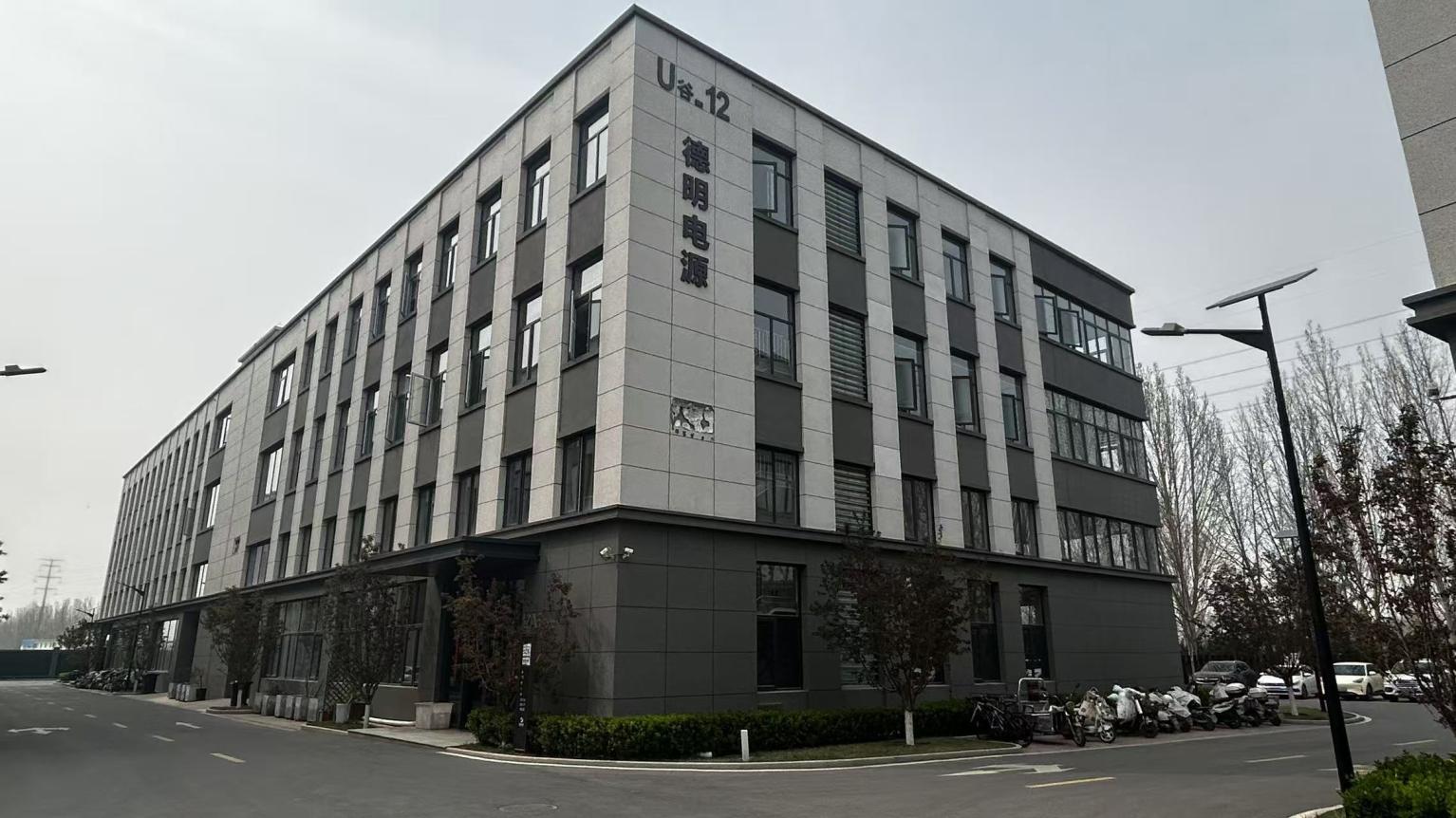 Factory Entrance Overview
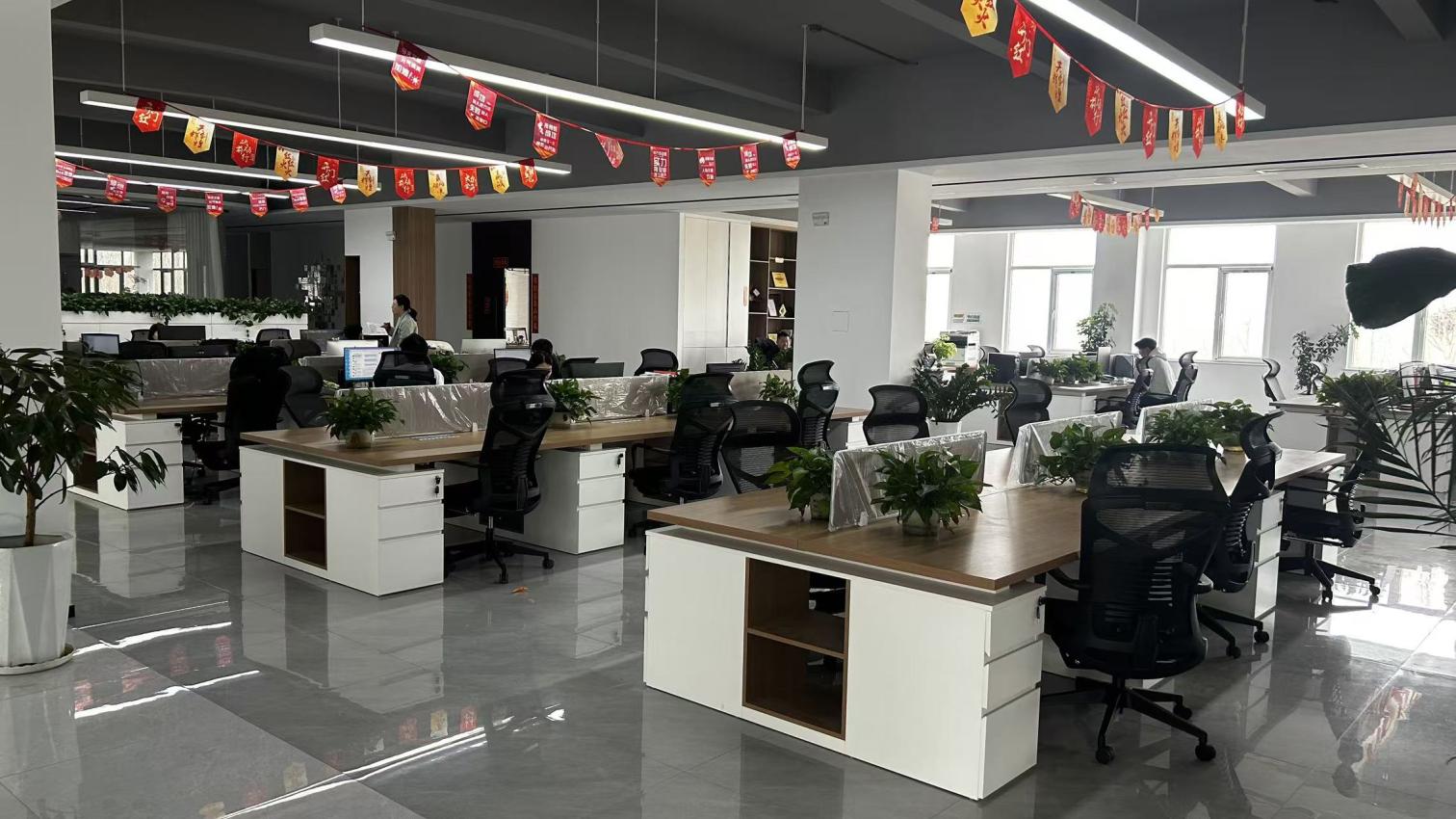 R&D Testing Lab
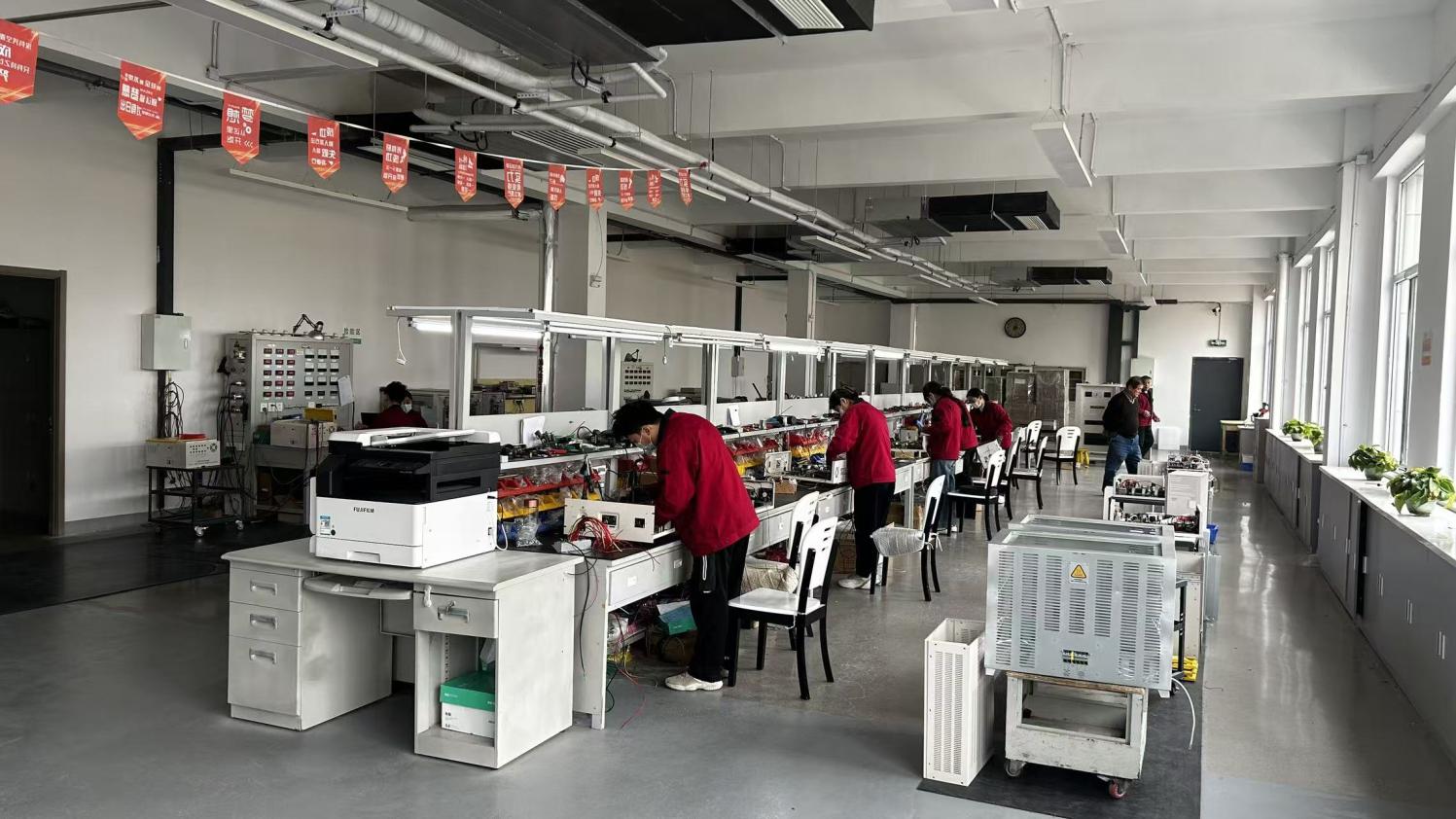 Inverter Testing Unit
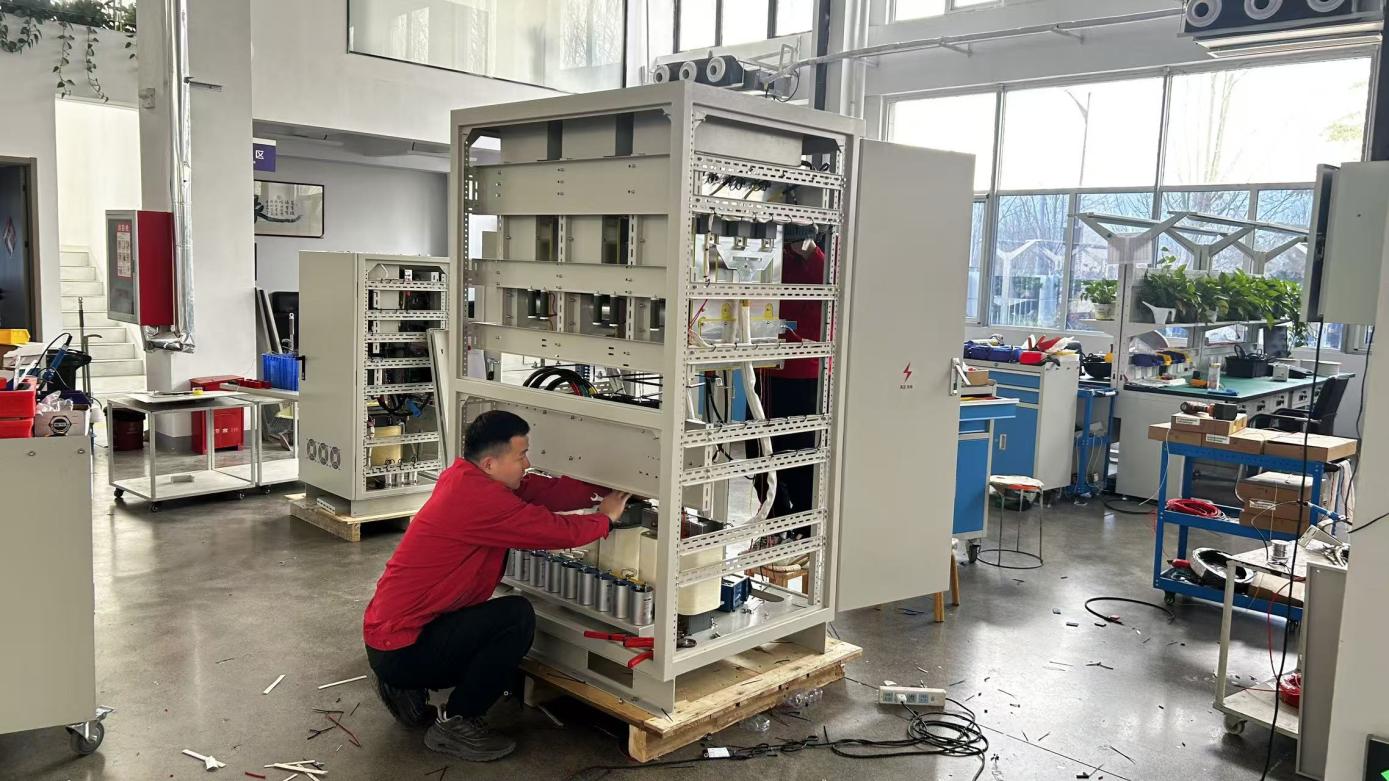
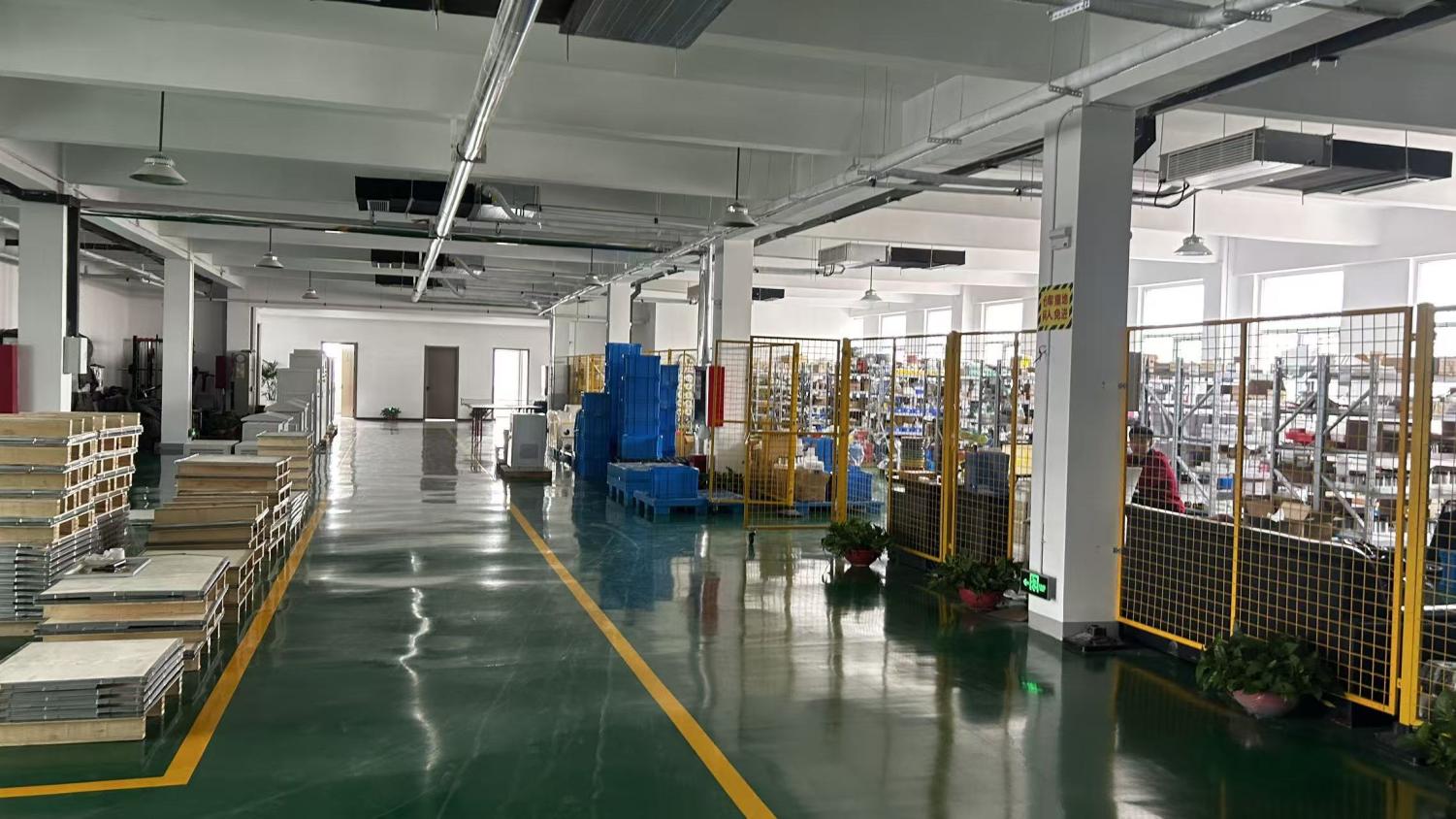 Assembly Workshop
 Controller Assembly Line
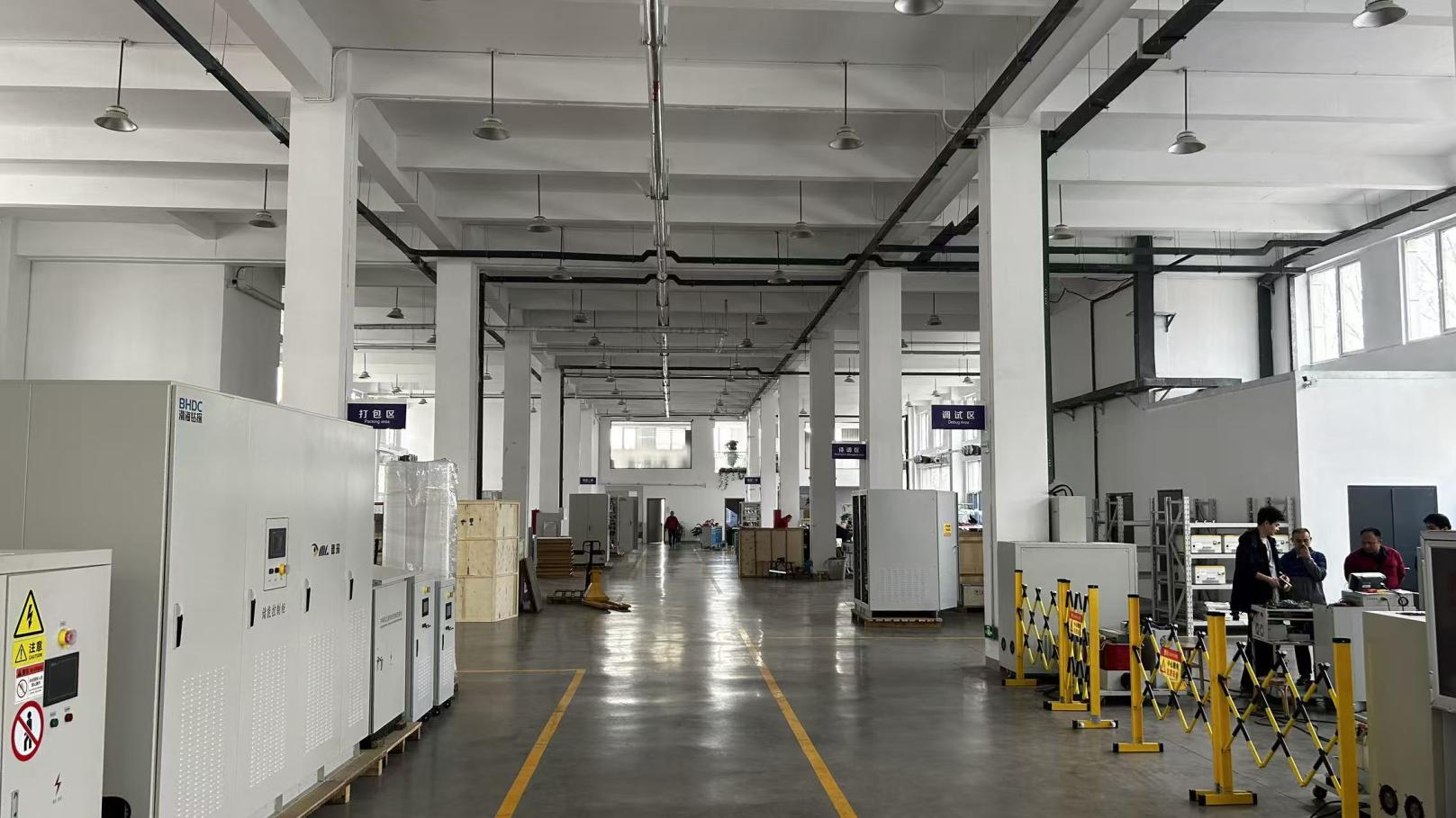
 Heavy Duty Inverters
Through rigid inspection processes and specialized testing gear, Deming guarantees that every controller and inverter exported to the Philippines is capable of sustaining operations through heavy load profiles and dynamic grid spikes.
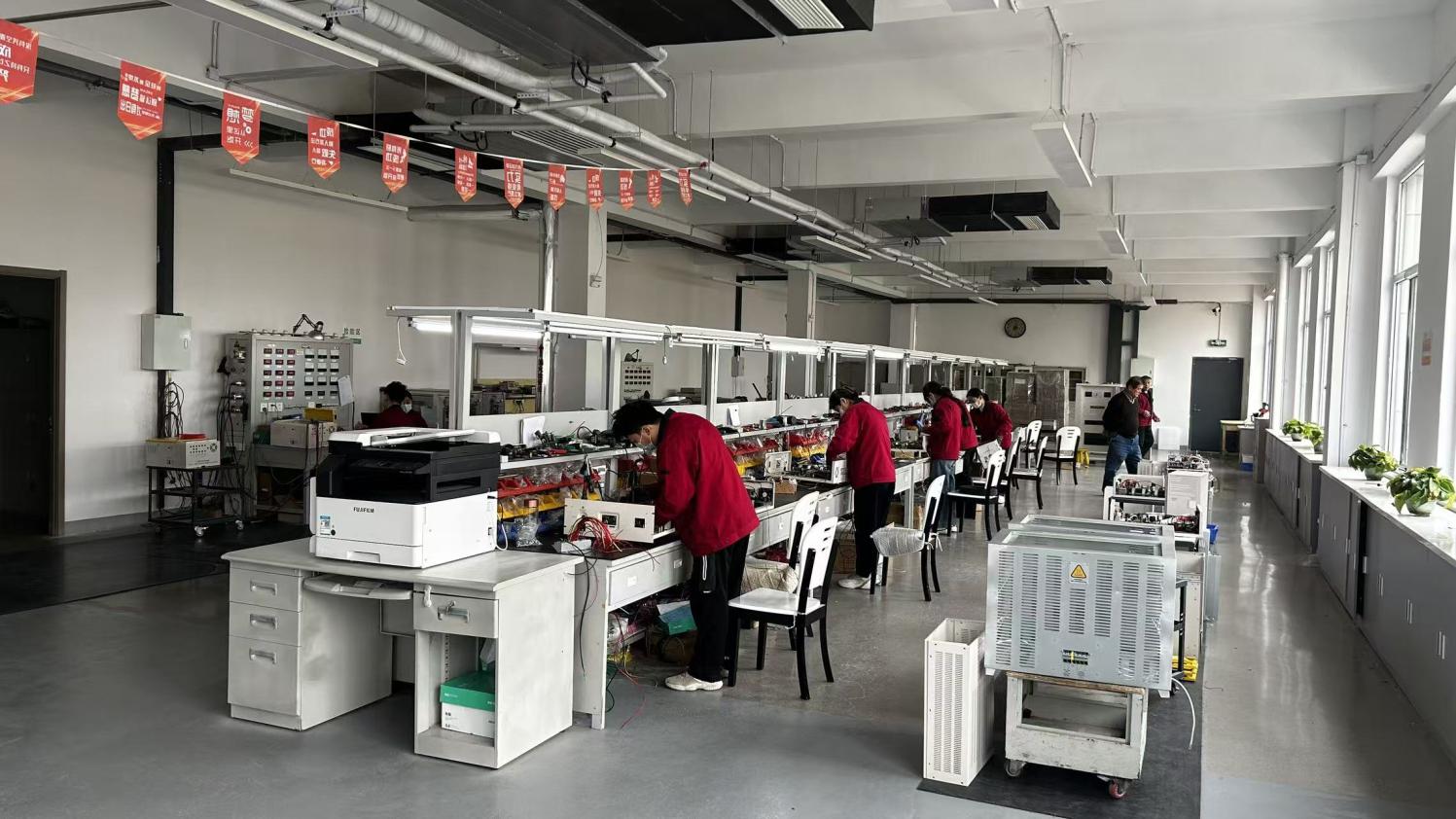 Circuit assembly
 Circuit board assembly
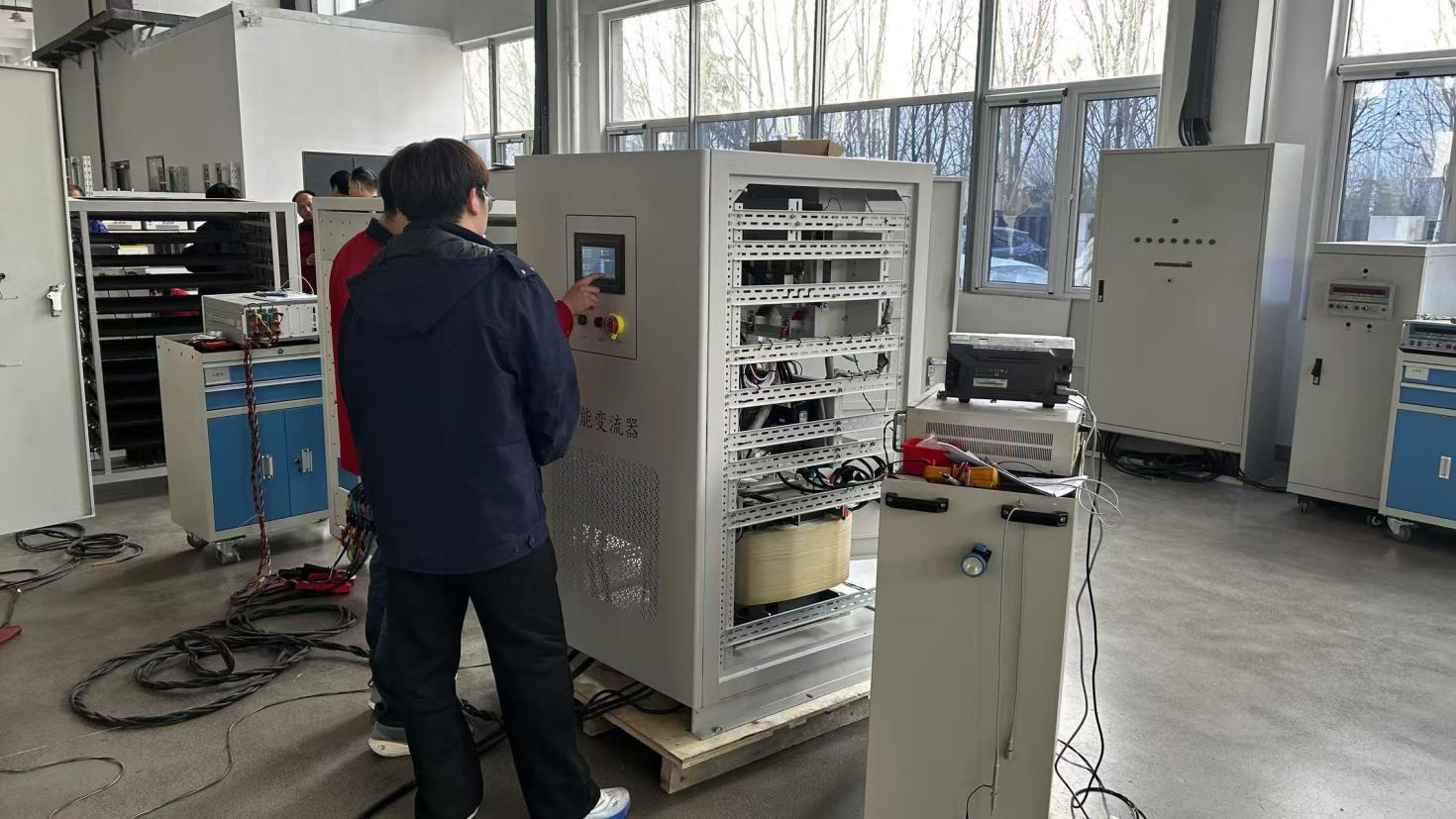 Debugging process
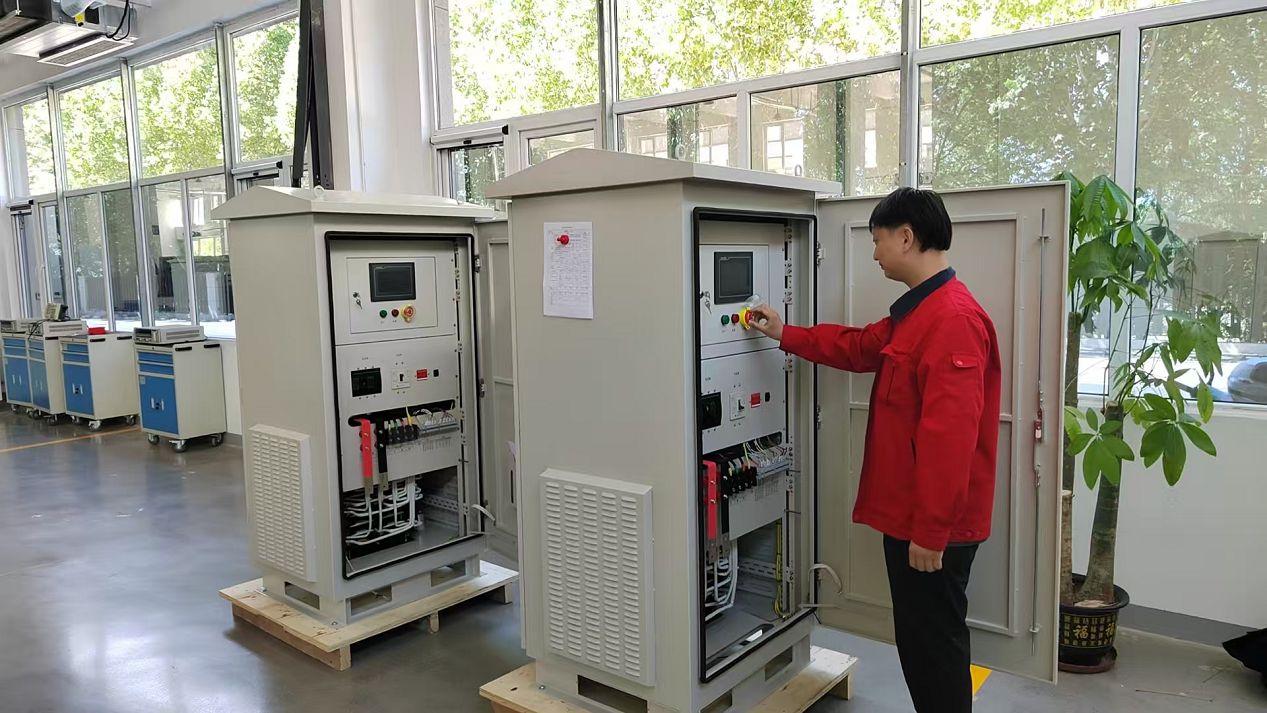 Quality inspection process
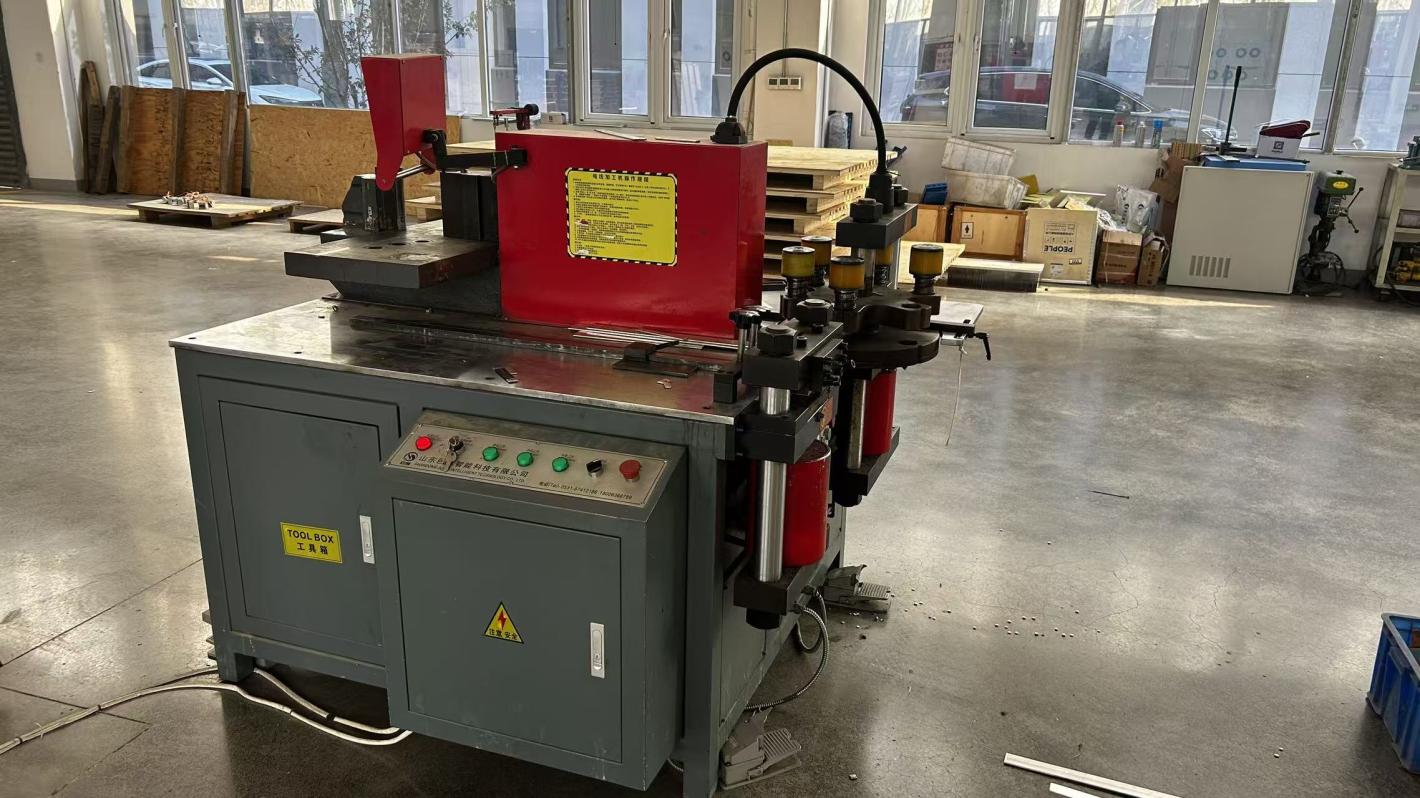 Copper bar production equipment
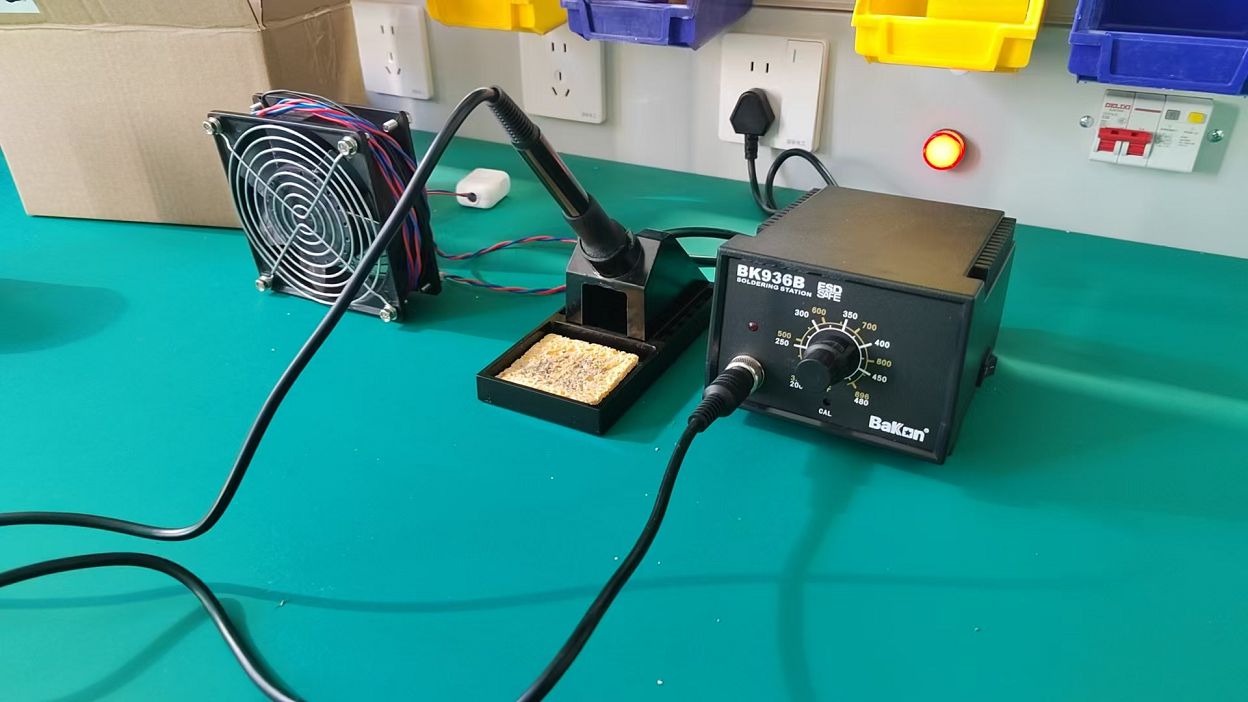 Electric ferrowire
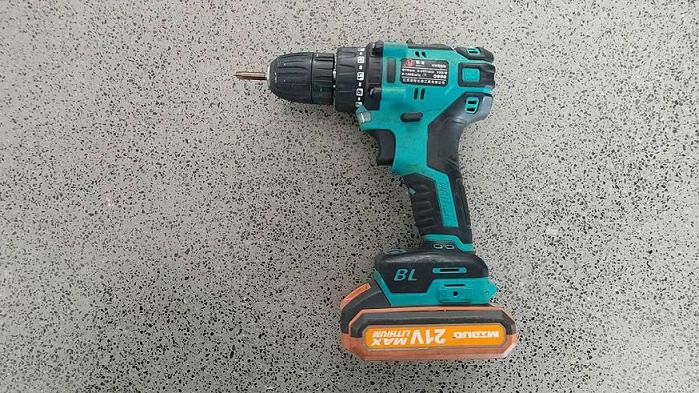 Electric drill
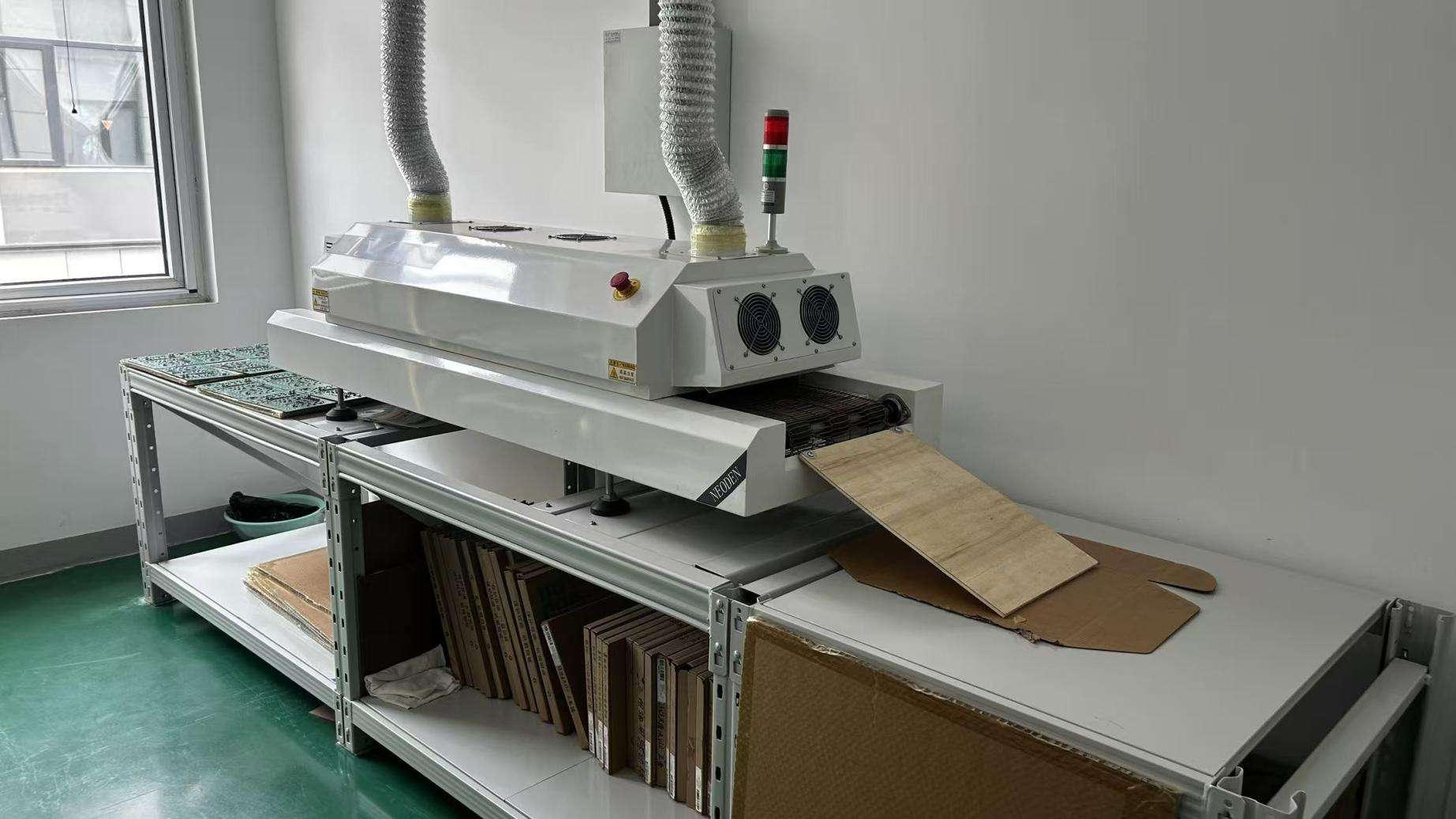 Reflow soldering machine
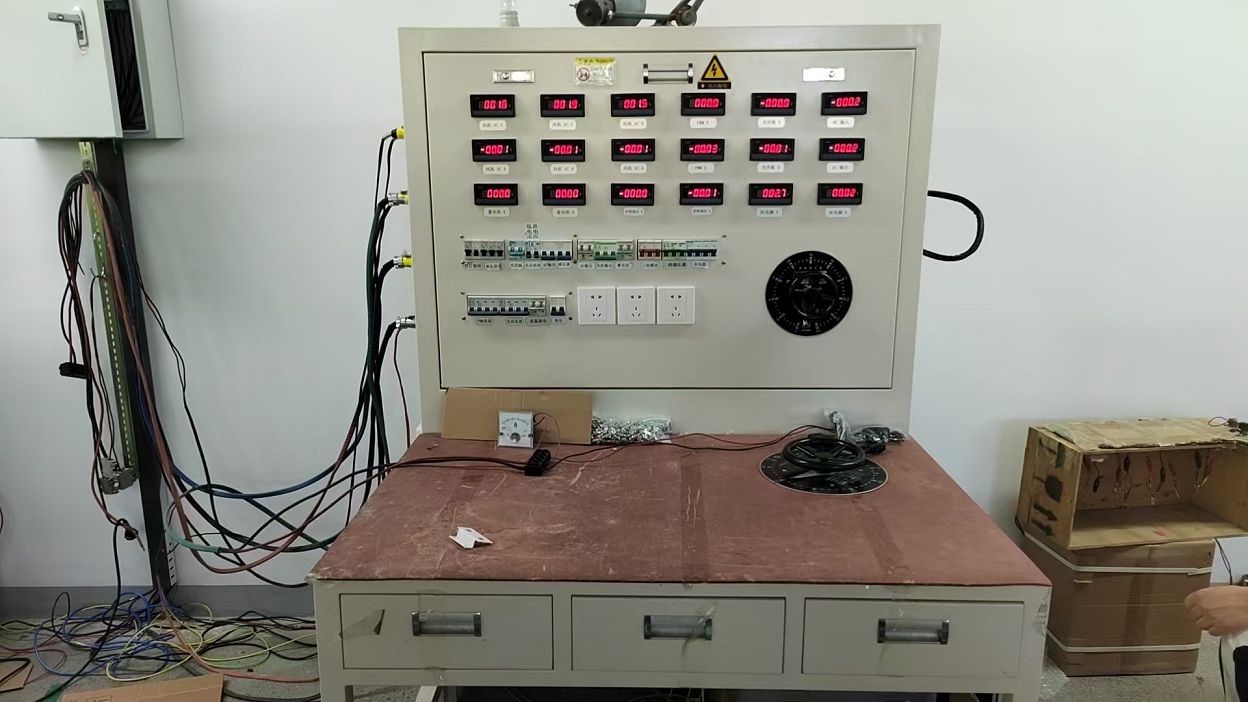 Workbench
Precision calibration equipment ensures that our customized control systems prevent harmonics and balance three-phase outputs efficiently before shipment.
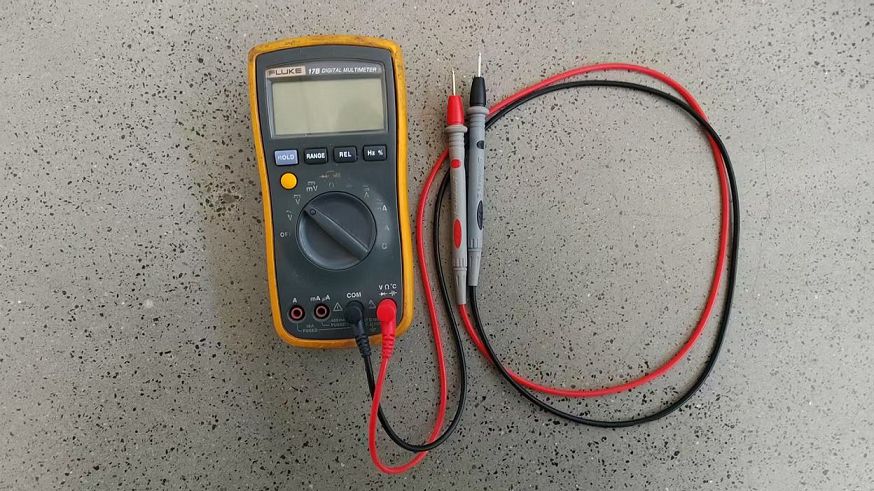 Multimeter
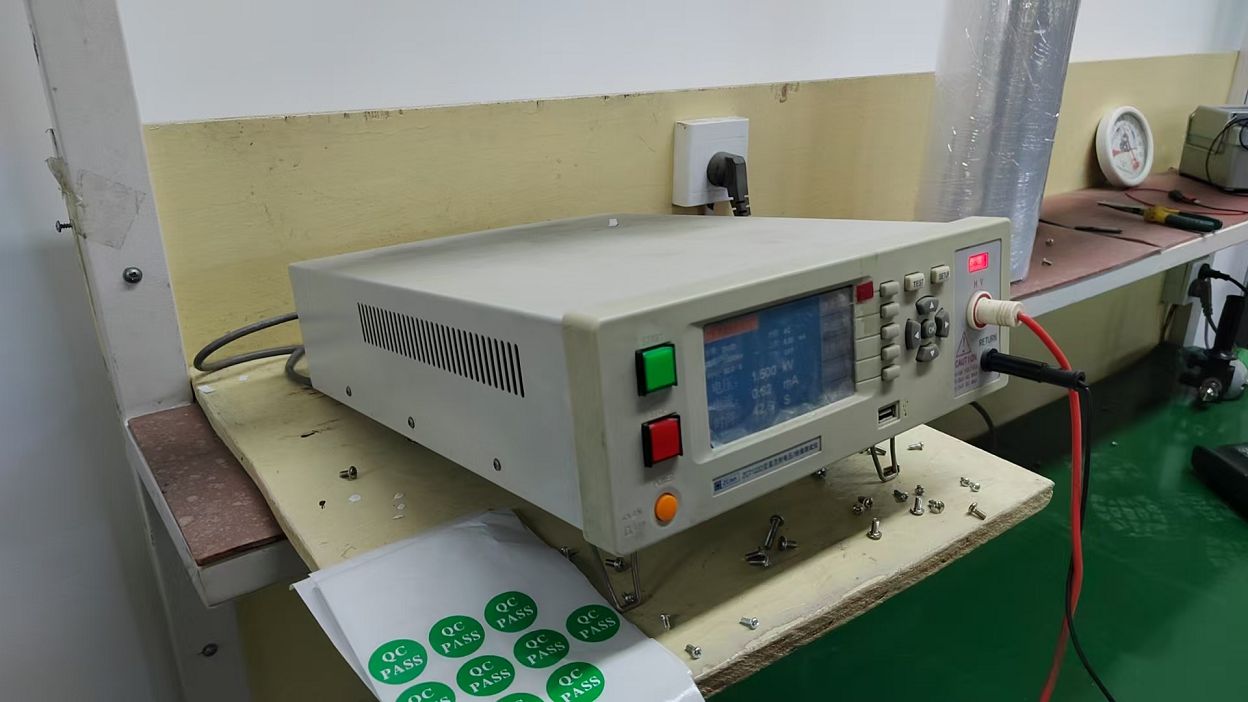 LCR AutoTester
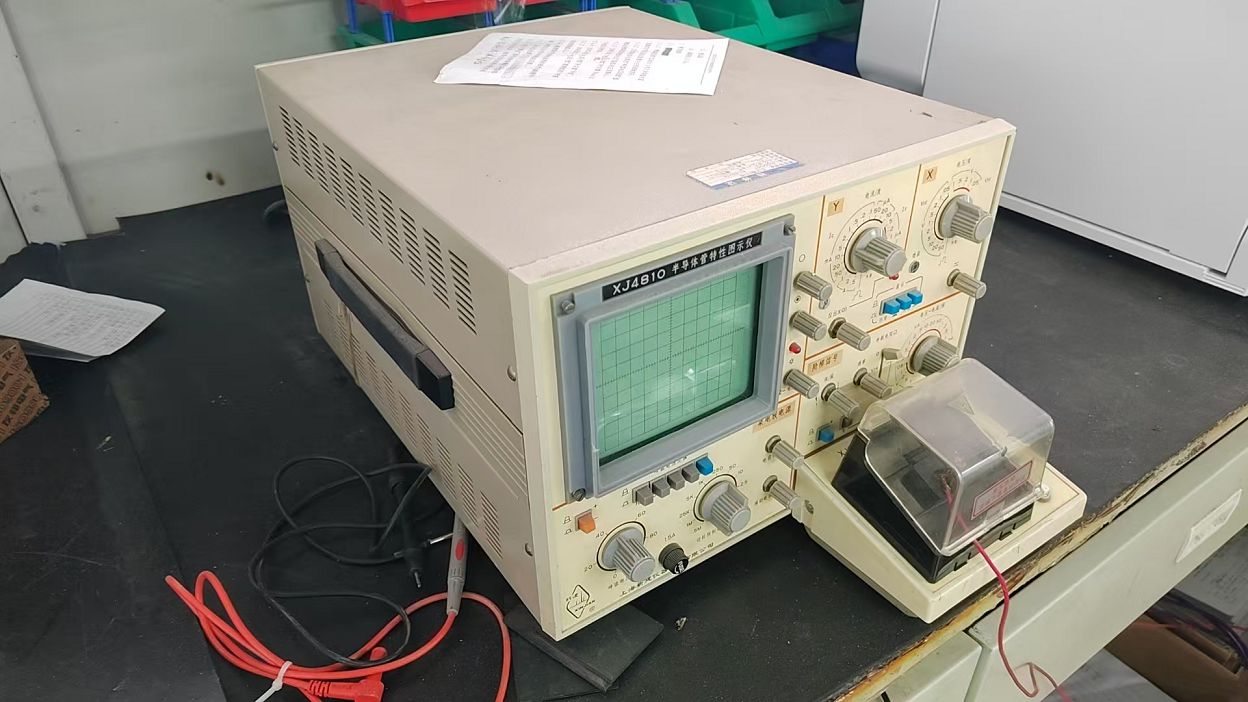 Semiconductor Characteristic Plotter
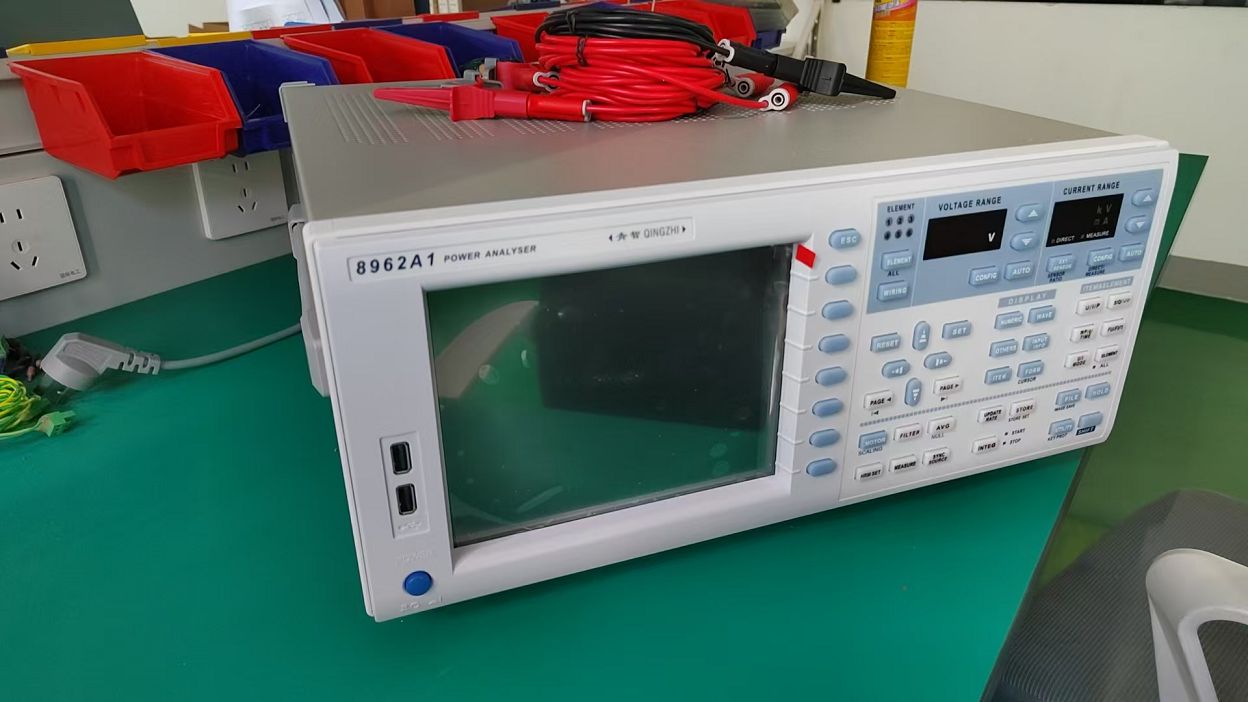 Digital Oscilloscope
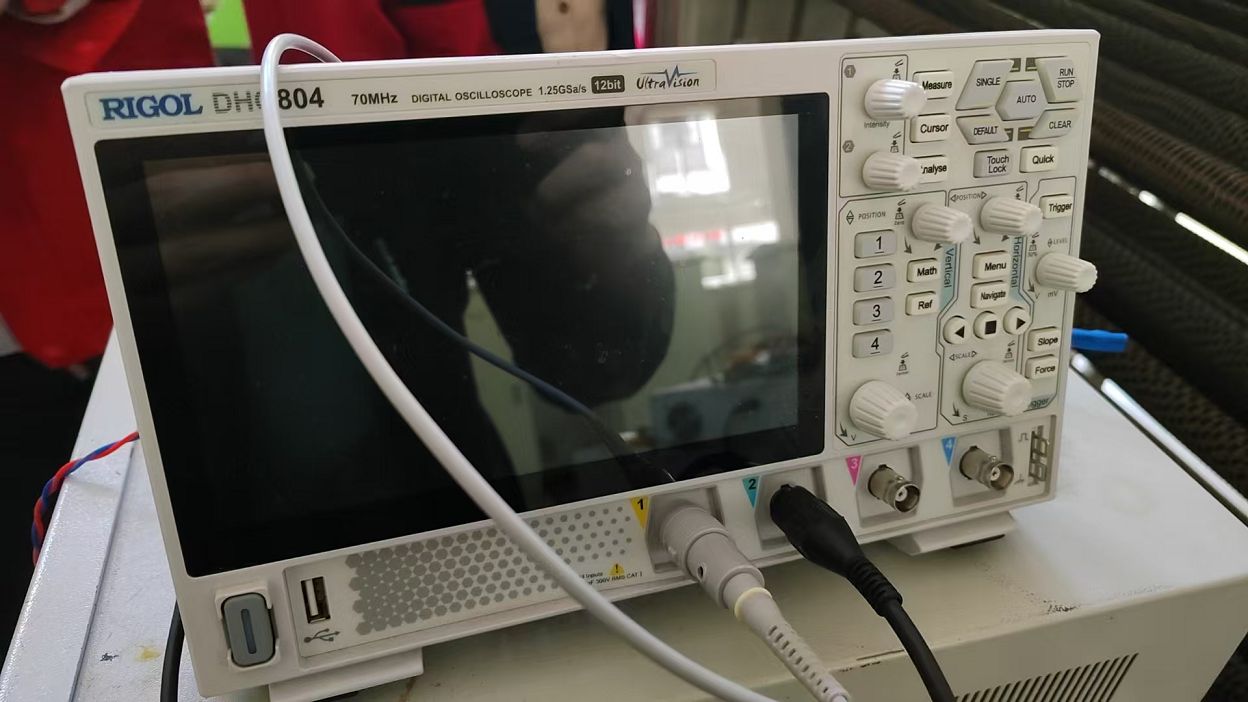 Power Quality Analyzer
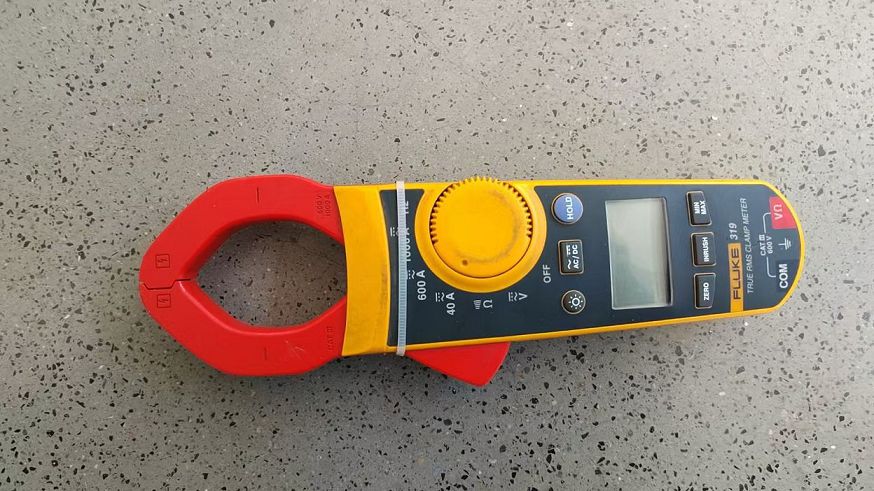 Clamp current meter
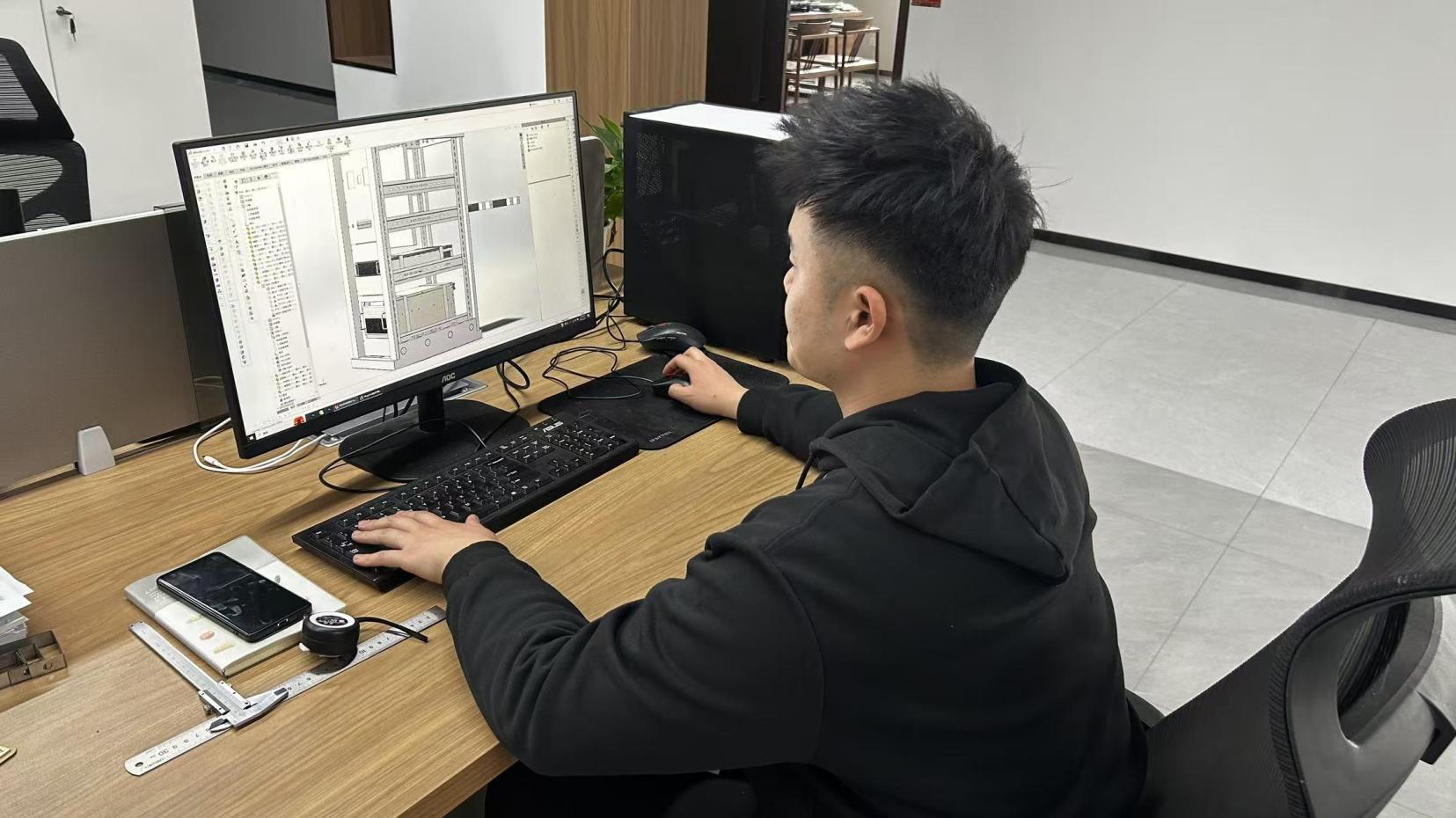 Drawing Design
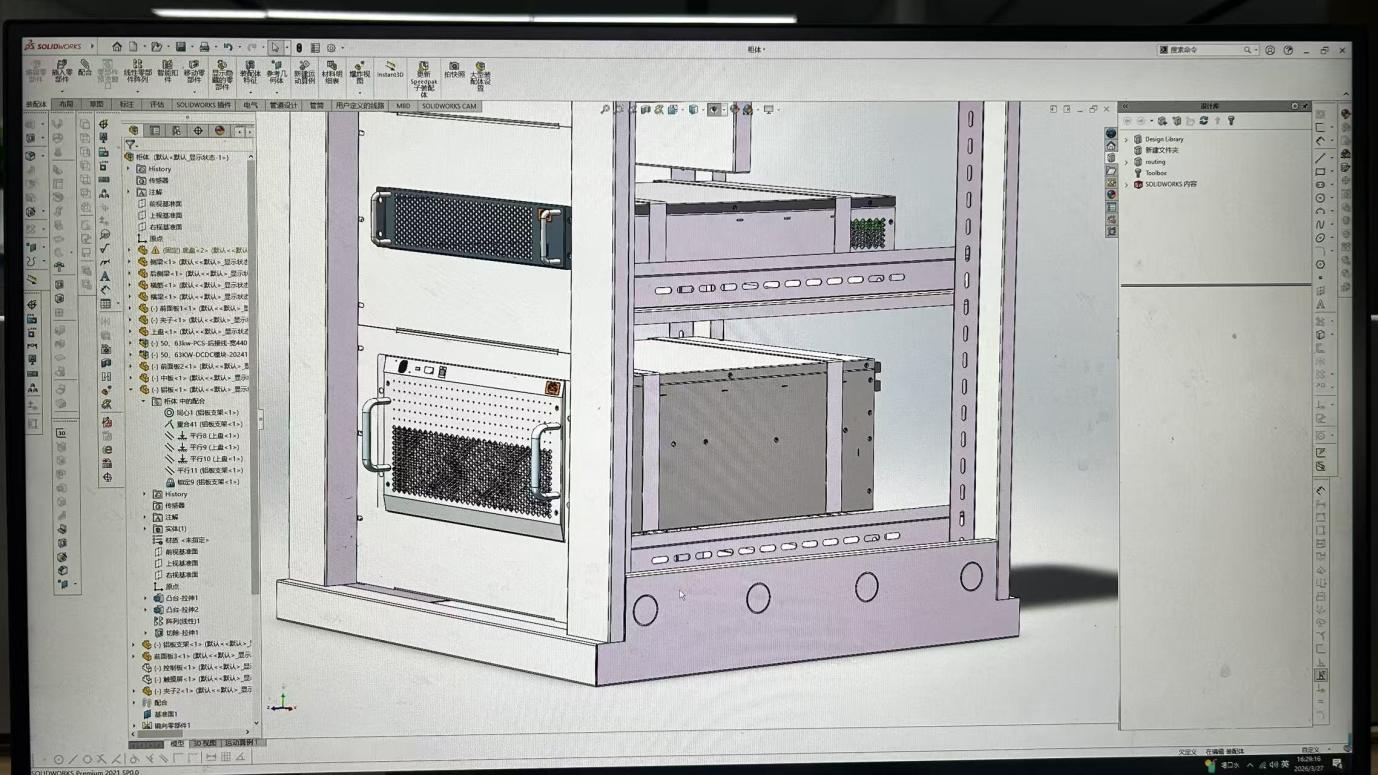 Engineering CAD Station
Integrating distributed wind generators into the Philippine electricity networks requires strict adherence to localized directives. Our wind turbines are design-optimized to meet the technical standards specified under the Philippine Grid Code (PGC) and the Energy Regulatory Commission (ERC) guidelines:
| Parameters | Required Specifications | Deming Built-in Protection Specs |
|---|---|---|
| Nominal Grid Frequency | 60 Hz (Standard Philippine Grid) | High-accuracy 60Hz single & three-phase output adjustment |
| Low Voltage Ride-Through | Required for system stability | Advanced LVRT smart controller integration |
| Typhoon Wind Rating | Class II/III typhoon survival (up to 55m/s) | Class I design: Survival speeds up to 60m/s |
| Monitoring Integration | Modbus / RS485 for micro-grid configurations | Built-in IoT modules with cloud application support |
Through optimized shipping partnerships spanning major terminals like Manila (North & South), Cebu, and Davao, Jinan Deming ensures safe delivery of components, including towers, blades, generator units, and sensitive control cabinets, complete with marine-grade moisture packaging.
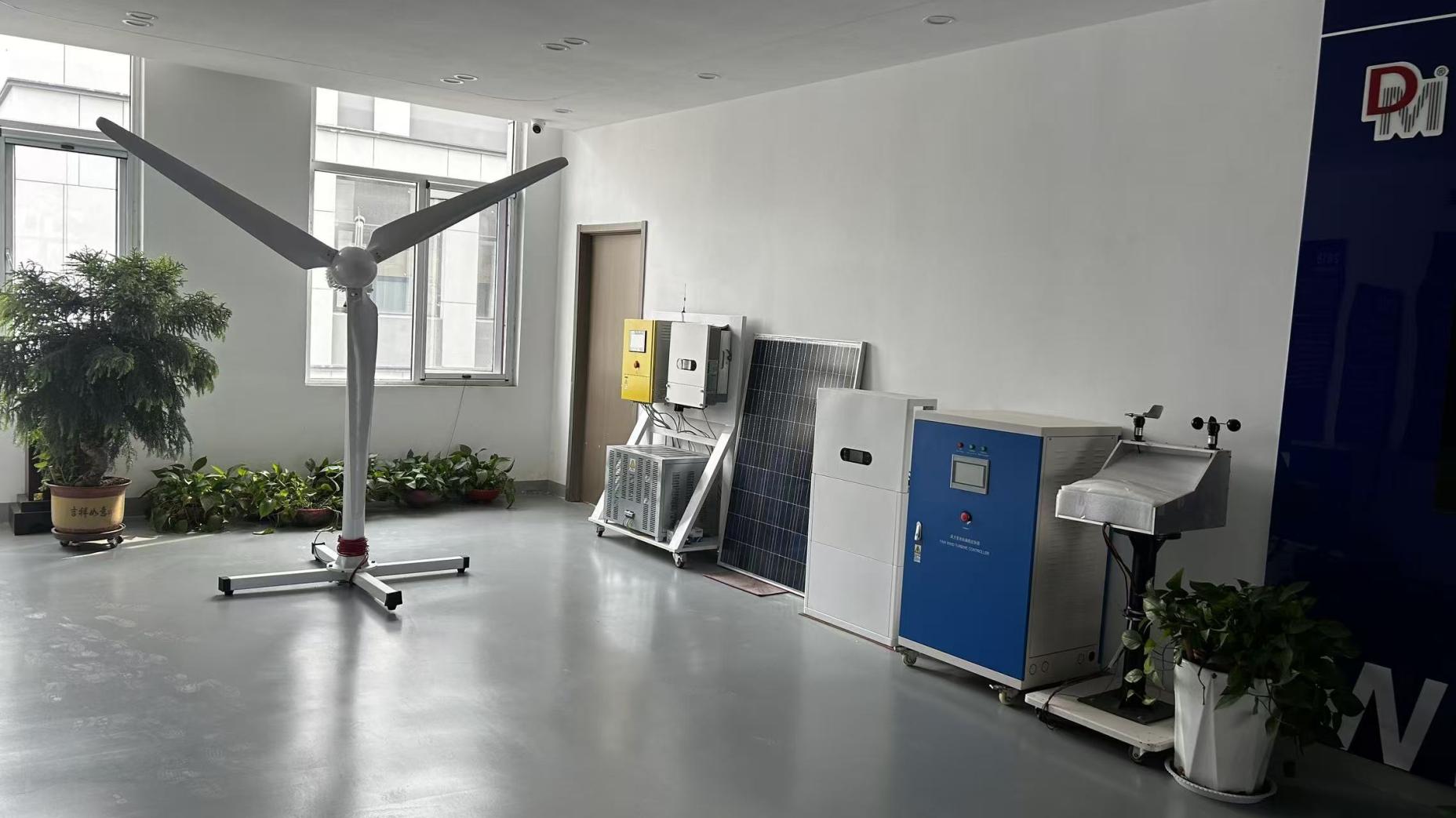
Comprehensive portfolio of horizontal and vertical axis wind energy hardware designed for reliability and maximum power capture.
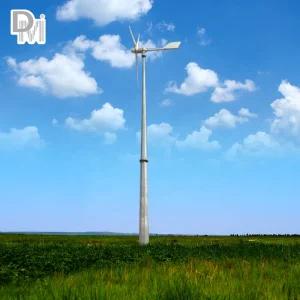
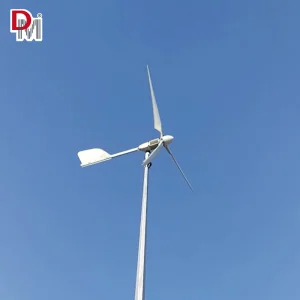
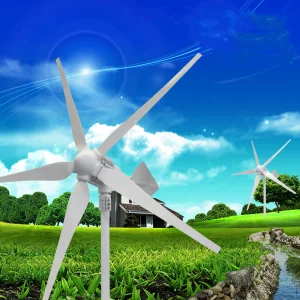
Expert answers regarding installation, compliance, and wind resource optimization in the Philippines.
Our horizontal and vertical axis wind turbines feature a low start-up wind speed of 2.0 m/s to 2.5 m/s. Rated power outputs are typically achieved at wind velocities between 10 m/s and 12 m/s, making them highly suitable for the variable wind patterns found across Visayas and Mindanao coastal regions.
Horizontal axis wind turbines offer higher overall generation efficiency in areas with steady, unidirectional winds. Vertical axis wind turbines (VAWT), such as our 5KW low-noise systems, are omnidirectional, meaning they do not require a yaw system. VAWTs perform exceptionally well in areas with turbulent winds, such as urban areas or mountain communities.
Yes, under the Philippine Renewable Energy Act of 2008 (RA 9513), developers and certified installers can qualify for duty-free importation of renewable energy equipment and a value-added tax (VAT) zero-rating. We provide necessary technical paperwork and ISO9001:2015 documentation to support your clearing processes.
Absolutely. Our advanced wind/solar hybrid controllers and bidirectional power management systems are specifically designed to coordinate inputs from solar PV, wind generators, and auxiliary diesel units, creating stable, fuel-saving microgrids.
 Demin Power