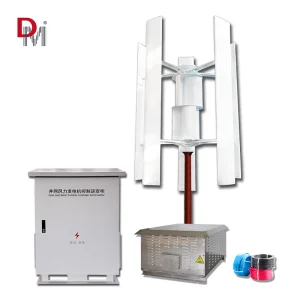
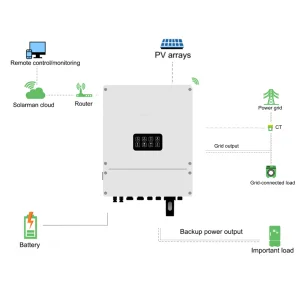
Decentralized off-grid and grid-interactive wind generators engineered to perform under local New South Wales wind patterns.
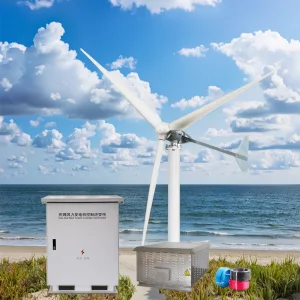
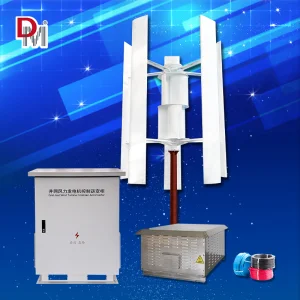
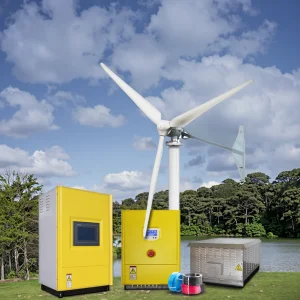
Understanding NSW microgrid integration, regional wind dynamics, and strict national electrical standards.
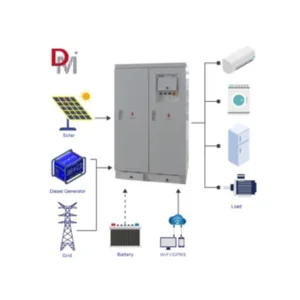
As the economic heart of Australia, metropolitan Sydney and its industrial surrounds are undergoing an unprecedented clean energy transition. With the phased decommissioning of traditional coal-fired power stations along the New South Wales (NSW) coast, the regional energy market is facing volatile pricing schemes and supply concerns. In response, municipal and industrial planners are turning to distributed renewable microgrids where compact wind turbine systems, coupled with solar photovoltaic generation and energy storage, deliver resilient, base-load power.
Wind resources in the Sydney Basin and surrounding regions (such as the Southern Highlands, Illawarra, and Hawkesbury) present unique wind patterns. Urban coastal corridors experience reliable sea breezes, while inland rural and industrial fringes face highly turbulent wind gusts. To maximize energy yield, our custom-engineered vertical-axis wind turbines (VAWT) and robust horizontal-axis wind turbines (HAWT) utilize advanced permanent magnet generators that feature ultra-low startup speeds. This guarantees power generation even under the moderate wind profiles typical of suburban Sydney.
Connecting generation equipment to the Australian energy market requires rigorous compliance. Inverters, frequency converters, and bidirectional battery chargers must meet the strict requirements of AS/NZS 4777.2:2020 for grid-tied operation. This involves active voltage regulation, reactive power control, and fault-ride-through capabilities. As a leading exporter to the Australian market, our power electronics architectures are developed to comply fully with these requirements, enabling straightforward connection approval with local Distribution Network Service Providers (DNSPs) including Ausgrid, Endeavour Energy, and Essential Energy.
Enabling hybrid energy management and smart cold-ironing electrification at the edge of the grid.
Modern microgrids require precise control of multi-directional energy pathways. Our technical roadmap integrates high-speed digital signal processors (DSP) with wide-bandgap semiconductor topologies. This allows for rapid response to fluctuating wind generation, maintaining voltage and frequency stability across commercial and residential networks.
Achieves up to 99% conversion efficiency, matching high-voltage battery storage arrays (up to 1500V) directly to fluctuating wind generator DC buses.
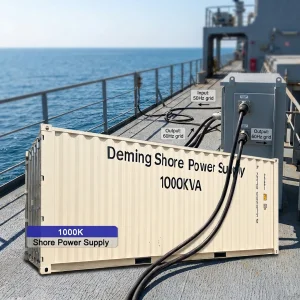
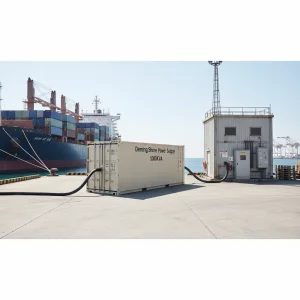
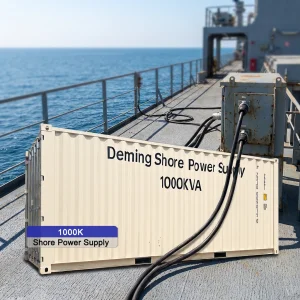
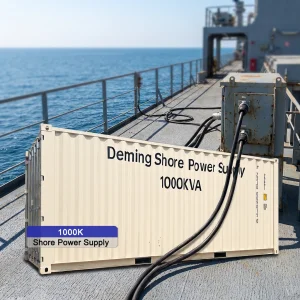
Facilitates seamless frequency adaptation (50Hz to 60Hz and vice versa) for international shipping vessels docking at Port Botany and Sydney Harbour.
Capable of black-starting isolated microgrids, operating as a virtual synchronous machine to stabilize weak grids during peak demand hours.
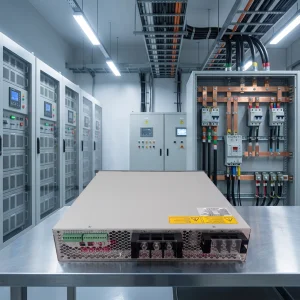
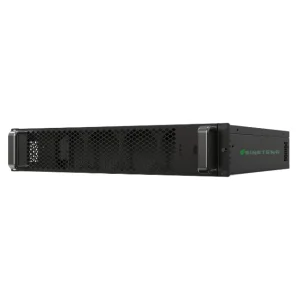
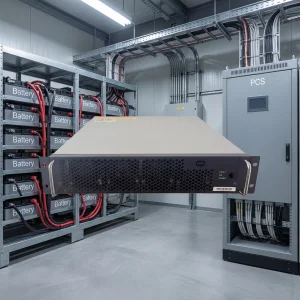
Jinan Deming Power Equipment Testing Laboratory: Custom Bidirectional Simulator Racks
A nationally recognized high-tech enterprise focusing on reliable and efficient power solutions.
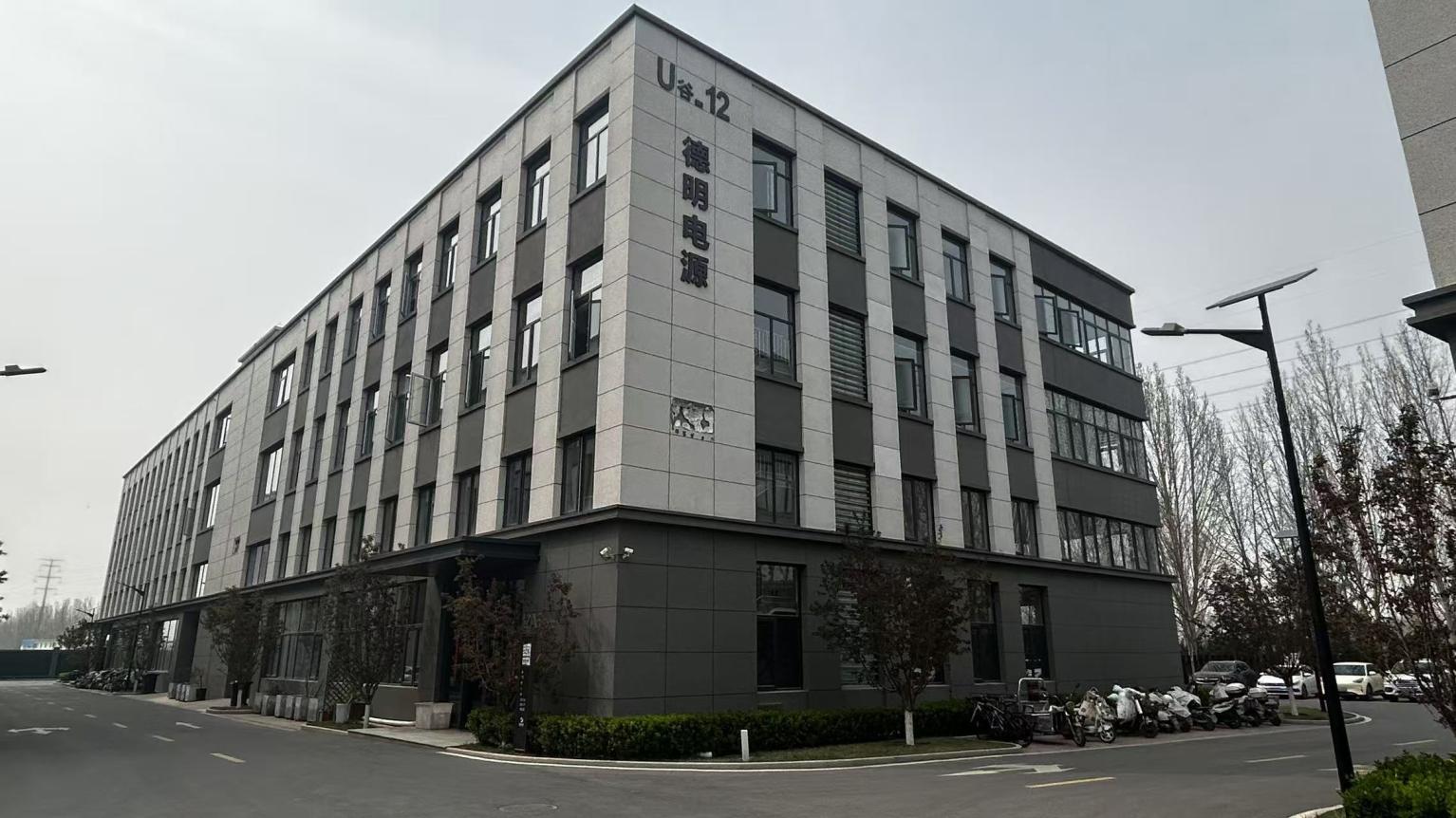
Jinan Deming Power Equipment Co., Ltd. is a nationally recognized high-tech enterprise established in 2004, specializing in the research, development, production, and service of renewable energy power equipment and advanced power testing solutions. The company holds ISO9001:2015 certification and has been recognized as a high-tech enterprise by the Chinese government multiple times (2015, 2018). With a dedicated R&D team of 16 engineers including doctoral supervisors and master's degree holders, Deming invests no less than 20% of annual sales revenue into technology development. The company has completed 17 R&D projects in the last three years with 16 scientific and technological achievements transformed into commercial products. Deming's products have been exported to 120+ countries including Germany, Japan, the United States, UK, Canada, Australia, and Brazil, and the company has established cooperative relationships with Fortune 500 enterprises. The company's main products include wind/solar controllers, inverters, frequency converters, and high-power bidirectional DC test power supplies and battery simulators ranging from 150kW to 500kW.
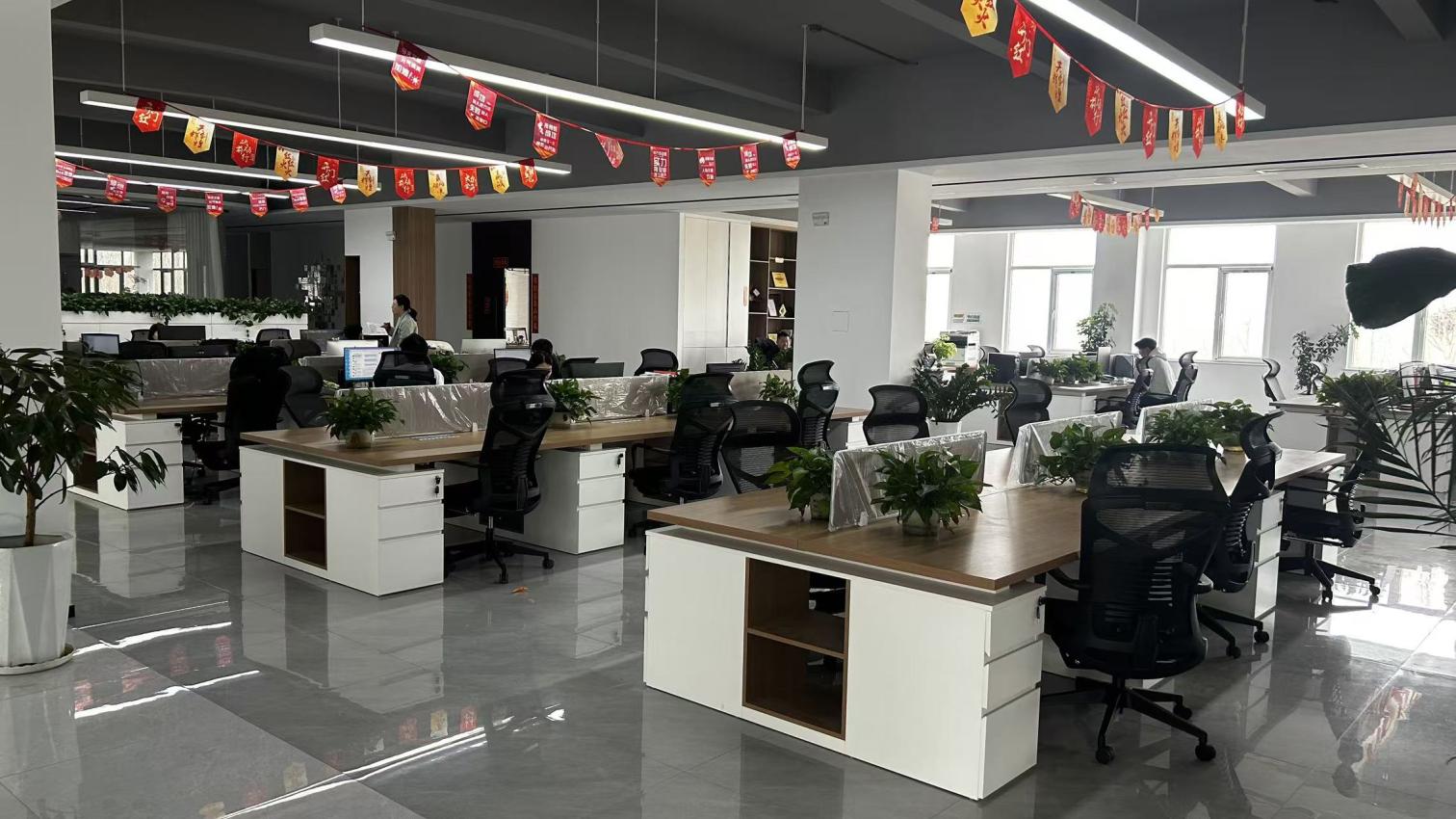
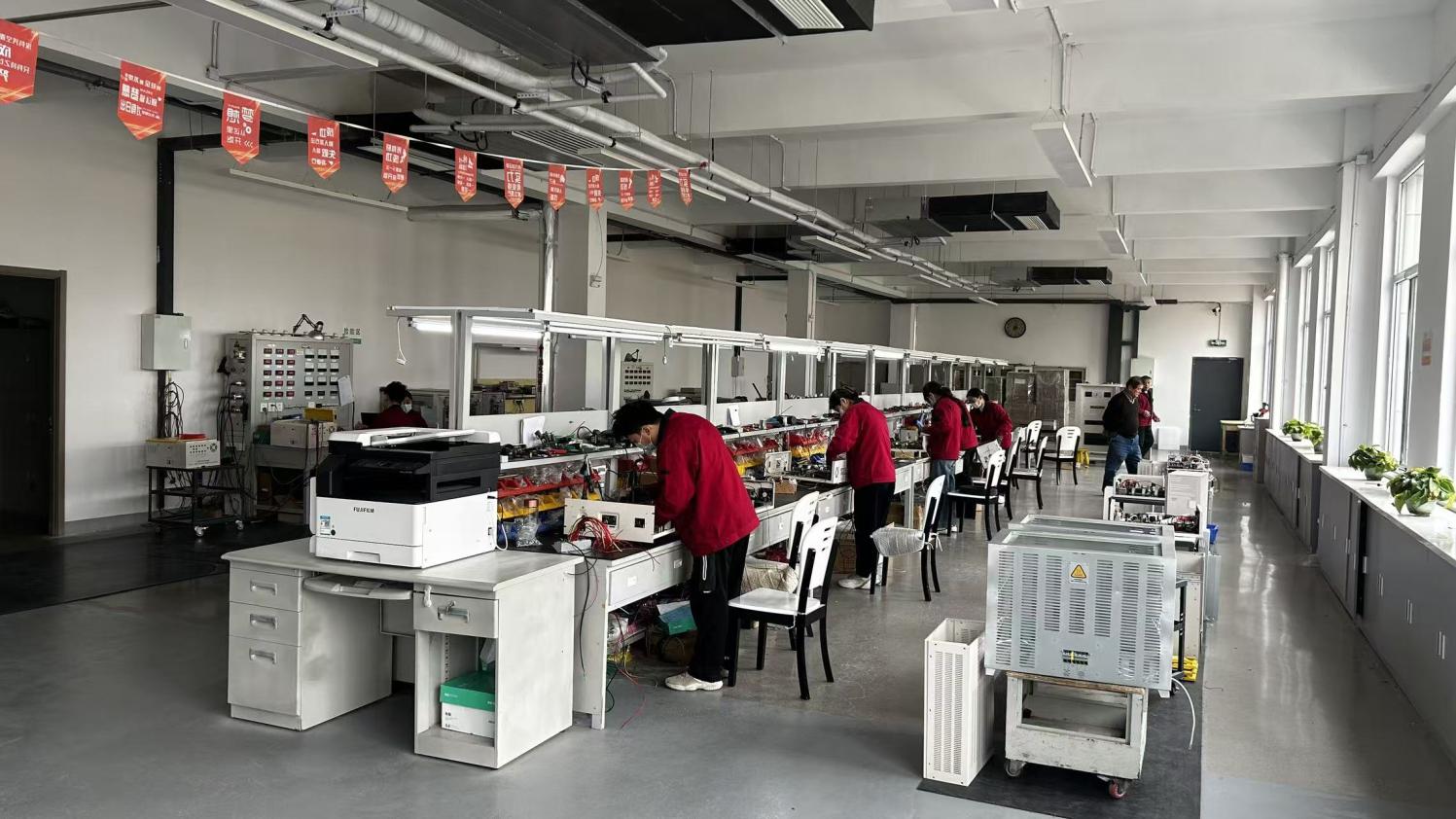
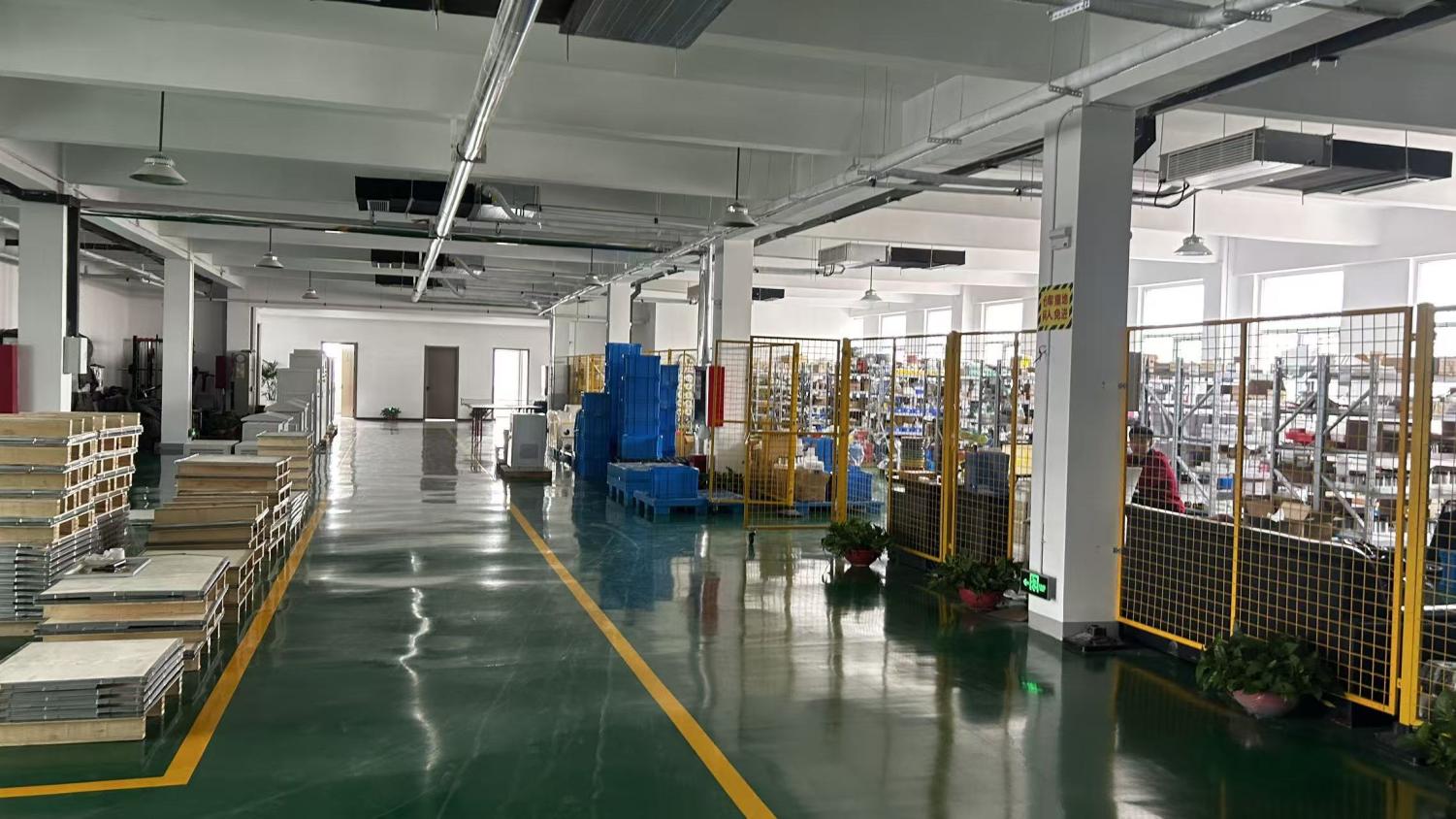
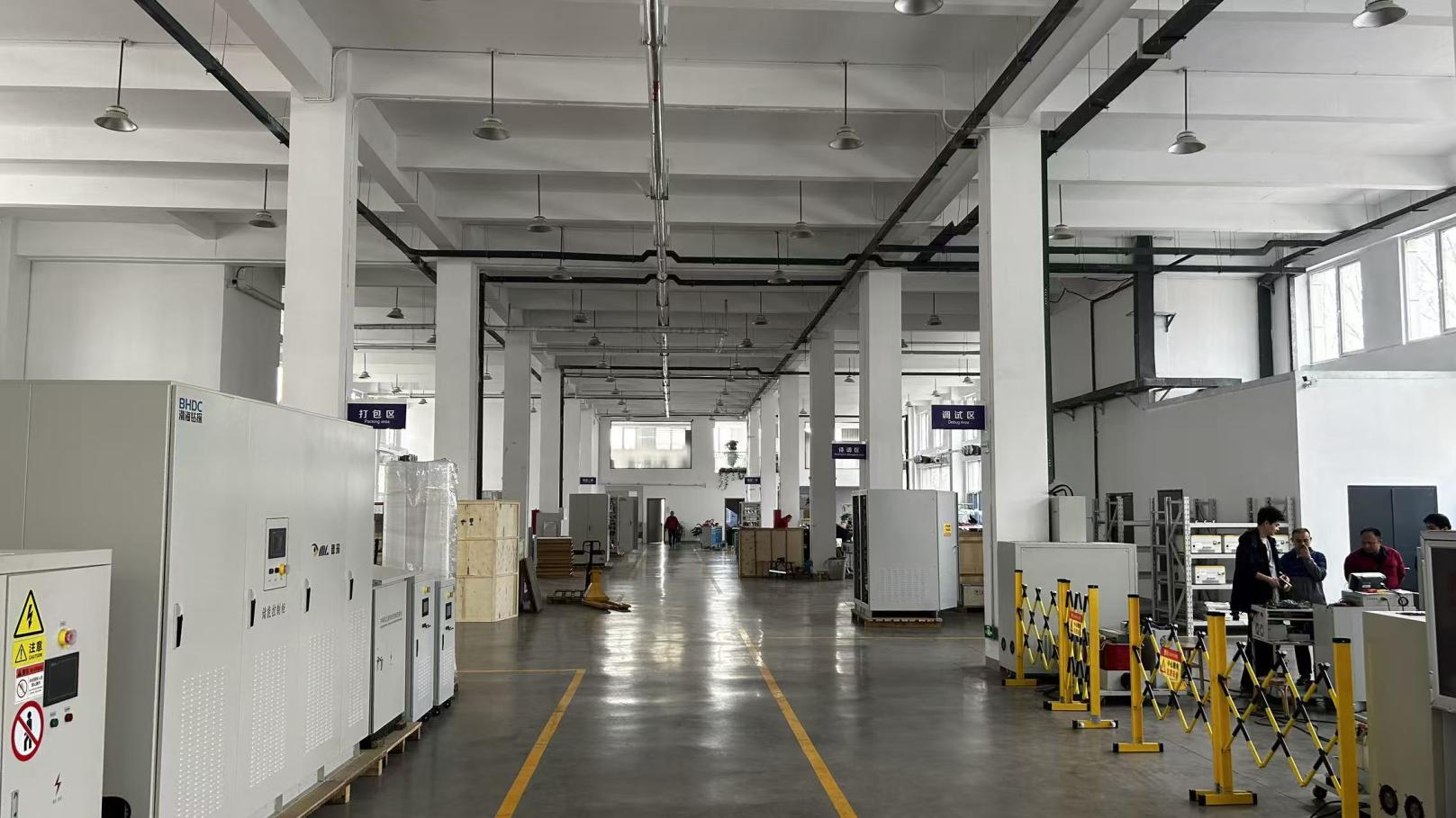
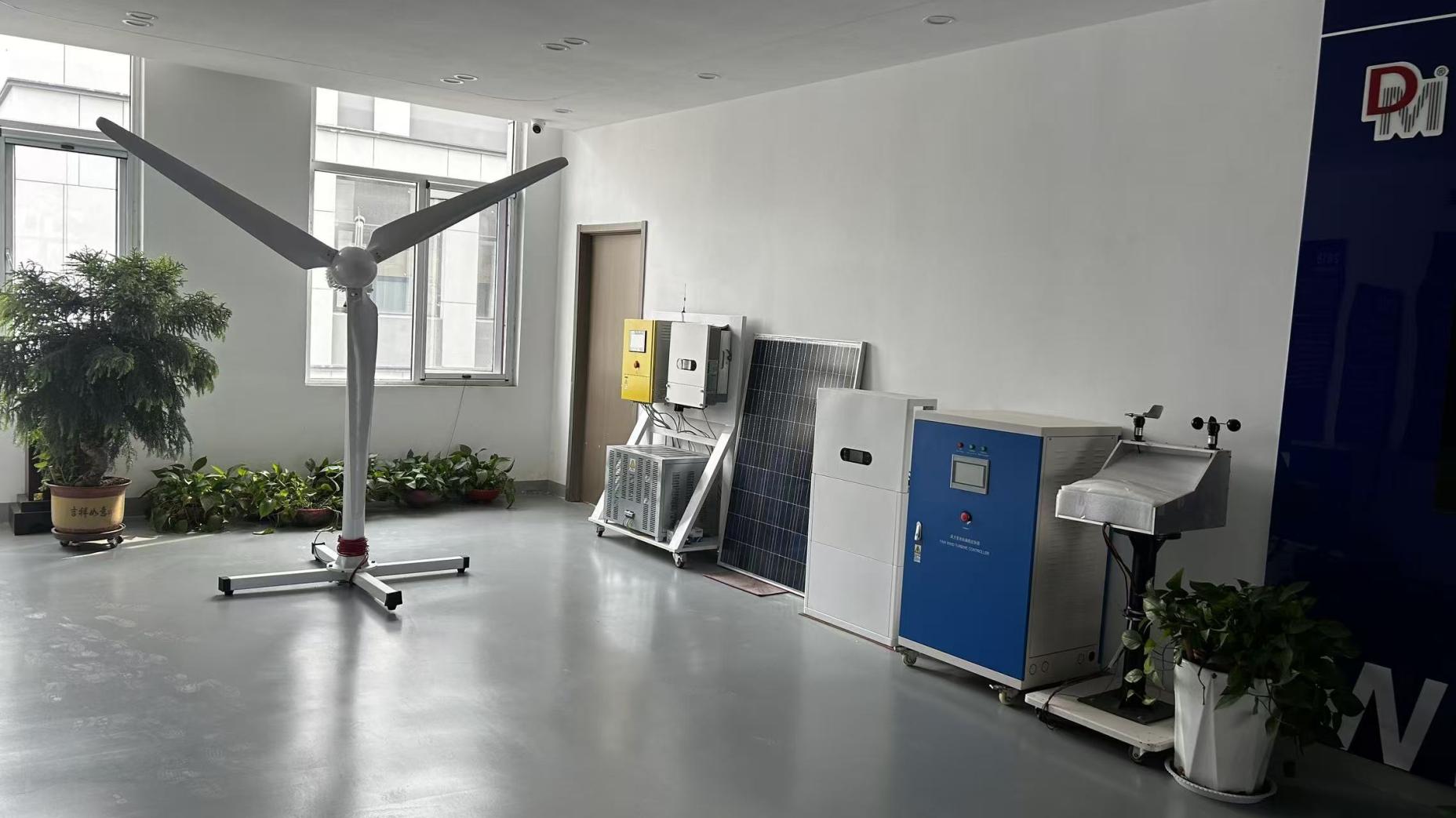
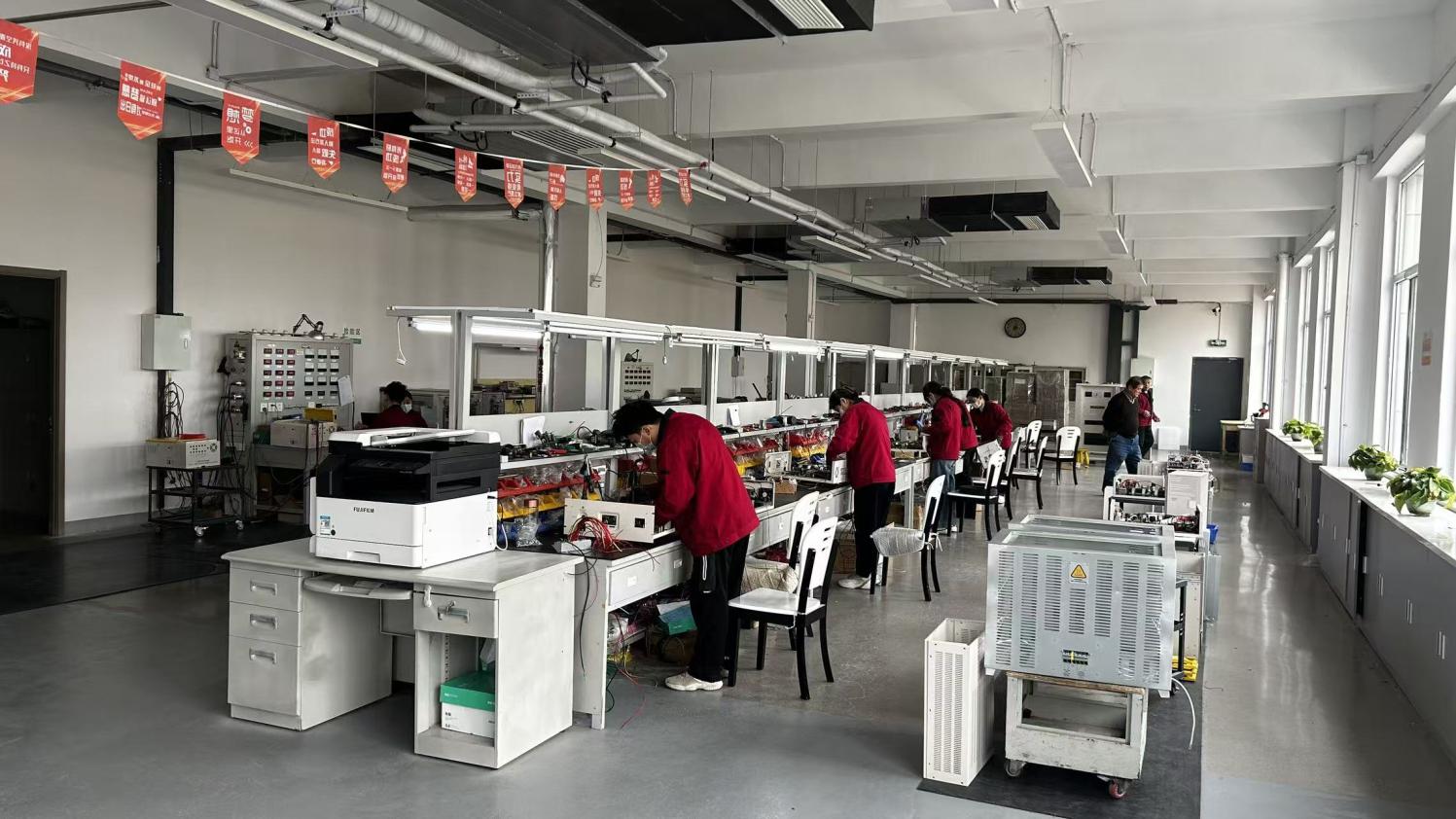
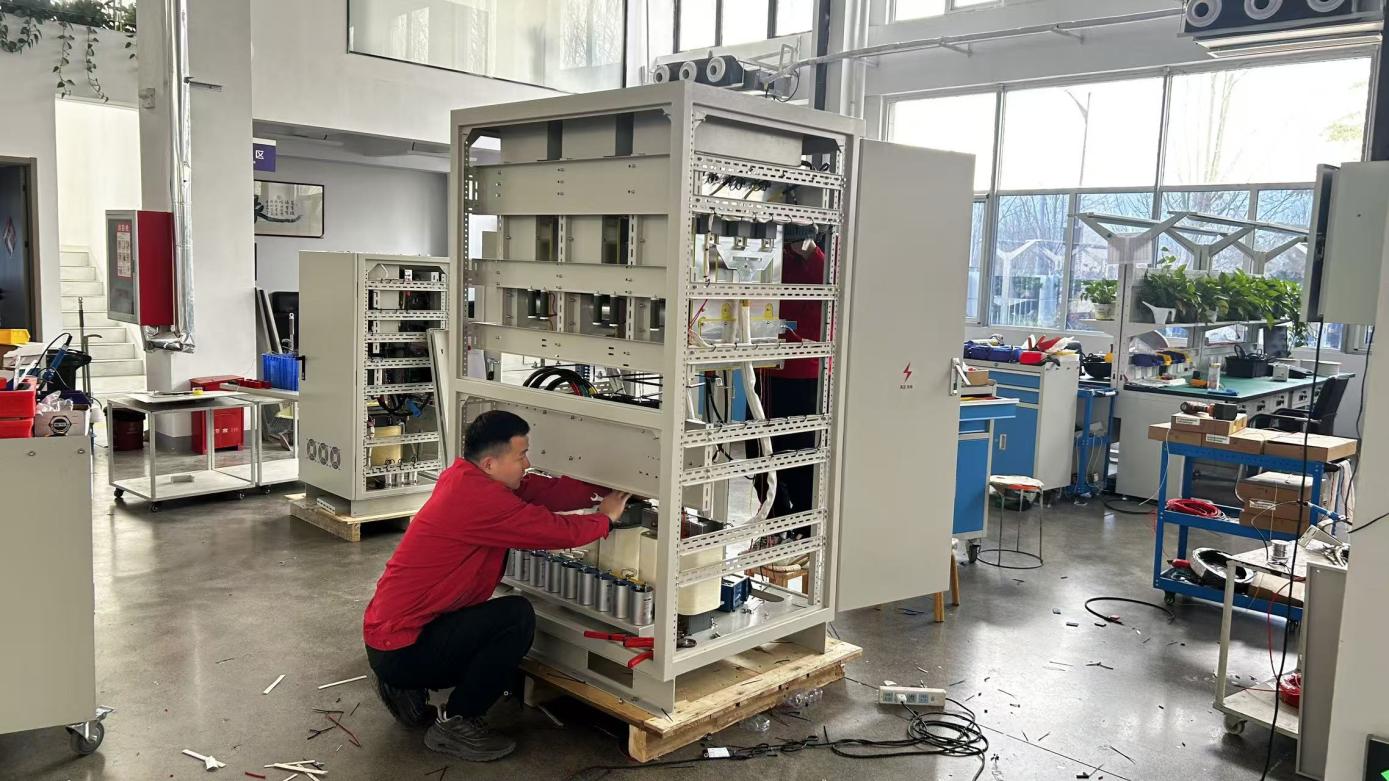
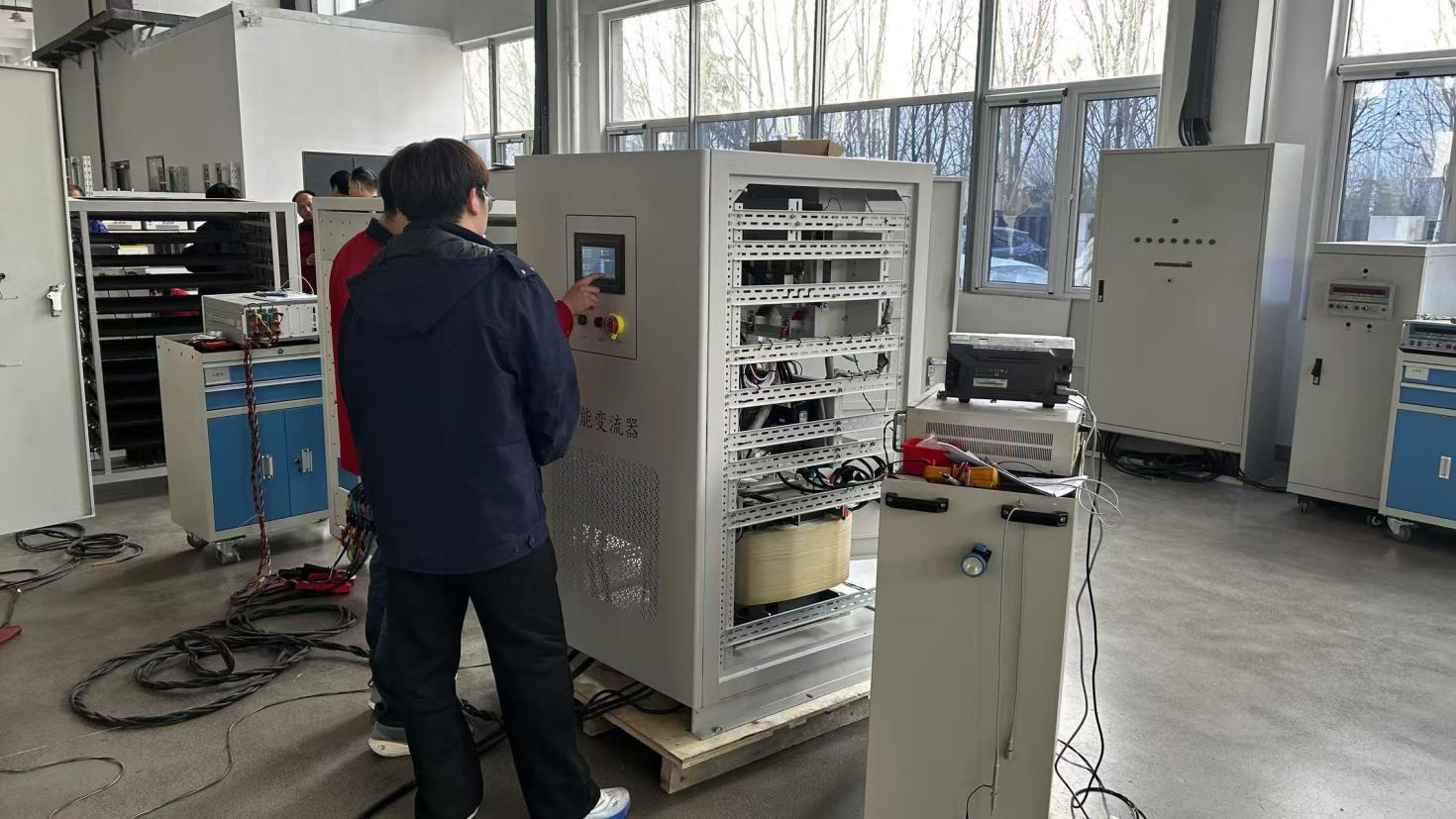
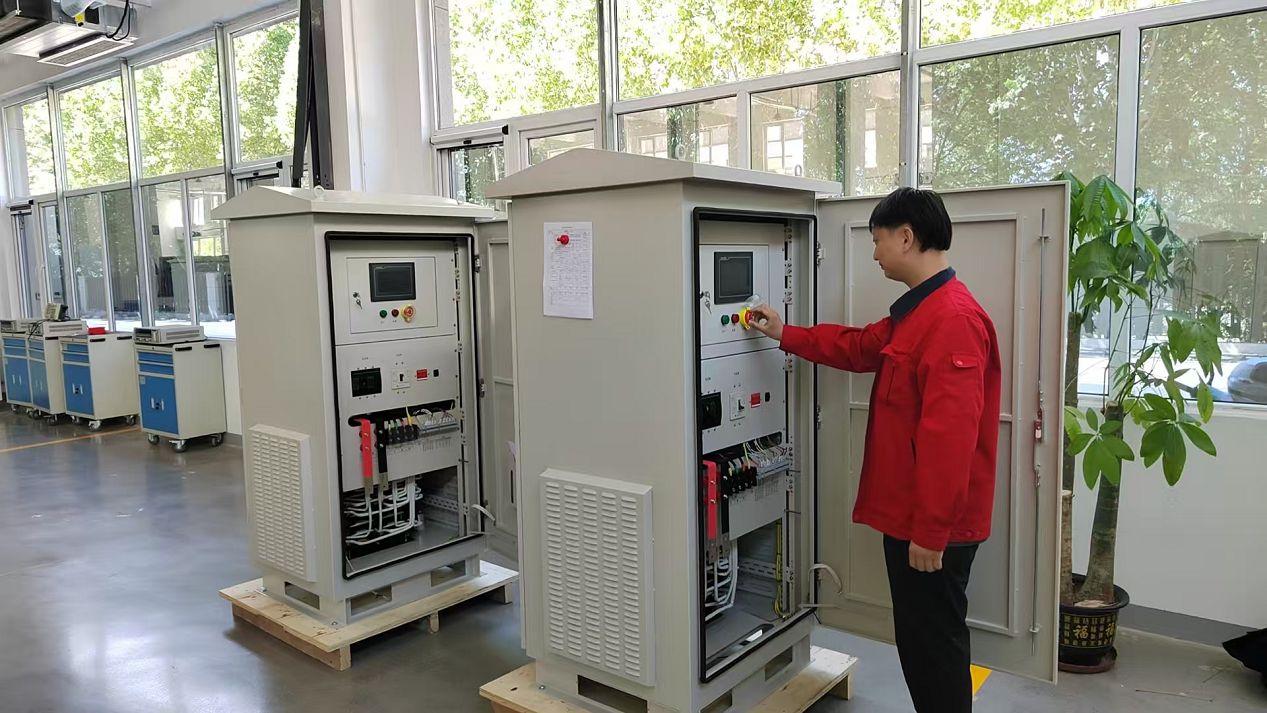
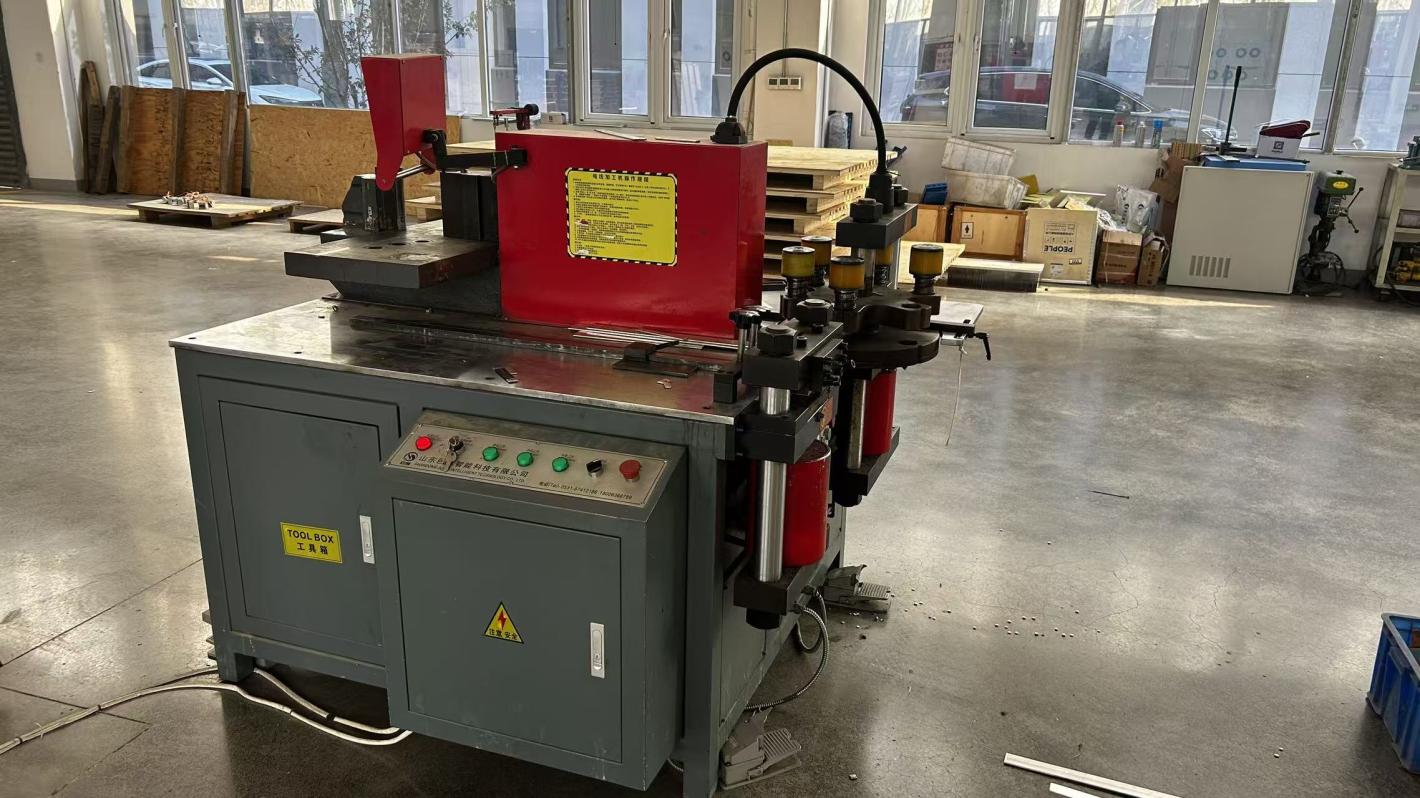
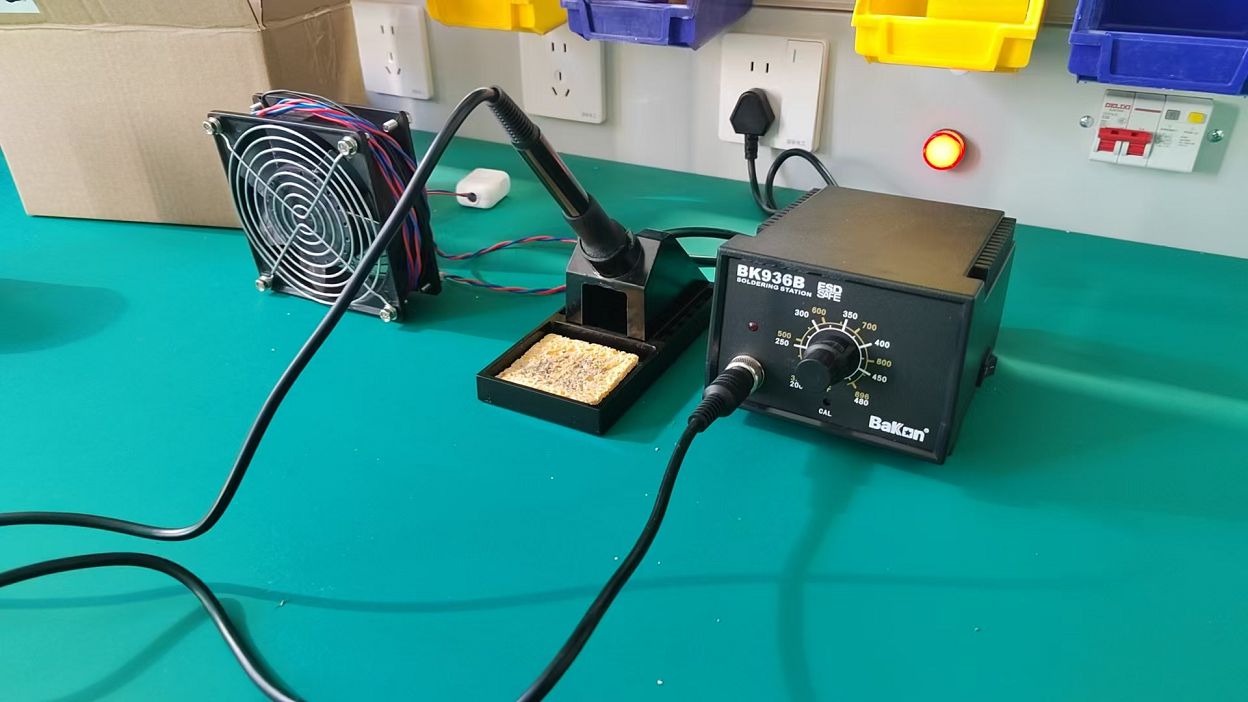
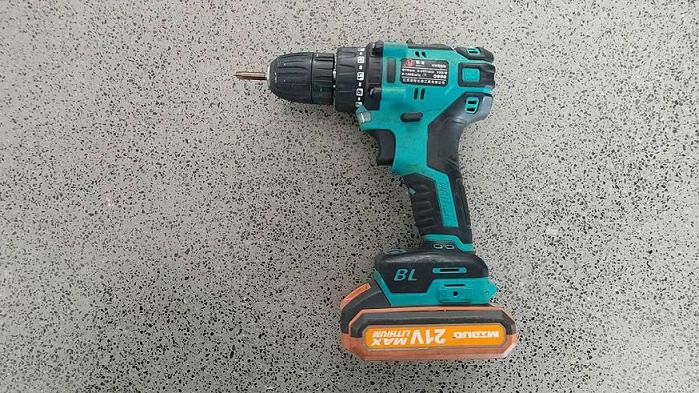
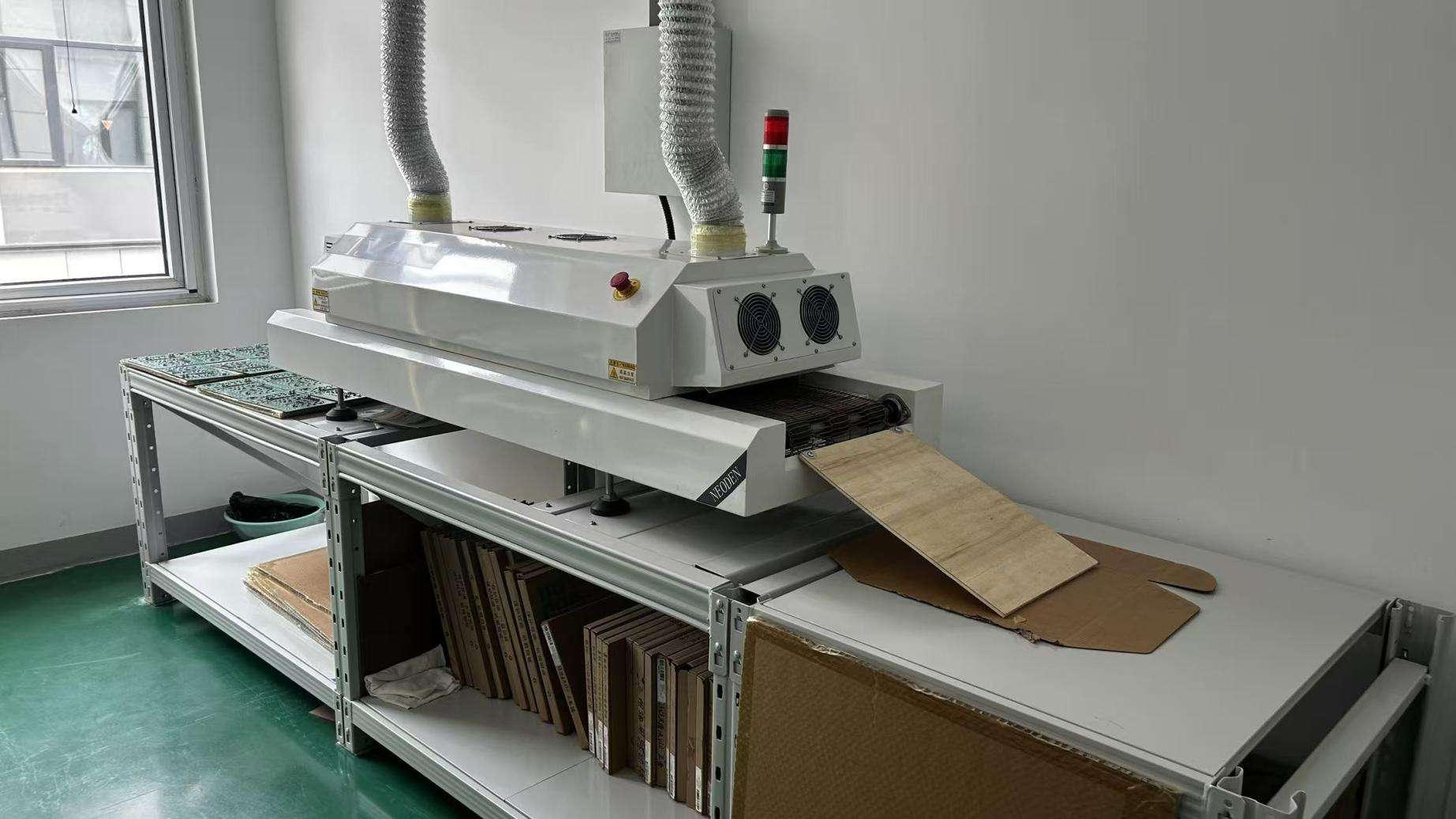
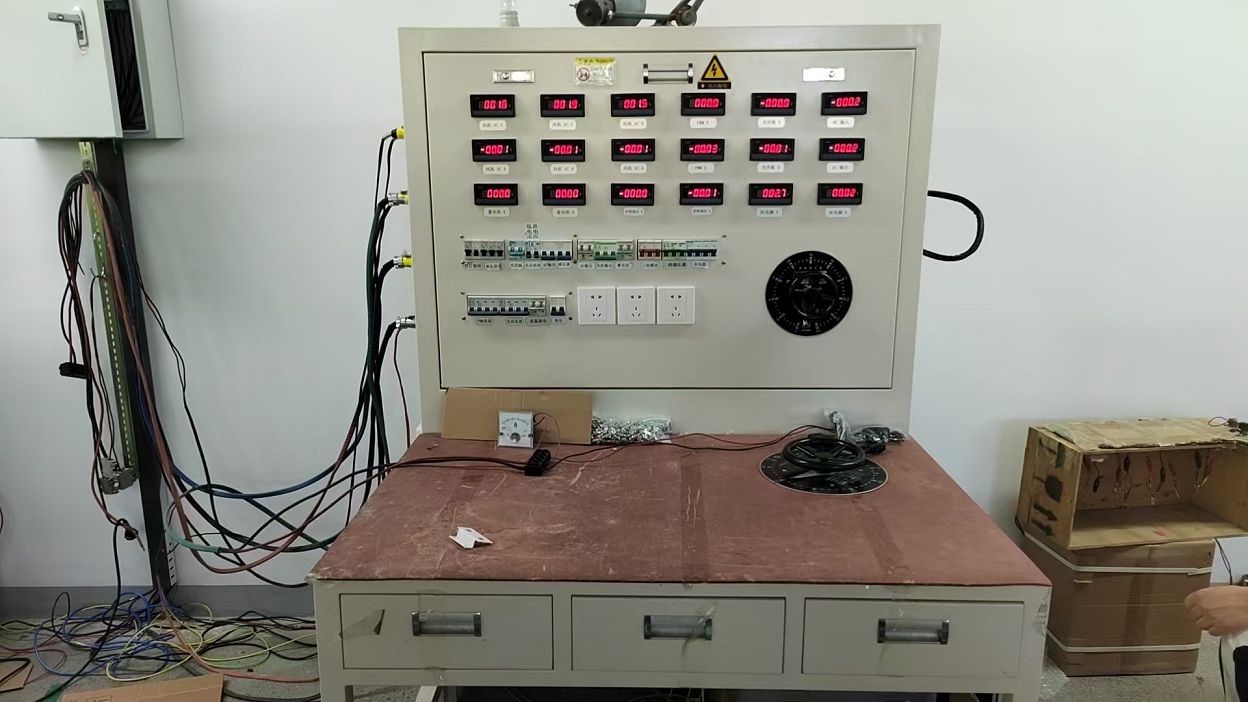
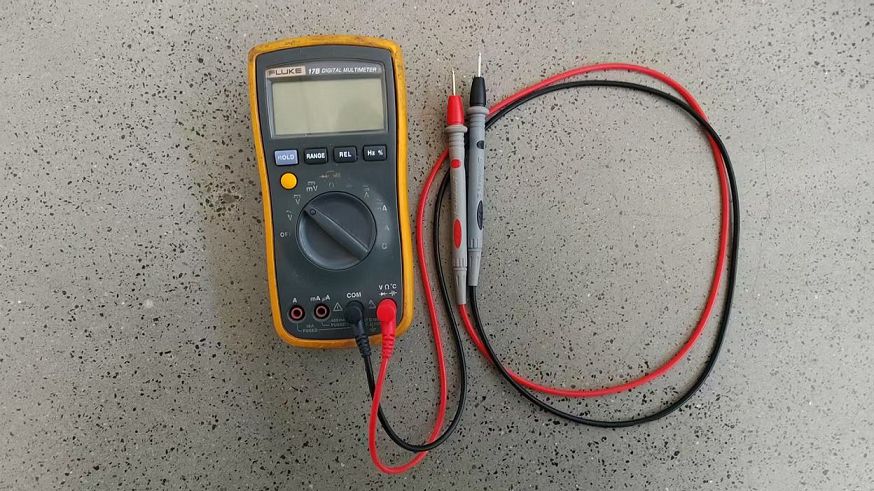
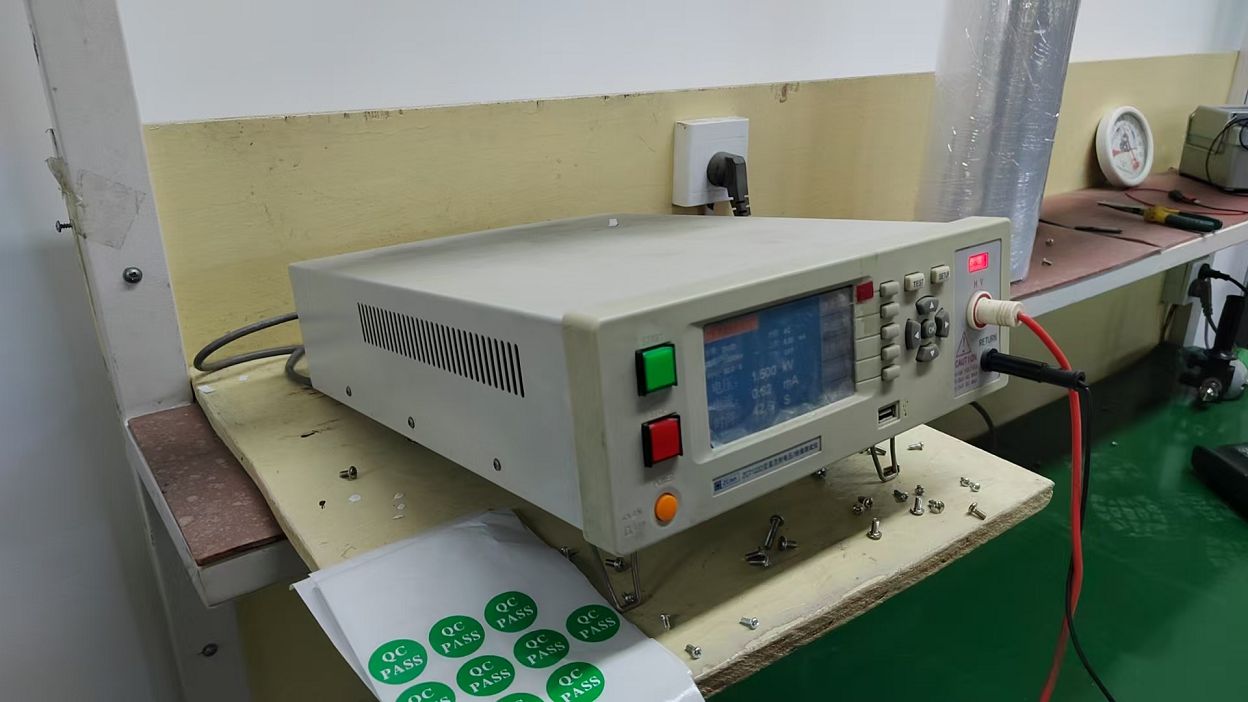
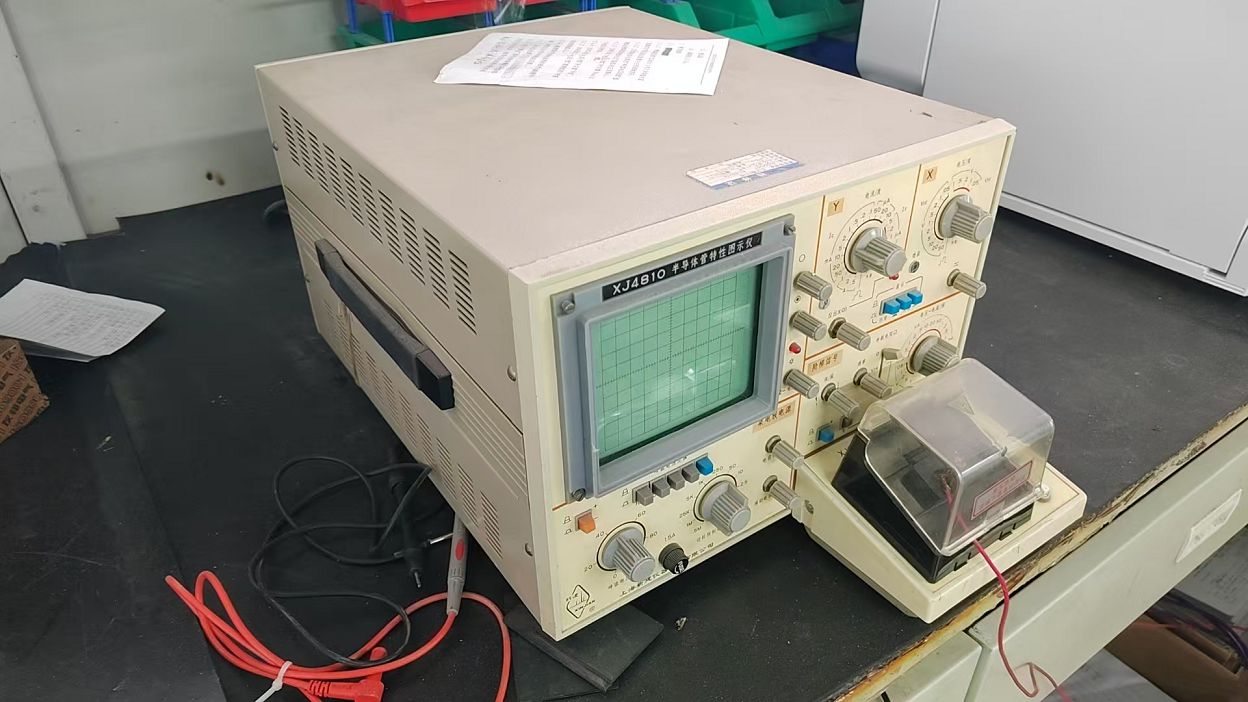
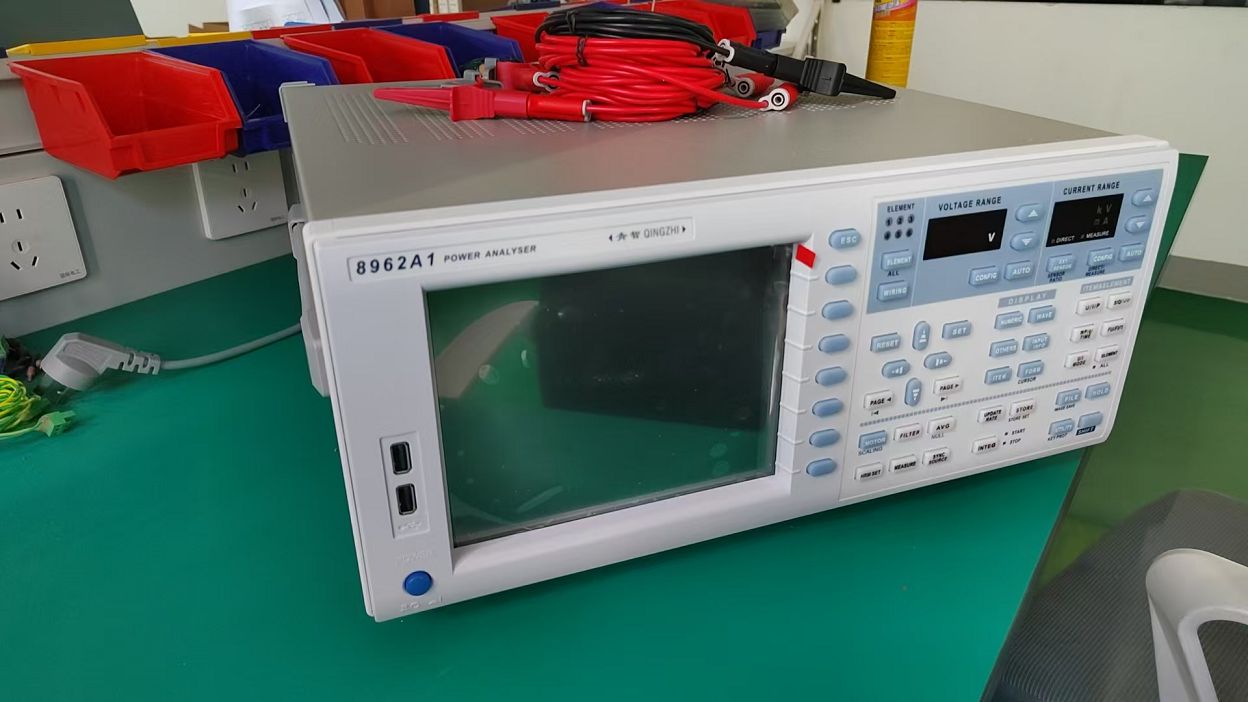
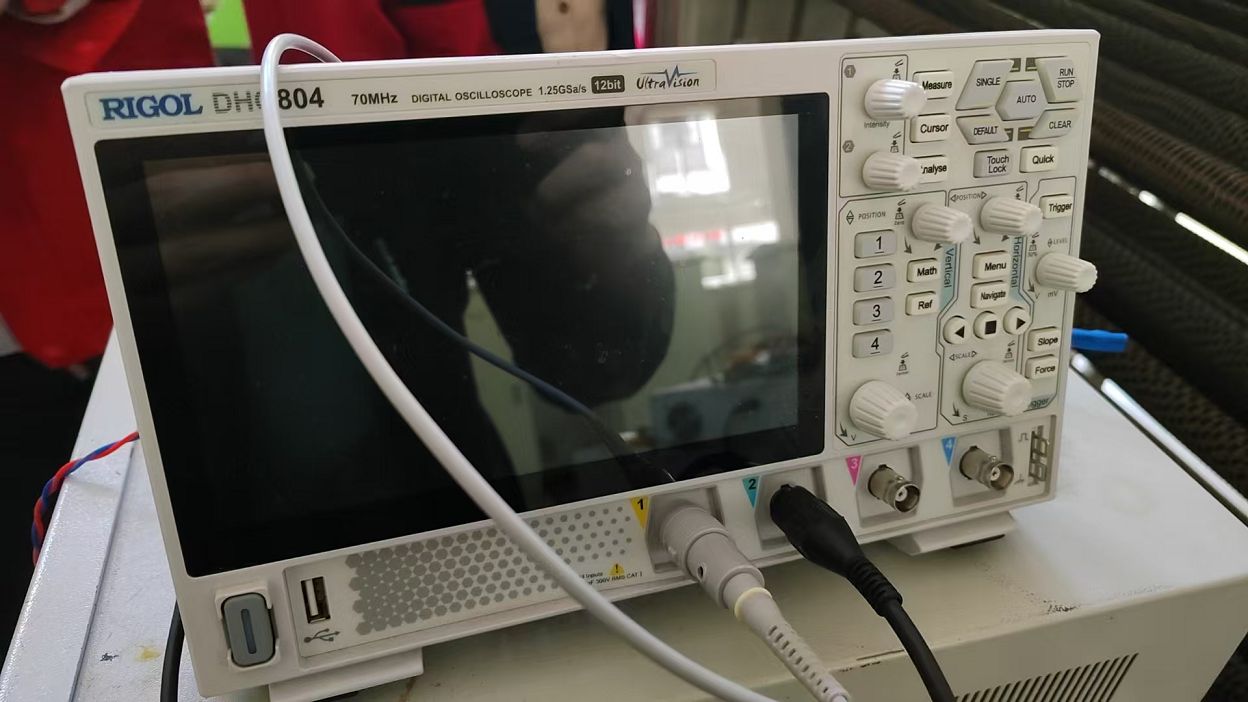
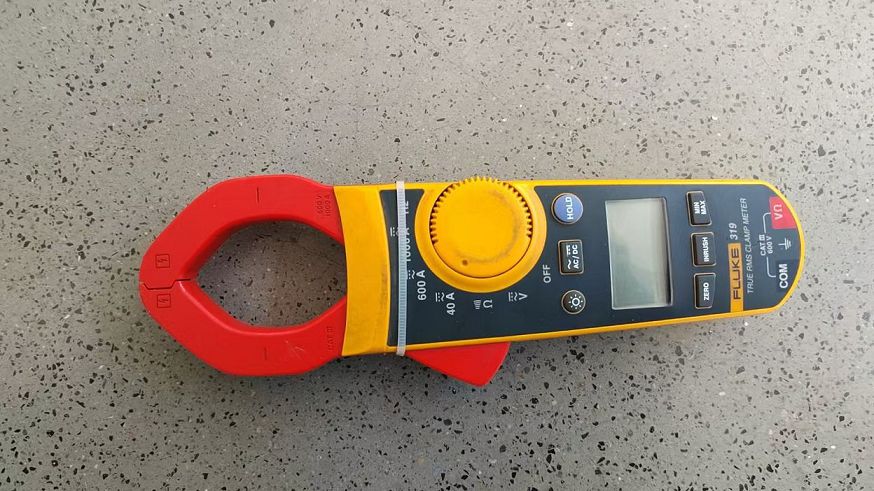
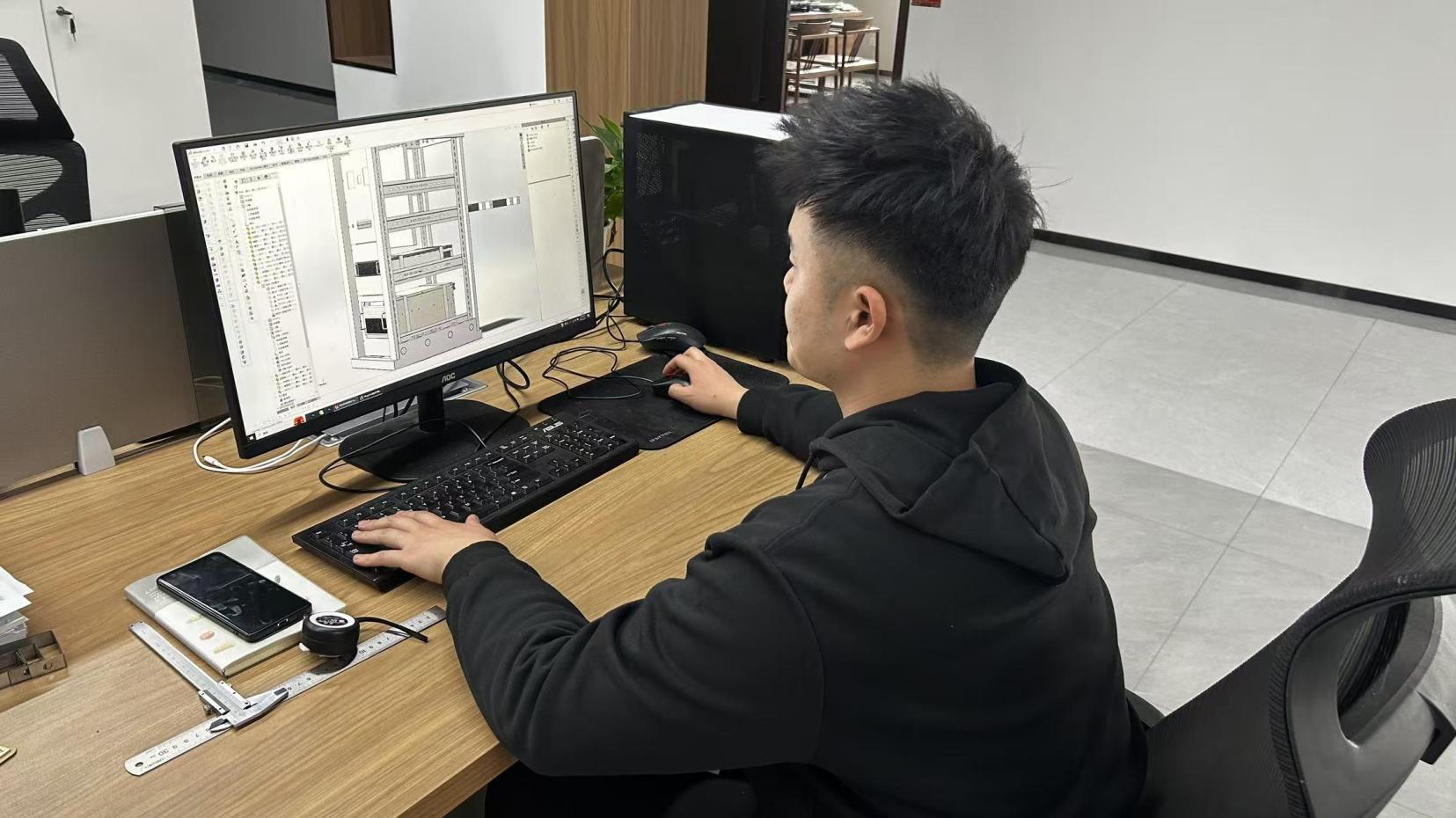
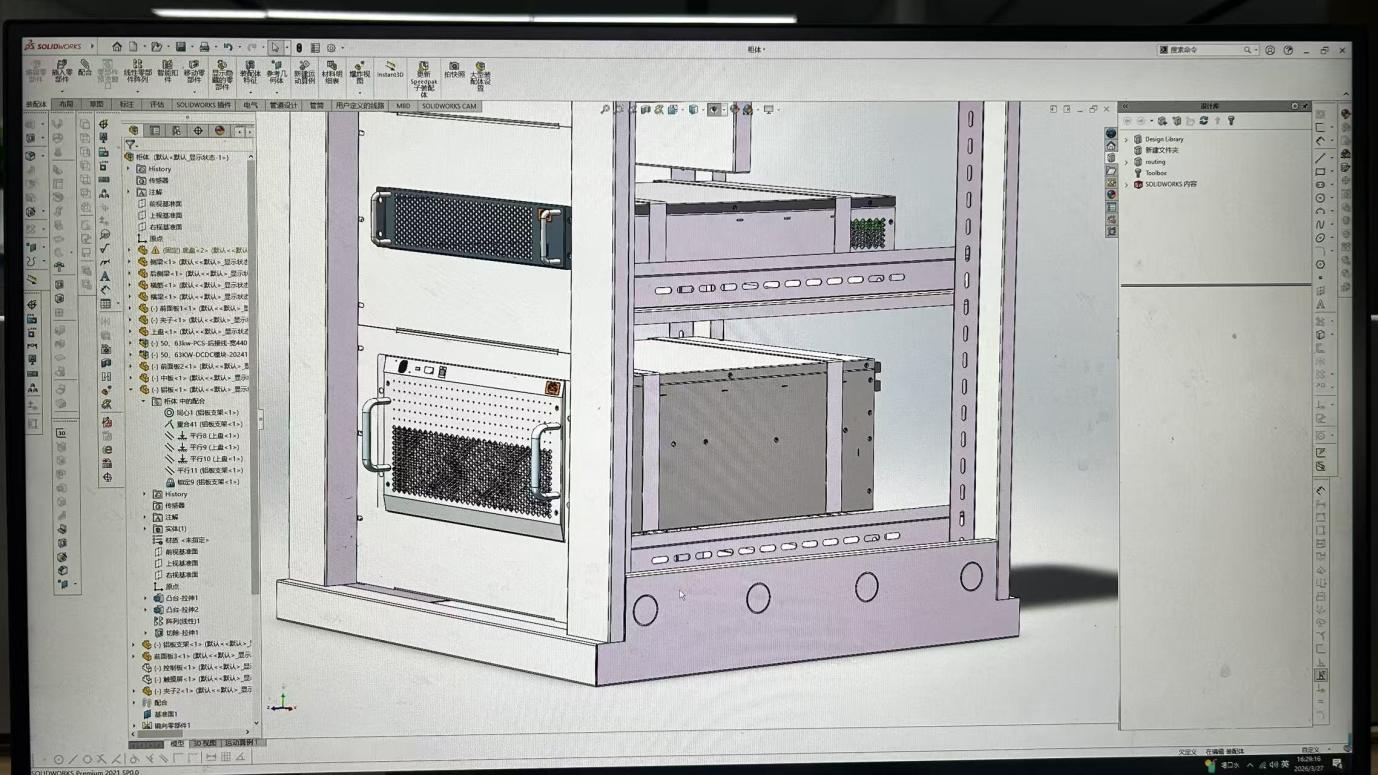
How our integrated factory ecosystem offsets local component shortages and speeds up project commissioning.
As the international logistics landscape changes, managing supply chain risks is vital for developers in Australia. Our production facility features a vertically integrated model, ensuring key raw components—such as magnetic cores, copper windings, and custom IGBT assemblies—are sourced and managed under one roof. For projects in New South Wales, this translates to faster turnaround times, comprehensive factory acceptance testing (FAT), and reliable scheduling.
Sydney's major maritime gateways, including Port Botany and Darling Harbour, require specialized shore-to-ship power (cold ironing). Port terminals rely on heavy-duty shore power converters to adapt grid electricity (typically 50Hz) to a vessel's onboard operating system (often 60Hz). By manufacturing high-power frequency converters with multi-megawatt capacities, we provide local port operators with solutions that meet both local grid requirements and international maritime regulations.
We supply engineering firms and contractors in Sydney with complete documentation packages, including electrical schematics, thermal dissipation models, and compliance certifications. This simplifies connection applications and local compliance reviews, keeping utility projects on schedule and within budget.
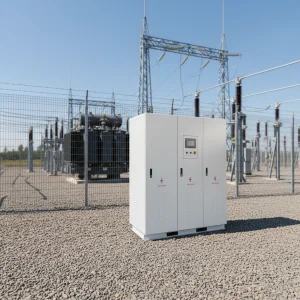
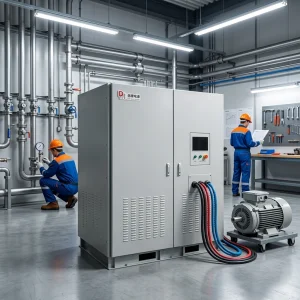
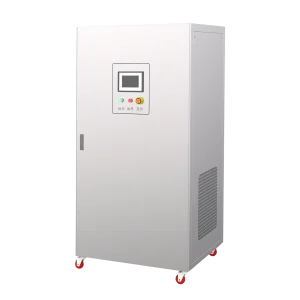
Industrial-grade shore frequency converters, bidirectional microgrid units, and high-efficiency hybrid power systems.
Technical and compliance guidance for deploying wind turbine systems and converters in Sydney.
Connect with our expert application engineers to design a system that meets your performance targets and complies with Australian grid standards.
Send Inquiry Now Demin Power