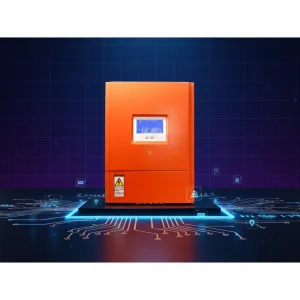
Enterprise-grade Smart Grid Energy Controllers, Bidirectional Converters, and High-Efficiency Power Solutions for Global Infrastructure.
Integrating cutting-edge telemetry, modular conversion topologies, and smart metering features designed for seamless utility integration.
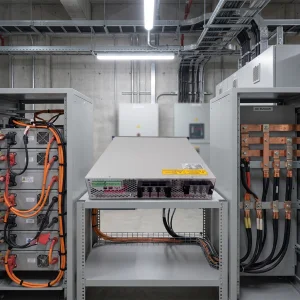
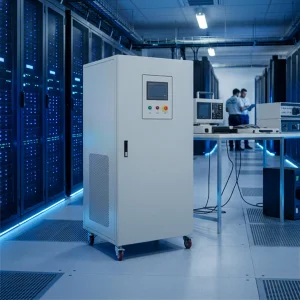
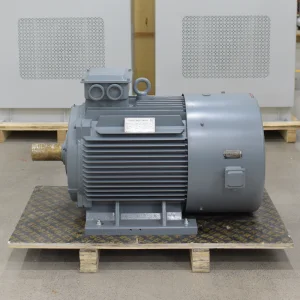

Established in 2004, Jinan Deming Power Equipment Co., Ltd. is a nationally recognized high-tech enterprise specializing in the research, development, production, and service of high-performance renewable energy power equipment and advanced power testing solutions. By maintaining strict adherence to ISO9001:2015 quality guidelines, we design and export critical grid hardware engineered for modern global infrastructure.
Our core capabilities range from advanced wind/solar charge controllers, high-power grid-tied and off-grid inverters, industrial frequency converters, to advanced bidirectional DC test power supplies and high-capacity battery simulators (ranging from 150kW up to 500kW). Deming Power is trusted by researchers, grid designers, and Fortune 500 enterprises to deliver the stability required for modern microgrids and precision manufacturing applications.
Insights into the next generation of industrial grid management, power conversion, and digitalized load monitoring.
Modern microgrids require smart energy balancing. Bidirectional DC-DC and AC-DC topologies allow high-capacity batteries to operate dynamically. As localized generation grows, devices must transition instantly between load and source modes, necessitating highly responsive power consumption metrics and high-accuracy telemetry.
Utility networks globally are integrating distributed renewable assets including commercial solar arrays, micro gas turbines, and wind power. Real-time consumption monitoring provides active damping and phase stabilization, securing microgrid configurations against structural load shedding and voltage sags.
Conventional utility metering is evolving to microsecond-level grid analytics. Intelligent industrial operations utilize active harmonic compensation algorithms and high-speed data buses (Modbus TCP, CANopen) to detect minute power disturbances, enabling predictive maintenance models for heavy machinery.
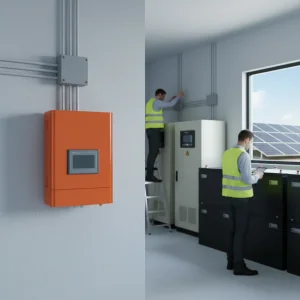
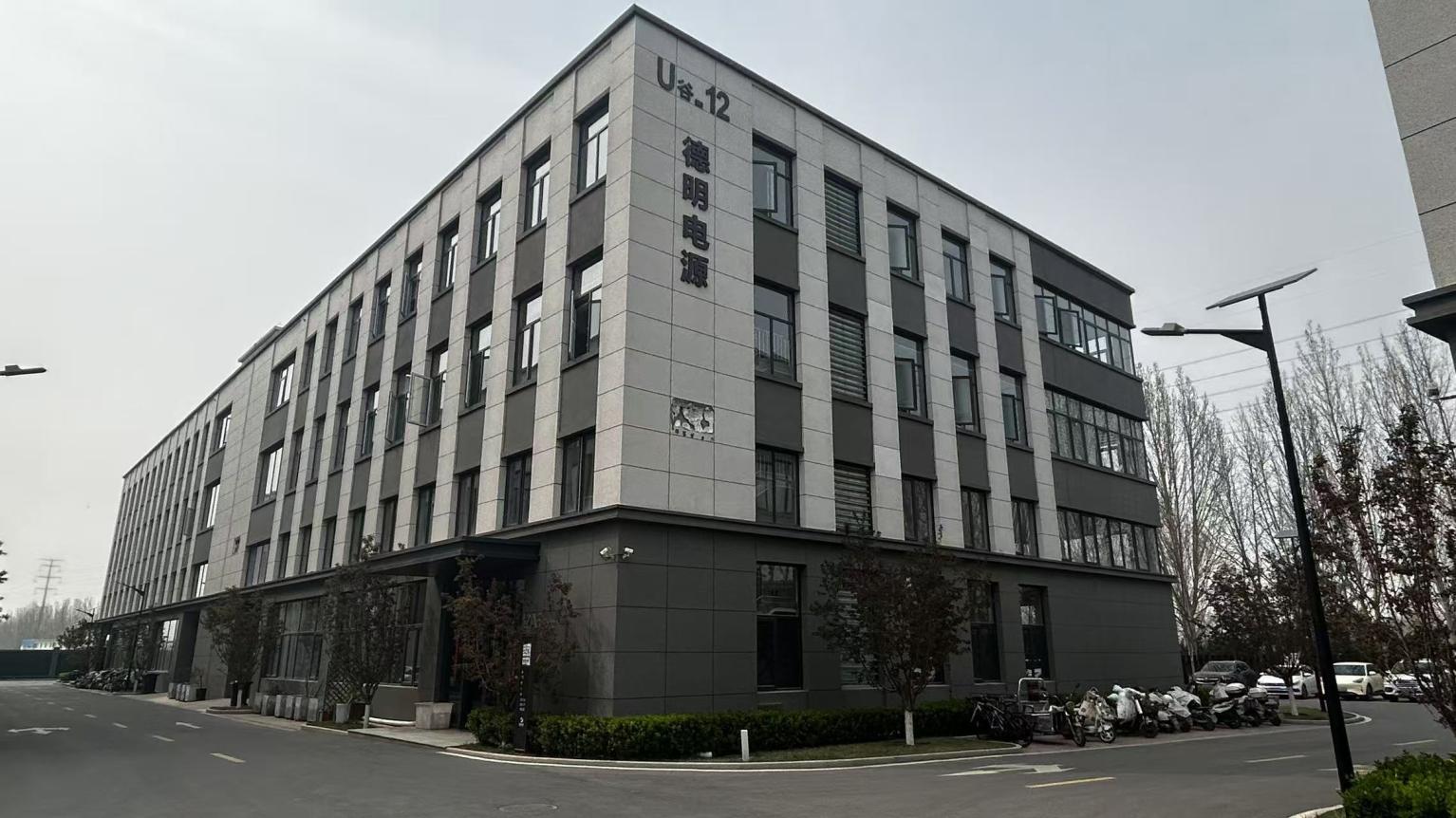
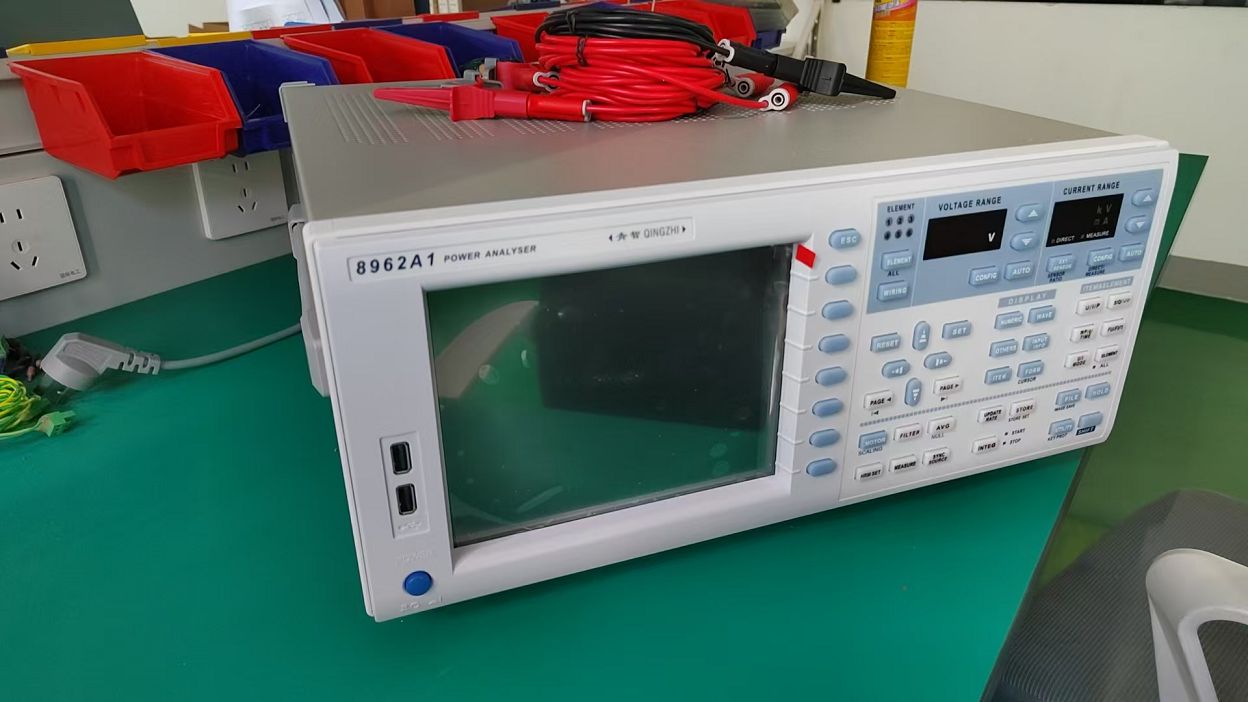
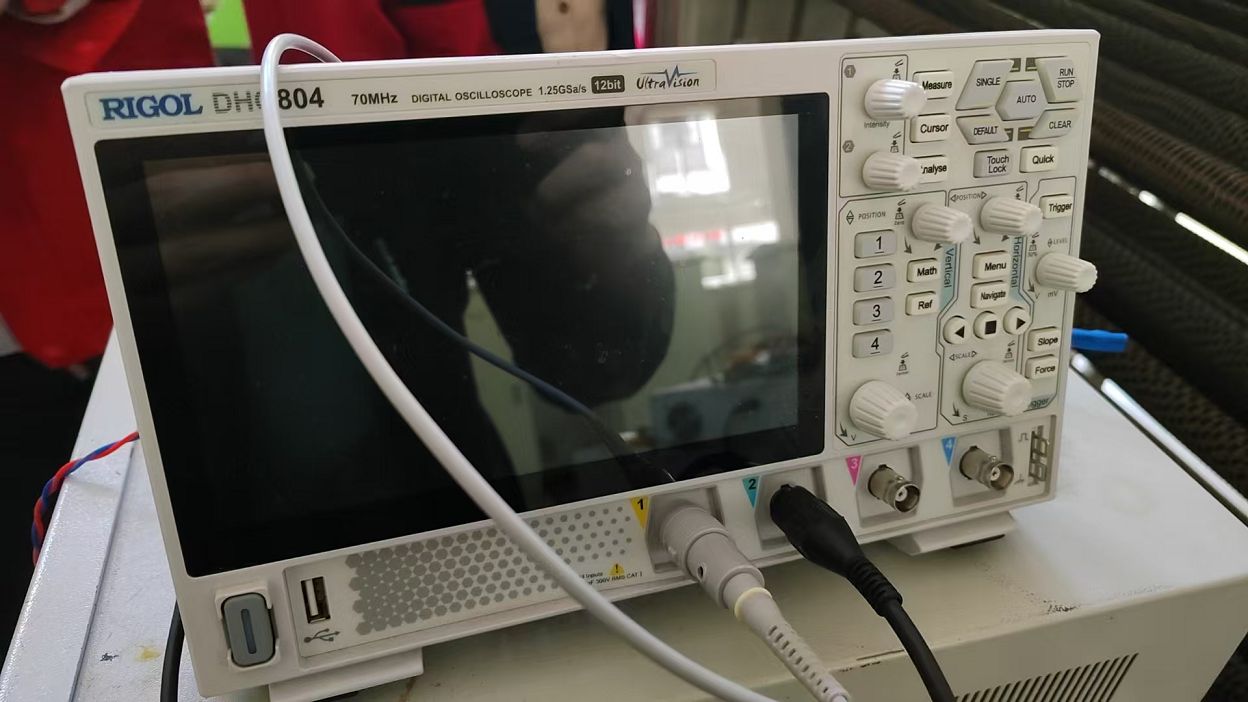
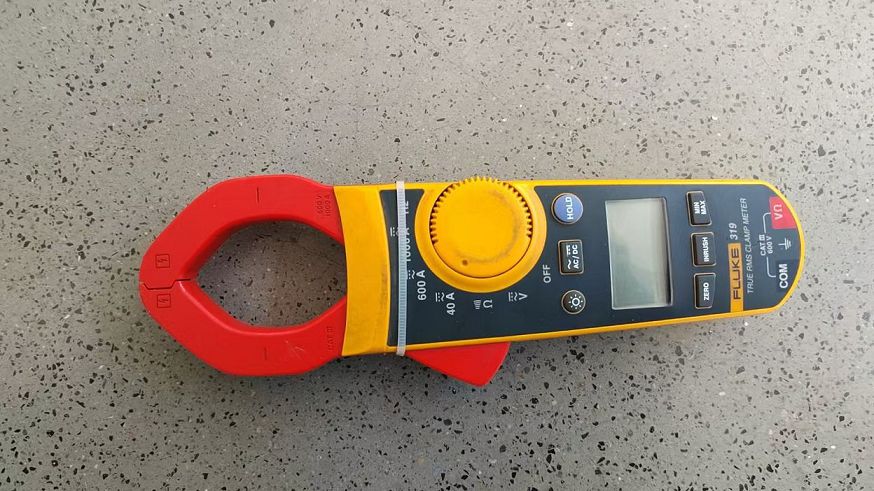
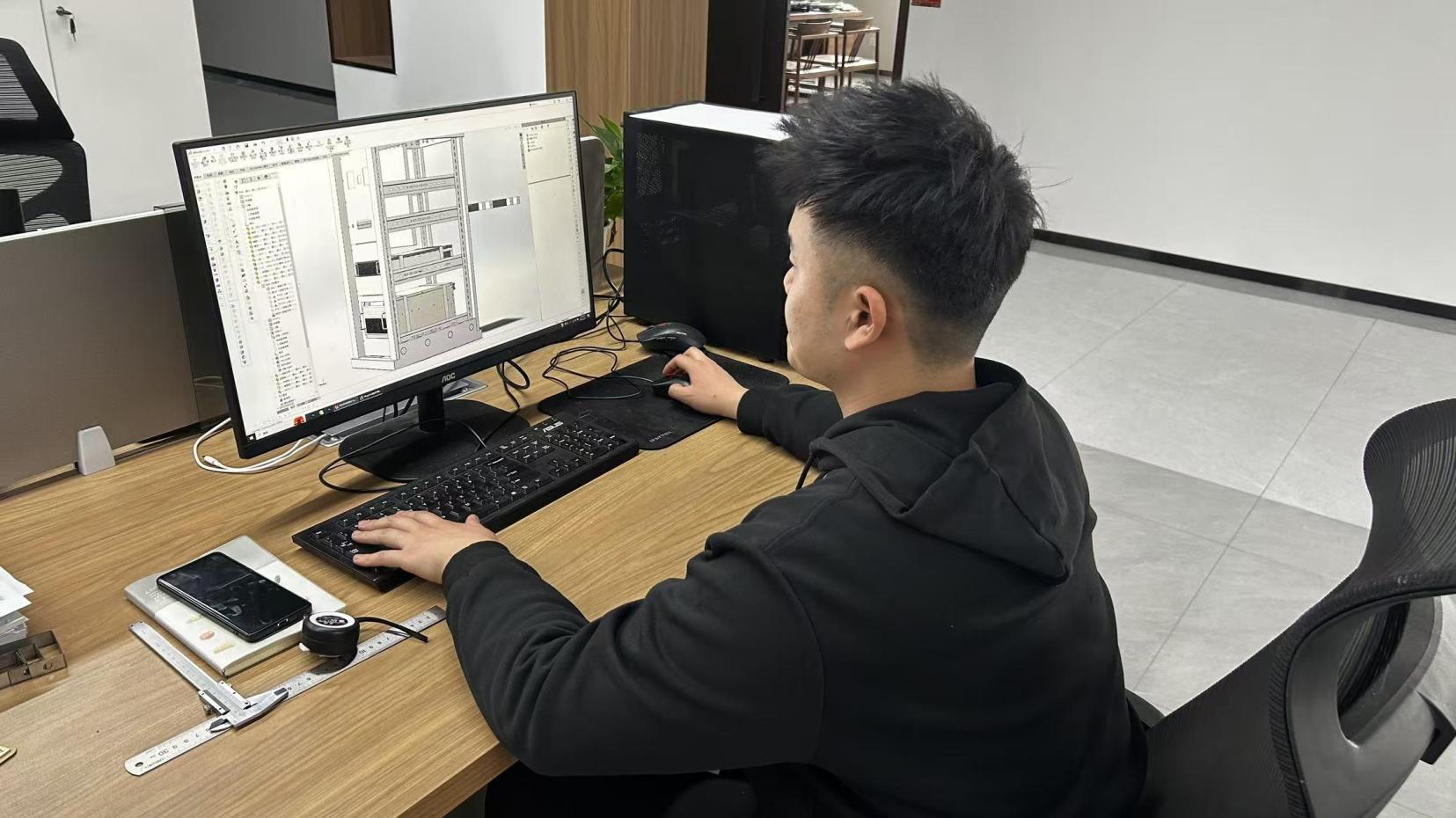
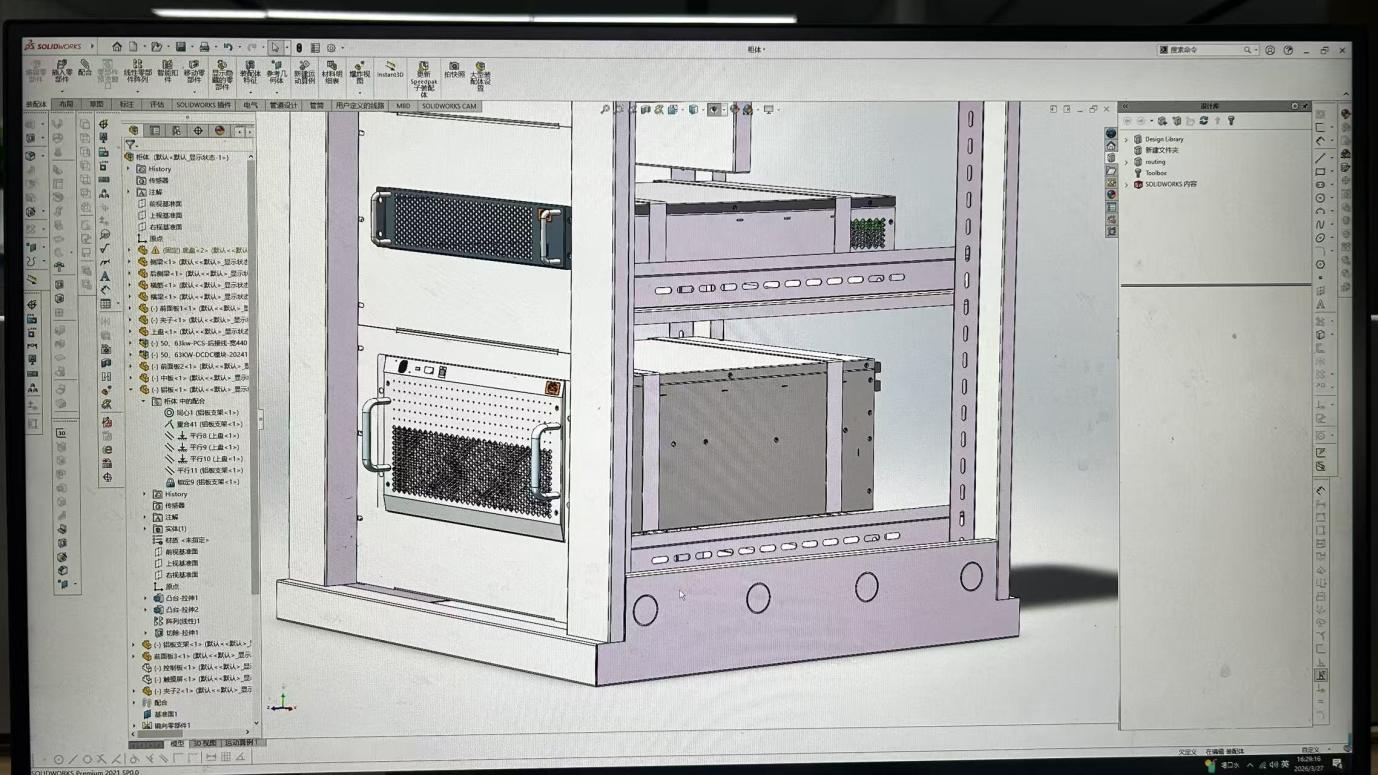
Jinan Deming maintains rigorous in-house manufacturing, precision component assembly, and multi-stage testing processes.

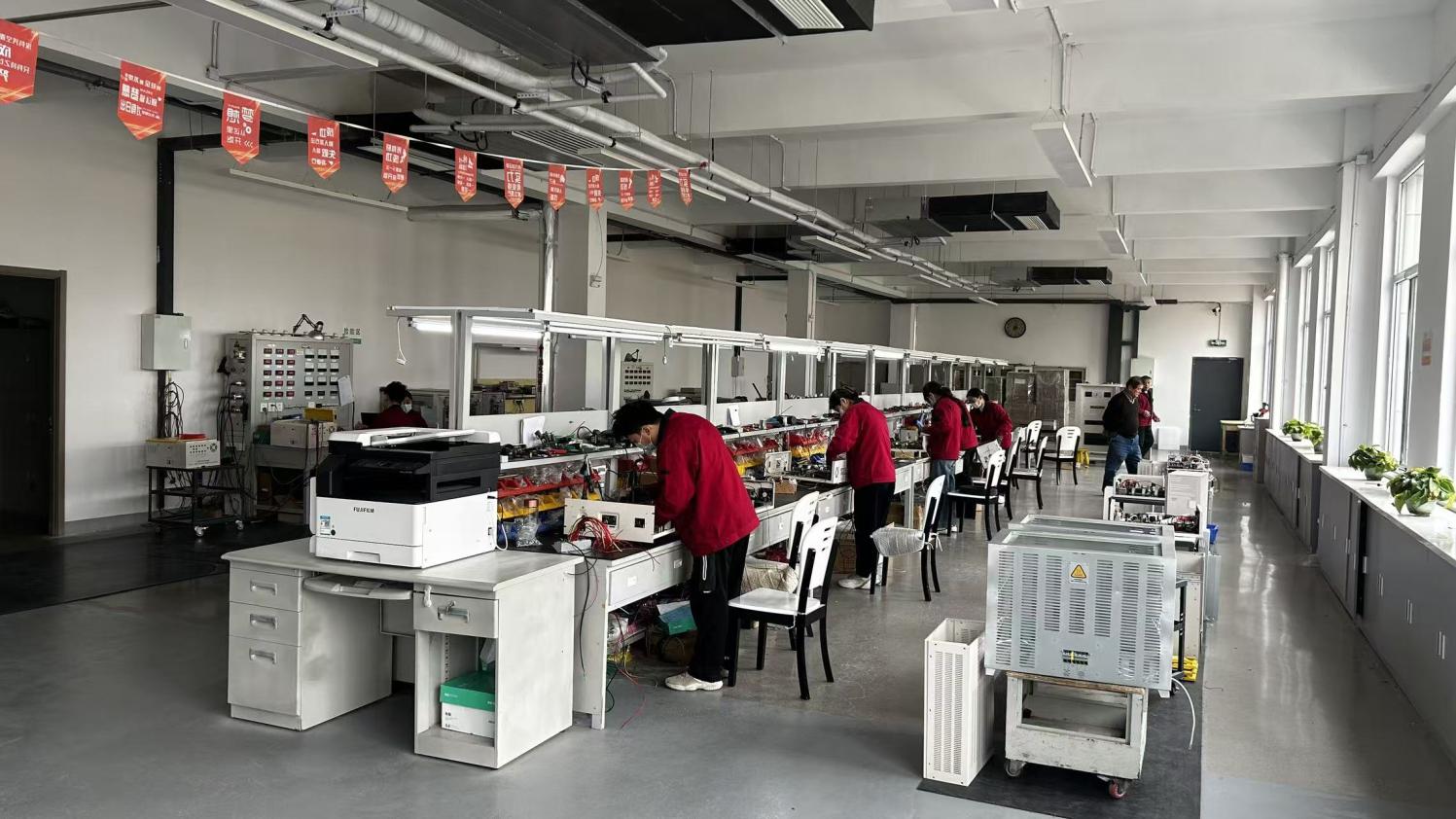
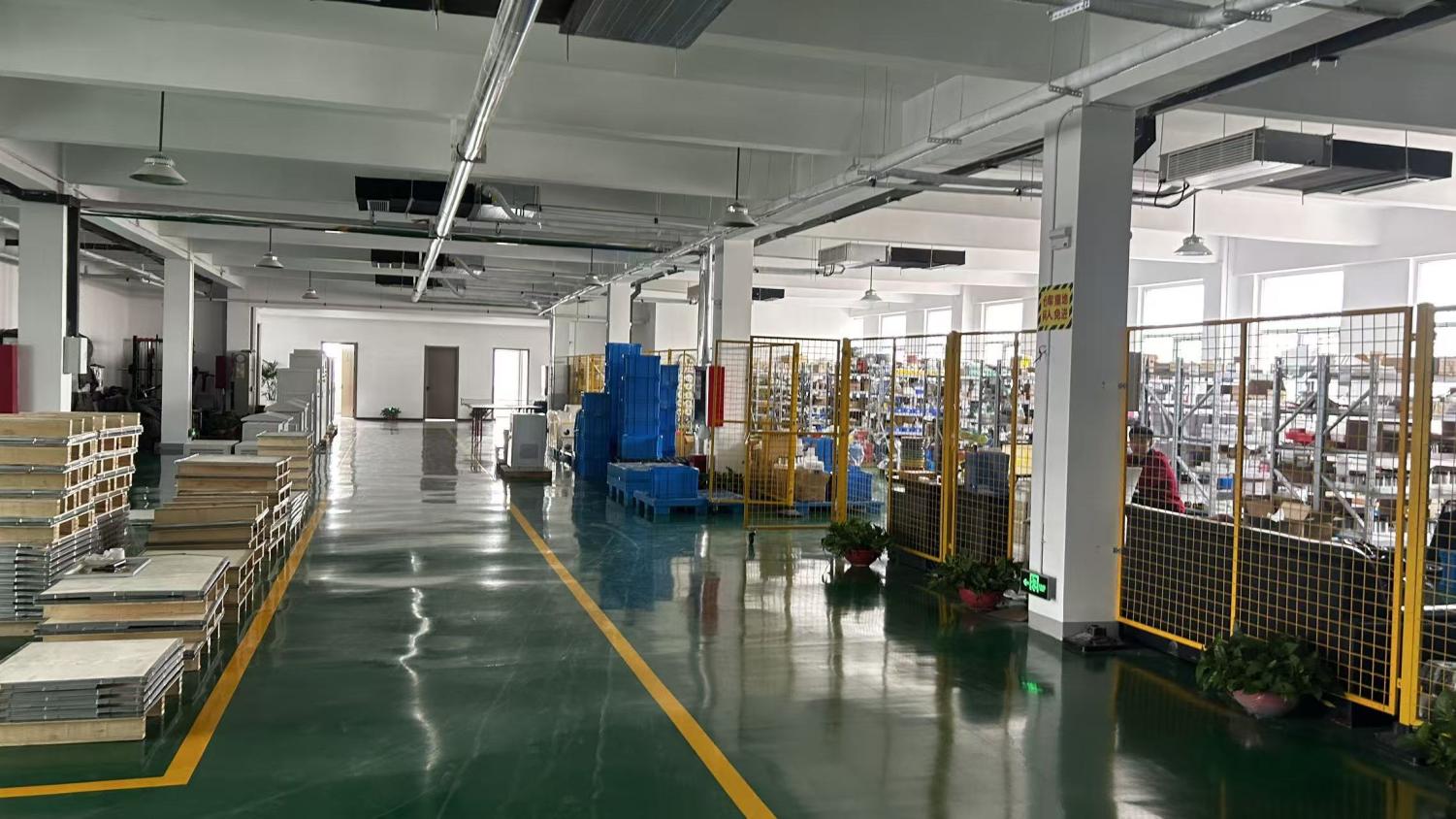
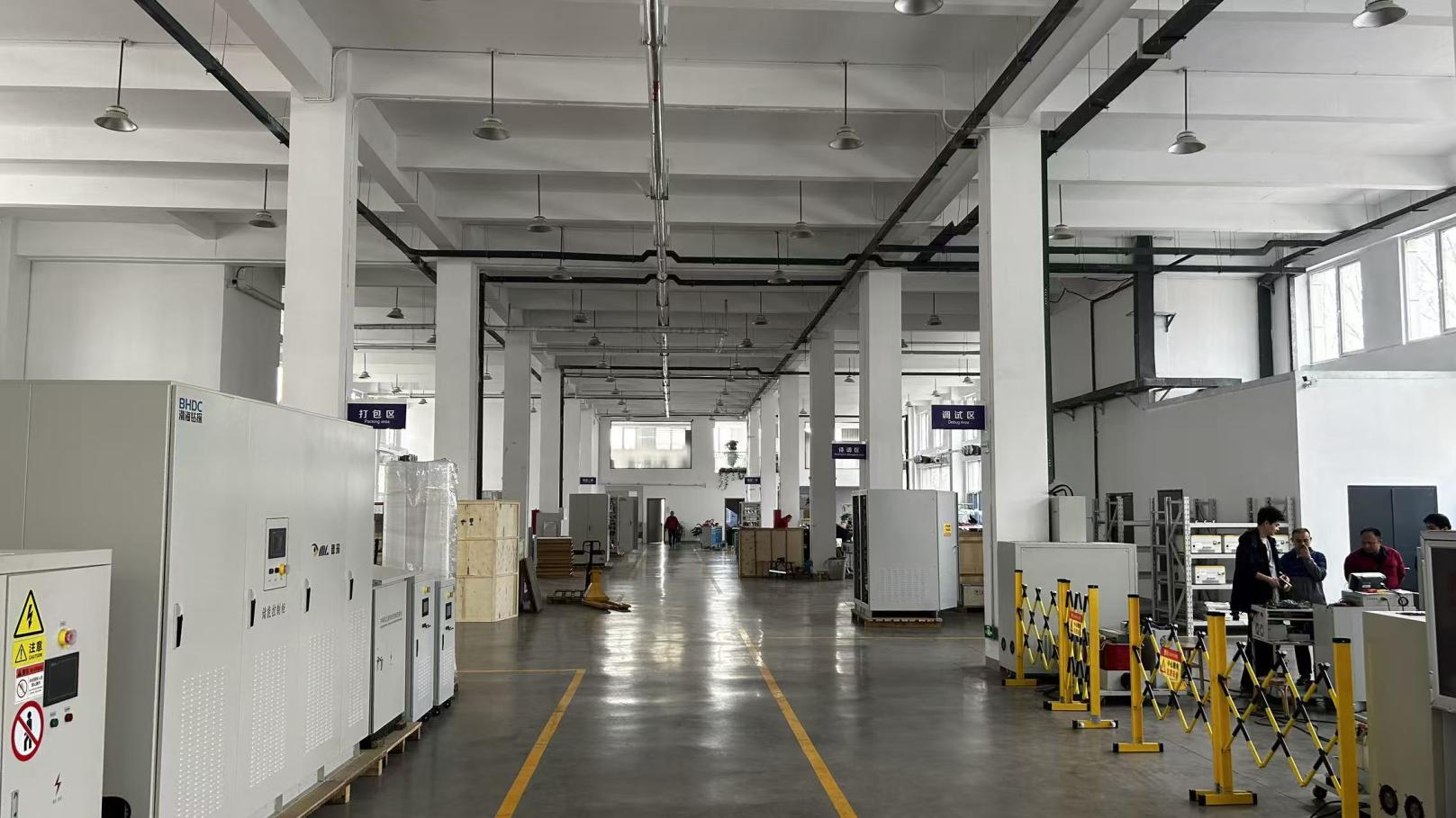
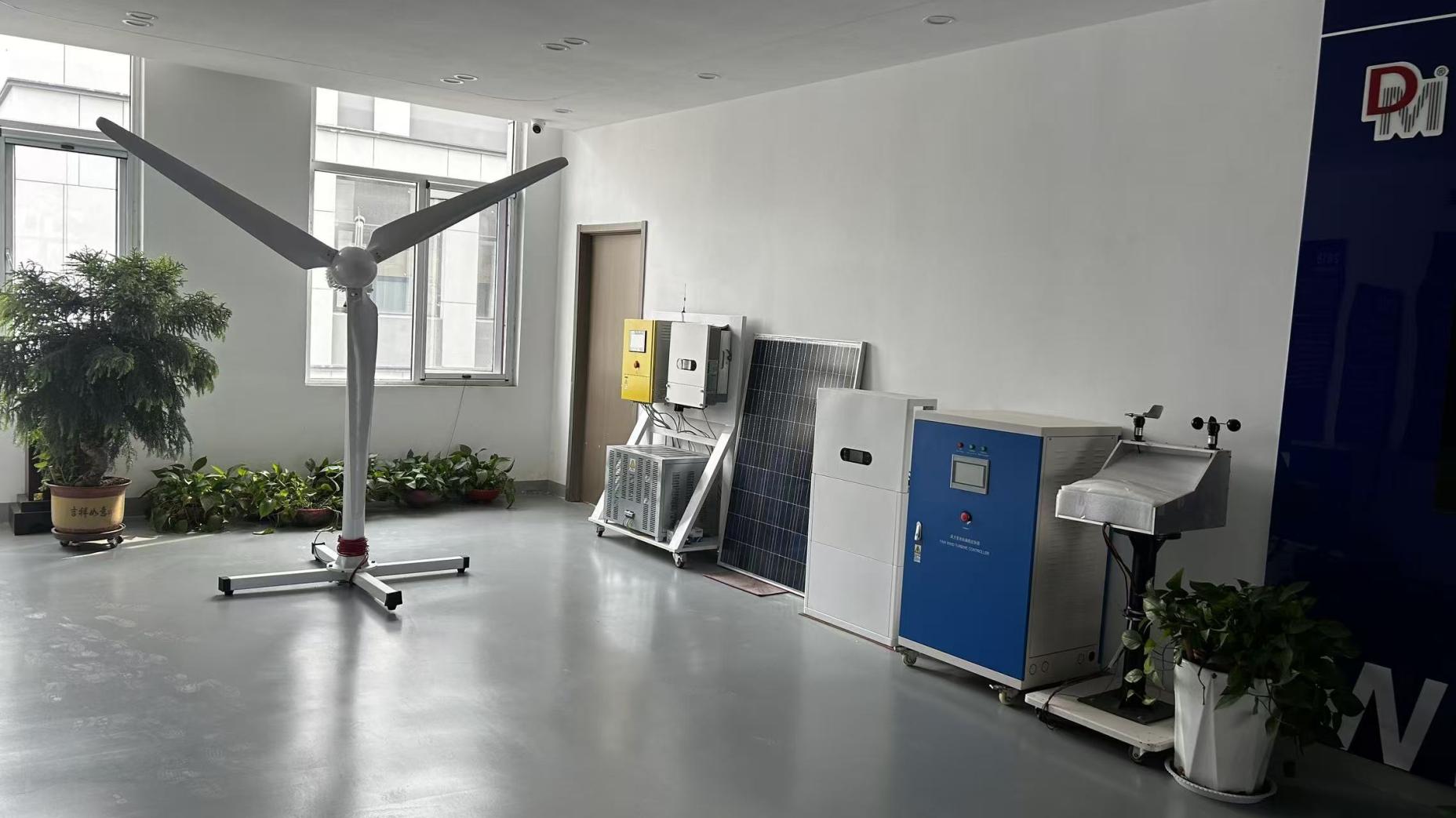
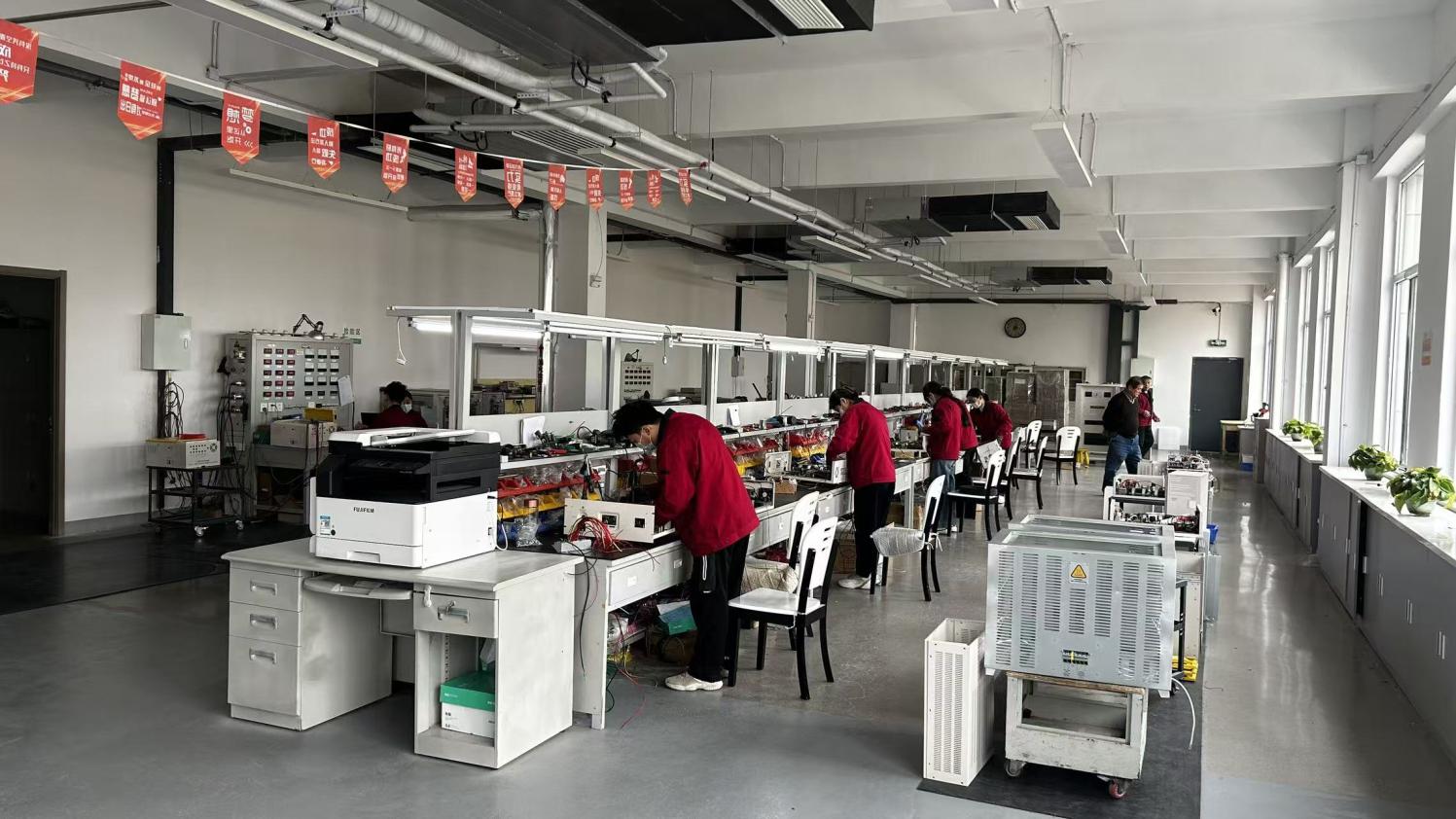
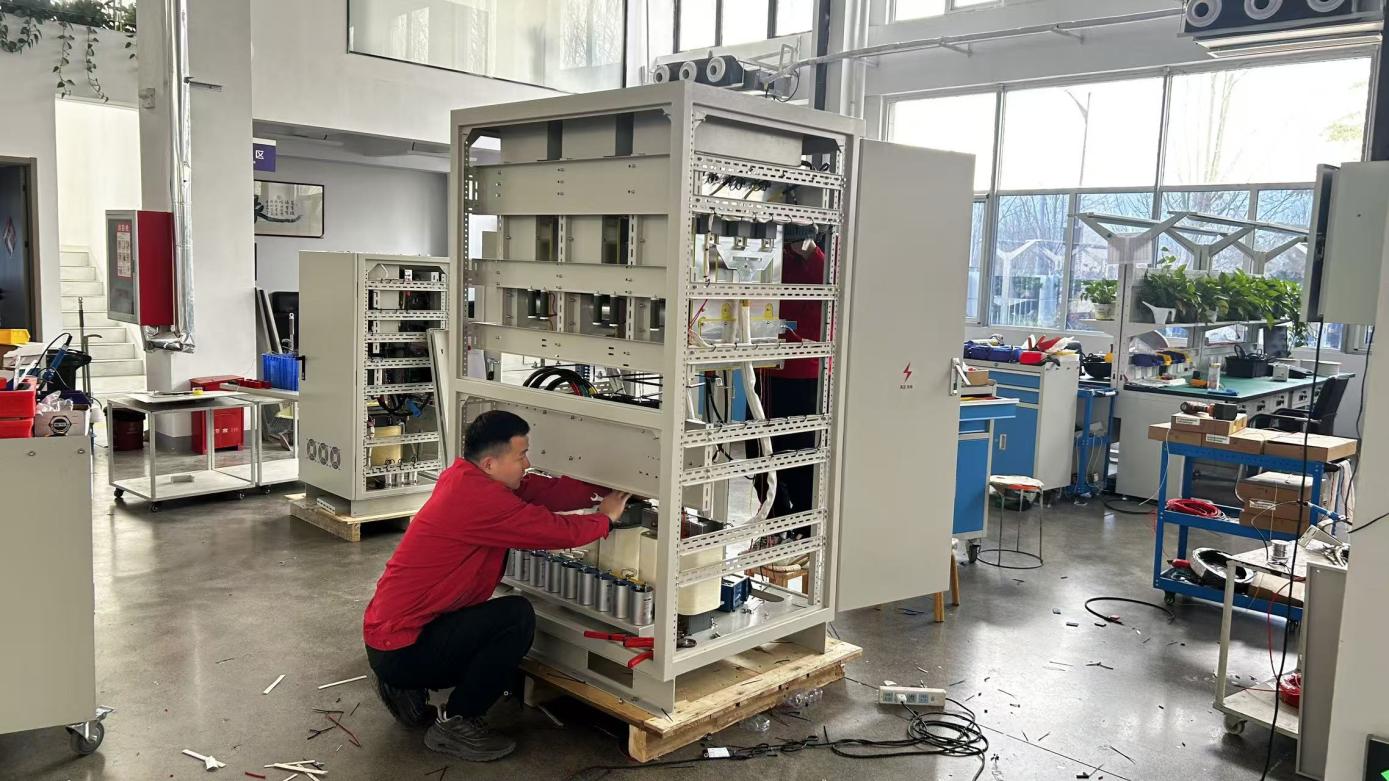
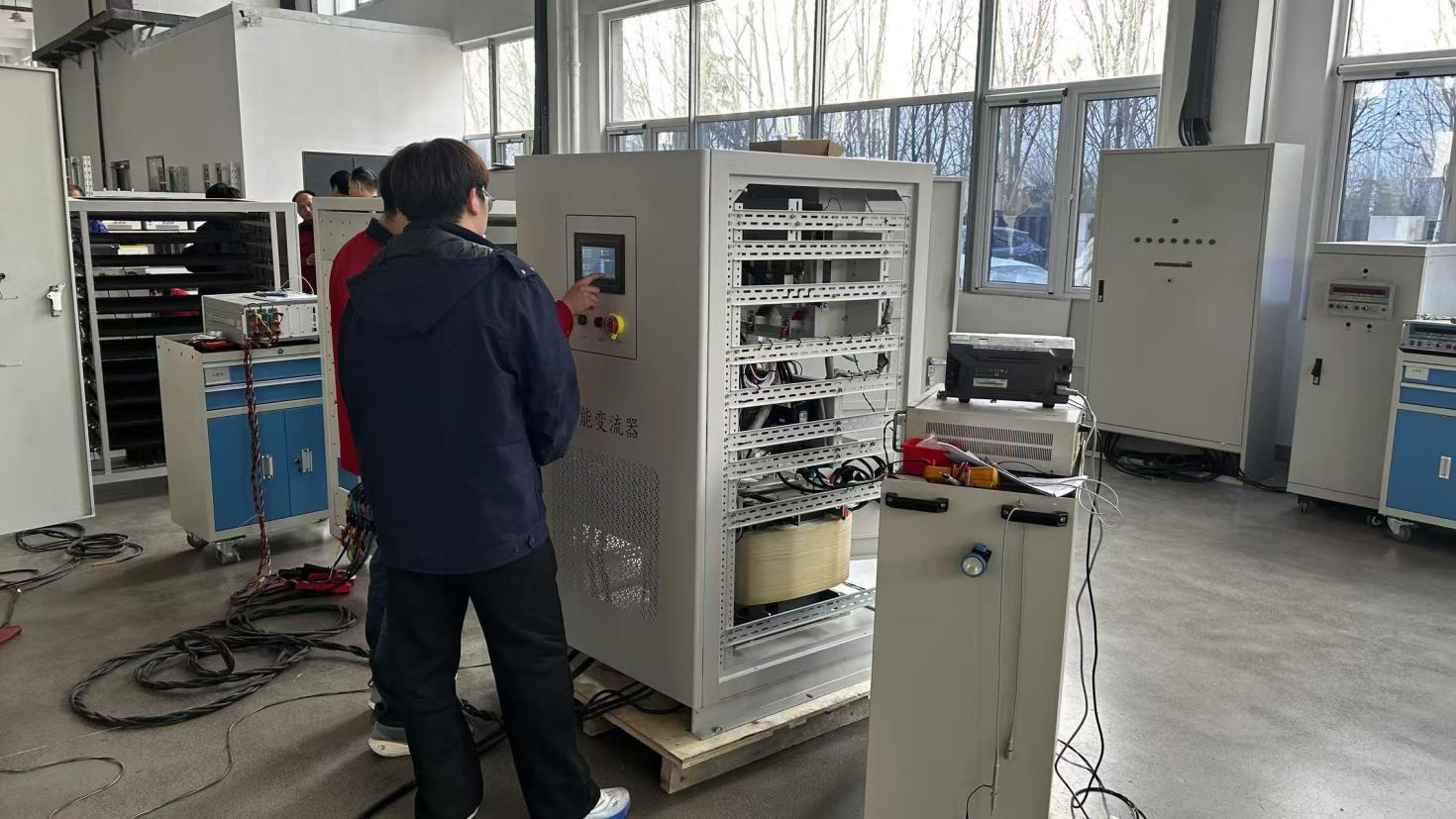
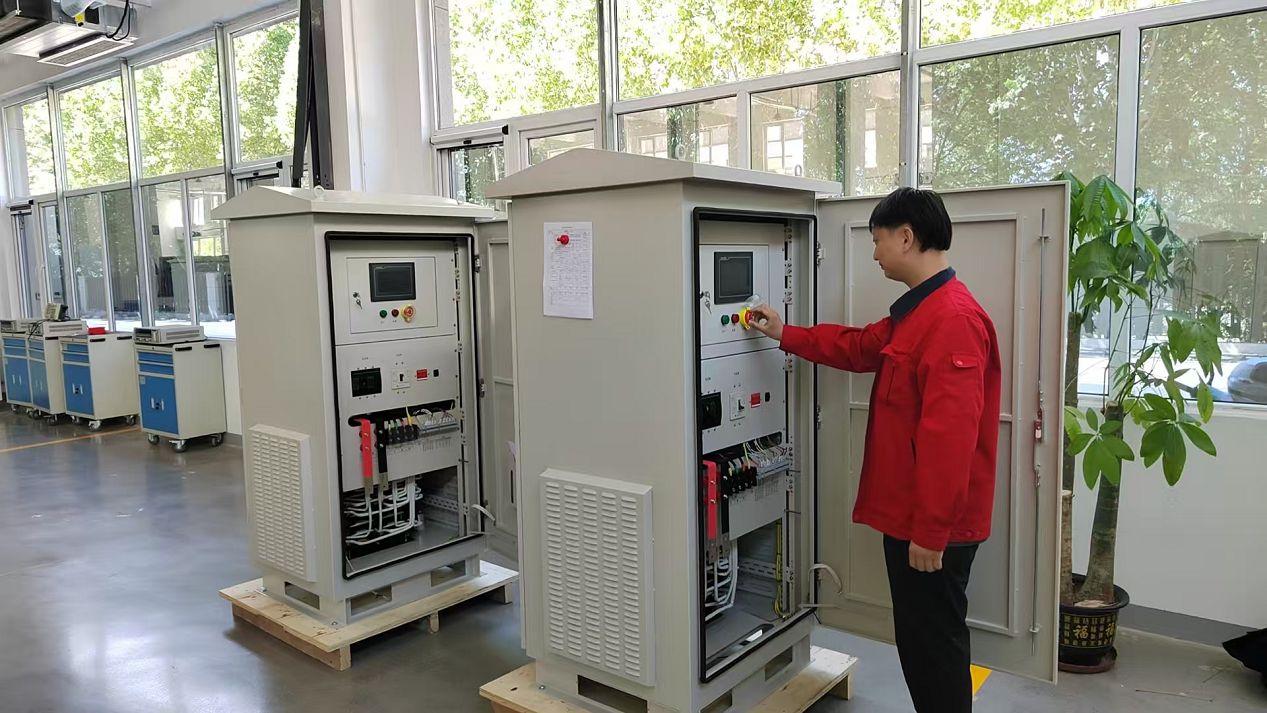
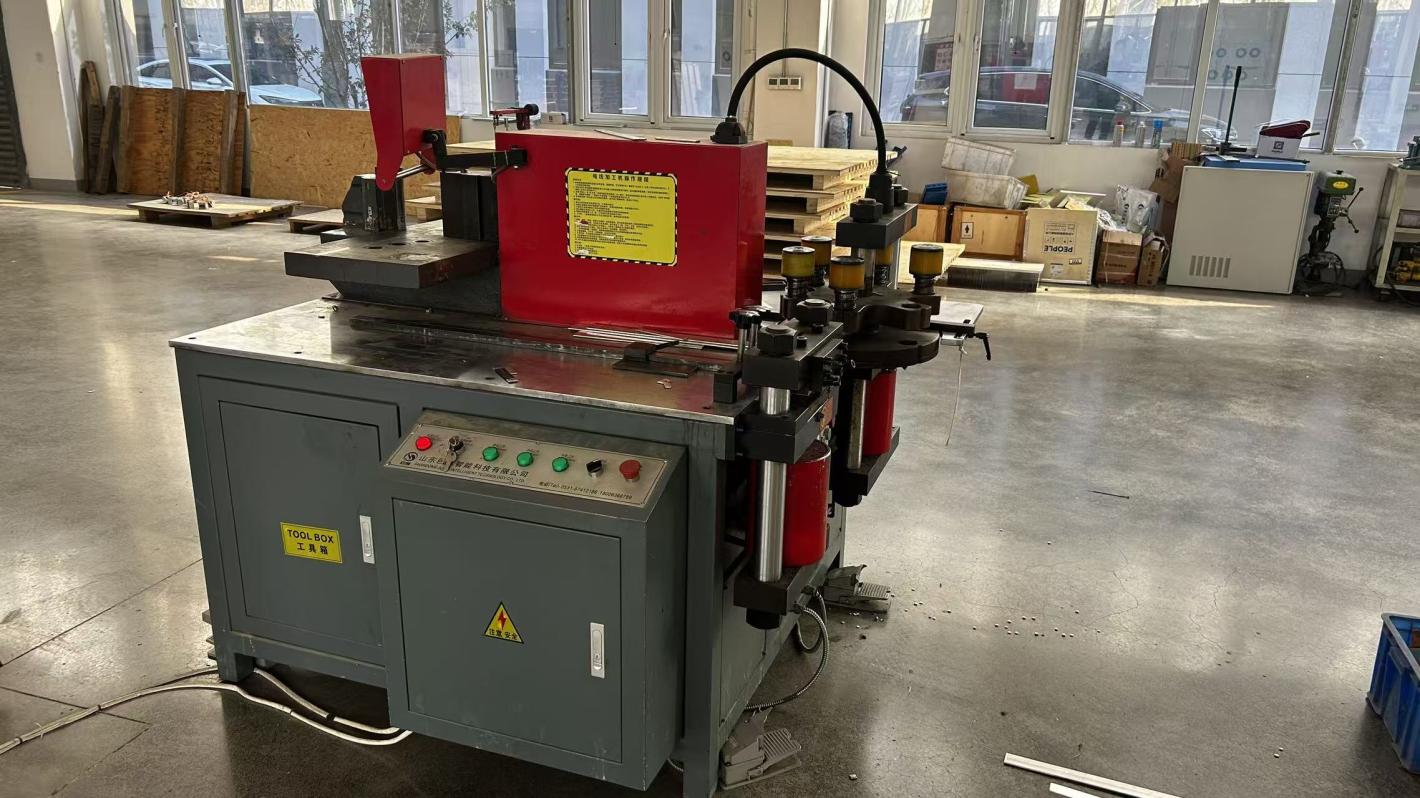
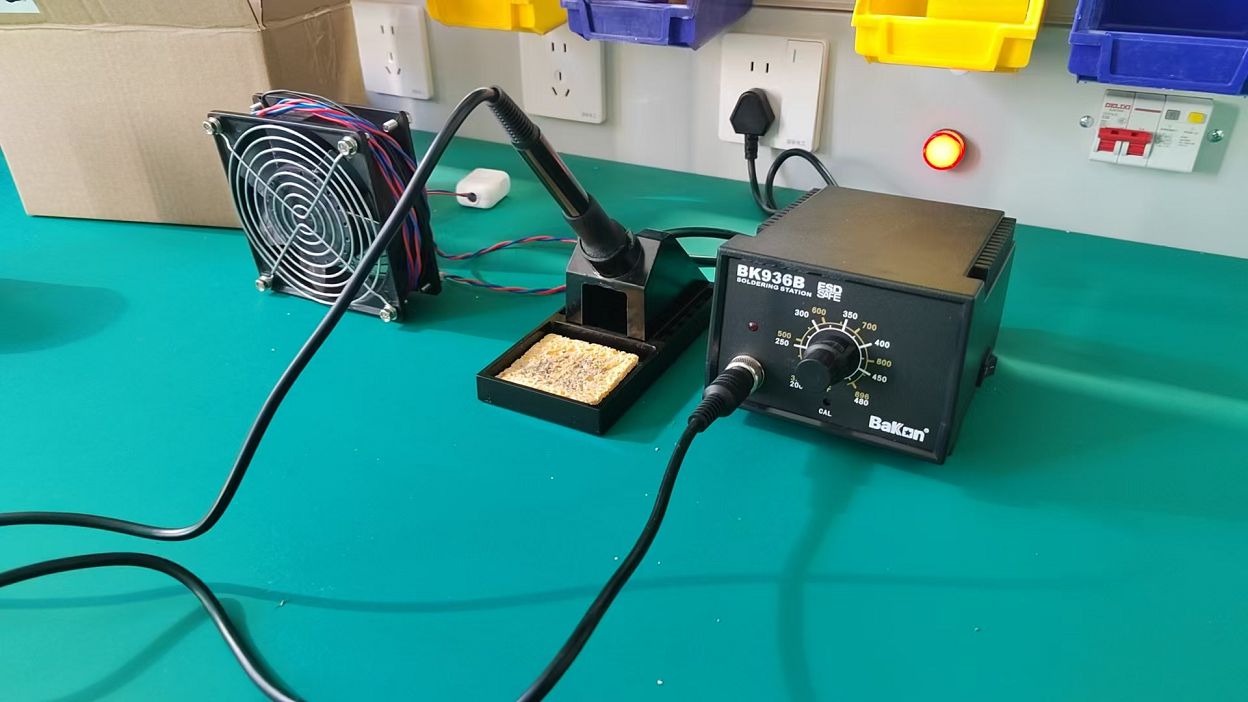
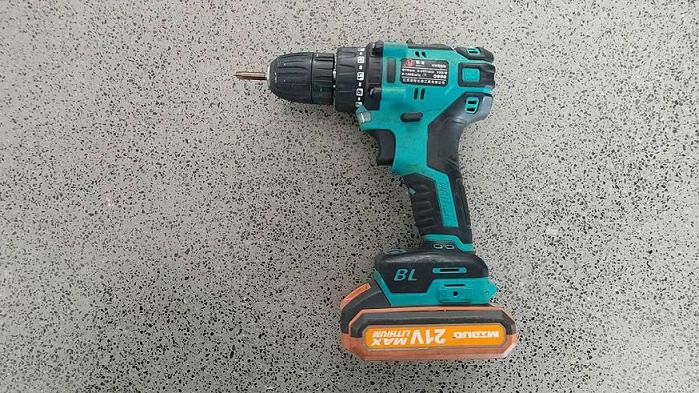
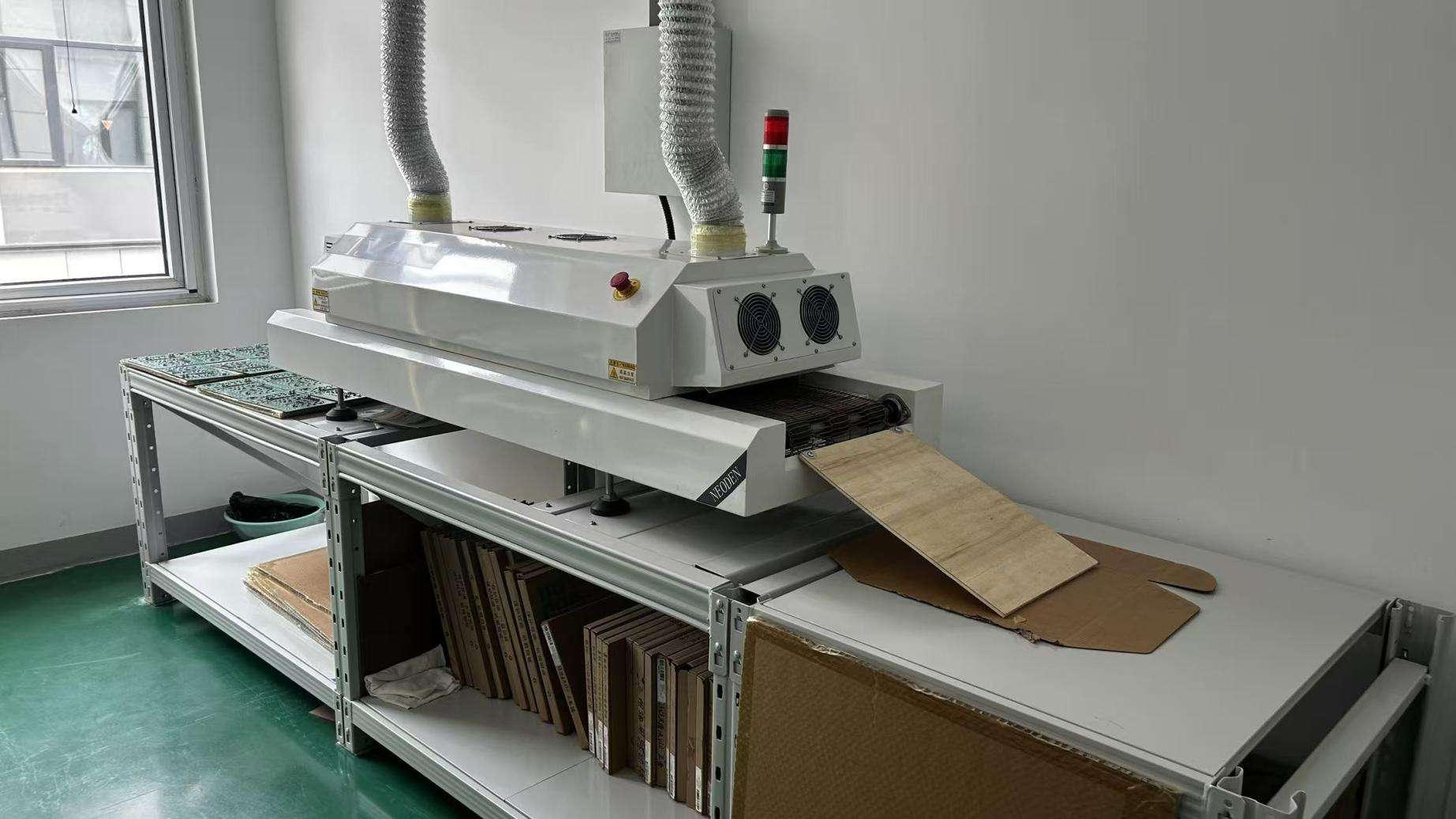
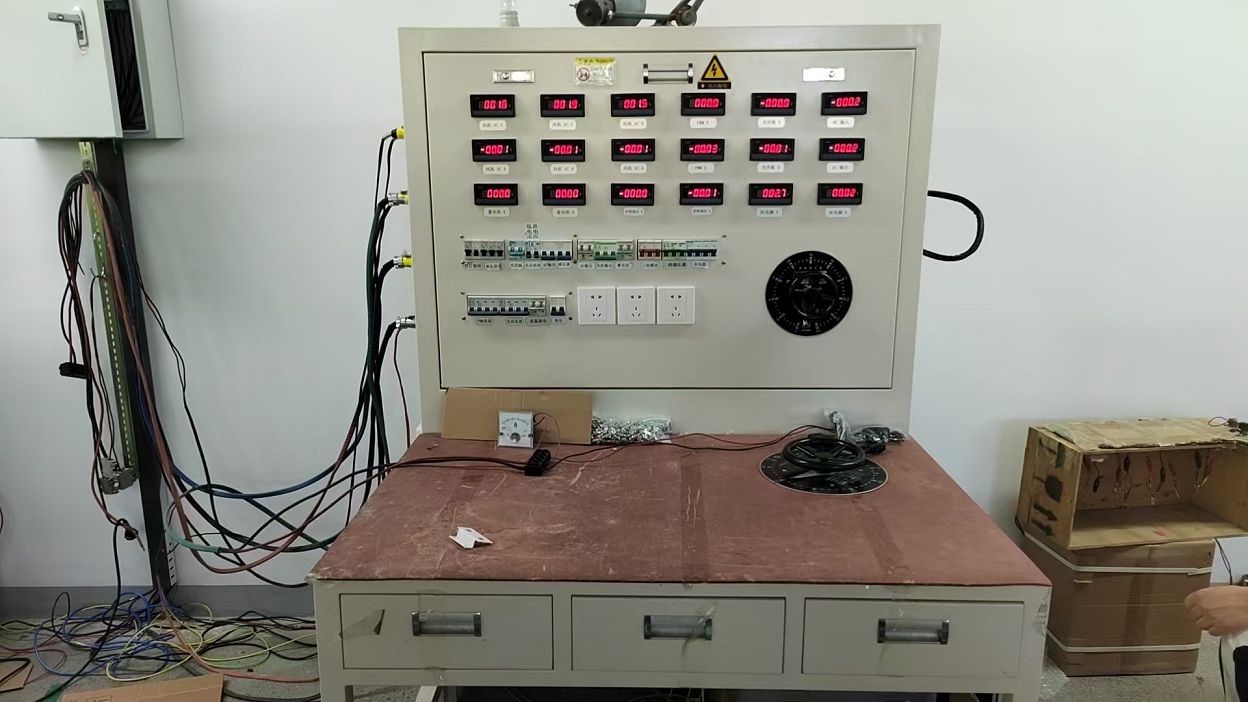
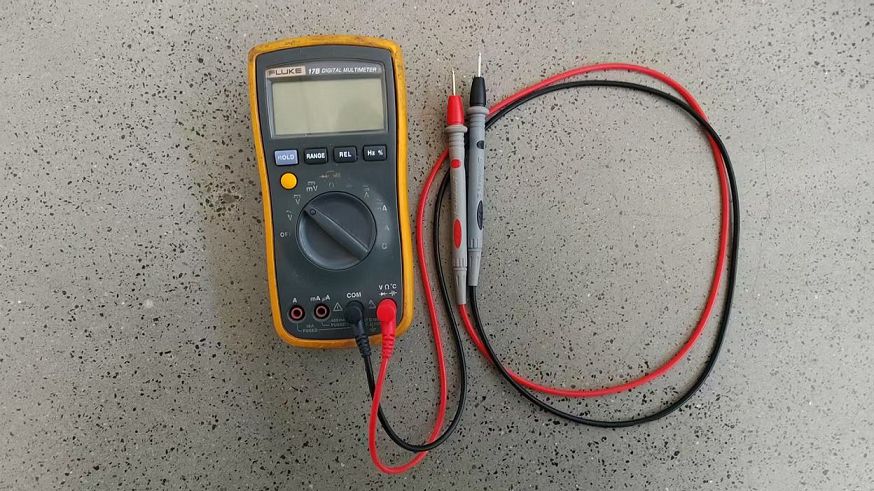
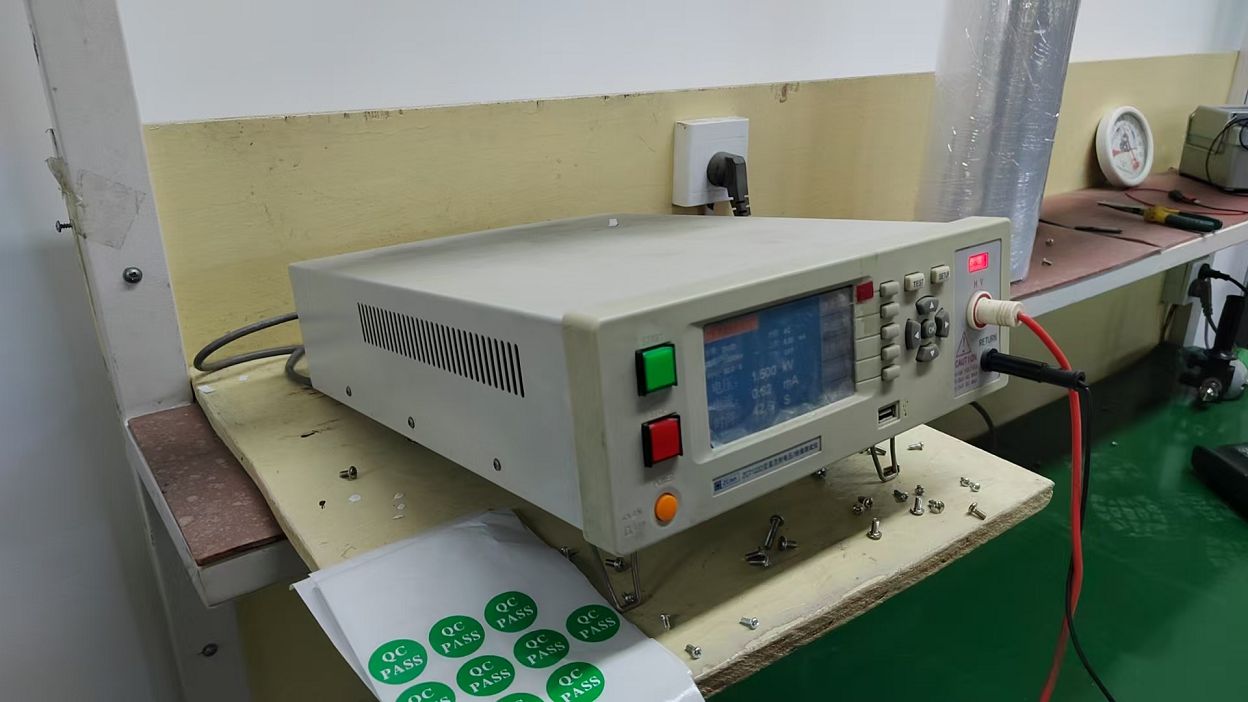
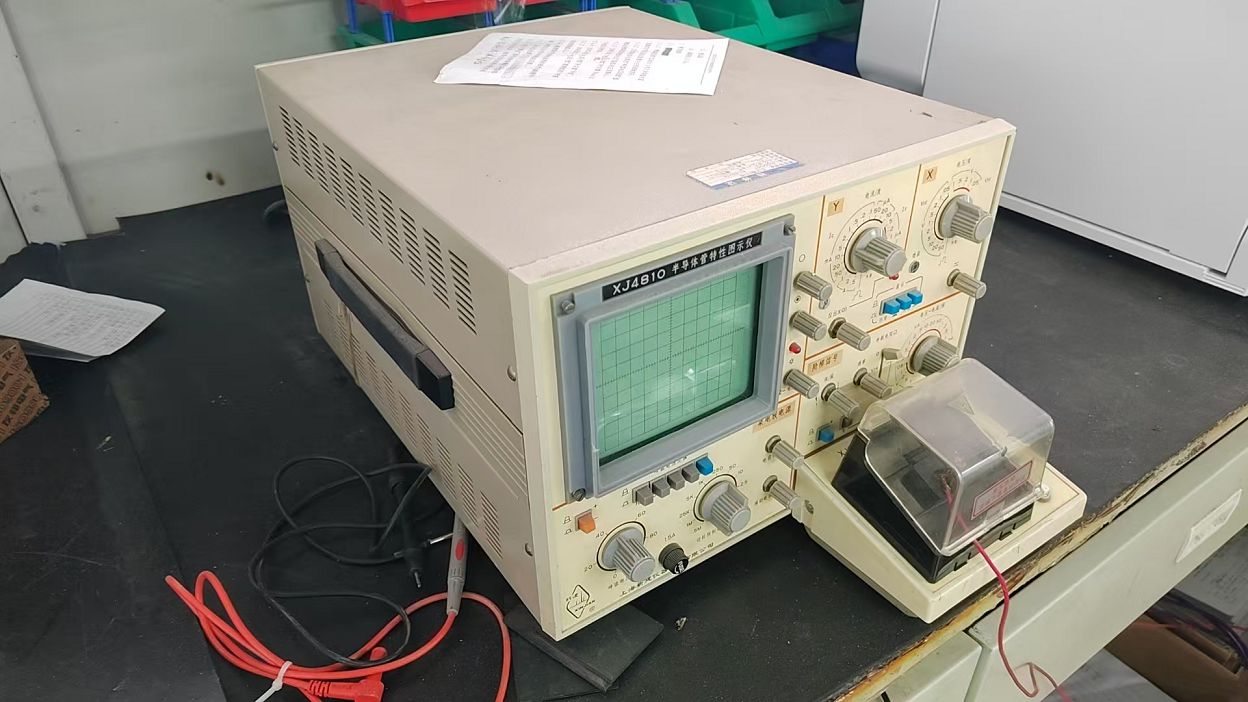
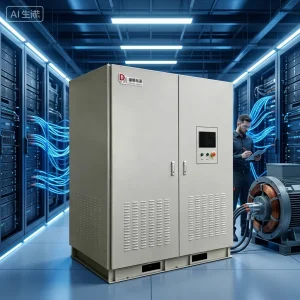
How Deming Power addresses grid volatility, laboratory battery simulation, and microgrid deployments.
Developing high-capacity electric drivetrains or testing battery chemistry requires controllable power profiles. Deming’s bidirectional DC-DC test power supplies simulate complex battery curve characteristics (charge, discharge, internal resistance variance). Designed with response times under 5 milliseconds and energy regeneration capability back to the utility grid, these tools optimize development cycles for high-volume automotive and battery production lines.
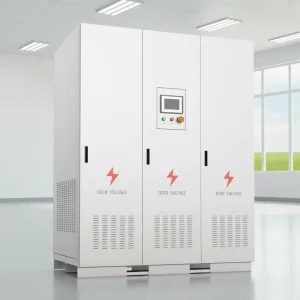
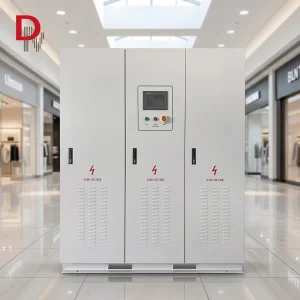
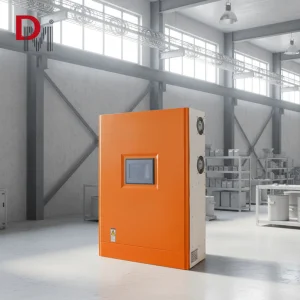
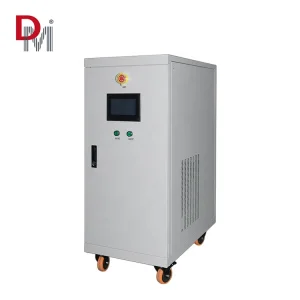
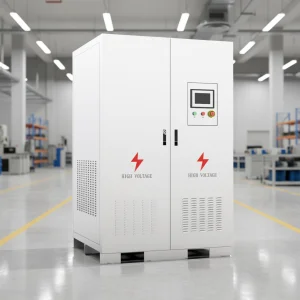
Fluctuating grid voltages damage highly sensitive machinery, including advanced lithography and chemical processing reactors. Our 300kVA AC Automatic Voltage Regulators feature active digital management and touch screen control. Offering 98% operational efficiency, they eliminate harmonic distortions and voltage sags, protecting capital-intensive industrial plants from unexpected operational downtime.
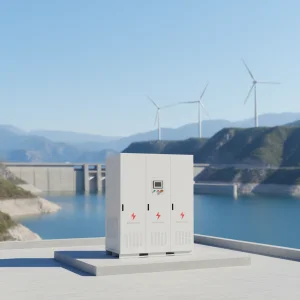
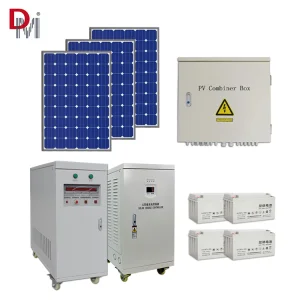
Managing remote outposts, military installations, or offshore platforms requires dynamic, multi-source power management. Deming’s high-power wind/solar hybrid controllers and MPPT charge units regulate local generator and photovoltaic inputs. These systems maintain optimal battery state of charge (SoC) profiles, reducing reliance on diesel generators in demanding conditions.
Natural gas turbines offer reliable base-load capabilities for localized microgrids. Deming's high-speed turbine AC/AC converters deliver 99% conversion efficiency, transforming high-frequency generator output into stable, synchronized grid-tied electricity. This enables distributed co-generation frameworks to operate smoothly alongside utility grids.
Operational reliability backed by rigorous international standard certifications and local service networks.
Our production facilities maintain strict quality management procedures. Every stage, from component procurement to burn-in chamber diagnostics, is tracked, ensuring zero-defect product runs for all controllers and power conversion units.
Designed for immediate integration into the European, North American, and Asian markets. Compliance with electromagnetic compatibility (EMC) regulations guarantees low radiation profiles and interference-free operation with adjacent systems.
Exporting to over 120 countries, Jinan Deming provides pre-sales engineering consulting, system topology simulation, and responsive post-sales field support. This ensures seamless deployment and long-term project viability globally.
Our future engineering plans align with the global transition toward ultra-efficient power conversion and carbon neutrality.
Integrating Silicon Carbide (SiC) and Gallium Nitride (GaN) components to achieve higher switching frequencies, reduce heat generation, and push power supply efficiencies beyond 99.5%.
Developing edge computing modules with machine learning software. These modules predict load spikes, identify battery cell degradation, and optimize energy dispatch without needing central cloud processing.
Expanding our stackable modular ranges. Future architectures will support modular hot-swapping up to 1.5MW, reducing system maintenance down-times to under 10 minutes.
Addressing common engineering inquiries regarding bidirectional converters, microgrid setups, and power system integration.
Heavy-duty generation systems, high-efficiency MPPT controllers, and custom microgrid equipment built for extreme reliability.
 Demin Power