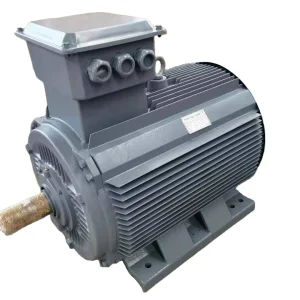
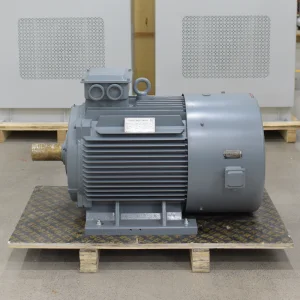
Highly engineered bidirectional converters, hybrid solar inverters, and hydroelectric generators configured for grid modernization and commercial deployment.
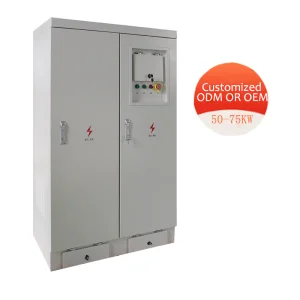
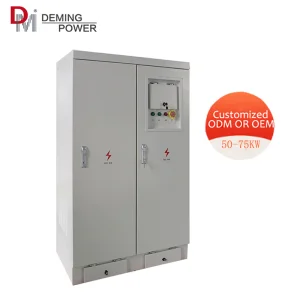
The fundamental restructuring of electricity grids worldwide requires a complete paradigm shift from centralized synchronous generation to intelligent, decentralized grid networks.
Traditional inverters rely on the grid to establish their voltage references. As fossil-fuel synchronous generators phase out, the transition demands "grid-forming" systems capable of building autonomous AC voltage vectors, synthesizing virtual inertia to mitigate frequency fluctuations.
Mitigating the intermittent nature of wind and solar sources requires multi-megawatt battery energy storage systems (BESS). Integrated PCS (Power Conversion Systems) converters manage active and reactive power transfer bidirectionally, maximizing round-trip efficiency.
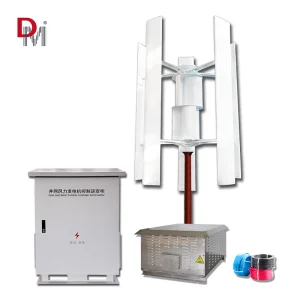
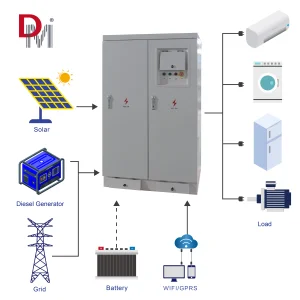
Microgrids in remote, islanded, or industrial installations must unify distinct power assets. Standardized, high-efficiency hybrid converters coordinate DC and AC buses concurrently, allowing wind, solar, and micro-hydro inputs to load-share dynamically.
Utilities, EPC developers, and multinational corporate procurement groups face strict technical and regulatory hurdles when selecting power electronics vendors. Reliability, grid compliance, and technical adaptability are critical factors in reducing the total cost of ownership (TCO) and mitigating deployment risks.
Deployment in regulated regions requires conformity to grid codes like IEEE 1547 (US), EN 50549 (EU), and CE marking. Inverter topologies must handle low-voltage ride-through (LVRT) and high-voltage ride-through (HVRT) to maintain grid stability during transient faults.
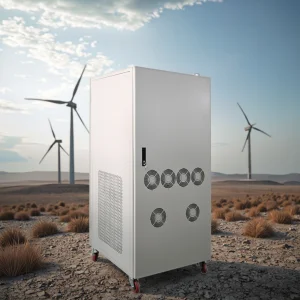
Utility-scale projects operate in challenging environments—from deserts to humid coastal areas. Critical systems need high ingress protection (typically IP54/IP65) and efficient thermal management (liquid or forced-air cooling) to limit thermal derating above 45°C.
Microgrid configurations often feature unique input voltages, battery chemistry architectures, or environmental demands. Procurement strategies prioritize manufacturers with the engineering capability to adapt control algorithms, hardware layouts, and enclosure designs.
Addressing these requirements demands integrated solutions that span from primary power generation components to grid simulation test benches.
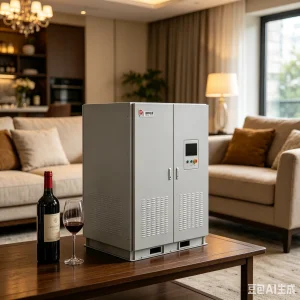
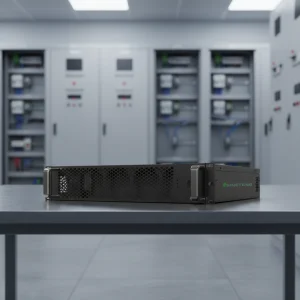
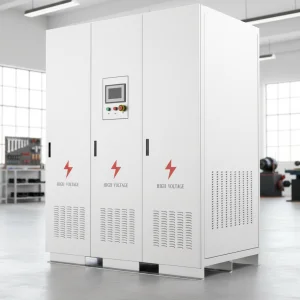
Deploying multi-megawatt microgrids demands seamless coordination between centralized storage, distributed PV arrays, and hydro assets. Using high-efficiency 300kW PCS converters simplifies battery pack integration, offering robust grid-forming capabilities and active/reactive power flow management.
For research labs and equipment manufacturers, testing BESS units or EV powertrains requires high-performance bidirectional DC power supplies and battery simulators. Deming Power's high-power DC systems (150kW to 500kW) simulate dynamic charge-discharge profiles, allowing engineers to stress-test components under realistic operating conditions.
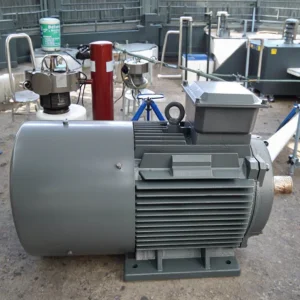
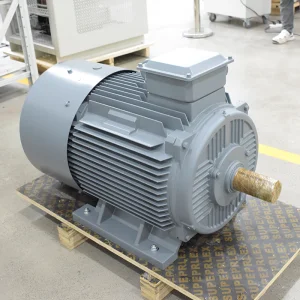
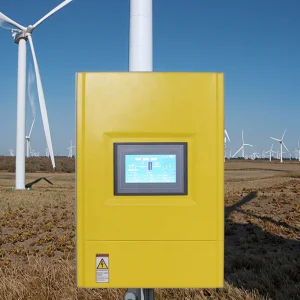
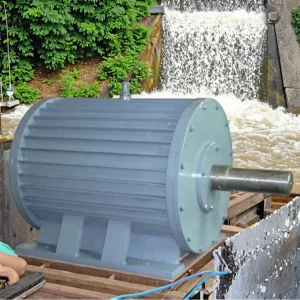
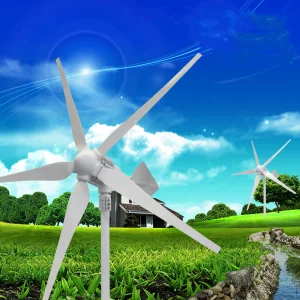
Unlocking off-grid potential in remote regions requires harvesting kinetic hydro and wind energy. Integrating low-RPM permanent magnet alternators with optimized MPPT wind/solar hybrid inverters ensures consistent power generation, even under variable fluid dynamic conditions.
Deming Power's R&D team continuously refines conversion topologies and materials to maximize efficiency and support grid modernization.
We are transitioning high-frequency conversion lines from traditional Silicon IGBTs to Silicon Carbide (SiC) MOSFETs. This reduces switching losses, improves power density, and enables smaller magnetic components, achieving system efficiencies above 99%.
Next-generation PCS systems use high-speed DSPs (Digital Signal Processors) to perform real-time wave-shape analysis. This helps our systems detect power quality anomalies, identify grid faults, and execute microsecond switching adjustments to prevent system trips.
Integrating IoT communications protocols (Modbus TCP, CAN, IEC 61850) enables telemetry tracking. Facility operators can monitor thermal health, efficiency trends, and dispatch operational setpoints remotely.
Established in 2004, Jinan Deming Power Equipment Co., Ltd. is a nationally recognized high-tech enterprise specializing in the research, development, production, and service of renewable energy power equipment and advanced power testing solutions. The company holds ISO9001:2015 certification and has been recognized as a high-tech enterprise by the Chinese government multiple times (2015, 2018).
With a dedicated R&D team of 16 engineers, including doctoral supervisors and master's degree holders, Deming invests no less than 20% of annual sales revenue into technology development. The company has completed 17 R&D projects in the last three years, transforming 16 scientific and technological achievements into commercial products.
Deming's products have been exported to over 120 countries, including Germany, Japan, the United States, the UK, Canada, Australia, and Brazil, establishing cooperative relationships with Fortune 500 enterprises. Main products include wind/solar controllers, inverters, frequency converters, high-power bidirectional DC test power supplies, and battery simulators ranging from 150kW to 500kW.
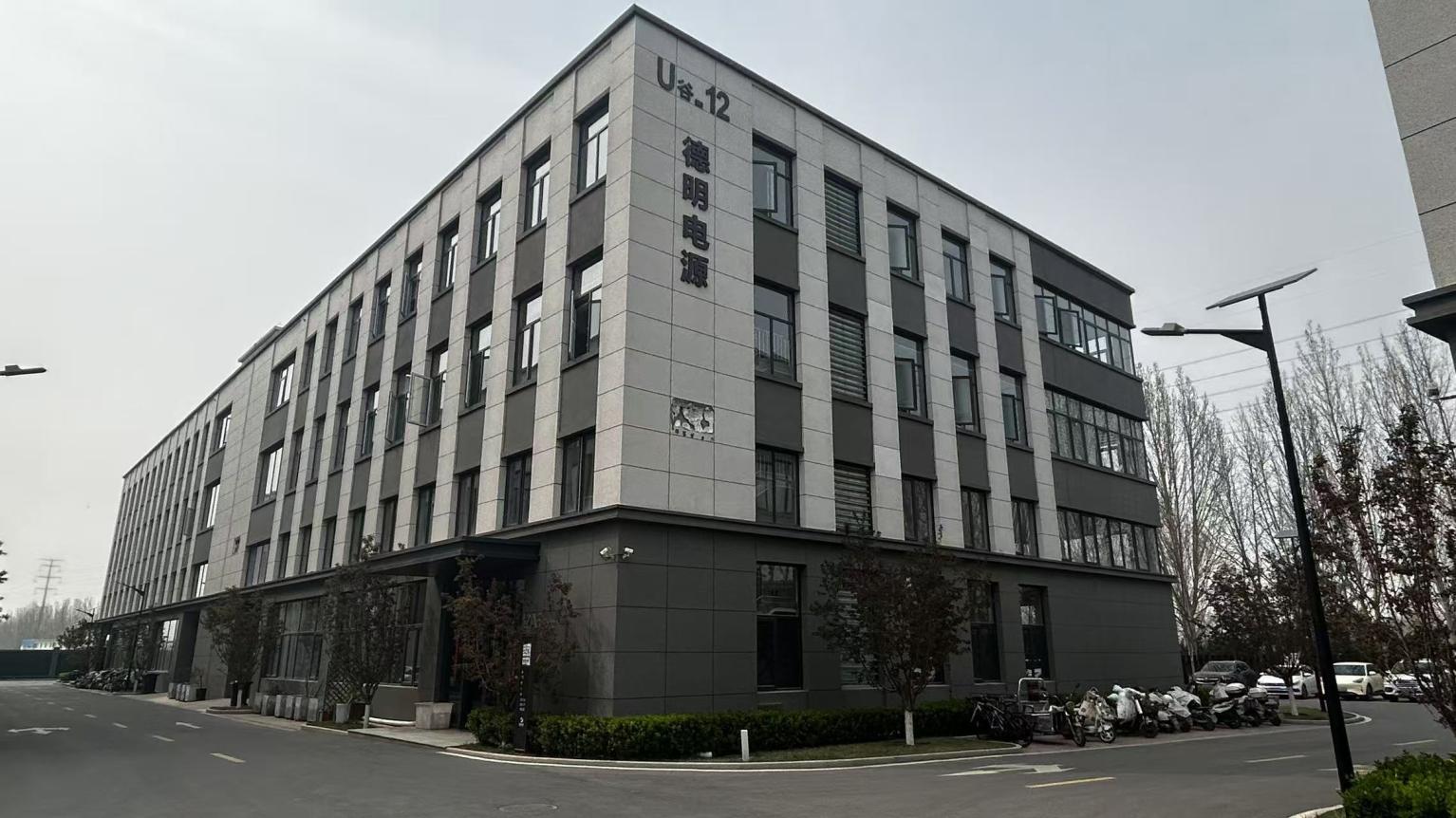
Our facilities utilize specialized diagnostic instruments and precision machinery to ensure every converter and controller complies with strict operational and regulatory parameters.
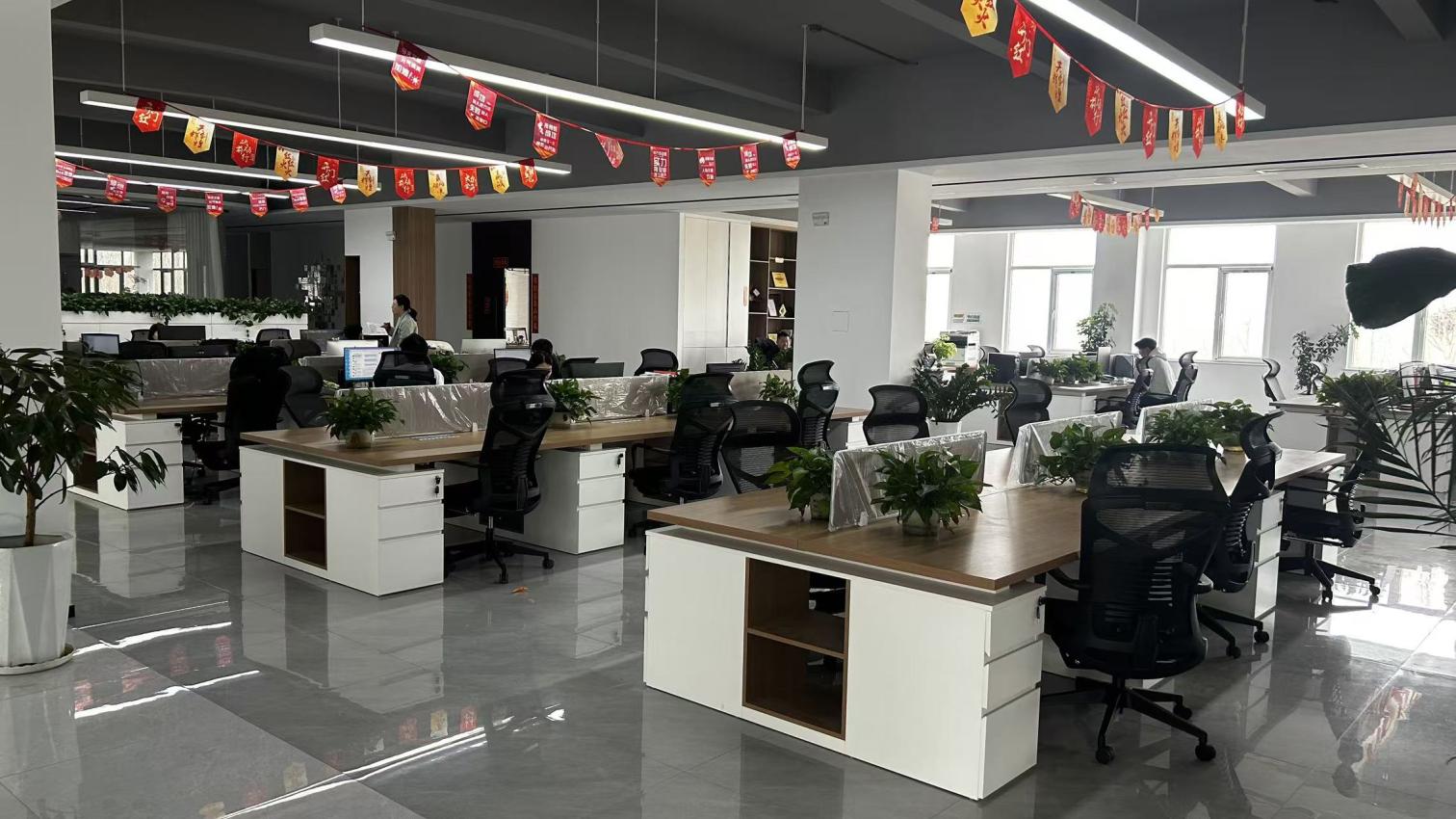 Factory floor Overview
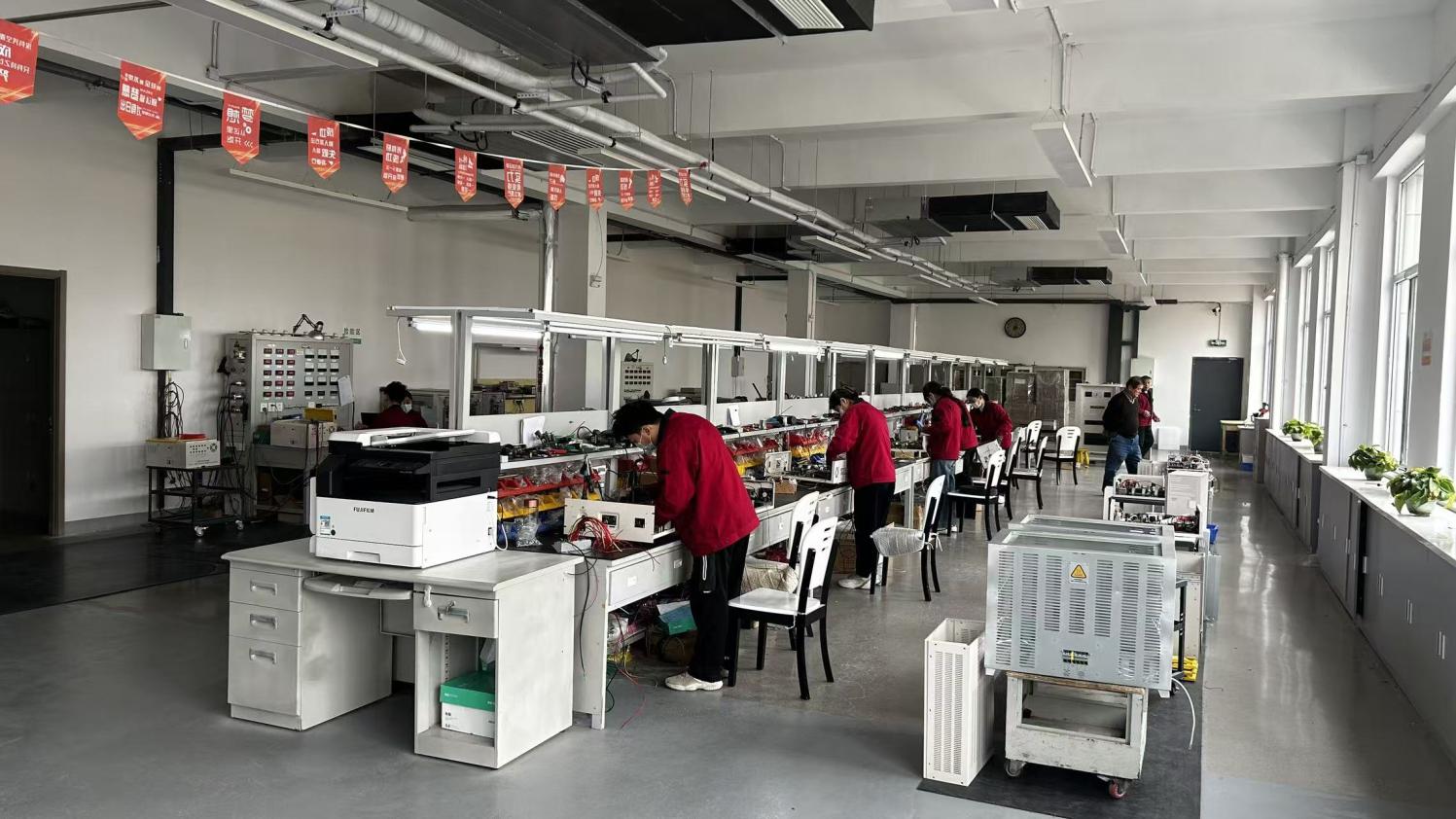 Testing Infrastructure
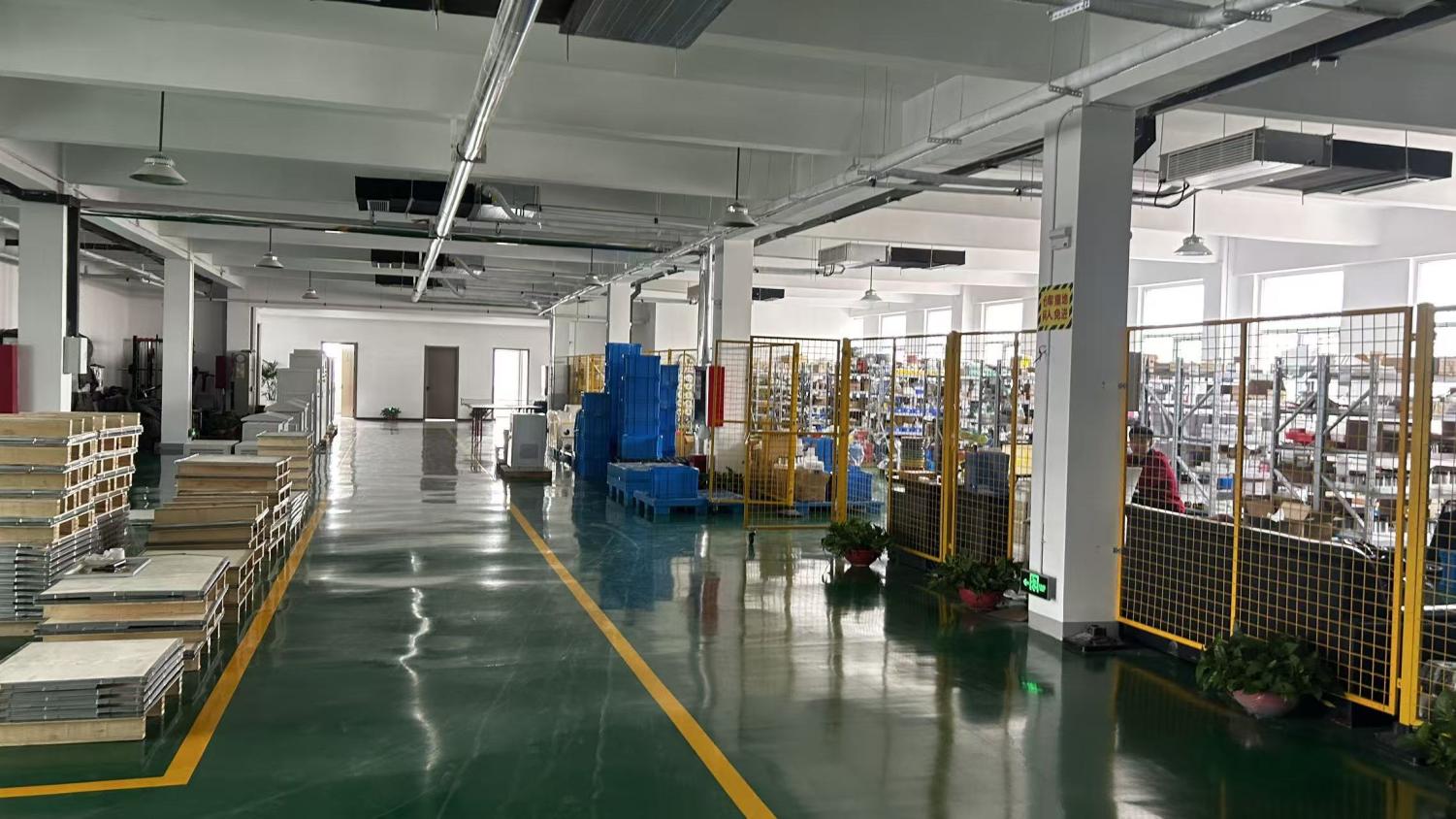 Cabinet Integration
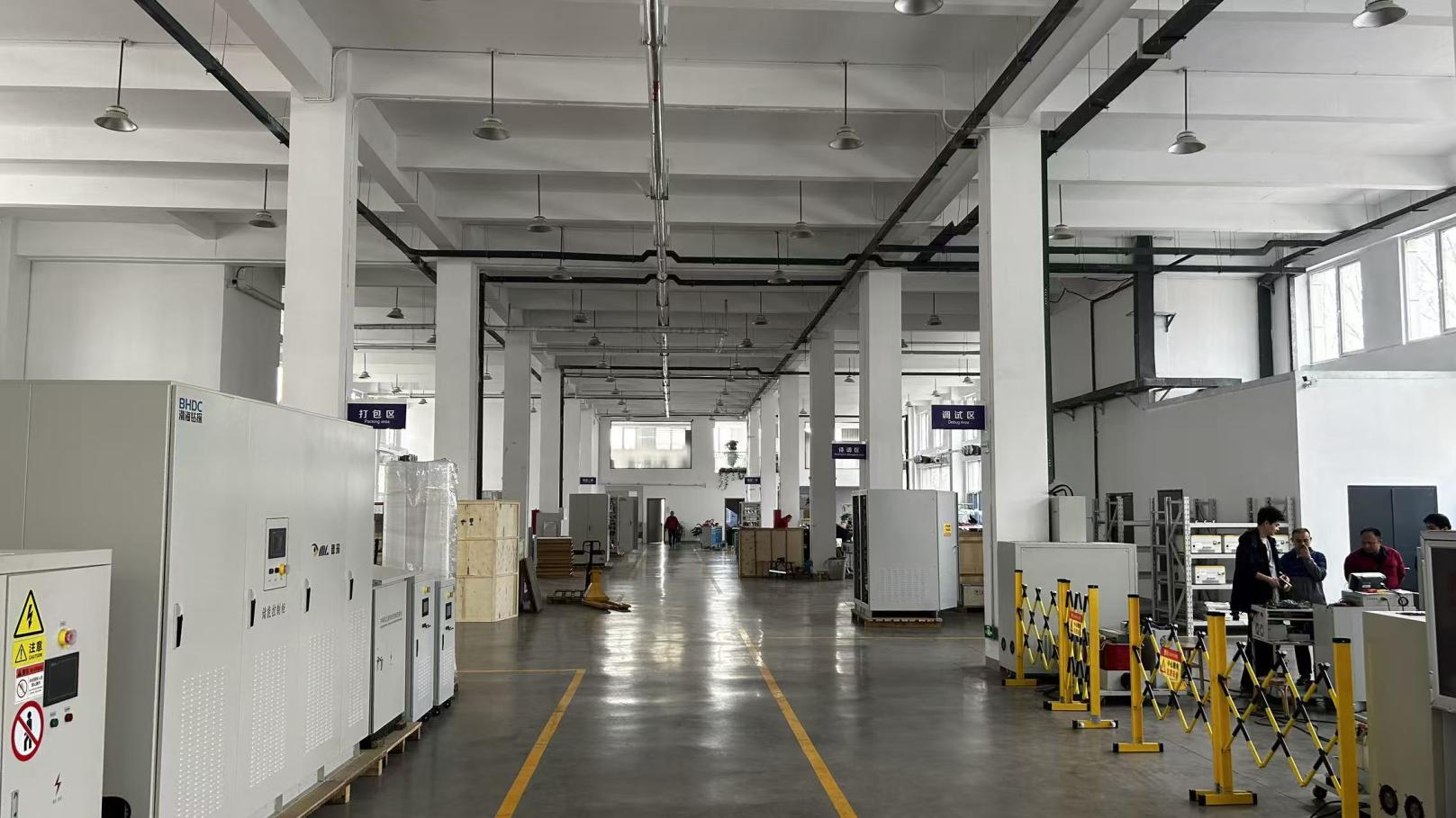 Control Unit Rack Assembly
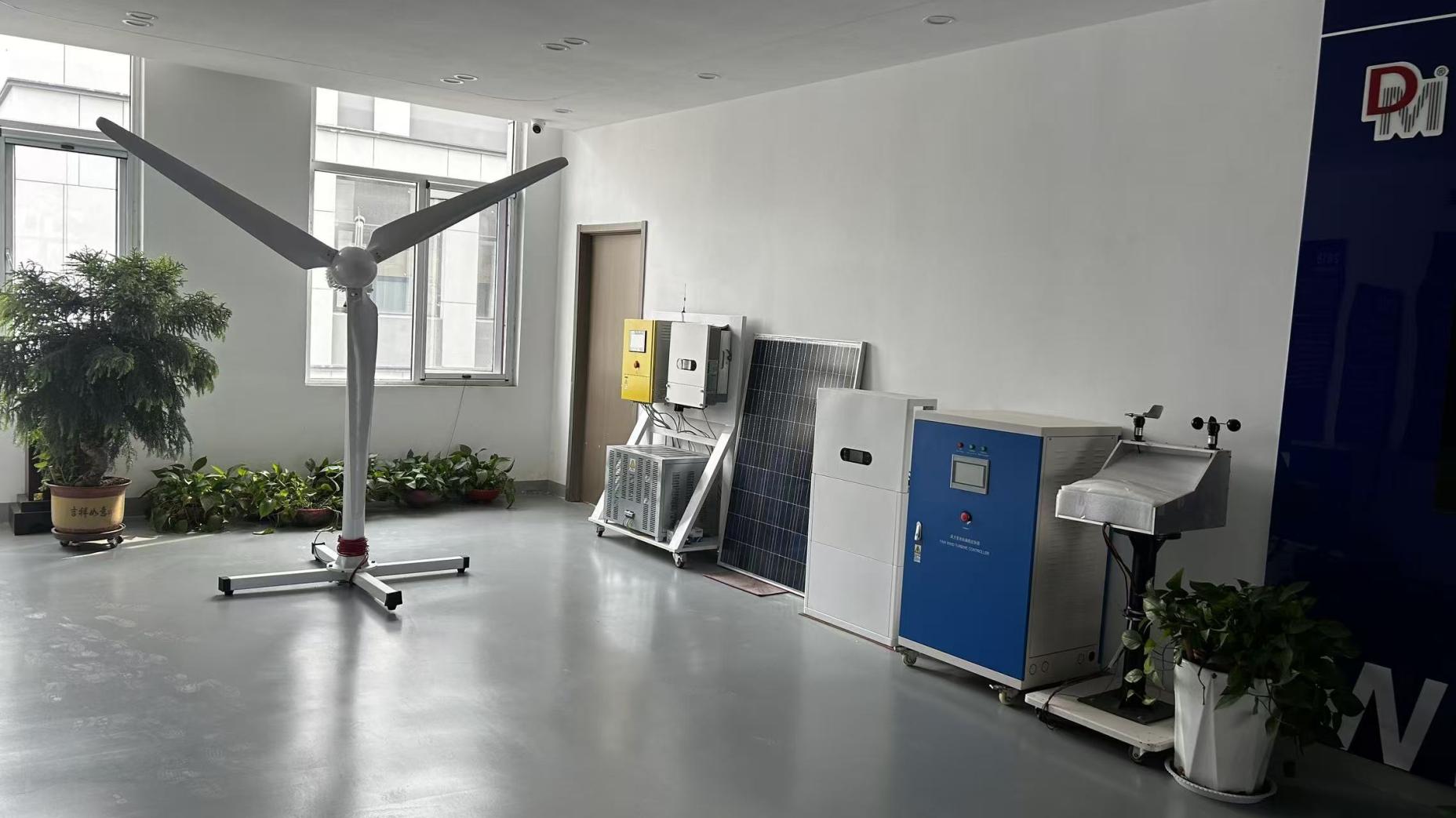 System Integration Floor
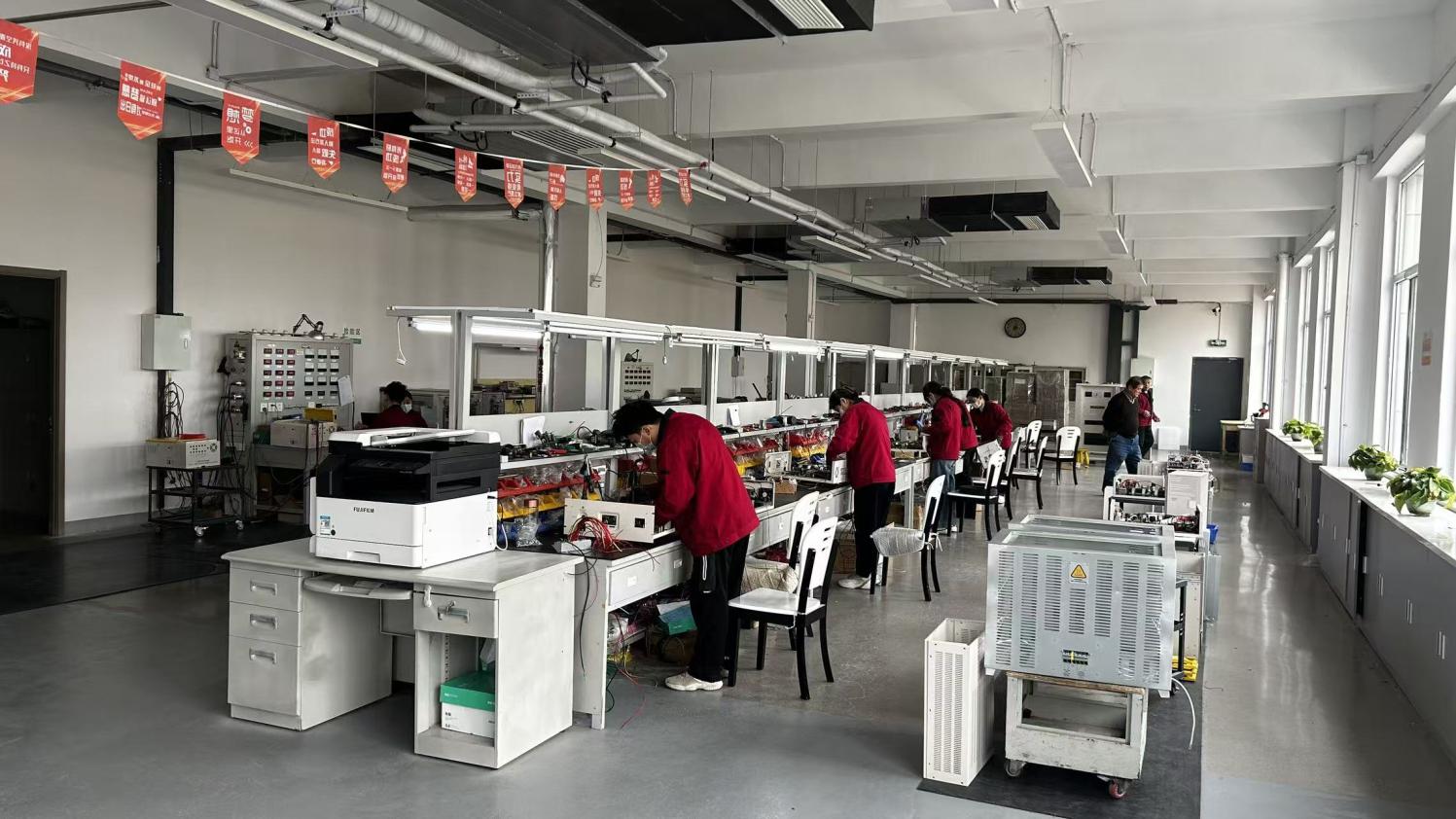 Circuit assembly
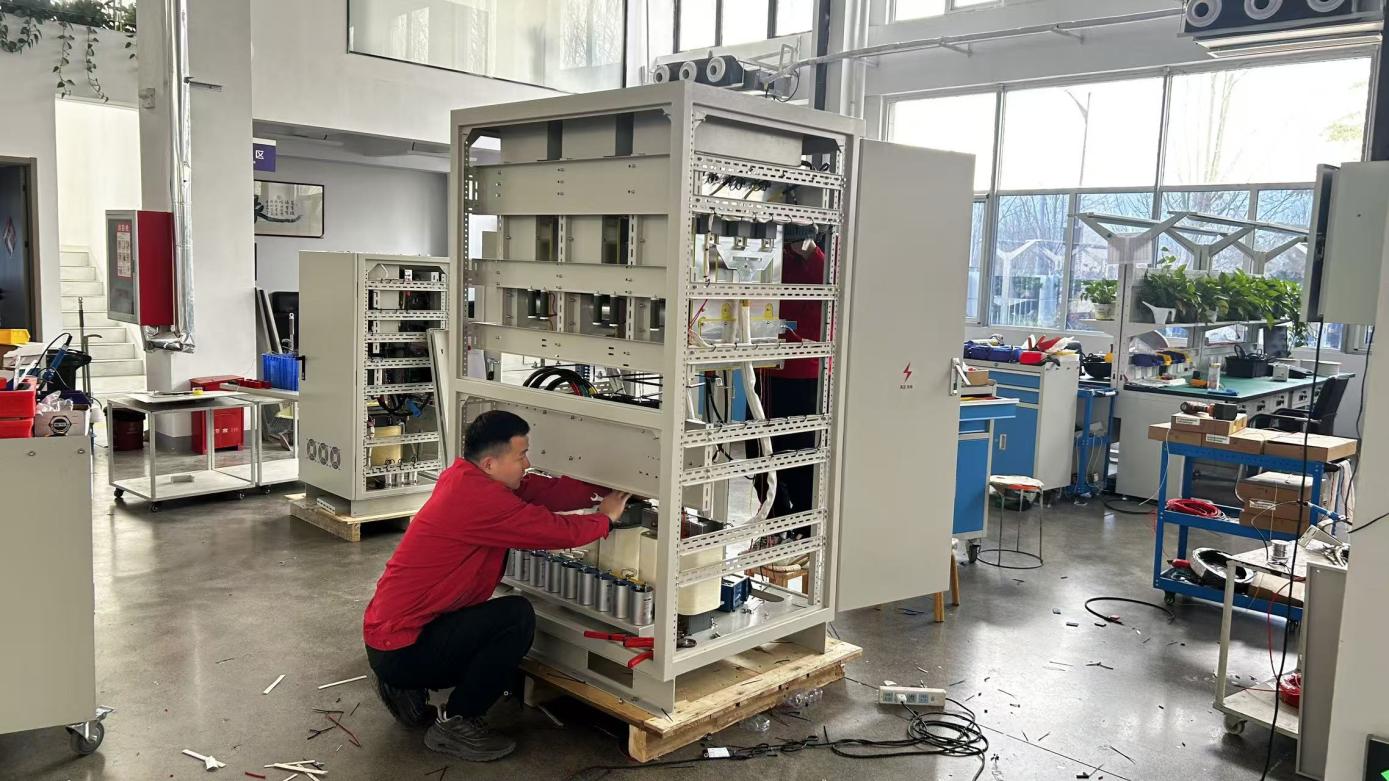 Circuit board assembly
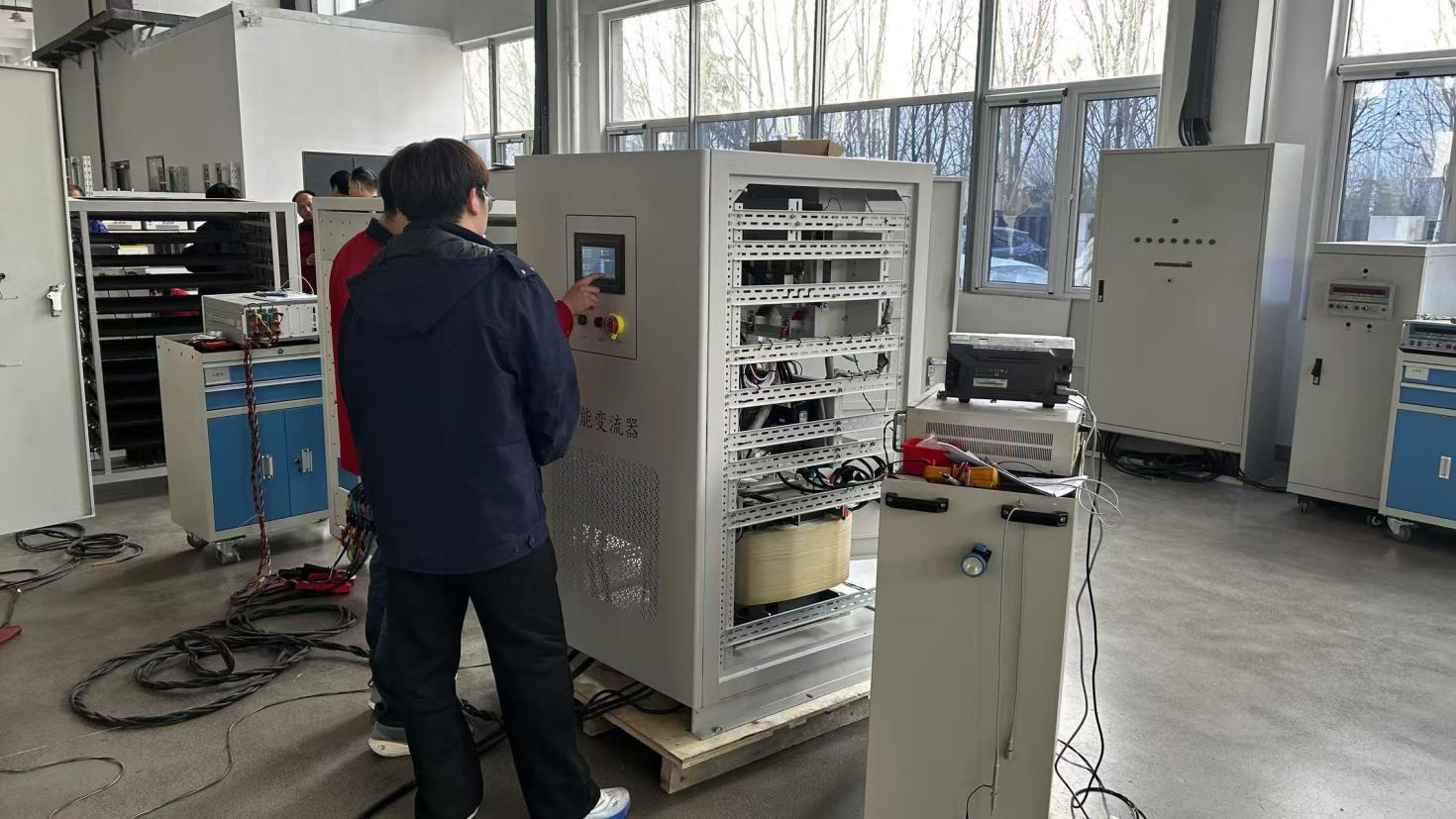 Debugging process
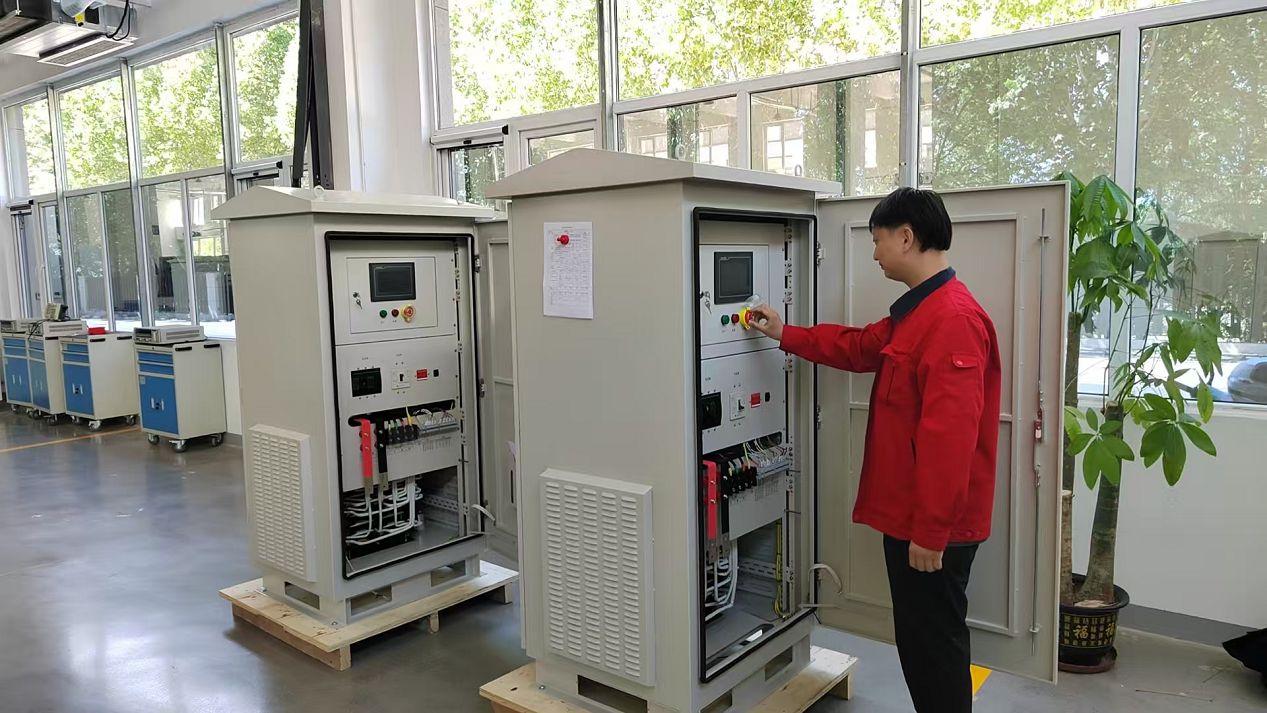 Quality inspection process
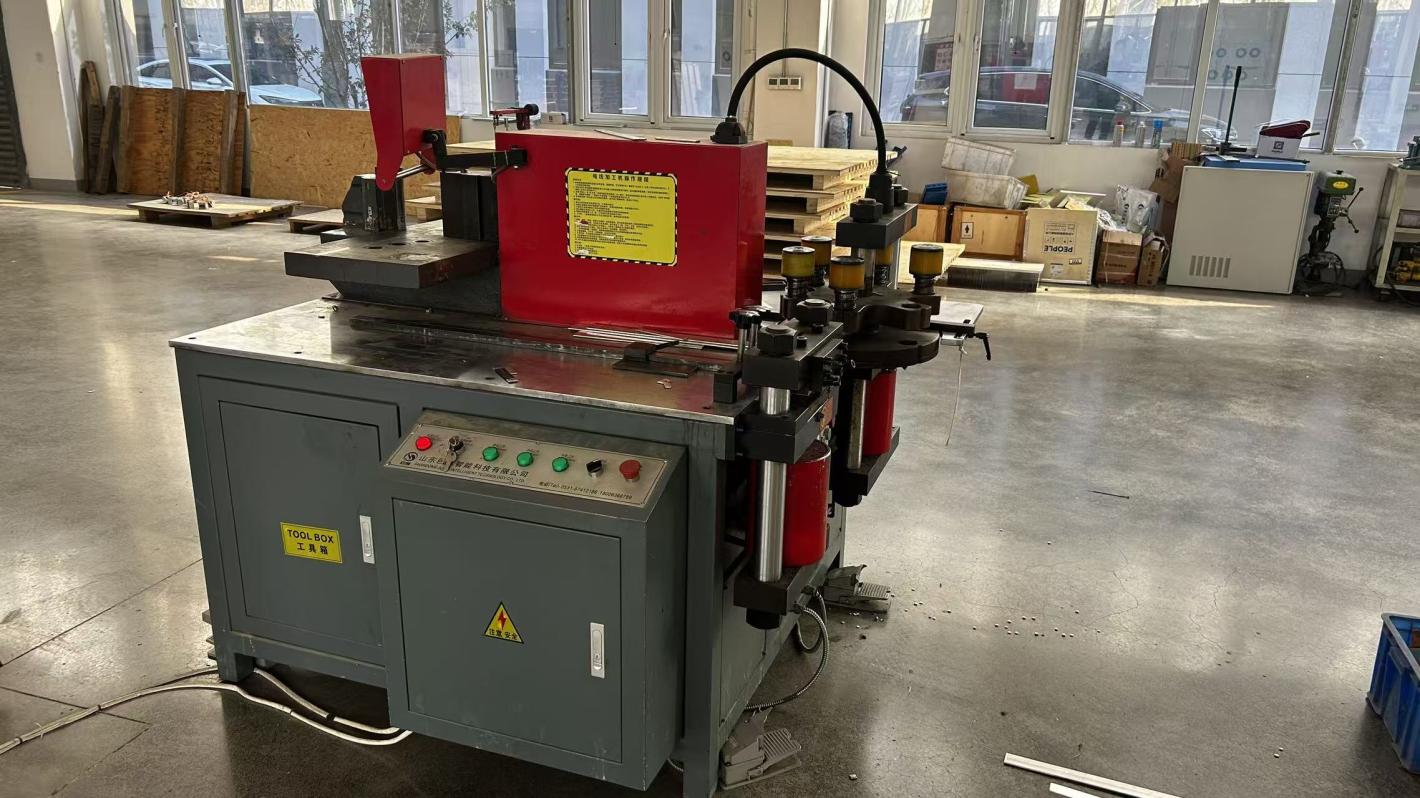 Copper bar production equipment
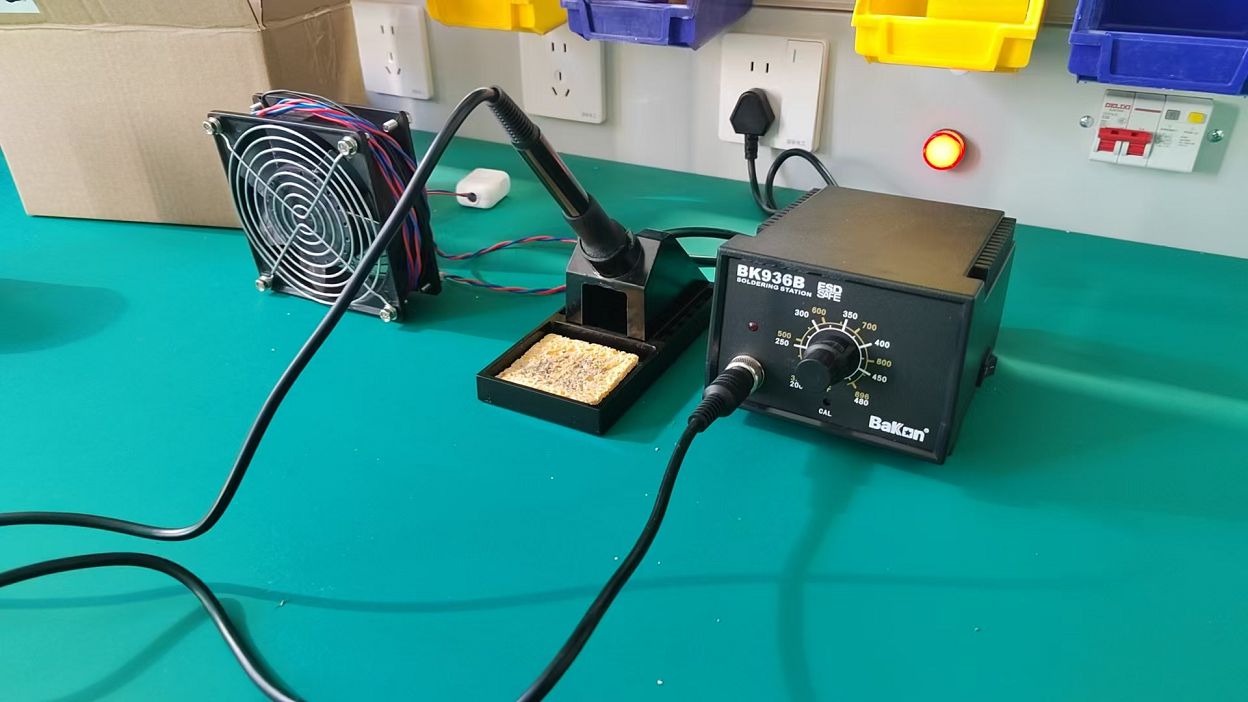 Electric ferrowire
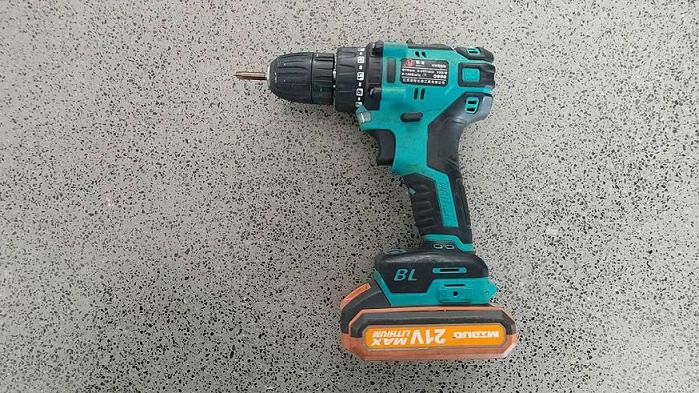 Electric drill
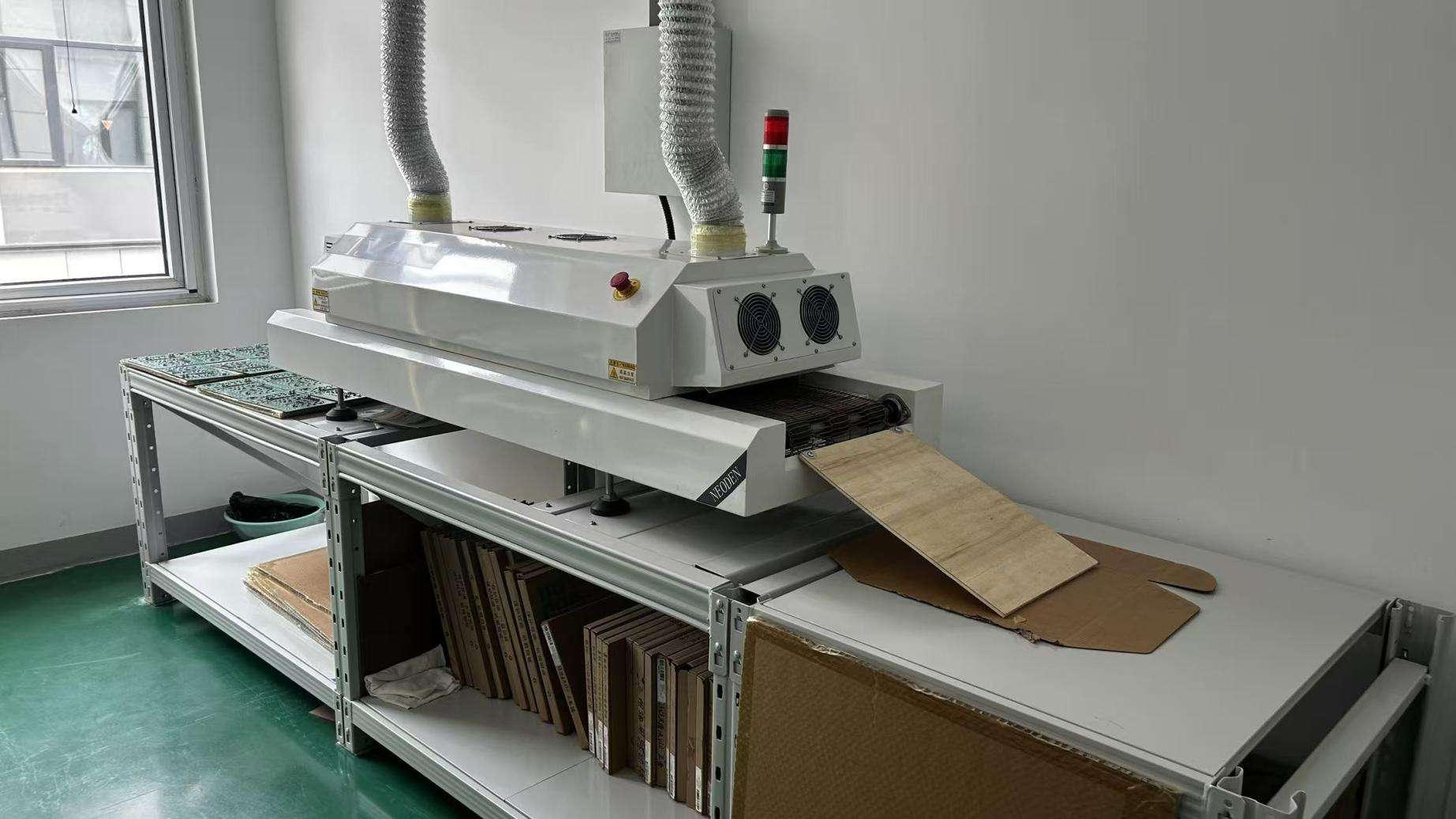 Reflow soldering machine
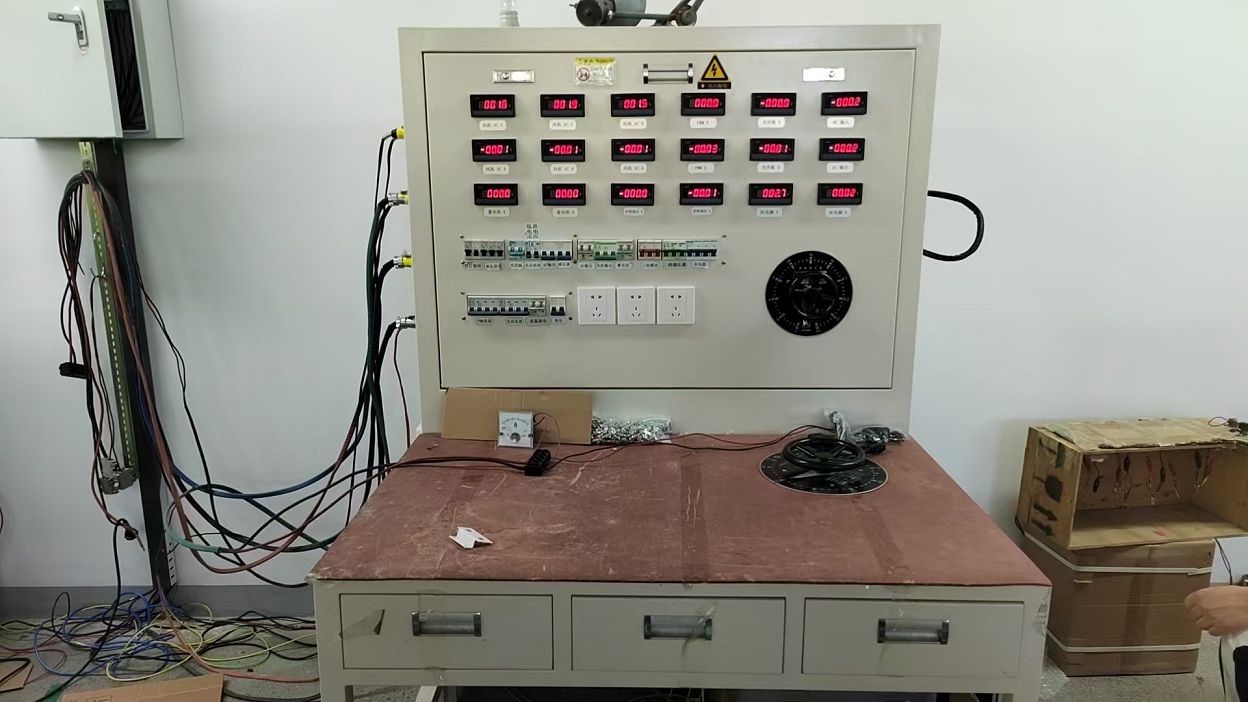 Workbench
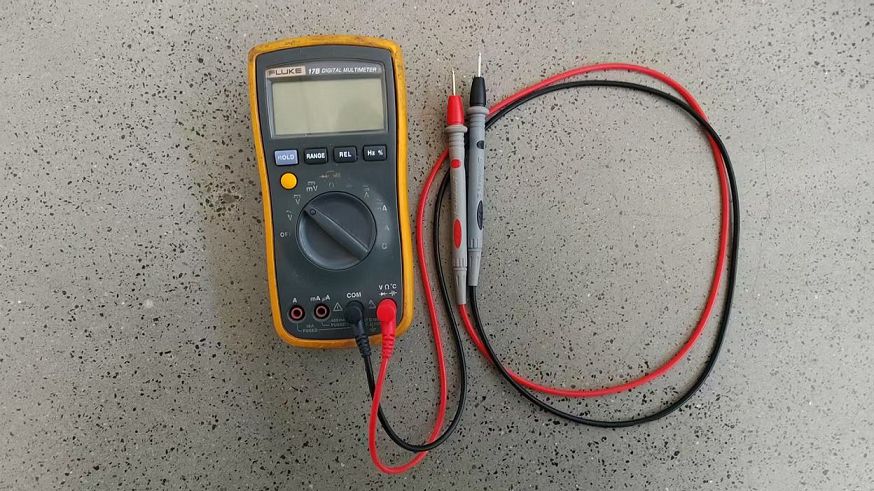 Multimeter
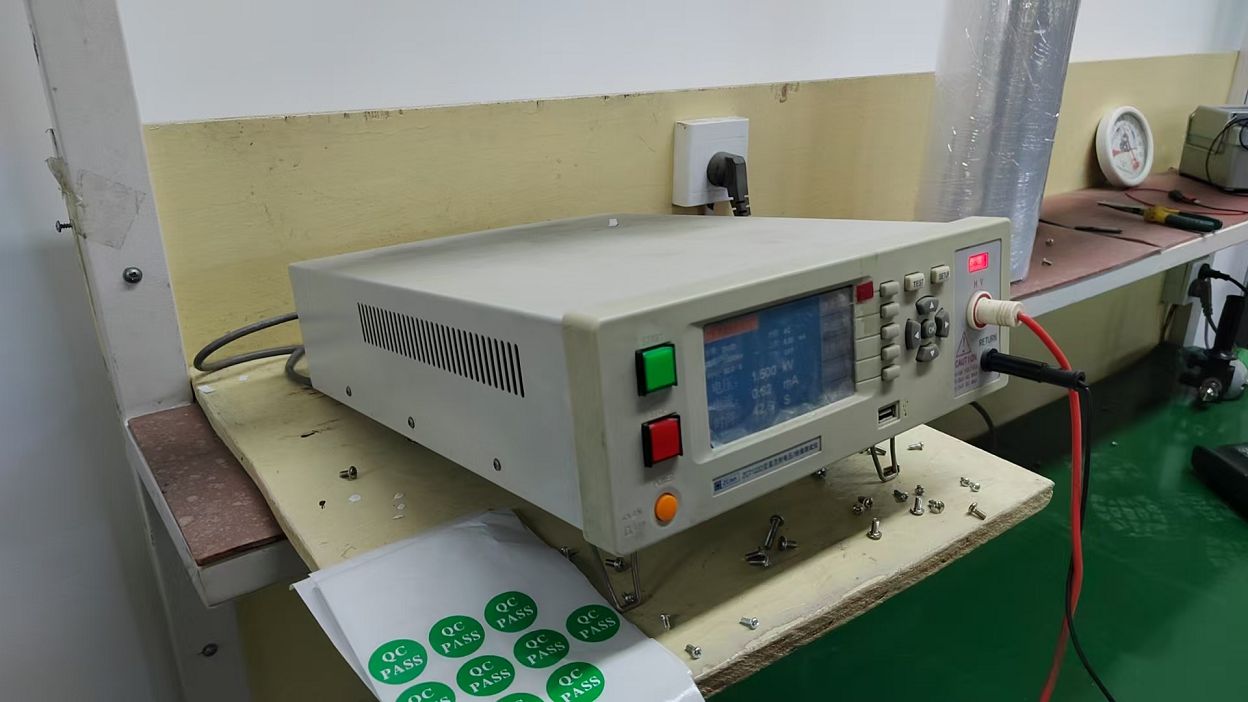 LCR AutoTester
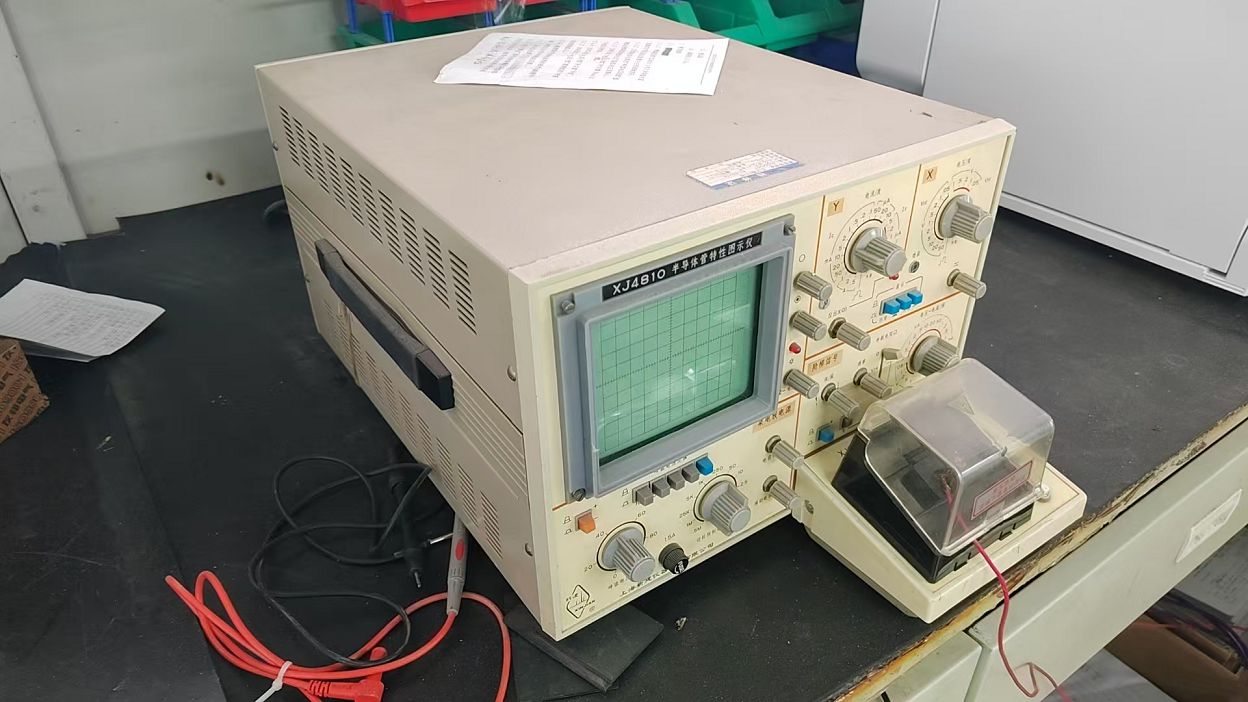 Semiconductor Characteristic Plotter
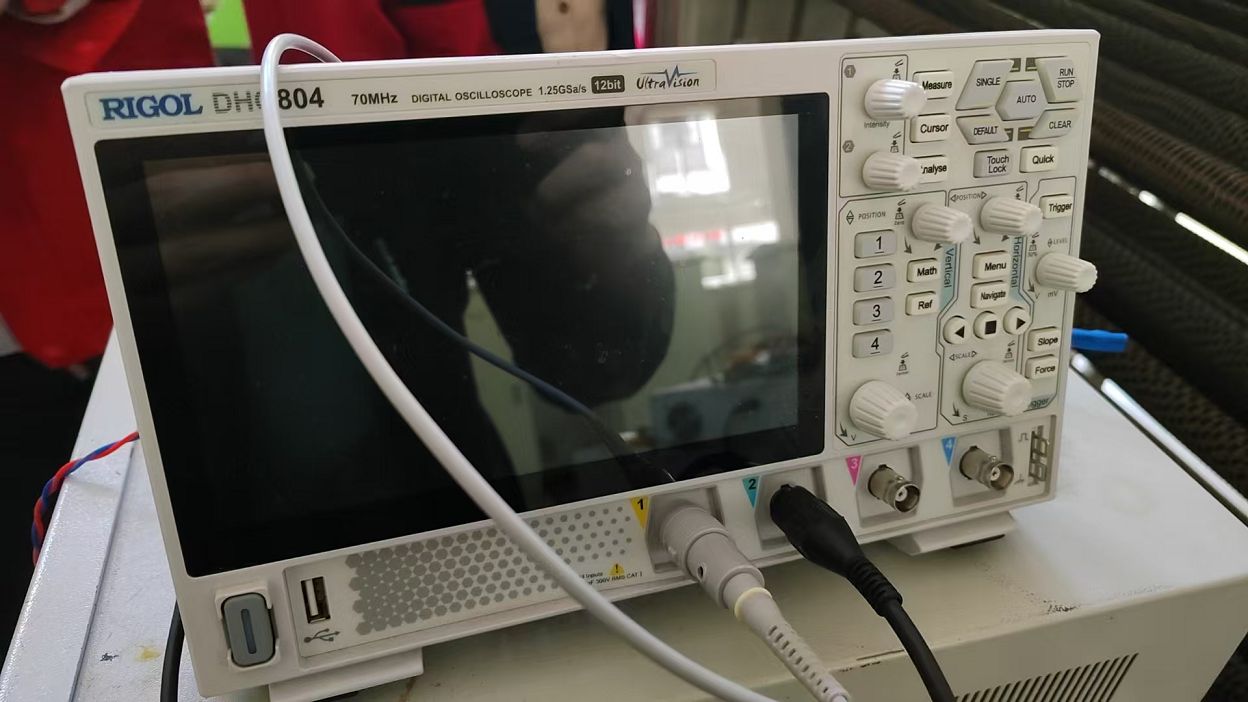
 Digital Oscilloscope
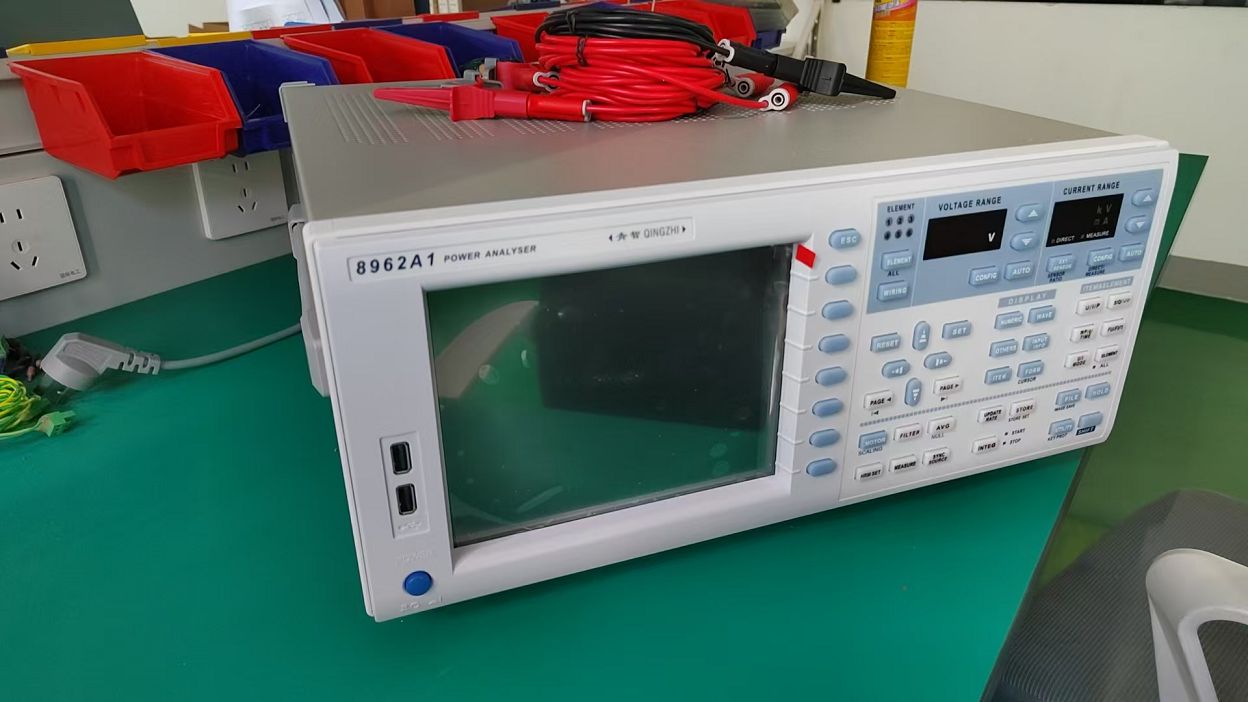
 Power Quality Analyzer
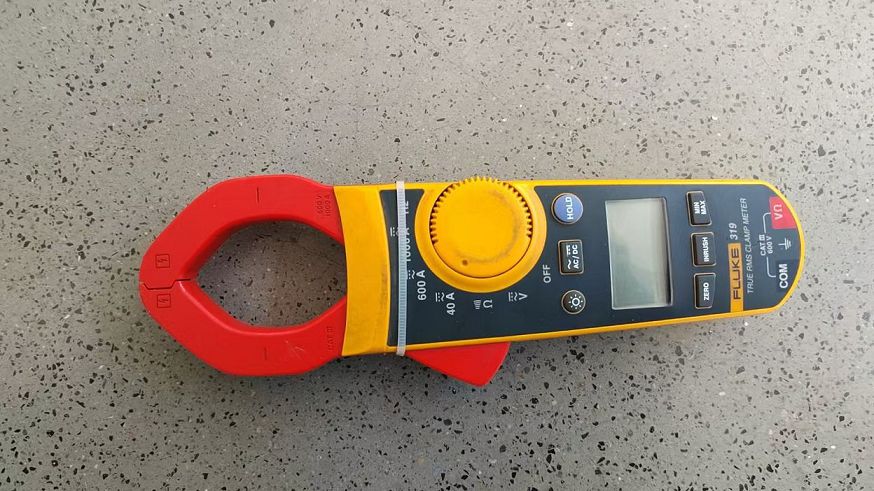 Clamp current meter
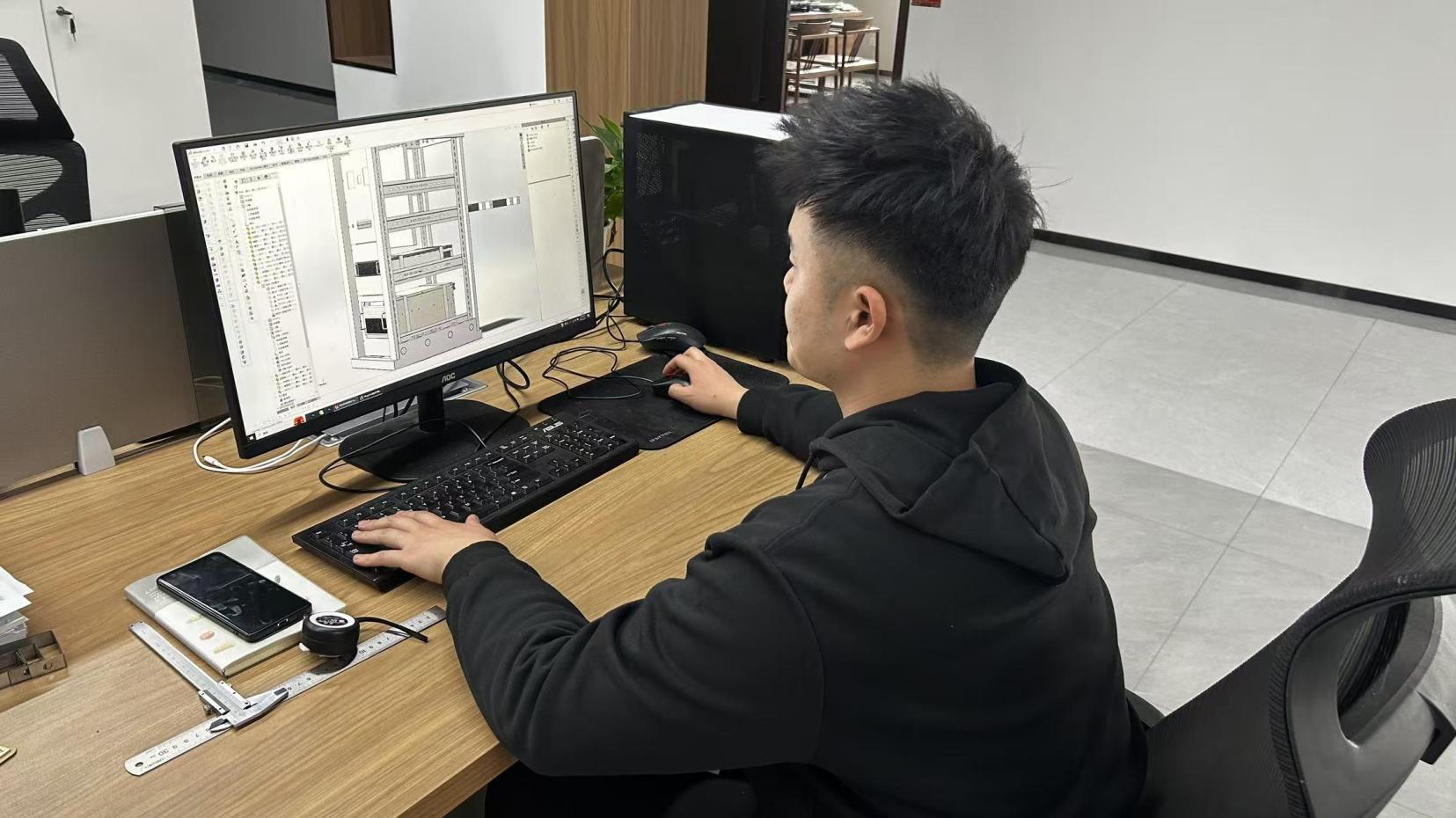 Drawing Design
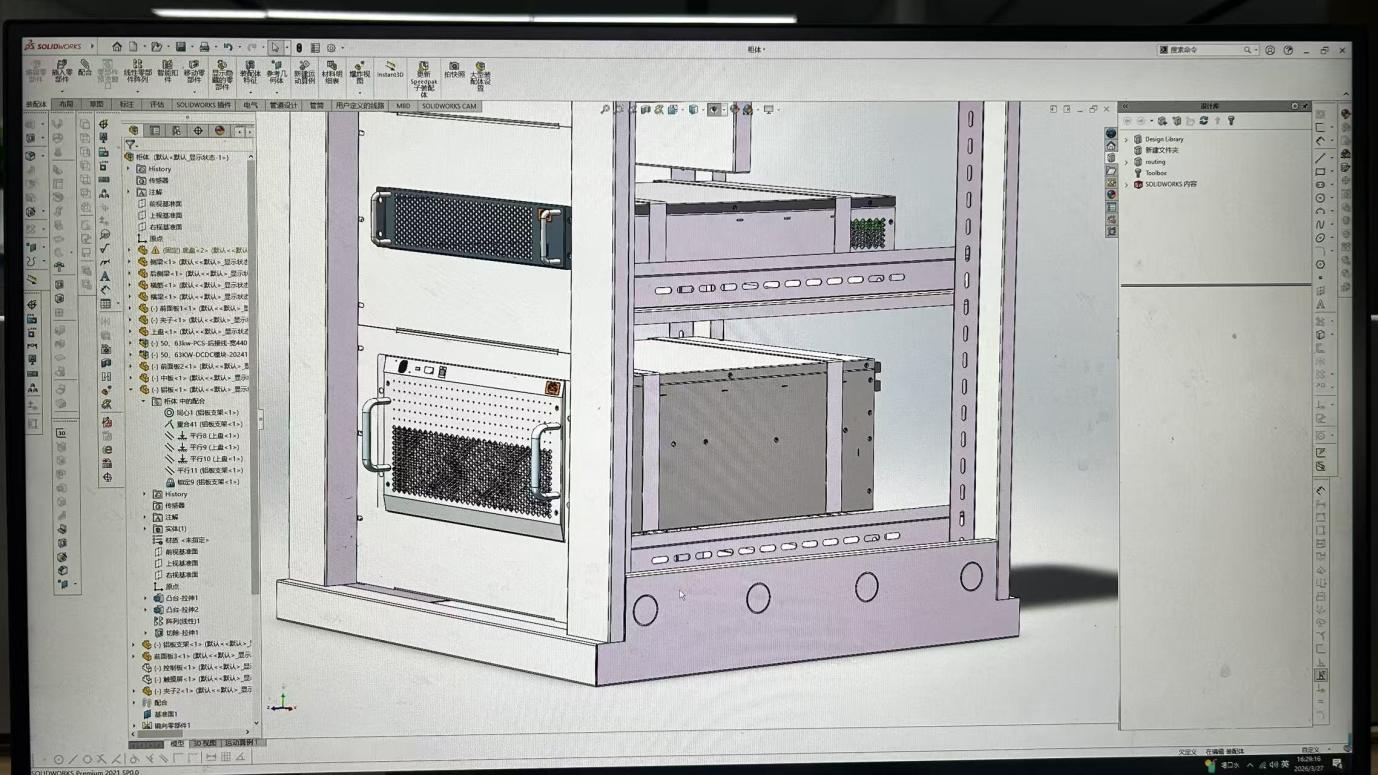 Computer Workstation
Addressing common engineering inquiries regarding customization, system topology, grid-tie interfaces, and technical specifications.
Explore our high-efficiency permanent magnet alternators, industrial wind turbine controllers, and off-grid inverters engineered for utility-scale and regional installations.
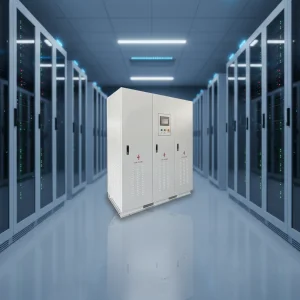
 Demin Power