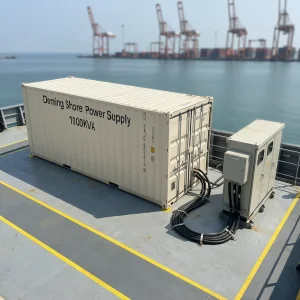
Industrial-grade power converters, controllers, and marine shore power stations engineered for grid stability and high-efficiency harvesting.
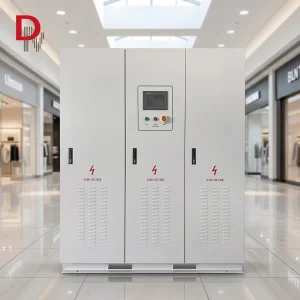
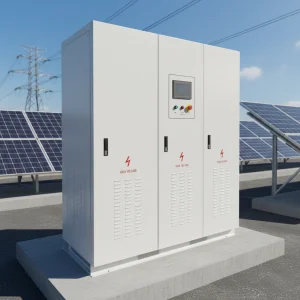
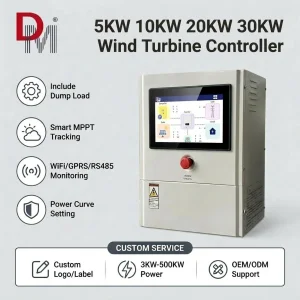
Established in 2004, Jinan Deming Power Equipment Co., Ltd. is a nationally recognized high-tech enterprise dedicated to the research, development, engineering, and manufacturing of state-of-the-art renewable energy power conversion systems and industrial-grade testing equipment. Over the last two decades, we have established our role as a trusted partner for international energy contractors, national grids, and Fortune 500 enterprises across 120+ countries.
Supported by a world-class R&D team consisting of 16 senior engineers, including doctoral supervisors and master’s degree holders, Deming continuously pushes the boundaries of clean energy transformation. By reinvesting no less than 20% of our annual sales revenue directly back into technical development, we have completed 17 major R&D projects over the past three years alone, successfully converting 16 scientific and technological achievements into highly reliable commercial products.
Our operation is certified to ISO9001:2015 standards, and our core product lines—ranging from high-power wind and solar controllers, grid-tied and off-grid bi-directional inverters, frequency converters, to battery simulators up to 500kW—comply with international power quality and safety frameworks including CE, IEEE, and UL.
An in-depth analysis of supply constraints, grid-integration compliance, and technological optimization strategies in modern utility-scale energy projects.
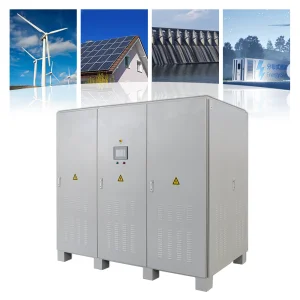
The global transition to zero-carbon grids has shifted wind energy from an auxiliary power source to a critical baseline generation component. As of 2024, the commercial and industrial (C&I) sectors face unprecedented integration challenges. Instabilities in voltage and grid frequency, caused by the intermittent nature of wind profiles, require sophisticated active and reactive power control. Modern utility structures mandate strict adherence to complex grid codes, demanding rapid frequency response and robust Low Voltage Ride Through (LVRT) capabilities from grid-tied systems.
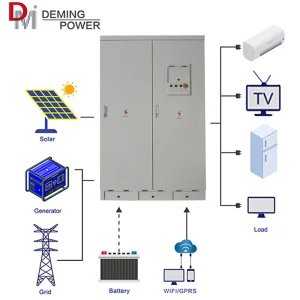
To bypass these challenges, project developers and Engineering, Procurement, and Construction (EPC) contractors are turning to high-power energy storage systems (ESS) and multi-port bi-directional power conversion systems (PCS). These solutions stabilize microgrids and hybrid installations by balancing erratic wind currents and integrating large-scale solar arrays. Jinan Deming Power Equipment provides the foundational power electronics that bridge raw, kinetic wind generation with clean, grid-compliant AC electricity.
Advanced digital controls deliver real-time active/reactive power injection, minimizing total harmonic distortion (THD) and preventing localized grid failures.
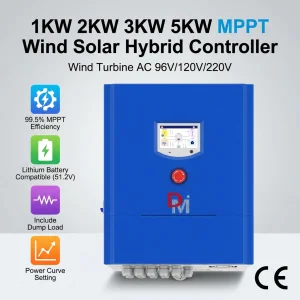
Seamlessly coordinates wind, photovoltaic (PV), and energy storage batteries on a unified microgrid platform using intelligent MPPT tracking.
Designed and built to withstand saline marine docks, extreme sub-zero wind fields, and arid high-temperature installations with industrial liquid or forced-air cooling.
Deploying tailored power architectures across diverse global geographies, from high-salinity maritime zones to complex mountain microgrids.
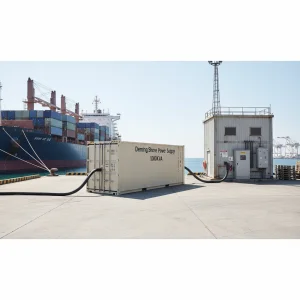
Modern harbors are deploying shore connection systems (cold ironing) to curb diesel emissions from docked vessels. Operating in highly corrosive, high-humidity marine environments presents significant engineering hurdles. Our Port Marine Shore Power Station utilizes isolated multi-phase topologies and heavy-duty IP55/IP65 protective enclosures.
By matching grid frequencies (converting between 50Hz and 60Hz and stepping voltage levels up to medium voltage), these systems enable docked container ships to shut down their onboard auxiliary engines completely, drawing clean, regulated power directly from onshore wind and hydro grids.
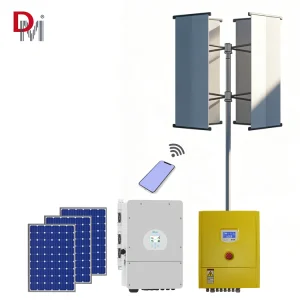
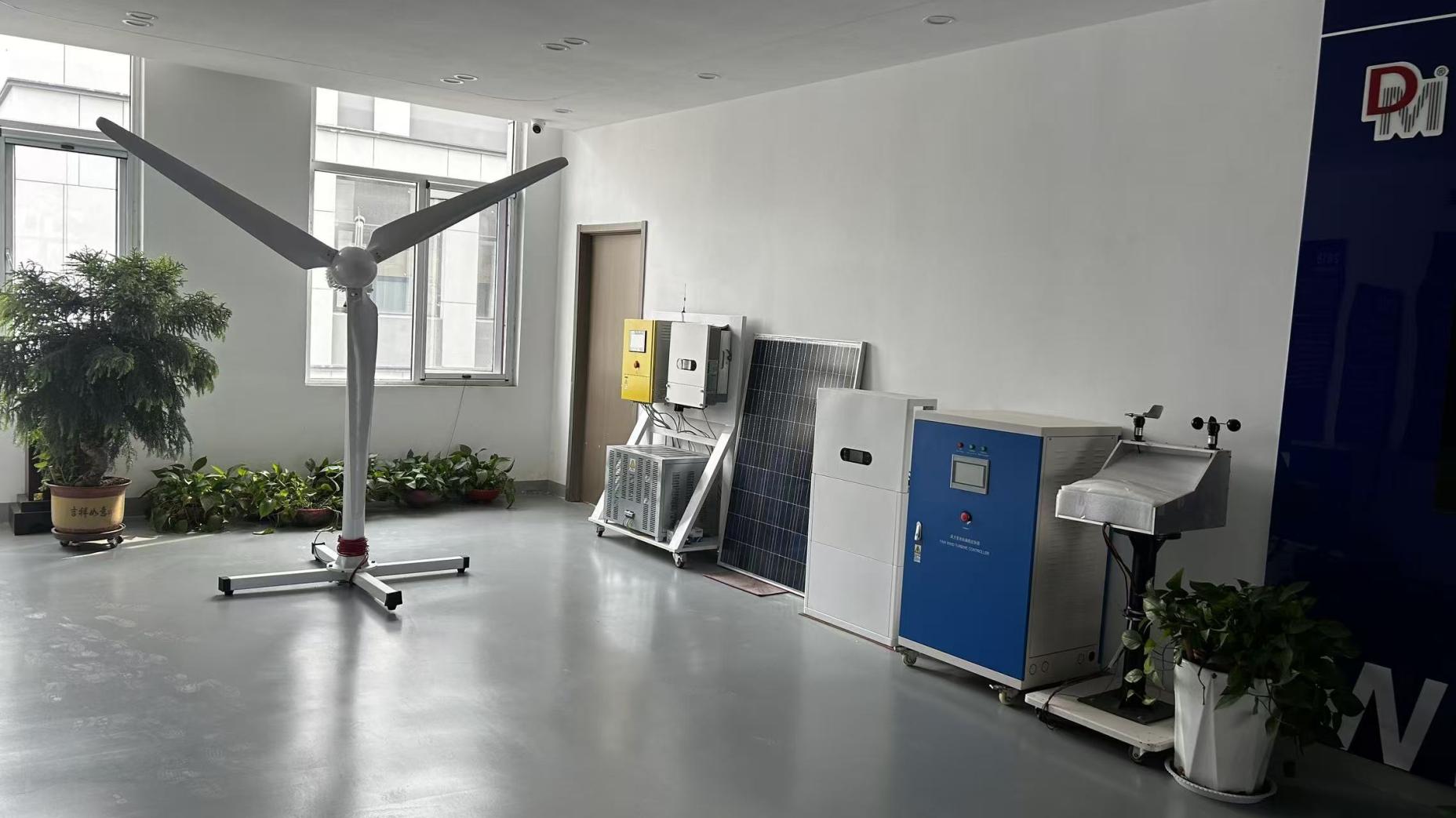
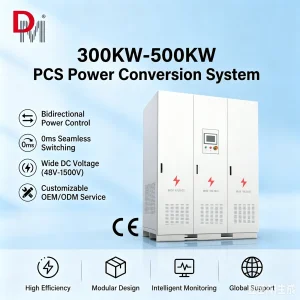
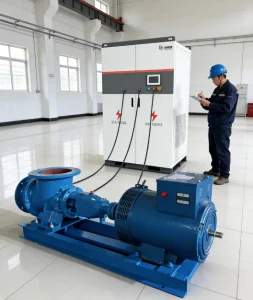
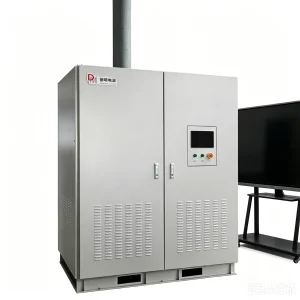
Remote commercial sites, mining complexes, and isolated island communities rely heavily on hybrid setups. By pairing the 10KW Hybrid Solar Wind Turbine System with our 300kW Industrial Power Conversion System (PCS) Bidirectional Inverters, operators create self-sustaining power loops. The integrated system regulates battery charging and discharging while smoothing out transient voltage drops caused by wind gusts or cloud cover, achieving reliable off-grid operations.
Industrial parks are turning to peak-shaving and load-shifting models to reduce overall electricity costs. During off-peak hours, surplus wind energy is directed to grid-scale batteries. During peak demand, our bidirectional converters reverse the flow, injecting clean energy back into the facility's internal network.
This process reduces grid dependency and acts as a localized uninterruptible power supply (UPS) during utility outages, safeguarding sensitive production equipment like cleanrooms and computerized assembly lines.
Pioneering the future of power electronics through advanced silicon carbide semiconductors, bidirectional digital control, and high-frequency magnetics.
Jinan Deming’s long-term R&D roadmap focuses on maximizing conversion efficiency and improving grid integration. By shifting from traditional silicon IGBT modules to Silicon Carbide (SiC) and Gallium Nitride (GaN) wide-bandgap semiconductors, our power conversion systems achieve efficiency rates exceeding 99%. This transition significantly reduces thermal loss and reduces the footprint of the cabinet, cutting installation costs for space-constrained offshore installations.
Additionally, our engineering team is integrating AI-driven predictive diagnostic firmware into our hybrid wind/solar controllers. By leveraging machine learning models, the control software analyzes historical wind velocity profiles and solar irradiance patterns to optimize MPPT tracking speed in real time, preventing energy drop-offs during rapidly shifting weather conditions.
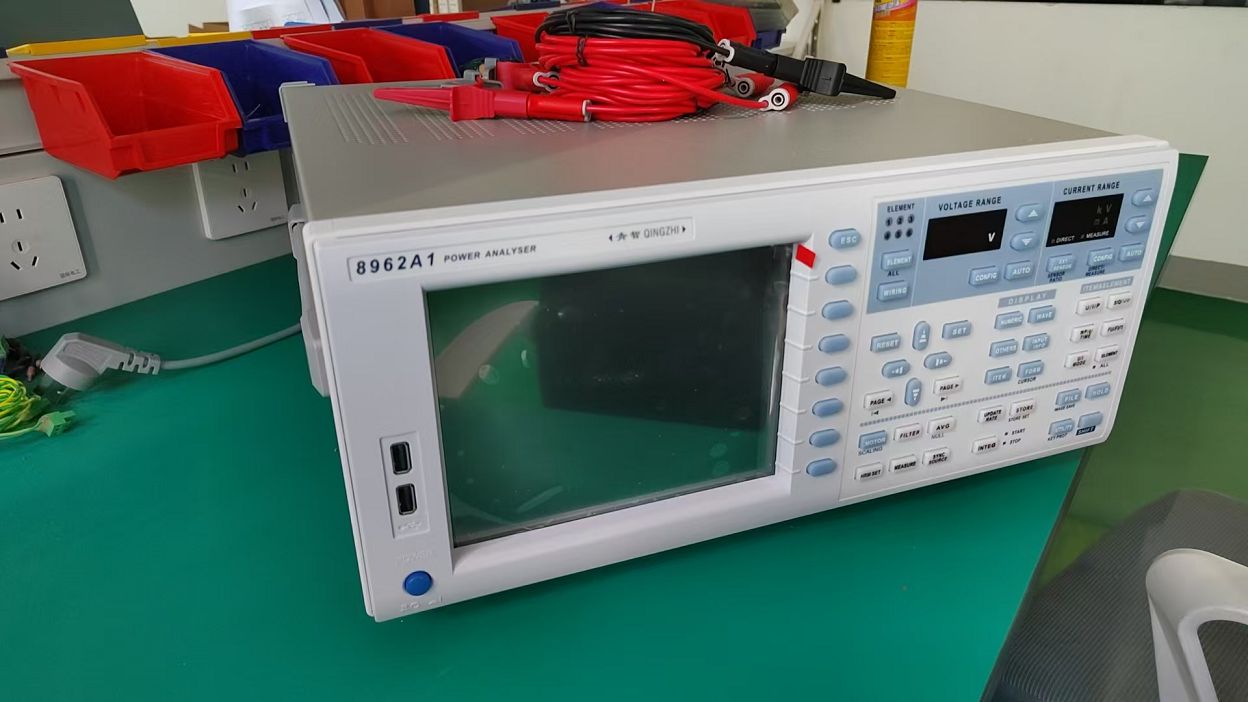
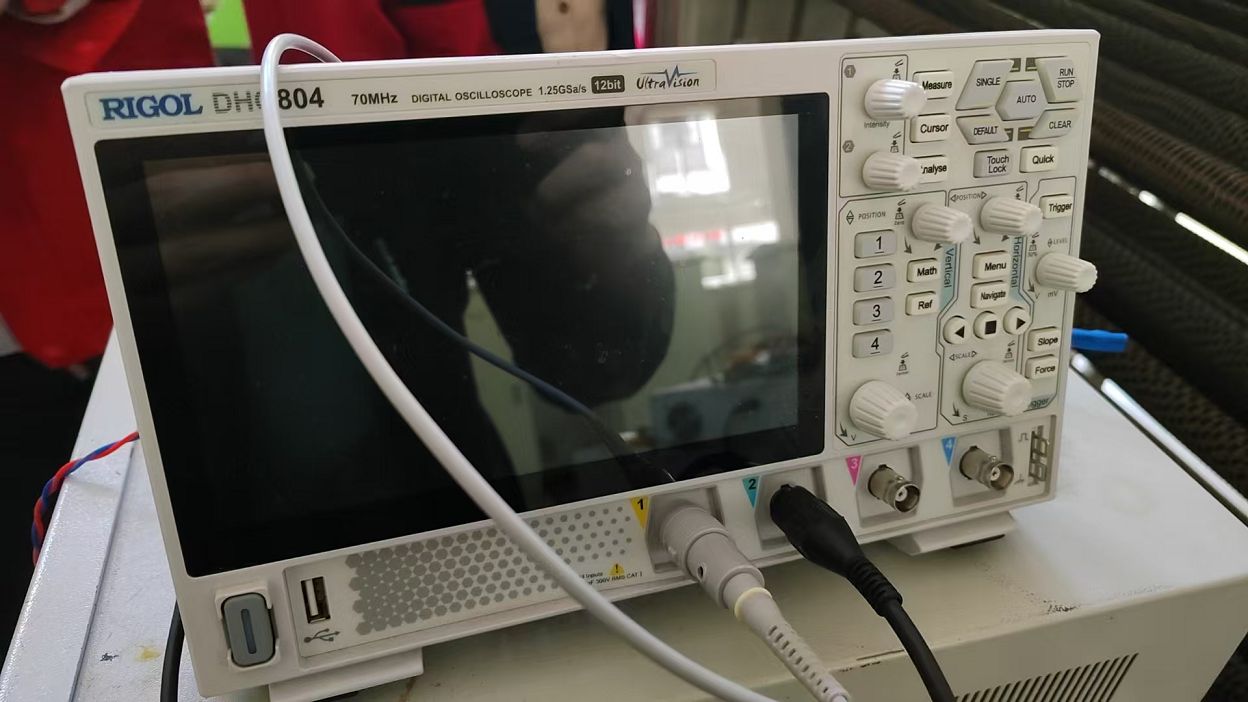
Ensuring system durability and power quality requires comprehensive testing under simulated extreme conditions. Deming's state-of-the-art laboratory features specialized instruments to analyze power profiles, grid anomalies, and semiconductor stress levels:
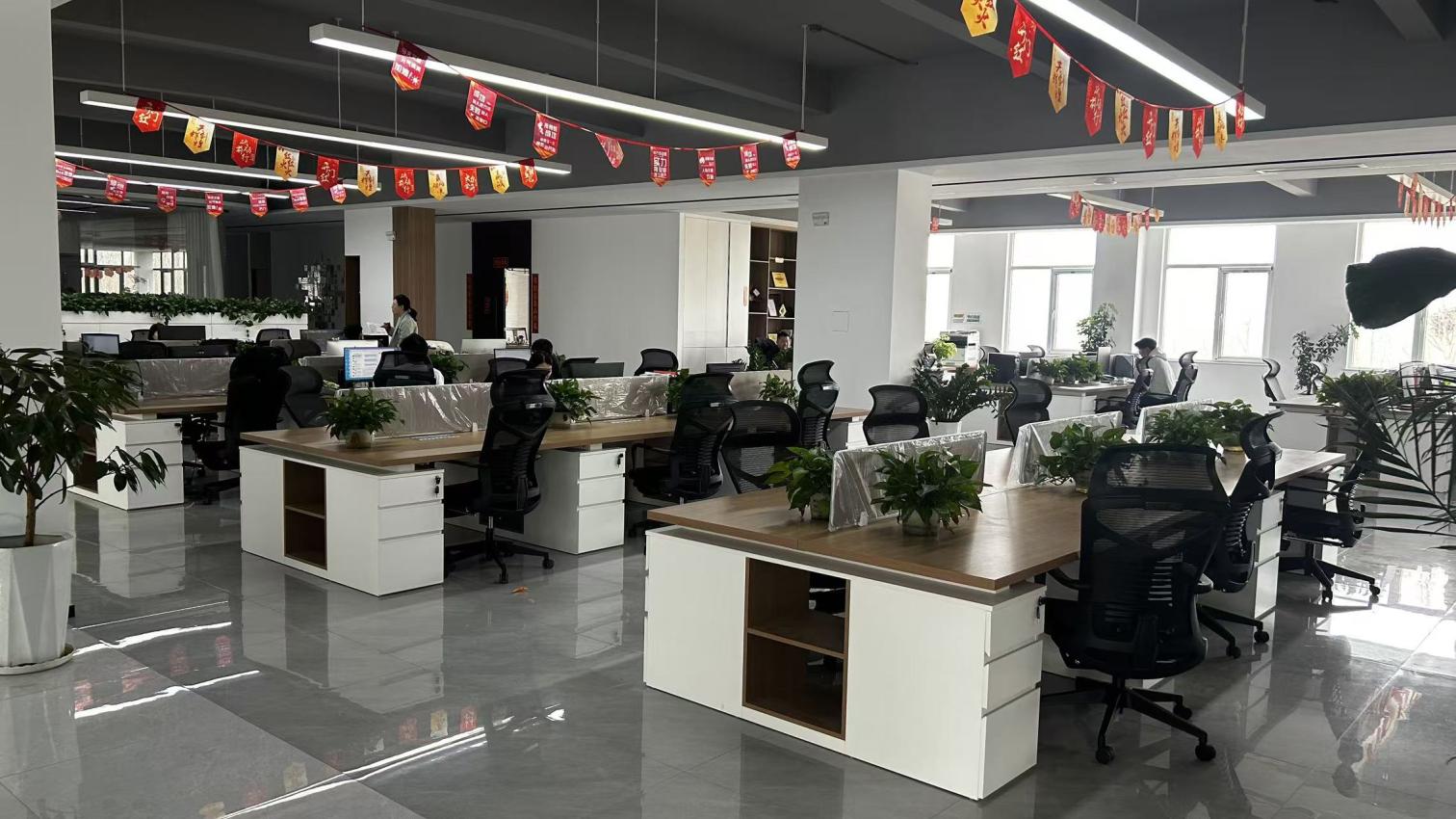
Leveraging deep industrial clusters, automated component routing, and strict quality verification protocols to deliver unmatched production reliability.
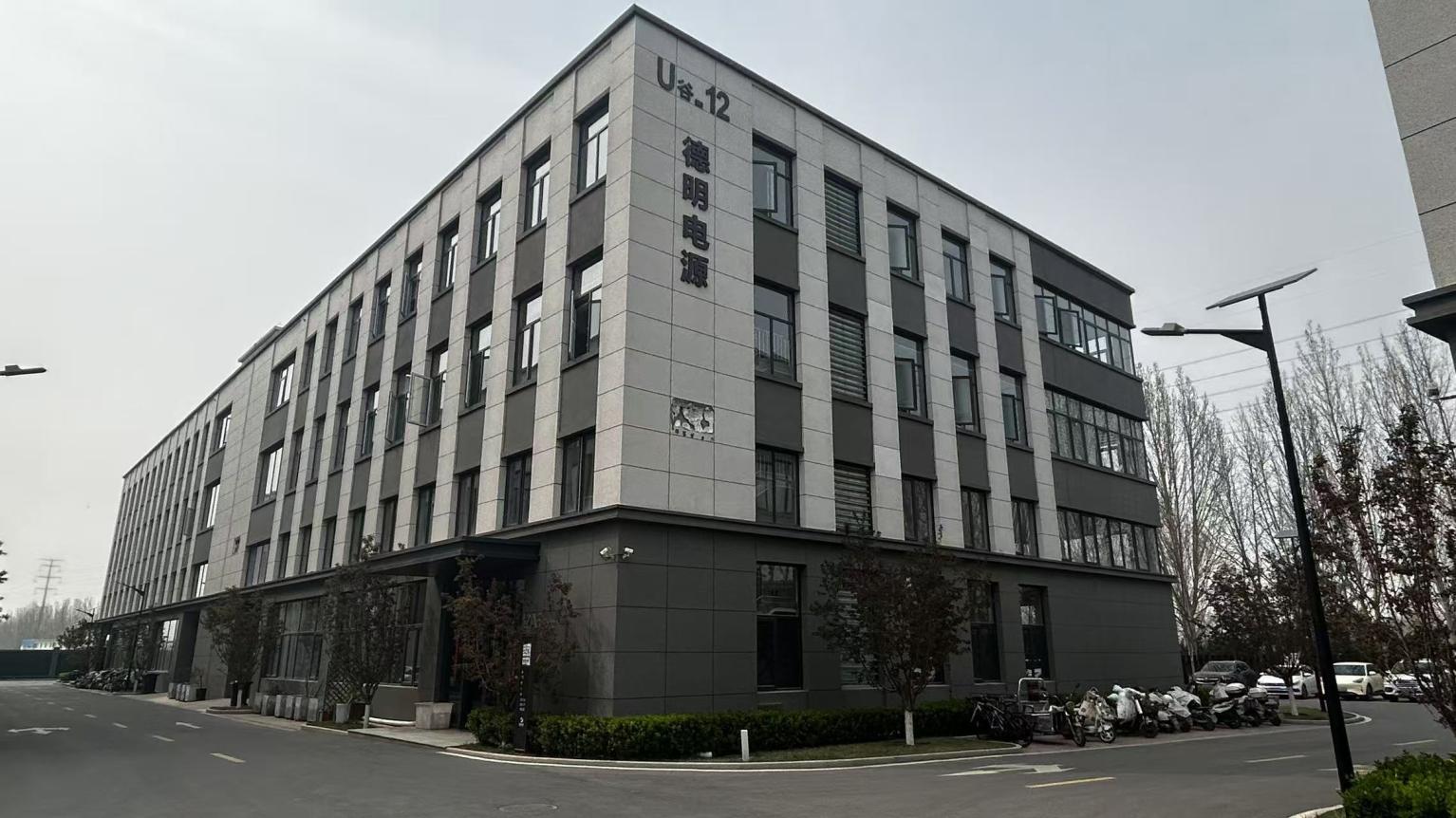
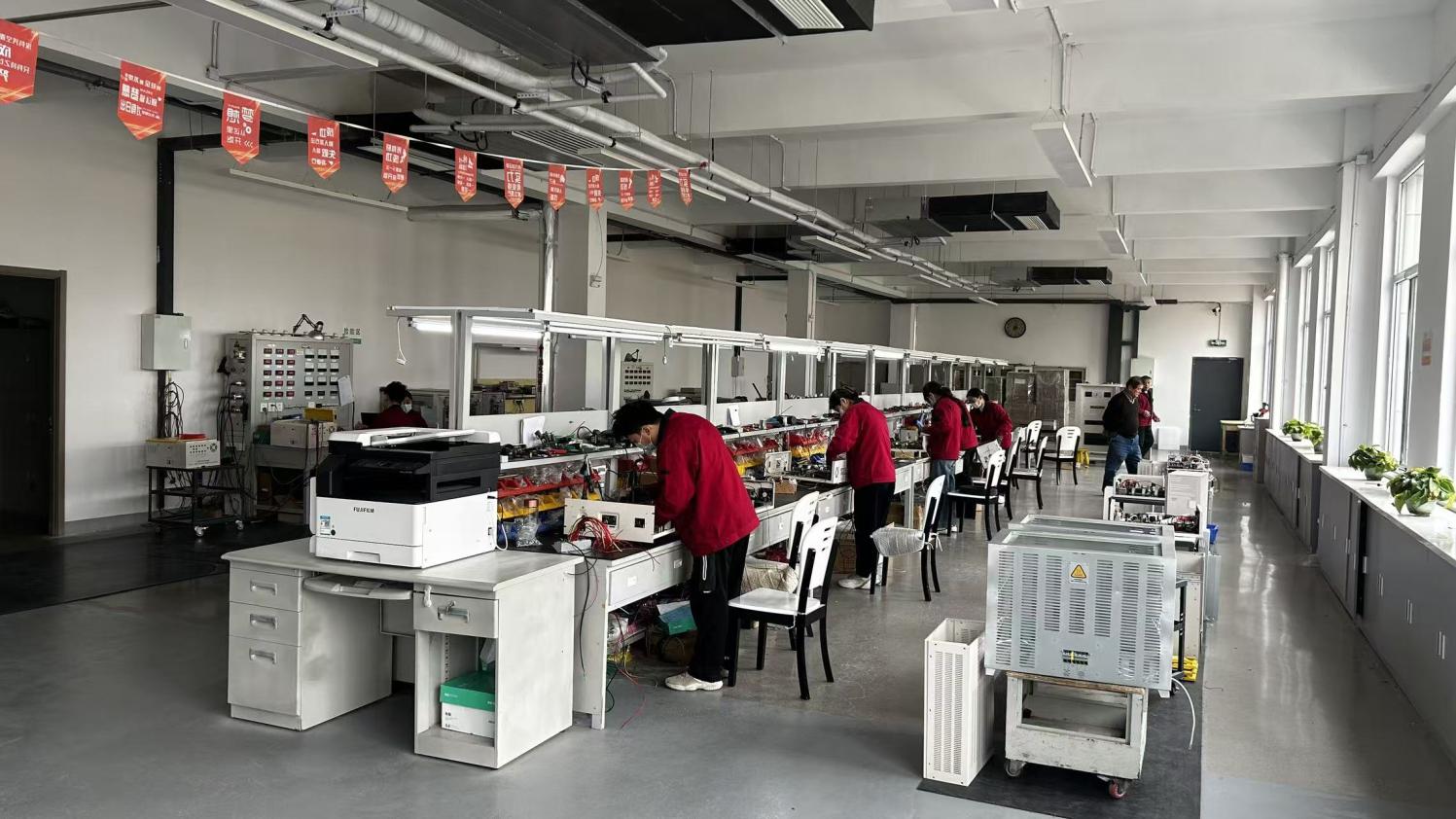
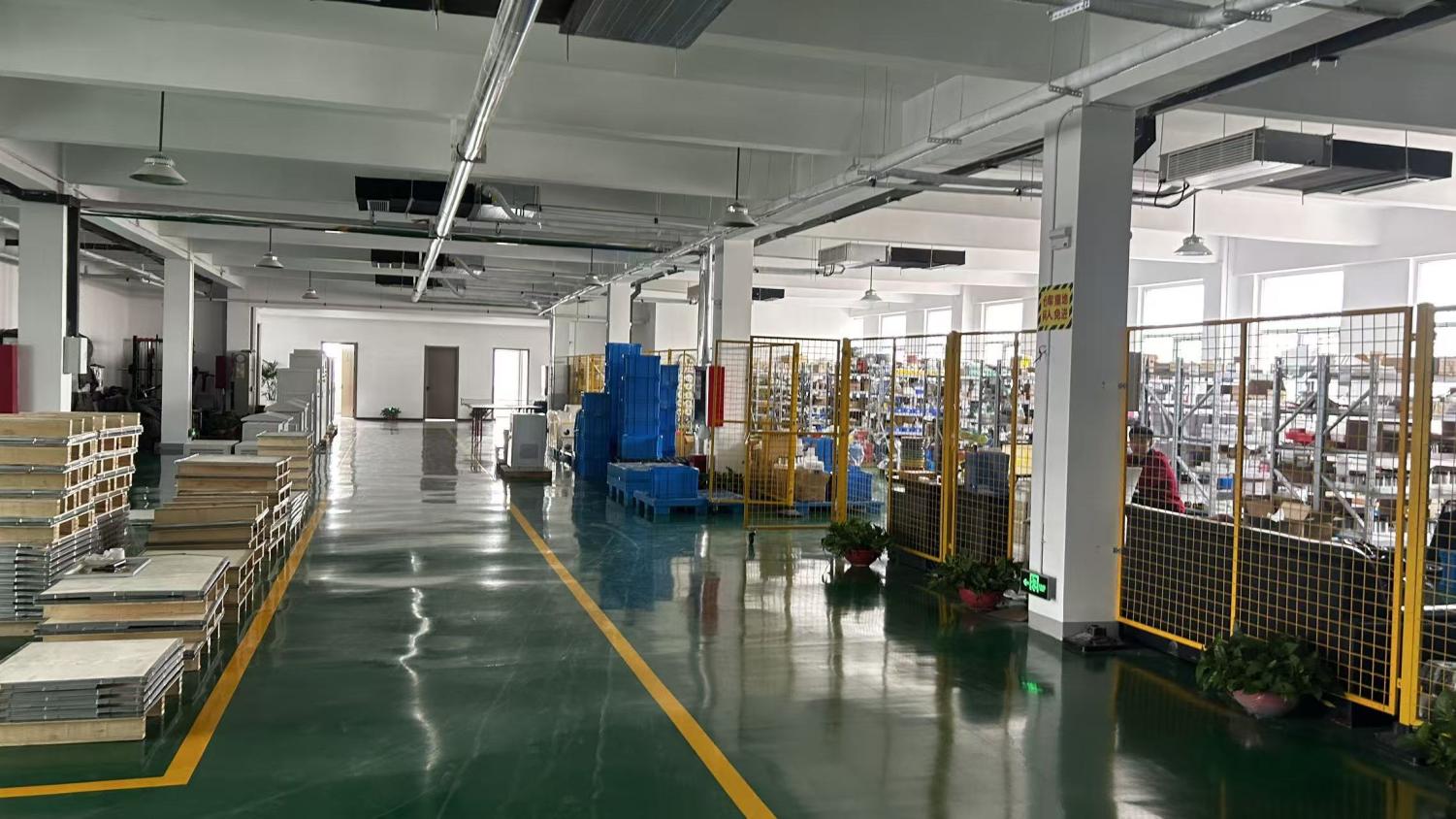
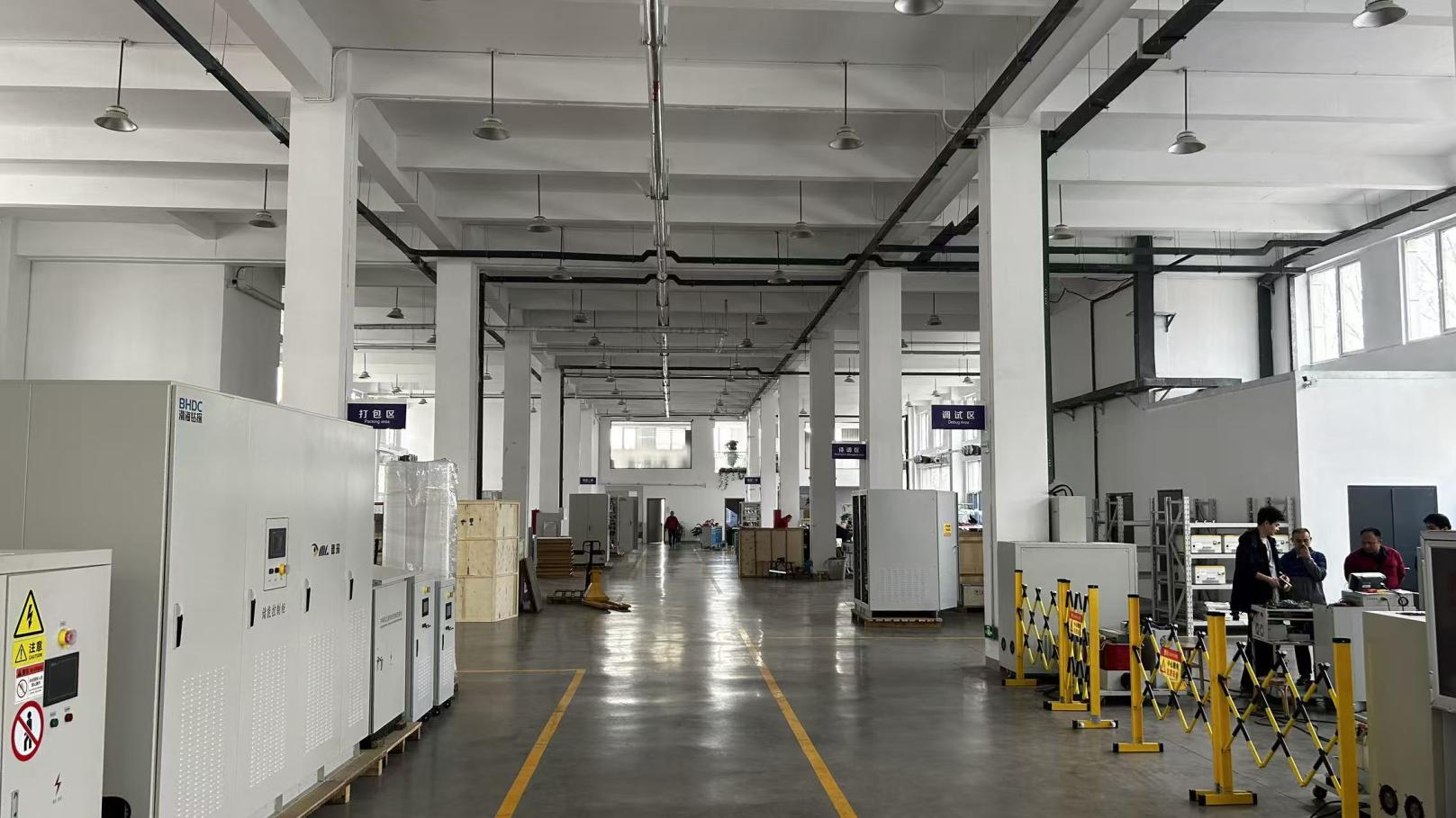
Located in Jinan, China’s industrial heartland, Deming benefits from a highly integrated power electronics ecosystem. This localization allows us to source raw materials, magnetic cores, high-quality copper bars, and premium semi-conductors within a 100km radius. By operating an in-house CNC copper bar production plant, automated reflow soldering lines, and dedicated assembly centers, we control the entire quality loop and shield clients from global supply chain disruptions.
Our manufacturing floor is organized to guarantee traceabilities for every component, from initial circuit design and raw PCB routing to high-voltage stress testing and shipping. This level of quality control allows us to offer shorter lead times and robust customization capabilities that smaller providers cannot match.
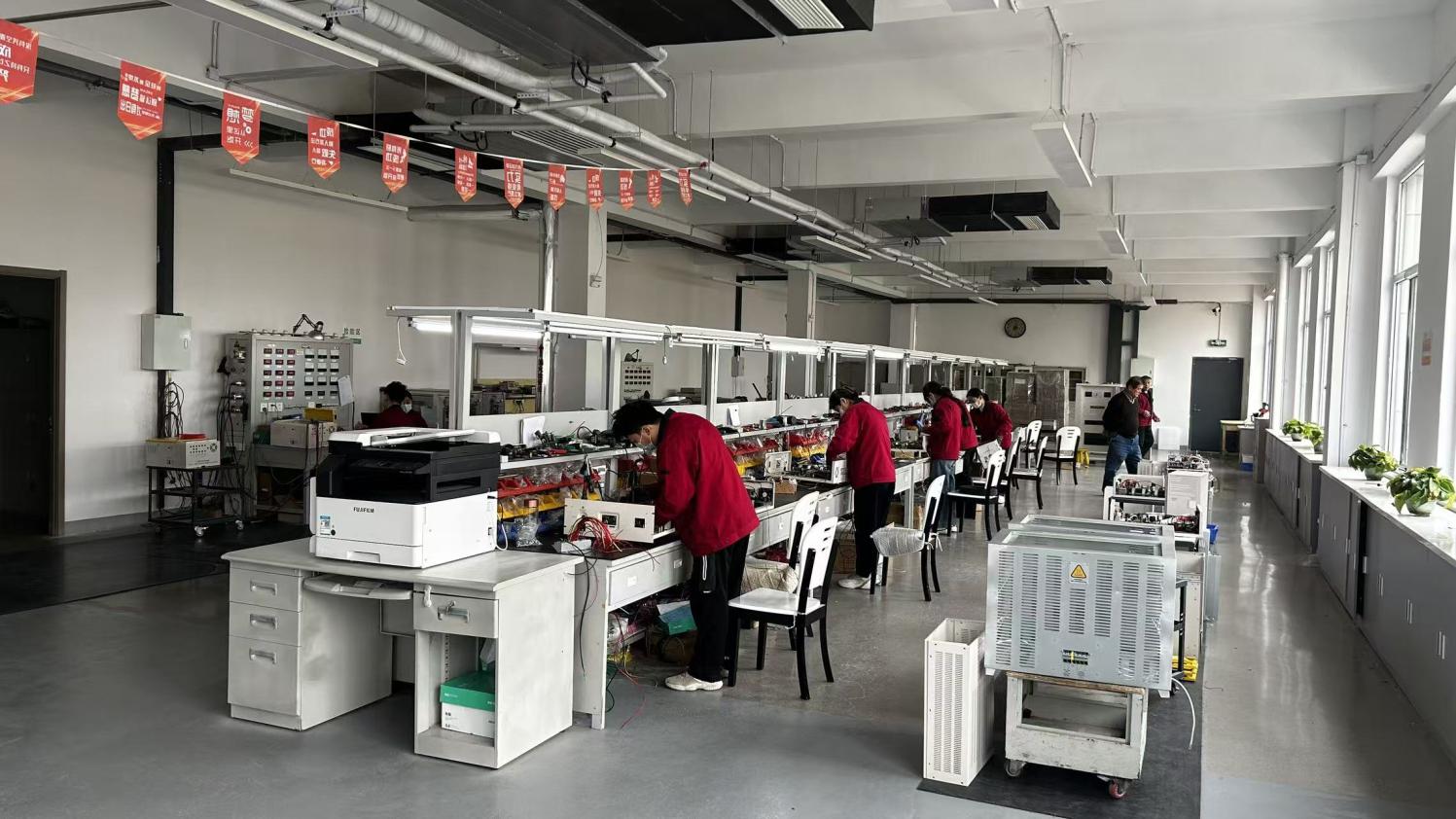 Circuit Assembly
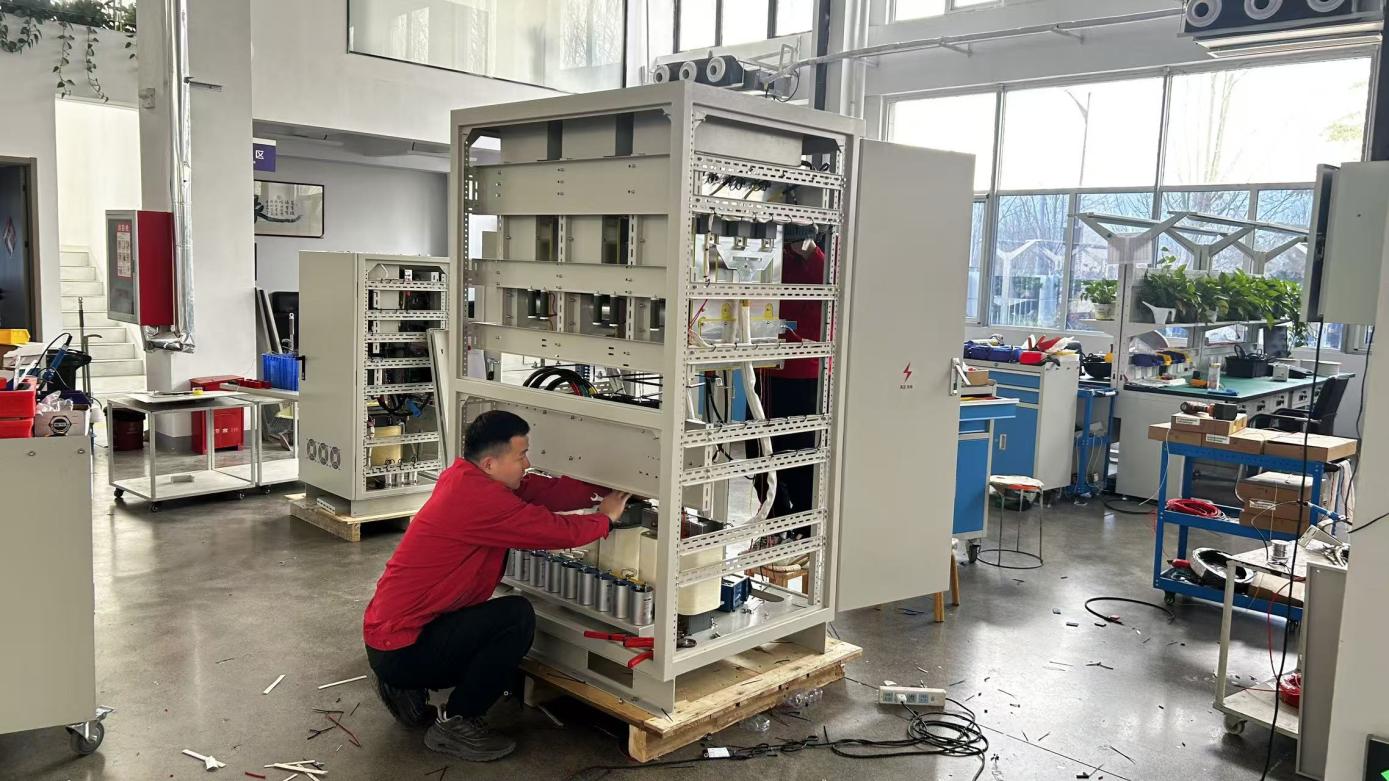 PCB SMT Assembly
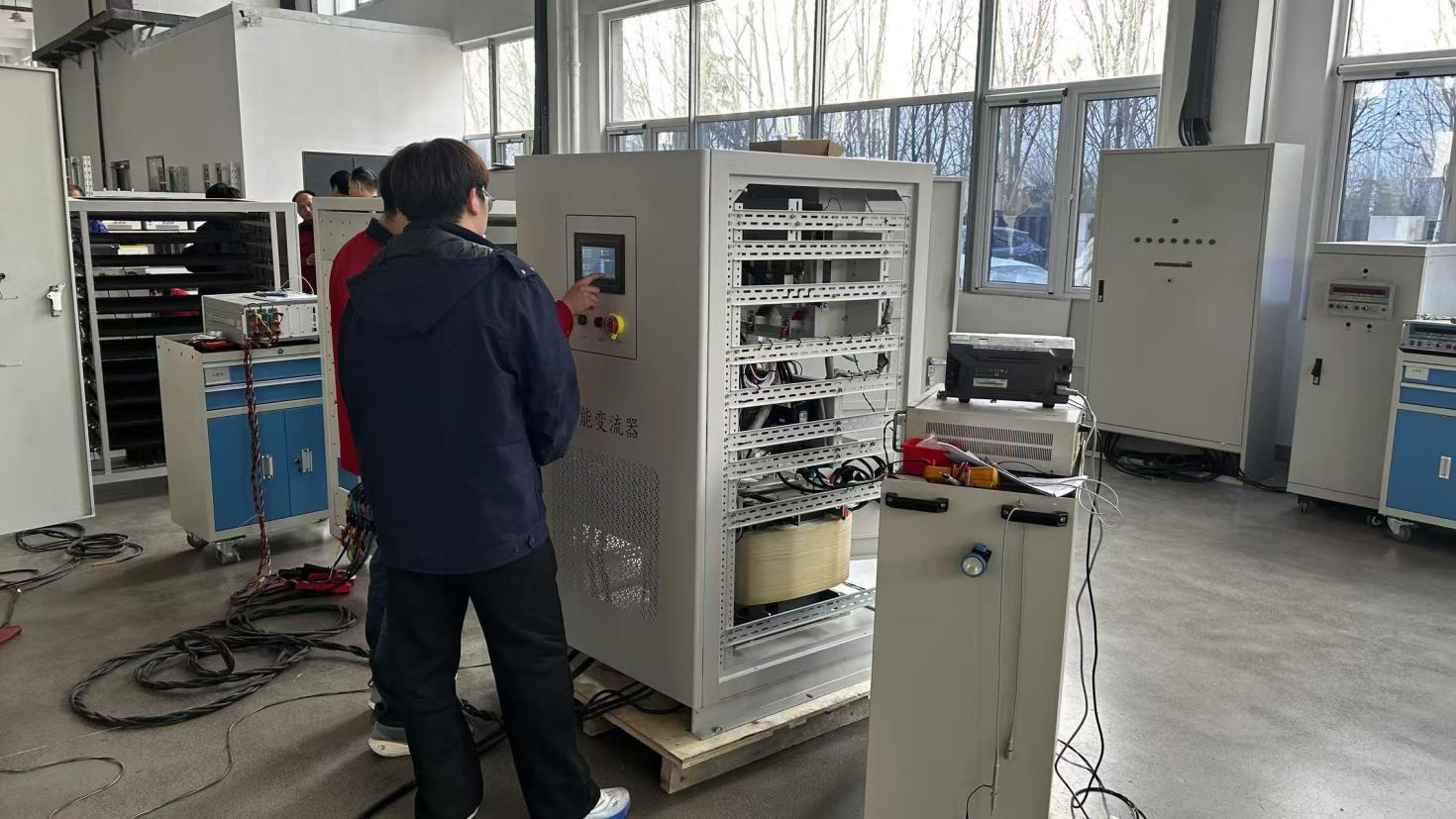 Digital System Debugging
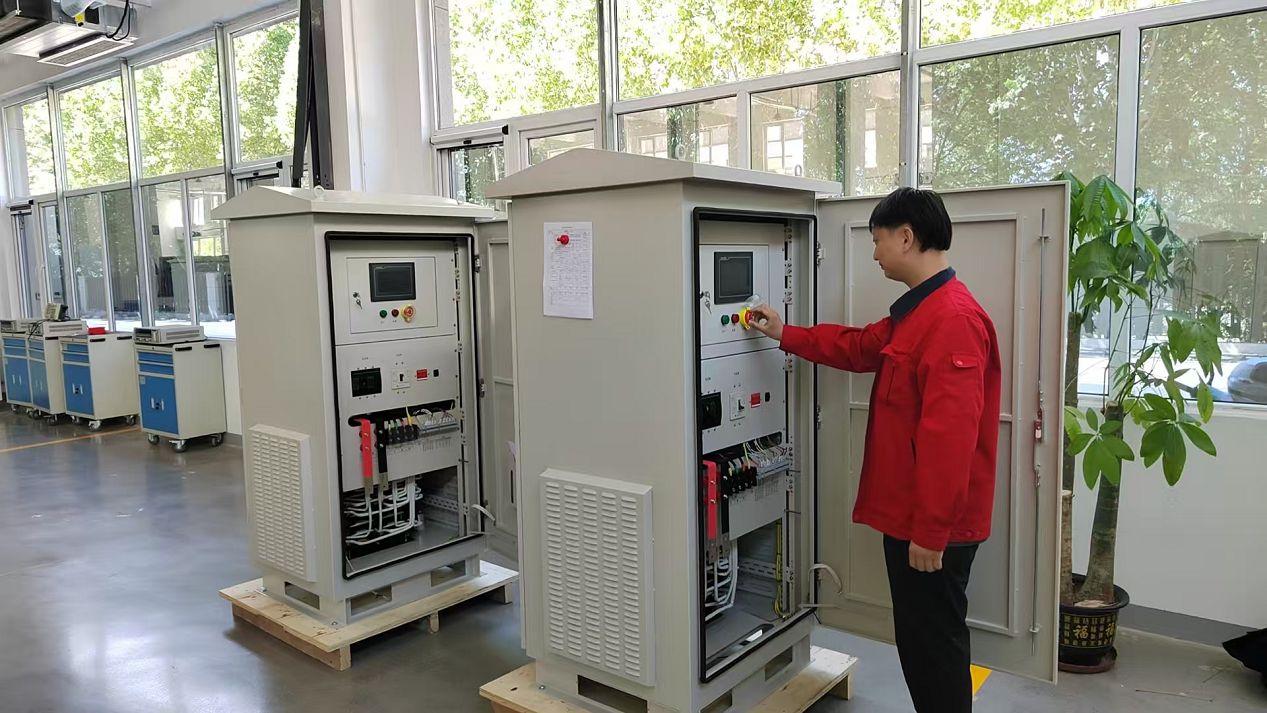 Quality Inspection
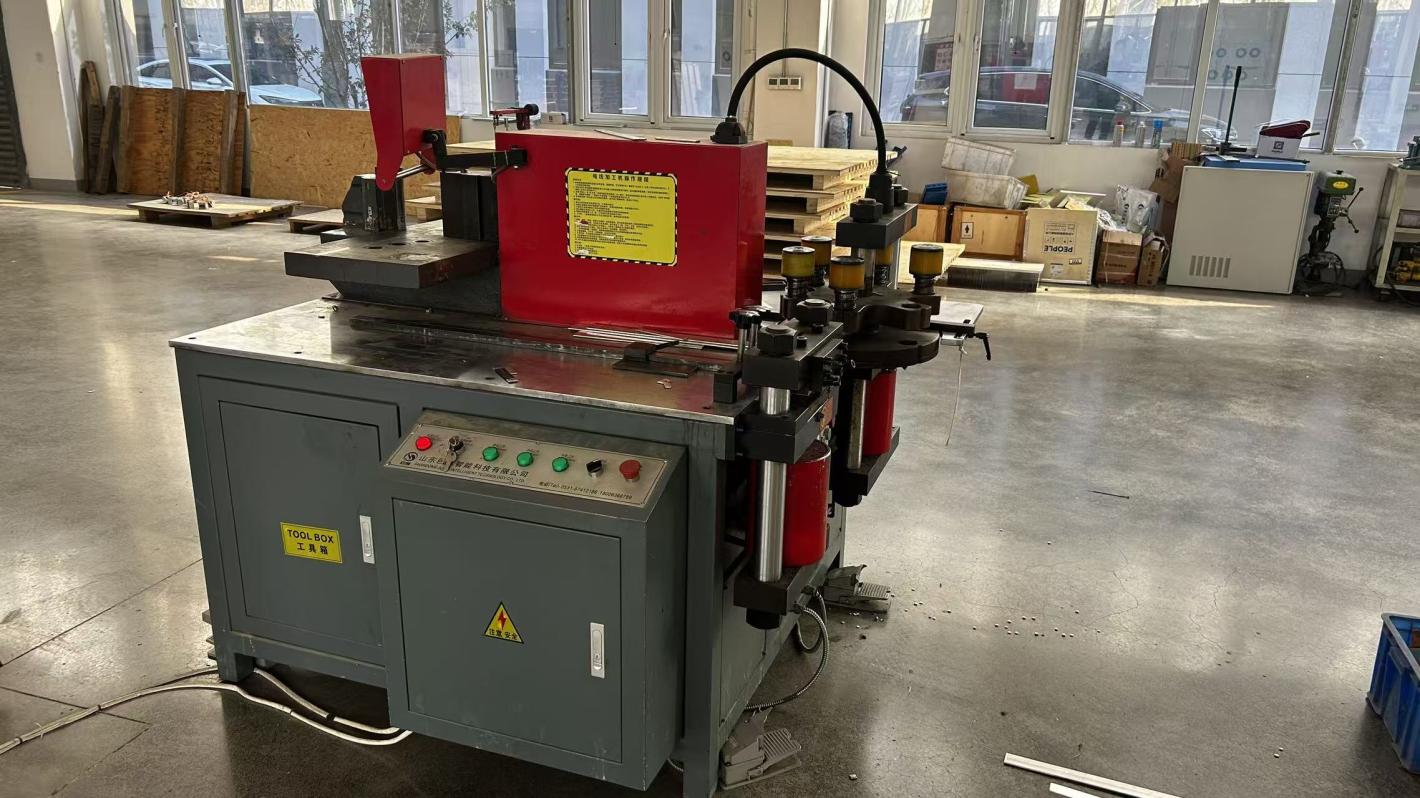 Copper Bar Production
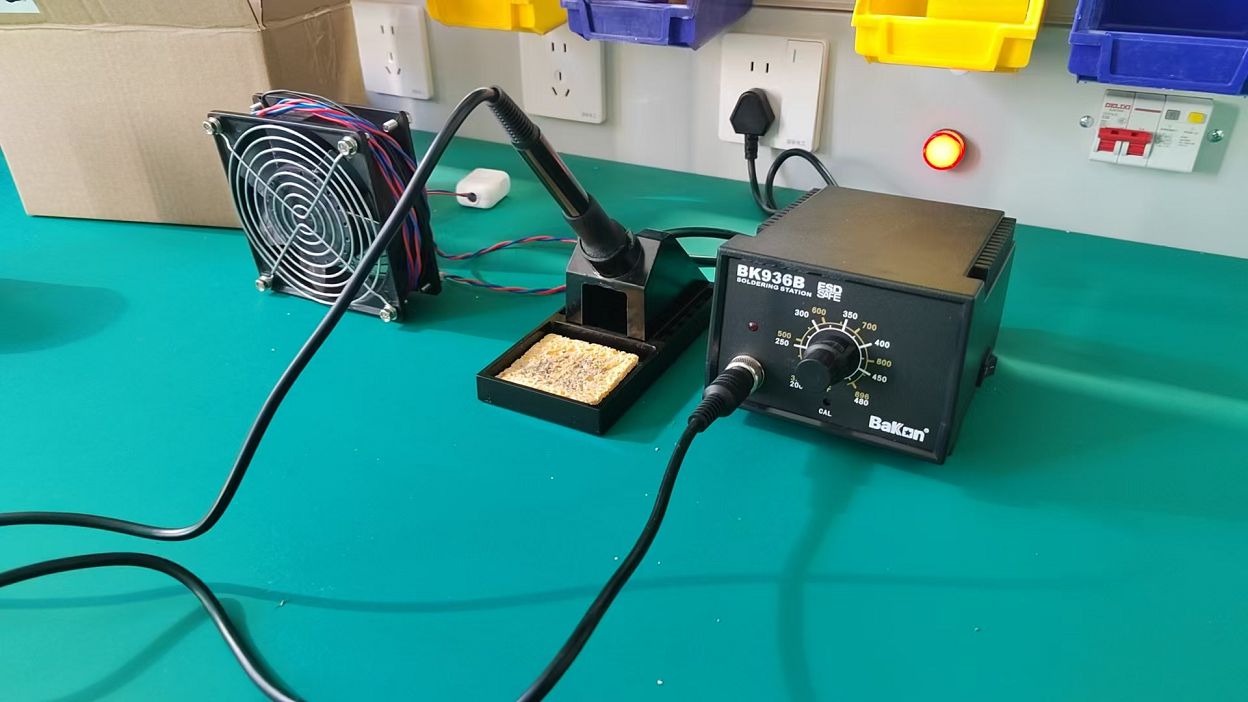 Wiring & Harness Preparation
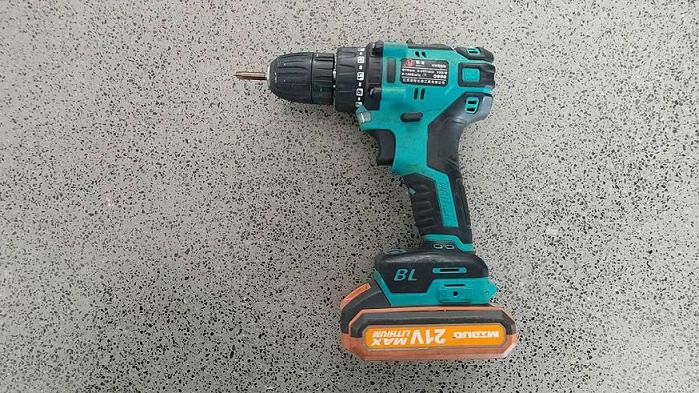 Mechanical Enclosure Assembly
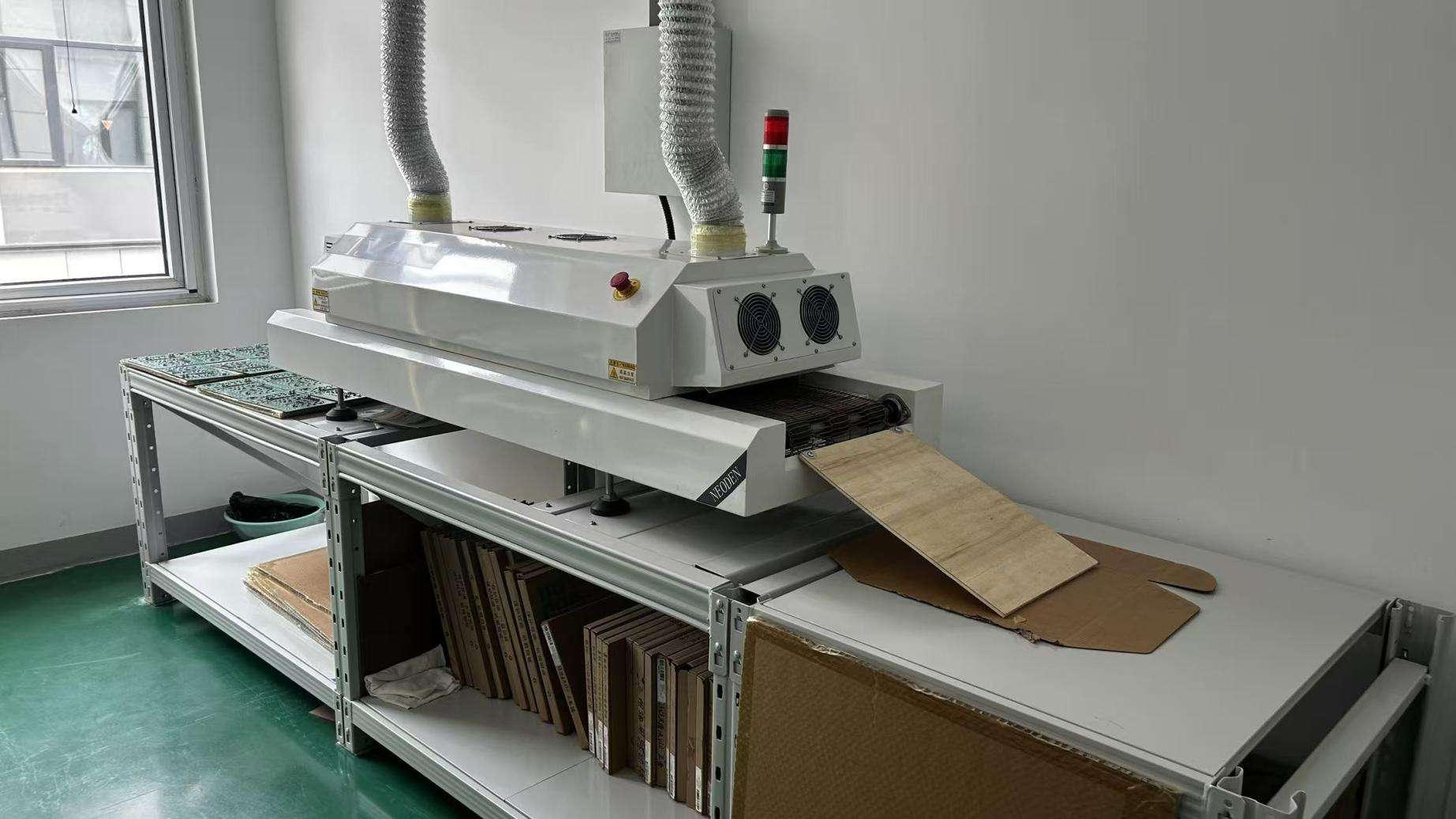 Reflow Soldering Machine
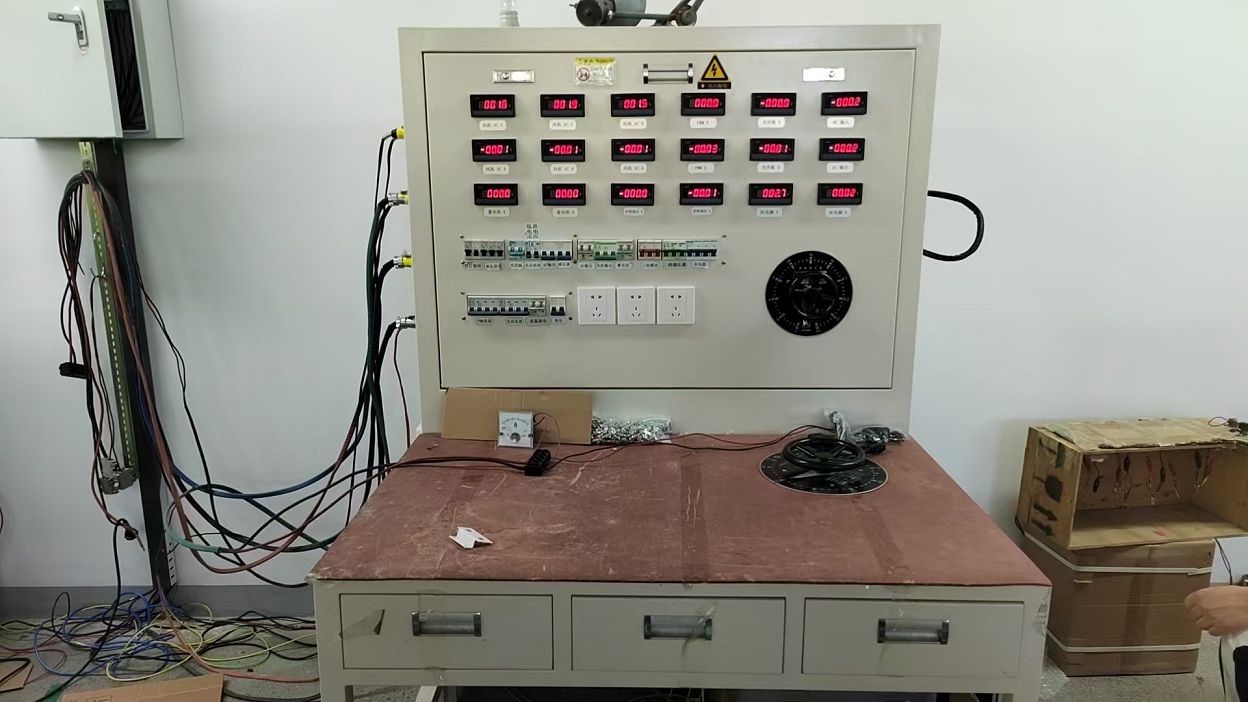 System Integration Workbench
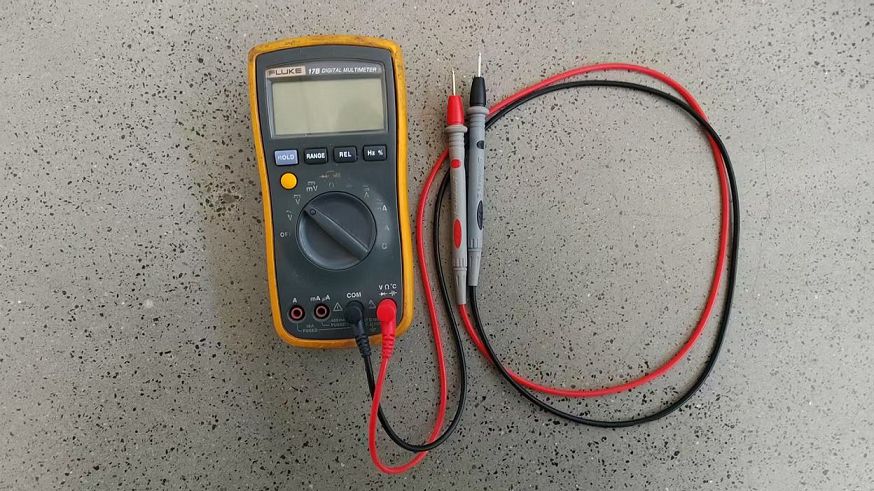 Calibration & Measurement
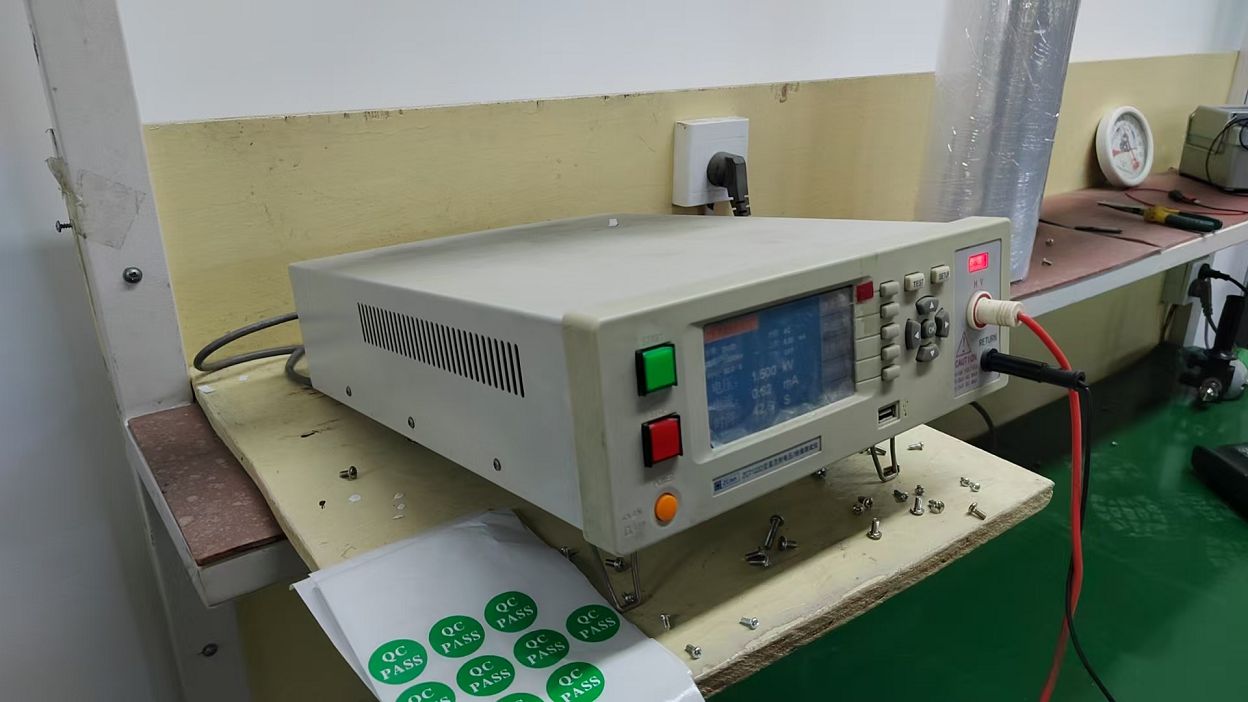 Component Impedance Check
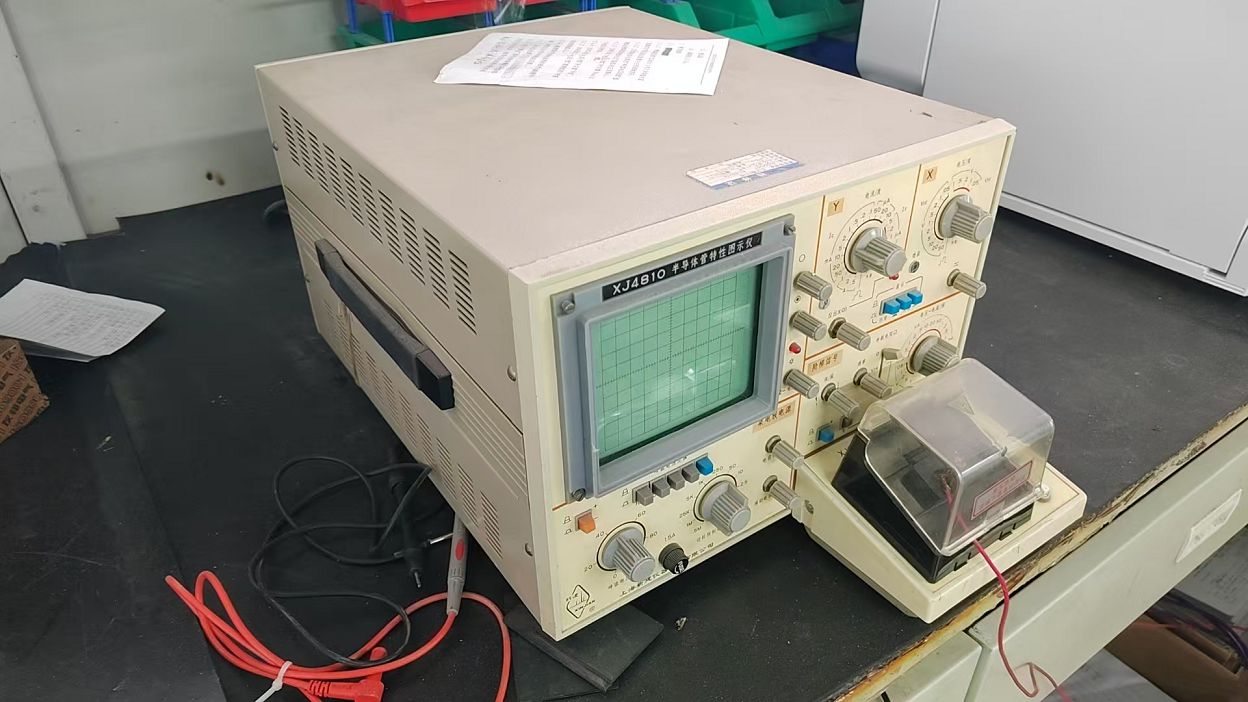 Transistor Curve Plotting
 Waveform Analysis
 Grid Power Quality Analysis
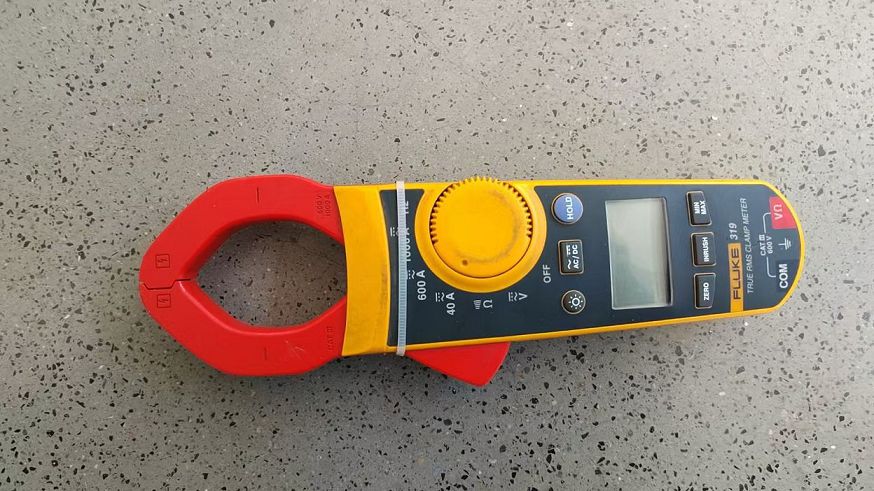 Current Calibration
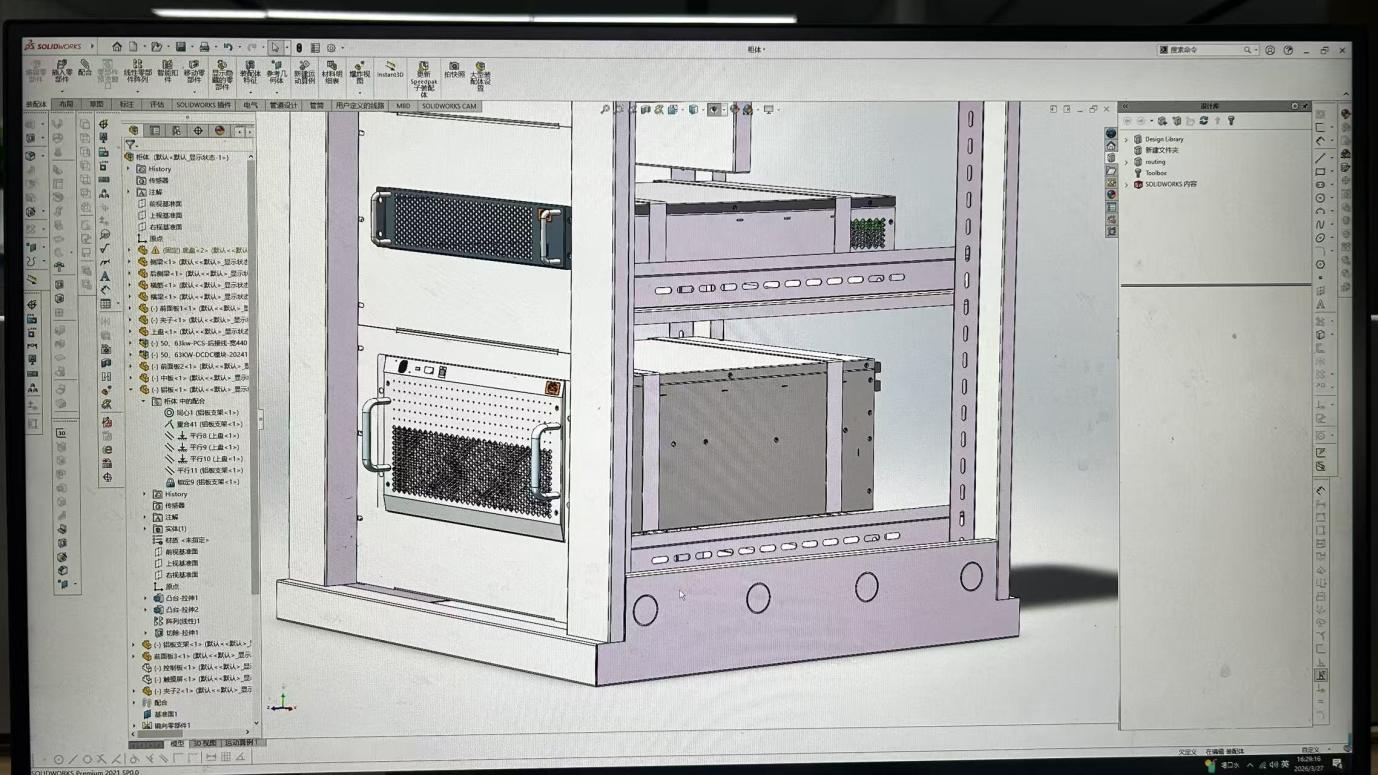
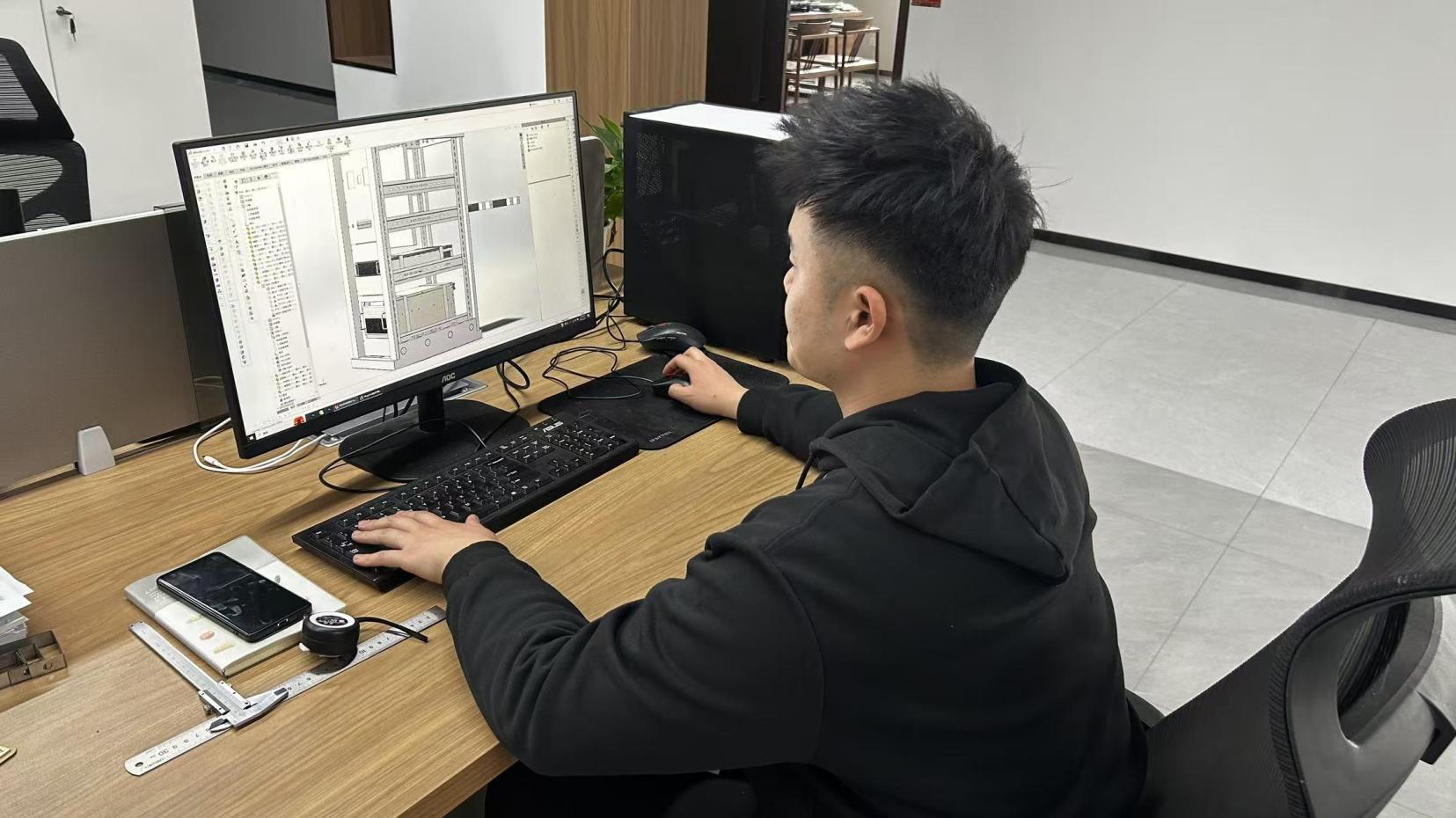 Engineering Drawing Design
Global presence backed by reliable localization, technical documentation, and regulatory compliance.
Deploying heavy power systems demands continuous, reliable support. Jinan Deming ensures seamless operations by collaborating with regional installation teams and field application engineers worldwide. We provide complete technical manuals, step-by-step installation guides, and CAD drawings to simplify project integration.
Our multilingual support desk, staffed by experienced engineers, guarantees a response within 24 hours. We offer remote system monitoring and digital firmware diagnostic support to help keep your local project compliant and running efficiently.
Expert insights on grid connection compliance, system customization, and operational troubleshooting.
High-capacity bidirectional inverters, MPPT chargers, and customized hydraulic power converters engineered for heavy industrial deployment.
 Demin Power