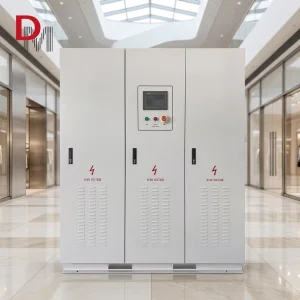
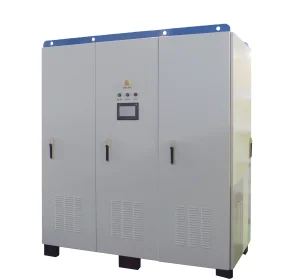
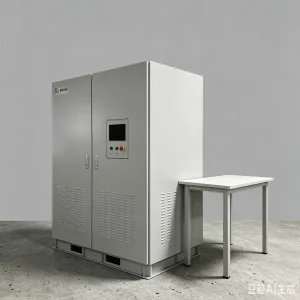
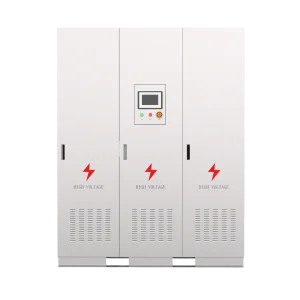
Explore our core selection of high-power controllers, grid-tie stabilizers, wind turbines, and shore power systems engineered for industrial reliability.
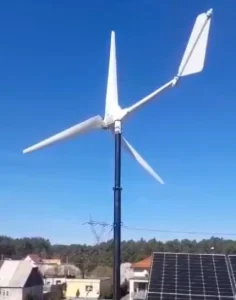
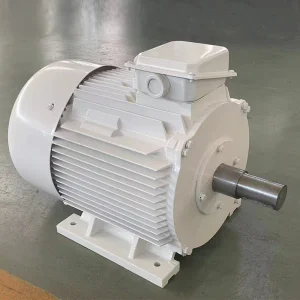
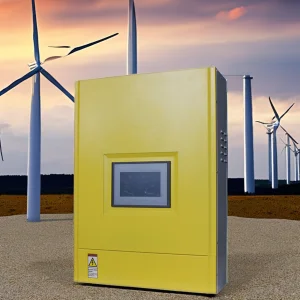
Understanding the micro-grid integration, power quality management, and zero-carbon transitions occurring in modern heavy industry.
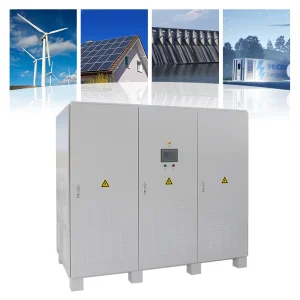
As global economies shift toward net-zero targets, the reliance on wind, solar, and hydroelectric resources has accelerated exponentially. However, these clean energy sources introduce extreme volatility to the electrical grid due to their fluctuating nature. For instance, grid-tied wind energy systems require high-capacity inverters that can continuously regulate output voltages despite sudden wind-velocity changes. Similarly, hydroelectric generators require precision frequency control to prevent harmonic disruption across shared industrial infrastructure.
Without heavy-duty Automatic Voltage Regulators (AVR) and high-efficiency bidirectional storage converters (PCS), utility companies face the constant threat of brownouts and voltage sags, which can devastate automated CNC plants, medical facilities, and semiconductor fabrication complexes.
To combat renewable intermittency, the global sector is shifting towards multi-megawatt Battery Energy Storage Systems. BESS acts as a buffer, storing surplus energy during peak production and discharging it during peak demand. A core requirement for these systems is a rugged, highly efficient bi-directional inverter (PCS) equipped with galvanic isolation. Galvanic isolation isolates the DC storage system from AC power fluctuations on the utility grid, ensuring safe power transfer and protecting expensive battery chemistries from rapid degradation caused by back-EMF or surges.
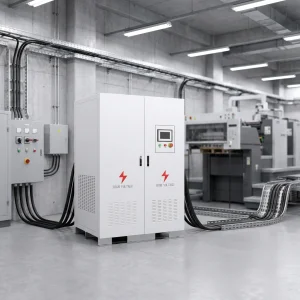
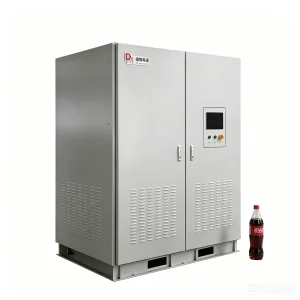
By utilizing technologies like the 300kW Three-Phase Bidirectional Inverter, modern industrial facilities can transition from simple consumers to active prosumers—stabilizing their regional grid while securing uninterruptible clean power.
A national-recognized high-tech enterprise spearheading renewable energy integration since 2004.
Established in 2004, Jinan Deming Power Equipment Co., Ltd. is a premier high-tech manufacturer specializing in the engineering, R&D, and manufacturing of high-performance renewable power equipment. For nearly two decades, Deming has designed state-of-the-art power testing solutions, static frequency converters, and intelligent microgrid control structures.
Maintaining strict compliance under the ISO9001:2015 Quality Management System, Deming has repeatedly been certified as a National High-Tech Enterprise by the Chinese government (2015, 2018). Our core competency lies in our R&D prowess, comprising a dedicated crew of 16 senior engineers—including doctoral supervisors and master’s degree holders. We invest no less than 20% of our annual sales revenue back into scientific and technology development, maintaining a rapid transformation rate from lab concepts to commercial-grade industrial products.
Our infrastructure solutions are exported to 120+ countries worldwide, including Germany, Japan, the United States, UK, Canada, Australia, and Brazil. From regional clean-energy grids to global Fortune 500 automation lines, Deming components deliver the stability modern industry demands.
Discover the next-generation frameworks driving sustainable power quality, micro-generation, and intelligent marine systems.
Integrating Silicon Carbide (SiC) and Gallium Nitride (GaN) switching components allows inverters and converters to achieve up to 99% conversion efficiency. High-frequency capability drastically minimizes system sizing and magnetic footprint.
Decentralized electrical management utilizes real-time machine learning algorithms to distribute loads dynamically across local energy generation systems (wind, hydro, solar) and storage devices.
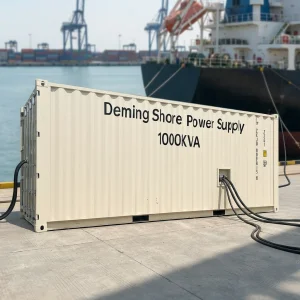
Marine shore structures are shifting from static voltage feeds to intelligent bi-directional setups. Idle maritime ships act as mobile batteries to feed energy back into port microgrids during grid sags.
Deming designs turn-key electrical engineering architectures tailored for variable maritime, residential, and high-load industrial scenarios.
Replacing polluting shipborne diesel generators with state-of-the-art 380V/220V static frequency converter banks allows ports to significantly reduce carbon footprints. These units match marine distribution grids (60Hz vs 50Hz) dynamically, securing seamless maritime energy compliance.
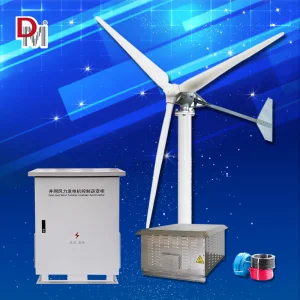
Combining high-reliability horizontal and vertical wind turbines, high-voltage MPPT controllers, and hydroelectric turbines to supply remote farming and mining regions. Dynamic AVR systems maintain consistent power delivery, shielding automated machinery from sags.
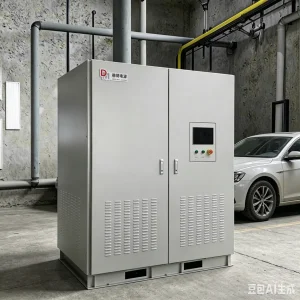
Our commercial & industrial systems utilize the 300kW Triple-Output AC/DC Converter combined with Bidirectional storage converters. This enables operations to charge batteries during low-tariff hours and discharge them during peak demand times, optimizing ROI.
Peek inside our high-tech assembly workshops, design offices, and state-of-the-art testing stations.
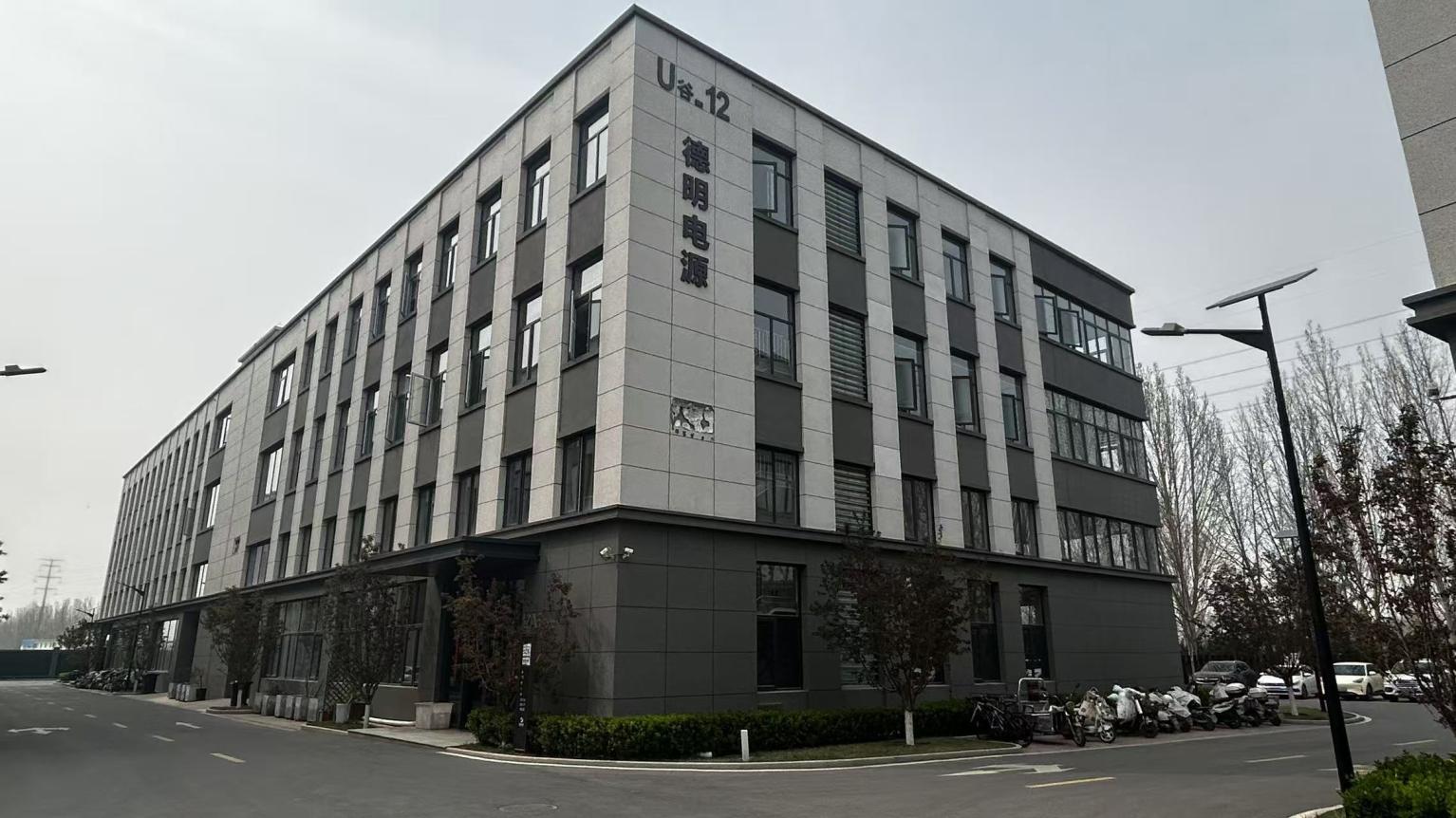 Main Facility
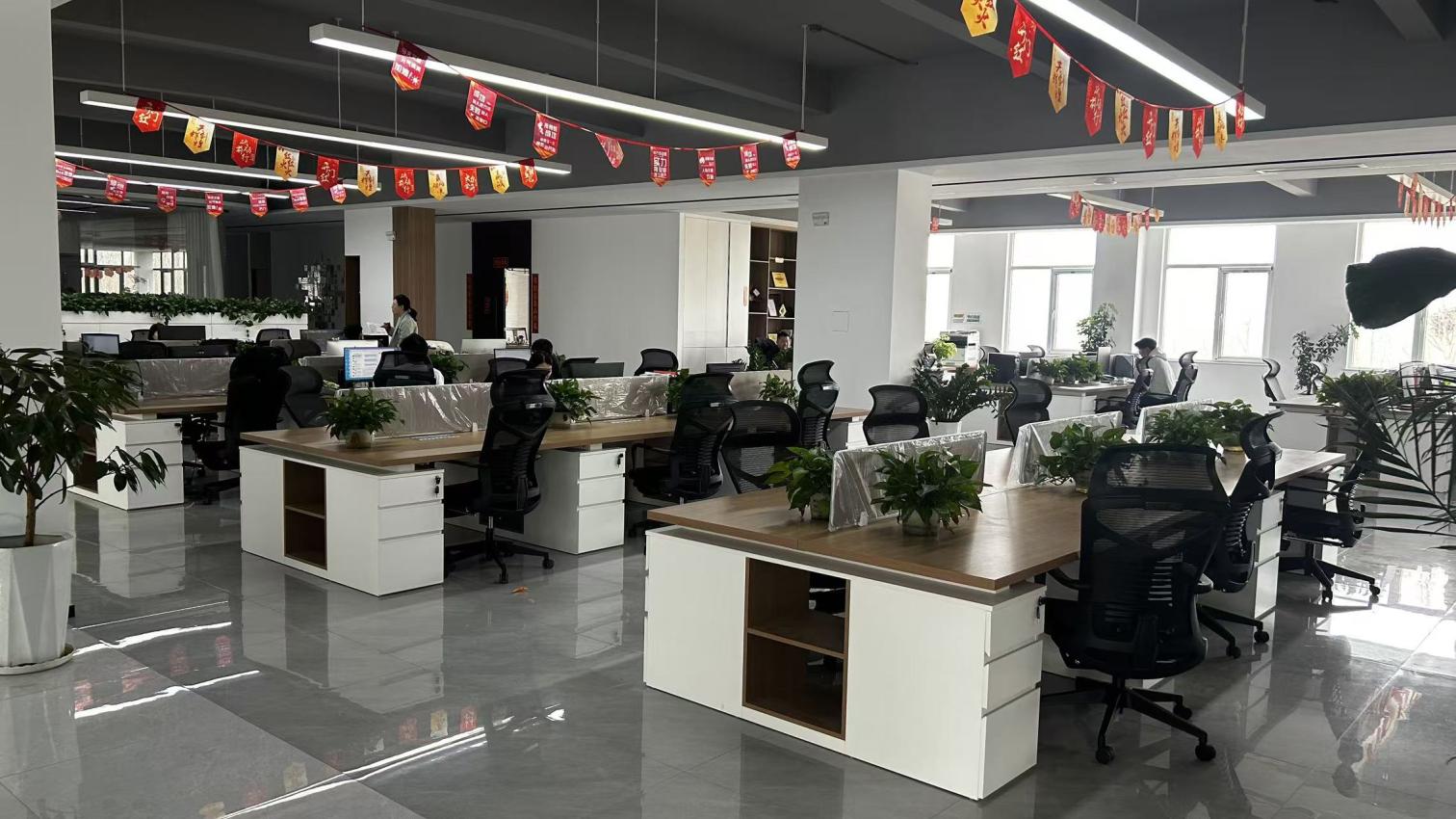 Assembly Line
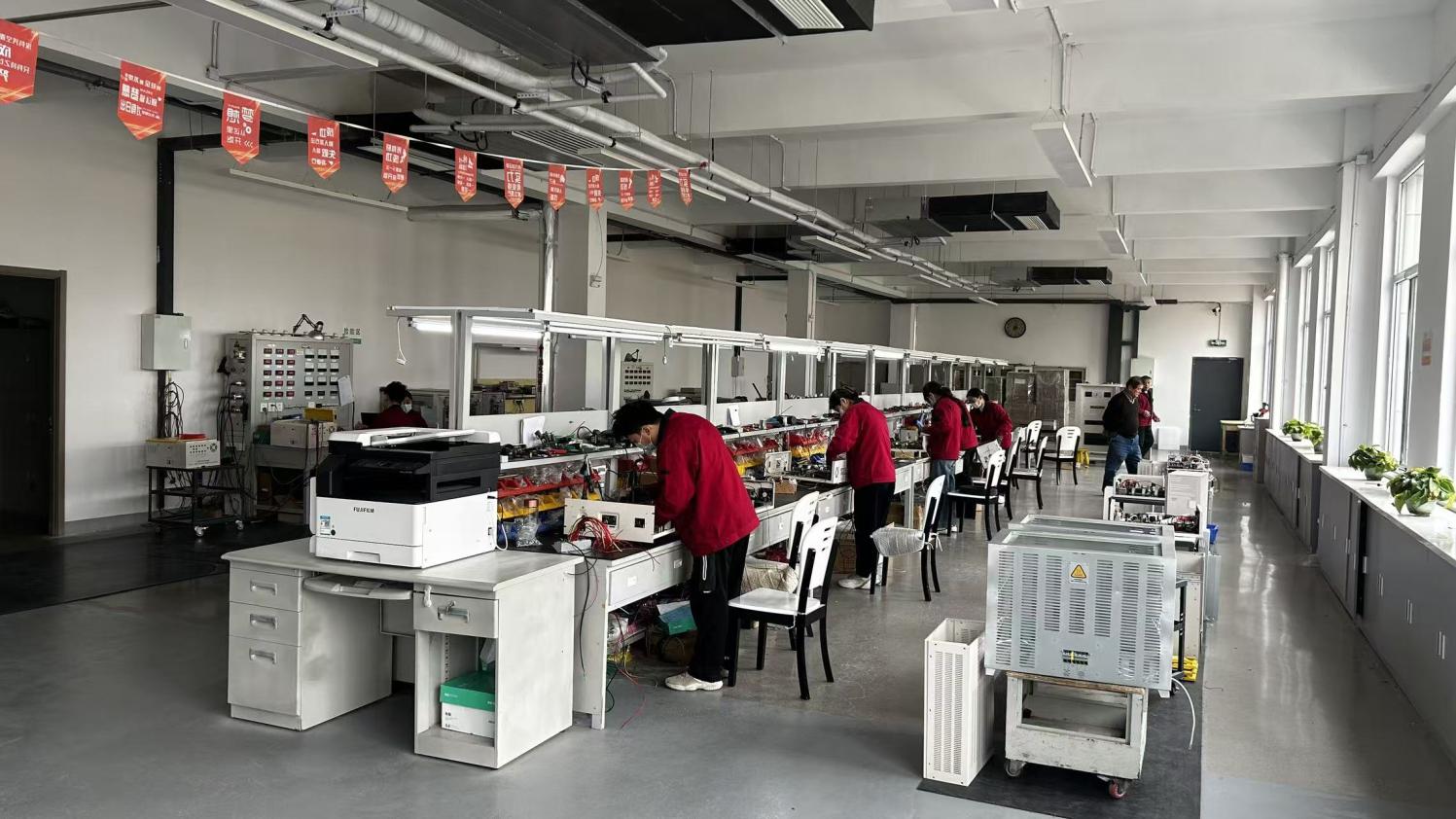 Staging Zone
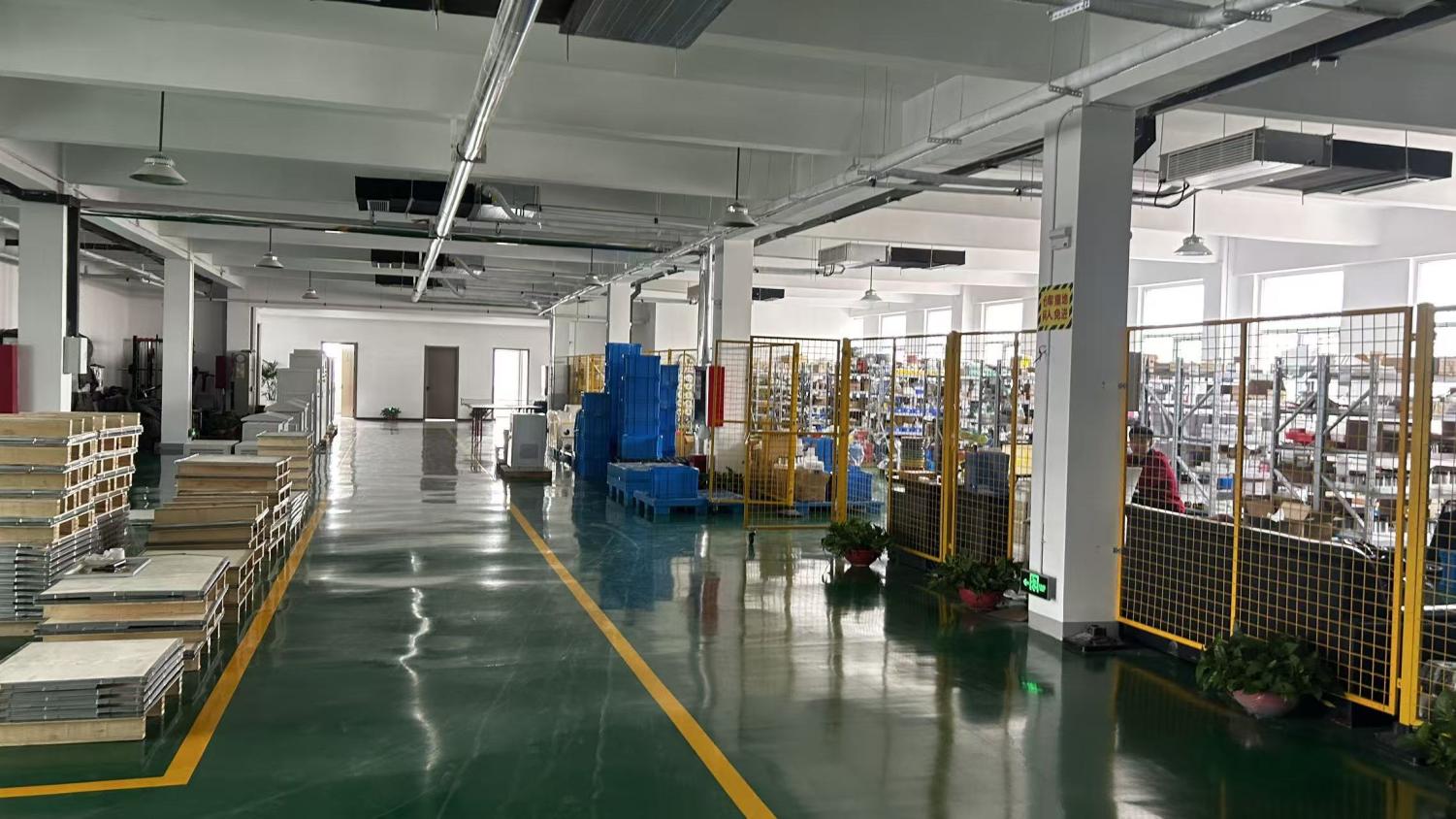 Testing Area
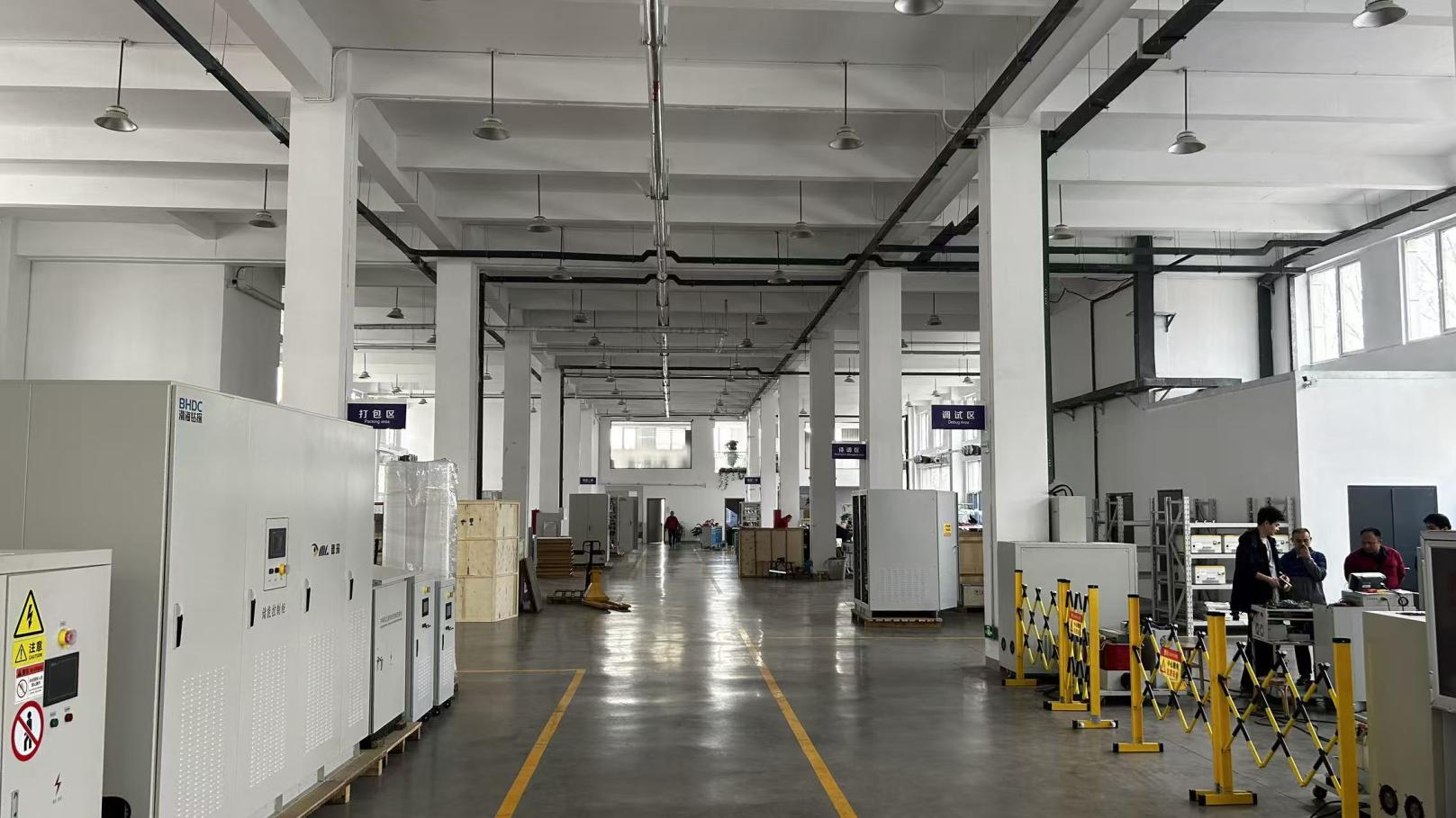 Heavy Inventory
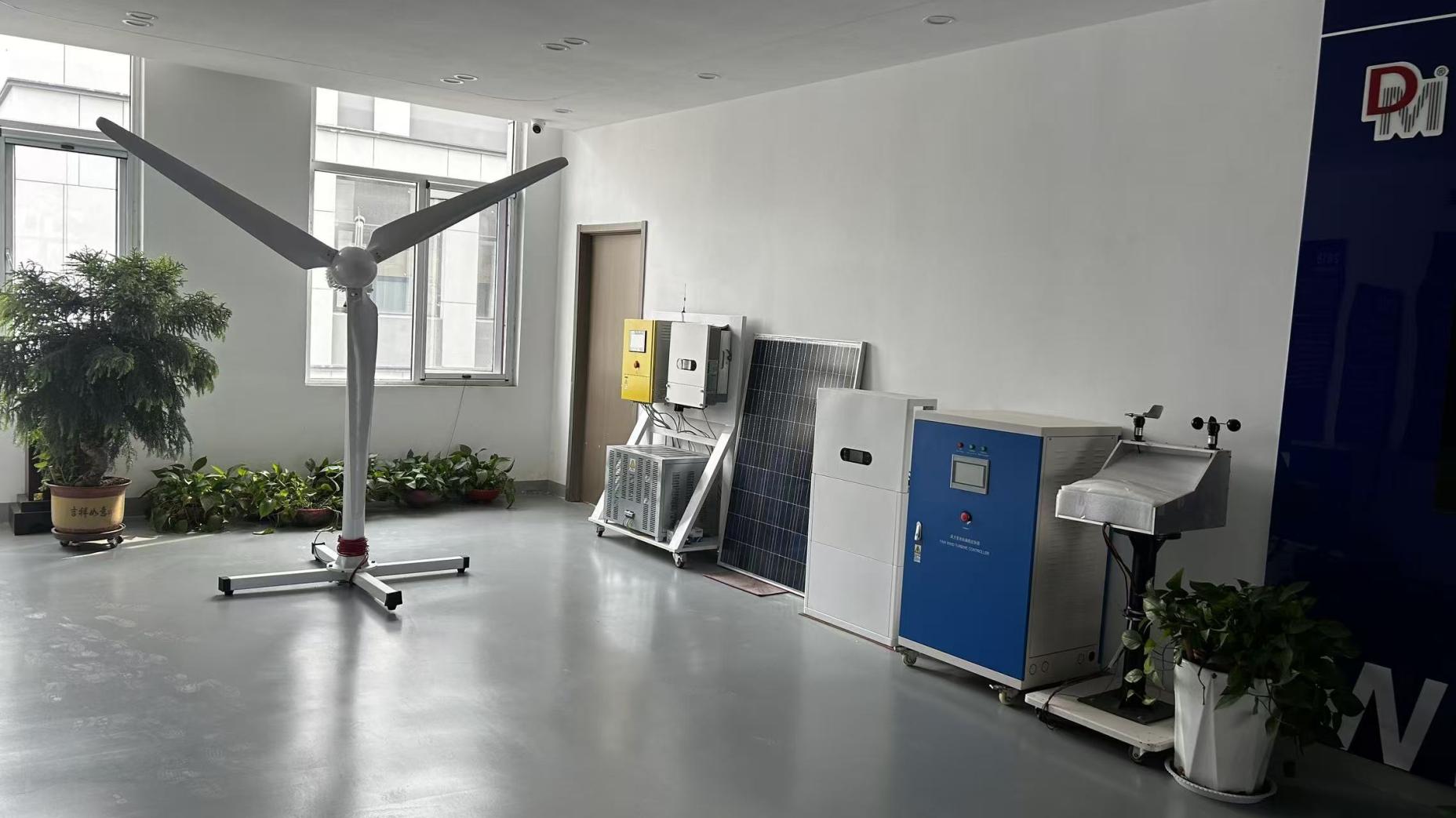 Controller R&D
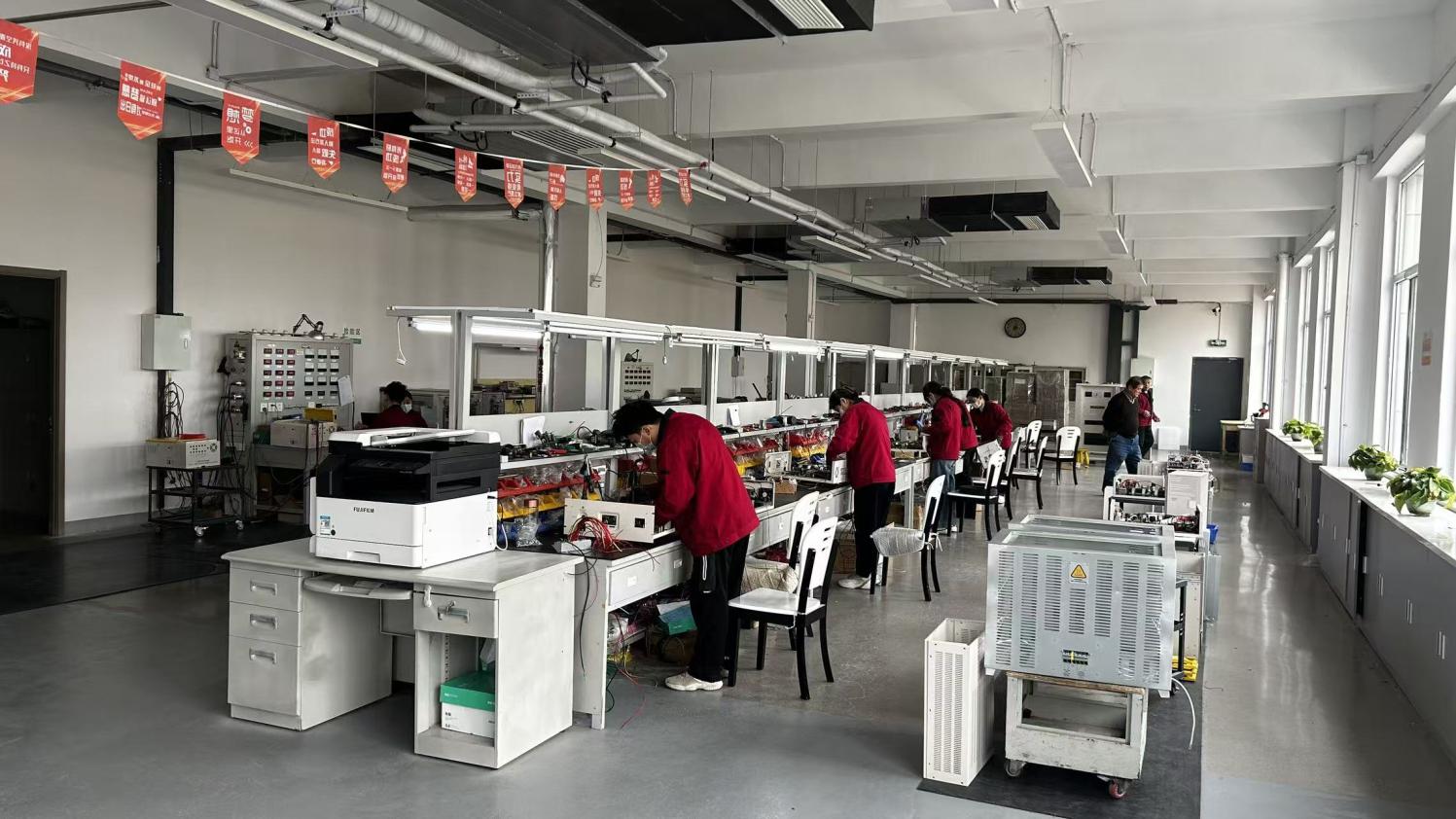 Circuit Assembly
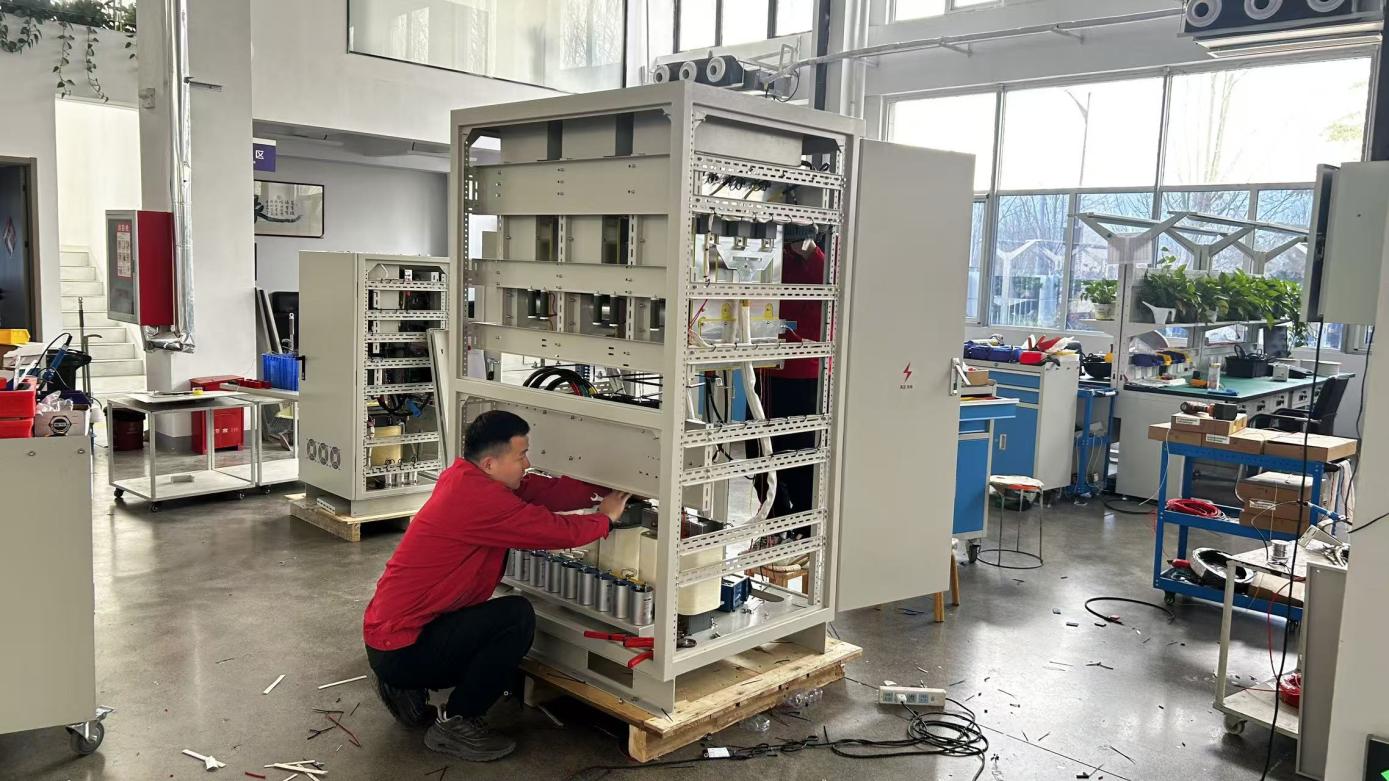 PCB SMT Line
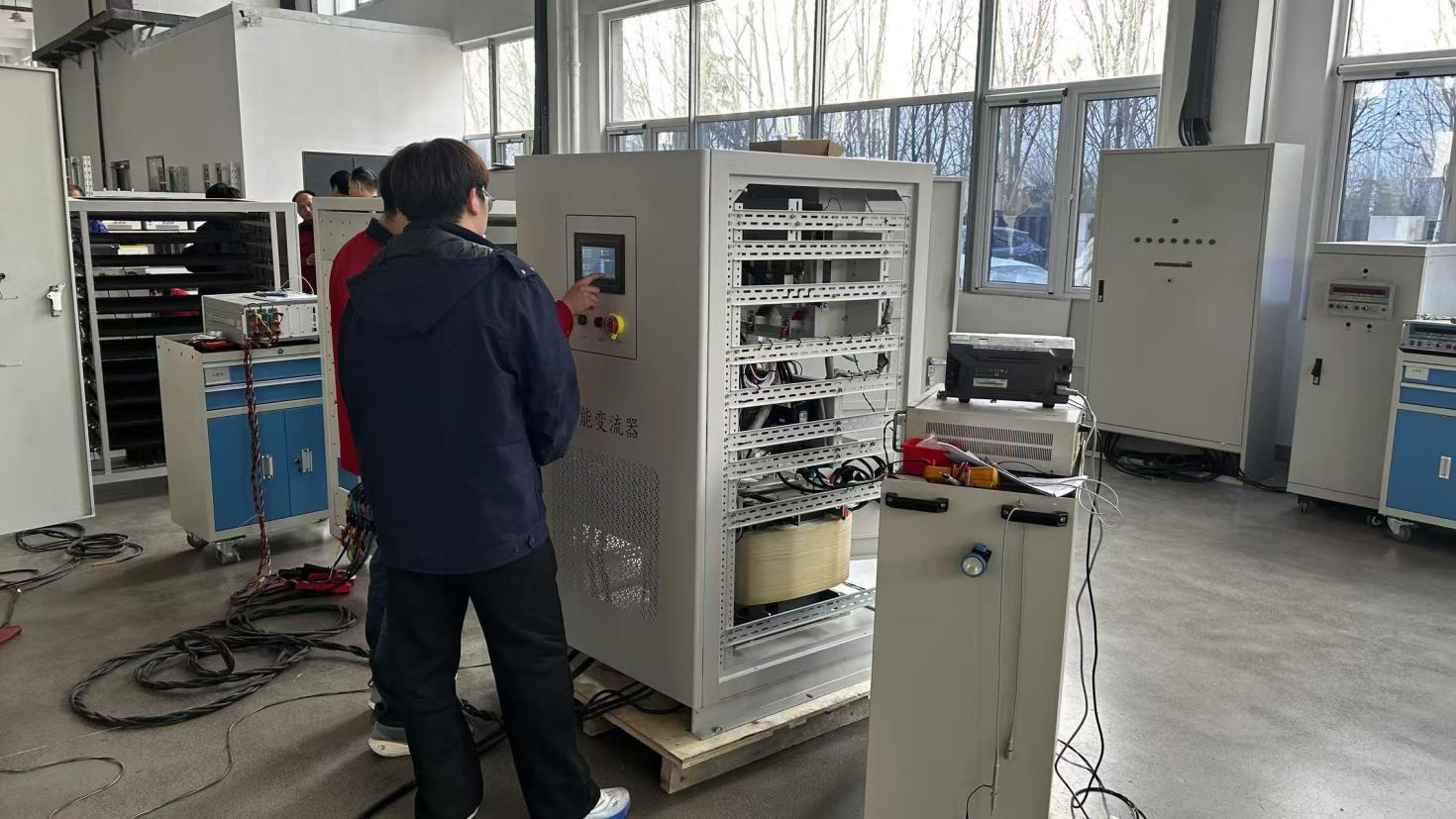 Debugging Stage
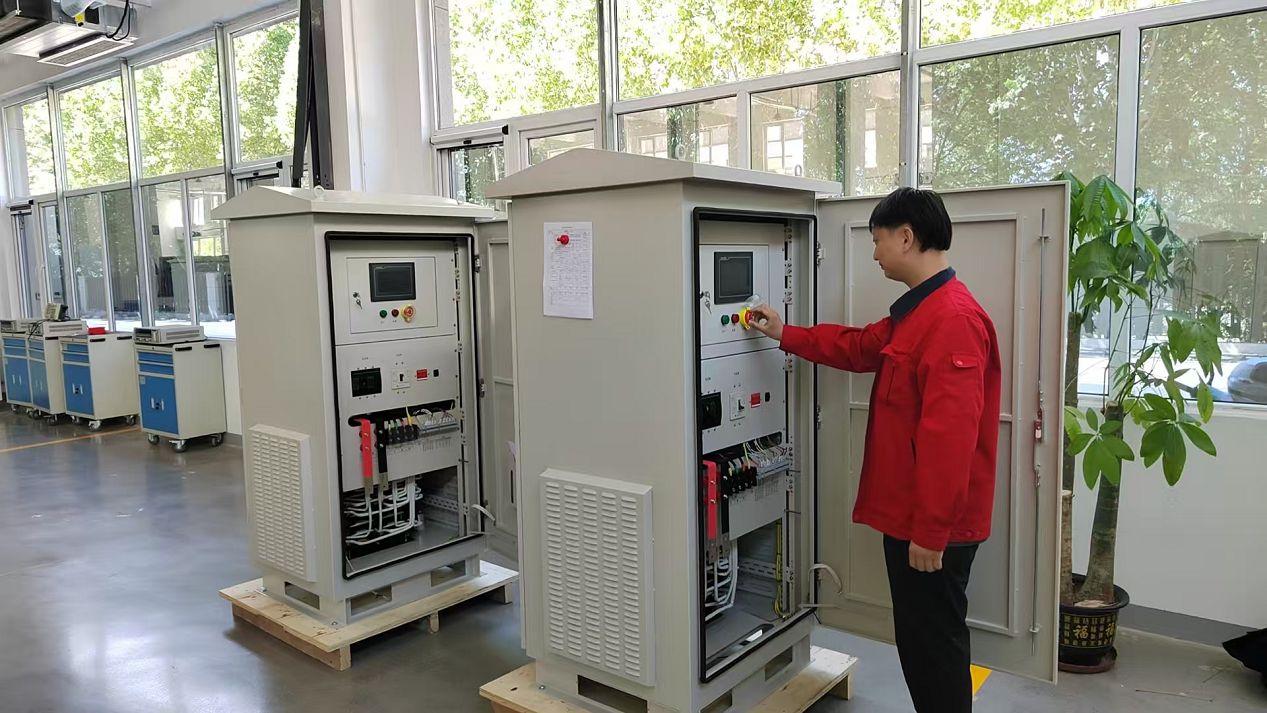 Quality Inspection
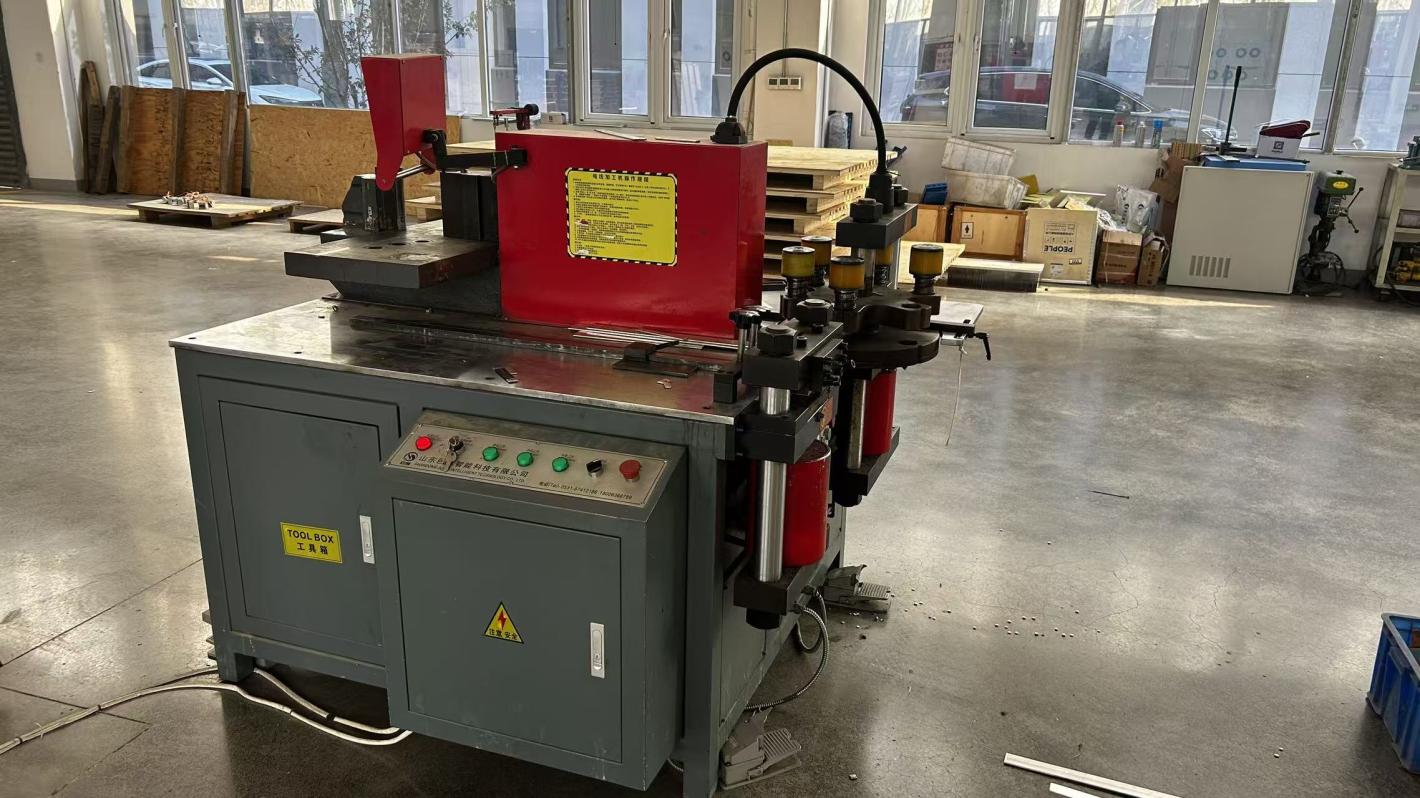 Copper Bar Machining
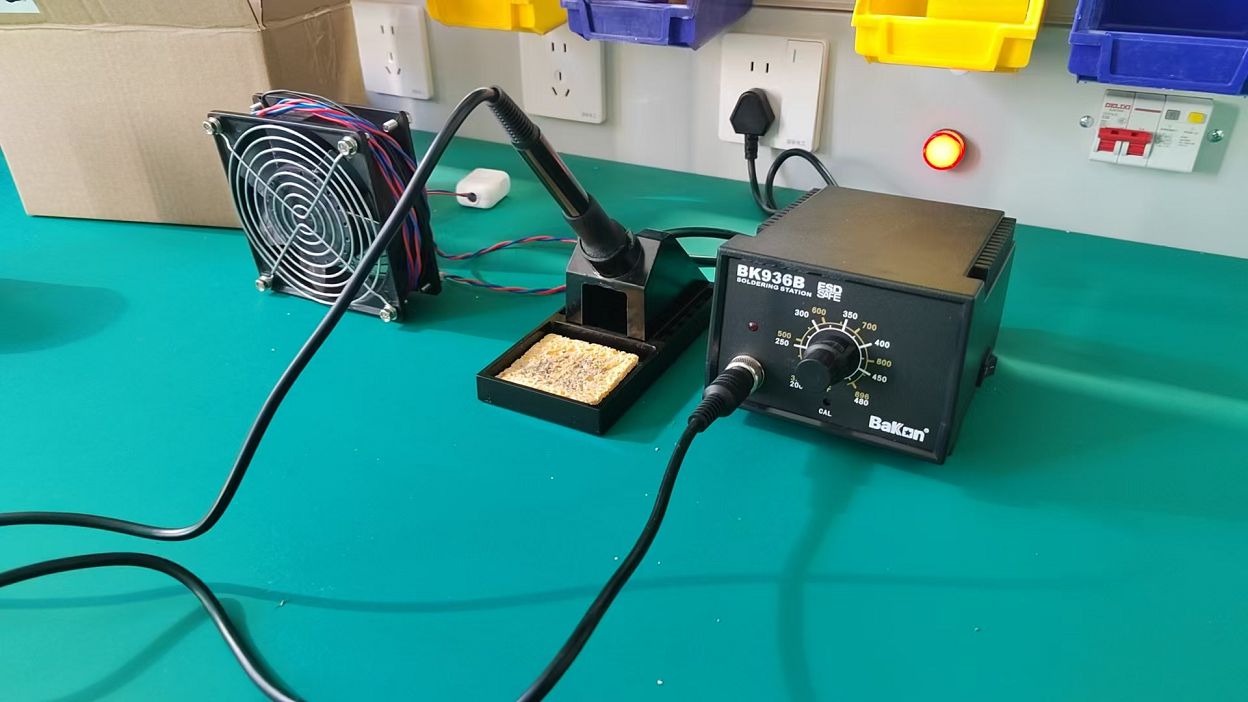 Wiring Prep
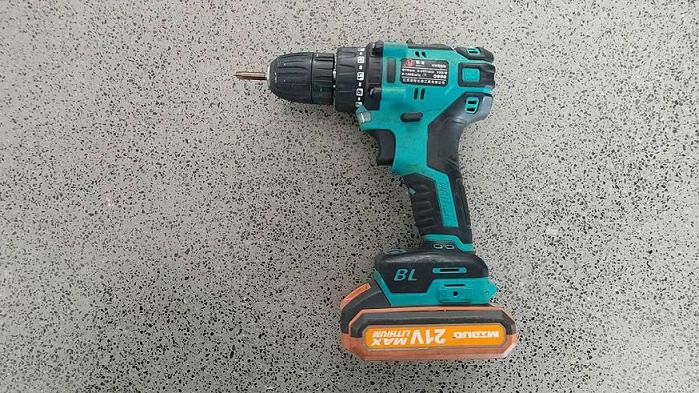 Assembly Tools
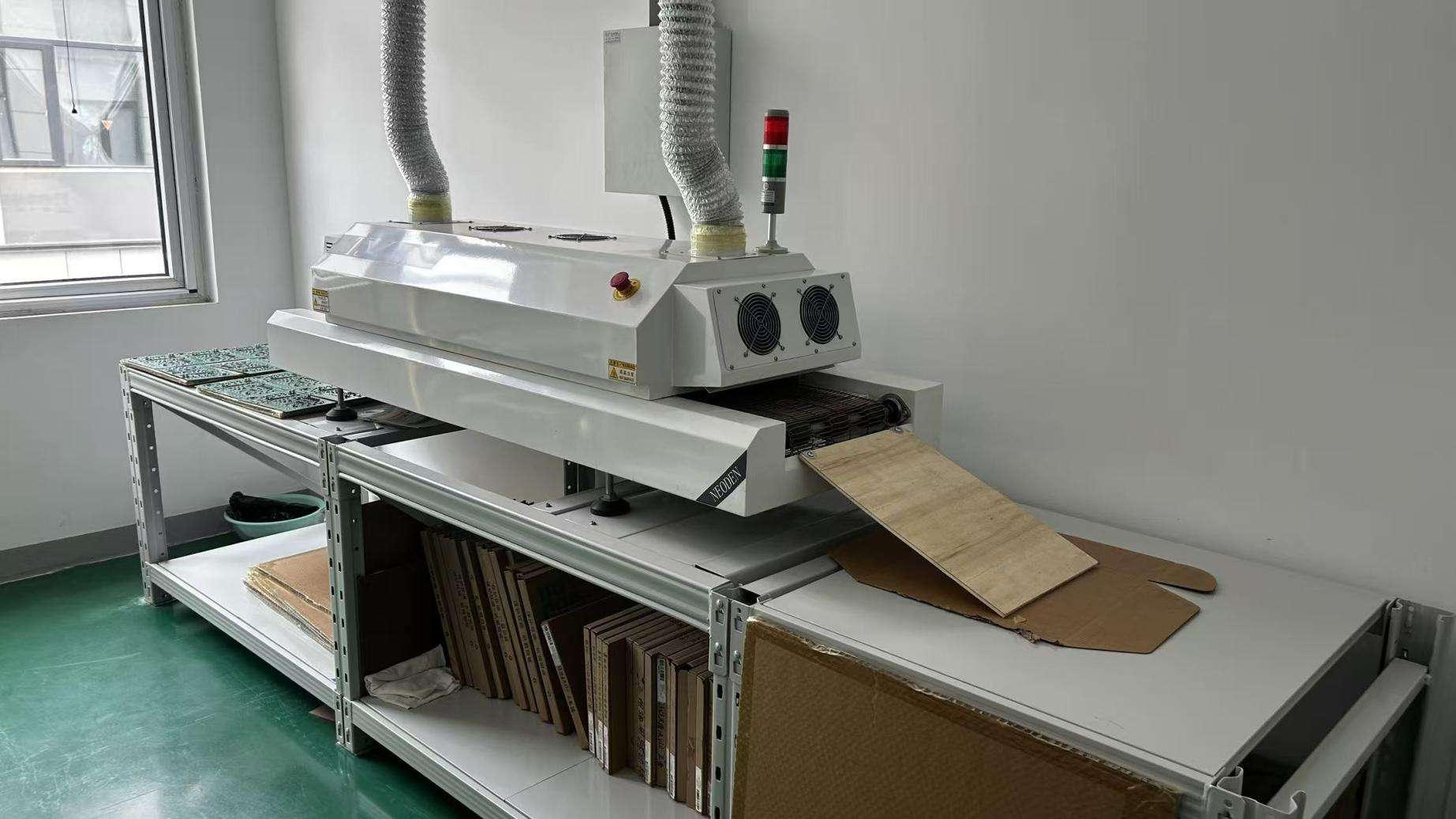 Reflow Oven
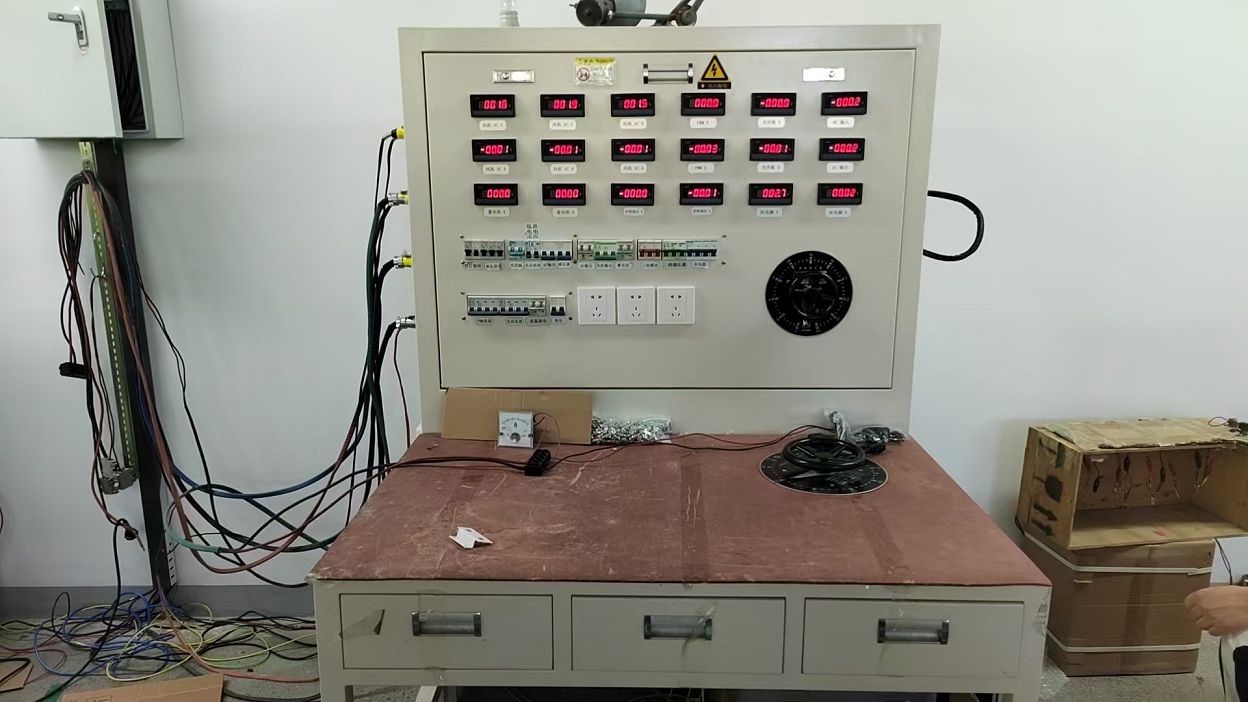 Workstation
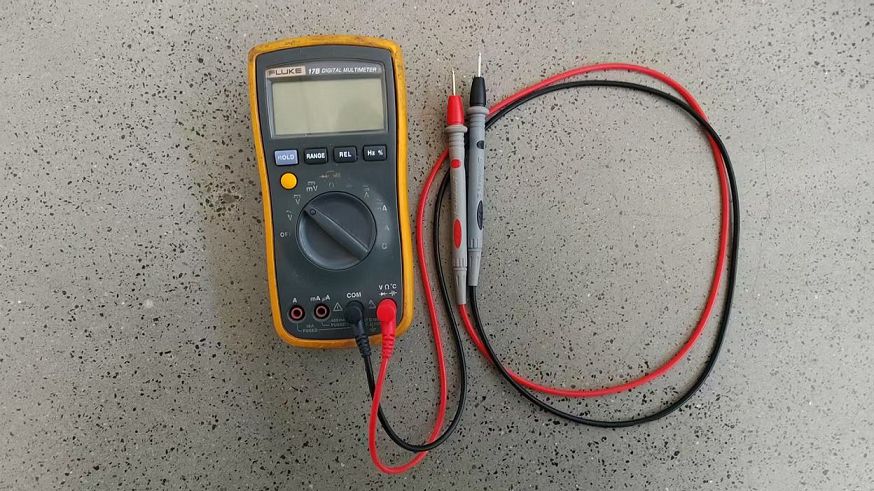 Precision DMM
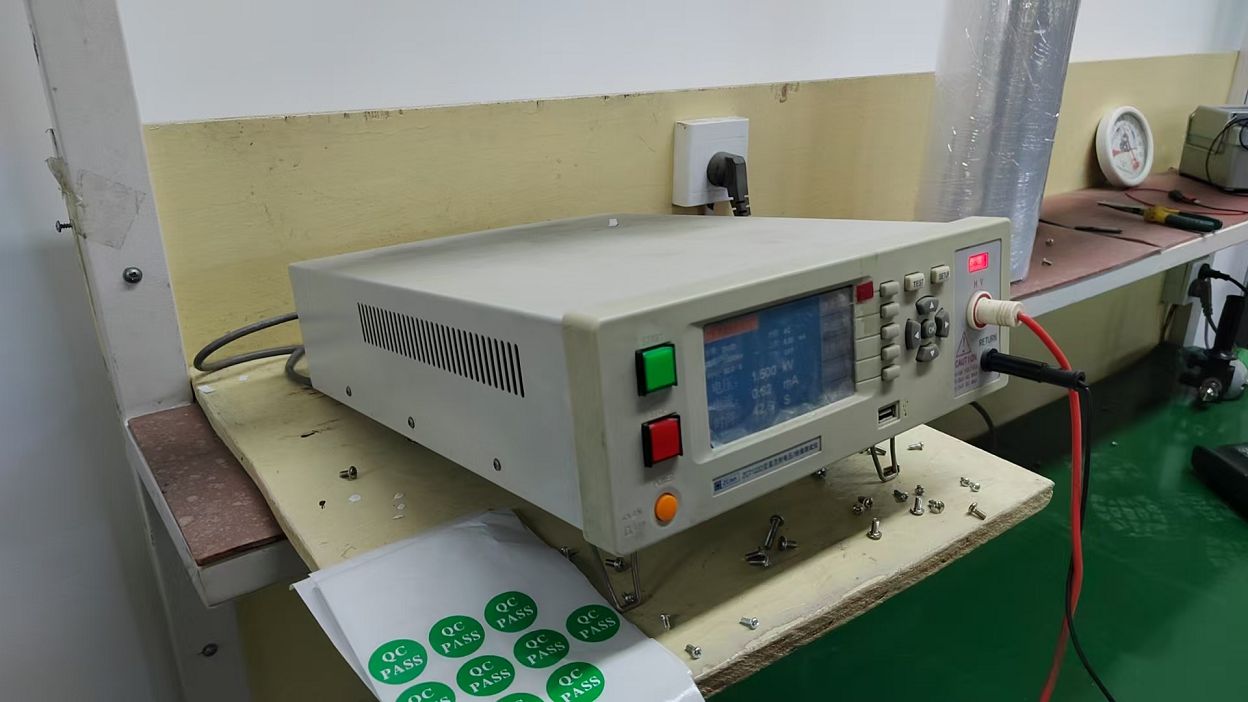 LCR Characterization
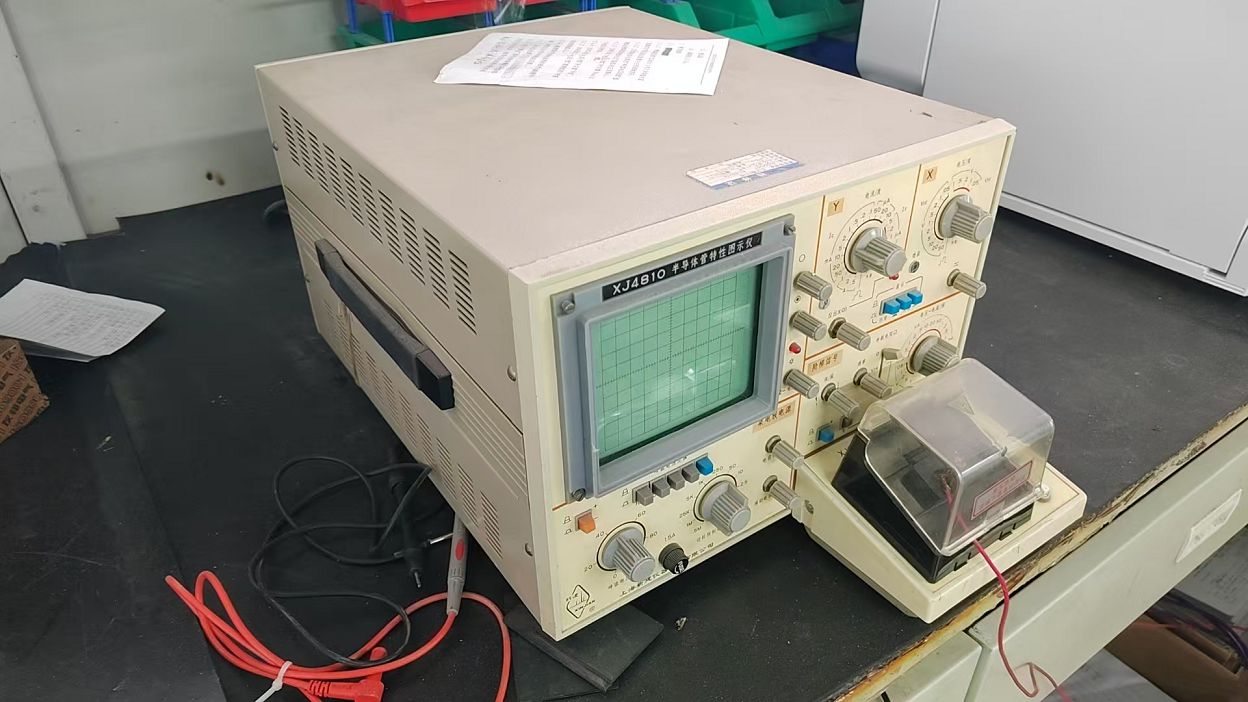 Semiconductor Curve Tracer
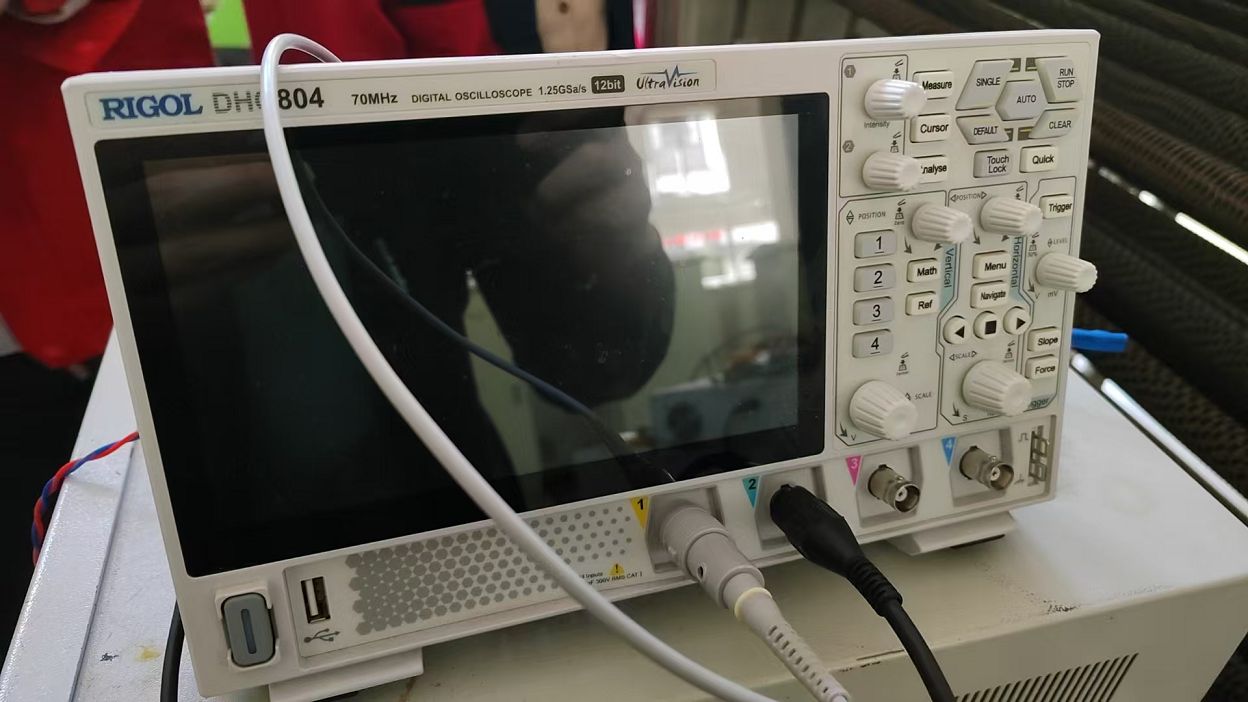
 Digital Oscilloscope
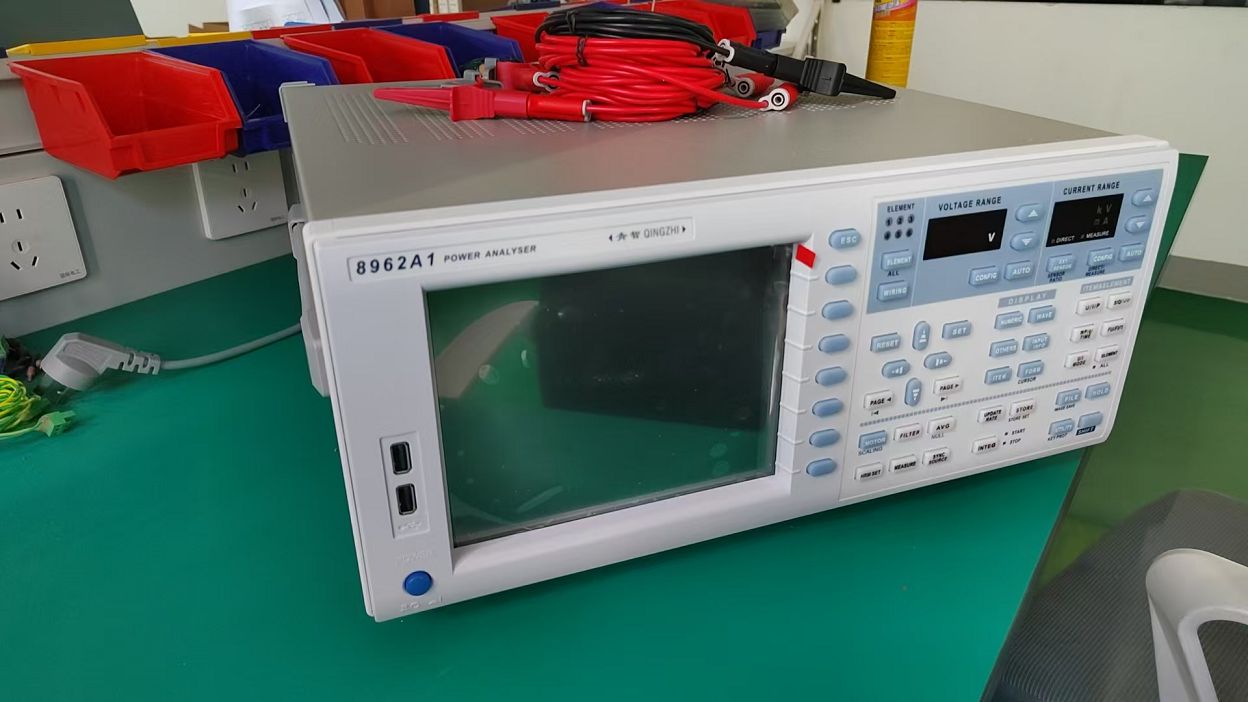
 Power Quality Analyzer
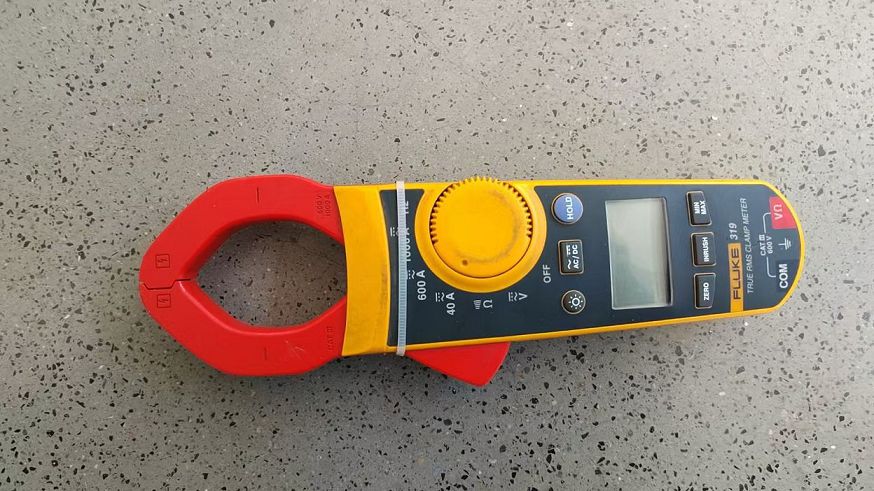 Clamp Meter Calibration
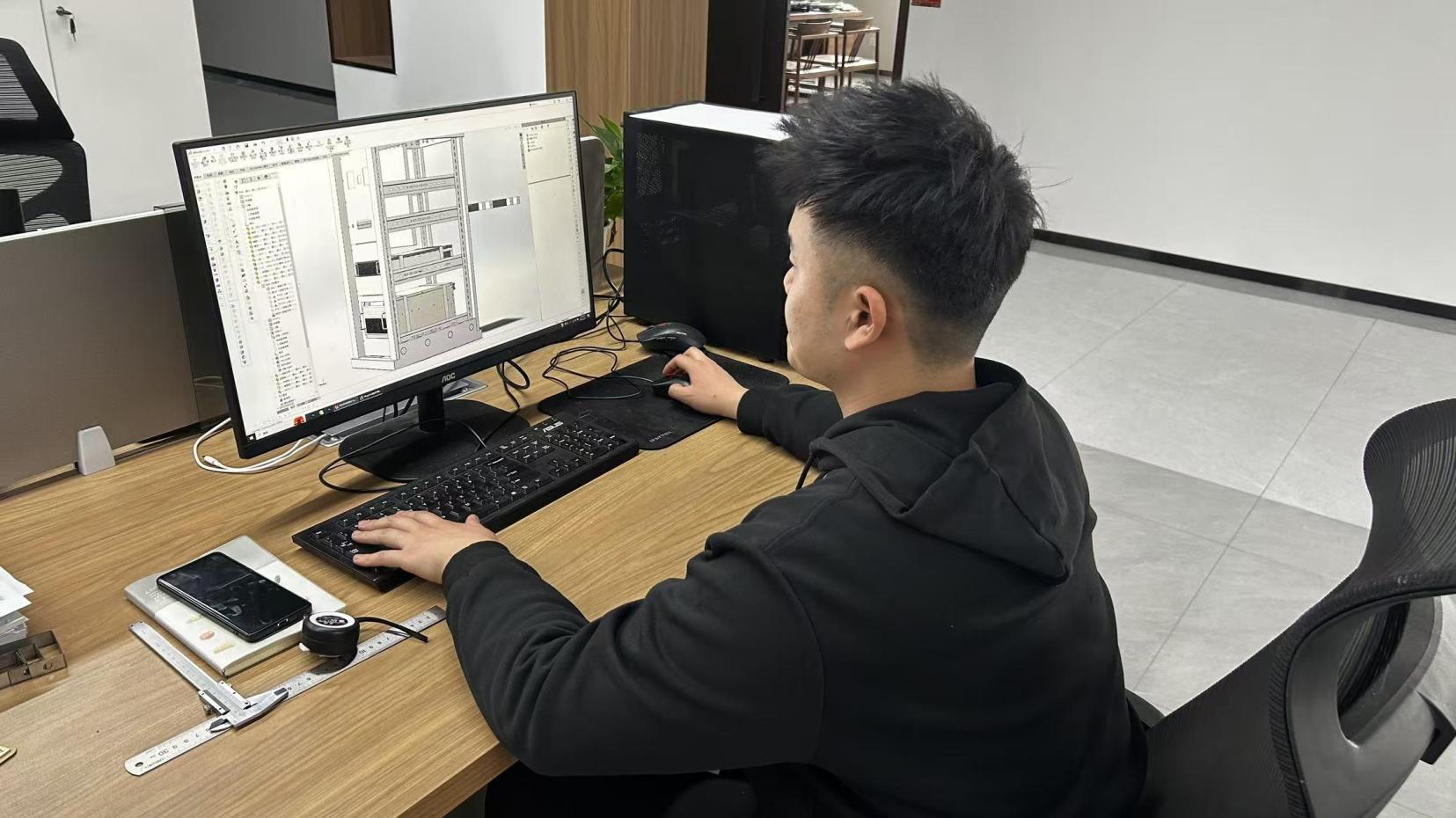 CAD Design Lab
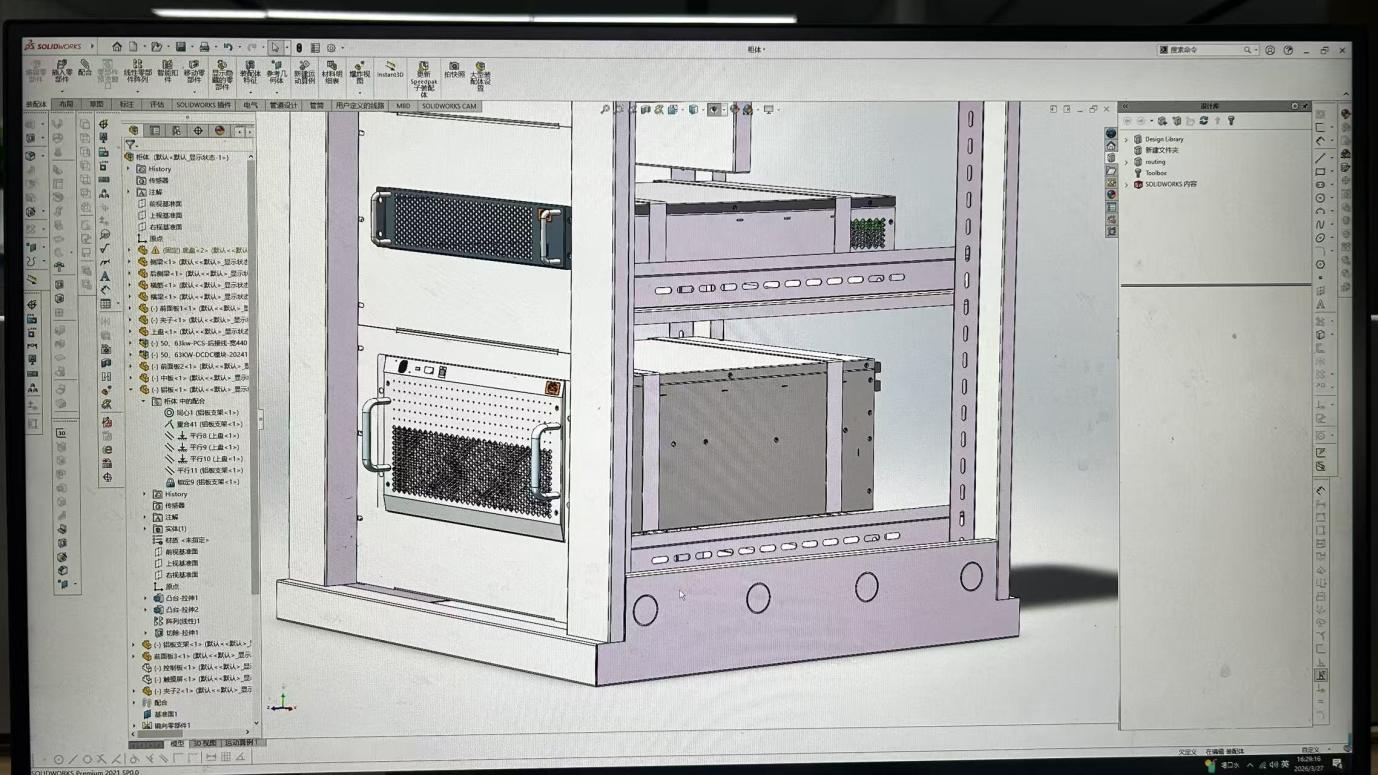 SCADA Station
Complete your energy ecosystem with our high-power converters, isolated transformers, hydro-power elements, and voltage regulators.
In-depth responses to critical questions concerning voltage stabilization, frequency conversion, and grid integration.
 Demin Power