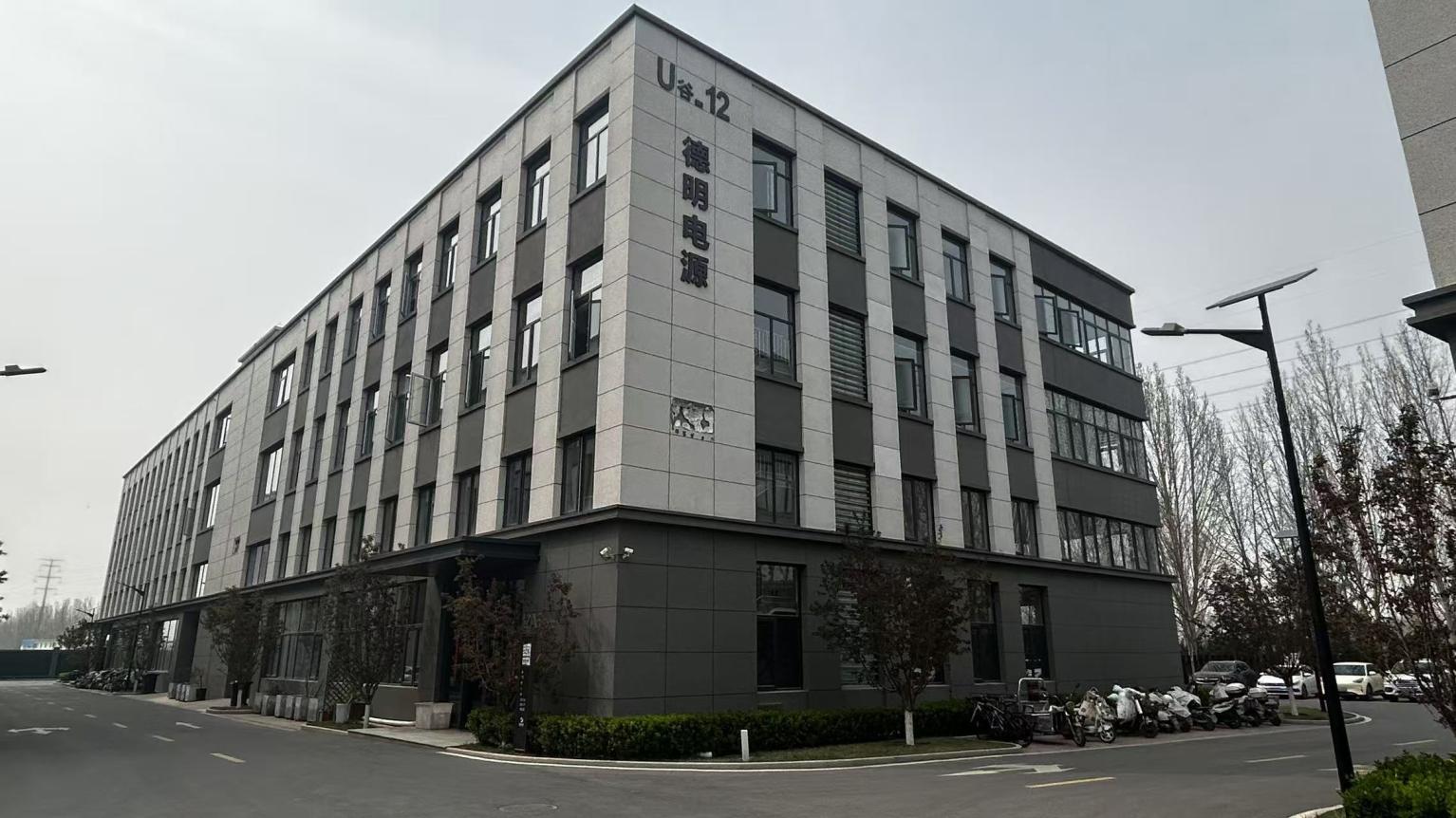
Demin Power
1. The San Francisco Bay Area Wind Energy Landscape: Commercial & Industrial Demands
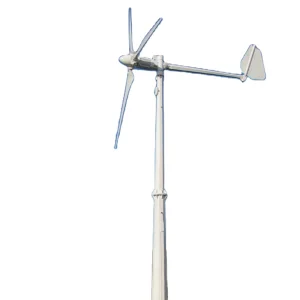
The San Francisco Bay Area stands at the global forefront of aggressive decarbonization strategies, backed by the state of California's ambitious Senate Bill 100 (SB 100), which mandates 100% clean electricity by 2045. To meet this target, municipalities, commercial enterprises, and industrial hubs across San Francisco, Oakland, and the Silicon Valley corridor are accelerating the deployment of distributed energy resources (DERs). Within this paradigm, micro-wind systems and grid-interactive hybrid generation networks are critical elements for securing round-the-clock power reliability. Unlike solar energy, which drops off predictably after dusk, wind energy patterns in coastal Northern California peak during late afternoon and evening hours, making wind-solar hybrid microgrids the optimal solution for balancing municipal and commercial load profiles.
However, integrating wind turbines and variable output energy storage systems into the urban and peri-urban fabric of San Francisco poses strict technical and engineering challenges. Developers must contend with complex wind shear profiles, stringent local utility standards set by Pacific Gas and Electric (PG&E), and rigorous compliance requirements dictated by the California Independent System Operator (CAISO). For industrial facility operators, commercial campuses, and marine hubs along the Port of San Francisco, the demand is no longer just for raw turbine components. It is for intelligent, highly resilient power converters, advanced MPPT (Maximum Power Point Tracking) controller units, and state-of-the-art battery storage interfaces capable of grid compliance, high transient response times, and minimal total harmonic distortion (THD).
1.1 Micro-Wind & Hybrid Microgrids in Urban & Coastal Environments
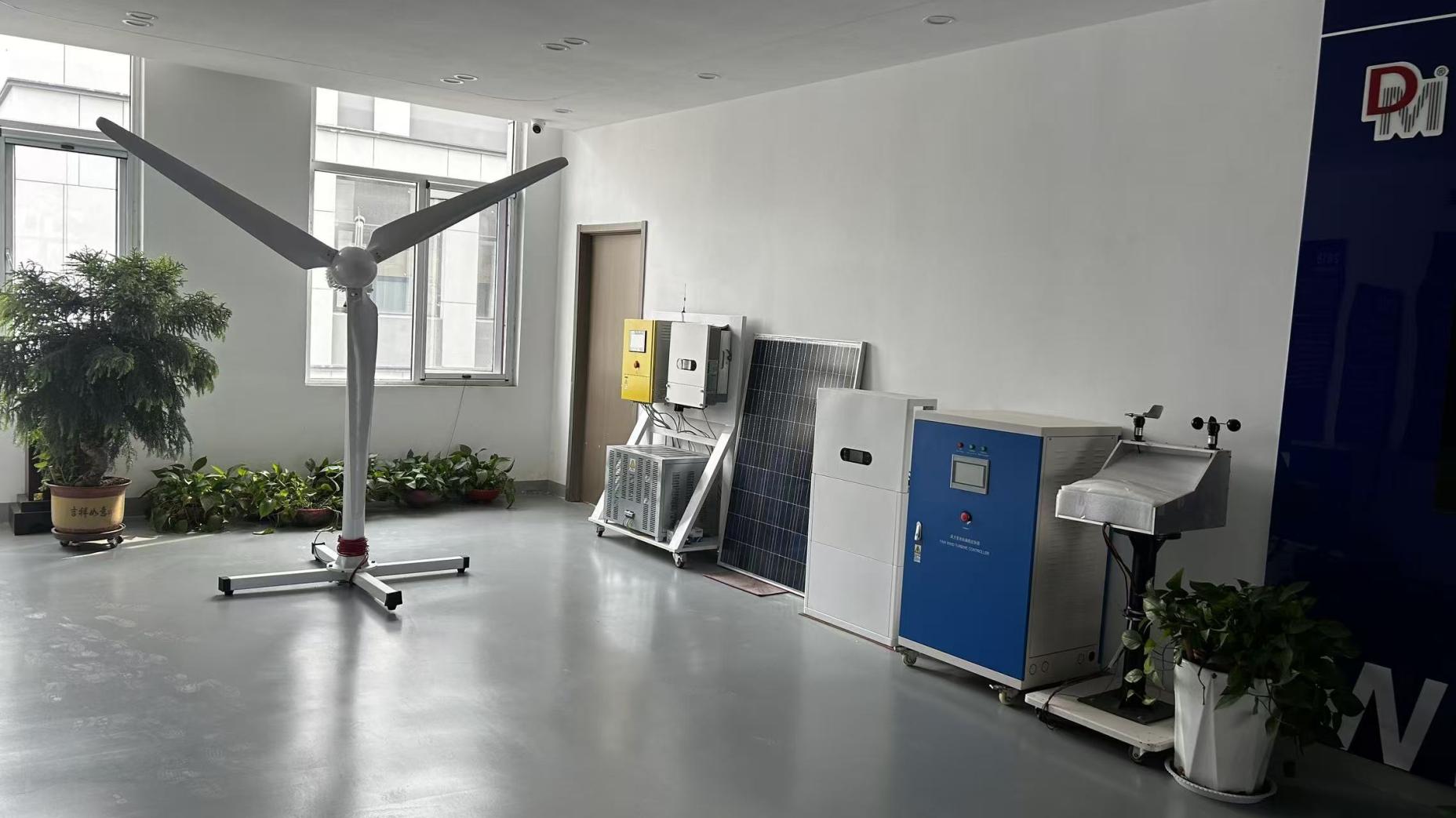
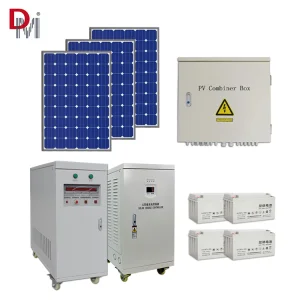
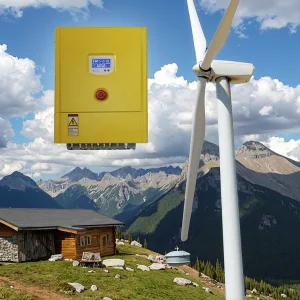
Coastal San Francisco is characterized by unique geographical features that create high-velocity wind corridors. Yet, capturing this wind energy requires robust equipment capable of handling turbulent wind shears and maritime corrosion. Deming Power's advanced control solutions are engineered to meet these precise challenges. Our hybrid controller frameworks integrate wind turbine controls with photovoltaic tracking algorithms and battery storage inverters, creating a unified system. For projects serving the San Francisco market, this integrated approach ensures that fluctuating municipal or commercial loads are matched with high-efficiency energy harvesting, preventing voltage sags or localized frequency anomalies on the distribution circuit.
Technical Note on California Rule 21 Compliance: Generator controllers and power converters deployed in PG&E territory must adhere strictly to Electric Rule 21 tariff provisions. This requires smart inverter characteristics, including voltage-ride-through, frequency-ride-through, dynamic volt-var functionalities, and standard communications interfaces (such as Modbus over TCP/IP or SunSpec profiles) to allow grid operators remote curtailment and telemetry capability.
2. Technological Roadmap: High-Efficiency Power Conversion & Control Algorithms
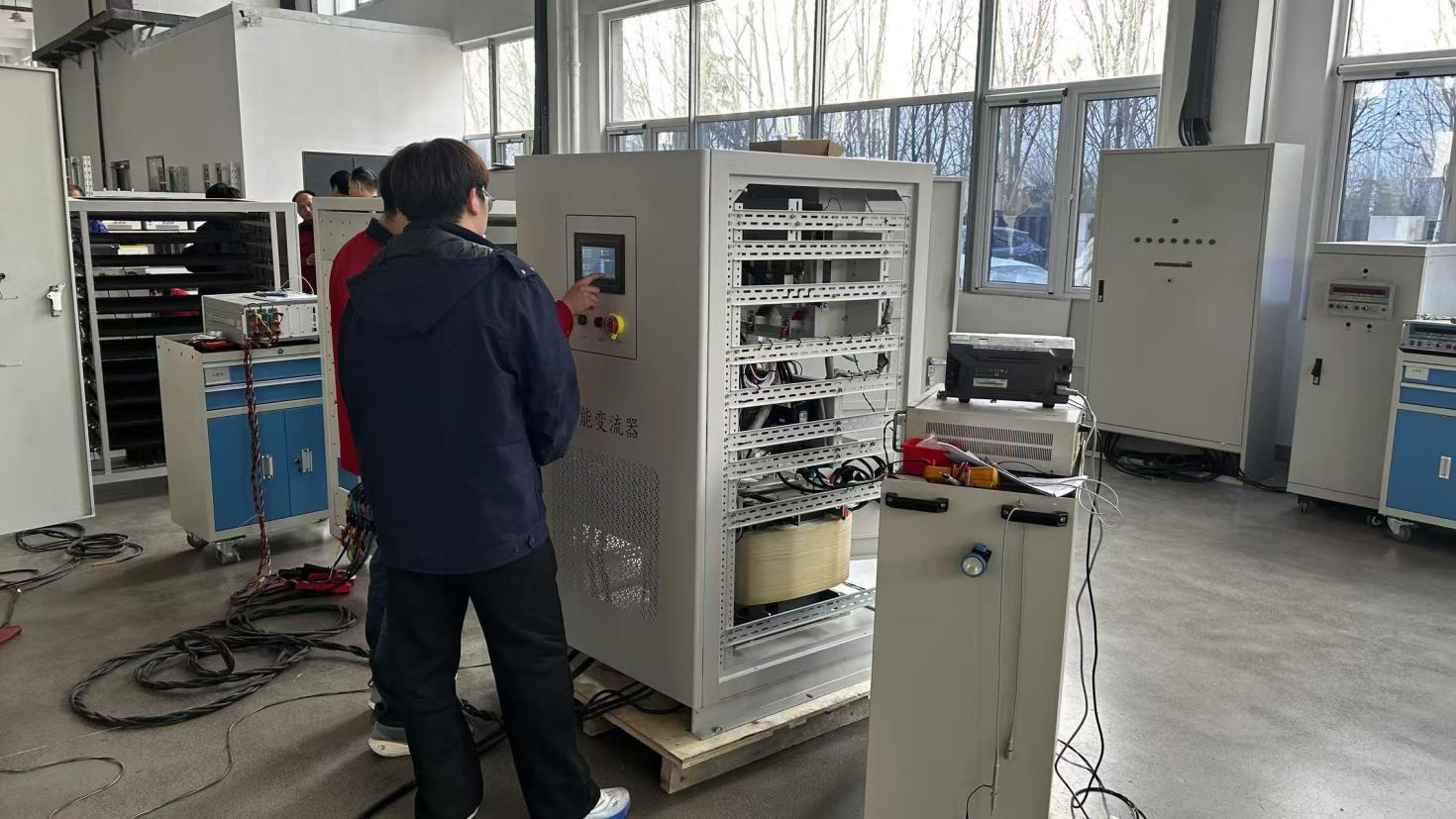
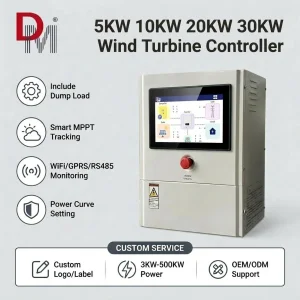
At the core of Jinan Deming Power Equipment’s market-leading status is a deep technological stack focusing on high-frequency switching topologies, digital signal processing (DSP) control, and bidirectional energy conversion. Standard low-end wind converters struggle with the wide fluctuations in voltage and frequency produced by varying wind velocities. To solve this, our technical roadmap leverages a multi-stage topology:
- Wide-Input MPPT Rectification stage: Utilizing active rectification with high-speed DSP controllers to track the turbine generator's rotor speed, optimizing aerodynamic efficiency across all wind speeds (low cut-in speed to high-velocity storms).
- Bidirectional DC-DC Conversion: Operating as the critical link between the DC bus and the energy storage medium. Deming’s bidirectional converters implement zero-voltage switching (ZVS) and zero-current switching (ZCS) topologies, ensuring minimal thermal stress and power conversion efficiencies exceeding 96%.
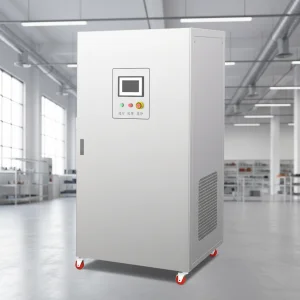
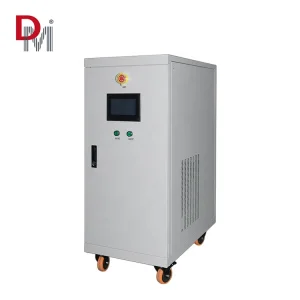
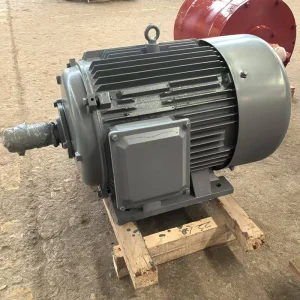
- Active AC/AC Frequency Stabilization: For permanent magnet generators (PMG), maintaining a stable frequency output is paramount. Our AC/AC converters employ isolated gate bipolar transistor (IGBT) modules configured in high-frequency PWM arrangements to smooth out erratic turbine rotations into high-fidelity, clean sine waves.
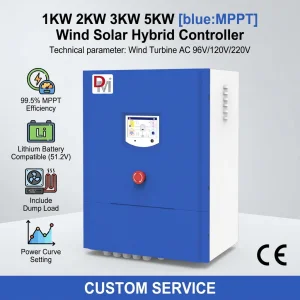
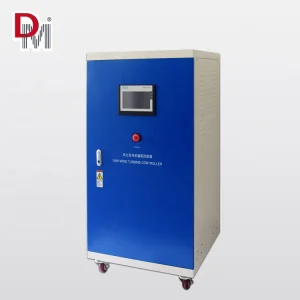
This hardware configuration is paired with our proprietary firmware, featuring adaptive step-size MPPT algorithms. The controller dynamically updates the duty cycle in milliseconds to prevent stalling during gust conditions, while protecting the turbine's generator end through active yaw control and dynamic brake resistors (dumpload systems). This ensures continuous operations even in vulnerable microgrid installations typical of the SF Peninsula's high wind zones.
3. Global Sourcing Trends & Procurement Standards for Enterprise Buyers
Modern global energy procurement requires a strong focus on supply chain transparency, quality certifications, and engineering standards. For procurement managers located in San Francisco and global development partners, mitigating technology risk is as important as the upfront capital expenditure (CAPEX). Enterprise buyers need suppliers who can demonstrate adherence to globally recognized quality management systems, such as ISO 9001:2015, and have products tested to conform with international electrical standards (CE, UL, and IEEE).
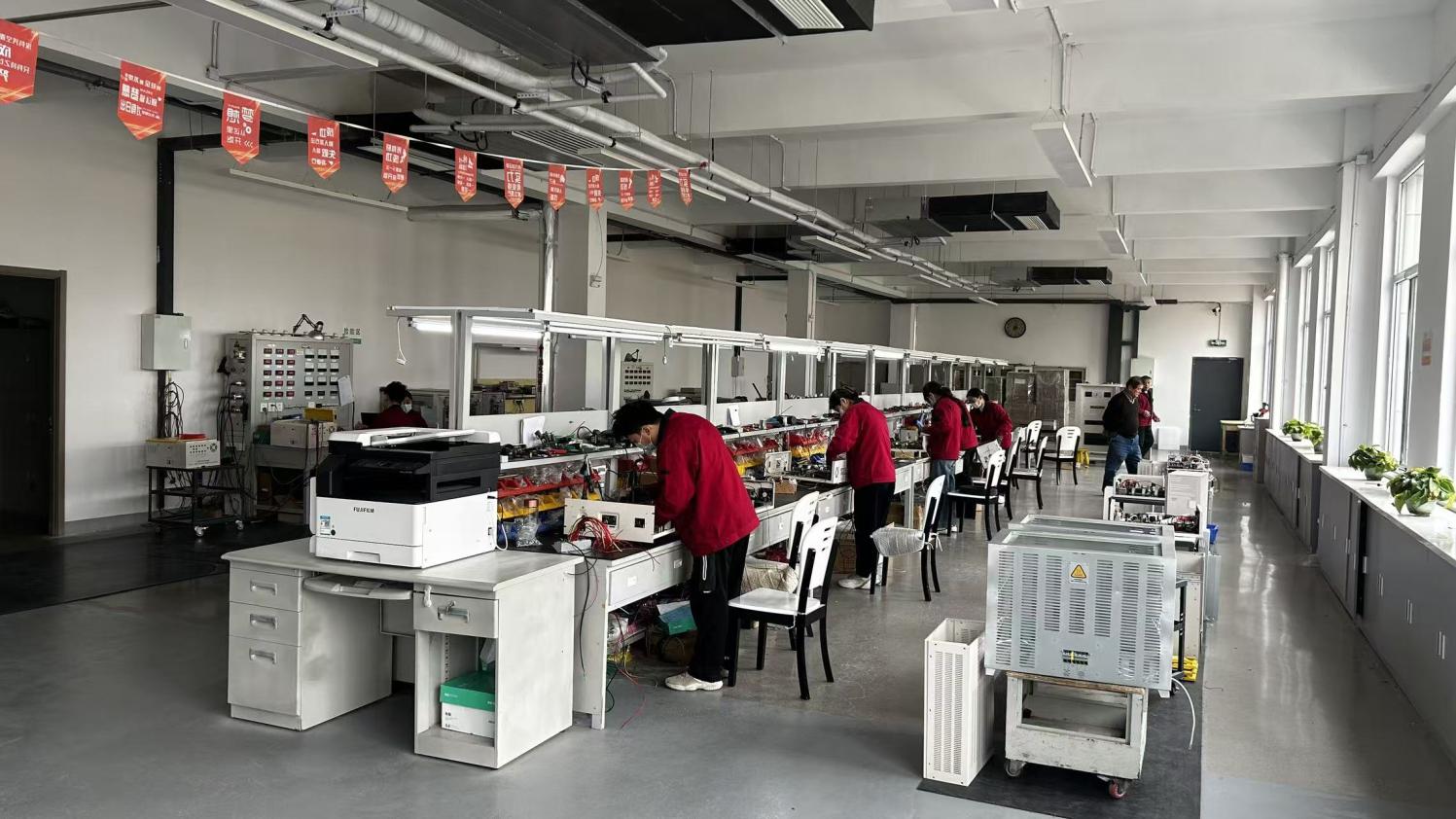
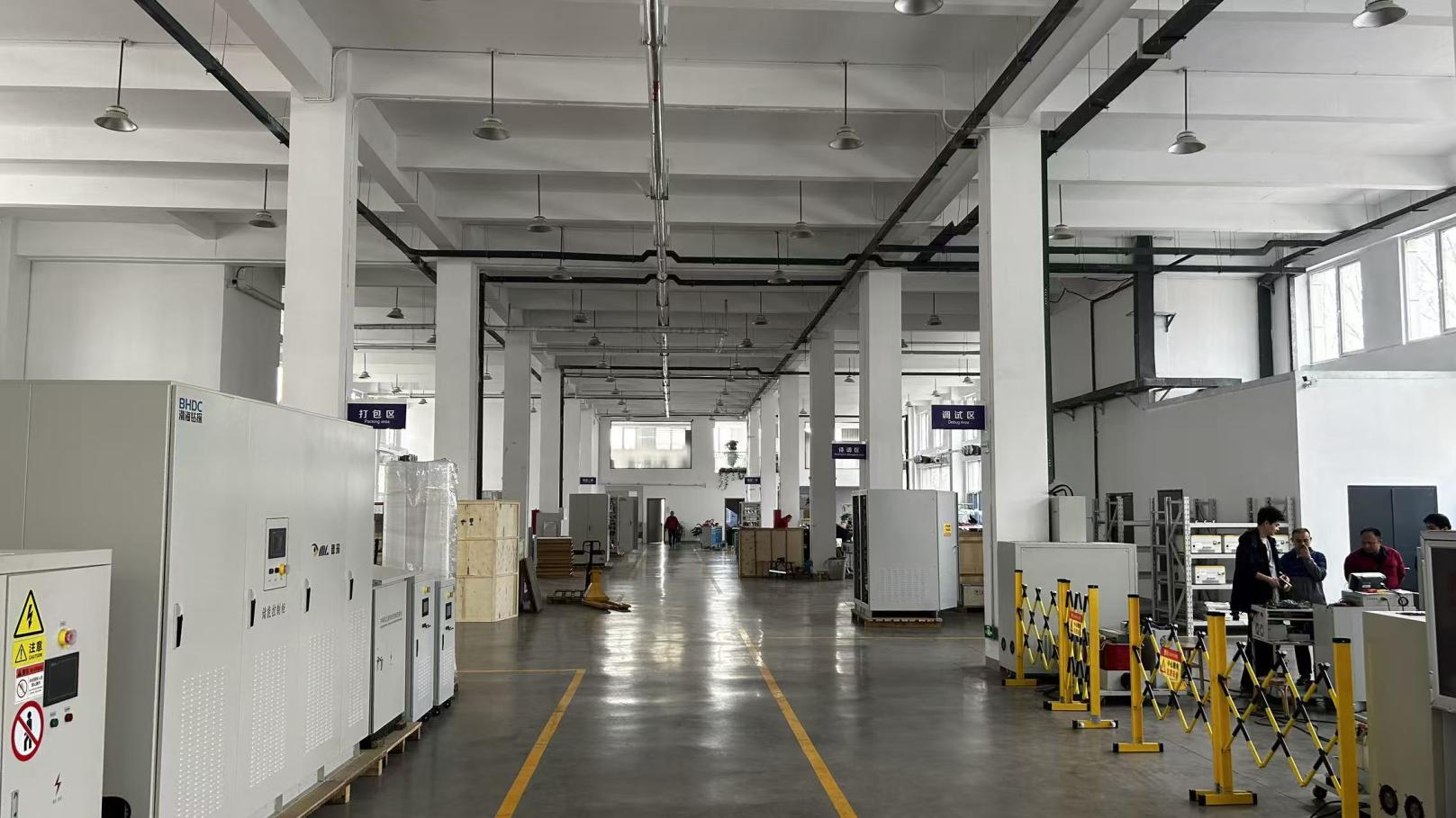
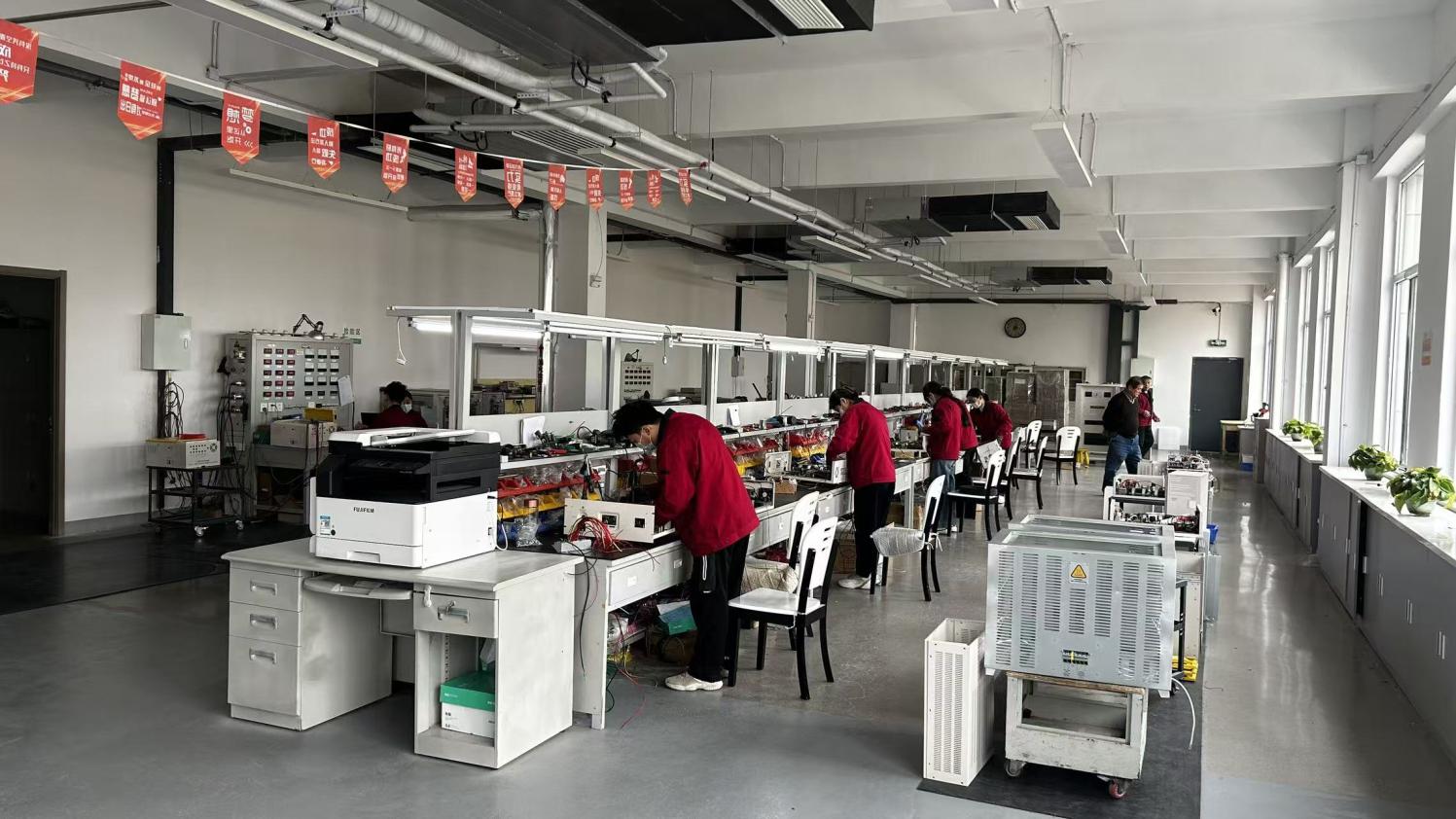
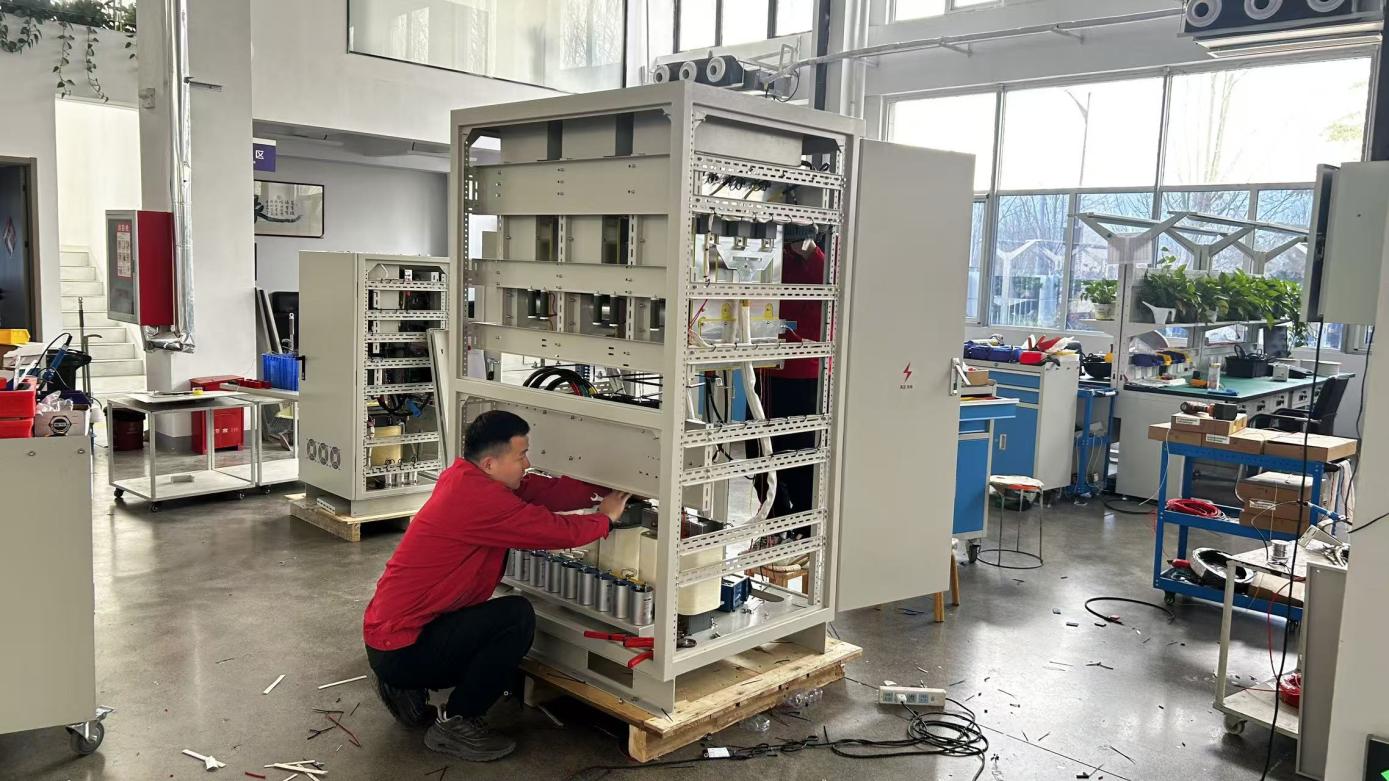
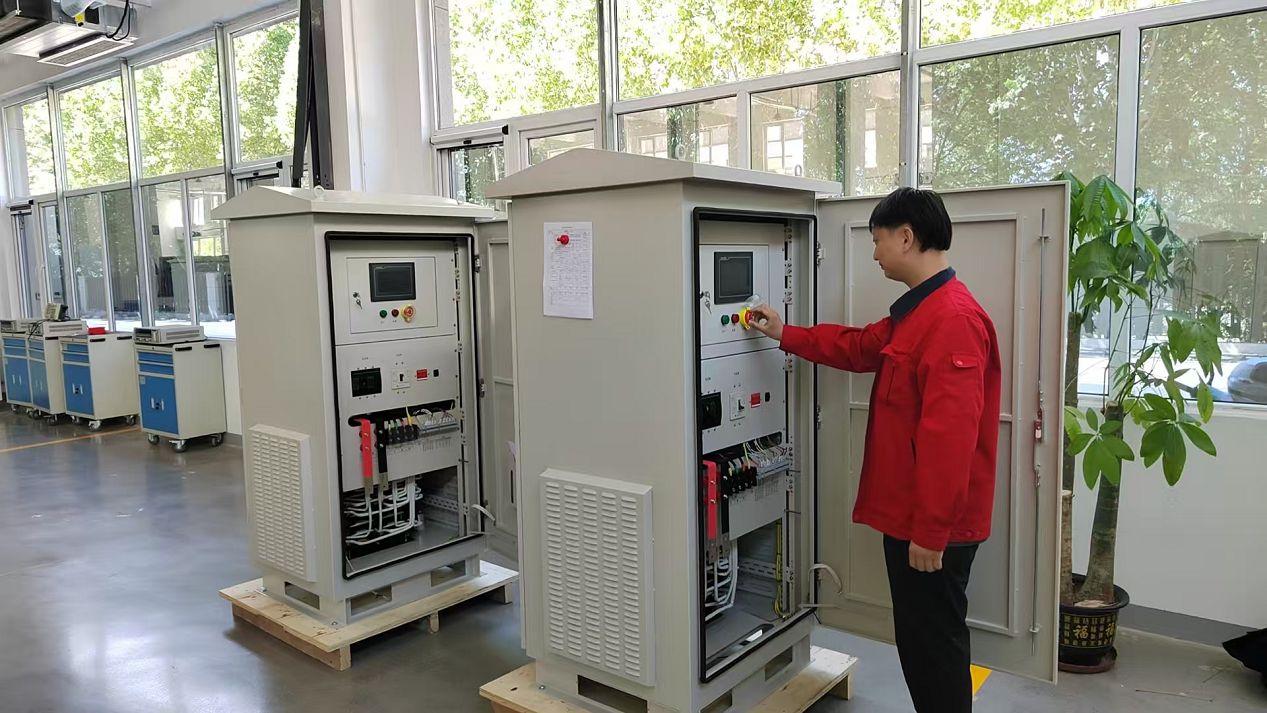
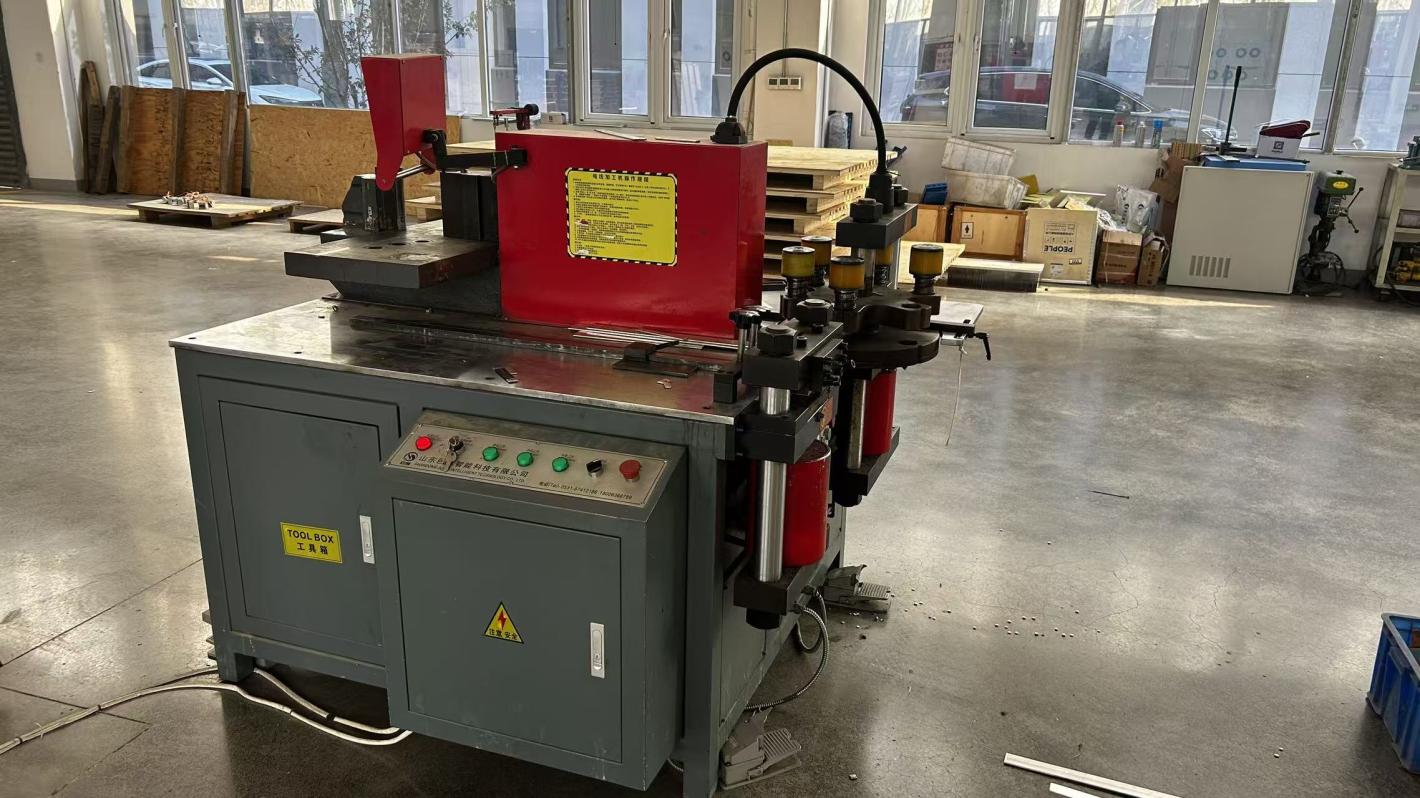
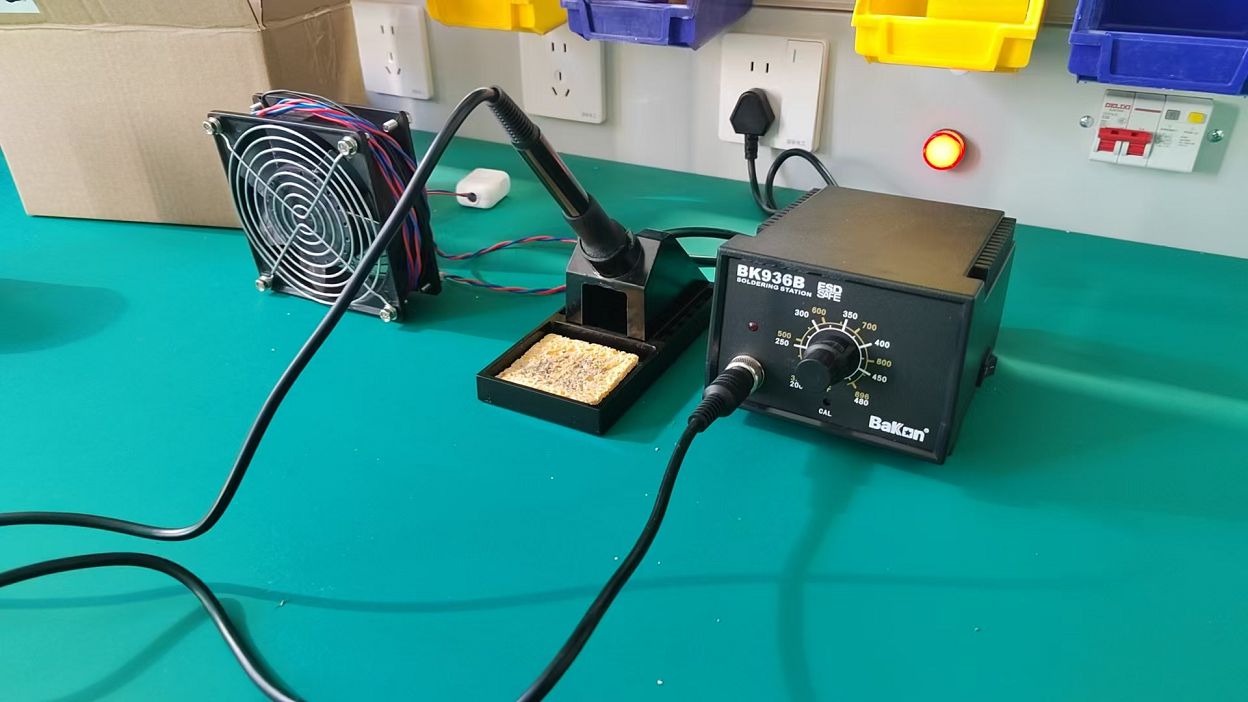
At Jinan Deming Power Equipment, our manufacturing protocols are structured to satisfy the rigorous technical scrutiny of global EPCs (Engineering, Procurement, and Construction firms). Our supply chain uses tier-one electrical components, including premium semiconductors, high-temperature copper windings, and advanced capacitors sourced from reputable global brands. This approach minimizes system wear and tear, reducing operational expenditure (OPEX) and ensuring a system lifetime exceeding 15 years in rugged conditions.
4. Decarbonizing Marine Infrastructure: Shore Power Technology
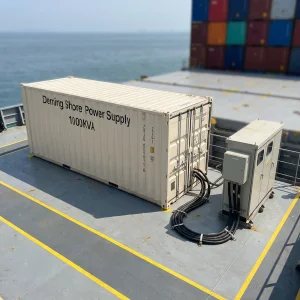
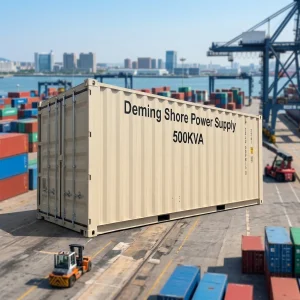
A key component of San Francisco's local environmental policy is the reduction of emissions at the Port of San Francisco. Shore power (also known as cold ironing) allows berthed vessels to turn off their diesel auxiliary engines and plug directly into the local electrical grid. However, marine vessels often operate on 60Hz systems while overseas networks run on 50Hz, or they may require high-voltage configurations (e.g., 6.6kV or 11kV) that standard grid networks cannot directly supply.
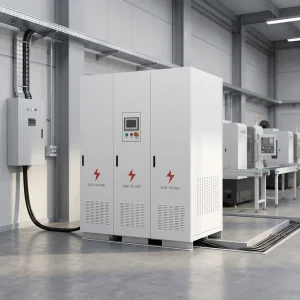
Deming Power’s Shore Power frequency converters address these interface challenges. By converting grid voltage and frequency to match shipboard configurations, our systems enable zero-emission berthing operations. This technology plays a critical role in minimizing PM2.5 and NOx emissions in the San Francisco Bay, helping maritime stakeholders comply with CARB (California Air Resources Board) regulations while maintaining high operational efficiency.