High-efficiency conversion components engineered to optimize power transfer, secure transient stability, and support utility-scale renewable installations globally.
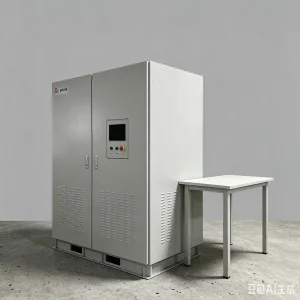
The global push for climate change mitigation has transitioned from a purely regulatory conversation to a massive, infrastructure-level deployment phase. As coal, gas, and nuclear baseload configurations decrease worldwide, power networks must adapt to accommodate the highly volatile nature of utility-scale wind and solar installations. The primary engineering bottleneck is no longer raw power generation, but rather power quality management, bidirectional routing capability, and grid dynamic resilience.
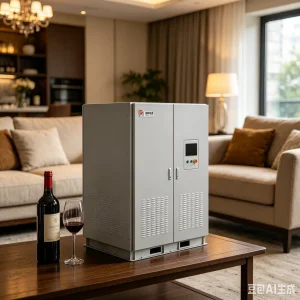
Deploying bidirectional Power Conversion Systems (PCS) at key sub-stations enables massive load-shifting and frequency stabilization. Systems must operate under extreme thermal conditions and support dual-active-bridge (DAB) topologies for optimal high-efficiency performance.
Modern inverters are moving rapidly from standard Silicon IGBTs to Silicon Carbide (SiC) and Gallium Nitride (GaN) components. This shift enables higher switching frequencies, drastically reduced thermal signatures, and inverter efficiencies exceeding 98.7%.
Next-generation commercial systems now incorporate virtual synchronous machine (VSM) algorithms, mimicking the mechanical inertia of traditional turbines to stabilize weak grids against transient voltage drops and phase deviations.
The operational framework of climate change mitigation relies on precise engineering. Global power electronics trends indicate a continuous elevation of bus voltages (ranging up to 1500VDC) and a heavy emphasis on hybrid system topologies that blend solar, wind, and electrochemical storage into single managed nodes.
Traditional energy models were designed for unidirectional flow—from centralized generators down to commercial/residential consumers. Modern climate-adaptive architectures require bidirectional flow: batteries must absorb excess solar during midday generation spikes and seamlessly inject active power back into the grid during peak loads.
This dynamic operation requires high-power bidirectional converters (PCS) that can transition between charging and discharging phases within milliseconds. By incorporating advanced dual-core DSPs and FPGA processors, modern PCS hardware manages real-time power factors while actively monitoring safety signals across utility-scale battery stacks.
To successfully integrate wholesale power hardware into international markets, strict adherence to global engineering codes is mandatory:
Custom industrial configurations vary significantly by geographic location, climate conditions, and local grid architectures. Below are three representative application setups for modern industrial mitigation.
Challenge: Ocean-going vessels run on internal 60Hz grids, while standard port infrastructures in Europe, Asia, and other regions operate on 50Hz. Standard dockside connections cannot match these specifications without frequency conversion.
Solution: High-capacity shore power converters (800KVA to 1000KVA) convert utility frequency while providing isolation and regulating voltage levels. This minimizes port-side emissions and eliminates the need to run auxiliary diesel engines while docked.
Challenge: High-altitude or remote mine operations require clean, reliable power where utility grids do not reach. Power systems must cope with sudden inductive surges from heavy mining equipment.
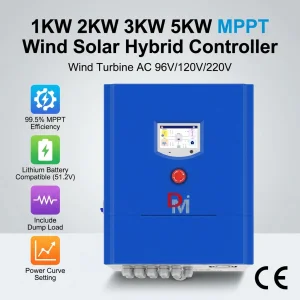
Solution: A multi-megawatt off-grid system using 200kW-500kW 3-phase pure sine wave inverters, integrated with hybrid wind-solar MPPT charge controllers and large-scale lithium-ion battery banks, manages motor-starting surges and maintains system stability.
Challenge: Peak demand pricing charges penalize businesses that draw high current during peak utility hours.
Solution: Utilizing a 300kW bidirectional PCS coupled with smart battery storage. The system charges batteries during low-cost night periods and discharges during peak daytime hours, reducing energy bills and stabilizing localized grid networks.
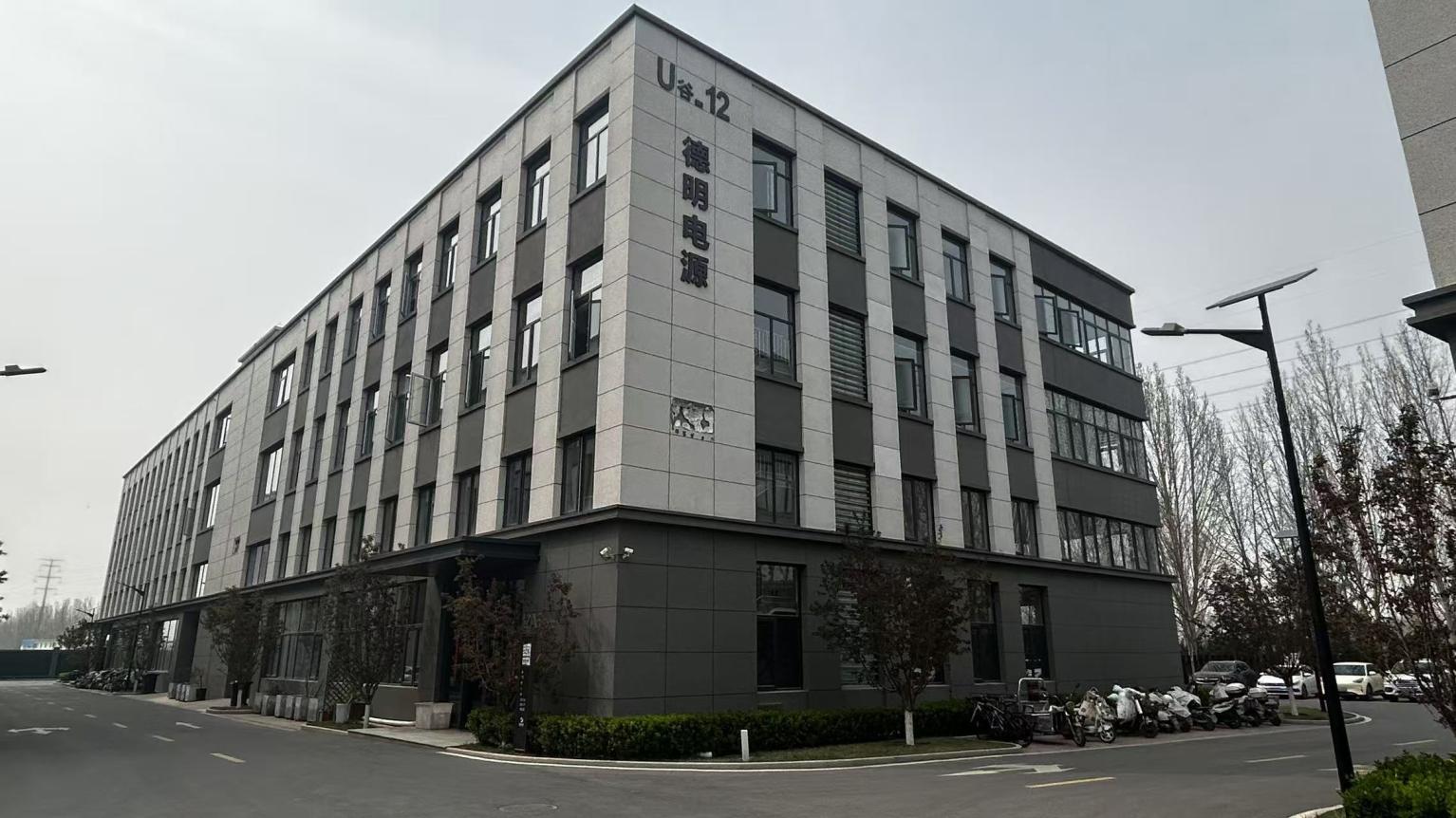
Established in 2004, Jinan Deming Power Equipment Co., Ltd. is a nationally recognized high-tech enterprise specializing in the research, development, and manufacture of renewable energy power equipment. Operating under strict ISO9001:2015 quality management systems, Deming is a trusted manufacturer for commercial clean energy projects worldwide.
R&D Infrastructure: Deming maintains a dedicated R&D team consisting of 16 engineers, including doctoral supervisors and master’s degree holders. Over 20% of annual sales revenue is reinvested directly into technology development, resulting in 17 R&D projects and 16 proprietary scientific and technological transformations in the last three years alone.
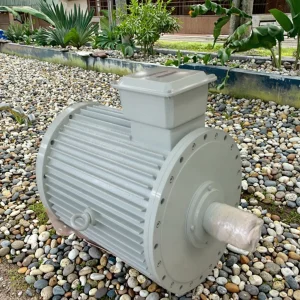
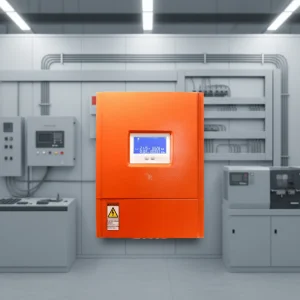
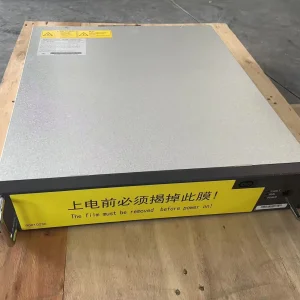
Deming's products are deployed across more than 120 countries, including Germany, Japan, the United States, the UK, Canada, Australia, and Brazil. Our manufacturing catalog features high-power wind and solar controllers, industrial off-grid inverters, marine shore-power frequency converters, bidirectional DC test power supplies, and battery simulators ranging from 150kW to 500kW.
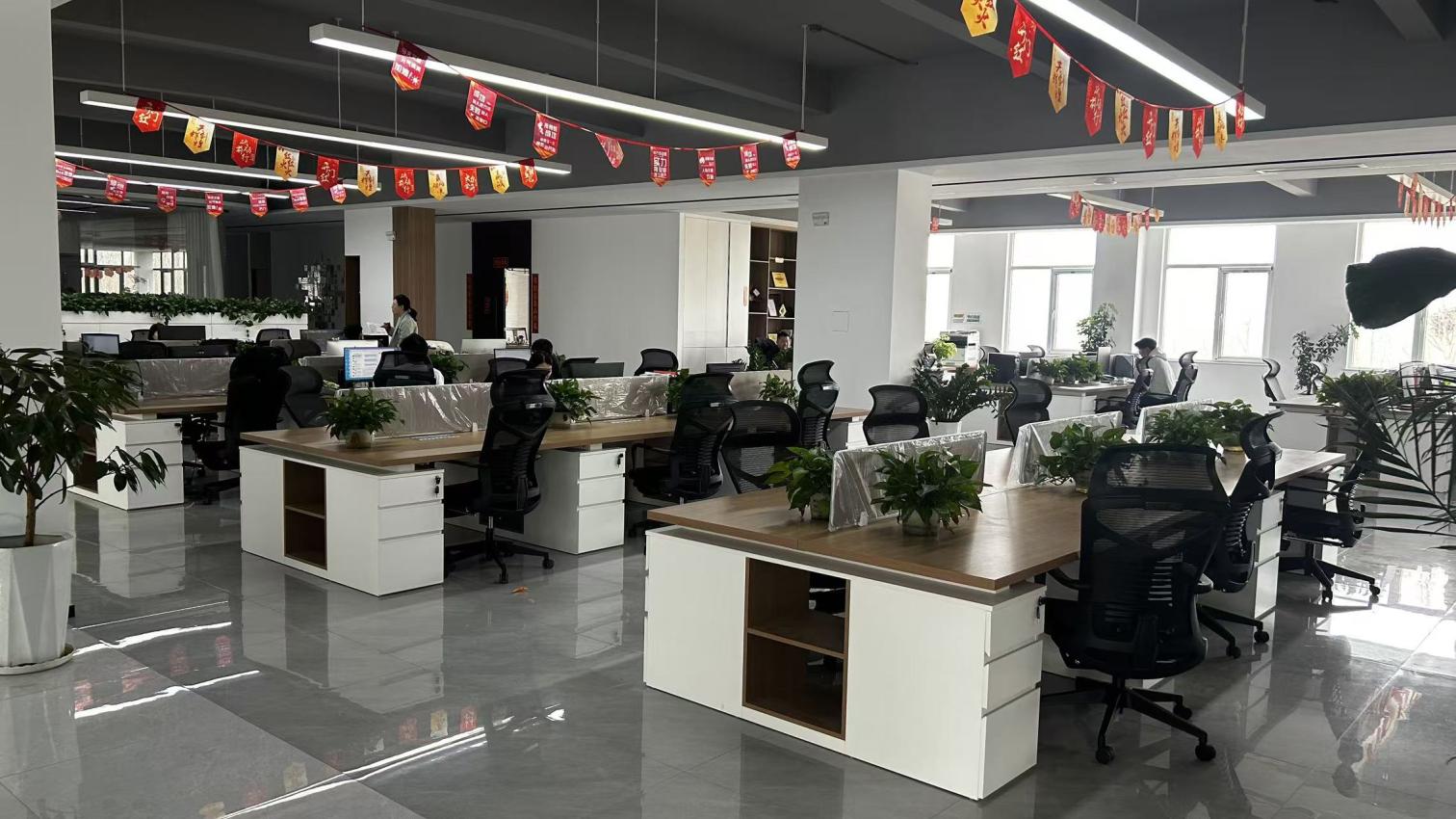
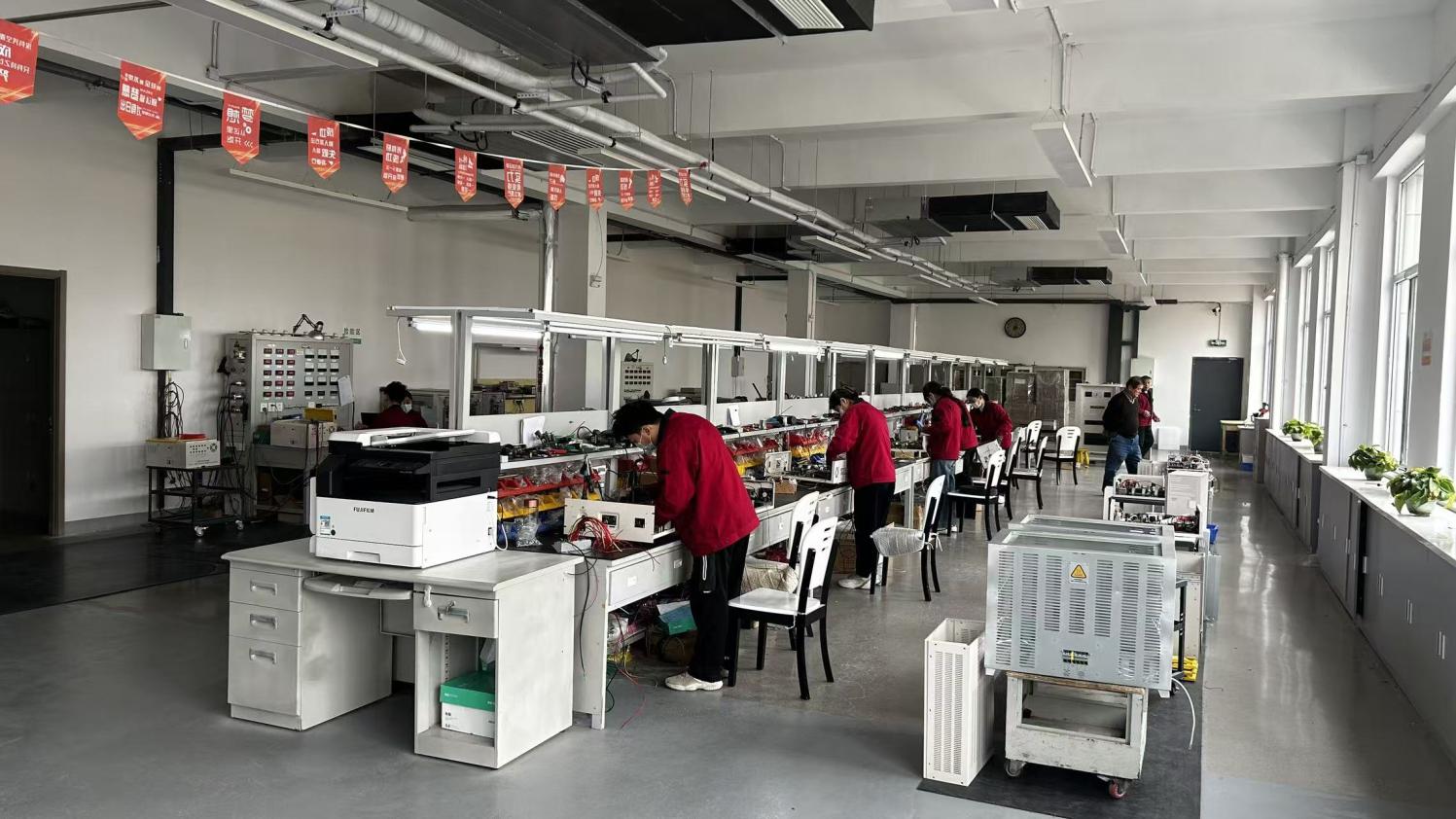
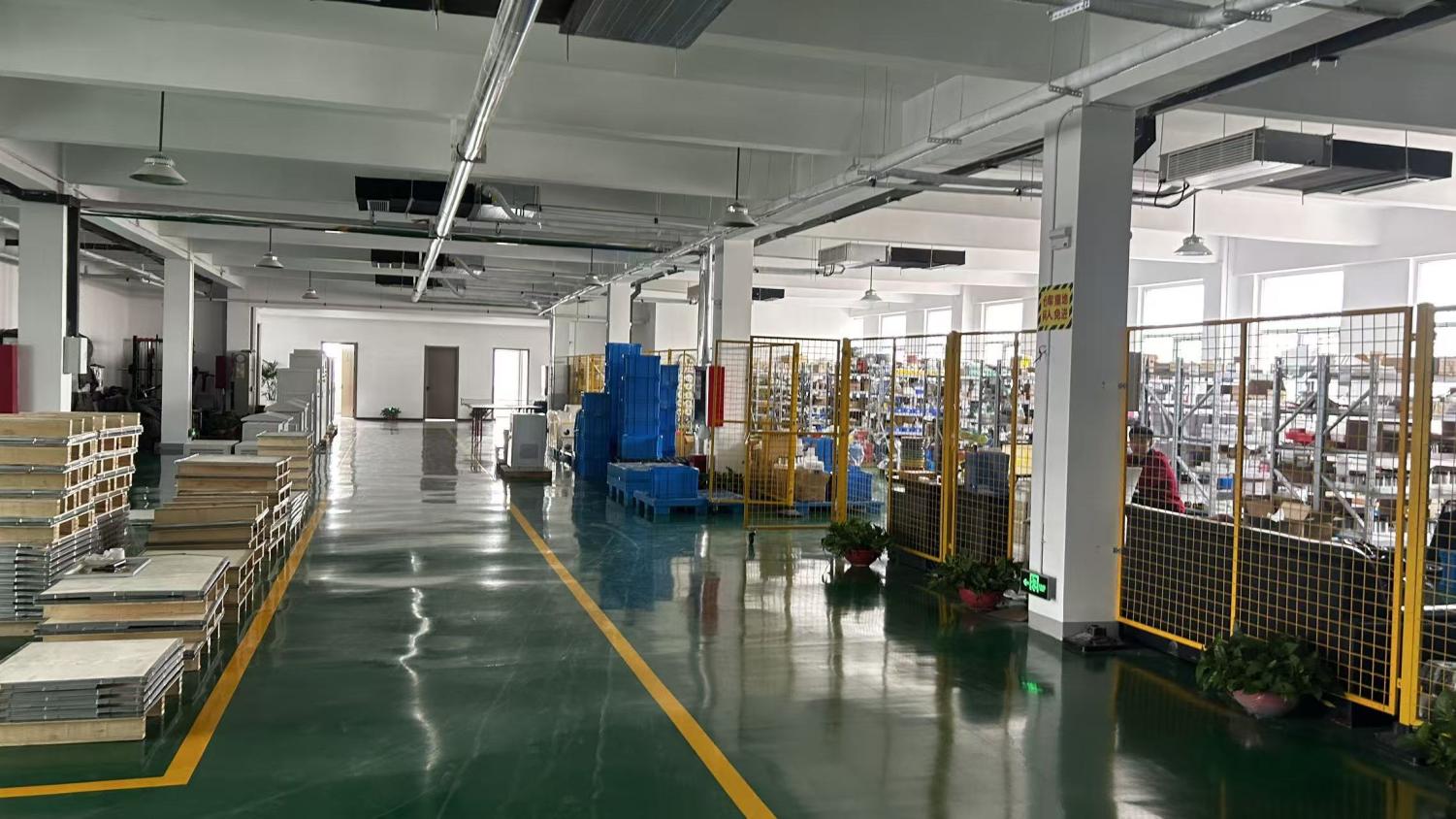
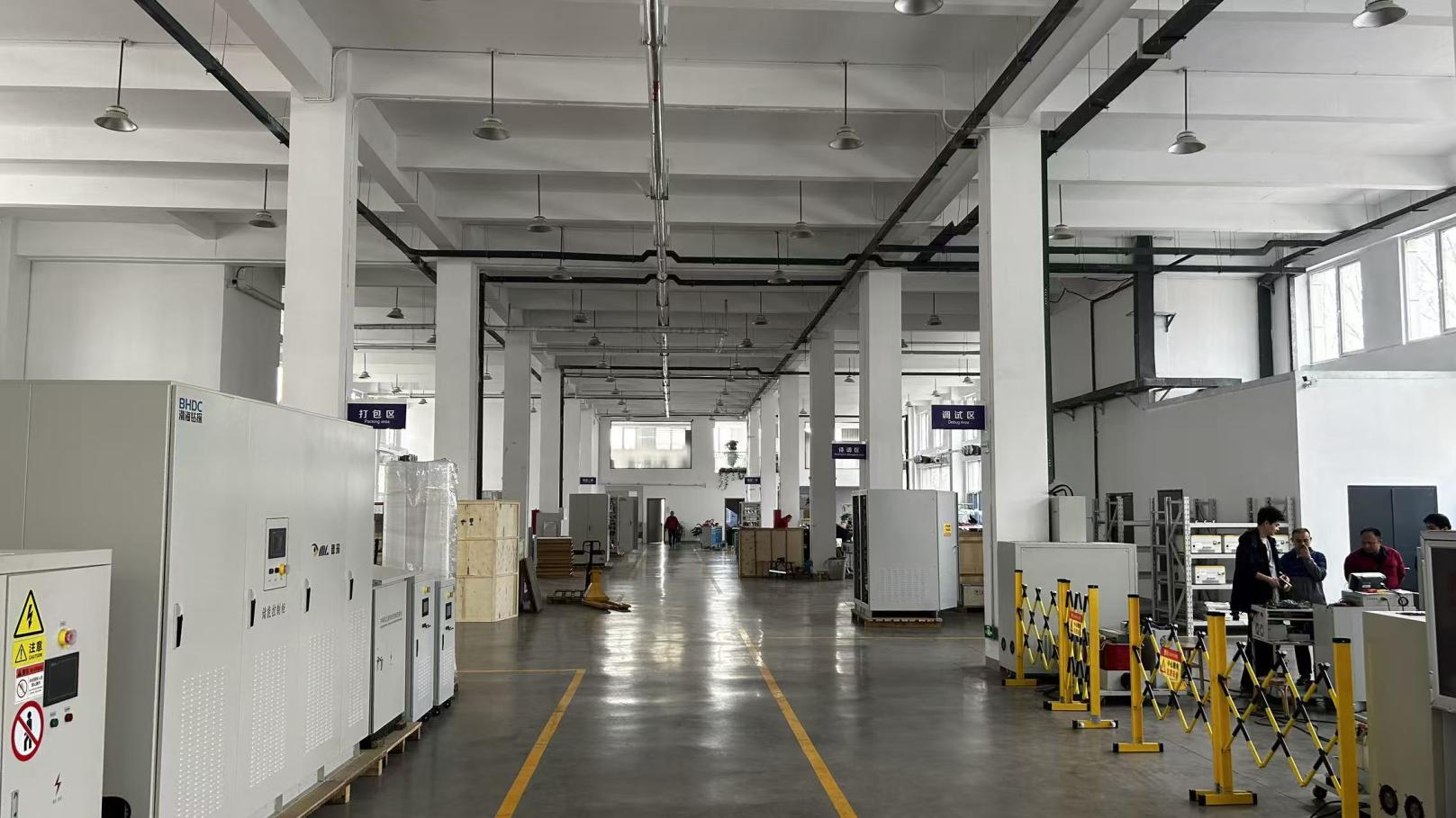
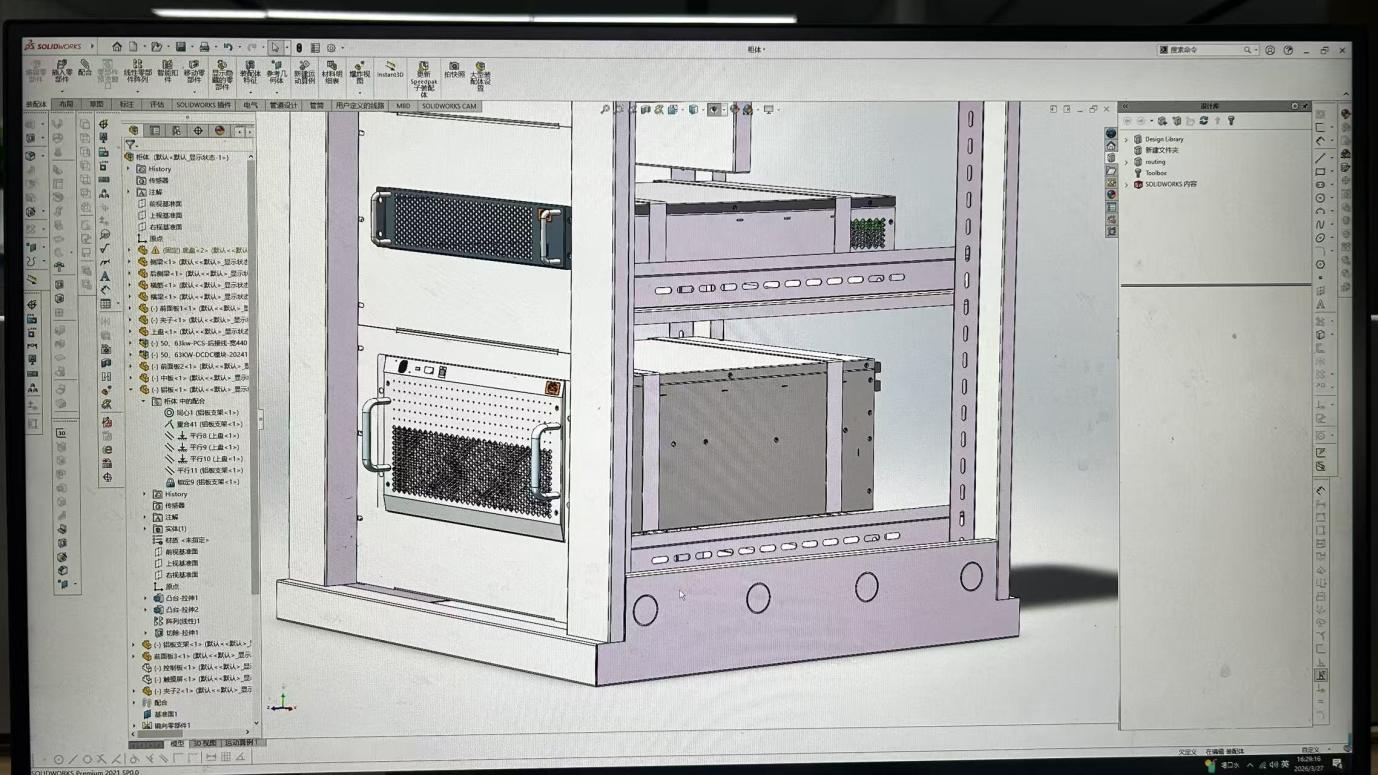
A look at the assembly lines, automated PCB processes, and dedicated mechanical design environments within the Deming facilities.
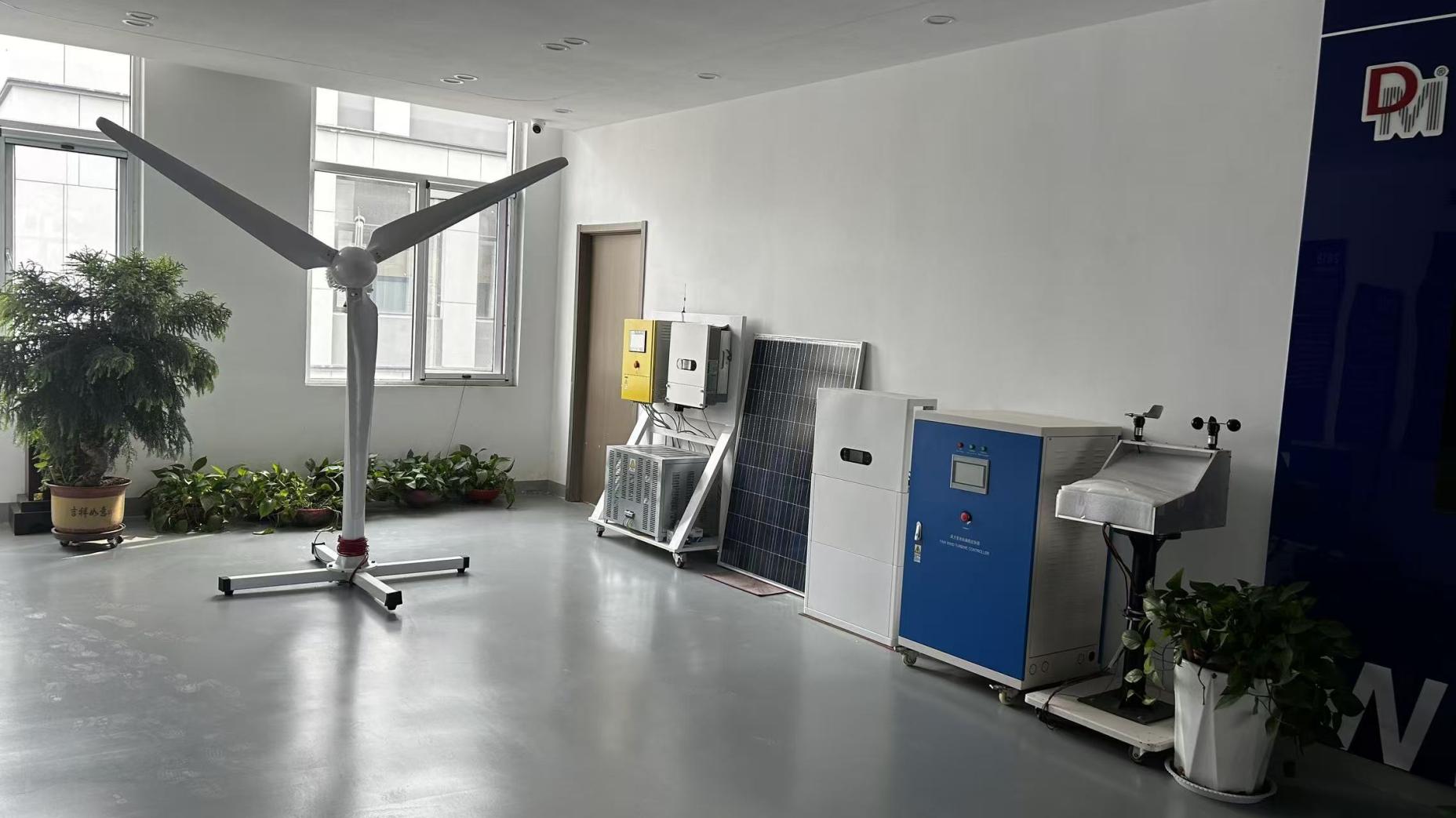
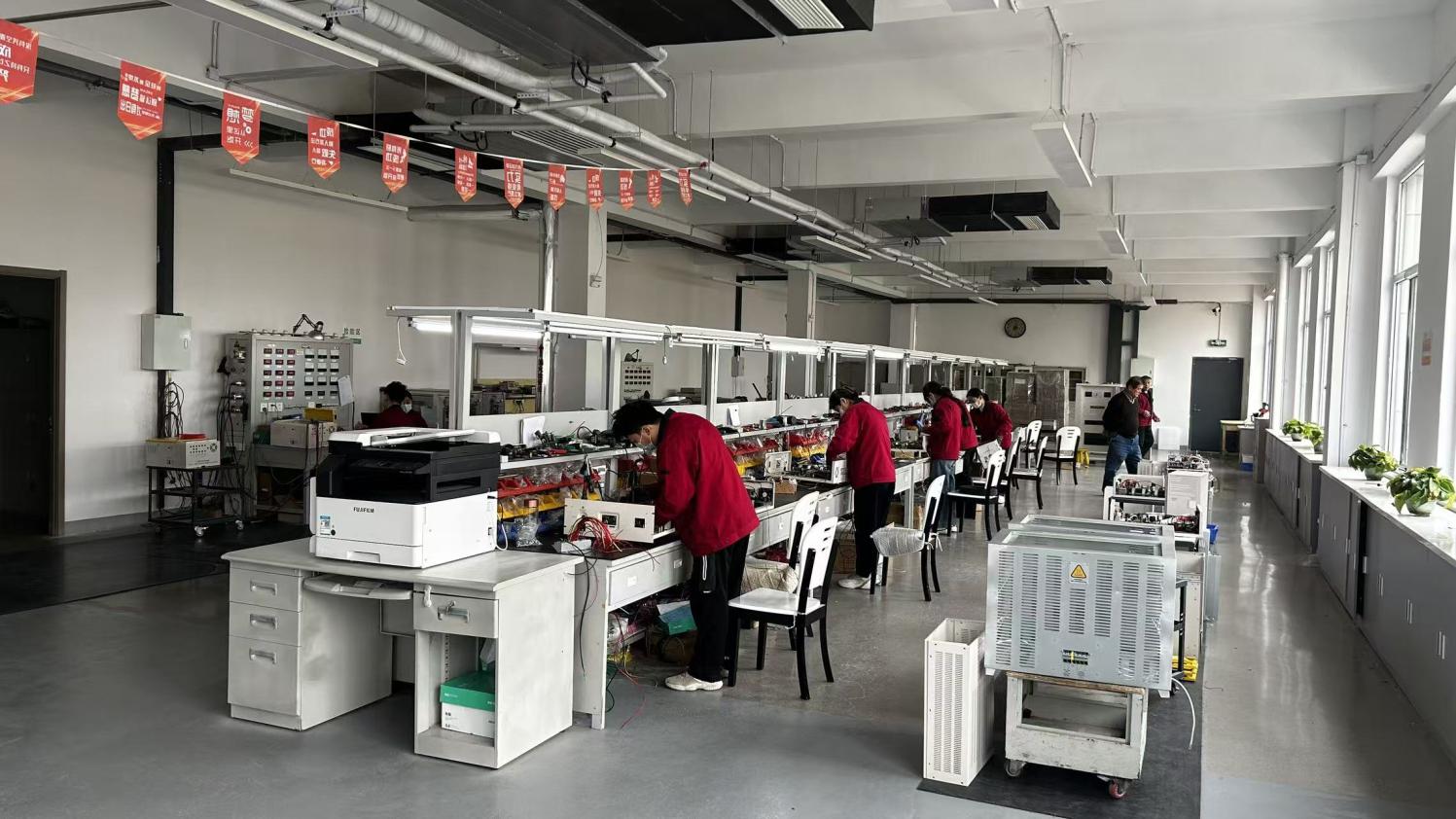
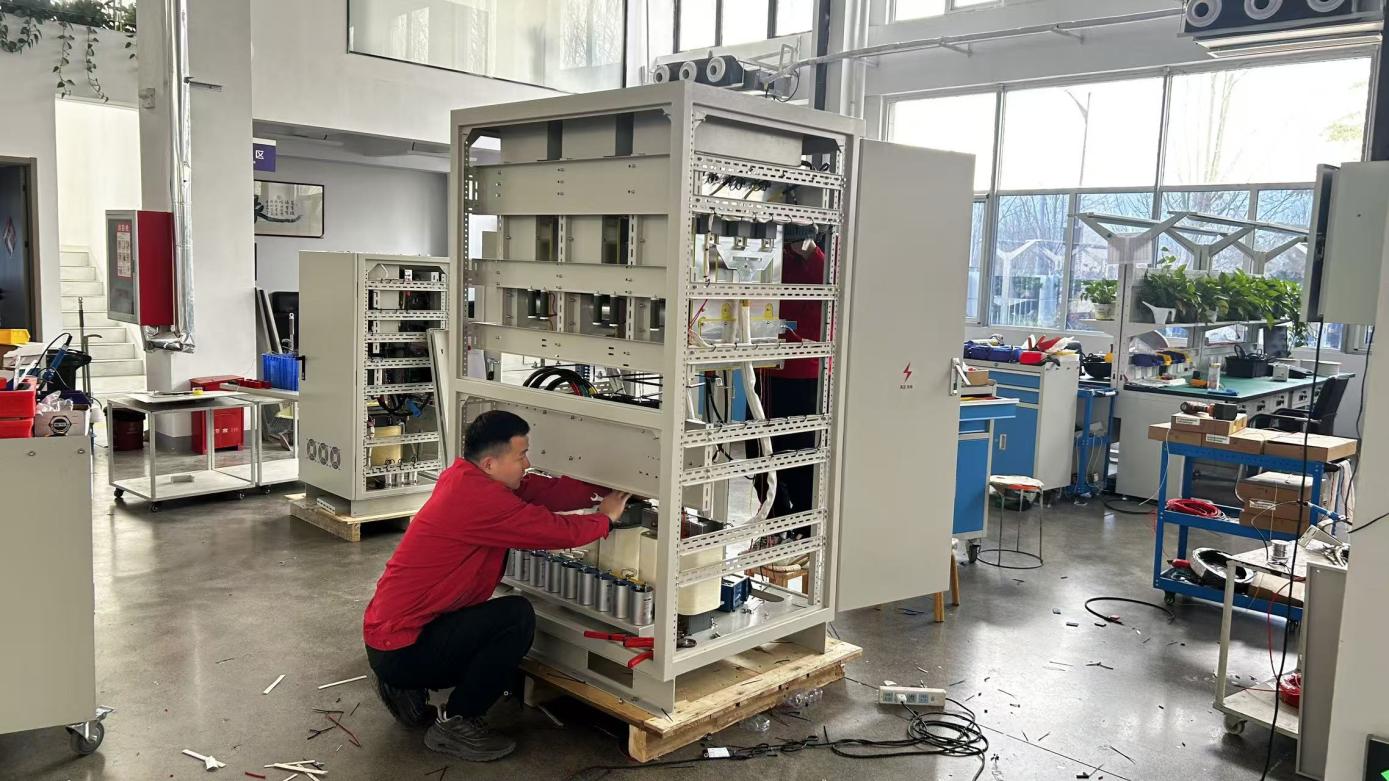
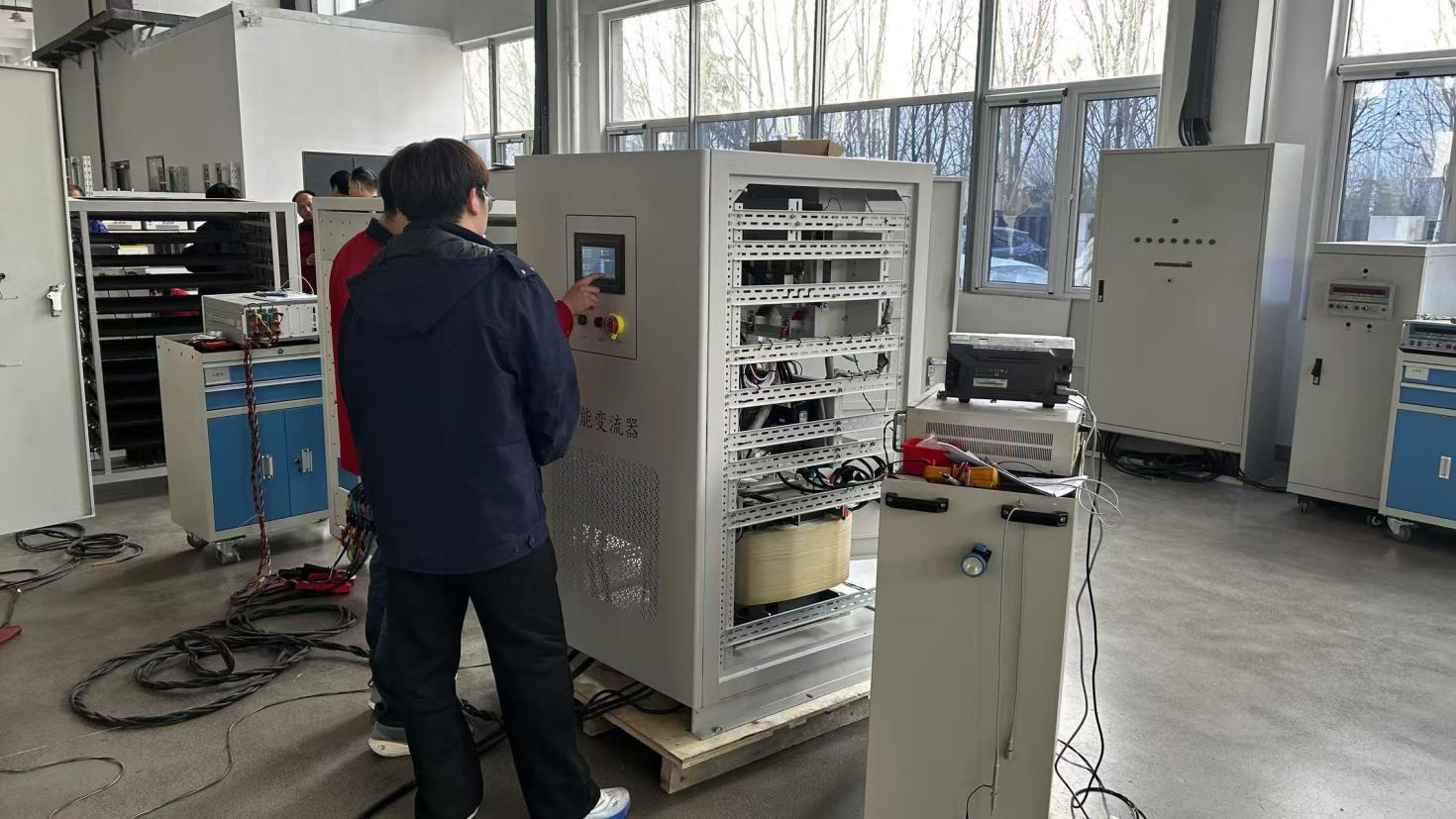
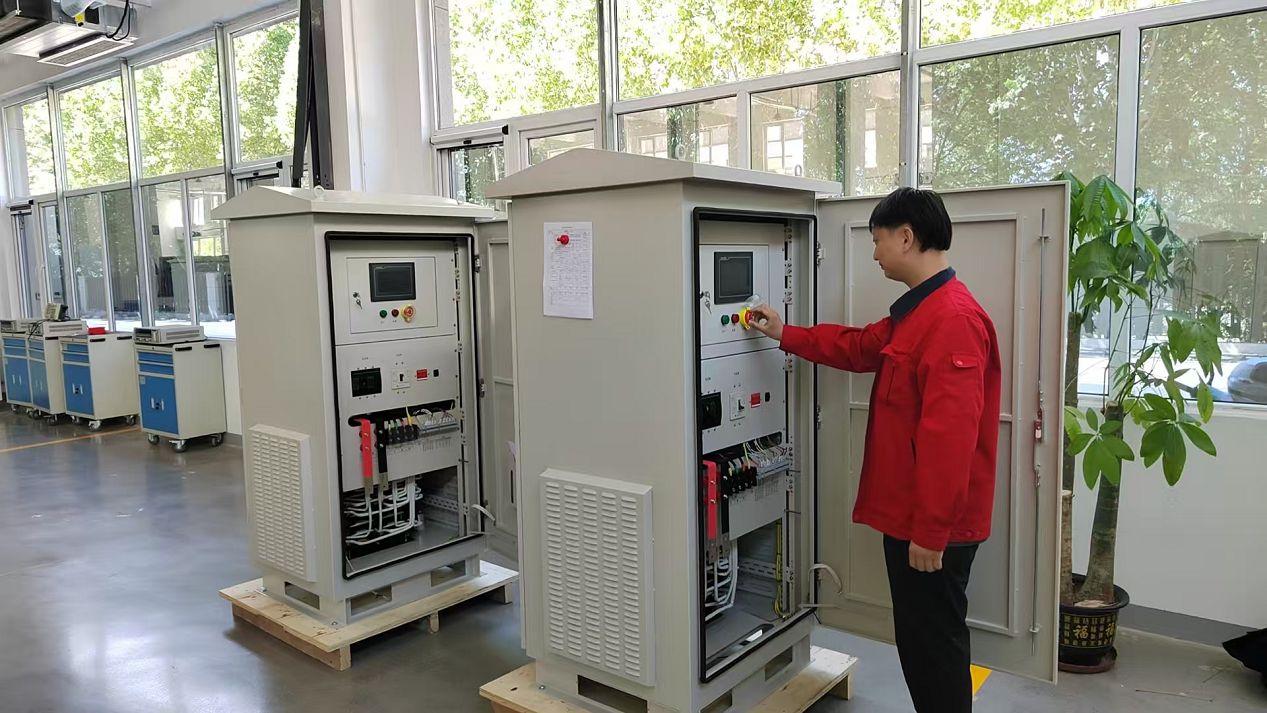
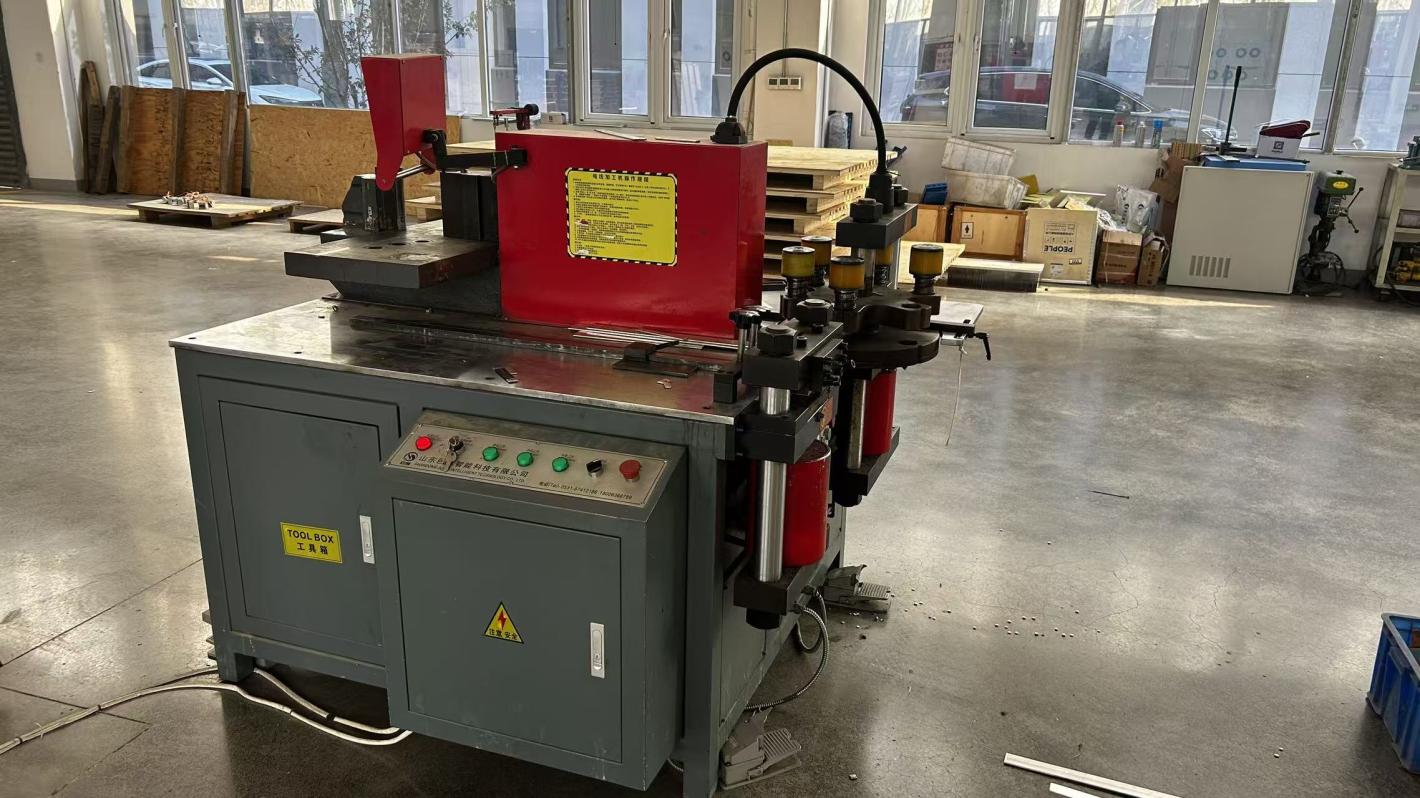
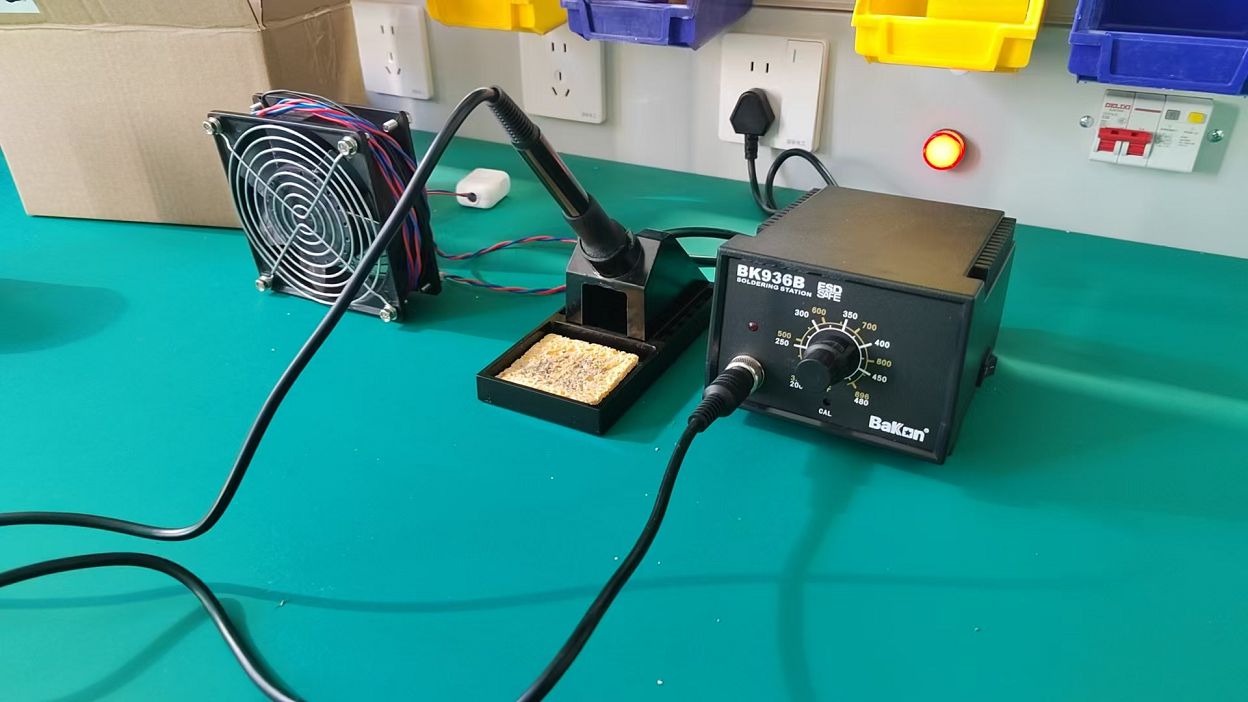
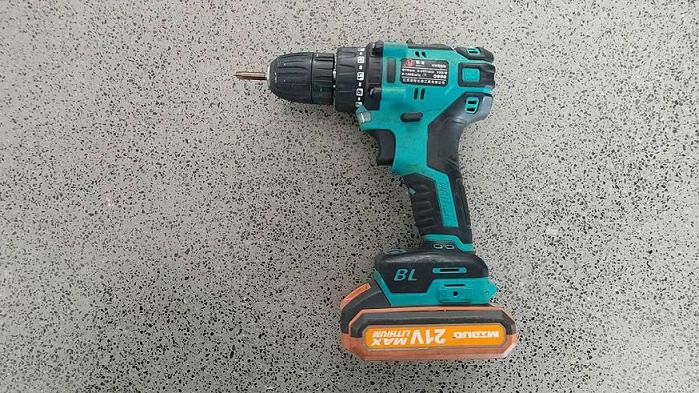
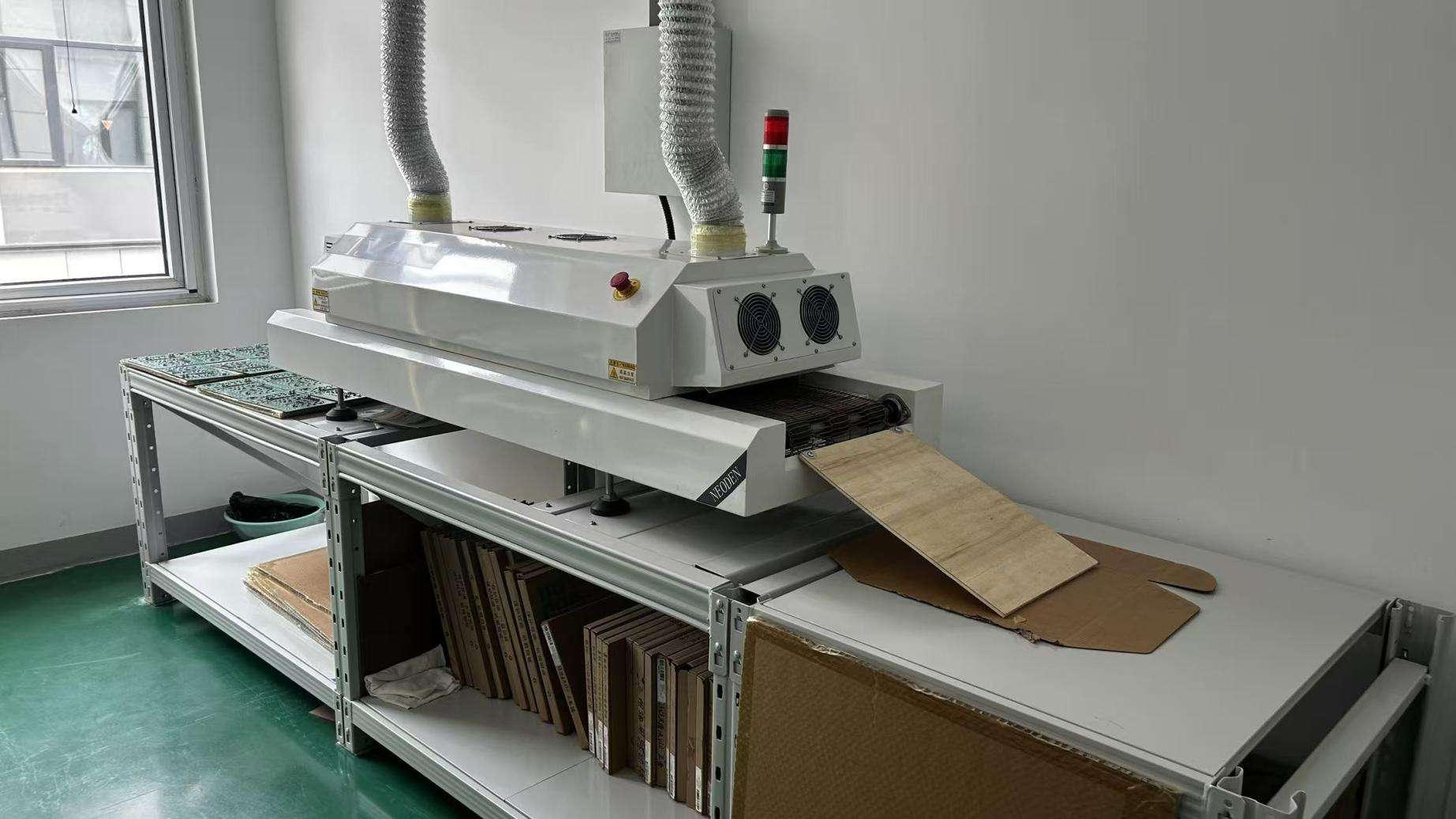
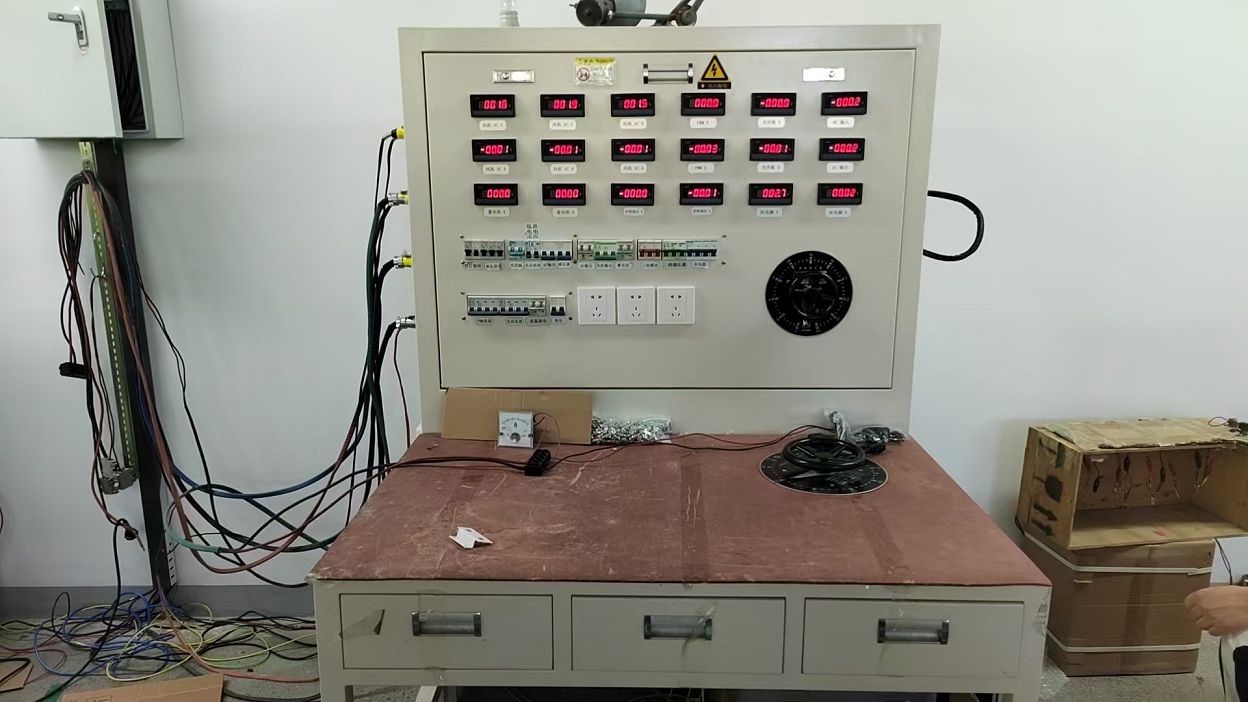
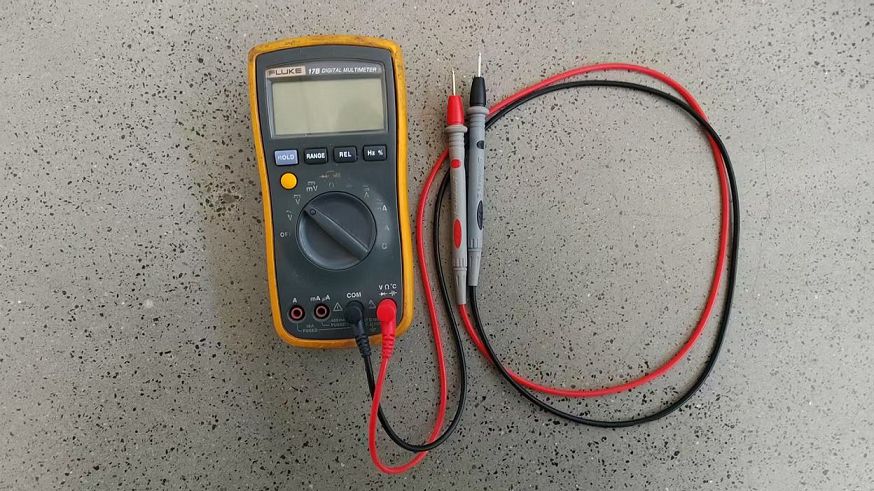
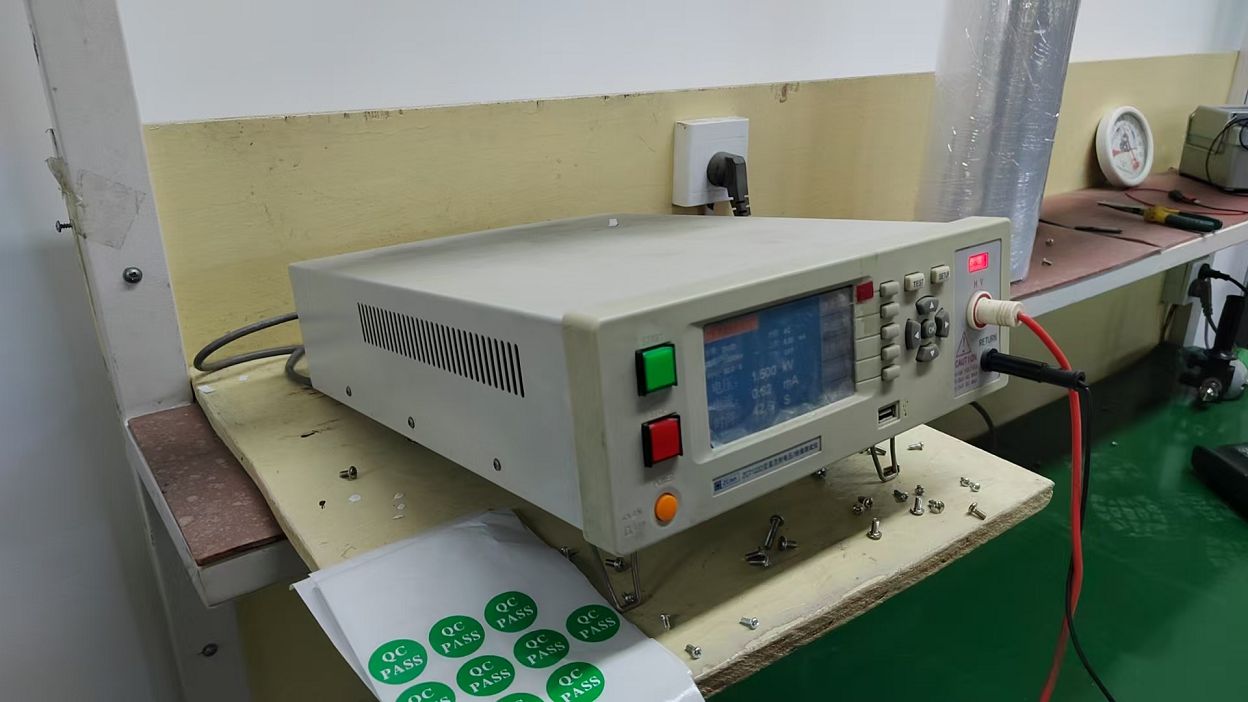
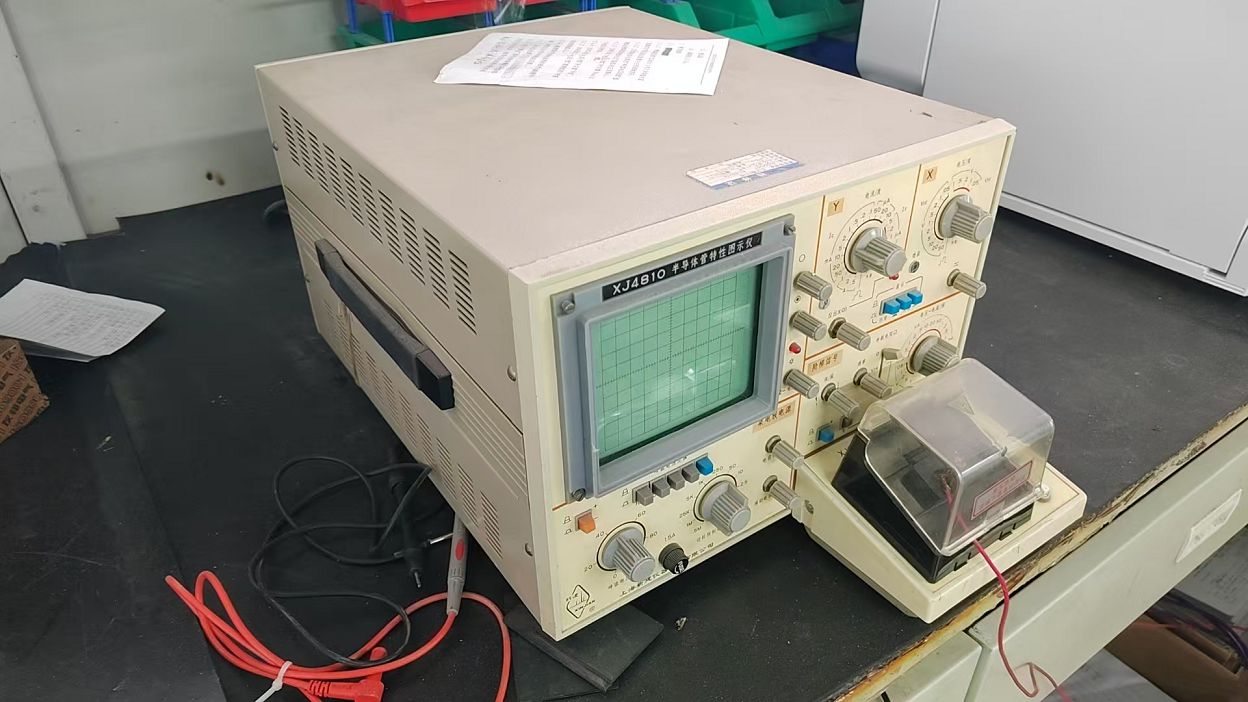
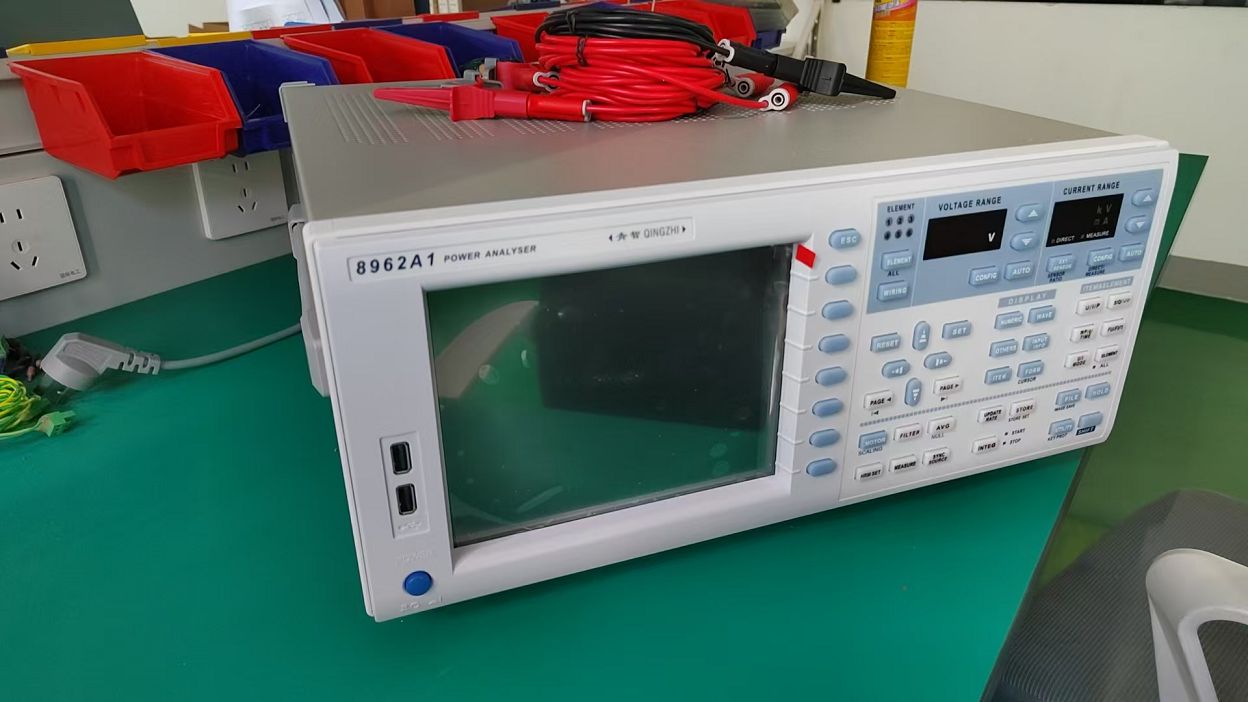
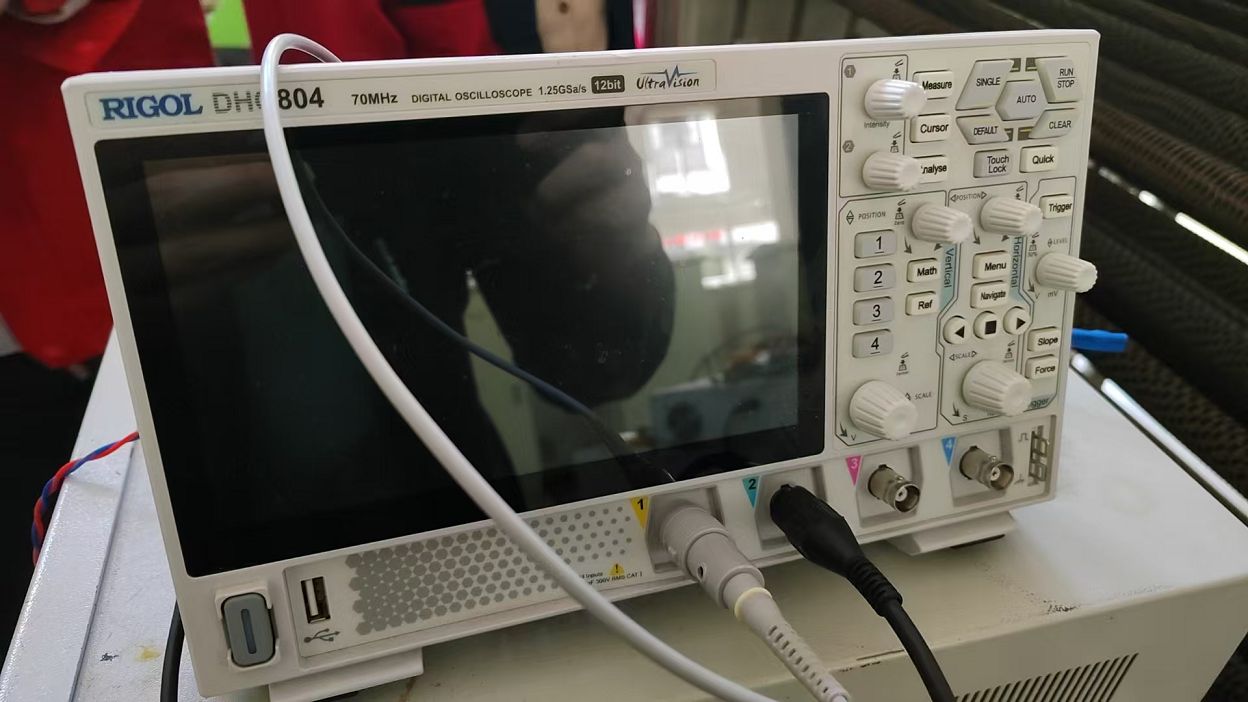
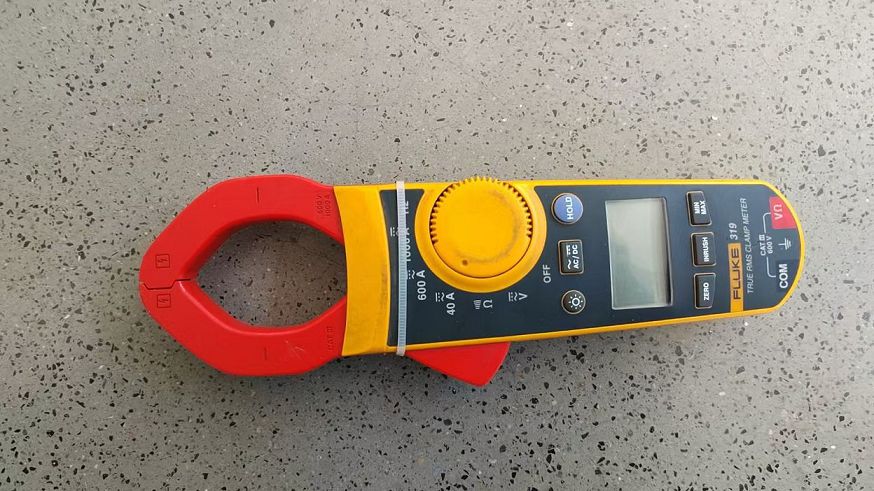
Deming's quality testing equipment ensures every inverter, controller, and frequency converter meets global standards.

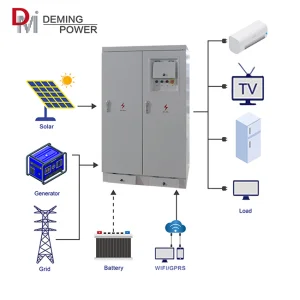
Deming provides comprehensive system integration configurations, combining multi-source power generation and storage into reliable utility architectures.
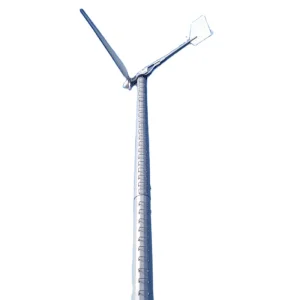
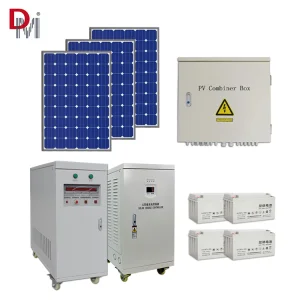
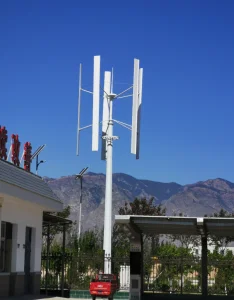
Combines wind turbine generators, solar panels, and storage systems using smart MPPT controllers. This configuration ensures continuous power generation by leveraging wind output during nights and winter months, and solar output during peak daylight hours.
Equipped with high-capacity bidirectional PCS (Power Conversion Systems), this system enables rapid peak-load response, reactive power regulation, and islanded black-start capabilities. Ideal for heavy industrial complexes and regional sub-stations.
Delivers clean, voltage-regulated 50Hz/60Hz frequency conversion for commercial maritime docks. By transferring shipboard electrical networks to land-based power structures, port operators reduce carbon and sulfur footprints.
Detailed engineering answers for system designers, EPC developers, and wholesale procurement managers.
High-capacity solar charge controllers, wind generators, shore converters, and system control accessories for green grid optimization.
 Demin Power