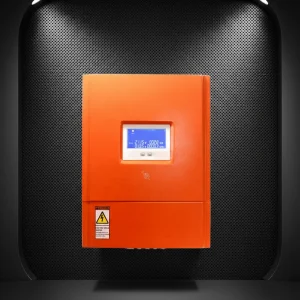
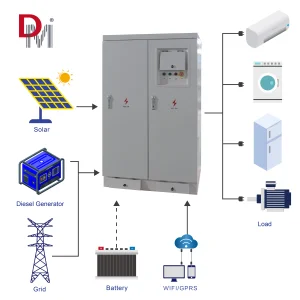
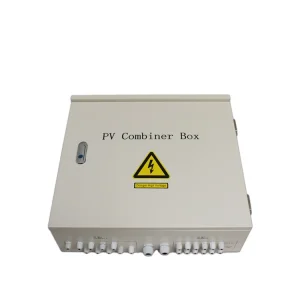
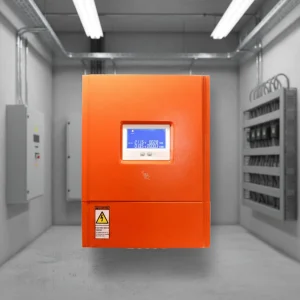
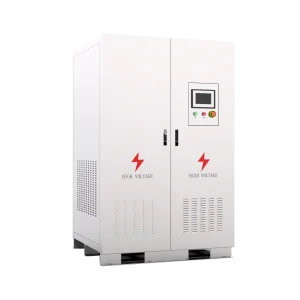
As a leading grid modernization partner based in China, we recognize that procurement, plant engineering, and utility management teams do not simply purchase hardware; they source system reliability and long-term operating guarantees. Modern smart grids require intelligent components capable of communicating dynamically via protocols like Modbus RTU/RS485 and TCP/IP, ensuring seamless integration into SCADA systems. Our custom bidirectional converters, high-capacity MPPT controllers, and shore-to-ship marine frequency switchgears are engineered to address this technological paradigm shift.
International buyers face multiple hurdles when scaling energy storage projects and stabilizing municipal grids. Whether configuring a microgrid in Northern Europe or a shore power installation in the Americas, engineers evaluate components on distinct parameters: thermal performance under continuous duty, harmonic distortion tolerances, and dynamic response times.
Modern multi-megawatt systems require Total Harmonic Distortion (THD) of less than 3% to prevent local overheating and transformer degradation in utility substations.
Modern systems utilize dual-active bridge topology to allow seamless regenerative power transfer between local battery banks and the national grid framework.
Inverters must stay online during transient grid voltage drops, offering active reactive power support instead of immediate disconnection.
Jinan Deming Power Equipment Co., Ltd. is a nationally recognized high-tech enterprise established in 2004, specializing in the research, development, production, and service of renewable energy power equipment and advanced power testing solutions. The company holds ISO9001:2015 certification and has been recognized as a high-tech enterprise by the Chinese government multiple times (2015, 2018). With a dedicated R&D team of 16 engineers including doctoral supervisors and master's degree holders, Deming invests no less than 20% of annual sales revenue into technology development.
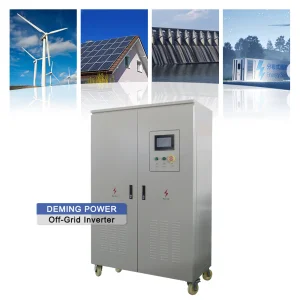
The company has completed 17 R&D projects in the last three years with 16 scientific and technological achievements transformed into commercial products. Deming's products have been exported to 120+ countries including Germany, Japan, the United States, UK, Canada, Australia, and Brazil, and the company has established cooperative relationships with Fortune 500 enterprises. The company's main products include wind/solar controllers, inverters, frequency converters, and high-power bidirectional DC test power supplies and battery simulators ranging from 150kW to 500kW.
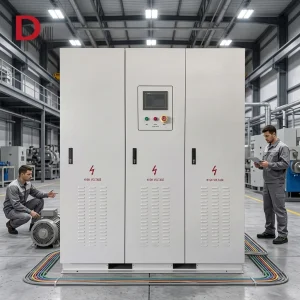
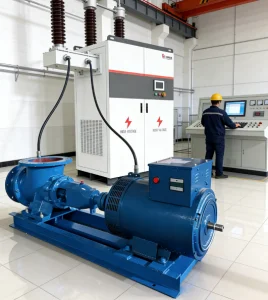
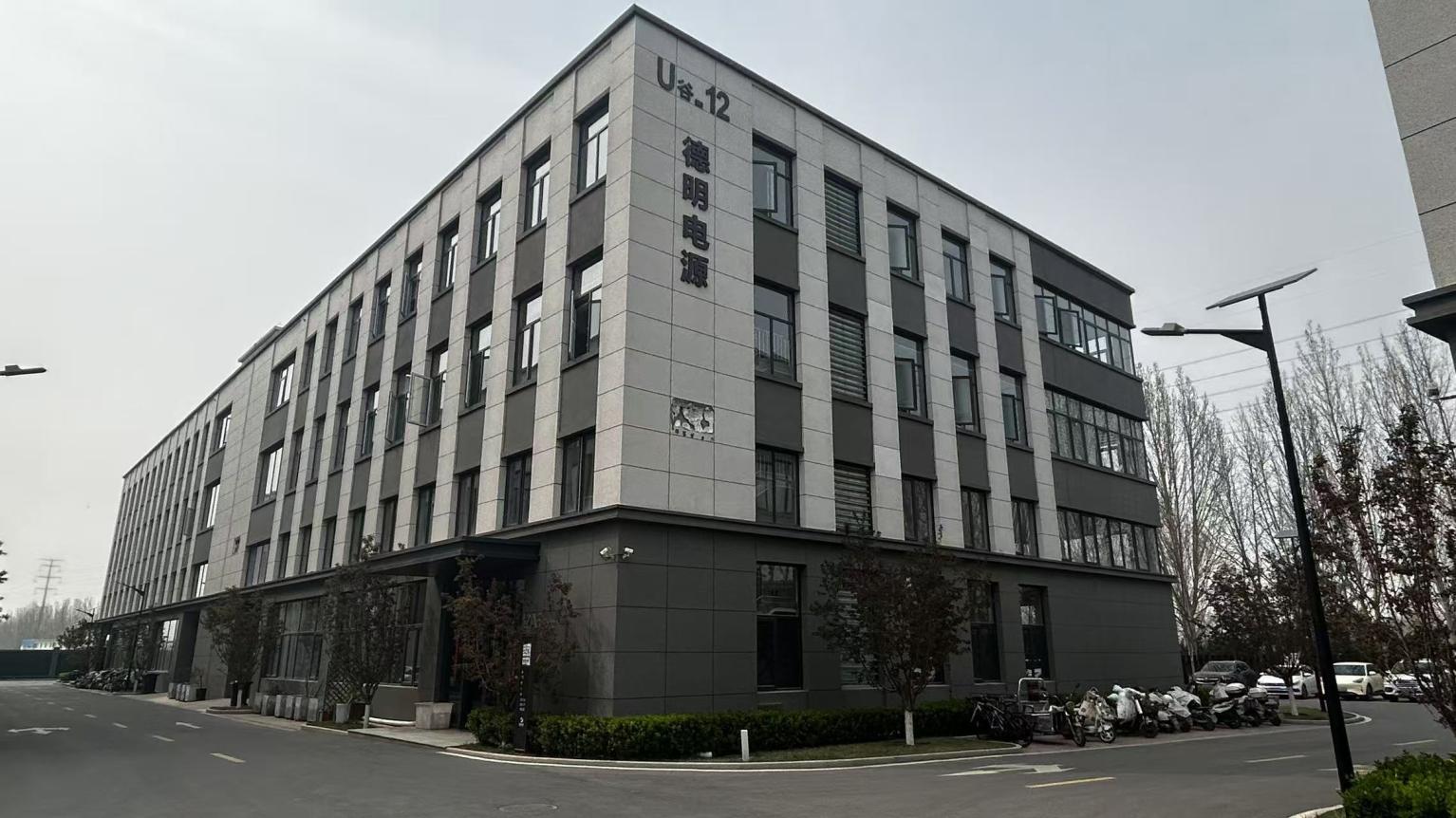
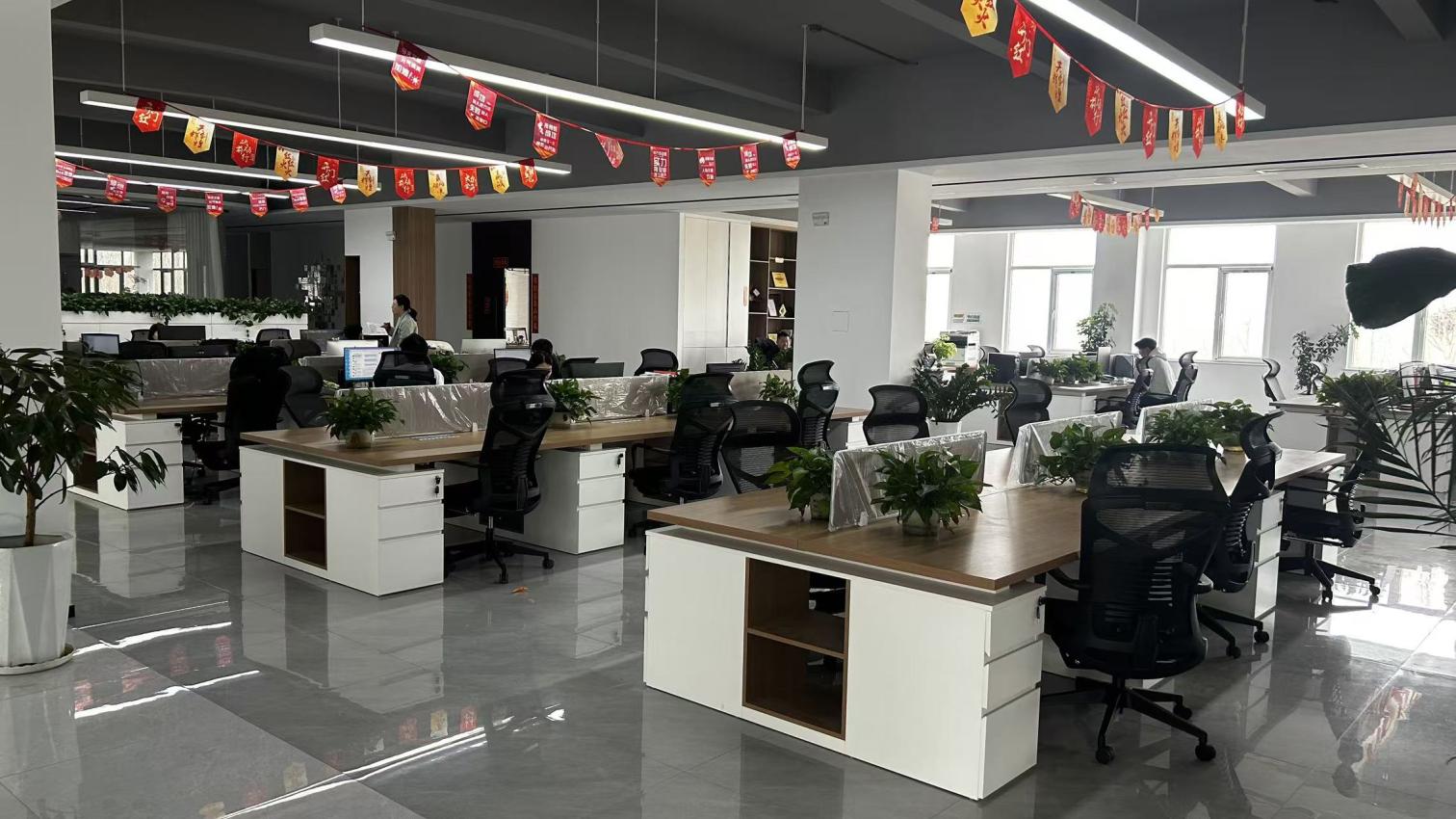
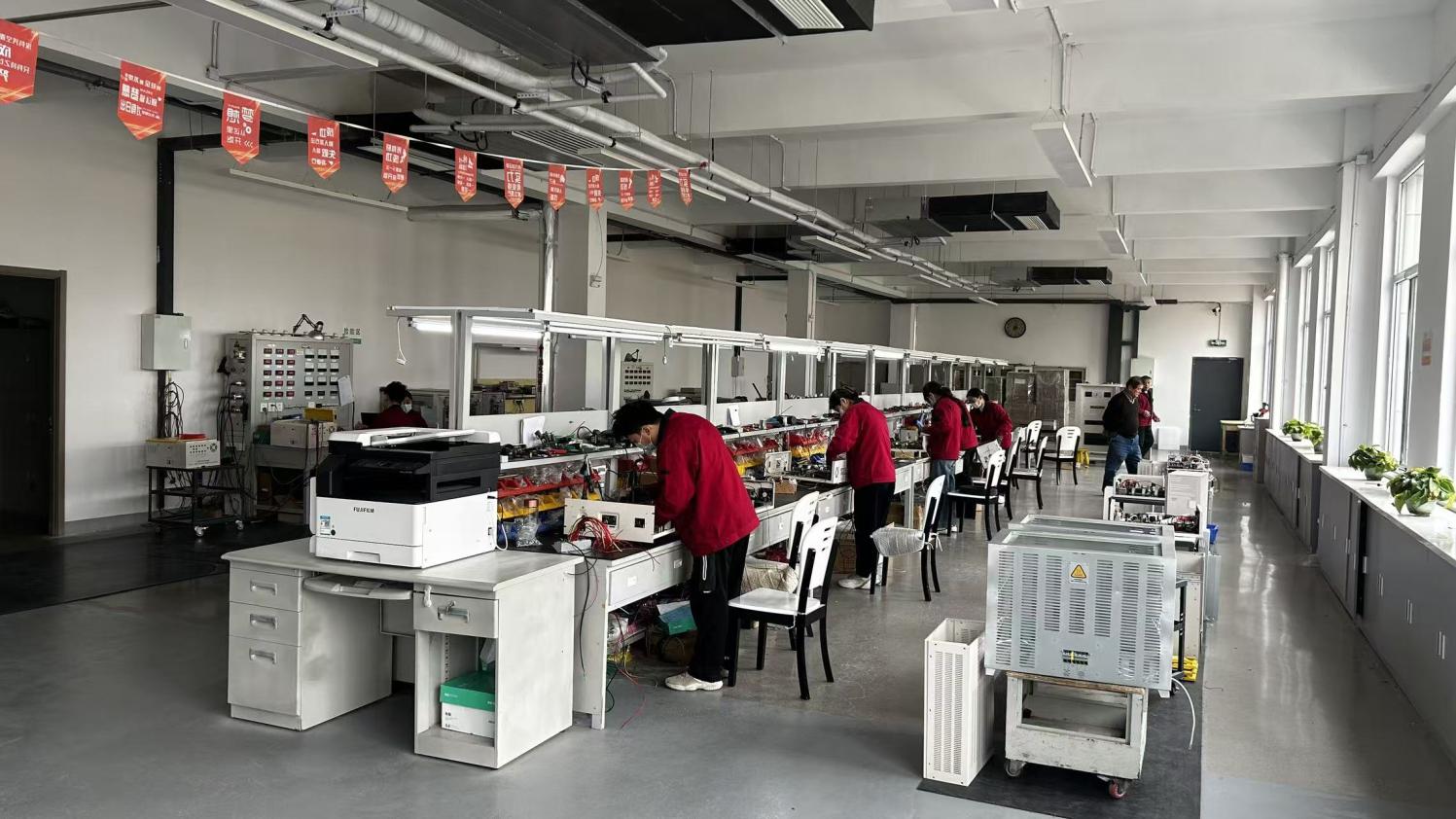
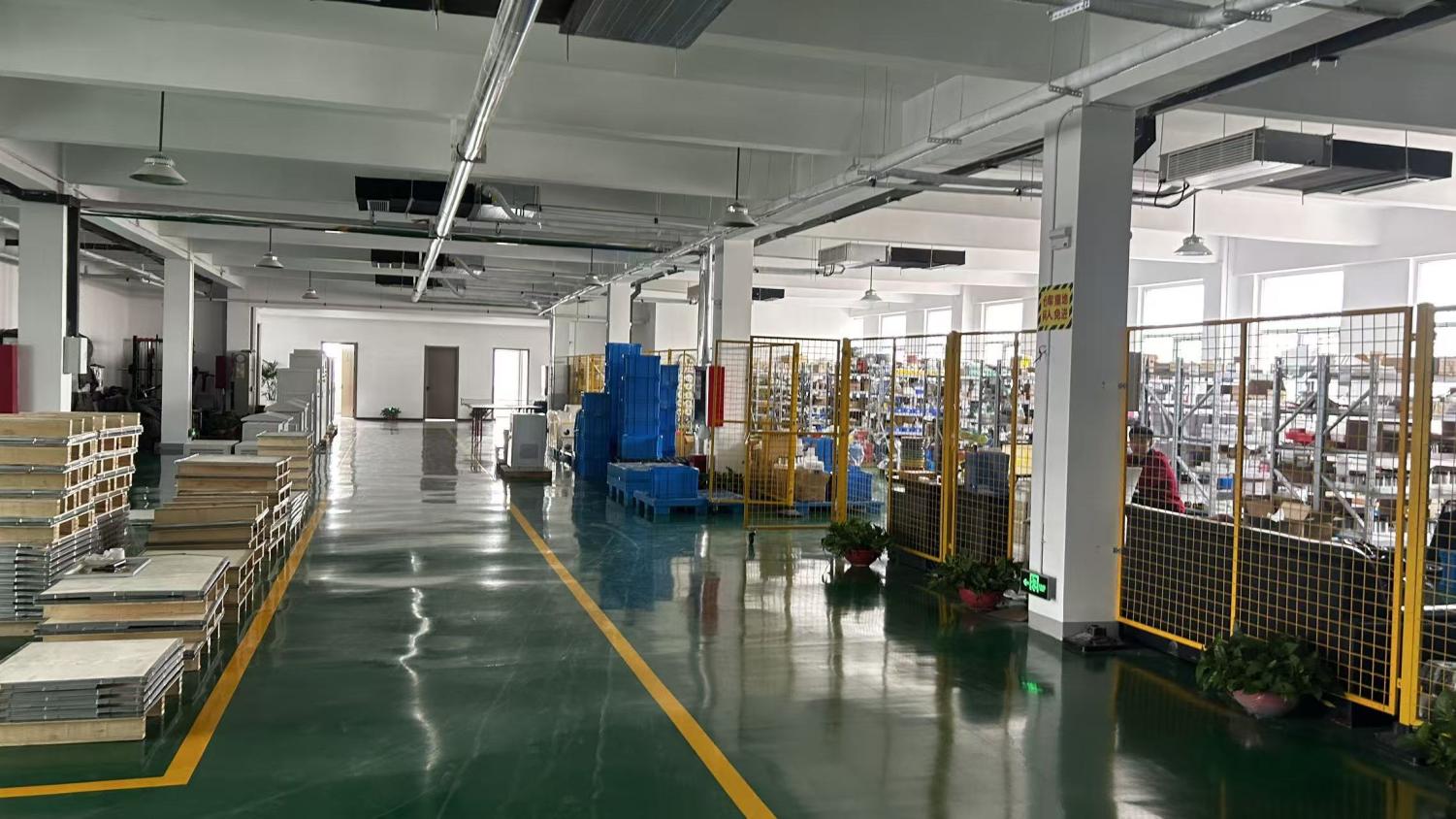
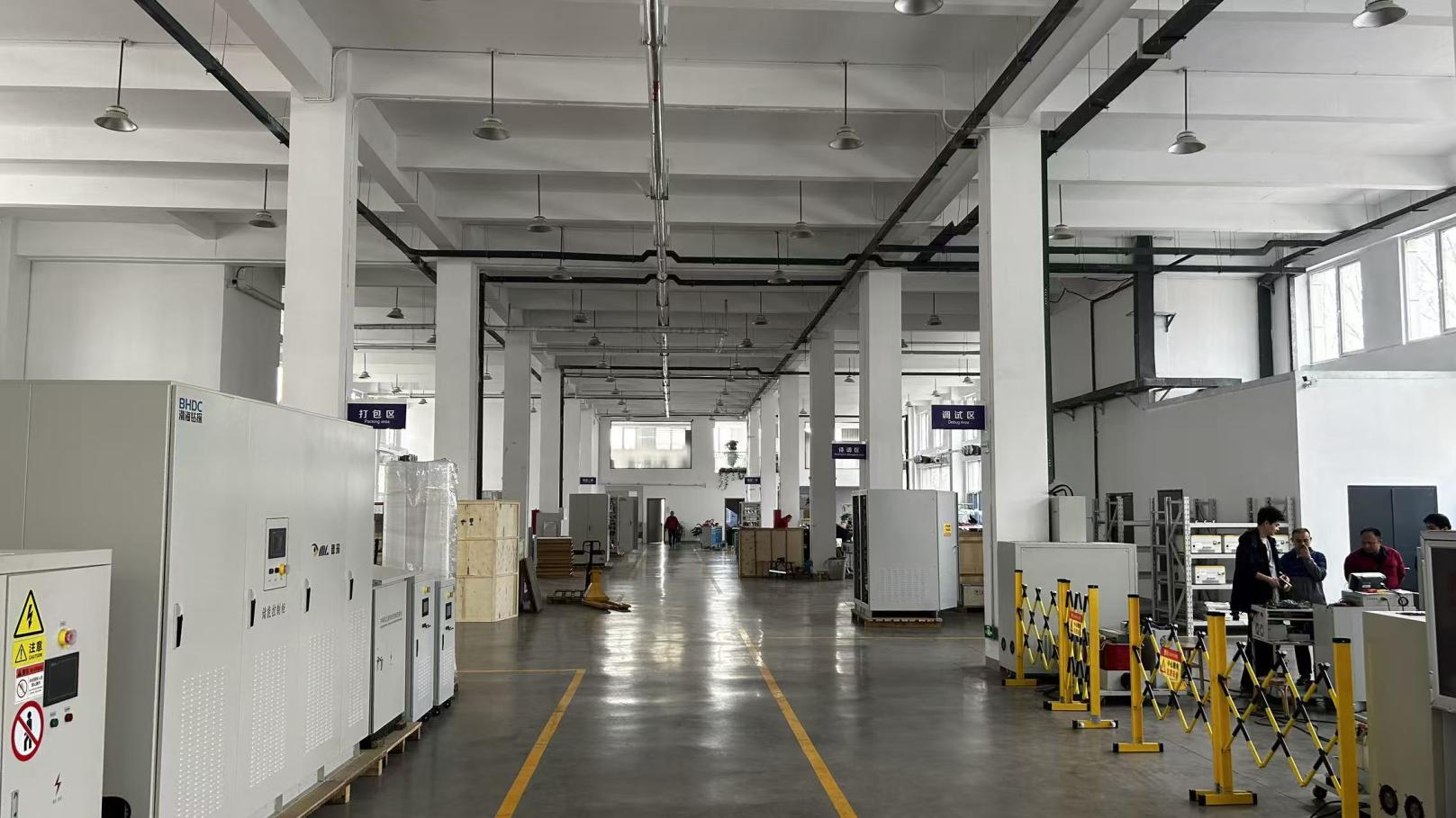
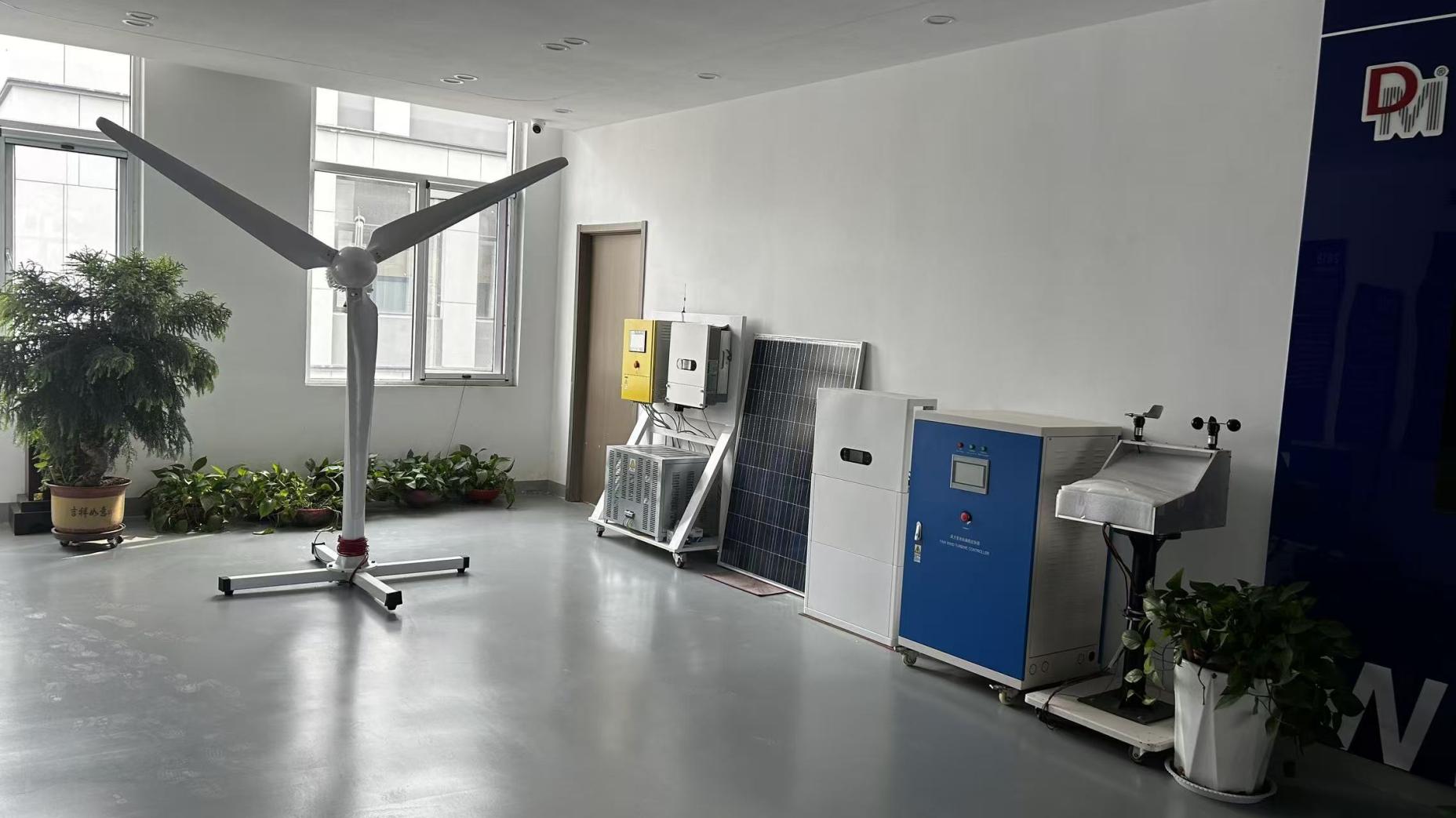
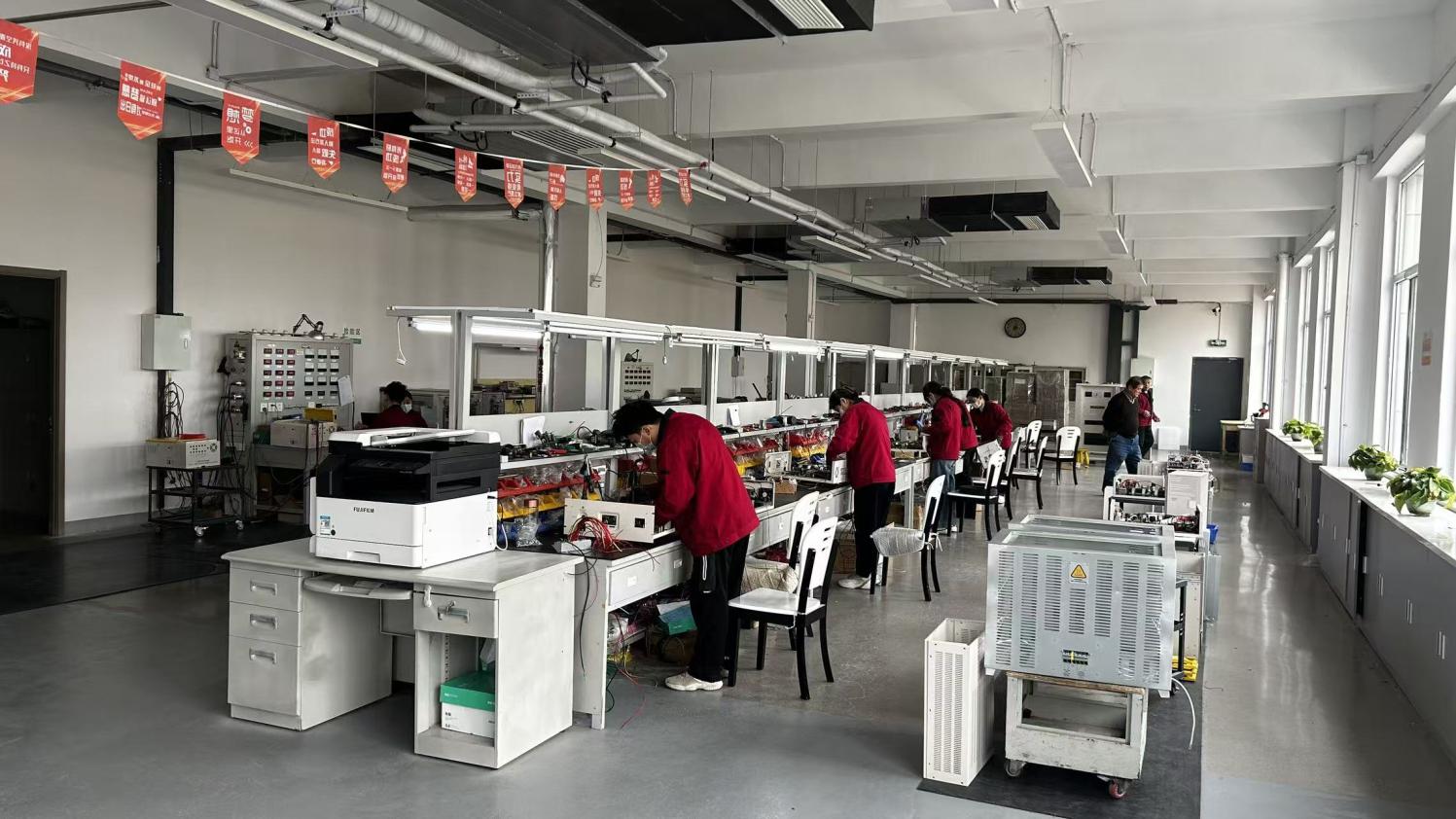
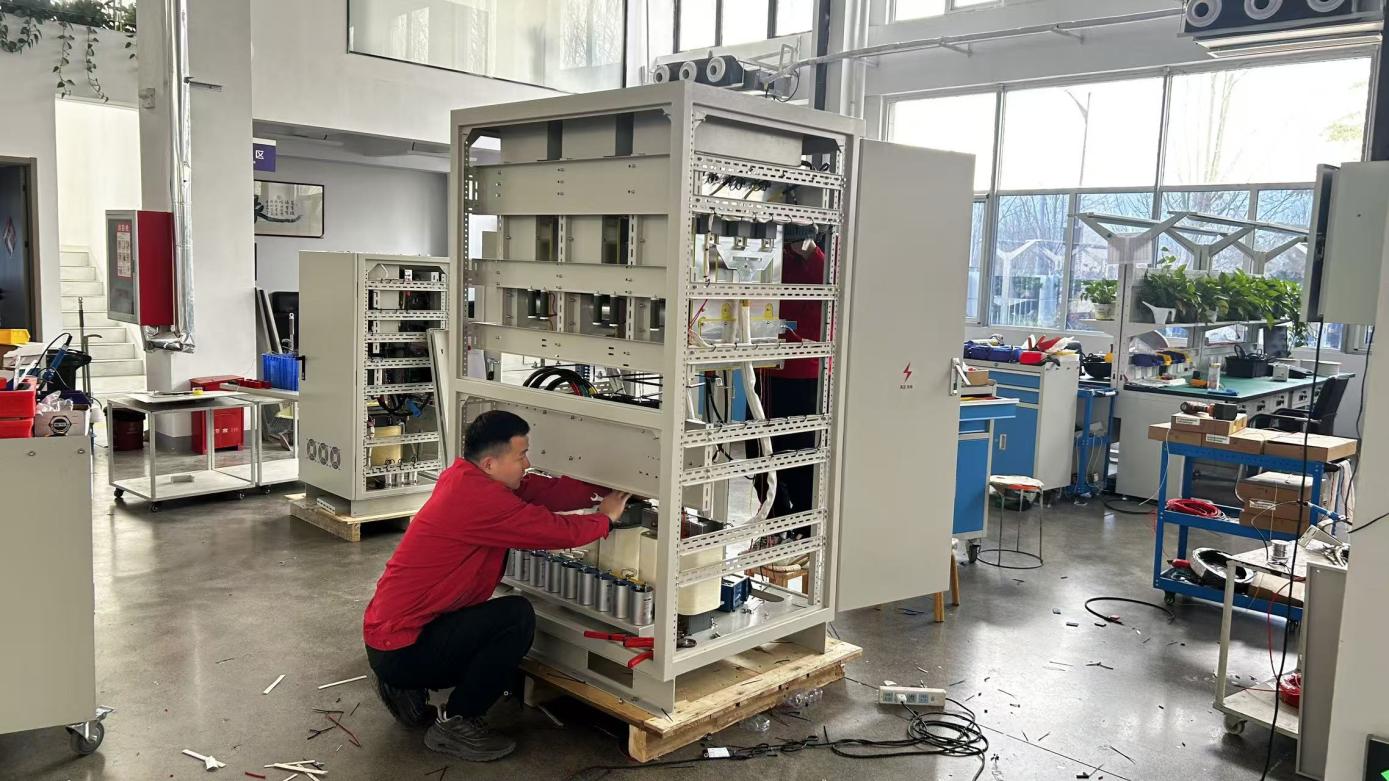
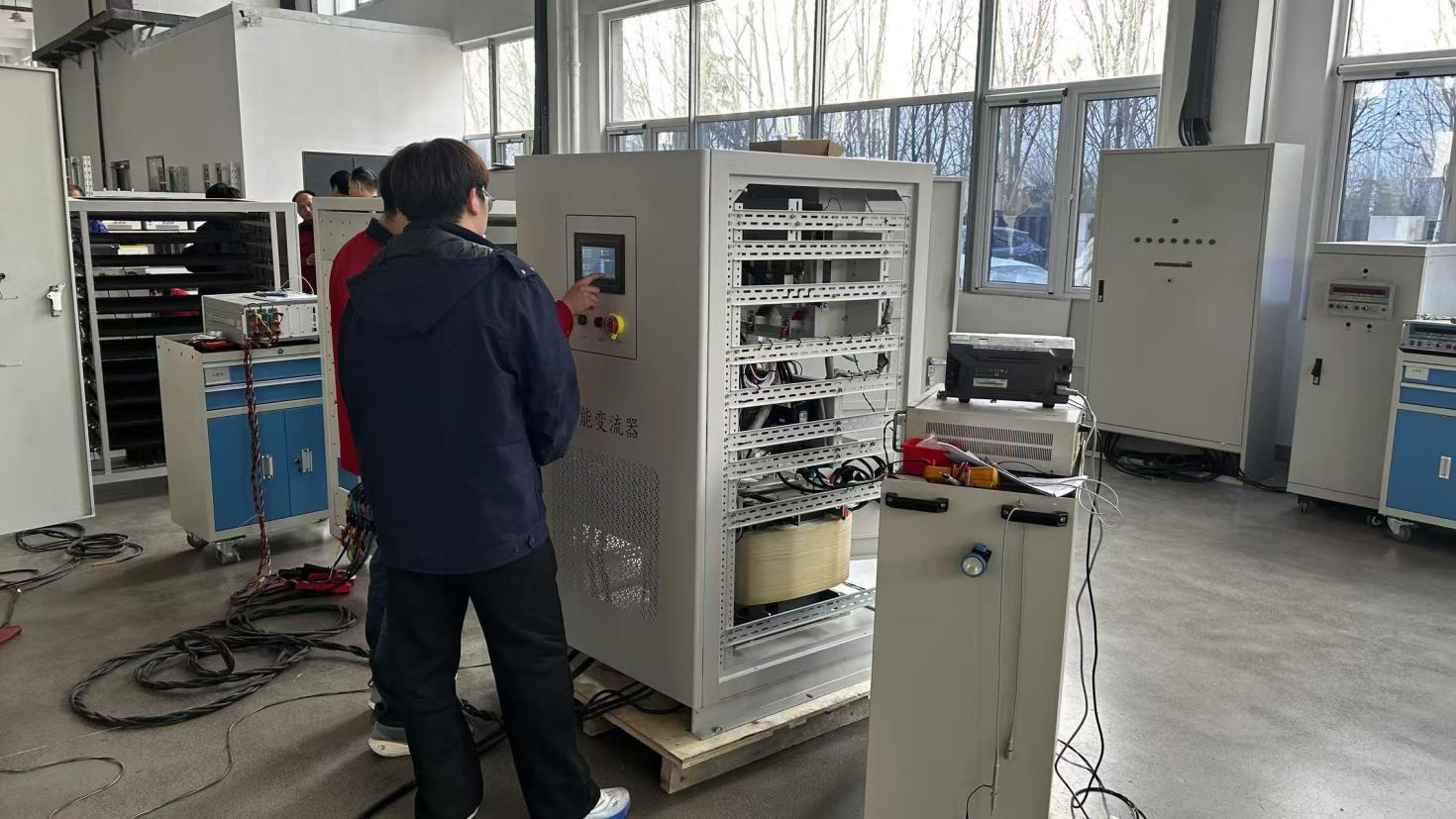
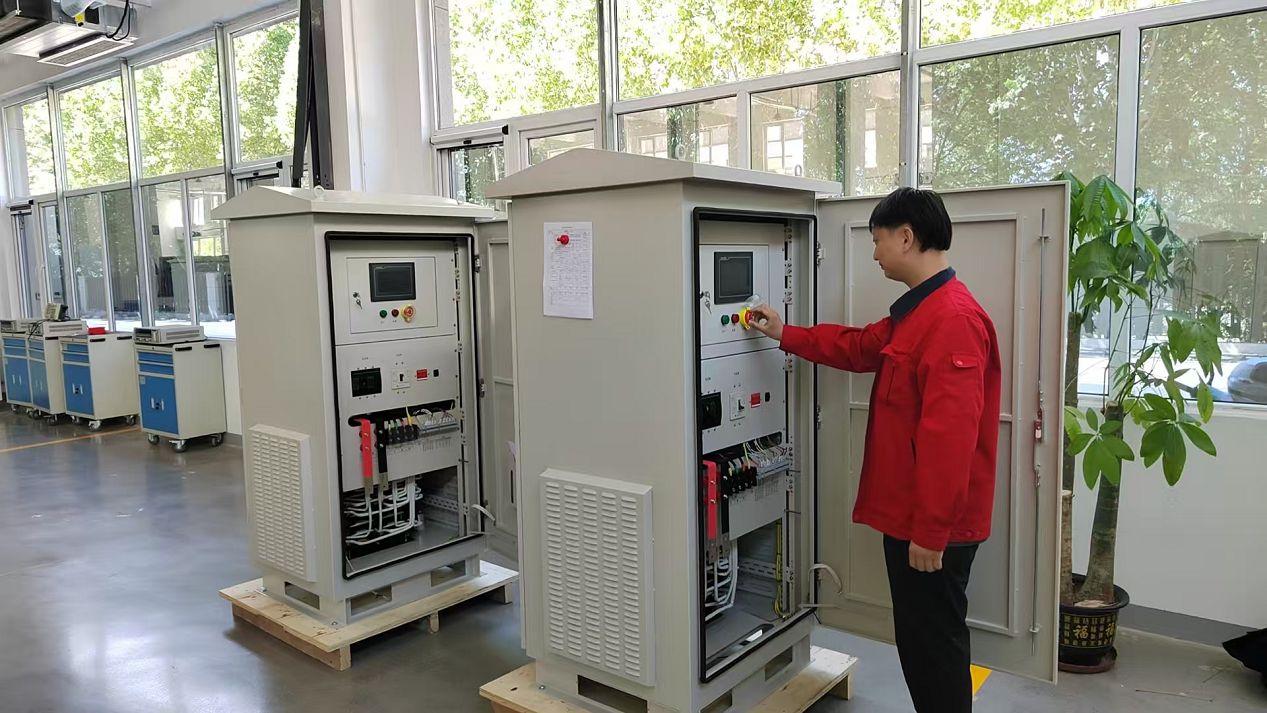
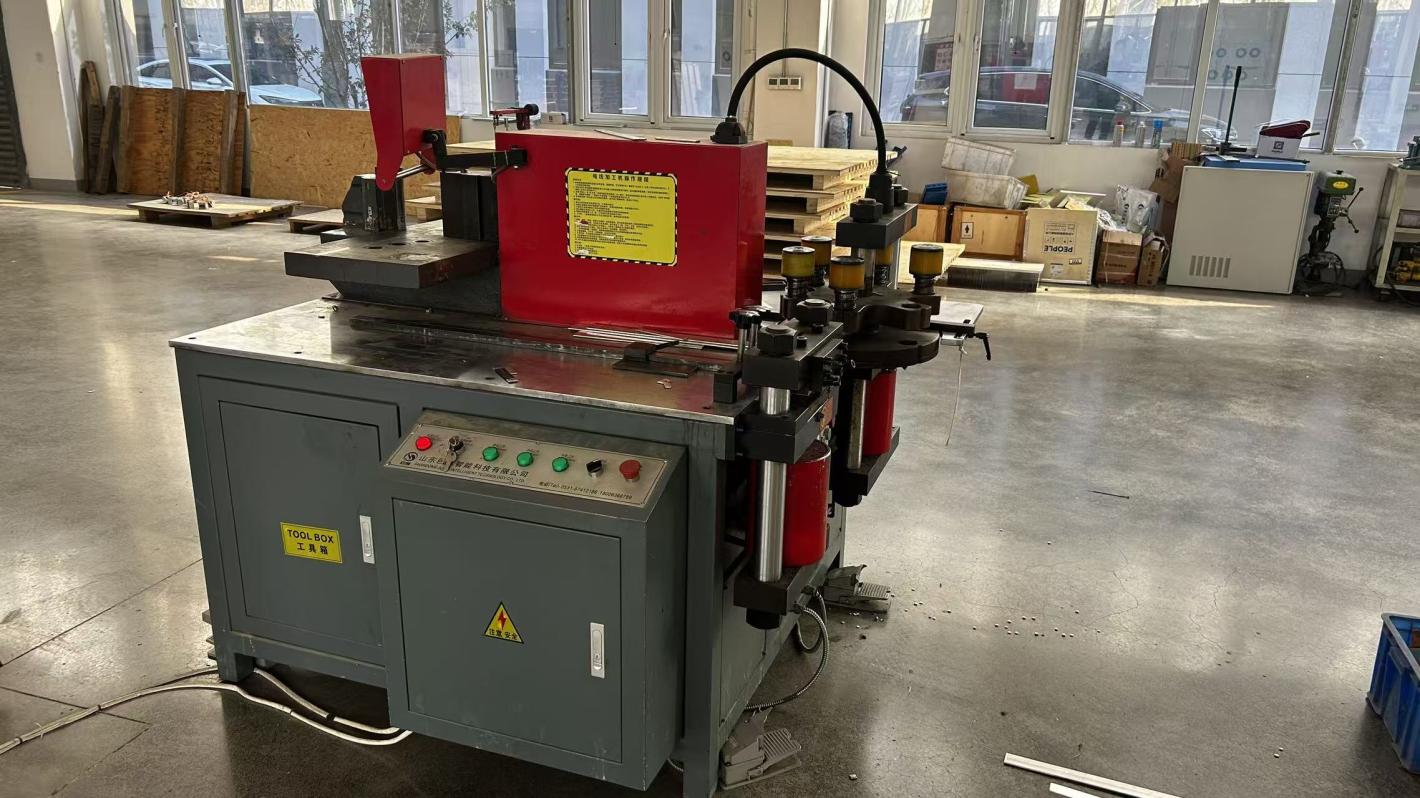
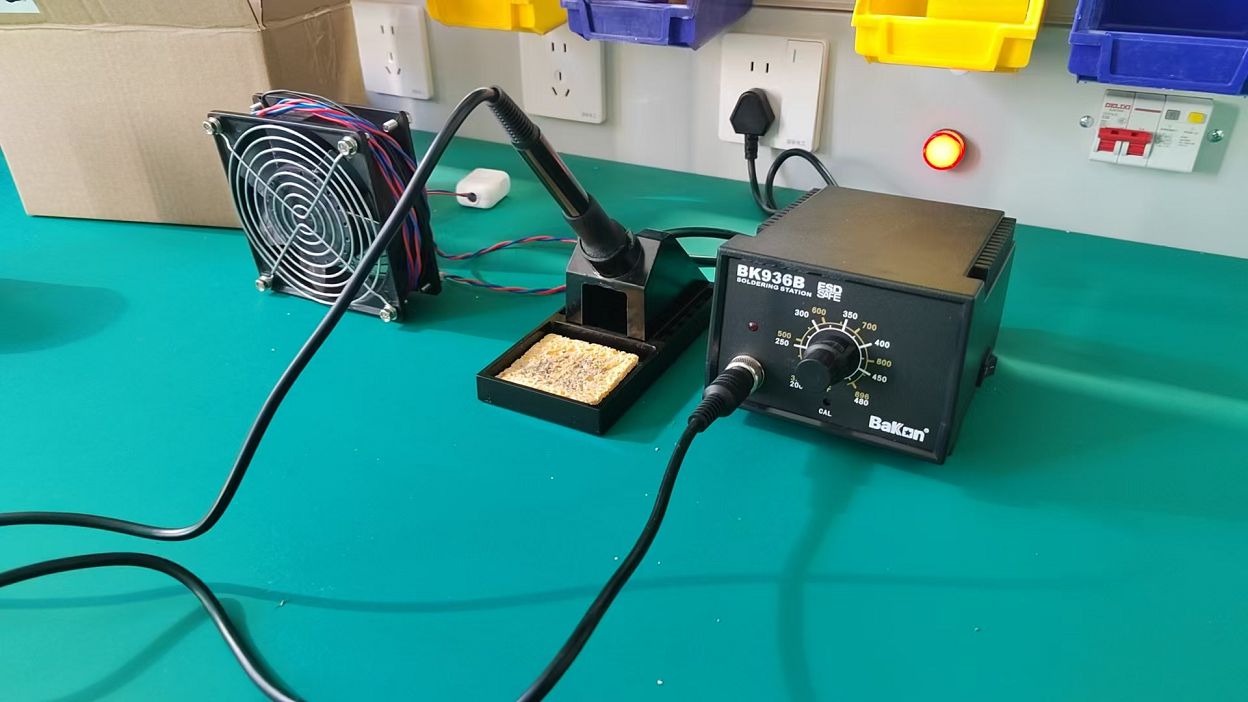
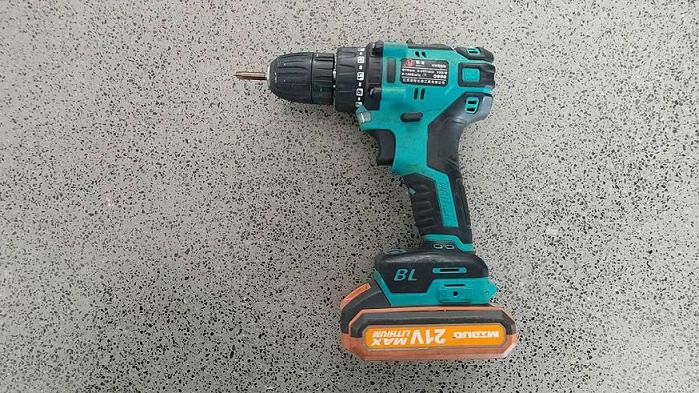
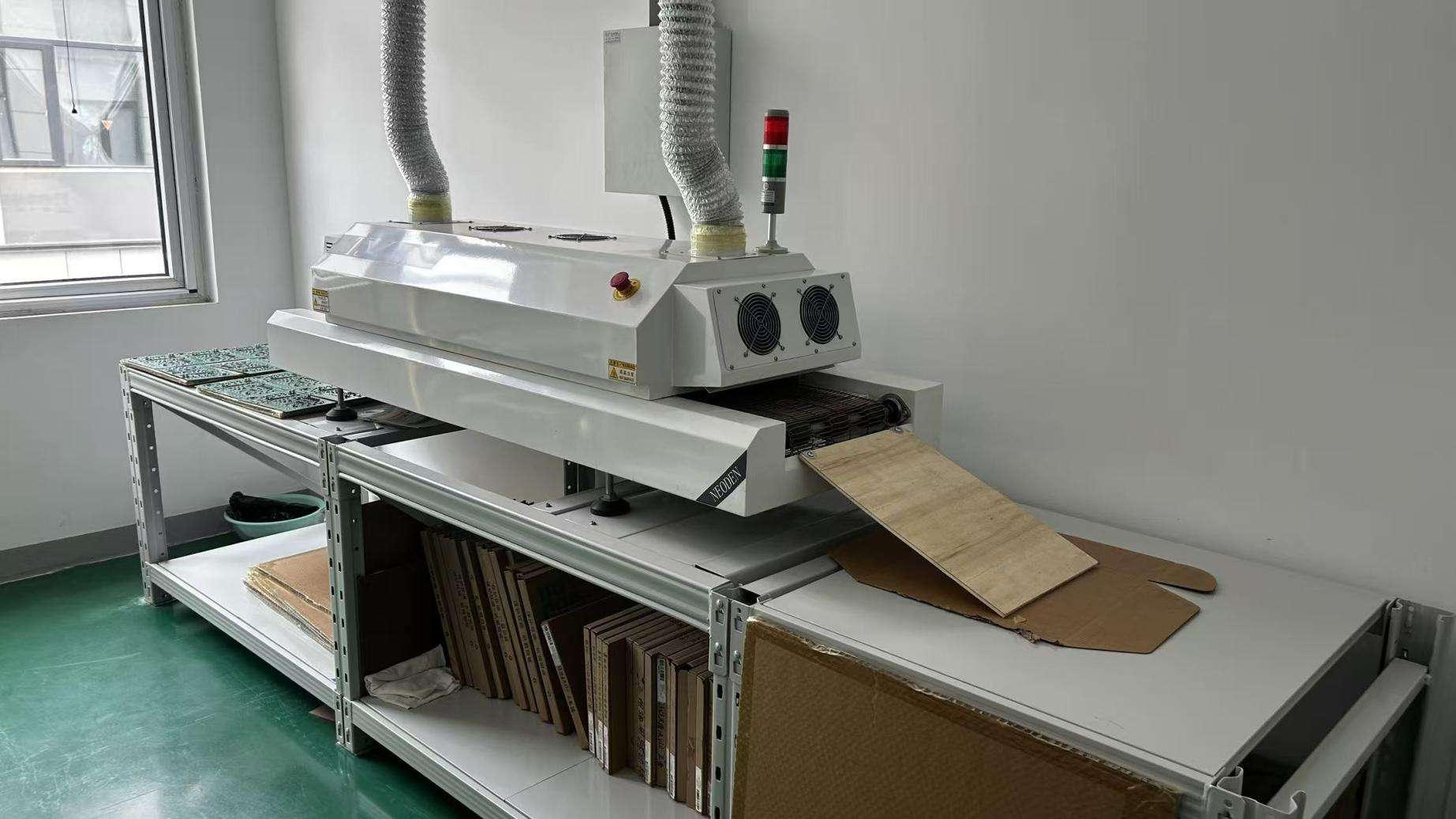
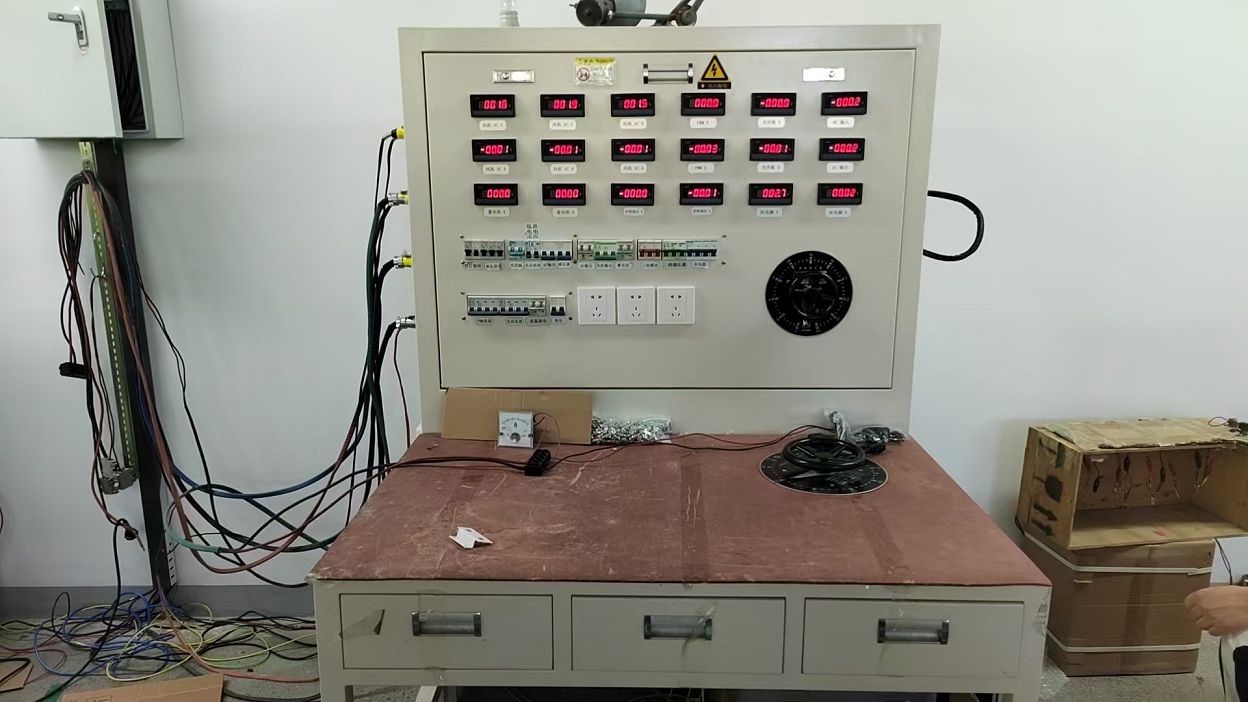
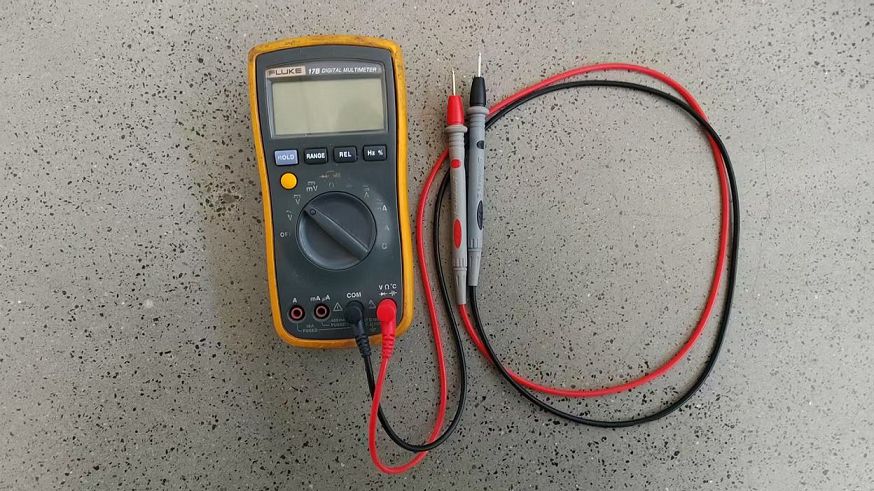
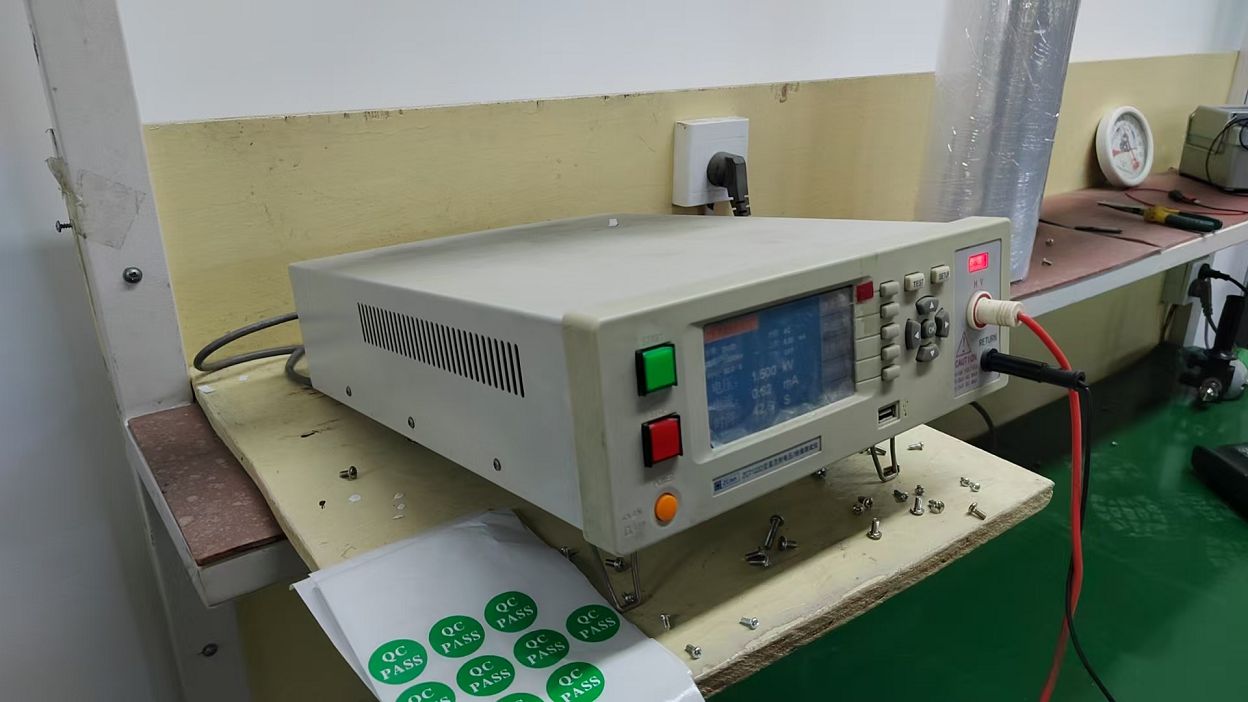
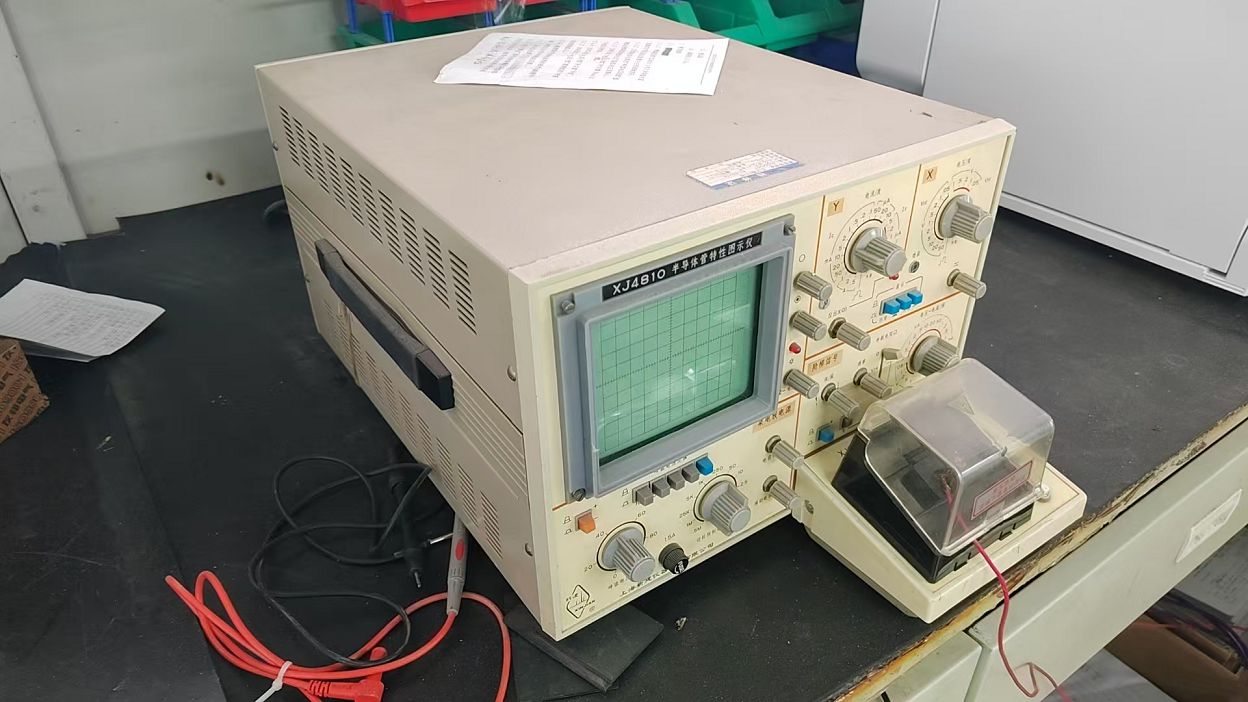
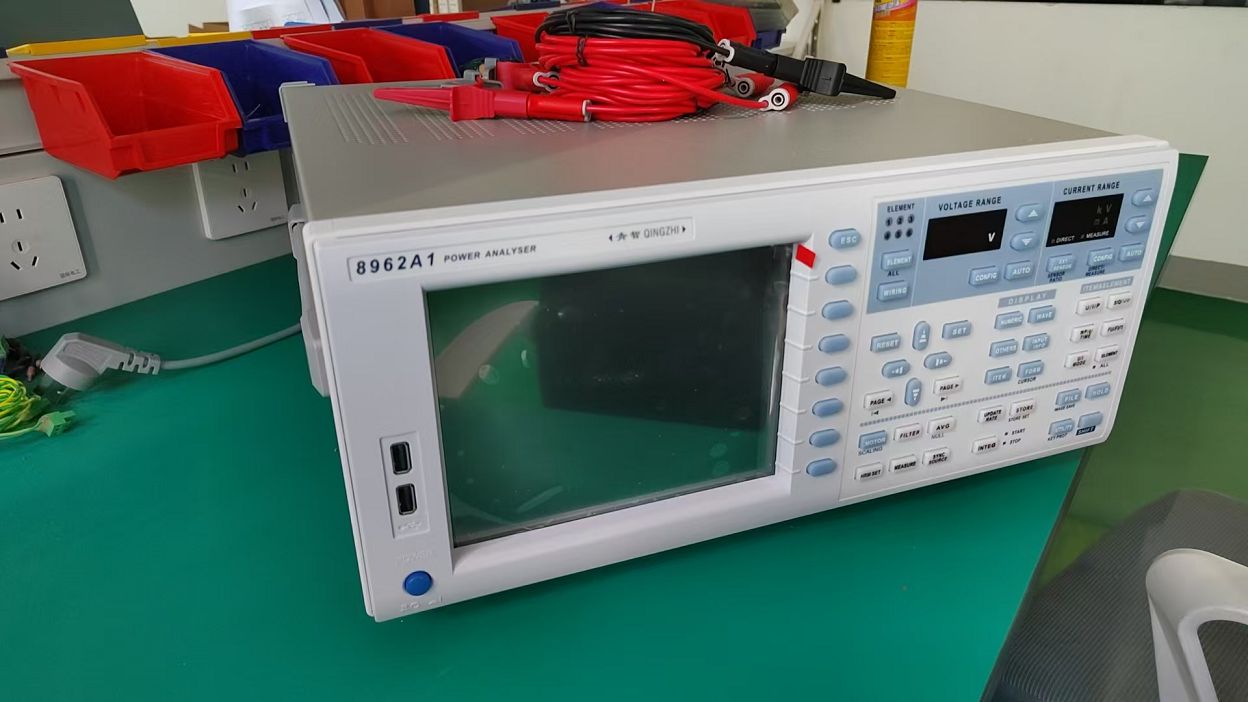
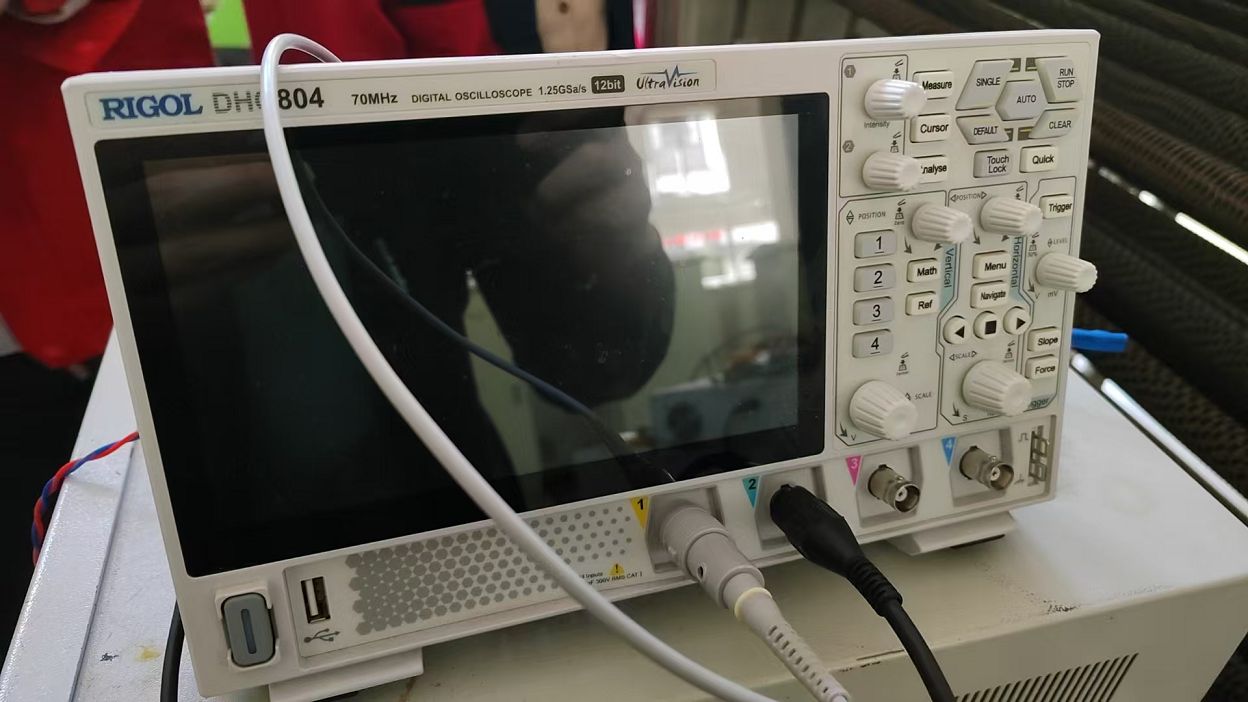
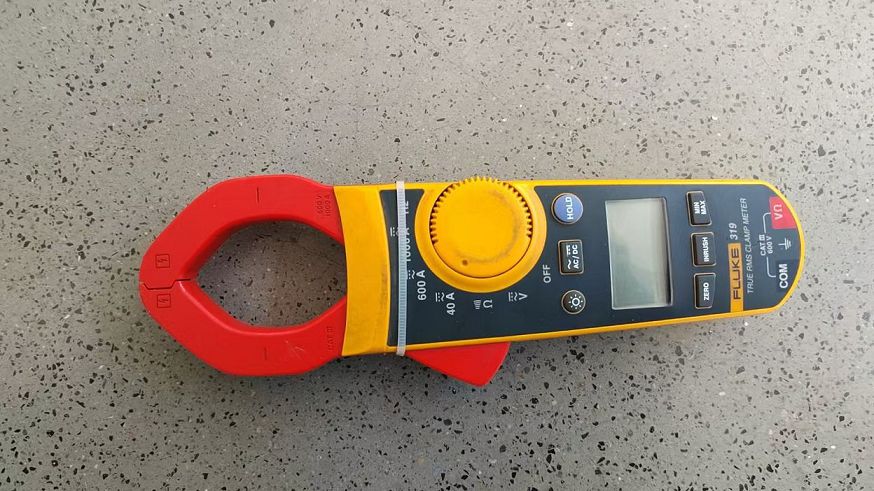
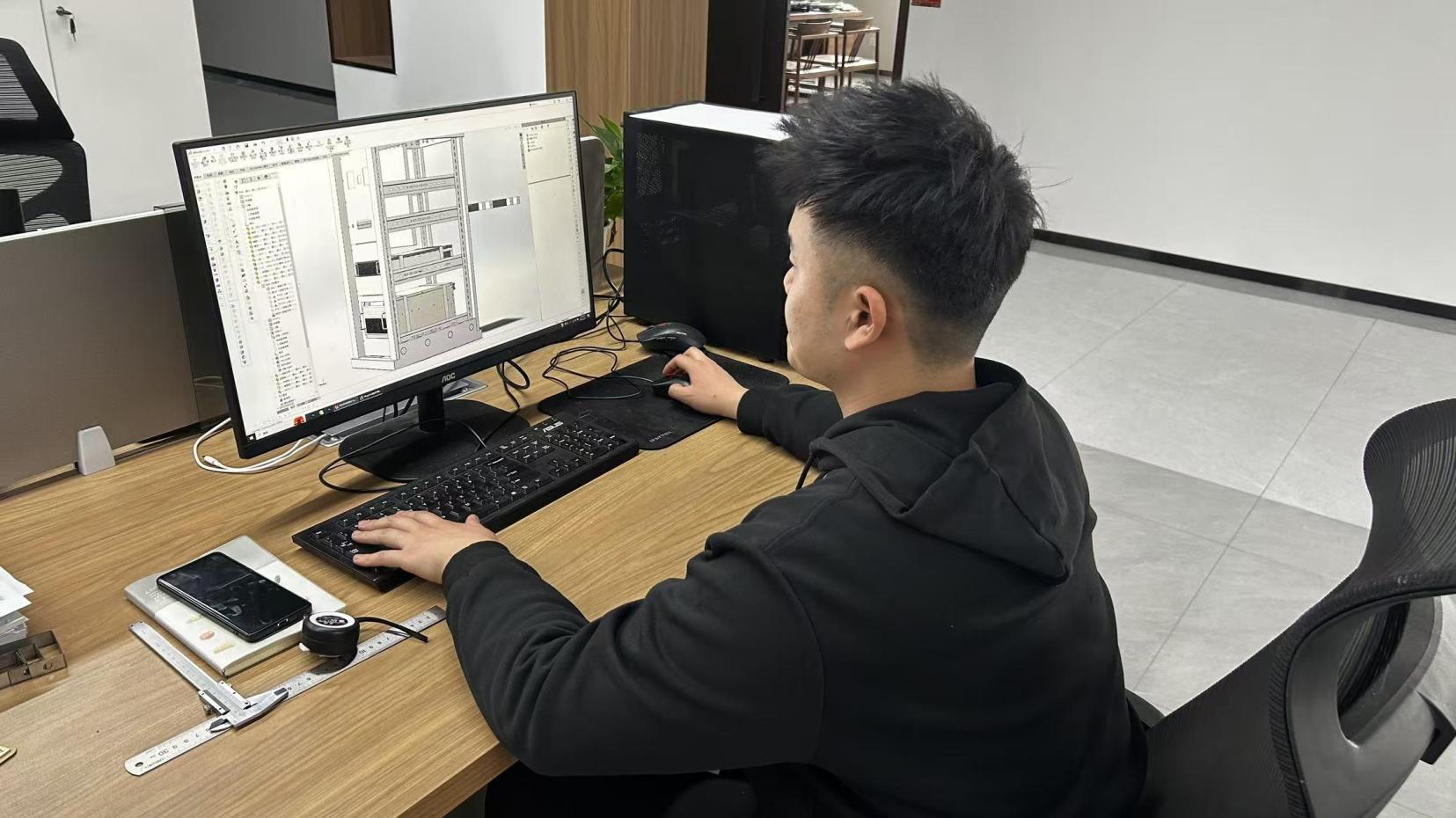
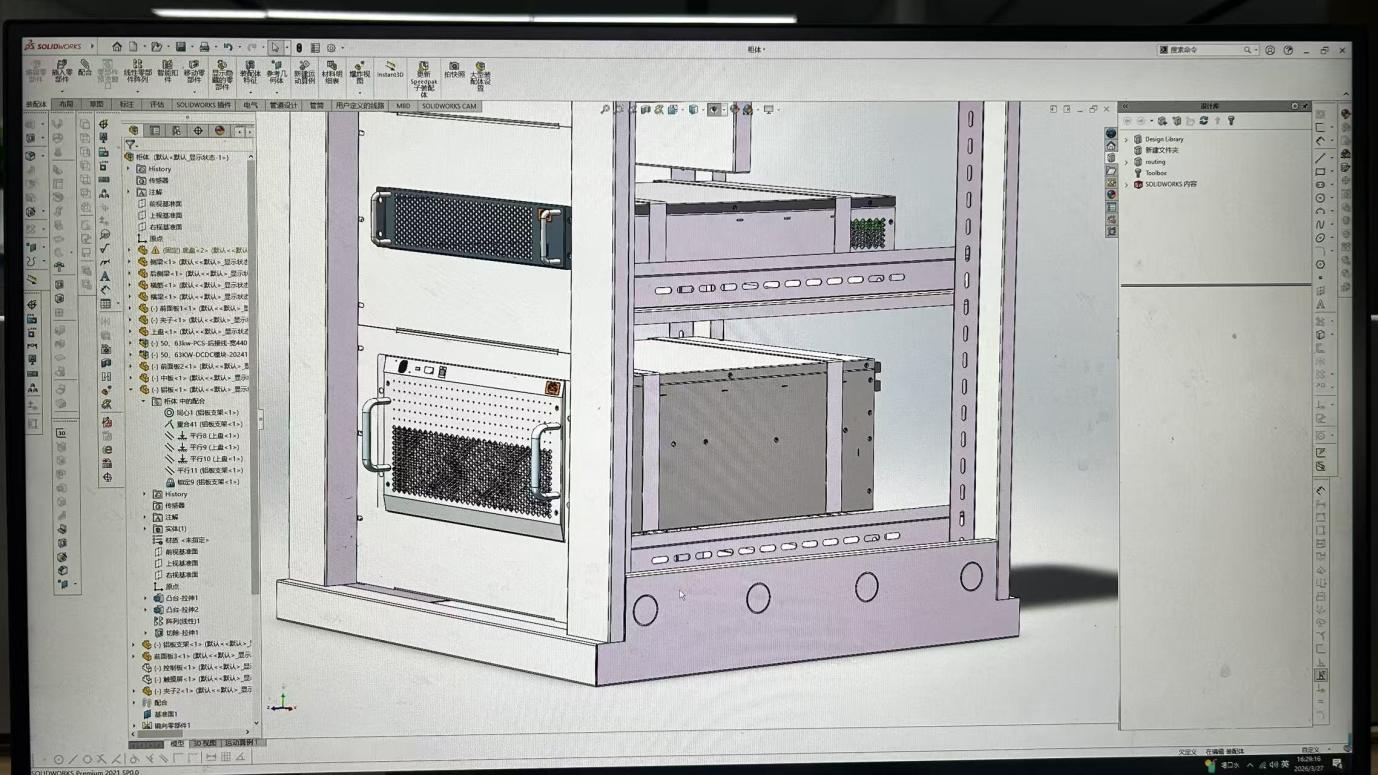
Our plant operates in strict compliance with ISO9001:2015 standards. By keeping key design, PCB engineering, assembly, and thermal evaluation workflows in-house, we secure complete transparency over the entire production cycle. Below are real glimpses from our production, quality assurance, and engineering layout facilities:
Understanding the technical needs of smart grids helps optimize the overall infrastructure layout. At Jinan Deming, our design strategies focus on three primary application domains:
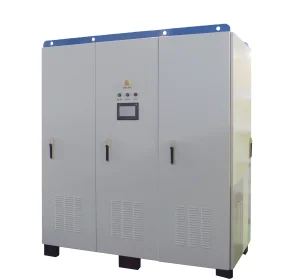
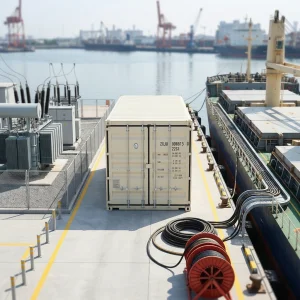
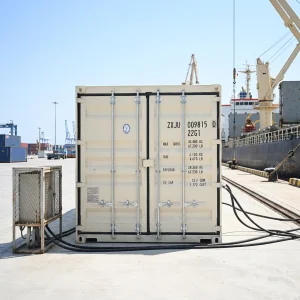
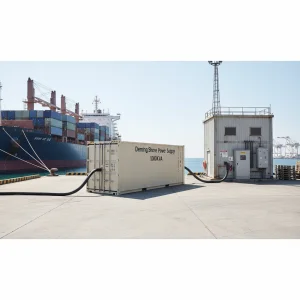
Port terminals globally face strict environmental and acoustic mandates. Ships dock and keep engines running to maintain onboard systems unless clean power connects from the pier. However, grid frequencies vary (50Hz vs 60Hz). Our Shore Power Systems (500kW to 5000kW) act as static frequency changers, converting high-voltage municipal power into localized clean vessel configurations. Using IGBT modules and robust isolation transformers, these stations resist the corrosive effects of marine salt fog and high humidity.
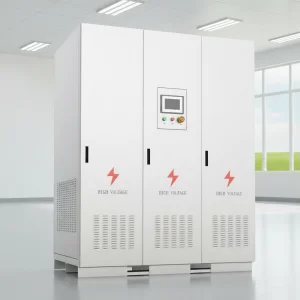
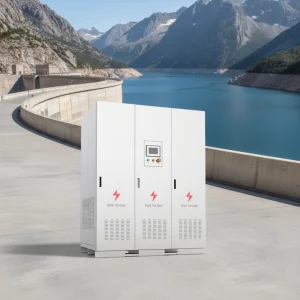
Advanced grid topologies require energy storage systems (ESS) that function bidirectionally. High-power bidirectional DC simulators and active converters (150kW to 500kW) allow manufacturers to evaluate battery parameters under real grid loads. When testing local storage, energy is not wasted as heat; it feeds directly back into the AC distribution grid with 99% conversion efficiency, dramatically decreasing factory overhead.
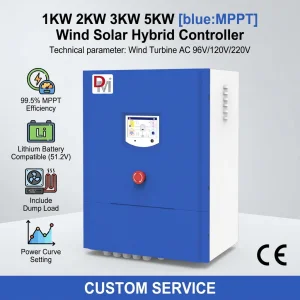
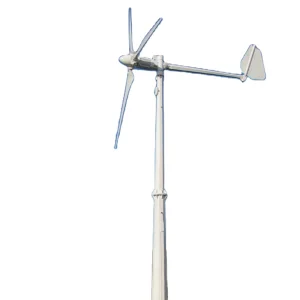
Wind turbine dynamics are highly volatile. Unlike solar PV arrays, wind generators possess significant mechanical inertia. Our wind-solar hybrid controllers and MPPT wind regulators utilize dynamic PWM load banks. If a sudden wind gust spikes DC voltages, the controller shifts excess power into dump loads within milliseconds, protecting downline grid-tie inverters from overvoltage conditions.
To help EPC developers and system integrators plan their equipment cycles, we focus on several key initiatives for our upcoming component configurations:
By upgrading high-power converters to SiC MOSFETs, we target converter efficiency profiles above 99.4%, while reducing magnetic weight by 35%.
Transitioning from traditional grid-following firmware to grid-forming algorithms. This enables our commercial inverters to establish local voltage references during blackout situations.
Direct cellular and Ethernet gateways using TLS 1.3 encryption allow operators to monitor thermal performance, alarms, and operating curves remotely.
Exporting equipment to more than 120 countries requires compliance with diverse grid codes. Our engineering team addresses regional safety and technical regulations to ensure smooth approvals for local project developments:
Find answers to common questions about selecting, customizing, and importing high-power power equipment:
 Demin Power