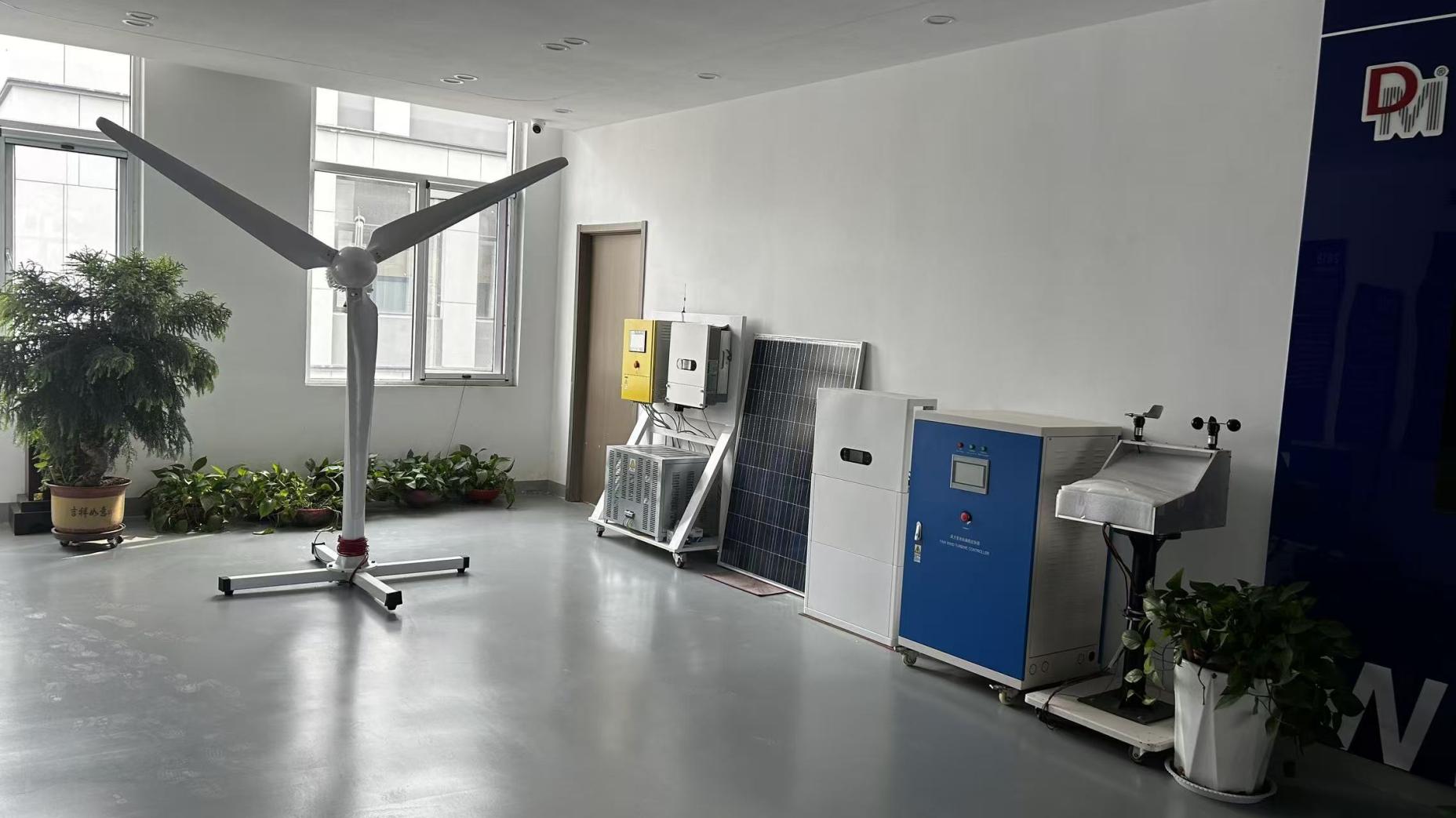
Advanced hybrid power converters, multi-source controllers, and frequency regulation solutions for commercial microgrids and utility-scale energy projects.
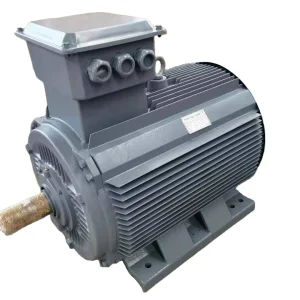
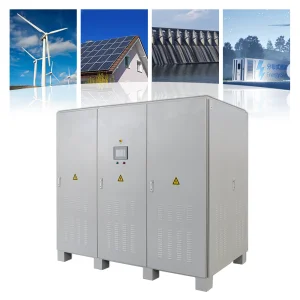
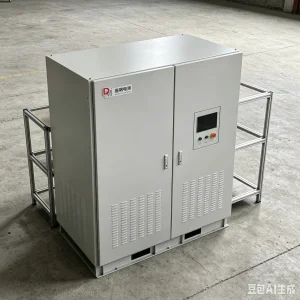
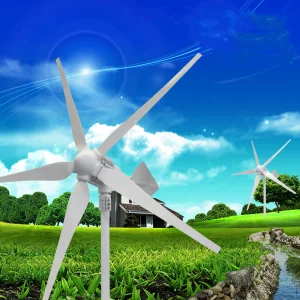
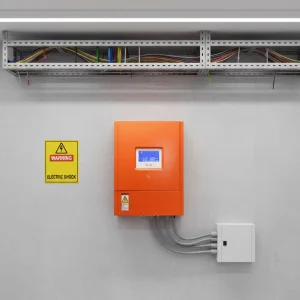
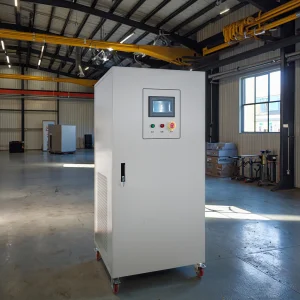
Jinan Deming Power Equipment Co., Ltd. is a nationally recognized high-tech enterprise established in 2004, specializing in the research, development, production, and service of renewable energy power equipment and advanced power testing solutions. The company holds ISO9001:2015 certification and has been recognized as a high-tech enterprise by the Chinese government multiple times (2015, 2018).
With a dedicated R&D team of 16 engineers including doctoral supervisors and master's degree holders, Deming invests no less than 20% of annual sales revenue into technology development. The company has completed 17 R&D projects in the last three years with 16 scientific and technological achievements transformed into commercial products. Deming's products have been exported to 120+ countries including Germany, Japan, the United States, UK, Canada, Australia, and Brazil, and the company has established cooperative relationships with Fortune 500 enterprises. The company's main products include wind/solar controllers, inverters, frequency converters, and high-power bidirectional DC test power supplies and battery simulators ranging from 150kW to 500kW.
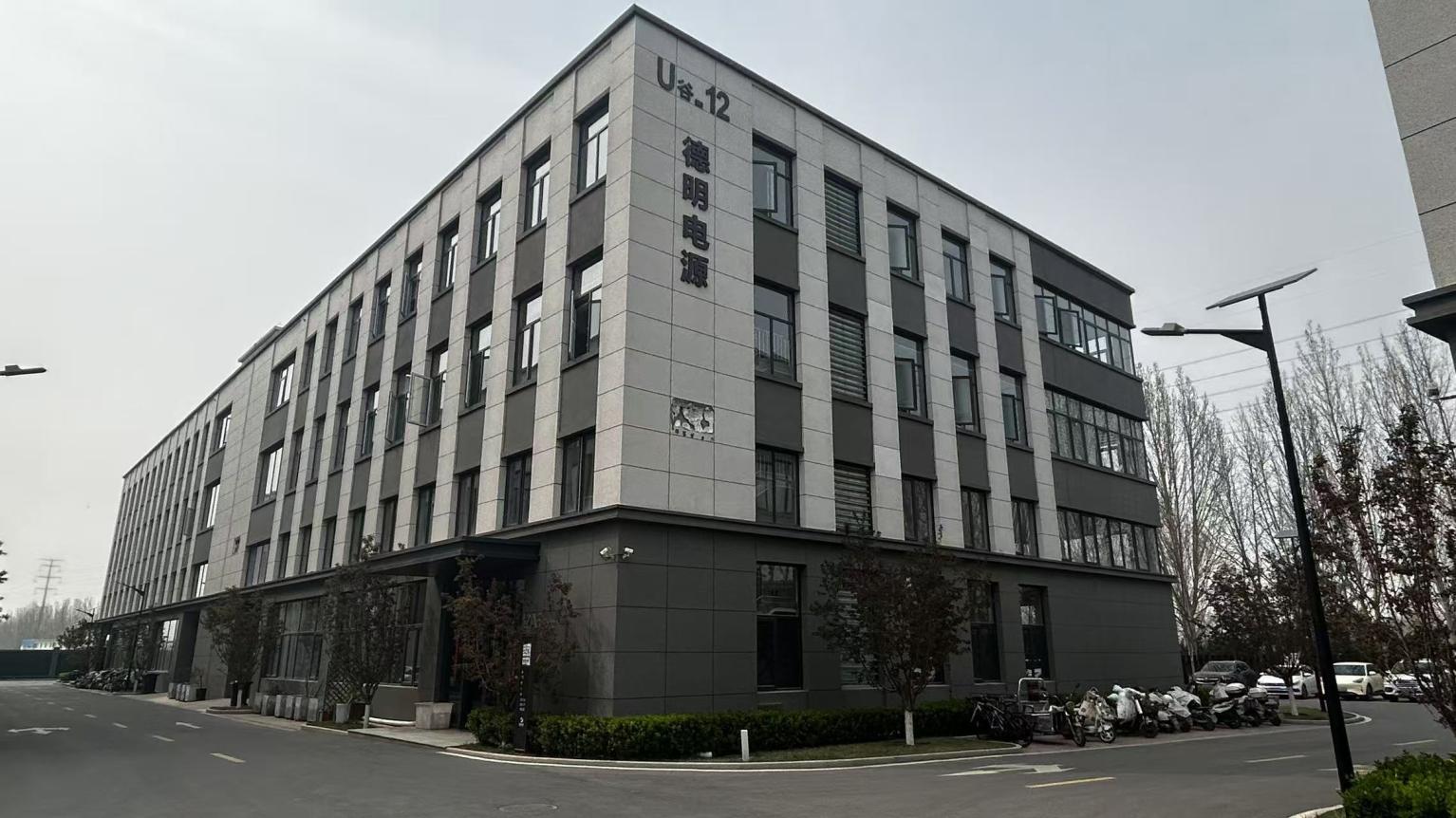
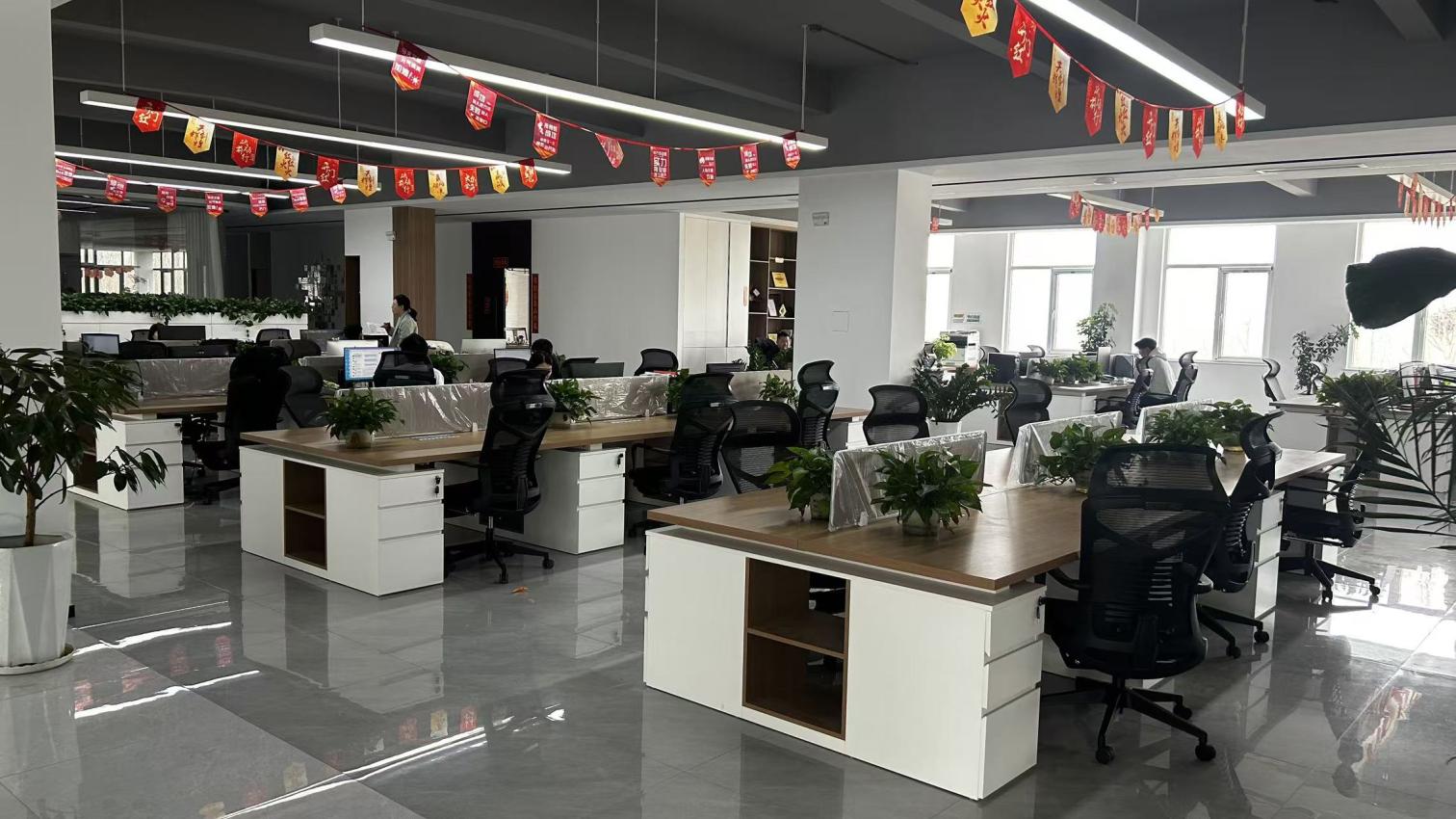
Driving the evolution of energy storage & hybrid conversion through power density breakthroughs and digital grid integration.
By shifting to Wide Bandgap (WBG) semiconductors like Silicon Carbide (SiC) and Gallium Nitride (GaN), we are increasing switching frequencies up to 50kHz. This drastically reduces the size of magnetics, optimizes thermal dissipation profiles, and drives system round-trip efficiency beyond 99%, even in extreme dynamic load scenarios.
Future grids demand inverters to behave like traditional spinning generators. Our research pipeline integrates virtual inertia algorithms and primary frequency response capabilities into our Bidirectional Power Conditioning Systems (PCS). This mitigates frequency deviation in weak grid zones and optimizes localized microgrid resilience.
Integrating solar, wind, hydro, and battery energy storage requires microsecond-level synchronization. Our upcoming Energy Management System (EMS) utilizes deep learning to forecast yield outputs and optimize dispatch strategies, reducing operational costs while preserving long-term battery cycle health.
Engineered configuration profiles for commercial buildings, island microgrids, dynamic industrial test bays, and marine operations.
In regions where central grid access is unreliable or non-existent, hybrid configurations pairing massive PV arrays with wind turbines and storage assets are vital. Our 300kW Bidirectional PCS Inverters paired with isolation transformers act as the system backbone, establishing stable AC voltage grids and managing load dynamics for heavy motor groups and industrial equipment without voltage sags.
Port operations require absolute decoupling from local utility grids to mitigate harmonic distortion and sudden transient surges. Our 600kVA Variable Voltage Frequency 3-Phase Shore Power Supplies are configured with high-efficiency forced convection cooling and industrial transformers to provide clean 660V/400Hz output. This setup complies with strict international maritime regulations while delivering 0.96 operational efficiency.
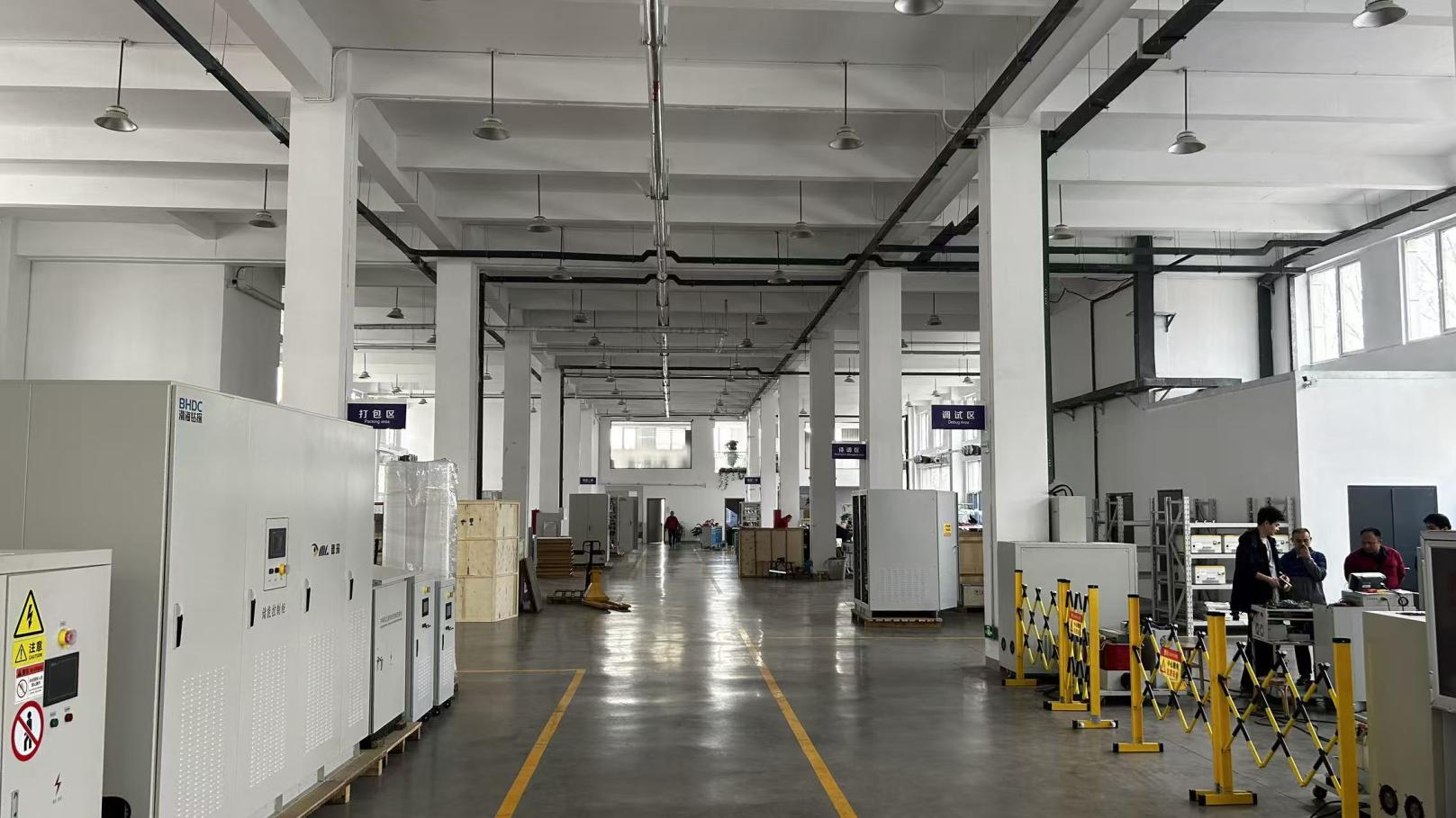
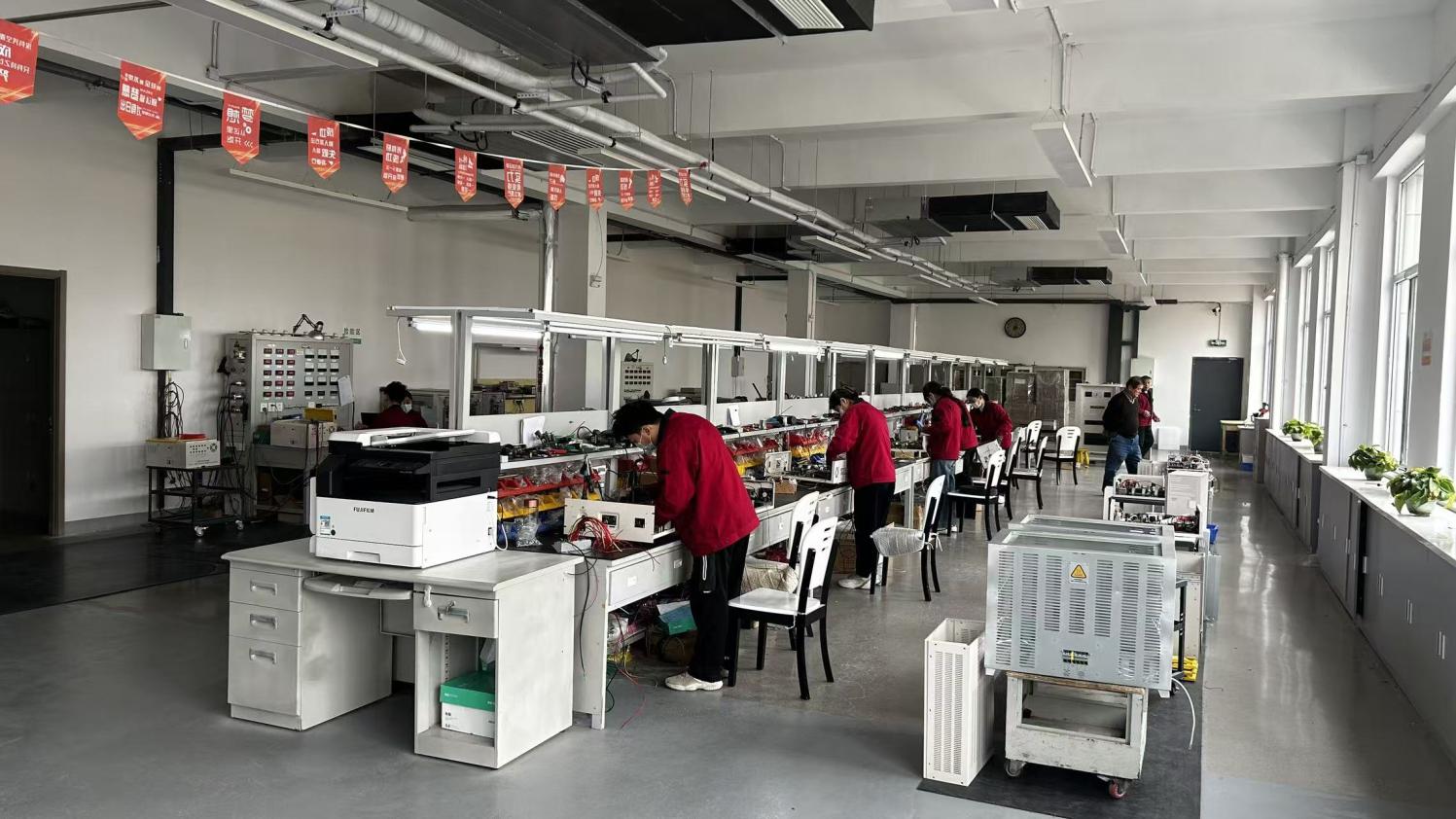
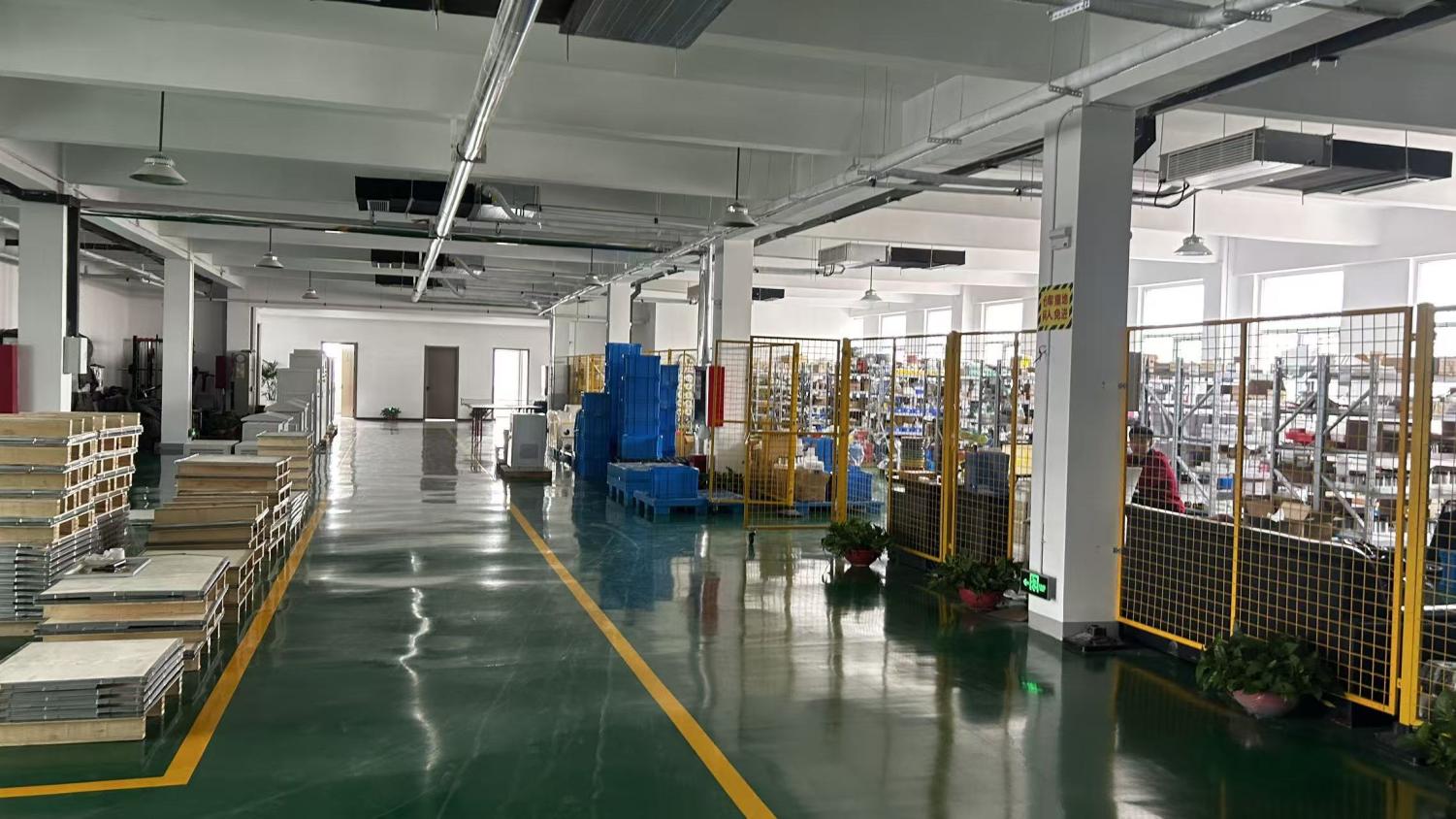
How we ensure unmatched reliability and build quality across our manufacturing footprint in Jinan, China.
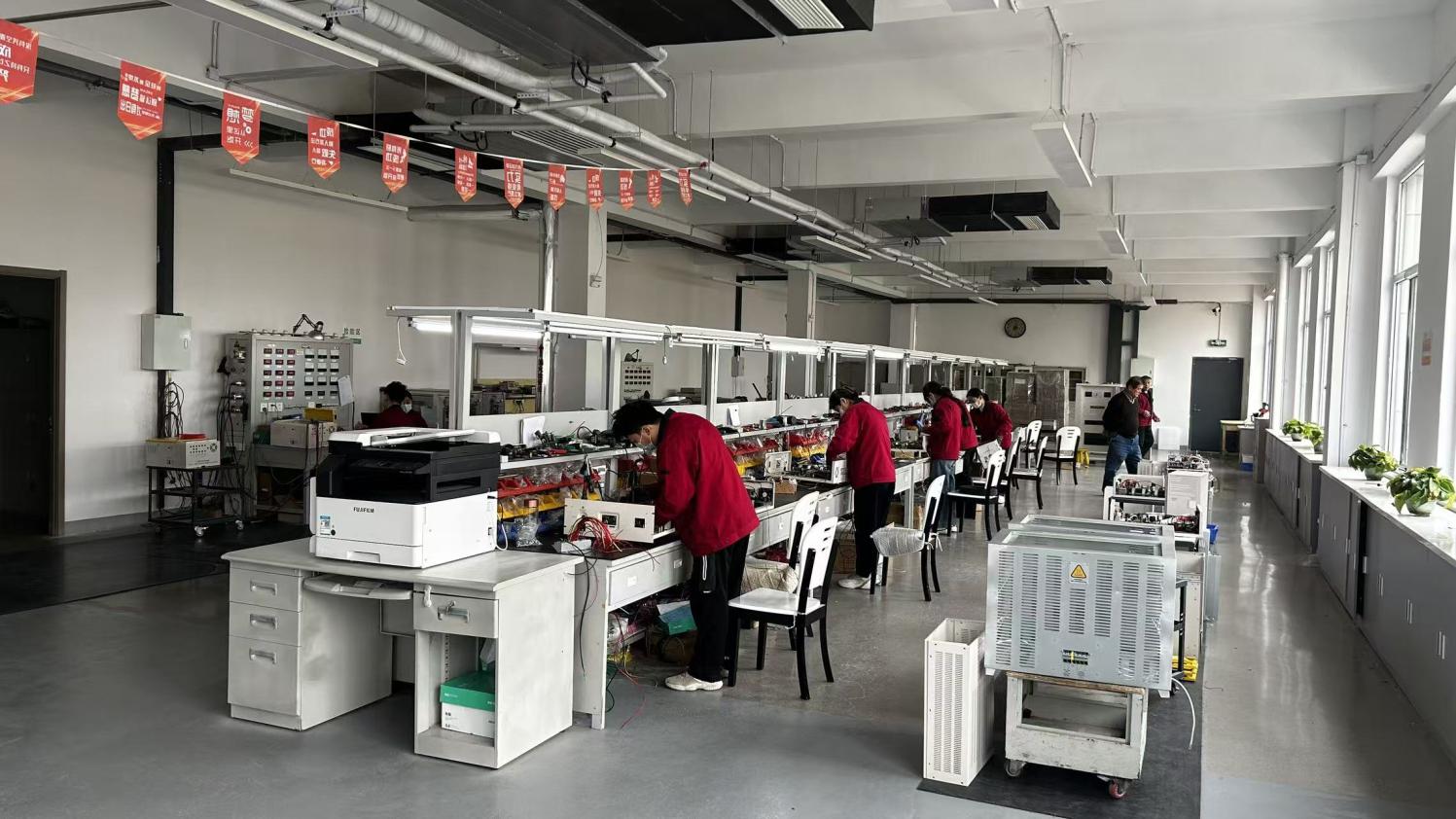 Circuit assembly
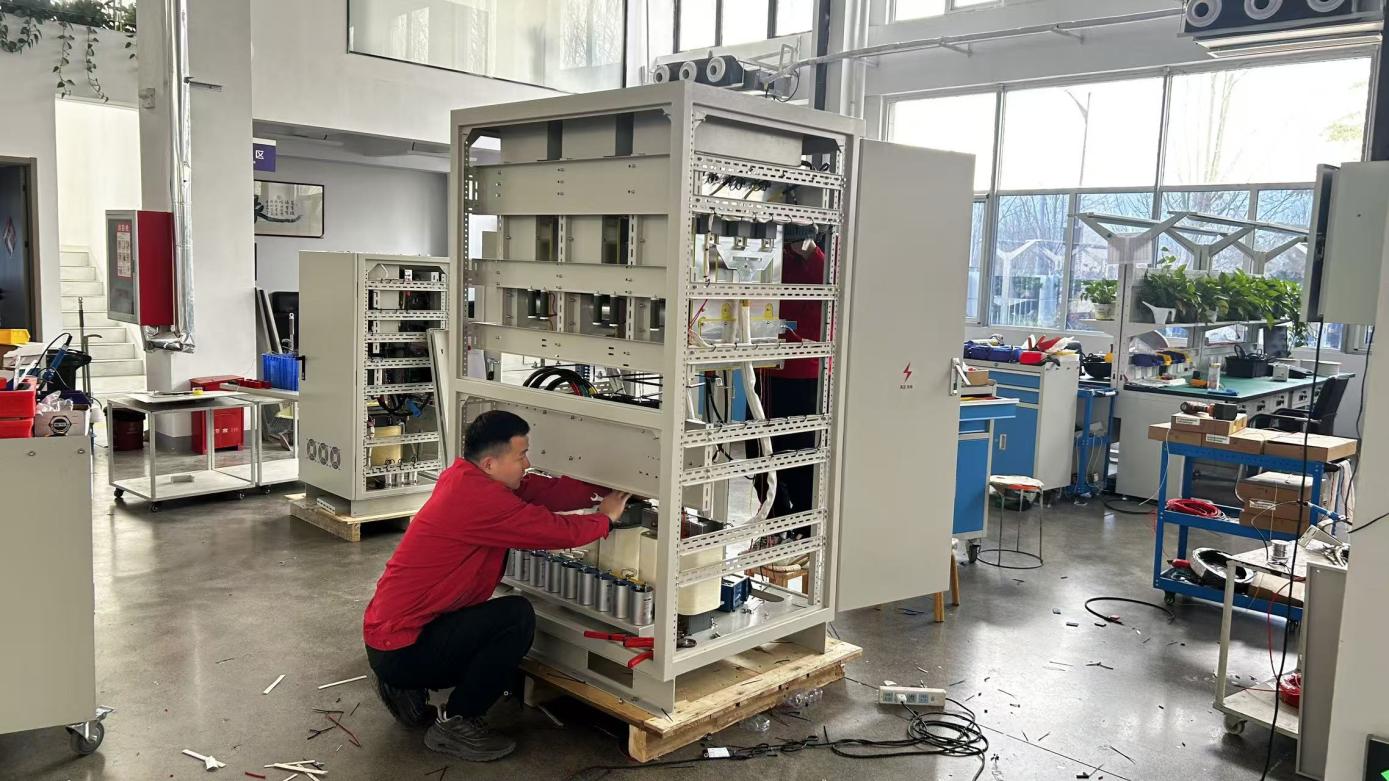 Circuit board assembly
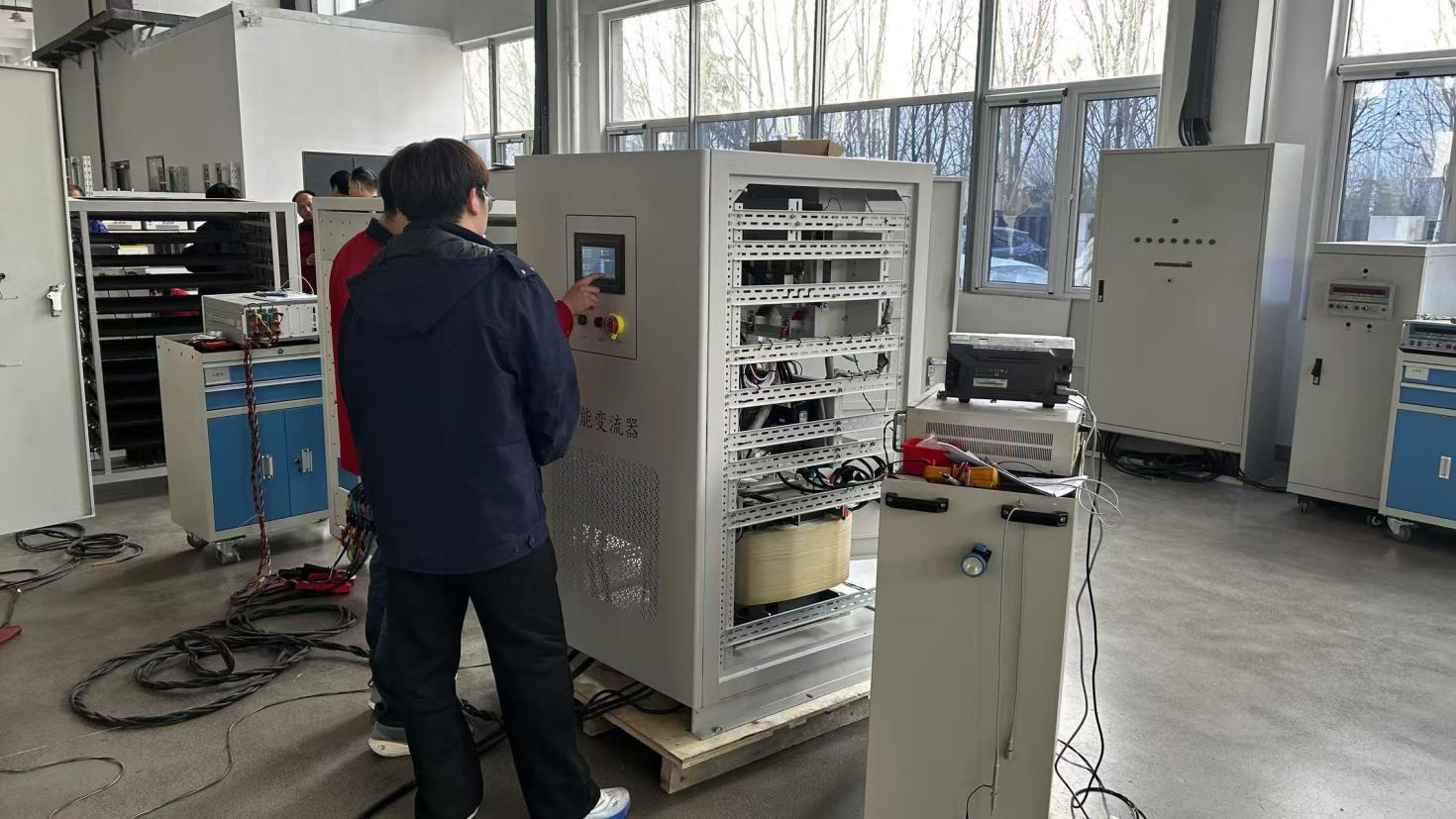 Debugging process
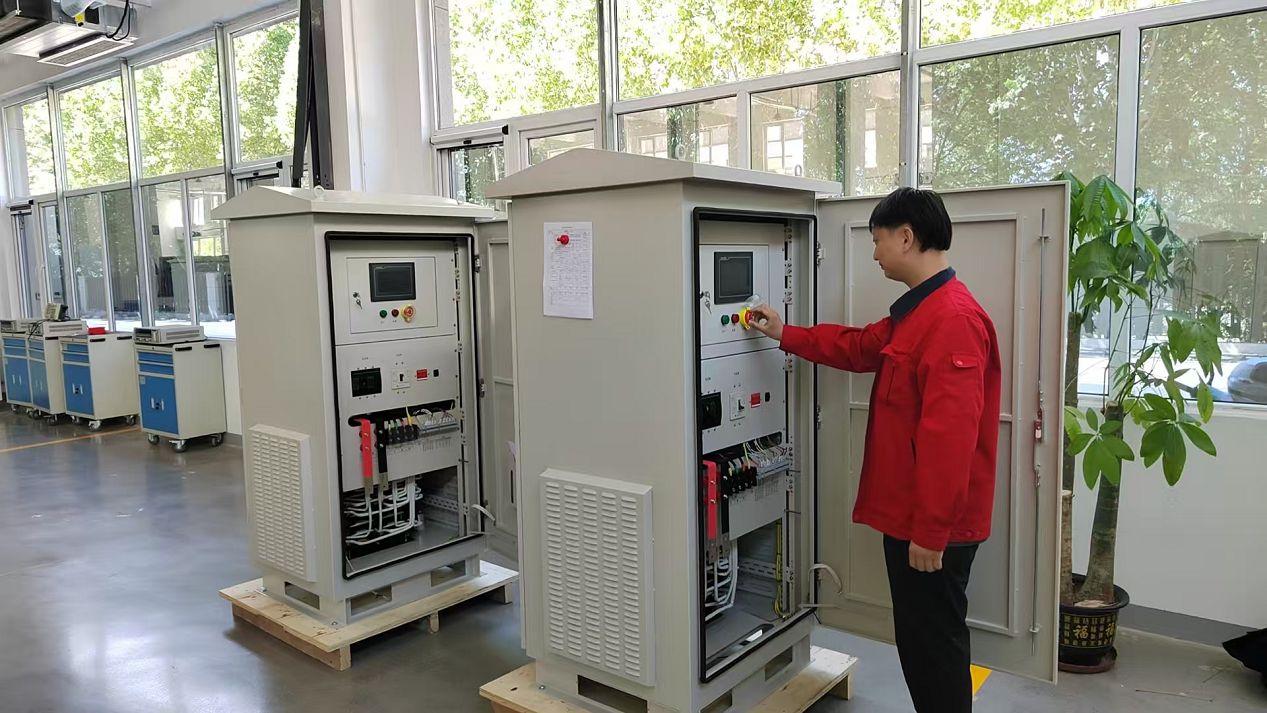 Quality inspection
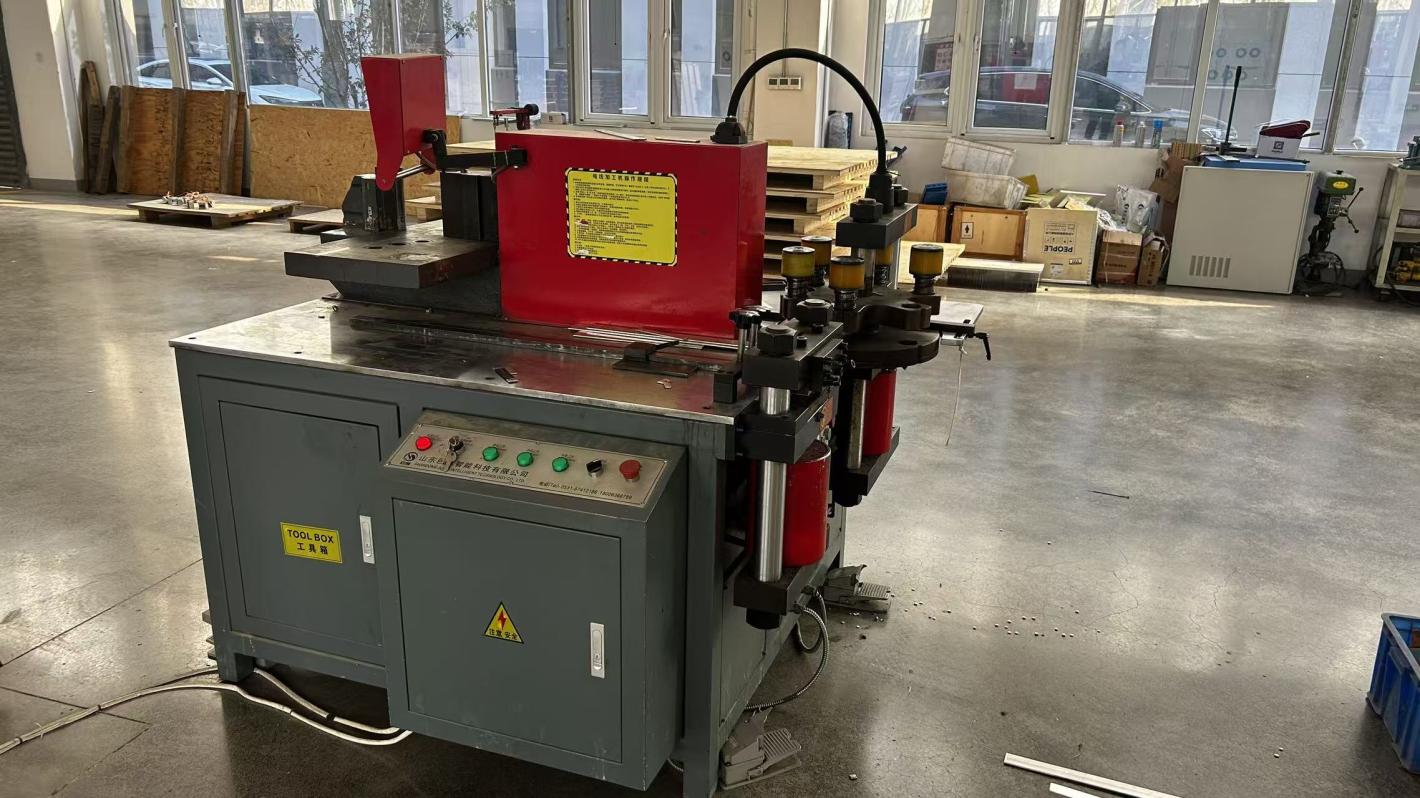 Copper bar production
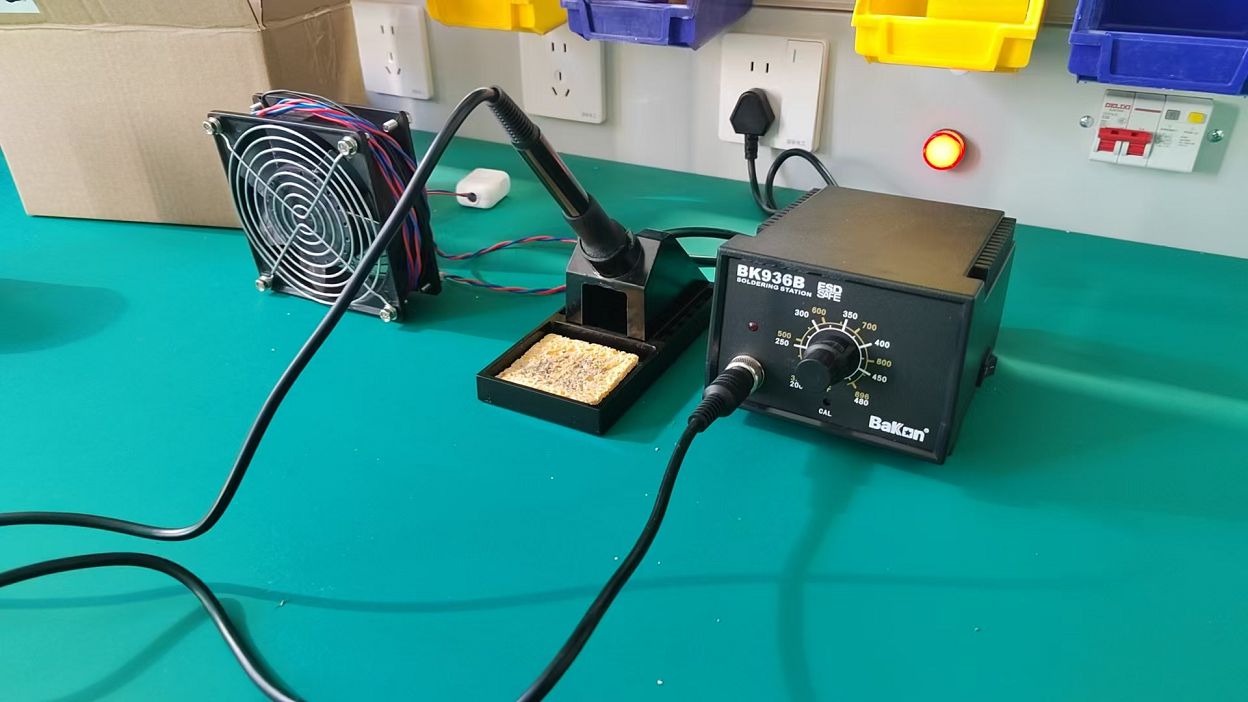 Electric ferrowire production
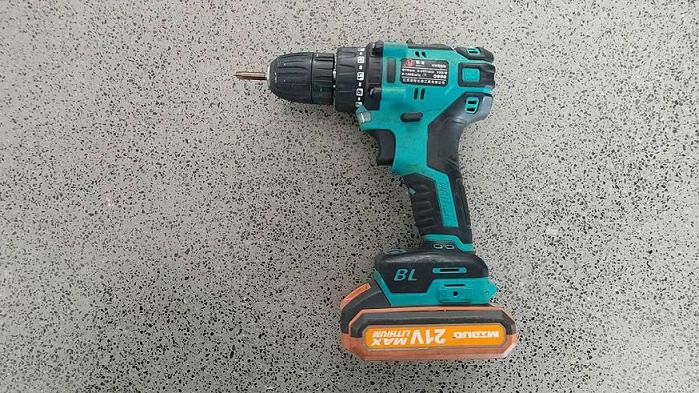 Precision drilling
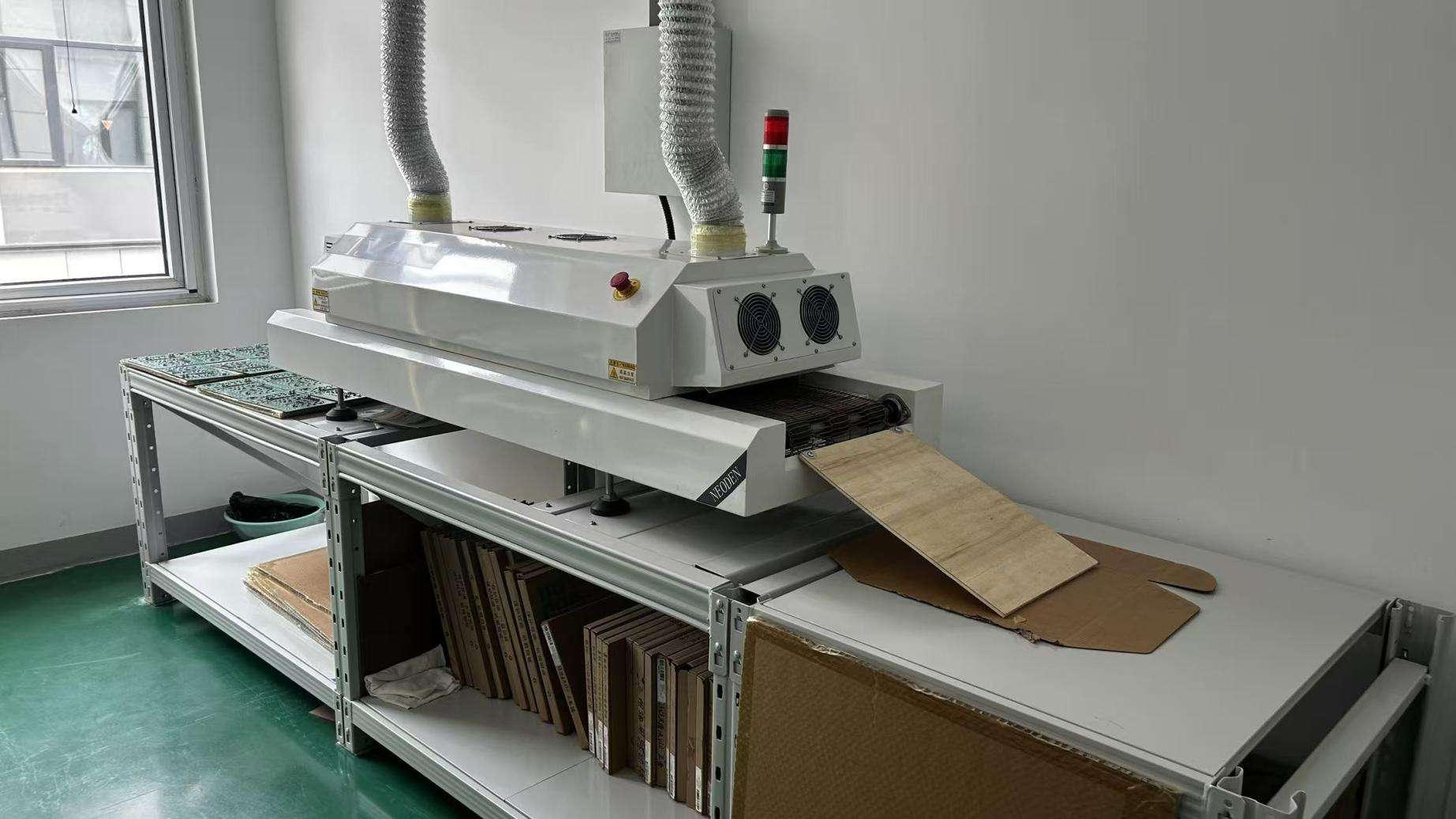 Reflow soldering machine
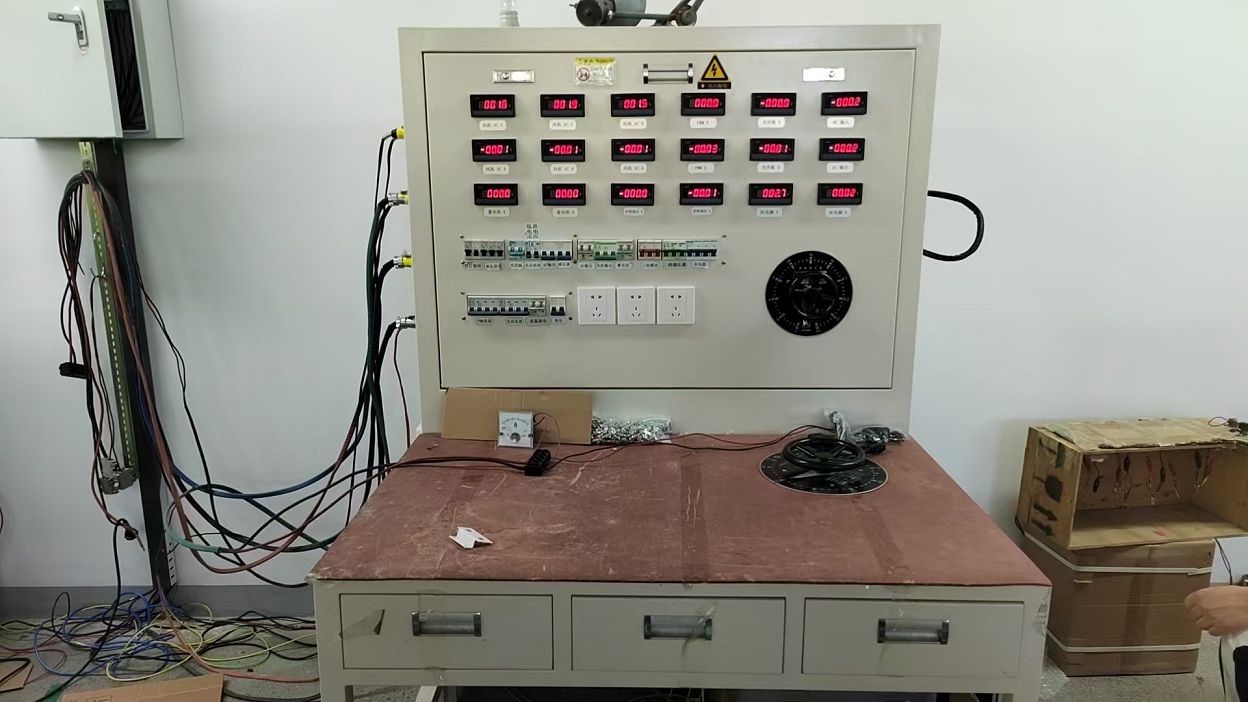 Ergonomic assembly workbench
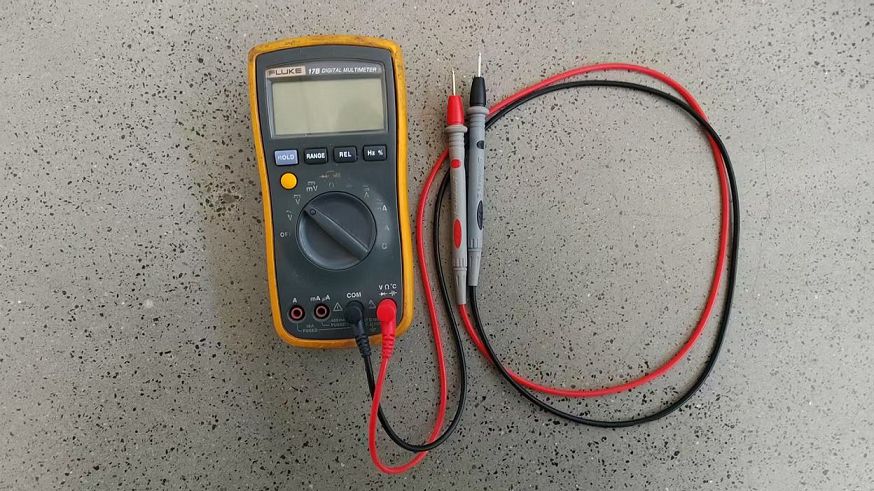 Digital Multimeter testing
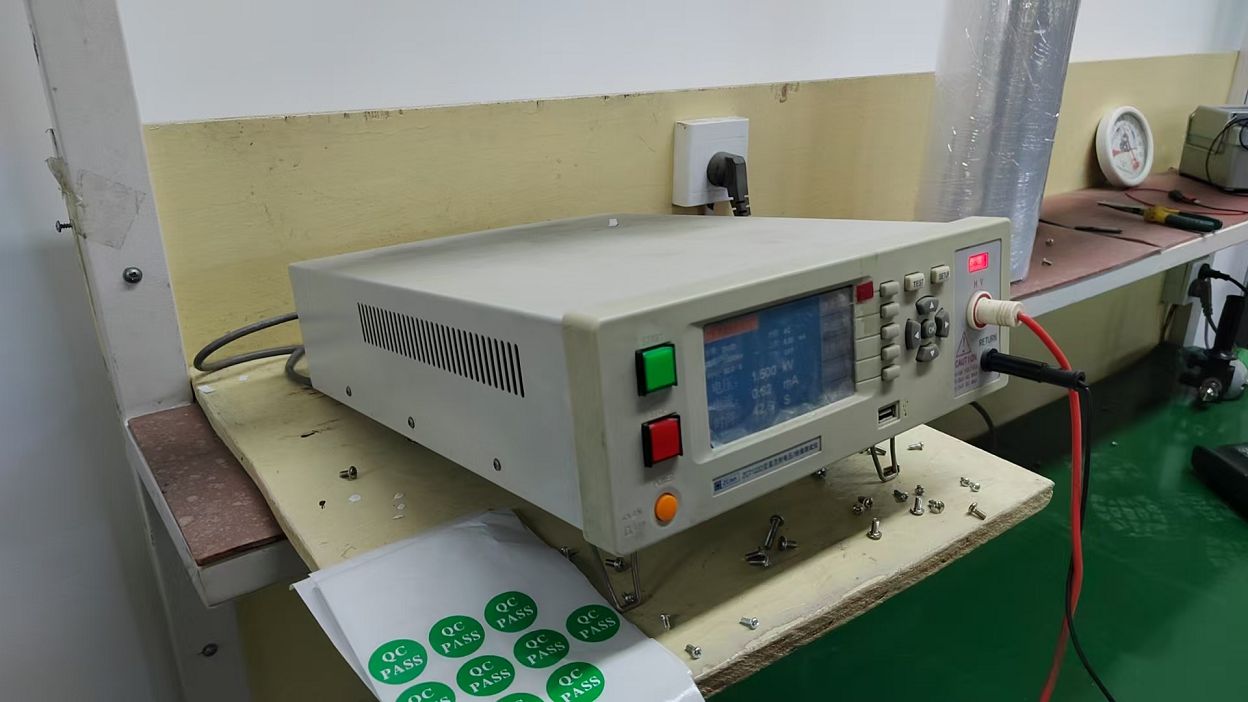 LCR AutoTester impedance test
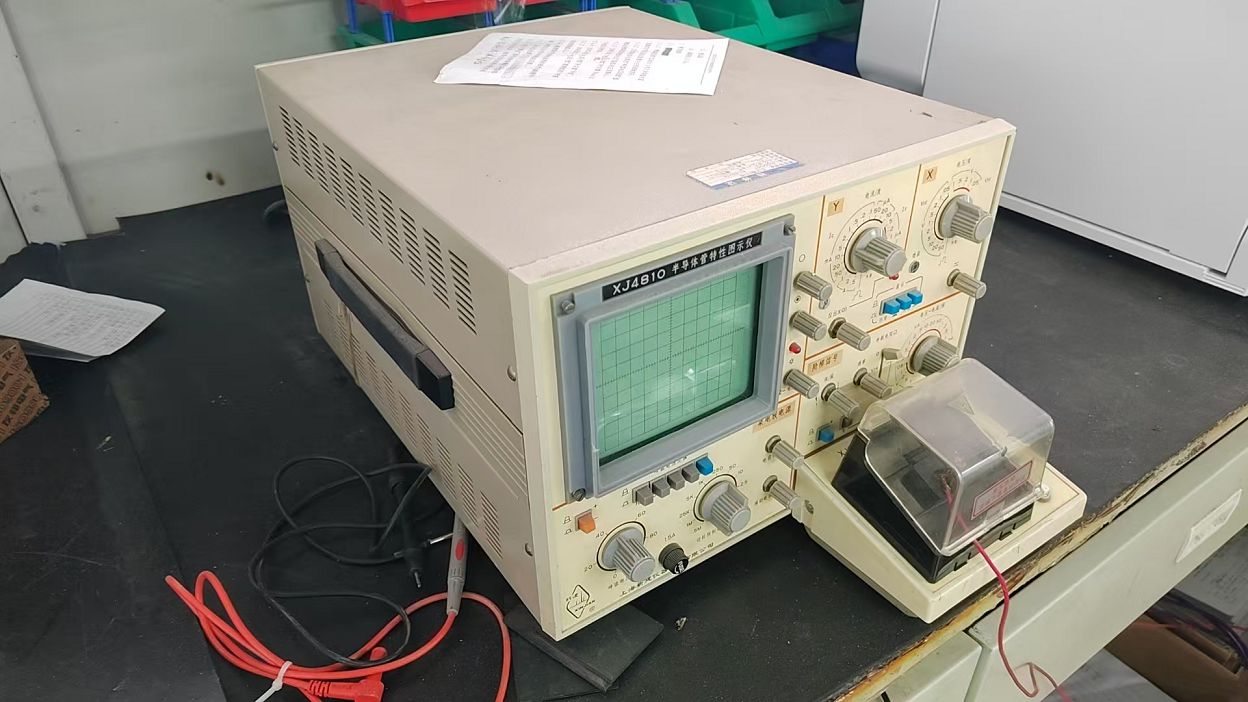 Semiconductor curve trace
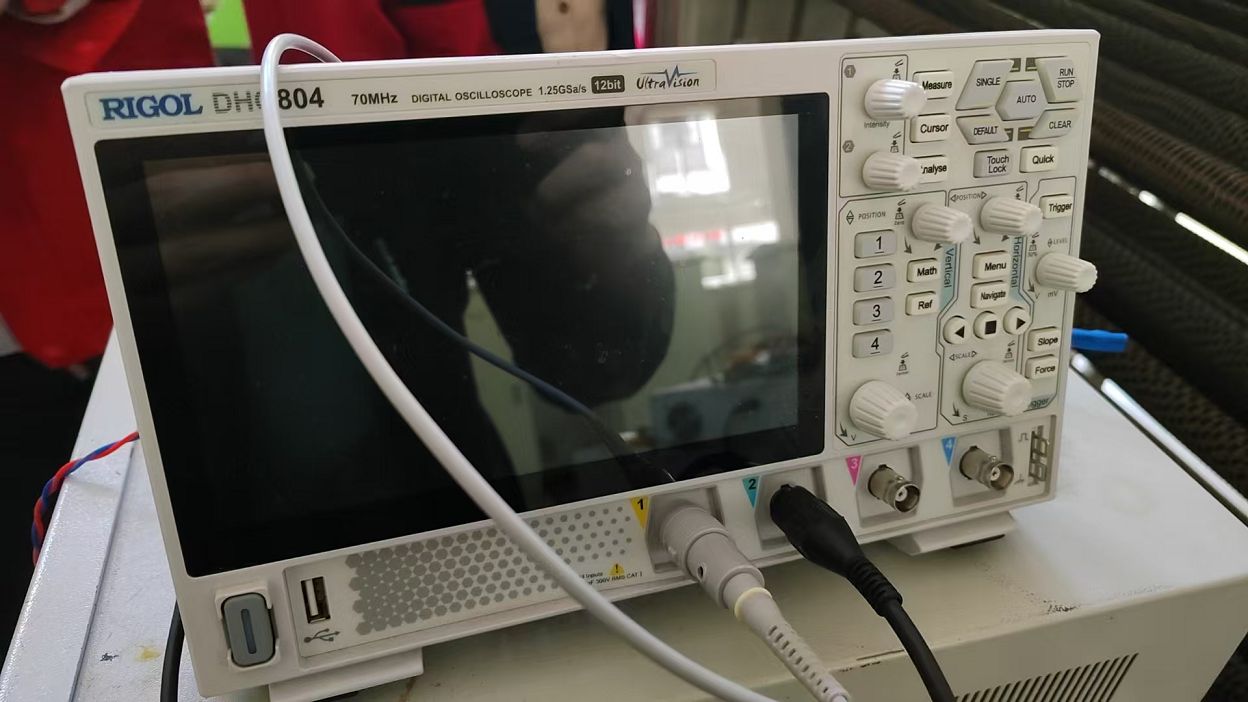
 Digital Oscilloscope analysis
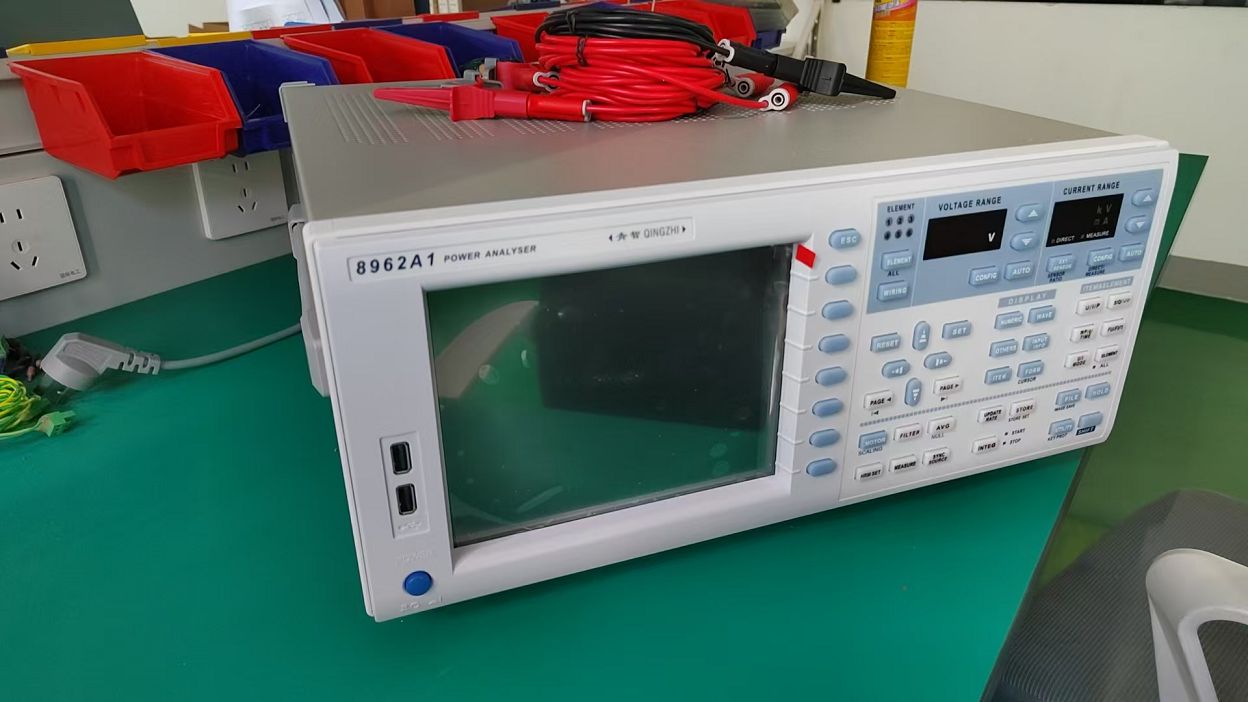
 Power Quality Analyzer profiling
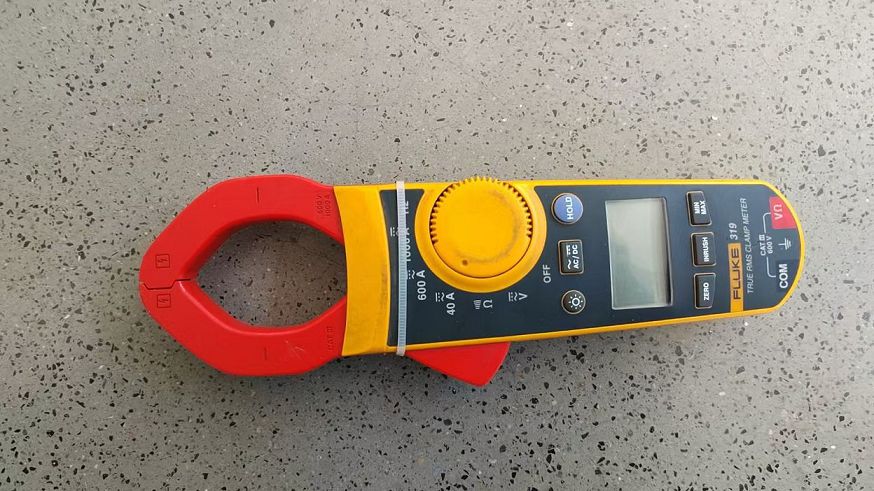 Current clamp calibration
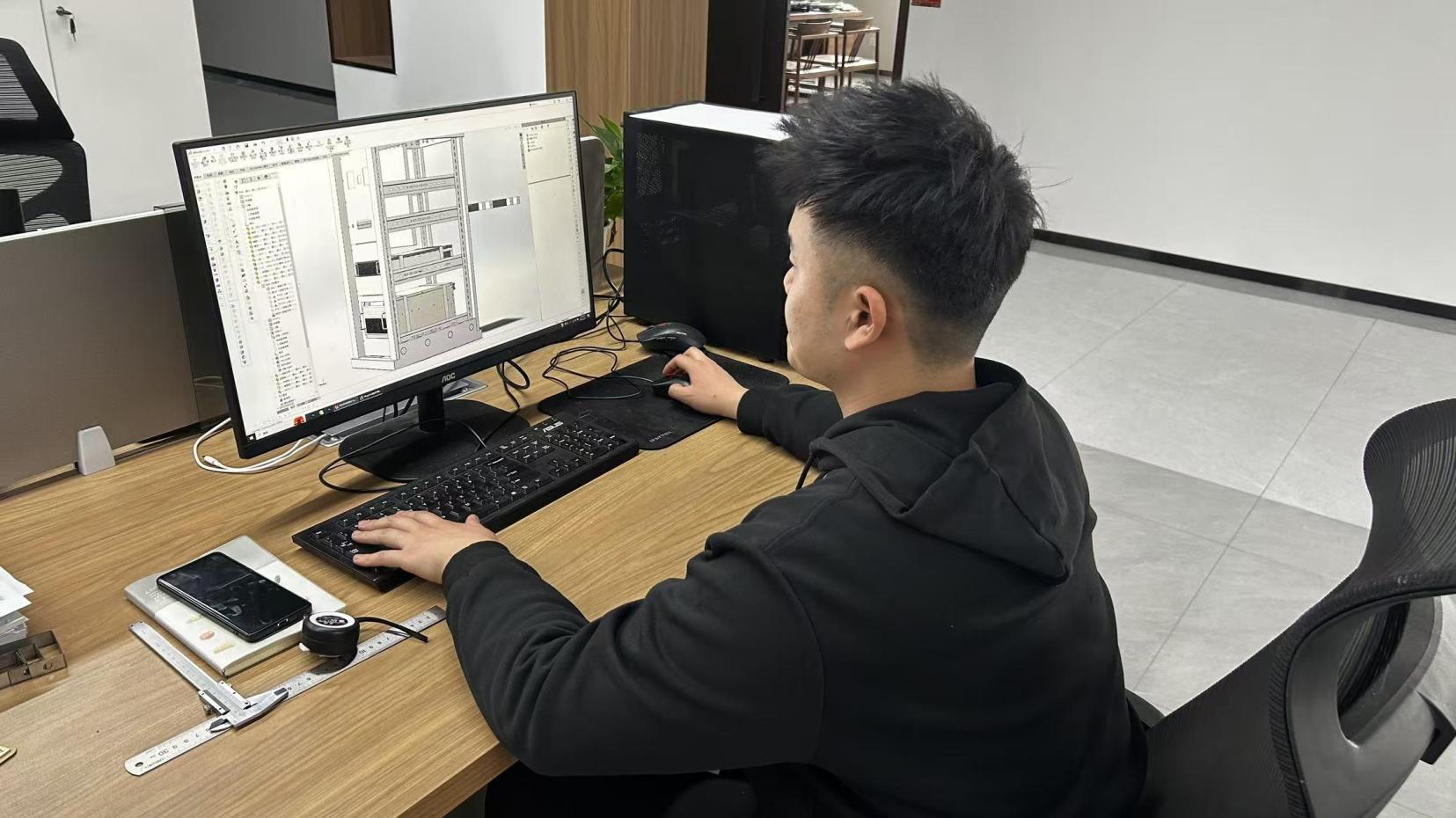 Engineering schematic design
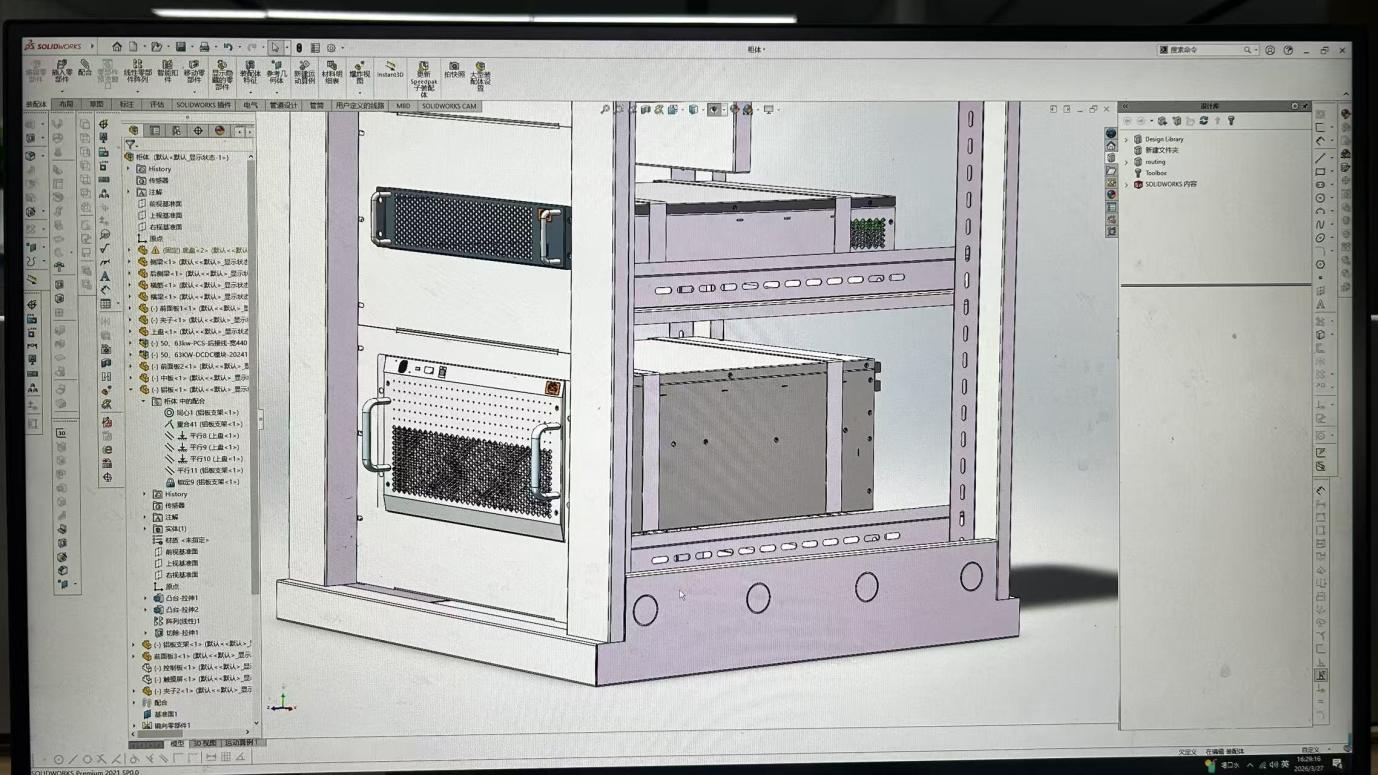 CAD design and PLC programming
From initial design parameters to environmental stress testing and certified global delivery.
Our engineers define voltage inputs, thermal constraints, load profiles, and grid code compliance criteria (UL, CE, VDE).
Developing structural layouts, copper busbar designs, and dynamic thermal simulations using CAD and MATLAB software.
Assembling PCBs with high-speed SMD machinery, winding magnetics, and building custom cabinet enclosures.
Subjecting units to extensive load profiling, high-voltage insulation tests, and temperature cycling in our environmental chambers.
Validating grid-forming and protective capabilities before final packaging and ocean freight logistics execution.
Answering critical deployment, thermal, and configuration questions for system integrators and EPC contractors.
A Bidirectional Power Conditioning System (PCS) is engineered specifically for active battery storage applications. It handles active and reactive power flow in both directions (charging and discharging) with sub-millisecond response times. Standard hybrid inverters focus primarily on directing PV generation to local loads, utilizing the battery as a secondary buffer. Our 300kW Bidirectional PCS features galvanic isolation via integrated transformers, enhancing safety in large C&I energy storage installations.
Inductive loads like electric pumps, high-power drills, and compressors draw high inrush currents during startup, while capacitive loads degrade power factors. Our off-grid hybrid inverters feature high peak surge capacities (often 200% to 300% of nominal rating for several seconds) and utilize advanced DSP algorithms to continuously adjust phase angle differences, keeping total harmonic distortion (THD) below 3% under complex load conditions.
Safety is critical for industrial power systems. Our high-power solar converters incorporate comprehensive protection suites: short-circuit protection, over-current limits, DC input reverse polarity protection, over-voltage/under-voltage shutdown, over-temperature throttling, anti-islanding detection, and isolation monitoring. They are housed in rugged industrial enclosures designed to handle thermal stress and high vibration levels.
Yes. That is the core benefit of our hybrid systems. By incorporating our high-voltage MPPT solar charge controllers, wind turbine controllers, and hydroelectric converters, you can feed a unified DC bus. This bus is then managed by our off-grid or grid-tied industrial inverters, providing a balanced, multi-source renewable microgrid.
We deploy forced convection cooling with smart temperature-controlled, variable-speed fans for optimal heat dissipation. For extremely harsh environments, marine applications, or systems above 500kW, we design modular liquid-cooled heat exchangers. This configuration keeps critical IGBT junctions within safe operating temperatures and extends the product's lifespan.
We offer wide-ranging customization: input/output voltage parameters (e.g., 220V, 380V, 480V, 660V AC), system frequency limits (50Hz, 60Hz, or 400Hz for specialized aerospace/marine applications), custom communication protocols (Modbus RTU, Modbus TCP, CANbus), bespoke enclosure sizes, IP ratings (IP20, IP54, IP65), and branded graphical interfaces for color touchscreen monitors.
Engineered for high reliability, long service lives, and compatibility with diverse energy storage chemistries.
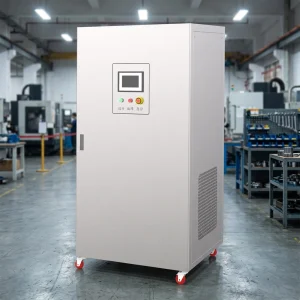
 Demin Power