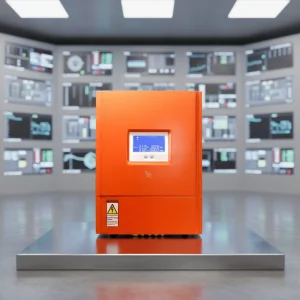
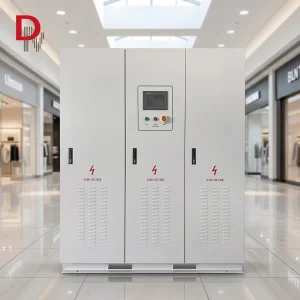
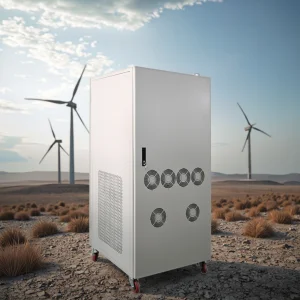
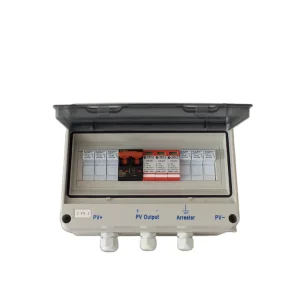
Explore our industrial-grade voltage regulators, wind/solar power systems, and high-efficiency converters designed for global utility grids and microgrid infrastructure.

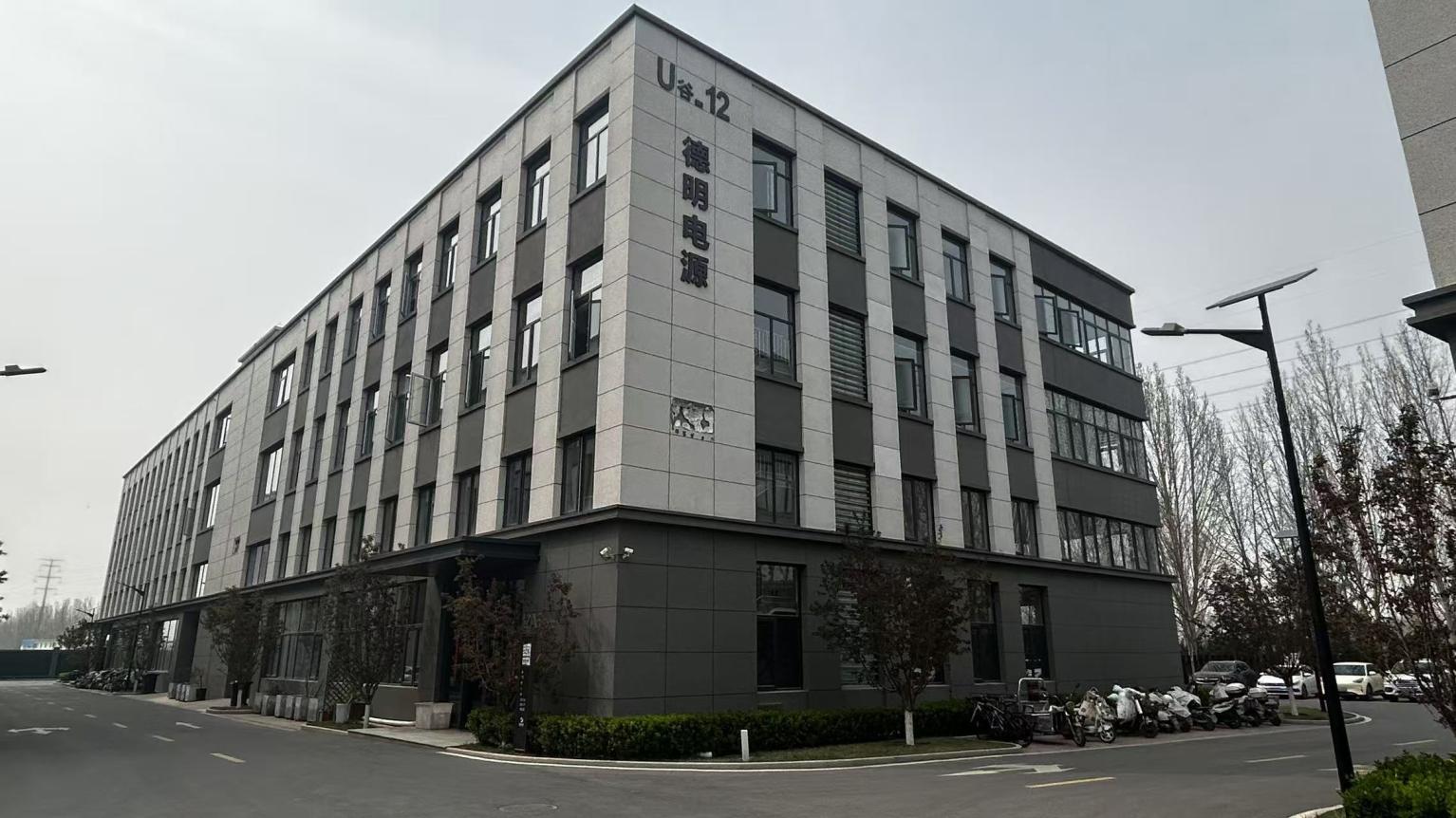
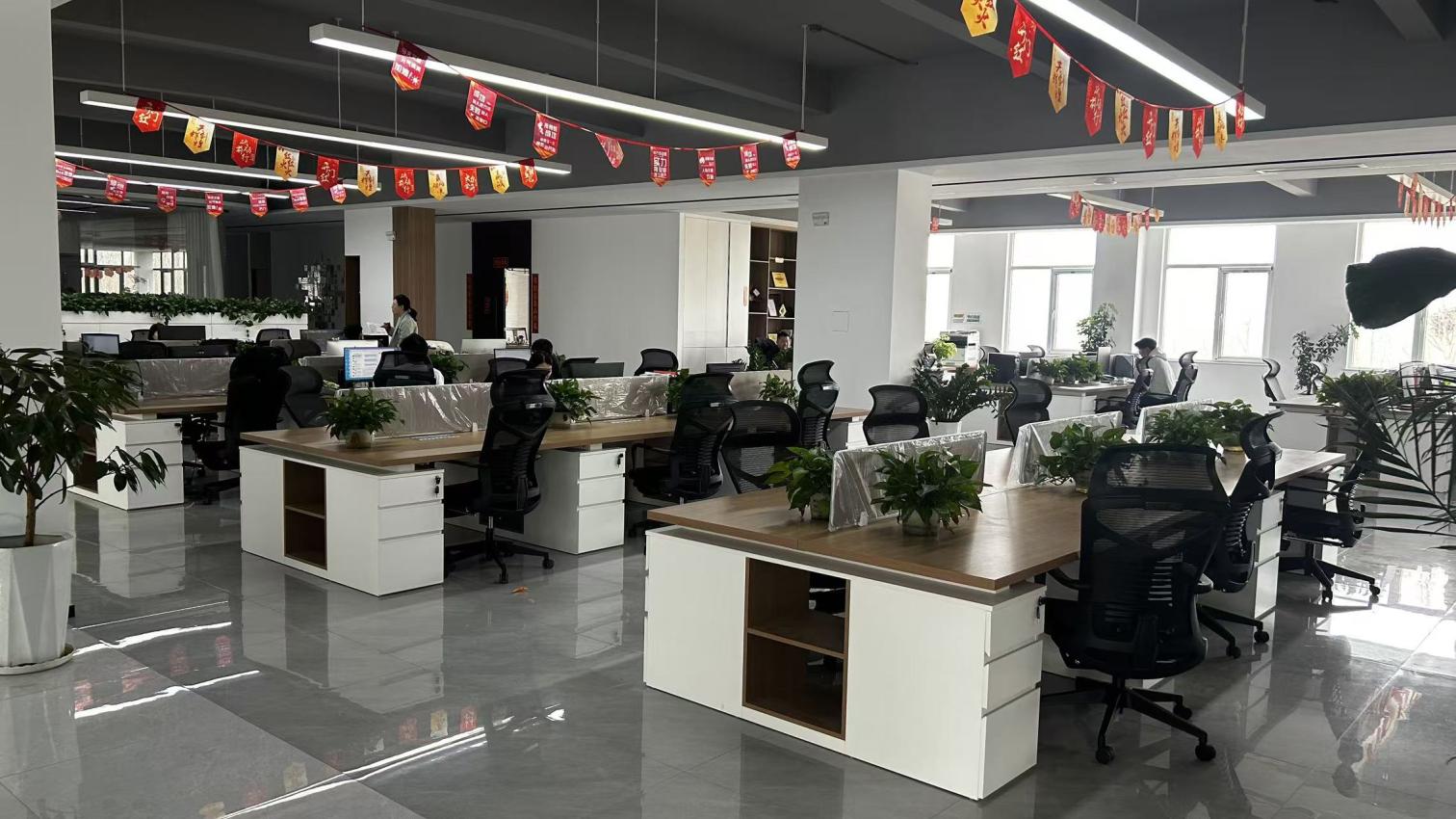
Established in 2004, Jinan Deming Power Equipment Co., Ltd. is a nationally recognized high-tech enterprise specializing in the research, development, production, and service of renewable energy power equipment and advanced power testing solutions. Guided by strict adherence to ISO9001:2015 standards, the company has consistently pushed the boundaries of grid stability, voltage regulation, and power conversion technology.
Our commitment to tech leadership is underscored by our elite engineering capabilities. With a dedicated R&D team of 16 engineers—including doctoral supervisors and master’s degree holders—we reinvest no less than 20% of annual sales revenue back into technology development. Over the past three years alone, our engineering units have completed 17 major R&D projects, seamlessly transforming 16 scientific and technological breakthroughs into robust commercial products deployed worldwide.
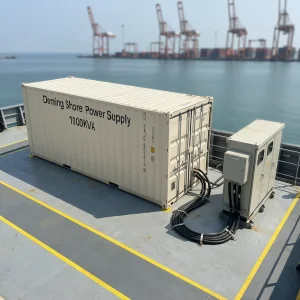
From custom high-capacity shore power systems for maritime harbors to multi-megawatt off-grid industrial solar setups, Deming’s engineering solutions protect critical infrastructure in over 120 countries, including Germany, Japan, the United States, the UK, Canada, Australia, and Brazil, maintaining strategic partnerships with Fortune 500 enterprises.
A comprehensive analysis of voltage regulator architectures, localized grid integration, and strategic global procurement trends.
In modern industrial facilities, raw power delivered by utility companies is rarely clean or consistent. Dynamic loading, grid faults, lightning strikes, and switching operations cause continuous fluctuations, sags, swells, and transient overvoltages. A Voltage Regulator is an indispensable protective hub that automatically normalizes incoming supply, preventing device failures, operational downtime, and component deterioration.
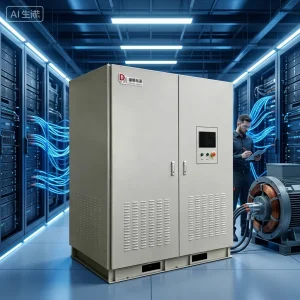
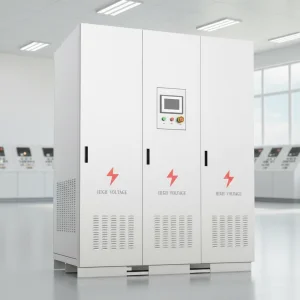
Industrial automatic voltage regulators (AVRs) utilize electronic circuits and microprocessors to track real-time changes in voltage, shifting secondary transformer windings dynamically to deliver stable output. Our systems, such as the Deming Three Phase AC Automatic Voltage Regulator (300kVA), integrate microprocessors with high-speed digital touch screen interfaces. Operating at 98% to 99% energy efficiency, these systems reduce power dissipation, lower thermal output, and minimize lifetime operating costs.
China is the global center for high-capacity electrical engineering and power grid components. The supply chain ecosystem in regions like Shandong allows factories to source top-tier raw materials, including high-permeability grain-oriented silicon steel sheets, high-conductivity copper windings, and high-performance IGBT components. This high density of materials enables rapid prototyping and shortens standard manufacturing cycles.
At Jinan Deming Power Equipment Co., Ltd., we combine this manufacturing base with a structured R&D framework. Unlike basic assembly shops, we control the entire lifecycle of our products, from board-level CAD designs and copper bar fabrication to software debugging. This vertical integration allows us to build customized voltage regulators and converters that meet specific mechanical footprints and demanding electrical ratings, while maintaining cost-to-performance ratios that cannot be duplicated outside of China's industrial clusters.
Deploying heavy power equipment internationally requires adherence to localized grid rules and safety codes. Industrial operations in North America, Europe, Australia, and Asia operate on distinct grid protocols, voltage tolerances, and frequencies (50Hz vs. 60Hz). A mismatch in configuration can lead to catastrophic hardware failure or regulatory shutdown.
Deming's engineers customize systems to align with international grid standards, offering multi-phase configurations (e.g., three-phase wye, delta, or split-phase layouts) and matching local compliance guidelines (CE, UL compatibility). Furthermore, our voltage regulators and microgrid controllers feature built-in harmonic isolation and reactive power compensation. This helps facilities maintain clean power parameters, avoiding utility penalties for harmonic feedback and low power factor.
Enterprise procurement teams in the infrastructure and industrial sectors prioritize total cost of ownership (TCO) over initial capital expenditure. Selecting low-cost, uncertified voltage regulators can lead to equipment damage, operational down-time, and lost production capacity.
To reduce lifecycle costs, Deming focus on efficiency and serviceability. Our 99% efficient AC/AC converters and 98% efficient AVRs yield significant energy savings when scaled across multi-megawatt systems. Built-in system protections (over-voltage, under-voltage, over-temperature, and short-circuit safeguards) prolong the service life of both the regulator and connected equipment. Our modular layout simplifies maintenance, allowing local technicians to swap internal modules quickly and minimize downtime.
Deming's power regulation systems are engineered for diverse, demanding environments:
The rise of renewable energy integration (solar, wind, battery storage) has made grid stability more complex. Traditional mechanical-switch regulators are often too slow to handle the rapid fluctuations of solar irradiance and gusty winds. The industry is moving toward solid-state static voltage regulators (SVRs) utilizing Silicon Carbide (SiC) and Gallium Nitride (GaN) power semiconductors. These materials allow microsecond response times and support bidirectional power flow. Incorporating AI-driven prognostic diagnostics also enables system controllers to predict component wear and schedule preventative maintenance before faults occur.
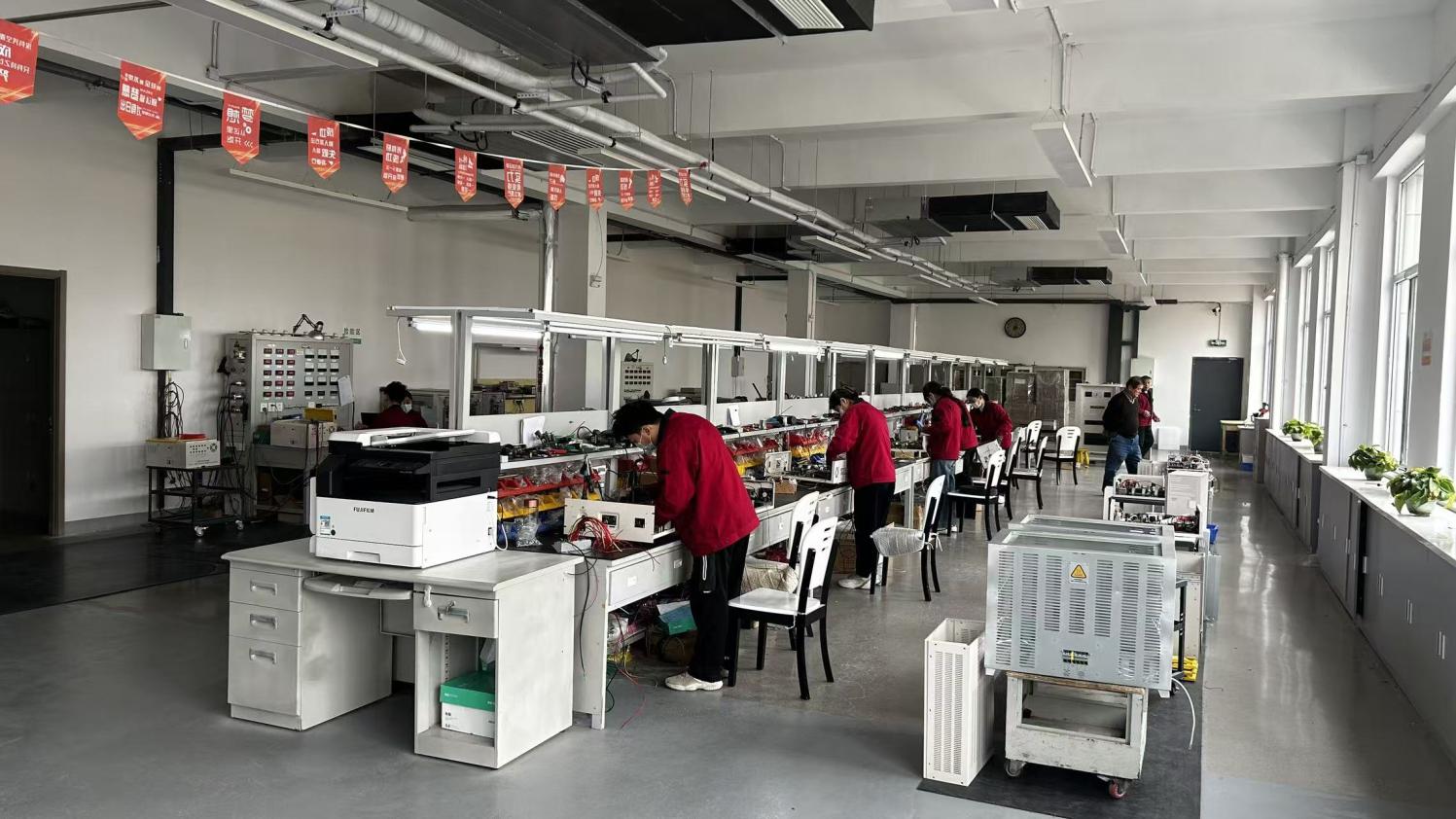
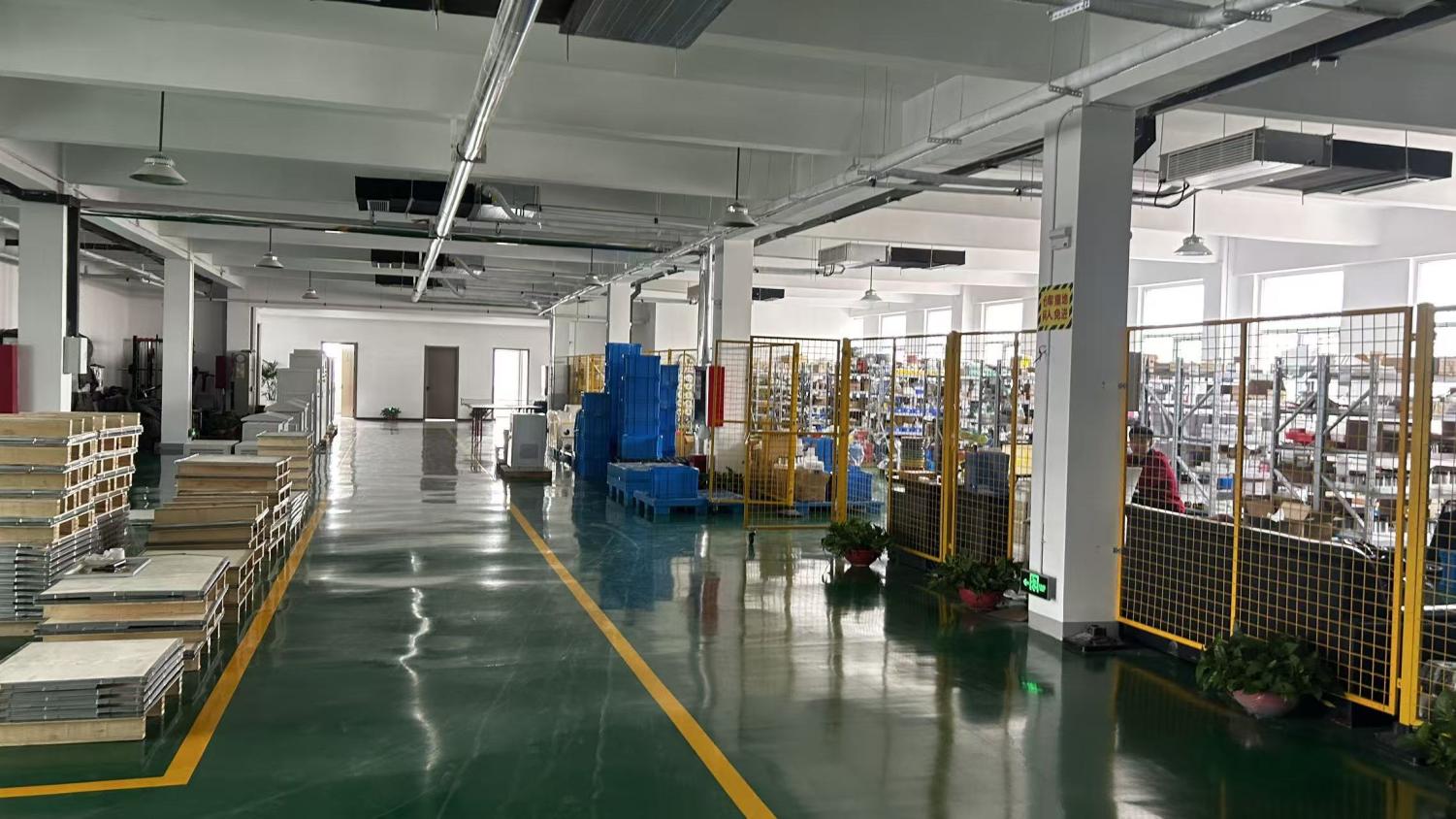
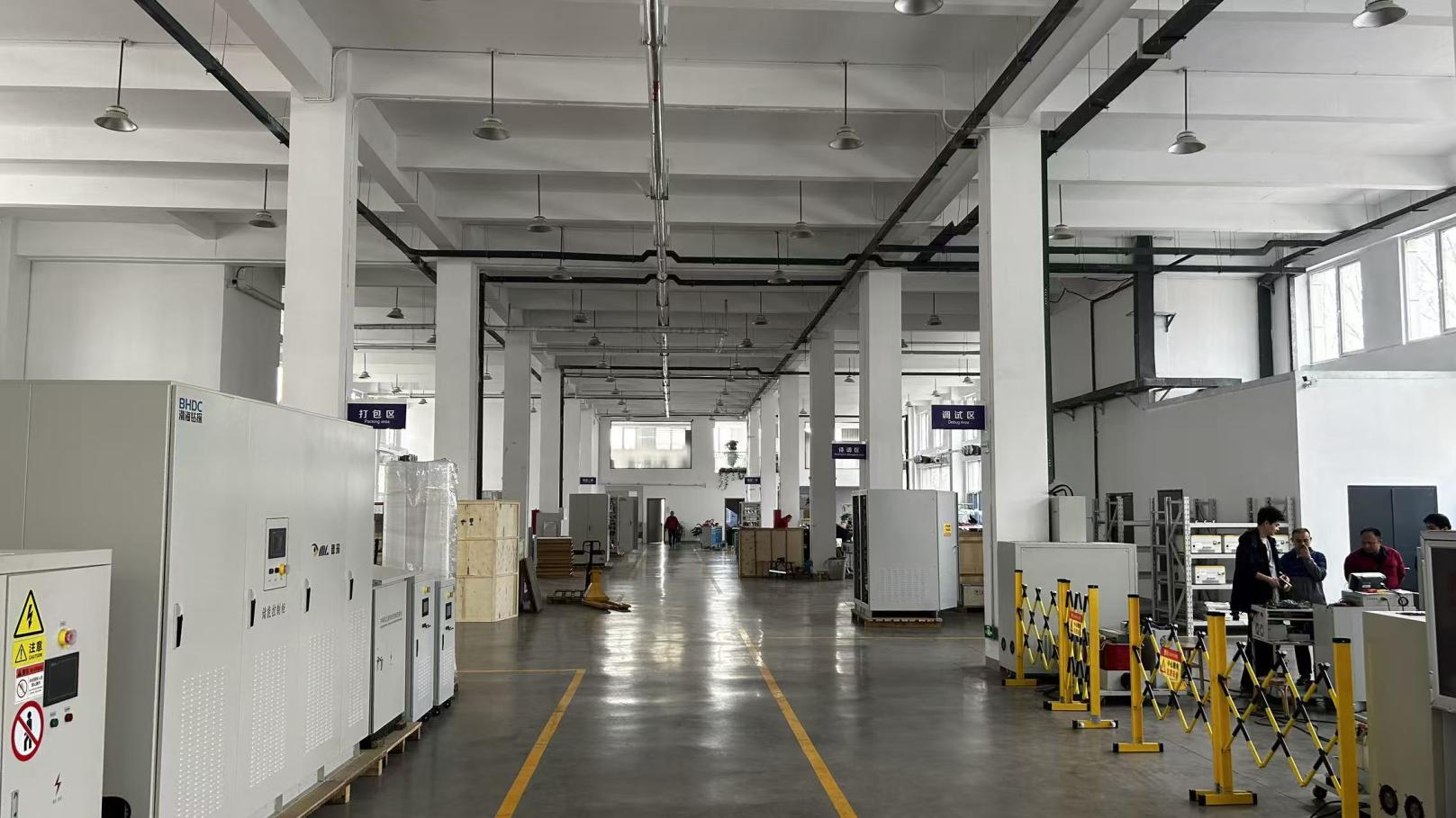
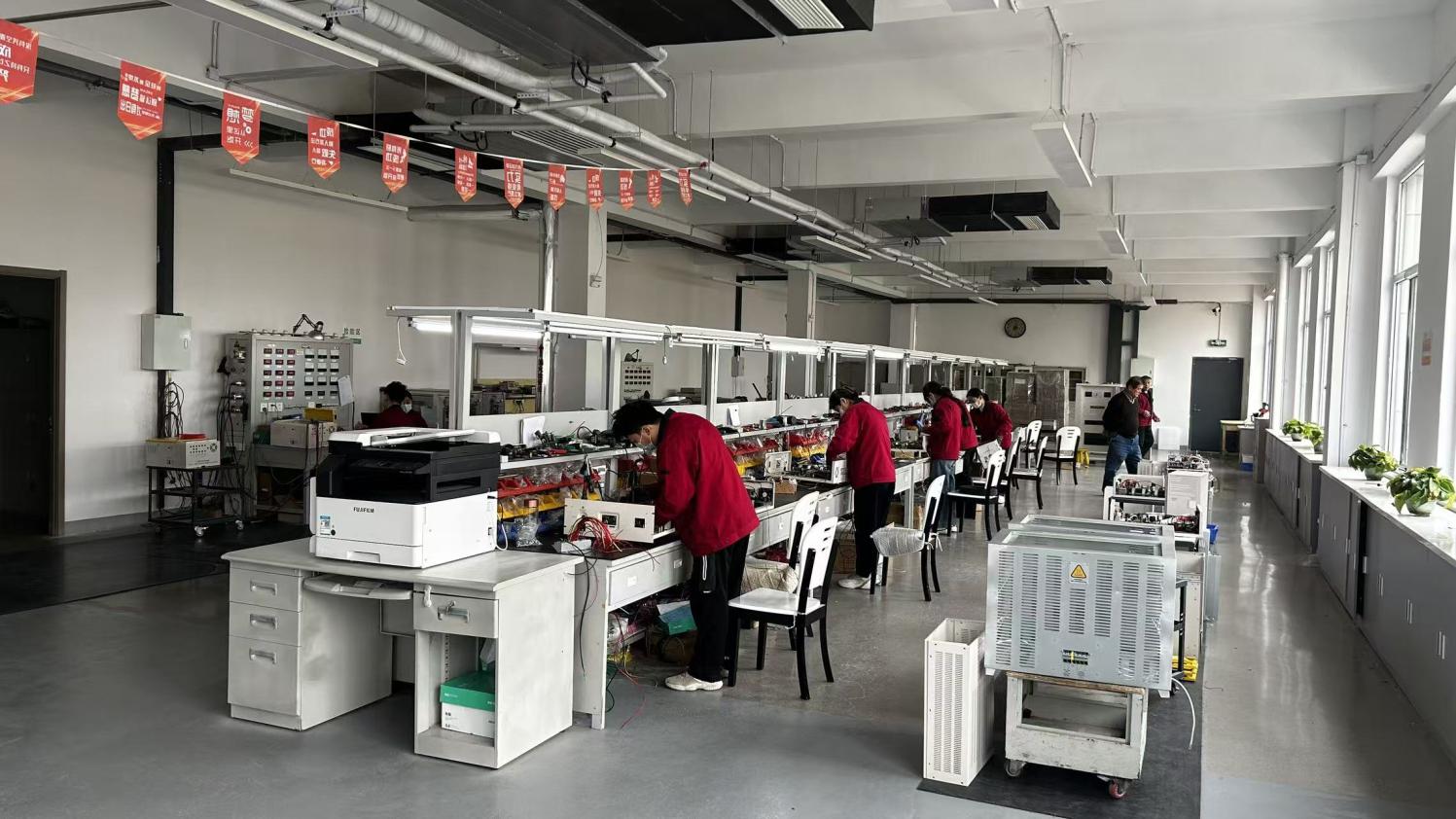 Circuit assembly
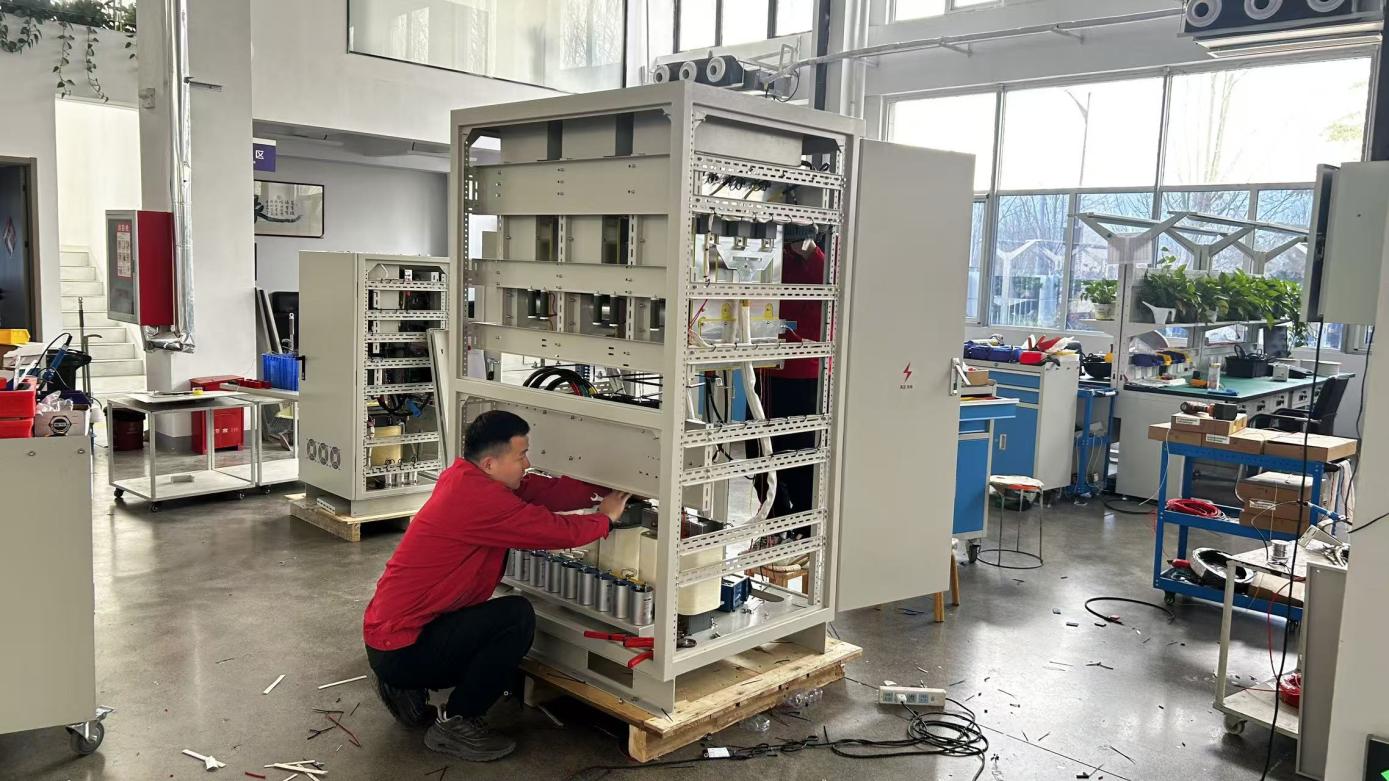 Circuit board assembly
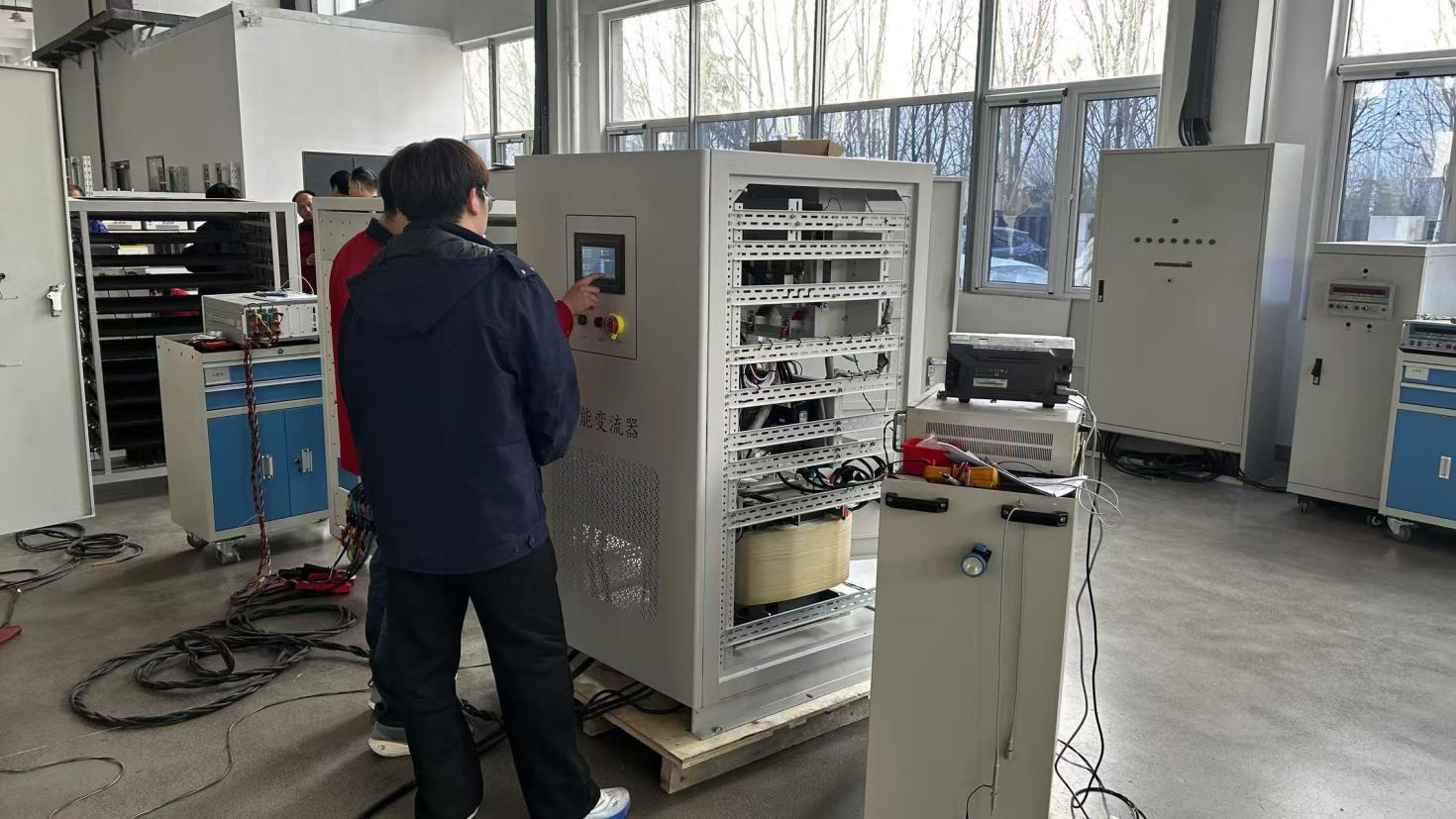 Debugging process
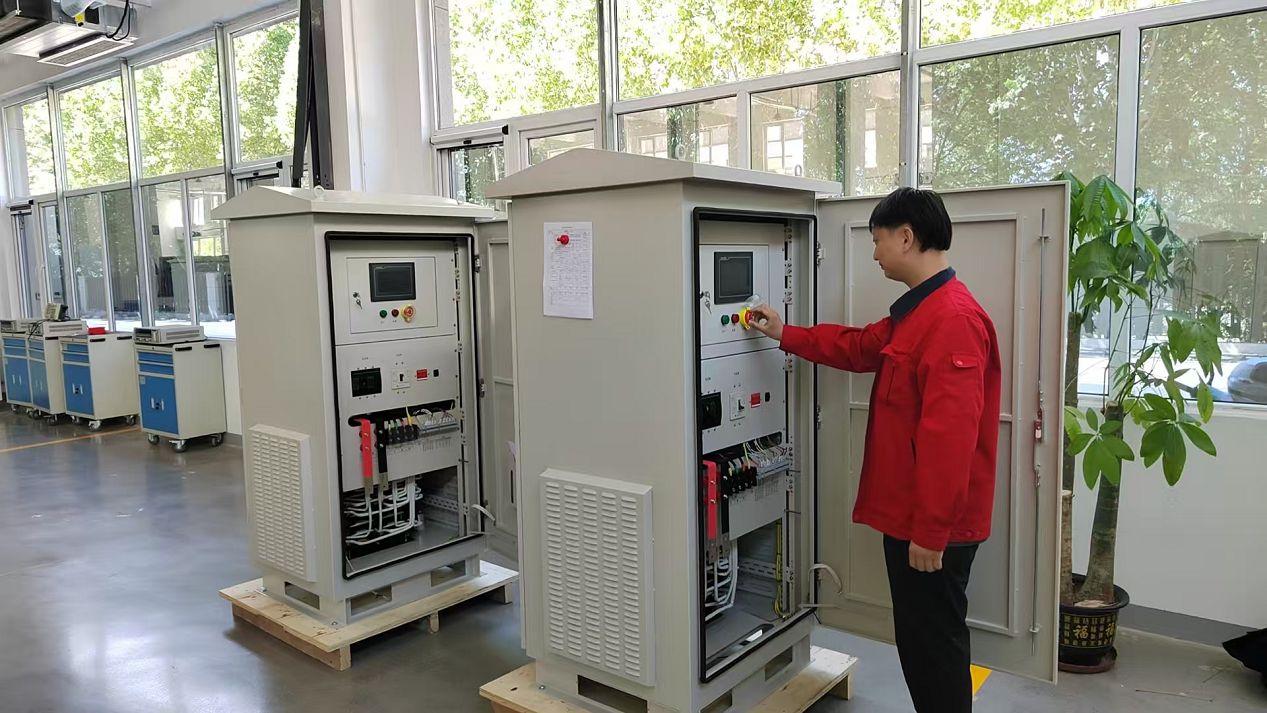 Quality inspection process
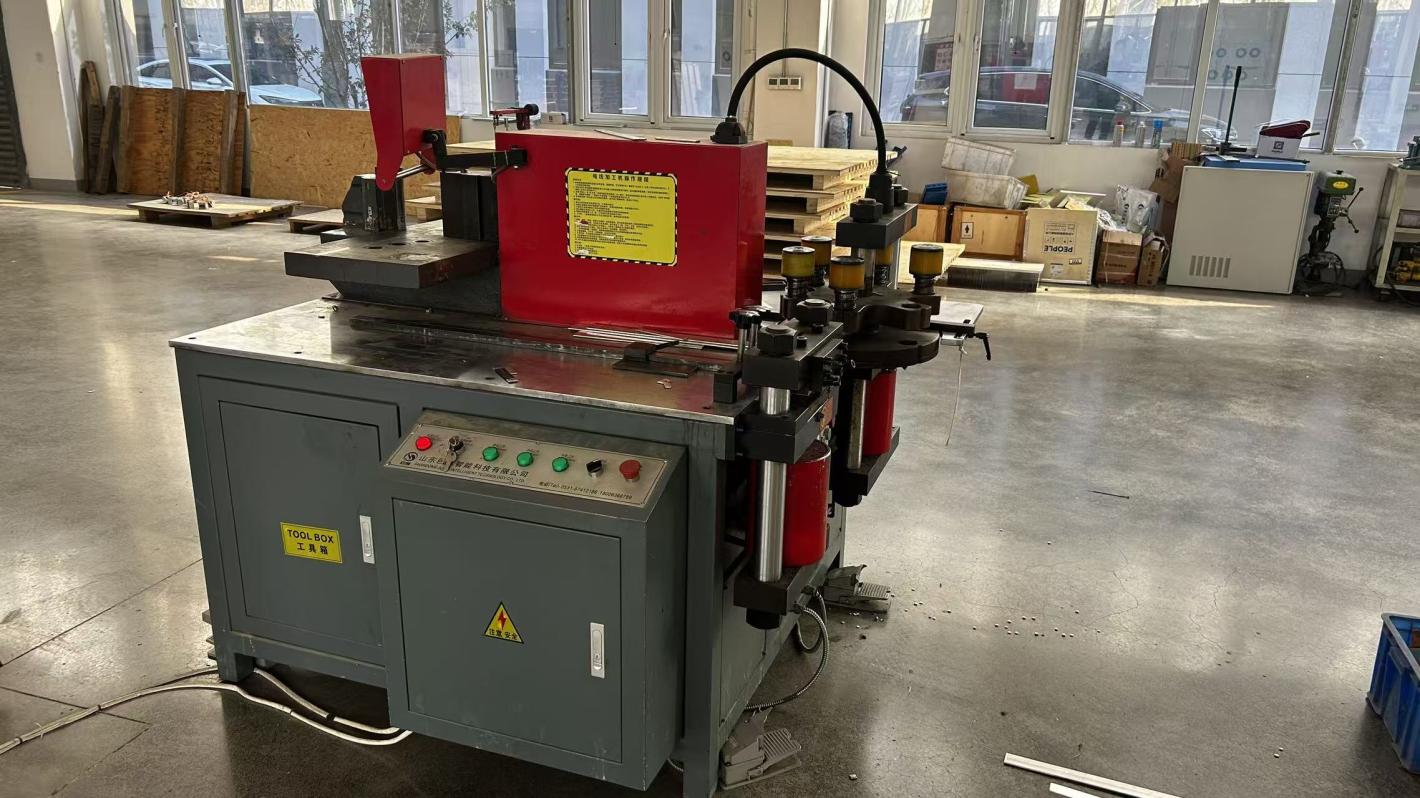 Copper bar production equipment
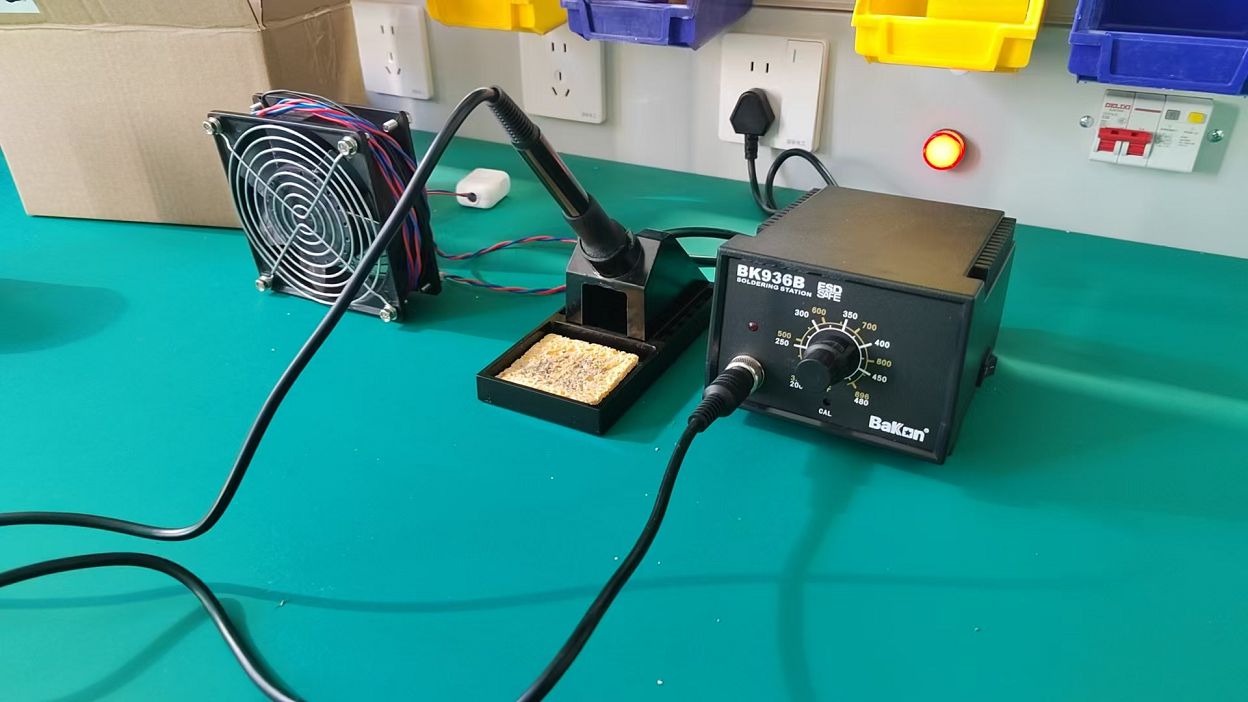 Electric ferrowire
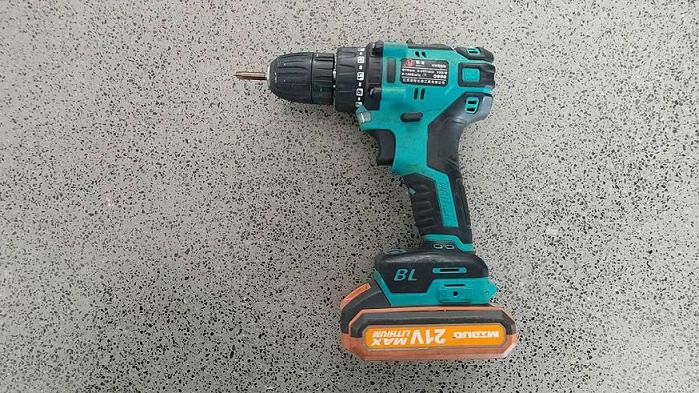 Electric drill
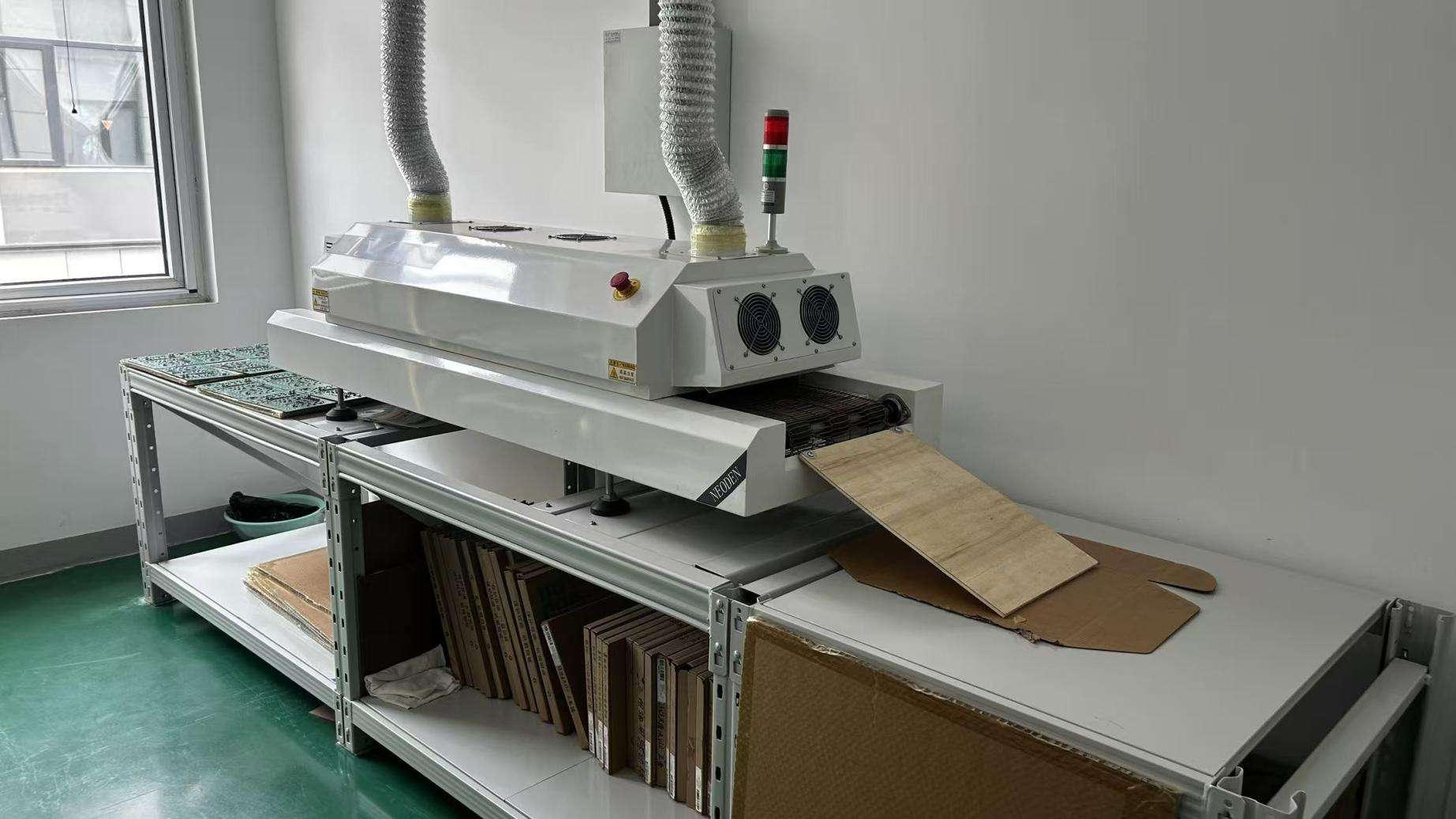 Reflow soldering machine
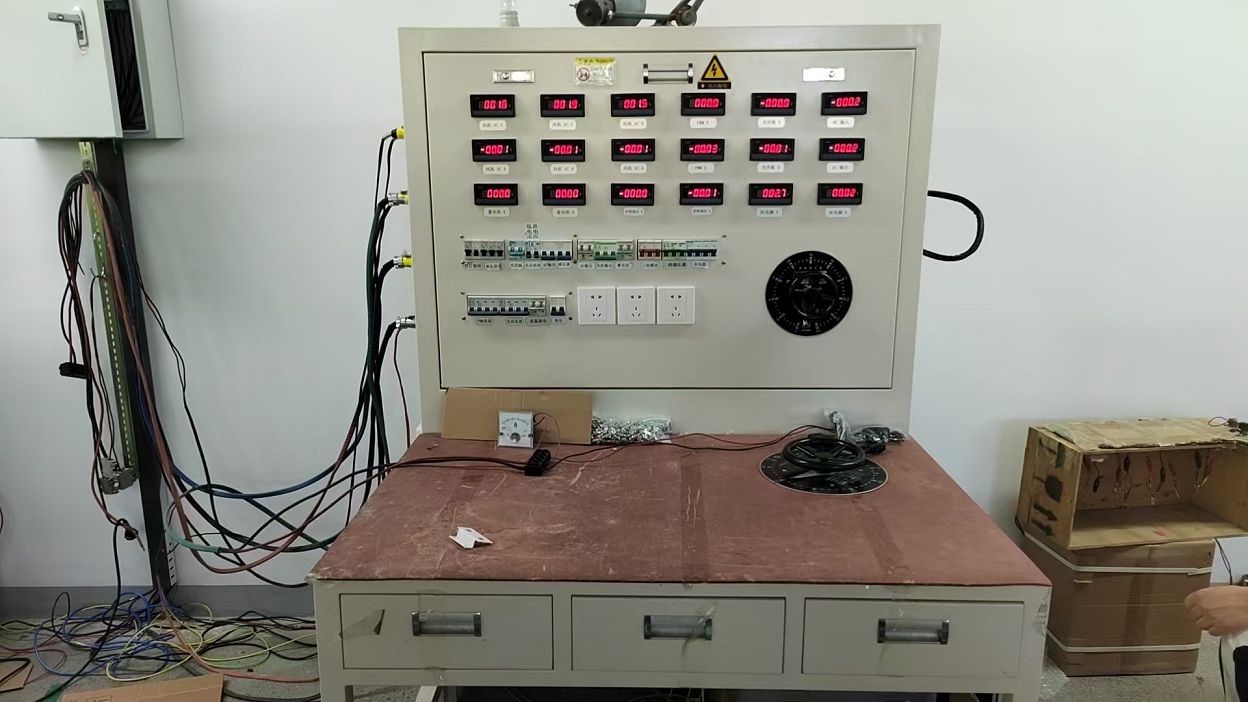 Workbench
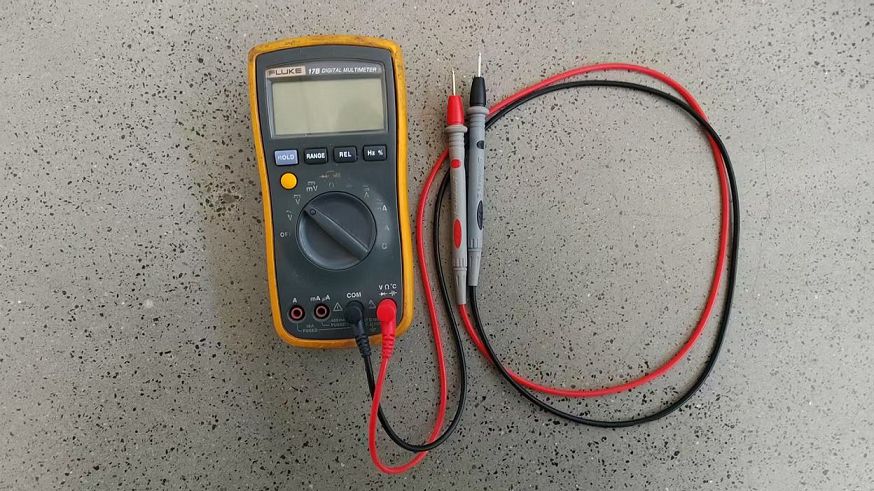 Multimeter
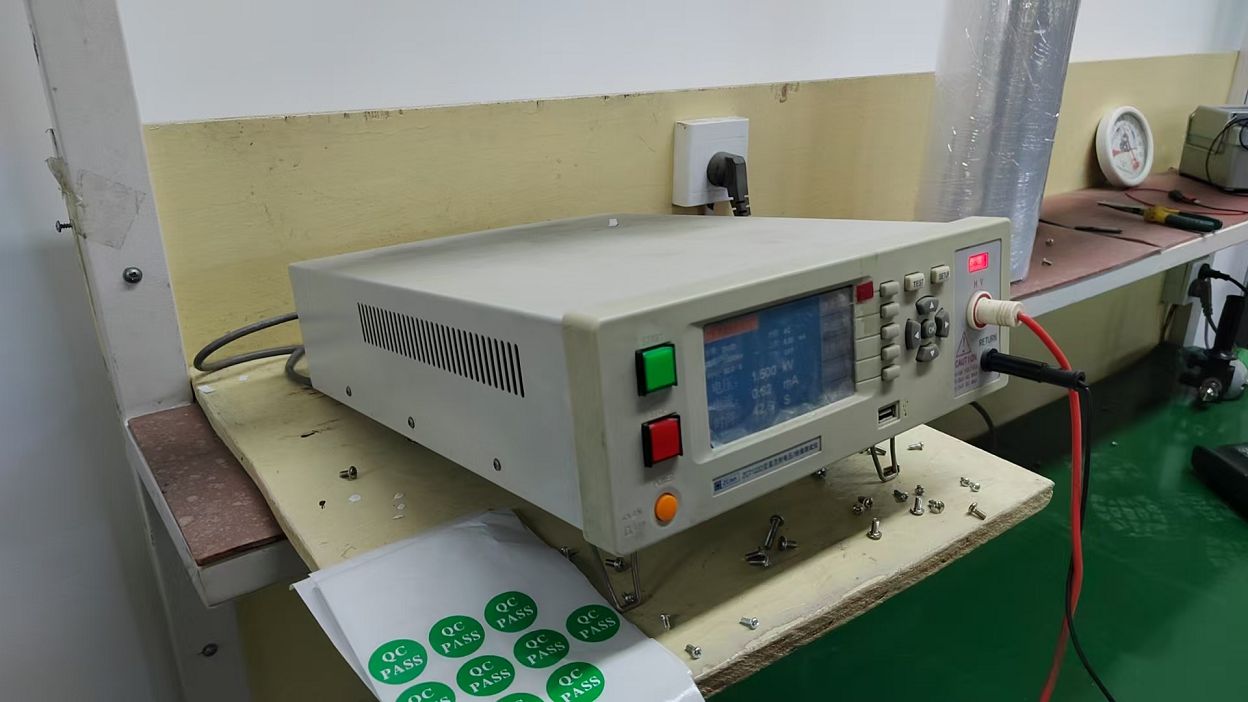 LCR AutoTester
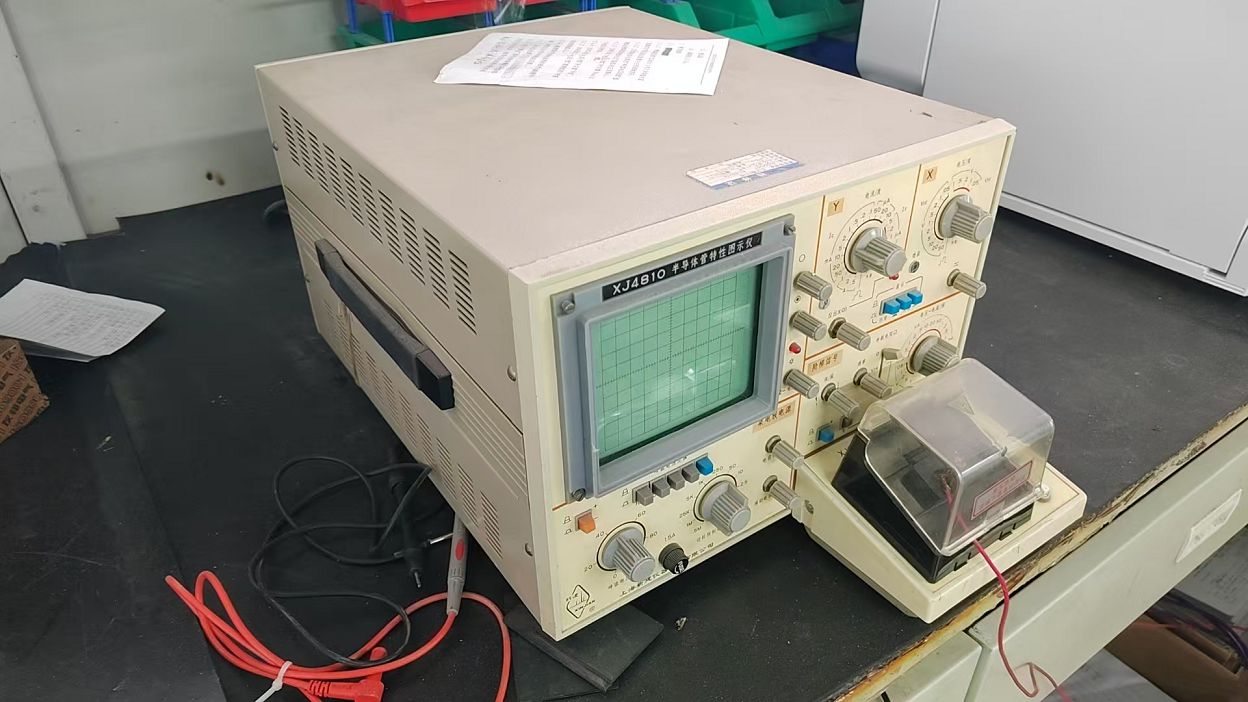 Semiconductor Characteristic Plotter
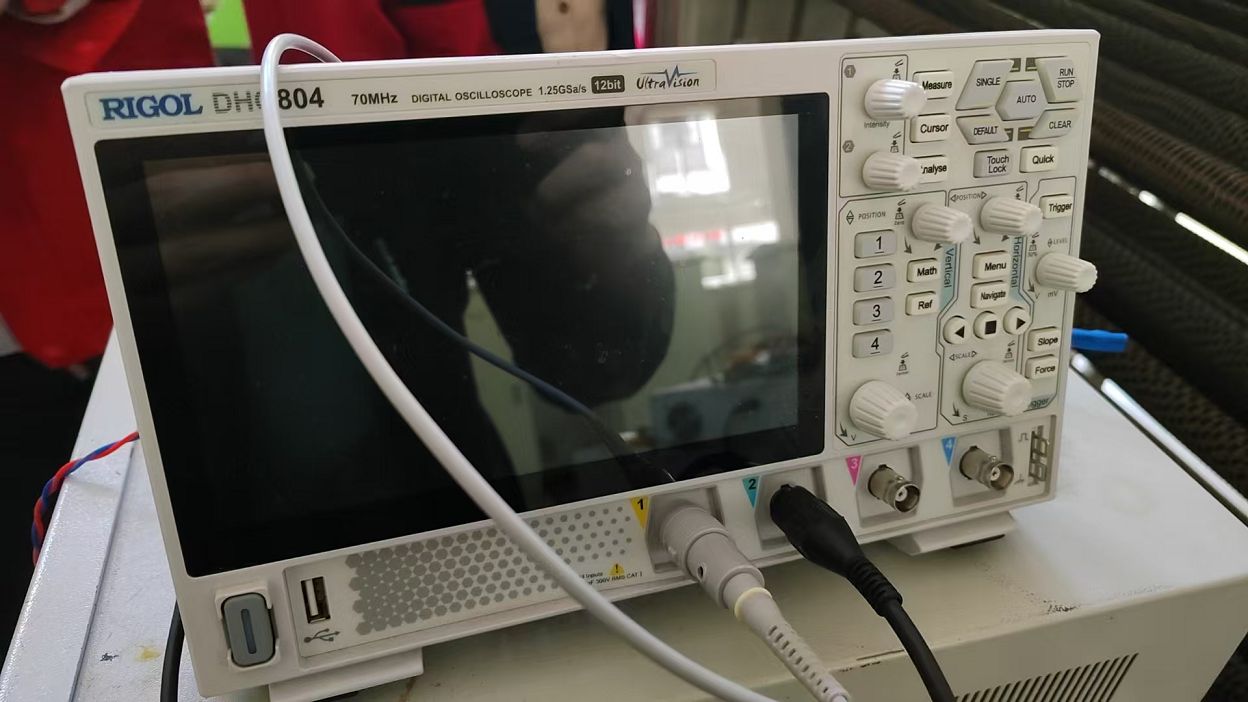
 Digital Oscilloscope
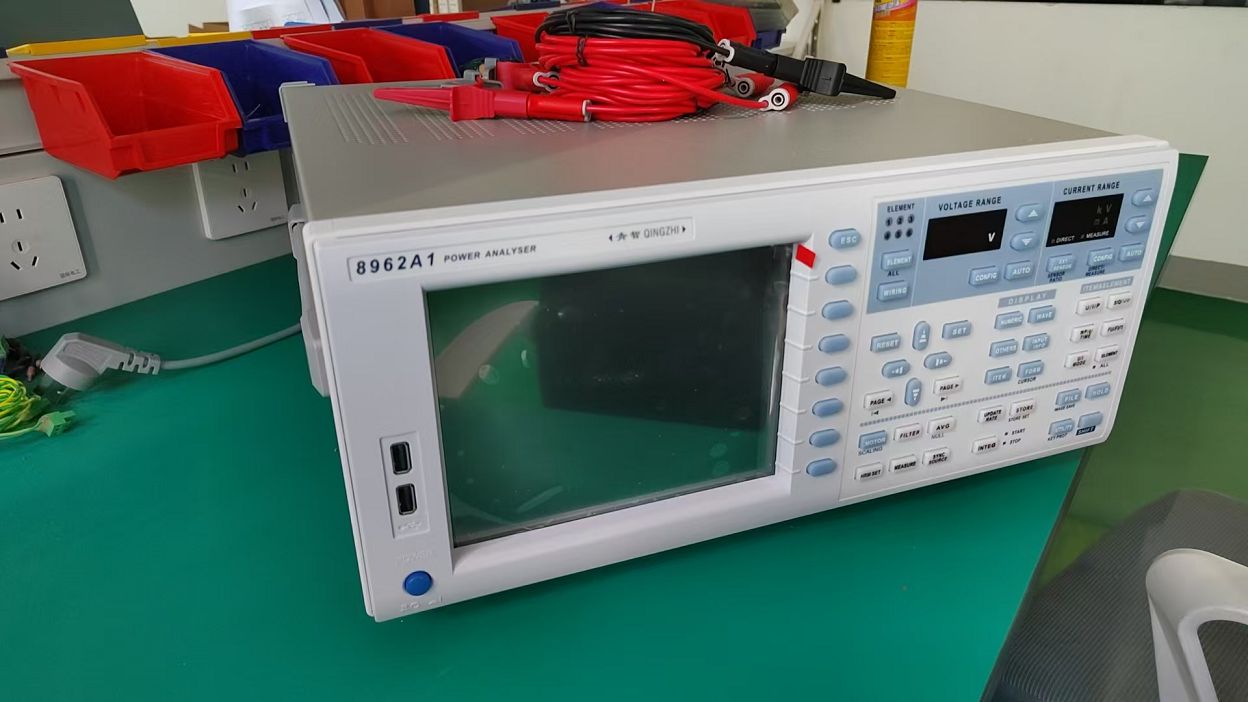
 Power Quality Analyzer
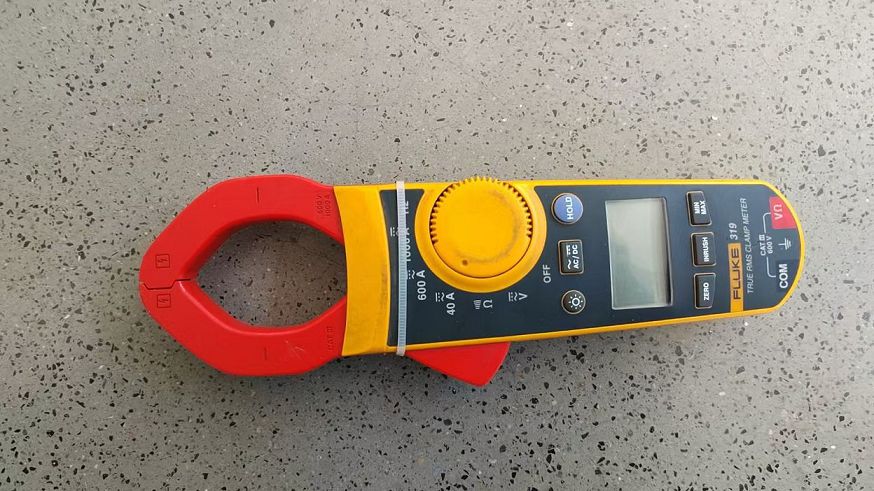 Clamp current meter
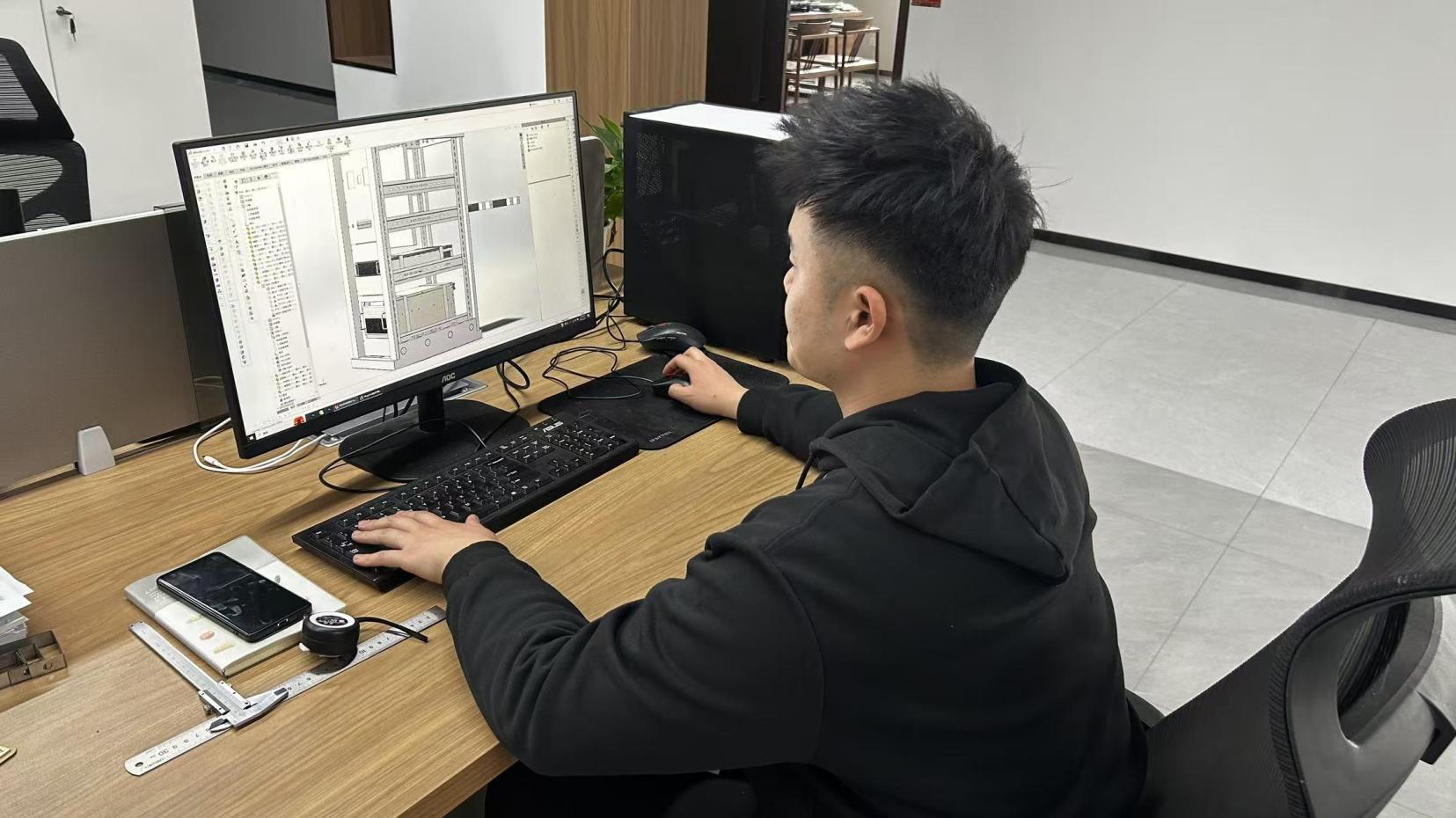 Drawing Design
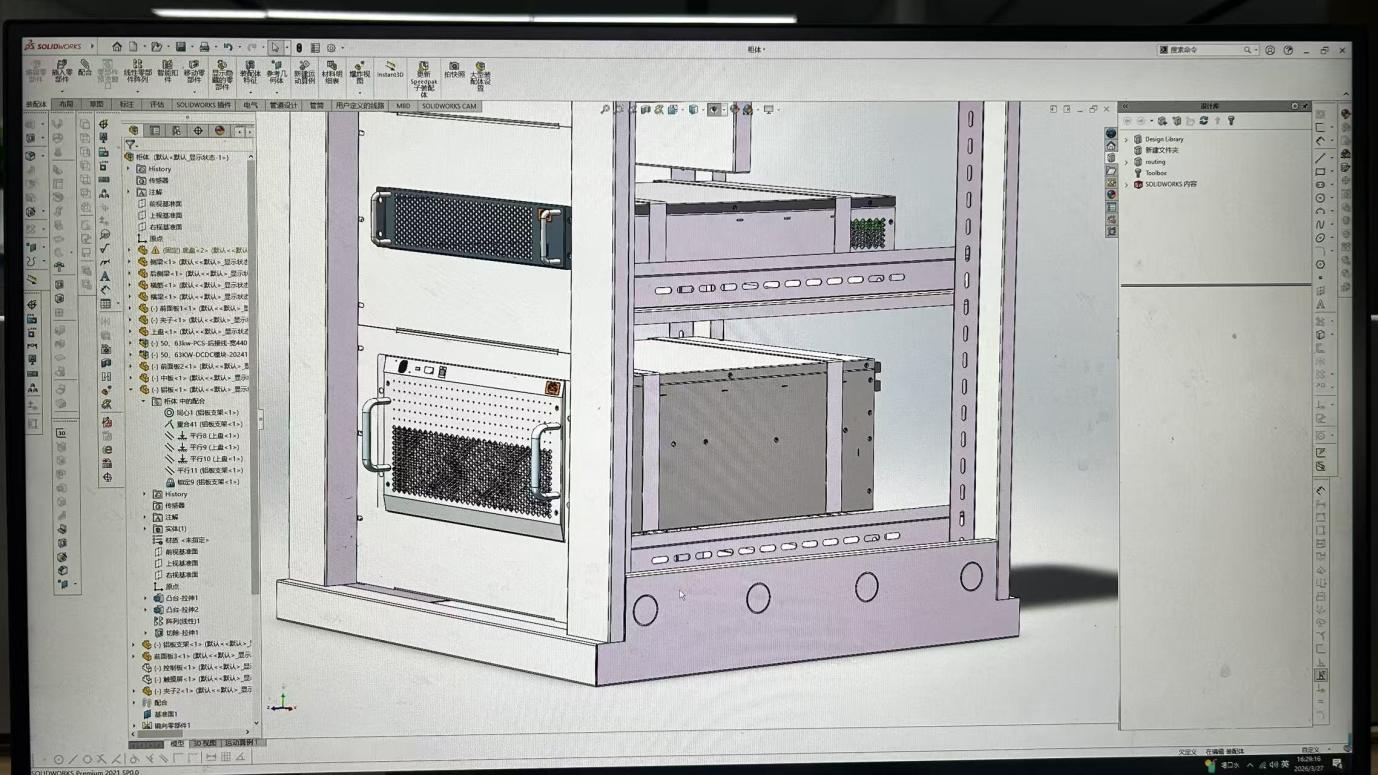 Computer
Find answers to common engineering questions regarding the application, sizing, and deployment of industrial voltage regulators.
Solid-state automatic voltage regulators (AVRs) utilize electronic components like SCRs or triacs to adjust voltage levels staticly, providing rapid correction speeds (typically under 10-20 milliseconds) and requiring minimal maintenance due to the absence of moving parts. Servo-driven AVRs adjust voltage mechanically using motorized carbon brushes sliding over a variable transformer winding. While servo-driven models are economical and handle heavy overloads well, they have slower response times and require periodic brush replacements.
Inductive loads, such as electric motors, compressors, and pumps, draw high startup inrush currents that can be 3 to 7 times their nominal running current. To prevent voltage drops during start-up, the voltage regulator's capacity (expressed in kVA) should be oversized. A general guideline is to calculate the total running load and multiply the inductive portion by 3, adding this to the resistive load, or to choose a regulator equipped with high short-term overload capacity.
In high-capacity utility grids and large industrial facilities, even a minor efficiency loss results in substantial energy waste. A 300kVA regulator operating at 95% efficiency dissipates approximately 15kW of power as heat. Upgrading to a 99% efficient regulator reduces loss to 3kW, saving 12kW of continuous waste. Over a year of continuous operation, this translates to thousands of kilowatt-hours saved, lowers building HVAC cooling loads, and extends the operational lifespan of internal electronics.
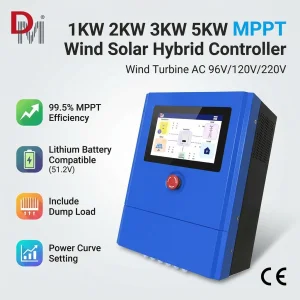
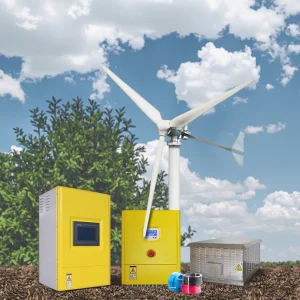
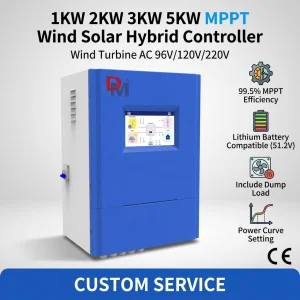
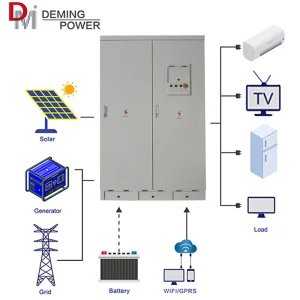
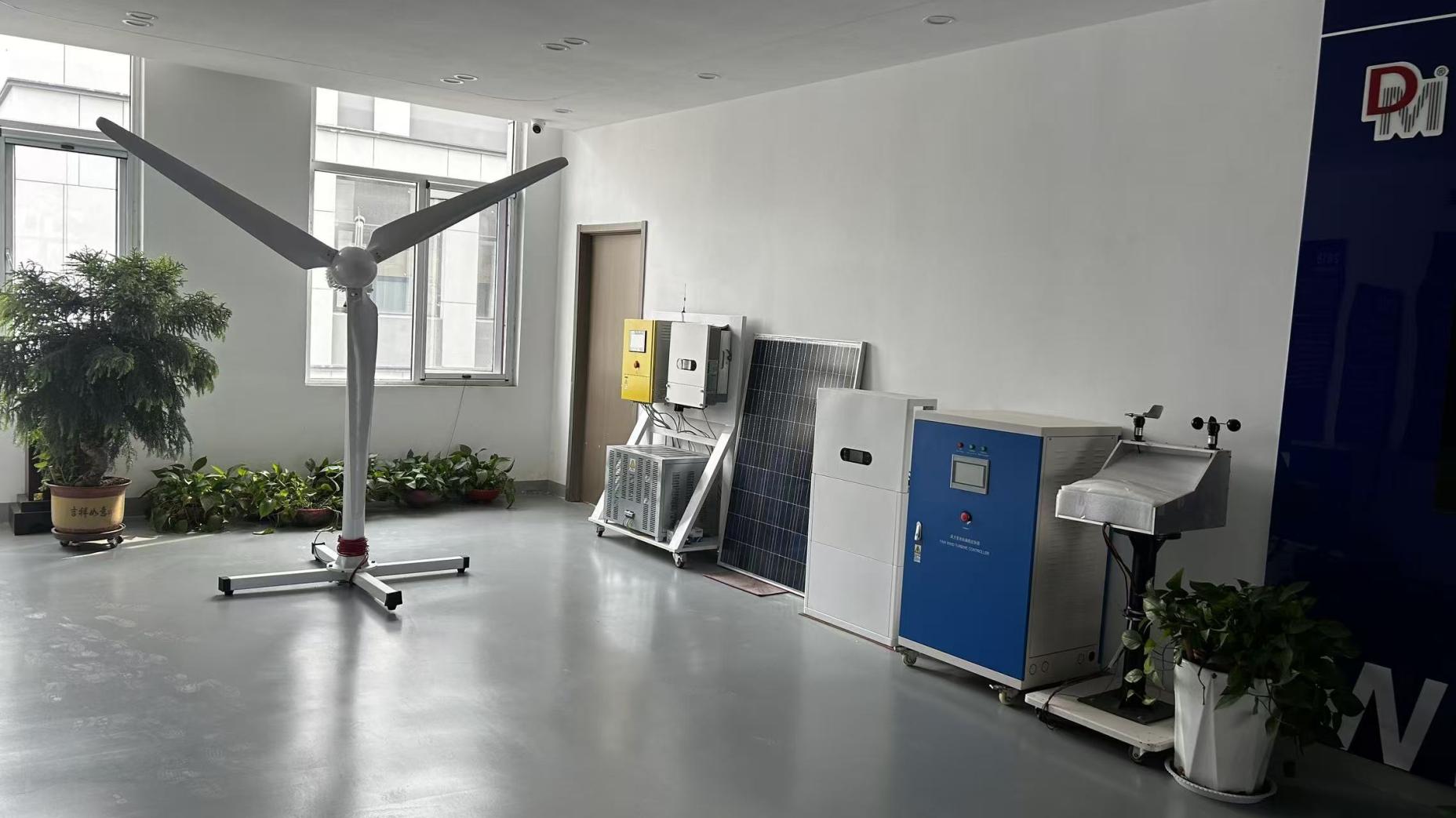
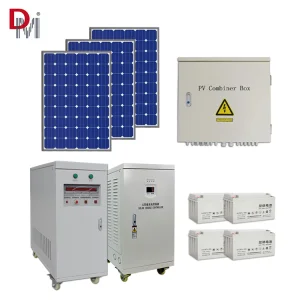
Deming's product lines are designed to work together. Wind/solar charge controllers, high-power hybrid inverters, and voltage regulators can be combined to build stable hybrid power stations. For instance, our MPPT solar controllers and wind controllers manage power from renewable sources, while our AC automatic voltage regulators stabilize the system's output voltage before it is distributed to off-grid loads or fed back into utility grids.
Heavy-duty power management systems and controllers built to handle demanding industrial, utility, and maritime dockside applications.
 Demin Power