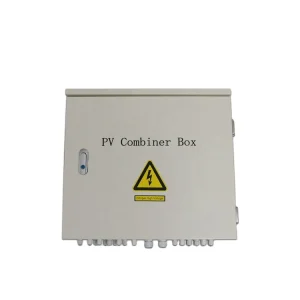
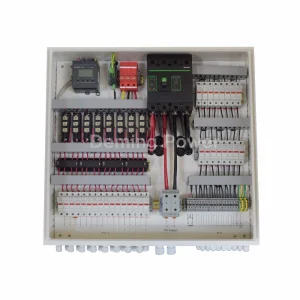
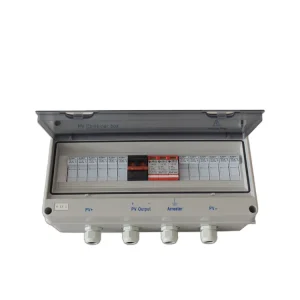
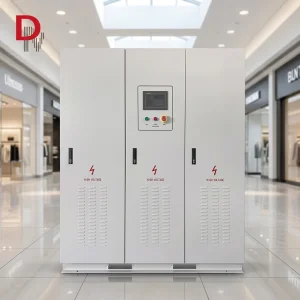
Explore our high-performance array combiner boxes optimized to bridge localized PV generation directly to commercial microgrids under extreme thermal conditions.
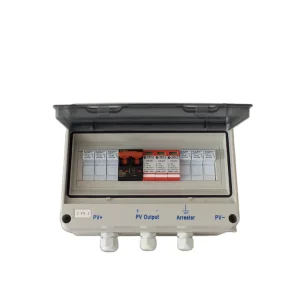
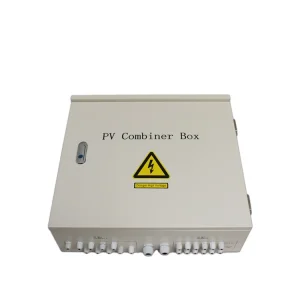
In South Africa, the landscape of power generation is rapidly shifting towards localized solar PV installations. Prompted by consistent load-shedding stages enacted by Eskom, commercial and industrial (C&I) organizations, along with agricultural enterprises, are transitioning to solar energy microgrids. However, this shift places extraordinary stress on safety components. When a utility grid drops offline, PV systems experience sharp, transient voltage swings. PV junction boxes and combiner boxes must protect the structural integrity of the solar array against these high-voltage anomalies.
Without premium DC surge protection devices (SPDs), overcurrent fuses, and high-quality circuit isolation within the PV junction boxes, localized systems face catastrophic inverter failure or thermal runaway. We manufacture components with heavy-duty thermal isolation, providing reliable structural hubs for array terminations that can withstand immediate thermal expansion and electrical switching events.
Jinan Deming Power Equipment Co., Ltd. is a nationally recognized high-tech enterprise established in 2004, specializing in the research, development, production, and service of renewable energy power equipment and advanced power testing solutions. The company holds ISO9001:2015 certification and has been recognized as a high-tech enterprise by the Chinese government multiple times (2015, 2018). With a dedicated R&D team of 16 engineers including doctoral supervisors and master's degree holders, Deming invests no less than 20% of annual sales revenue into technology development. The company has completed 17 R&D projects in the last three years with 16 scientific and technological achievements transformed into commercial products. Deming's products have been exported to 120+ countries including Germany, Japan, the United States, UK, Canada, Australia, and Brazil, and the company has established cooperative relationships with Fortune 500 enterprises. The company's main products include wind/solar controllers, inverters, frequency converters, and high-power bidirectional DC test power supplies and battery simulators ranging from 150kW to 500kW.
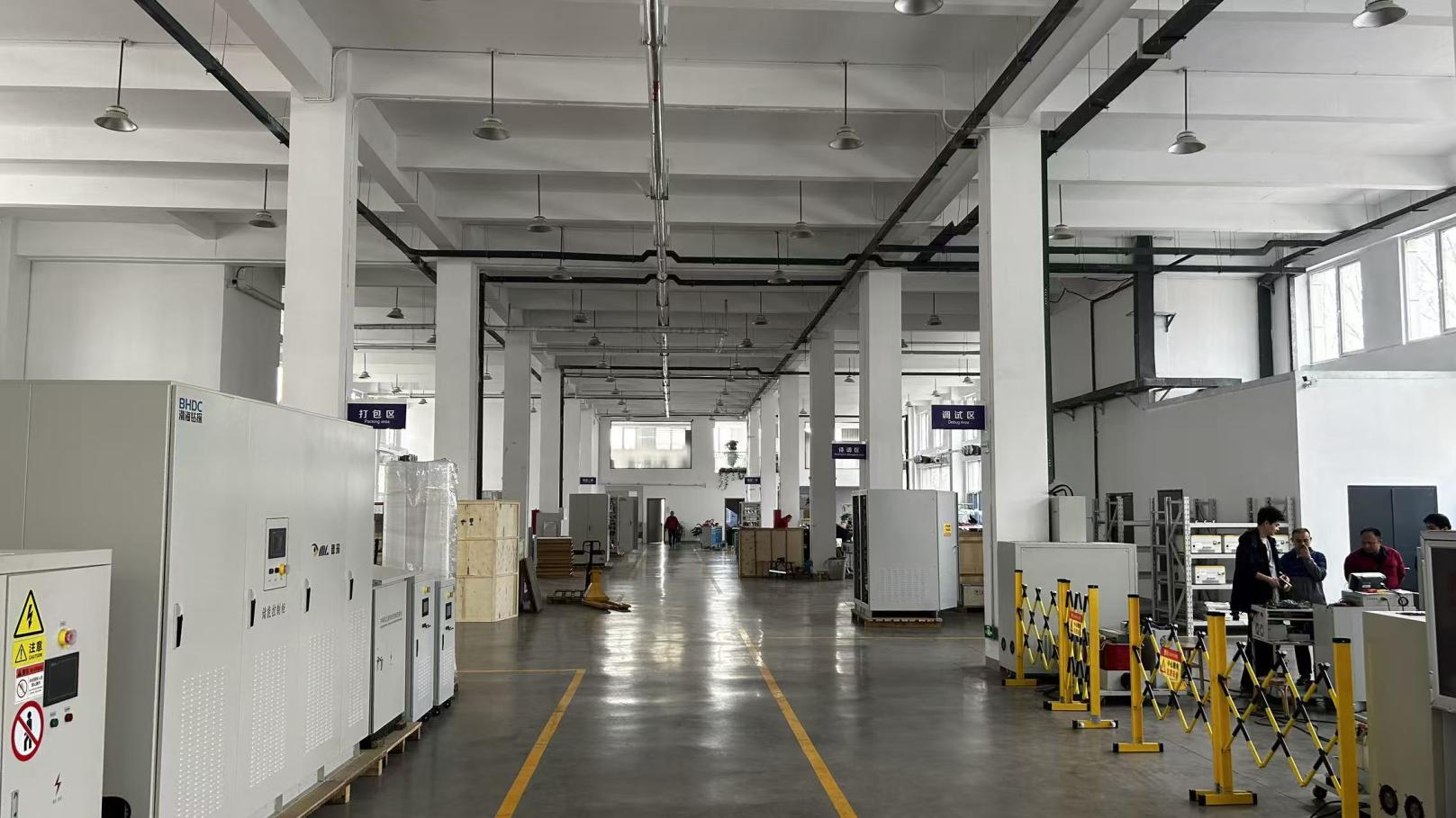
A primary element of our E-E-A-T commitment (Experience, Expertise, Authoritativeness, and Trustworthiness) is our transparent testing and fabrication infrastructure. Below is a comprehensive look into our ISO9001 certified development facility, highlighting our circuit construction, calibration rigs, and advanced semiconductor diagnostic tools.
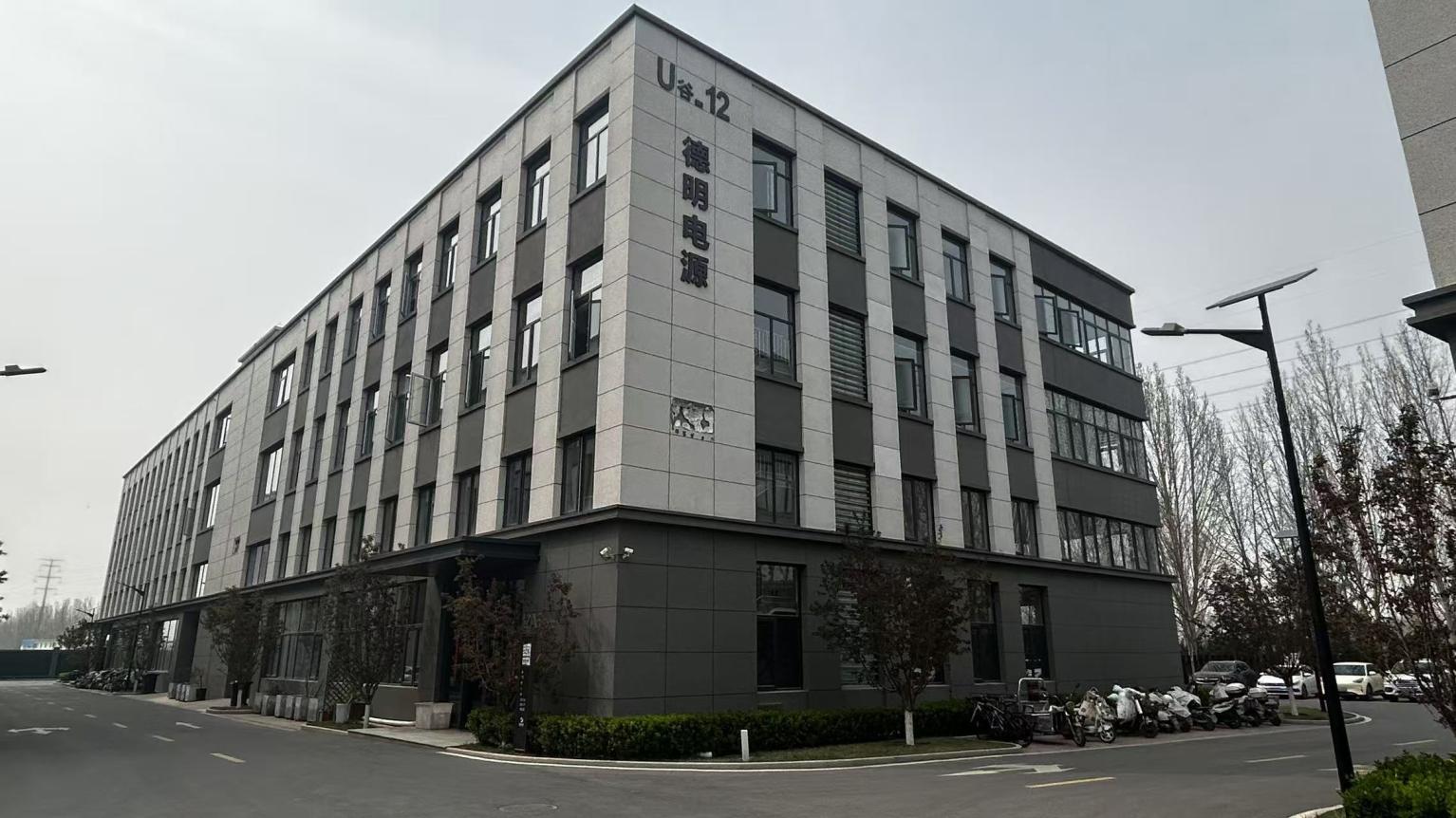 Factory Hall View
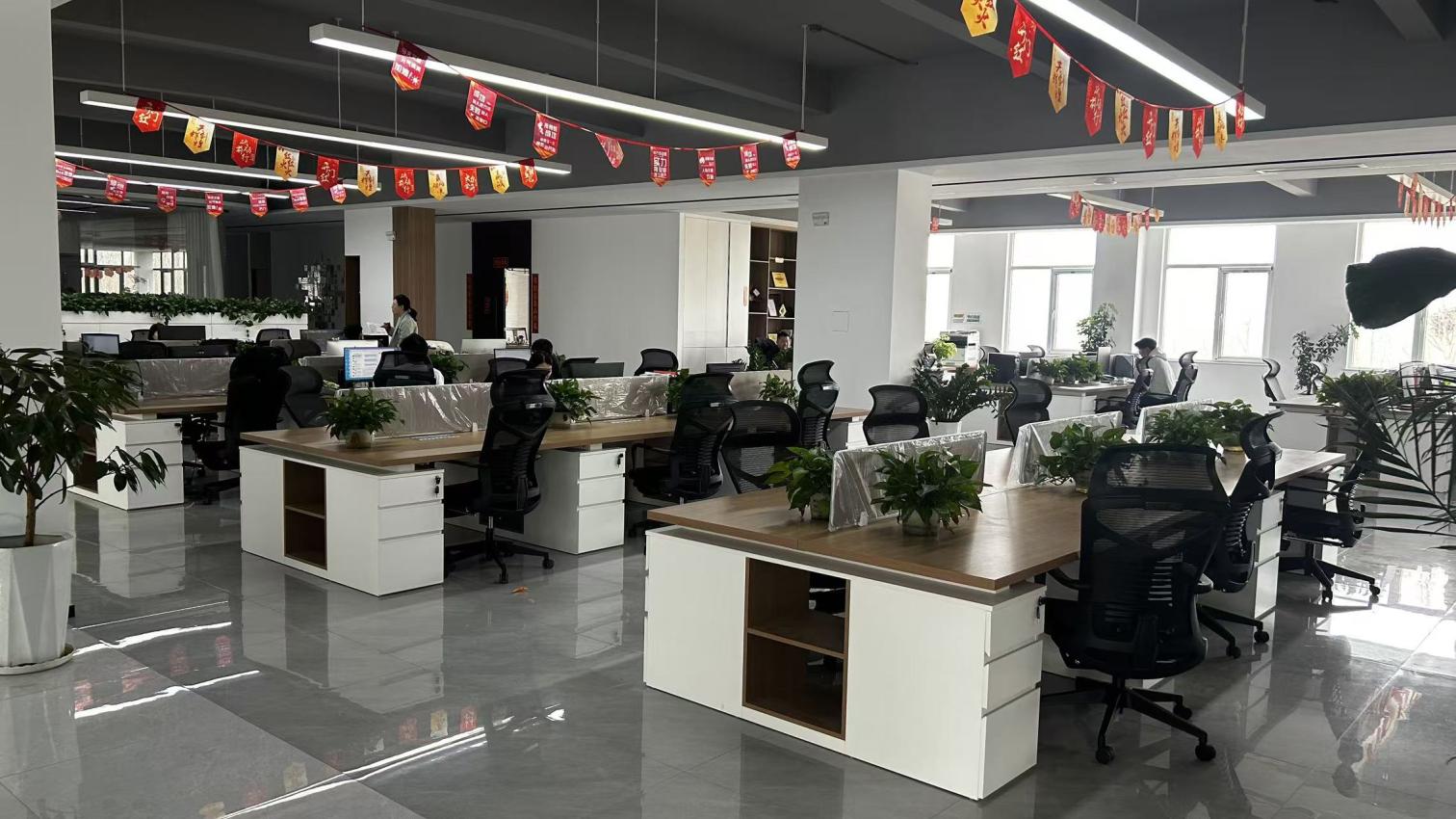 Production Line Setup
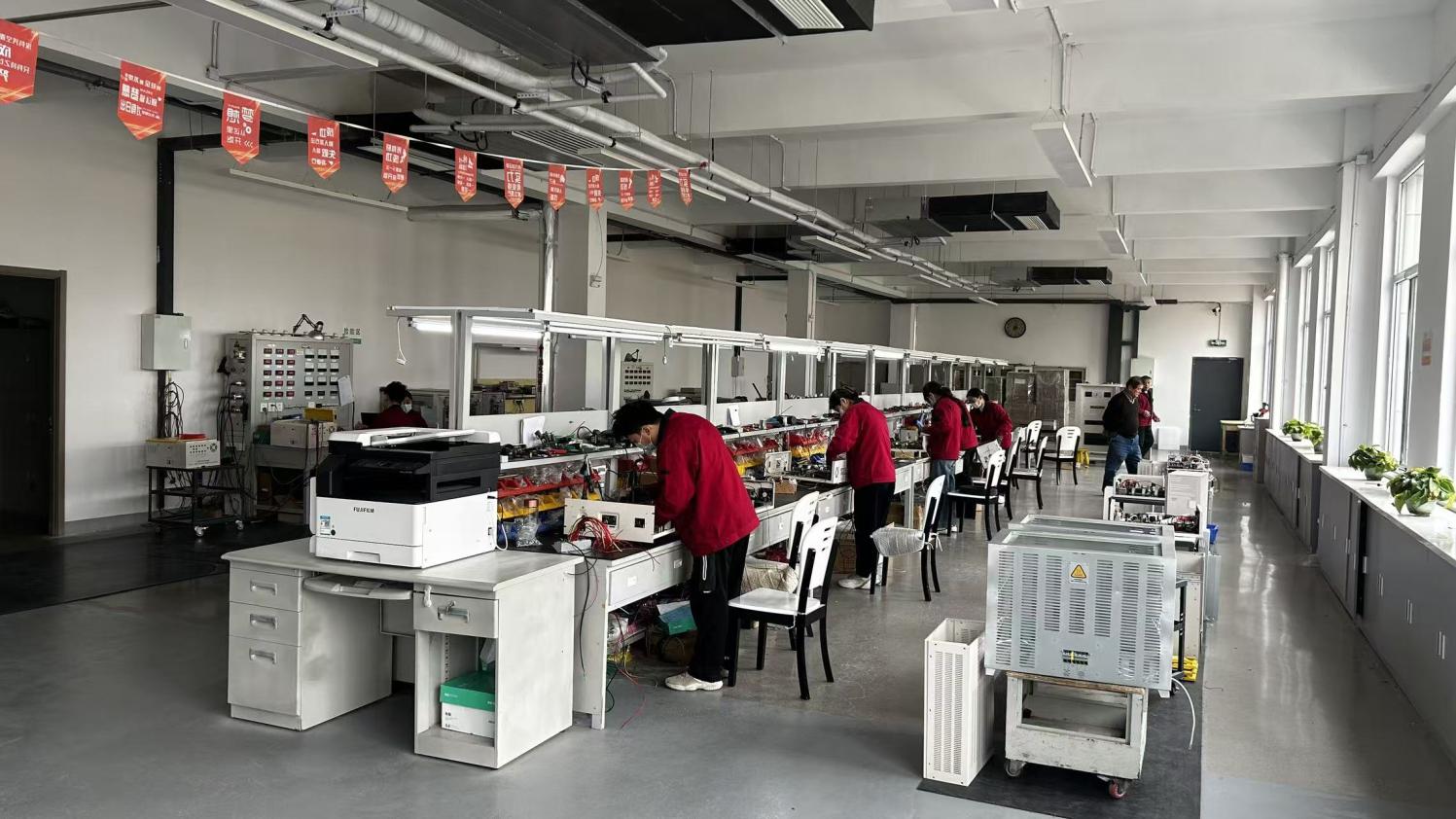 Assembly Workstations
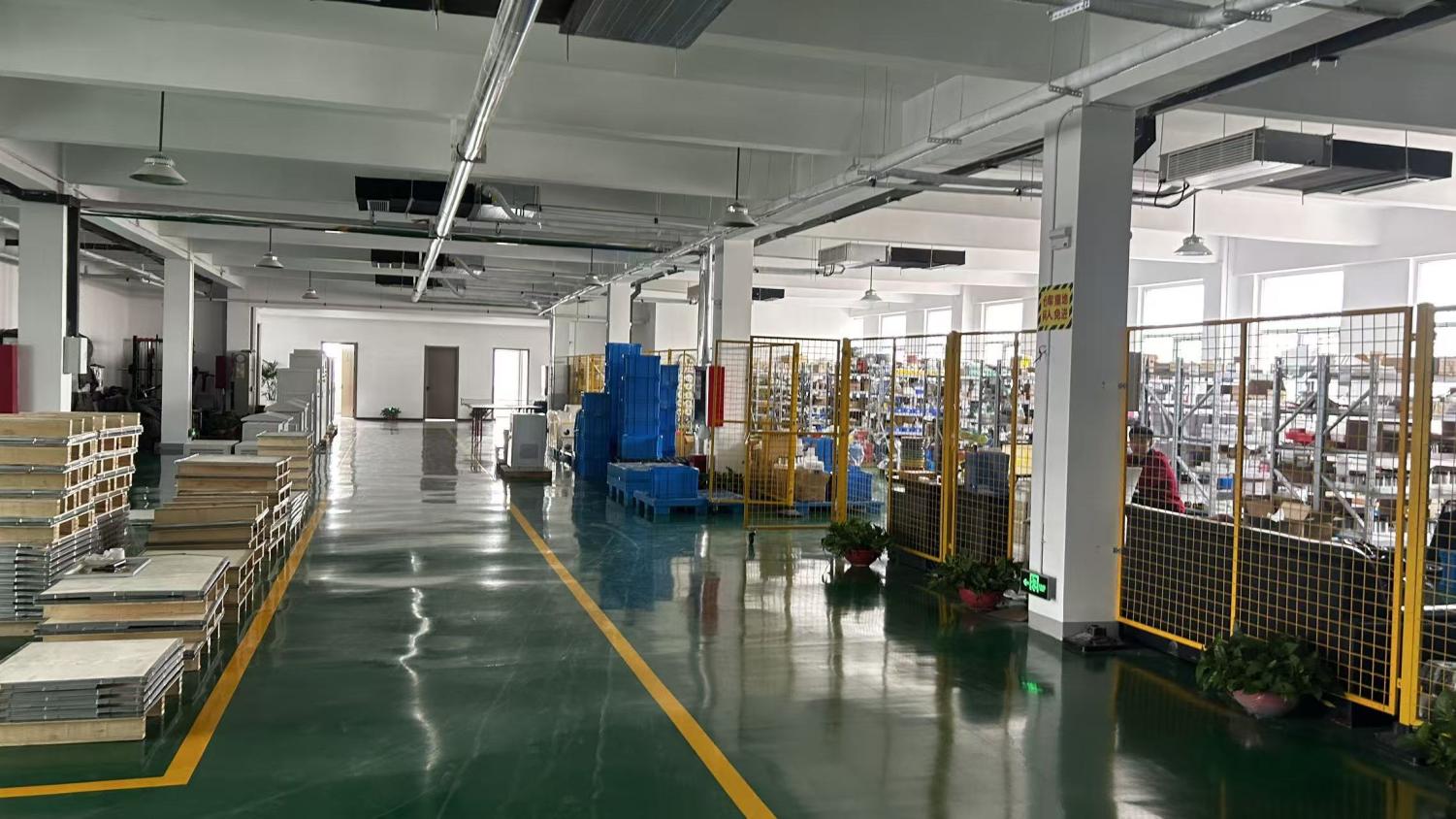 Component Warehouse
 Quality Testing Rack
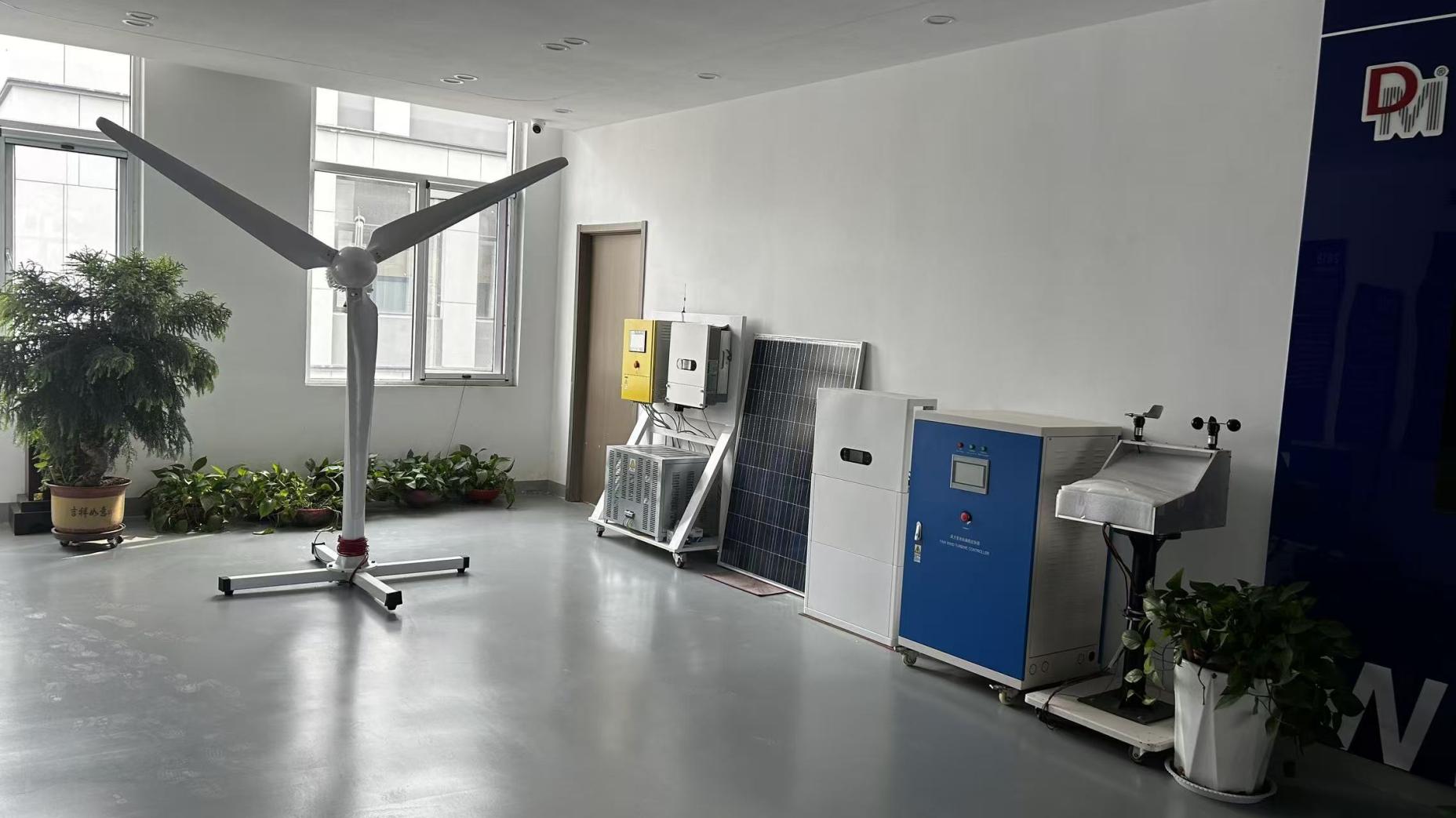 Finished Product Depot
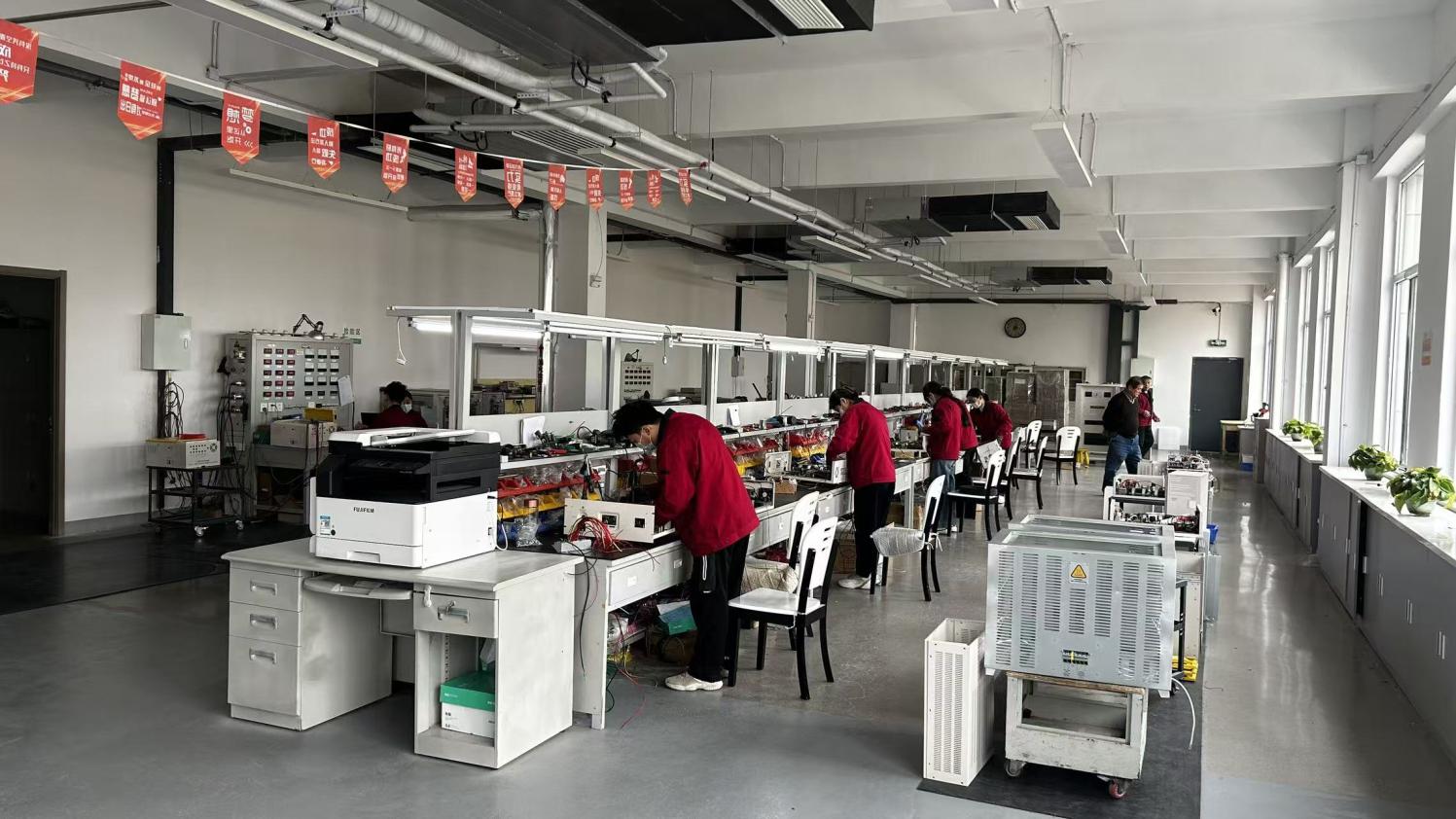 Circuit assembly
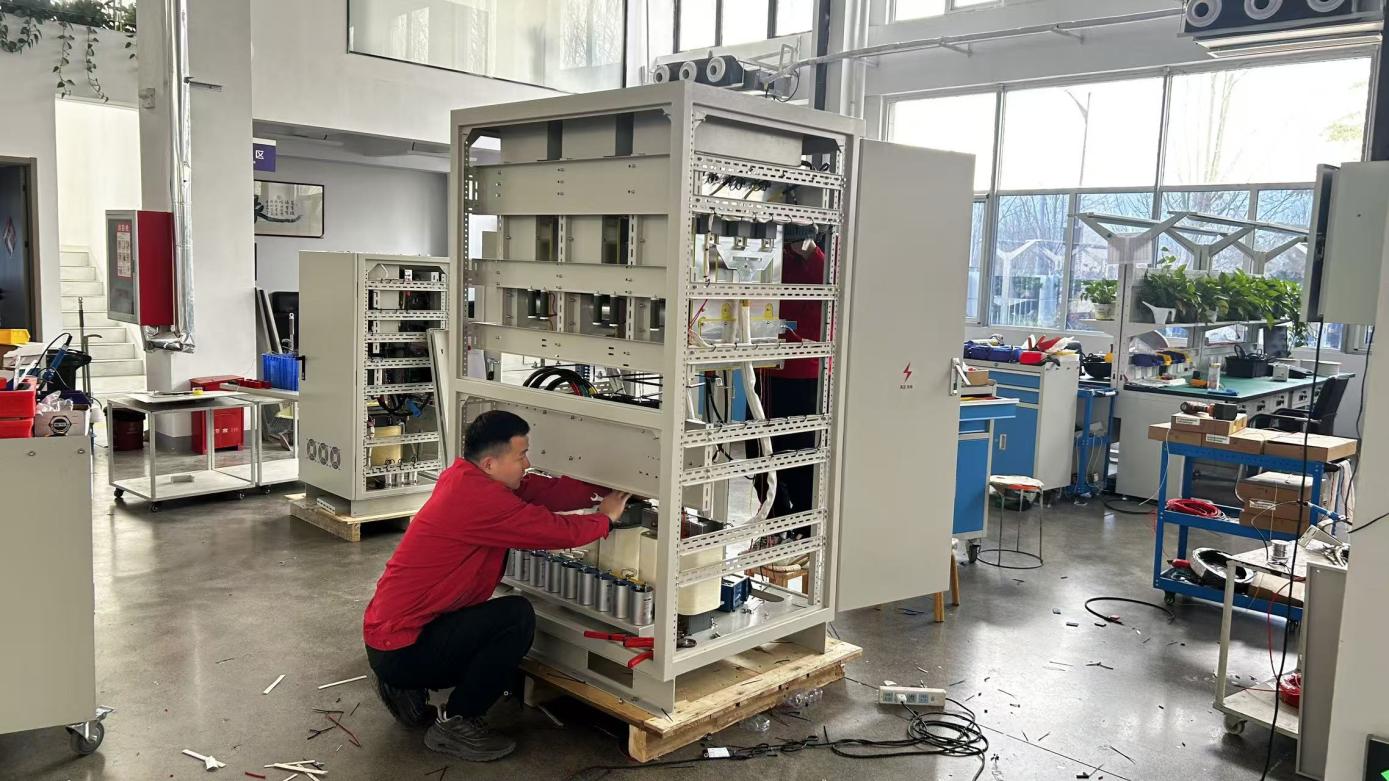 Circuit board assembly
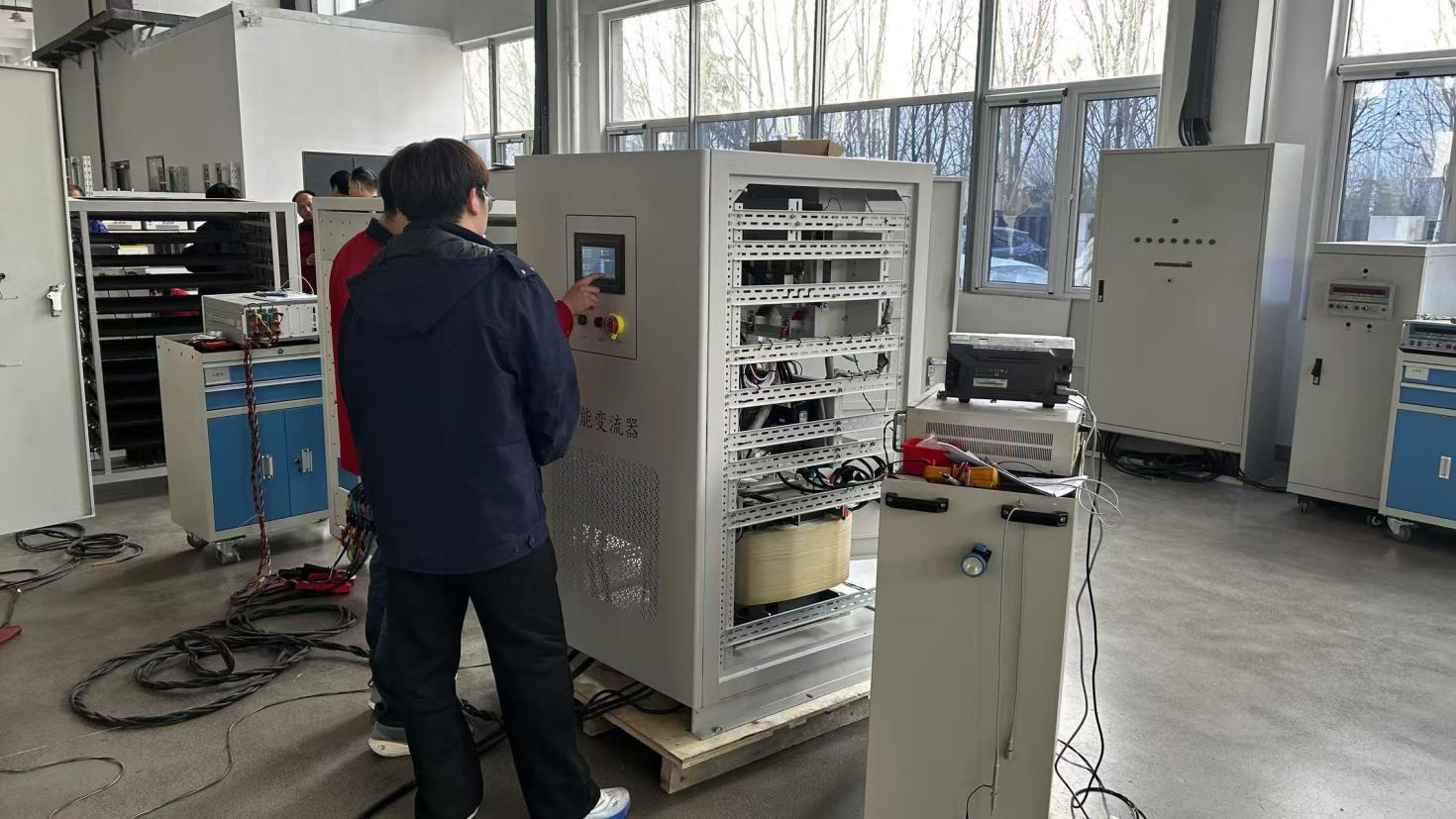 Debugging process
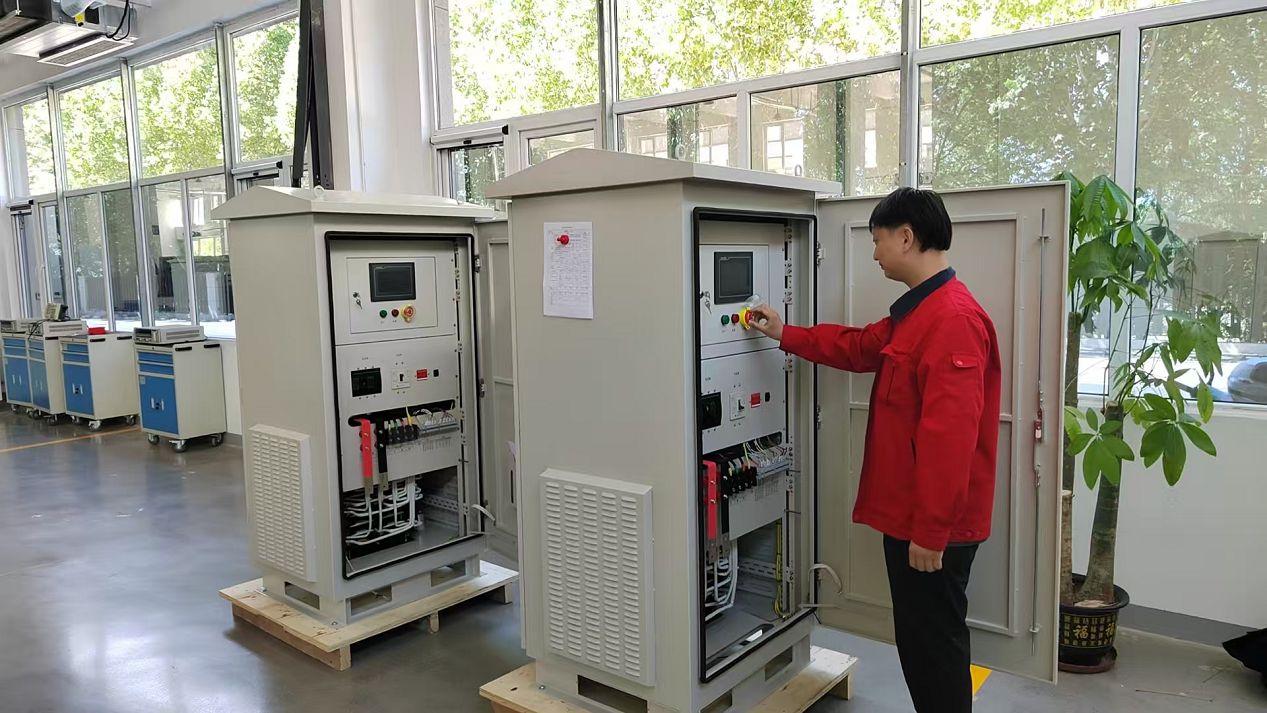 Quality inspection process
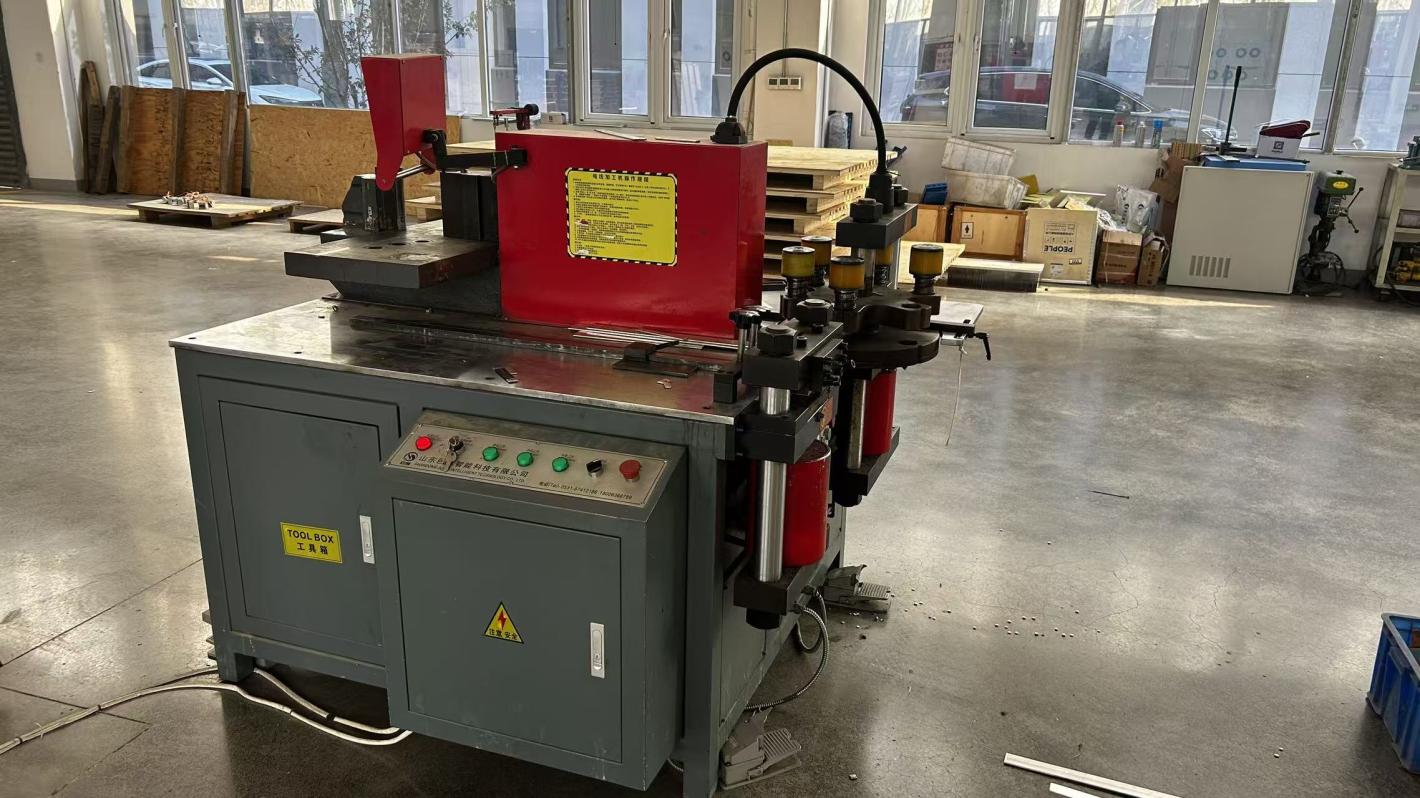 Copper bar production
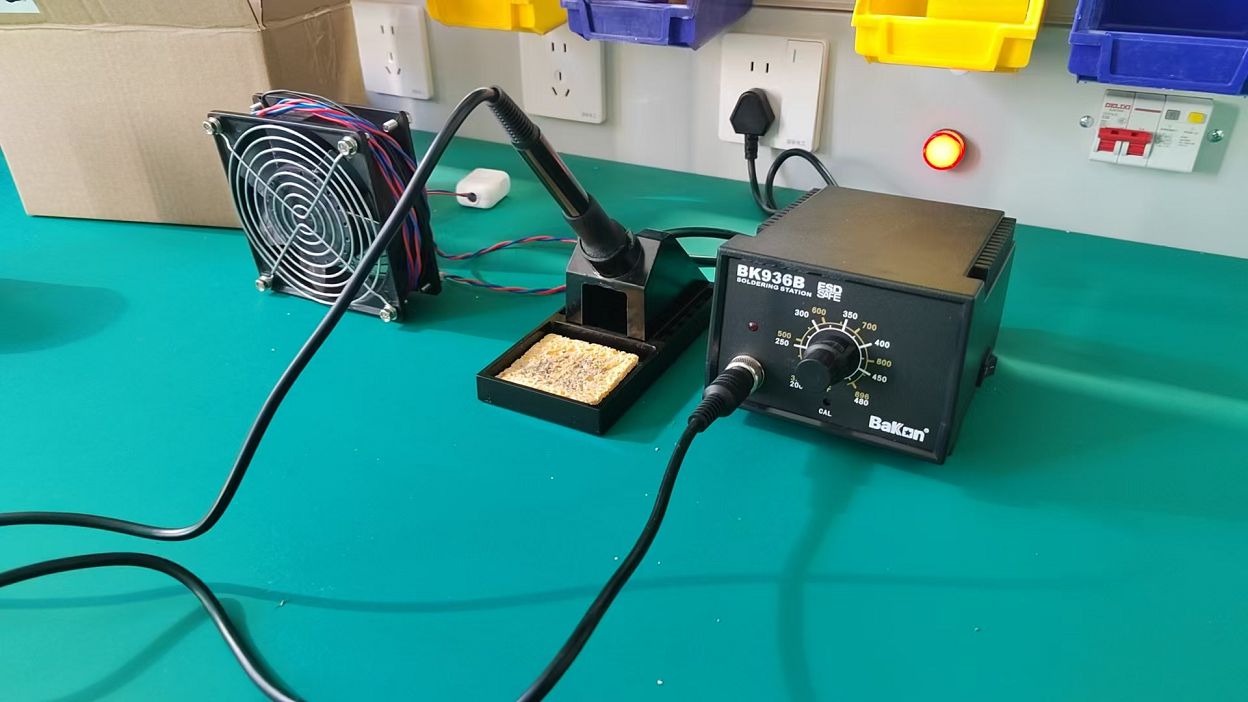 Electric ferrowire
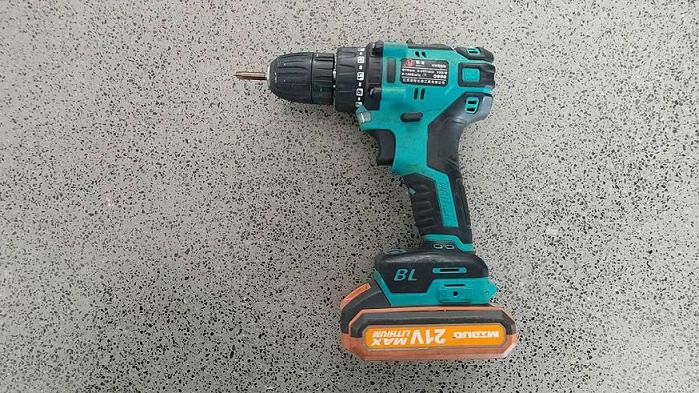 Electric drill
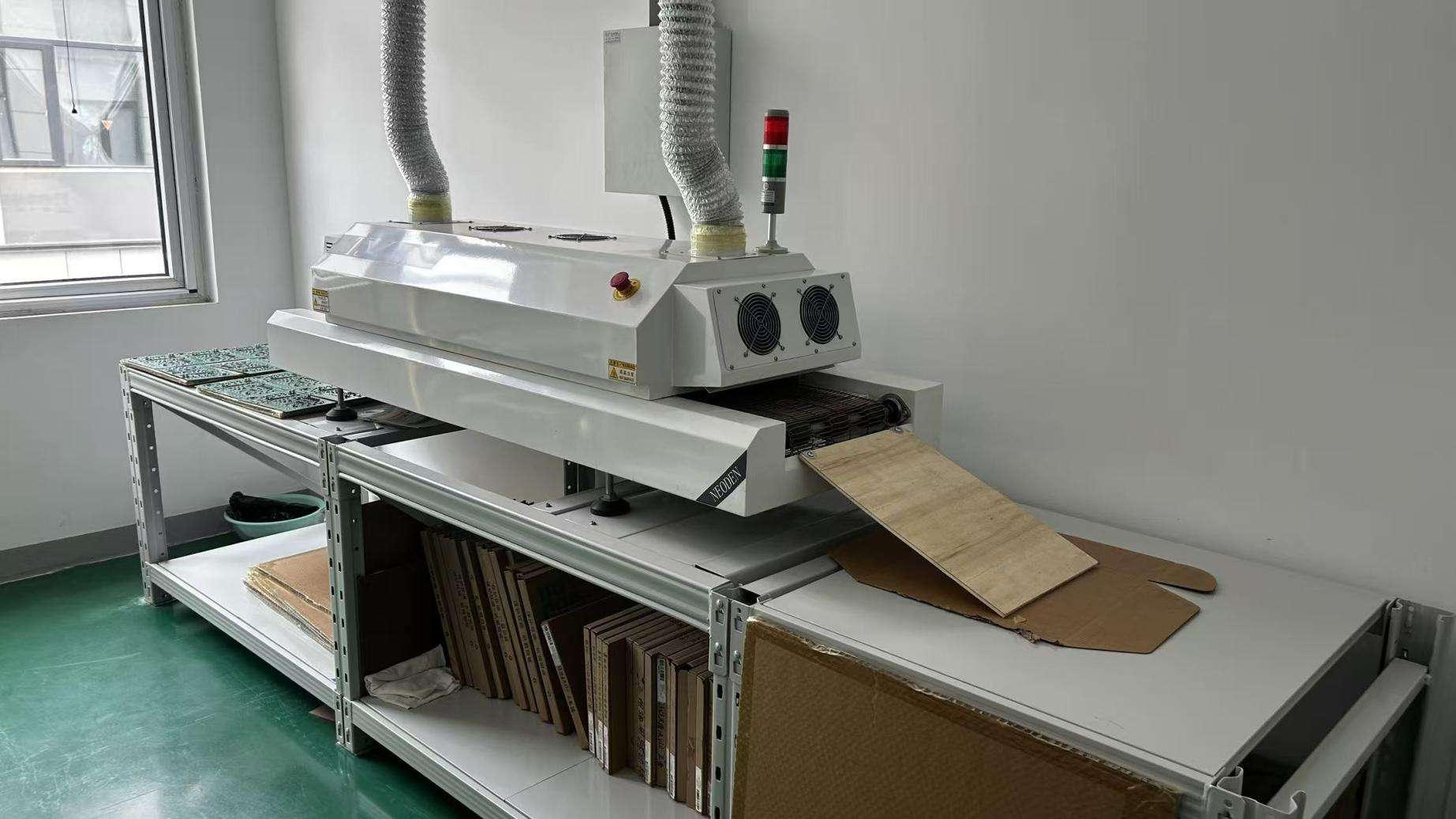 Reflow soldering machine
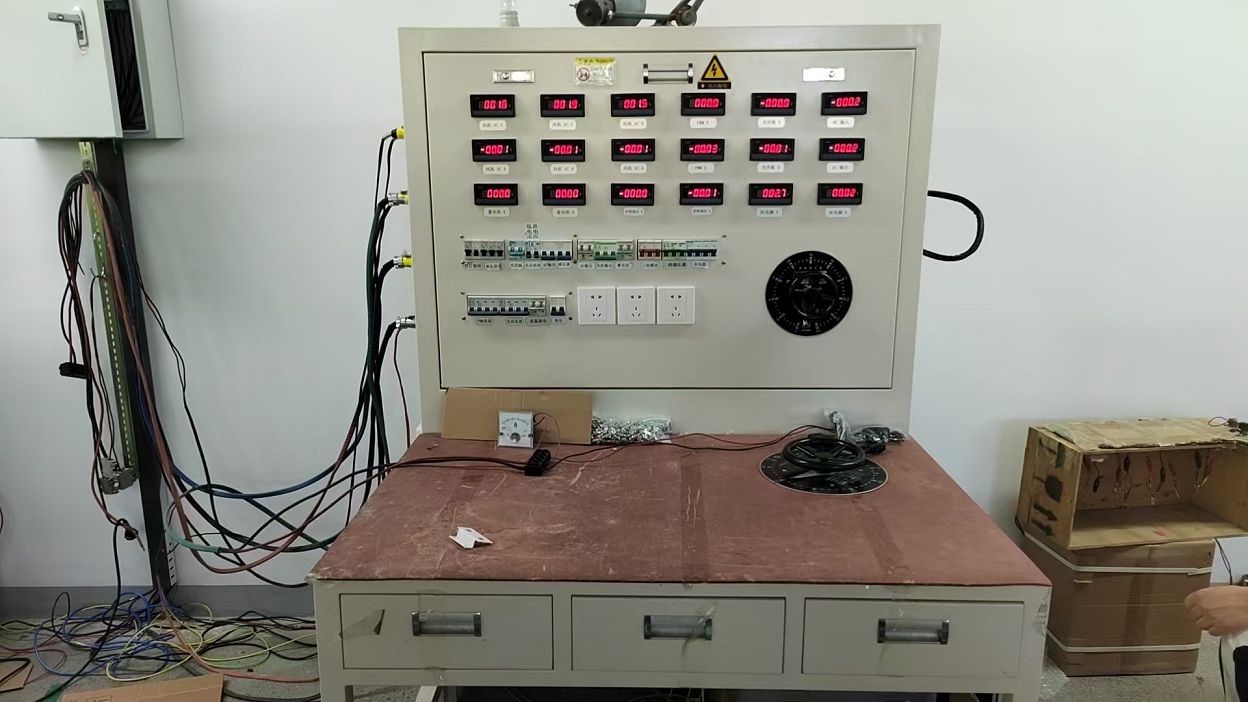 Workbench
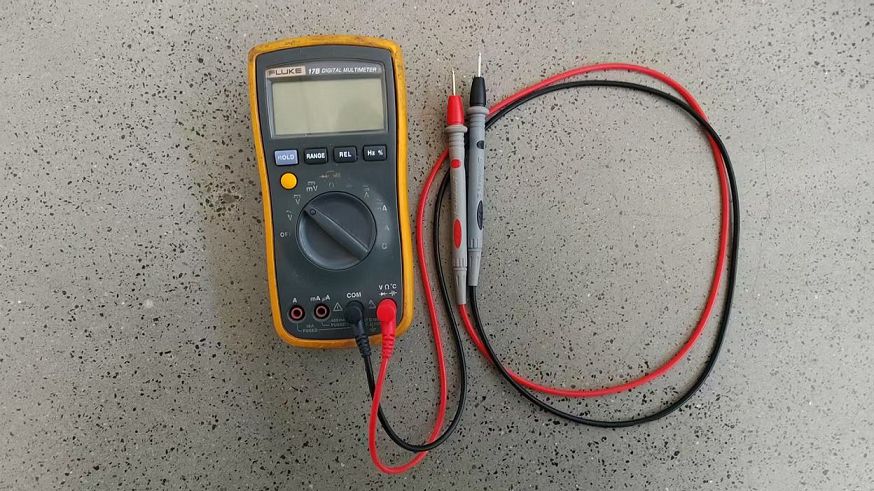 Multimeter
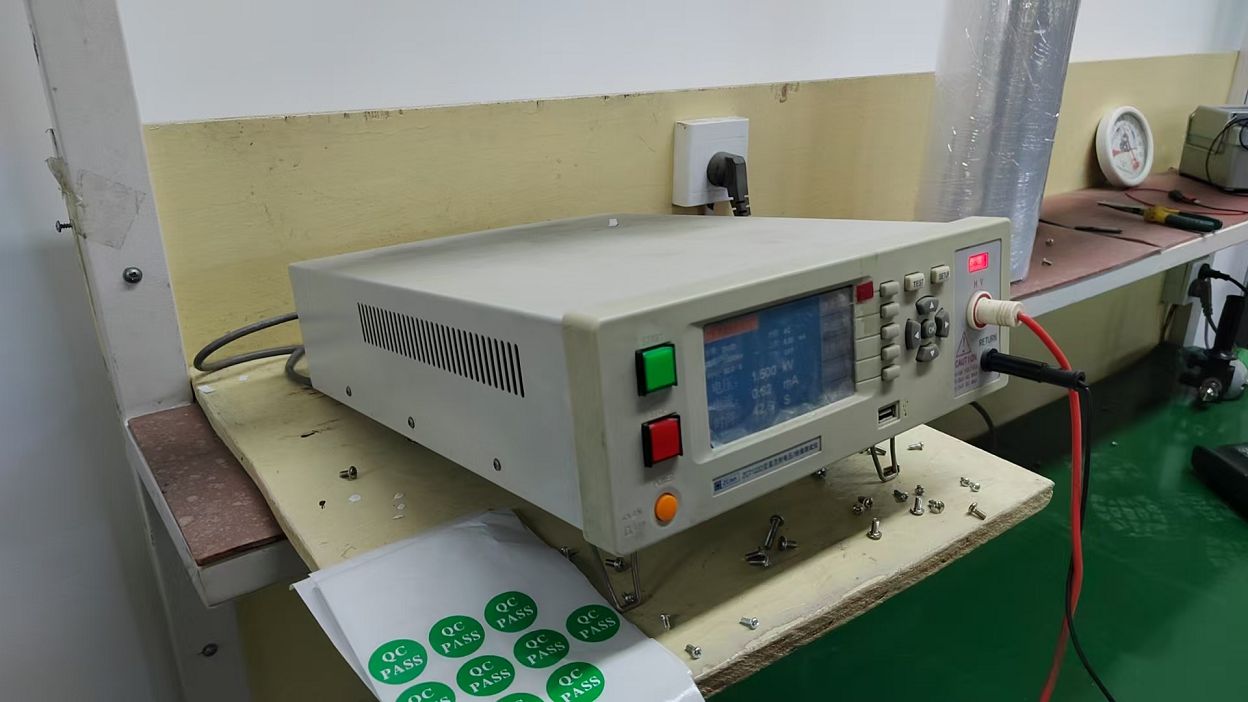 LCR AutoTester
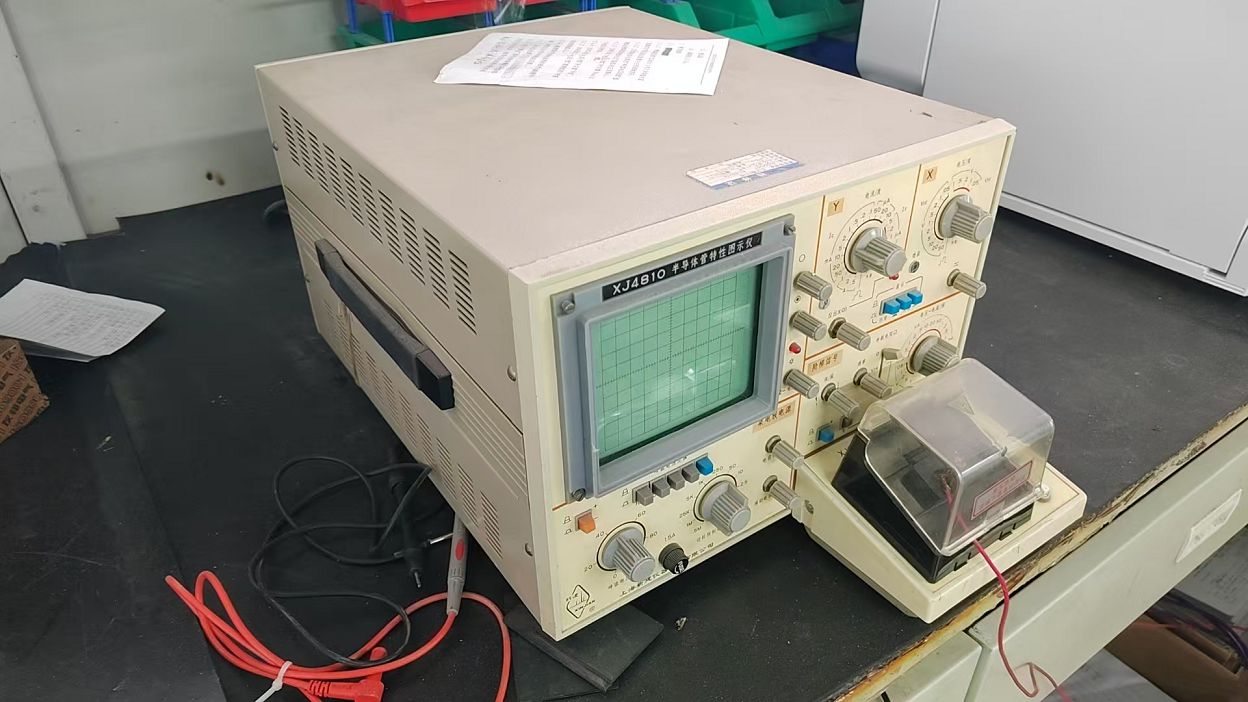 Semiconductor Plotter
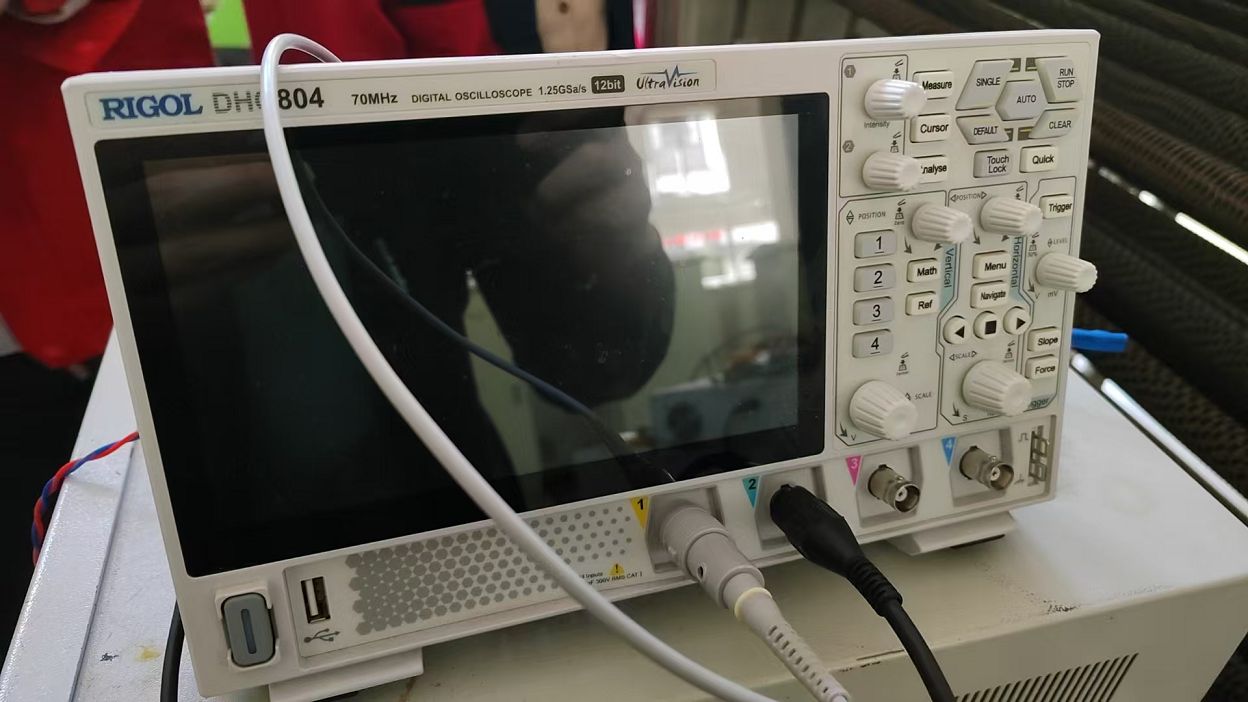
 Digital Oscilloscope
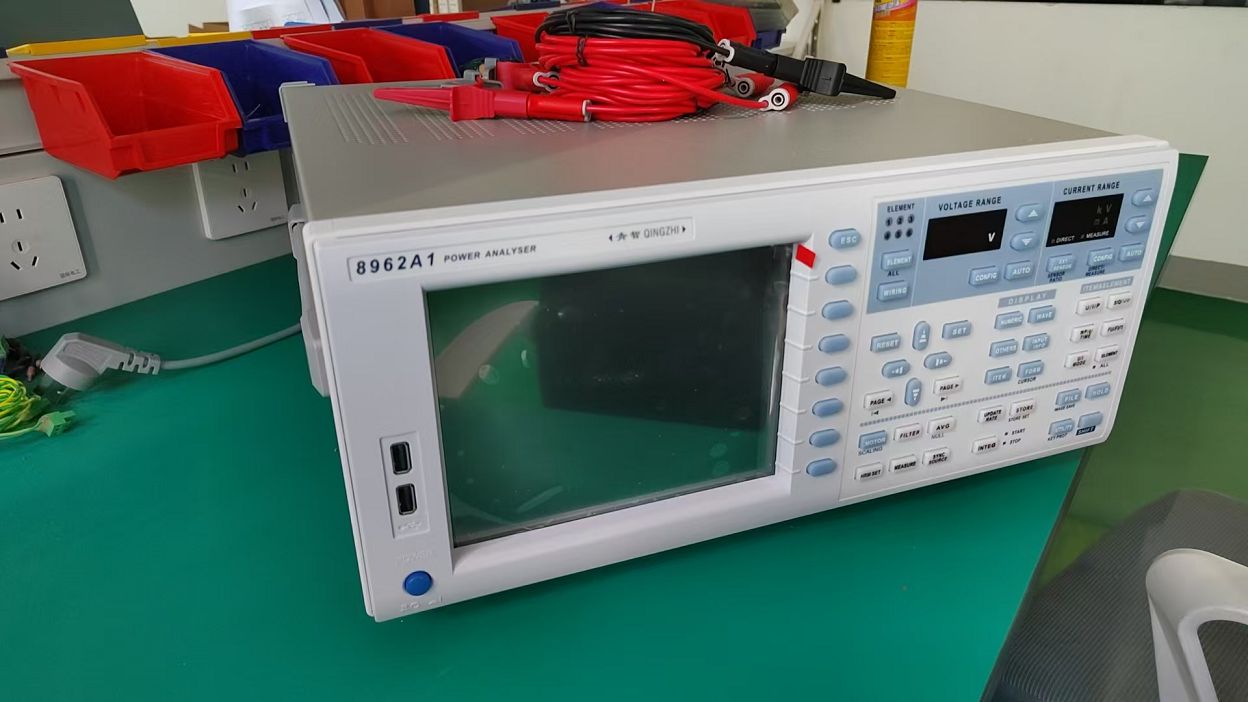
 Power Quality Analyzer
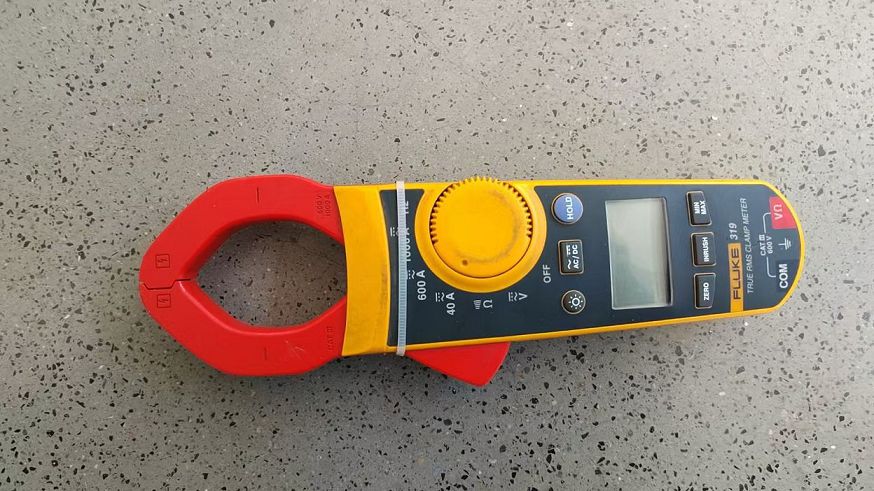 Clamp current meter
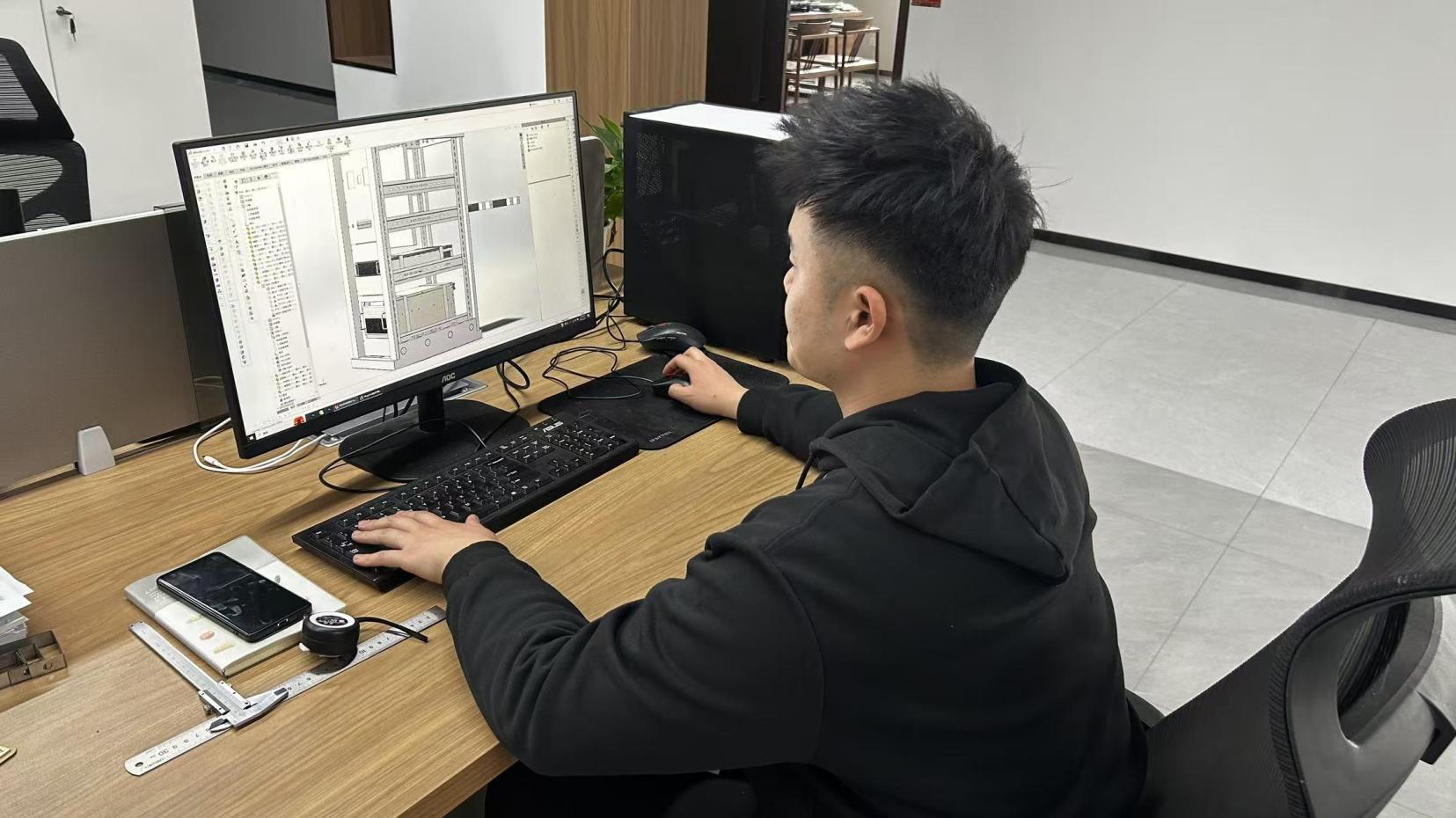 Drawing Design
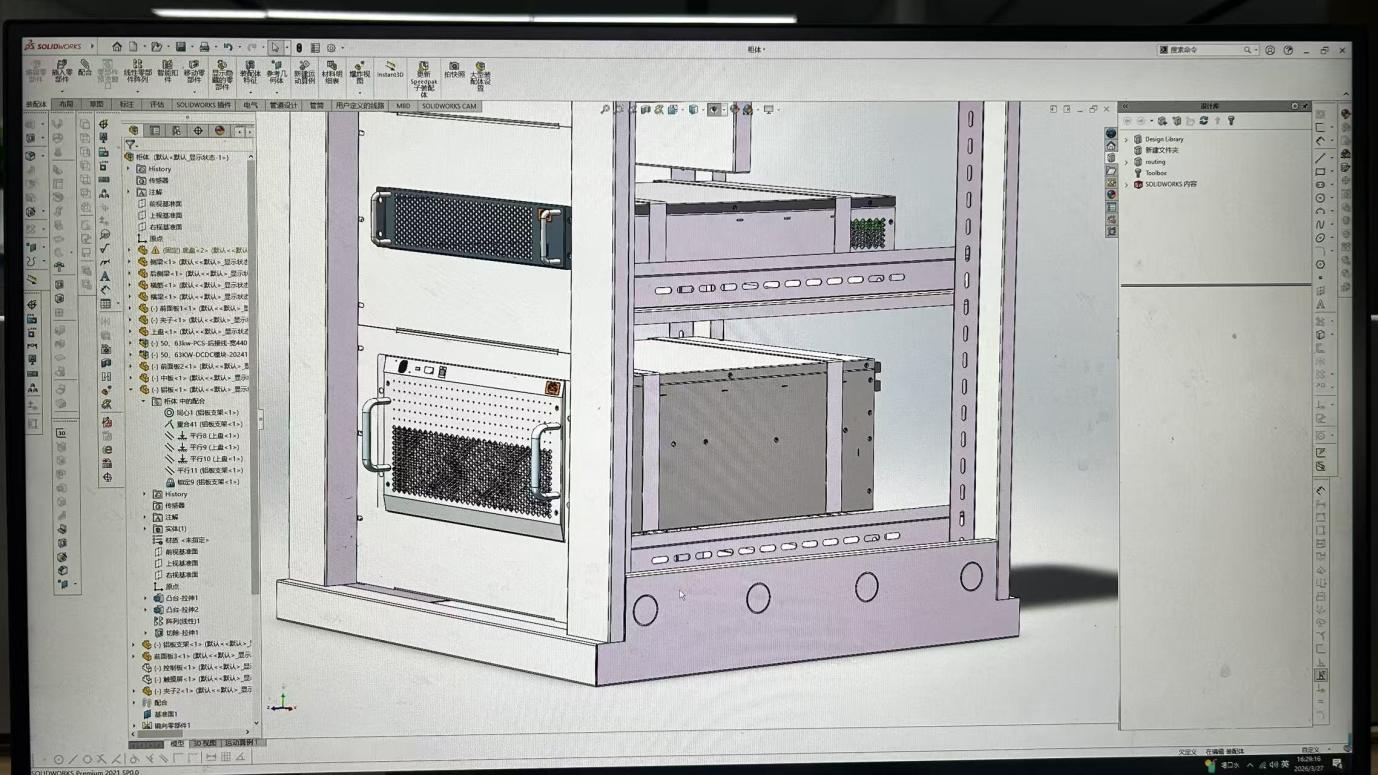 Design Station
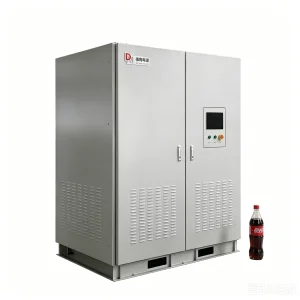
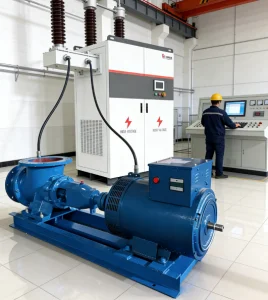
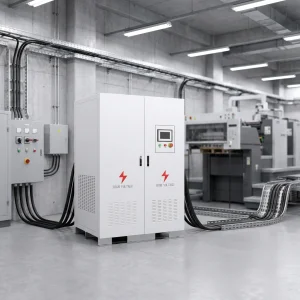
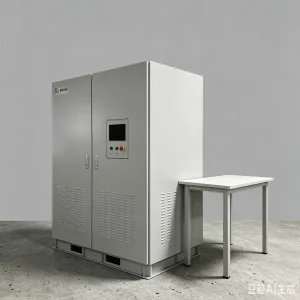
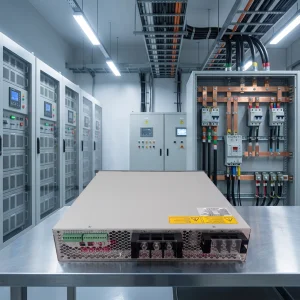
In addition to PV junction boxes, we supply utility-scale converters and industrial regulators designed to stabilize variable supply profiles for heavy machinery and off-grid mini-grids.
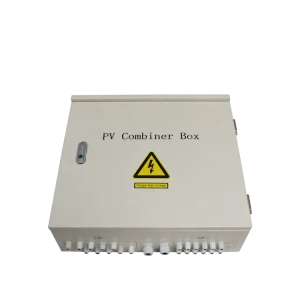
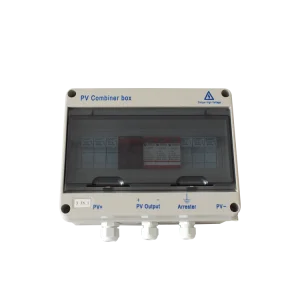
Standard ABS plastic housings will quickly degrade, become brittle, and crack under the intense South African sun. Our outdoor PV junction and combiner boxes utilize custom polycarbonate formulations with added UV-stabilizer additives, or powder-coated, corrosion-resistant sheet metal structures. This ensures that IP65 and IP66 ratings are maintained over a standard 25-year operational lifetime.
Ambient temperatures in the dry inland plains often exceed 40°C. Within a sealed combiner enclosure, temperatures can escalate past 70°C. Without appropriate engineering, this causes premature degradation of fuses and trips circuit breakers prematurely. We calibrate our internal busbars and selection ratings to compensate for high ambient temperatures, preventing localized hot-spots and thermal runaways.
The Highveld region, including Gauteng and Mpumalanga, experiences high lightning strike frequency. This atmospheric activity introduces severe risk of inductive surges on DC lines. Deming integrates Type 1+2 DC surge protection devices (SPDs) with replaceable cartridges directly into the combiner systems, diverting surge current safely to the ground before it can damage downstream string inverters.
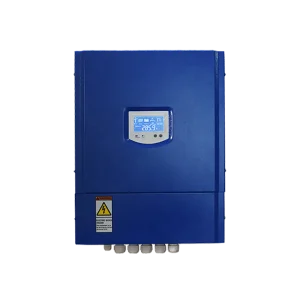
Our comprehensive catalog ranges from solar DC junctions to complete bidirectional conversion units, supporting stable off-grid utility infrastructure.
When constructing commercial and utility solar arrays, complying with local regulations is necessary for insurance approval, grid-connection authority (Eskom / municipal networks), and physical safety. In South Africa, electrical installations must adhere to the CoC (Certificate of Compliance) requirements detailed in SANS 10142-1 (The wiring of premises: Low-voltage installations) and specifically SANS 10142-2 for medium-voltage systems.
Speak directly with our technical support and sales team to outline your project sizing, request quotes for customized systems, or request detailed CAD layouts.
 Demin Power