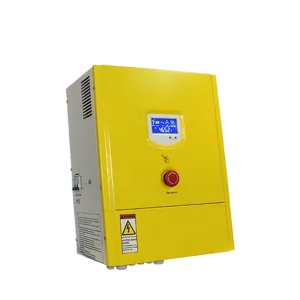
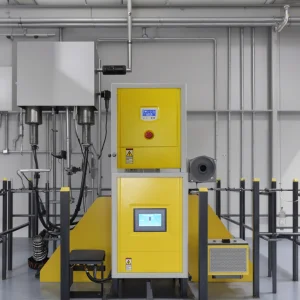
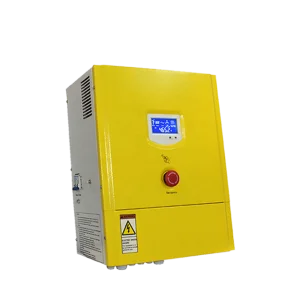
High-performance grid-tie systems designed to withstand Vietnam's diverse climatic zones and strict utility standards.
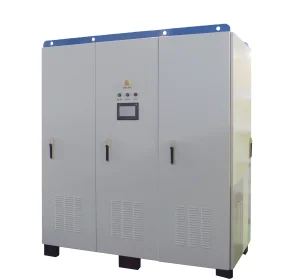
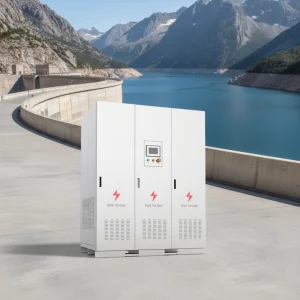
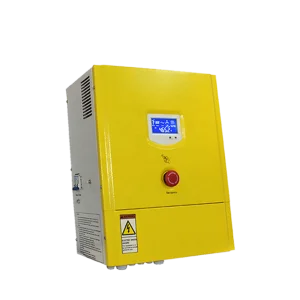
Technical Insights into Grid-Connected Wind Power Systems Under the PDP8 Framework.
Under Vietnam’s Power Development Plan 8 (PDP8), the government aims to expand onshore wind capacity to 21,880 MW and offshore wind to 6,000 MW by 2030. This ambitious trajectory has created an unprecedented demand for grid-tied power electronics. However, the localized grid system in Vietnam—characterized by regional weak grids, high transmission line loads, and distinct seasonal monsoon winds—poses serious integration issues. Operating grid-tied wind projects in zones like Ninh Thuan, Binh Thuan, or the Central Highlands requires advanced inverter hardware capable of extreme voltage tolerance and high-speed grid synchronization.
Unlike standard photovoltaic setups, wind turbine energy generation is highly dynamic. The physical inertia of wind turbine rotors combined with sudden aerodynamic gusts leads to rapid voltage spikes and frequency variations. Without a high-tier wind inverter and a responsive grid-tie controller with a dump load resistor bank, wind projects risk triggering localized grid protection relays, causing immediate system disconnections and severe revenue losses under active Power Purchase Agreements (PPAs).
"Vietnam's rural grids often present low short-circuit ratios (SCR). High wind penetration in these areas triggers voltage fluctuations. Dynamic reactive power support and advanced Low-Voltage Ride-Through (LVRT) technologies within on-grid inverters are not optional—they are regulatory prerequisites demanded by EVN (Electricity Vietnam)."
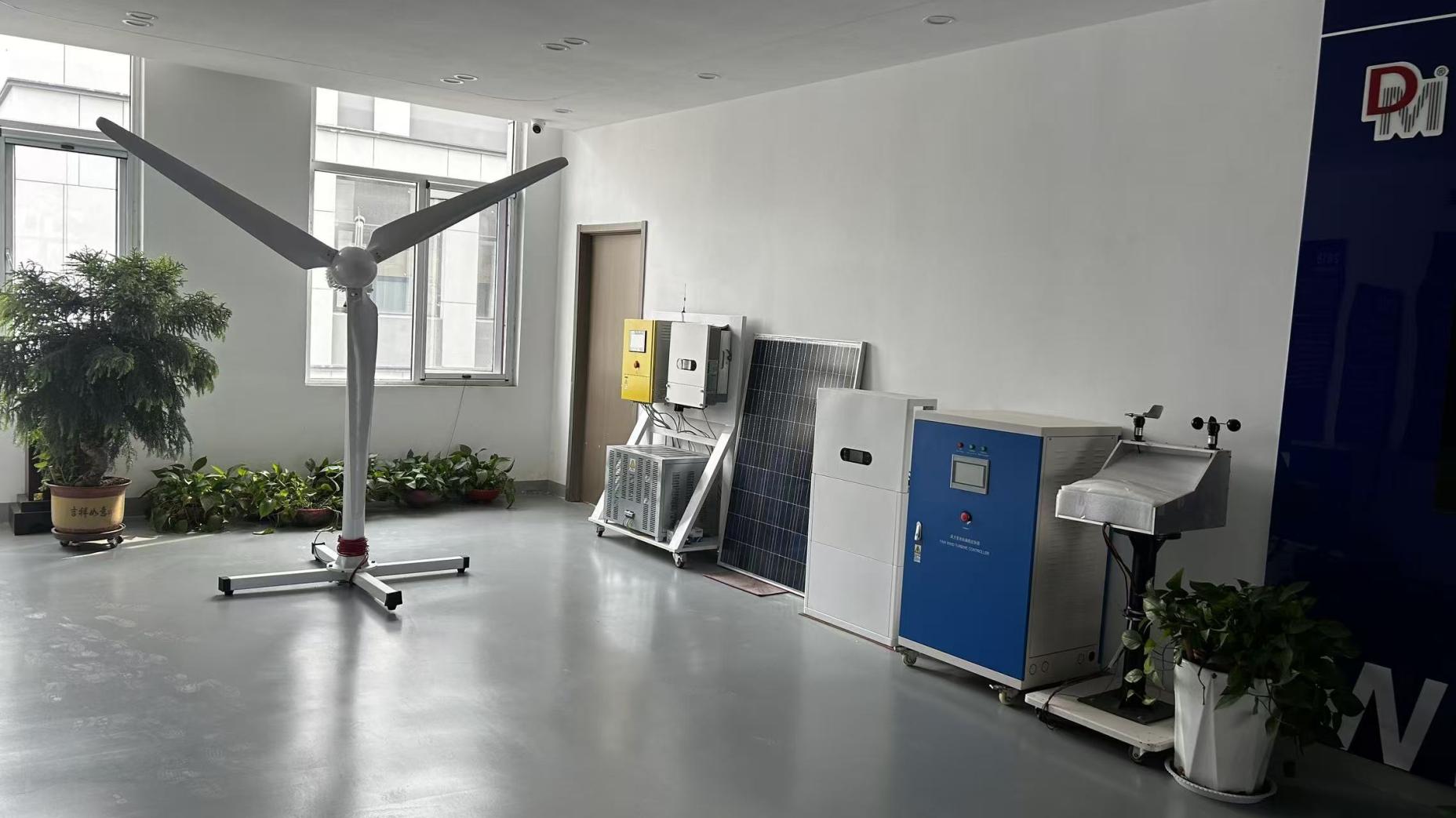
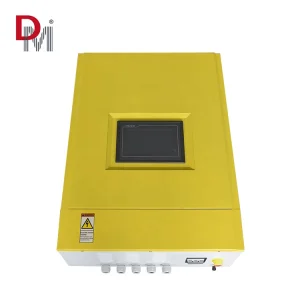
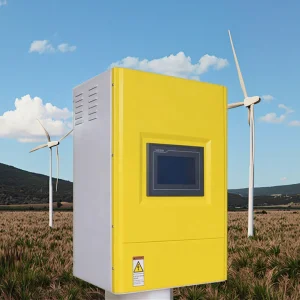
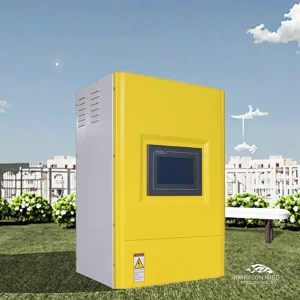
To preserve grid stability, Deming Power's on-grid controllers integrate high-power pulse-width modulation (PWM) control with automatic dump load diversion. When grid dropouts occur or wind turbine rotational speeds exceed safety margins, the system instantly diverts excess kinetic energy to high-grade ceramic dump loads. This protects the on-grid wind turbine inverter from overvoltage destruction and prevents physical turbine runaway conditions.
Optimized systems for dual-source grid injection, providing maximum uptime and utilization of local weather profiles.
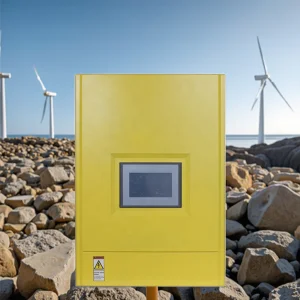
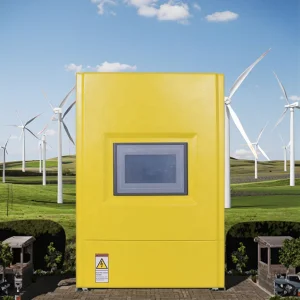
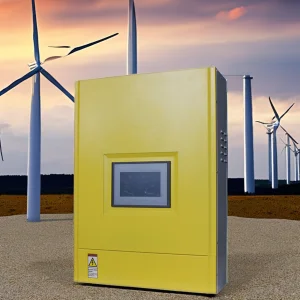
How Jinan Deming Power Equipment Delivers Unmatched Reliability and High-Value Customizations.
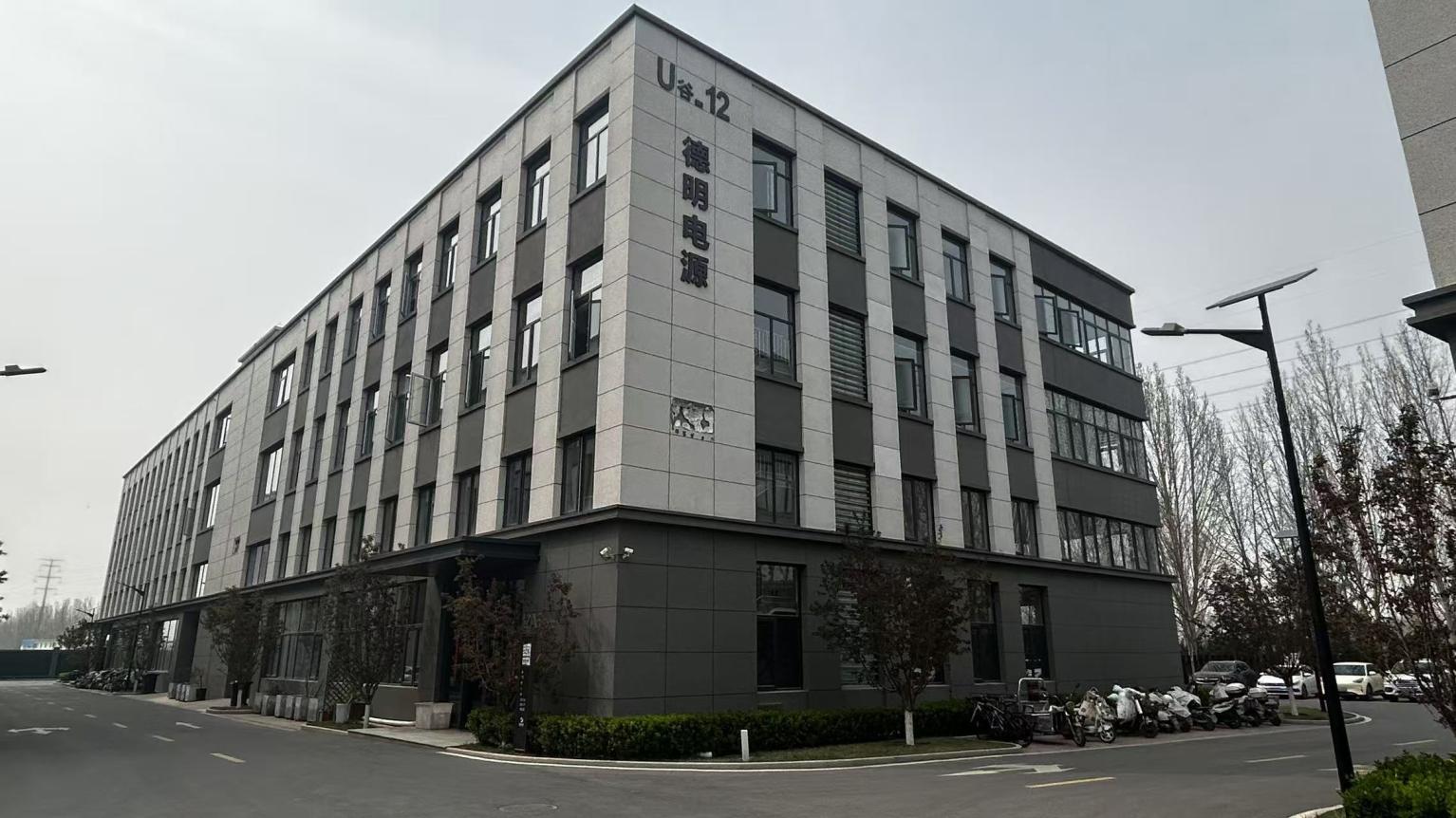
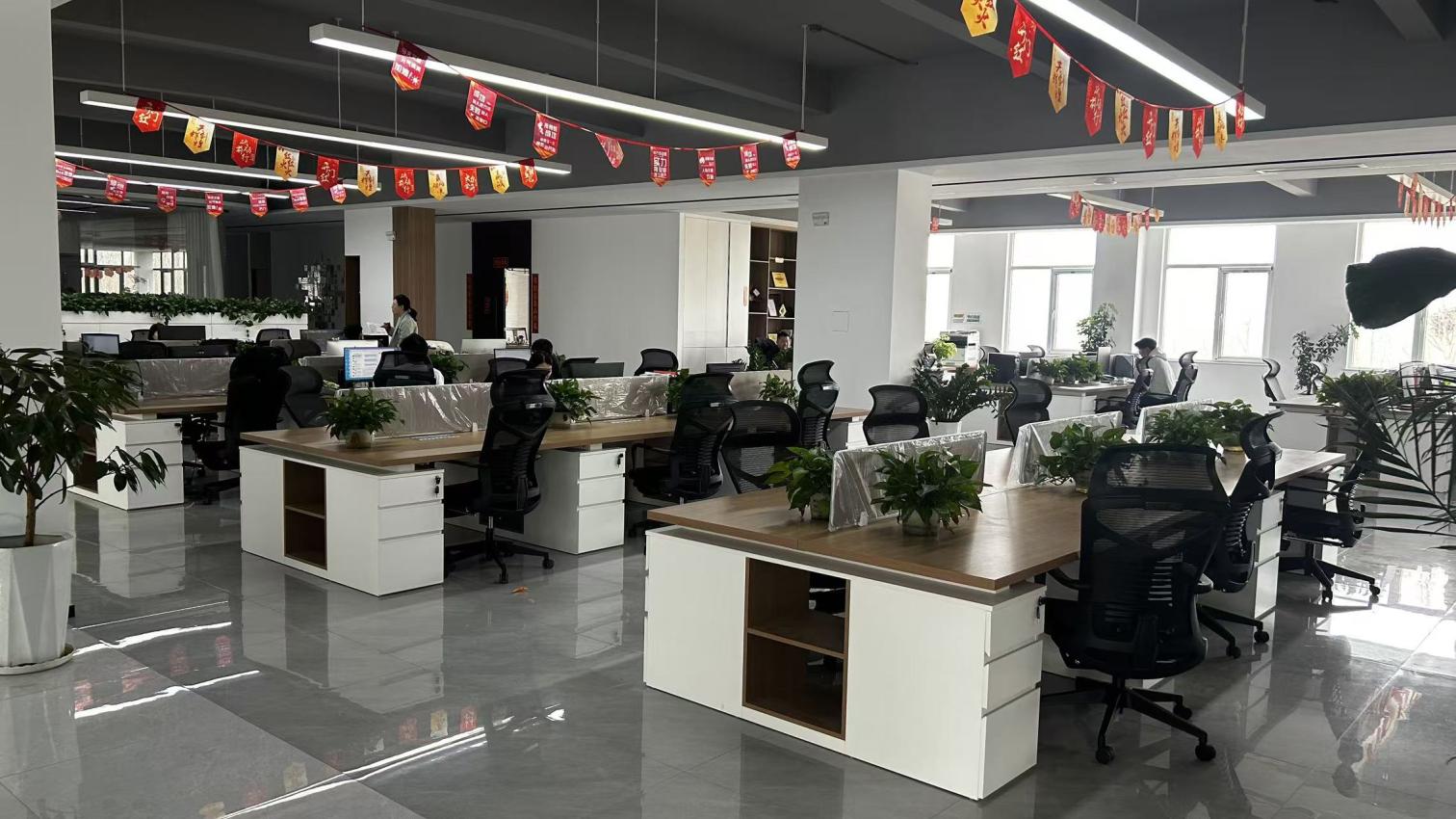
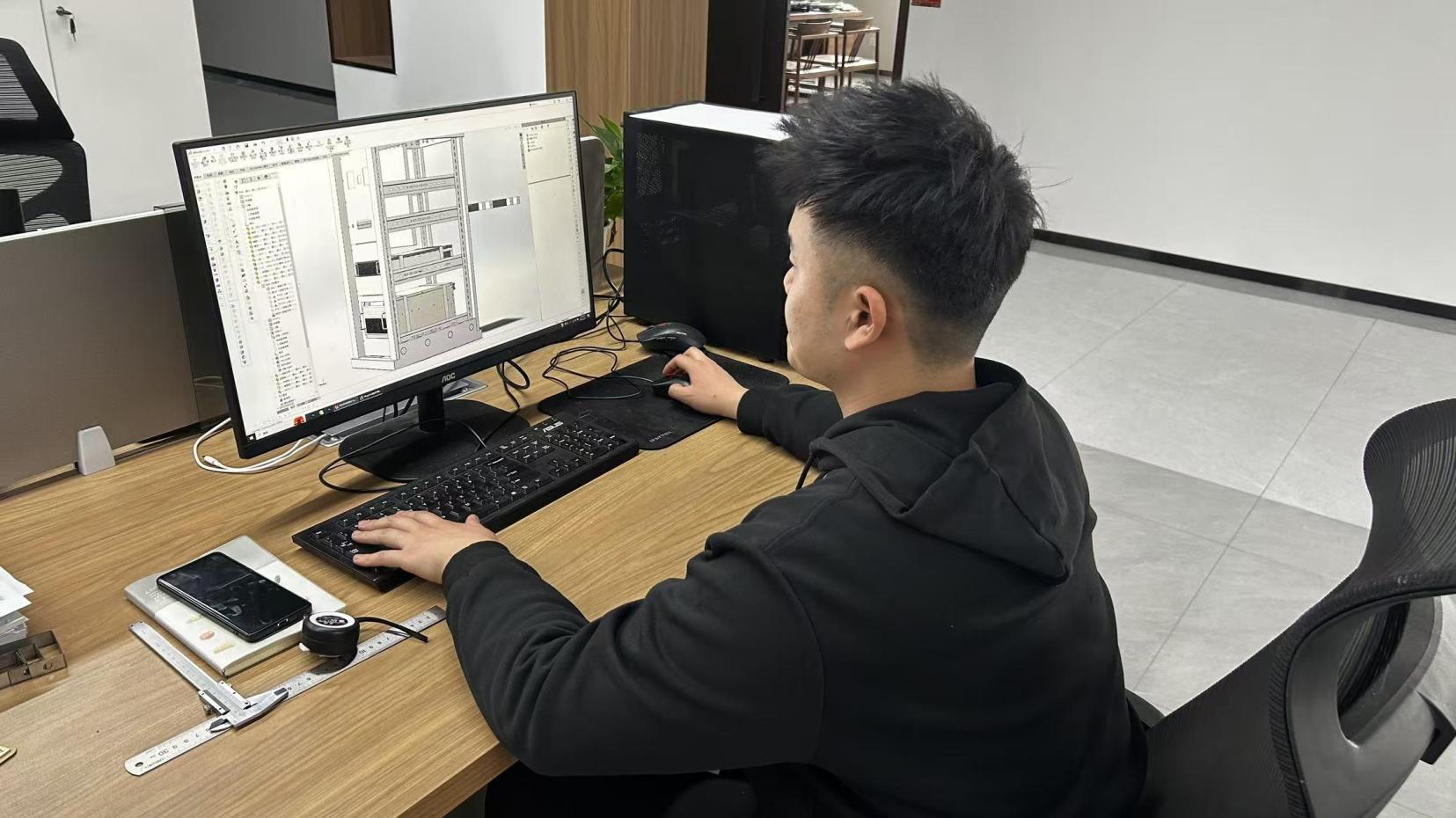
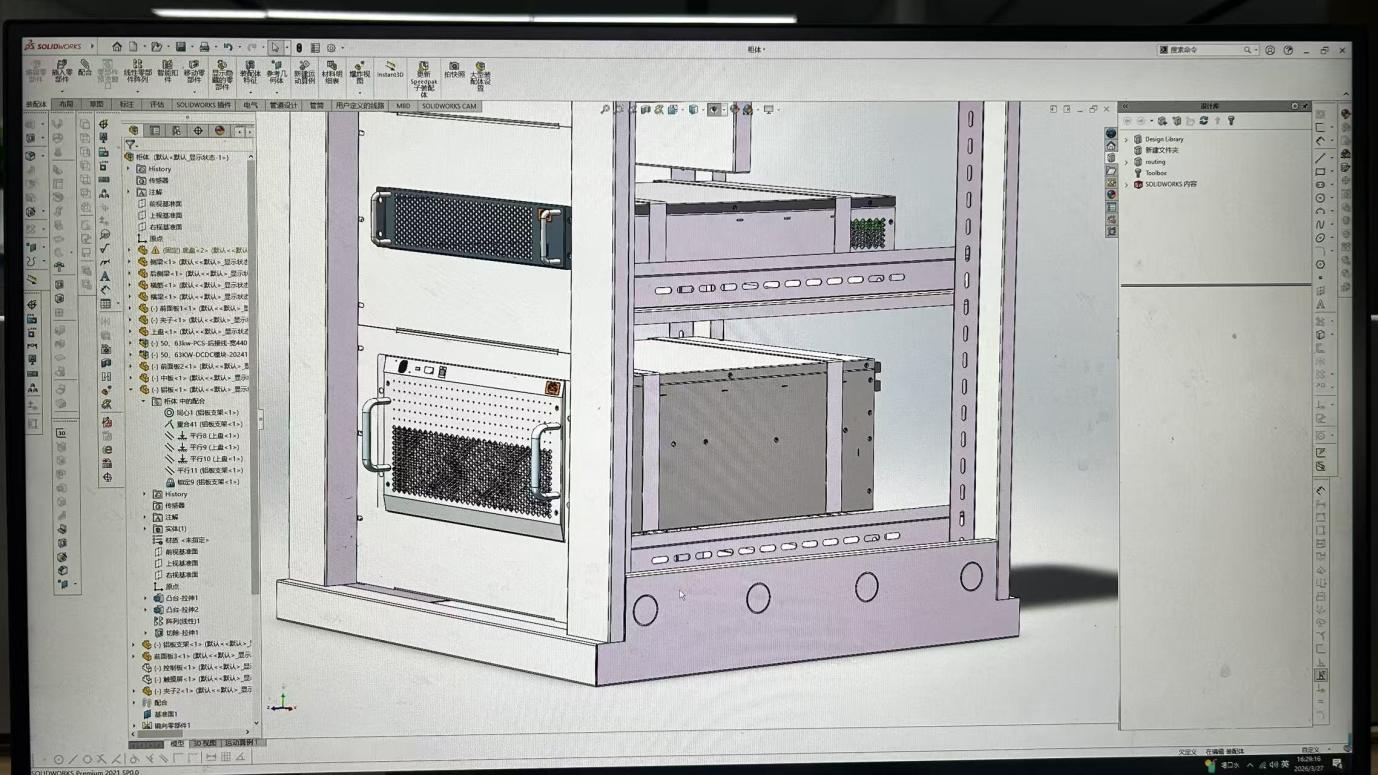
Established in 2004, Jinan Deming Power Equipment Co., Ltd. is a nationally recognized high-tech enterprise specializing in wind power grid-tie systems and advanced power testing. The company has institutionalized a culture of relentless technology development. Deming reinvests at least 20% of its annual sales revenue into its R&D team, which is staffed by 16 senior engineers, doctoral supervisors, and power electronics masters. This investment has driven the successful commercialization of 16 scientific and technological breakthroughs in the last three years alone.
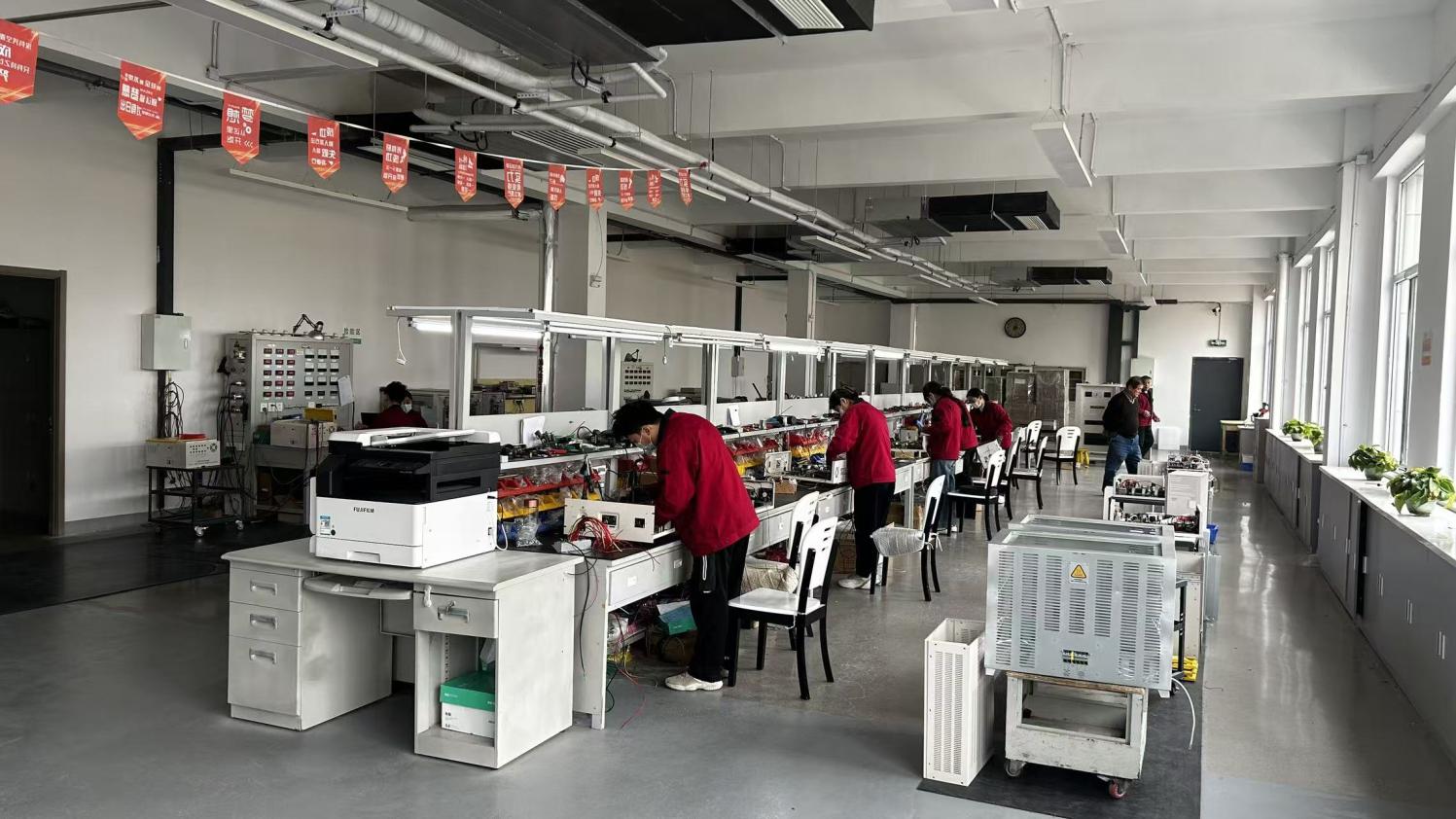
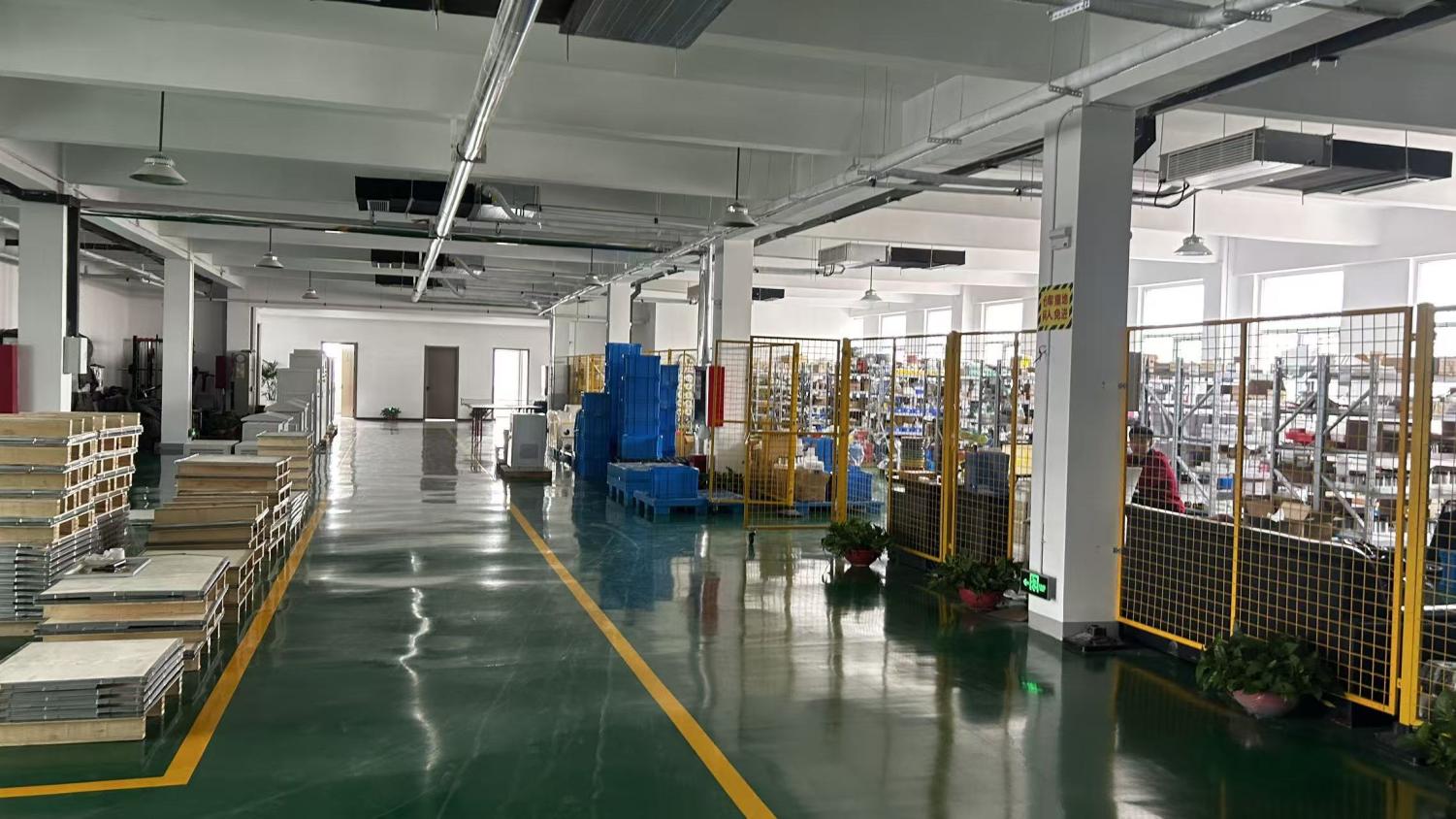
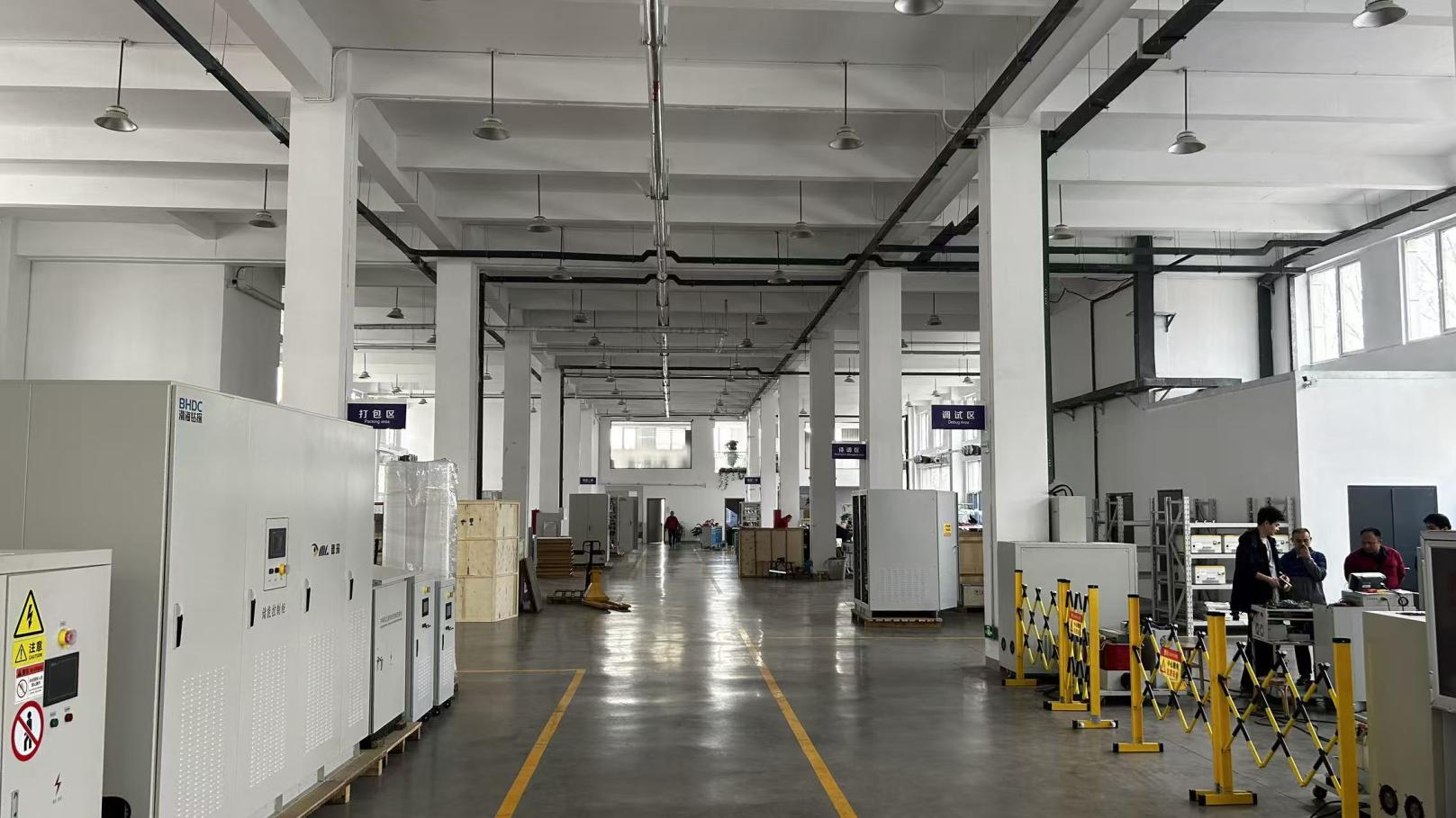
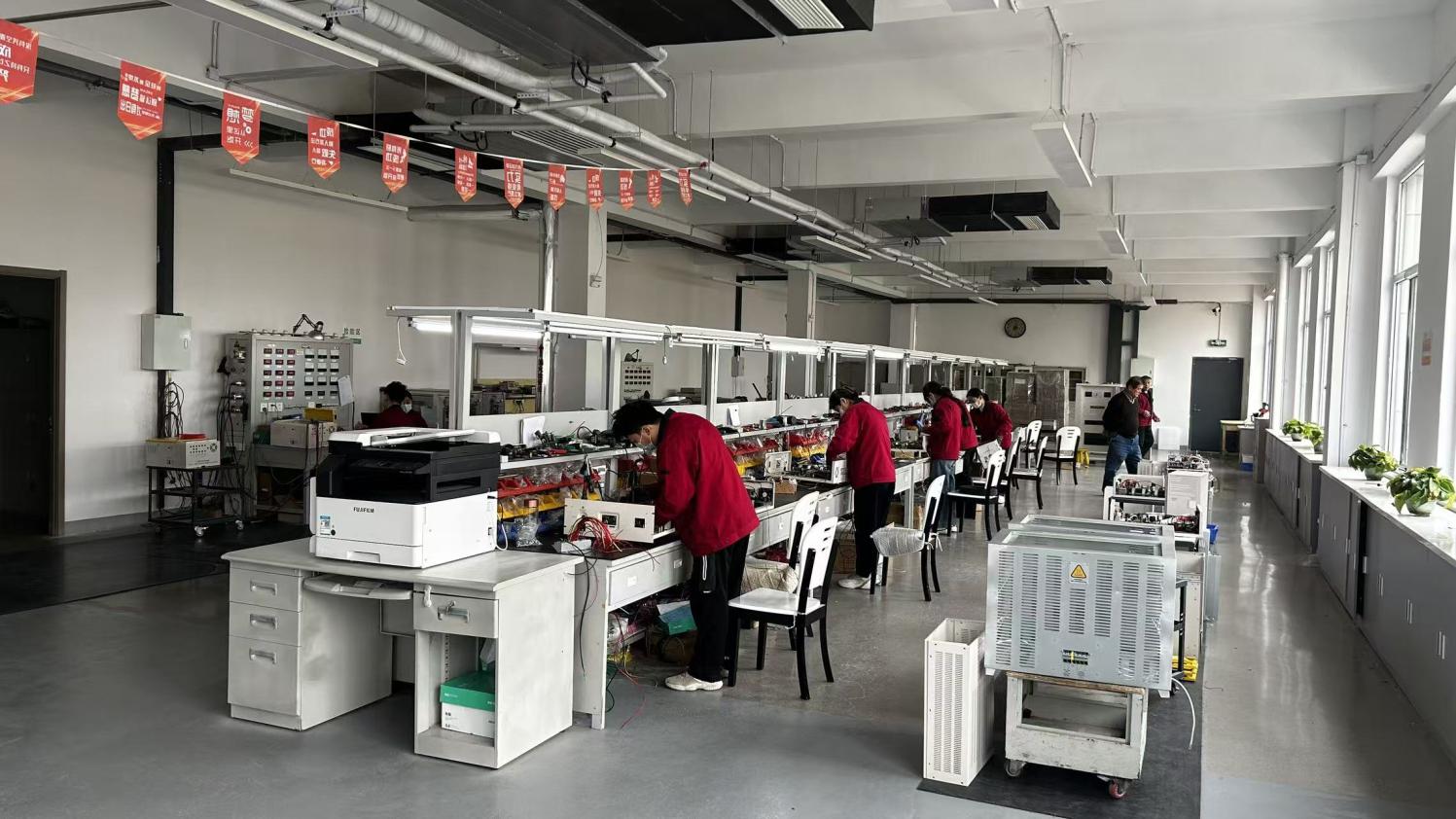
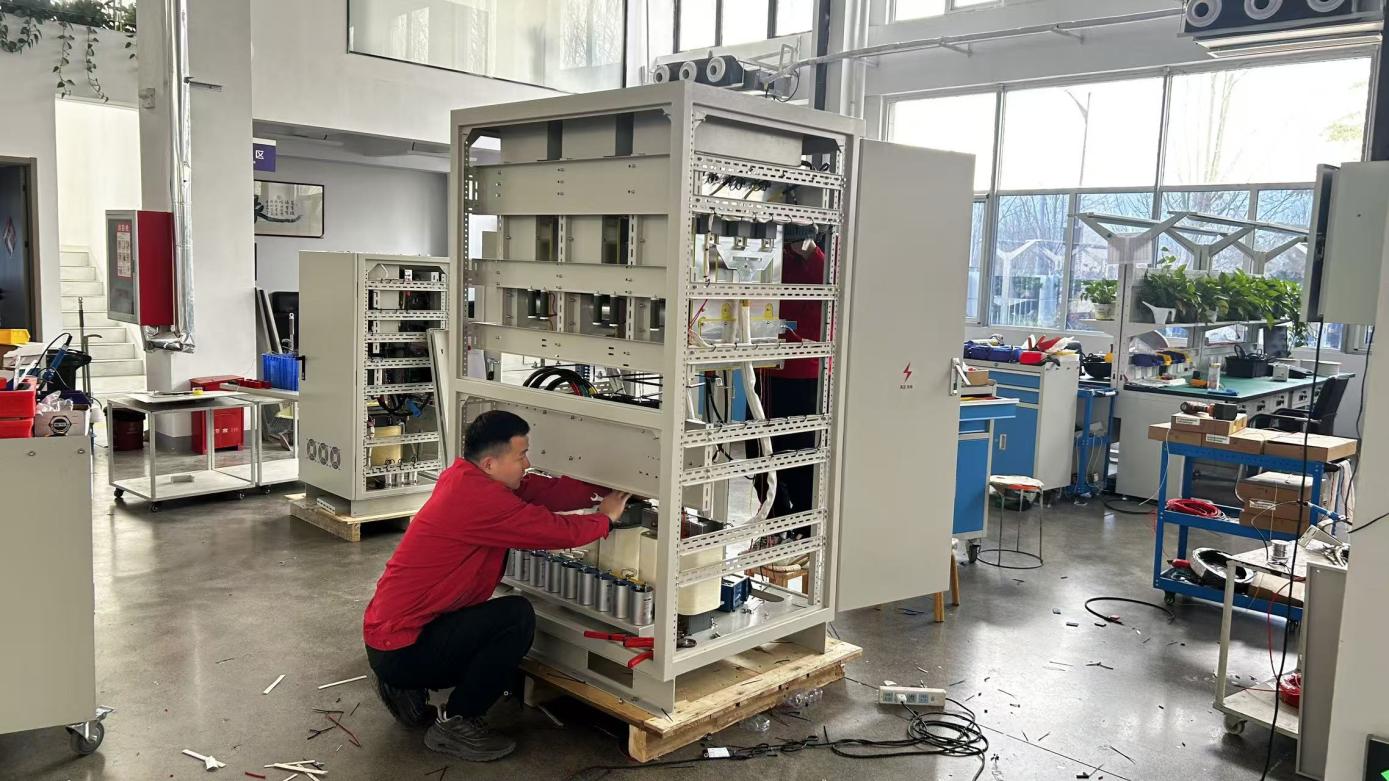
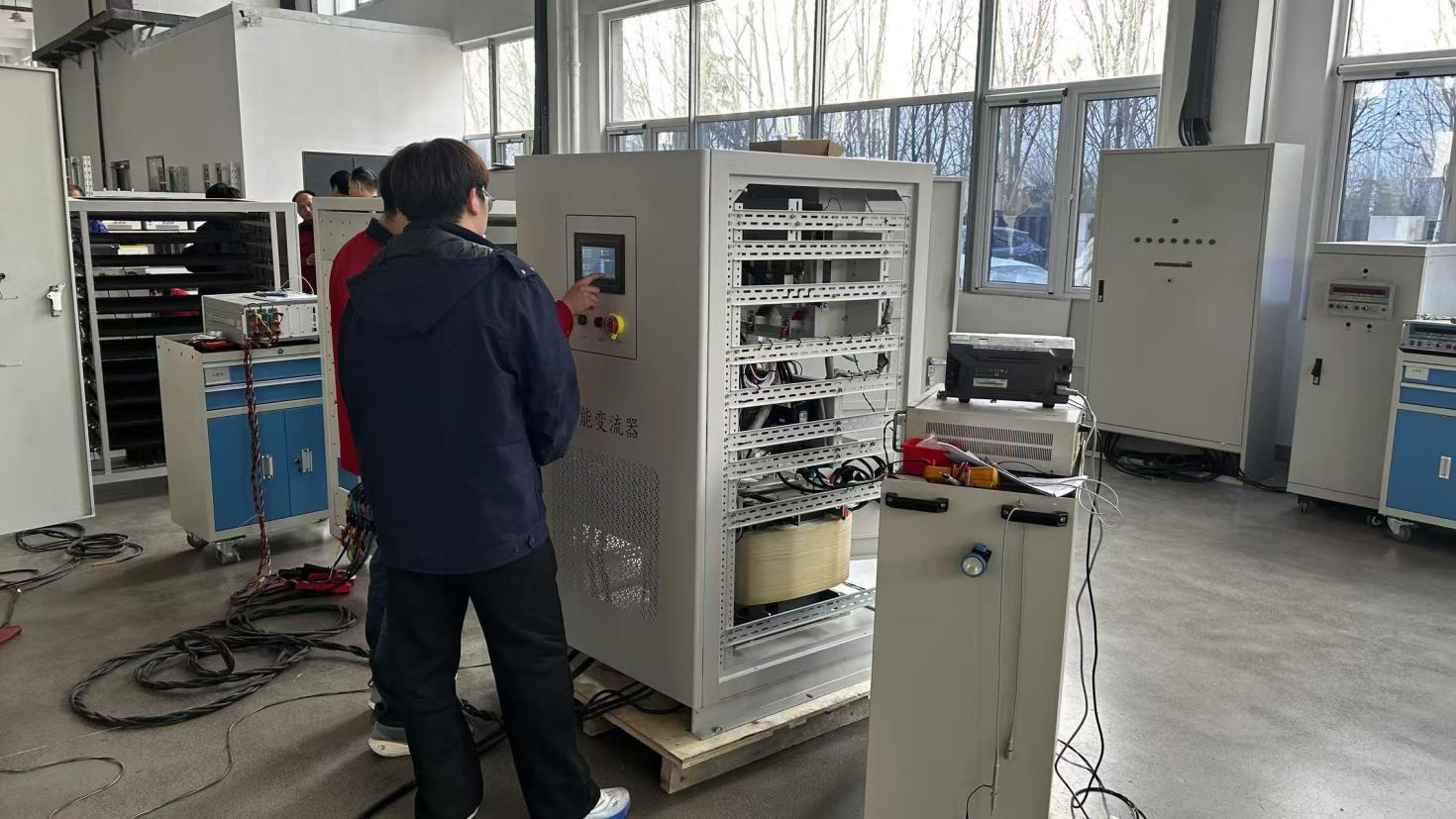
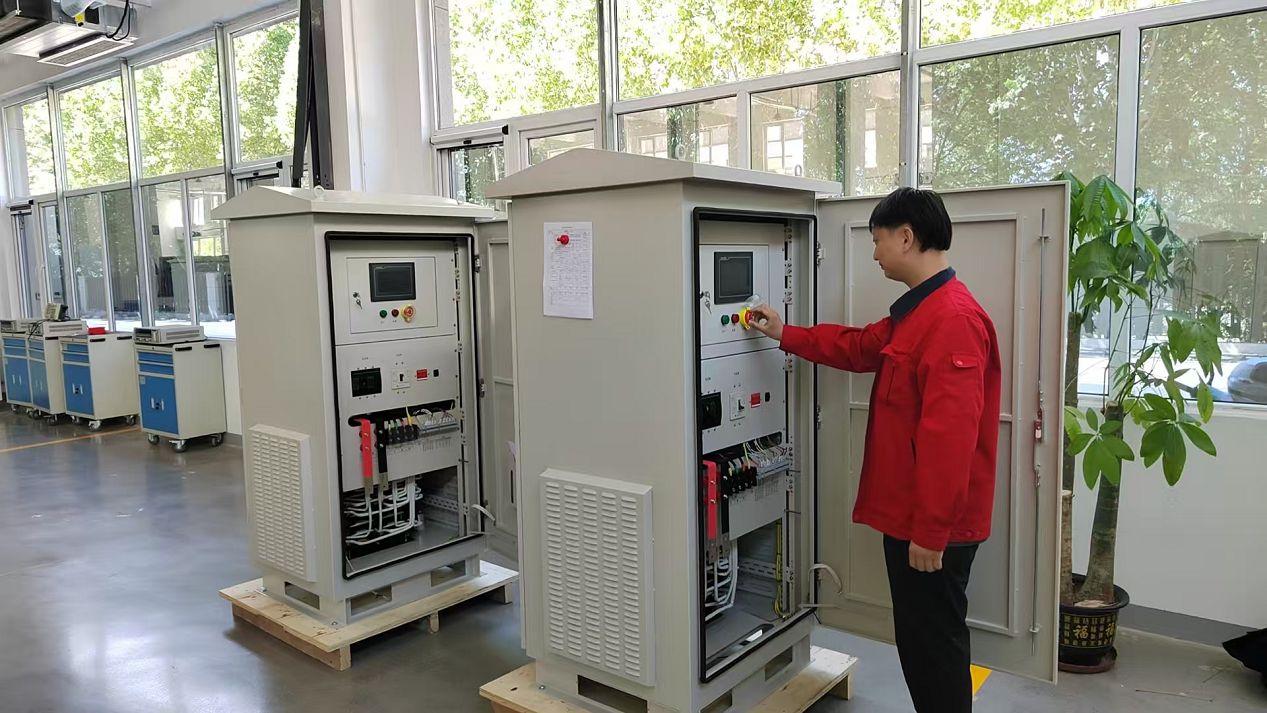
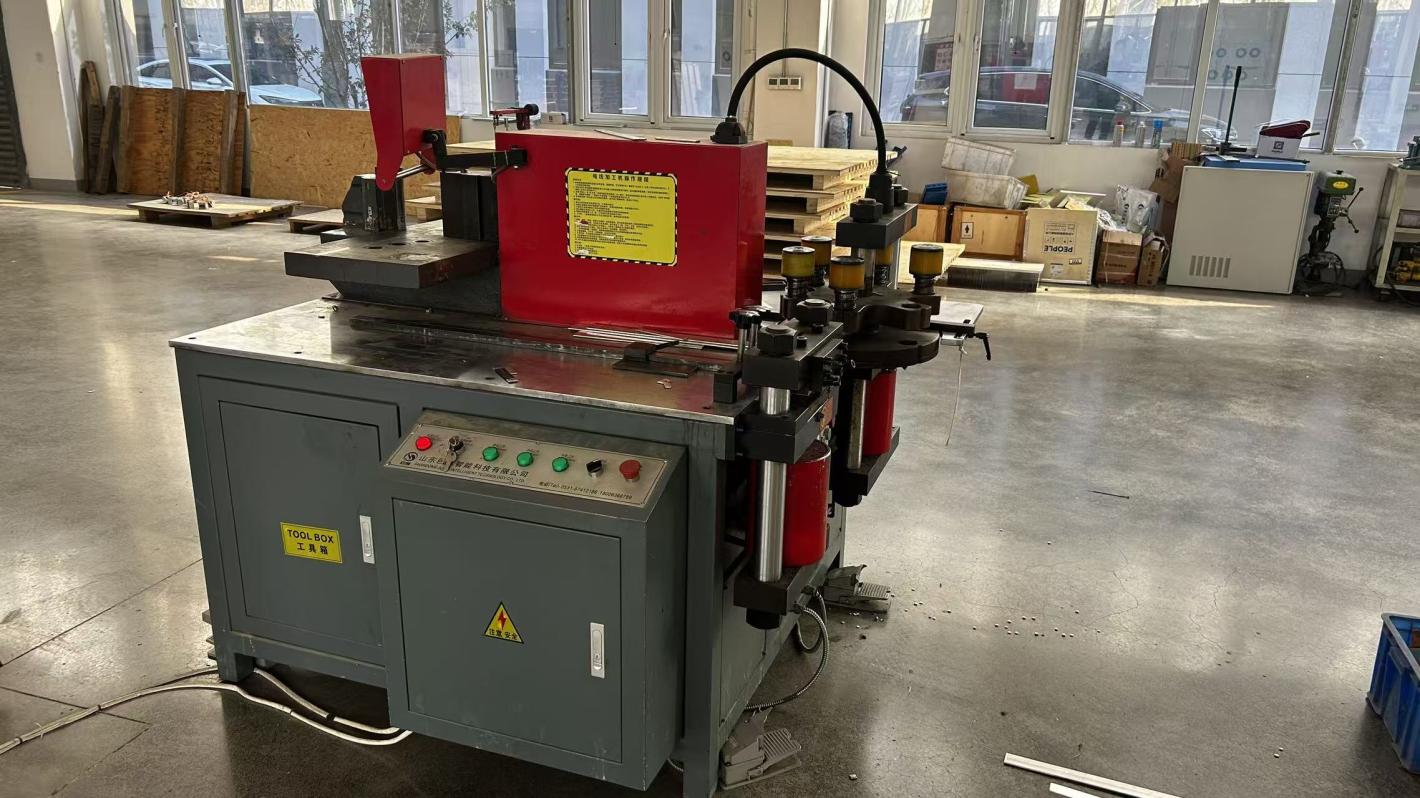
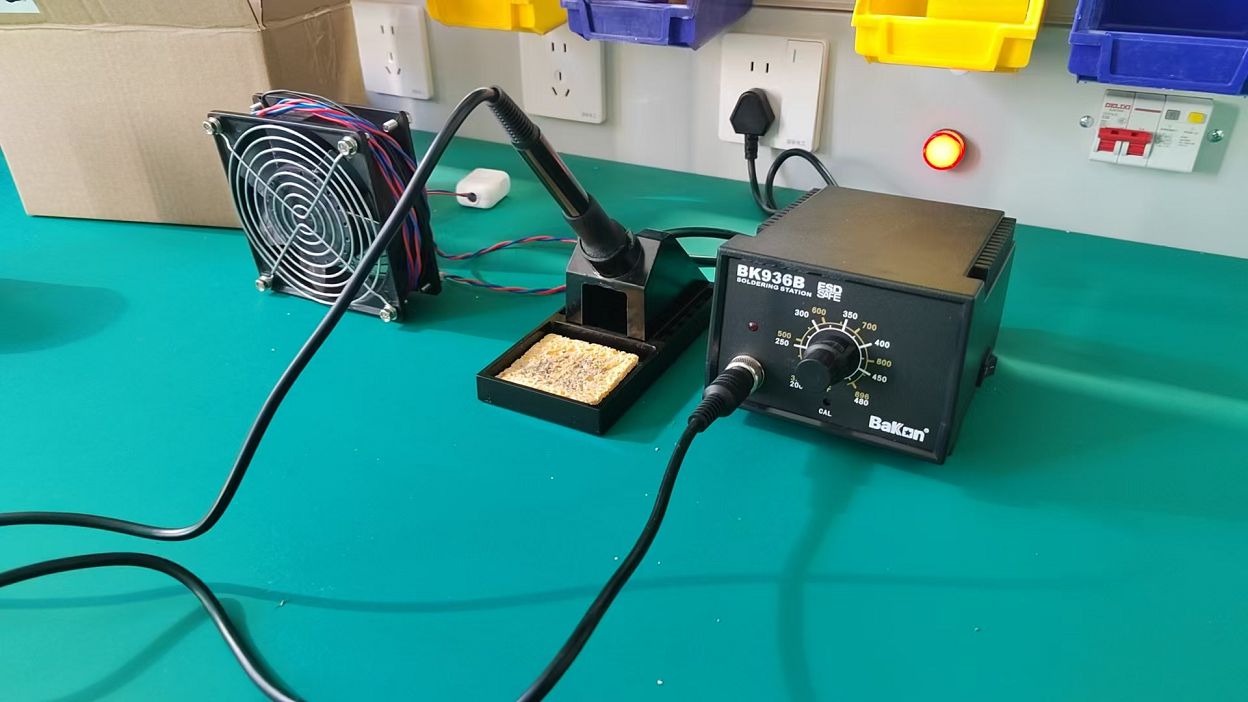
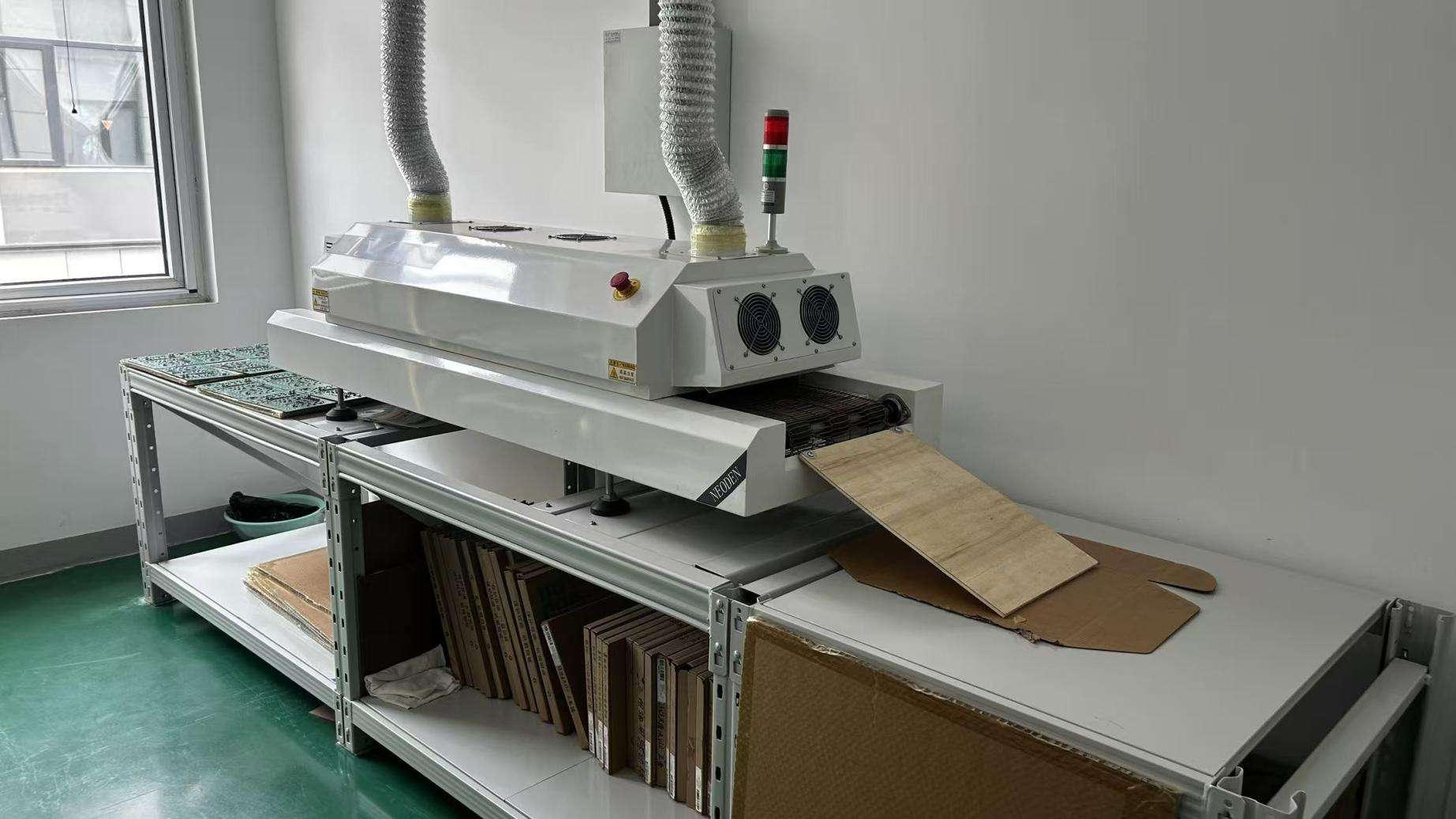
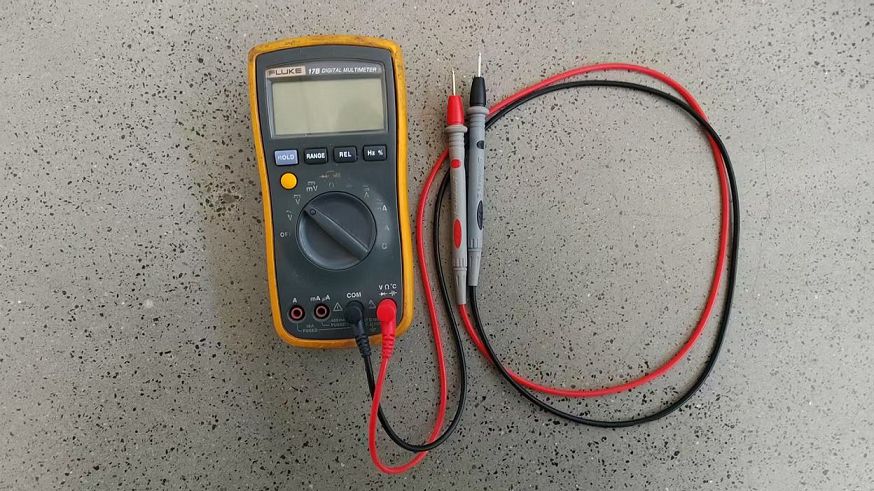
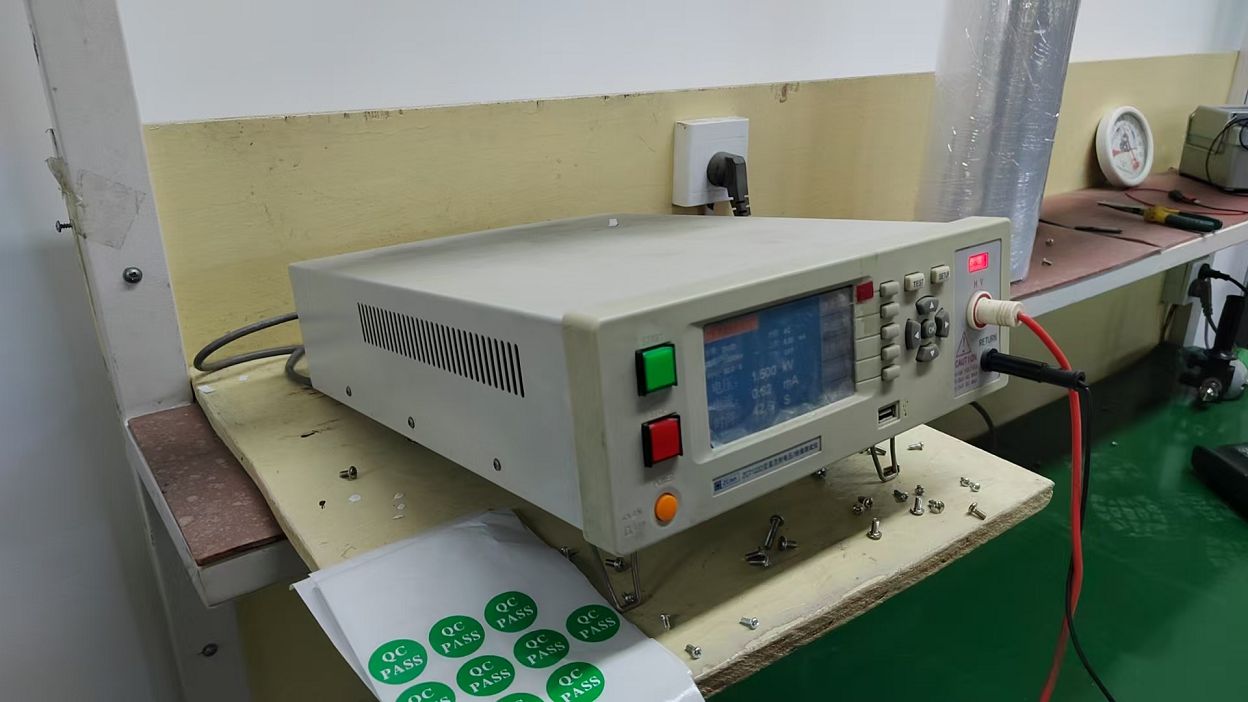
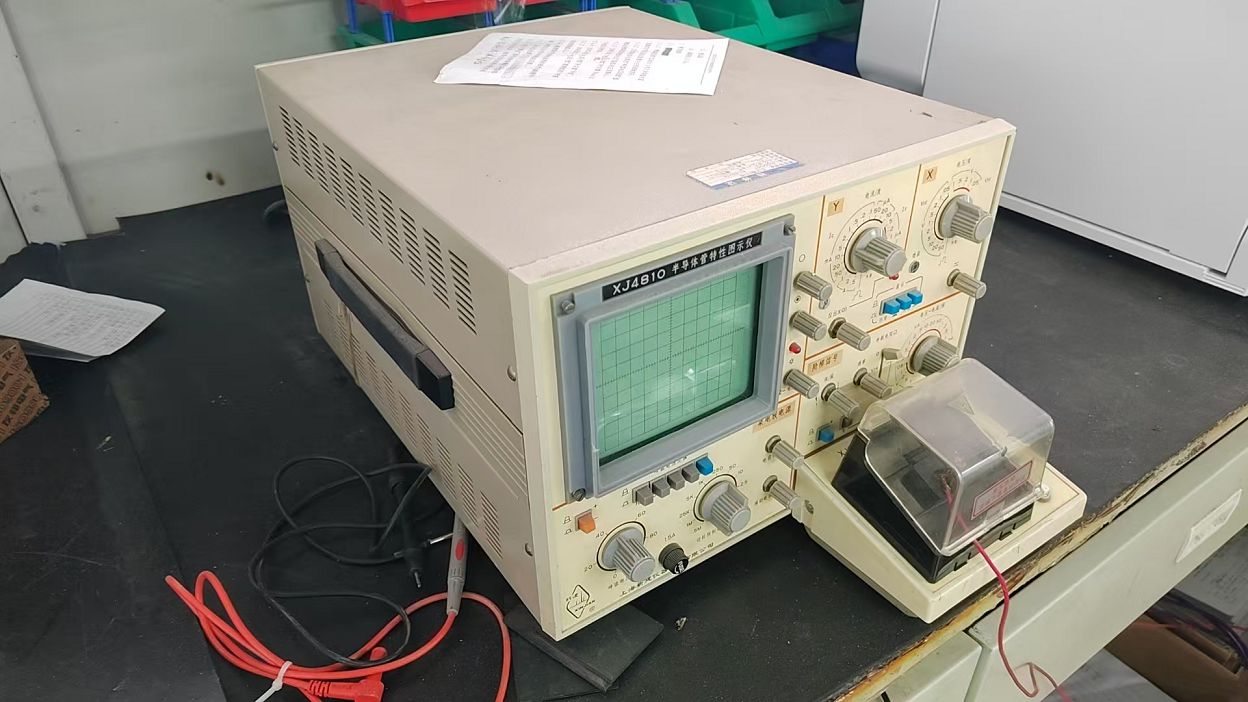
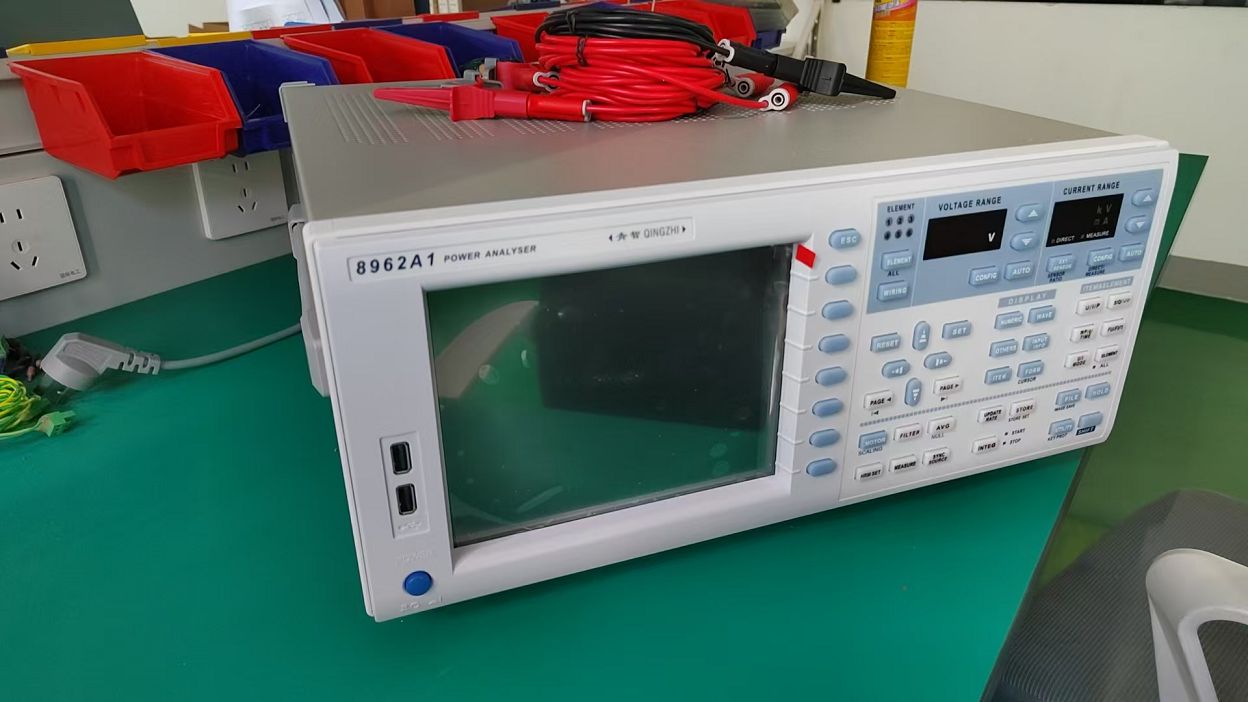
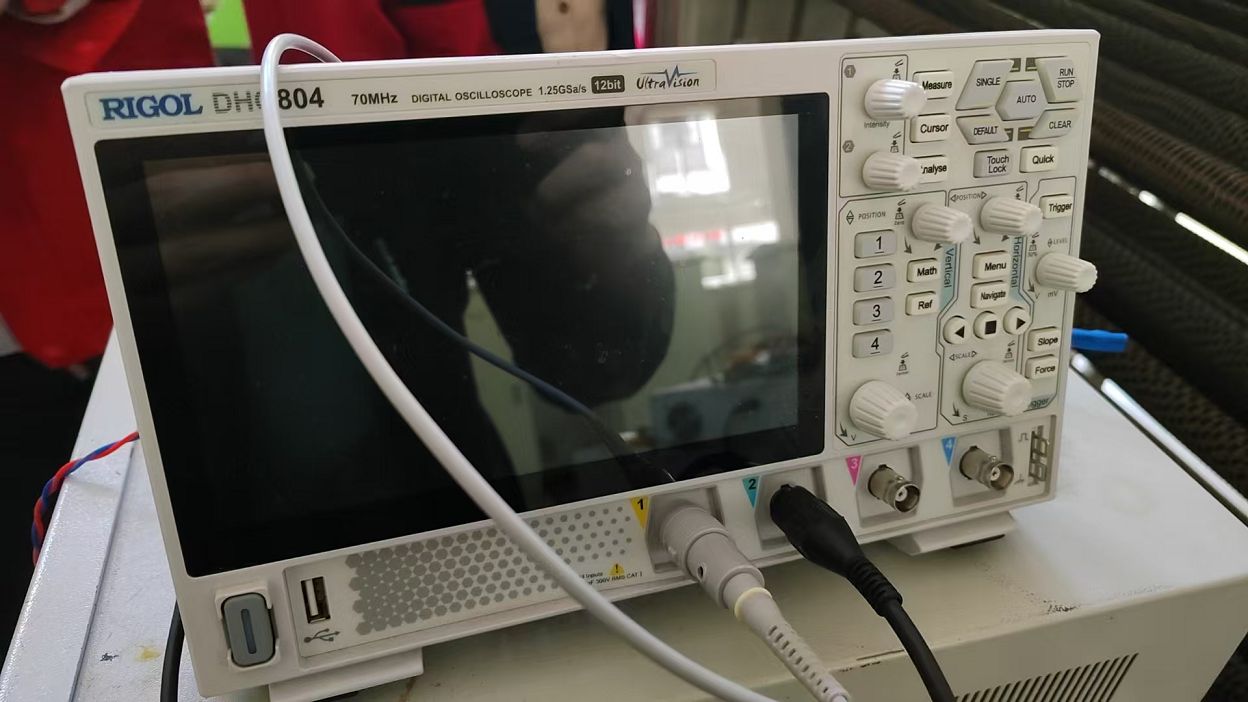
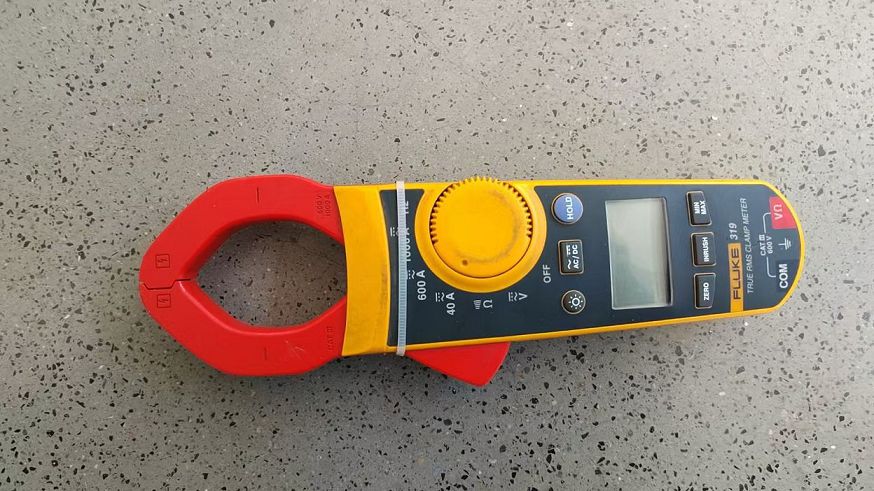
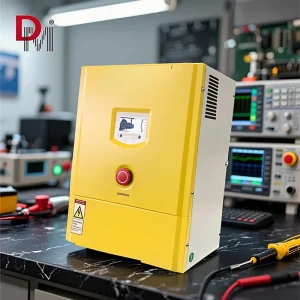
Our production facilities utilize automated reflow soldering, computer-aided schematic design, and strict quality control workflows at every assembly stage. We test all incoming raw semiconductors and outgoing custom inverters using state-of-the-art diagnostic instruments. Our facility is equipped with LCR AutoTesters, Semiconductor Characteristic Plotters, Digital Oscilloscopes, and Power Quality Analyzers to guarantee zero field failures in extreme humid and high-salinity conditions—such as coastal wind installations in Tra Vinh or Soc Trang, Vietnam.
Global renewable energy procurement demands rigid timelines. Delays in receiving wind grid controllers or dump loads can stall multi-million-dollar energy farm operations. Strategically headquartered near deep-water shipping lanes in China, Deming's Factory 4.0 leverages an integrated industrial cluster. This localized vertical integration guarantees that sourcing high-power copper bars, circuit assemblies, and structural chassis remains insulated from international supply chain shocks.
For Vietnamese wind farm EPC contractors and local solar distributors, Deming Power provides the ultimate balance of rapid shipping times, high compliance with local grid codes, and direct factory-to-port logistics. Our systems have been successfully exported to over 120 countries, establishing long-term cooperative partnerships with Fortune 500 energy developers across Europe, North America, and Southeast Asia.
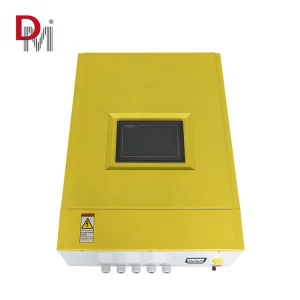
Select the ideal model matching your application requirements for grid-connected operations.
Critical operational answers regarding wind-tied inverters in Vietnam's specific wind climates.
1. Coastal Aquaculture Farms (Mekong Delta Region): Aquaculture facilities in provinces like Bac Lieu require reliable continuous power for aeration pumps. Deming's hybrid wind-solar inverters extract power from both monsoonal winds and high-irradiance sunshine, ensuring that the local weak grid is reinforced with stable energy while preventing voltage sags.
2. Mountainous Wind Stations (Gia Lai / Kon Tum): Highland wind resources are massive but remote. Long transmission distances to local distribution substations create high grid impedance. Our 250KW grid-tie system uses dedicated grid voltage monitoring sensors to auto-adjust active and reactive power injection dynamically, conforming to national technical standard QCVN 01:2020/BCT.
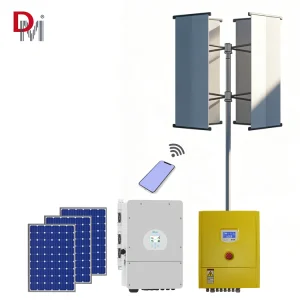
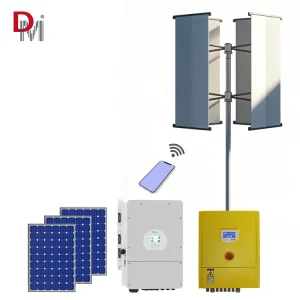
Recognizing the diversity of wind turbine manufacturers globally, Deming Power offers broad parameter programmability. Our engineering team routinely configures customized MPPT wind tracking curves, specific overvoltage dump load threshold limits, and MODBUS communication protocols. This allows our products to seamlessly interface with local monitoring platforms and secondary inverter brands such as Deye, Growatt, or Sungrow.
Our on-grid inverters and controllers utilize real-time microprocessor control units (MCU) that sample input parameters at microsecond intervals. When wind speeds spike unexpectedly, our high-speed MPPT algorithm tracking and automated PWM system dynamically apply load resistance via the dump load resistor bank, capping voltage output below threshold levels and protecting the grid-tie circuitry from hardware failure.
Yes. Many of our grid-tie wind controllers (such as the FKJ-GT series) are specifically engineered to supply controlled DC power directly to the battery input ports or solar input ports of standard hybrid solar inverters (e.g., Deye, SMA). This makes them an exceptional drop-in upgrade for existing commercial installations looking to build wind-solar hybrid microgrids without upgrading their primary inverter system.
All Deming on-grid wind inverters incorporate safety certification parameters that comply with IEEE 1547 and local EVN regulations. If the main utility power fails, our anti-islanding detection protocol activates within 100ms, disconnecting the inverter from the grid to ensure utility technician safety while automatically activating the dump load to safely bring the turbine rotation under control.
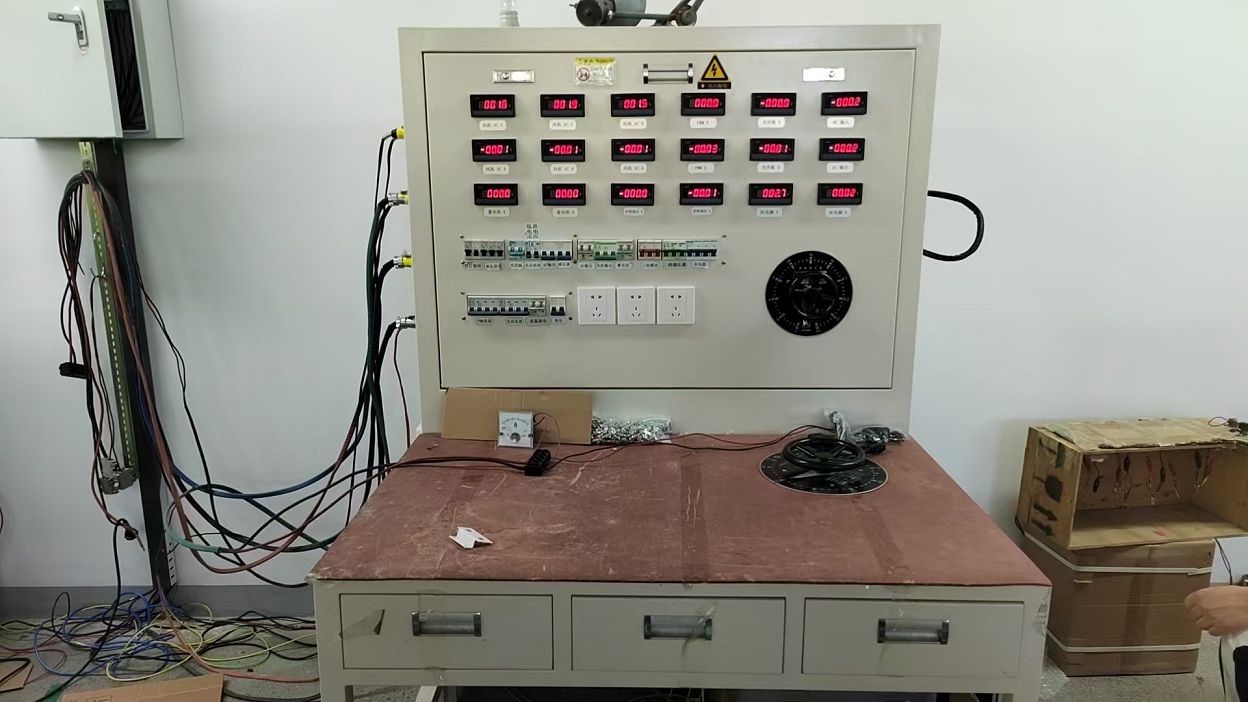
Every on-grid wind power controller and inverter undergoes complete system simulation testing. We utilize high-power bidirectional DC simulators to model turbine dynamics under different wind velocities, LCR AutoTesters to inspect internal passive electronics, and thermal imaging cameras to inspect trace heat dissipation on the PCB assembly. Finally, units undergo a continuous 48-hour loaded burn-in cycle in our aging laboratory to guarantee stable field service.
Are you developing wind projects, procuring machinery for B2B supply lines, or importing high-performance controllers for local deployment in Vietnam? Connect directly with our engineering sales team for dynamic system design, quotation, and custom configurations.
Get Technical Support & Quote Now Demin Power