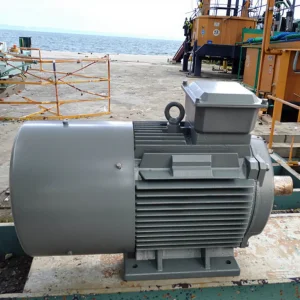
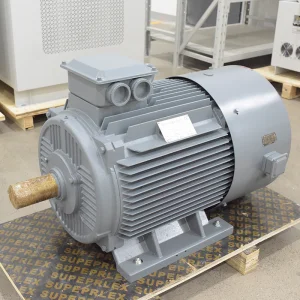
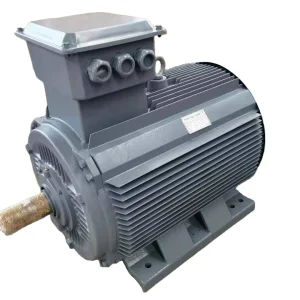
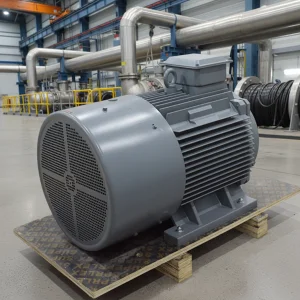
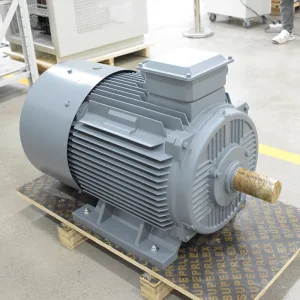
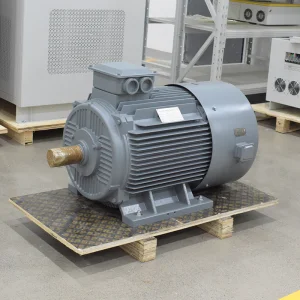
High-reliability permanent magnet generators engineered to deliver maximum power density under low-RPM and variable load operations.
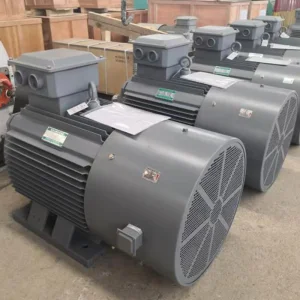
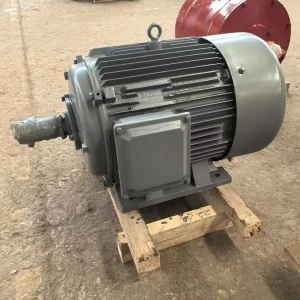
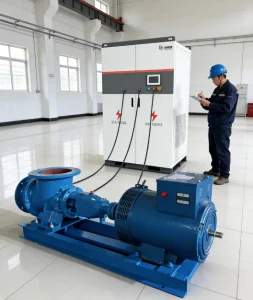
The Greater Boston area and the wider New England region are undergoing a rapid transformation to achieve net-zero carbon emissions. Governed by Massachusetts’ ambitious Global Warming Solutions Act (GWSA) and the Clean Energy and Climate Plan (CECP) for 2030, municipal governments, academic institutions, and industrial manufacturers are actively seeking alternatives to gear-driven energy generation systems. Key drivers in this evolution include the elimination of mechanical efficiency losses, reduced downtime, and the deployment of direct-drive Permanent Magnet Generators (PMGs).
Particularly across historical industrial zones along the Merrimack, Blackstone, and Charles rivers, old low-head hydro infrastructure is being repowered with advanced micro-hydro and run-of-river generators. Unlike traditional induction generators that require multi-stage gearboxes, low-RPM PMGs generate electricity at lower rotational speeds, substantially improving system reliability and reducing ecological impact.
"Boston’s aggressive carbon-neutrality initiatives require clean, highly efficient power conversion systems. Our customized radial flux and axial flux permanent magnet alternators are optimized to interface seamlessly with modern localized microgrids and district energy infrastructures."
In Boston's commercial marine, municipal water, and clean-tech start-up ecosystems, permanent magnet systems provide critical advantages:
Choosing the correct electromagnetic architecture is critical to project performance. At Jinan Deming Power Equipment Co., Ltd., our engineering teams utilize finite element analysis (FEA) to model magnetic flux lines, ensuring optimal material distribution and minimizing cogging torque.
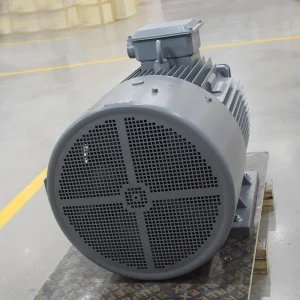
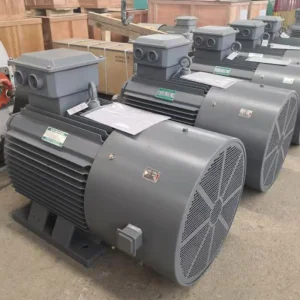
Radial flux topology is the traditional engineering standard. The magnetic flux flows radially across the air gap between the cylindrical rotor and stator. These machines are optimal for high-torque applications where length is not a major constraint. They are highly robust, easy to cool with convective air flow, and cost-effective to manufacture at scale.
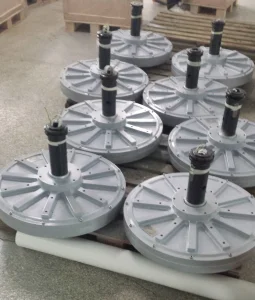
For applications where axial length is limited—such as inside compact turbine housings or low-profile wind turbines—axial flux generators present a superior solution. The magnetic flux flows parallel to the axis of rotation. Axial flux machines offer extremely high power-to-weight ratios and torque density, though they require sophisticated mechanical design to withstand the high magnetic attraction forces between the rotor and stator discs.
To withstand the coastal marine environment of Boston Harbor and the humid continental climate of New England, we incorporate premium raw materials:
Specifically developed for utility integration, remote microgrids, and heavy wind-mill configurations.
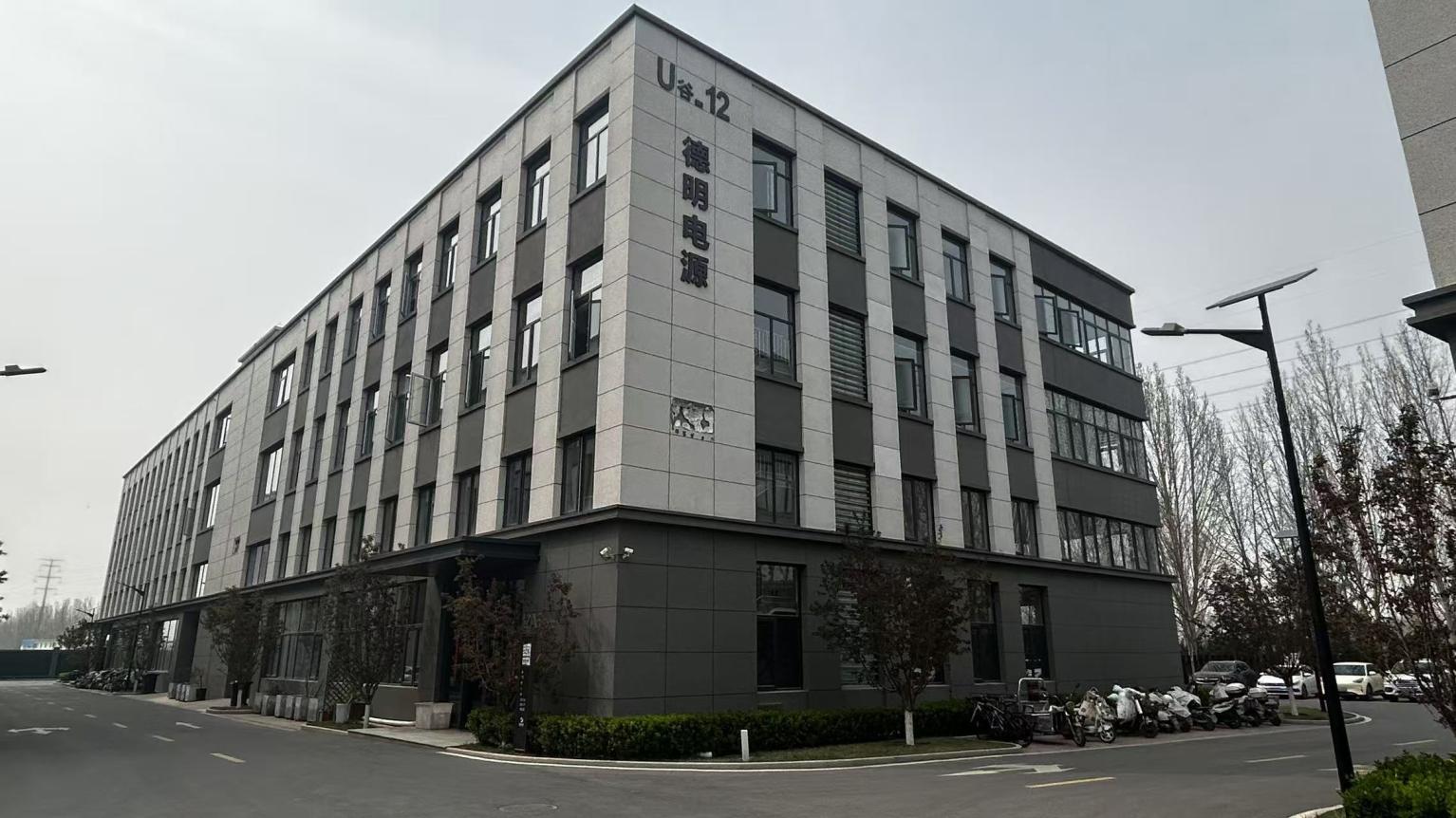
Jinan Deming Power Equipment Co., Ltd. is a nationally recognized high-tech enterprise established in 2004, specializing in the research, development, production, and service of renewable energy power equipment and advanced power testing solutions. The company holds ISO9001:2015 certification and has been recognized as a high-tech enterprise by the Chinese government multiple times (2015, 2018).
With a dedicated R&D team of 16 engineers including doctoral supervisors and master's degree holders, Deming invests no less than 20% of annual sales revenue into technology development. The company has completed 17 R&D projects in the last three years with 16 scientific and technological achievements transformed into commercial products. Deming's products have been exported to 120+ countries including Germany, Japan, the United States, UK, Canada, Australia, and Brazil, and the company has established cooperative relationships with Fortune 500 enterprises. The company's main products include wind/solar controllers, inverters, frequency converters, and high-power bidirectional DC test power supplies and battery simulators ranging from 150kW to 500kW.
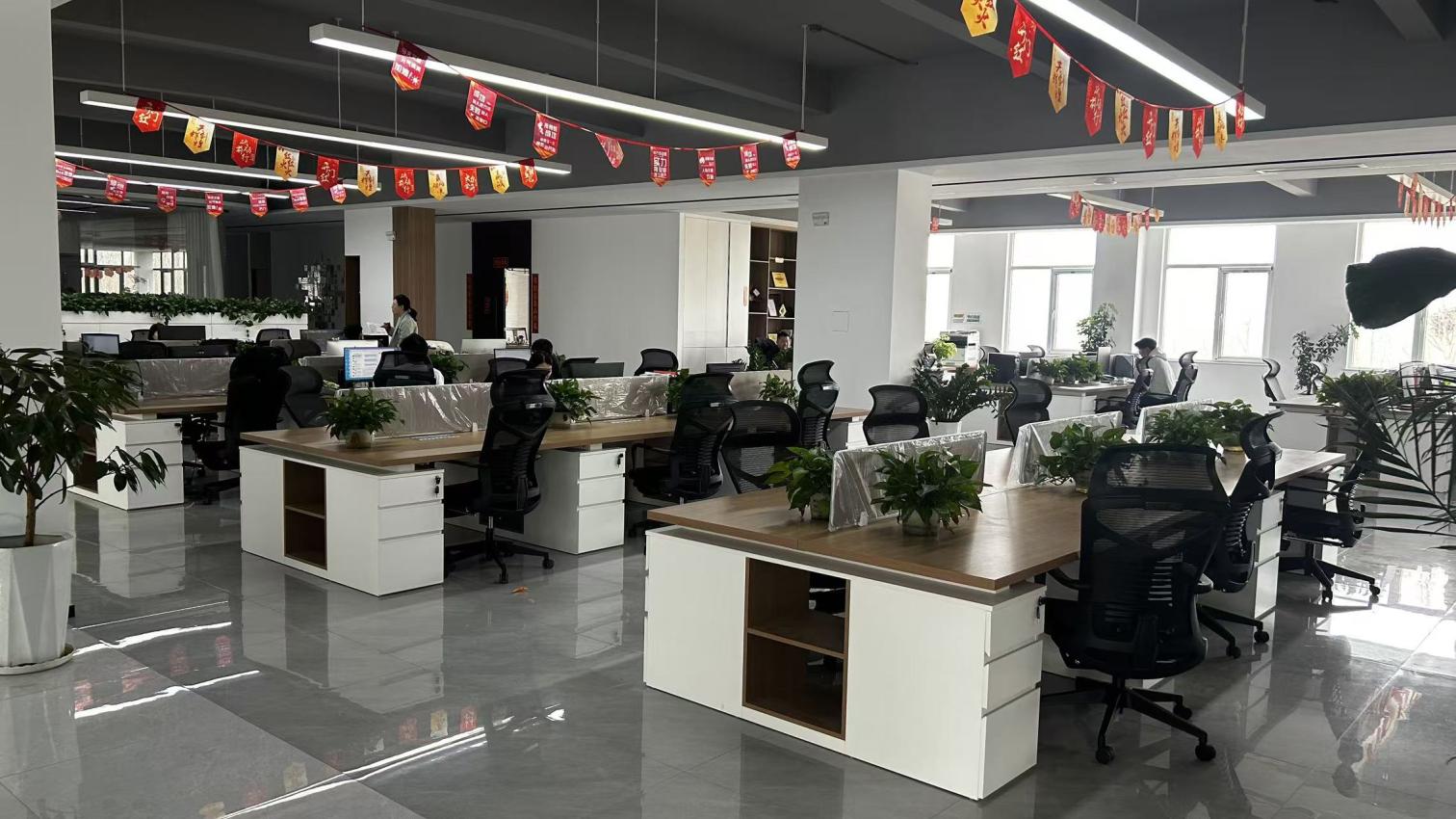
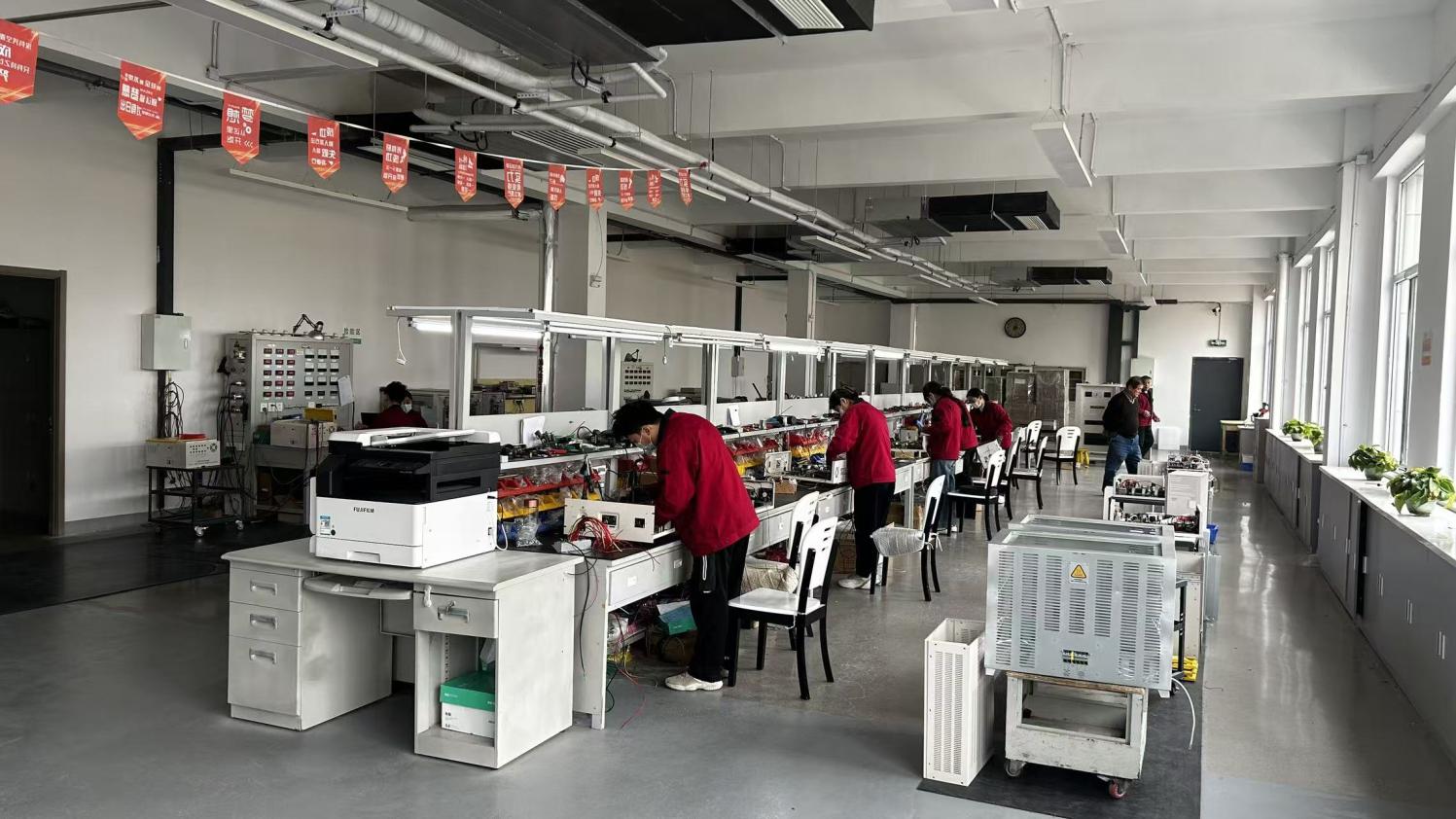
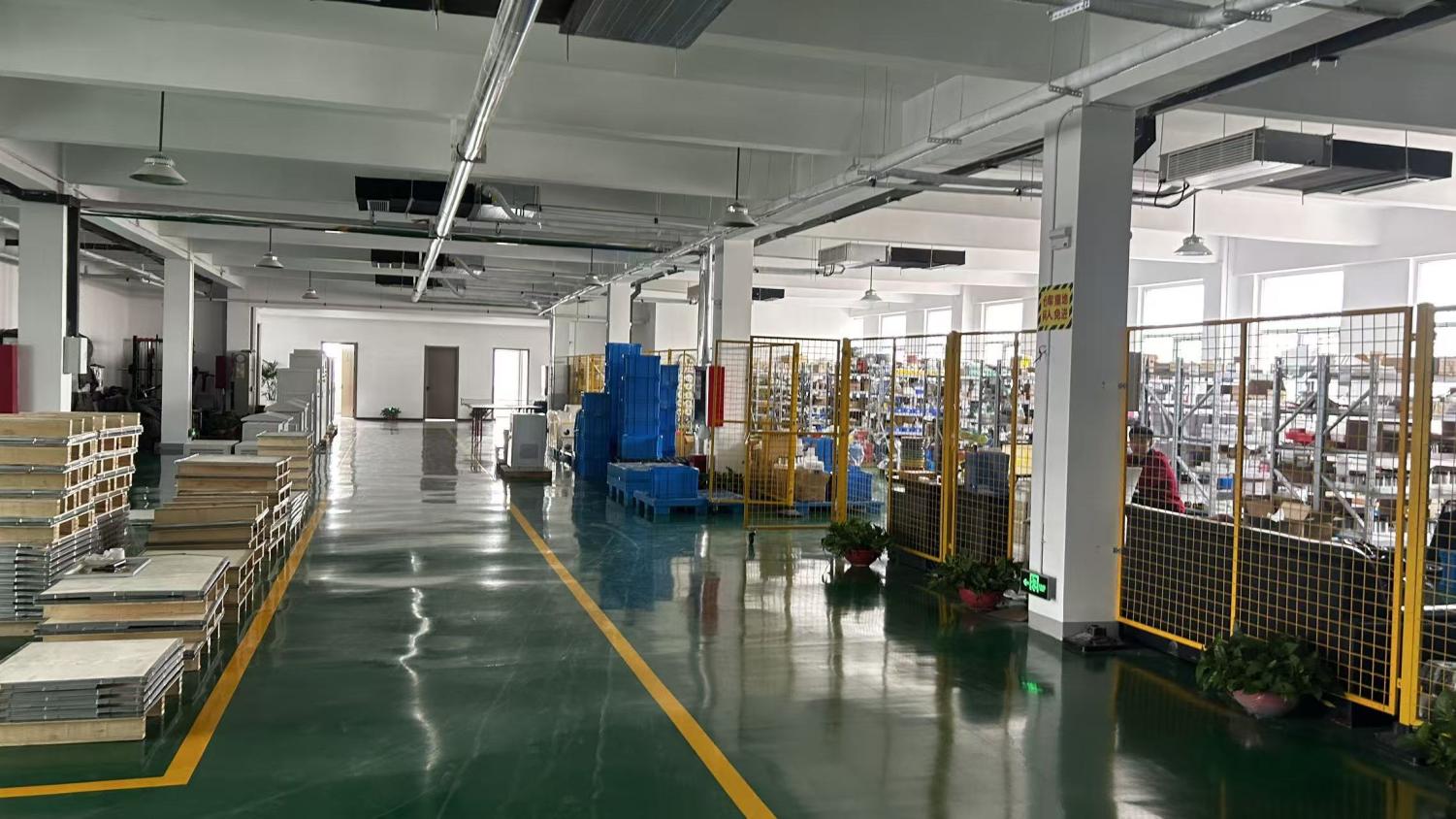
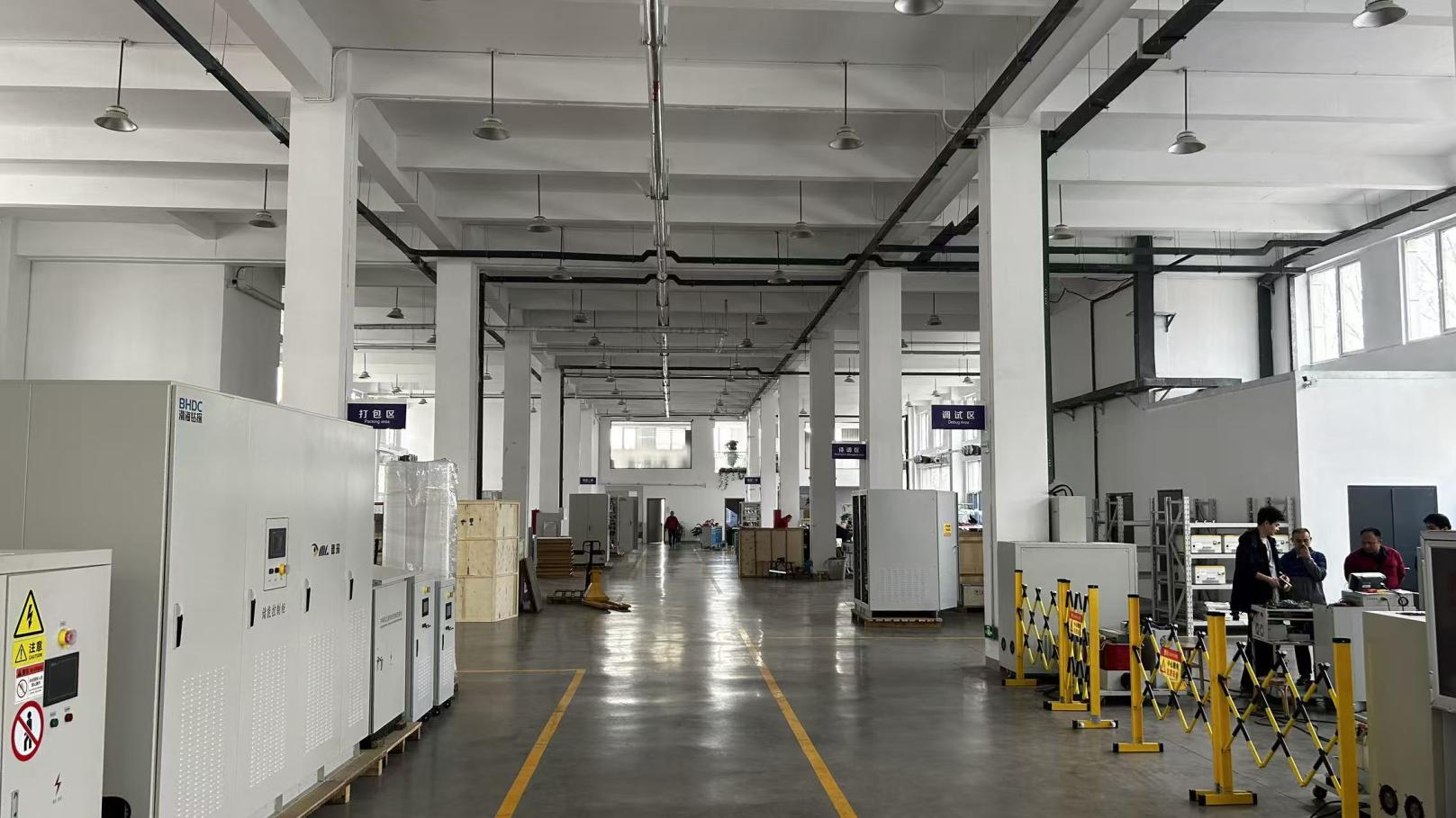
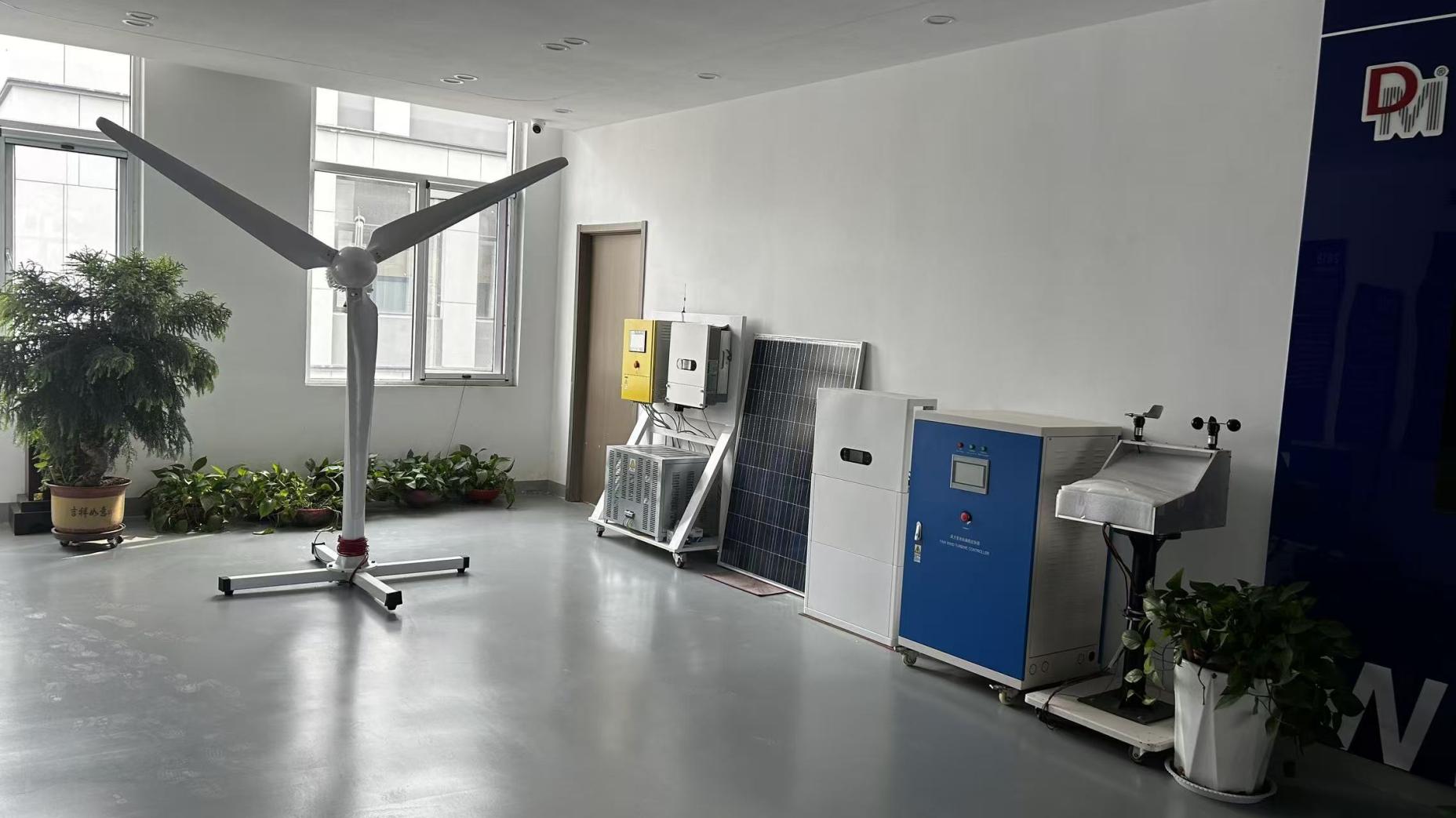
A comprehensive view of our assembly lines and precision laboratory equipment dedicated to validating electromechanical characteristics.
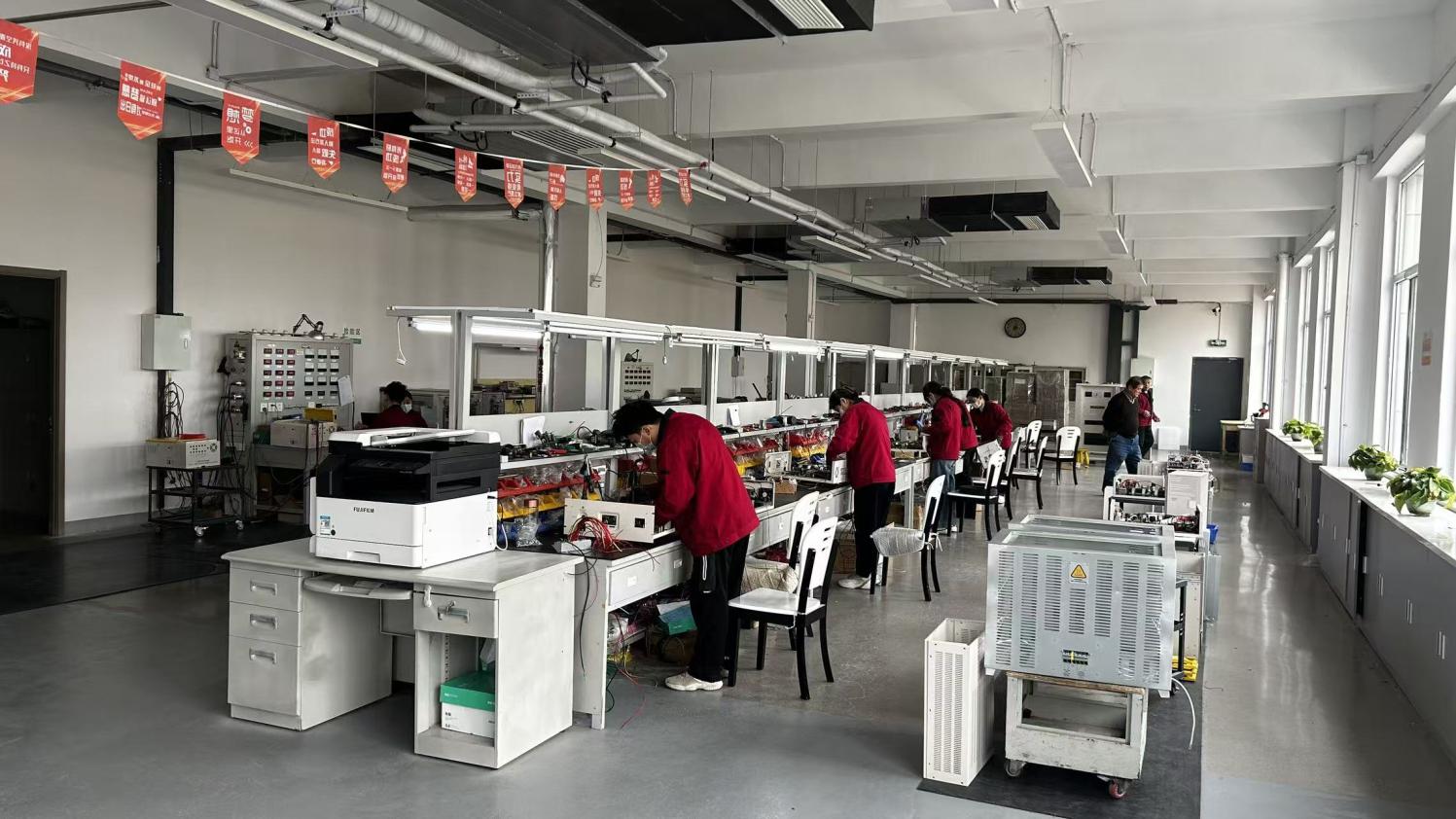 Circuit Assembly
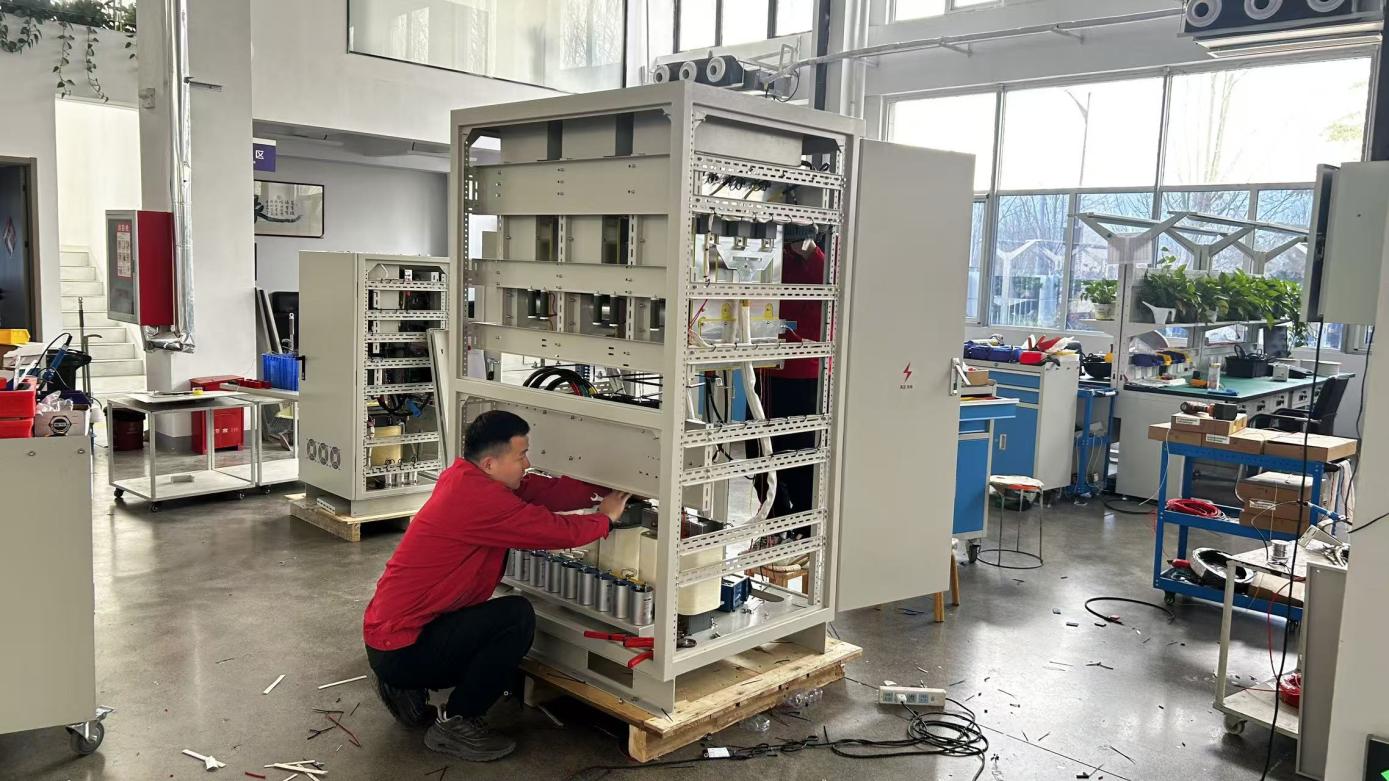 Circuit Board Assembly
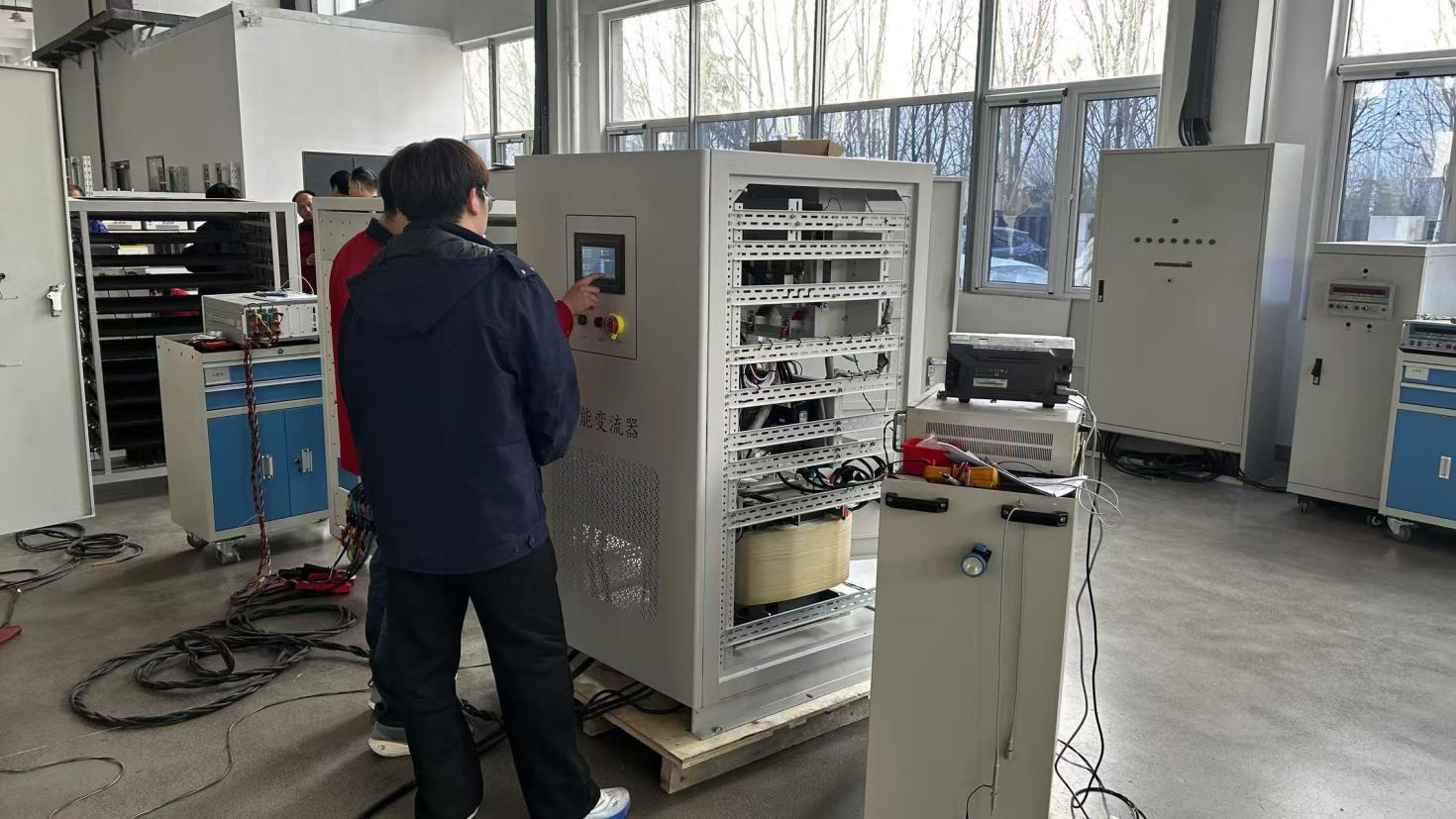 Debugging Process
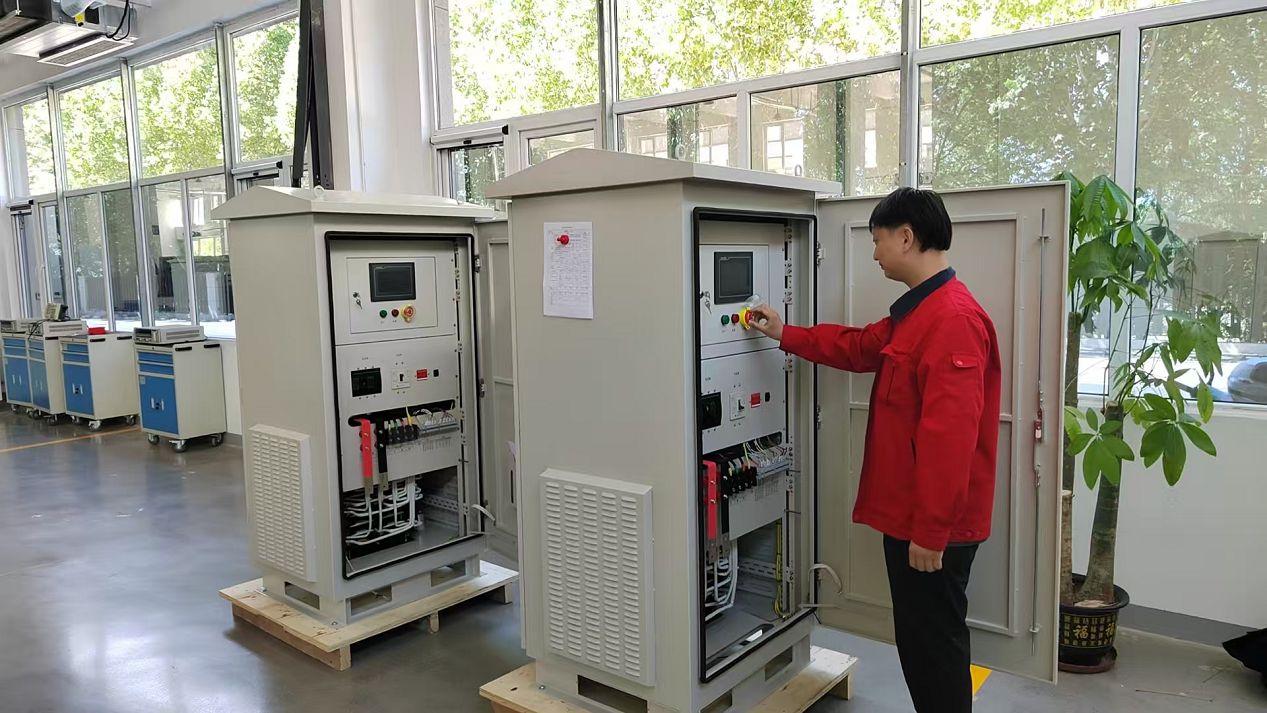 Quality Inspection Process
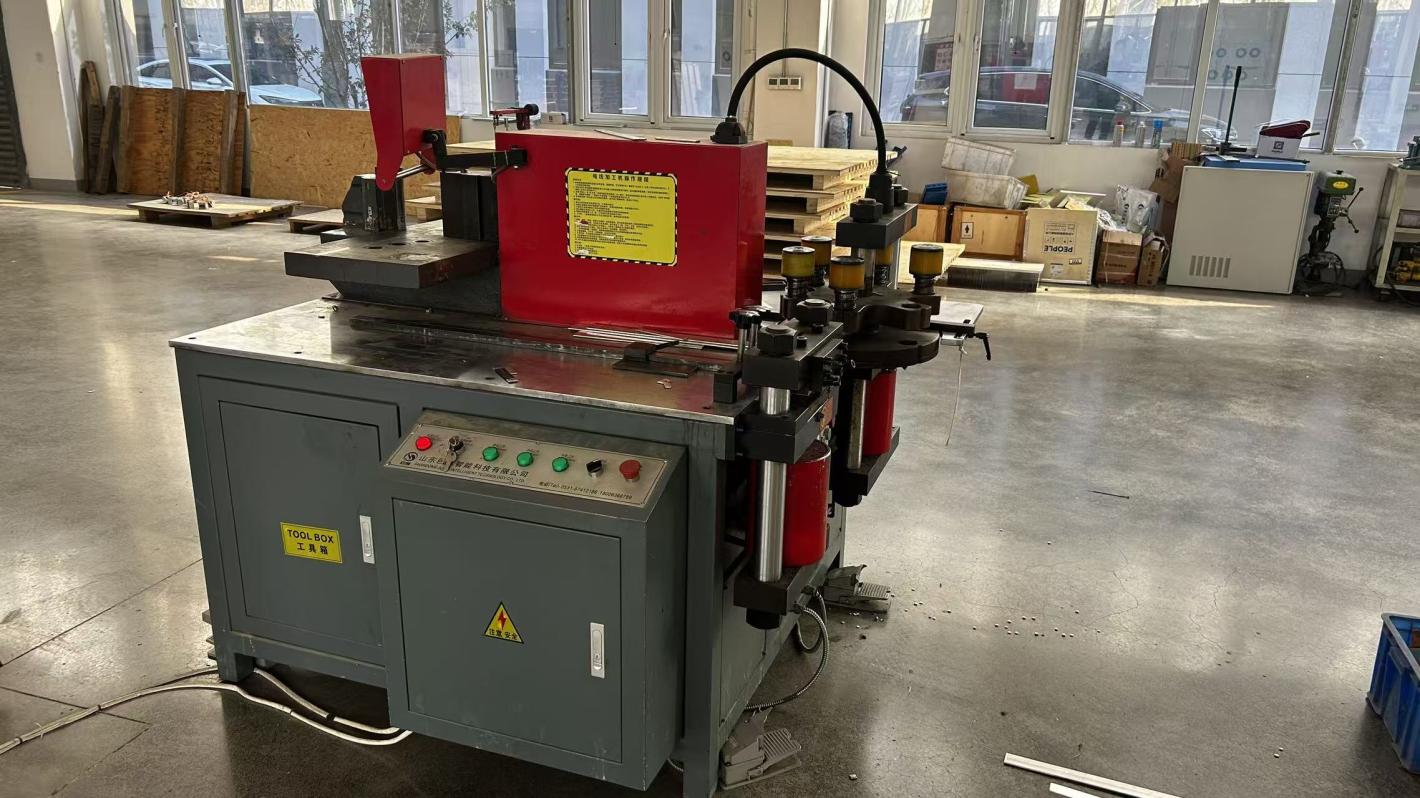 Copper Bar Production
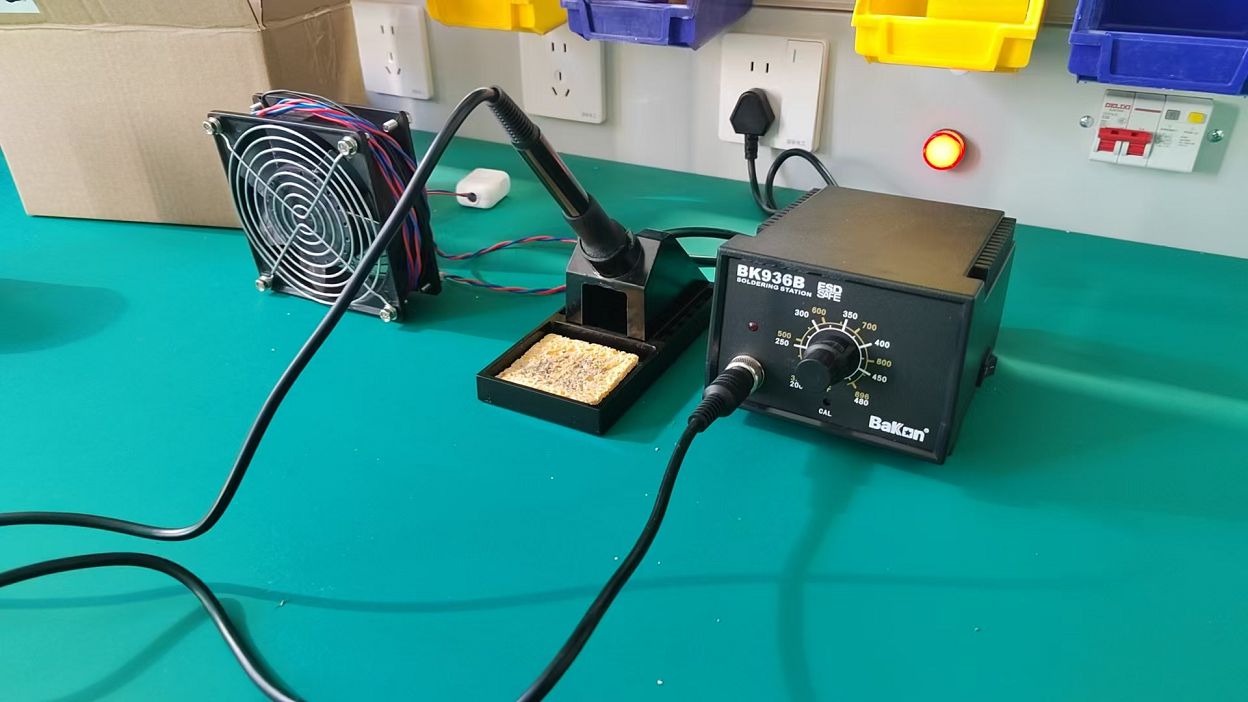 Electric Ferrowire
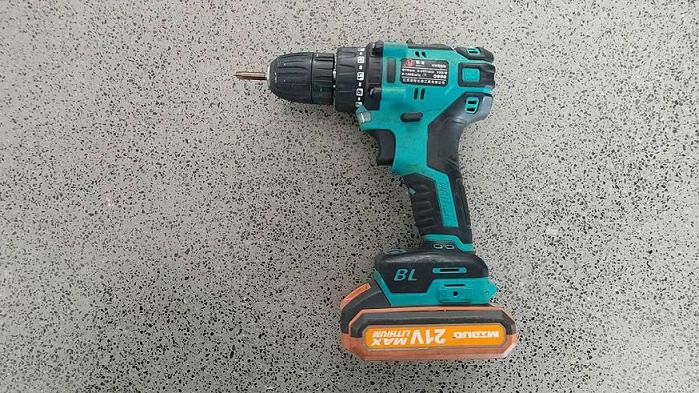 Electric Drill Setup
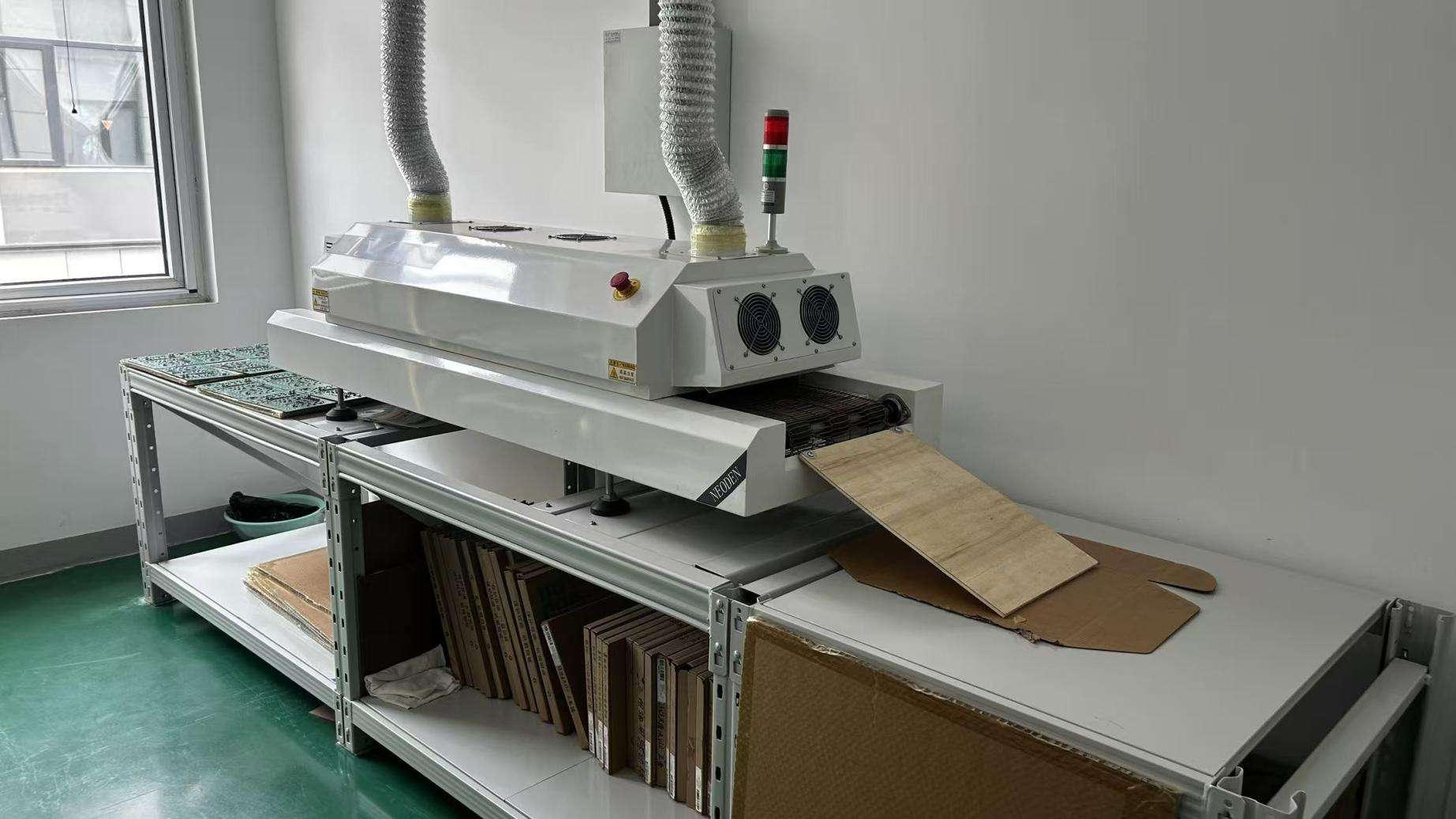 Reflow Soldering Machine
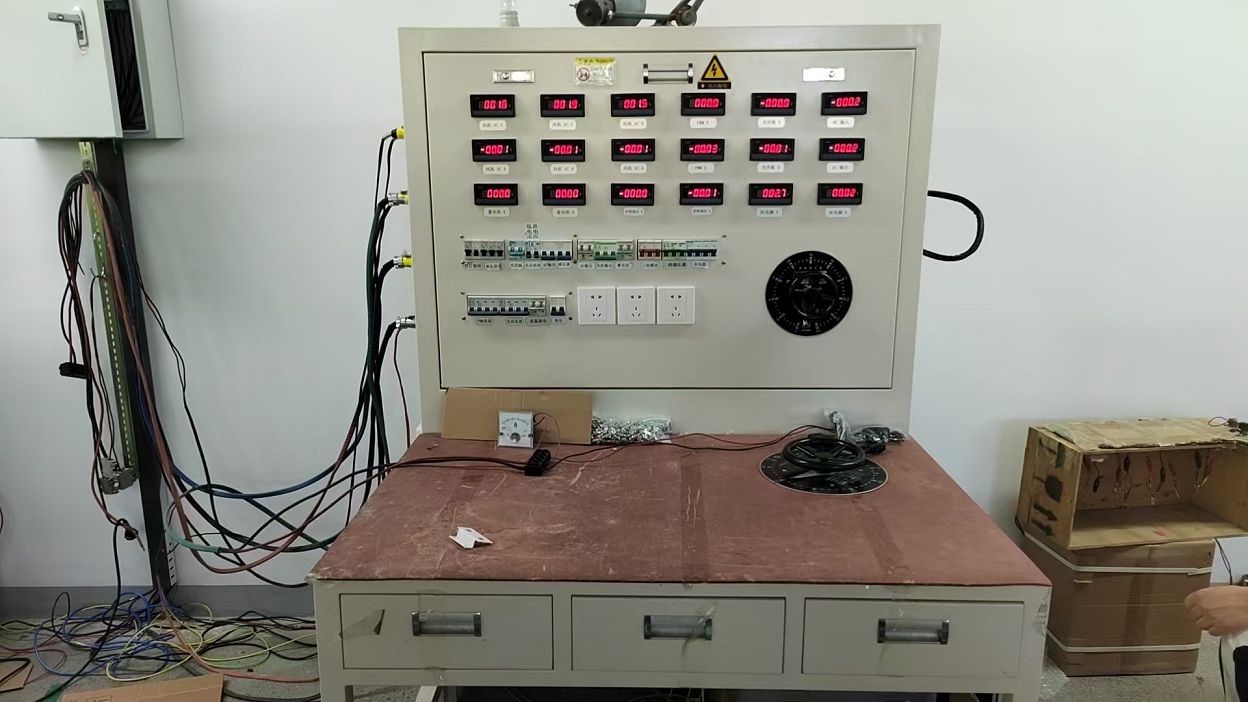 Ergonomic Workbench
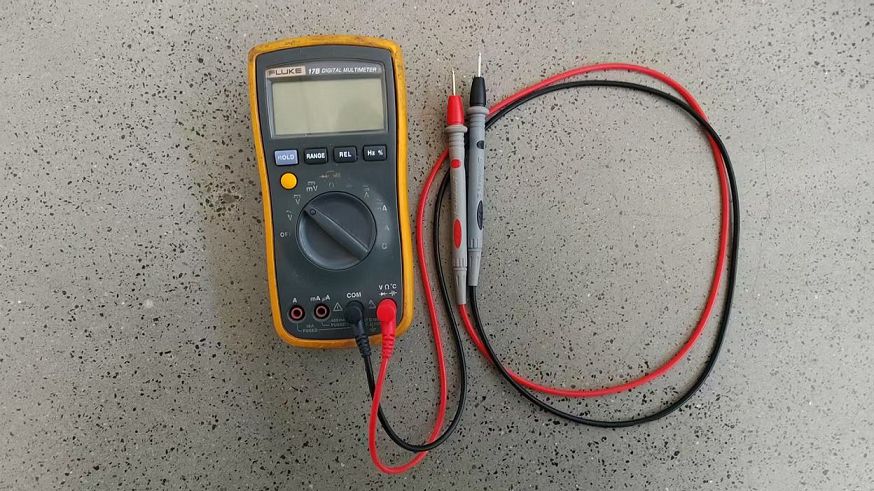 Precision Multimeter
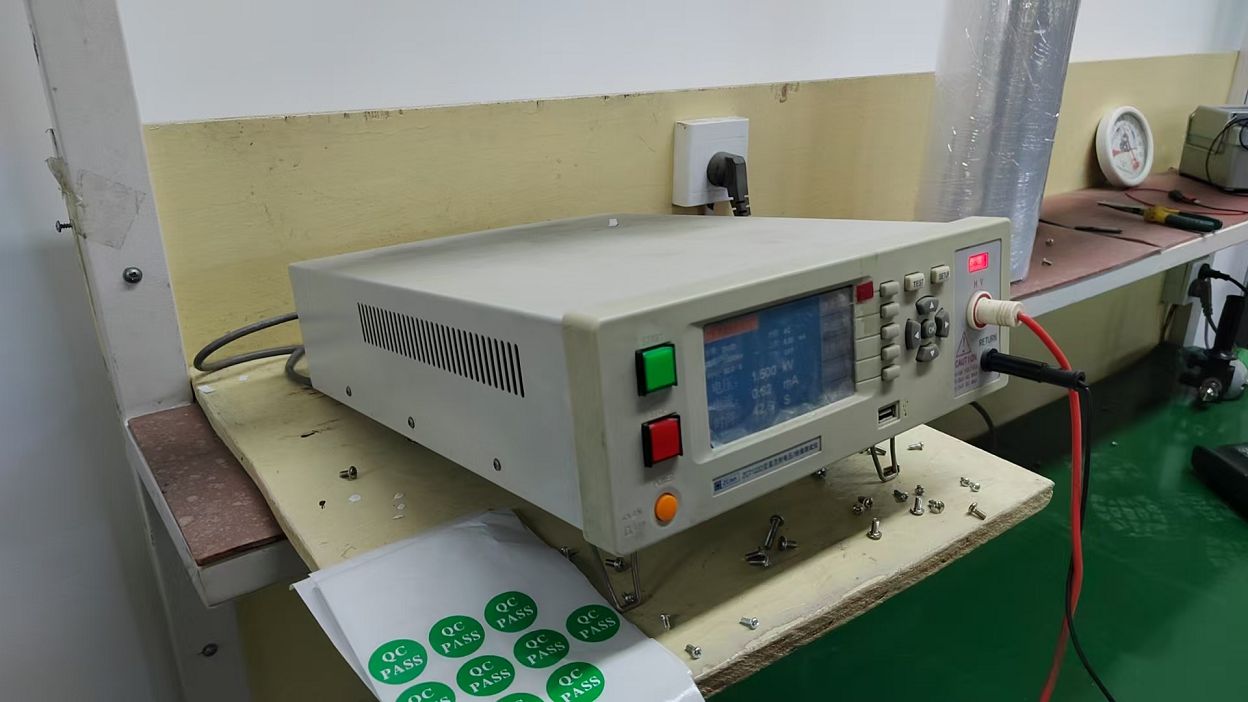 LCR AutoTester
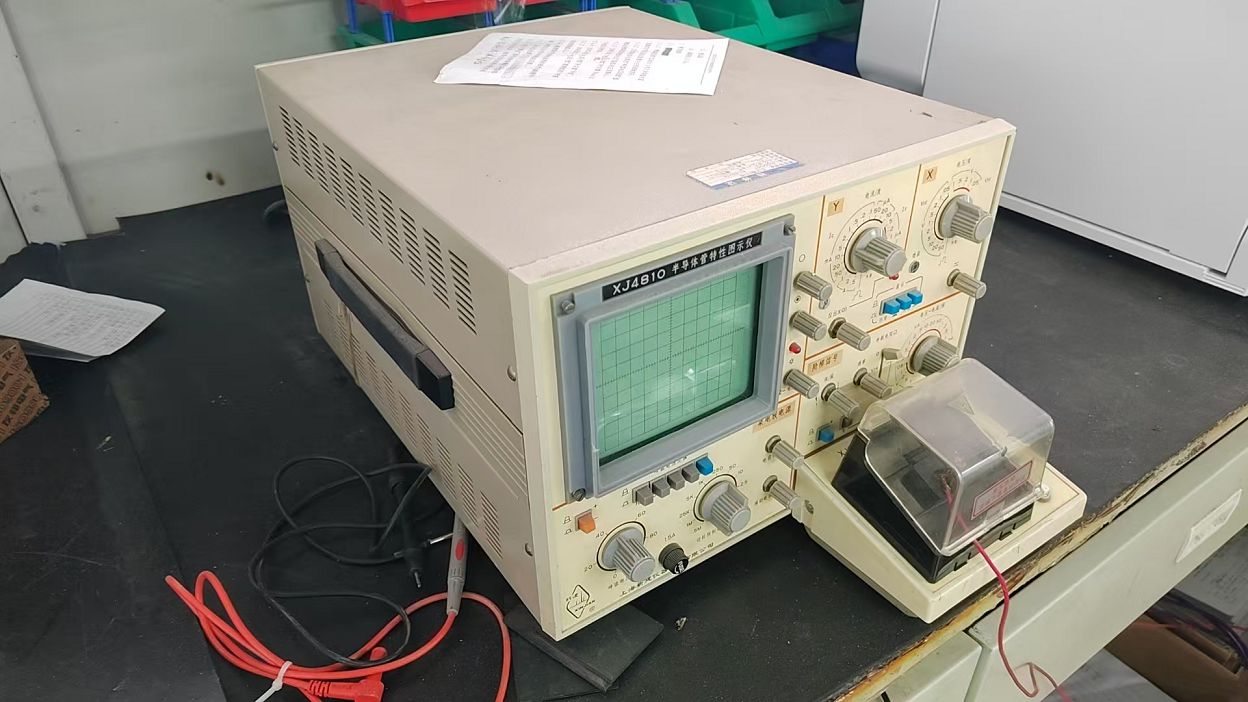 Characteristic Plotter
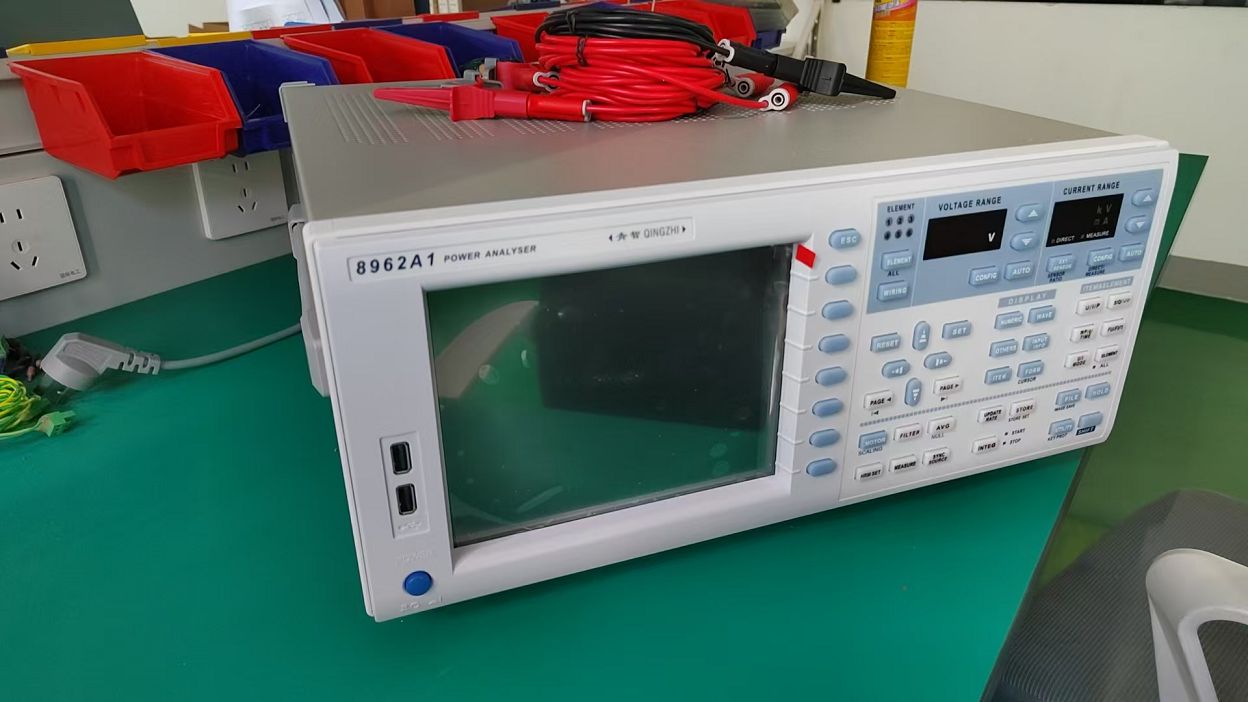 Digital Oscilloscope
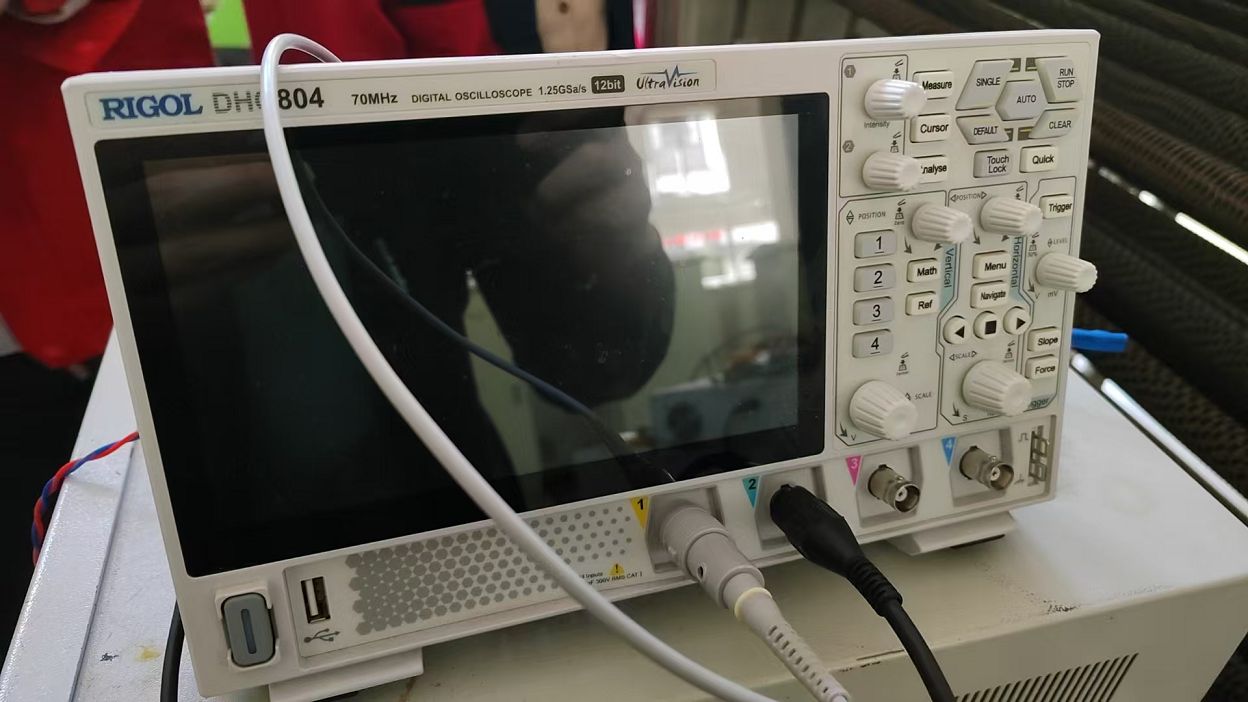 Power Quality Analyzer
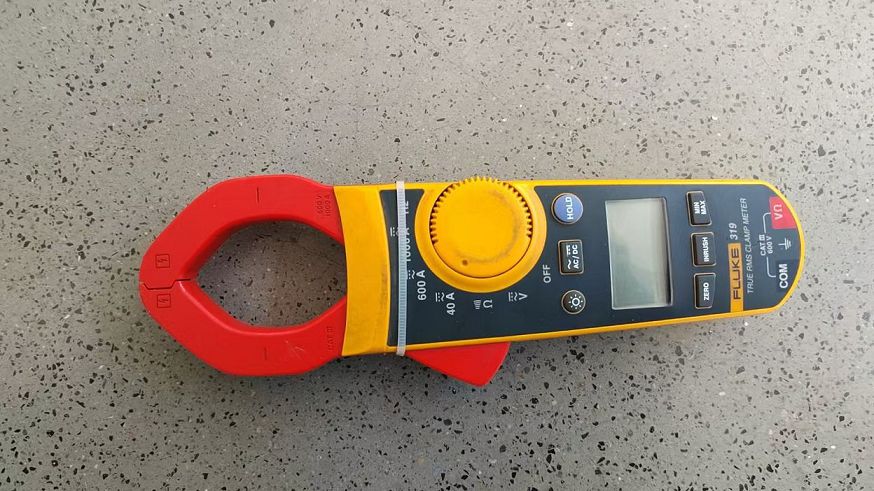 Clamp Current Meter
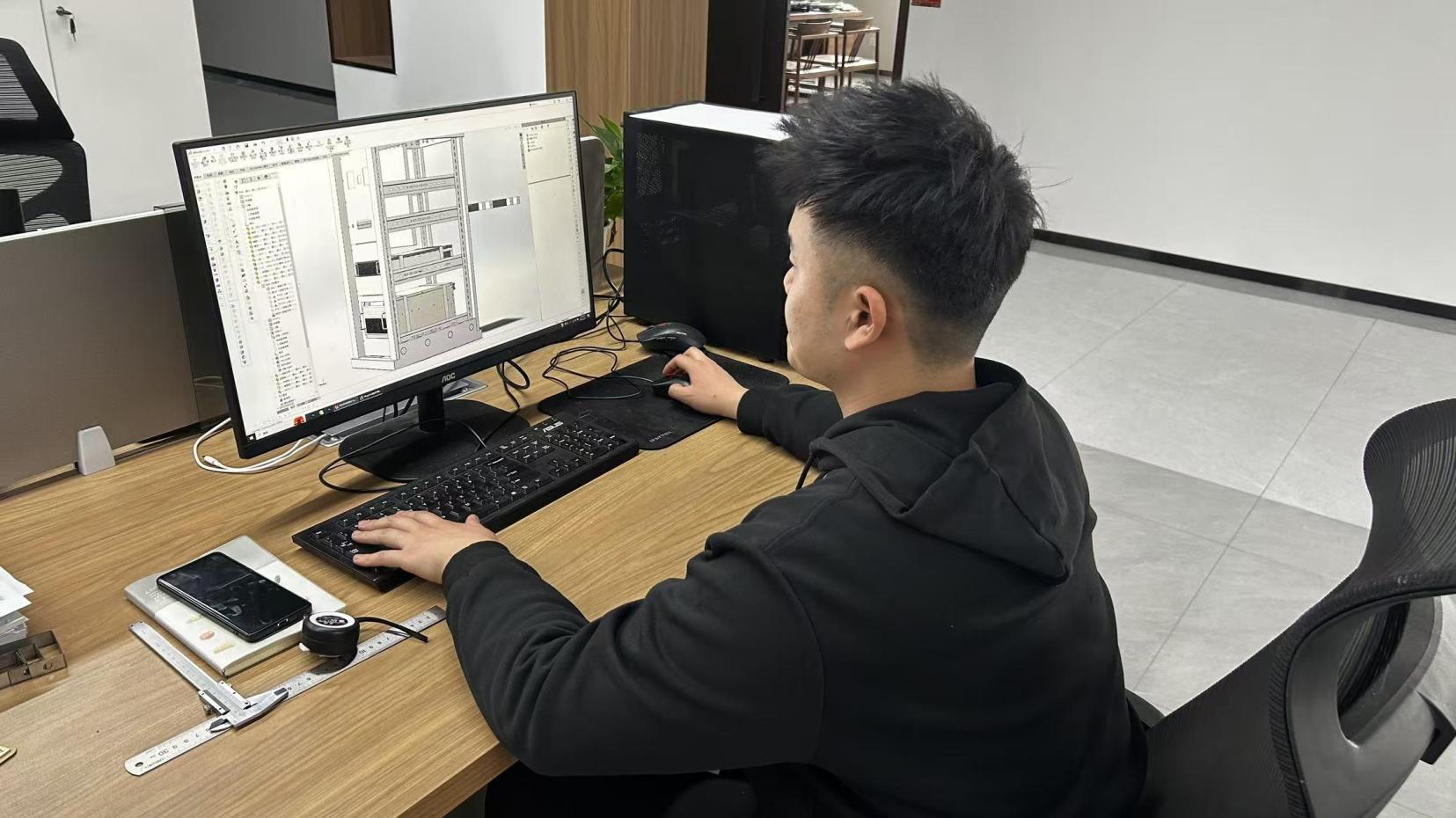 CAD Drawing Design
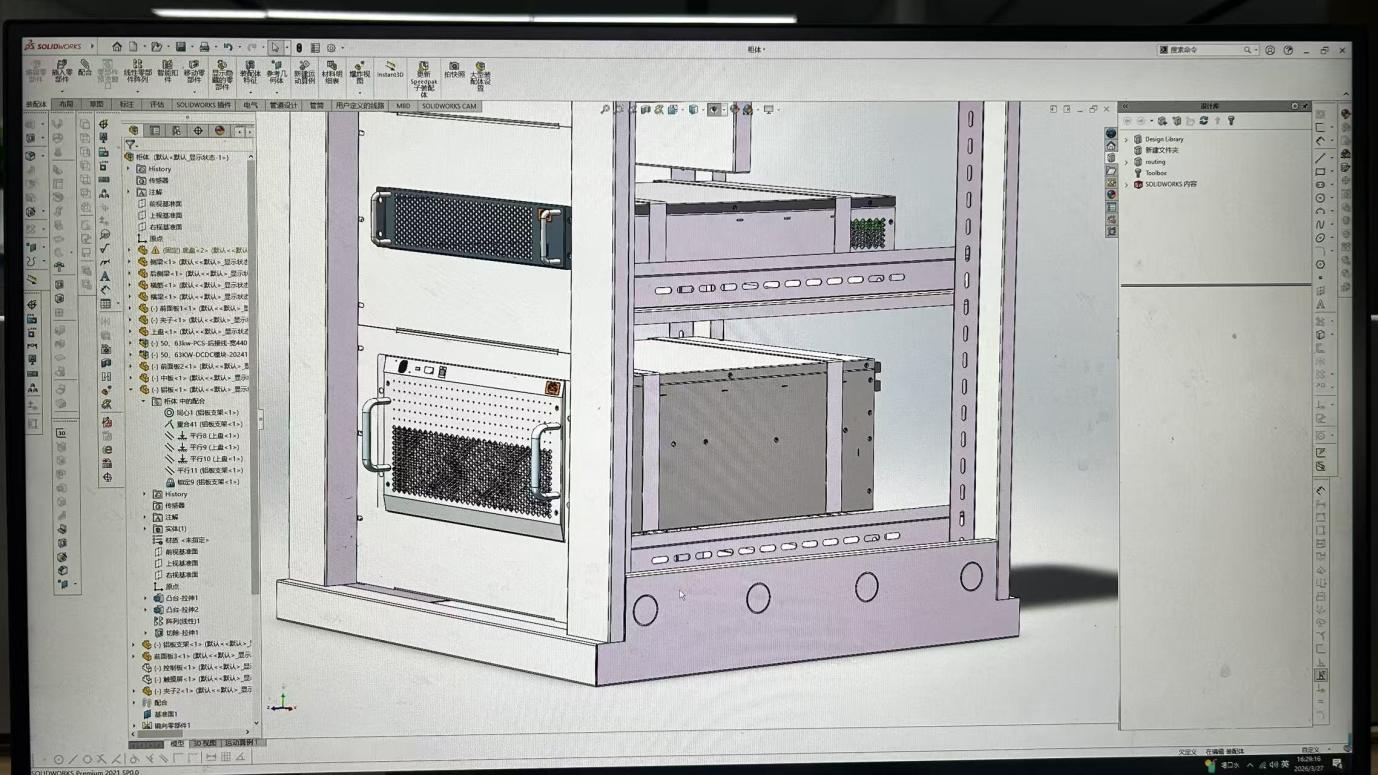 Computer Simulation Station
Procuring microgrid and renewable energy components for projects in the USA and European markets requires strict adherence to international electrical, mechanical, and safety certifications. Deming Power Equipment maintains a rugged quality assurance framework to satisfy localized engineering requirements, including:
A high-performance PMG requires matching control equipment to regulate variable frequency AC power into stable grid-tied or off-grid output. Deming specializes in manufacturing the entire electrical balance-of-plant, including wind/solar charge controllers, grid-tie inverters, and low-frequency excitation converters. Additionally, for R&D labs and university test beds in Cambridge and Boston, we supply programmable bidirectional DC test power supplies and battery simulators (150kW to 500kW) to validate modern battery energy storage systems (BESS).
Insights from our senior engineering team to assist you in designing and scaling your generation systems.
Fully customizable options built to endure tough environmental conditions. Click a model to review standard specifications.
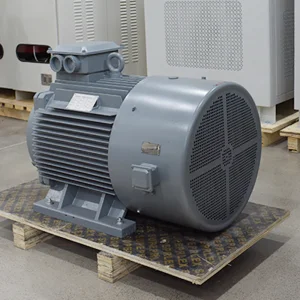
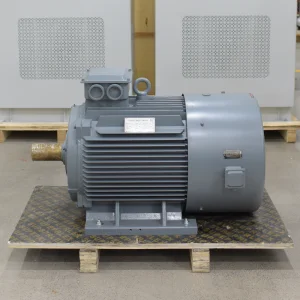
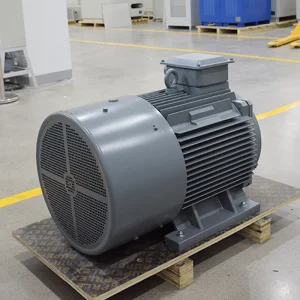
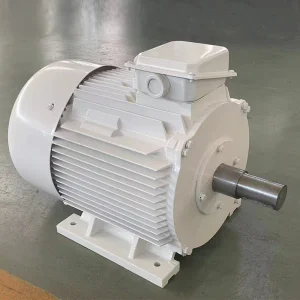
Discuss your direct-drive Permanent Magnet Generator specifications with our engineering support team. Get tailored advice on optimization, pricing, and grid compliance integration.
Send Inquiry Now Demin Power