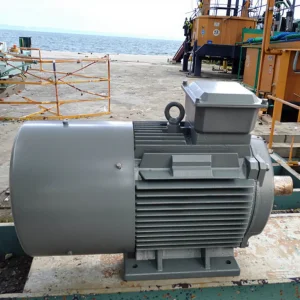
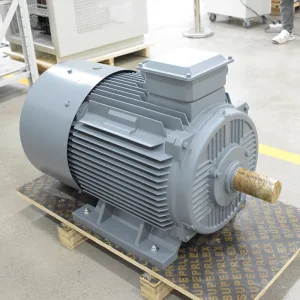
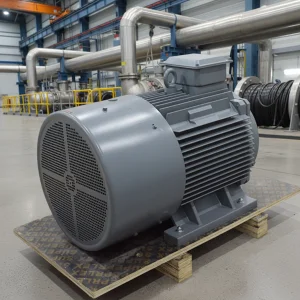
Optimized for run-of-river, municipal water infrastructure, and off-grid high-head streams in Western Washington.
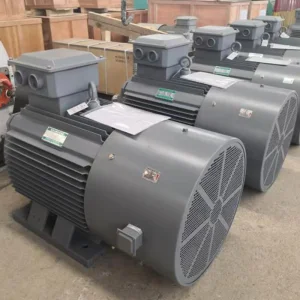
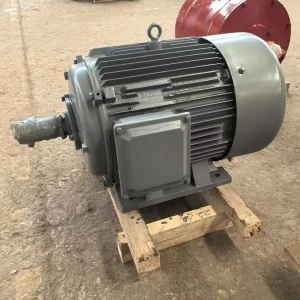
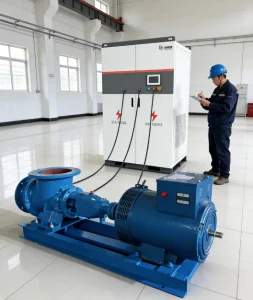
The Pacific Northwest (PNW) has long been a pioneer in hydro power. Under Washington State’s Clean Energy Transformation Act (CETA), utility agencies like Seattle City Light and Snohomish County PUD are transitioning toward a completely carbon-neutral power system. This macro-environmental shift has driven unprecedented demand for distributed generation—specifically high-efficiency Permanent Magnet Synchronous Generators (PMSGs).
Unlike traditional, heavily geared induction generators, low-RPM permanent magnet alternators eliminate gearbox losses and mechanical failures. For Seattle’s rugged geography, mountainous runoff, municipal aqueducts, and marine/wind microgrids, this represents a quantum leap in reliability. Systems ranging from 10kW to 500kW are being deployed to capture energy from run-of-river installations, private micro-grids, and pressure-reducing valves in municipal water supplies.
"We see a surge in retrofitting legacy hydro mills and municipal piping infrastructure. Direct-drive permanent magnet generators are preferred due to their high power density, zero maintenance overhead, and exceptional performance under partial load conditions typical of Western Washington’s seasonal hydrology."
Designed for multi-decade operations under harsh ambient conditions, using top-tier magnetic materials and thermal optimization.
We leverage premium NdFeB (Neodymium Iron Boron) magnets with high coercivity and thermal stability, guaranteeing minimal demagnetization over a 20-year operational life even in high-temperature environments.
By eliminating the gearbox, we reduce maintenance overhead, eliminate oil leakage risks (crucial for clean Washington rivers), and optimize dynamic efficiency under variable flow or wind rates.
Stator slot skewing and optimized rotor-pole geometry reduce cogging torque, enabling exceptionally low start-up torque. Crucial for light wind or low-head hydro applications.
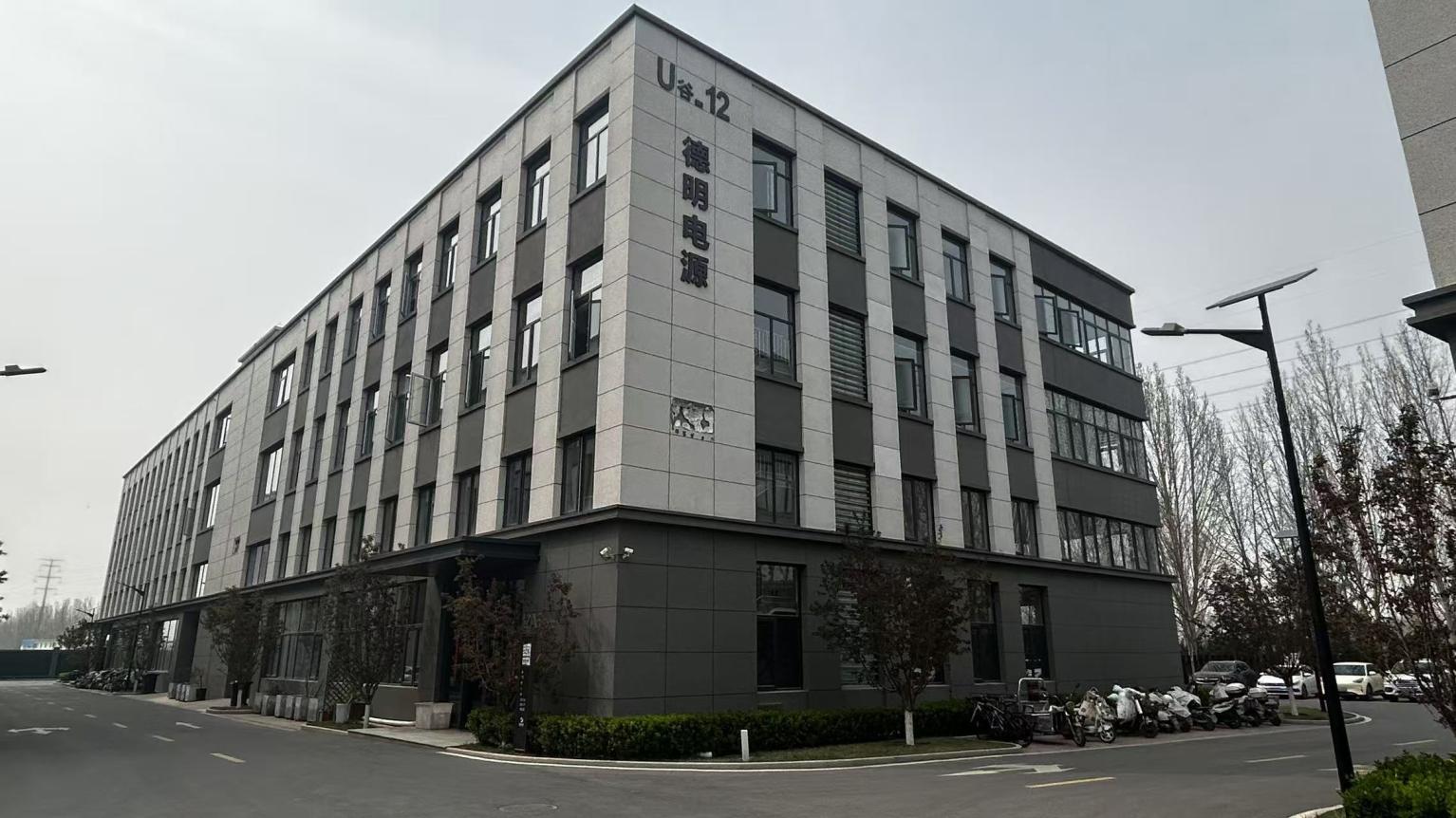
Founded in 2004, Jinan Deming Power Equipment Co., Ltd. has established itself as an industry leader in renewable energy generation equipment, grid integration solutions, and high-power electronic converter systems. Holding ISO9001:2015 certification, Deming operates at the cutting edge of electric grid design and manufacture.
Our R&D framework consists of 16 senior engineers, including doctoral advisors and master's degree holders. We invest no less than 20% of annual sales revenue into technology development. This continuous funding has yielded 17 large-scale R&D projects over the past three years alone, successfully converting 16 advanced technological milestones into market-leading commercial products.
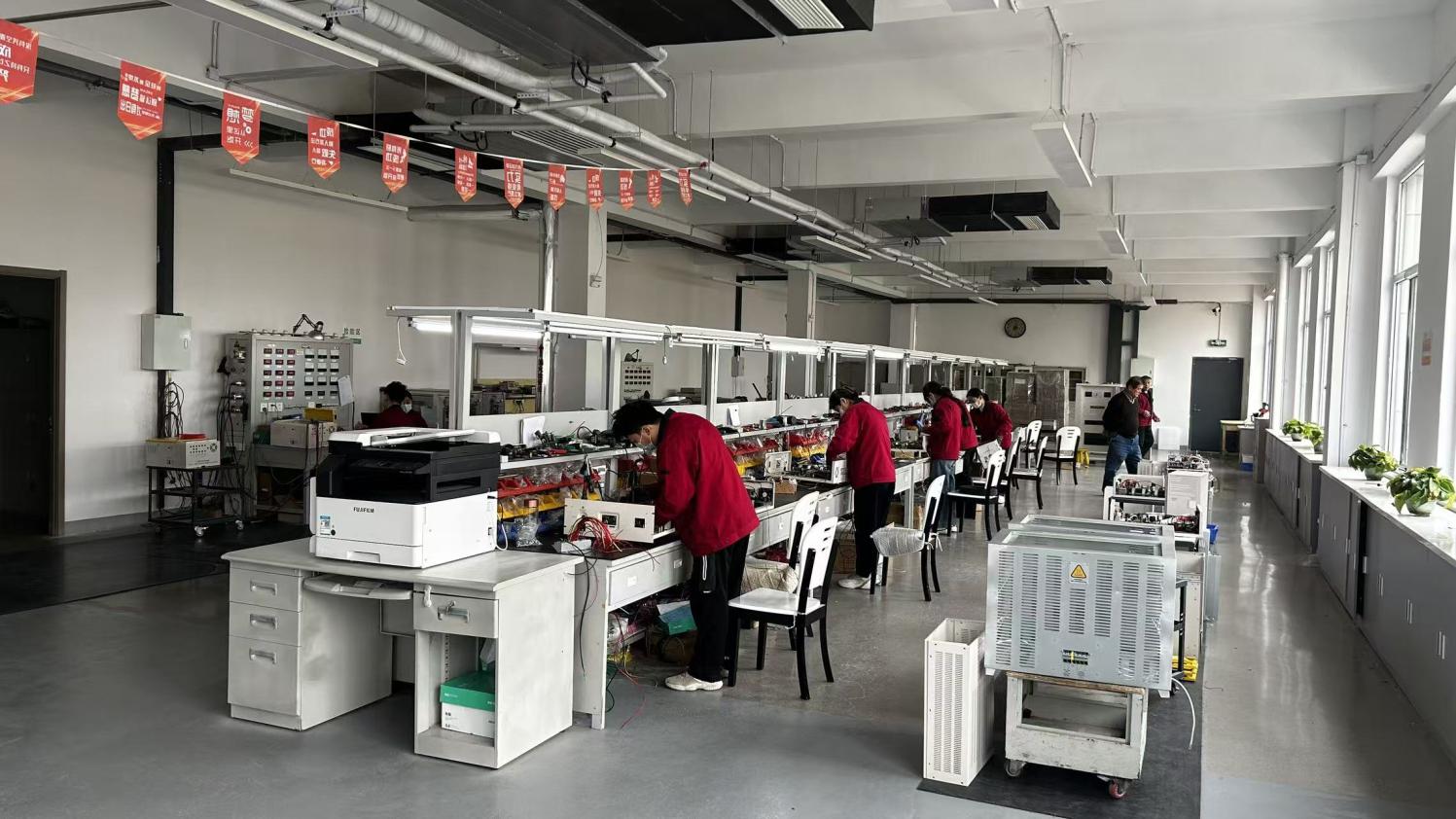
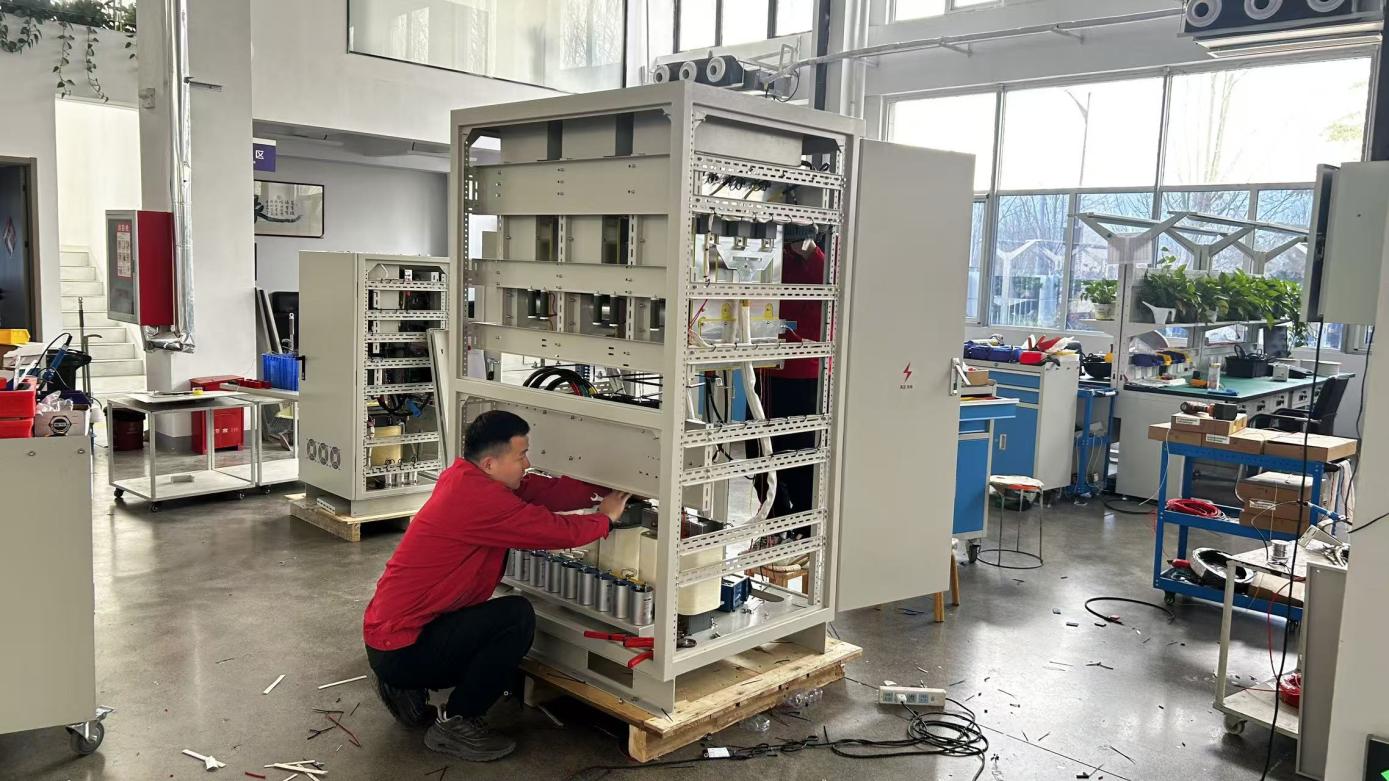
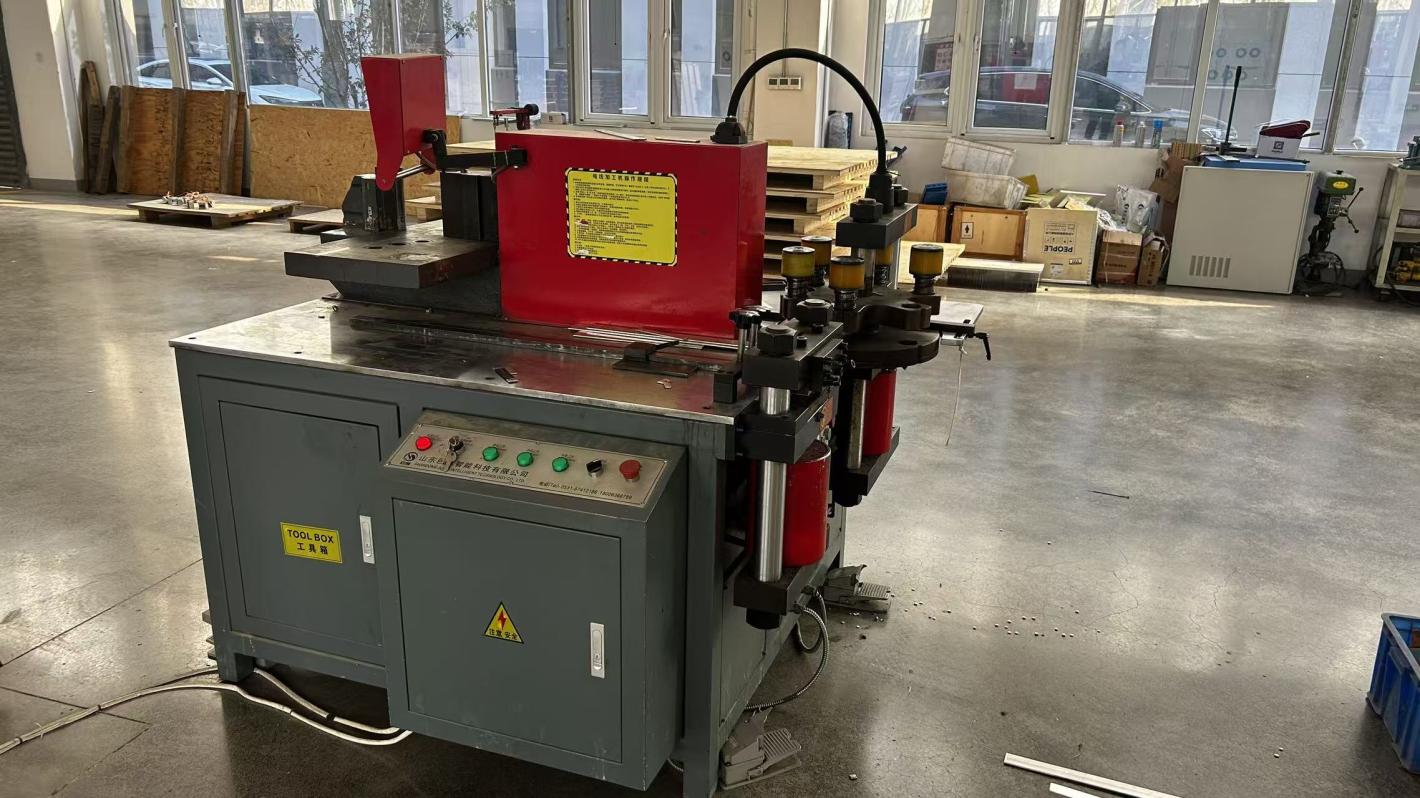
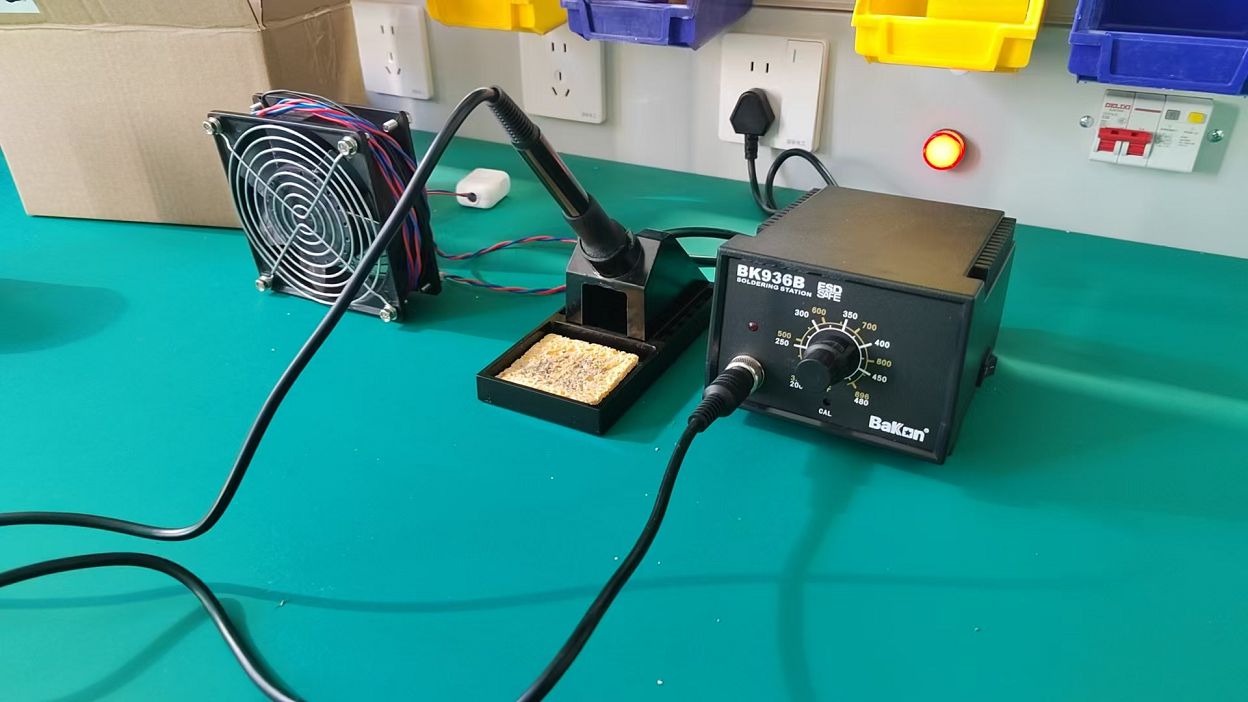
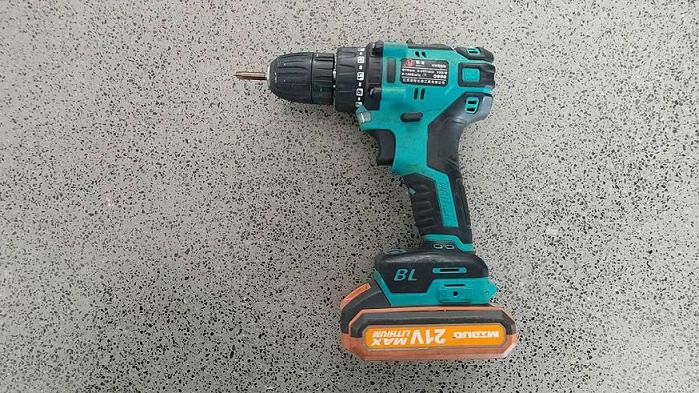
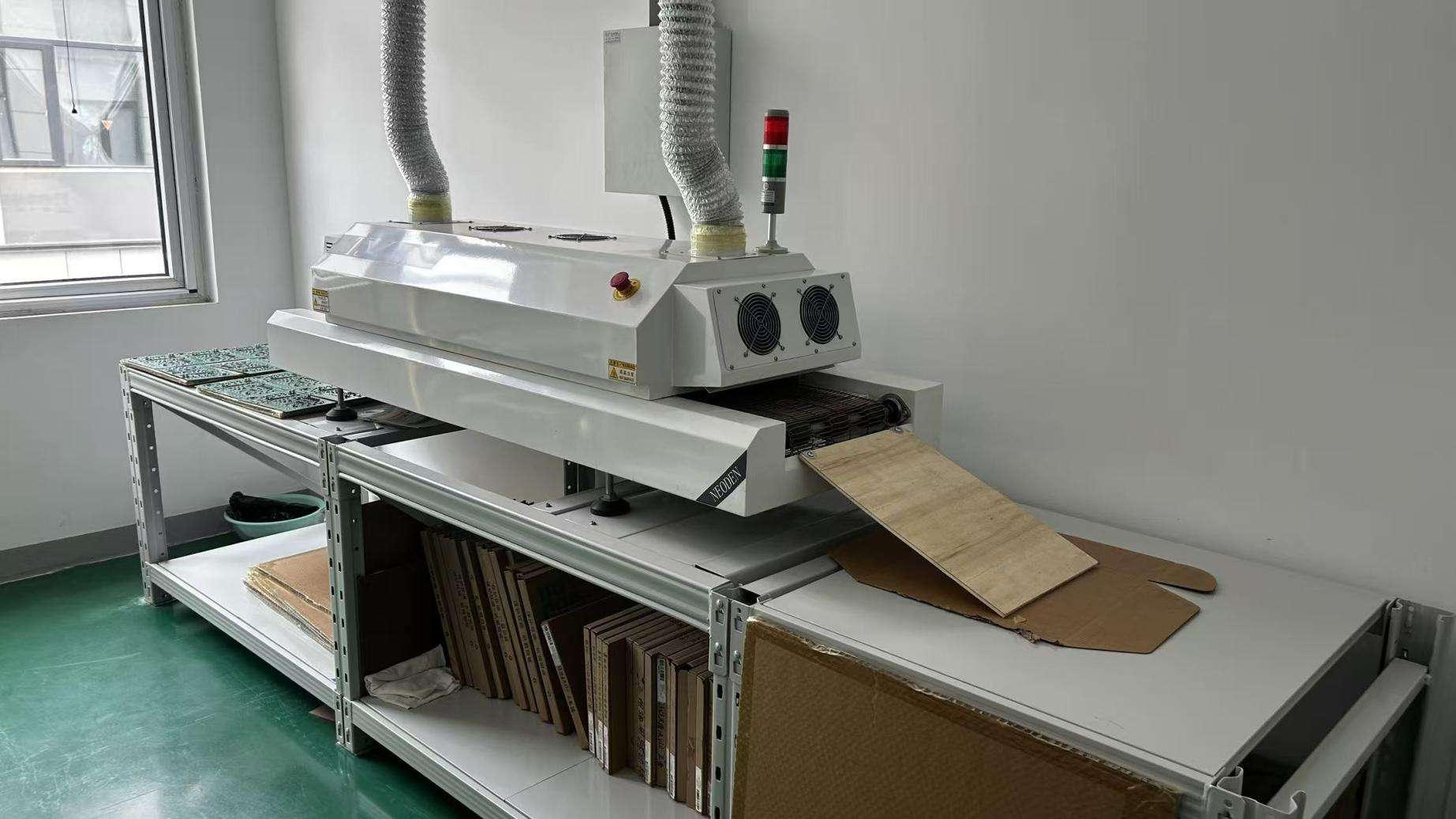
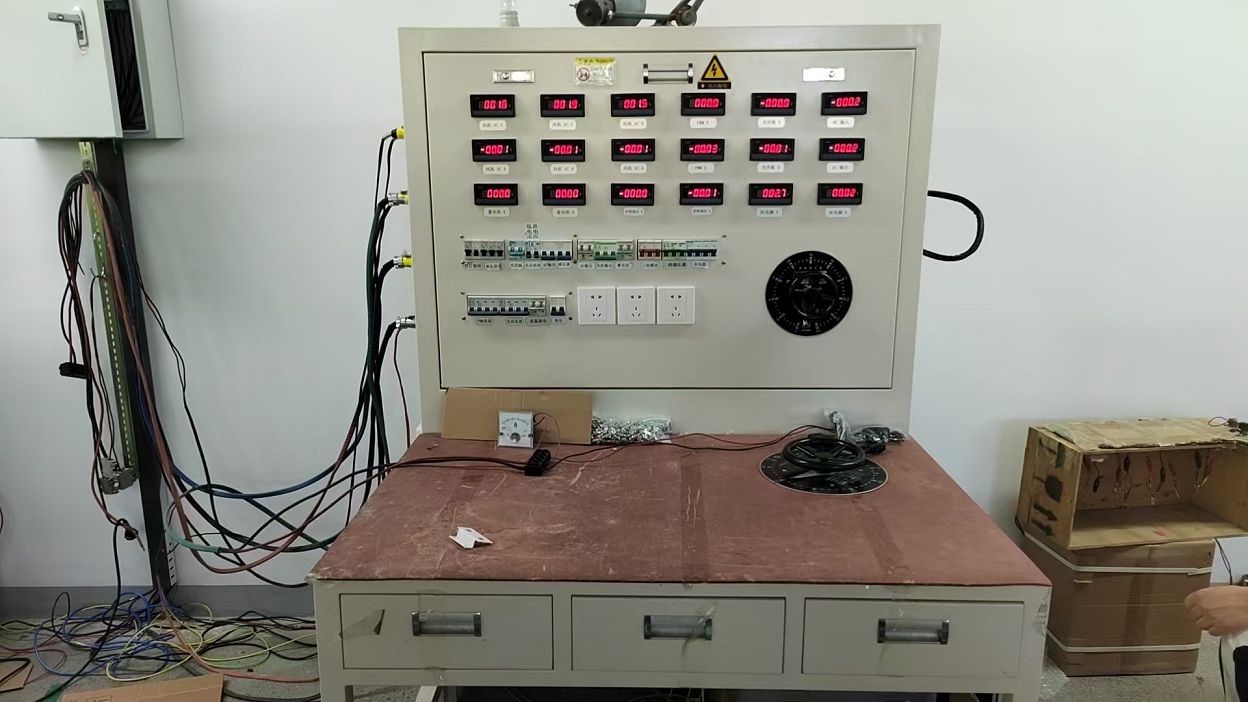
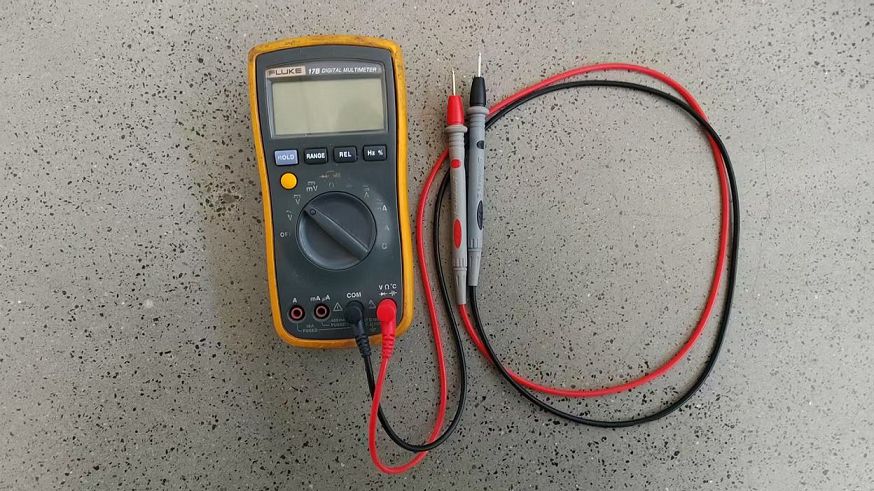
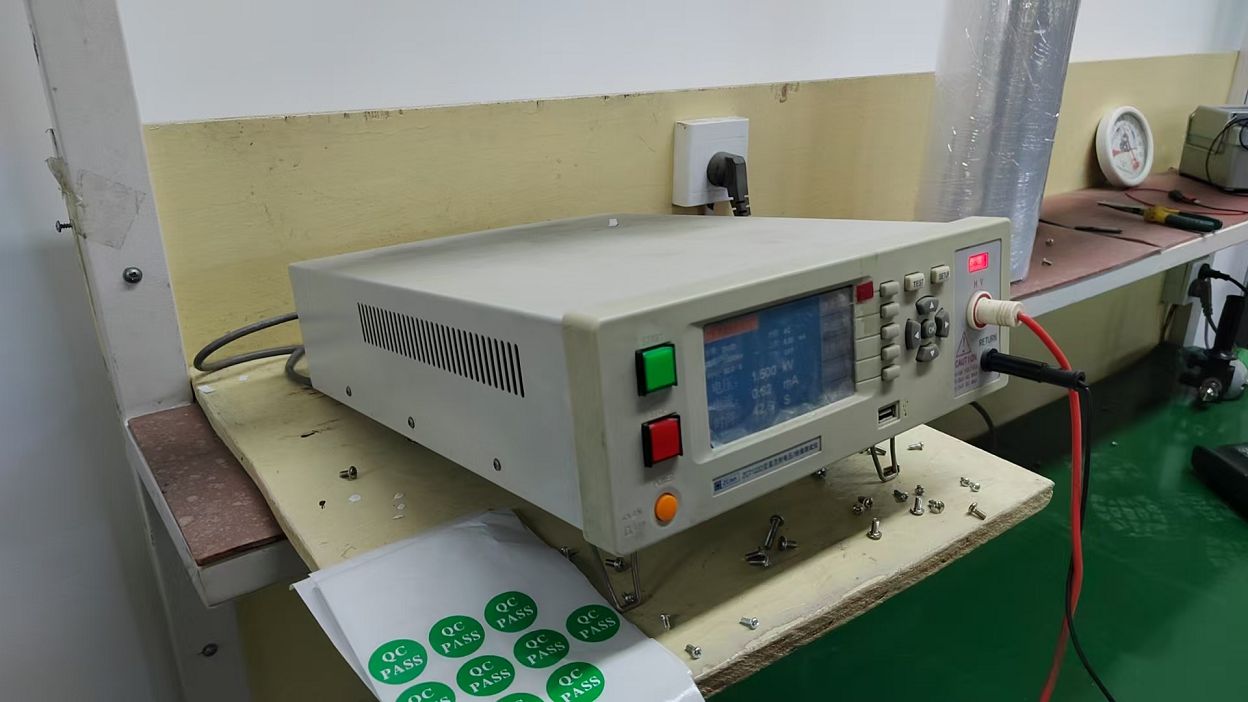
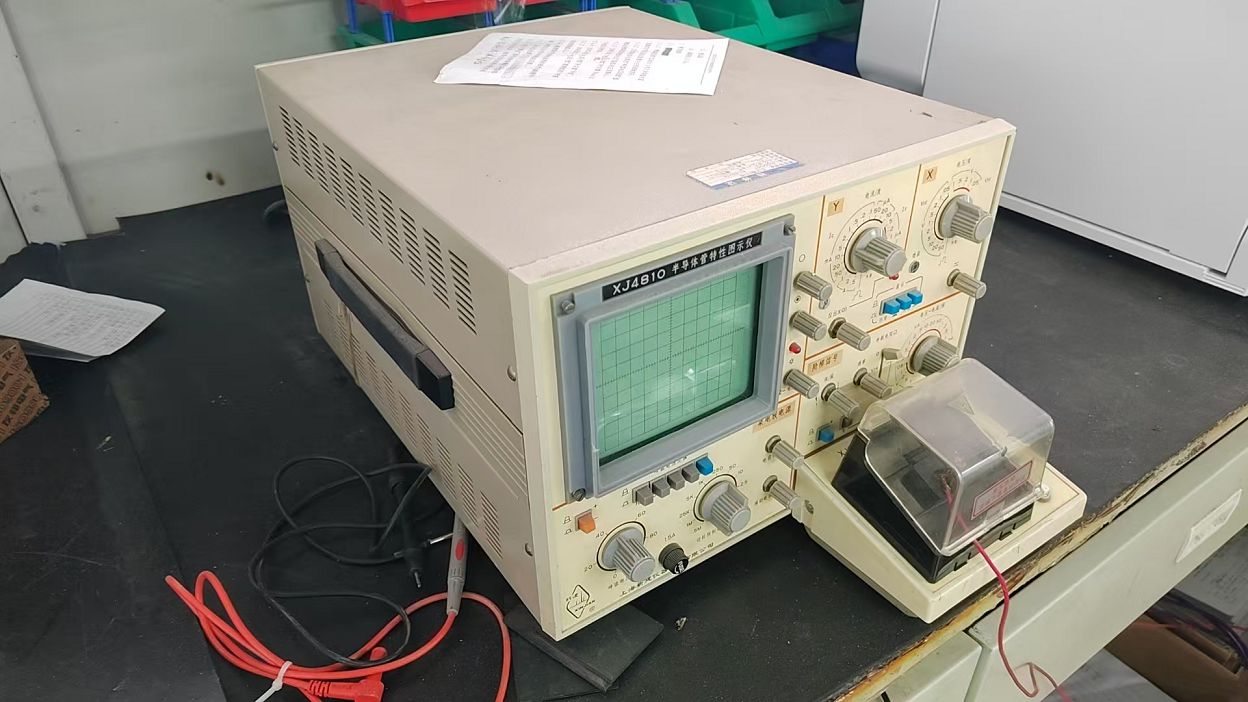
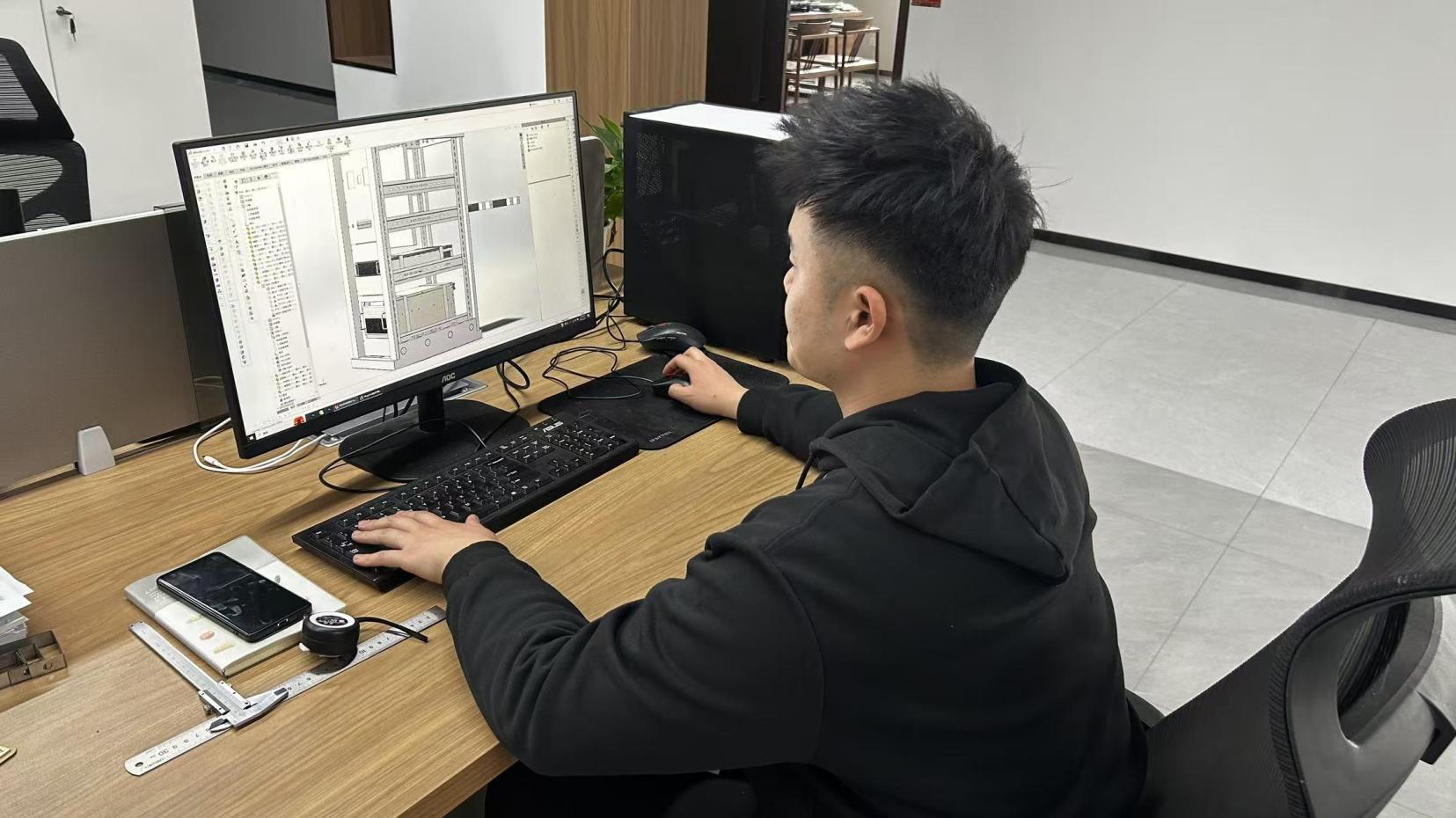
China Factory 4.0: Intelligent Production & Advanced Metrology
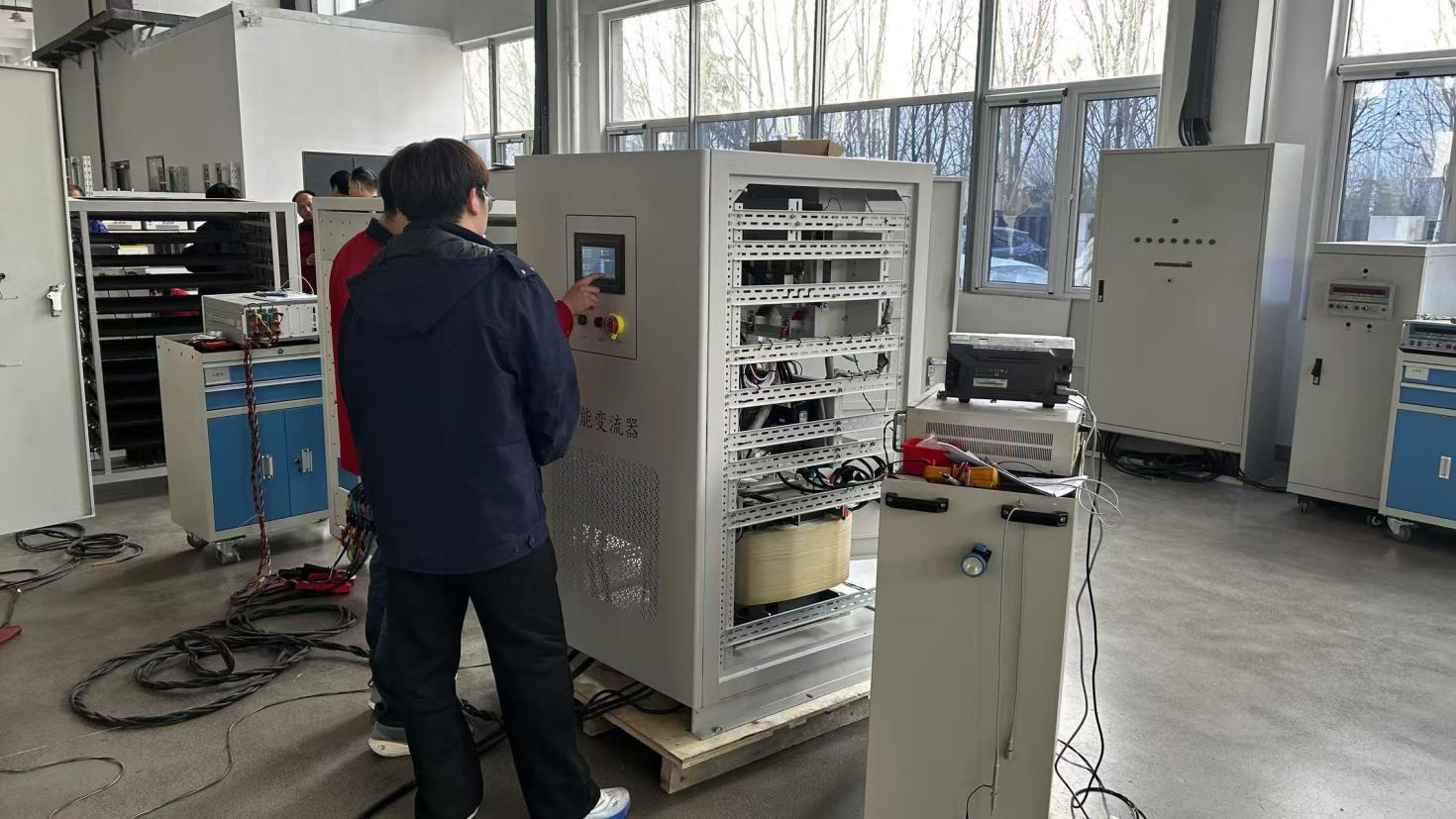
Our digital production lines in Jinan combine manufacturing automation with extreme-precision testing protocols, guaranteeing zero-defect shipments to global markets including the United States, Germany, Japan, and Canada.
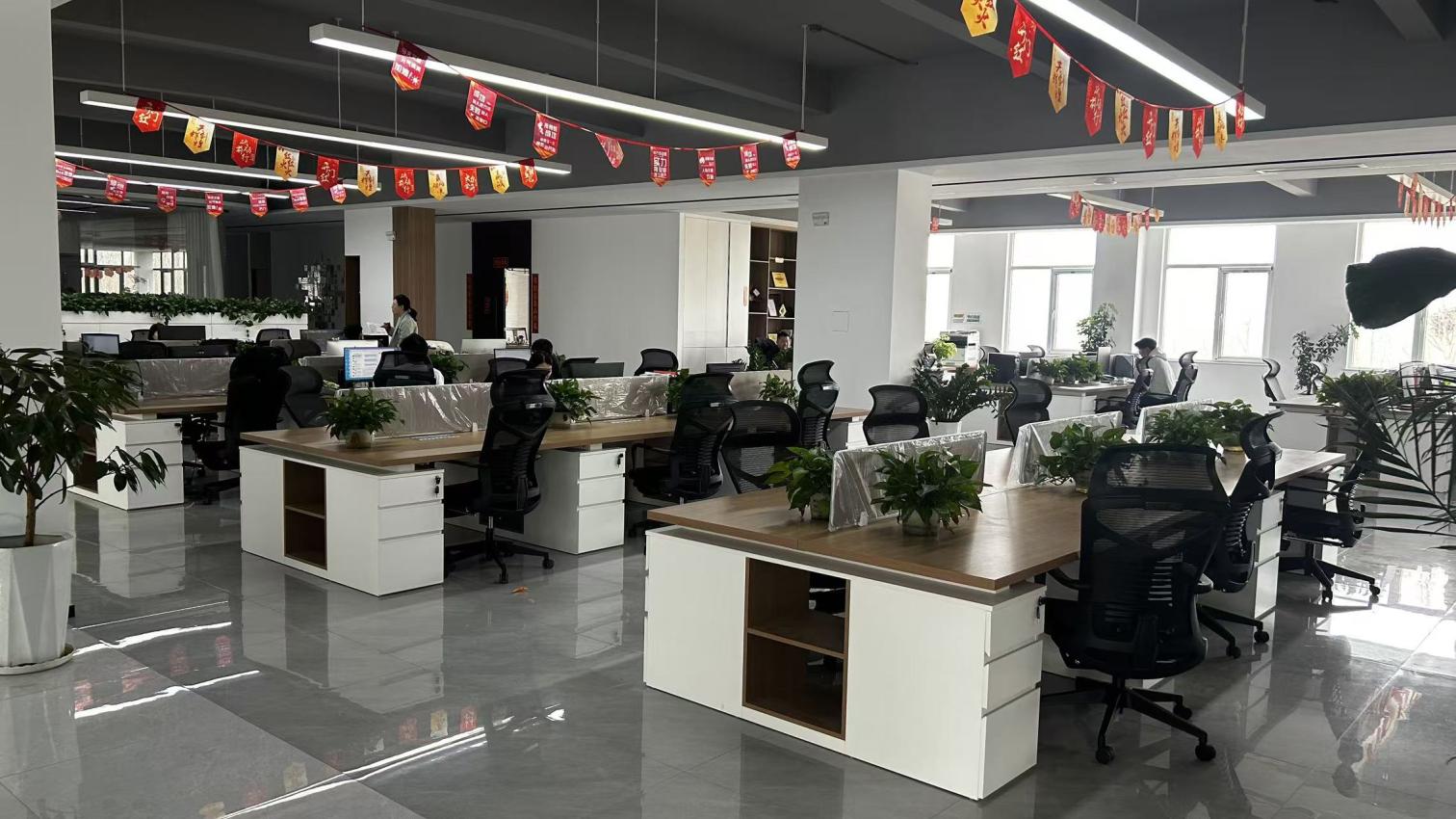
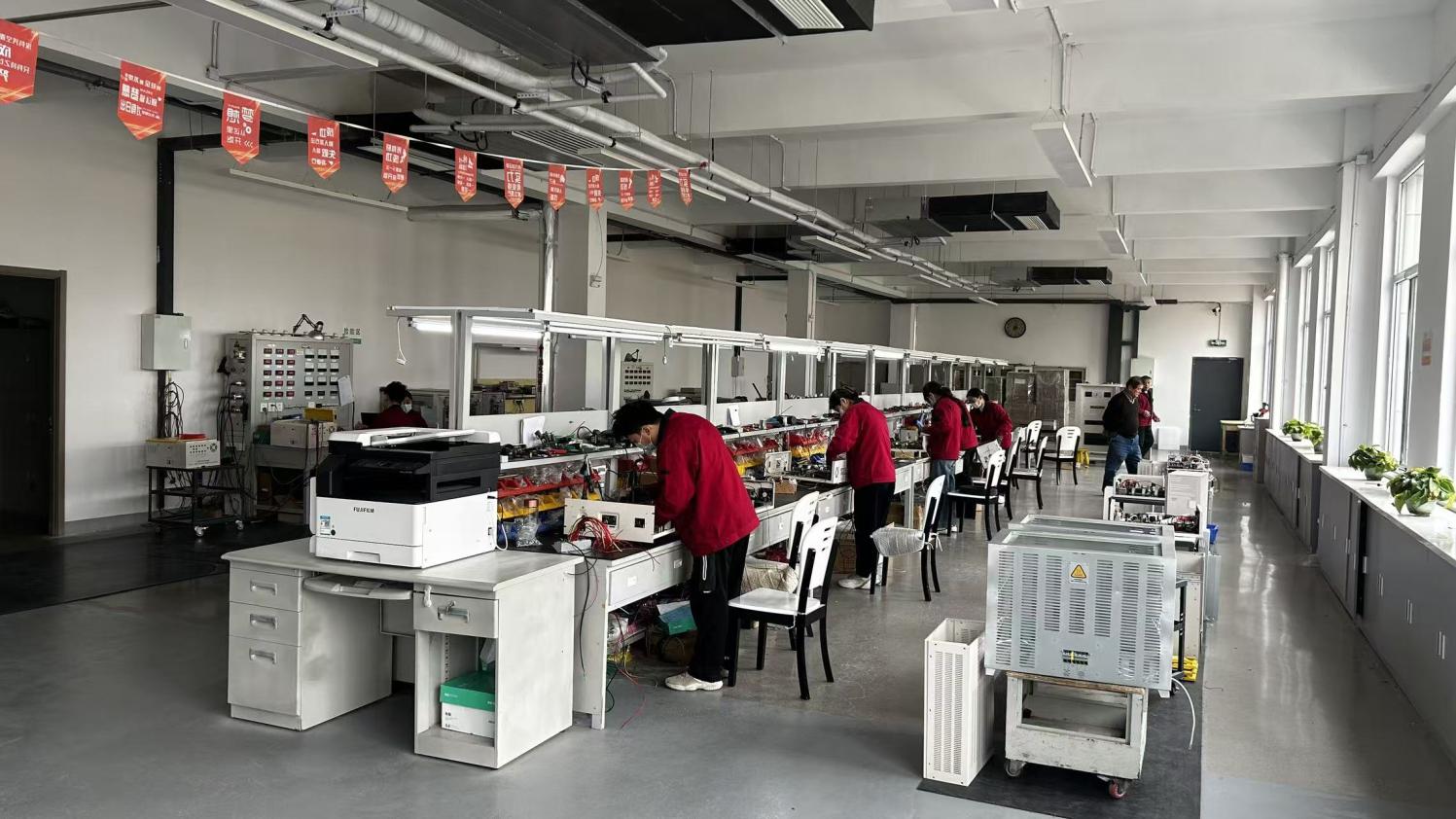
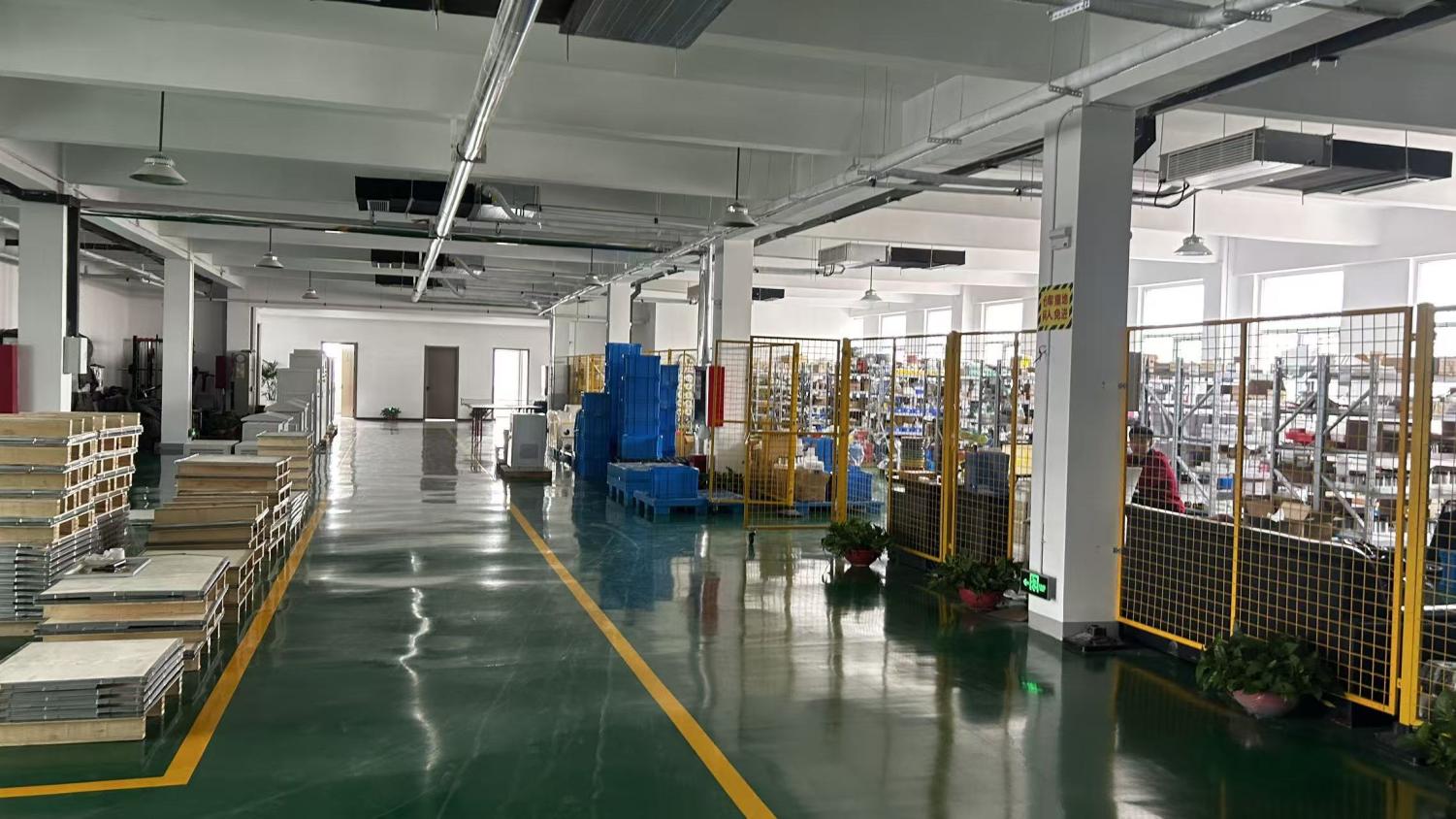
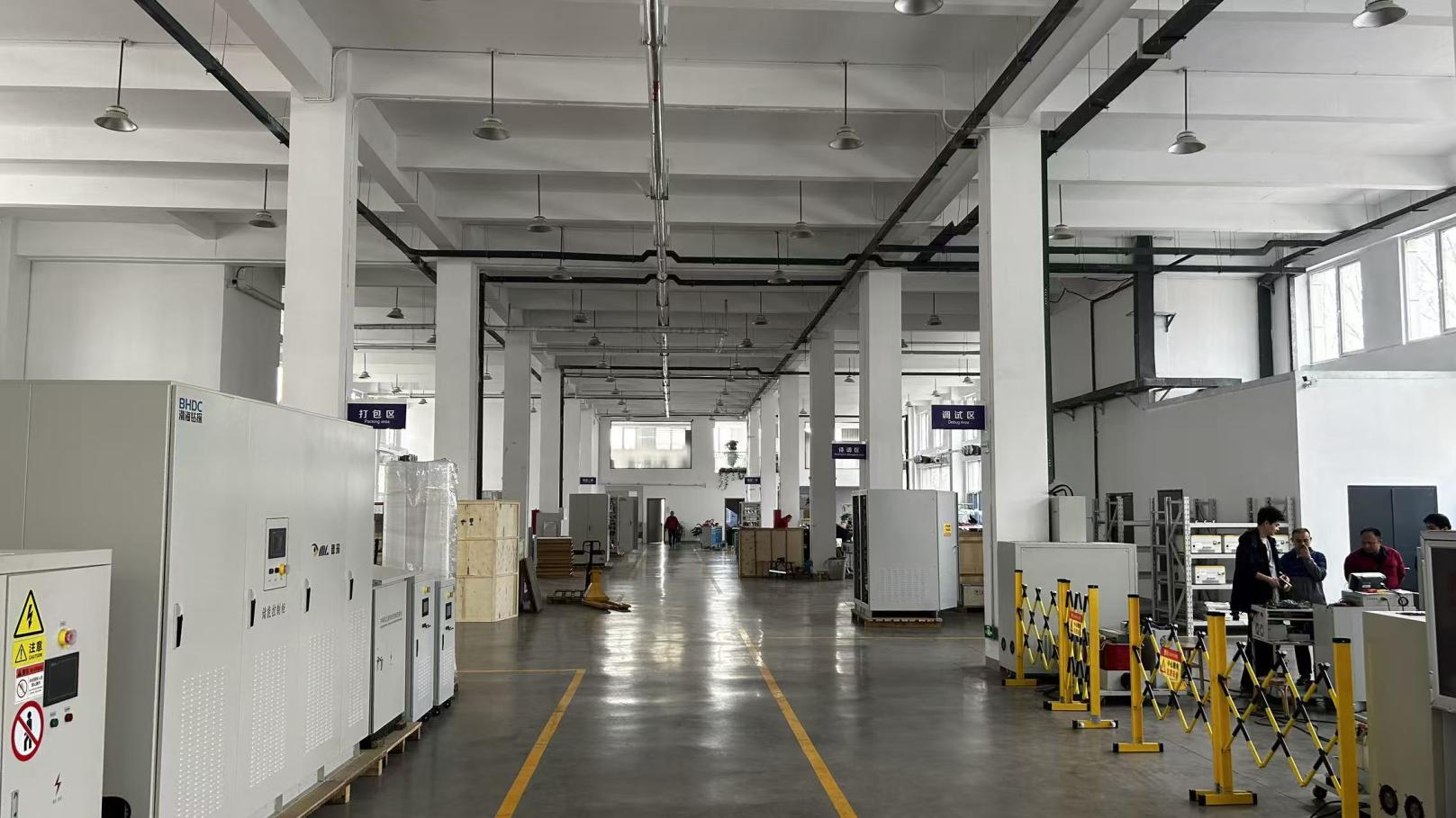
From circuit board assembly to high-precision semiconductor analytics, our equipment is certified for rugged grid-tie use.
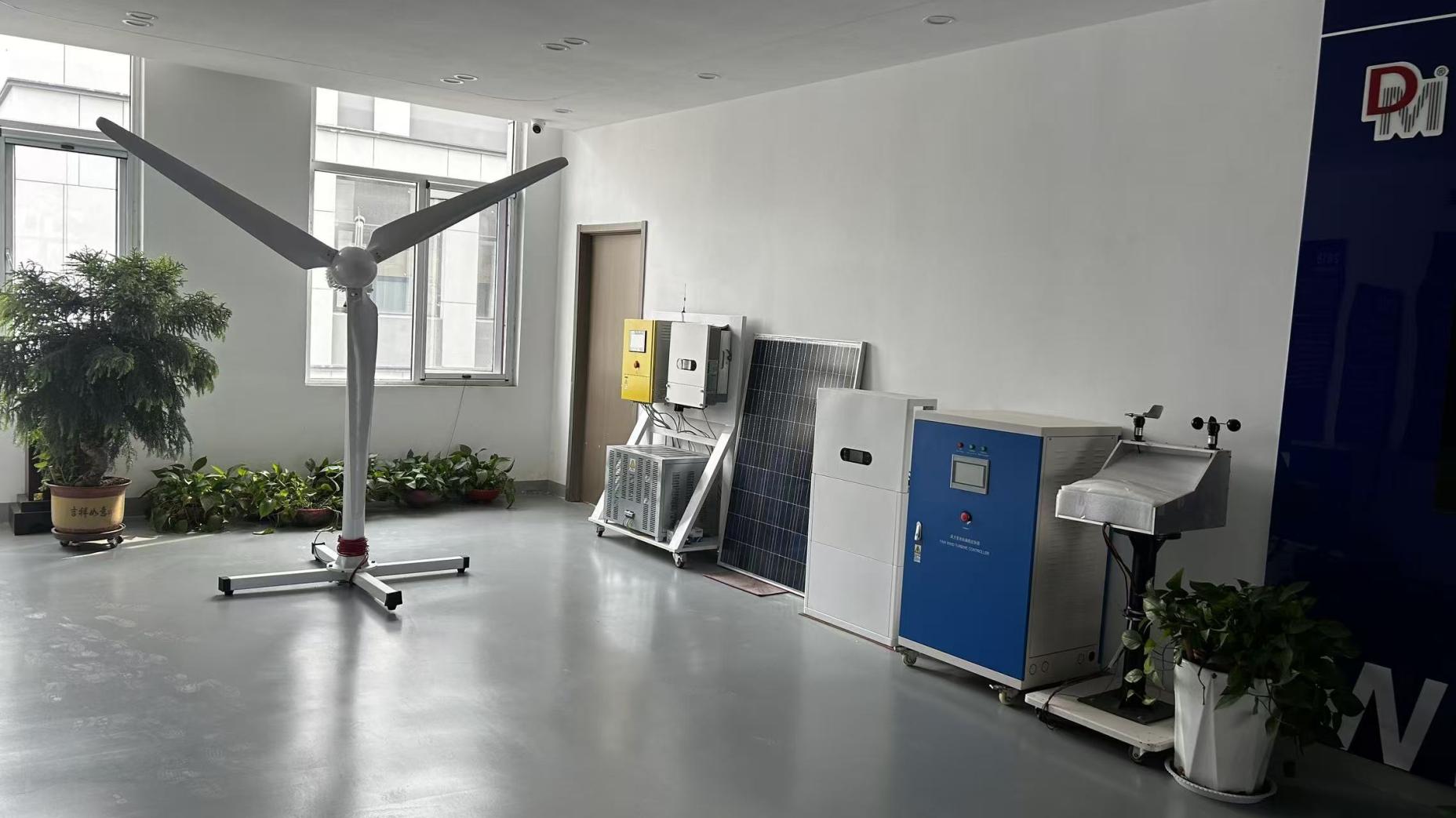
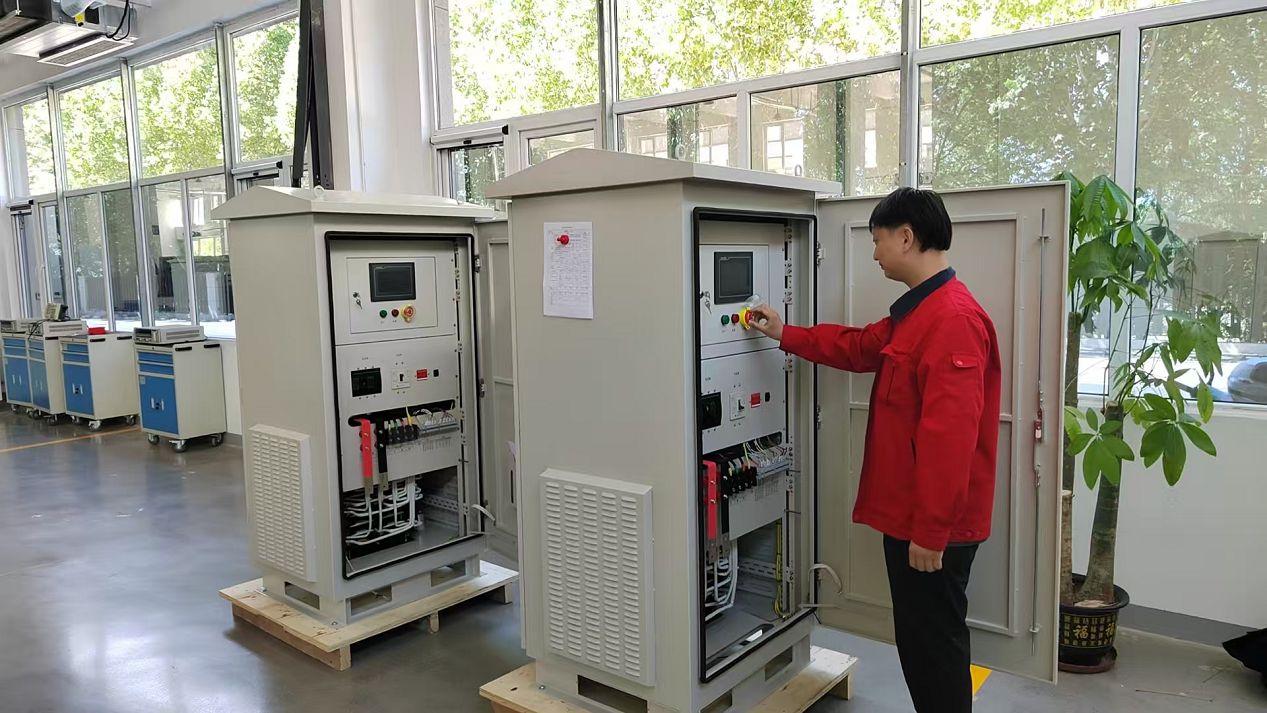
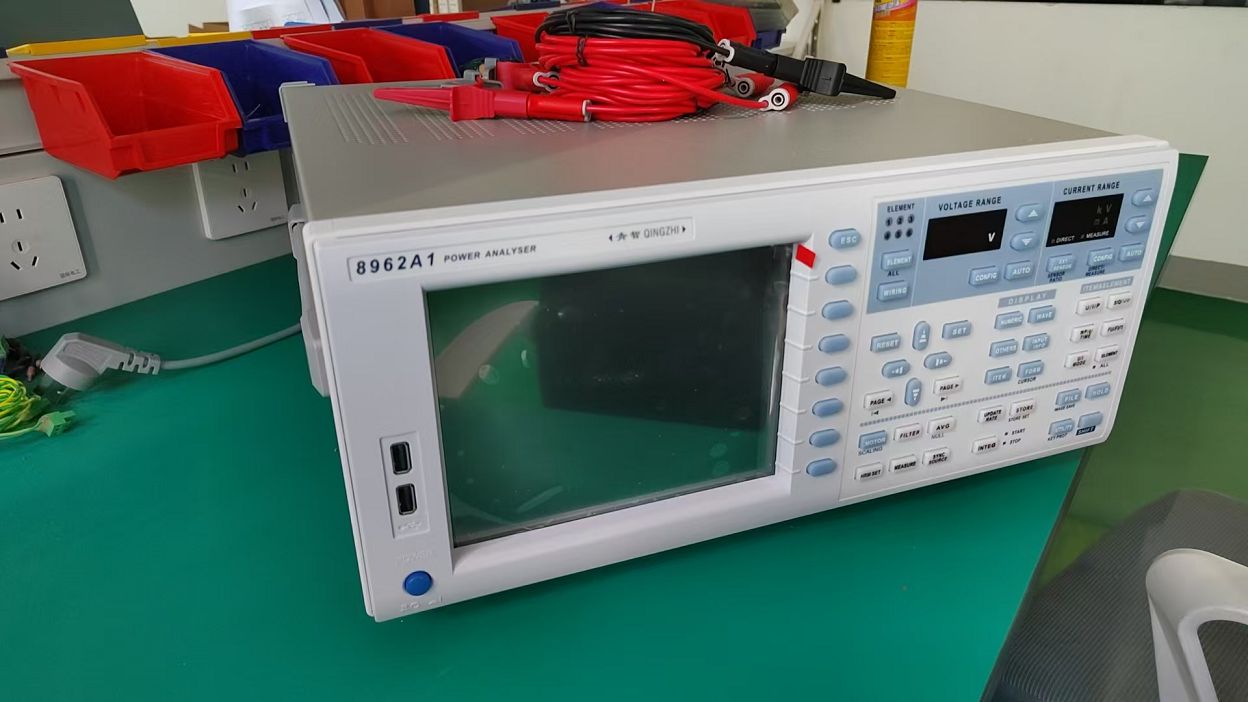
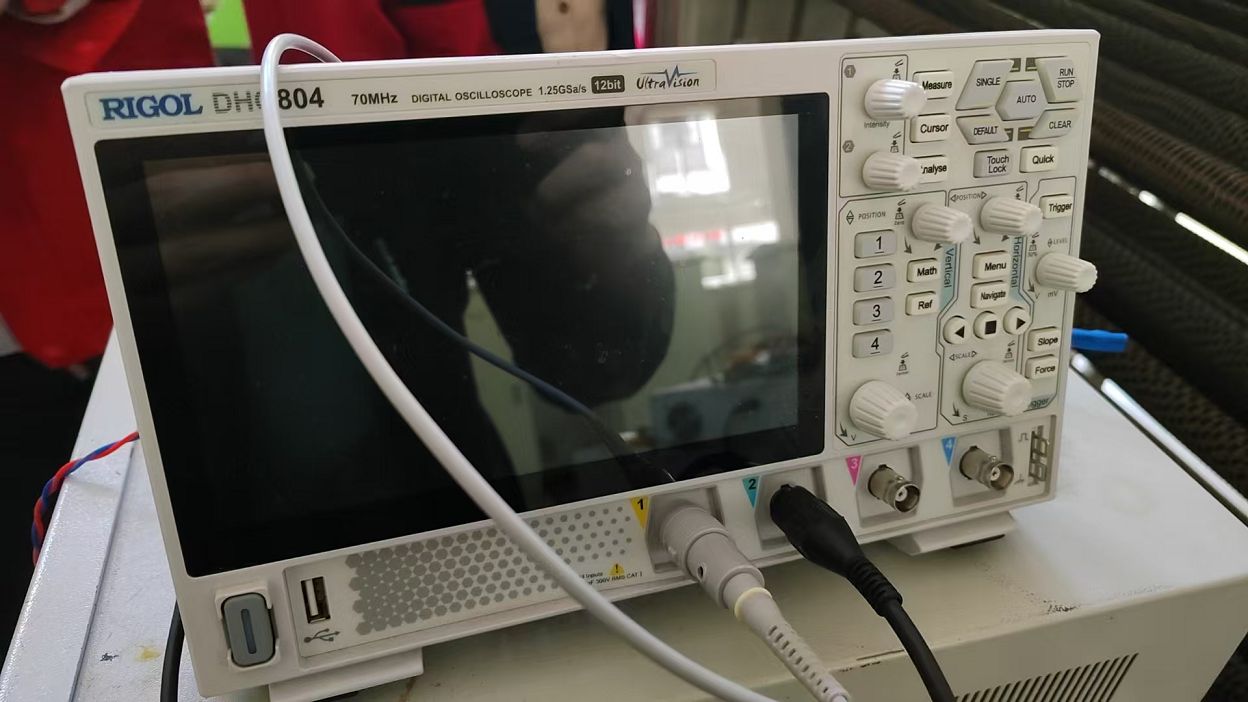
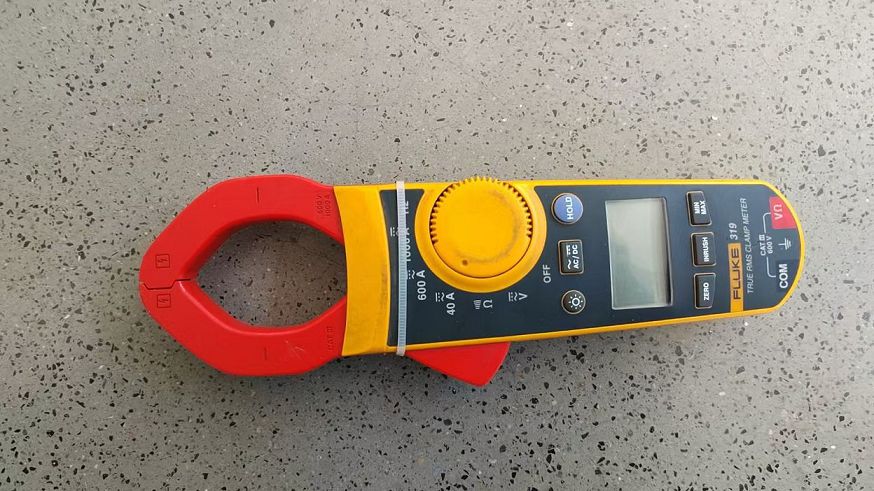
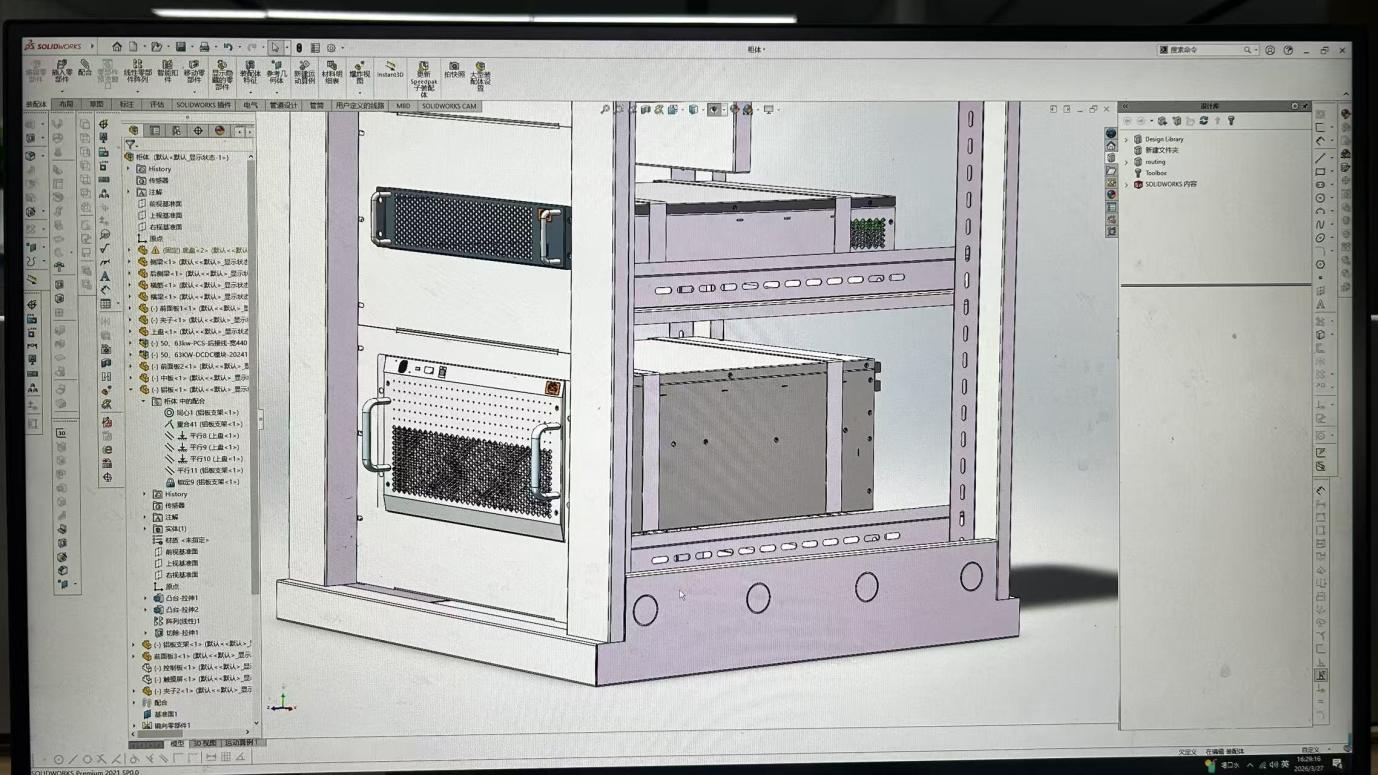
Integrating distributed generation systems into Seattle City Light or regional grids requires absolute alignment with IEEE standards and municipal codes. Every permanent magnet generator package from Deming is designed to interface seamlessly with our customized Three-Phase Frequency Converters and smart inverters, which comply with IEEE 1547 (Interconnection and Interoperability of Distributed Energy Resources) and UL 1741 standards.
Furthermore, our equipment undergoes rigorous thermal testing, vibration analysis, and insulation integrity tests using calibrated digital oscilloscopes and power quality analyzers. This ensures that the generated output displays total harmonic distortion (THD) under 3%, preventing issues in regional sensitive grid areas.
Custom system engineering to match local municipal, industrial, and maritime grid topologies.
We work with Seattle engineering firms to design pressure-reducing inline turbine systems. By placing our low-RPM PMGs inside municipal gravity water pipelines, cities can generate continuous clean energy without impact to the aquatic environment.
For rural farms in East King and Snohomish counties, our 10kW to 100kW PMG kits convert irrigation flows and natural streams into reliable off-grid electricity. Combined with battery simulators, they form stable micro-grids.
Seattle's maritime sector utilizes our corrosion-resistant, high-efficiency alternator setups for wind and hydro power systems on research vessels, floating docks, and off-shore arrays.
Explore our industrial range of permanent magnet generators and hydro-turbine integrations certified for global export.
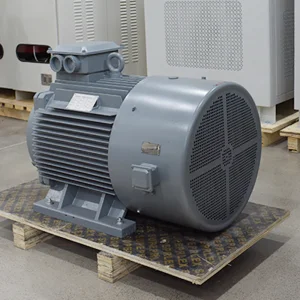
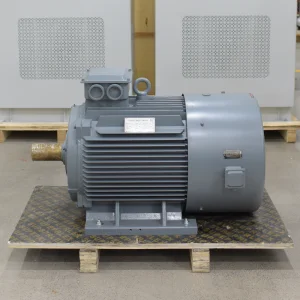
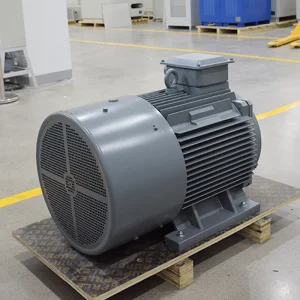
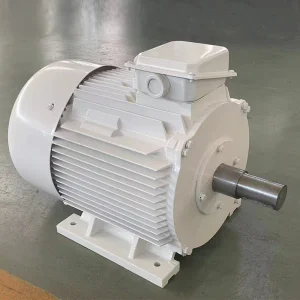
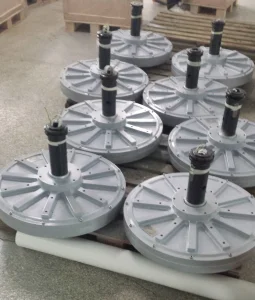
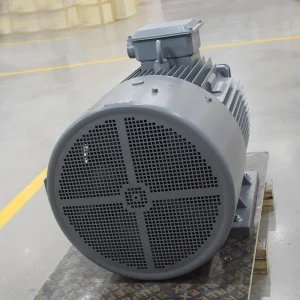
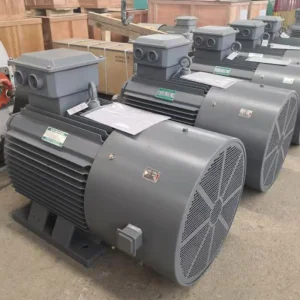
Dedicated three-phase synchronous generators optimized for industrial wind mills, co-generation systems, and heavy-duty grid-tied arrays.
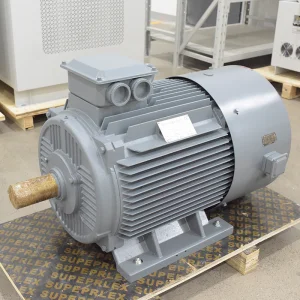
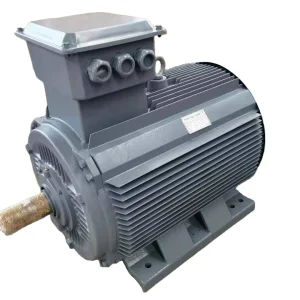
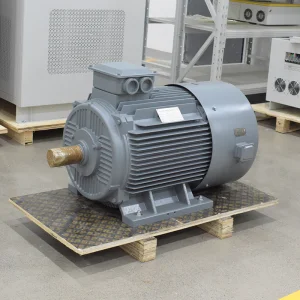
Procuring raw generating machinery from international high-tech manufacturers like Jinan Deming requires a precise alignment on engineering variables. To ensure optimal system design, Seattle engineering consultants and purchasers should supply the following parameters prior to custom engineering:
Deming's dedicated system integration division is specialized in matching alternators with the precise phase angles, voltages, and thermal tolerances required by local electrical inspectors (AHJ) in King County and beyond.
By partnering directly with a certified manufacturer, Seattle purchasers bypass middle-tier trading agencies, obtaining direct benefits including:
Providing the essential information gain required by professional procurement directors and electrical engineers.
Traditional induction generators require a high input RPM (typically 1200–1800 RPM) to generate power, necessitating a mechanical gearbox for low-speed wind or hydro sources. Gearboxes reduce overall system efficiency by 3% to 5%, create noise, and require regular lubricating oil changes. Deming’s direct-drive PMGs run efficiently at low speeds (such as 150–500 RPM) by utilizing rare-earth magnets, completely eliminating the gearbox, which significantly reduces maintenance costs and increases operational reliability.
We provide complete electrical packages that pair our low-RPM PMGs with high-precision Automatic Voltage Regulators (AVR) and smart Three-Phase Frequency Converters. The converter rectifies the variable AC voltage to stable DC, then inverts it to clean AC (380V/480V, 50Hz/60Hz) that matches grid standards. This guarantees total harmonic distortion (THD) remains under 3% even when water flow rates fluctuate seasonally.
Yes. Every generator shipped to coastal or humid regions like Washington state is manufactured with special IP65 or IP66 protective coatings. The stator wind layers undergo vacuum pressure impregnation (VPI) with class H insulation, preventing moisture intrusion and ensuring resistance to saline atmospheres and thermal fluctuations.
Every generator unit undergoes strict factory testing including: winding resistance measurement, no-load and full-load voltage profiling, insulation resistance checks under high voltage, and vibration/noise mapping. Our factory testing utilizes advanced instruments including Semiconductor Characteristic Plotters, LCR AutoTesters, and Power Quality Analyzers to guarantee all parameters align with international standards.
 Demin Power