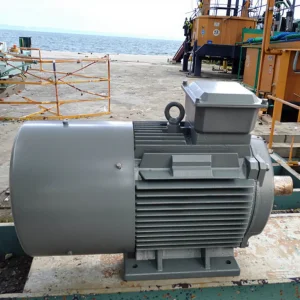
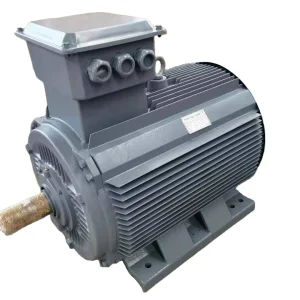
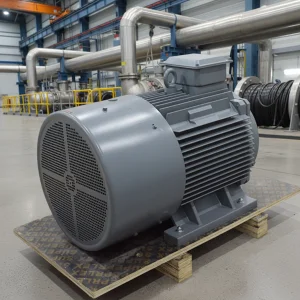
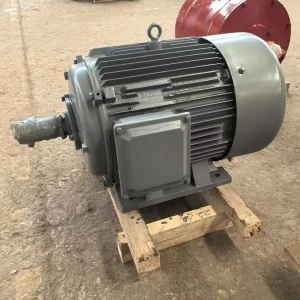
Premium direct-drive alternators and integrated turbines designed to operate with maximum efficiency in hydro and wind systems.
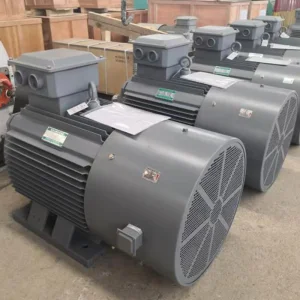
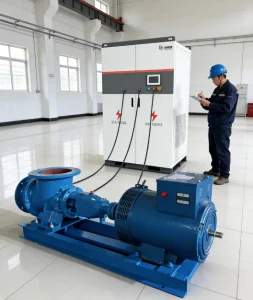
Providing robust, zero-fuel alternatives to stabilize operations, lower overheads, and secure off-grid independence.
Nigeria's commercial sector operates within a challenging energy landscape. With the national grid capacity frequently hovering around 4,500 MW for a population exceeding 200 million, heavy industrial sectors, agricultural cooperatives, and manufacturing facilities face severe power shortages. Currently, Nigerian enterprises rely heavily on expensive fossil-fueled generators. High diesel prices, supply instability, and high maintenance costs impact bottom lines.
Transitioning to reliable, renewable resources is no longer just an environmental goal; it is a financial necessity. Low-RPM Permanent Magnet Generators (PMGs) represent a highly efficient technology for utilizing hydro resources in states like Taraba, Niger, and Plateau, as well as wind resources across northern states like Kano, Katsina, and Kaduna. Unlike standard alternators, PMGs operate efficiently without relying on external excitation power, supplying steady, reliable energy even at varying operational speeds.
Standard induction or synchronous generators require excitation energy to generate magnetic fields, which generates heat and reduces overall efficiency. Our permanent magnet alternators feature high-grade Neodymium Iron Boron magnets (NdFeB), delivering immediate voltage generation upon startup. This makes them highly effective for remote run-of-the-river hydro systems and low-speed wind turbines.
For operations in Nigeria, this design translates to stable performance during dry seasons when water heads decrease. The direct-drive system eliminates the need for speed-increasing gearboxes, which are often the primary cause of mechanical failures in remote regions.
A comprehensive look at why Permanent Magnet Alternators outperform standard excitation alternators in challenging environments.
| Feature Parameter | Deming Low-RPM PMG | Standard Induction Generator | Diesel Generator Alternator |
|---|---|---|---|
| Excitation System | Permanent NdFeB Magnets (No external power required) | Requires capacitor bank or grid excitation | Field coil with carbon brushes and AVR |
| Low-RPM Operation | Highly Efficient (Direct-drive starting at 20 RPM) | Poor; requires speed-increasing gearbox | Requires constant high engine speed (1500/1800 RPM) |
| Electrical Efficiency | Up to 96% (Low internal heat generation) | Typically 80% to 85% at partial loads | 82% to 88% (Highly dependent on load profile) |
| Operational Lifespan | Over 20 Years (Heavy-duty sealed bearings) | Moderate; subject to gearbox wear | Short; demands frequent engine overhauls |
| Maintenance Overhead | Virtually Zero (Simple visual inspections) | High (Gearbox oil changes, alignment check) | Very High (Filters, oil, injectors, carbon buildup) |
ISO9001:2015 Certified Manufacturing Facility supplying premium-grade power electronics and generators globally.
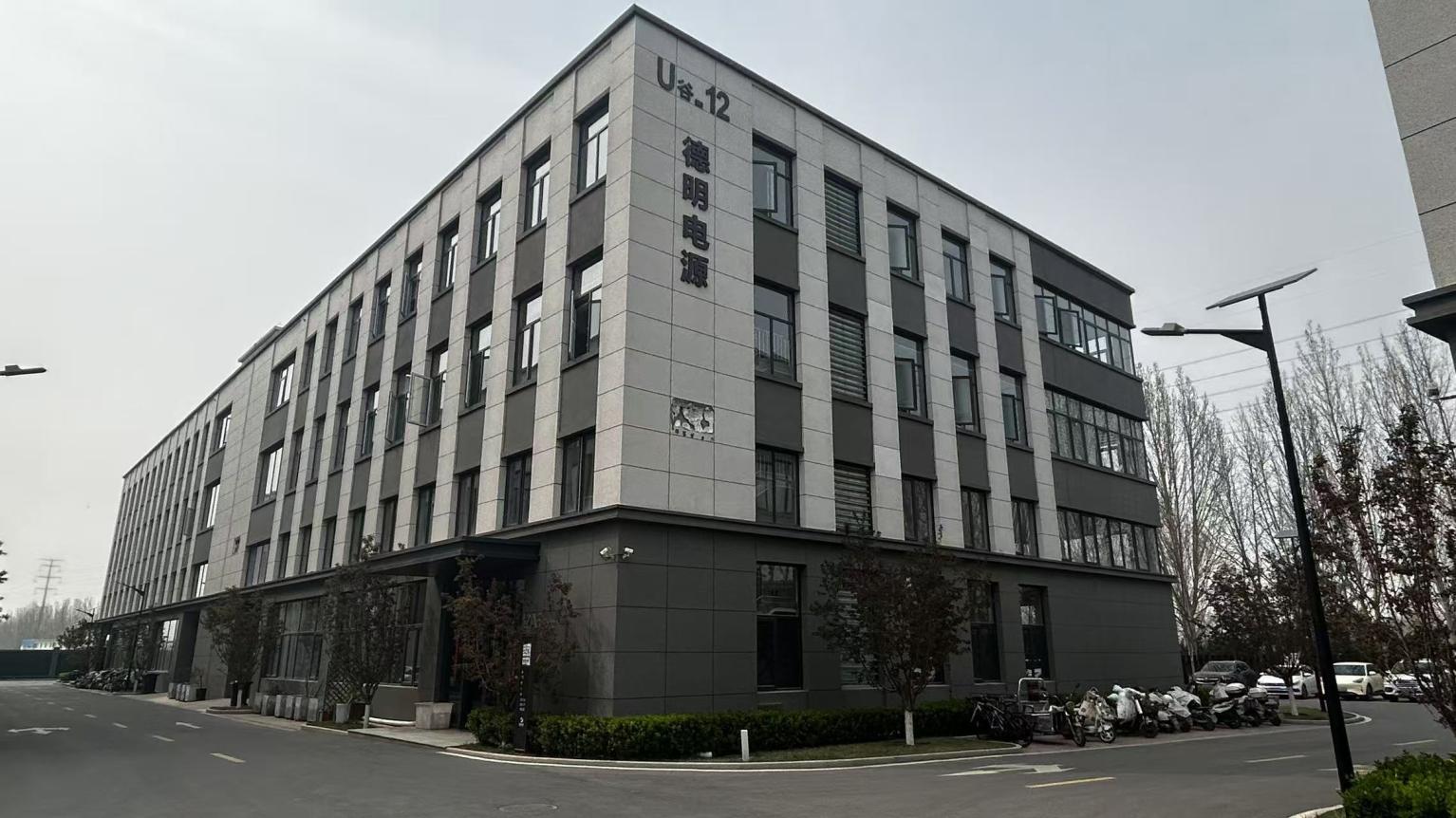
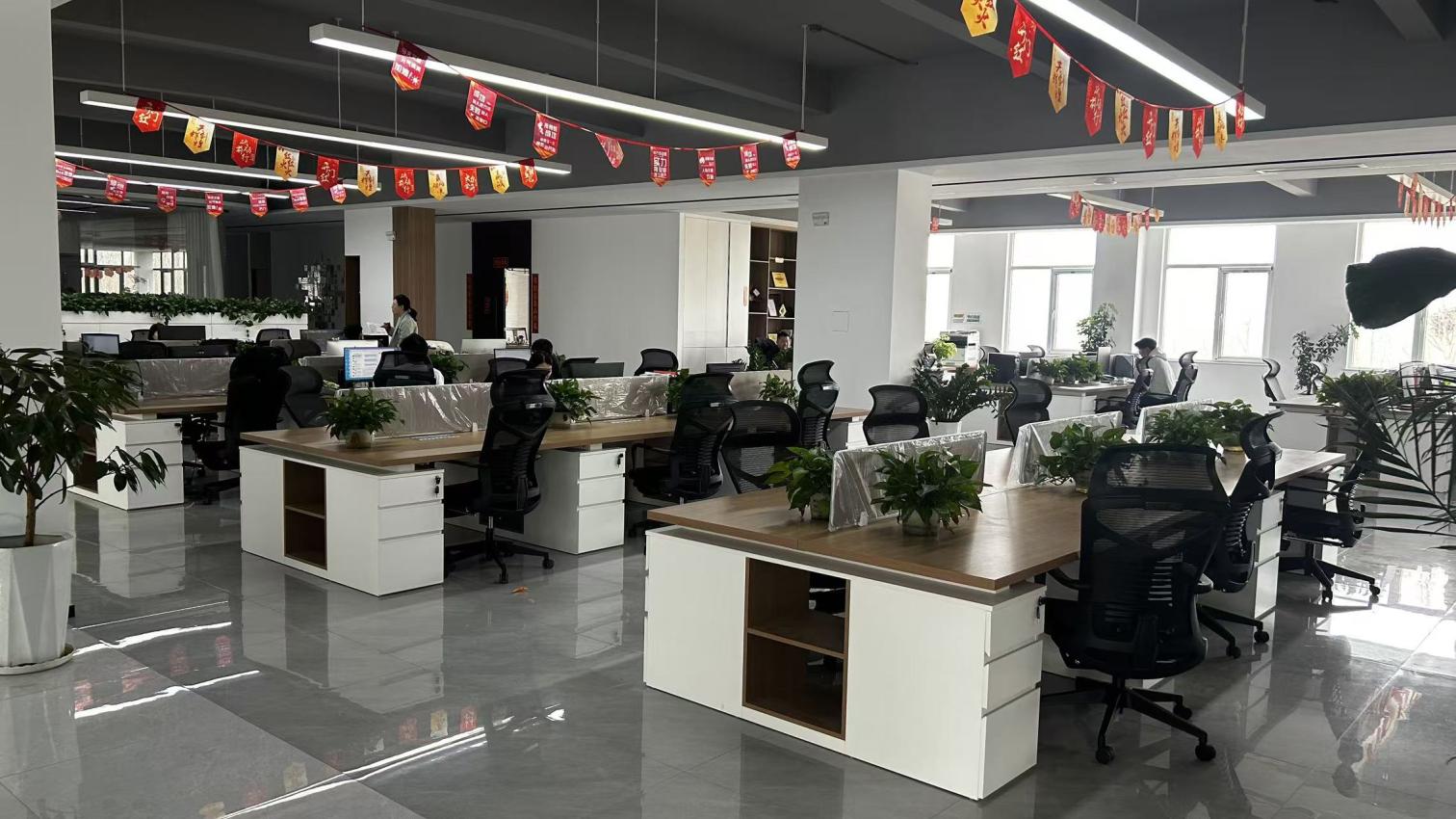
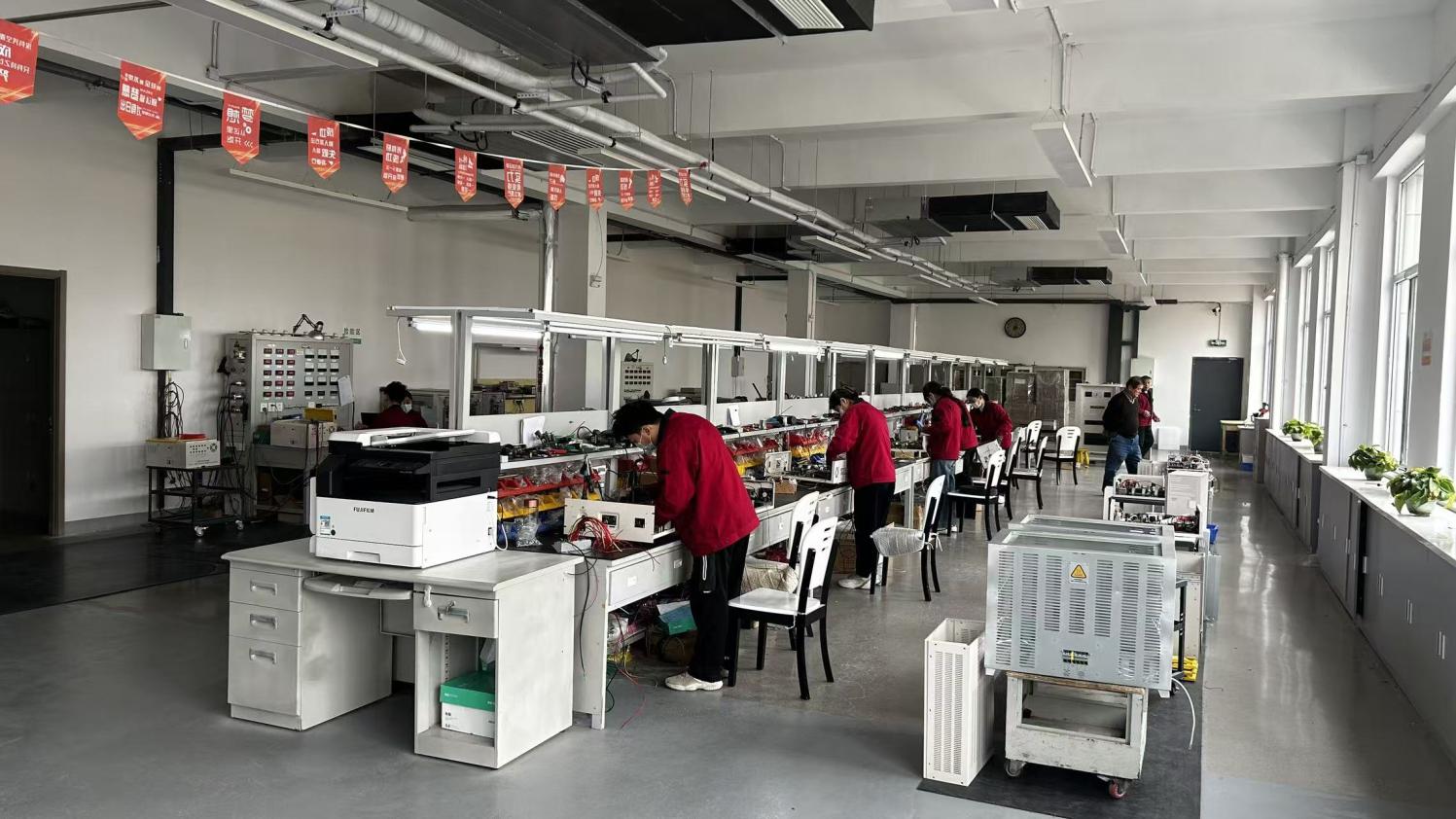
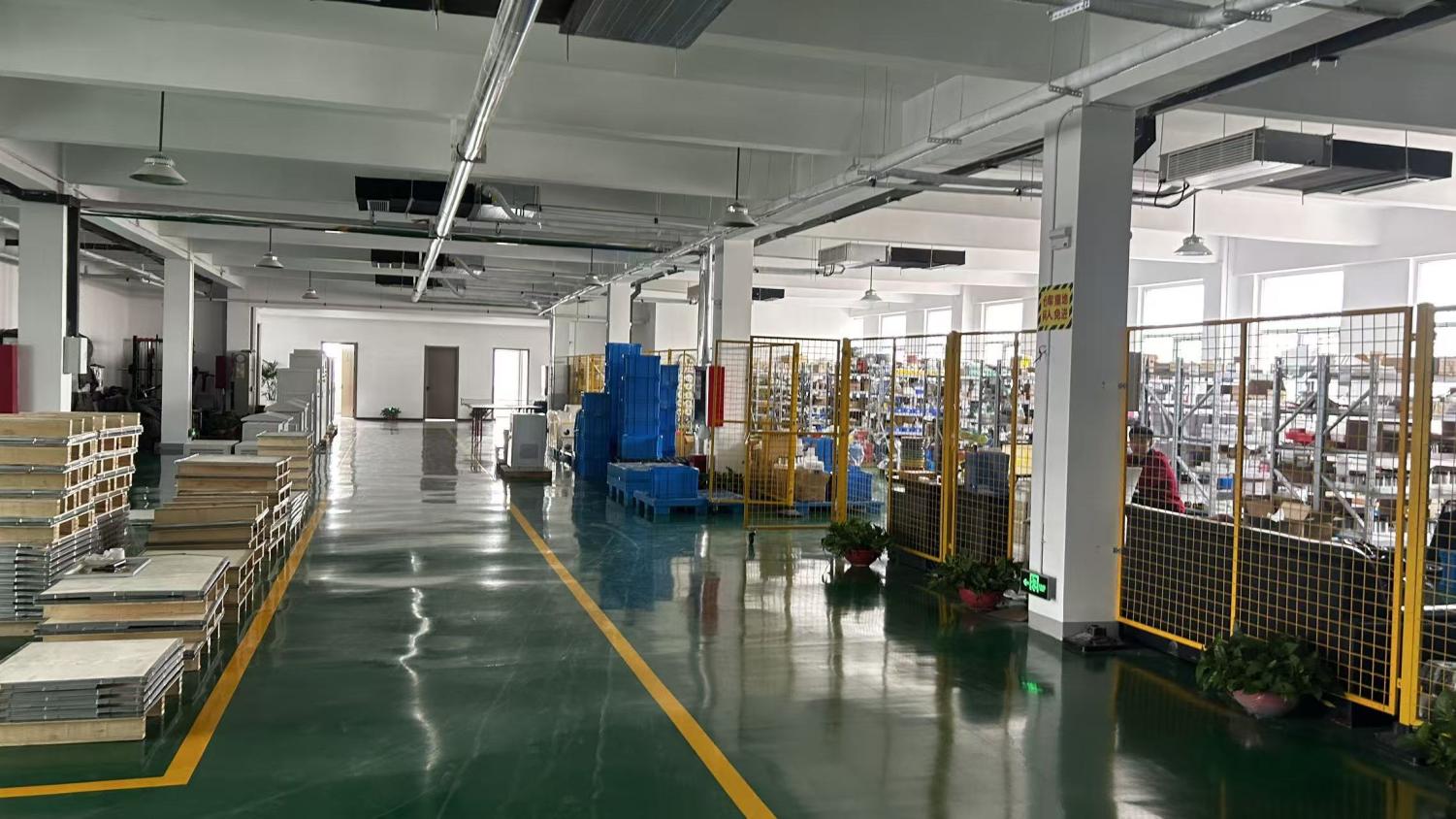
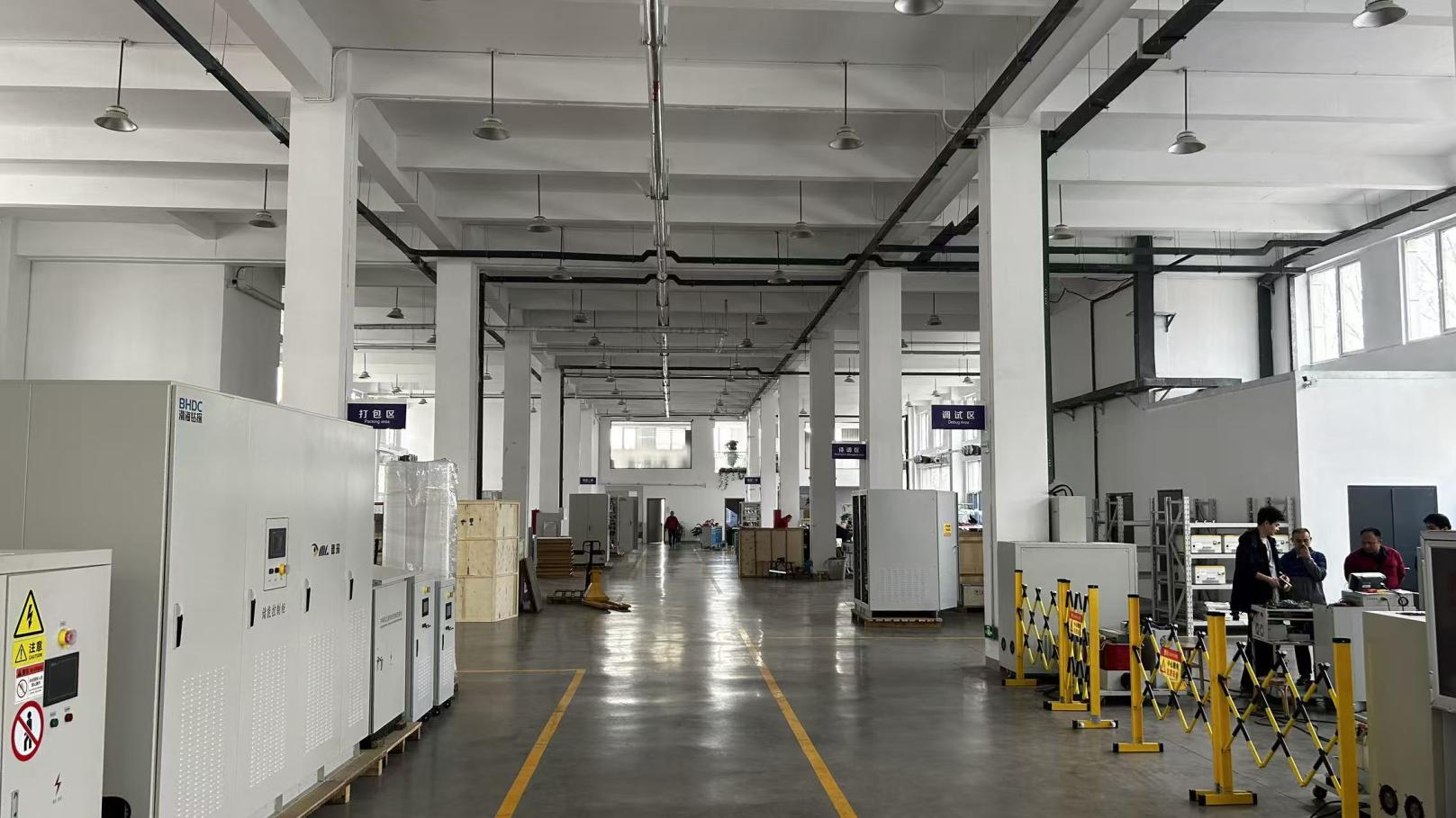
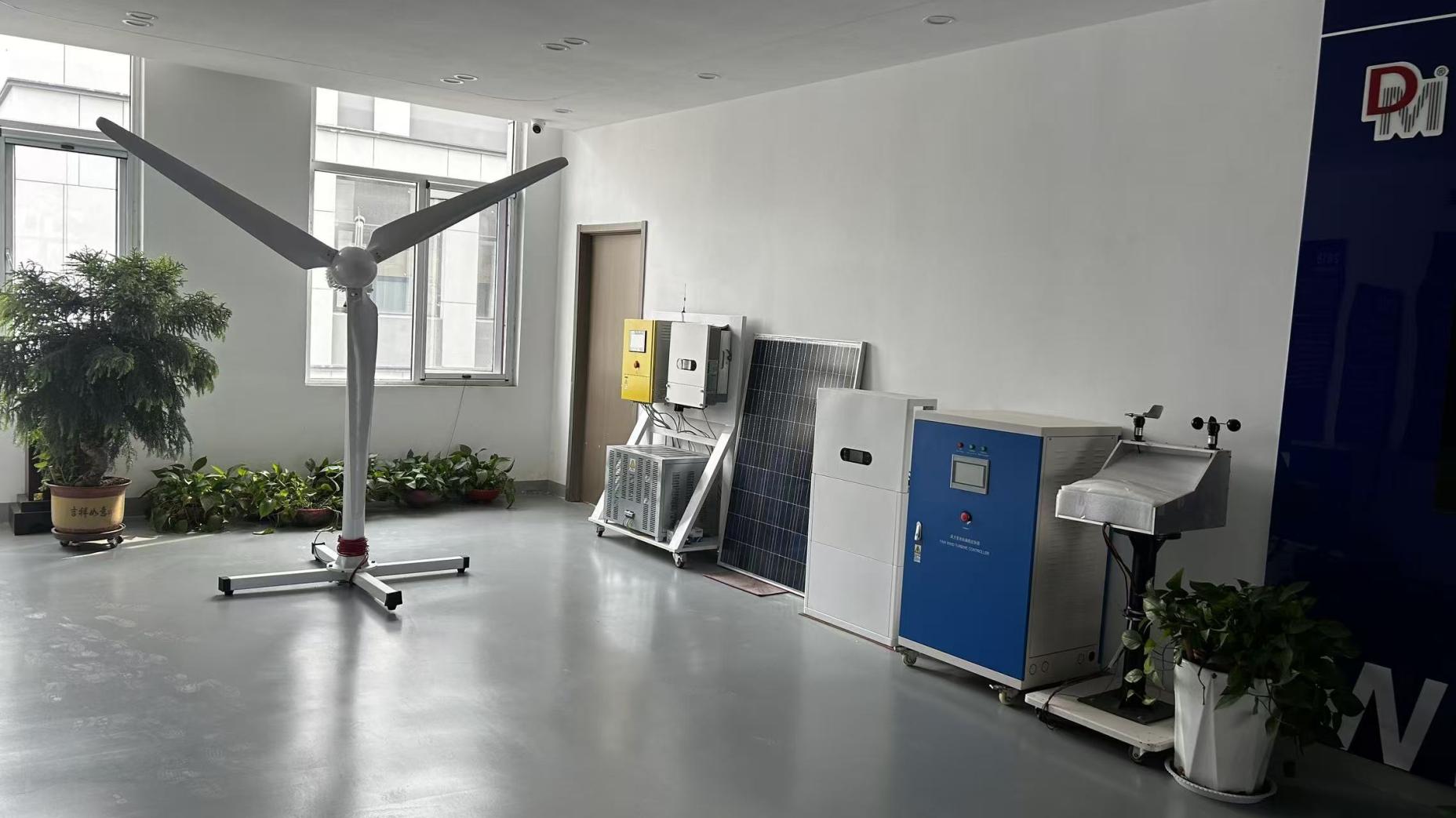
Established in 2004, Jinan Deming Power Equipment Co., Ltd. is a recognized high-tech enterprise specializing in the research, development, and manufacture of renewable energy equipment. Over the last three years, our R&D team—led by doctoral supervisors and master's degree holders—has completed 17 major R&D projects, turning 16 scientific breakthroughs into high-performing commercial products.
We reinvest at least 20% of our annual sales revenue back into our research laboratories. This dedication ensures that our permanent magnet generators, wind/solar controllers, bidirection DC test power supplies, and grid-tied inverters deliver reliable performance for demanding industrial applications worldwide.
Jinan Deming Power Equipment operates under a strict ISO9001:2015 Quality Management System. We design and manufacture each generator using specialized testing equipment, including Semiconductor Characteristic Plotters, LCR AutoTesters, Power Quality Analyzers, and Digital Oscilloscopes, ensuring every unit meets international standards before shipment.
We work closely with logistics partners to coordinate smooth export processes to Nigeria, handling customs clearance documentation including SONCAP certificates and Form M. Whether you are importing into the Port of Apapa or Port Harcourt, we provide full support throughout the logistics process.
We maintain precise control over every step of production, from circuit assembly to power quality analysis, ensuring reliable field performance.
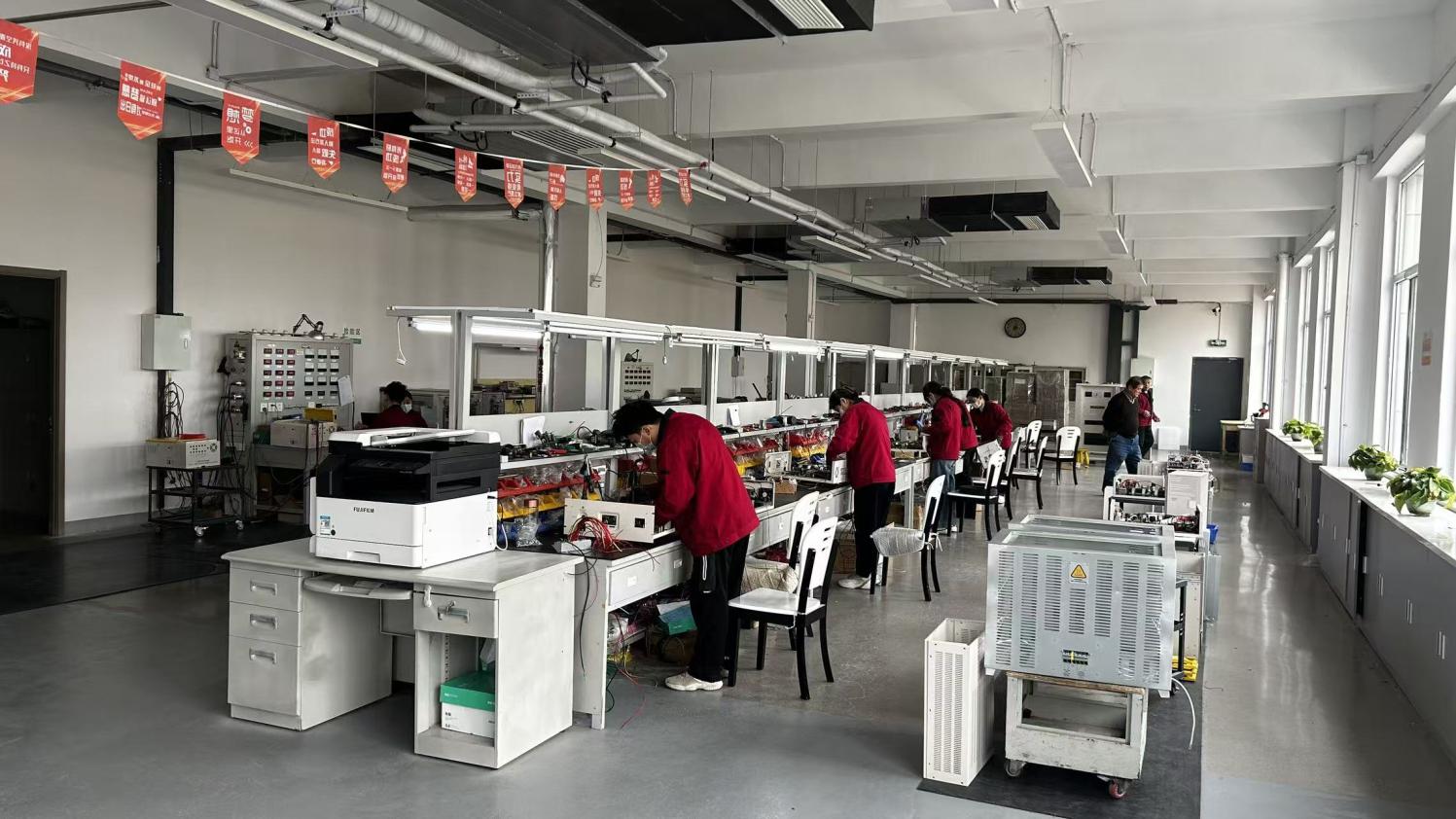 Circuit assembly
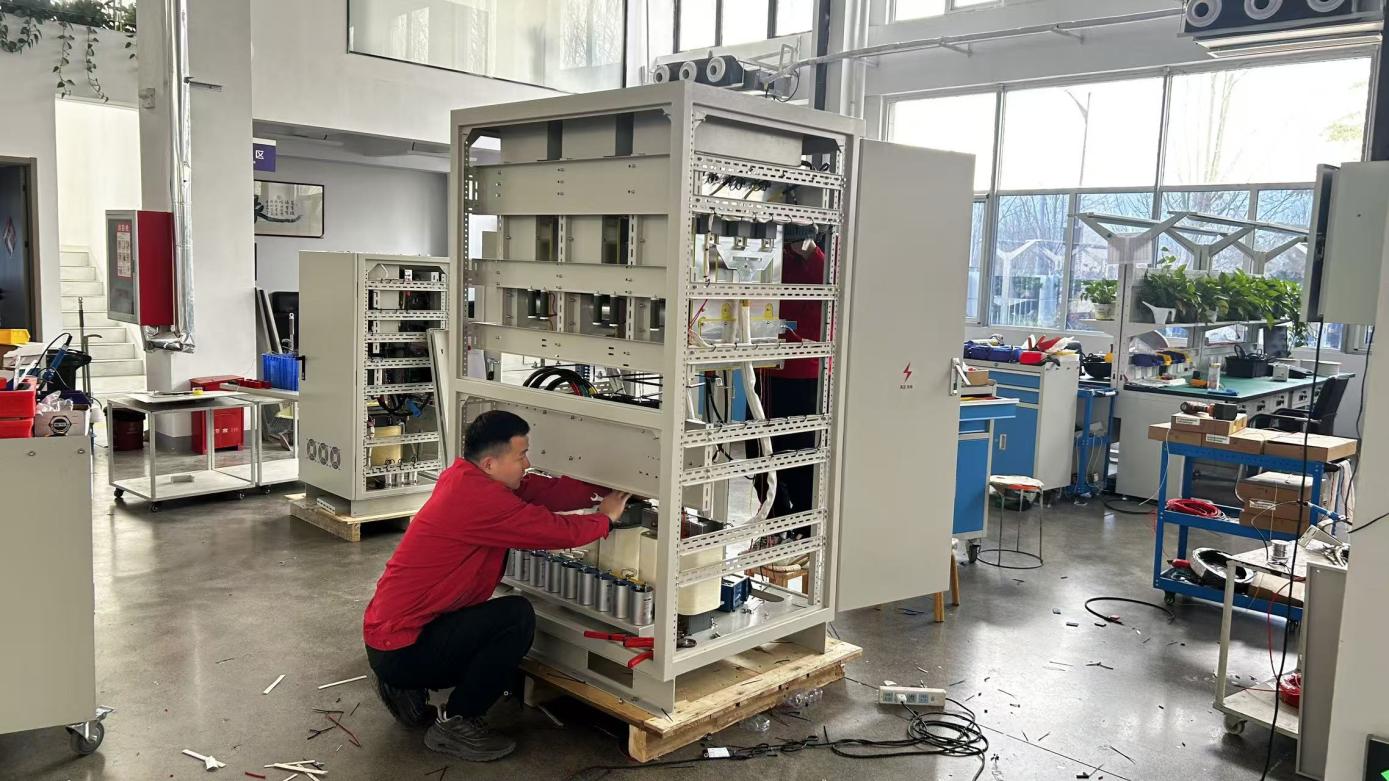 Circuit board assembly
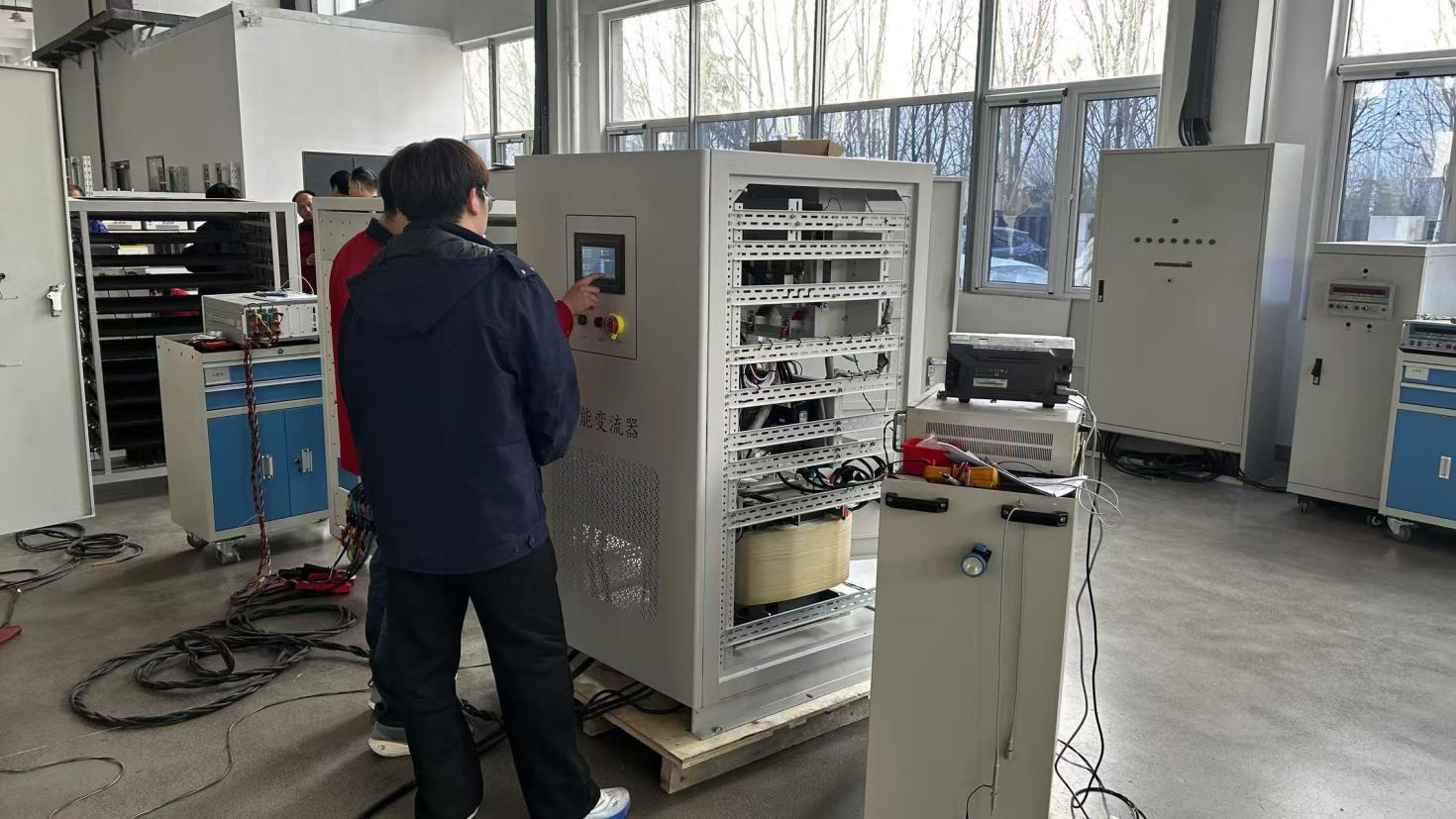 Debugging process
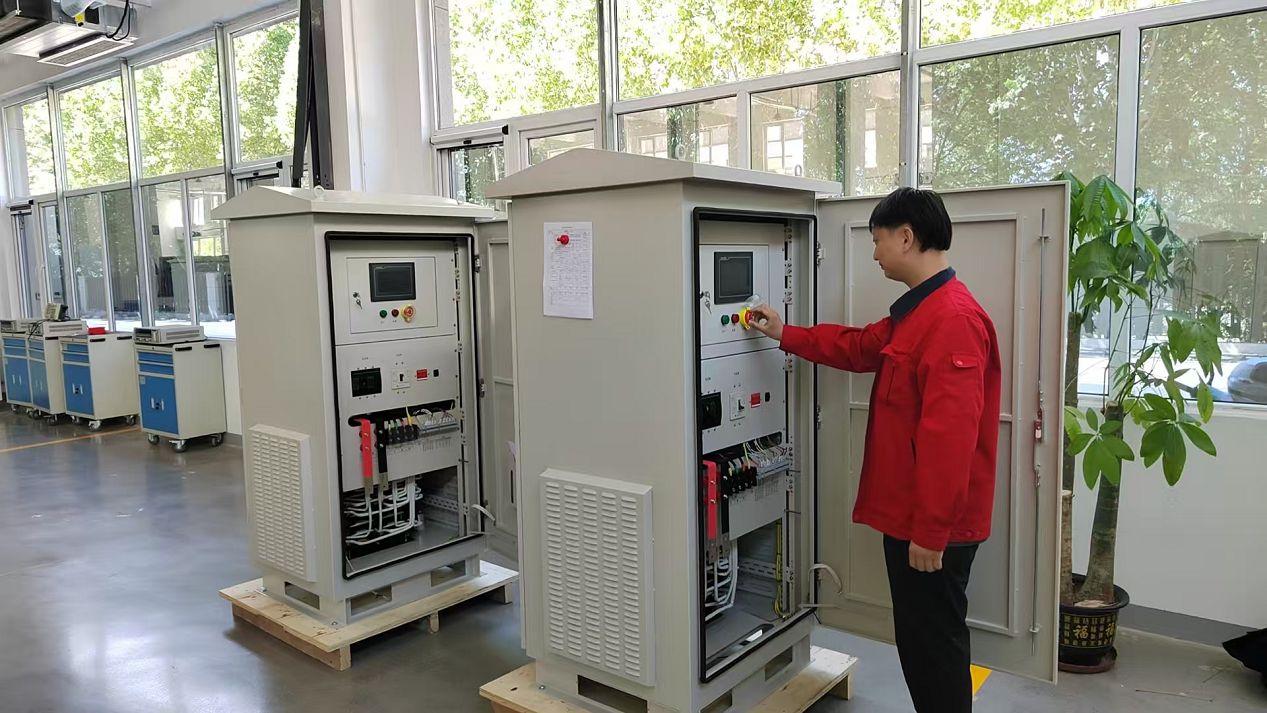 Quality inspection process
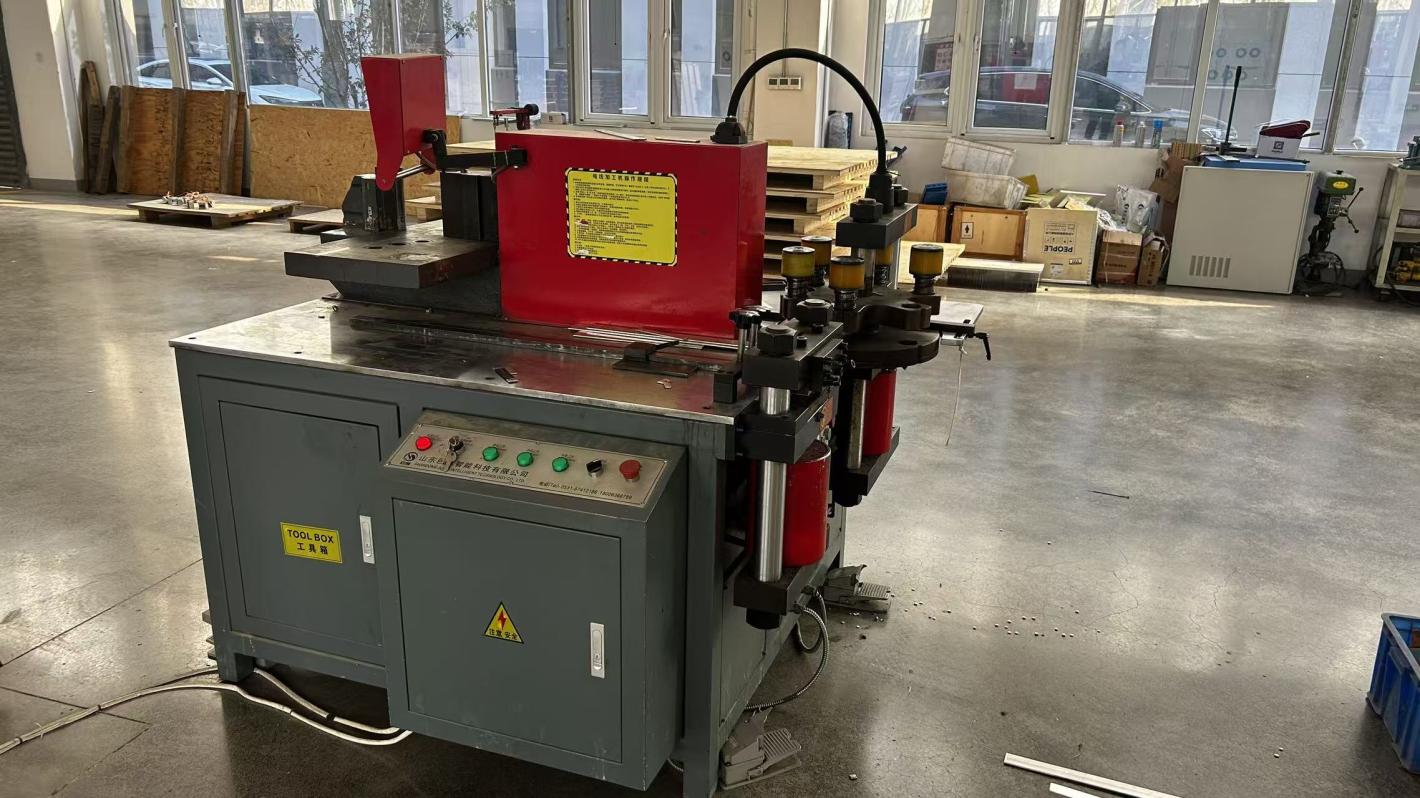 Copper bar production
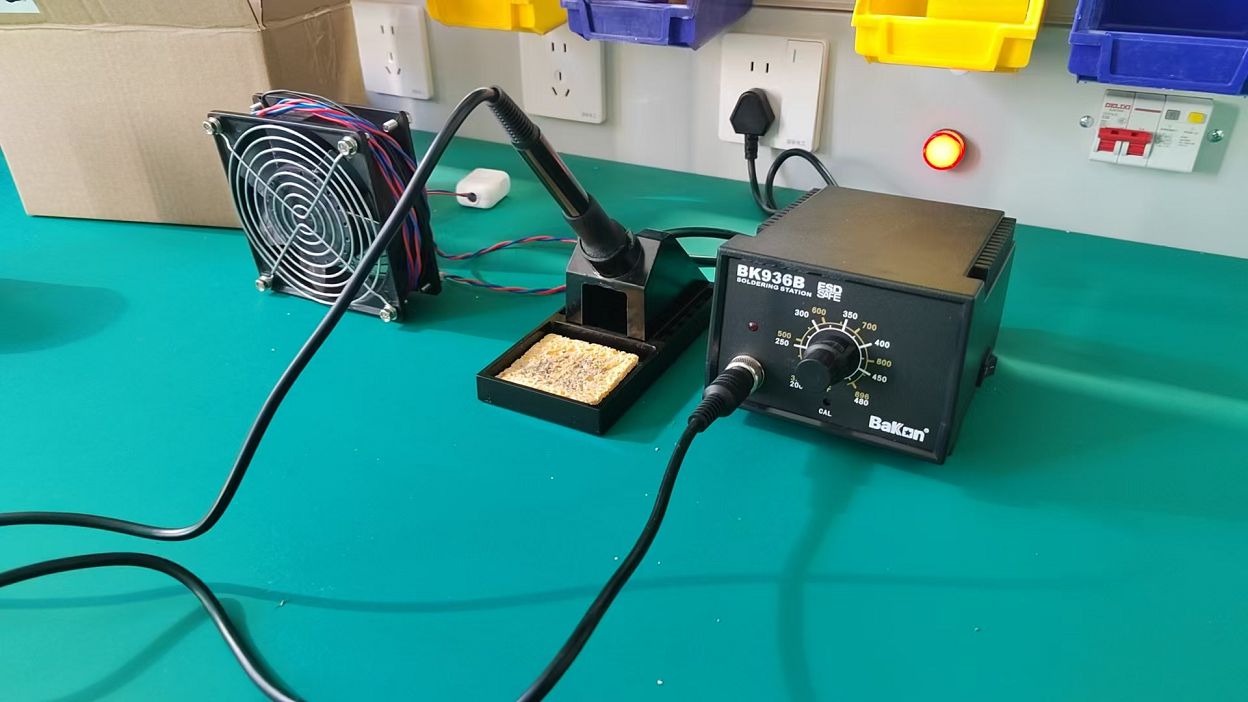 Electric ferrowire
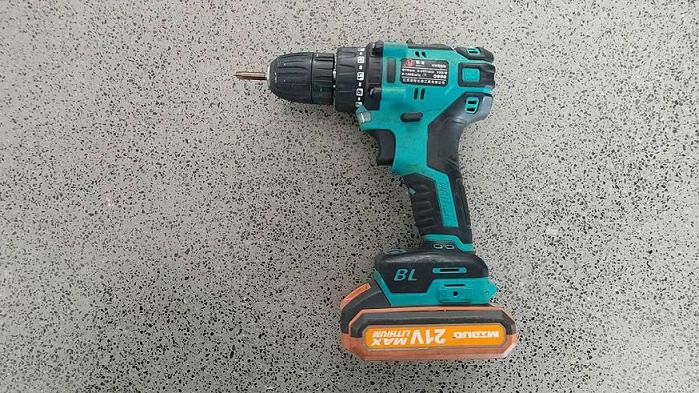 Electric drill
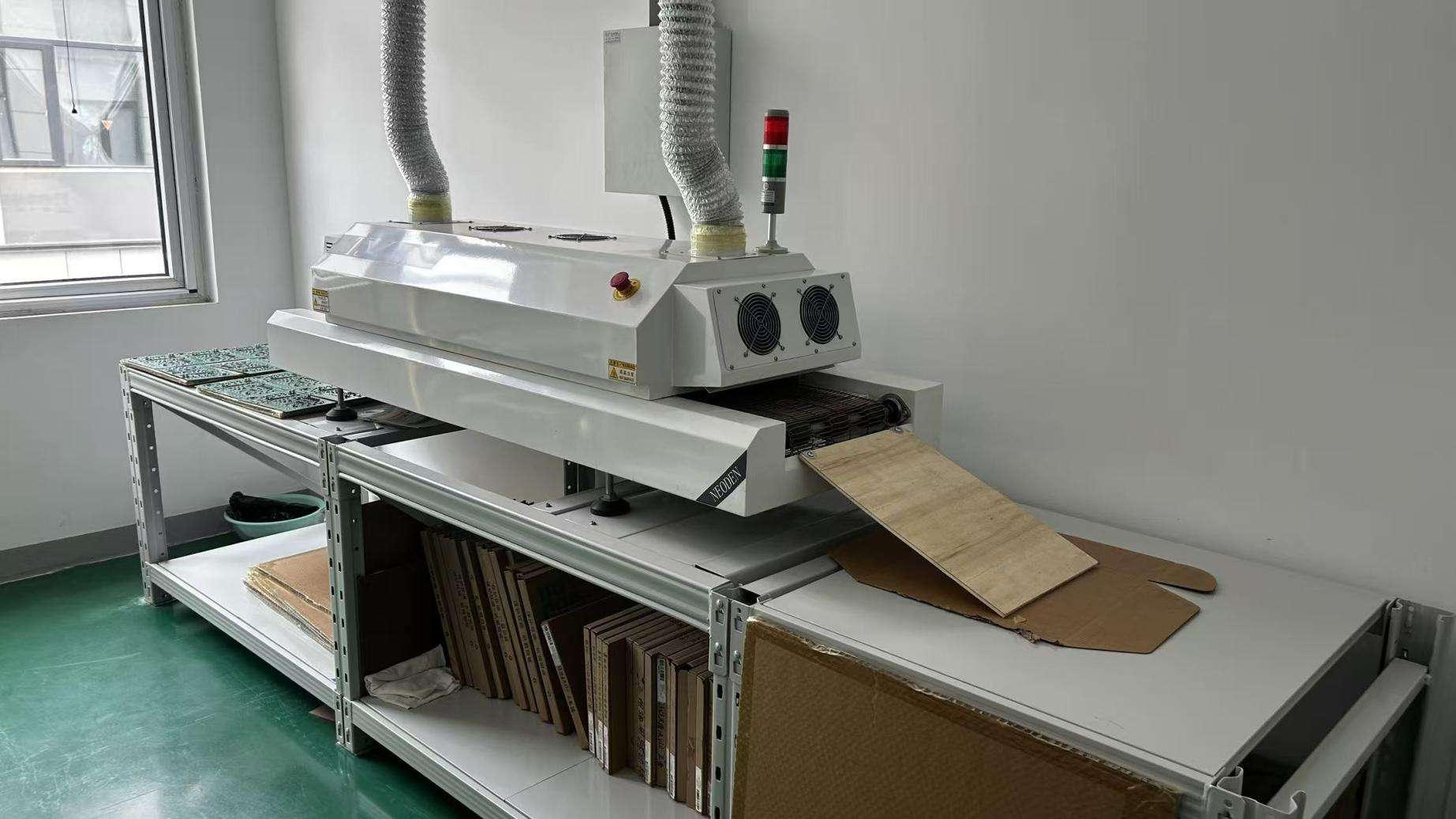 Reflow soldering machine
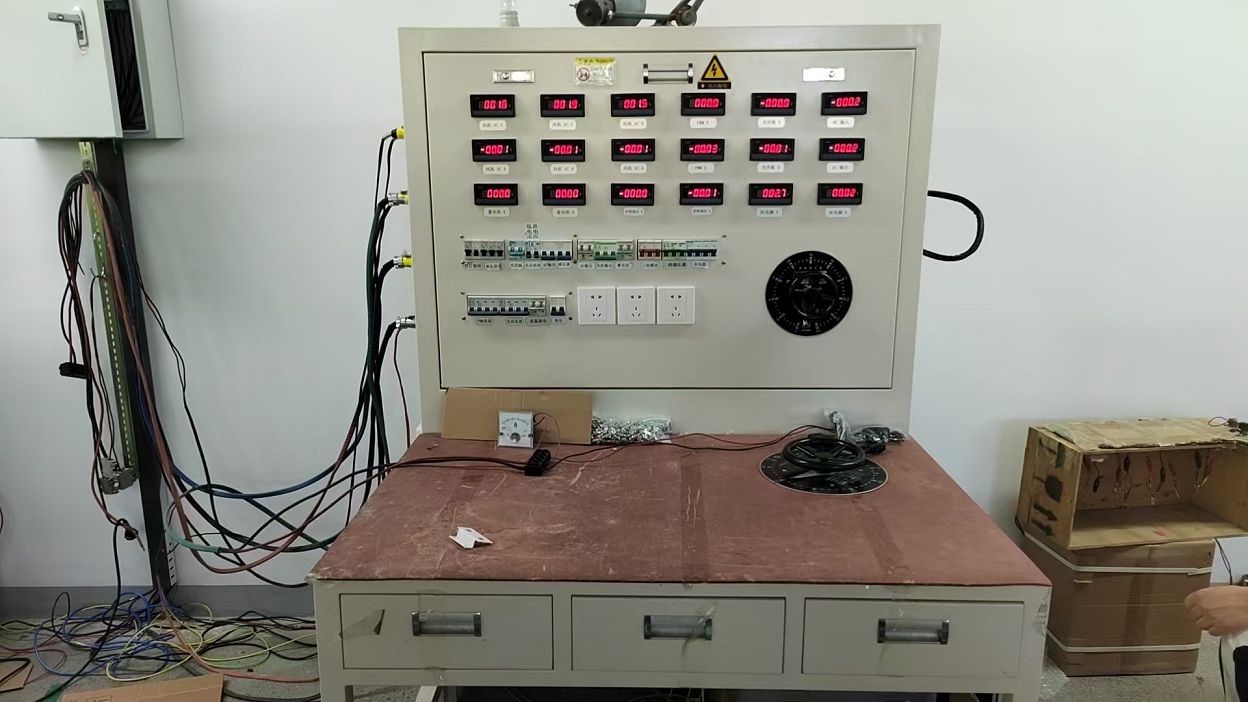 Workbench
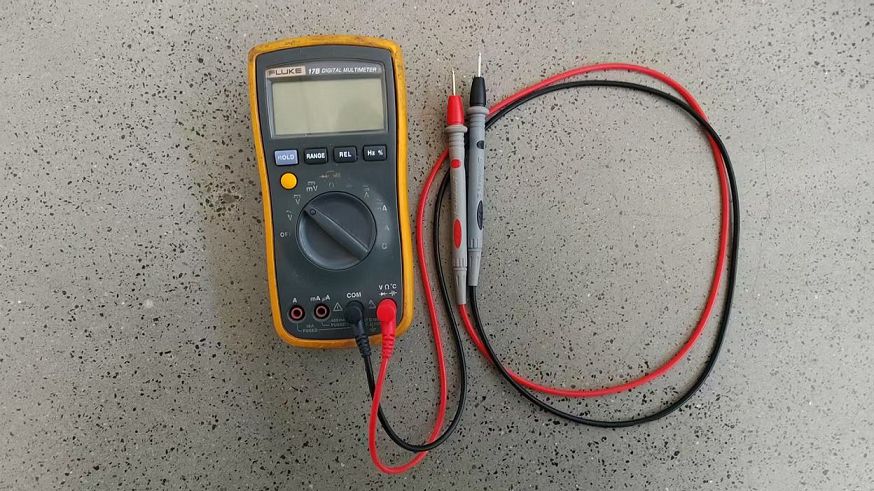 Multimeter testing
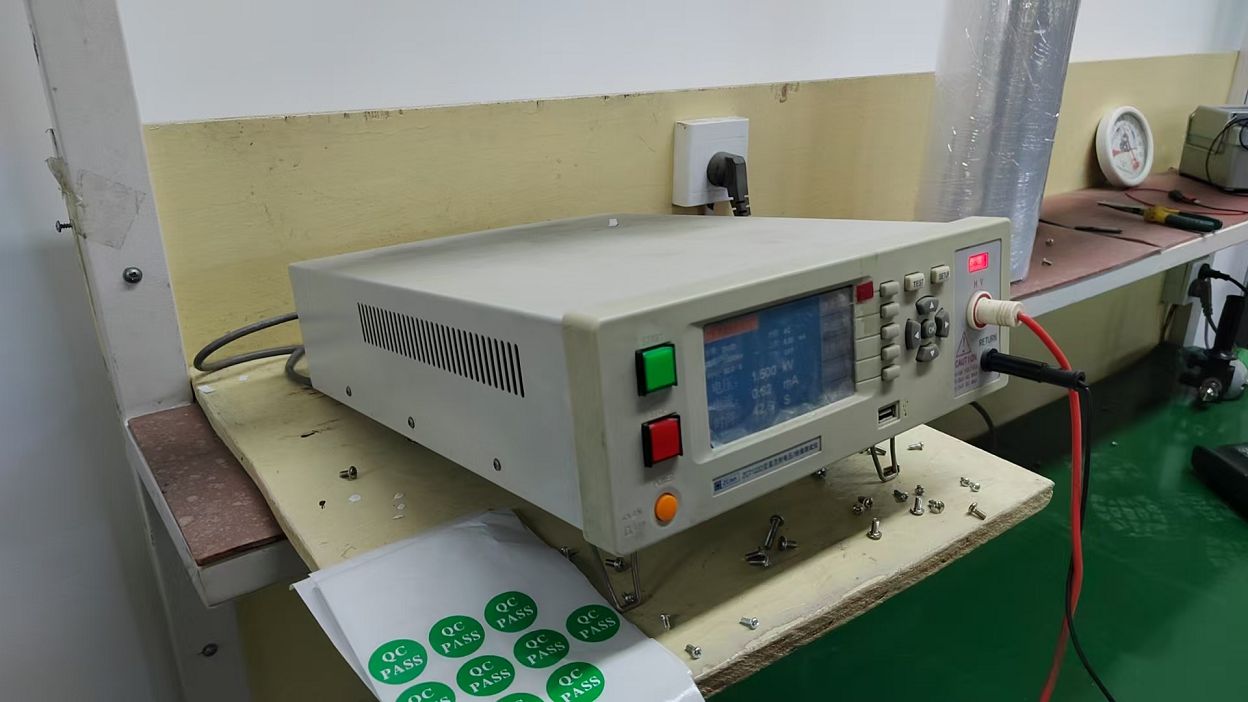 LCR AutoTester
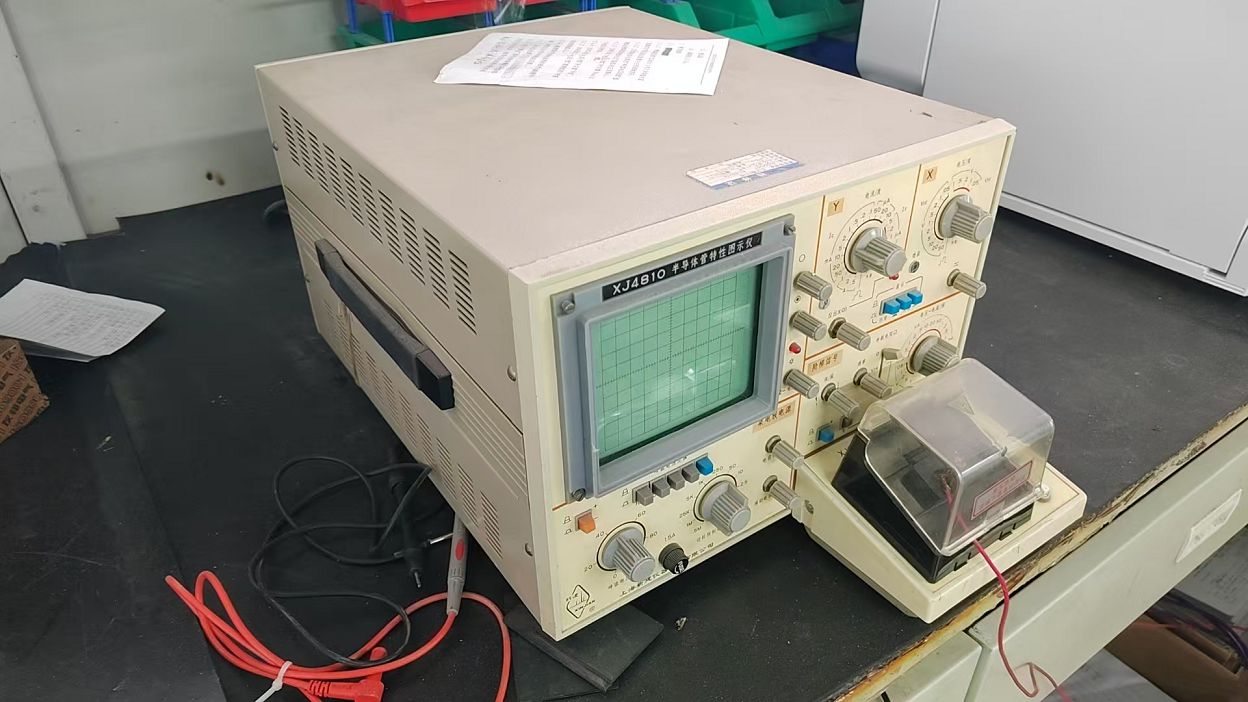 Semiconductor Plotter
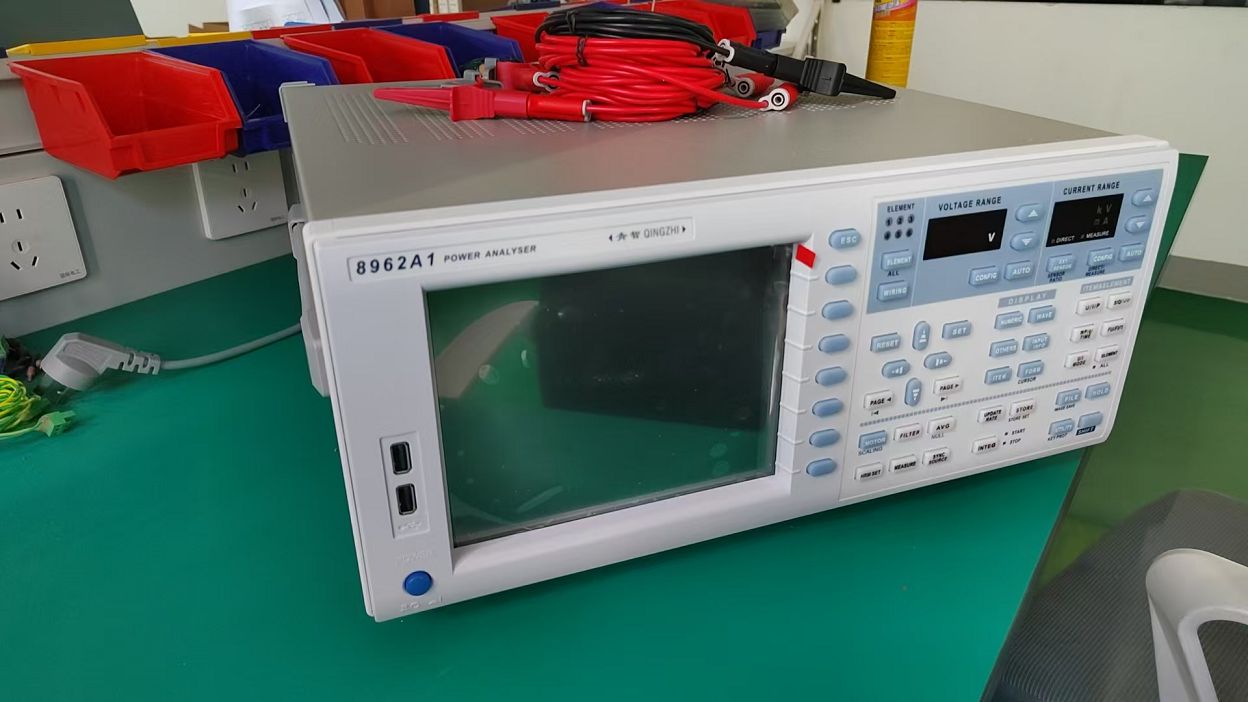 Digital Oscilloscope
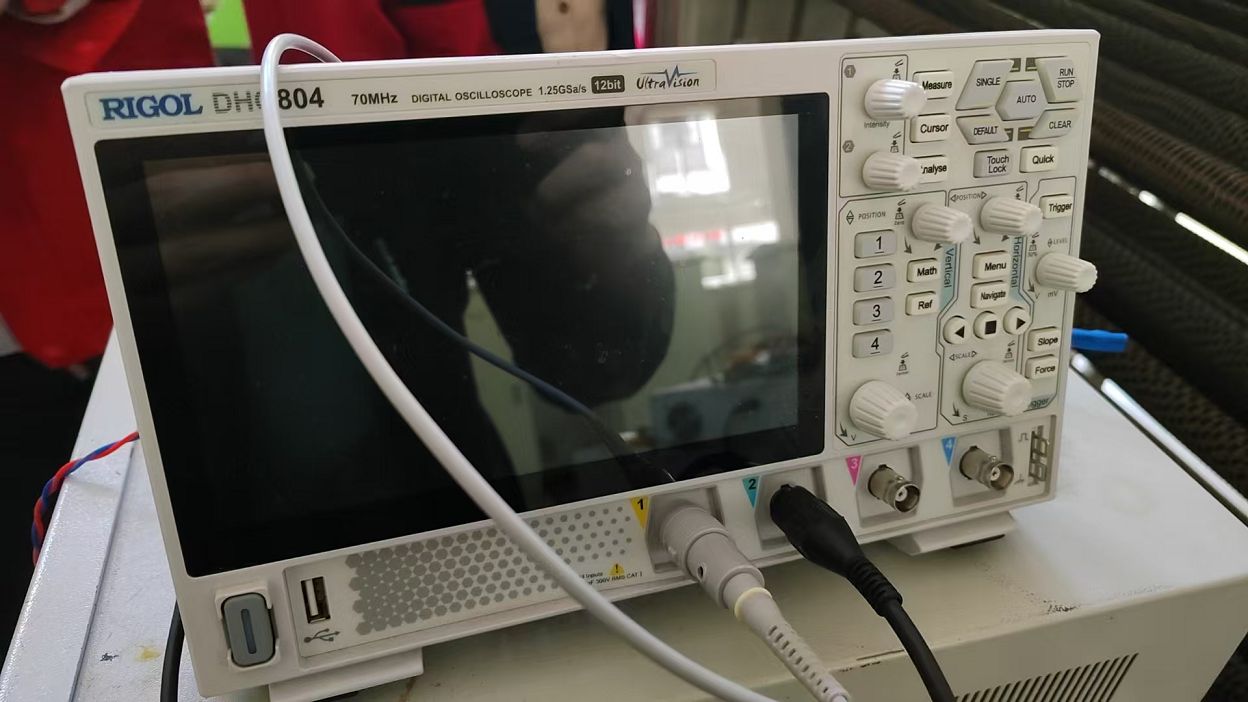 Power Quality Analyzer
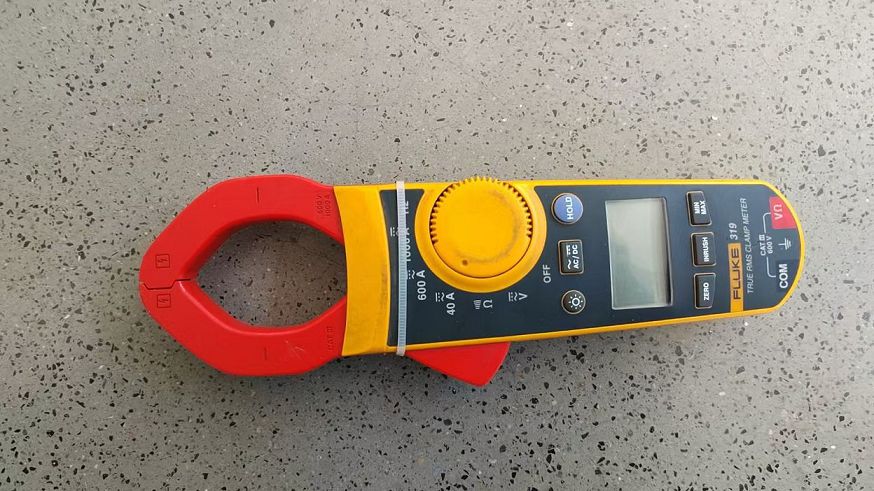 Clamp current meter
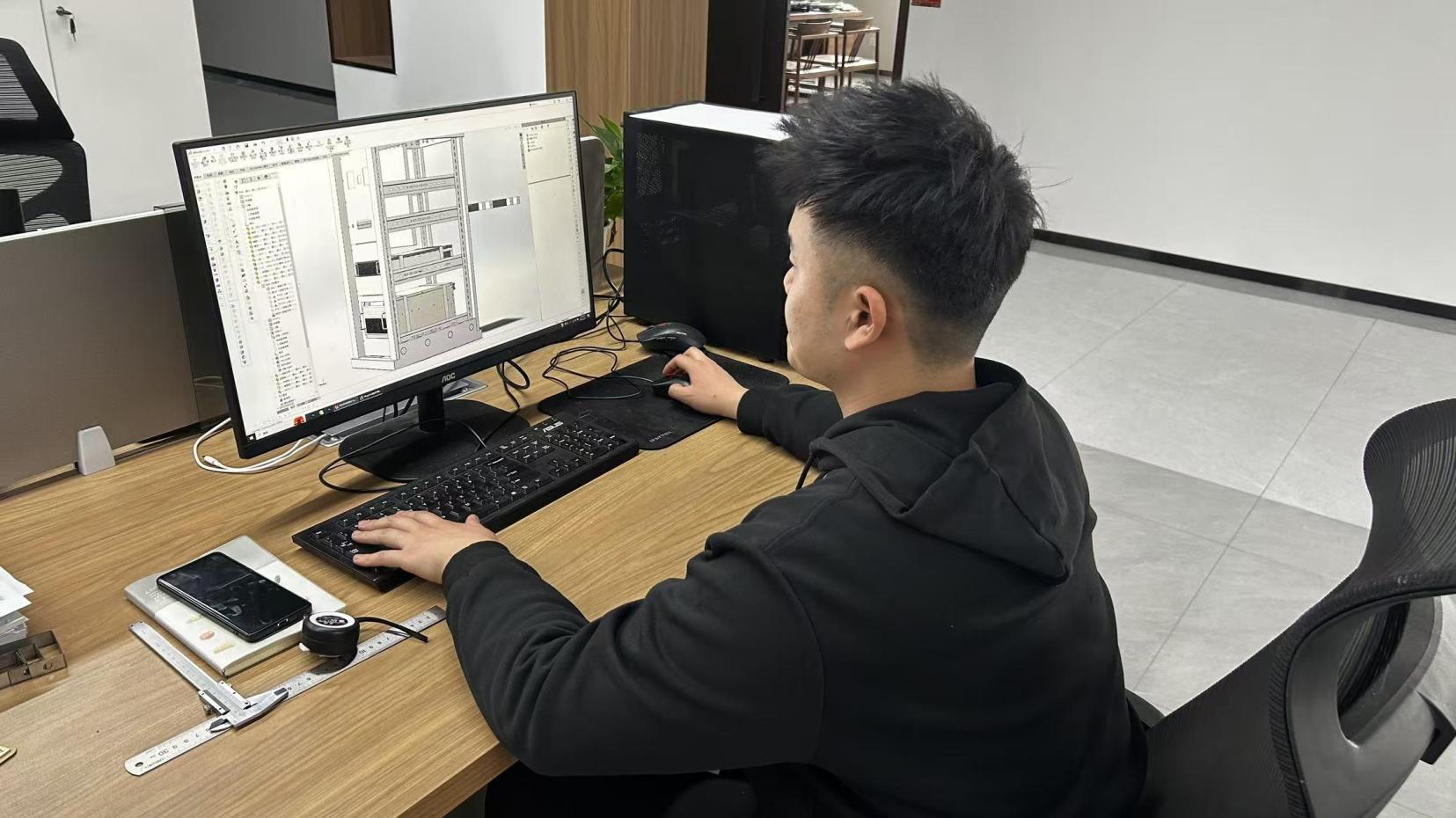 Drawing Design
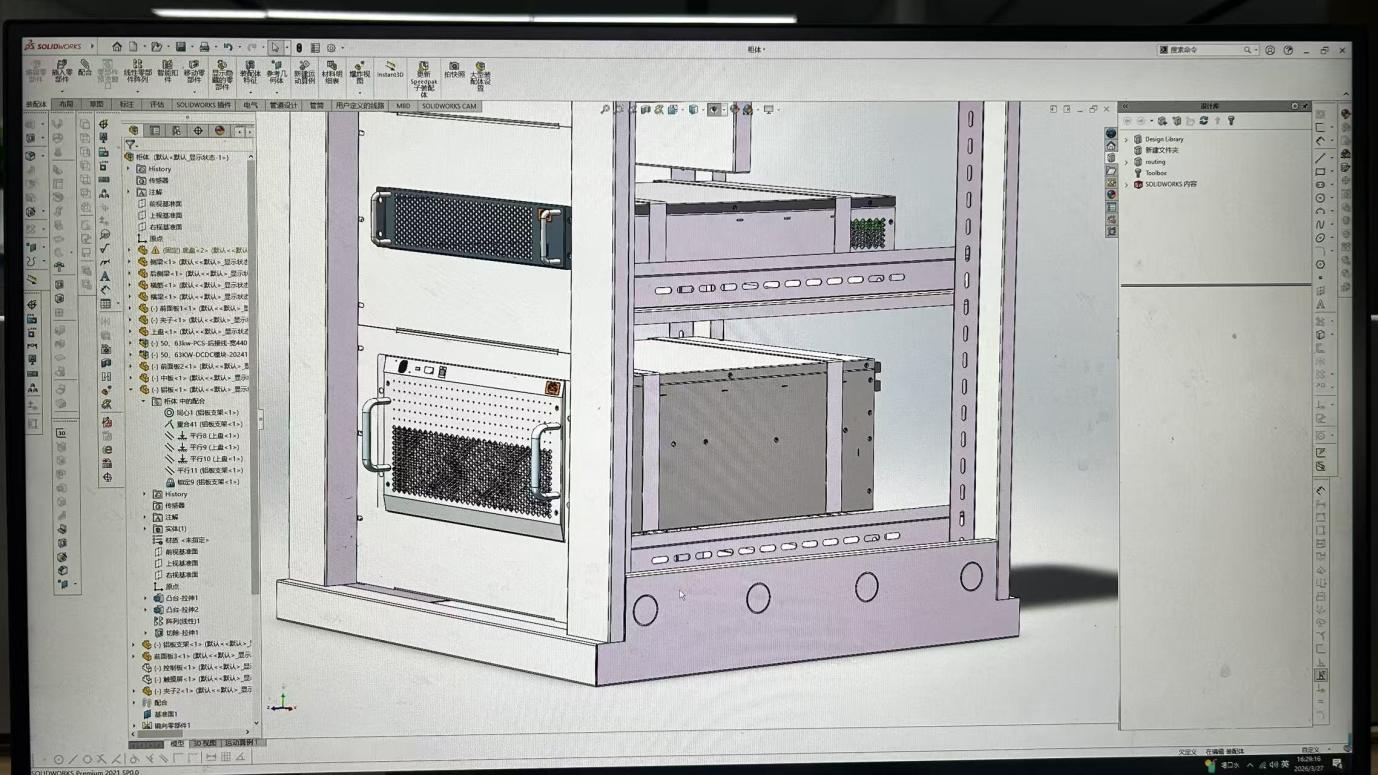 Computer workstation
Helping local industries reduce carbon emissions and optimize energy costs.
Designed for agricultural communities, mining sites, and processing mills along rivers in central and southern Nigeria, providing continuous baseload power.
Optimized for high-altitude zones in northern Nigeria. Direct-drive generators generate electricity at low wind speeds without mechanical gearboxes.
Combines existing solar arrays and diesel generators to balance output fluctuations, reducing fuel consumption by up to 40%.
Explore our complete range of certified permanent magnet alternators, hydro turbines, and frequency control panels.
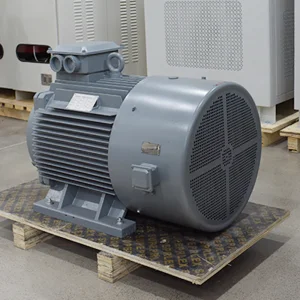
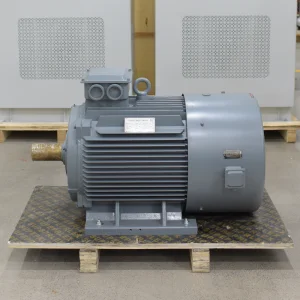
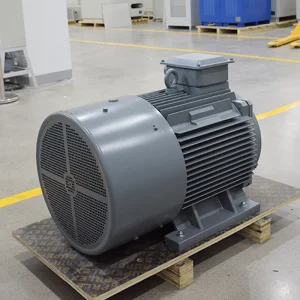
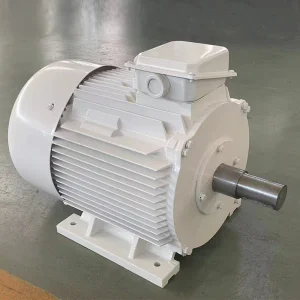
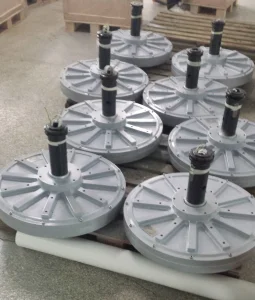
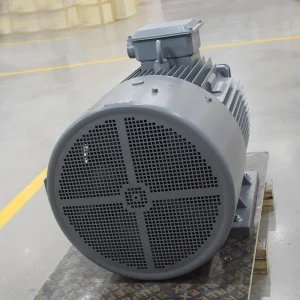
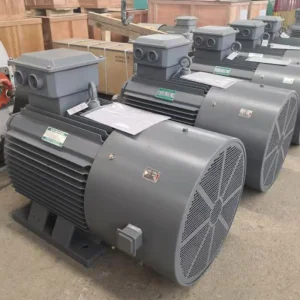
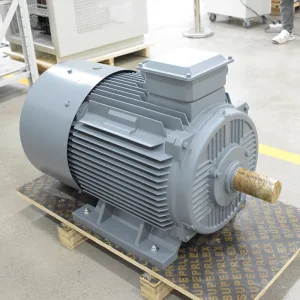
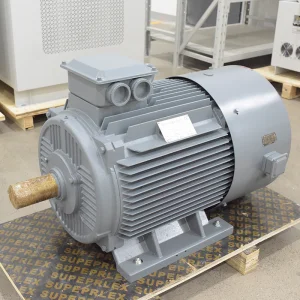
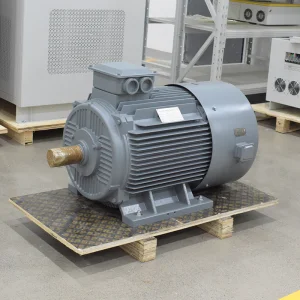
Important considerations for project planners, engineers, and purchasing managers when sourcing generators for industrial sites in Nigeria.
 Demin Power